

Chapters:

Need help with your trip?
Our support team is available 24/7. Request a callback or call us directly at (833) 619-0908
Nagasaki itineraries often start and end with the same pair of stops, the Peace Park and Glover Garden, while the city’s Chinatown, trams, and hillside streets get only a brief glance.
That approach can leave the distances between neighborhoods, the need for tram connections, and the timing of museum visits underplayed, which makes days feel longer than they need to be.
This guide separates the city into clear zones, then builds a five-day route that balances memorial sites, waterfront walks, and food stops with less backtracking.
Useful things to know
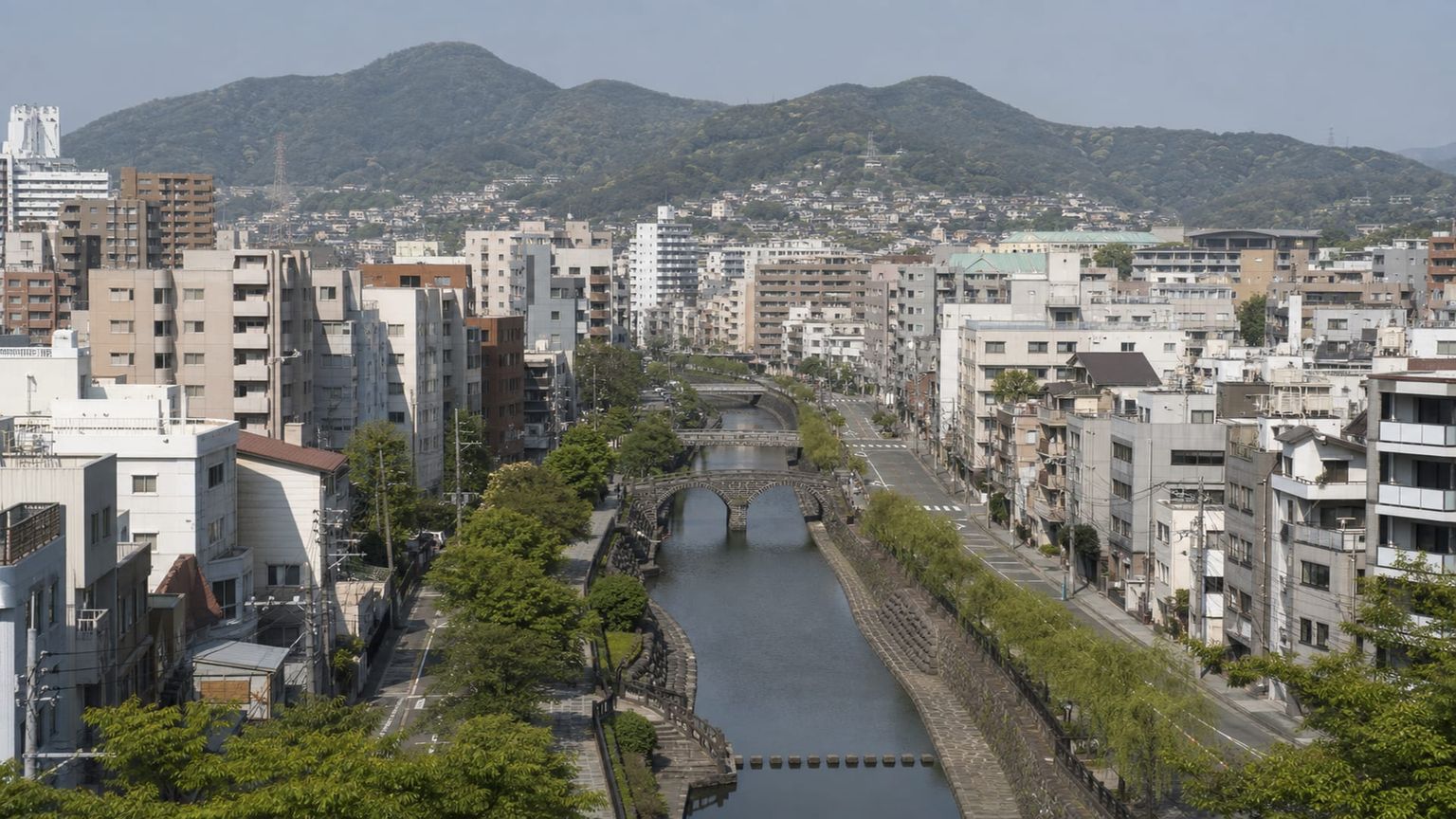

Main language(s): Japanese
こんにちは (Konnichiwa) – Hello / good afternoon
お願いします (Onegai shimasu) – Please
ありがとうございます (Arigatou gozaimasu) – Thank you
英語を話せますか? (Eigo o hanasemasu ka?) – Do you speak English?
いくらですか? (Ikura desu ka?) – How much does it cost?

Currency: The local currency is the Japanese yen (JPY, ¥).

Cash and cards: Cards and contactless are widely accepted; carry about ¥3,000 to ¥5,000 ($20 to $35) in cash for small shops and buses.

Tipping: Tipping is not customary; leave no tip.

Traditional food: Champon, Sara udon, Turkish rice, Castella

Water and coffee costs: Water about ¥120 ($1), bar espresso about ¥400 ($3).

Taxis and ride apps: DiDi and Uber operate here; availability can thin late at night.

Plug and voltage: Type A/B socket, 100V

Dining and shop opening hours: Breakfast is about 07:00-09:00, lunch 11:30-14:00, and dinner 18:00-21:00. Many restaurants close one day a week, often Tuesday or Wednesday.

Emergency number: 119 for fire and ambulance, 110 for police.
Where to stay in Nagasaki
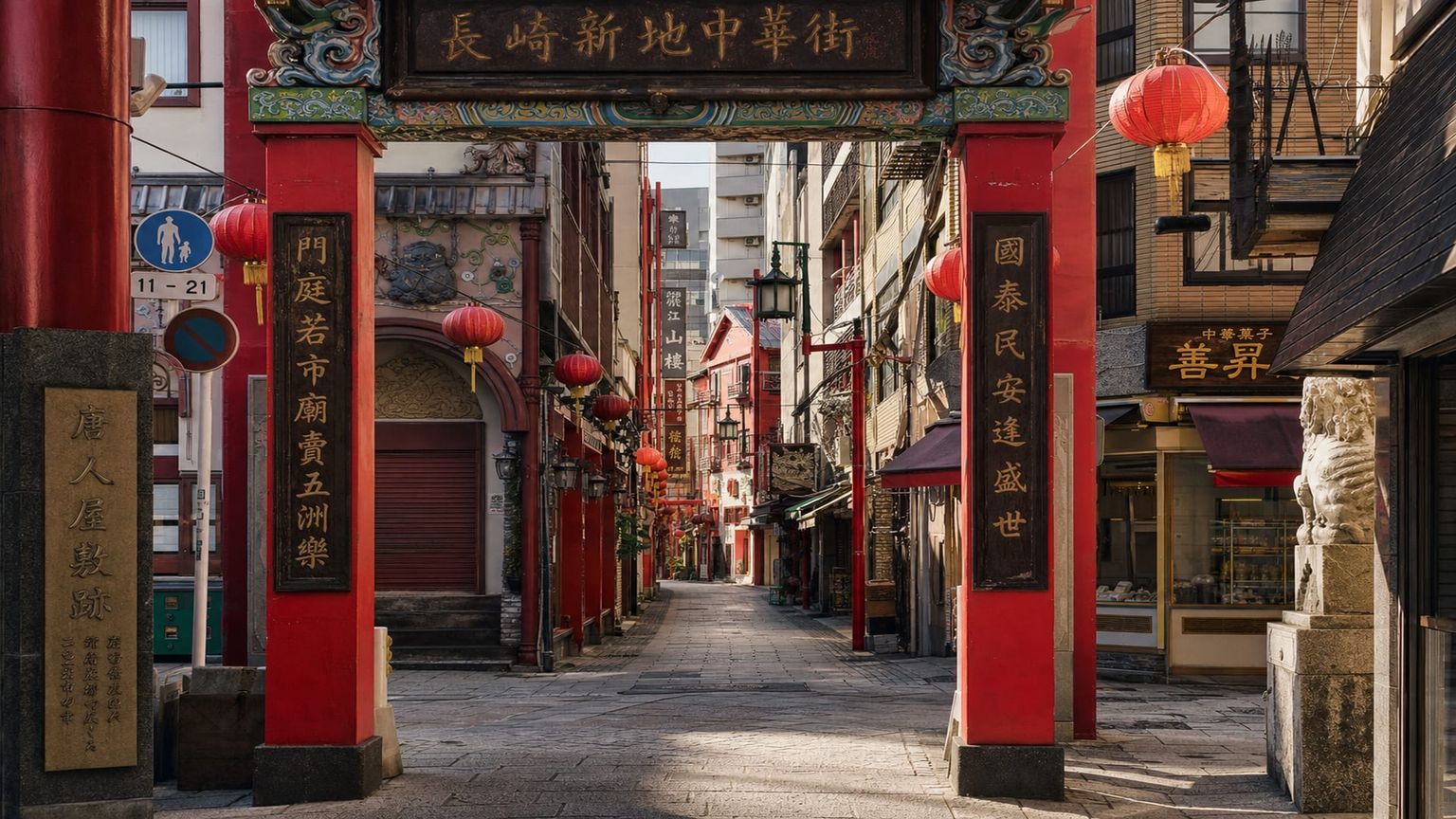
Nagasaki’s compact Chinatown puts you beside one of the city’s most recognizable dining streets and a short walk from the waterfront. It suits travelers who want an easy base for meals, evening walks, and quick access to central tram stops.
Best for: Dining-focused stays, short walks to the harbor, and easy access to central Nagasaki
What to expect: Busy on restaurant streets, with steady foot traffic in the evening and a clear tourist presence.
Hotel prices: Usually about $90 to $180 per night for well-rated stays
Distance to major sights: 10 to 15 minutes on foot to the Nagasaki Peace Park, about 10 minutes by tram to Nagasaki Station
Quietness: Moderately lively by day, busier and louder at night near the main food streets.
Main trade-off: Rooms can cost more than in inland districts, and the liveliest blocks carry late-evening noise from restaurants and visitors.
Good to know: If you plan to eat out often, staying here cuts down on tram changes, but late-night sleep can be lighter on the busiest streets.
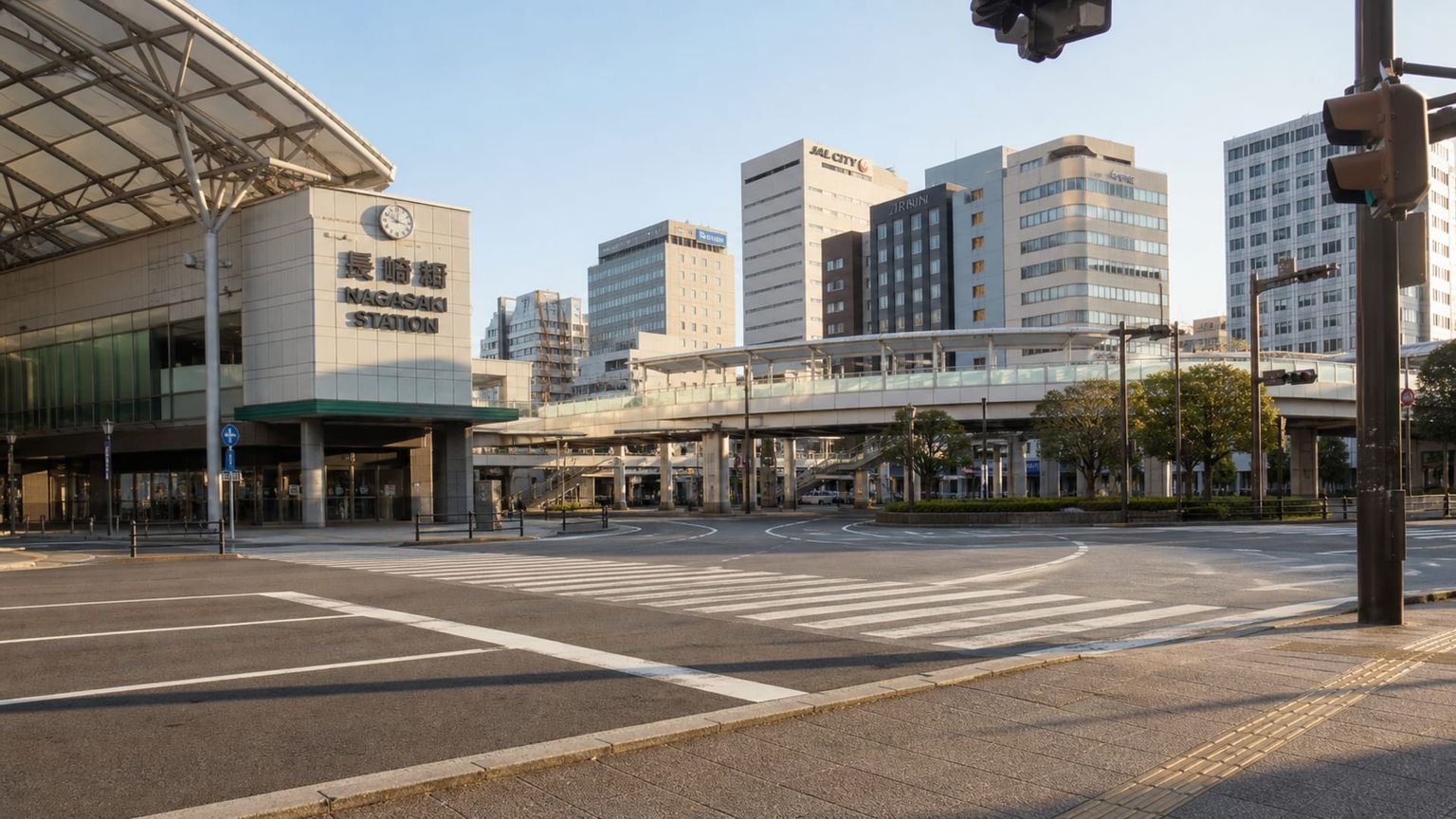
The area around Nagasaki Station is the city’s main transport gateway, with hotels, shops, and tram connections clustered close together. It works well for travelers arriving by rail or planning day trips, because transfers stay simple and early departures are easy to manage.
Best for: Rail arrivals, short stays, and travelers planning early train or bus departures
What to expect: Functional and active through the day, with commuters, hotel guests, and light shopping traffic.
Hotel prices: Usually about $80 to $170 per night for well-rated stays
Distance to major sights: 10 minutes by tram to the Peace Park, about 15 minutes on foot to the Dejima area
Quietness: Busier in the morning and evening, with quieter side streets later at night.
Main trade-off: You get excellent transit access, but the surroundings are less atmospheric than the historic and harbor-facing districts.
Good to know: If your schedule includes an early Shinkansen or bus, this is the easiest place to stay without building extra transit time into the morning.
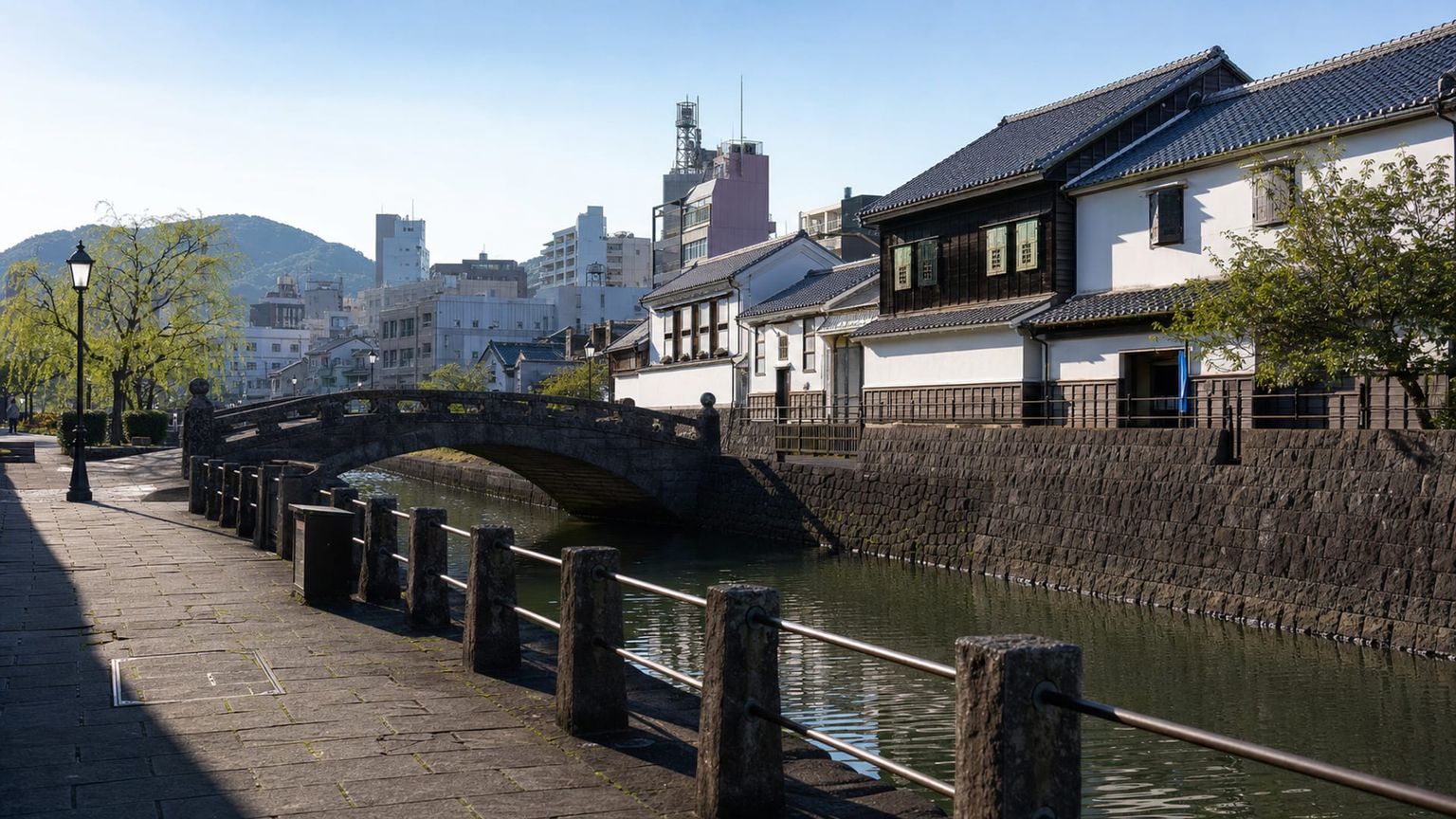
Dejima and the nearby Nigiwaibashi area sit near Nagasaki’s historic waterfront, with museums, river views, and central trams within easy reach. It suits visitors who want to walk to classic sights and keep the harbor side of the city close at hand.
Best for: Historic sightseeing, waterfront walks, and travelers who want central access without staying by the station
What to expect: Tourist-friendly streets with a steady daytime flow, then a calmer pace after dinner.
Hotel prices: Usually about $100 to $210 per night for well-rated stays
Distance to major sights: 5 to 10 minutes on foot to Dejima and about 15 minutes by tram to the Peace Park
Quietness: Lively in the daytime, then noticeably quieter once museums and shops close.
Main trade-off: The area is convenient for sightseeing, but hotel choice is narrower and rates often rise in the most walkable blocks.
Good to know: Plan on trams or taxis after dark if you want to return from hilltop neighborhoods, since most evening activity stays concentrated elsewhere.
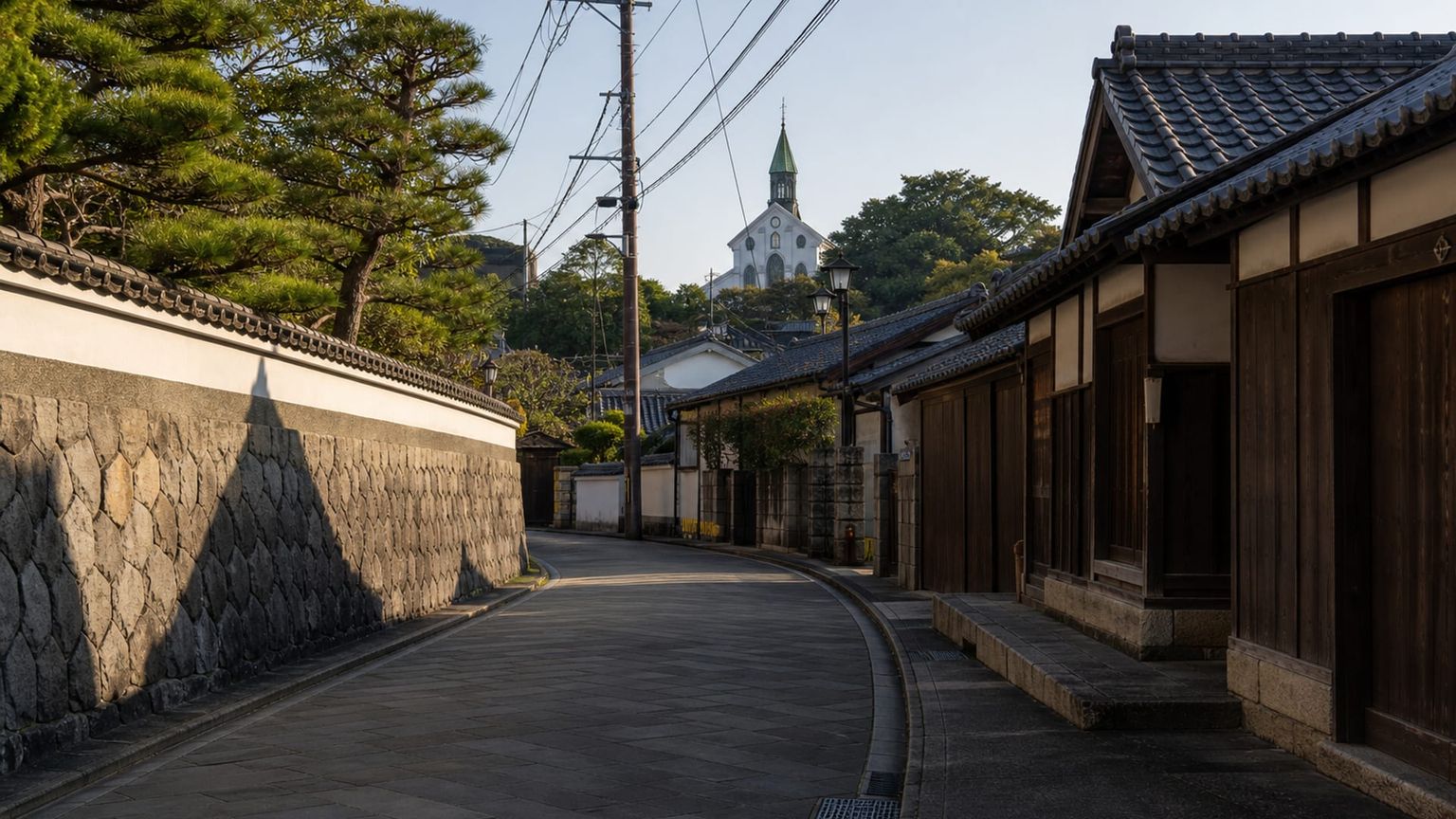
Matsuyama and nearby Urakami sit north of the center, close to the Peace Park and the Atomic Bomb Museum. They suit travelers who want a quieter residential base with good access to one of Nagasaki’s key historical areas and easy tram links into town.
Best for: Peace Park visits, quieter nights, and travelers who do not need to stay in the busiest center
What to expect: Residential streets, local shops, and fewer evening crowds than the waterfront or station areas.
Hotel prices: Usually about $70 to $150 per night for well-rated stays
Distance to major sights: 5 to 12 minutes by tram to the Peace Park and about 20 minutes by tram to Nagasaki Station
Quietness: Calmer during the day and notably quieter after sunset, with limited late-night activity.
Main trade-off: You trade walkability to dining and nightlife for lower prices and a more residential setting.
Good to know: If you want to reach the Peace Park before tour groups arrive, staying here trims morning transit time.
In Nagasaki (NGS), travelers usually avoid staying in Nomo, the southern tip of the peninsula, because it sits far from the city center and major sights, with limited dining and late-night transit. Oura and the waterfront west of Dejima can be less convenient for some visitors, since lodging choices are limited and evening transfers back from the main shopping and dining areas take extra time. The hills above Glover Garden and the Inasa area can also be inconvenient if you plan to move around on foot, because the steep roads make daily trips to the station and tram lines slower.
Hotel deals
How to get around Nagasaki efficiently
Nagasaki’s tram lines do most of the city-center work, while the airport bus, JR trains, buses, and taxis fill the gaps to hillside and suburban sights.

Metro
for longer distances
Nagasaki has no subway or metro network. The closest rail backbone is the tram and JR services, with the tram covering the compact central corridor from Nagasaki Station through downtown and on to areas such as Chinatown and the Peace Park. A one-day tram pass costs about $4 ($600), and single rides are usually about $1.50 ($230) to $2.50 ($370), depending on distance.

Bus and tram
for convenience
Nagasaki’s tram network does most of the city-center work, with four lines linking Nagasaki Station, Shianbashi, Chinatown, the Peace Park, and many hillside districts. Board at the rear or front depending on the car, pay when you get off, and keep small bills or coins ready, or use a stored-fare card if you have one. A day pass costs about $4 ($600), while a short ride is usually about $1.50 ($230) to $2.50 ($370); buses extend farther into suburban neighborhoods and out to attractions that sit beyond the tram lines, with fares typically distance-based and valid for the posted ride only.

Taxi
for convenience or late hours
Licensed taxis in Nagasaki use metered fares, not fixed citywide set fares, and you can hail them on the street, find them at stations and hotels, or book through a phone app or hotel desk. Expect a starting fare of about $4 to $5, then roughly $2 to $3 for each additional kilometer, with a short central trip often landing near $7 to $15 and a ride from Nagasaki (NGS) airport into the city commonly about $40 to $60, depending on traffic and route. Most accept cash, and many also take major credit cards or transport IC cards, though cash still works best for smaller taxis.
*Prices are based on rates updated as of June 2026 and may change at the time of travel.
Use trams for the central corridor, taxis for short uphill hops, and buses or the airport limousine for longer transfers beyond the rail and tram grid.
Iconic landmarks
Nagasaki Peace Park
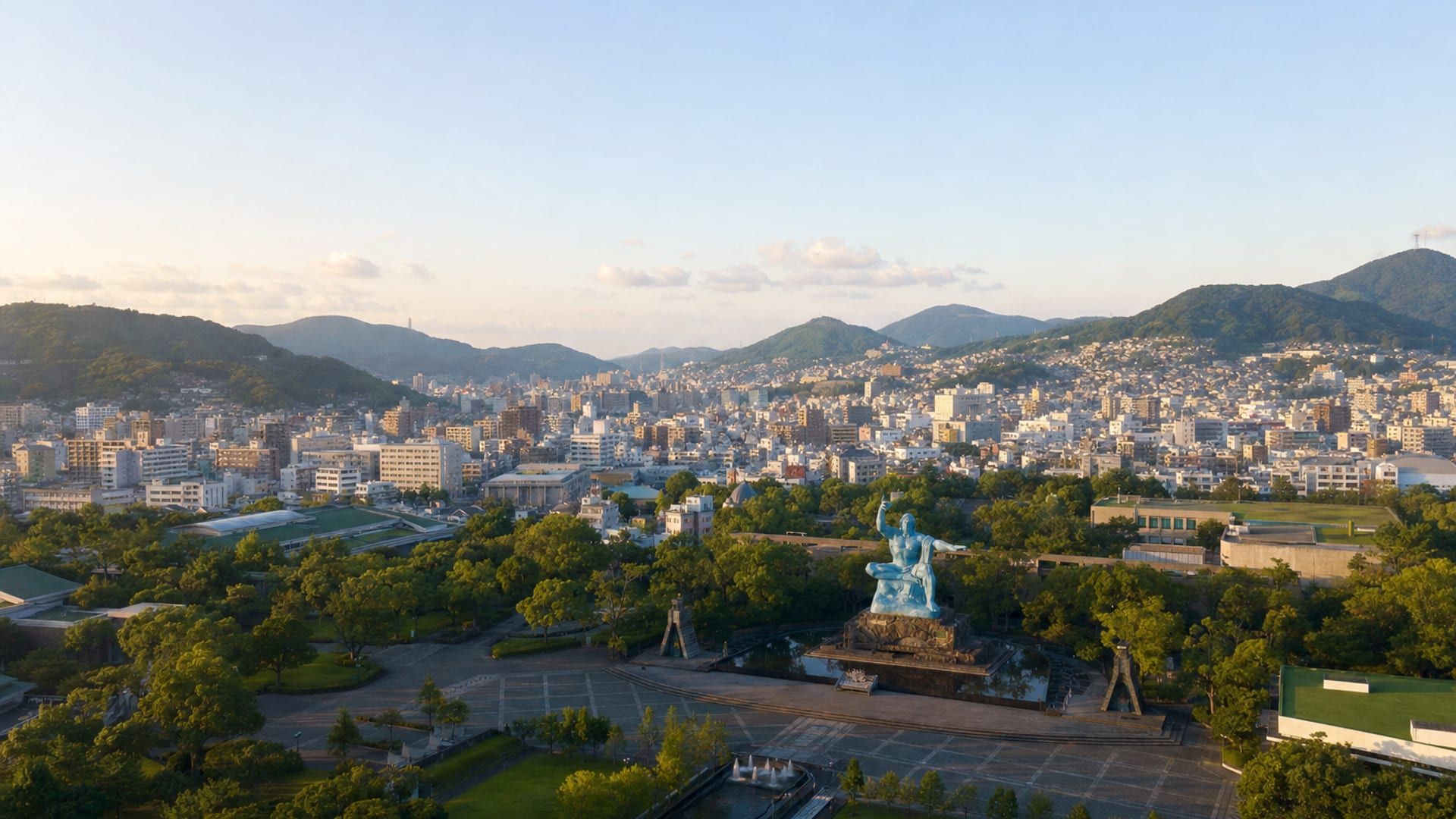
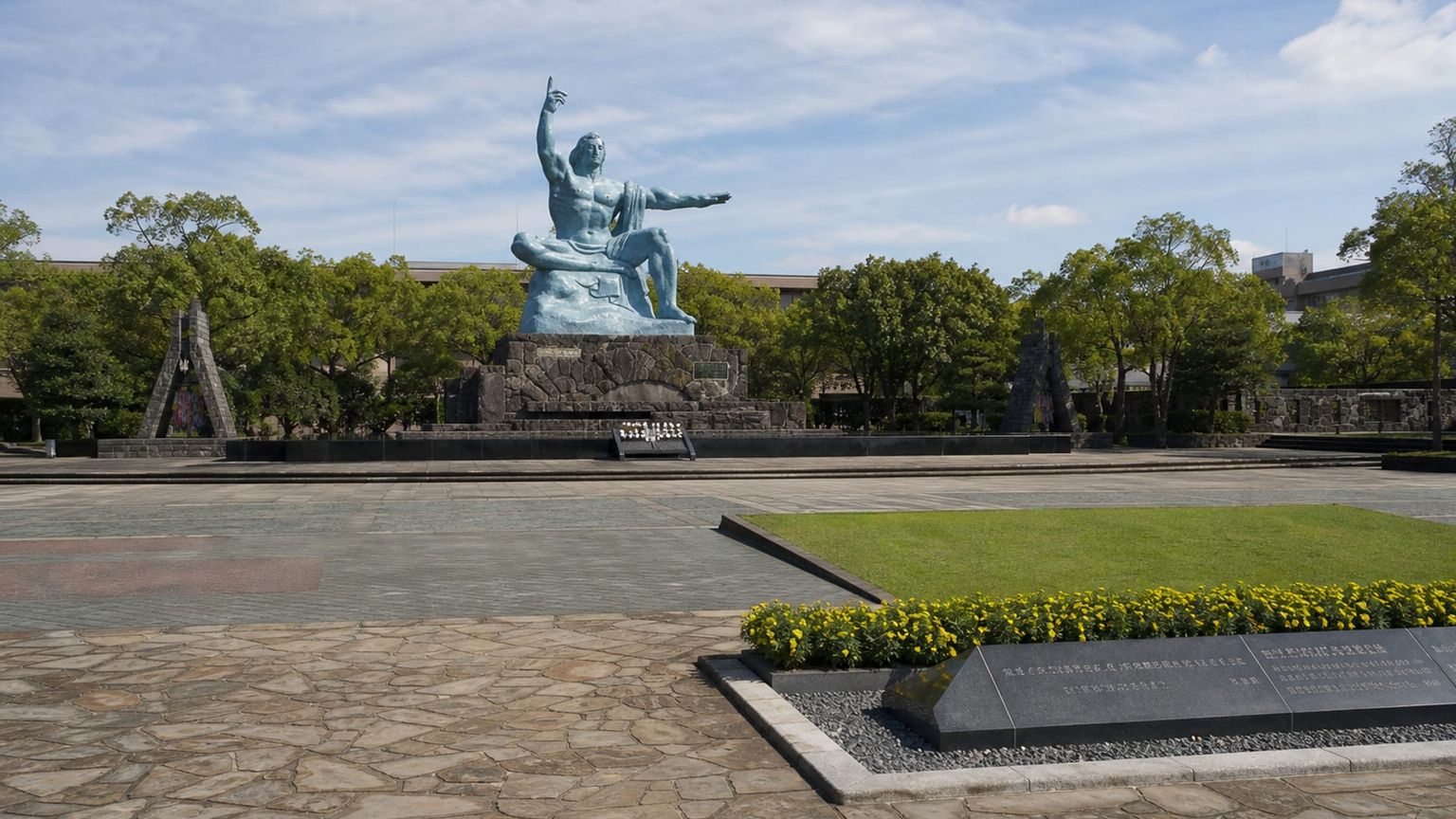
The park marks the atomic bombing site with statues, memorials, and the Fountain of Peace. Its main axis leads to the peace statue and nearby Nagasaki Atomic Bomb Museum, making the area a key stop for the city’s modern history.
Time needed: About 1 to 2 hours
Entry: Free to access
Tip: Visit early morning for quieter paths and easier time at the main monument.
Hashima Island (Gunkanjima)
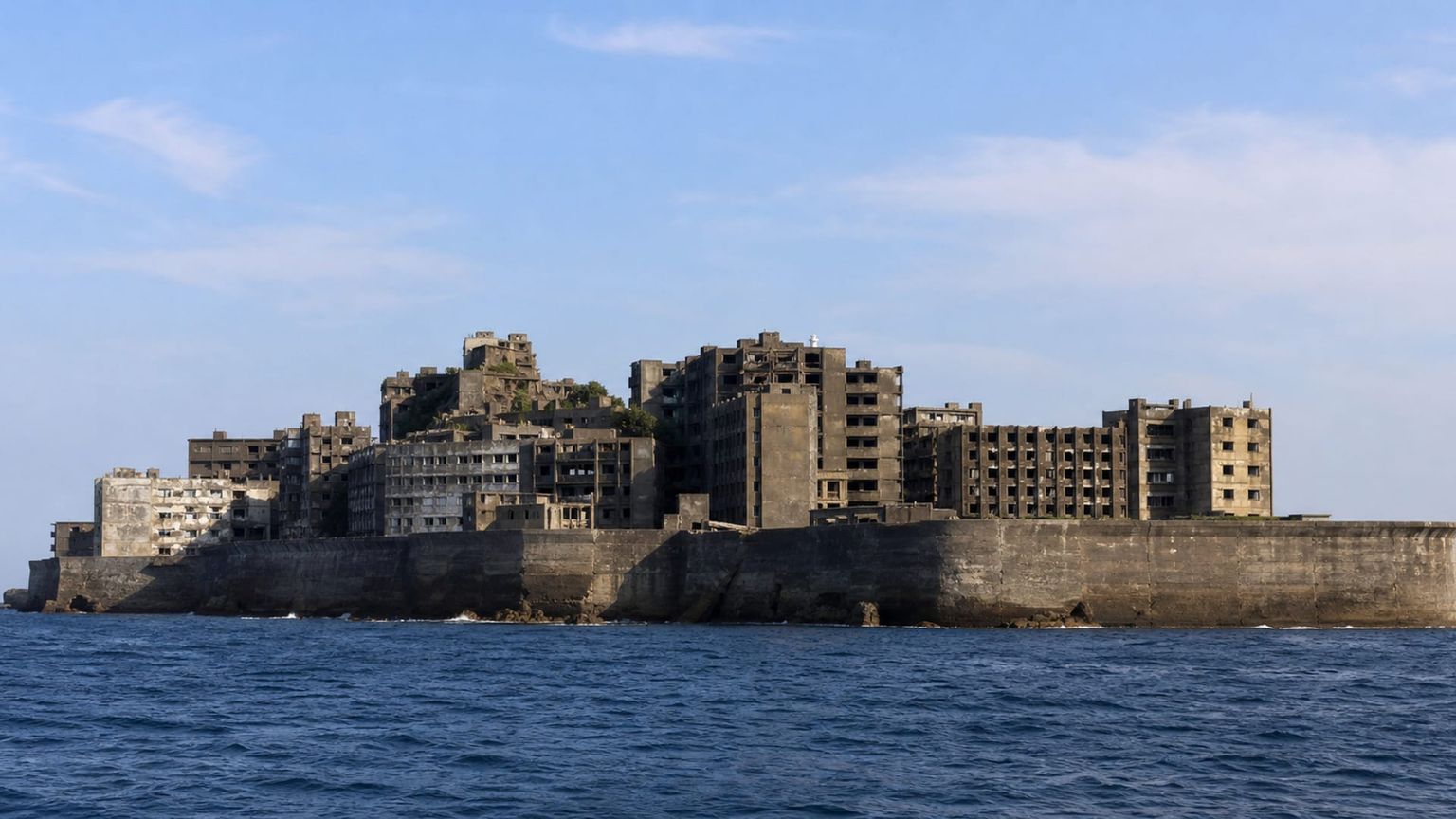
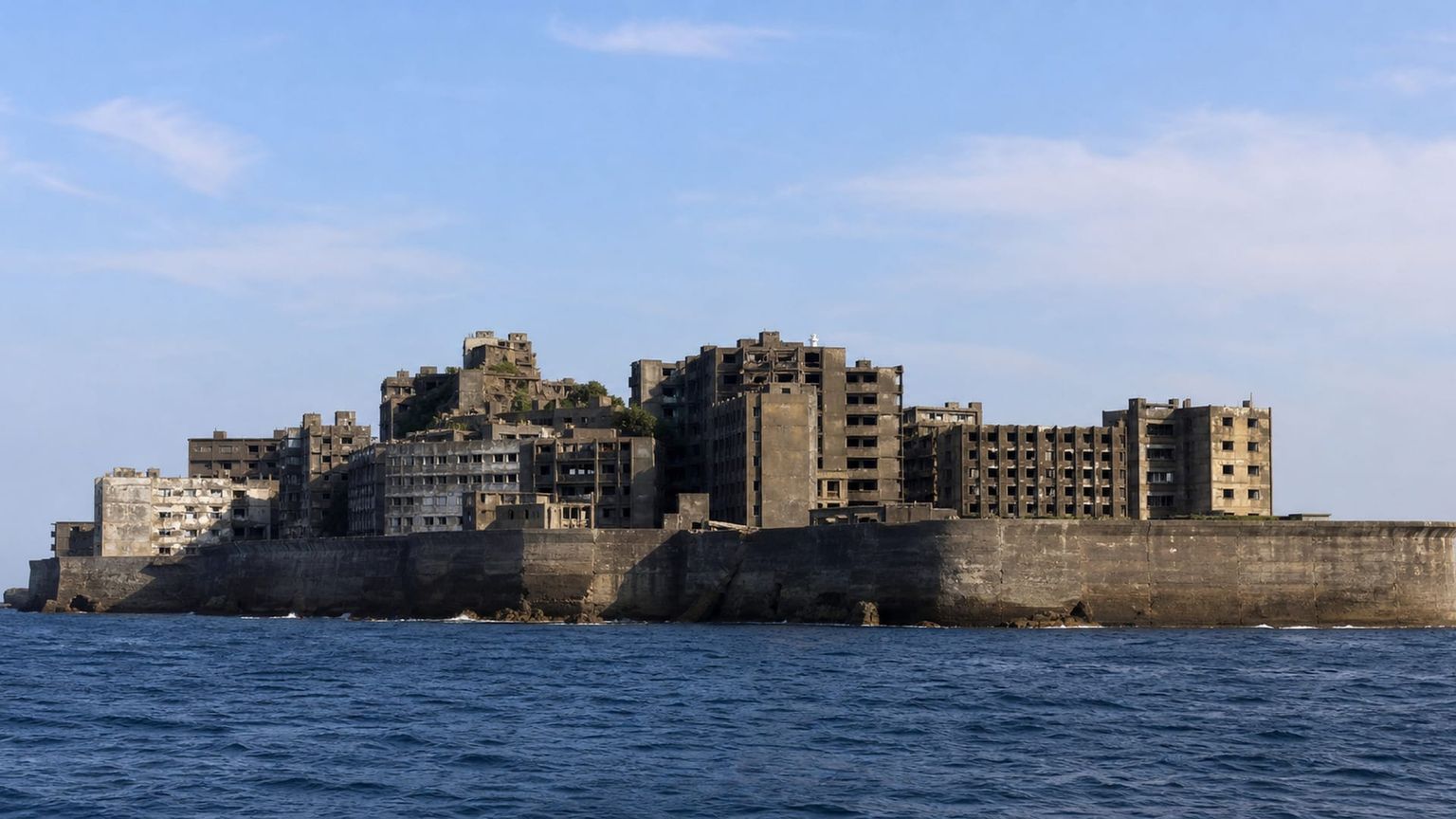
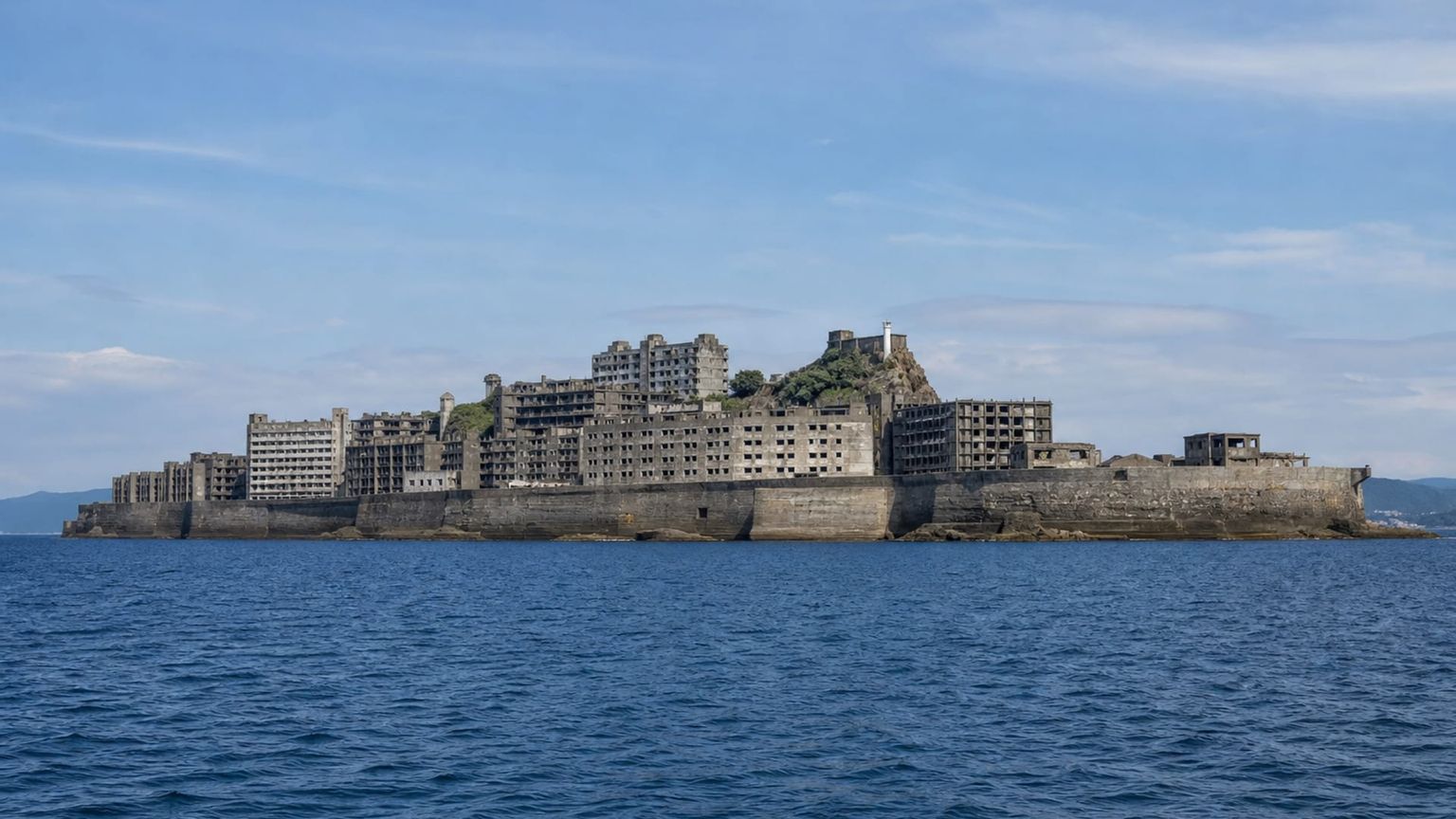
This former coal-mining island lies offshore from Nagasaki and is reached only by licensed boat tours. Its concrete ruins, seawalls, and dense outline show why it earned the nickname Battleship Island.
Time needed: About 2 to 3 hours
Entry: Tour prices typically cost about $37 to $58 (¥5,500 to ¥8,700), depending on operator, cruise length, and deck access Visit the official site for details.
Tip: Choose a morning departure when the sea is usually calmer and visibility is better.
Glover Garden
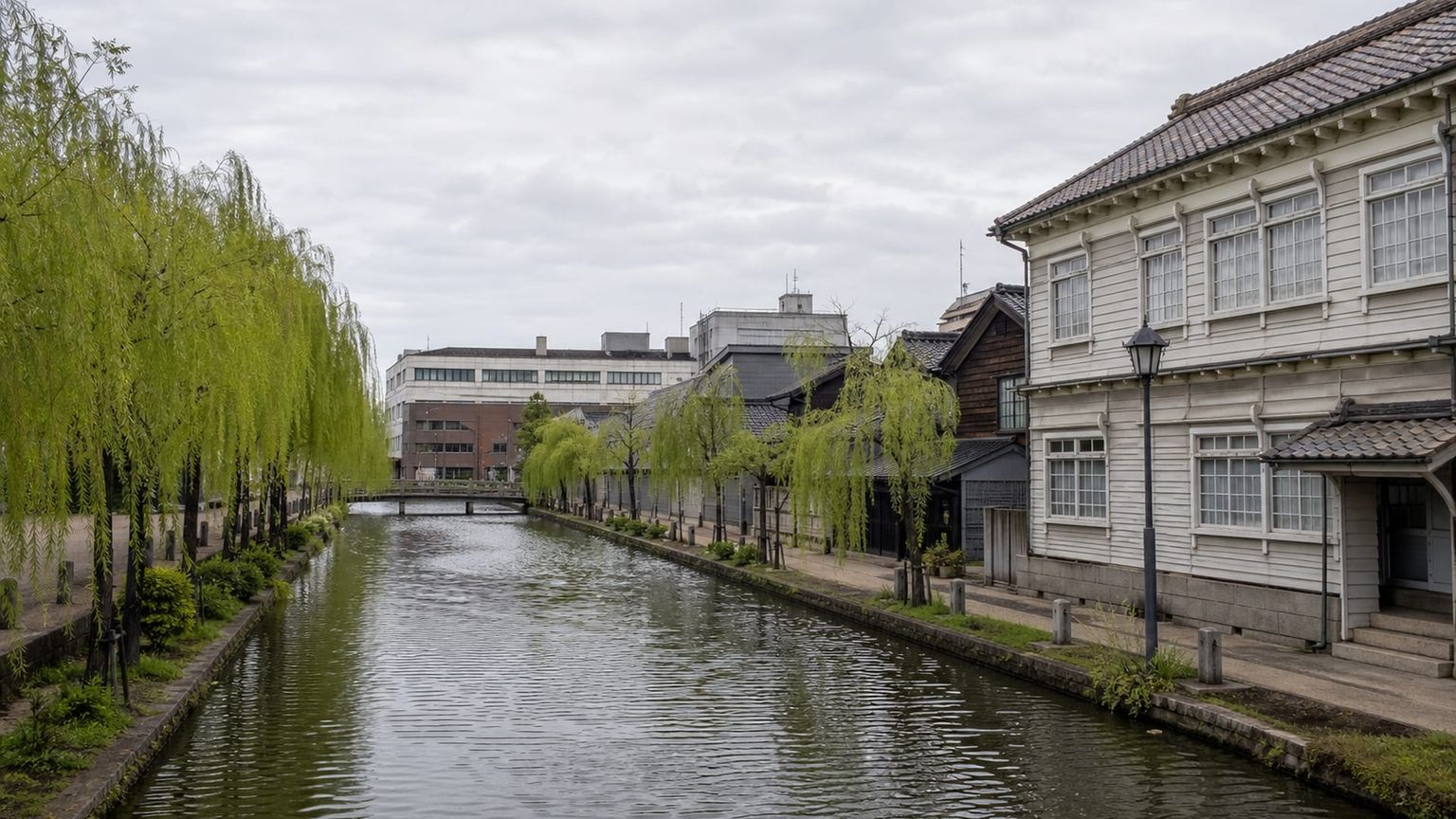
Hilltop open-air museum with relocated Western-style houses from Nagasaki’s trading era, plus harbor views and landscaped paths. It brings together the Former Glover Residence, the Mitsui and Oranda houses, and a clear look at the city’s port-side history.
Time needed: About 2 to 3 hours
Entry: Admission costs about $4 ($600) for adults, about $2 ($300) for high school students, and about $2 ($300) for younger children Visit the official site for details.
Tip: Go in late afternoon for cooler paths and softer light over the harbor.
Overlooked sites worth visiting

Nagasaki Peace Park
North of the Hypocenter, this hillside park holds dozens of donated monuments, shaded paths, and the Fountain of Peace. It suits a quiet walk and a close look at postwar memorial design.
Time needed: About 1 hour
Entry: Free to access
Tip: Go early for softer light and fewer tour groups.

Shiroyama Omura Bank
This former stone retaining wall and moat edge near Megane Bridge traces a compact remnant of the city moat system. Its narrow lane setting and worn masonry reward a brief stop on foot.
Time needed: About 30 to 45 minutes
Entry: Free to access
Tip: Visit after rain, when the stonework shows more detail.
Traditional food
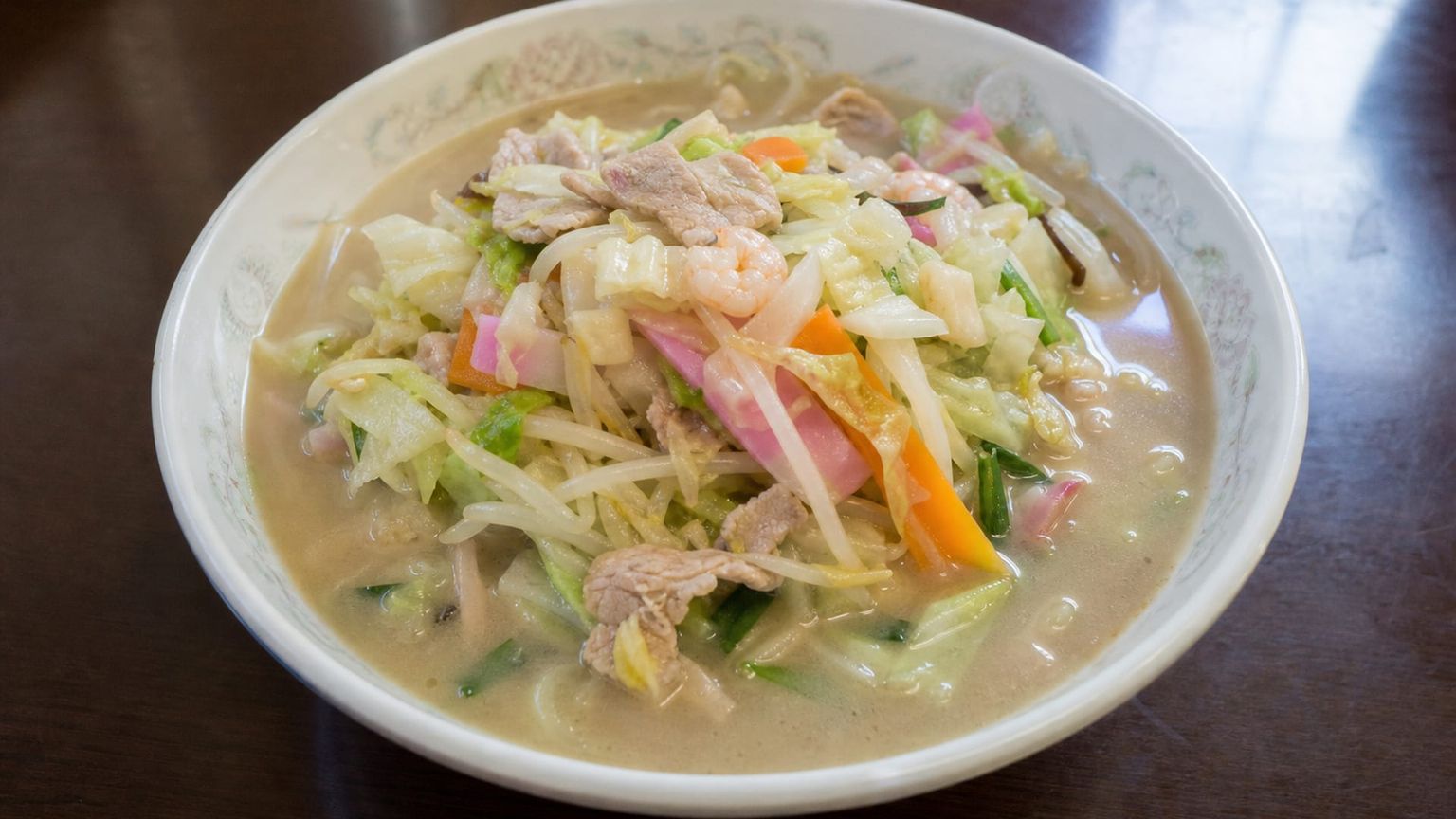
Nagasaki cuisine leans on Chinese influence, Western trade history, and Japanese comfort cooking, so bowls of Champon and Sara udon sit comfortably beside castella, seafood, and late-night noodle counters.
Champon
This hearty noodle bowl usually combines seafood, pork, vegetables, and a rich broth. Kairakuen in Shinchi Chinatown is one of Nagasaki’s classic places for it, with a long history and a central location.
Sara udon
Crisp noodles topped with a thick stir-fry make this one of Nagasaki’s signature dishes. Shikairo, near the waterfront and Chinatown, is the city’s best-known place to try it.
Turkish rice
This Nagasaki specialty pairs rice, spaghetti, and a main dish such as tonkatsu on one plate, reflecting the city’s eclectic food history. Kissa Shianbashi in the central district is a well-known local stop for it.
Castella
Soft sponge cake brought to Nagasaki through Portuguese trade remains one of the city’s most recognizable sweets. Fukusaya, the long-established maker in the city, is the canonical stop for a box to eat or take home.
Best time to visit Nagasaki
Nagasaki shifts noticeably by season, with cooler harbor walks in winter, humid summers, and spring and autumn periods that make hilltop sights and tram rides more comfortable.
Best for: Cherry blossoms, mild harbor walks, and outdoor sightseeing
What you get: About 52 to 72°F (11 to 22°C), with moderate crowds and busier weekends during blossom season
Trade-offs: Popular sights can be busier on clear holiday periods
Best for: Early museum visits, evening waterfront walks, and boat outings when seas cooperate
What you get: About 74 to 89°F (23 to 32°C), with lighter mornings but heavier crowds around festivals and school holidays
Trade-offs: Heat and humidity make midday hill climbs tiring
Best for: Clear views, comfortable tram days, and relaxed food stops
What you get: About 57 to 77°F (14 to 25°C), with moderate crowds and especially good conditions in October and November
Trade-offs: Typhoon season can disrupt a few days in early autumn
Best for: Quieter museums, crisp memorial visits, and lower hotel demand
What you get: About 41 to 55°F (5 to 13°C), with lighter crowds and shorter waits at major sights
Trade-offs: Wind off the harbor can make evening walks feel cold
A realistic 5-day plan in Nagasaki
The five-day plan below keeps Nagasaki in manageable pieces. It begins with arrival logistics, then moves through the memorial district, the harbor hills, and the older downtown core before ending with a lighter departure morning.
Land at Nagasaki Airport (NGS), then take the airport limousine bus into the city center, which usually takes about 45 to 60 minutes and costs about $8 to $10 (¥1,200 to ¥1,500). Settle into Shinchi Chinatown, Around Nagasaki Station, or Dejima and Nigiwaibashi, depending on whether you want dining, rail access, or a waterfront setting, then keep the evening short with a light dinner near your hotel and water after the flight.
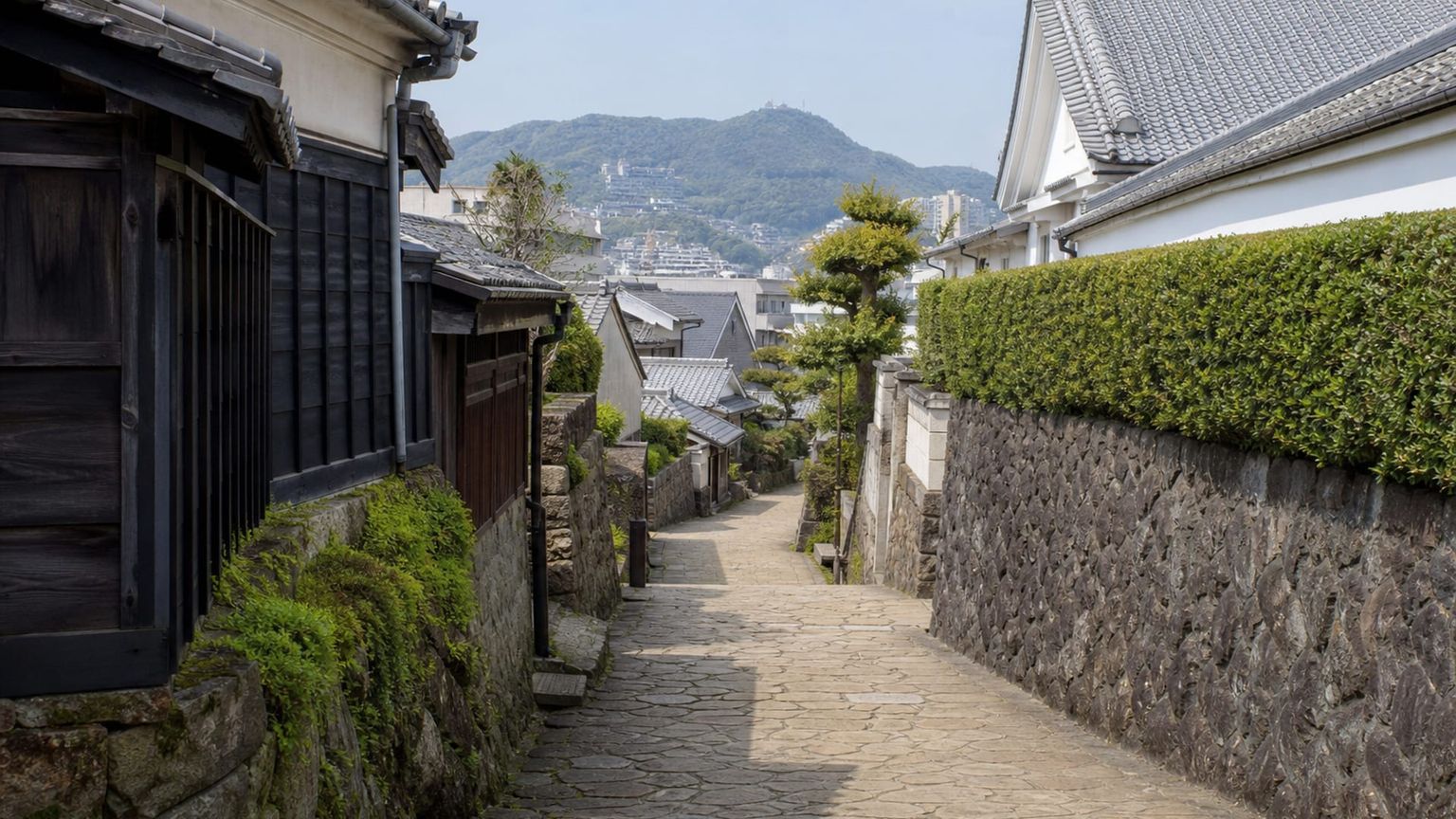
Start early at Nagasaki Peace Park, where the memorial statue, Fountain of Peace, and shaded paths work well before the day gets busy, then continue about 10 to 15 minutes away to the Nagasaki Atomic Bomb Museum for a fuller historical context. After lunch, move by tram or taxi to Dejima and Nigiwaibashi for a riverside walk, then finish with an easy dinner in Shinchi Chinatown, about 10 minutes away by tram from the waterfront area.
A morning cruise to Hashima Island (Gunkanjima) sets the pace today, and licensed tours from Nagasaki usually take about 2 to 3 hours total, including boarding and the offshore visit. After you return, head uphill to Glover Garden, where the preserved houses and harbor terraces give you a different view of the city, and plan on about 2 to 3 hours there before an evening meal back in Dejima and Nigiwaibashi.
Begin in the Nagasaki Peace Park hillside area for a quieter second look at the memorial landscape, then walk or ride over to Shiroyama Omura Bank near Megane Bridge, which takes only a short tram or taxi ride from the central district. From there, spend the afternoon in the older downtown core, where the bridge area, local streets, and nearby cafes work well for an unhurried loop before dinner near your base in Around Nagasaki Station or Shinchi Chinatown.
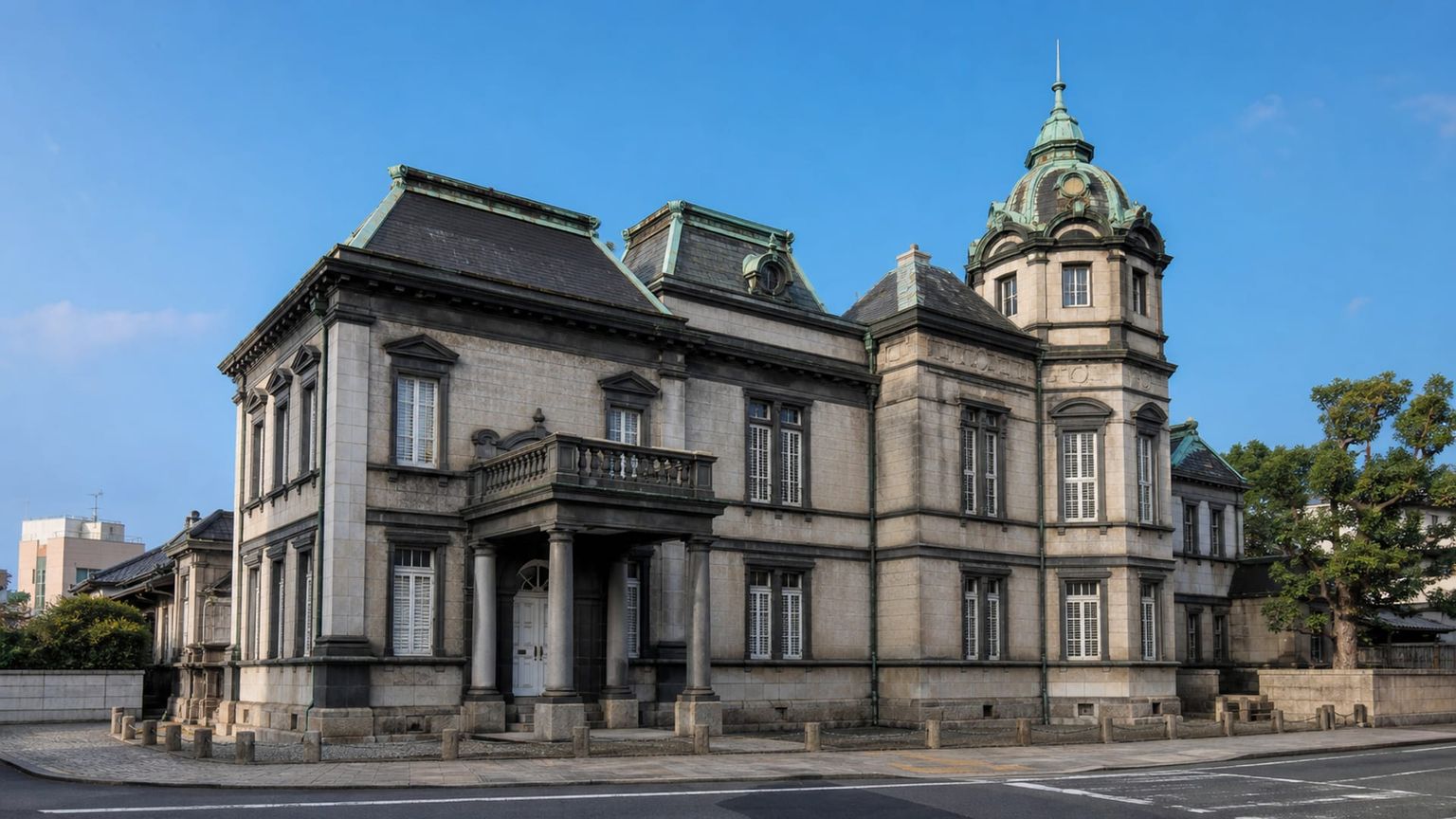
A final morning works best with one last museum stop, so return to the Nagasaki Atomic Bomb Museum if you want a deeper pass through the exhibits, or choose a shorter revisit to Nagasaki Peace Park if you prefer an outdoor start. Afterward, browse shops in Shinchi Chinatown for tea, sweets, or souvenirs, then settle into a cafe in Dejima and Nigiwaibashi or near Nagasaki Station before heading to the airport or rail departure.
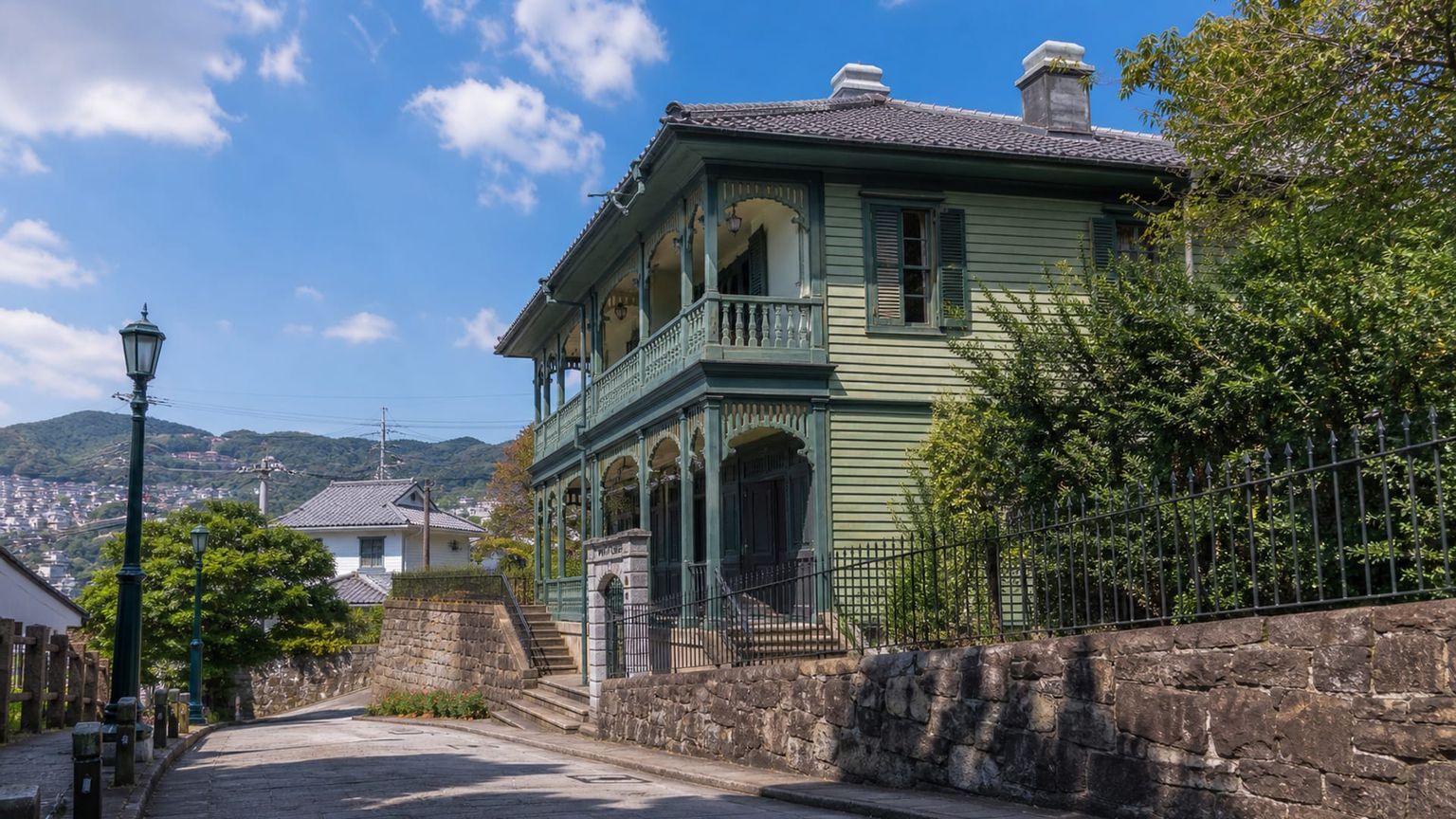
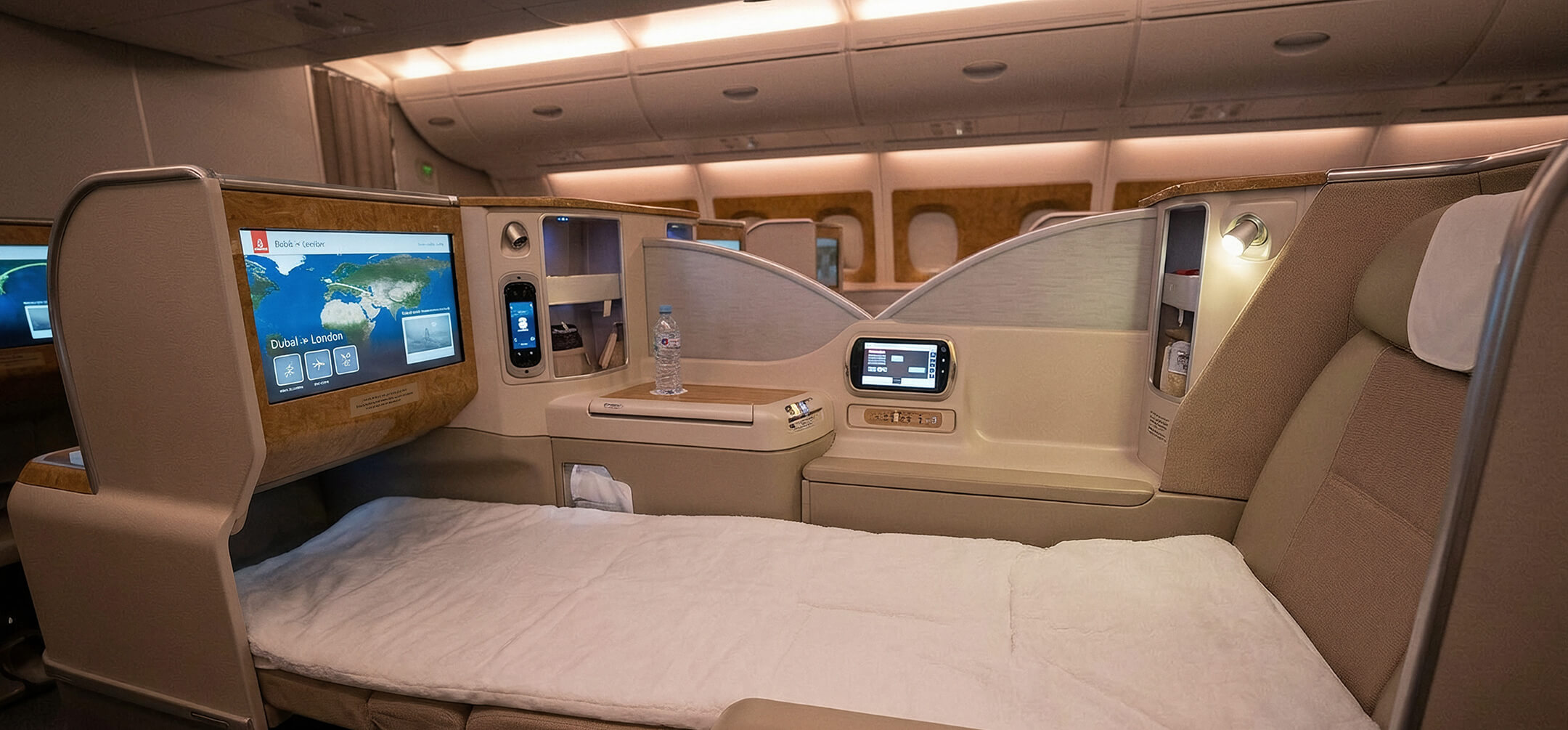
Business-class flights from the US to Nagasaki
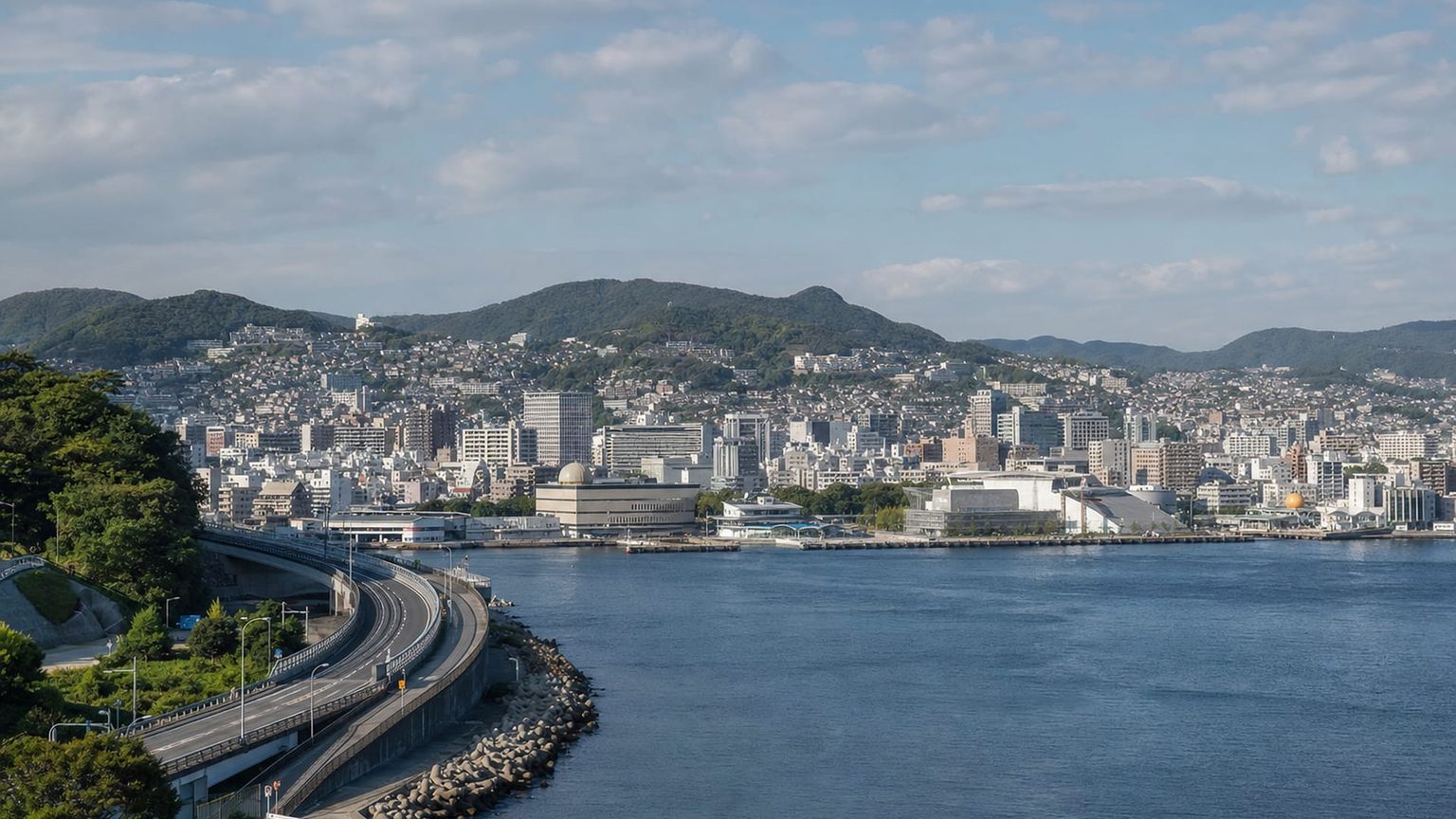
Reaching Nagasaki usually means connecting through another Asian hub, so the useful comparisons are the routing, the connection points, and the fare range. The two examples below show how East Coast and West Coast departures typically differ.
From New York, All Nippon Airways, Japan Airlines, Delta Air Lines, Korean Air, and Cathay Pacific all appear on common itineraries, and the trip usually takes about 18 to 28 hours with a stop at NRT, HND, ICN, HKG, or TPE. Round-trip fares from New York to Nagasaki usually start at $4,800 and can reach $10,500. If you don’t mind a layover, common routings via Tokyo (NRT) or Seoul (ICN) often bring the price down to roughly $2,900 to $4,500.
From Los Angeles, All Nippon Airways, Japan Airlines, Delta Air Lines, Korean Air, and EVA Air are the main names to watch, and the journey usually runs about 15 to 24 hours through NRT, HND, ICN, TPE, or HKG. From Los Angeles, round-trip fares usually run $3,900 to $8,500 for the same cabin.
Nagasaki feels different when you slow down
A deliberate Nagasaki trip has a clear shape: mornings at the Peace Park or the Atomic Bomb Museum, an afternoon on the tram toward Dejima or Megane Bridge, and one uphill window for Glover Garden or a Gunkanjima cruise. That balance keeps the city’s memorial history, waterfront streets, and food culture in view without piling too much into one day. If you want help matching neighborhoods, transit, and flight timing, AranGrant experts can help you build the right Nagasaki plan