Chapters:

Need help with your trip?
Our support team is available 24/7. Request a callback or call us directly at (833) 619-0908
Most trips to Munich follow a familiar pattern. Travelers land at MUC, head straight for Marienplatz, the beer gardens, and a few headline museums, then realize they have left little room for the city’s quieter neighborhoods and calmer rhythm.
That approach can work, but it often means more time in transit, more crowding at the obvious stops, and less energy for places that reward a slower pace. Munich is compact in the center, yet its best days still benefit from order.
This guide lays out the city in a more deliberate sequence, pairing the center with parks, culture, and neighborhood time so each day feels practical rather than rushed.
Useful things to know

Main language(s): German
Hallo (HAH-loh) – Hello
Bitte (BIT-teh) – Please
Danke (DAHN-keh) – Thank you
Sprechen Sie Englisch? (SHPREH-khen zee ENG-lish?) – Do you speak English?
Wie viel kostet das? (vee feeld KOS-tet dahs?) – How much does it cost?

Currency: The local currency is the euro (EUR, €).

Cash and cards: Cards are widely accepted, including Apple Pay and Google Pay, but keep some cash for beer gardens, bakeries, kiosks, and restrooms. Budget €20–€40 ($22–$44) in cash for a day, more if you plan smaller cafés or markets.

Tipping: In Munich, tipping is customary but modest: about 5–10% in restaurants if service is good, or rounding up the bill. For taxis, rounding up is typical. At cafés/bars, leaving small change (or rounding) is usually enough.

Traditional food: Weißwurst (veal & pork, sweet mustard), Brezn (soft pretzel with salt), Obatzda (Munich cheese dip with onion & herbs)

Water and coffee costs: A 0.5 L bottle of water usually costs €1.50–€3 ($1.60–$3.30), and an espresso is often €2–€3.50 ($2.20–$3.80). Sit-down cafés can charge more than bakeries or takeaway counters.

Taxis and ride apps: Uber, Bolt, and Free Now all work in Munich, though taxis are often just as practical from stations and the airport. Avoid unsolicited rides from unofficial drivers; use app pickup points or marked taxi ranks.

Plug and voltage: Type C/F socket, 230V

Dining and shop opening hours: Breakfast is commonly served roughly 7:00–10:00, with many places closing earlier in the late morning. Lunch often runs about 12:00–14:30. Dinner is typically from about 18:00–22:00; many kitchens stop taking new orders before closing. Bakeries and beer halls may open earlier, while some restaurants close on certain days (often Sundays) or have afternoon breaks.

Emergency number: Dial 112 for ambulance and fire; dial 110 for police. Both numbers are free and work across Germany.
Where to stay in Munich
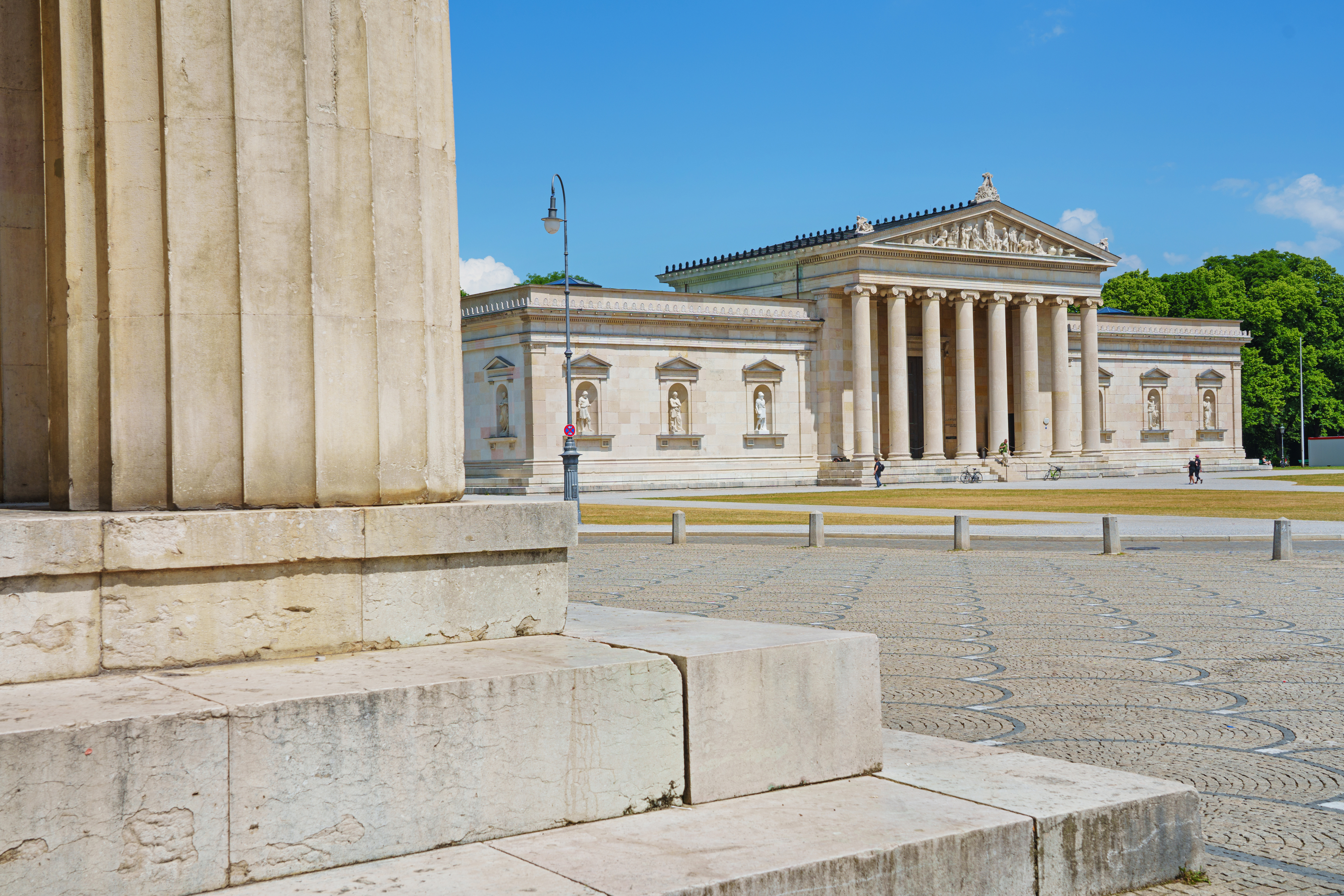
Maxvorstadt is Munich’s classic university-and-museum quarter, with elegant boulevards, cafés, and easy tram access to the Old Town. It’s ideal if you want culture by day and a calm, local feel at night, with plenty of restaurants within walking range.
Best for: First-time visits who want culture and transit convenience
What to expect: Lively days with students and museum crowds, calmer evenings in residential blocks
Hotel prices: Usually around €95–€180 per night for well-rated stays
Distance to major sights: About 15 to 25 minutes by tram to Marienplatz
Quietness: Active during the day; evenings range from lively near cafés to fairly calm
Main trade-off: Not as close-in as Altstadt for late-night sightseeing
Good to know: A strong base for art lovers who prefer a stylish, local neighborhood.
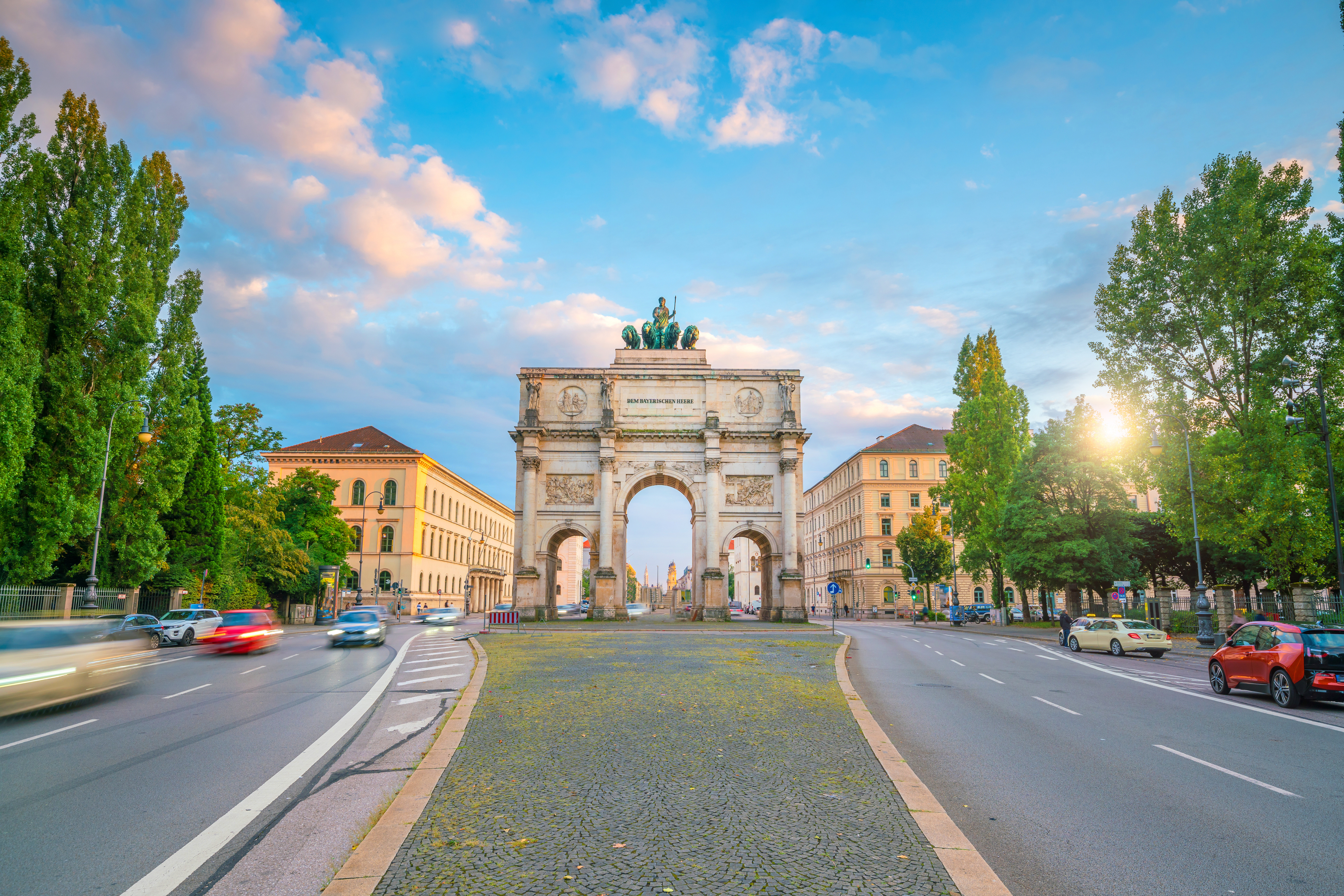
Schwabing blends historic charm with a creative, youth-heavy vibe—tree-lined streets, designer boutiques, and Biergarten stops. From here, you can reach the English Garden and central landmarks quickly, while enjoying a more bohemian feel at night than the core.
Best for: Travelers who want character, nightlife, and parks
What to expect: Busy and youthful in the center of the district, with plenty of neighborhood calm side streets
Hotel prices: Usually around €110–€220 per night for well-rated stays
Distance to major sights: About 20 to 35 minutes by tram or metro to Marienplatz
Quietness: More energetic at night than many areas; still quieter on residential streets
Main trade-off: Can be pricier near the main shopping streets
Good to know: Best for travelers who want a creative base and quick park access.
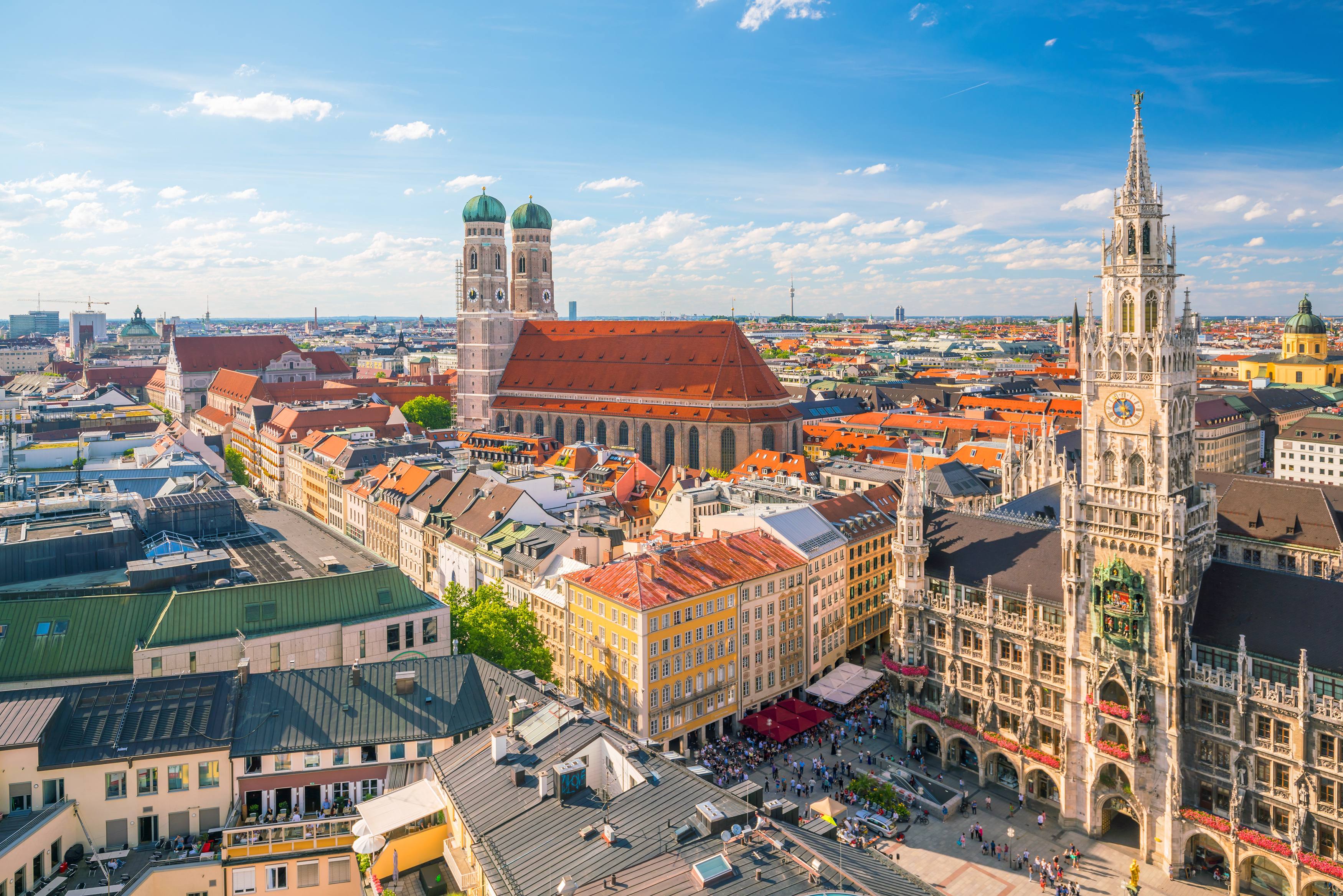
Altstadt-Lehel is Munich’s historic core, centered on pedestrian lanes, grand squares, and classic beer hall culture. Staying here maximizes walking access to top landmarks and views, but you’ll trade some quiet for convenience and a consistently lively atmosphere.
Best for: Sightseeing-focused travelers who want to walk everywhere
What to expect: Constant activity with street scenes, crowds near landmarks, and frequent evening dining
Hotel prices: Usually around €140–€300 per night for well-rated stays
Distance to major sights: About 5 to 15 minutes on foot to Marienplatz
Quietness: Busy day and evening; nights can stay lively near squares and dining streets
Main trade-off: Higher prices and more crowds, especially during peak hours
Good to know: Perfect if convenience beats quiet, and you plan to explore on foot.
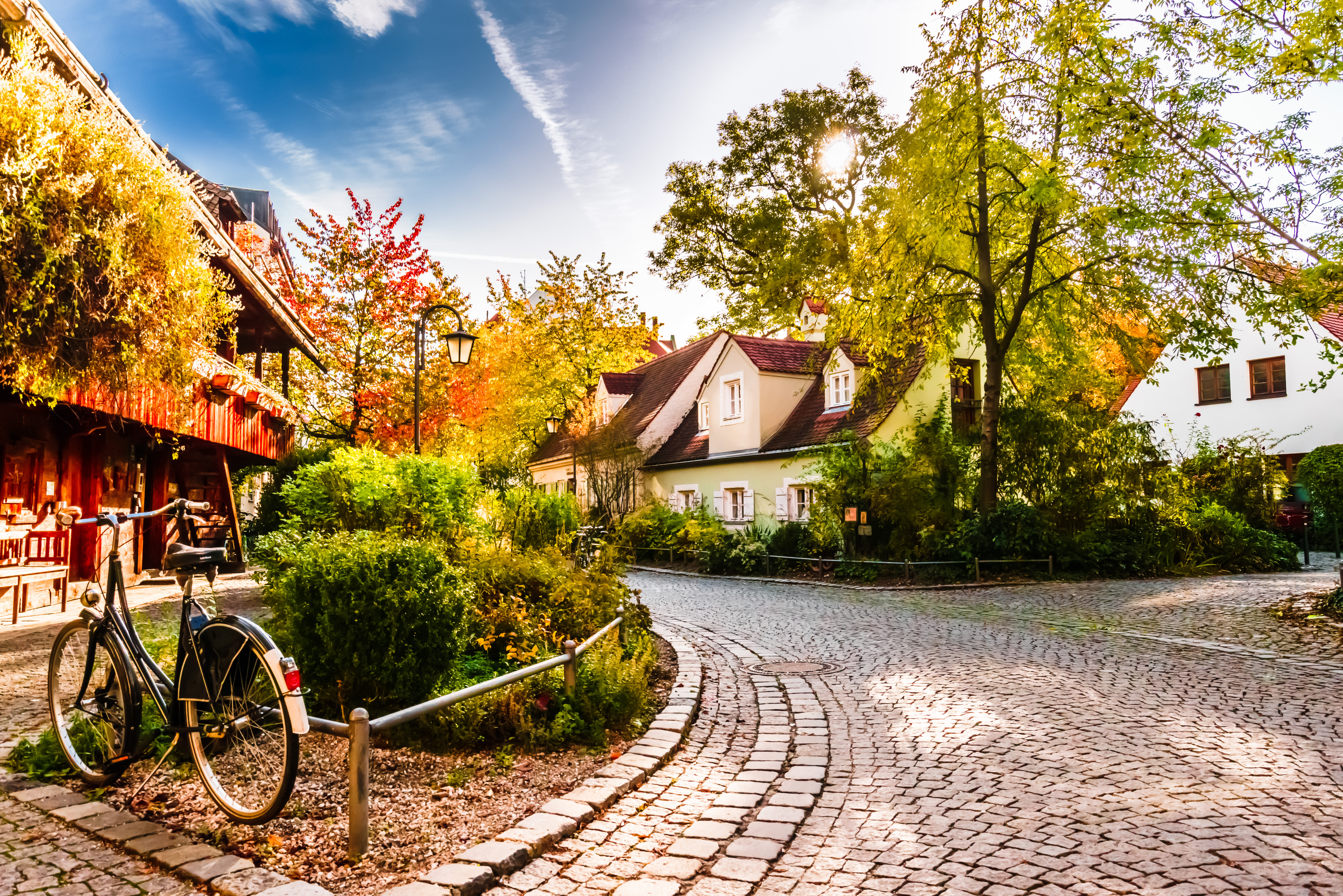
Haidhausen sits just east of the old center and feels more local, with waterways, long-standing restaurants, and a calmer evening pace. It’s well connected to city sights, yet often quieter than Altstadt, making it a comfortable base for food and strolls.
Best for: Food lovers and travelers seeking a quieter, local base
What to expect: Neighborhood atmosphere with steady daytime activity and a more relaxed evening vibe
Hotel prices: Usually around €85–€170 per night for well-rated stays
Distance to major sights: About 15 to 25 minutes by tram or metro to Marienplatz
Quietness: Typically calmer than the center, with evening activity centered around restaurants
Main trade-off: Fewer “instant” landmark views than Altstadt
Good to know: A great choice if you want real neighborhood feel with easy sightseeing access.
Visitors usually avoid far-out residential districts such as Freiham, Berg am Laim (outer parts), Neuperlach, and parts of Giesing’s less-central edges, since they can be less convenient for sightseeing and nightlife. Also consider avoiding areas immediately around Munich’s main rail hub at night unless you’re comfortable with transit crowds and occasional noise (notably around Hauptbahnhof).
Hotel deals
How to get around Munich efficiently
Munich is easiest to navigate when you mix walking with quick U-Bahn, S-Bahn, tram, and occasional taxi rides between districts.

Metro
for longer distances
Munich’s U-Bahn and S-Bahn are the fastest ways to cross the city; a single ticket is usually €4.10 (about $4.50) and is valid for 2–3 hours depending on zones. For most central trips, expect 10–25 minutes.

Bus and tram
for neighborhoods beyond the rail network
Trams and buses fill gaps the rail lines miss and are excellent for short hops to places like Maxvorstadt, Schwabing, and Haidhausen. A single ride is usually €4.10 (about $4.50), and common center trips take 15–30 minutes.

Taxi
for airport transfers, carrying luggage, or late arrivals
Taxis are metered and easy to find at stations and the airport. To the center, a typical ride is €70–€90 (about $76–$98) from MUC and €12–€20 (about $13–$22) within the inner city, with traffic affecting times.
*Prices are based on rates updated as of June 2026 and may change at the time of travel.
Walk the center, use rail for longer cross-city moves, and save taxis for airport transfers, late nights, or door-to-door convenience.
Iconic landmarks
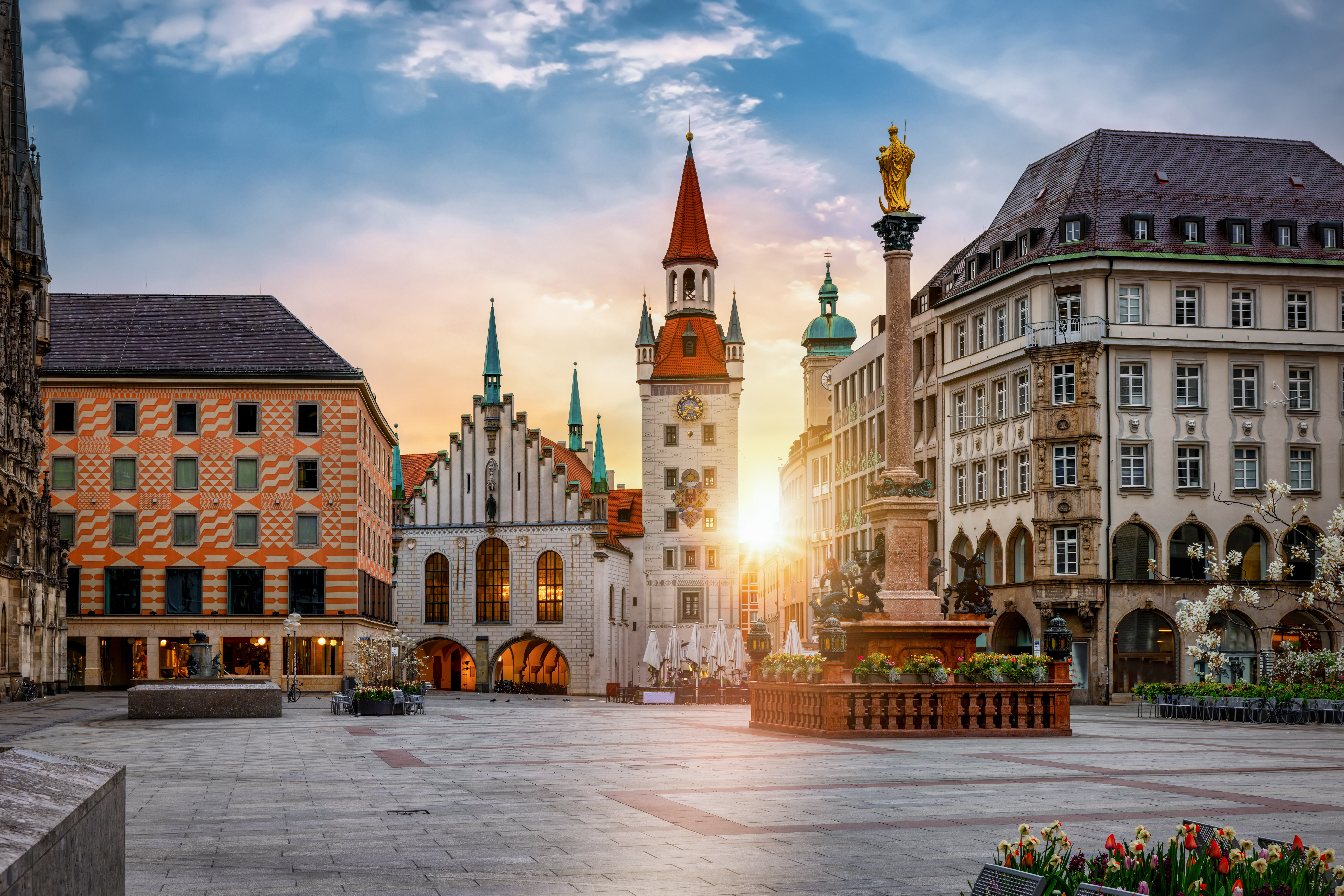
Marienplatz (New Town Hall & Old Town Hall area)
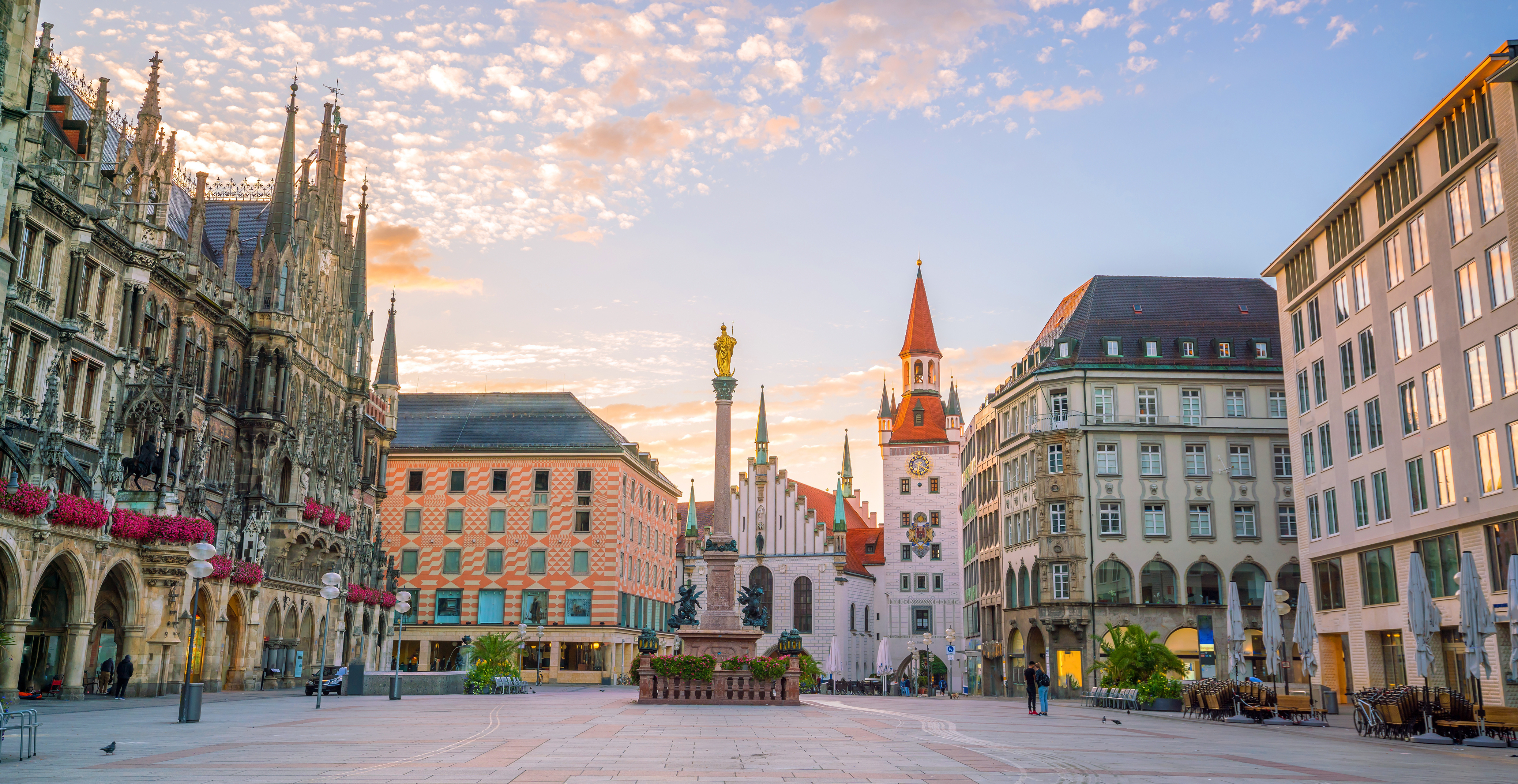
Marienplatz is Munich’s beating heart, dominated by the New Town Hall façade and the famous Glockenspiel that animates with clockwork charm. Step around historic lanes, pop into nearby churches, and soak up daily city life from one of the most iconic squares in Germany.
Time needed: About 1 to 2 hours
Entry: Free to access the square; New Town Hall tickets vary by tower tour
Tip: Arrive 15–30 minutes early for the best Glockenspiel viewing spots.
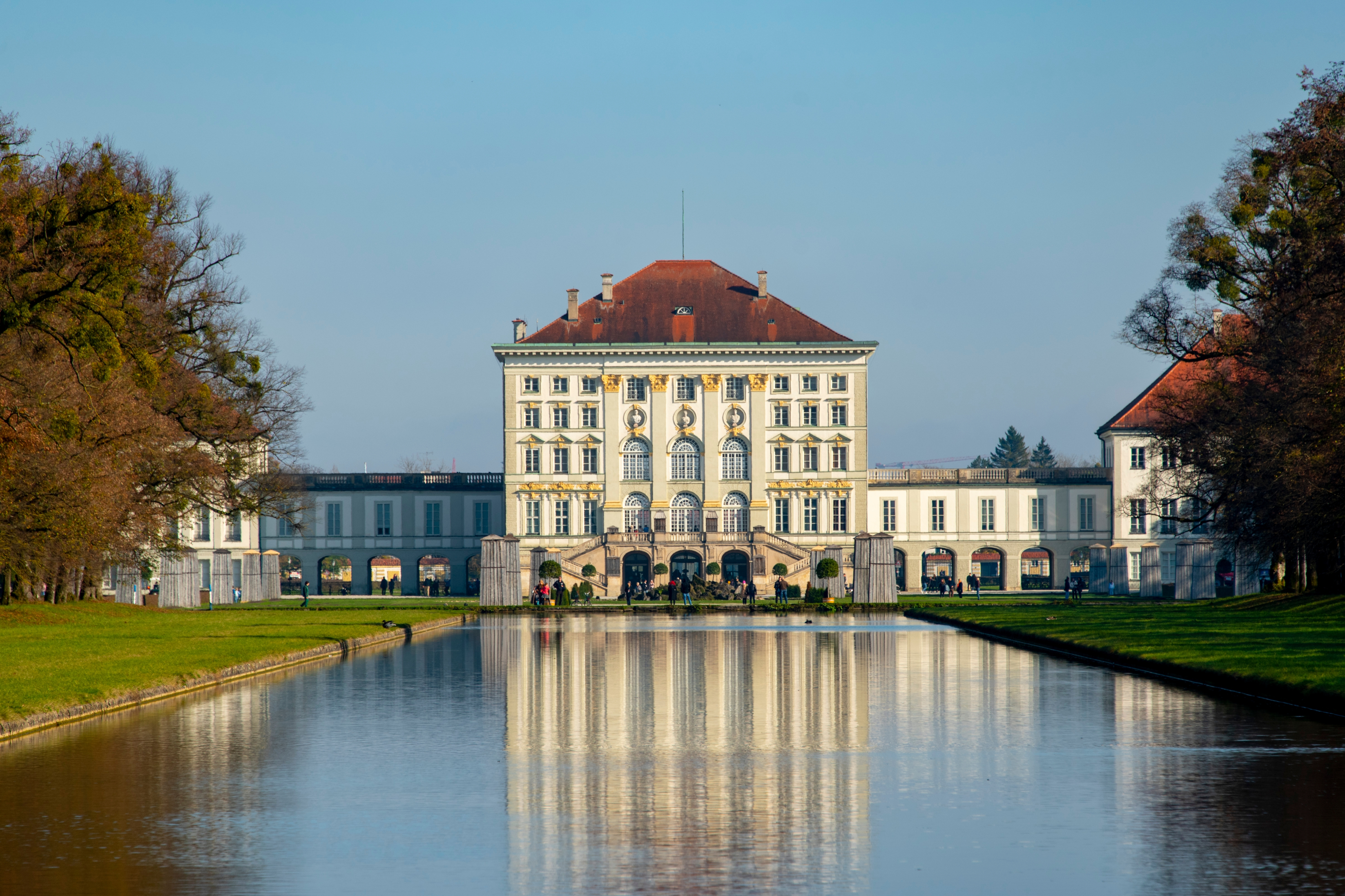
Nymphenburg Palace
Nymphenburg Palace is one of Europe’s grand baroque residences, with refined rooms, a striking garden layout, and boating options in the estate waterways. It’s a top Munich must-see for history and palace architecture, especially if you want a full, scenic day out.
Time needed: About 3 to 5 hours
Entry: Standard tickets cost about €11–€20 depending on areas visited Visit the official site for details.
Tip: Book timed entries if available and plan extra time for the gardens.
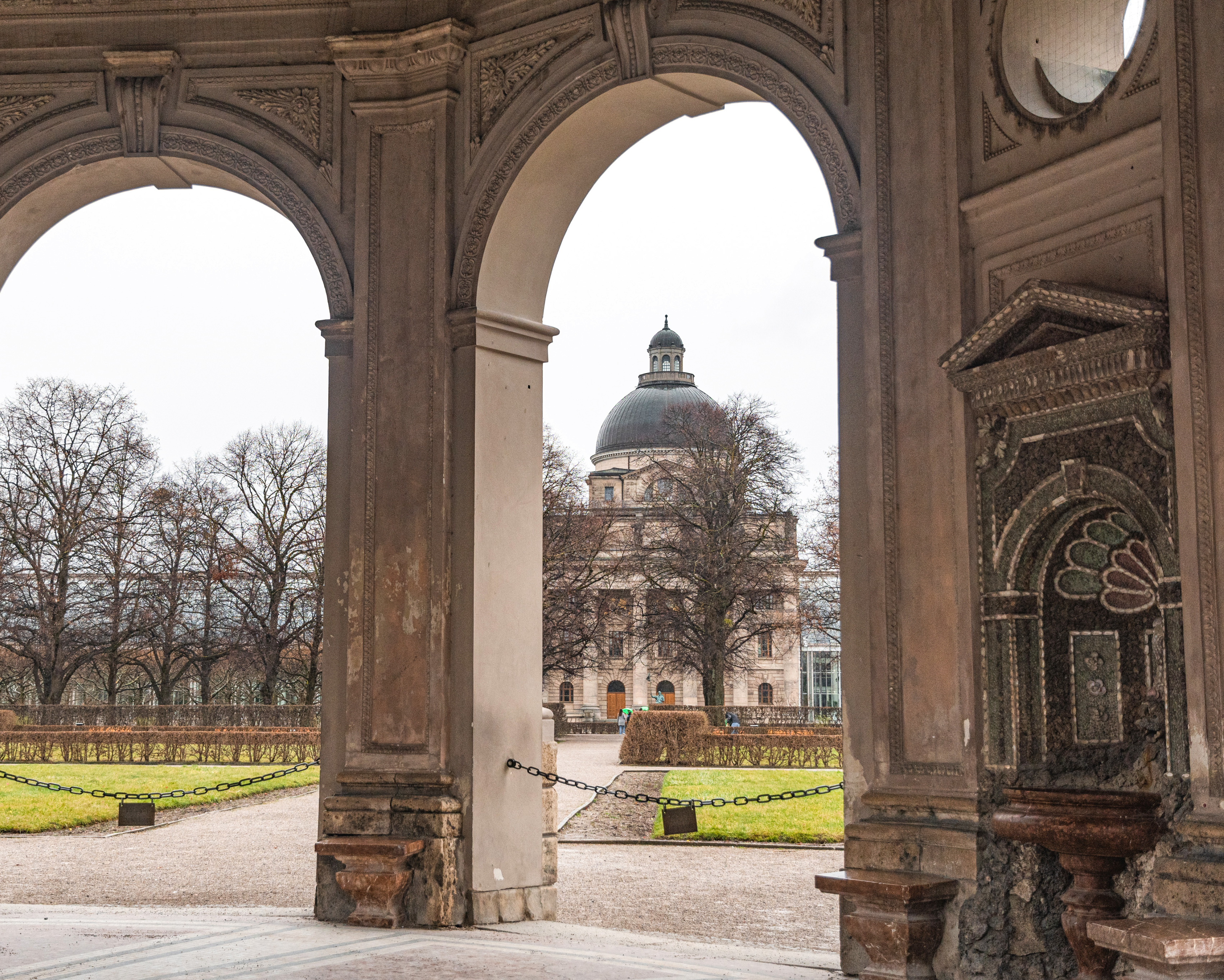
English Garden (including the Chinesischer Turm area)
The English Garden stretches through Munich like a green city escape, with lakeside paths, cycling lanes, and iconic beer-garden culture. Near the Chinesischer Turm, you’ll find classic Bavarian lounging, while farther in you can enjoy quieter viewpoints along the river and lawns.
Time needed: About 2 to 4 hours
Entry: Free to access; beer garden food and drink are paid Visit the official site for details.
Tip: Go earlier in the day for calmer paths, and bring cash for beer garden snacks.
Overlooked sites worth visiting
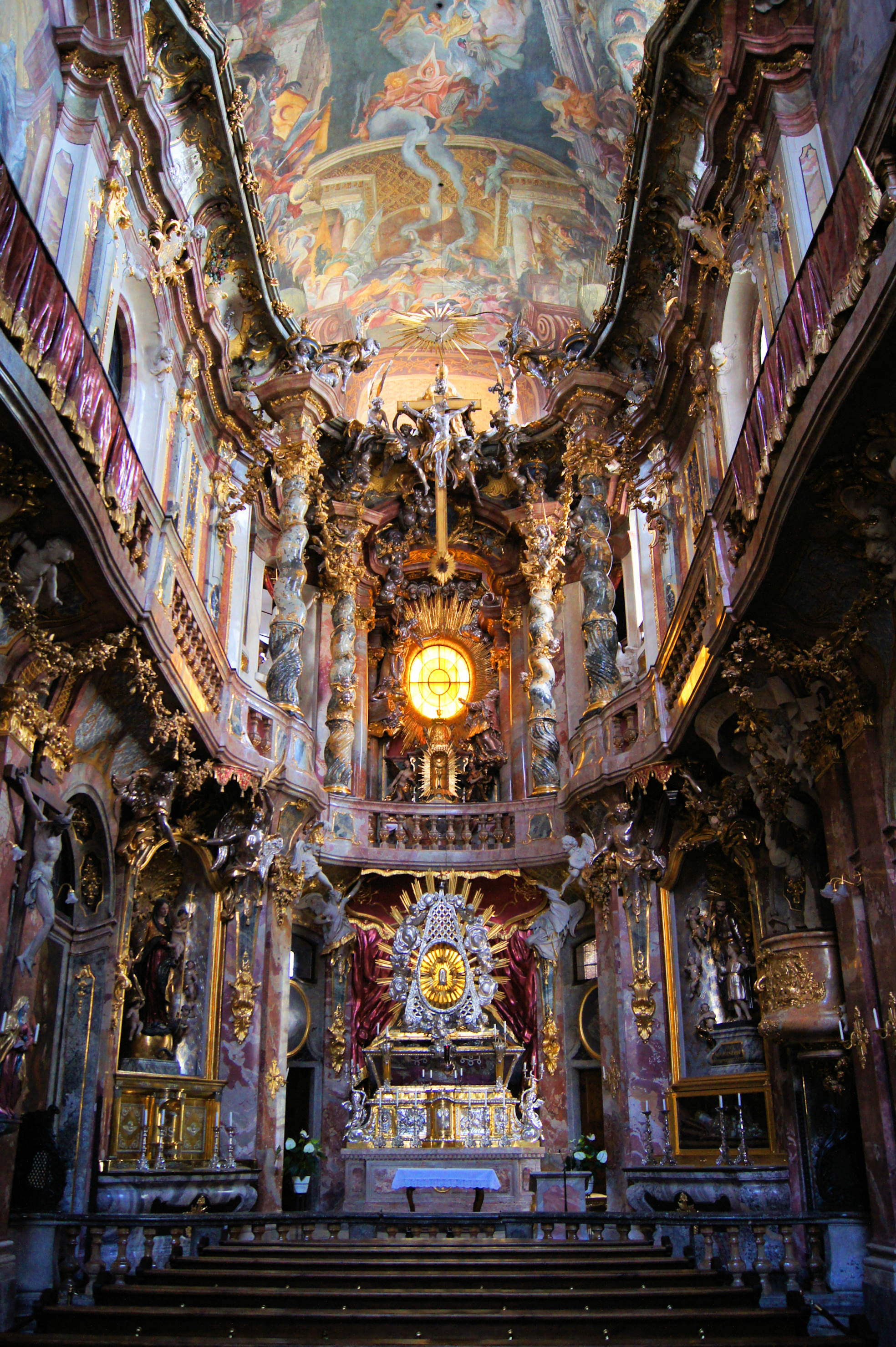
Asam Church (Asamkirche) — Theatine Church of St. John Nepomuk
Tucked near the city center, Asam Church surprises visitors with compact, richly stuccoed interiors and dramatic baroque detail. It’s a small stop that feels intimate and theatrical—often overlooked compared with the bigger churches.
Time needed: About 2 to 3 hours
Entry: Usually free or low-cost entry; check onsite hours and ticket rules
Tip: Visit midweek or just before closing for a calmer interior experience.
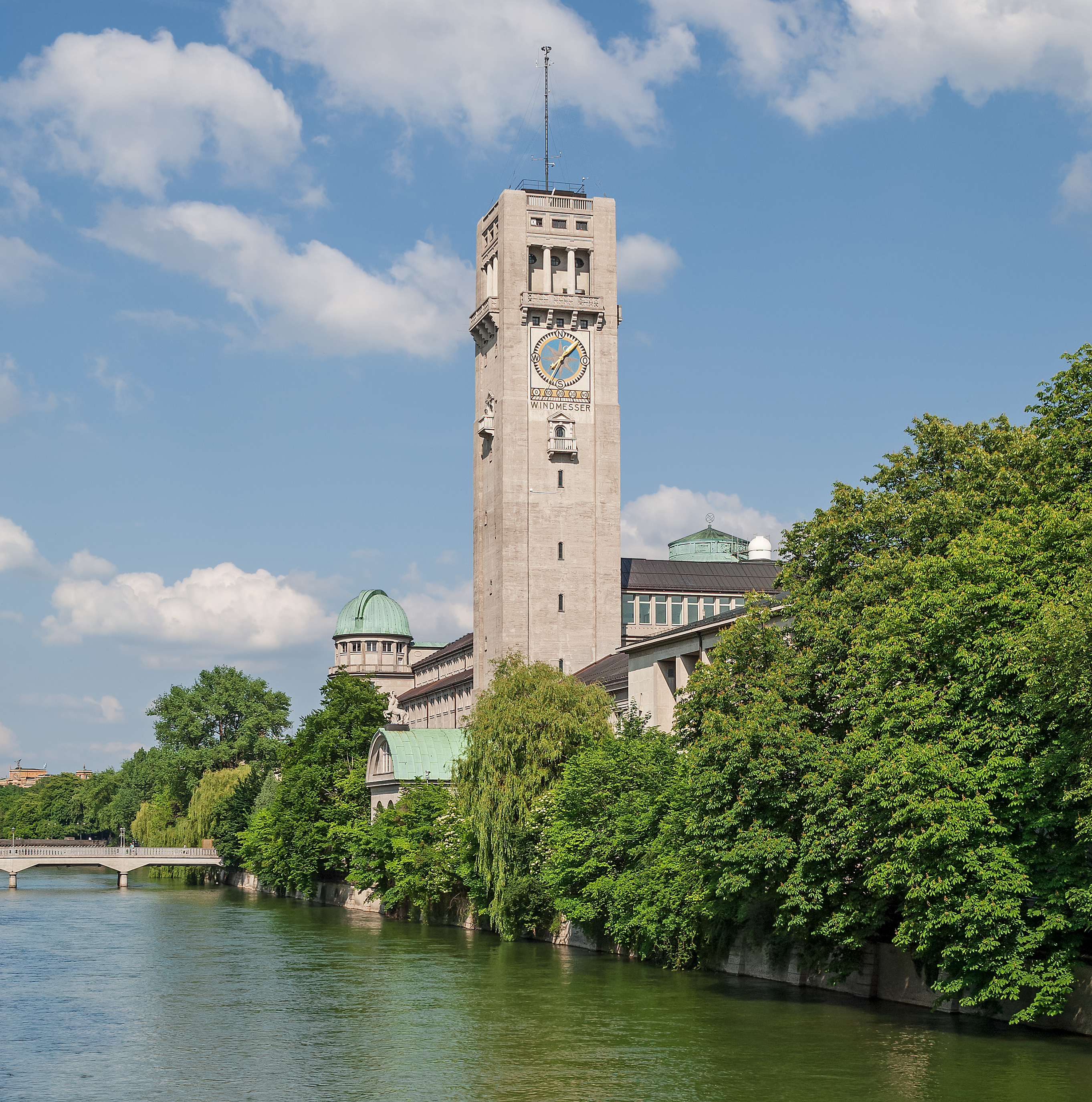
Deutsches Museum (Museumsinsel area)
Deutsches Museum is a giant science-and-technology showcase that feels more like an interactive voyage than a typical museum. The island setting and hands-on exhibits make it a standout for travelers who want a memorable, less “standard sightseeing” day.
Time needed: About 1 to 2 hours
Entry: Standard tickets cost about €14–€17; concessions may apply Visit the official site for details.
Tip: Check exhibition halls in advance so you don’t miss favorites.
Traditional food

Munich cooking leans on pork, veal, pretzels, mustard, cheese, and beer-hall comfort, with portions built for long lunches and unhurried evenings. Expect simple, hearty flavors, seasonal produce, and a dining culture that still values bakeries, taverns, and regular hours.
Weißwurst
These pale veal-and-pork sausages are a Munich breakfast classic, usually served with sweet mustard and a pretzel. Schneider Bräuhaus München has served a dependable version in the old center for generations.
Brezn
The Munich pretzel is soft, glossy, and deeply salted, making it the city’s most recognizable bakery snack. Hofbräuhaus München has served brezn alongside beer-hall fare for a long time.
Obatzda
This creamy cheese spread, seasoned with onion and herbs, is a staple with pretzels and beer garden tables. Augustiner-Keller has served a classic Munich-style version in a traditional setting.
Schweinshaxe
A roasted pork knuckle is one of Munich’s most traditional hearty dishes, with crackling skin and a rich, savory finish. Zum Alten Markt has served a well-known version close to the old town.
Best time to visit Munich
Munich changes noticeably by season: spring and summer reward parks and beer gardens, autumn brings crisp sightseeing weather, and winter is best for markets, museums, and indoor planning.
Best for: Mild weather, flowering parks, and easier walking days
What you get: 45–65°F (7–18°C), with lighter crowds than peak summer and occasional rain
Trade-offs: Weather can shift quickly, so layers matter
Best for: Long daylight, beer gardens, and the English Garden at its best
What you get: 55–78°F (13–26°C), with the busiest crowds and the fullest outdoor atmosphere
Trade-offs: Peak season means more tourists and higher prices
Best for: Crisp air, clearer sightseeing, and a strong cultural calendar
What you get: 40–64°F (4–18°C), with moderate crowds and comfortable city-walking weather
Trade-offs: Days shorten and rain becomes more common
Best for: Christmas markets, museums, and a quieter urban pace
What you get: 25–40°F (-4–4°C), with lower crowds outside holiday periods and cold, short days
Trade-offs: Cold weather and limited daylight make outdoor plans briefer
A realistic 5-day plan in Munich
This five-day plan keeps the first day light, then moves from the historic center to the English Garden, then into palace and museum time before a flexible final day. The order reduces backtracking and leaves room for Munich’s calmer neighborhoods.
Arrive at Munich Airport (MUC) and keep the first day light. The S-Bahn S1 or S8 reaches the center in about 35–45 minutes for roughly €14.30 ($15.50). A taxi to Altstadt-Lehel usually takes 35–50 minutes and costs about €70–€90 ($76–$98). If you’re staying in Maxvorstadt, the tram/rail links are also straightforward once you’re checked in. Use day one to settle into your hotel, walk a nearby square, and dine close to base.
Start in Marienplatz and the surrounding Old Town, where the New Town Hall, Glockenspiel, and pedestrian streets make an easy first sightseeing block. Spend 1–2 hours at Marienplatz, then continue to nearby churches and arcades; Asam Church is a compact add-on if you want a quieter baroque interior. If you’re staying in Altstadt-Lehel, this is the day to mostly walk. Expect a compact center, lots of cafés, and simple transit back to your hotel after dinner.
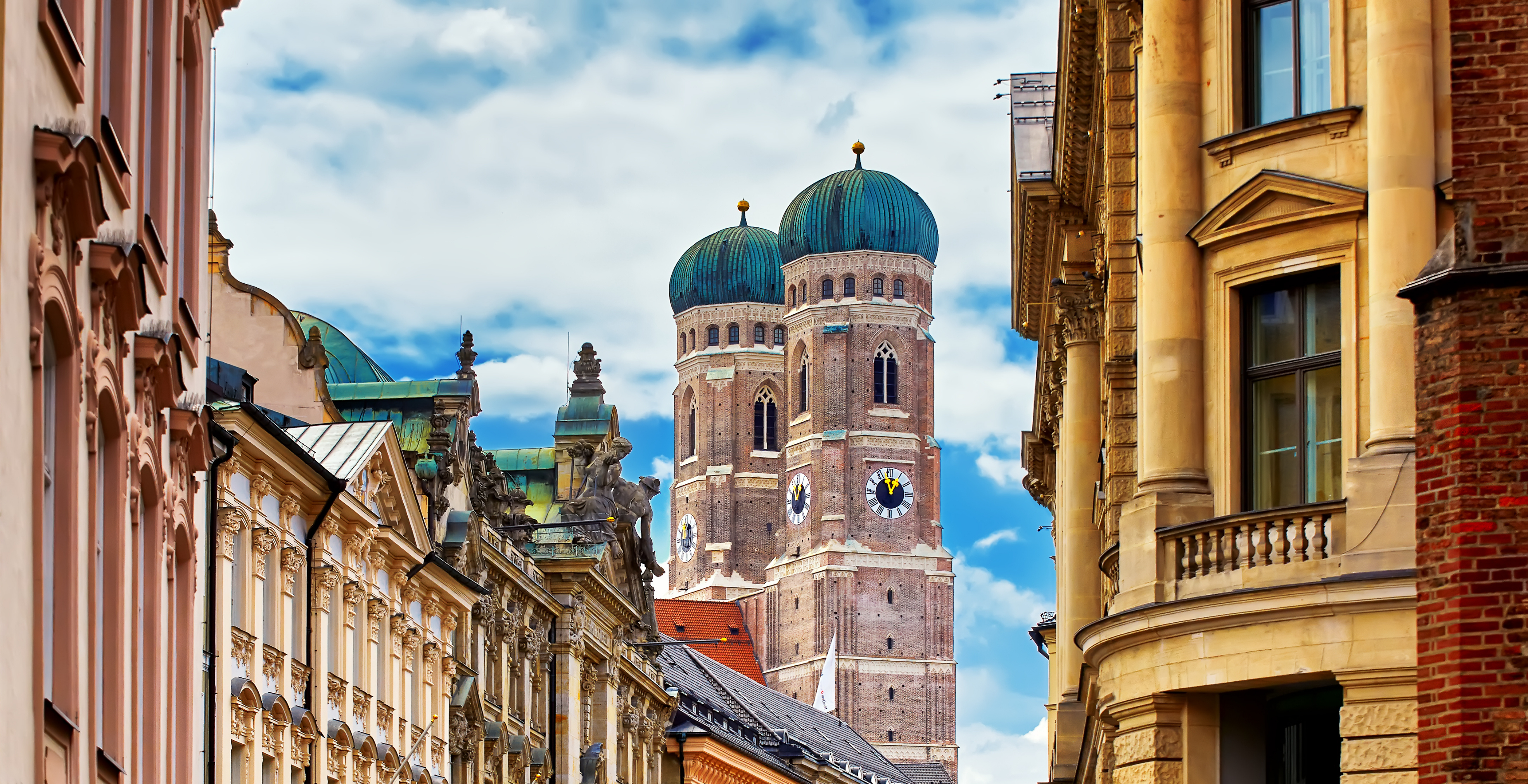
Plan this day around the English Garden, including the Chinesischer Turm area, and nearby Schwabing. The park is free, while beer garden food and drink are extra, so budget about €15–€30 ($16–$33) if you want a relaxed lunch there. Go earlier for calmer paths, then move into Schwabing for cafés, boutiques, and a more local evening. This is the best day for walking, cycling, and classic Munich outdoor culture.
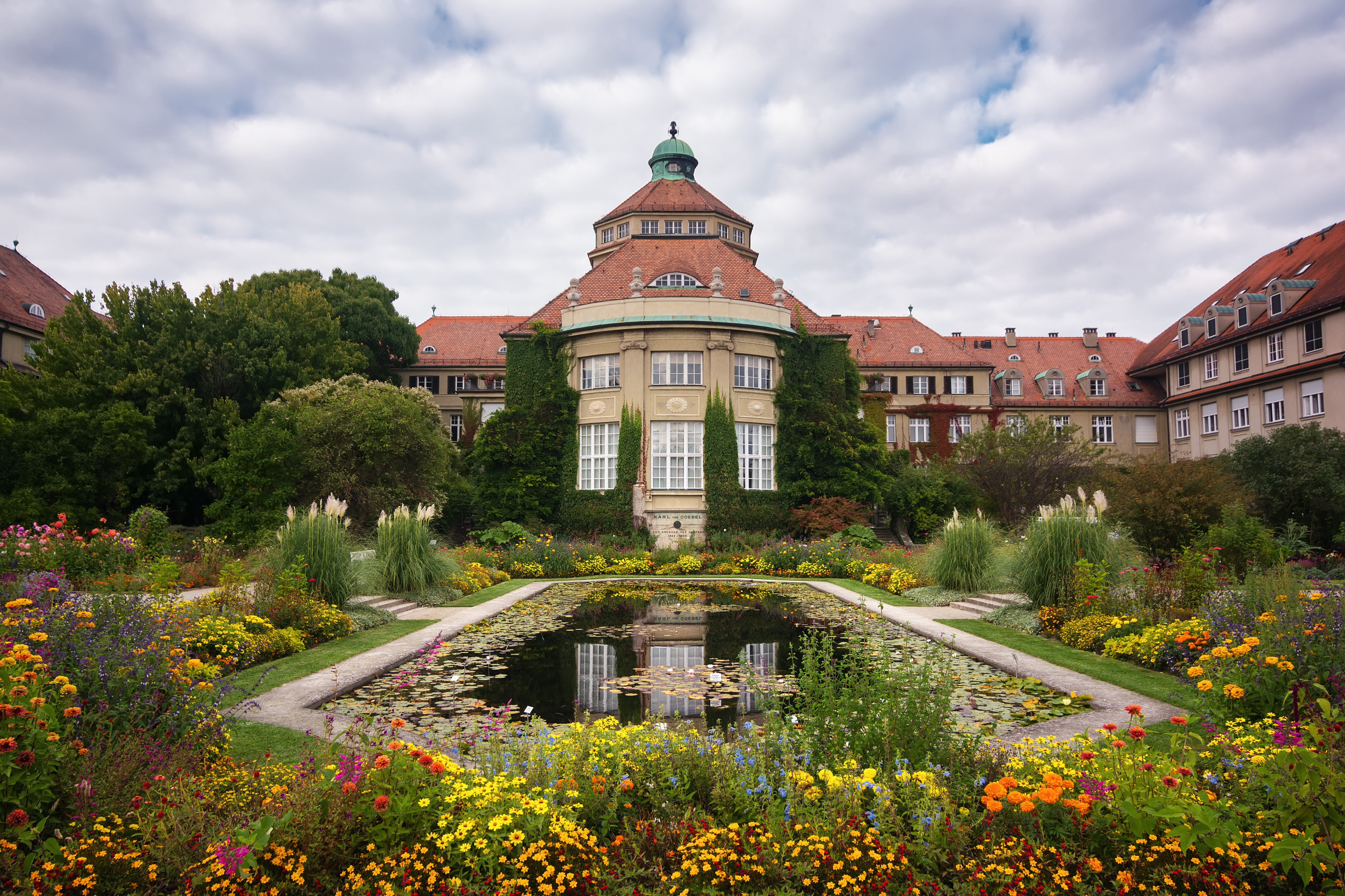
Use this day for a fuller culture route: Nymphenburg Palace in the morning, then the Deutsches Museum later if you want something more hands-on. Nymphenburg tickets usually cost about €11–€20 ($12–$22), and you should allow 3–5 hours for palace rooms plus gardens. Deutsches Museum tickets are usually €14–€17 ($15–$19), and it works well for 2–4 hours. If you are based in Maxvorstadt or Haidhausen, both areas make it easy to reach these sights by tram or U-Bahn.
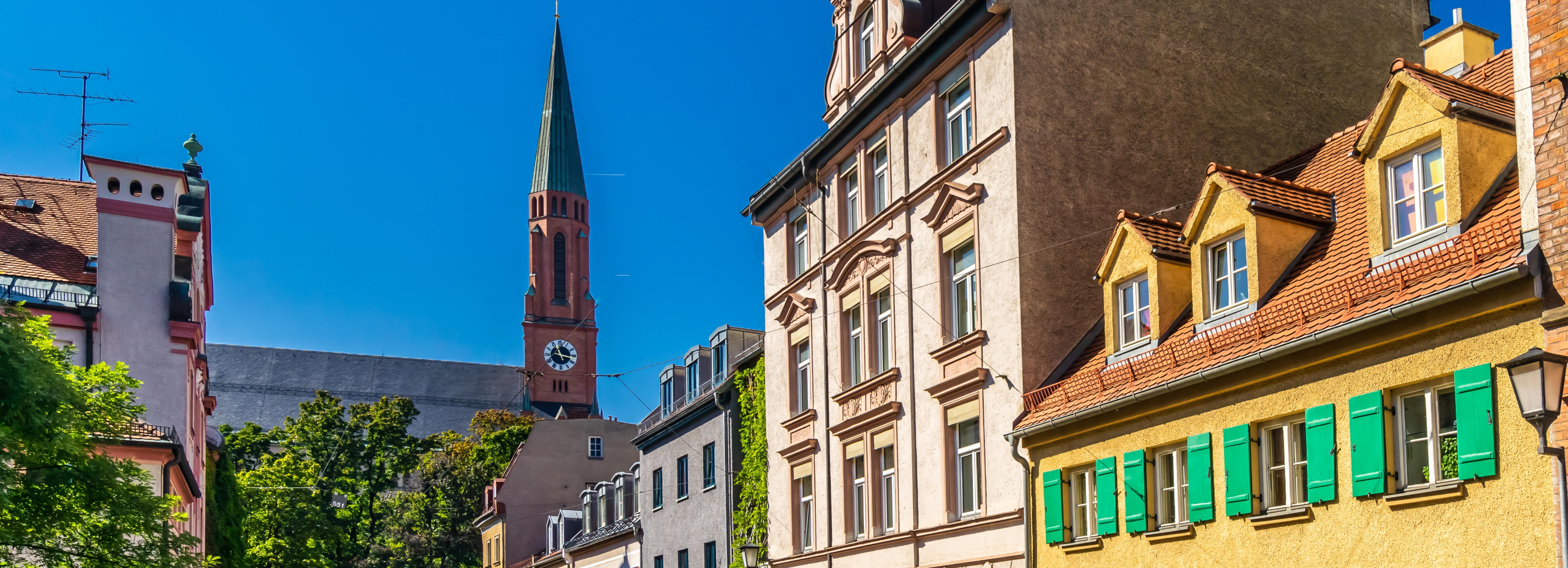
Keep the final day flexible for packing, shopping, or a short repeat visit to your favorite neighborhood. If you have extra time before departure, Haidhausen is good for a relaxed breakfast and one last stroll, while Maxvorstadt works well for cafés and last-minute museum browsing. Leave enough margin for airport transfer, especially if you are traveling at peak commute time.
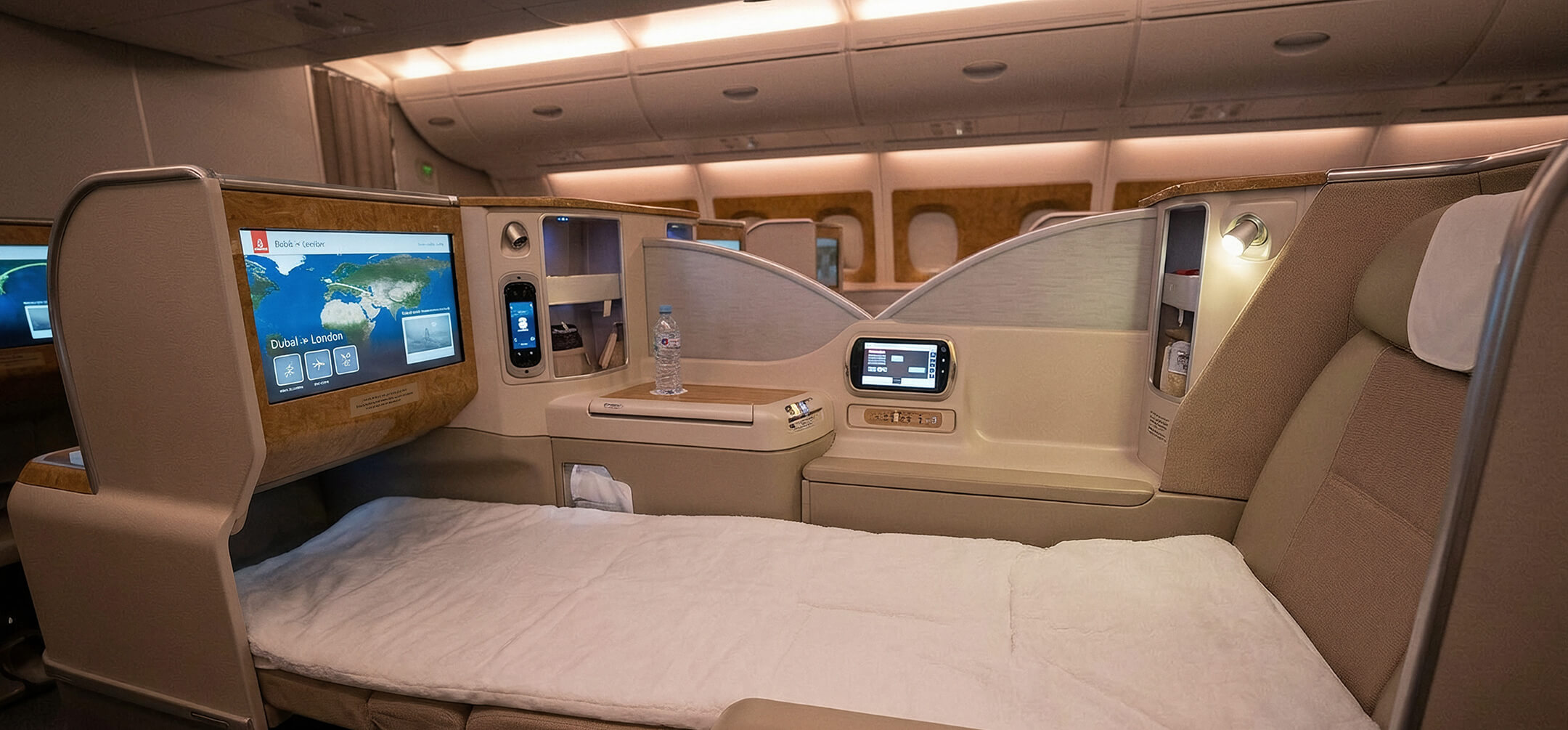
Business-class flights from the US to Munich
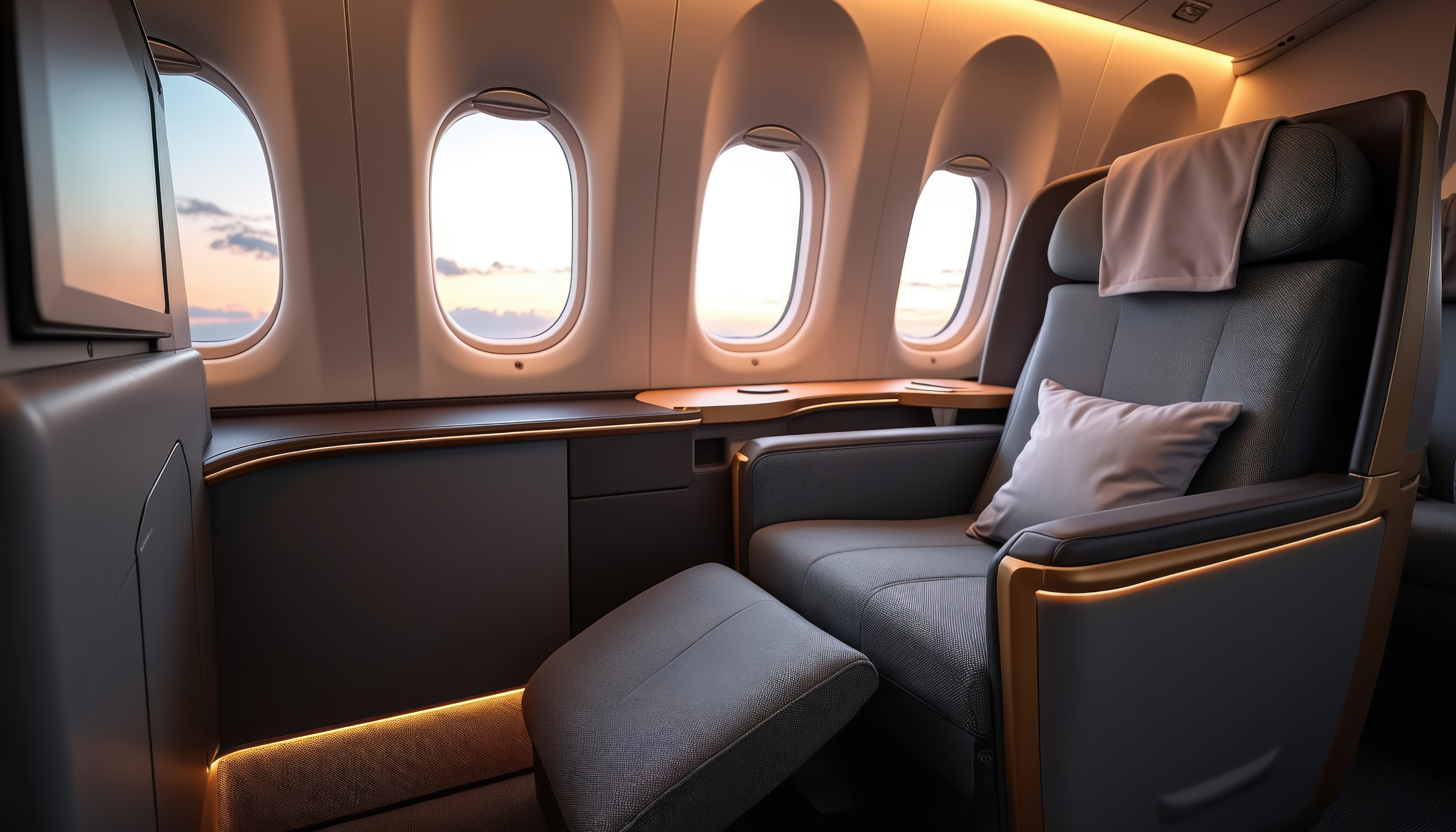
Flights to Munich are typically available as both nonstop and one-stop itineraries from major U.S. gateways. Pricing varies by cabin and season, but the route is well served from both New York and Los Angeles.
Lufthansa, United Airlines, Delta Air Lines, Air France, KLM, British Airways operate nonstop flights on this route, with a duration of 8 to 9 hours. Round-trip business-class tickets usually range from $2,020 to $3,130, with last-minute bookings reaching higher. Round-trip economy tickets typically range from $590 to $960. If you don’t mind a layover, common routings via FRA, ZRH, AMS, CDG, LHR, IST take 10 to 15 hours and often reduce the cost.
Lufthansa, United Airlines, Air Canada, British Airways, Air France, KLM operate nonstop flights on this route, with a duration of 11 to 12 hours. Round-trip business-class tickets typically range from $3,190 to $5,005, with last-minute bookings reaching higher. Round-trip economy tickets typically range from $620 to $1,100. If you don’t mind a layover, common routings via FRA, ZRH, AMS, CDG, LHR, IST take 14 to 20 hours and often reduce the cost.
Munich feels clearer when the days are paced well.
A well-structured plan in Munich is less about squeezing in more stops and more about keeping the city’s distances, transit, and busy landmarks in balance. When you reduce friction between neighborhoods, you get more time for the parts of Munich that actually define a trip: the squares, gardens, museums, and long meals. If you are planning your trip to Munich, our AranGrant experts can help you review routes, book hotels, and structure your stay so the city feels calm and well organized from arrival to departure.