

Chapters:

Need help with your trip?
Our support team is available 24/7. Request a callback or call us directly at (833) 619-0908
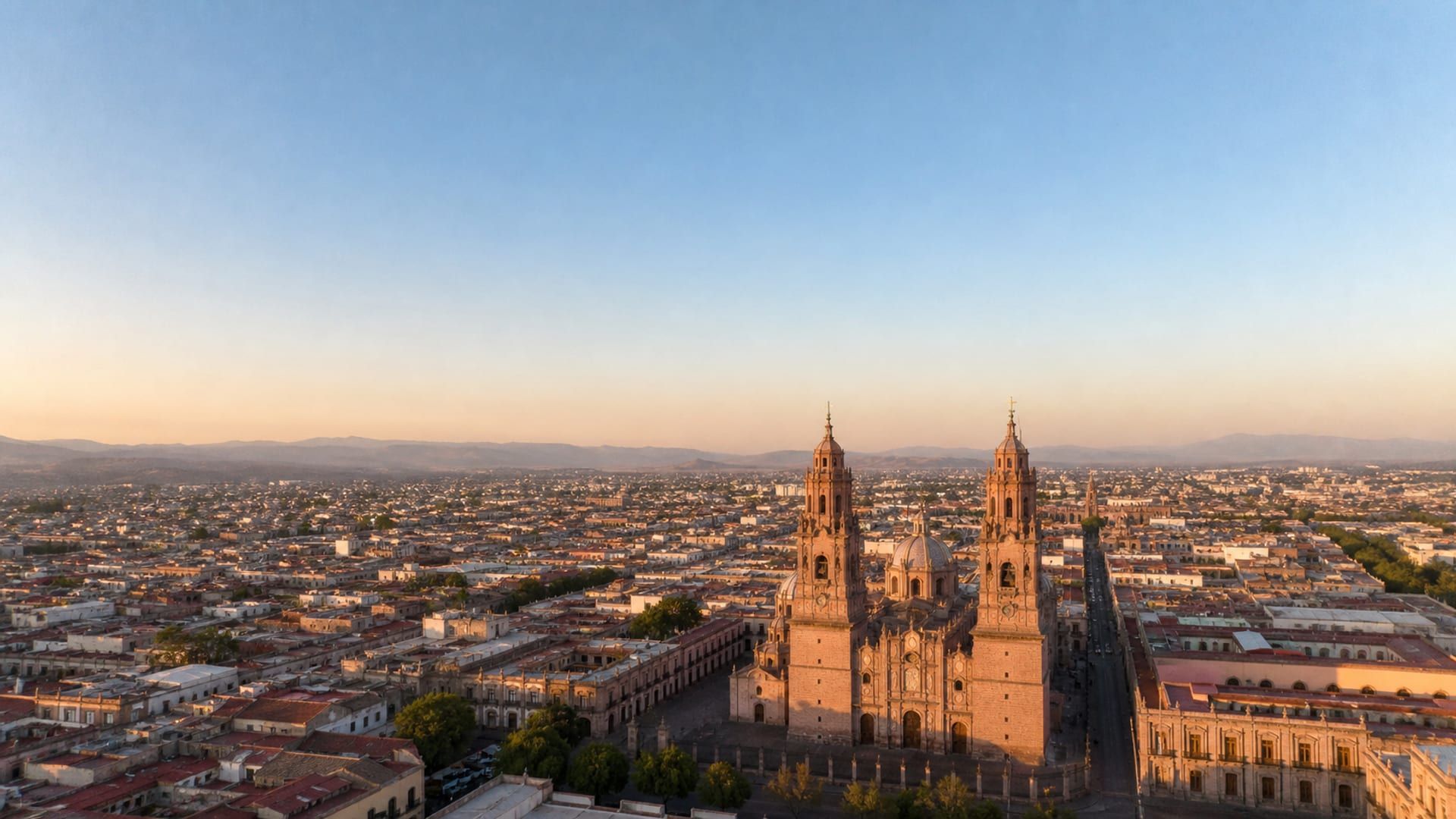
Many first-time trips to Morelia center on the cathedral, the plazas, and a quick hotel check-in, then skip the quieter corners that shape the city day to day. The usual miss is distance, since a few districts sit well outside the historic core and can turn simple plans into taxi-heavy days.
That matters here because the old center rewards walking, but not every landmark sits beside it, and the center itself gets busier at peak hours and after dark. If you arrive without a sequence, you can lose time crossing town or doubling back for meals and museum visits.
This guide keeps the focus on clear areas, short transfers, and sensible timing, so you can see the main landmarks, try the local kitchen, and still leave room for slower pauses in the plazas.
Useful things to know

Main language(s): Spanish
hola (OH-lah) – hello
por favor (por fah-VOR) – please
gracias (GRAH-see-ahs) – thank you
¿habla inglés? (AH-blah een-GLAYS) – Do you speak English?
¿cuánto cuesta? (KWAN-toh KWES-tah) – How much does it cost?

Currency: The local currency is the Mexican peso (MXN, $).

Cash and cards: Cards and contactless are widely accepted in hotels and larger businesses; carry about MXN 300 to 500 ($17 to $29) in cash.

Tipping: Round up taxis and leave 10% in restaurants when service is not already included.

Traditional food: carnitas, uchepos, enchiladas placeras, corundas

Water and coffee costs: Water about MXN 25 to 35 ($1.50 to $2), bar espresso about MXN 35 to 55 ($2 to $3).

Taxis and ride apps: Uber and Didi operate here; confirm the plate before boarding.

Plug and voltage: Type A/B socket, 127V

Dining and shop opening hours: Breakfast is about 7:00-10:00, lunch 14:00-16:00, and dinner 20:00-22:30. Many restaurants close between lunch and dinner.

Emergency number: 911 for police, fire, and medical emergencies.
Where to stay in Morelia
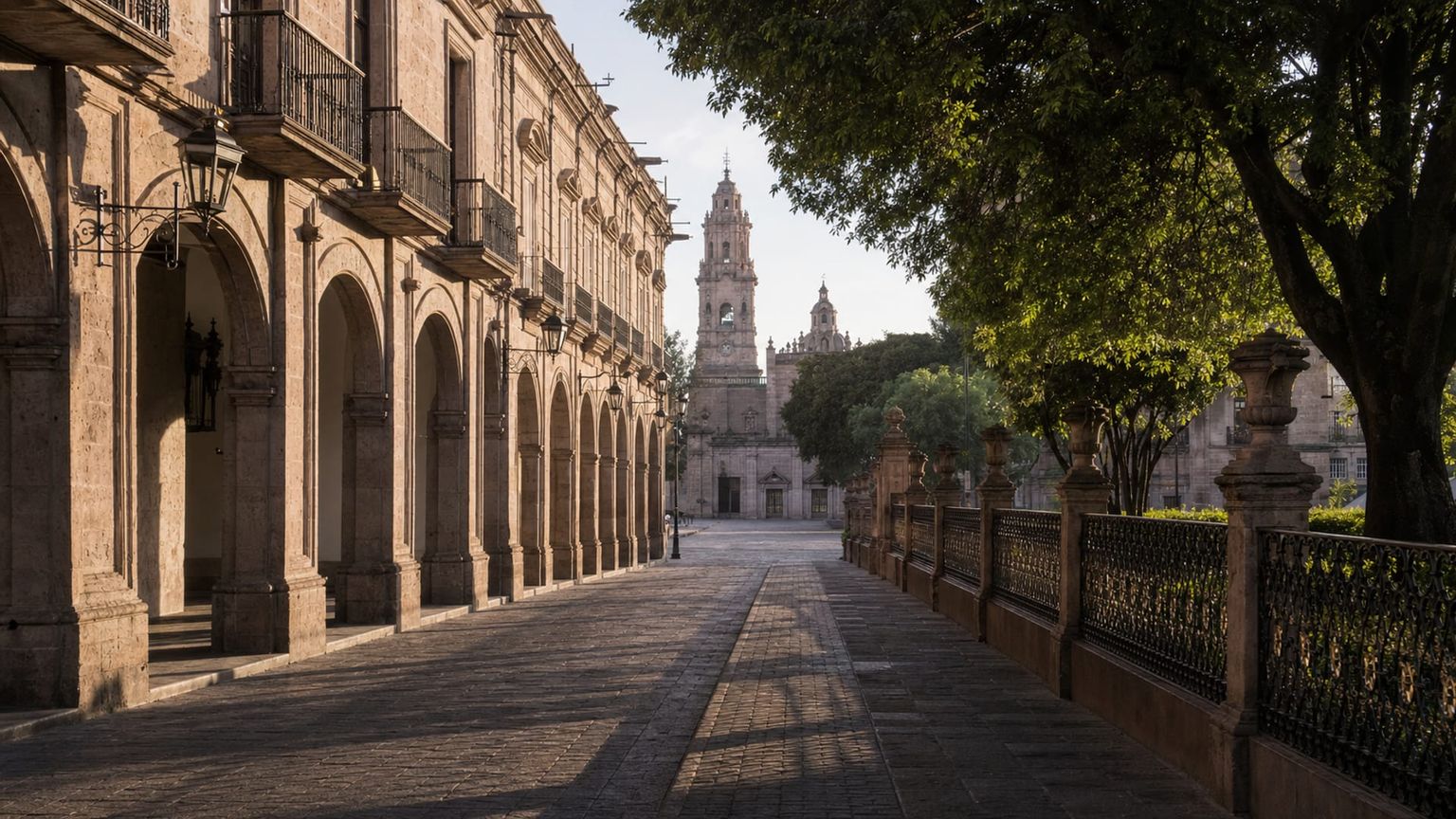
Morelia’s colonial core holds the cathedral, arcades, museums, and the city’s main plazas in one walkable grid. Staying here puts you closest to landmark sightseeing, evening dining, and the historic streets that define a first visit.
Best for: Historic sightseeing, walking access to major sights, and travelers who want to be close to restaurants and plazas
What to expect: Busy pedestrian streets by day, with café terraces, shops, and a steady evening crowd around the main squares.
Hotel prices: Usually about MXN 1,200 to MXN 2,800 (~$70 to ~$160) per night for well-rated stays
Distance to major sights: On foot to Morelia Cathedral in about 5 minutes and to the Tarascas Fountain in about 15 minutes
Quietness: Lively during the day and early evening, then quieter on side streets after late dinner hours.
Main trade-off: Rooms near the main plazas can cost more, and weekend noise can carry late into the night.
Good to know: If you want the shortest walks to the core sights, check whether your room faces a plaza or a side street before booking.
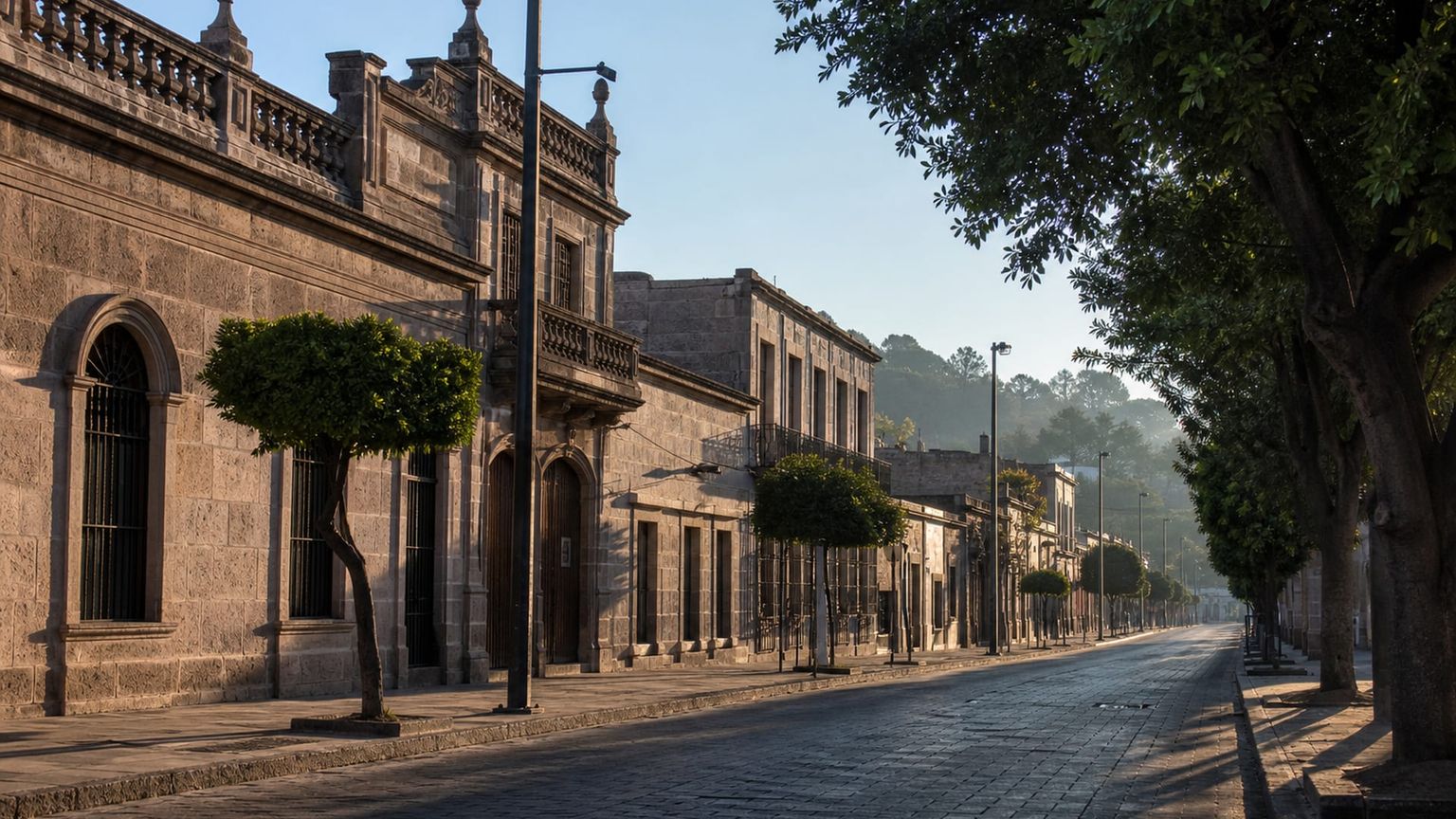
Las Américas is a residential and commercial district west of the center, with shopping centers, offices, and easy road access. It suits travelers who prefer newer hotels, parking, and a base that is simpler to reach by car or taxi.
Best for: Travelers with a car, business trips, and visitors who want newer hotels with easier parking
What to expect: Broad avenues, malls, and chain restaurants, with more car traffic than street life after dark.
Hotel prices: Usually about MXN 900 to MXN 2,100 (~$52 to ~$122) per night for well-rated stays
Distance to major sights: About 15 to 20 minutes by taxi to Morelia Cathedral and the historic center
Quietness: Quieter at night than the center, though traffic stays noticeable on the main roads.
Main trade-off: You give up walkability to the old town, so most sightseeing needs a taxi or rideshare.
Good to know: Choose this area only if parking, newer hotels, or a simpler car-based arrival matter more than being able to walk to the cathedral.
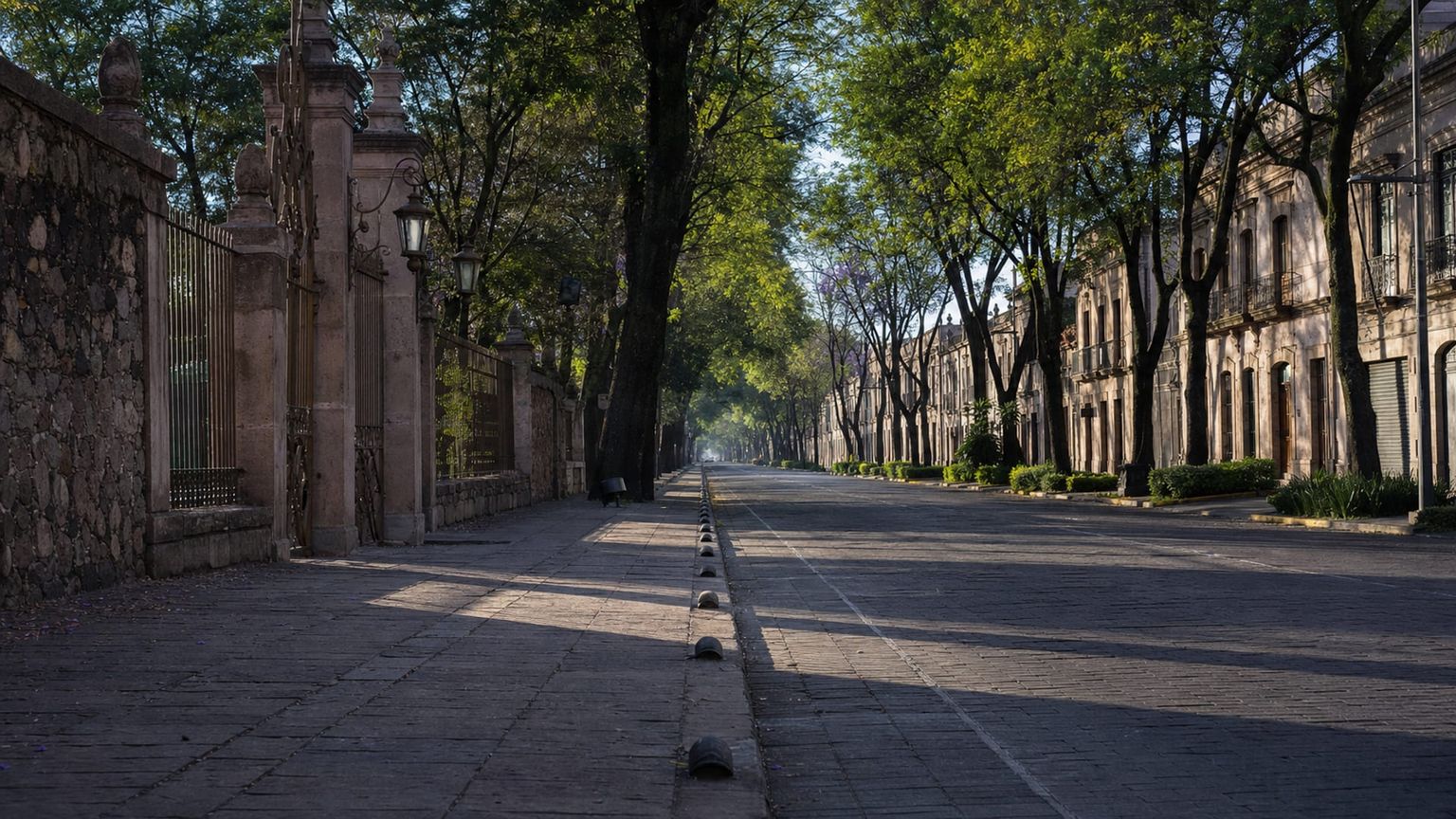
Camelinas sits south of the historic center along one of Morelia’s main corridors, with hotels, restaurants, and quick access toward the convention area and shopping. It works well when you want a modern stay without being far from the old town.
Best for: Modern hotels, conference trips, and travelers who want a south-side base with good road access
What to expect: Commercial strips, mid-rise hotels, and heavier traffic on weekday evenings near the main avenue.
Hotel prices: Usually about MXN 1,000 to MXN 2,500 (~$58 to ~$145) per night for well-rated stays
Distance to major sights: About 10 to 15 minutes by taxi to Morelia Cathedral and roughly 20 minutes to the Bosque Cuauhtémoc
Quietness: Moderate during the day, then calmer late at night away from the avenue.
Main trade-off: The area is convenient for taxis and business stops, but it lacks the historic atmosphere of the center.
Good to know: If you stay here, ask for a room away from the avenue, since traffic noise can be the main drawback.
Travelers usually avoid staying in Ciudad Industrial, the airport corridor near Morelia (MLM), and the far eastern edge of Villas del Pedregal, because they sit well outside the historic center and have fewer visitor amenities. The more remote parts of Santa María de Guido and the south side of Tenencia Morelos can also be less convenient, since evening transit into the city is limited and trips to major sights take longer.
Hotel deals
How to get around Morelia efficiently
Morelia has no metro or suburban rail, so most visitors rely on walking in Centro Histórico, buses for local cross-town trips, and taxis or app rides for the airport and hilltop sights.

Metro
for longer distances
Morelia does not have a metro or suburban rail network, so there is no rail option for getting between the airport area and the historic center. Most visitors rely on buses or taxis for the 30 to 40 minute trip into town, depending on traffic.

Bus and tram
for convenience
City buses connect Morelia with the airport area and the main neighborhoods, but they are better for local cross-town trips than for luggage-heavy airport transfers. Fares are typically about $0.50 to $1 (roughly MXN 10 to MXN 20), and most rides take 20 to 45 minutes depending on traffic and your stop; ask the driver before boarding, because routes are not always clearly signed in English.

Taxi
for convenience or late hours
Licensed taxis at Morelia’s airport and in the city usually use set airport fares rather than meters, while street cabs often quote a fixed price before departure. Expect about $12 to $25 for trips between the airport area and central Morelia, with short city rides often about $4 to $10; most drivers prefer cash in Mexican pesos, though some airport cars accept cards if arranged in advance.
*Prices are based on rates updated as of June 2026 and may change at the time of travel.
Walk when your day stays in the historic center, use buses for budget cross-town moves, and choose taxis or Uber and Didi for the airport, Guadalupe Sanctuary, and any route with a tight time window.
Iconic landmarks
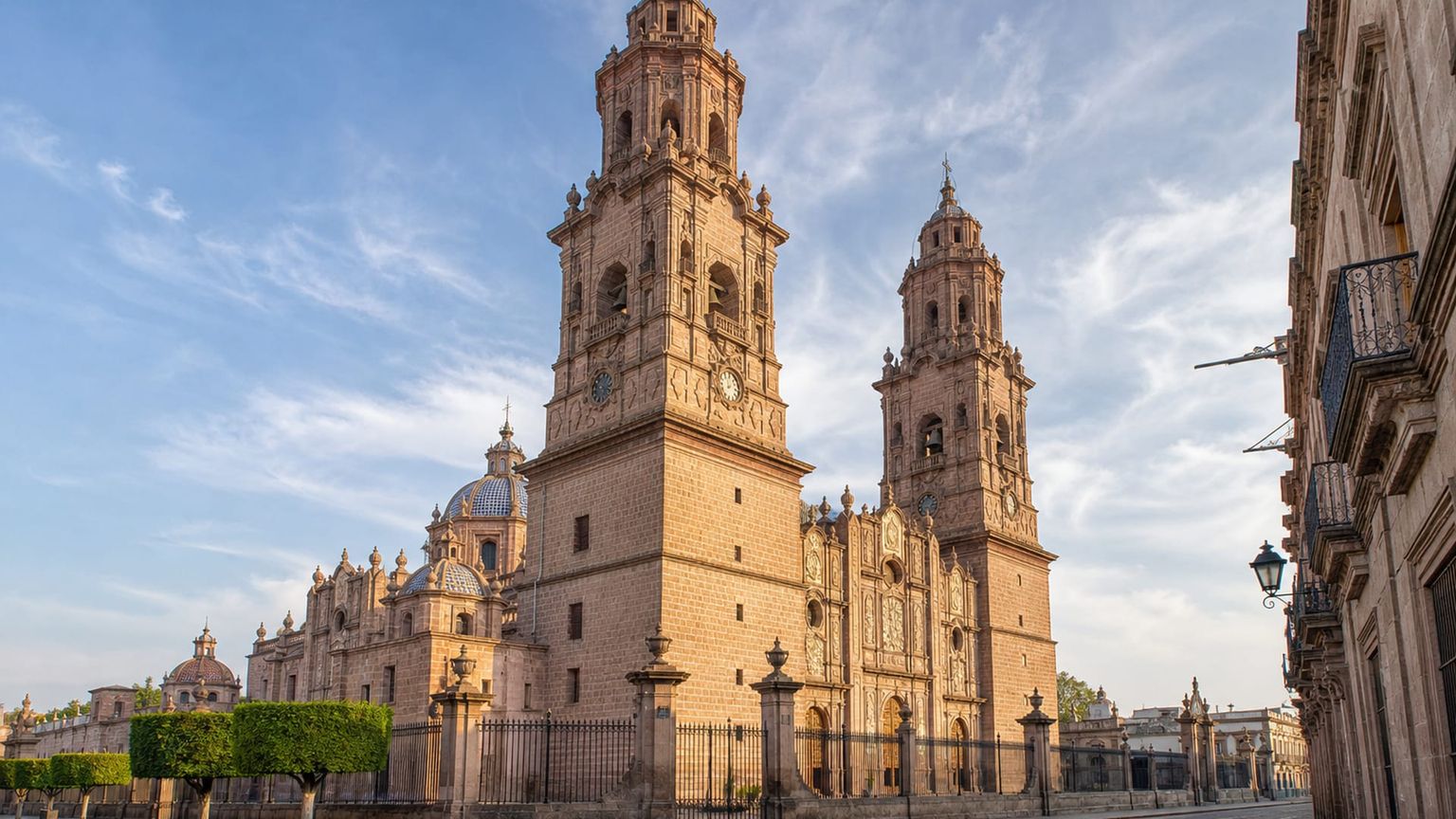
Morelia Cathedral
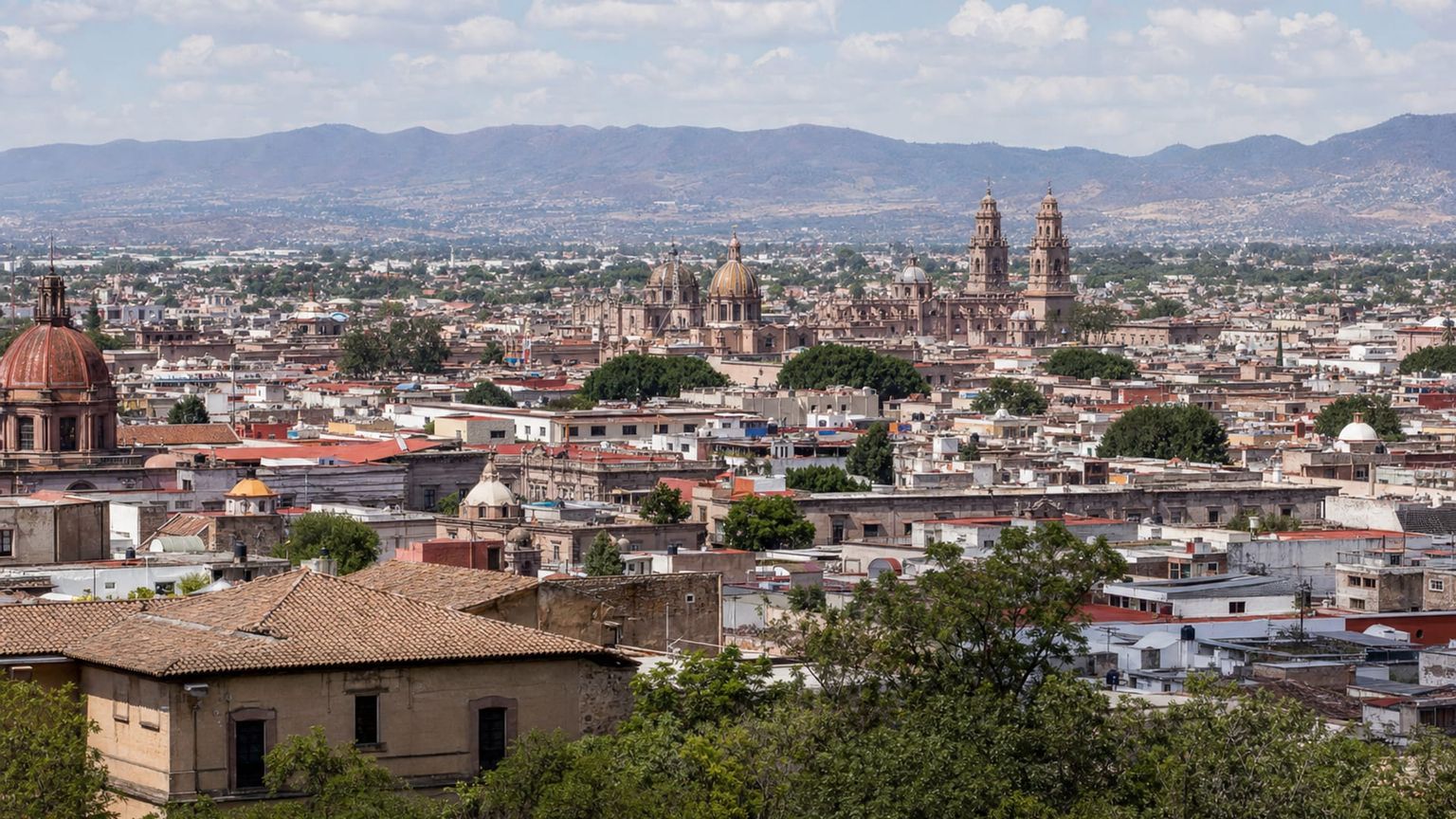
Morelia Cathedral anchors the historic center with pink quarry stone, twin baroque towers, and a carved facade facing the main plaza. Inside, the altars and side chapels reward a slow look, and the evening light show adds a second reason to visit.
Time needed: About 1 to 2 hours
Entry: Free to enter; special events or guided access may carry separate charges
Tip: Arrive near sunset, then stay for the facade lighting and cooler plaza air.
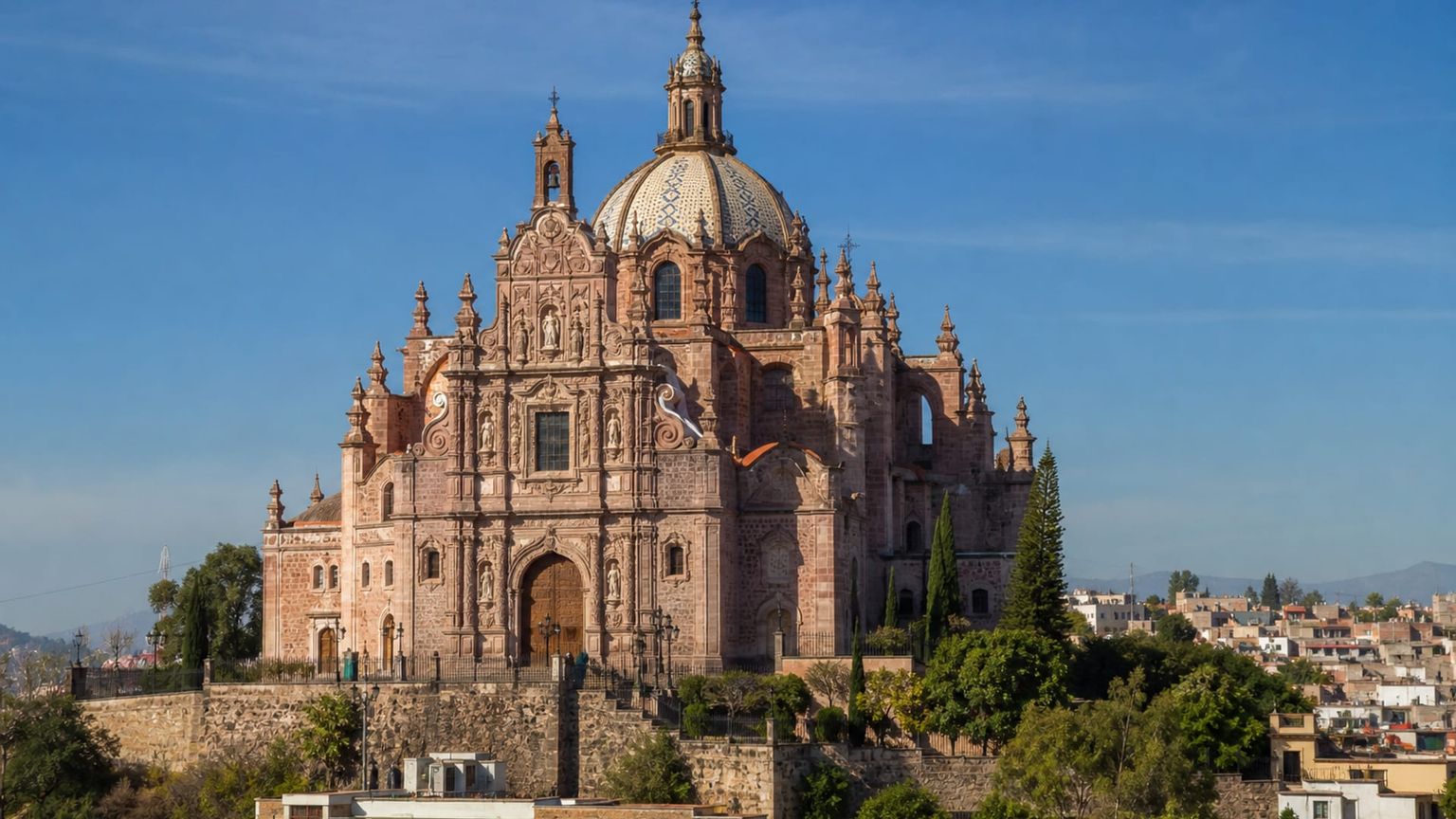
Guadalupe Sanctuary
Guadalupe Sanctuary pairs a richly decorated baroque facade with a bright interior of gold leaf, frescoes, and carved stone. It sits on a hill north of the center, so the approach also gives a clear view over Morelia’s low rooftops and church domes.
Time needed: About 1 hour
Entry: Free to enter; donations are welcome and special services may limit visitor access
Tip: Go in the morning, when the interior is quieter and the hill climb feels cooler.
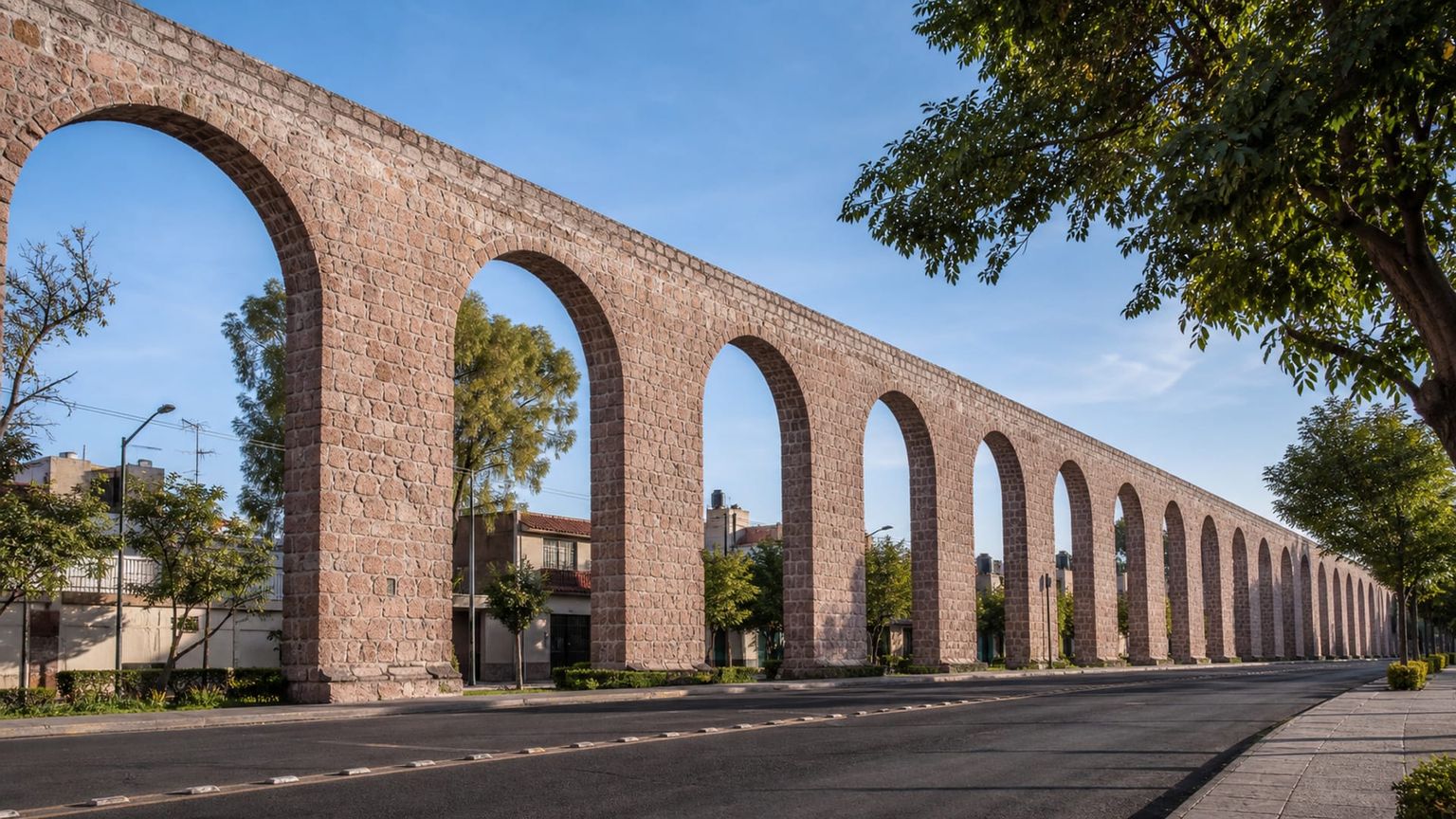
Aqueduct of Morelia
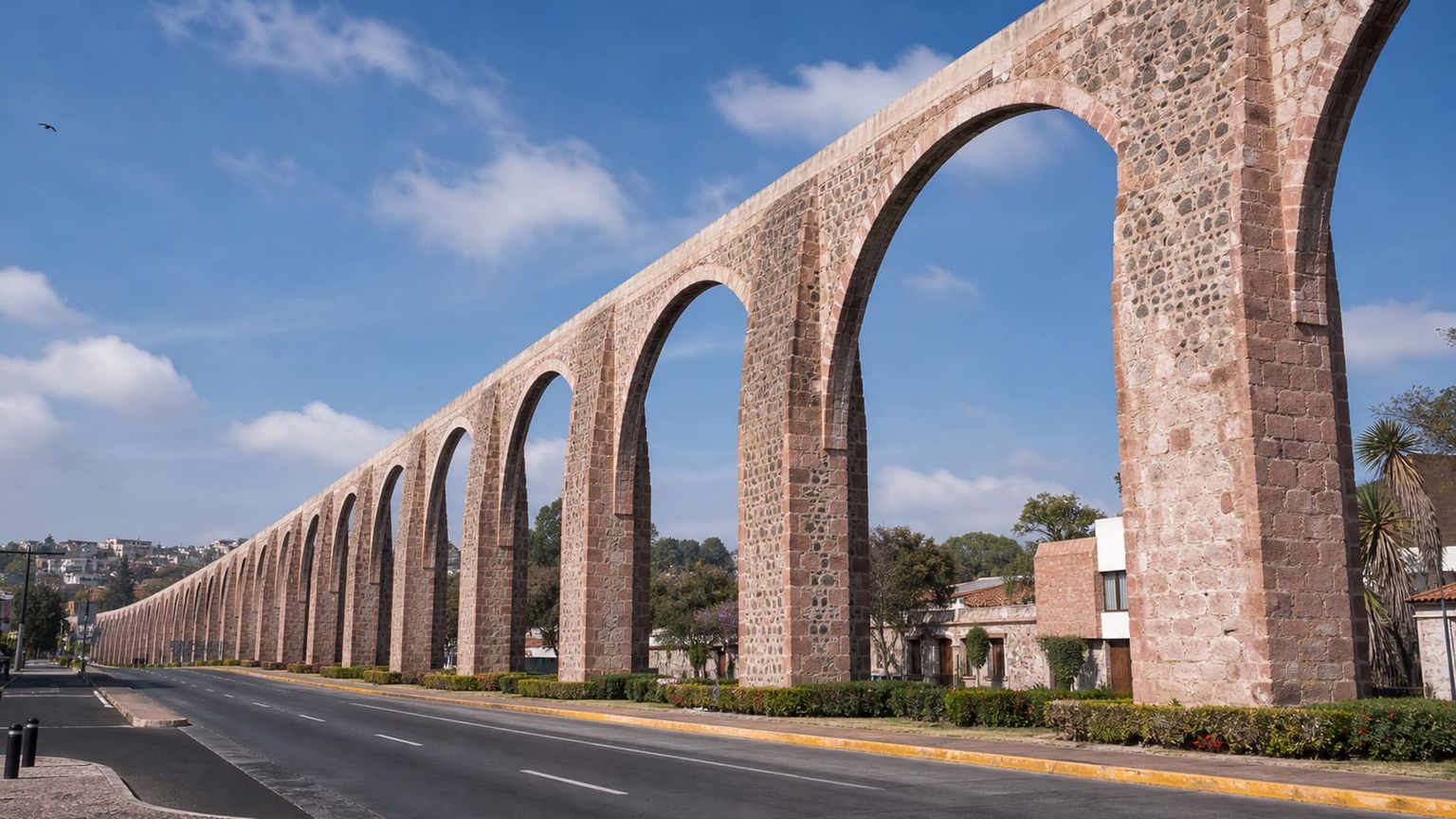
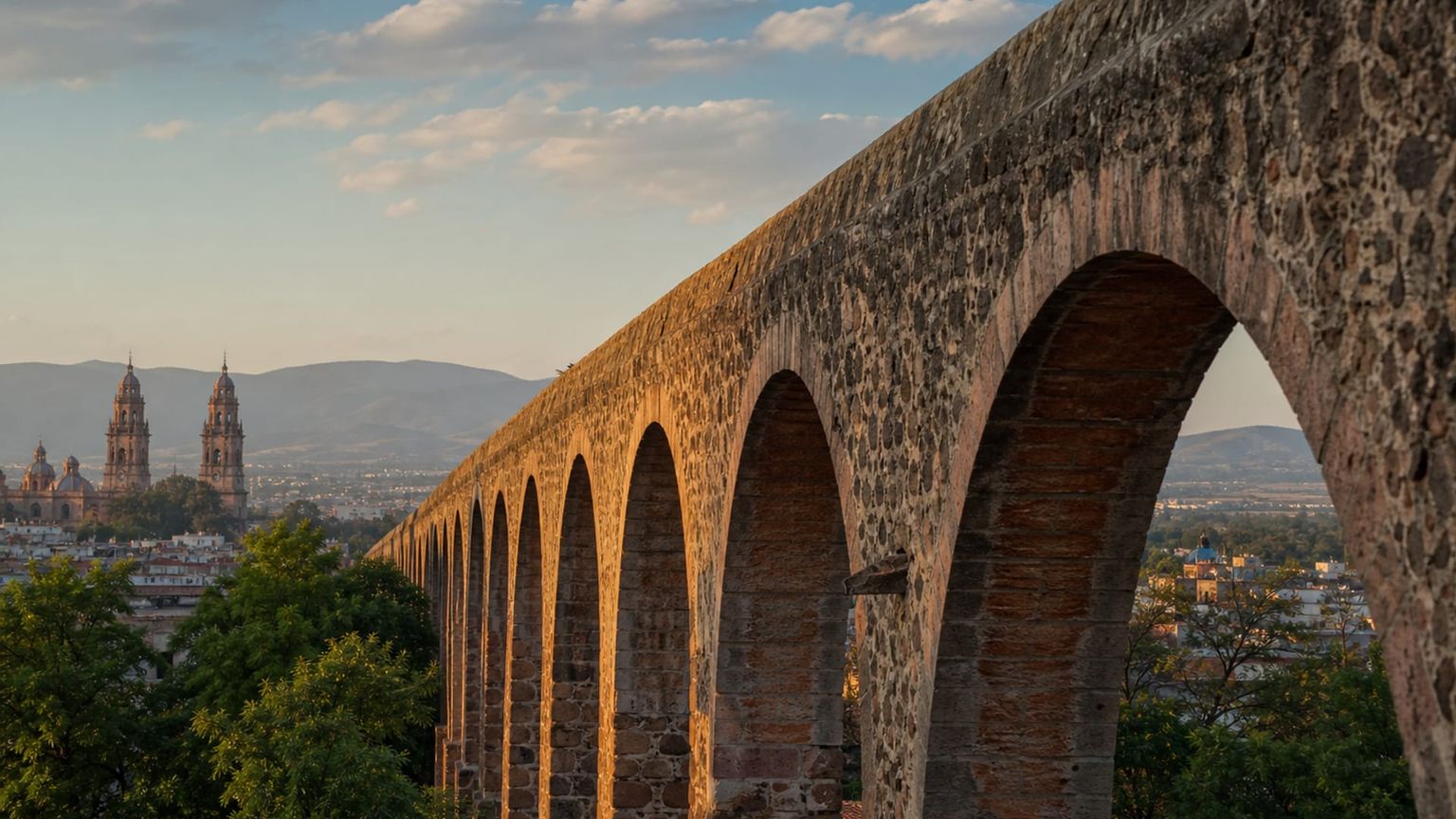
The Aqueduct of Morelia runs for about 1.7 km with more than 200 arches, a rare surviving piece of the city’s colonial water system. The best stretch is near the historic center, where the stone arcades line up cleanly against traffic and trees.
Time needed: About 30 to 45 minutes
Entry: Free to view from the street, with no timed admission required
Tip: Walk the central stretch in late afternoon, when the arches cast sharper shadows.
Overlooked sites worth visiting

Bosque Cuauhtémoc
A central woodland with wide paths, mature trees, and space for a slow walk near Morelia’s historic core. It also links to the zoo and city museums, so you can pair a short stroll with stops nearby.
Time needed: About 1 to 2 hours
Entry: Free to access; nearby zoo and museum admissions are separate if you choose to add them. Carry small bills for snacks, parking, or any paid activities inside the park perimeter; entry to the woodland itself does not require a ticket.
Tip: Visit early for cooler paths and softer light.

Museo de Arte Colonial
This small museum inside a former convent shows carved wood, painting, and religious objects from the colonial era. Its compact rooms make it easy to visit without committing much time, and the building itself adds to the stop.
Time needed: About 1 hour
Entry: Admission is about $2 to $4 (about 35 to 70 MXN), with lower or free entry on some public holidays or student days when the museum offers it. Confirm current hours before you go, because schedules can shift for special events or maintenance.
Tip: Go midmorning for quiet rooms and better viewing light.
Traditional food
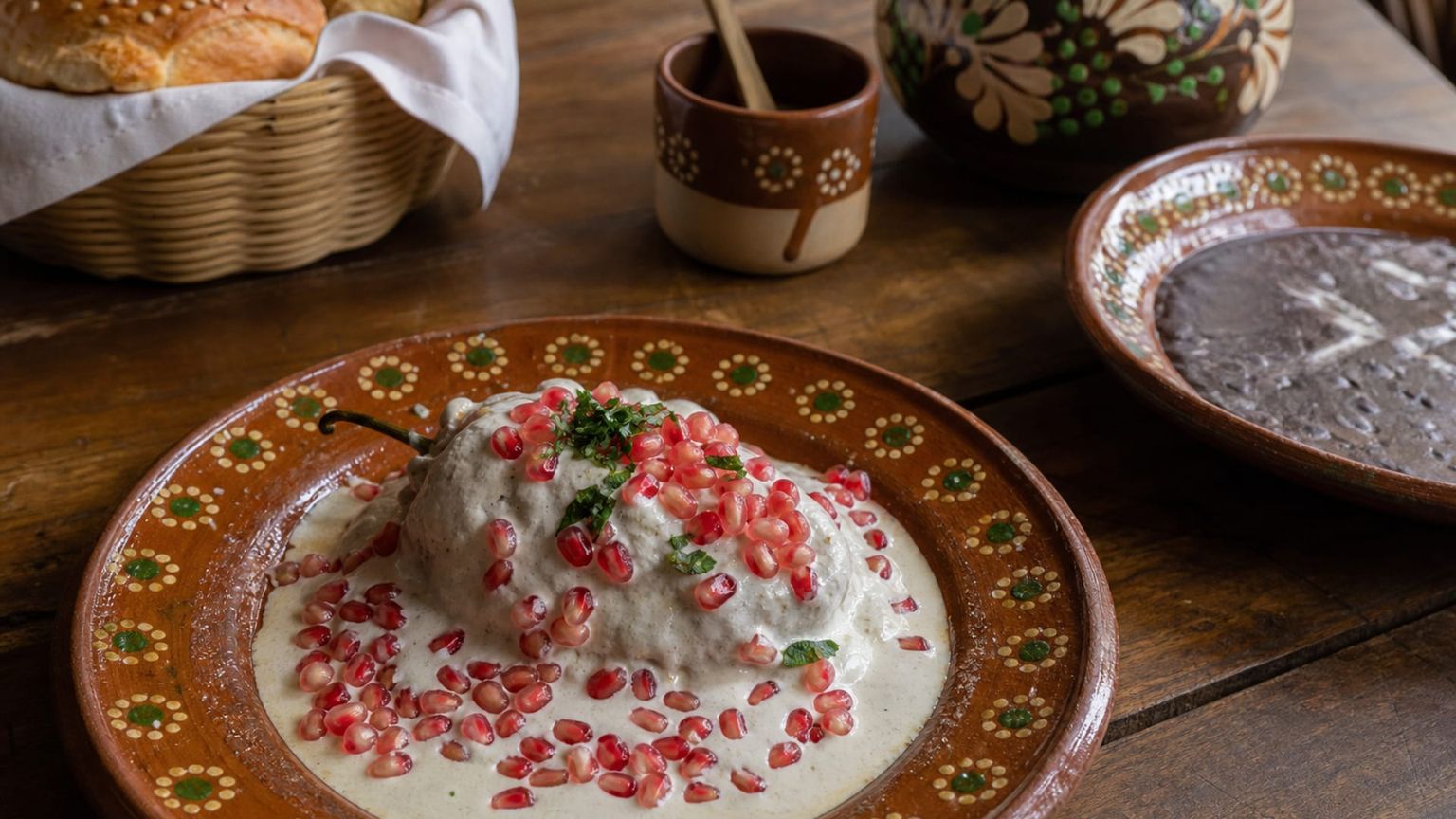
Morelia’s kitchen leans on corn, pork, mild chiles, and sweet-savory sauces, with carnitas, uchepos, enchiladas placeras, and corundas appearing on many menus. Meals often follow the city’s dining hours, with a long gap between lunch and dinner.
Carnitas
Slow-cooked pork, crisp at the edges and rich enough for a simple tortilla, makes an easy first order in Morelia. Mercado San Juan de Dios is a canonical stop for it, with a busy local crowd and multiple stalls serving the city style.
Uchepos
These soft fresh corn tamales taste slightly sweet and work well at breakfast or an early lunch. San Miguelito is one of the best-known downtown tables for them, and it serves a version that fits the city’s home-style cooking.
Enchiladas placeras
Tortillas dipped in chile sauce and topped with cheese, potato, and other fillings make this the city’s most recognizable plaza dish. Las Trojes is a strong canonical pick, with a long local reputation and a menu that keeps the regional version front and center.
Corundas
Triangular corn tamales wrapped in leaves, corundas are one of Morelia’s most distinct staples and pair well with salsa and crema. Restaurante Los Magueyes is a dependable place to try them in a setting that leans into Michoacán flavors.
Best time to visit Morelia
Morelia works well year-round, but the dry season gives the clearest walking weather and the most comfortable time for the aqueduct, plazas, and hilltop visits.
Best for: Clear skies, cool mornings, and easy sightseeing on foot
What you get: About 46°F to 75°F (8°C to 24°C), with lighter crowds than holiday peaks once January begins
Trade-offs: Early evenings can feel chilly, especially on open plazas and hilltop viewpoints
Best for: Bright days for cathedral views, museum stops, and long walks
What you get: About 52°F to 81°F (11°C to 27°C), with moderate crowds outside Holy Week and school breaks
Trade-offs: Afternoon heat builds toward late May, so midday walks feel warmer
Best for: Lush green surroundings and quieter midweek sightseeing
What you get: About 55°F to 77°F (13°C to 25°C), with fewer visitors but more afternoon rain
Trade-offs: Showers can interrupt outdoor time at the aqueduct and in the plazas
Best for: Festive streets, mild temperatures, and a good balance of activity and comfort
What you get: About 50°F to 76°F (10°C to 24°C), with moderate crowds that rise near holiday weekends
Trade-offs: Rain lingers early in the season, and some dates book up around major events
A realistic 5-day plan in Morelia
Five days in Morelia works best as a sequence of short loops, not one long crossing of the city. The plan below keeps the first hours close to the cathedral, adds a hilltop and a wooded park, then leaves space for a final museum stop and an easy departure from Centro Histórico.
Land at Morelia (MLM) and take a taxi or app-based ride into Centro Histórico, which usually takes about 30 to 40 minutes and costs roughly $14 to $20 (about MXN 240 to MXN 340). Check into a hotel near the cathedral or a side street off the main plazas, then keep dinner close by at a plaza café so you are not crossing the center late at night. Spend the evening on a short walk for water, a fruit snack, and a first look at the cathedral exterior, then turn in early.
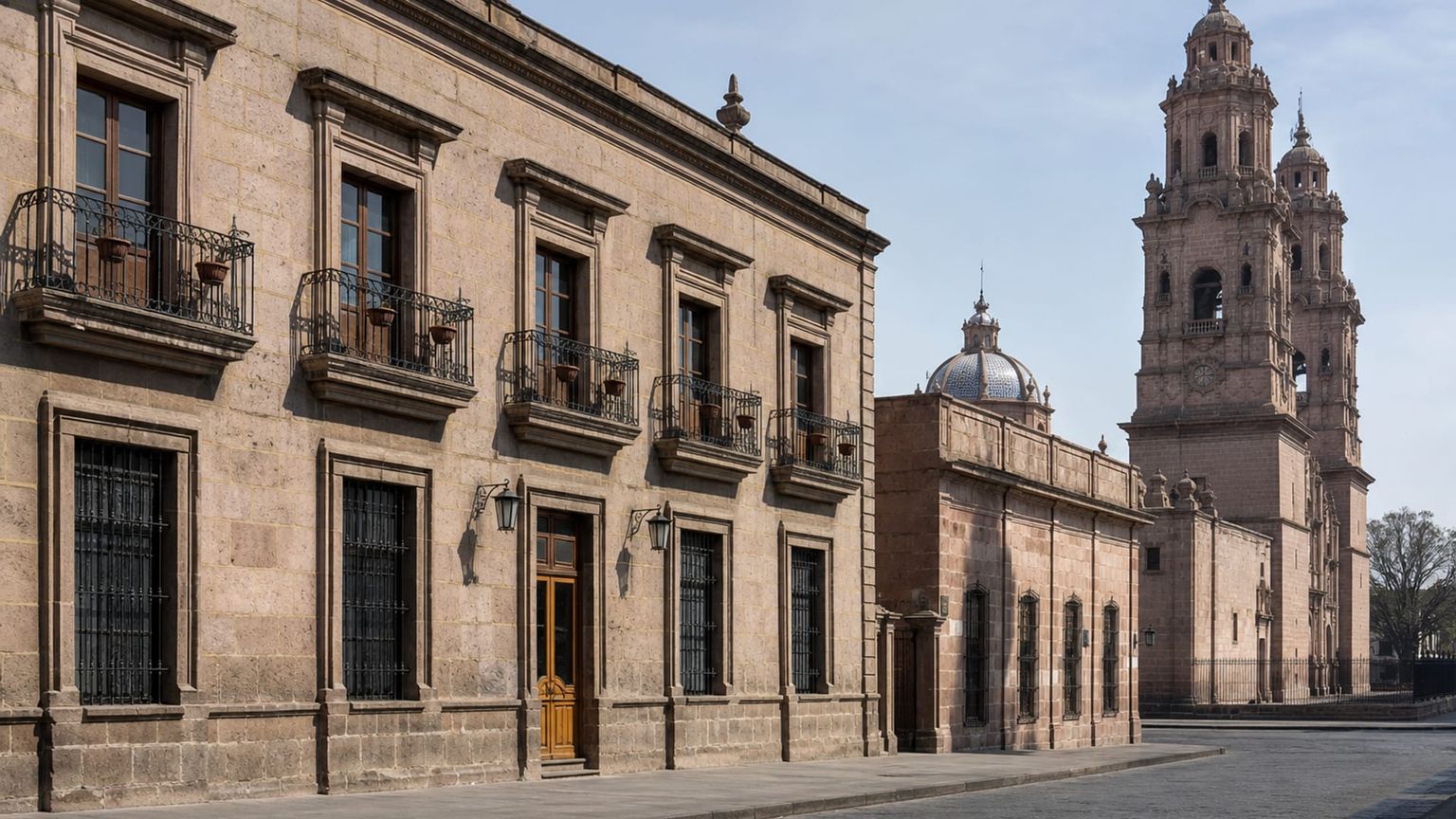
Start in Centro Histórico at Morelia Cathedral, where the evening light show is worth returning for later, but the daytime visit gives you time for the interior and side chapels, about 1 to 2 hours. From the cathedral, walk about 10 minutes to the Museo de Arte Colonial for a compact stop in the former convent, then continue another 10 to 15 minutes to the Aqueduct of Morelia and follow the central stretch for 30 to 45 minutes. Finish with an easy return walk toward the plazas for dinner, keeping the route close to the core streets so you can move on foot the entire day.
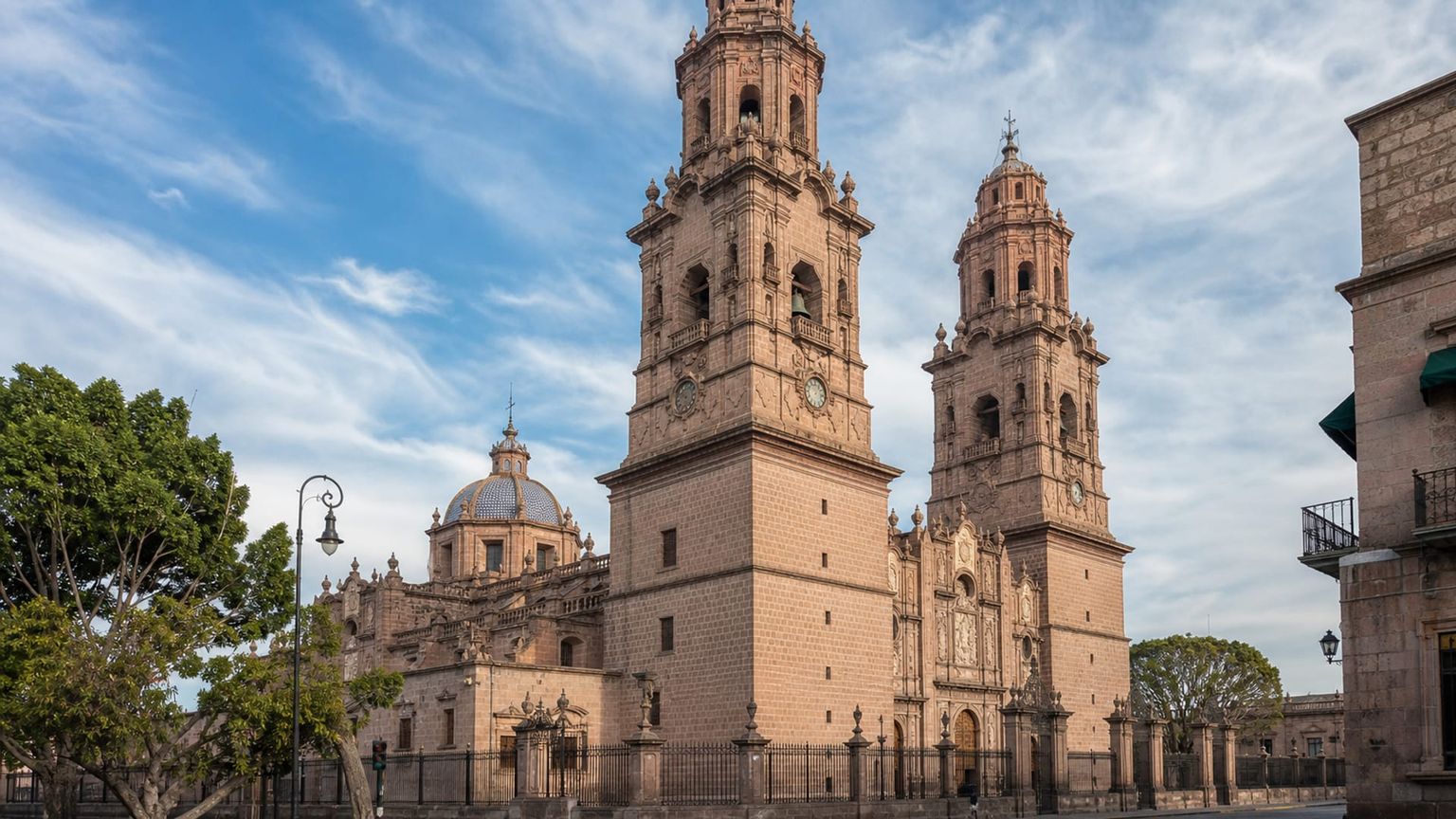
Begin early in Bosque Cuauhtémoc, where the shaded paths make a calm first stop and a 1 to 2 hour visit works well before the heat builds. From there, a taxi or rideshare to Guadalupe Sanctuary takes about 10 to 15 minutes, and the hilltop setting rewards a slower visit of about 1 hour, especially for the view back over the city roofs and domes. Plan lunch back near the center after a 10 to 15 minute ride downhill, then spend the late afternoon in the plaza area for a café break and a second pass through the historic streets.
Set out from Centro Histórico and walk or take a short taxi ride, about 10 to 15 minutes, to the central stretch of the Aqueduct of Morelia if you want cleaner light and fewer people in the frame. After that, return to the core for another pass through the plazas, then head about 15 minutes on foot to Bosque Cuauhtémoc for a quieter afternoon among the trees. End the day with dinner in the old town, where it is easy to stay close to your hotel and avoid a late cross-city ride.
For a final morning, pair one last museum stop with easy shopping and coffee rather than packing in another long route. Start at Museo de Arte Colonial if you want a short cultural visit, then move back toward Centro Histórico for a slow lunch, browsing, and a café table near the plazas or on a side street off the main square. If your flight is later, stay in the center through the afternoon, since taxi access back to Morelia (MLM) is simplest from there.
Business-class flights from the US to Morelia
Flights to Morelia usually route through major US hubs rather than running as a simple point-to-point trip. From both coasts, the useful choice often comes down to whether you value a nonstop segment or a lower fare through Mexico City or another connecting hub.
From New York, American Airlines, Aeromexico, United Airlines, Volaris, and VivaAerobus all appear on the route, with nonstop travel taking about 4.5 to 5 hours when available. If you do not mind a connection, common layover hubs include Mexico City (MEX), Atlanta (ATL), Houston (IAH), Charlotte (CLT), and Dallas/Fort Worth (DFW), and total travel often runs about 7 to 11 hours. Business fares from New York to Morelia usually run from $1,100 to $2,100 round-trip.
Los Angeles travelers usually see American Airlines, Aeromexico, Alaska Airlines, United Airlines, Volaris, and VivaAerobus on itineraries to Morelia, with nonstop flying time of about 3.5 to 4.5 hours when schedules line up. One-stop options via Mexico City (MEX), Dallas/Fort Worth (DFW), Phoenix (PHX), San Francisco (SFO), or Houston (IAH) often bring the price down, and the full trip usually lasts about 6 to 10 hours. Round-trip fares in the higher cabin typically start at $700 and can reach $1,500.
Morelia feels different when you slow down
A good Morelia trip is built from short walks in Centro Histórico, one or two taxi rides to Guadalupe Sanctuary or Bosque Cuauhtémoc, and meals timed around the city’s lunch break. That mix leaves room for the cathedral at dusk, the aqueduct in cleaner light, and a final coffee near the plazas before departure. If you want help matching flights, stays, and timing to that plan, ask the AranGrant experts to shape the route around your dates







