

Chapters:

Need help with your trip?
Our support team is available 24/7. Request a callback or call us directly at (833) 619-0908
A first trip to Montréal often starts in Old Montréal, then stretches a little farther than expected, with visitors underestimating how much the city rewards a metro ride or a climb up Mount Royal. Food and heritage usually set the pace, but the best days also leave room for canal paths, museum stops, and neighborhood streets.
That approach can miss how spread out the key areas are, and how quickly dinner reservations, festival crowds, or a rush-hour transfer can shape the day. Old streets, downtown towers, and the Plateau sit close on a map, yet they work best when you plan movement instead of improvising it.
This guide keeps the city in a clear sequence, from arrival to departure, with transit, dining, seasons, and day plans laid out so you can move through Montréal with fewer detours and better timing.
Useful things to know
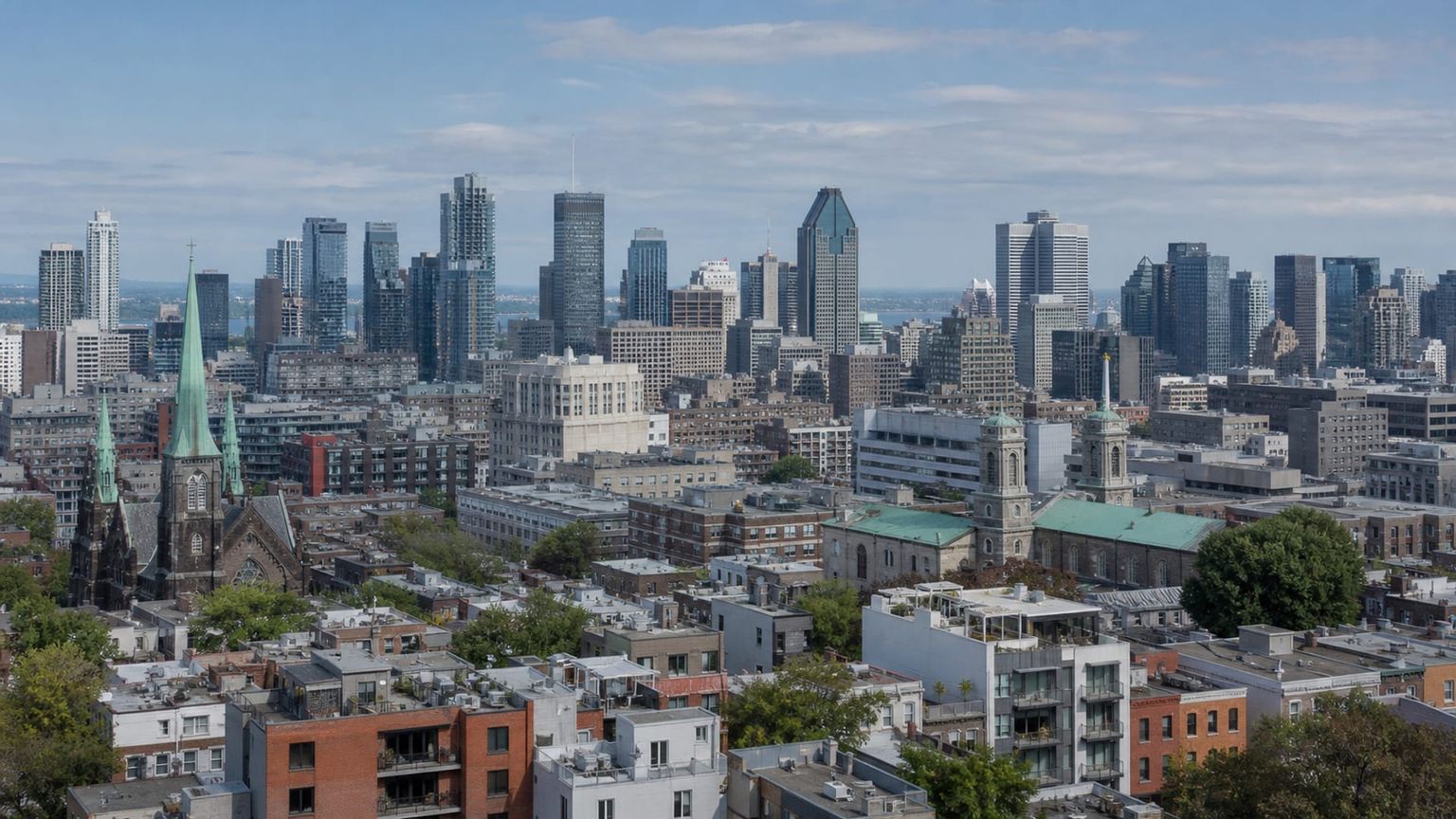

Main language(s): French
Bonjour (bohn-ZHOOR) – Hello / good morning
S'il vous plaît (seel voo pleh) – Please
Merci (mehr-SEE) – Thank you
Parlez-vous anglais ? (par-lay voo ahn-GLAY) – Do you speak English?
Combien ça coûte ? (kohm-bee-ehn sah koot) – How much does it cost?

Currency: The local currency is the Canadian dollar (CAD, C$).

Cash and cards: Cards and contactless are widely accepted; keep about C$20 to C$40 ($15 to $30) in cash for small buys.

Tipping: Tip about 15% at restaurants if service is not included; round up for taxis and cafés.

Traditional food: poutine, Montreal-style bagels, smoked meat sandwich, tourtière

Water and coffee costs: Water about C$2 ($1.50), bar espresso about C$4 ($3).

Taxis and ride apps: Uber and Lyft operate here; wait times can rise late at night.

Plug and voltage: Type A/B socket, 120V

Dining and shop opening hours: Breakfast runs about 7:00-10:00, lunch 12:00-14:00, and dinner 18:00-21:00. Many restaurants close between lunch and dinner, especially outside the center.

Emergency number: Dial 911 for police, fire, or medical emergencies.
Where to stay in Montréal
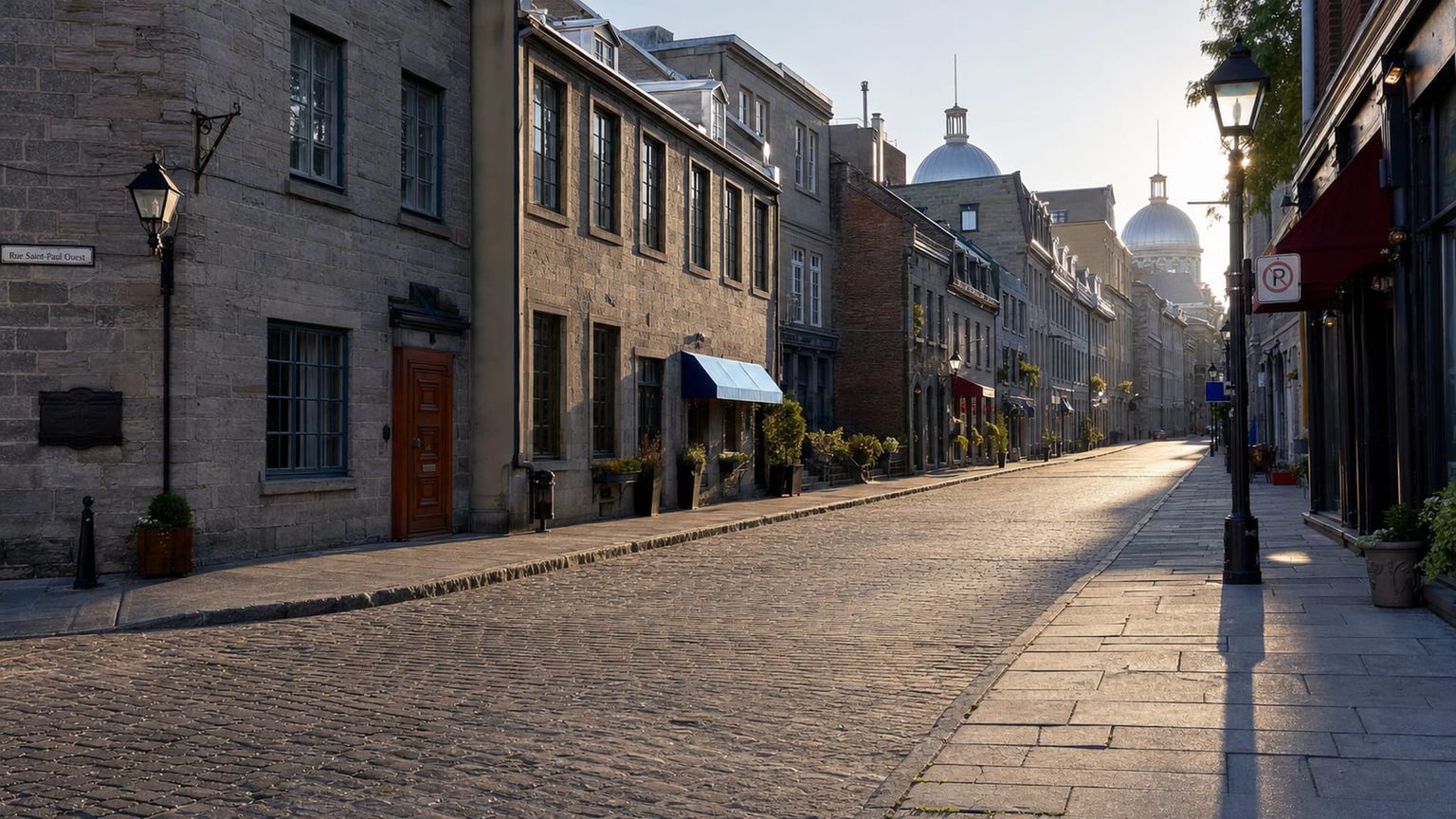
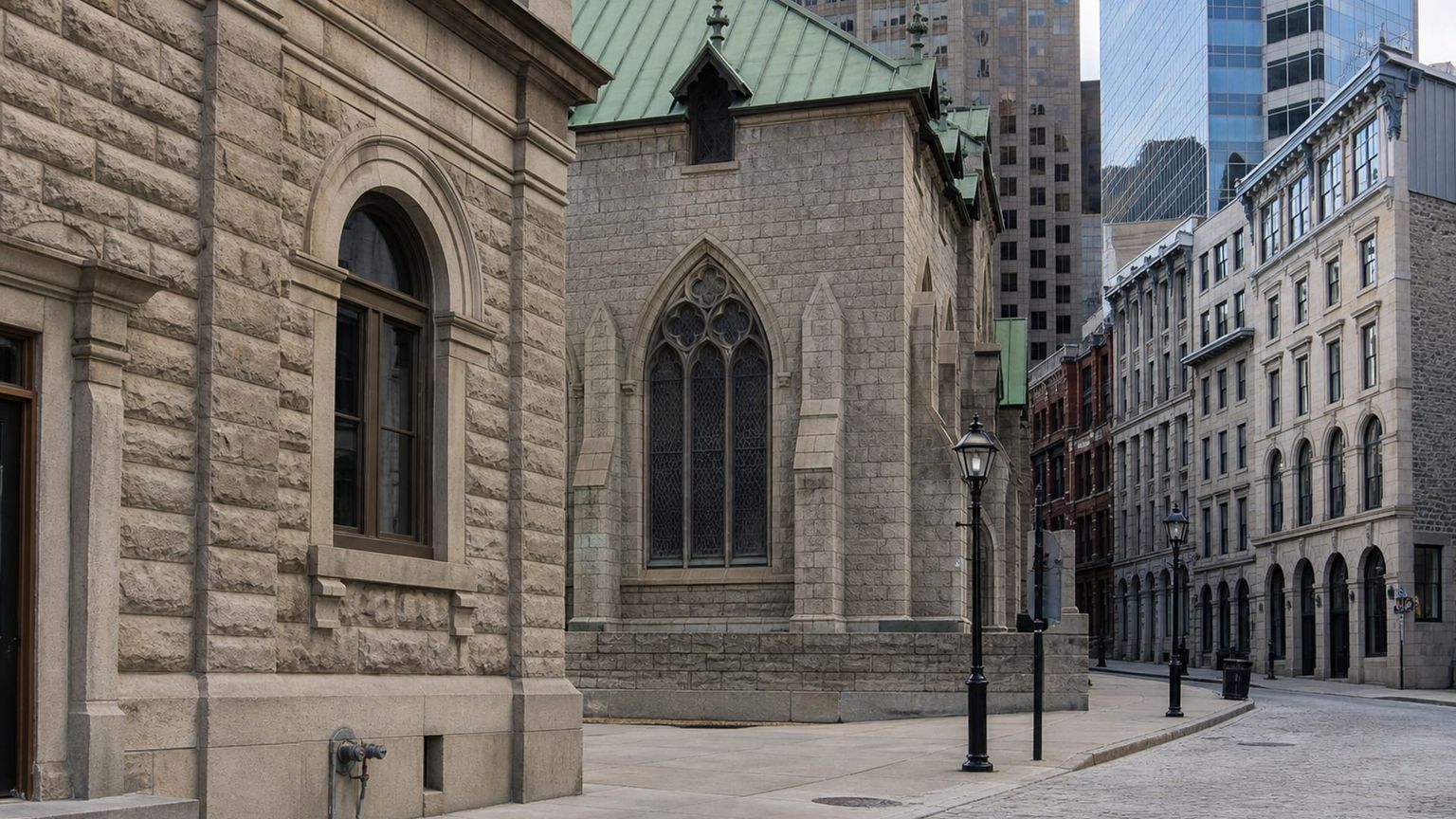
Montreal’s historic core lines the Old Port with cobblestone streets, landmark churches, and waterfront promenades. It matters for a stay because many of the city’s most recognizable sights are walkable, and restaurants, museums, and evening strolls all sit close together.
Best for: First-time visits, heritage sights, and travelers who want to walk to the Old Port
What to expect: Stone facades, steady tourist foot traffic, and busy restaurant terraces in the warm months.
Hotel prices: Usually about $220 to $450 per night for well-rated stays
Distance to major sights: 5 to 15 minutes on foot to Notre-Dame Basilica and the Old Port
Quietness: Quietest in the early morning, then lively through dinner and late summer evenings.
Main trade-off: Room rates rise here, and some streets get crowded with tour groups and nightlife spillover.
Good to know: Choose a room away from the busiest terrace streets if you want less late-night noise.
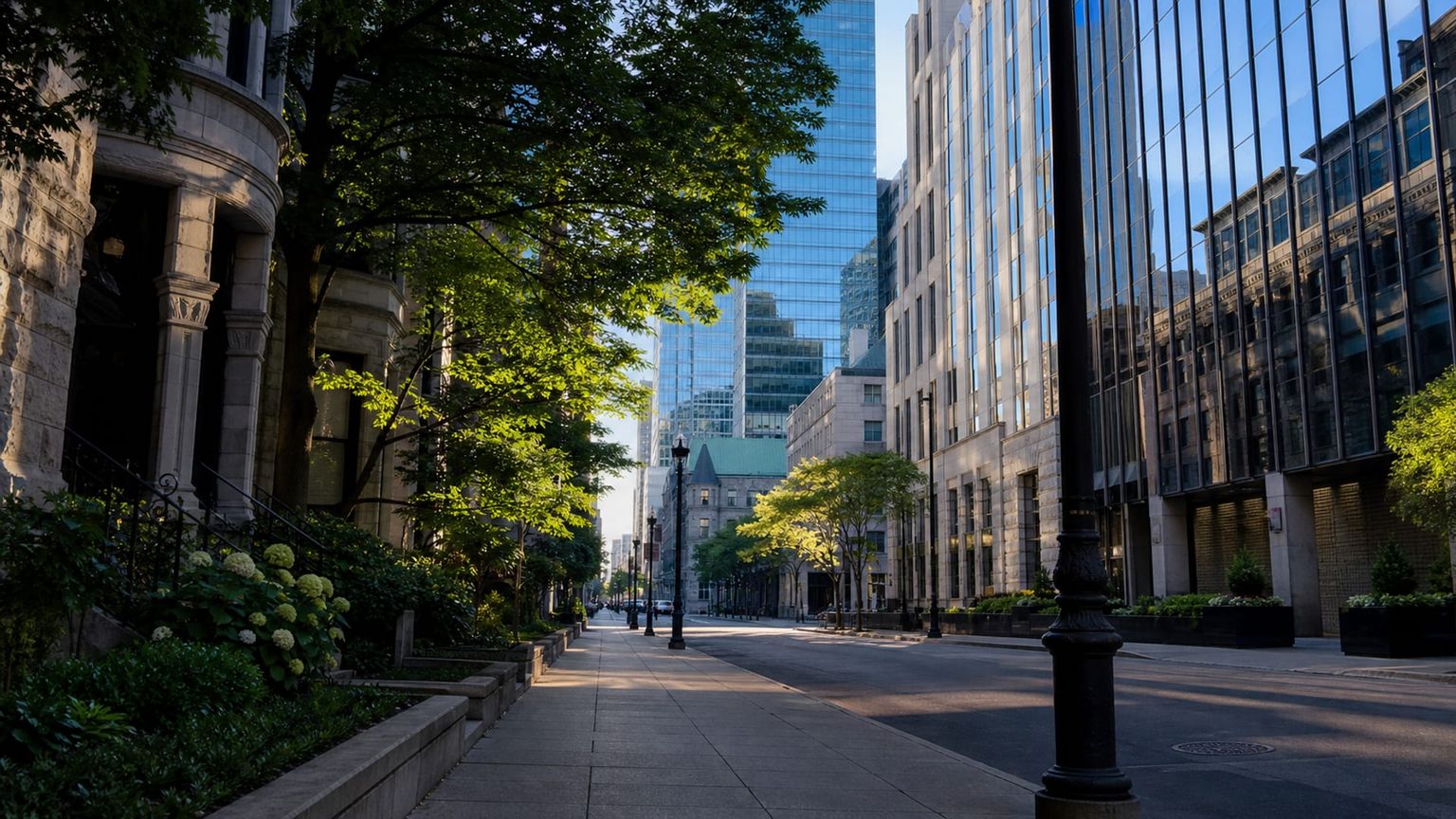
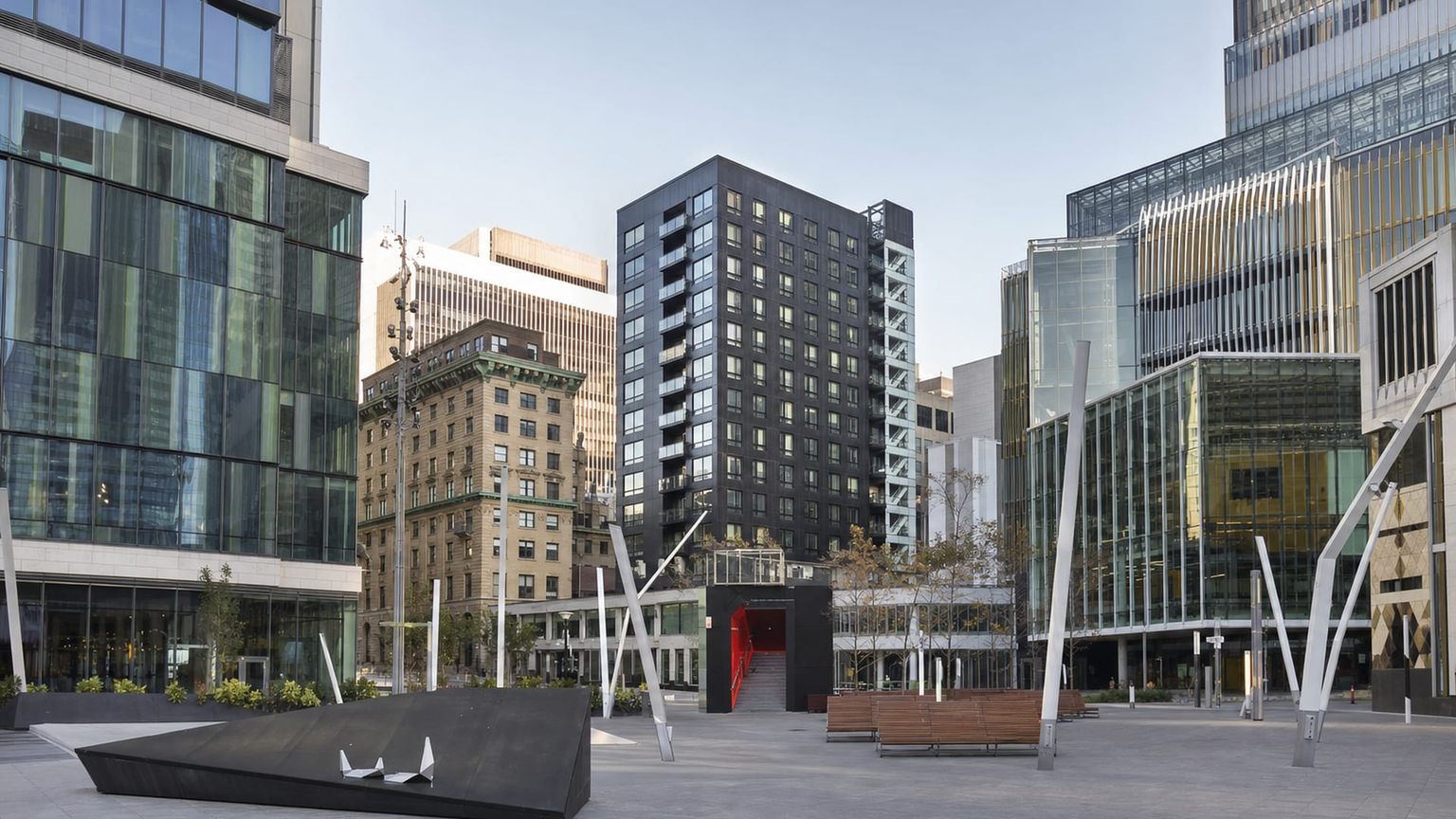
Downtown centers Montreal’s business core, shopping streets, and major hotels, while the Golden Square Mile adds older apartment blocks and museums on the mountain’s lower slope. It suits visitors who want quick transit links, especially in winter or on short business trips.
Best for: Business travel, winter stays, shopping, and fast access to metro lines
What to expect: Tall towers, heavy weekday traffic, and a mix of office crowds, students, and diners after work.
Hotel prices: Usually about $180 to $380 per night for well-rated stays
Distance to major sights: 10 to 20 minutes on foot to McGill University and 15 to 25 minutes by metro to Old Montreal
Quietness: Busy by day, then quieter on side streets after office hours, with some late noise near entertainment blocks.
Main trade-off: You trade atmosphere for convenience, and the liveliest streets can feel hectic at rush hour.
Good to know: If you plan to use the metro often, staying near a central station cuts the need for taxis.
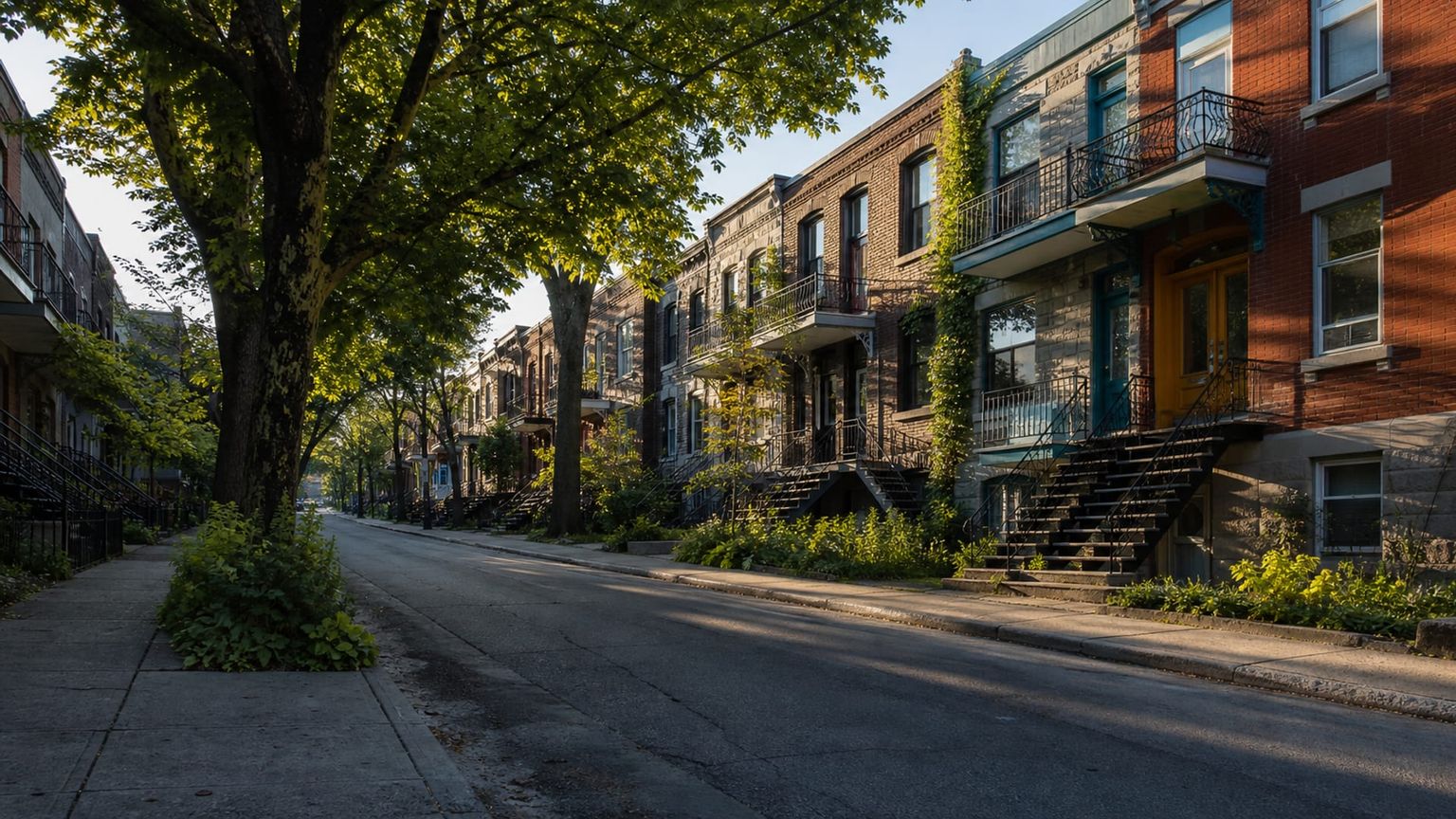
The Plateau is a dense residential district east of Mount Royal, known for row houses, cafes, bakeries, and independent shops. It matters because it gives you a local-feeling base with easy access to Mount Royal Park, Laurier Avenue, and much of the city’s dining scene.
Best for: Dining, neighborhood walks, Mount Royal Park, and visitors who want a lived-in area
What to expect: Animated sidewalks, busy brunch spots, and a strong local crowd on evenings and weekends.
Hotel prices: Usually about $160 to $320 per night for well-rated stays
Distance to major sights: 20 to 30 minutes on foot to Mount Royal Park and about 15 minutes by metro to downtown
Quietness: Lively on commercial streets during the day and evening, calmer on side blocks late at night.
Main trade-off: You may walk more for major museums and downtown sights, and the most attractive streets can book up early.
Good to know: Pick accommodation a few blocks off Saint-Denis or Laurier if you want less street noise.
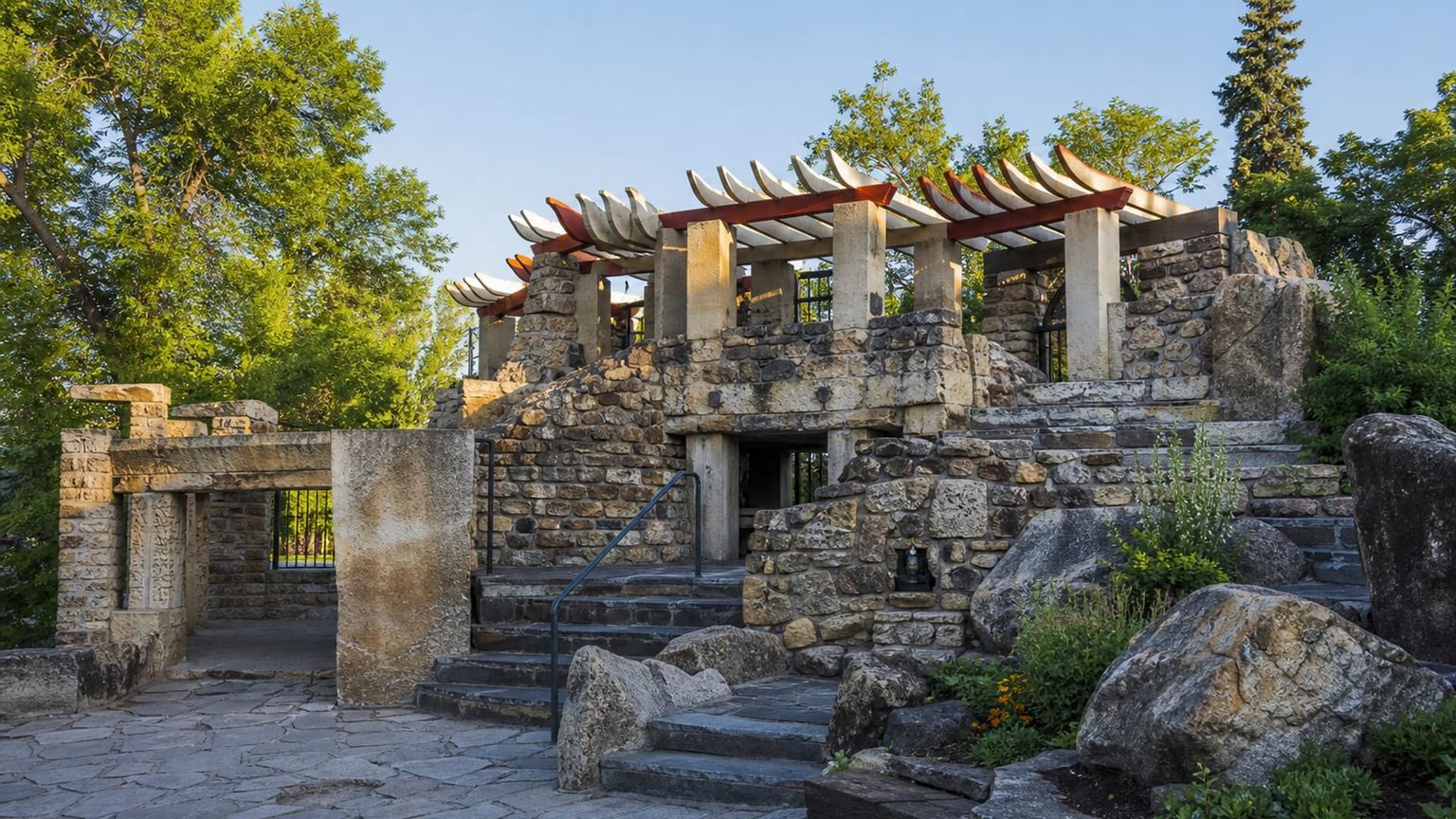
Quartier des Spectacles sits at the center of Montreal’s festival and performance district, anchored by major venues, public plazas, and quick metro access. It matters for travelers who want to step out to concerts, events, and downtown attractions without long commutes.
Best for: Concerts, festivals, nightlife, and visitors who want to stay near central transit
What to expect: Bright screens, event crowds, and heavy pedestrian traffic during festivals and weekend nights.
Hotel prices: Usually about $170 to $360 per night for well-rated stays
Distance to major sights: 5 to 15 minutes on foot to Place des Arts and about 15 minutes by metro to Old Montreal
Quietness: Very active in the evening and during events, then noticeably calmer between festival periods.
Main trade-off: Noise and crowds rise sharply when events are on, and some streets are less appealing late at night.
Good to know: Check the event calendar before booking, since room prices and street noise jump during major festivals.
Travelers usually avoid staying in Montréal-Nord and Saint-Léonard, which sit far from Old Montréal, the Plateau, and most visitor hotels and restaurants. Hochelaga-Maisonneuve, LaSalle, and Pointe-aux-Trembles are also less convenient, because they are farther from the main sights and can mean longer evening transit or taxi rides back to central Montréal.
Hotel deals
How to get around Montréal efficiently
Montréal’s Metro, STM buses, taxis, and rideshare apps each cover different parts of the city, which makes a mixed approach more useful than relying on one mode.

Metro
for longer distances
Montreal’s Metro runs four color-coded lines, Orange, Green, Yellow, and Blue, with a flat fare of about $2.75 ($4.00) per ride or about $9.25 ($13.50) for a day pass, valid for unlimited transfers within the standard validity window on the STM network. Trains link central neighborhoods, Old Montreal, the museum district, and key hubs like Berri-UQAM and Lionel-Groulx; service is frequent from roughly 5:30 am to 1:00 am on weekdays, with slightly shorter hours on weekends.

Bus and tram
for convenience
STM buses fill the gaps between Metro stations and reach most neighborhoods, including Plateau, Mile End, Outremont, Rosemont, and the airport area via the 747 express. A single fare is about $2.75 ($4.00), and an integrated ticket remains valid for the STM transfer period, which is usually 120 minutes; buy from station machines, convenience stores, or using a transit card, then tap or validate as required. The 747 between downtown and Montréal-Trudeau Airport (YUL) runs 24 hours a day and costs about $10.00 ($14.50), with luggage space but no reserve seating.

Taxi
for convenience or late hours
Licensed taxis use metered fares, not set citywide flat rides except for the airport’s published fixed-rate trips to downtown, which are roughly $45 ($65) in the daytime and a bit higher at night, depending on the official tariff. Elsewhere in Montréal, expect about $12 to $18 ($17 to $26) for short central rides and about $30 to $50 ($43 to $72) for cross-town trips, plus extras for traffic or waiting when the meter applies. Hail taxis at stands, by phone, or through dispatch apps; most accept cards, though it is wise to confirm before departure.
*Prices are based on rates updated as of June 2026 and may change at the time of travel.
Use the Metro for central neighborhoods, buses for gaps the train does not cover, and taxis or rideshare when you want a faster cross-town link or an airport transfer.
Iconic landmarks
Mount Royal Park
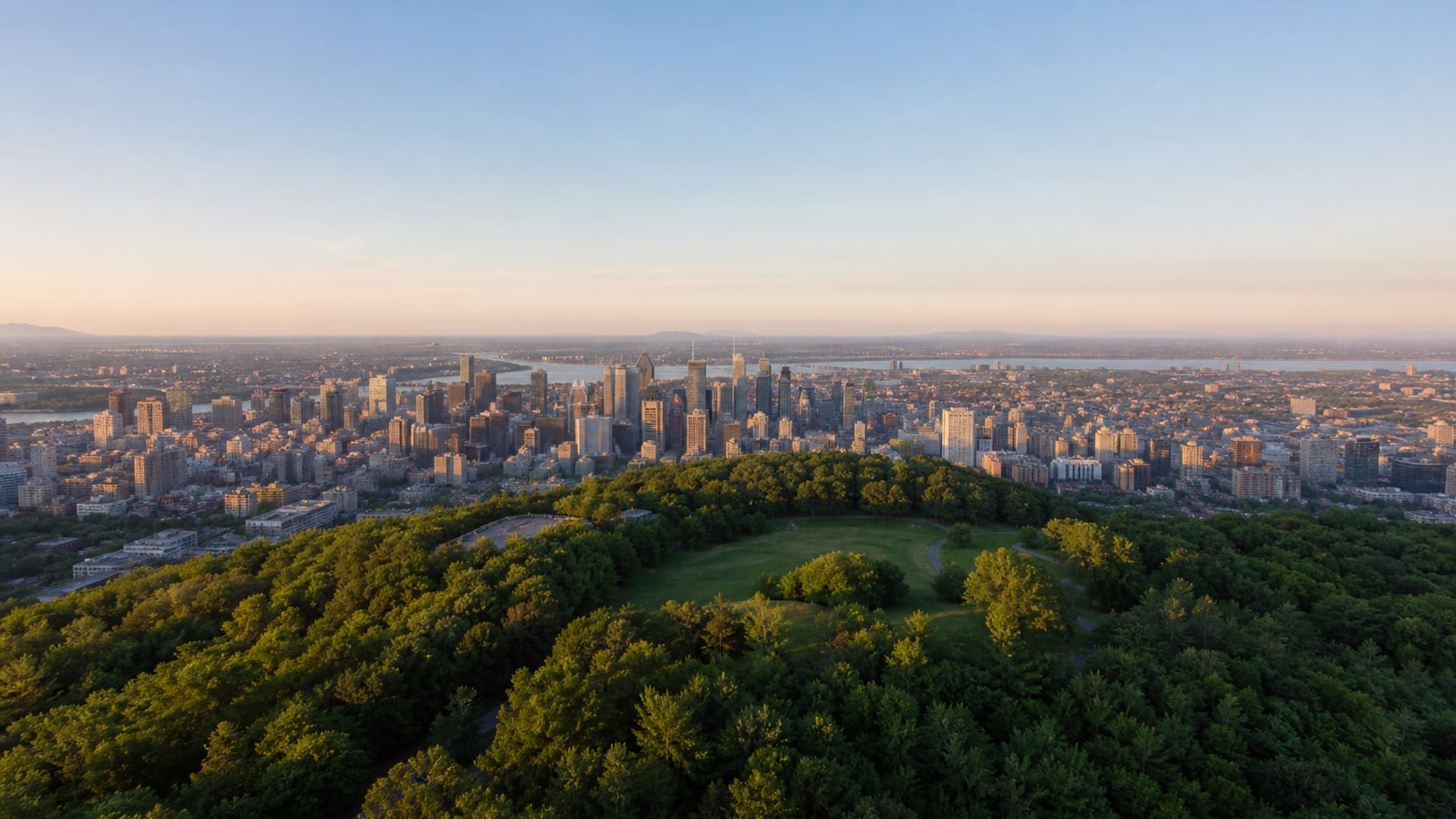
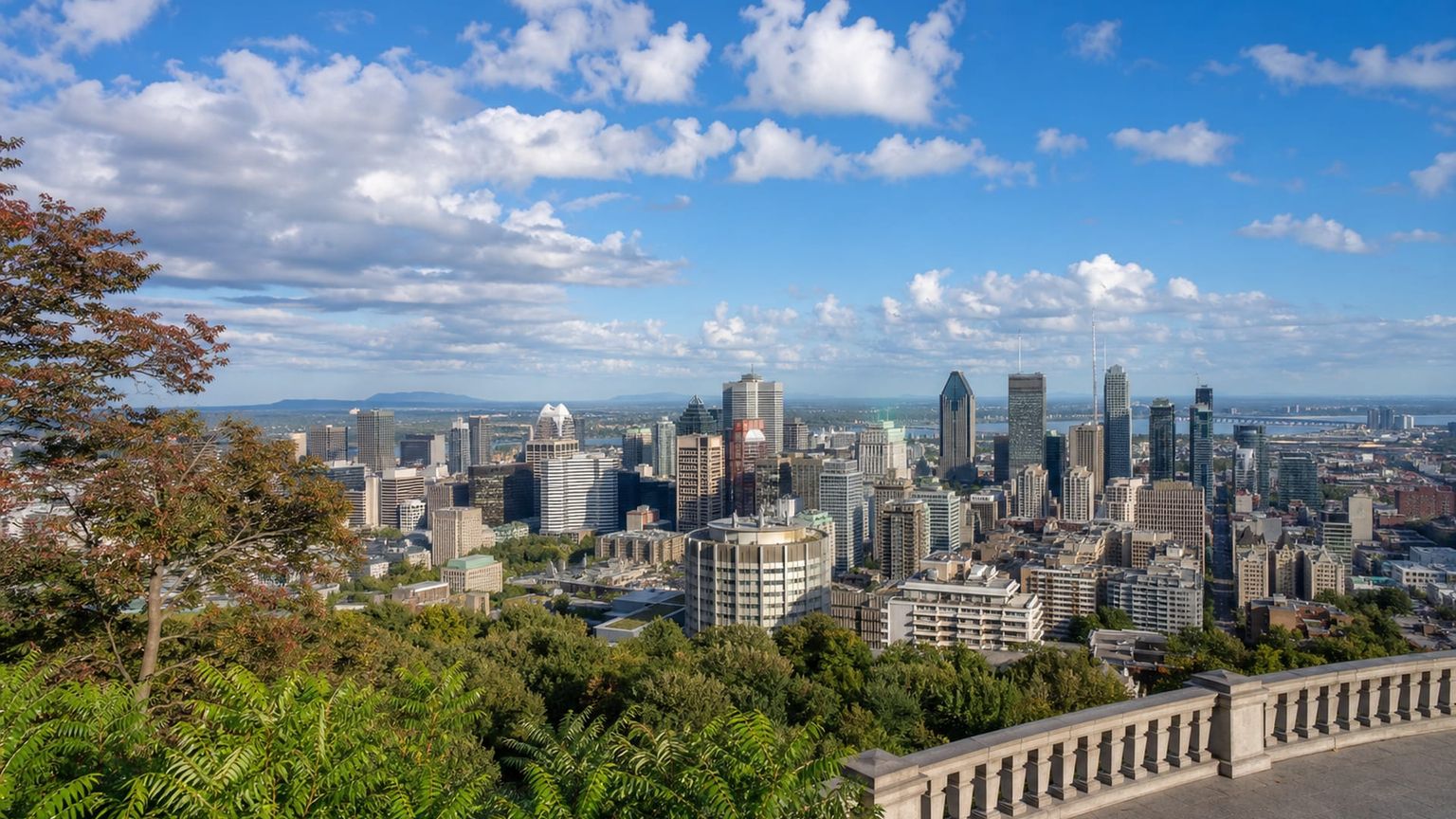
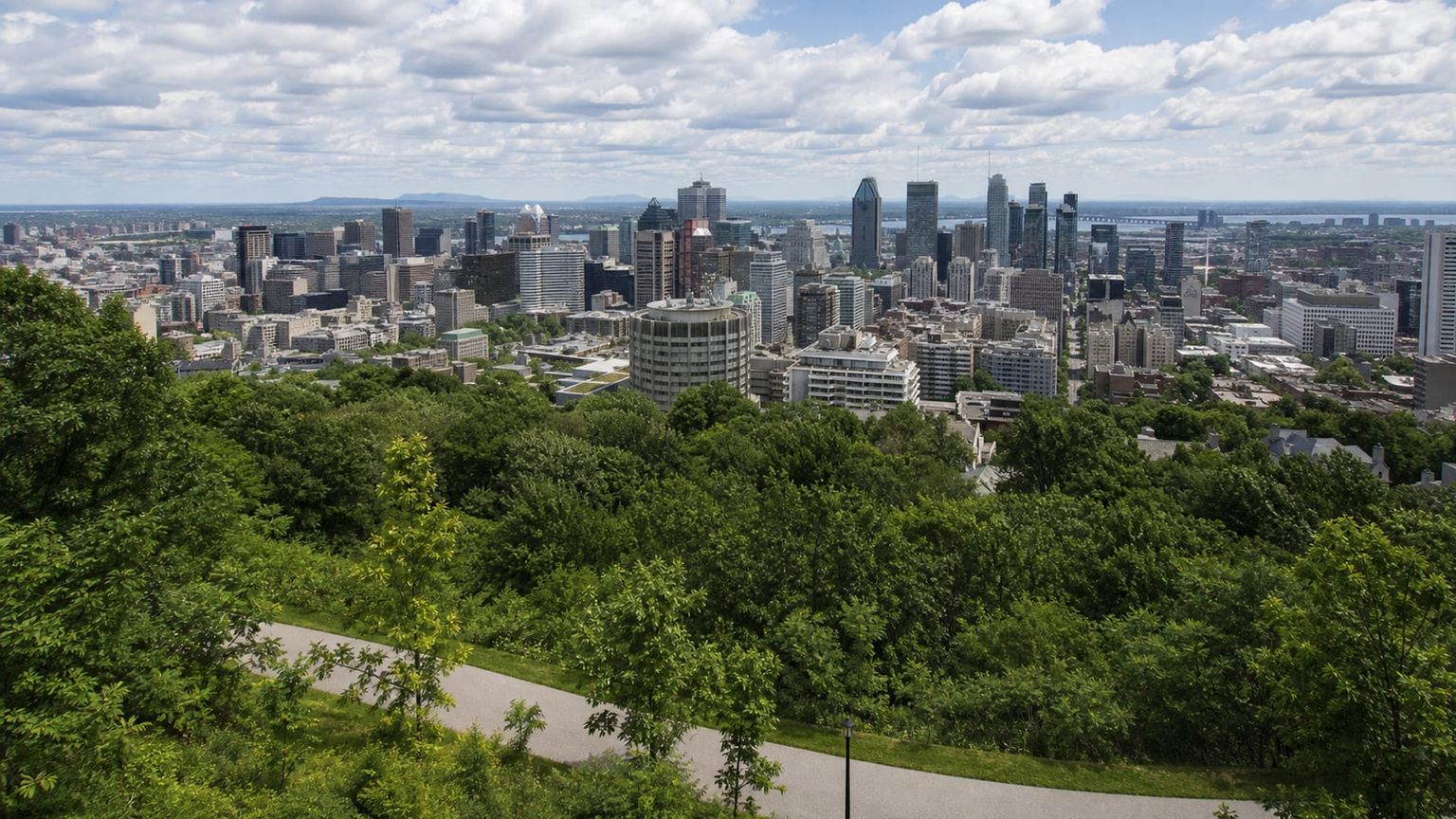
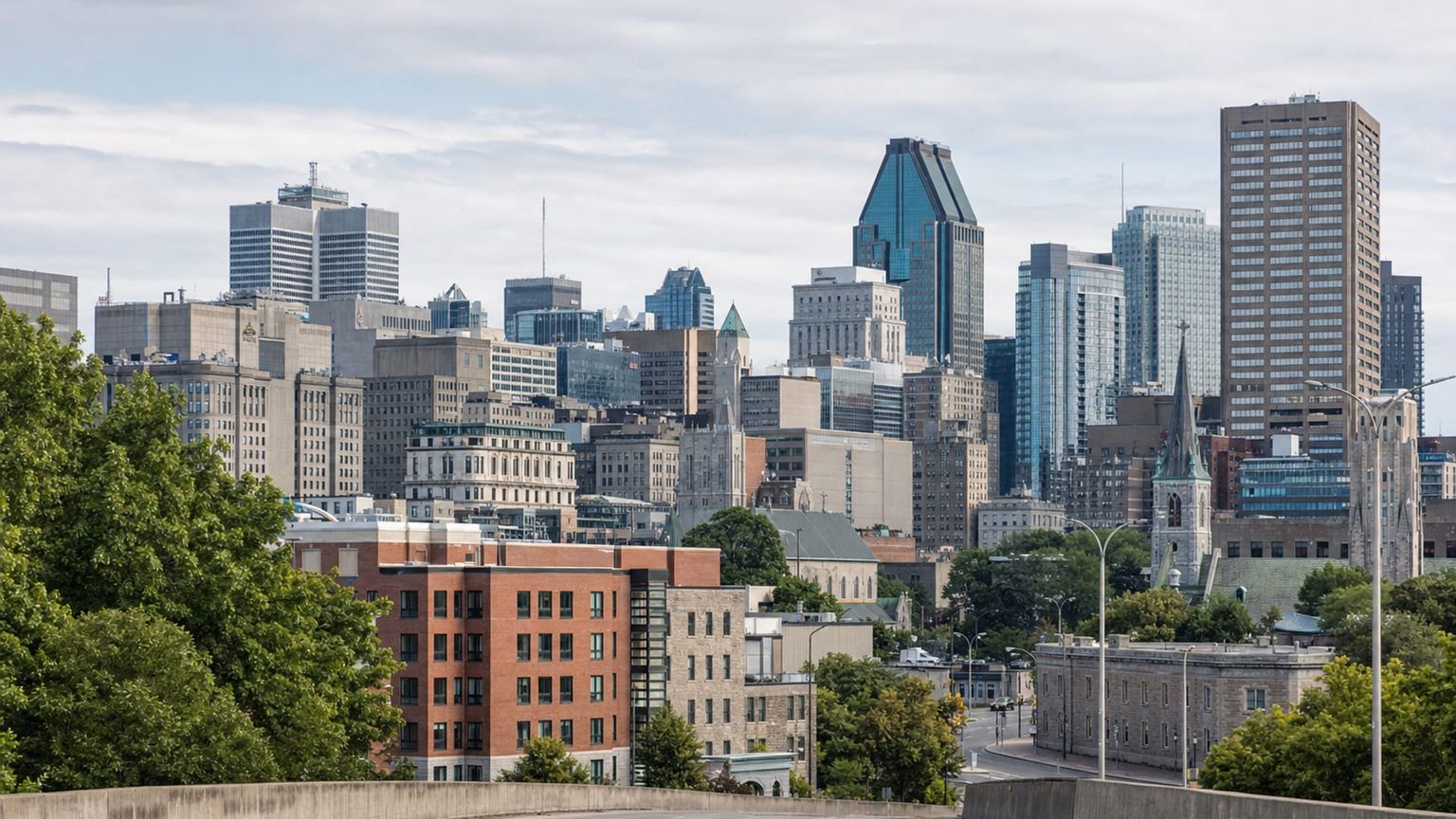
Mont Royal Park crowns the city with wooded trails, lookout points, and Beaver Lake. The Kondiaronk Belvedere gives a wide view of downtown and the St. Lawrence, while the park’s roads and paths draw walkers year-round.
Time needed: About 2 to 4 hours
Entry: Free to access; no timed entry required for the park or its main lookout areas. Visit the official site for details.
Tip: Go near sunset for the clearest skyline views and cooler uphill walking.
Old Montréal
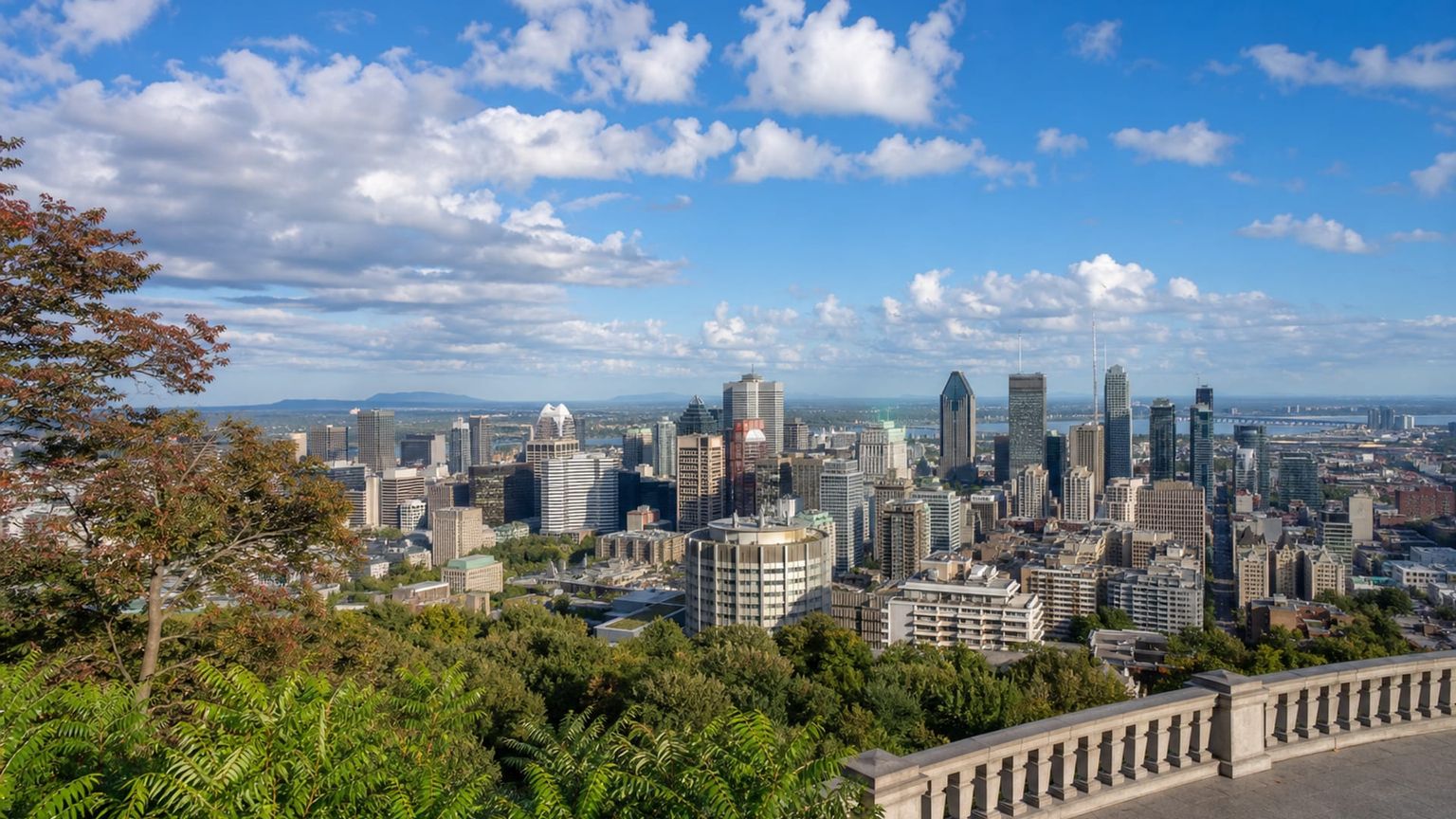
Old Montréal preserves the city’s 17th-century street plan with stone buildings, the Old Port edge, and Place Jacques-Cartier. Its narrow lanes, church facades, and riverfront blocks show the city’s colonial core in one walkable district.
Time needed: About 3 to 4 hours
Entry: Free to wander the district; individual museums, churches, and heritage interiors charge separately. Visit the official site for details.
Tip: Start in the morning, when the lanes are quieter and the façades catch softer light.
Notre-Dame Basilica
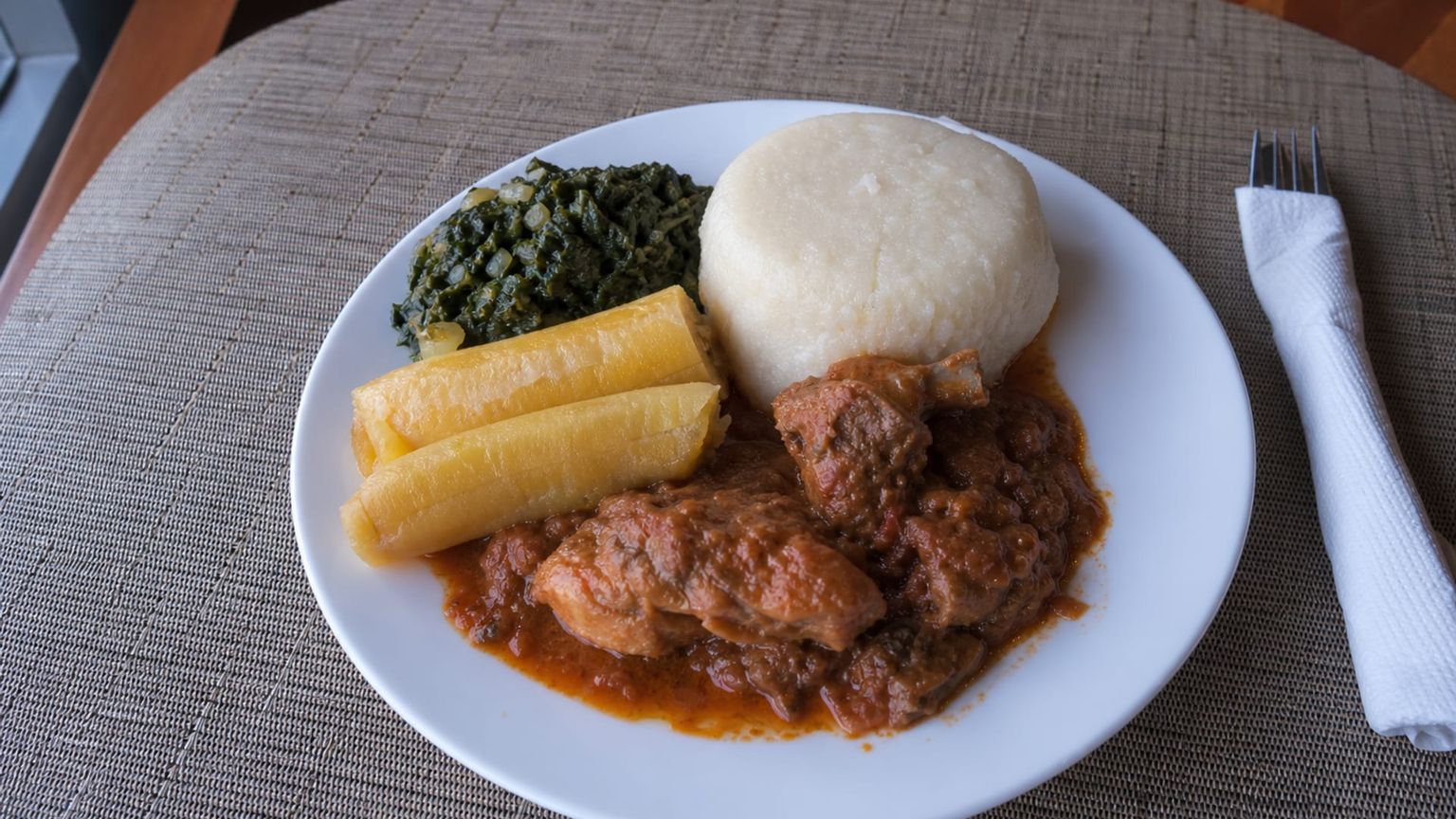
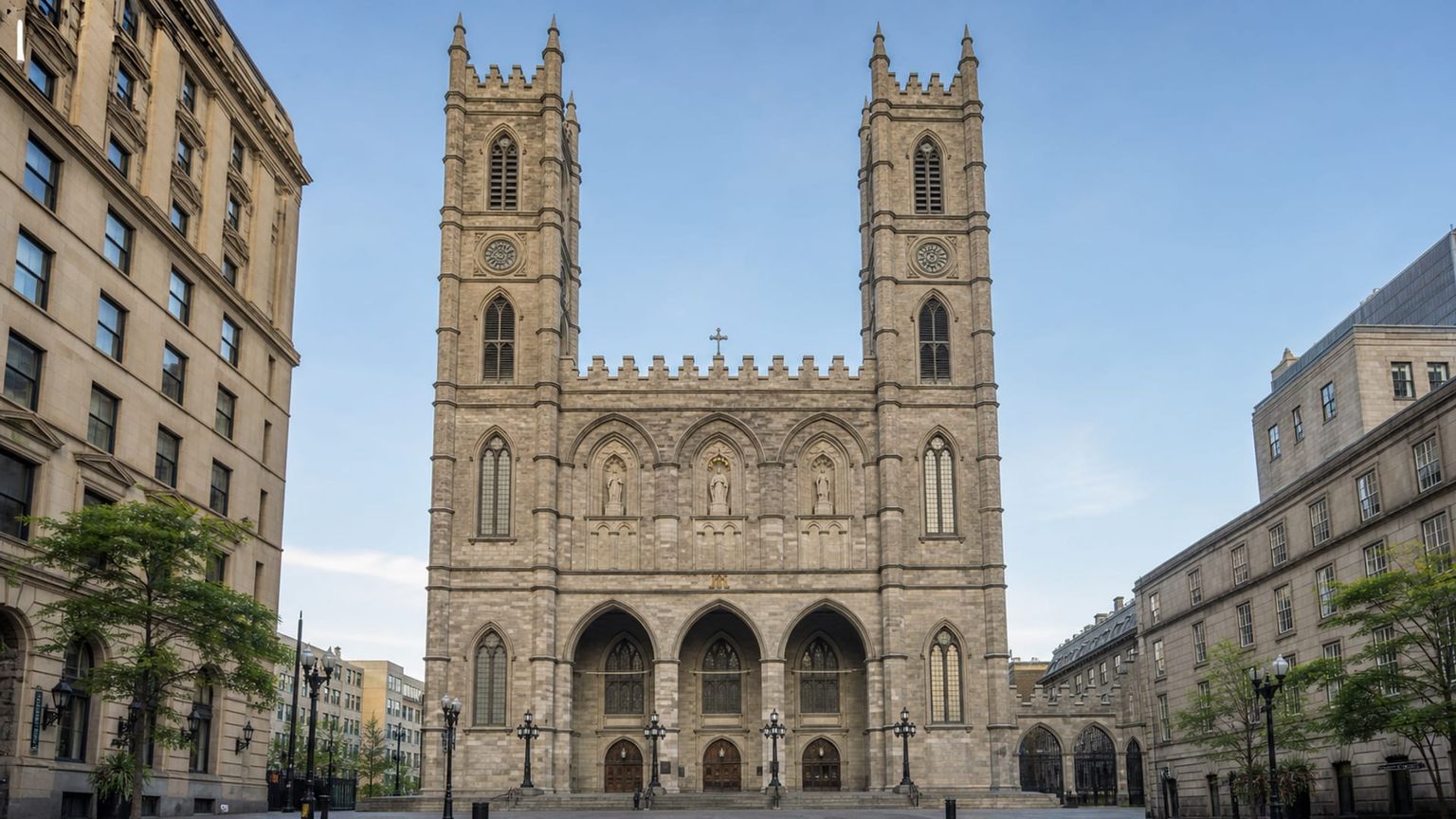
Notre-Dame Basilica anchors Place d’Armes with a neo-Gothic interior of deep blue vaults, carved wood, and gold accents. Its choir loft, stained glass, and sacred art make it one of Montréal’s most visited landmarks.
Time needed: About 1 to 2 hours
Entry: Admission costs about $16 ($22) for adults, with lower rates for seniors, students, and children. Visit the official site for details.
Tip: Visit early in the day to avoid tour groups and to study the details in quiet.
Overlooked sites worth visiting

Lachine Canal National Historic Site
A waterfront path with towpaths, locks, and old industrial buildings, the canal invites walking, cycling, and canal-side pauses. The Atwater Market end adds a local food stop without leaving the route.
Time needed: About 1 to 3 hours
Entry: Free to access. No admission fee for the canal path, towpaths, and public access points along the waterway. Bike rentals, boat tours, and nearby market purchases cost extra and vary by operator. Visit the official site for details.
Tip: Go near sunset for calmer paths and better light.

Redpath Museum
Inside McGill’s historic campus, this compact museum packs mineral specimens, fossils, and Egyptian artifacts into a 19th-century house. Its small rooms reward a slow visit more than a rushed pass.
Time needed: About 1 hour
Entry: Admission is by donation, with a suggested contribution of $10 ($14). Donations support the museum’s collections and public access. Special events or private programs may have separate fees. Visit the official site for details.
Tip: Visit on a weekday morning to avoid school groups.
Traditional food
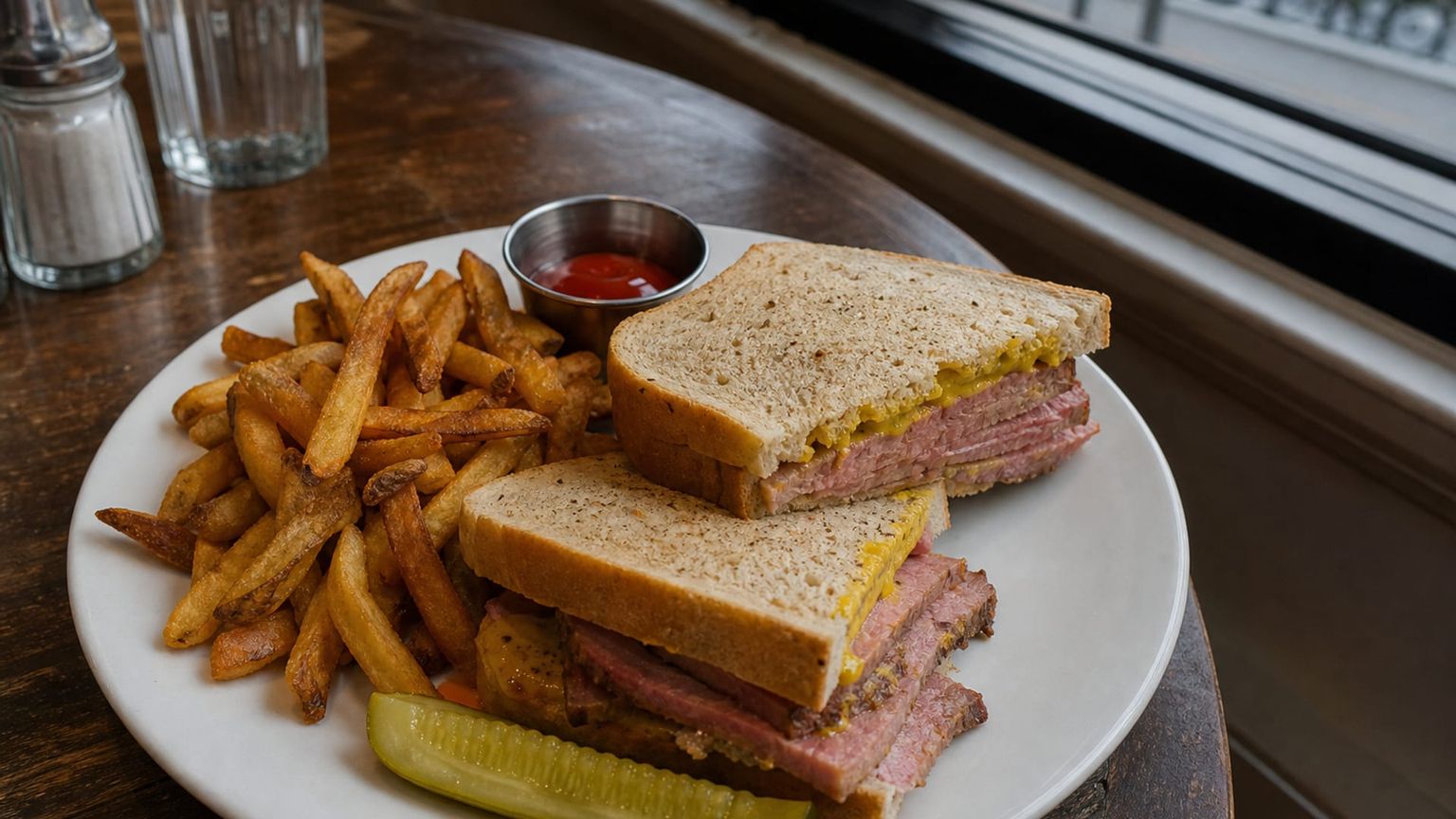
Montréal’s table leans on French roots, winter comfort, and smoked meats, with poutine, bagels, tourtière, and café culture shaping everything from breakfast counters to late dinners.
Poutine
Fries, cheese curds, and gravy define the dish, and La Banquise has become the city’s best-known stop for a late-night plate. The menu covers many variations, but the classic version still tells you most of what you need to know.
Montreal-style bagels
These smaller, sweeter bagels bake to a crisp edge and a dense center, often pulled still warm from the oven. St-Viateur Bagel is the canonical address, especially if you want to taste them fresh rather than prepackaged.
Smoked meat sandwich
Piled high, peppery, and sliced to order, this sandwich is one of Montréal’s signature counter meals. Schwartz’s Deli is the classic reference point, where the brisket tradition has stayed central for generations.
Tourtière
This spiced meat pie appears on restaurant menus and holiday tables, usually with a savory filling and a flaky crust. Rotisserie Romados is a dependable place to find a Montréal take alongside other Québécois staples.
Best time to visit Montréal
Montréal changes character sharply by season, with cold, snowy winters, bright shoulder seasons, and warm summer months that bring festivals, terraces, and heavier foot traffic.
Best for: Old Montréal walks and early park visits
What you get: Temperatures range from about 34°F to 64°F (1°C to 18°C), with lighter crowds before the summer season
Trade-offs: Weather can swing fast, and some days still feel cold and damp
Best for: Terraces, festivals, and long evenings in the Plateau
What you get: Temperatures range from about 61°F to 79°F (16°C to 26°C), with the largest crowds and the fullest event calendar
Trade-offs: Popular districts get busy, and hotel rates rise
Best for: Mount Royal views and neighborhood dining
What you get: Temperatures range from about 36°F to 72°F (2°C to 22°C), with moderate crowds and clear walking weather
Trade-offs: By late fall, colder rain and early dark cut the day short
Best for: Museums, shopping streets, and indoor dining
What you get: Temperatures range from about 7°F to 28°F (-14°C to -2°C), with lighter tourist crowds and frequent snow
Trade-offs: Cold spells and icy sidewalks make outdoor sightseeing slower
A realistic 5-day plan in Montréal
Five days gives Montréal enough room for the old core, the park above the city, and a pair of quieter side trips. The schedule below keeps each day tied to a clear district, so you can move without doubling back too often.
Land at Montréal (YUL), then take a taxi or rideshare to Old Montreal, which usually takes about 25 to 35 minutes and costs roughly $40 to $55 plus tip, depending on traffic. If you are staying downtown or in the Golden Square Mile, the same ride is often about 20 to 30 minutes and costs roughly $35 to $50 plus tip. Settle in near the Old Port or a central metro station, drink water before you head out, and keep dinner simple at a nearby brasserie or bistro in Old Montreal so your first evening stays close to the hotel.
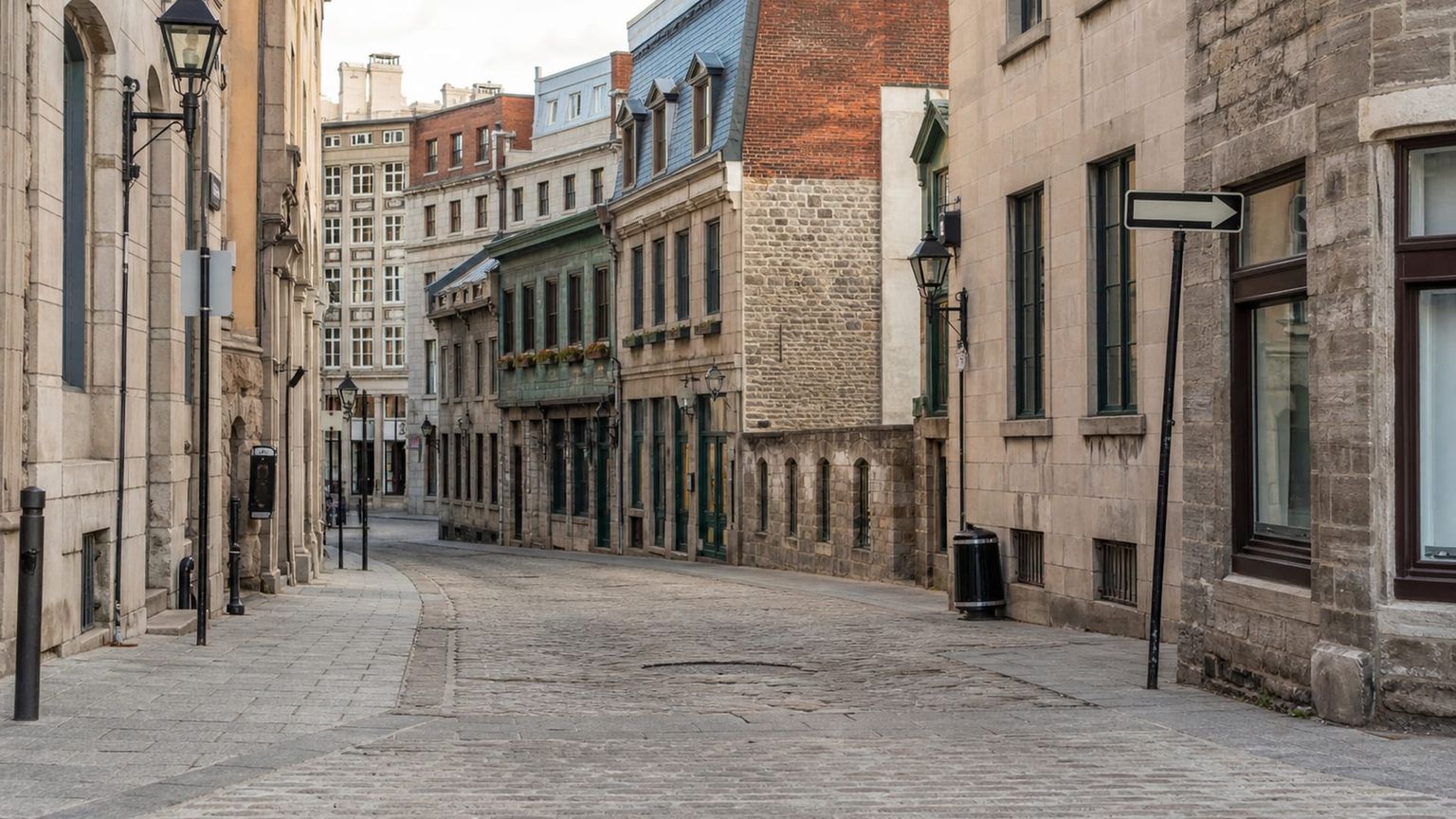
Start early in Old Montréal, where the morning light suits Place d’Armes and the stone streets around Notre-Dame Basilica. Spend about 1 to 2 hours inside the basilica, then walk roughly 5 minutes to explore the wider Old Montréal district and the Old Port edge for another 2 to 3 hours. From there, follow the riverfront or call a taxi for a roughly 15-minute ride to the Lachine Canal National Historic Site, then linger along the towpaths and finish near Atwater Market for an easy dinner stop.
Mount Royal Park shapes this day: ride the metro or take a taxi from the Plateau or downtown, then plan about 2 to 4 hours for the lookout, wooded paths, and Beaver Lake. Go near sunset if you want the clearest city views from Kondiaronk Belvedere, then return to the Plateau, which is about 20 to 30 minutes away on foot from the park’s edge or a short taxi ride downhill. Finish with dinner on Laurier Avenue or Saint-Denis, where cafes, bakeries, and neighborhood dining stay busy into the evening.
Begin in Quartier des Spectacles, where Place des Arts and the surrounding plazas put you close to the city’s performance core. Walk about 10 minutes to McGill University, then continue to the Redpath Museum for about 1 hour among fossils, minerals, and Egyptian artifacts. After that, ride the metro or walk roughly 20 minutes downtown for shopping on Sainte-Catherine Street and the Golden Square Mile, then choose a café nearby for a late-afternoon pause before dinner.
For a gentler last day, return to the Lachine Canal National Historic Site for a morning walk or bike ride, then take about 20 minutes by taxi or rideshare into downtown. Spend your final museum stop at the Redpath Museum if you missed it earlier, or revisit it for a shorter second look, then move on to shopping in the Golden Square Mile. End with coffee in the Plateau, where small cafes and bakeries give you an easy last stop before heading to Montréal (YUL).
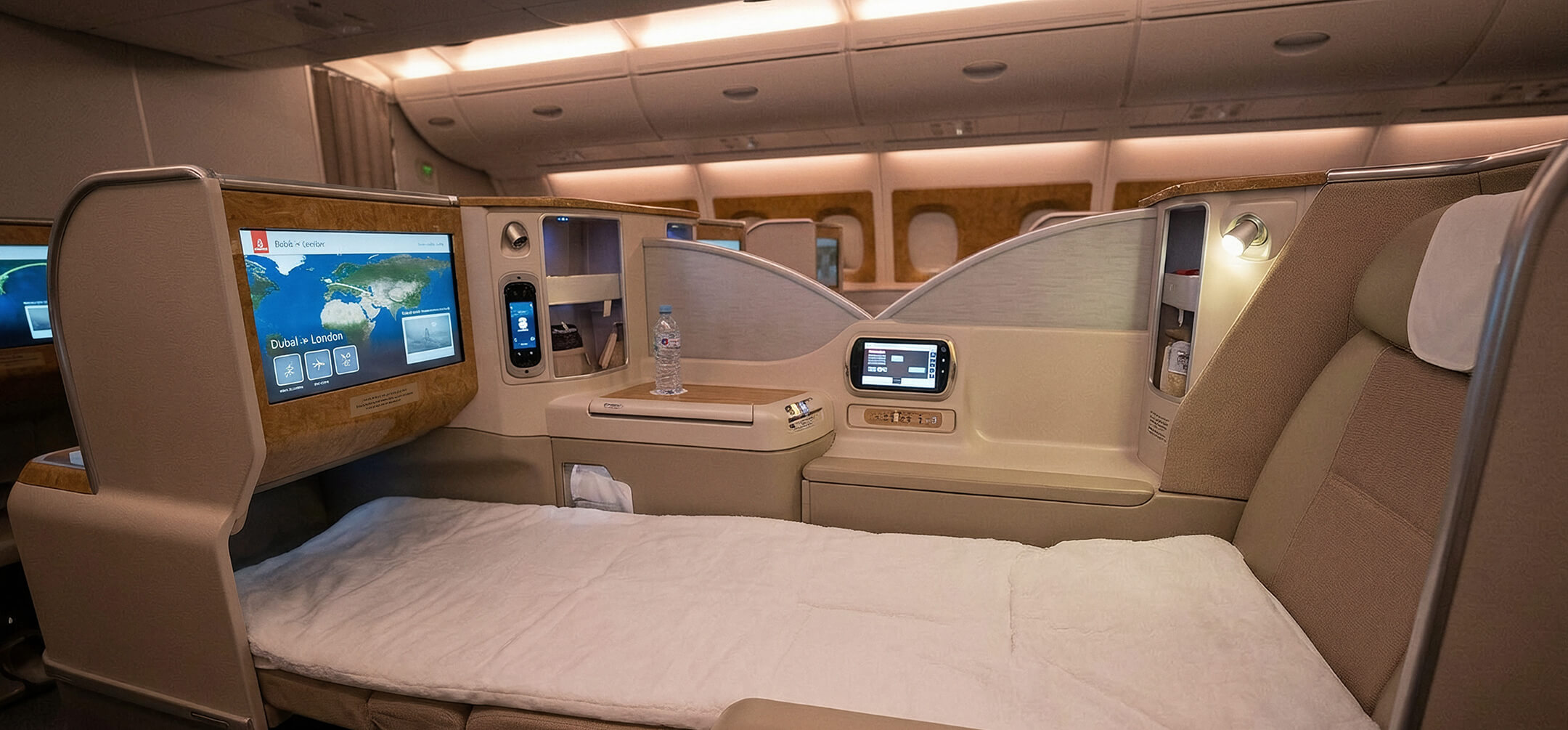
Business-class flights from the US to Montréal
From the East Coast and West Coast, Montréal usually fits into a short nonstop or a one-stop trip, with airline choice and routing shaping the fare more than the airport city itself. The examples below show the kinds of durations and prices travelers usually see.
Air Canada, Delta Air Lines, United Airlines, American Airlines, and Porter Airlines all operate on this route, and nonstop flights take about 1 to 1.5 hours. If you accept a connection, common hubs include YYZ, YUL, ORD, BOS, and EWR, with total travel time usually about 3.5 to 7 hours. Round-trip fares usually start from $600, and nonstop dates can climb to about $1,300.
From Los Angeles, Air Canada, United Airlines, American Airlines, Delta Air Lines, and WestJet are the main names to check, and nonstop flights take about 5.5 to 6.5 hours. One-stop trips often connect through YYZ, YUL, ORD, DEN, or SEA, with total travel time usually about 8 to 14 hours. From $1,400 round-trip on nonstop dates, while higher-demand itineraries can reach roughly $3,000.
Montréal feels different when you slow down
A deliberate Montréal trip usually moves from Old Montréal to Mount Royal, then out along the Lachine Canal and back into the Plateau for dinner. That pattern lets the city open in pieces, through stone streets, lookout points, metro rides, and neighborhood tables rather than a single rushed loop. If you want help matching those days to the right season or area, the AranGrant experts can guide the rest