

Chapters:

Need help with your trip?
Our support team is available 24/7. Request a callback or call us directly at (833) 619-0908
Most Monterrey itineraries start with the airport, a hotel in San Pedro or Centro, and a quick sweep of the main landmarks, yet visitors often miss how much time the city can take to cross.
Distances between the historic core, Fundidora Park, and the mountain districts add up fast, and midday heat can make short hops feel longer if you pack too much into one stretch.
This guide separates the city into workable blocks, so you can pair the right neighborhood, transit mode, and day plan without filling every hour.
Useful things to know

Main language(s): Spanish
Hola (OH-lah) – Hello
Por favor (por fah-VOR) – Please
Gracias (GRAH-see-ahs) – Thank you
¿Habla inglés? (AH-blah een-GLAYS) – Do you speak English?
¿Cuánto cuesta? (KWAN-toh KWES-tah) – How much does it cost?

Currency: The local currency is the Mexican peso (MXN, $).

Cash and cards: Cards and contactless are widely accepted; keep about MXN 200 to 500 ($12 to $30) in cash for taxis, tips, and small purchases.

Tipping: Round up small bills; leave 10% in restaurants if service is good.

Traditional food: cabrito, carne asada, machacado con huevo, glorias

Water and coffee costs: Water about MXN 20 to 35 ($1 to $2), bar espresso about MXN 45 to 65 ($3 to $4).

Taxis and ride apps: Uber, DiDi, and inDrive operate here; use official pickup points at the airport and busy terminals.

Plug and voltage: Type A/B socket, 127V

Dining and shop opening hours: Breakfast is about 07:00-10:00, lunch 14:00-16:00, and dinner 20:00-23:00. Many restaurants close between lunch and dinner.

Emergency number: 911 for police, fire, and medical emergencies.
Where to stay in Monterrey
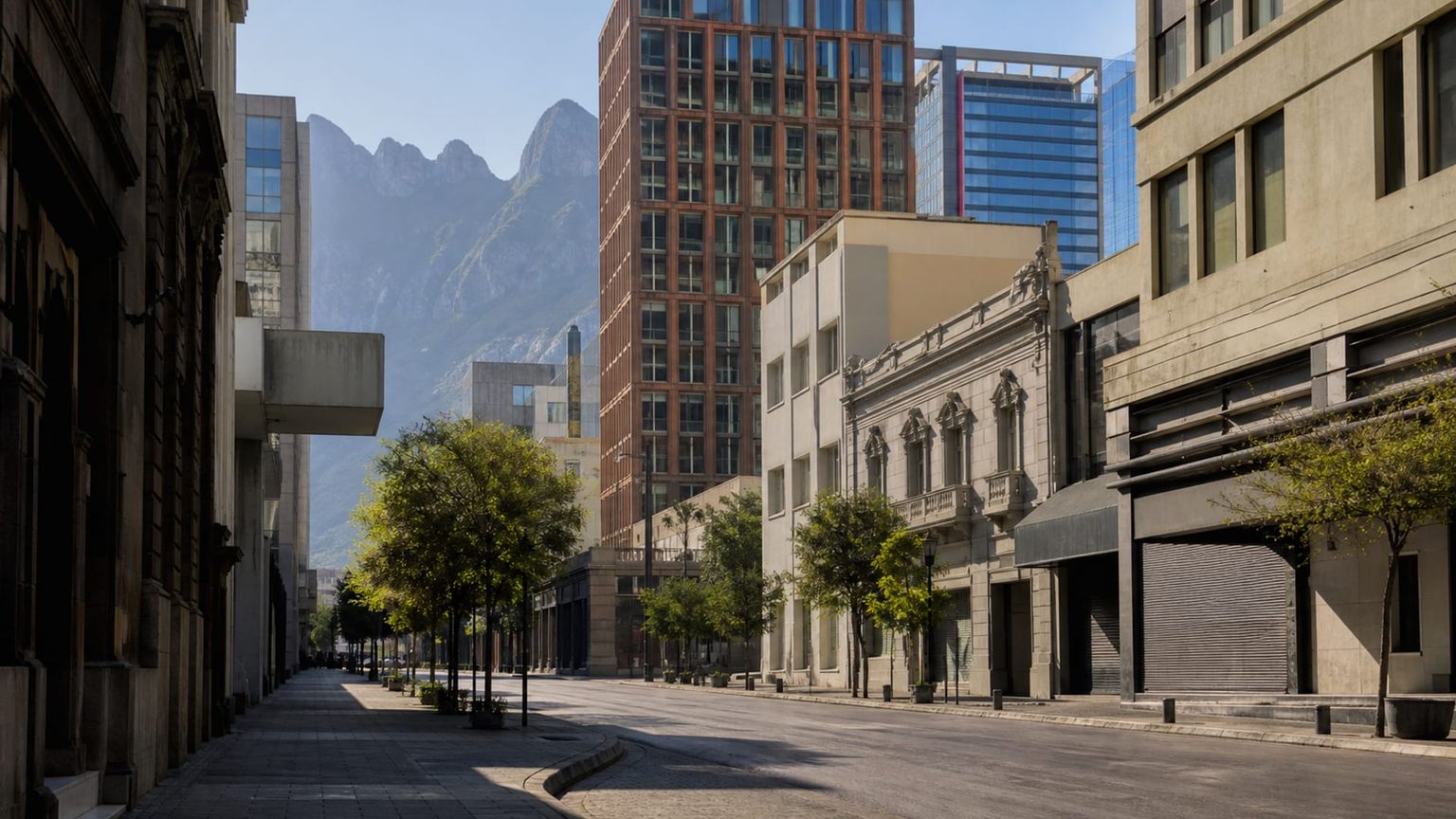
Monterrey’s historic core puts you near the Macroplaza, museums, and the city’s oldest commercial streets. It suits travelers who want to move between major sights, transit, and casual dining without spending much time in transit.
Best for: First-time visits, museum days, and staying close to the Macroplaza
What to expect: Busy sidewalks by day, especially on weekdays and lunch hours, with a looser pace after office time.
Hotel prices: Usually about $55 to $130 per night for well-rated stays
Distance to major sights: 5 to 15 minutes on foot to the Macroplaza; about 10 to 20 minutes by taxi to Museo de Arte Contemporáneo
Quietness: Noisier during the day, with some blocks quieting at night and others staying active near main avenues.
Main trade-off: You gain the shortest access to central sights, but some blocks can feel dated, and street noise is common near busy intersections.
Good to know: Choose a hotel on a side street rather than a main avenue if you want less traffic noise at night.
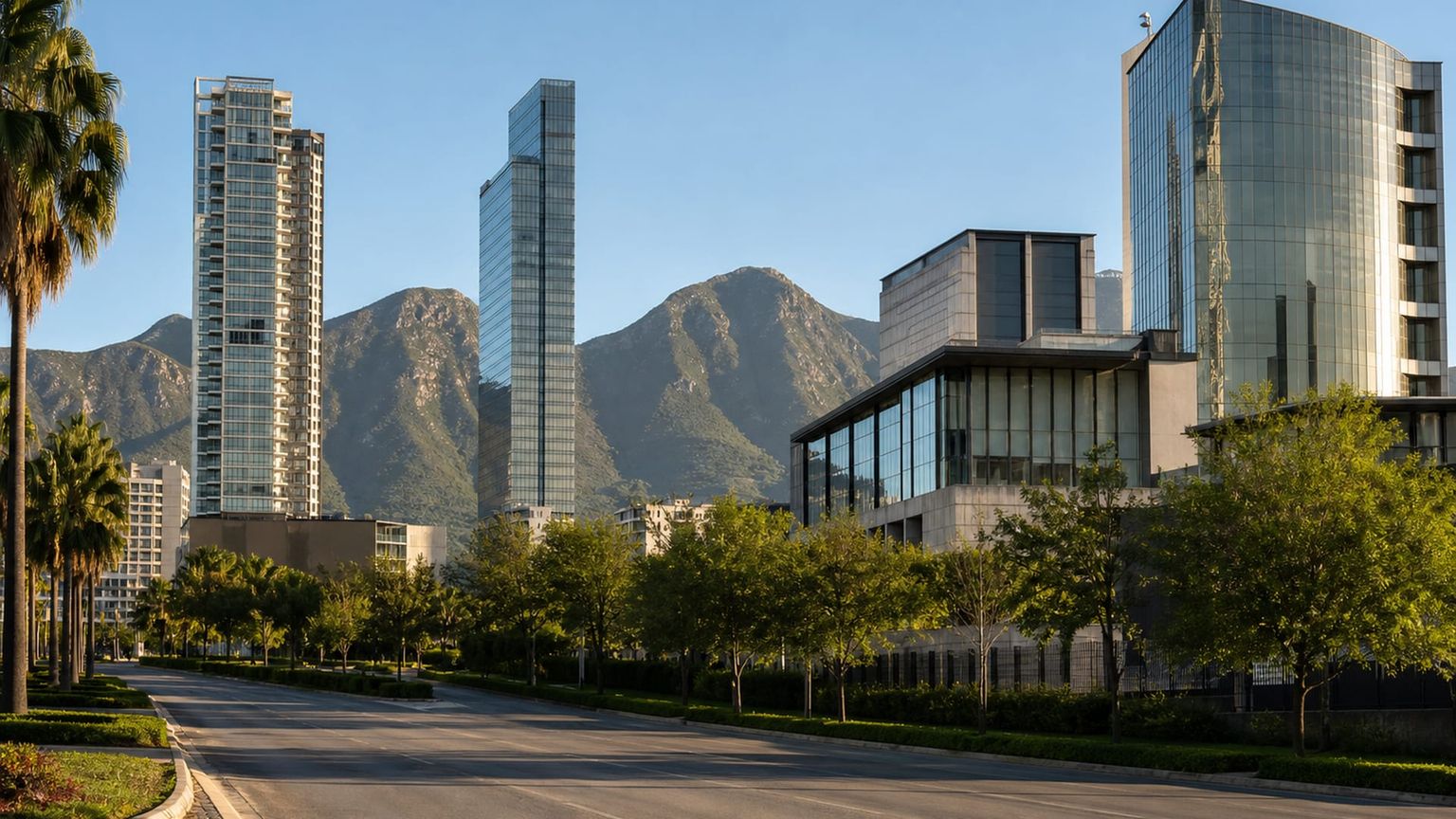
San Pedro Garza García is the city’s upscale business and shopping district, with modern towers, major malls, and many restaurants. It works well if you want polished hotels, late dining, and easy car access across the metro area.
Best for: Business stays, upscale dining, and travelers who prefer modern hotels
What to expect: Active and car-oriented, with busy commercial streets, heavy mall traffic, and more people out in the evenings.
Hotel prices: Usually about $110 to $260 per night for well-rated stays
Distance to major sights: About 15 to 25 minutes by taxi to the Macroplaza; roughly 10 to 20 minutes by taxi to Parque Fundidora
Quietness: Quieter on residential side streets, busier near malls and office clusters both day and evening.
Main trade-off: Hotels cost more here, and you will rely on taxis or rideshares for many central sights and nightlife areas.
Good to know: Traffic can slow down around shopping and office peaks, so allow extra time for evening dinners and airport runs.
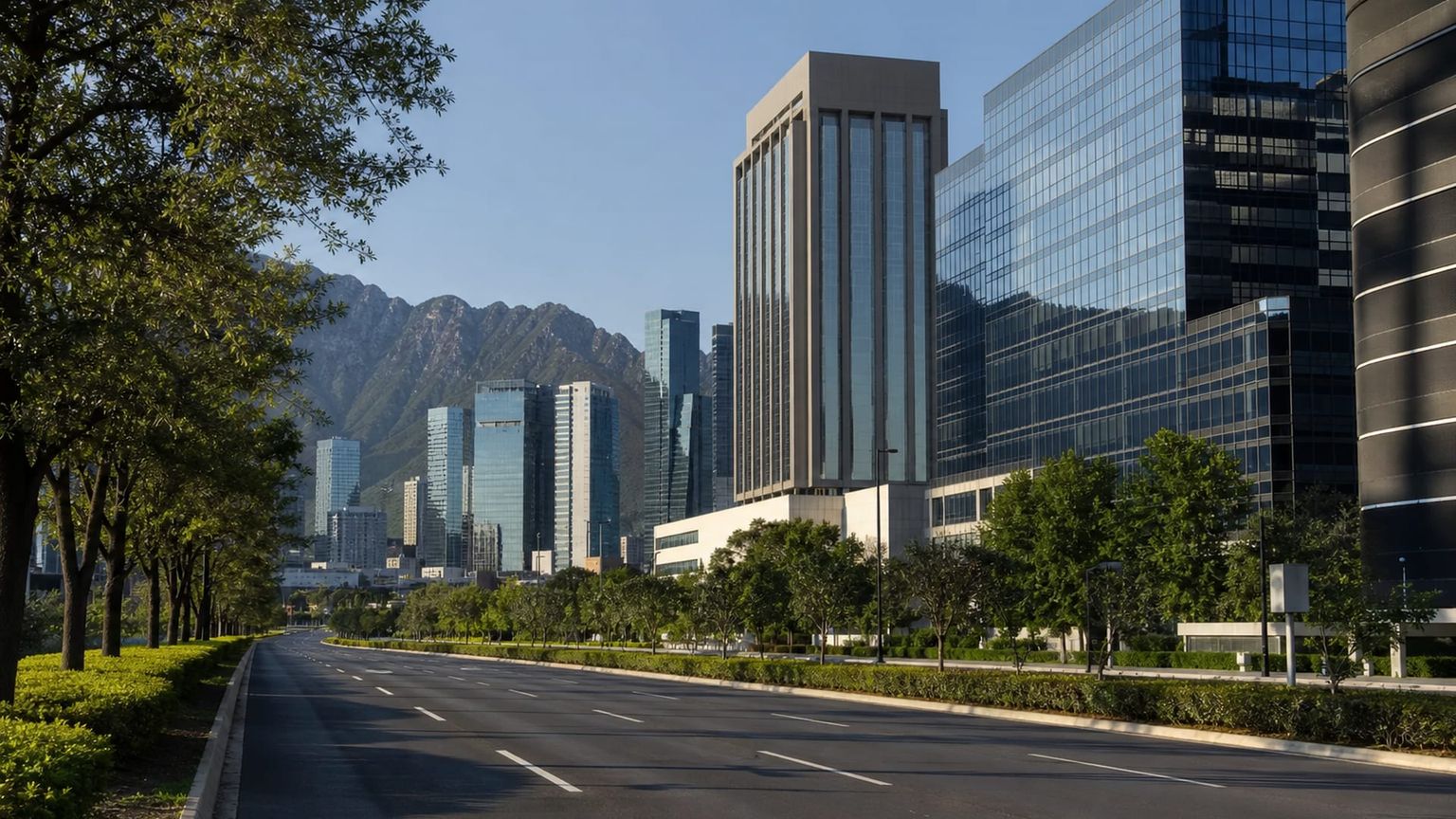
Valle Oriente sits on the eastern edge of San Pedro and mixes office towers, chain hotels, and large retail centers. It suits travelers who want newer lodging and easy road access more than a walkable sightseeing base.
Best for: Short business trips, mall access, and travelers arriving by car
What to expect: Modern and car-heavy, with wide avenues, shopping traffic, and limited pedestrian life outside commercial zones.
Hotel prices: Usually about $95 to $220 per night for well-rated stays
Distance to major sights: About 20 to 30 minutes by taxi to the Macroplaza; roughly 15 to 25 minutes by taxi to Parque Fundidora
Quietness: Calmer after office hours on some blocks, though major roads and retail zones stay active into the evening.
Main trade-off: You get newer hotels and parking ease, but most sightseeing, older neighborhoods, and nightlife need a ride.
Good to know: If you plan late dinners or bars, check the route back first, since distances are short but evening traffic can add time.
Travelers usually avoid booking in Apodaca, Guadalupe, and Escobedo, because these areas sit far from Monterrey’s main sights in the Centro and San Pedro districts, and most hotel choices cater to airport or business stays rather than sightseeing. Cumbres and Santa Catarina are also less convenient for visitors, with fewer walkable attractions, thinner restaurant and nightlife options, and longer evening travel back from the city center.
Hotel deals
How to get around Monterrey efficiently
Monterrey has no airport metro link, so most visitors move between Centro, San Pedro, and the airport with taxis, rideshares, or local buses.

Metro
for longer distances
Monterrey has no metro service linked to Monterrey (MTY), so visitors usually rely on suburban rail alternatives only if they are headed beyond the central area; for airport trips, metro is not the main option.

Bus and tram
for convenience
No tram network serves Monterrey (MTY), and local buses are the main public option from the airport zone. Expect basic city routes and intercity buses rather than a dense tourist network, with rides usually costing about $0.50 to $1.50 (approximately 9 to 27 MXN) and taking 45 to 90 minutes to central neighborhoods, depending on traffic and connections.

Taxi
for convenience or late hours
Licensed taxis at Monterrey (MTY) usually use set fares from the airport rather than meters, and prices commonly run about $25 to $45 to central Monterrey, with longer suburban trips costing more. Use the official airport taxi stand, confirm the destination before departure, and expect cash or card acceptance to vary by operator.
*Prices are based on rates updated as of June 2026 and may change at the time of travel.
Use taxis or app rides for airport transfers and late dinners, the metro gap makes them the simplest option, while buses suit low-cost daytime travel and walking works best inside Centro and around the main parks.
Iconic landmarks
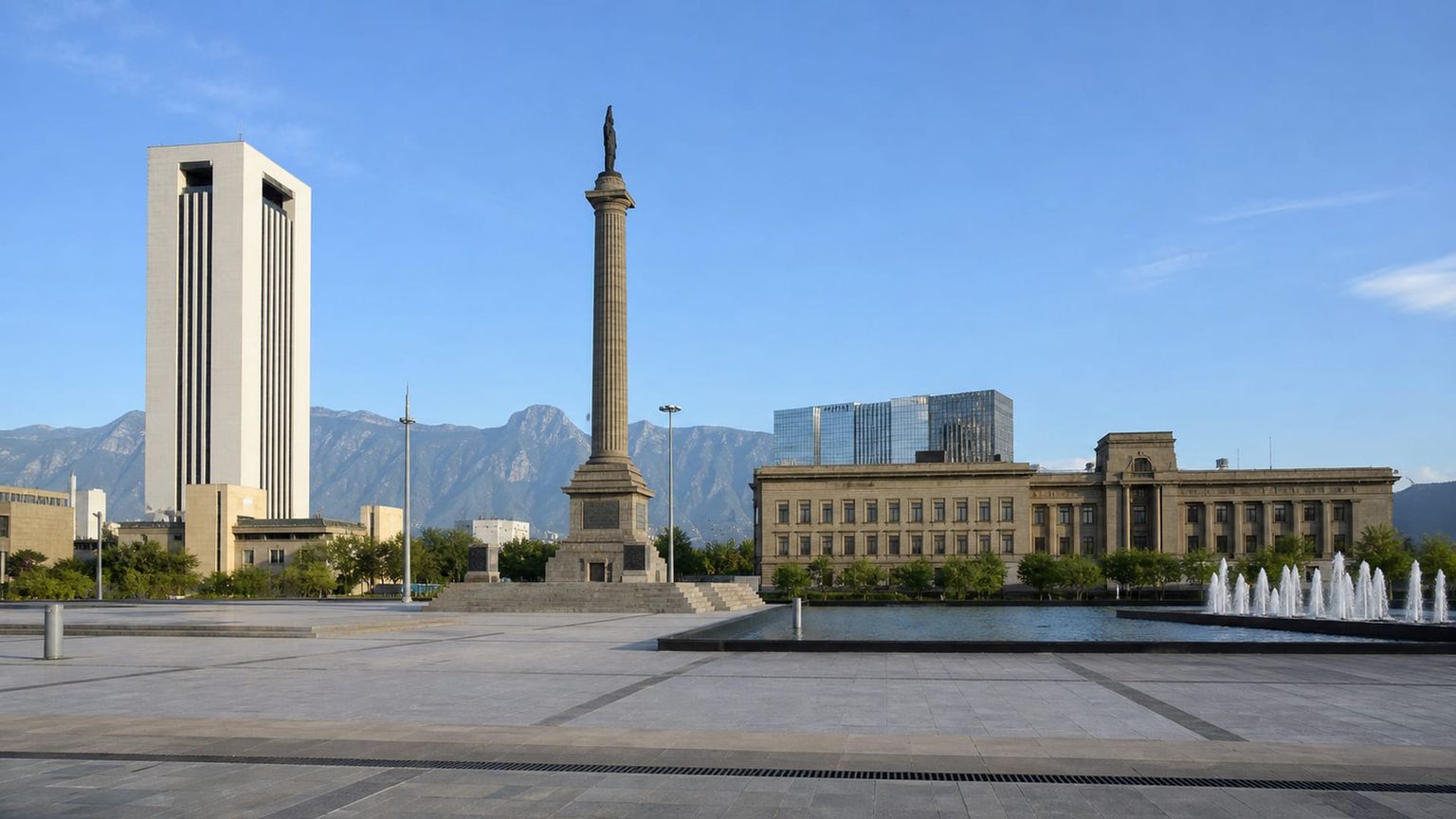
Macroplaza
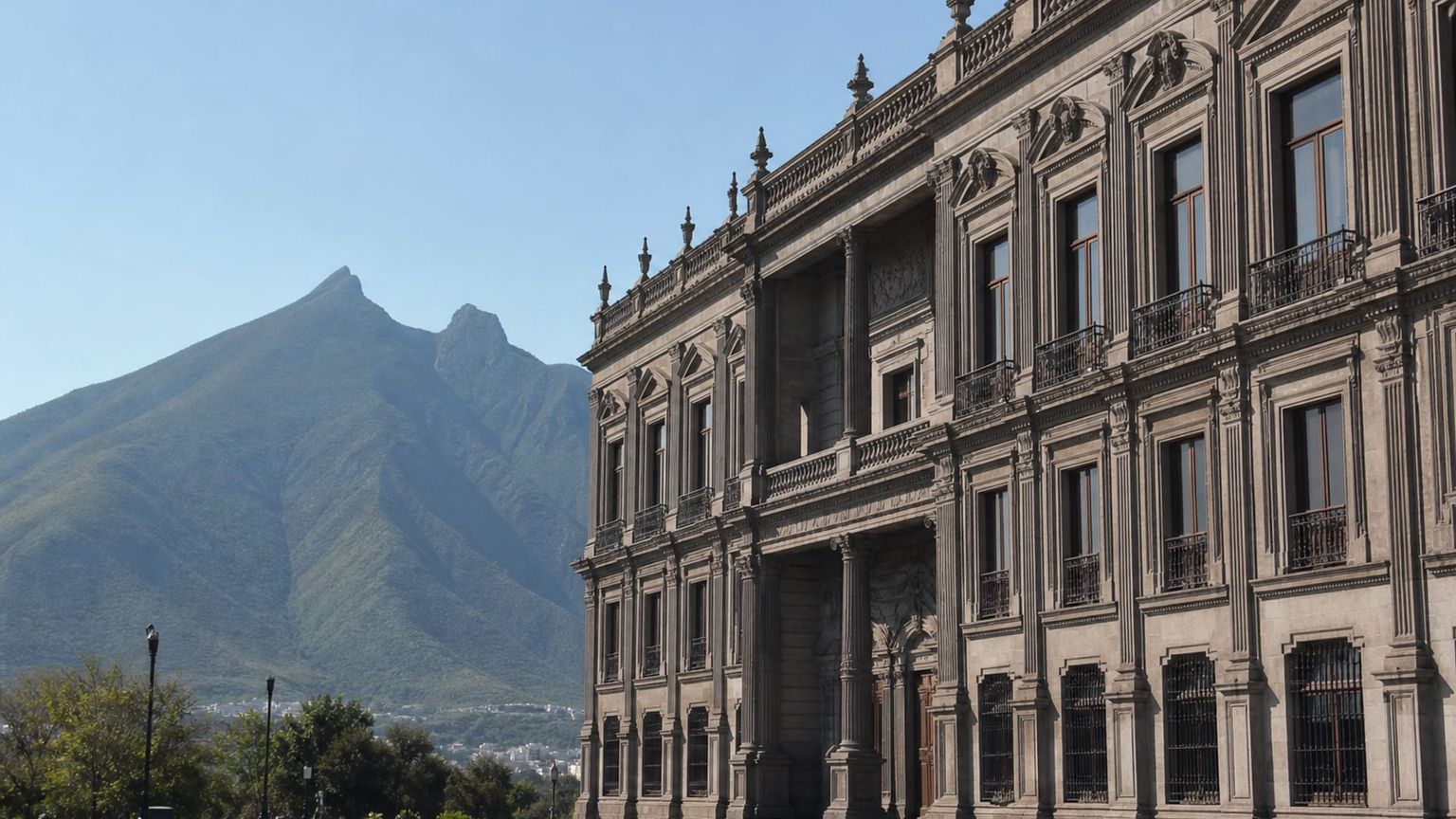
Monterrey’s central square stretches across the historic core, linking the Faro del Comercio, the Government Palace, the Metropolitan Cathedral, and the nearby Museo de Historia Mexicana. It gives a clear read on the city’s civic center in one walk.
Time needed: About 2 to 3 hours
Entry: Free to access; individual museums and attractions in the plaza charge separately for special exhibits and tickets, while the outdoor square itself has no admission fee.
Tip: Go late afternoon, when the heat eases and the plaza lights begin to come on.
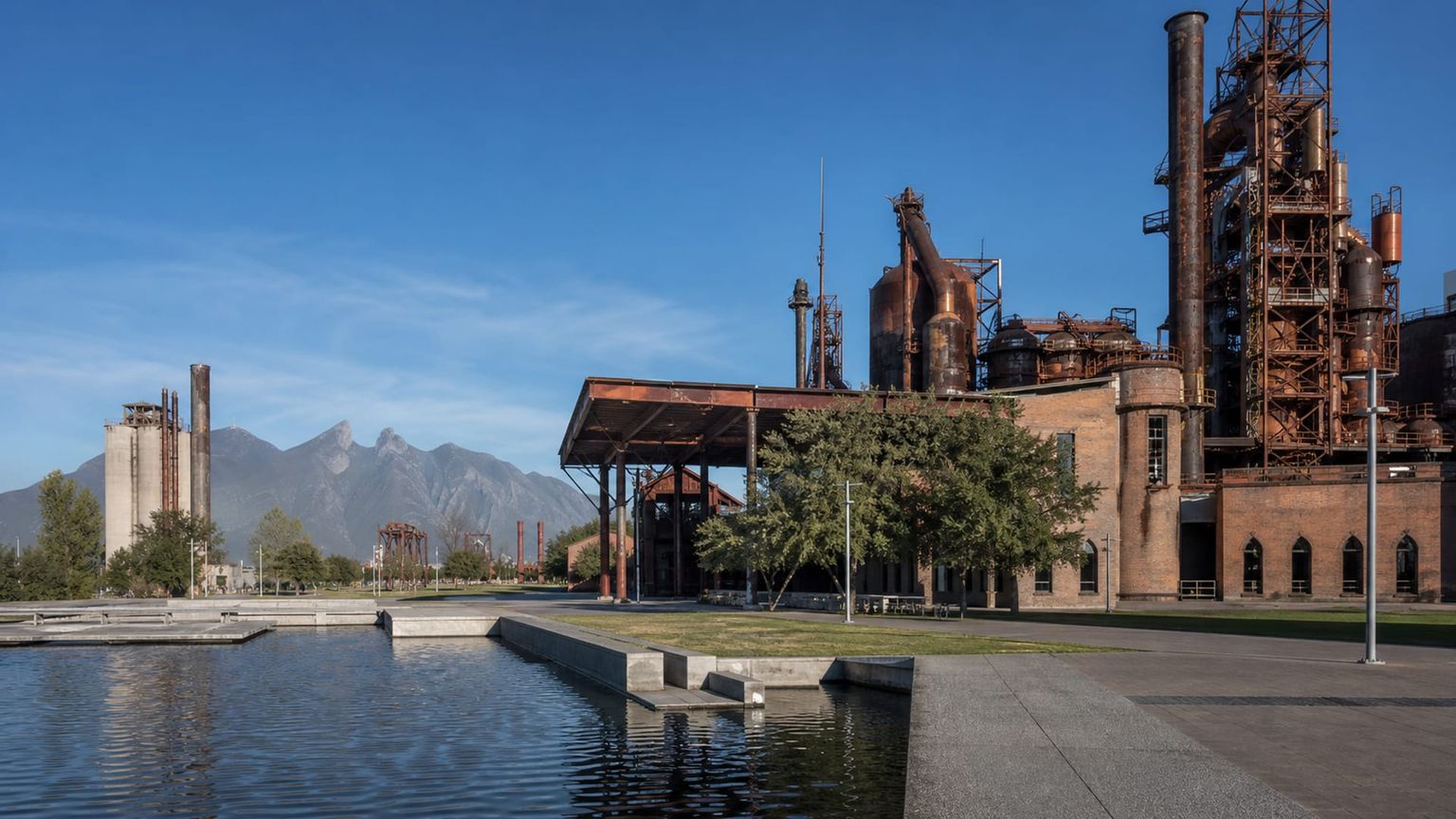
Fundidora Park
This former steel complex now combines broad green space with industrial landmarks, including the towering Horno 3 museum and the Parque Fundidora venues. The site shows how Monterrey reused heavy industry without erasing it.
Time needed: About 3 to 4 hours
Entry: Park entry is free; Horno 3 museum admission is roughly $5 to $8 ($90 to MXN 140), with separate fees for certain exhibits and events. Visit the official site for details.
Tip: Arrive early, before noon, if you want cooler paths and lighter foot traffic.
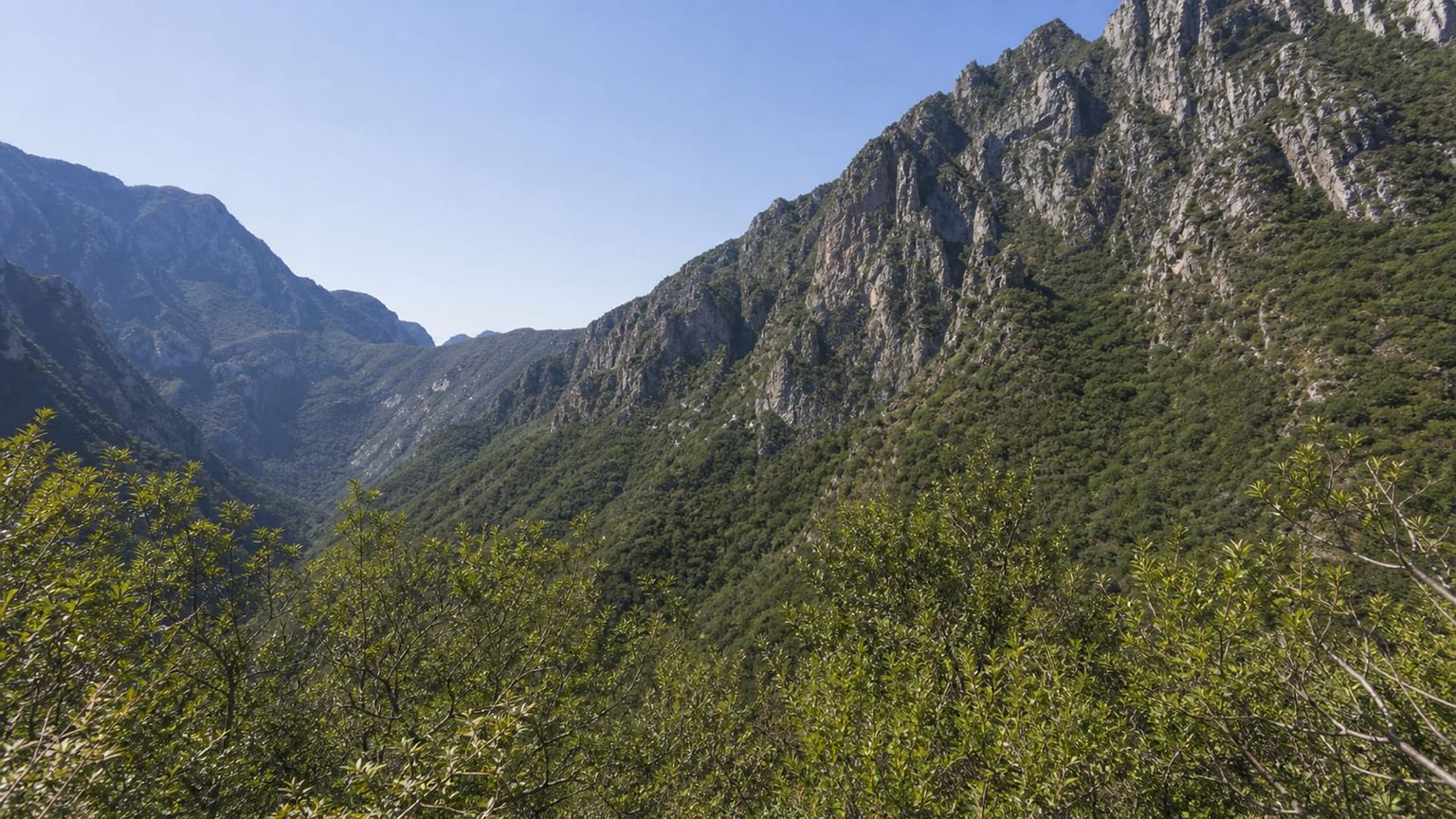
Chipinque Ecological Park
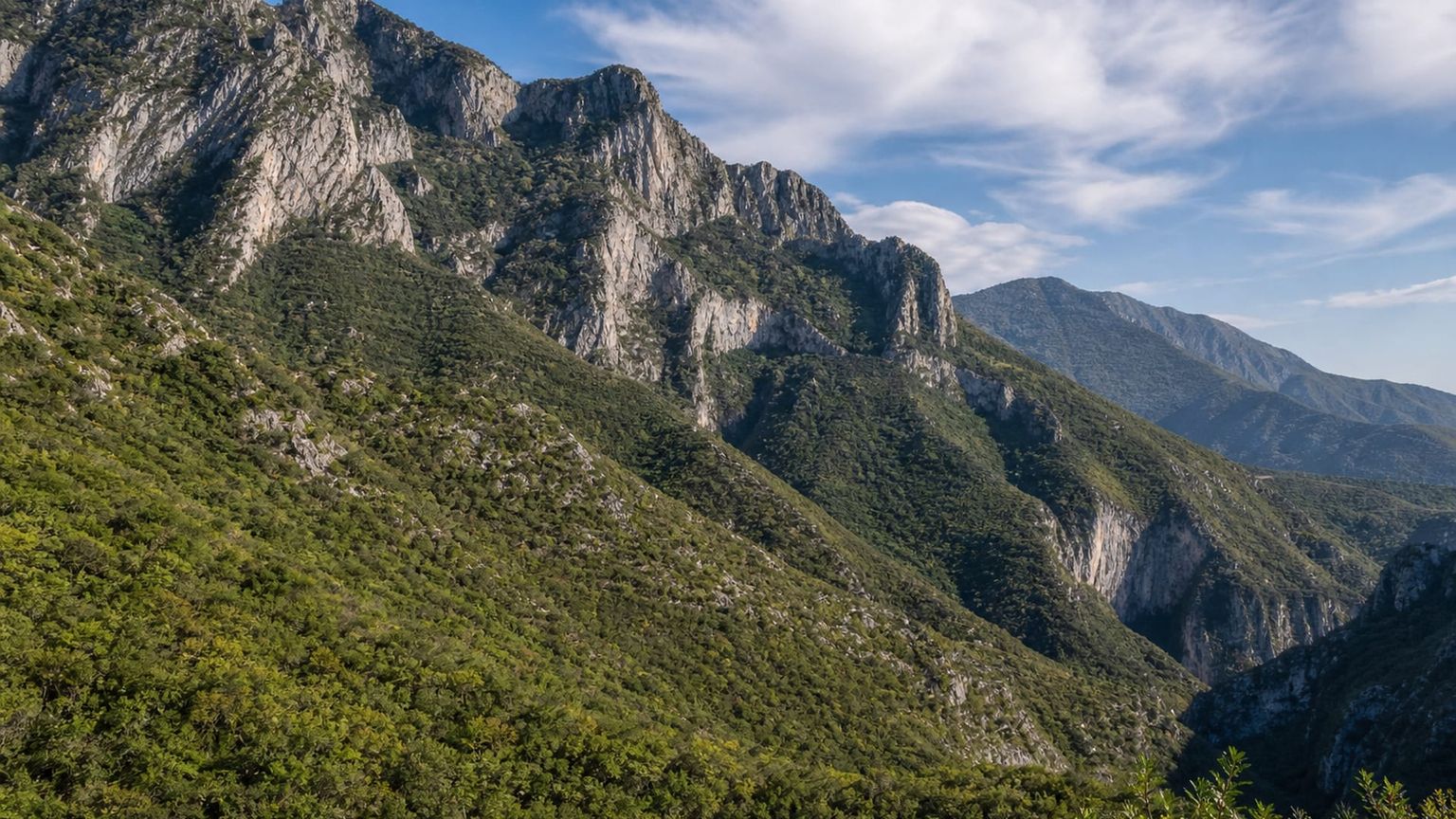
On the city’s southern edge, Chipinque brings pine forest, limestone ridges, and marked trails within a short drive of downtown. The higher viewpoints frame Monterrey and the Sierra Madre, especially on clear mornings.
Time needed: About 3 to 5 hours
Entry: Day-use admission costs about $7 to $10 ($120 to MXN 180), with lower rates for children on some days and separate parking fees. Visit the official site for details.
Tip: Start early, because midday sun and haze reduce visibility on the upper viewpoints.
Overlooked sites worth visiting

Parque Mississippi
This linear park follows the Santa Catarina River edge with wide paths, native trees, and public art. It draws walkers, cyclists, and families for a quiet break close to San Pedro.
Time needed: About 1 hour
Entry: Free to access; no ticket is required for the park. It sits open to the public year-round, with no admission fee for walking the paths, using the riverfront promenade, or stopping at the play areas.
Tip: Go near sunset for cooler temperatures and softer light.

Museo del Noreste
This compact museum traces northeastern Mexico through archaeology, colonial objects, and regional history. Its four-floor layout makes it easy to cover in a short stop downtown.
Time needed: About 1.5 to 2 hours
Entry: Standard admission is about $5 to $8 ($85 to $140 MXN), with discounts for students, teachers, and seniors on site. Special exhibits can carry separate pricing, and hours may shift on holidays. Visit the official site for details.
Tip: Arrive earlier in the day to avoid school-group crowds.
Traditional food
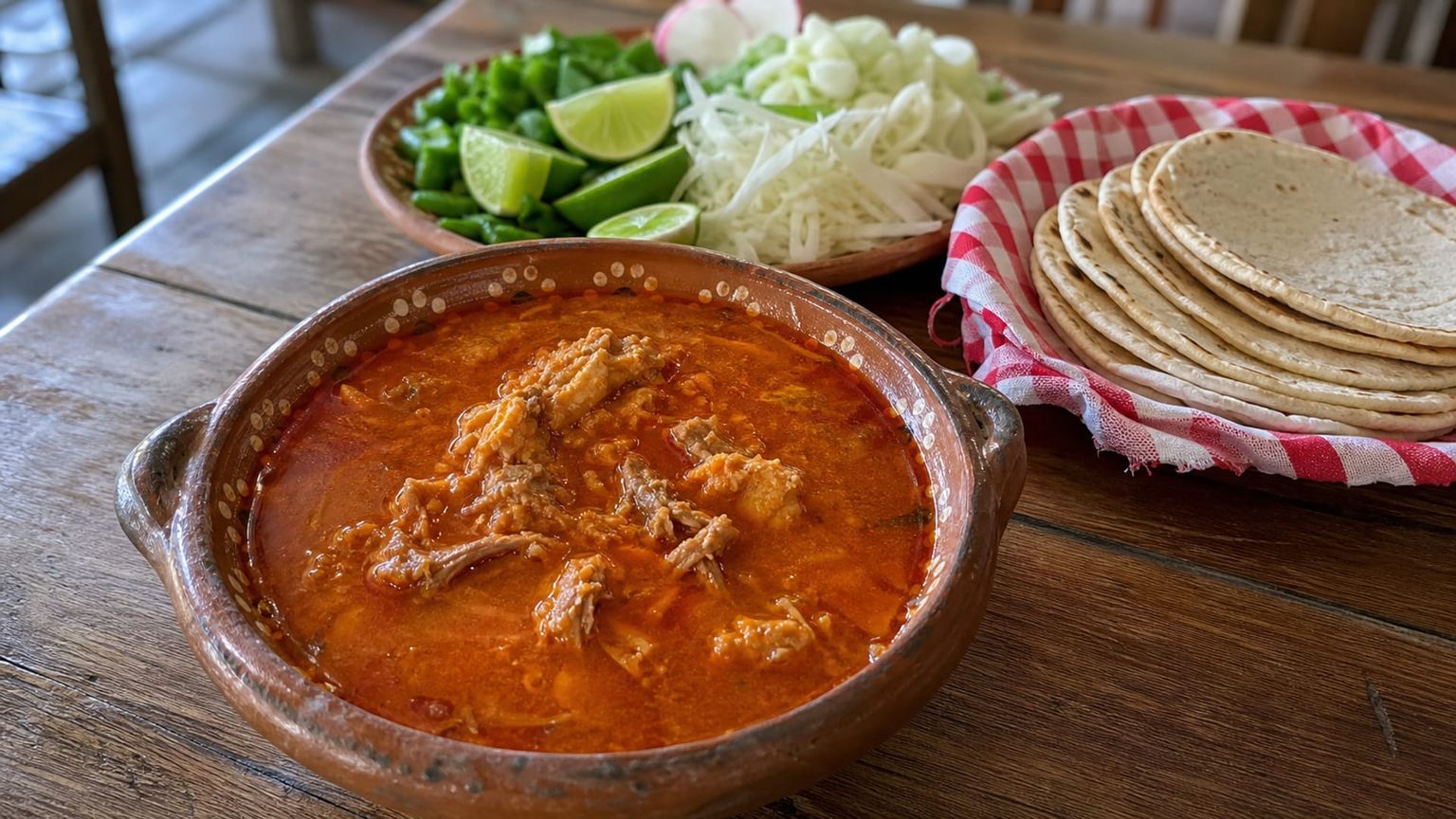
Monterrey’s food leans on beef, roast goat, eggs, and sweets, with cabrito, carne asada, machacado con huevo, and glorias anchoring a dining scene that favors hearty plates and long, late meals.
Cabrito
Roasted young goat is one of Monterrey’s signature dishes, often served with tortillas, salsa, and simple sides. El Rey del Cabrito is a classic city reference for it and keeps the dish front and center.
Carne asada
Grilled beef anchors many local meals, from casual plates to larger shared spreads. La Nacional is a strong Monterrey name for carne asada and other northern Mexican staples.
Machacado con huevo
This scrambled mix of dried beef and eggs shows up on breakfast tables across the city, often with beans and flour tortillas. Tacos Los Baños is a well-known Monterrey stop for it.
Glorias
These caramel and pecan sweets from nearby Linares are a common takeaway treat in Monterrey. Pastelería Lety is a reliable place to buy them in the metro area.
Best time to visit Monterrey
Monterrey swings from mild winter mornings to very hot summer afternoons, so the best months for walking and ridge views are not the same as the best months for poolless city days.
Best for: Clear air, museum days, and outdoor walks
What you get: About 45 to 74°F (7 to 23°C), with lighter crowds and comfortable daytime exploring
Trade-offs: Mornings can feel cool, especially near the mountains
Best for: Park visits, terrace dining, and city sightseeing
What you get: About 58 to 93°F (14 to 34°C), with moderate crowds and some holiday spikes
Trade-offs: Late spring can turn hot quickly
Best for: Indoor museums and short, early outings
What you get: About 72 to 97°F (22 to 36°C), with lower daytime foot traffic and frequent heat
Trade-offs: Afternoon sun can limit long walks
Best for: Balanced city days and mountain visits
What you get: About 57 to 86°F (14 to 30°C), with steady crowds and clearer touring windows
Trade-offs: Some weeks still run warm at midday
A realistic 5-day plan in Monterrey
Five days in Monterrey work best when you split the city into clear zones: the historic center, Fundidora, the mountain edge, and the newer districts west and south. That keeps each day tied to a specific part of town instead of forcing long cross-city returns.
Land at Monterrey (MTY) and head by taxi or rideshare to Centro or San Pedro Garza García, depending on whether you want to stay near the Macroplaza or in a newer hotel district; the ride usually takes about 25 to 40 minutes and costs roughly $18 to $35. Check in, drink plenty of water, and keep dinner close, such as a casual meal near the Macroplaza if you chose Centro, or in one of San Pedro’s restaurant corridors if you are farther west. Avoid a packed evening, because Monterrey’s traffic can stack up at rush hour and the dry heat can catch you off guard after a flight.
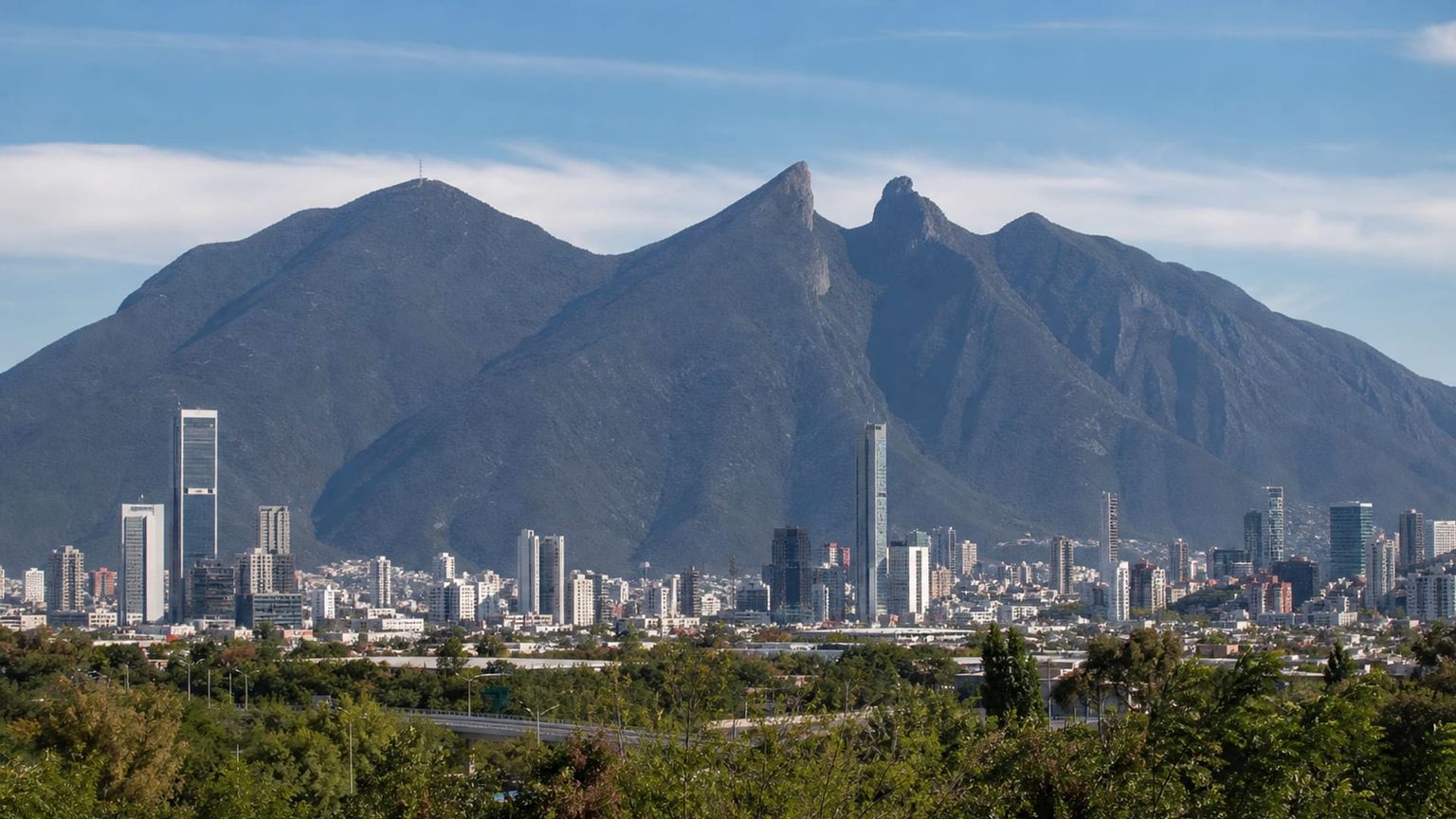
Start with the Macroplaza in the late morning, then walk about 10 minutes to the Museo del Noreste for a focused history stop before lunch. From there, it is about a 5-minute walk to the Metropolitan Cathedral and Government Palace area, where the square opens up for photos and an easy circuit through the central monuments. Finish with dinner in Centro, where you can stay on foot and return to your hotel without crossing the city.
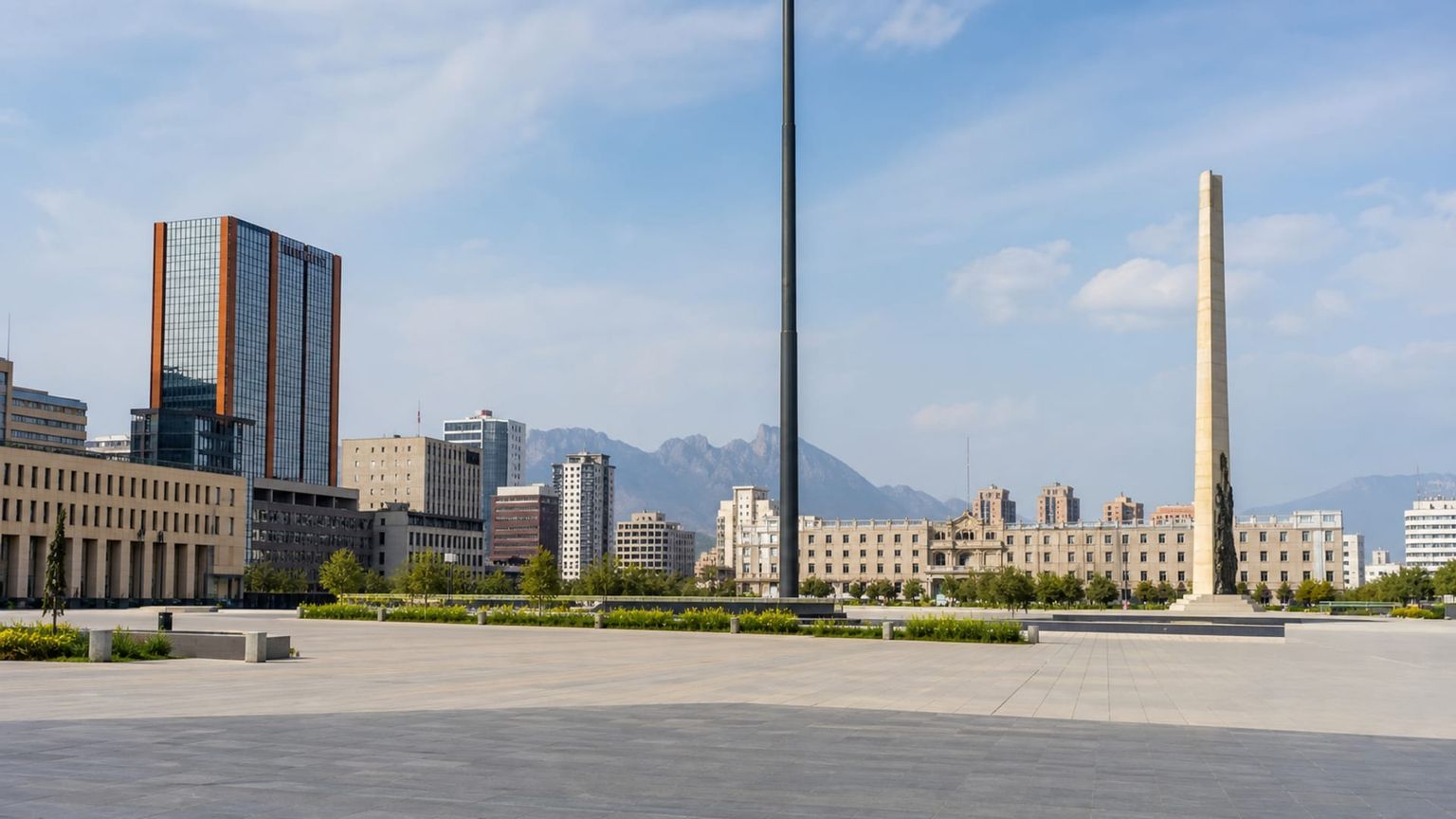
Fundidora Park takes the whole middle of the day, and it works best if you arrive early, about 15 to 20 minutes by taxi from Centro or 20 to 30 minutes from San Pedro. Spend 3 to 4 hours moving between the industrial buildings, the open park paths, and Horno 3, then stop for a late lunch or early snack nearby before heading back. If you still have energy, add an evening stroll along Parque Mississippi, which is roughly 15 to 20 minutes by taxi from Fundidora and gives you a quieter riverfront walk.
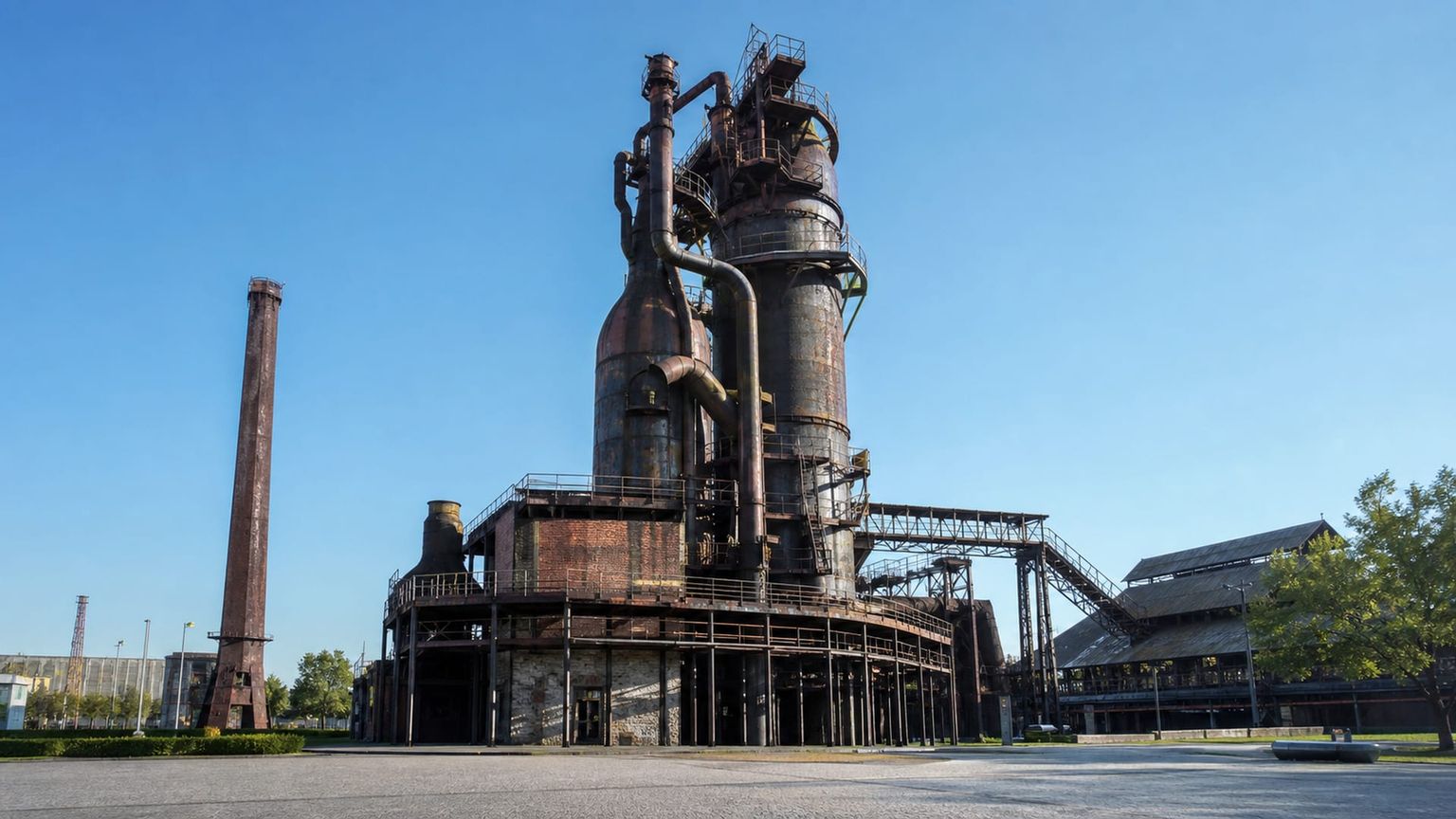
Begin at Chipinque Ecological Park, about 25 to 35 minutes by taxi from San Pedro and longer from Centro, and get there early for cooler air and clearer ridge views. Plan 3 to 5 hours for the marked trails and viewpoints, then return to the city for an easy afternoon in San Pedro Garza García. Finish with a relaxed dinner there, since the district has the widest concentration of restaurants and you will avoid a late cross-town ride after the mountain visit.
For a last day that stays close to the airport run, pair a final museum stop with time in the city center, starting at Museo del Noreste if you missed it earlier or want one more compact history visit. Afterward, browse or shop in San Pedro Garza García, where the mall and retail areas give you the broadest late-trip options, then settle into a café in the same district for a slow coffee before heading to Monterrey (MTY). Keep your luggage at the hotel until you leave, and give yourself about 30 to 45 minutes for the transfer if you are departing from San Pedro or Valle Oriente.
Business-class flights from the US to Monterrey
Flights into Monterrey vary most by origin and connection pattern, so the useful comparison is not just price, but also how much time you give up on the way. The East Coast and West Coast options often behave differently.
From New York, Aeromexico, United Airlines, Delta Air Lines, American Airlines, VivaAerobus, and Volaris all appear on the route list, with nonstop trips taking about 4 to 5 hours. When schedules do not line up, one-stop itineraries commonly connect through MEX, IAH, ATL, DFW, or ORD, and that can push total travel time to about 6 to 9 hours. Round-trip fares usually start from $1,000 and can reach $2,200, with the best nonstop options often priced above the cheapest one-stop itineraries.
Los Angeles usually offers a shorter hop, and Aeromexico, Volaris, American Airlines, Delta Air Lines, and United Airlines cover the route. Nonstop trips take about 3.5 to 4.5 hours, and round-trip fares for the better seats generally run from $700 to $1,600; one-stop options can reduce the fare further when the connection works cleanly with your schedule.
Monterrey feels different when you slow down
A deliberate Monterrey trip gives each neighborhood a clear role: Centro for the Macroplaza and Museo del Noreste, Fundidora for the old steelworks, Chipinque for morning ridge views, and San Pedro for dinner and hotel time. That mix keeps taxi rides short where they matter and avoids stacking too many cross-town transfers into one day. If you want help shaping the route, the AranGrant experts can help you plan the right Monterrey stay from the airport run to the last night in San Pedro







