Most travelers see Mont Saint-Michel in the middle of the day, when the narrow main street is full, the abbey is busy, and the visit moves at the pace of the crowd. It can still be impressive, but it is rarely quiet.
Stay overnight, and the island changes. Day visitors leave, the streets empty, the bay darkens, and the tides begin to shape the experience more clearly. What felt like a crowded landmark during the day starts to feel like a small medieval island again.
That change is the main reason to spend the night. An overnight stay gives you time to see Mont Saint-Michel before and after the busiest hours, walk through it with fewer people around, and see how much the tides affect the views and the atmosphere of the island. This guide explains when to visit, where to sleep, and how to plan the trip so the overnight experience actually adds value.
Read in this post:
Mont Saint-Michel’s setting and tides
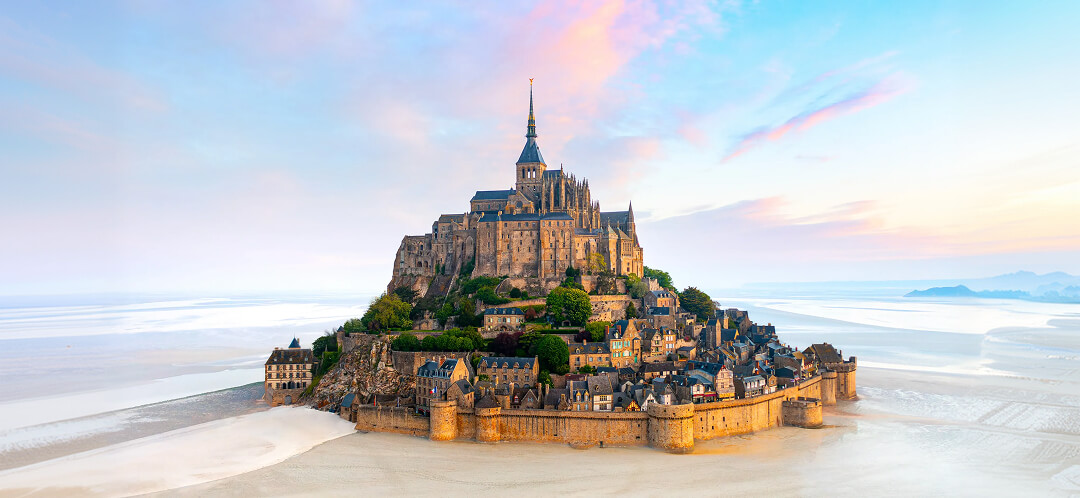
Mont Saint-Michel is a small medieval island commune in Normandy, France, built around a hilltop abbey and surrounded by one of Europe’s most dramatic tidal bays. Its narrow streets climb toward the abbey, so most visitors naturally move through the same main routes during the day.
This makes timing especially important. You can experience Mont Saint-Michel as a daytime visit, but staying overnight in the area changes what is possible once the crowds leave. You can stay in a hotel on the island and step outside in the evening, or stay on the nearby mainland and return for an evening walk. Either option keeps you close enough to experience Mont Saint-Michel after the daytime flow has thinned, making it easier to discover the island.
The island sits in a bay with strong tidal variation. The water level can change by up to 46 feet (14 meters) between low and high tide, which directly affects how the island looks.
At low tide, the sea pulls back and exposes wide sandbanks around the island. The surroundings appear flat, and the island no longer feels separated from the mainland. At high tide, the water rises and surrounds the island, creating a clear visual separation. During stronger tidal cycles, the island appears completely cut off for a short period, even though the elevated causeway usually remains accessible.
There are two high tides and two low tides each day, but their timing shifts daily. The strongest tides occur around the full moon and new moon, and are even more pronounced during the spring and autumn equinox, when water levels reach their highest points. On other days, the effect is less pronounced and often remains mostly visual rather than fully isolating the island.
Tip: Check the official tide chart for your travel dates before booking. If the goal is to see the island fully surrounded by water, plan the stay around full moon or new moon periods.
Where to stay overnight: on the island or on the mainland
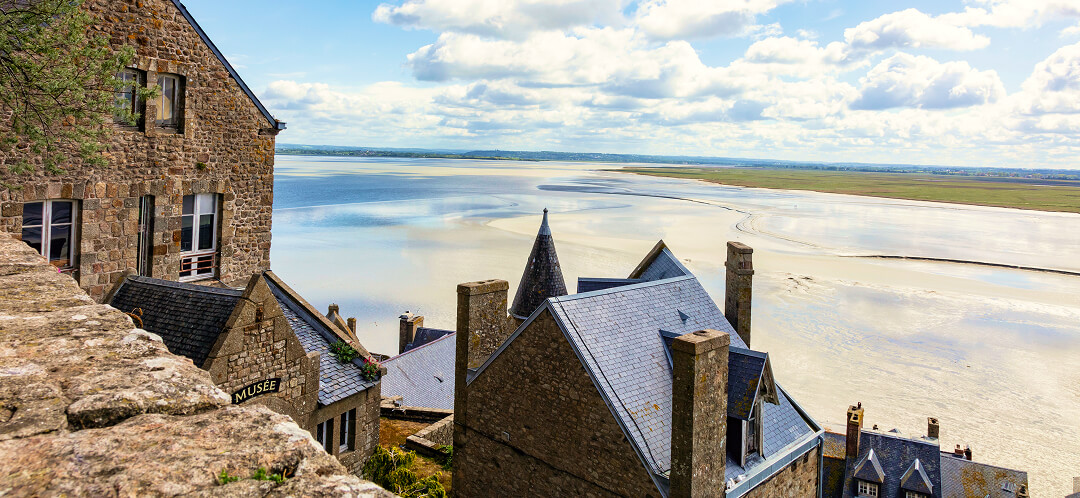
Where you stay determines how easily you can access the island once the day visitors leave. The main choice is between staying on the island or on the mainland just outside the bay.
Staying on the island
There are few hotels on the island, and they usually cost more than the ones on the mainland, but they give you direct access at all times. Once the island clears out, you can step outside immediately and move freely.
This option removes most of the logistical friction. You can go out in the evening, return to your room, and step back outside early in the morning without planning around transport.
During the summer season, on-island hotels typically range from €200–€700 ($235-$820) per night when booked in advance.
Staying on the mainland
Hotels on the mainland offer more choice and lower prices. However, you need to plan how and when you access the island.
Shuttle buses connect the mainland to the island, and walking via the causeway takes about 30–40 minutes. Late evening and early morning access depends on transport schedules.
On the mainland, summer hotel rates usually range from €90–€300 ($105-$350) per night.
This option requires more coordination, especially if you want to be on the island during quieter periods. If your goal is to experience the island without interruptions, staying on the island makes that easier.
Tip: If you stay on the mainland, check the last shuttle time in advance and plan your return. Missing it can mean a long walk back or limited transport options.
When to go and how to time your overnight stay
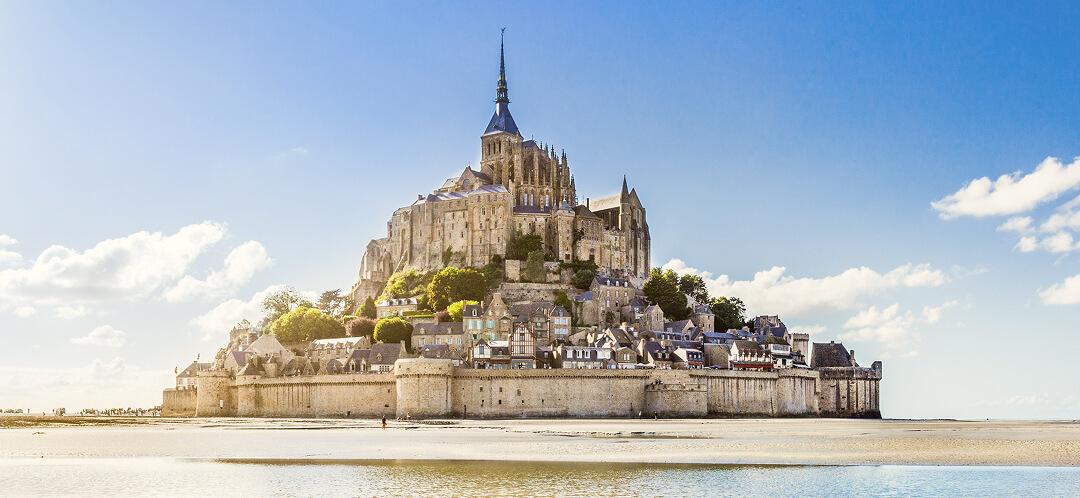
Timing determines how your stay unfolds. The goal is not just to visit the island, but to be there when conditions shift, both in terms of crowds and tides.
How to structure your stay
For an overnight stay on the island, plan to arrive in the late afternoon, rather than in the morning or late at night.
Late afternoon arrival gives you enough time to check in, leave your luggage, and observe the island before the day crowds start to leave. This timing lets you experience the island as it moves from daytime visitor traffic into a quieter evening pace.
A morning arrival is less useful for this type of stay because it places you in the busiest part of the day. A late-night arrival also weakens the experience because you miss the transition that makes staying overnight different from a standard visit.
When to visit
- May and October offer moderate visitor numbers and stable hotel prices, and pleasant weather for walking around the island.
- June to September bring the highest visitor volume, more crowded daytime hours, and higher prices, but there are also more hotels and restaurants open during this period.
- From November to March, visitor numbers drop significantly, creating a quieter experience, but with fewer open hotels, reduced services, and shorter days.
For the best overnight experience, visit Mont Saint-Michel in May or October and arrive in the late afternoon. This gives you milder weather, more manageable crowds, and enough time to see the island shift from a busy daytime landmark into a quieter place after most visitors leave.
Getting from the US to Mont Saint-Michel

Reaching Mont Saint-Michel involves two steps: a long-haul flight to Paris, followed by a regional transfer to the island.
From the US to Paris
Most international flights to Paris arrive at Paris Charles de Gaulle Airport (CDG), with some flights into Orly Airport (ORY).
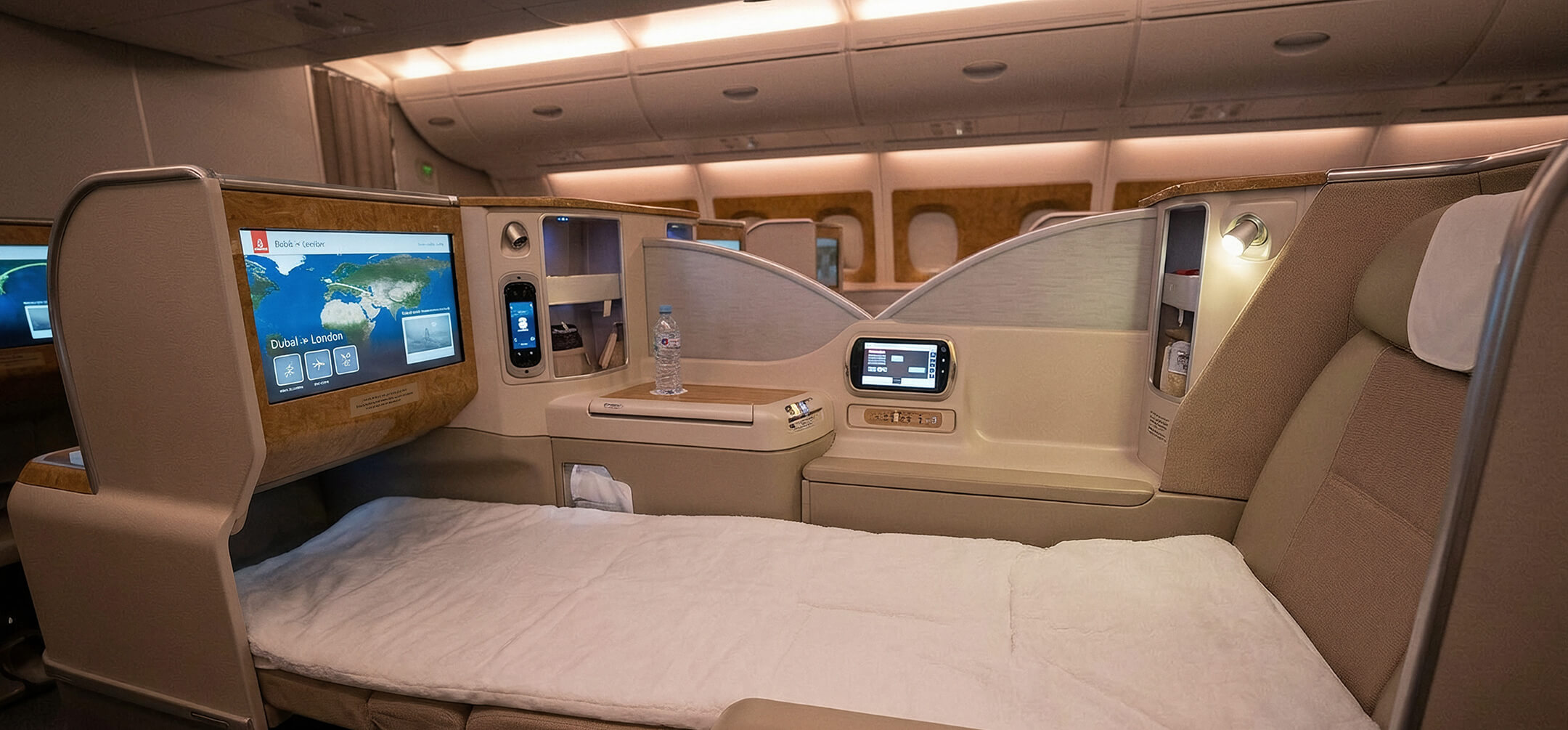
From the East Coast, you can fly from major hubs such as Newark Liberty International Airport (EWR) and John F. Kennedy International Airport (JFK). Airlines including United, American, La Compagnie, Air France, and Delta operate nonstop flights to Paris that last approximately 8 hours. For summer travel booked in advance, business class fares typically fall in the $3,800–$7,500 range.
You can also fly to Paris via Keflavík International Airport (KEF) with Icelandair, with a total travel time of about 11 hours. For the summer months, such tickets can cost between $2,500 and $4,500.
From the West Coast, you will find nonstop flights from San Francisco International Airport (SFO) with airlines such as United Airlines and Air France that take roughly 11 hours. If you book in advance for the summer months, you will find ticket prices that usually range from $6,000 to $11,000.
There are also one-stop alternatives. For example, Condor operates flights via Frankfurt Airport (FRA), with a total travel time closer to 14 hours. For tickets between the months of May and August, prices on these routes generally fall between $3,900 and $7,500.
After landing, you will need to transfer to Paris Montparnasse, where trains to Mont Saint-Michel depart.
- CDG to Montparnasse: the RER B train combined with the metro or a taxi takes about 50–70 minutes and typically costs about €13-€22 ($15–$25).
- ORY to Montparnasse: the metro or RER connection takes about 40–50 minutes, with fares usually of €9-€17($10–$20).
For an overnight stay, it is better to arrive in Paris in the morning or early afternoon. This allows enough time to continue the journey the same day and reach the island by late afternoon.
From Paris to Mont Saint-Michel
There is no direct train to the island, so the journey includes a transfer.
Train + bus (most common option):
- Train from Paris Montparnasse to:
- Rennes (fastest), or
- Pontorson (closer to the island)
- Bus from the station to Mont Saint-Michel
- Total travel time: about 3.5 to 4.5 hours
- Typical cost: €50–€120 ($59-$140) per person (combined train + shuttle)
This option is efficient, but it requires coordination between train and shuttle schedules.
Driving (more flexible):
- Direct route from Paris
- Parking on the mainland
- Shuttle or 30–45 minute walk to the island
- Driving time: about 5 to 6 hours
- Typical cost: from €60 ($70) for a small car for a day.
This option gives more control over timing, which can be useful for an overnight stay.
How to structure the arrival
The key decision is not only how to get there, but when you arrive.
- Best arrival window: late afternoon
- Avoid: midday arrival, when the island is most crowded
If you arrive in Paris early in the day, you can continue directly and reach Mont Saint-Michel in time for the evening transition. If arrival times do not align, staying one night in Paris and continuing the next day is a better option.
Practical considerations
Access to the island involves a walk of about 40 minutes. Inside Mont Saint-Michel, the streets are narrow, sloped, and often uneven, so large luggage can be difficult to manage. Traveling with a smaller bag makes movement easier, especially when arriving or leaving.
Tip: When booking flights, prioritize arrival time over small price differences. A well-timed arrival in Paris makes it much easier to reach the island at the right moment.
Final Thoughts
Mont Saint-Michel has the same streets, abbey, and viewpoints at night as it does during the day. What changes is the way you experience them. After the day visitors leave, the main street feels less like a route through a landmark and more like a narrow village street. You can hear footsteps on the stone, notice the slope of the lanes, and pause at viewpoints without being carried forward by the crowd.
When the tide rises in the evening, the bay adds another layer to that change, making the island feel more separate and self-contained.
That is the real value of staying overnight. It gives you time to see Mont Saint-Michel not only as a famous day-trip destination, but as a tidal island whose atmosphere depends on light, movement, and timing.