

Chapters:

Need help with your trip?
Our support team is available 24/7. Request a callback or call us directly at (833) 619-0908
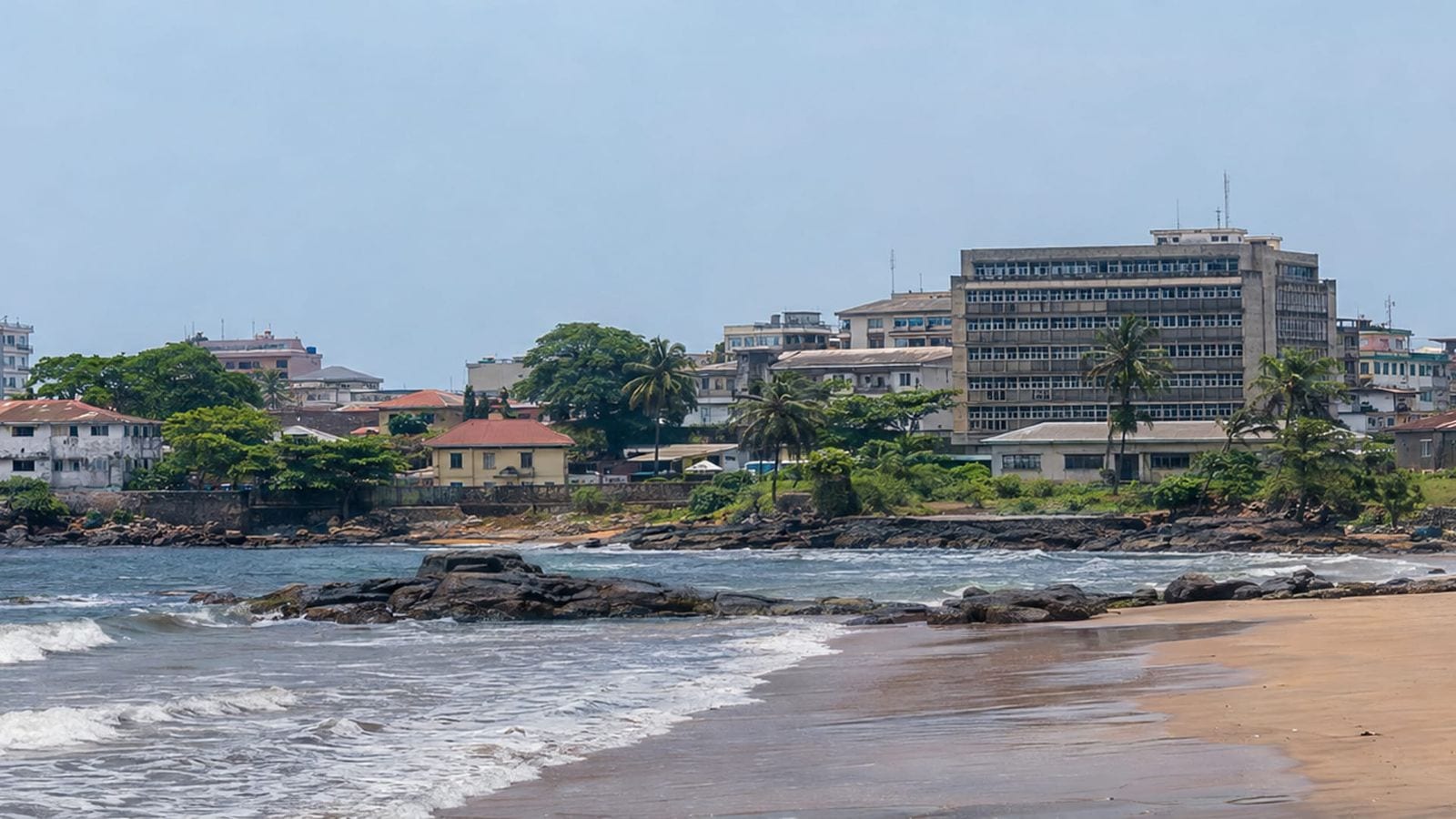
Monrovia is built at the mouth of the Mesurado River, where a narrow peninsula splits the Atlantic coastline from the older downtown blocks around Broad Street.
The two halves of the city function almost independently: villa-lined Mamba Point and Sinkor hold most of the hotels and restaurants, while Broad Street holds the banks, markets, and the National Museum of Liberia. A short ferry crossing adds Providence Island to the mix, the spot where the first freed settlers landed in 1822.
This guide moves through the coast, downtown, and Ducor Hill in an order that keeps road time short and leaves room for the view before sunset.
Useful things to know

Main language(s): English

Currency: Liberian dollar (LRD, $)

Cash and cards: Cards are accepted only at a few upscale hotels and restaurants, so cash covers most spending. Keep L$5,000 to L$9,000 (US$27 to US$50) on hand each day for taxis, markets, and casual meals.

Tipping: Round up small bills and leave 5%–10% at restaurants if service is good.

Traditional food: Cassava leaf, jollof rice, palm butter, pepper soup

Water and coffee costs: A bottle of water costs L$150 (US$1), while a bar espresso is L$400 (US$2).

Taxis and ride apps: Uber and Bolt do not operate in Liberia. Use hotel cars or licensed local taxis instead.

Plug and voltage: Type A/B socket, 120V

Dining and shop opening hours: Breakfast is served from 7:00 am to 10:00 am, lunch from 12:00 pm to 2:30 pm, and dinner from 6:00 pm to 10:00 pm. Many shops close early on Sundays.

Emergency number: 911 for police, fire, and ambulance
Where to stay in Monrovia
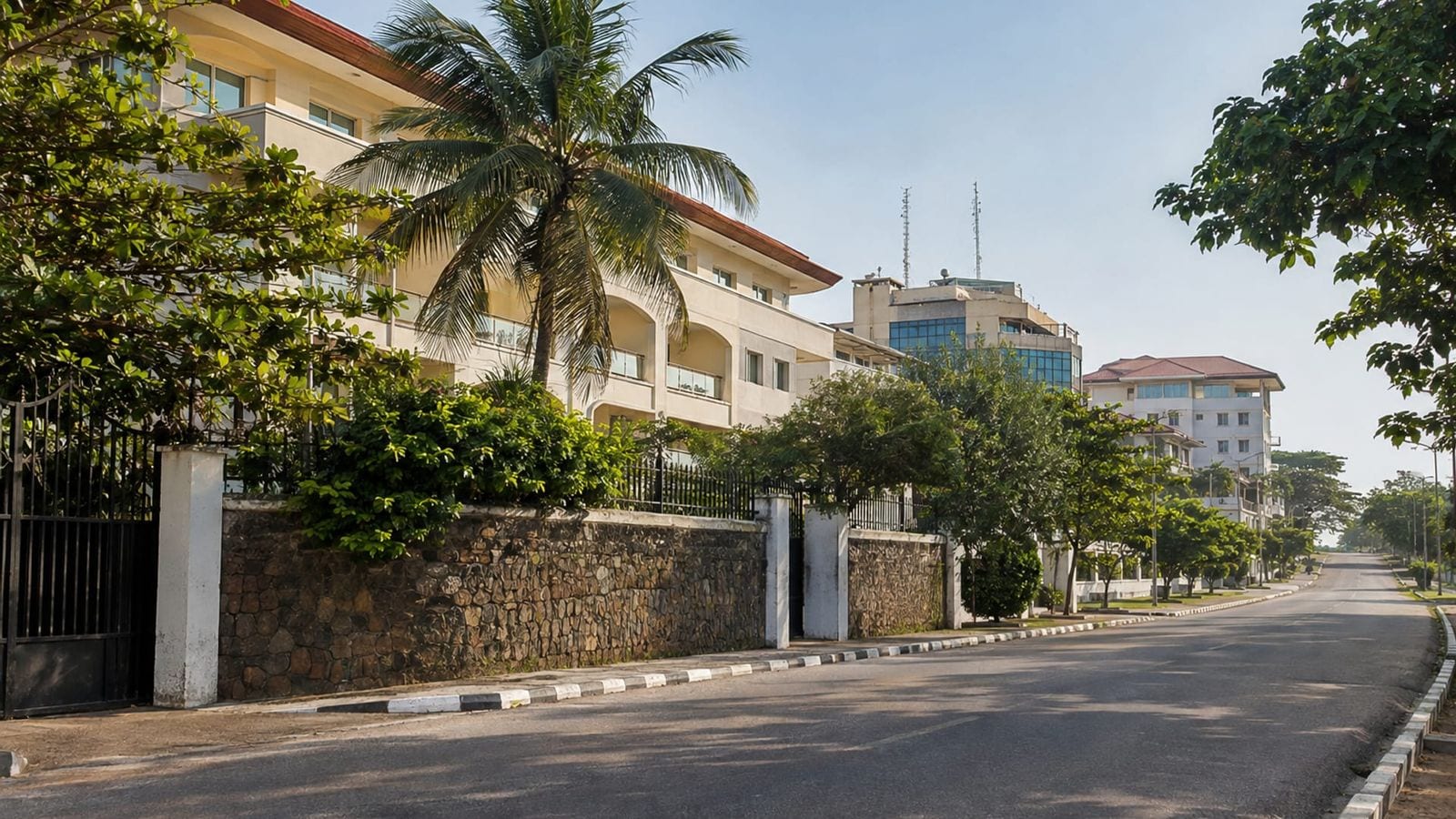
Mamba Point occupies a rocky headland on Monrovia’s Atlantic edge, home to several foreign embassies, beach hotels, and some of the city’s best-known restaurants. Its elevated, walled streets give travelers quick access to both the coast and central Monrovia from a single location.
Best for: Embassy visits, dining, and travelers who want a coastal location near central Monrovia
What to expect: Villa-lined streets, hotel traffic, and a steady flow of expats, diplomats, and restaurant guests
Hotel prices: A well-rated hotel room costs L$25,620 to L$54,900 (US$140 to US$300) per night.
Distance to major sights: 10 to 15 minutes by car to the National Museum of Liberia
Quietness: Quieter in the morning and late evening, busier with traffic and dining activity after dark
Main trade-off: Rates here cost more than in inland neighborhoods, and beach access brings occasional traffic on the main approach roads.
Good to know: Several of the city’s best restaurants cluster here, so staying elsewhere often means more driving after dinner.
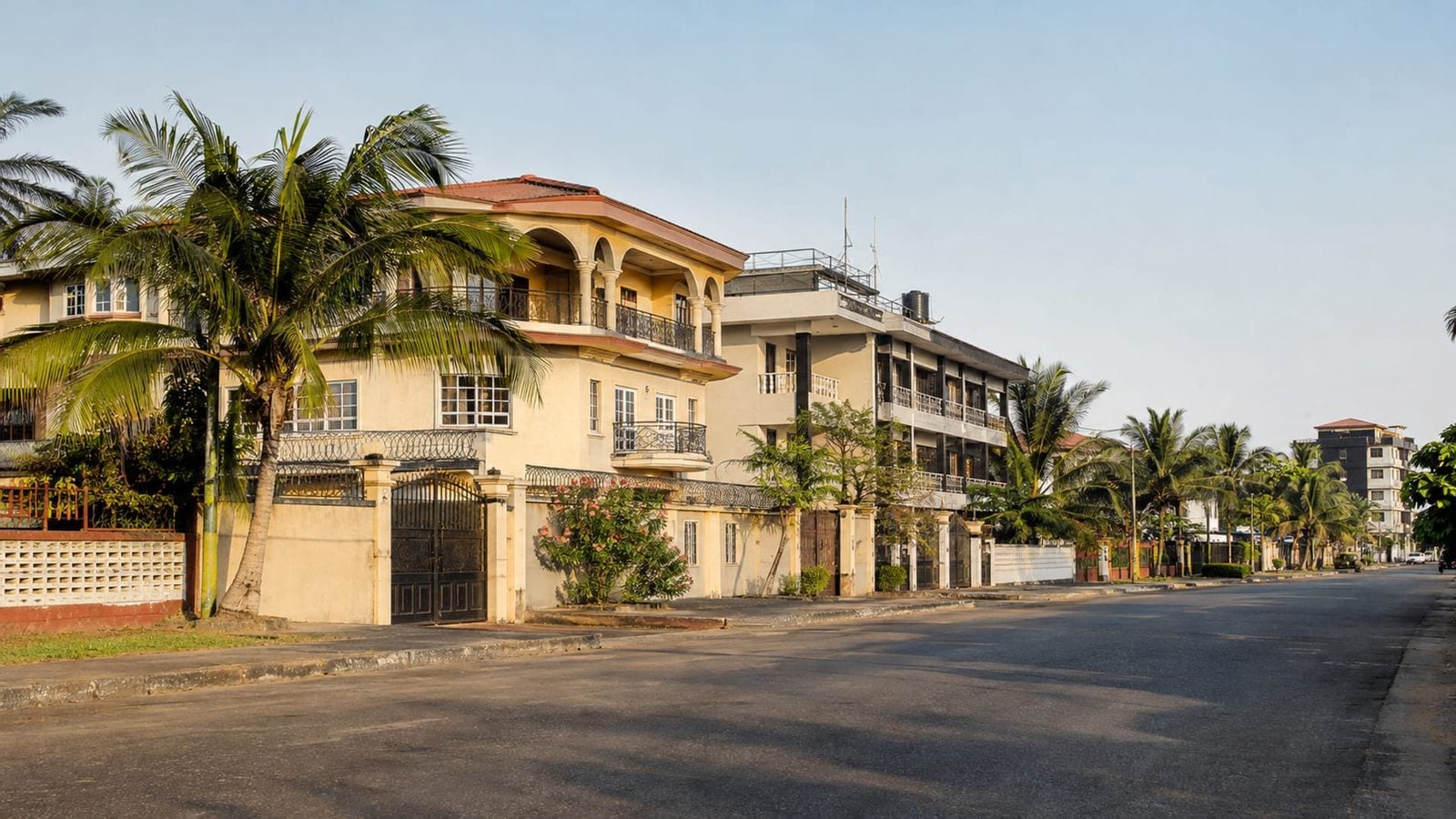
Sinkor stretches along Tubman Boulevard, Monrovia’s main coastal corridor, mixing hotels, apartments, embassies, health facilities, and everyday shops across the city’s midtown section. It keeps visitors close to the city center, the beach strip, and a wide range of practical dining options.
Best for: Central positioning, longer stays, and travelers who want shops and restaurants nearby
What to expect: Busy roads, frequent taxis, and a neighborhood that stays active well into the evening
Hotel prices: A well-rated hotel room costs L$17,385 to L$45,750 (US$95 to US$250) per night.
Distance to major sights: About 10 minutes by car to the National Museum of Liberia and about 15 minutes to Mamba Point
Quietness: Busier by day and evening, with traffic and street activity tapering late at night
Main trade-off: It is less scenic than the Mamba Point hotel strip, and the main roads can be noisy at rush hour.
Good to know: Frequent trips across town become easier from here, although the liveliest blocks stay noisy well after sunset.
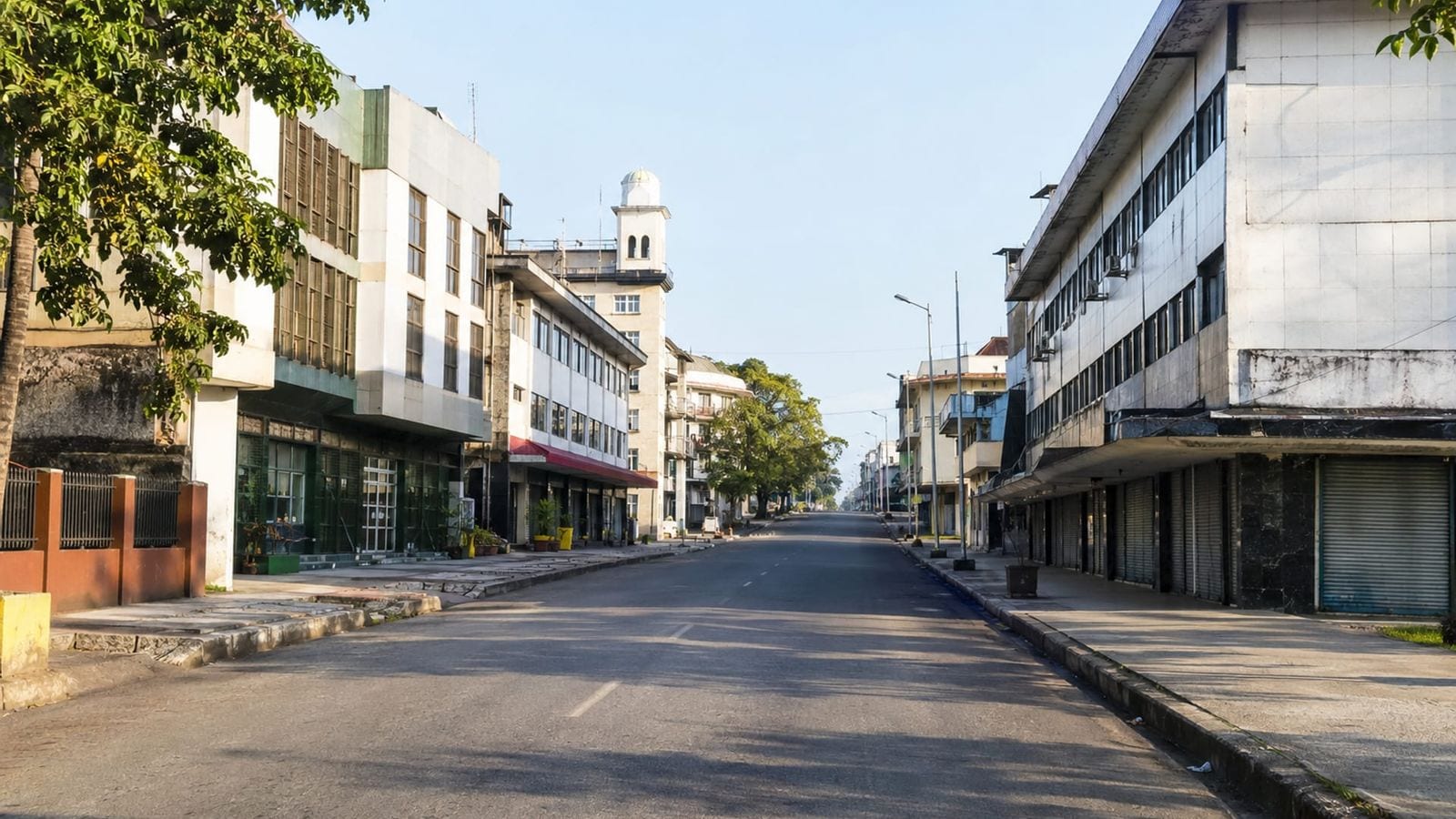
Broad Street forms Monrovia’s downtown core, where government offices, banks, market stalls, and older commercial buildings cluster within walking distance of the waterfront. Staying here places travelers inside the city’s formal center, close to daytime errands and the National Museum of Liberia.
Best for: Business trips, daytime errands, and travelers who want to be near the central district
What to expect: Heavy daytime movement, street vendors, and a more functional urban setting
Hotel prices: A well-rated hotel room costs L$12,810 to L$32,940 (US$70 to US$180) per night.
Distance to major sights: The National Museum of Liberia is a short walk away; Waterside Market is 5 to 10 minutes on foot.
Quietness: Active from morning through late afternoon, then noticeably quieter after office hours
Main trade-off: This is the least relaxed of the four areas, and some blocks empty out after business hours.
Good to know: Plan dinner before dark for the easiest evening walk, since the area quiets down once offices close.
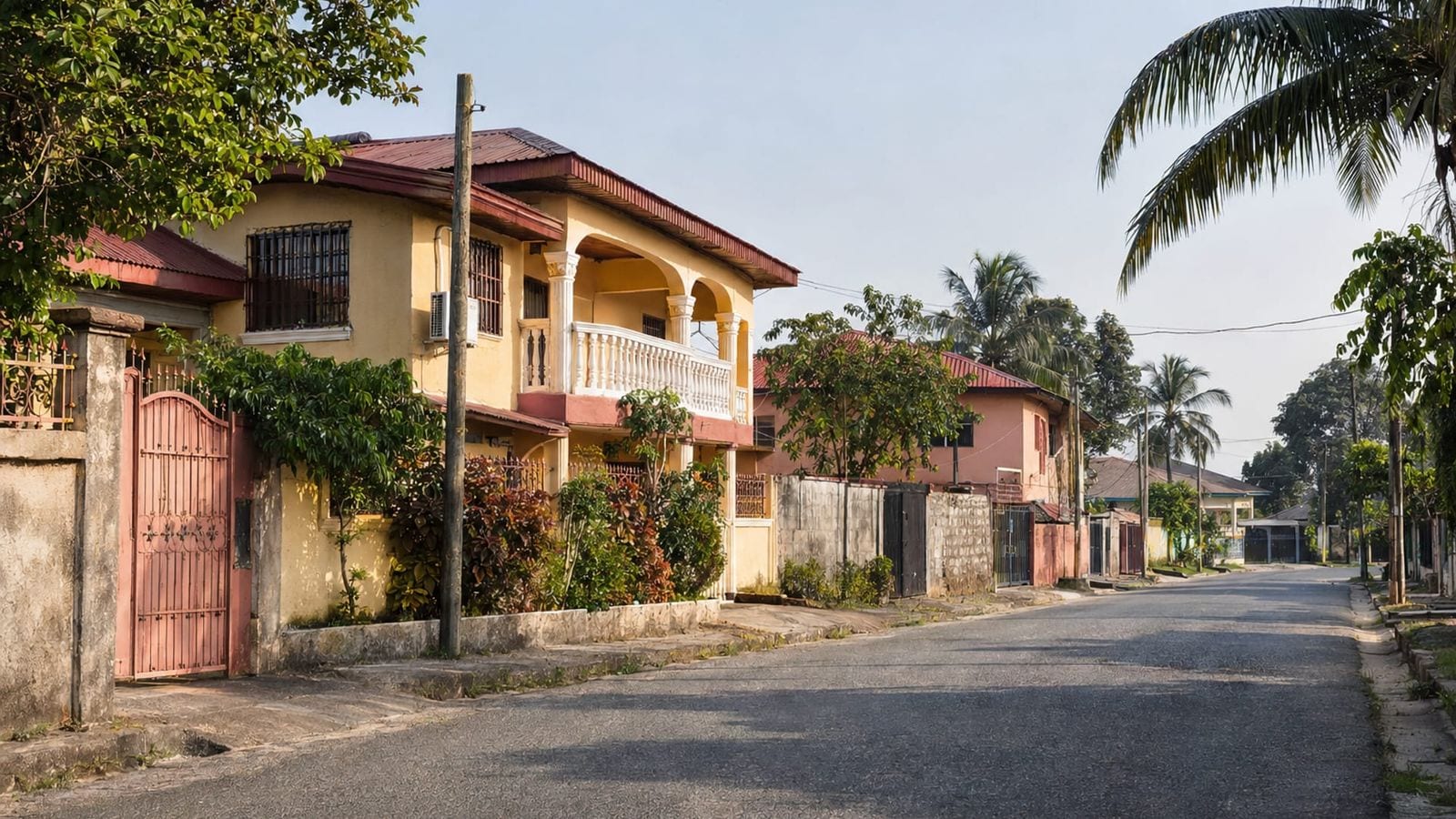
Thinkers Village lies east of central Monrovia in the Paynesville area. This growing residential district offers newer housing, supermarkets, and wider streets than the older downtown blocks. It suits visitors who prefer a quieter, low-key location and don’t mind commuting for sightseeing.
Best for: Longer stays, apartment-style lodging, and travelers who prefer a residential setting
What to expect: Wider streets, local shops, and less foot traffic than in the central districts
Hotel prices: A well-rated hotel room costs L$10,980 to L$27,450 (US$60 to US$150) per night.
Distance to major sights: 25 to 35 minutes by car to the National Museum of Liberia
Quietness: Quieter in the evening than central Monrovia, with modest daytime activity around local shops
Main trade-off: You trade easy walkability for more time in traffic when heading to the coast or downtown.
Good to know: Choose this only if you are comfortable relying on cars, since sightseeing and beach time both require longer transfers.
Avoid West Point and Bushrod Island for lodging. West Point is Monrovia’s largest informal settlement, and Bushrod Island is the city’s industrial port district; neither has hotels suited to visitors.
Hotel deals
Getting around Monrovia
Monrovia has no metro or rail line, so getting around means taxis, shared minibuses, or a private car.

Hotel car or private transfer
for airport arrivals and longer distances
Roberts International Airport (ROB) is located 35 miles (56 km) from downtown, and the drive takes 60 to 90 minutes, longer in heavy traffic. A prearranged hotel car or private transfer costs L$7,320 to L$14,640 (US$40 to US$80) and avoids roadside price negotiation.

Shared minibus
for budget daytime hops
Minibuses cover central Monrovia and nearby districts on informal routes, filling up before they depart. A ride costs L$92 to L$366 (US$0.50 to US$2), paid in cash on board. Schedules grow unpredictable outside peak hours.

Taxi
for convenience or late hours
Licensed taxis quote a set fare instead of using a meter, so agree on the price before you get in. A short city trip costs L$915 to L$1,830 (US$5 to US$10), and taxis remain the most reliable option after dark.
*Prices are based on rates updated as of June 2026 and may change at the time of travel.
Reserve a hotel car for the airport, keep taxis for daily moves, and treat minibuses as a daytime add-on.
Iconic places in Monrovia
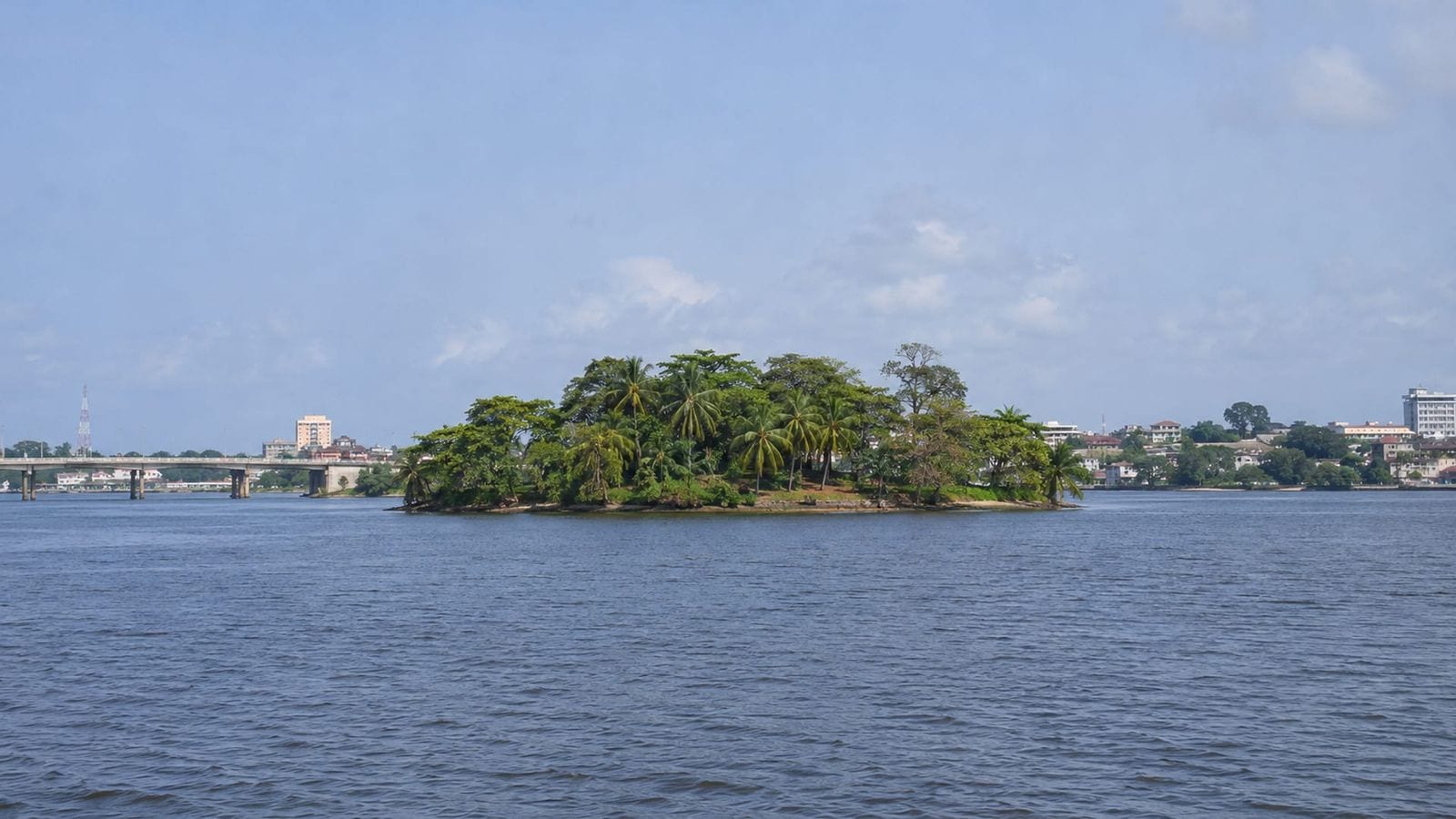
Providence Island
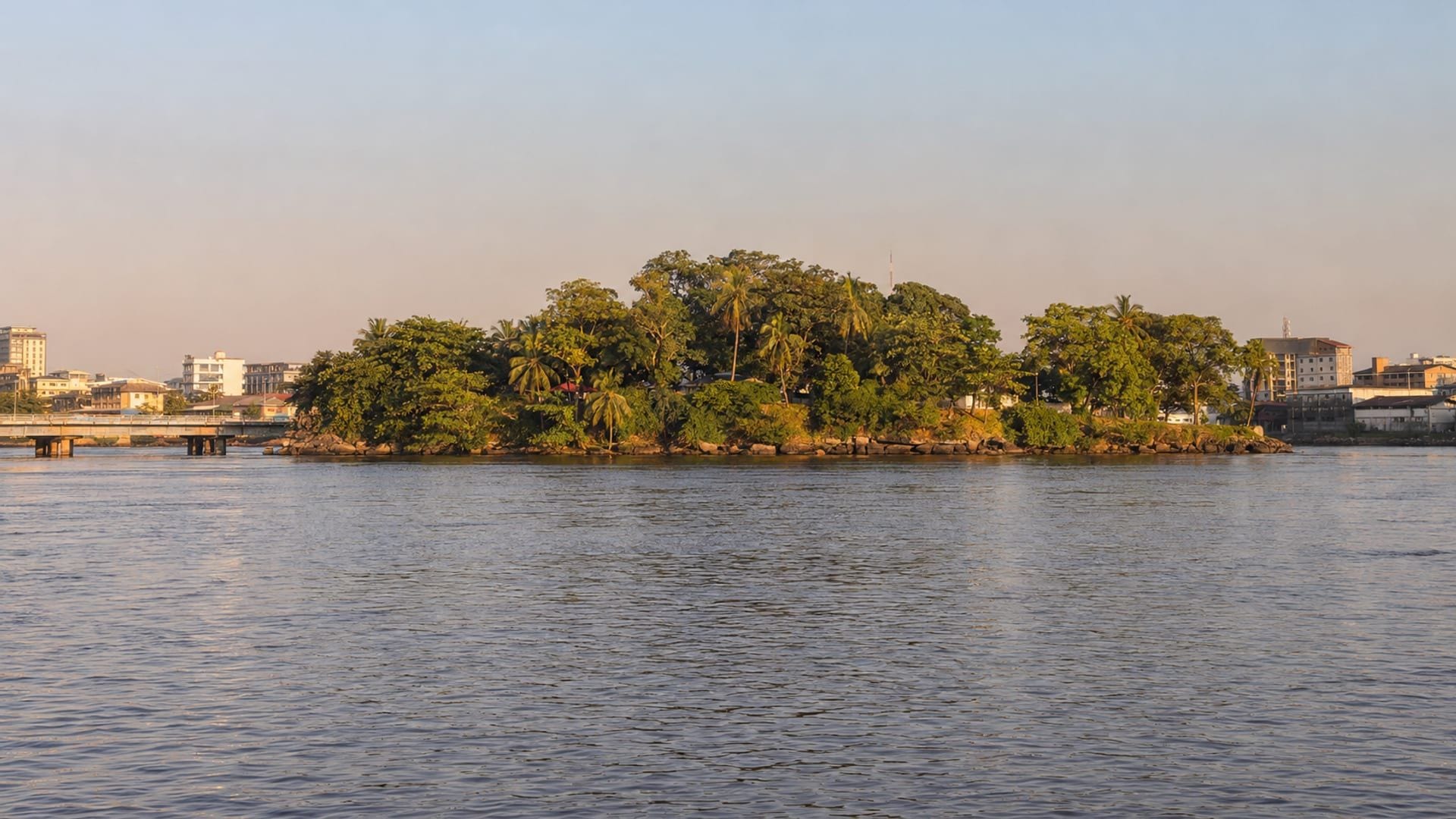
This Atlantic island off Monrovia holds the site where freed African Americans and Caribbean settlers first landed in the 1820s. A short ferry ride brings you to a compact historic stop with memorial markers and water views over the harbor.
Time needed: About 1 to 2 hours
Entry: Island access is free; local boats from the docks cost L$366 to L$915 (US$2 to US$5).
Tip: Go in the morning for calm water and clear harbor views.
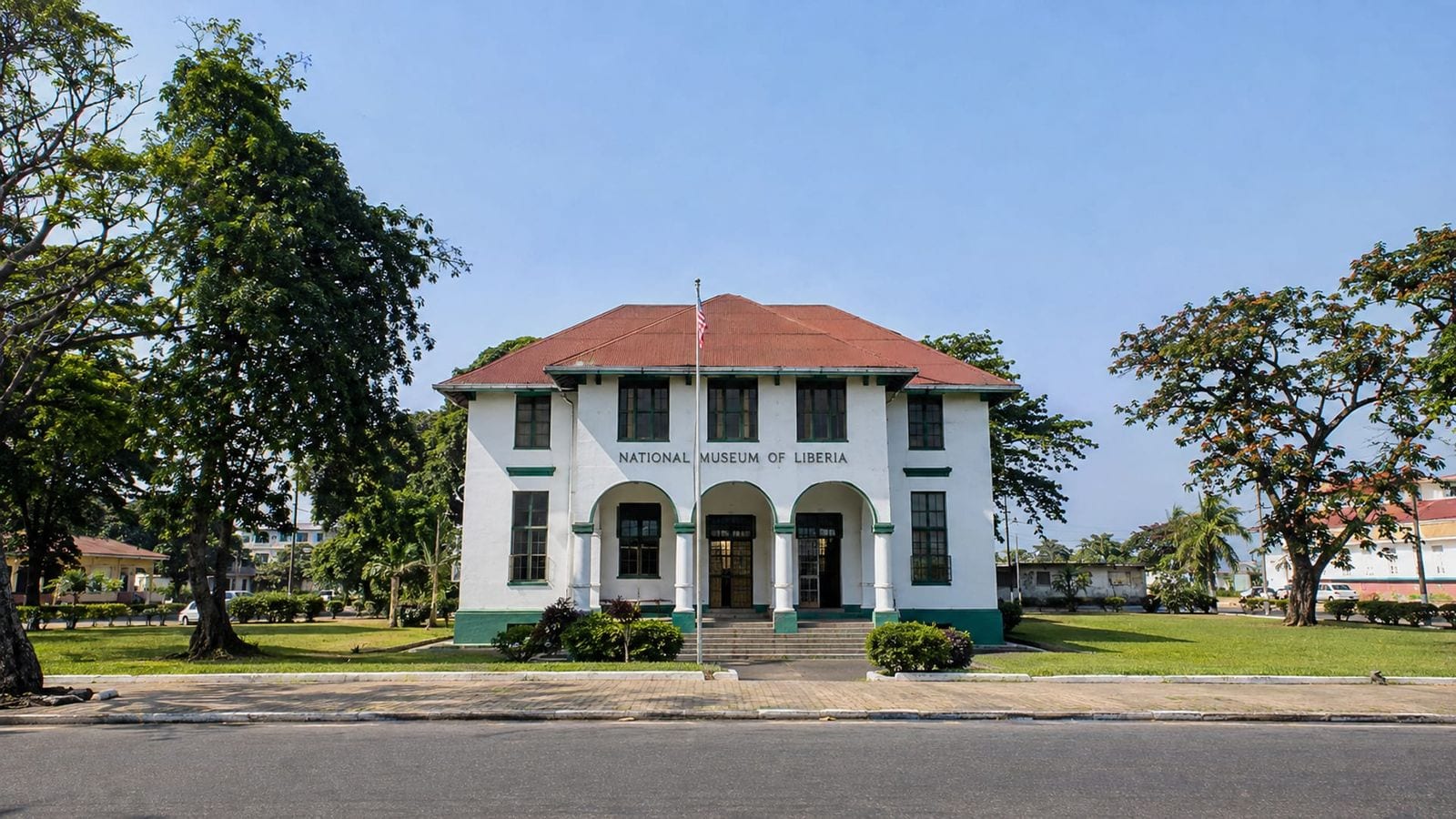
National Museum of Liberia
Set in downtown Monrovia, the National Museum of Liberia displays masks, carvings, photographs, and documents that trace the country’s political and cultural history. The collection gives the clearest single-stop overview of Liberia’s past in the capital.
Time needed: About 1 to 2 hours
Entry: Admission costs L$915 (US$5) for adults.
Tip: Visit in the morning, when galleries are quieter and cooler.
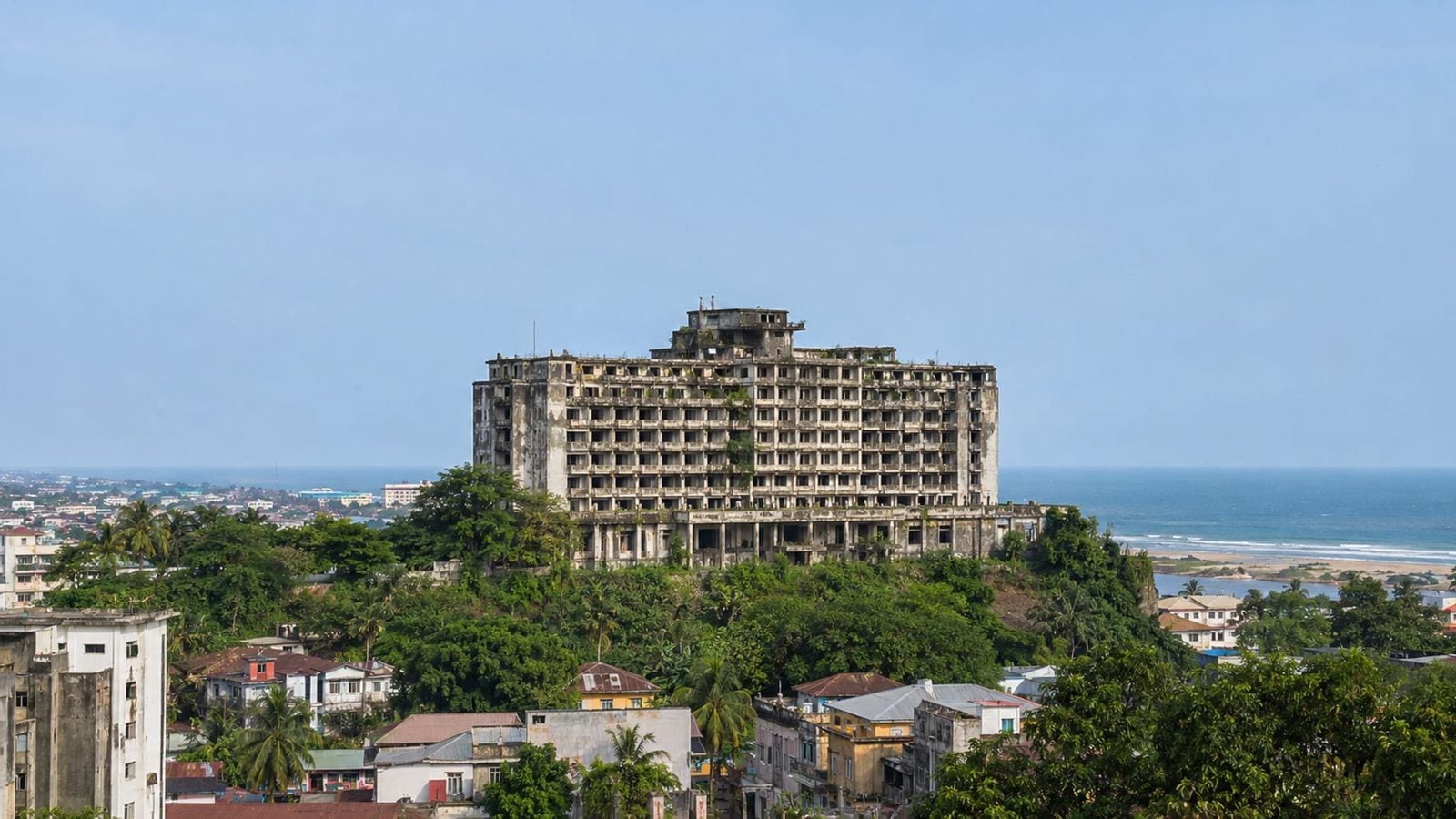
Ducor Palace Hotel site
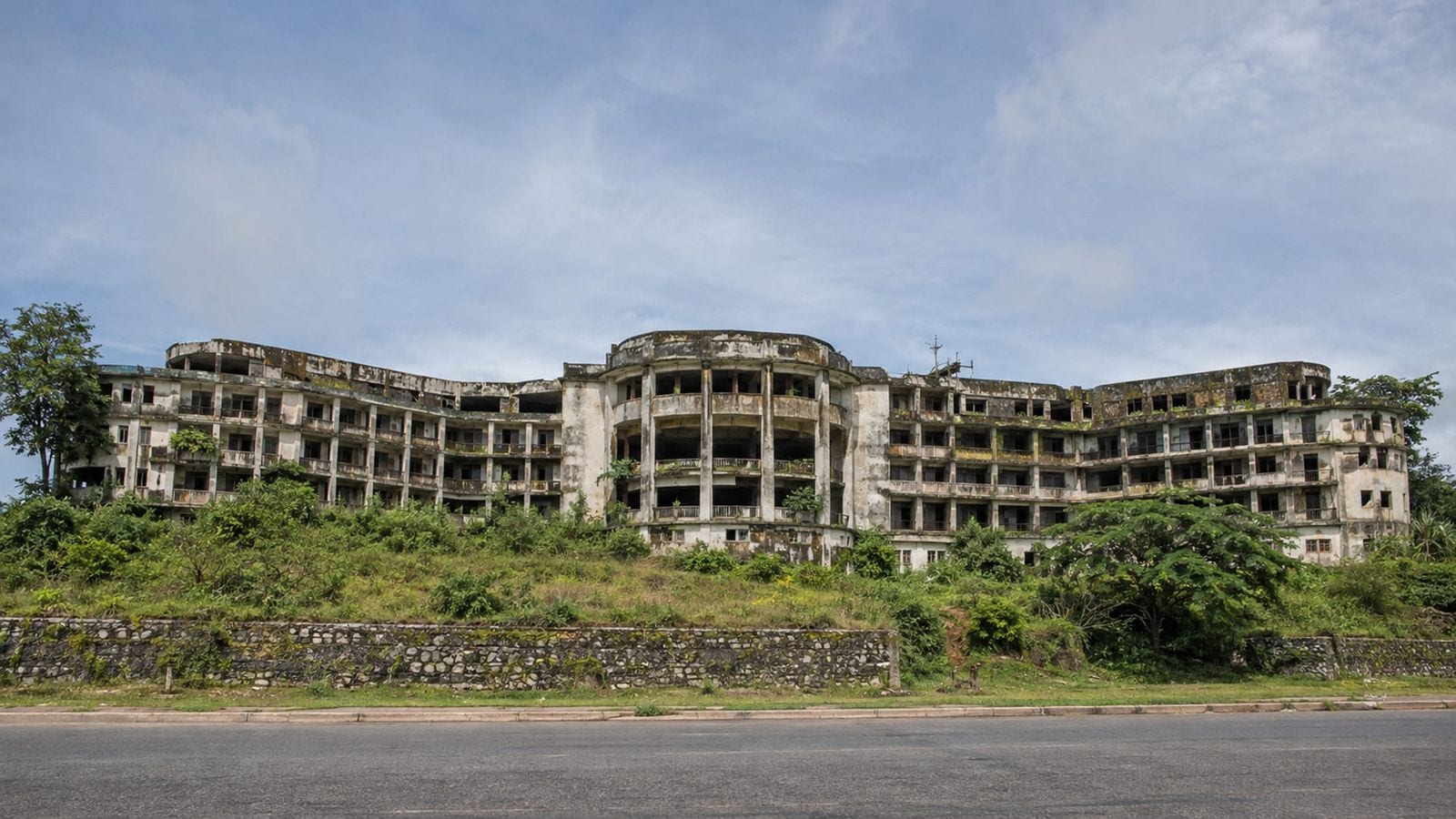
On Ducor Hill, the former Ducor Palace Hotel overlooks Monrovia, the coastline, and the Atlantic. Built in the 1960s as Liberia’s grandest hotel, it was gutted during the civil wars and now draws visitors for its ruins and wide city panorama.
Time needed: About 45 minutes to 1 hour
Entry: Entry is free; local guides charge L$549 to L$915 (US$3 to US$5) for a tour.
Tip: Arrive before sunset, then leave before dark because the hill has limited lighting.
Overlooked places in Monrovia

Centennial Pavilion
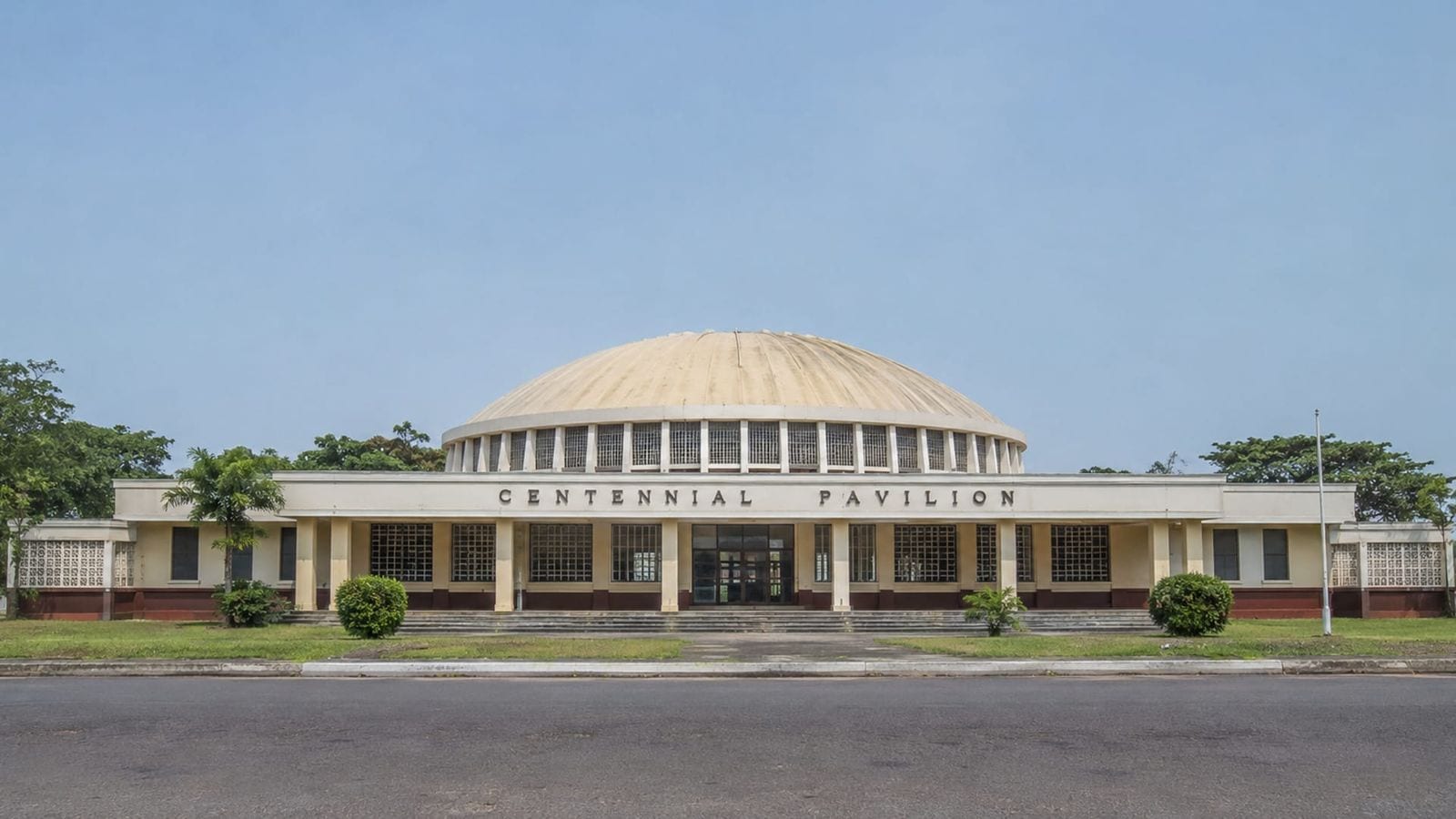
This 1947 monument marks Liberia’s centennial of independence and hosts presidential inaugurations. President Tubman is buried on the grounds, alongside vintage presidential vehicles and war memorials.
Time needed: About 1 hour
Entry: Free for general visits; guided tours cost L$1,830 to L$2,745 (US$10 to US$15).
Tip: Arrange a guide in advance; the grounds are hard to interpret alone.

Grand Masonic Temple
This restored 1960s headquarters of Liberian Freemasonry in Mamba Point survived civil-war damage and squatter occupation. Its facade and grounds reflect the country’s Americo-Liberian history.
Time needed: About 30 to 45 minutes
Entry: Grounds are free to view; interior tours need advance arrangement with the Grand Lodge.
Tip: Combine with a Mamba Point walk, since the temple is on West Benson Street.
What to eat in Monrovia
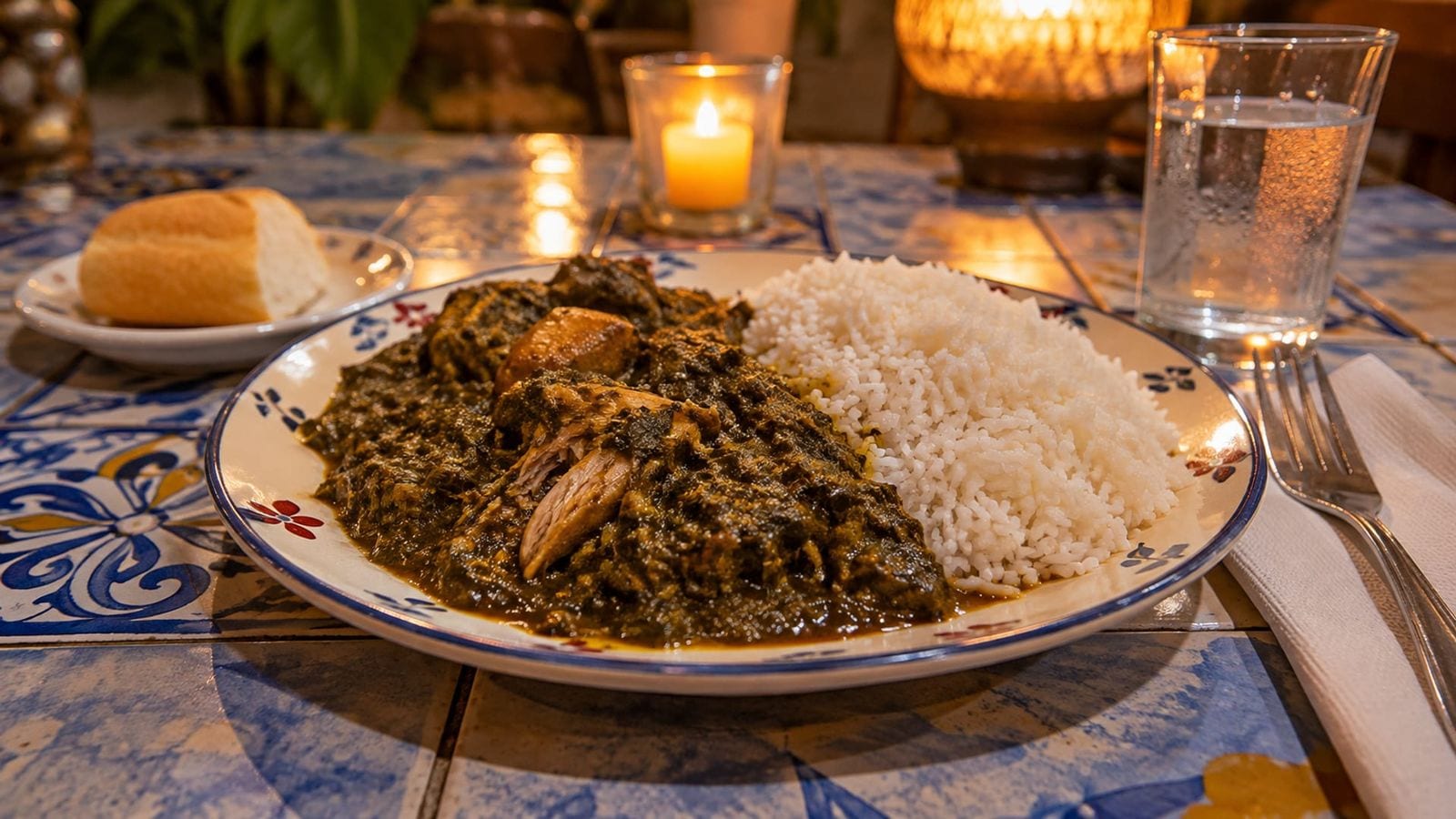
Monrovia’s kitchens turn cassava, palm oil, and fiery peppers into hearty, shareable plates. These four dishes turn up on nearly every menu in the capital.
Cassava leaf
A signature Liberian stew. Cassava leaves, palm oil, and meat or fish simmer together, served over rice. The Liberian Food Center on Carey Street serves a well-known homestyle version.
Jollof rice
This is tomato-scented rice with warm spice, usually paired with chicken or fried fish. Evelyn’s Cuisine, a longtime Sinkor institution, is widely regarded as a top spot to order it.
Palm butter
Palm butter is a rich sauce made from palm fruit, typically served with rice, chicken, or fish. Palm Spring Resort on Tubman Boulevard serves it alongside international dishes.
Pepper soup
A light, fiery broth usually finished with fish or goat. Royal Grand Hotel in Sinkor is well regarded among guests for its rooftop version.
Best time to visit
Monrovia is warm year-round; the real seasonal swing here is rainfall, not temperature.
Best for: Dry sightseeing, easier beach days, and clear sunset views from Ducor Hill
What you get: Highs of about 83°F to 86°F (28°C to 30°C), with lighter rain and steadier sightseeing conditions
Trade-offs: Harmattan dust can haze the air and coat surfaces.
Best for: Museum visits, gallery stops, and shorter outings before the rains build
What you get: Highs near 84°F to 87°F (29°C to 31°C), and rainfall climbs steadily from light March showers to frequent, heavy downpours by May
Trade-offs: Late-spring afternoons can bring sudden, heavy downpours.
Best for: Indoor time, longer lunches, and flexible plans built around downpours
What you get: Highs around 82°F to 85°F (28°C to 29°C), with frequent rain and softer crowds
Trade-offs: June and July bring the most rain of the year, with street flooding.
Best for: Flexible plans and quieter sightseeing, since visitor numbers stay thin
What you get: Highs near 83°F to 86°F (28°C to 30°C), with rain easing in late season and visitor levels staying moderate
Trade-offs: Early fall can still bring strong rain showers.
A 5-day plan in Monrovia
This five-day plan pairs Monrovia’s coast with its downtown history, moving from arrival to museums, ruins, and a walkable center before departure, with realistic transfer times built around the city’s traffic.
Land at Roberts International Airport (ROB), 56 km (35 miles) from the city, and take a prearranged hotel car or taxi into Mamba Point or Sinkor. The transfer takes 60 to 90 minutes depending on traffic and costs L$7,320 to L$14,640 (US$40 to US$80) for a hotel car. Mamba Point keeps you closest to the coast and the city’s best restaurants, while Sinkor shortens later cross-town trips. Keep the first evening simple: settle in, then take an early dinner nearby before the roads grow busier.
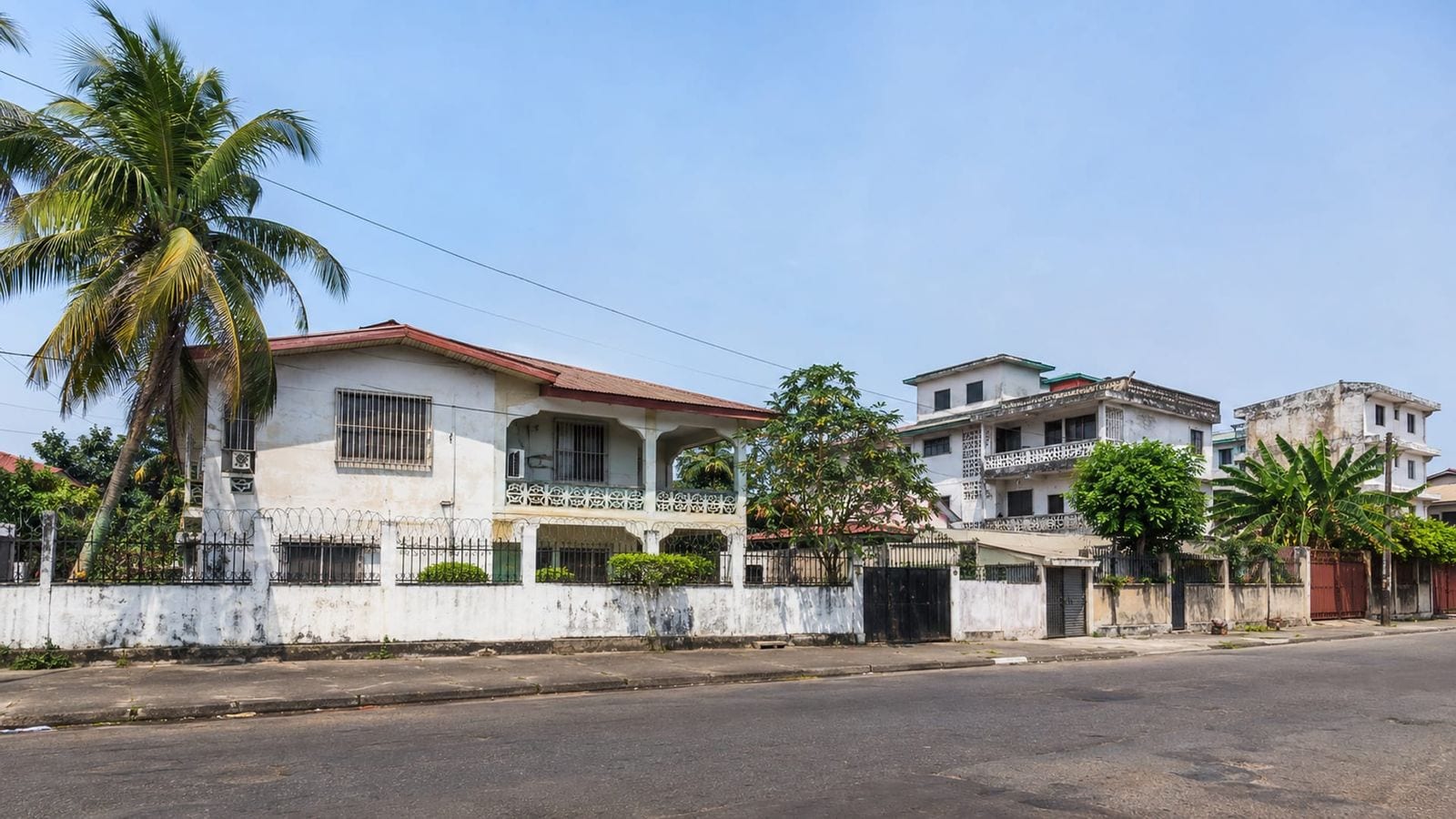
Start at the National Museum of Liberia on Broad Street, then walk a few minutes to Waterside Market for a look at the city’s busiest commercial strip. From there, take a taxi to the docks and then take a short boat to Providence Island; plan 1 to 2 hours on the island. Return to Mamba Point by taxi, 10 to 15 minutes, for dinner near the coast.
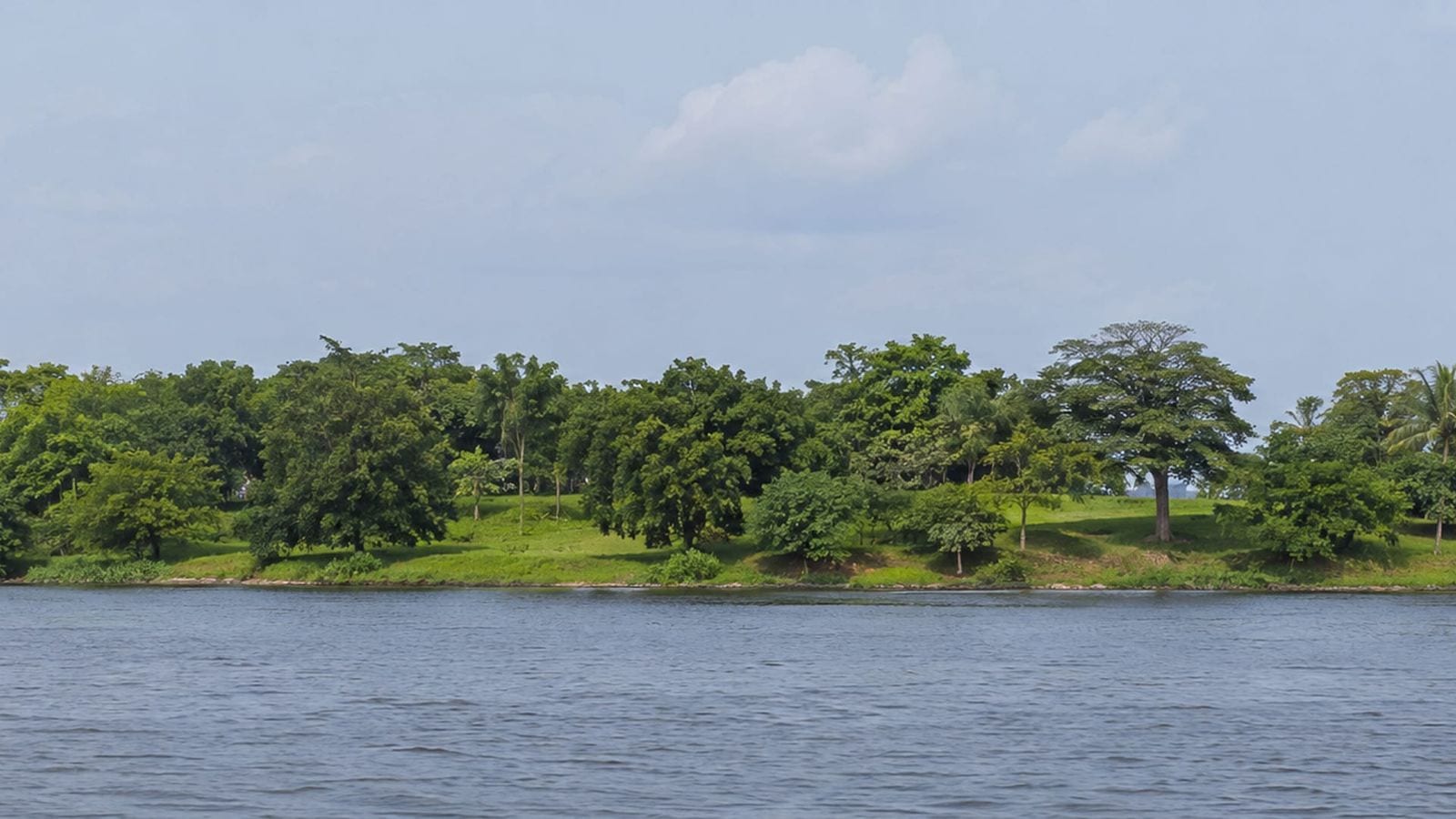
Take a taxi to the Ducor Palace Hotel site on Ducor Hill, 20 to 30 minutes from central neighborhoods. The abandoned 1960s ruin has a guard who will often walk visitors through for a small tip, with views from the top floor over the Atlantic, the St. Paul River, and West Point below. Continue to the Grand Masonic Temple in Mamba Point, Liberia’s historic Freemasonry headquarters, for a look at its restored facade. Finish with dinner in Mamba Point, a short taxi ride from both stops.
Spend the day in the walkable downtown core. Start at the Centennial Pavilion, where Liberia’s presidents are inaugurated, and President Tubman is buried; look for the war memorials and vintage presidential vehicles parked around the grounds. Walk to nearby Broad Street for shopping and older commercial architecture, then Waterside Market for a busier, local contrast. Take a taxi back to Sinkor or Mamba Point for a late-afternoon break before dinner.
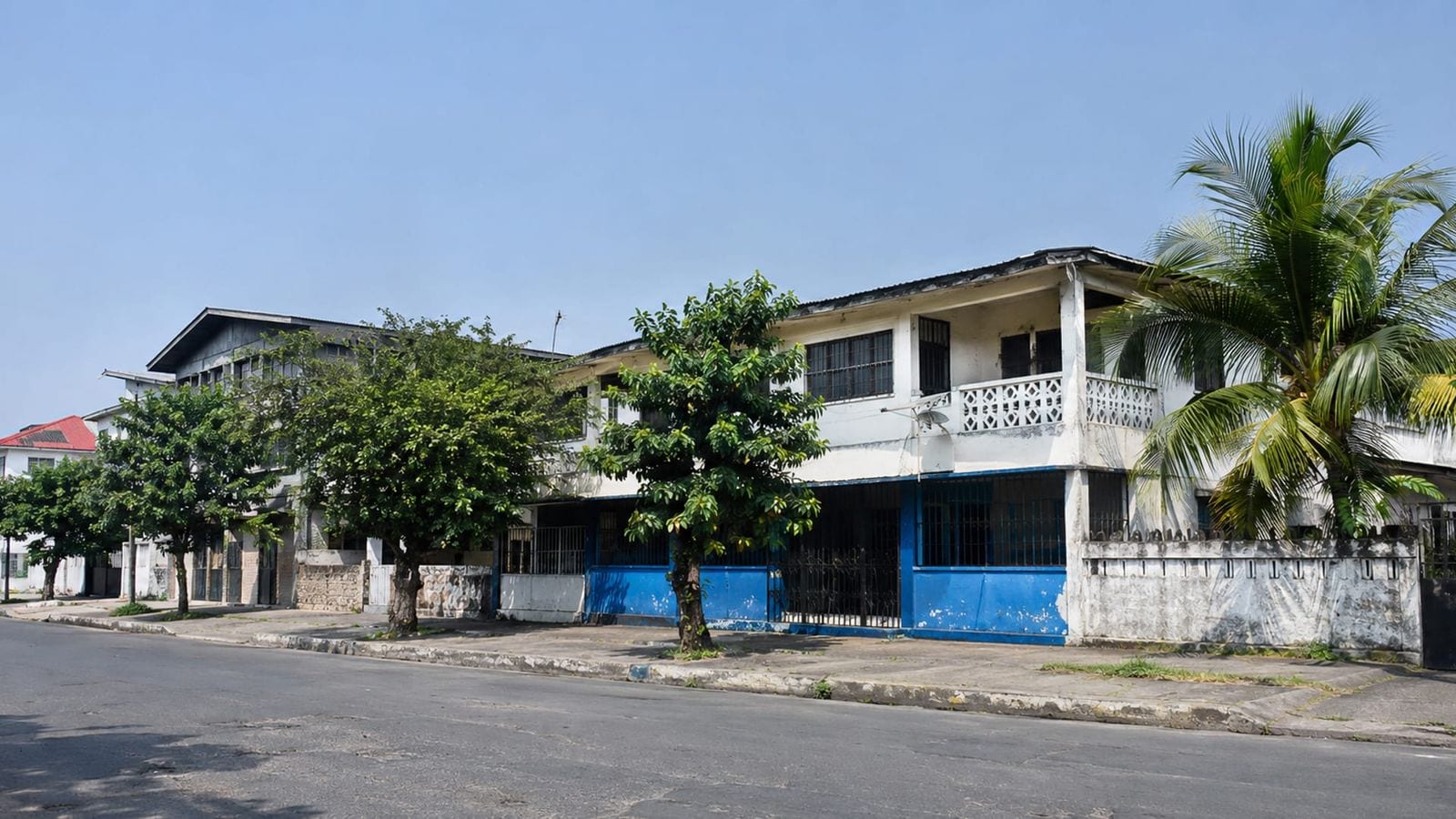
Keep the last day light: a late breakfast or coffee in Mamba Point, then any final shopping on Broad Street if time allows. Build in 60 to 90 minutes for the taxi or hotel car back to Roberts International Airport (ROB), longer if traffic is heavy, and confirm the transfer the night before to avoid a last-minute rush.
Business-class flights from the US to Monrovia
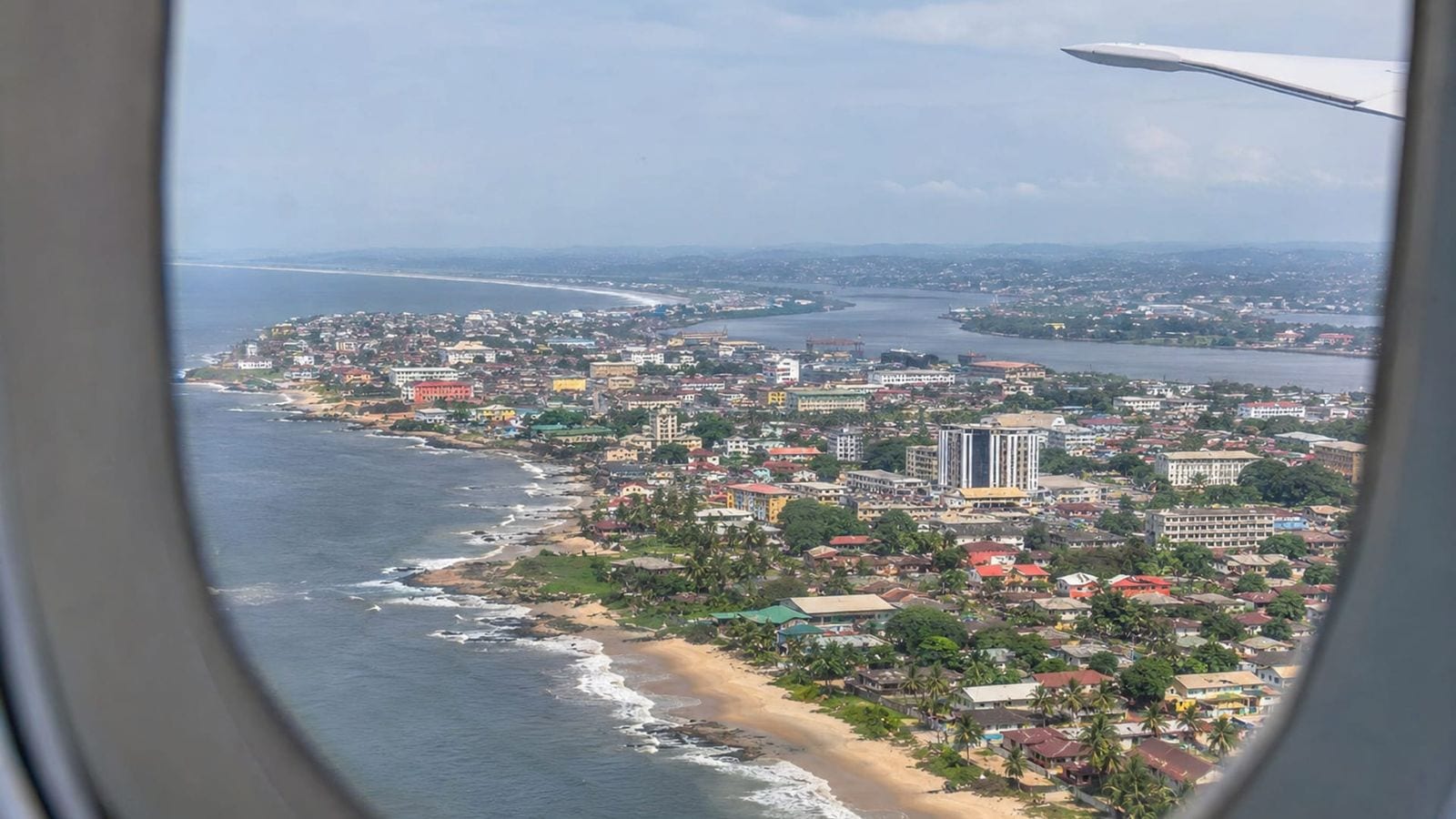
Roberts International Airport (ROB) is Monrovia’s main international gateway, and reaching it from the US takes at least one stop, often two stops.
New York (JFK) to Monrovia (ROB)
Several airlines serve this route. Delta Air Lines and Kenya Airways offer a one-stop flight via Accra (ACC) in about 21 hours, while Ethiopian and Air Côte d’Ivoire offer a two-stop flight via Abidjan (ABJ) and Accra (ACC) in about 17.5 to 22 hours. Brussels Airlines and United Airlines connect via Brussels (BRU) and Freetown (FNA) in about 21.5 hours. Round-trip fares range from US$4,000 to about US$7,500.
Los Angeles (LAX) to Monrovia (ROB)
From Los Angeles, expect two stops. SWISS and Brussels Airlines route via Zurich (ZRH) and Brussels (BRU) in about 40 hours. United Airlines and Brussels Airlines connect via Chicago (ORD) and Brussels (BRU) in about 35 hours. Other options route through Munich (MUC) or Dubai (DXB) with longer total travel time. Round-trip fares range from US$6,200 to about US$9,500.
Monrovia is more than a stop on Liberia’s coast
Five days gives you enough time to experience the coast, downtown, and the hilltop ruins at a comfortable pace, with each area getting its own day. That approach keeps long transfers and heavy traffic from taking over the trip while leaving room for slower meals and unhurried sightseeing. AranGrant can also help match the itinerary with business-class flights and a hotel that fits the way you plan to explore the city.