

Chapters:

Need help with your trip?
Our support team is available 24/7. Request a callback or call us directly at (833) 619-0908
Many first-time trips to Minorca split cleanly between Mahón and Ciutadella, then leave the island’s inland monuments and south-coast stops for a quick day trip. That can miss how long the road links take, and how much time you lose if you keep changing bases.
Mahón and Ciutadella sit on opposite sides of the island, while places such as Mola Fortress, Cova d’en Xoroi, and Naveta d’Es Tudons sit off the main town centers. Without a plan, the transfers, opening hours, and meal breaks can push the day off course.
This guide keeps the island in a tighter order, pairing each area with nearby sights, sensible transit, and meals that fit Minorca’s dining hours.
Useful things to know

Main language(s): Catalan, Spanish
Bon dia (bohn DEE-ah) – Good morning
Si us plau (see oos plow) – Please
Gràcies (GRAH-thee-es) – Thank you
Parla anglès? (PAR-lah ahn-GLAYS) – Do you speak English?
Quant costa? (kwant KOS-tah) – How much does it cost?

Currency: The local currency is the euro (EUR, €).

Cash and cards: Cards and contactless are widely accepted; carry about €20 to €40 ($22 to $44) in cash for small purchases.

Tipping: Round up small bills and leave about 5% to 10% at sit-down meals if service is good.

Traditional food: Caldereta de langosta, sobrasada, queso Mahón, ensaïmada

Water and coffee costs: Water ~€2 ($2), bar espresso ~€1.50 to €2.50 ($2 to $3).

Taxis and ride apps: Uber and local taxis operate here; availability can be limited outside Mahón and resort areas.

Plug and voltage: Type C/F socket, 230V

Dining and shop opening hours: Breakfast is about 8:00-10:00, lunch 13:00-15:30, and dinner 20:00-23:00. Many restaurants close between meal periods, and some smaller places close one or two days a week.

Emergency number: 112 covers police, fire, and medical emergencies.
Where to stay in Minorca
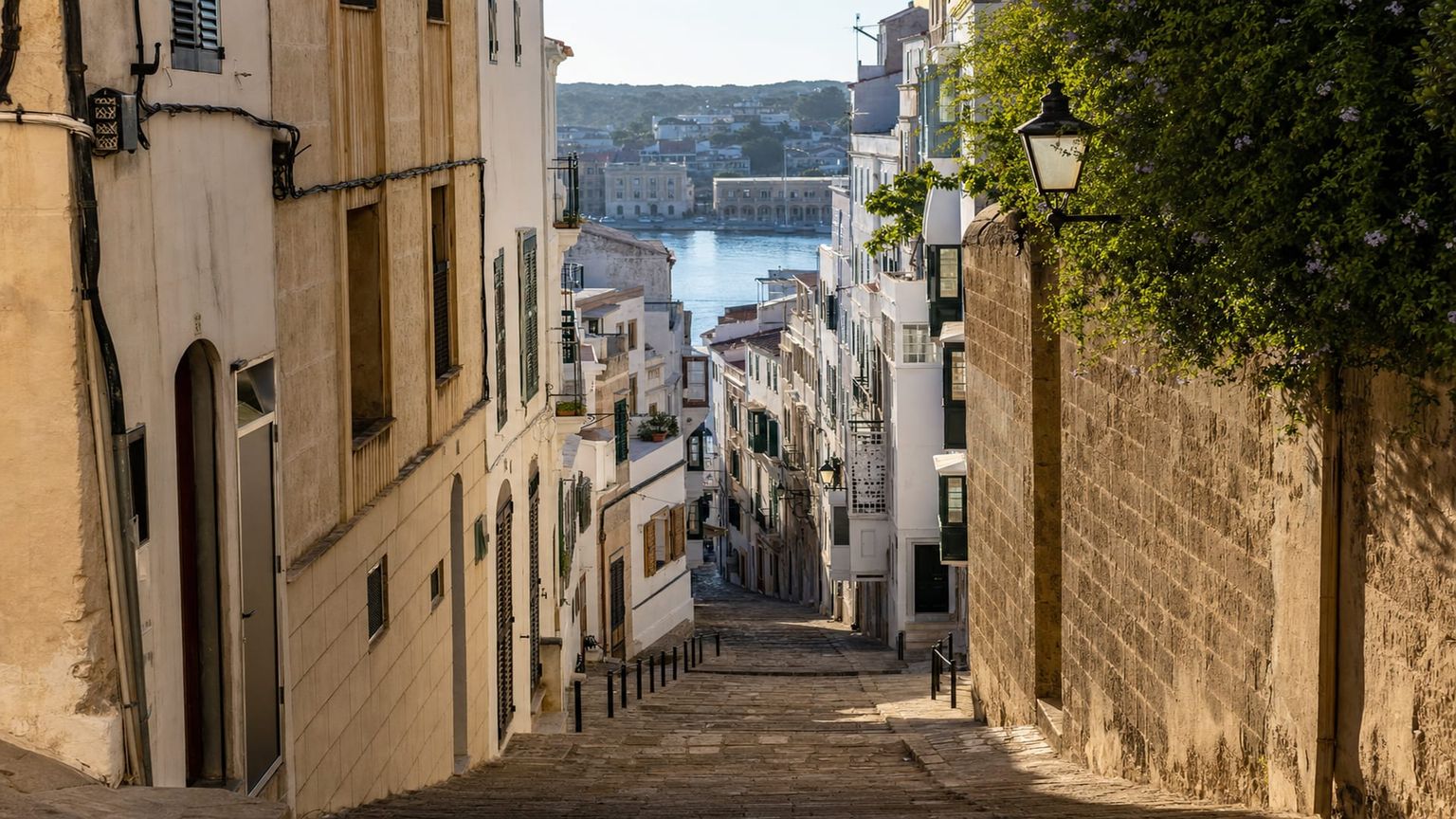
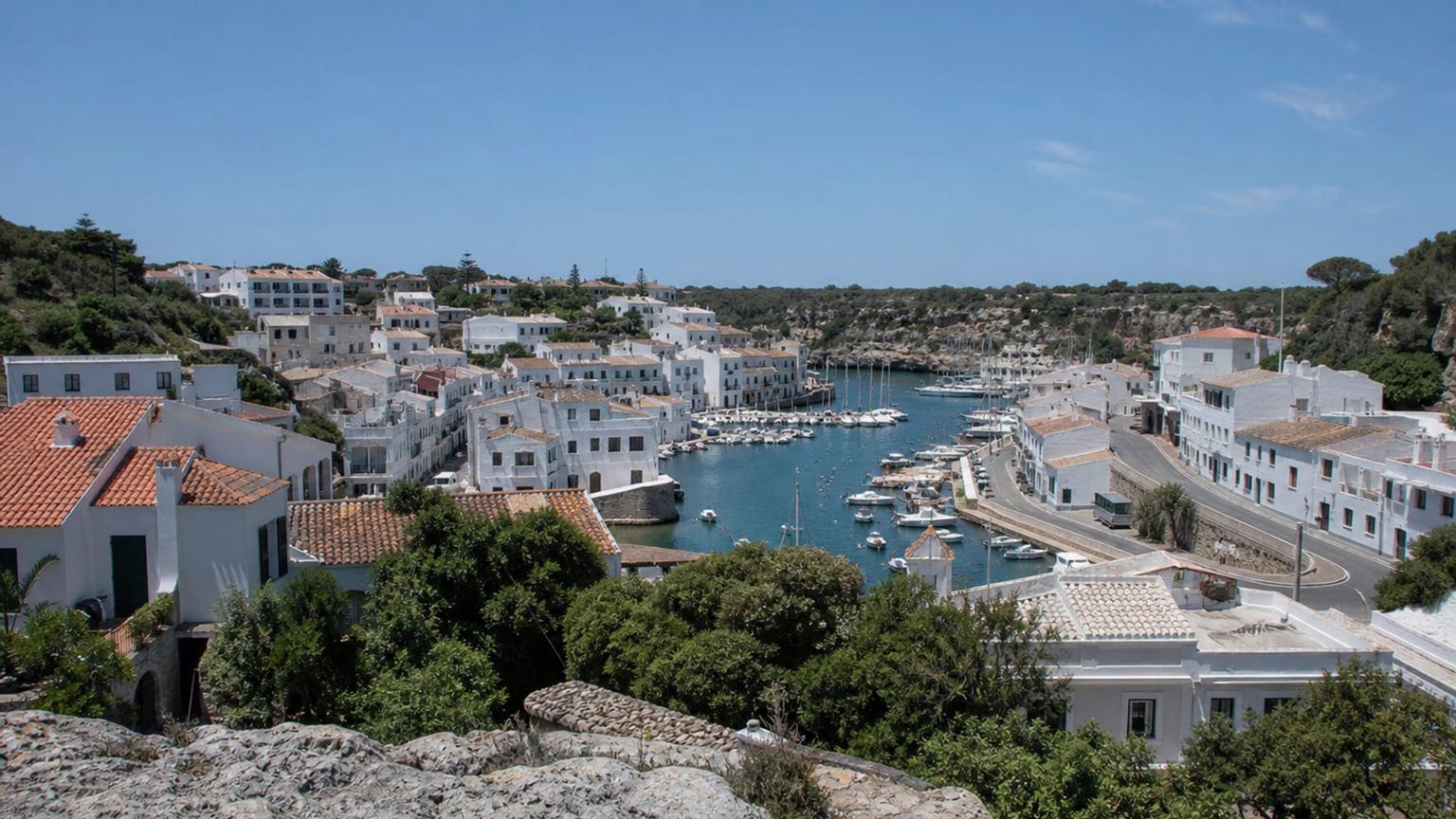
Minorca’s capital core sits on the deep harbor, with narrow streets, historic mansions, and easy access to restaurants, museums, and ferries. It suits travelers who want to base themselves near the island’s main transport links and city amenities.
Best for: Harbor views, dining, and travelers who want the island’s main transport links close at hand
What to expect: Expect lively daytime streets, restaurant traffic in the evening, and a steady local pace rather than a beach resort scene.
Hotel prices: Usually about 140€ to 260€ (~$154 to ~$286) per night for well-rated stays
Distance to major sights: 5 to 10 minutes on foot to Mahón Port and about 15 minutes by bus to Punta Prima
Quietness: Busy by day, then quieter late at night once the dining crowd thins
Main trade-off: Central stays can cost more, and parking is limited in the old streets.
Good to know: Choose this area if you plan to use buses, taxis, or ferries often, because many car-free streets make driving and unloading luggage harder.
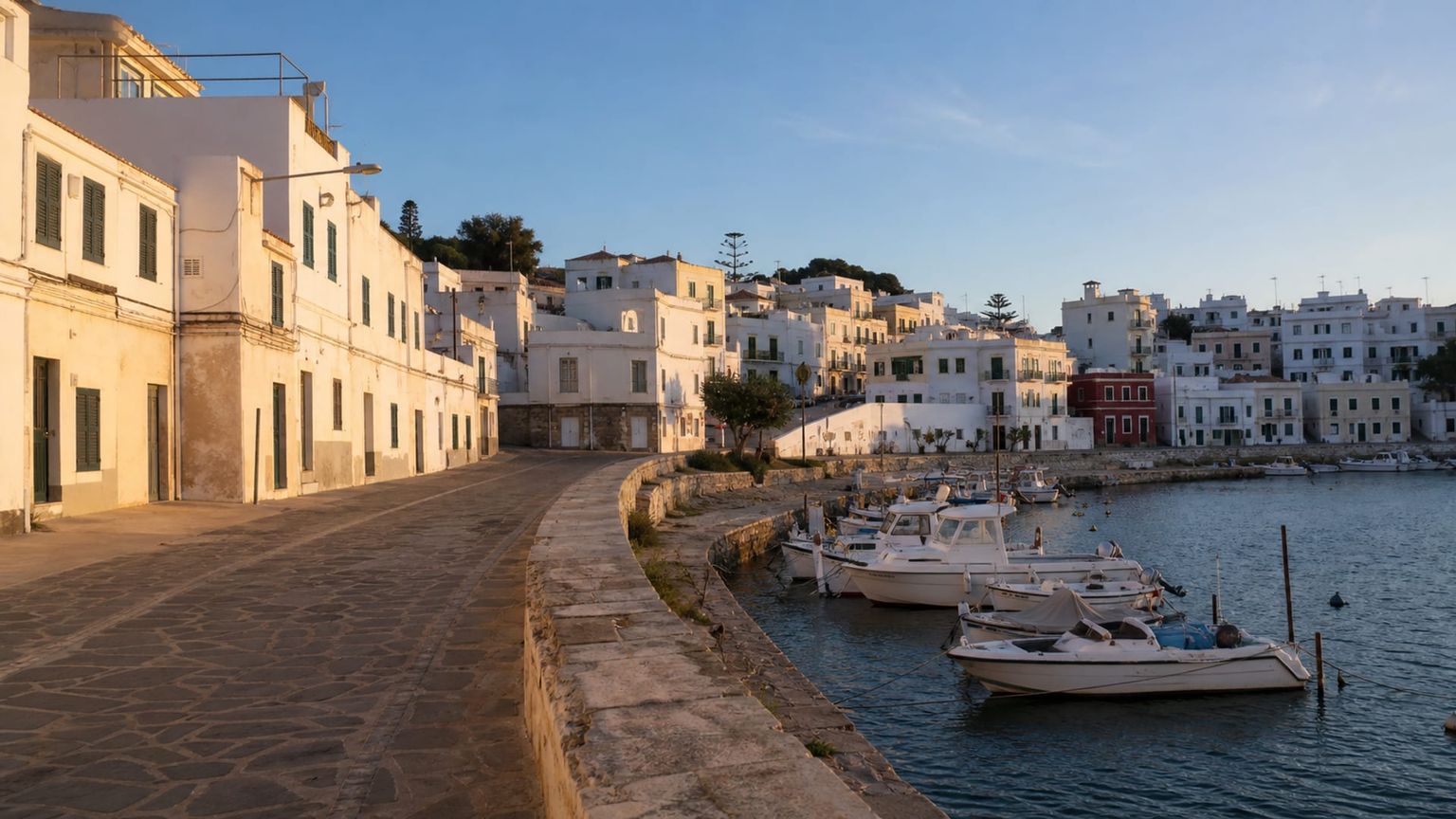
Just east of Mahón, Es Castell has a small-town waterfront, a few historic lanes, and easy access to the harbor road. It works well for visitors who want to stay near the capital without sleeping in the busiest part of town.
Best for: Harbor access, calmer evenings, and a base with quick reach to Mahón
What to expect: Expect a compact center, local cafes, and more residents than visitors, with most activity focused around the waterfront and main square.
Hotel prices: Usually about 110€ to 210€ (~$121 to ~$231) per night for well-rated stays
Distance to major sights: 10 to 15 minutes by bus to Mahón Port and about 20 minutes by bus to Fort Marlborough
Quietness: Quieter than Mahón by day, very calm after dinner hours
Main trade-off: You will have fewer hotel choices and need transit or a taxi for most late-night plans.
Good to know: If you want evening quiet, pick a room away from the waterfront bars, since the main promenade can get active on warm nights.
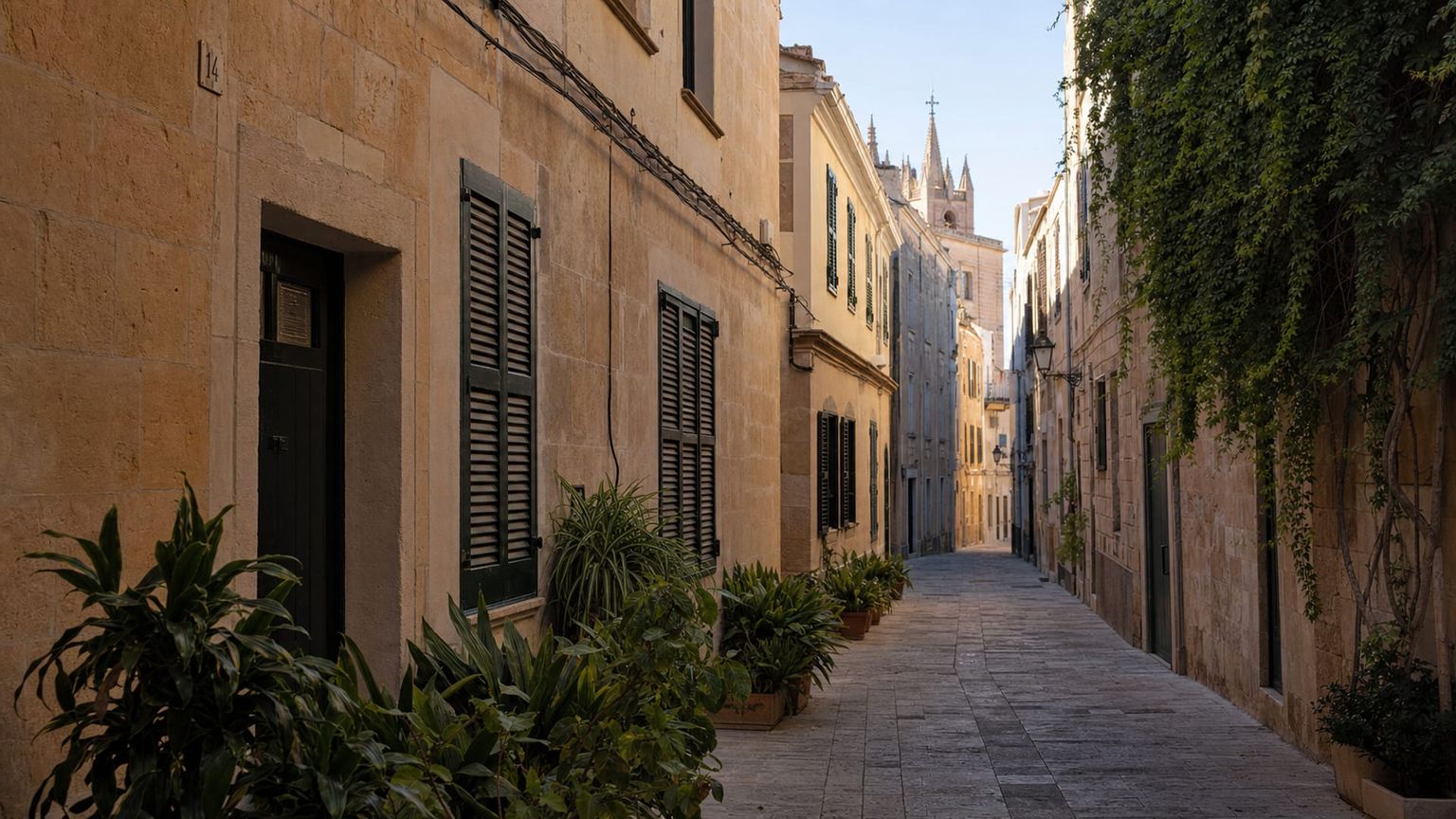
Ciutadella’s historic center is the island’s most atmospheric urban stay, with stone lanes, a working port nearby, and a dense mix of shops and restaurants. It gives you easy access to western coves, the cathedral quarter, and sunset walks along the harbor.
Best for: Historic atmosphere, dining, and access to the island’s west coast beaches
What to expect: Expect narrow streets, a busy center in the evening, and a strong local presence around the port and squares.
Hotel prices: Usually about 130€ to 280€ (~$143 to ~$308) per night for well-rated stays
Distance to major sights: 5 to 12 minutes on foot to Ciutadella Cathedral and about 15 minutes by bus to Cala en Bosch
Quietness: Lively through dinner, then quieter in the side streets late at night
Main trade-off: The best-located rooms book fast in summer, and some streets are awkward for cars and luggage.
Good to know: If you stay in the old core, check whether your hotel has parking or a nearby drop-off point, because some lanes are tight and one-way.
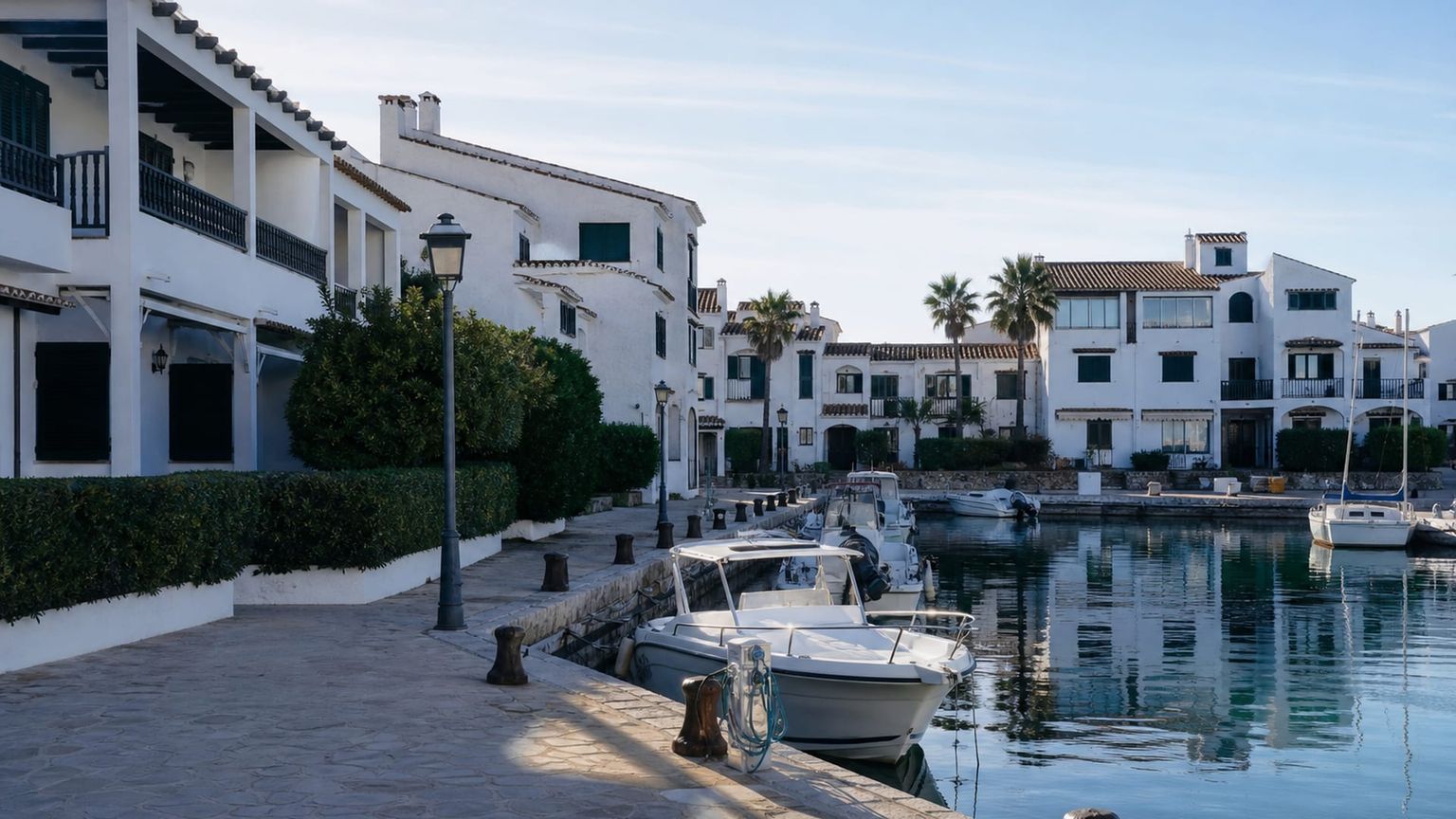
Cala en Bosch is a purpose-built resort area on the southwest coast, centered on a marina, a sandy beach, and holiday apartments. It matters for beach trips because it puts you close to swimming, boat hire, and family-oriented dining without needing a car every day.
Best for: Beach stays, families, and travelers who want marina-side dining with easy sea access
What to expect: Expect resort foot traffic, seasonal crowds, and a lot of visitor-oriented cafes and shops around the marina.
Hotel prices: Usually about 120€ to 260€ (~$132 to ~$286) per night for well-rated stays
Distance to major sights: About 10 minutes on foot to Cala en Bosch Beach and about 25 minutes by bus to Ciutadella old town
Quietness: Active in the afternoon and evening, especially near the marina, but calmer on side streets at night
Main trade-off: You gain beach access, but you will be farther from the island’s main historic centers and evening variety.
Good to know: Book early for July and August, since the best seaside apartments and family rooms sell out before the peak weeks.
Travelers usually avoid staying in Ciutadella’s outer suburbs, because they sit far from the old town, port, and most evening dining options. The resort strips near Cala en Bosc, Cala Blanca, Punta Prima, and Son Bou can also be less convenient if you plan to sightsee daily, since they are spread out, car dependent, and have fewer day-to-day visitor amenities outside the beach season.
Hotel deals
How to get around Minorca efficiently
Minorca has no metro or suburban rail, so buses, taxis, and walking do the real work between Mahón, Ciutadella, and the coast.

Metro
for longer distances
Minorca has no metro or suburban rail network. The island relies on buses and taxis, so you will use those for airport transfers and intertown travel.

Bus and tram
for convenience
Bus routes link Mahón airport, Mahón, Ciutadella, Fornells, Es Mercadal, and Cala en Bosc, though frequencies thin out outside summer and late-evening trips are limited. A single ride usually costs about $2 to $5 (€2 to €5), with some day passes available for roughly $7 to $12 (€7 to €12), and most airport-to-town rides take about 15 to 45 minutes depending on the route.

Taxi
for convenience or late hours
Licensed taxis queue at Mahón airport and official ranks in town, and drivers use metered fares rather than fixed citywide set prices, with airport trips often landing at about $20 to $40 (€18 to €36) for Mahón and roughly $60 to $100 (€55 to €92) for Ciutadella. Expect a flag fall plus per-kilometer charges, a supplement for night or holiday trips, and card acceptance is common but not guaranteed, so ask before you ride.
*Prices are based on rates updated as of June 2026 and may change at the time of travel.
Buses suit town-to-town daytime hops, taxis work best for airport transfers and timed visits, and walking takes over once you are inside Mahón or Ciutadella.
Iconic landmarks
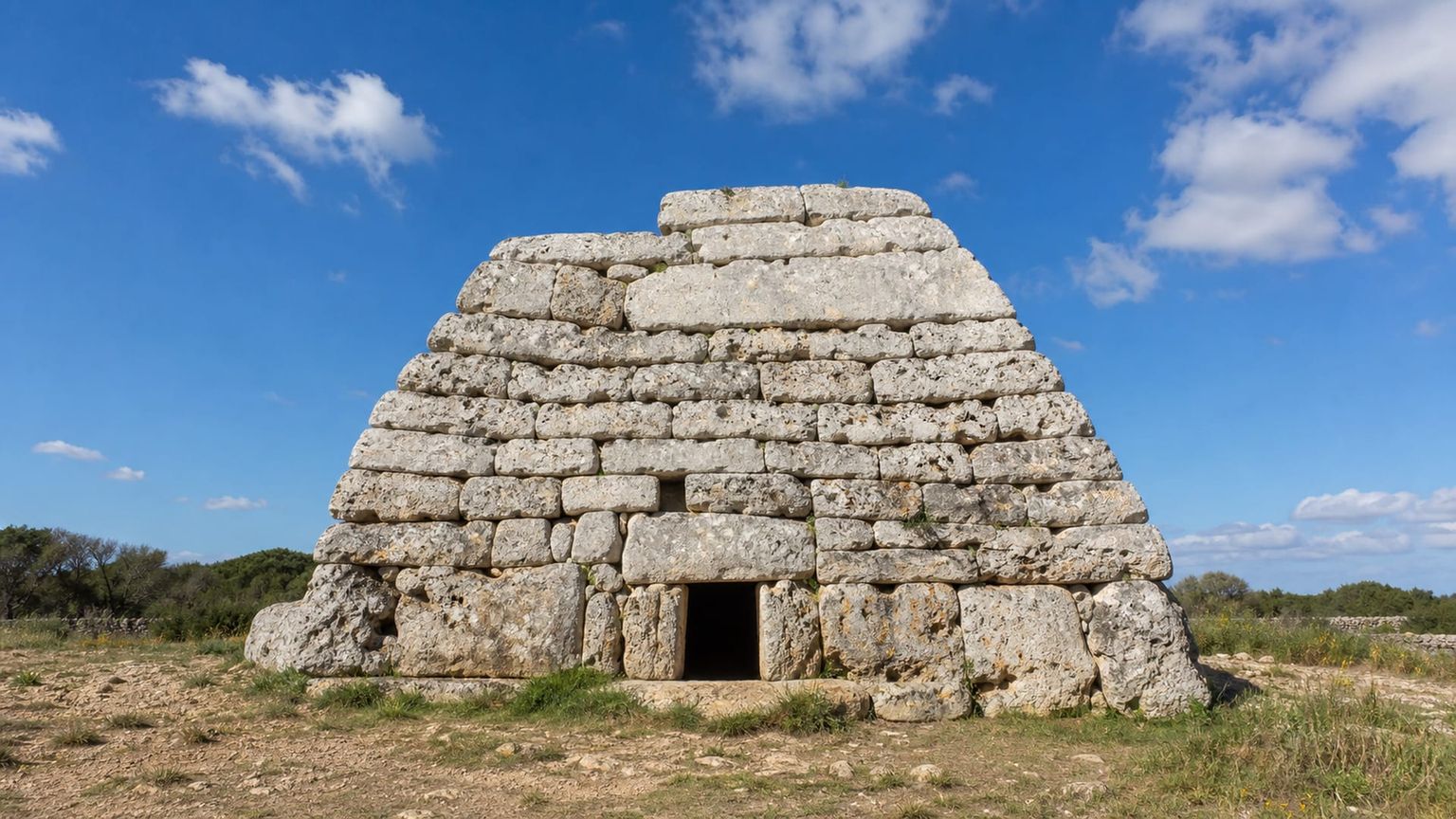
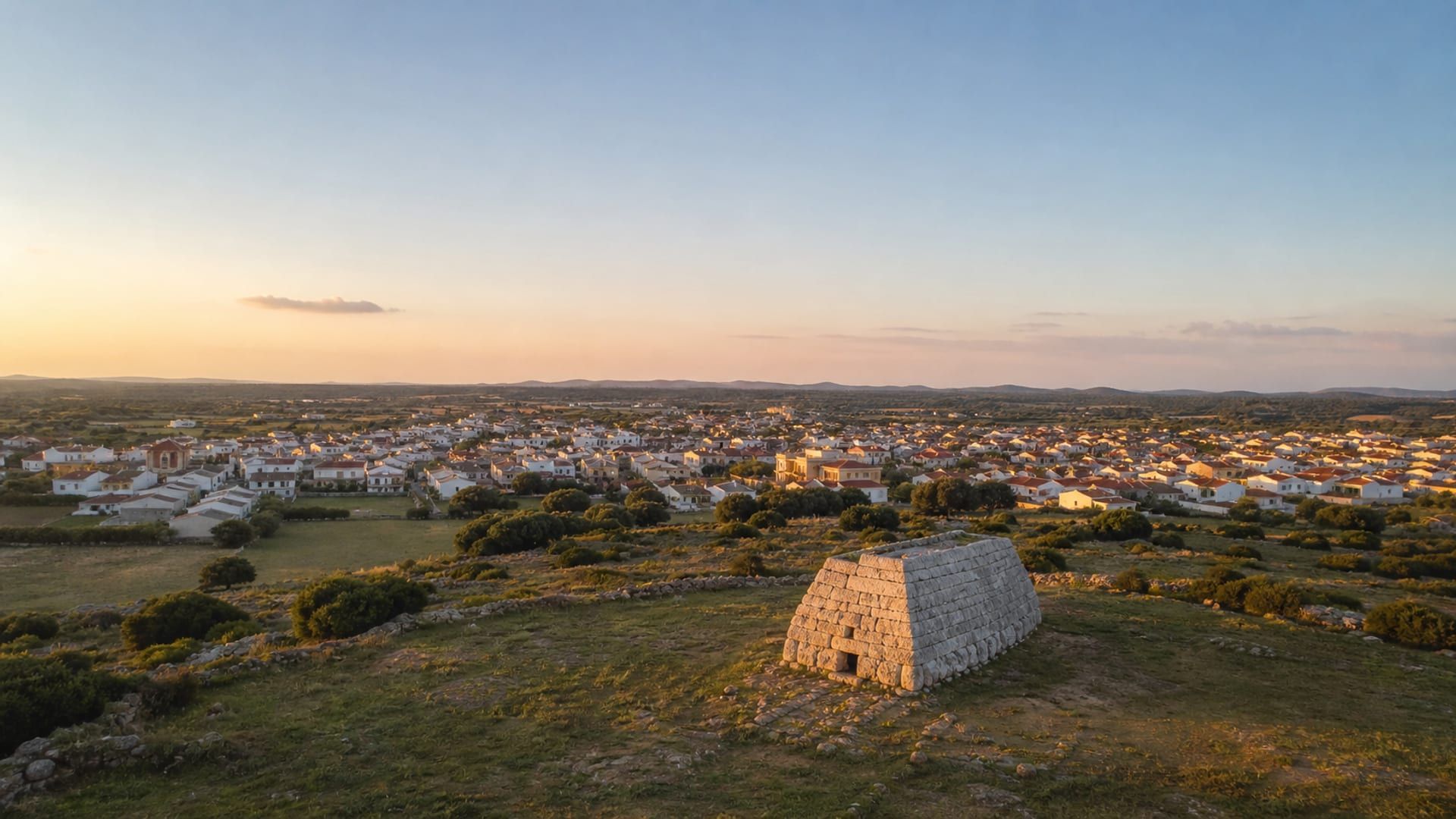
Naveta d'Es Tudons
This Bronze Age funerary monument near Ciutadella is one of Menorca’s best-known prehistoric sites. Its stone chamber, shaped like an upturned boat, gives a clear view of Talayotic construction and burial practice.
Time needed: About 45 minutes
Entry: Free to access; no timed entry is required, and visits are made on foot from the roadside parking area by the monument.
Tip: Go in the late afternoon for softer light and fewer tour groups at the site.
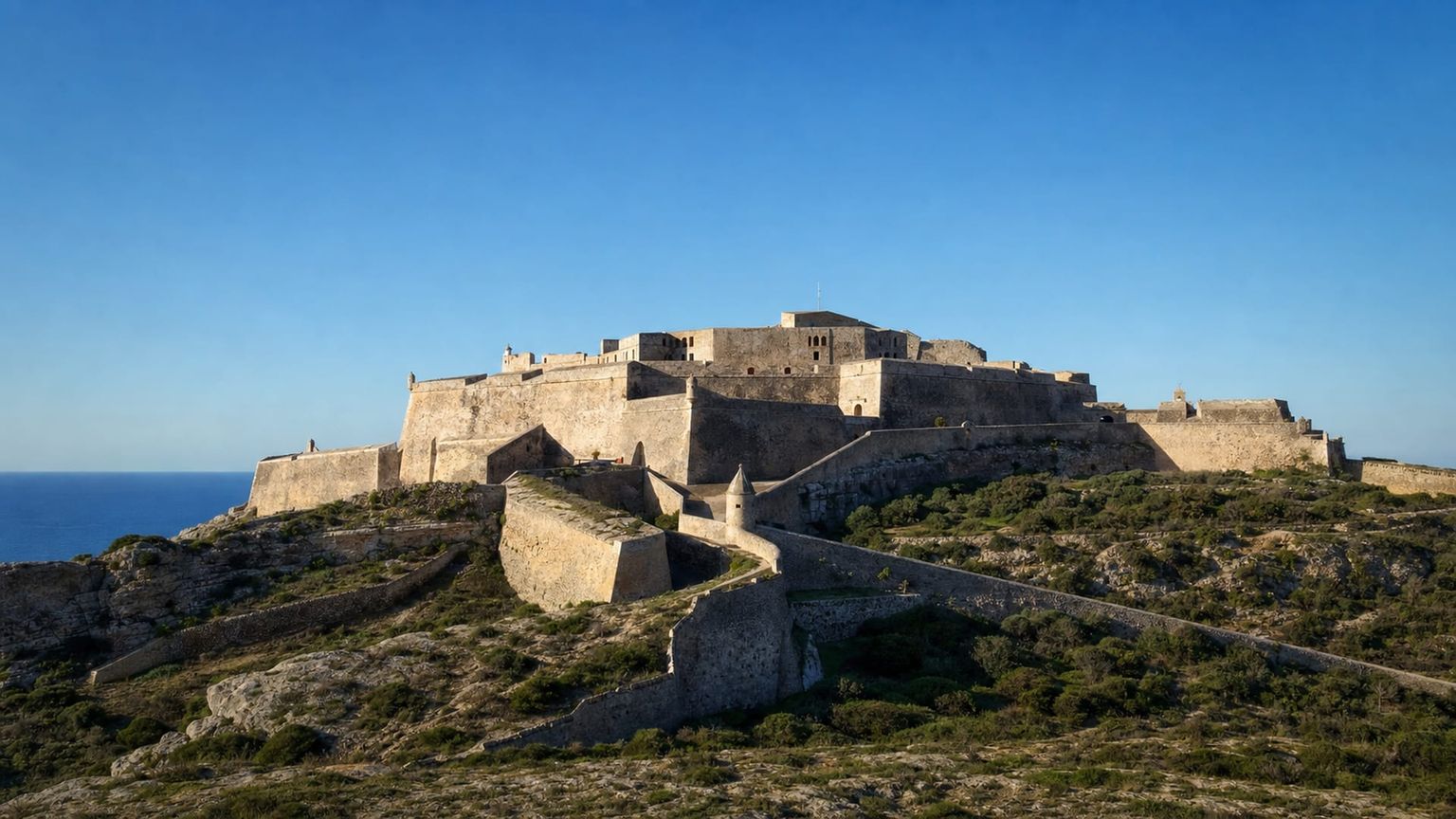
Mola Fortress
Built in the 19th century to defend Maó harbor, this large fort covers the eastern headland with tunnels, batteries, and sea views. The site explains Menorca’s naval history and the engineering behind its cliff-top defenses.
Time needed: About 2 to 3 hours
Entry: Standard tickets cost about $13 to $16 (€12 to €15), with reduced rates for children, seniors, and residents at the gate. Visit the official site for details.
Tip: Wear closed shoes, the paths are uneven and exposed to sun and wind.
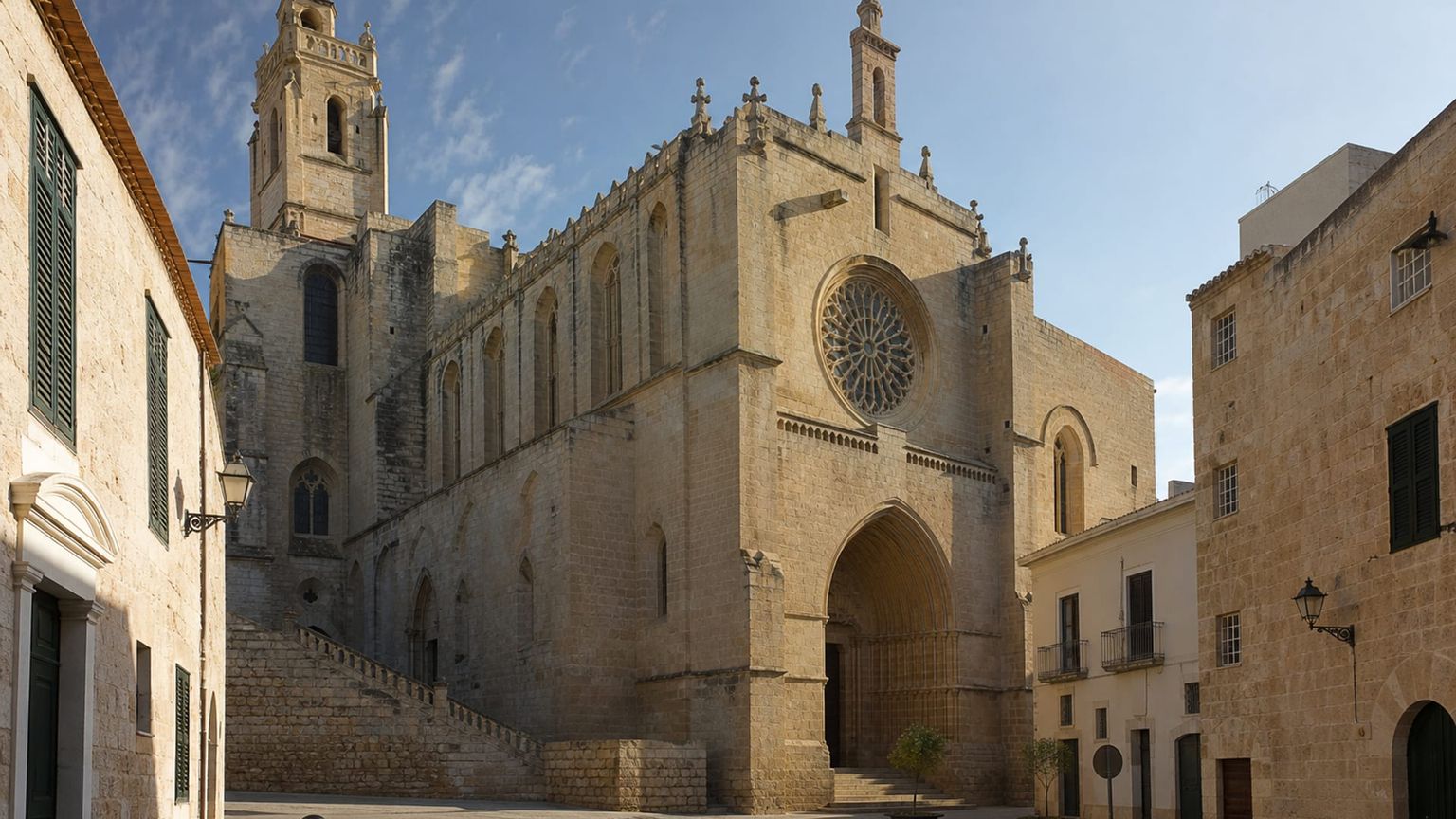
Cathedral-Basilica of Ciutadella
Rising over the old port, this Gothic cathedral anchors Ciutadella’s historic center with a bright nave, later chapels, and a long maritime past. Its interior and square make it one of the island’s most important religious landmarks.
Time needed: About 1 hour
Entry: Standard admission costs about $7 to $9 (€6 to €8), with lower rates for children and some worship visits outside liturgy times. Visit the official site for details.
Tip: Visit early or near sunset, when the square is quieter and the stone reads best.
Overlooked sites worth visiting

Cova d'en Xoroi
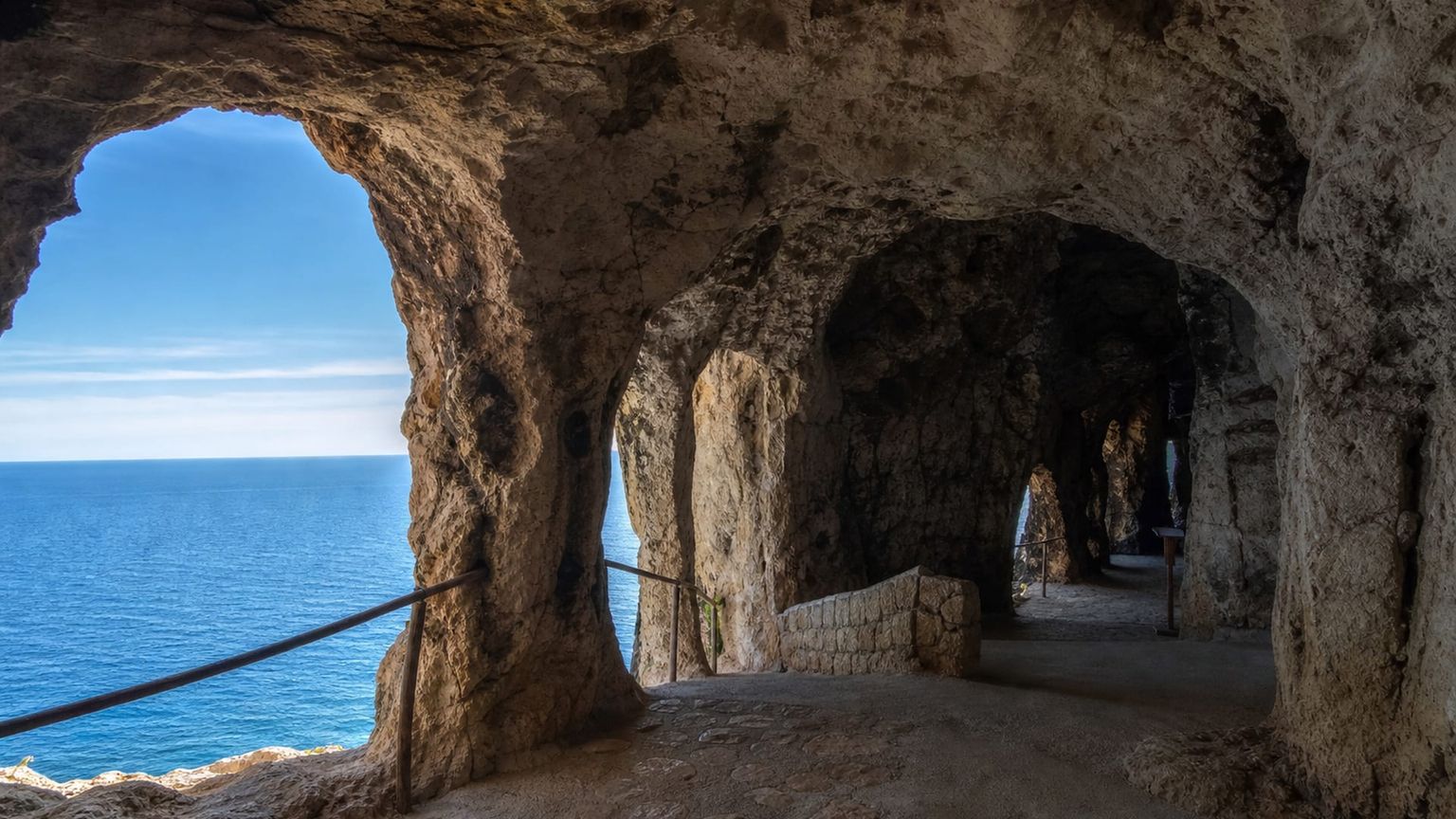
Sea caves cut into the south coast cliffs, with terraces, narrow steps, and open views over the water. Go late in the day for quieter access and sunset light on the rock face.
Time needed: About 1 to 2 hours
Entry: Admission usually costs about $16 to $22 (€15 to €20), with higher evening prices on live-music nights and lower daytime rates outside peak hours; drinks and table seating cost extra. Visit the official site for details.
Tip: Arrive before sunset to avoid the busiest entry window.

Lithica, Pedreres de s'Hostal
A former sandstone quarry on the edge of Ciutadella, with carved stone corridors, a hedge labyrinth, and pale walls that catch strong light. It suits a short visit on foot.
Time needed: About 1 to 2 hours
Entry: Admission usually costs about $8 to $11 (€7 to €10) for adults, with reduced rates for children and seniors; some guided visits, seasonal events, and evening openings cost extra. Visit the official site for details.
Tip: Wear closed shoes, the quarry paths are uneven in places.
Traditional food
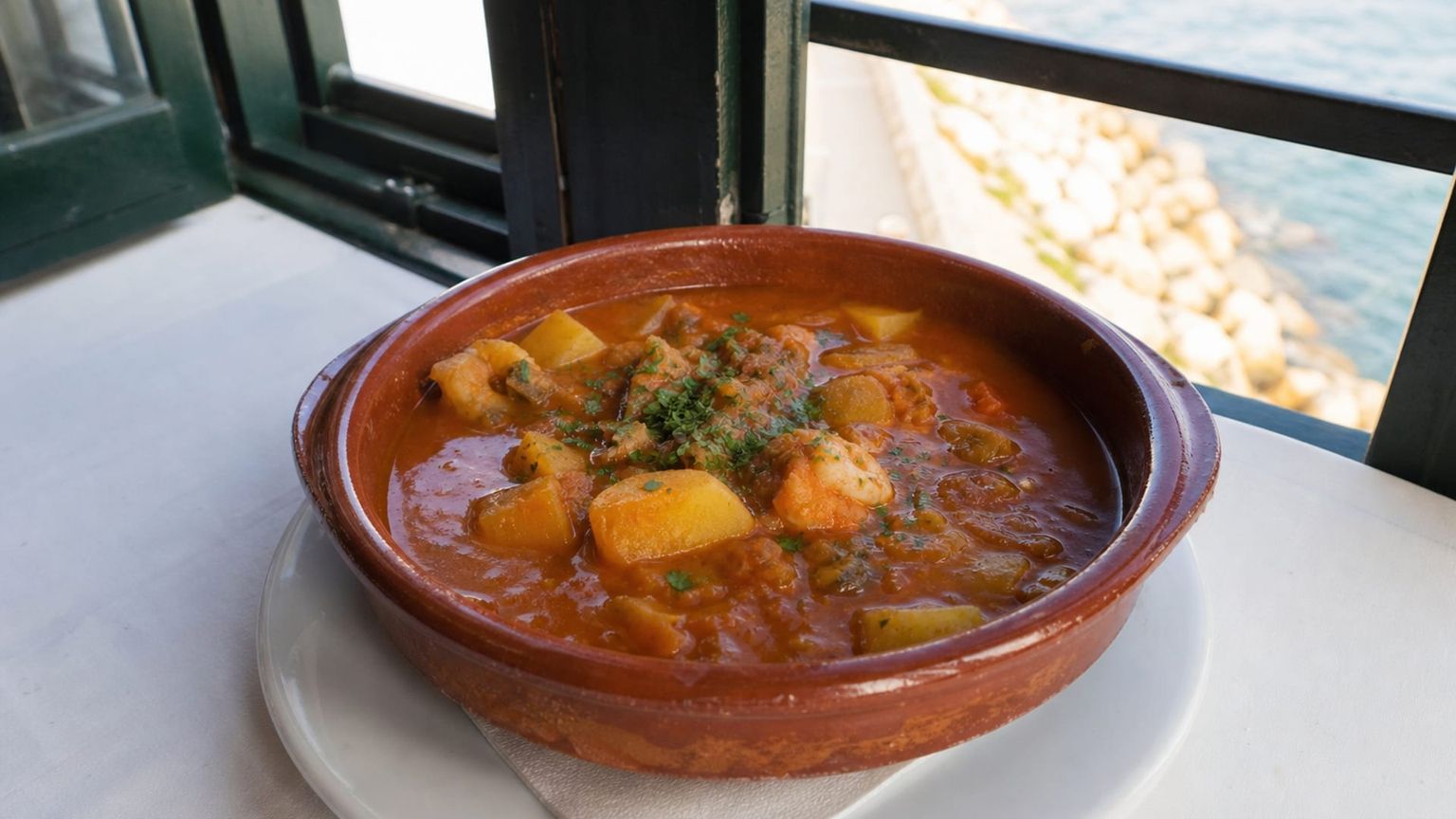
Minorca’s cooking leans on seafood, cheese, pork, and almond sweets, with caldereta de langosta, sobrasada, queso Mahón, and ensaïmada anchoring the table. Many kitchens keep local hours and close between services, so timing matters.
Caldereta de langosta
This lobster stew is the island’s signature seafood dish, rich enough for a long lunch or a harbor dinner. Restaurante Cova d’en Xoroi is not the canonical stop for it, so choose a seafood specialist in Ciutadella such as Café Balear, where the kitchen handles Menorcan shellfish with confidence.
Sobrasada
Minorca’s cured pork spread shows up at breakfast, with bread, honey, or simple local cheese. For a reliable tasting plate, Bar Imperi in Mahón serves a classic version in a setting that suits a quick stop before sightseeing.
Queso Mahón
This aged cow’s cheese ranges from mild and buttery to sharp and salty, depending on the cure. Binifadet, near Sant Lluís, pairs it with wine and a proper tasting room, which makes it a strong place to try it with local context.
Ensaïmada
The island’s spiral pastry works as breakfast or an afternoon coffee companion, with a soft crumb and powdered sugar on top. For a dependable version, Pastisseria Can Pons in Mahón bakes a classic style that suits a short café break.
Best time to visit Minorca
Minorca shifts with the season, from bright beach weather in summer to quieter, milder months when towns, coves, and inland sites are easier to move between.
Best for: Best for walking Ciutadella, visiting Mola Fortress, and seeing the island before peak beach season
What you get: About 57°F to 73°F (14°C to 23°C), with light crowds and comfortable days for sightseeing
Trade-offs: Sea water stays cool, and some seasonal venues still run limited hours
Best for: Best for beaches, long evenings, and Cova d’en Xoroi at sunset
What you get: About 72°F to 88°F (22°C to 31°C), with the heaviest crowds and the fullest ferry and restaurant schedules
Trade-offs: Heat, parking pressure, and higher room rates make planning more important
Best for: Best for balanced weather, easier roads, and slower harbor walks
What you get: About 63°F to 81°F (17°C to 27°C), with moderate crowds that taper after early autumn
Trade-offs: Some beach clubs and seasonal restaurants begin to close
Best for: Best for quiet town stays, museum visits, and lower room prices
What you get: About 48°F to 61°F (9°C to 16°C), with very light crowds and limited resort activity
Trade-offs: Shorter days and reduced transport frequencies narrow your options
A realistic 5-day plan in Minorca
Five days gives Minorca enough room to separate the harbor capital from the western old town, then add a south-coast day and a slower final circuit. The order below keeps transfers sensible and leaves meal breaks where the island’s restaurant hours fit best.
Land at Menorca (MAH), then take a taxi into Mahón old town, a ride of roughly 15 minutes that usually costs about $20 to $28 (€18 to €26). Check in near the harbor or central streets, such as Mahón old town, so dinner and an early walk stay close. After you settle in, drink plenty of water, take a short stroll along the port, and keep dinner simple at a waterfront restaurant before an early night.
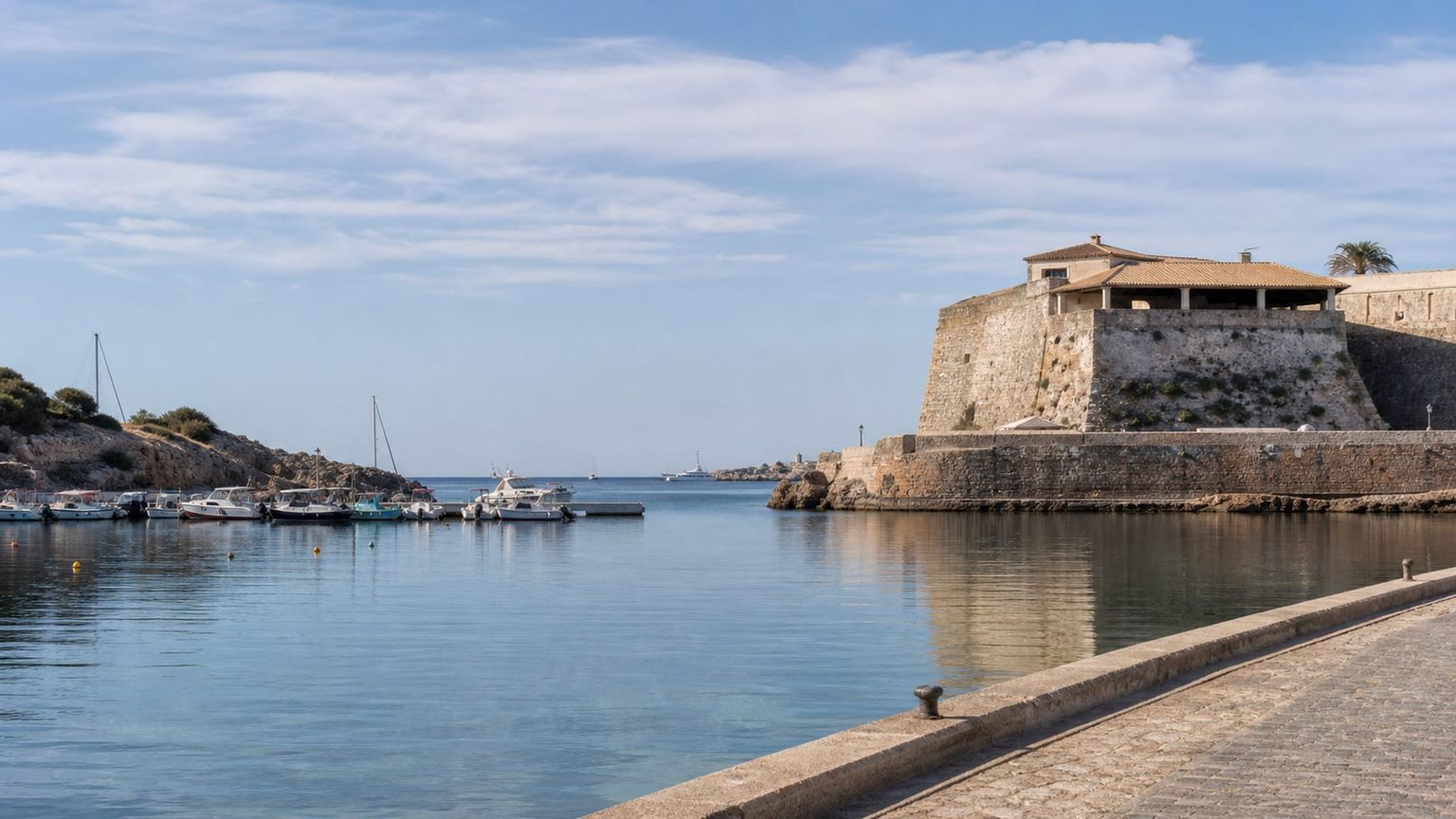
Begin with Mola Fortress, best reached by taxi from Mahón in about 15 to 20 minutes, with entry from about $13 to $16 (€12 to €15) and 2 to 3 hours on site. From there, return to the capital for lunch, then spend the afternoon in Mahón old town, where the harbor, narrow streets, and museum area sit within a 10-minute walk of one another. Finish with an easy evening in the old town and a harbor-side meal, so you stay close to your room after a day on foot.
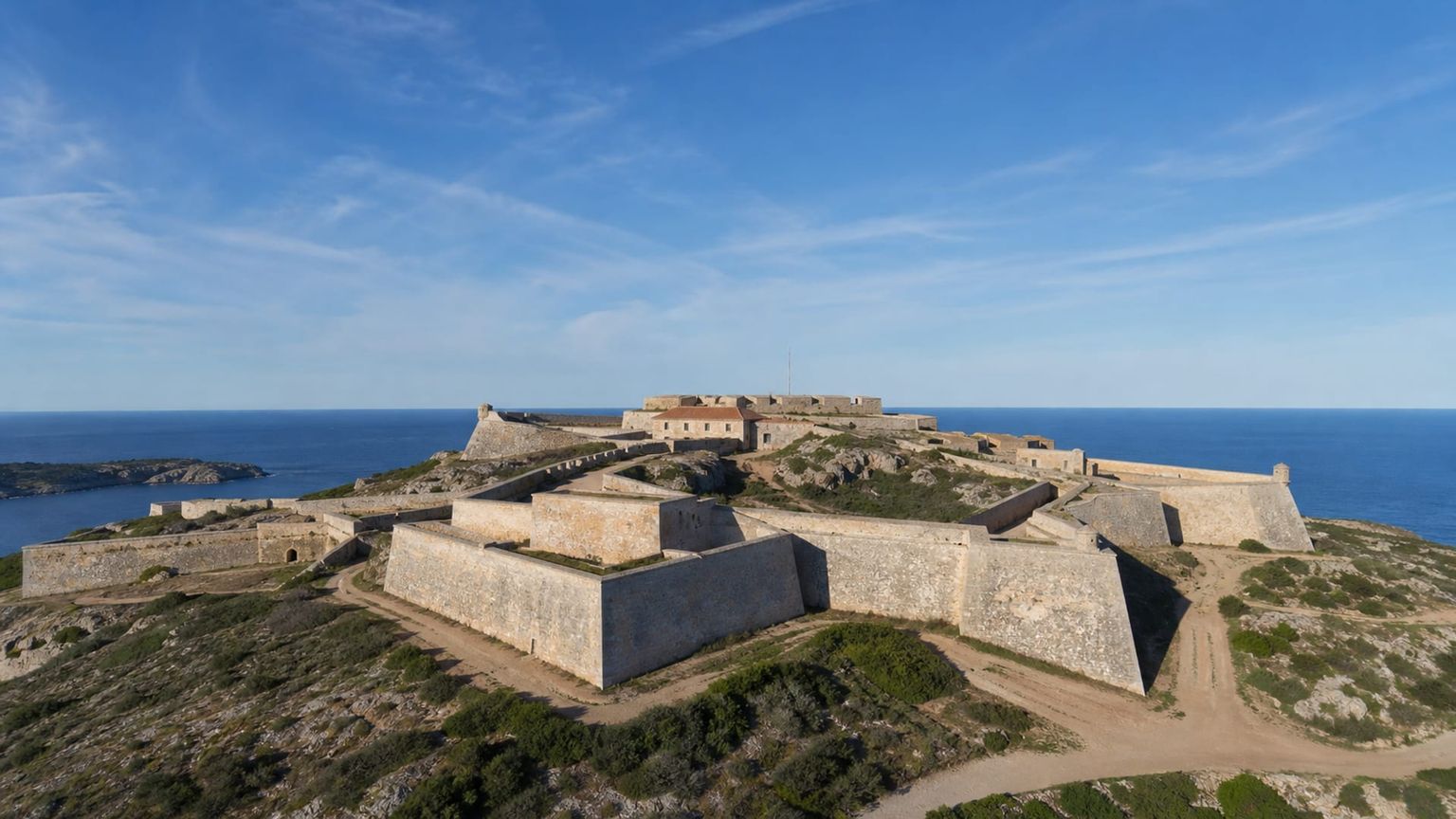
Ciutadella old town sets the tone for the day, and a bus or taxi from Mahón takes about 40 to 50 minutes. Start at the Cathedral-Basilica of Ciutadella, about 5 to 12 minutes on foot from many old-town stays, then continue through the stone lanes toward the port and squares for lunch. In the late afternoon, ride or drive about 10 minutes to Naveta d’Es Tudons, whose roadside setting makes it a simple stop before you return to Ciutadella for dinner.
A south-coast day works best if you begin at Cova d’en Xoroi, reached in about 25 to 35 minutes by taxi or car from Mahón, with cliffside terraces and sunset views that justify an early arrival. After that, continue to Cala en Bosch for a marina lunch and a beach walk, about 35 to 45 minutes farther by road from the cave area, or roughly 25 minutes by bus from Ciutadella if you are basing yourself there. If you still have energy, end with Lithica, Pedreres de s’Hostal, about 10 minutes by taxi from Ciutadella old town, where the quarry walls and garden paths catch the late light well.
For a slower final day, start with Lithica, Pedreres de s’Hostal if you missed it earlier, then spend the rest of the afternoon in Ciutadella old town browsing small shops and stopping for a coffee near the cathedral square. If you are based in Mahón, the port area offers an easy final museum stop and a last walk through the harbor streets before dinner. Keep your bags ready for the airport transfer, then head out in time for a taxi to Menorca (MAH), which again takes about 15 minutes from Mahón or roughly 45 minutes from Ciutadella.
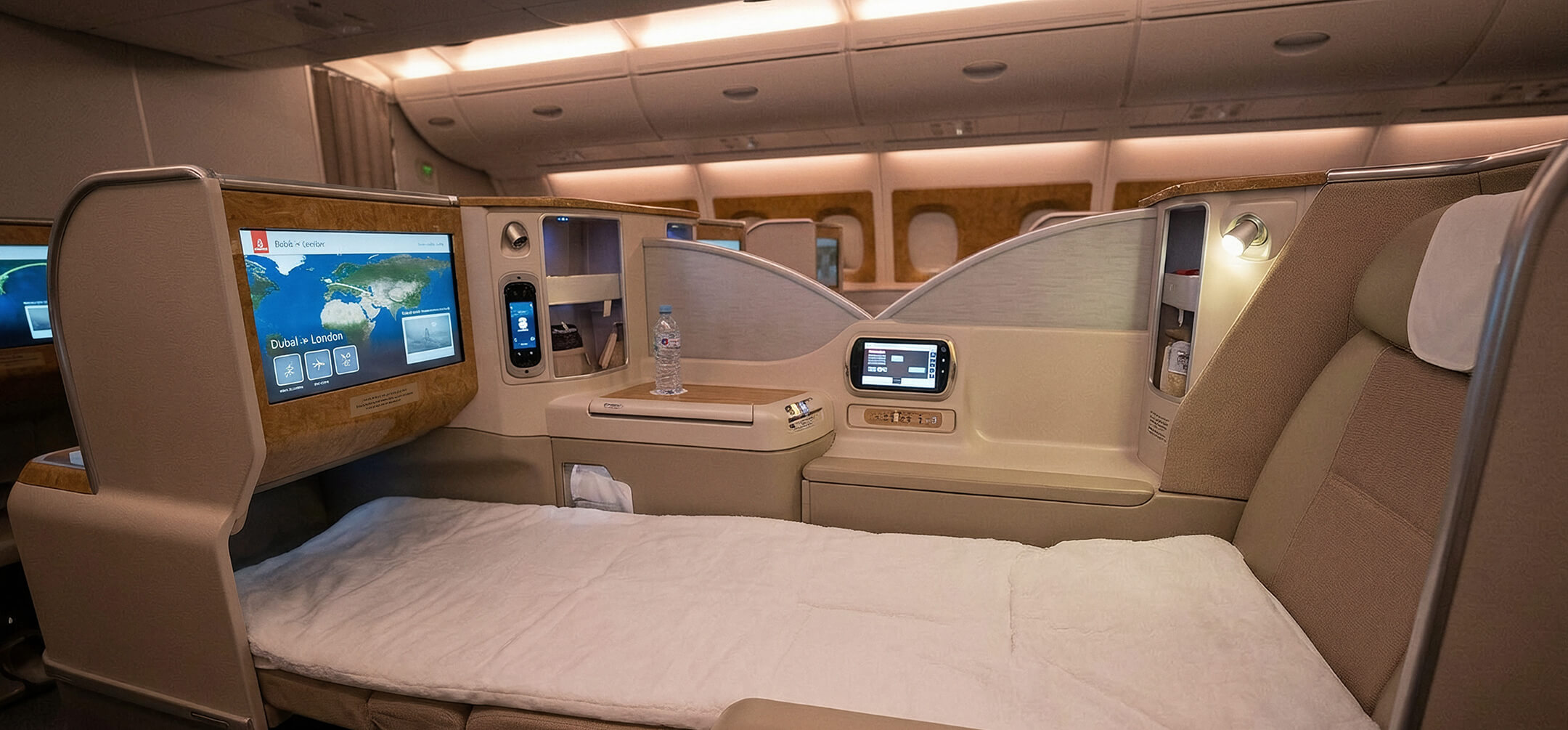
Business-class flights from the US to Minorca
From both New York and Los Angeles, reaching Minorca usually means a one-stop trip through a major European hub. The difference lies in how long you spend in the air, and how often the fare softens when you accept a longer connection.
From New York, Iberia, British Airways, Air France, Lufthansa, and United Airlines all appear on common one-stop itineraries to Minorca. If you are willing to route via Madrid, London, Paris, or Frankfurt, the trip usually takes 11 to 16 hours and often cuts the fare; business fares from New York to Minorca usually run from $1,700 to $3,600 round-trip.
Los Angeles travelers usually connect through Madrid, London, Paris, or Frankfurt on airlines such as Iberia, British Airways, Lufthansa, Air France, and United Airlines. That longer journey tends to run about 14 to 20 hours, and business fares usually start at $1,900 and can reach $4,200 round-trip.
Minorca feels different when you slow down
A well-paced Minorca trip gives each part of the island its own job: Mahón for arrival, harbor walks, and taxis to Mola Fortress; Ciutadella for the cathedral, the port, and a dinner that fits local hours; and the south coast for Cova d’en Xoroi or Cala en Bosch when the light turns softer. If that mix suits your style, the AranGrant experts can help you shape the route around the island’s actual distances and opening times