

Chapters:

Need help with your trip?
Our support team is available 24/7. Request a callback or call us directly at (833) 619-0908
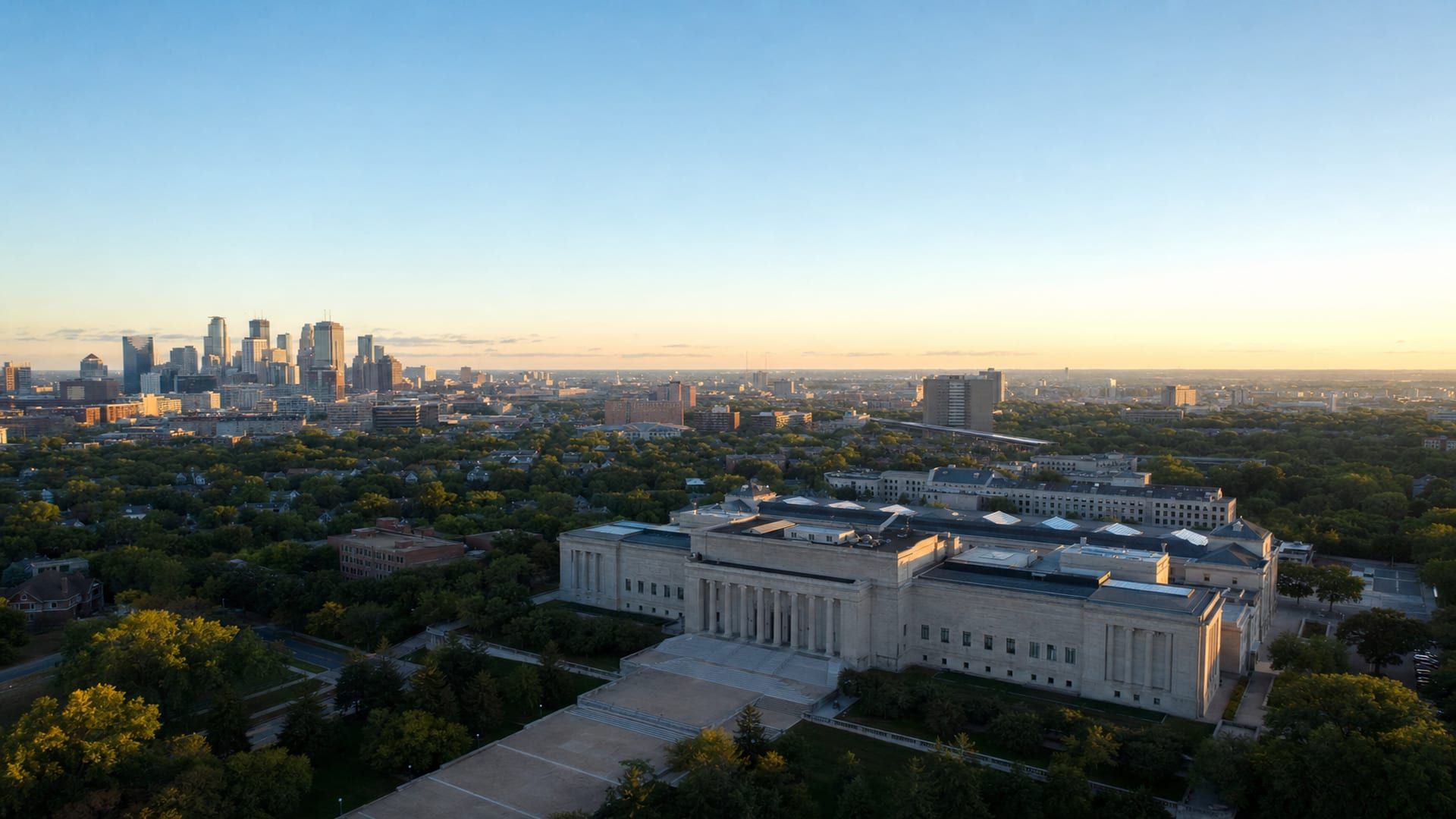
Minneapolis trips often start with downtown, a museum day, and a lake stop, yet travelers sometimes miss how much ground the city covers between those anchors. The riverfront, warehouse district, and neighborhood streets each demand a different pace.
That spread matters because a loose plan can waste time in short hops, repeated crossings, and crowded event corridors, while winter weather makes block-to-block walking less forgiving. It also helps to know which areas reward a stay near transit.
This guide orders the city by neighborhood and day, so you can pair museums, parks, food, and airport timing without backtracking. It keeps the route clear from arrival to departure.
Useful things to know
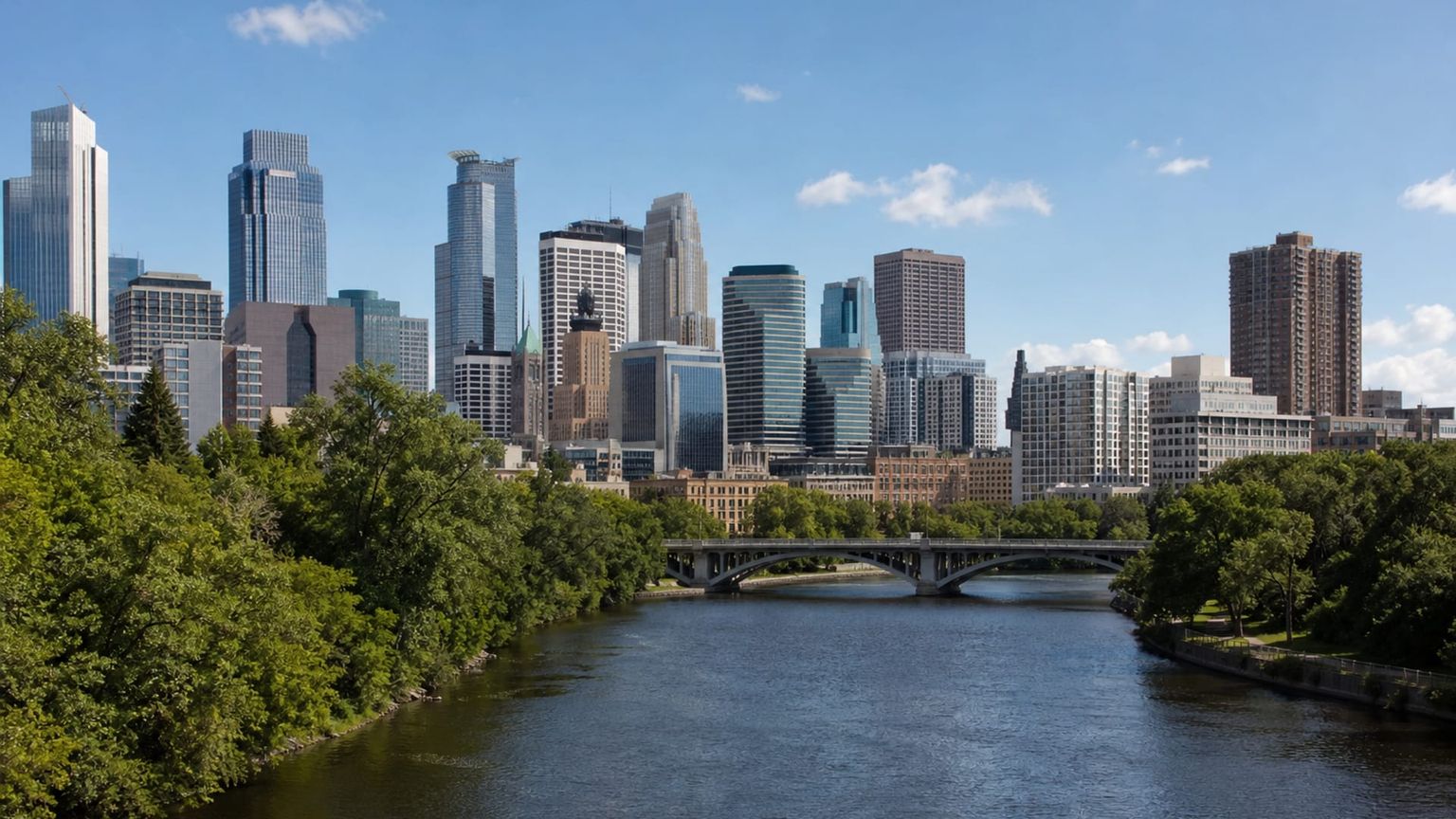

Main language(s): English

Currency: The local currency is the US dollar (USD, $).

Cash and cards: Cards and contactless are widely accepted; carry about $20 to $40 in cash for tips, kiosks, or small vendors.

Tipping: Tip 15-20% at sit-down restaurants; round up in taxis and for small services.

Traditional food: Juicy Lucy, hotdish, wild rice soup, walleye

Water and coffee costs: Water about $2 ($2), bar espresso about $4 ($4.50).

Taxis and ride apps: Uber and Lyft operate here.

Plug and voltage: Type A/B socket, 120V

Dining and shop opening hours: Breakfast is about 07:00-09:00, lunch 11:30-13:30, and dinner 17:30-20:30. Many restaurants close by 21:00, and some diners serve late.

Emergency number: Dial 911 for police, fire, or medical emergencies.
Where to stay in Minneapolis
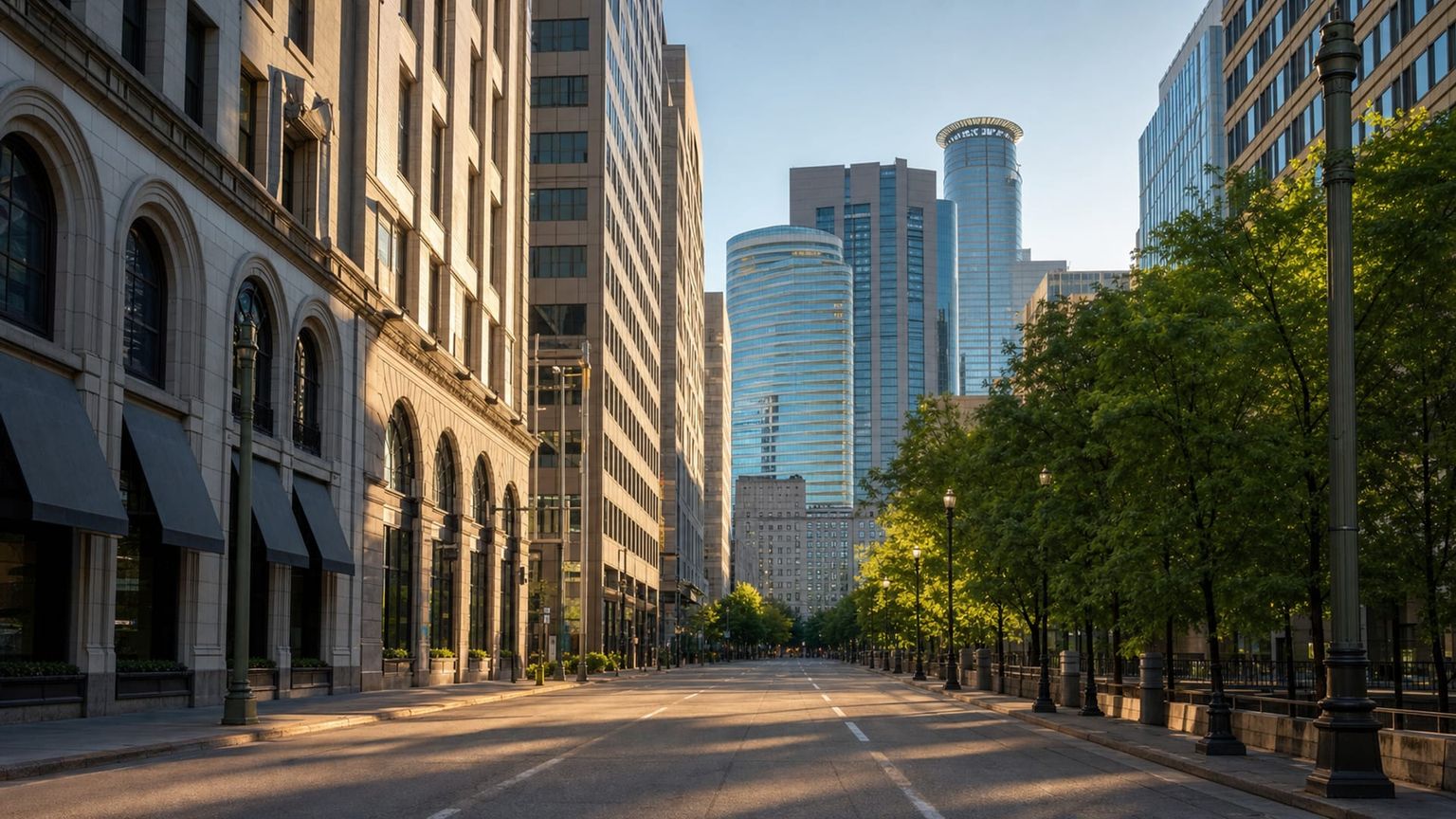
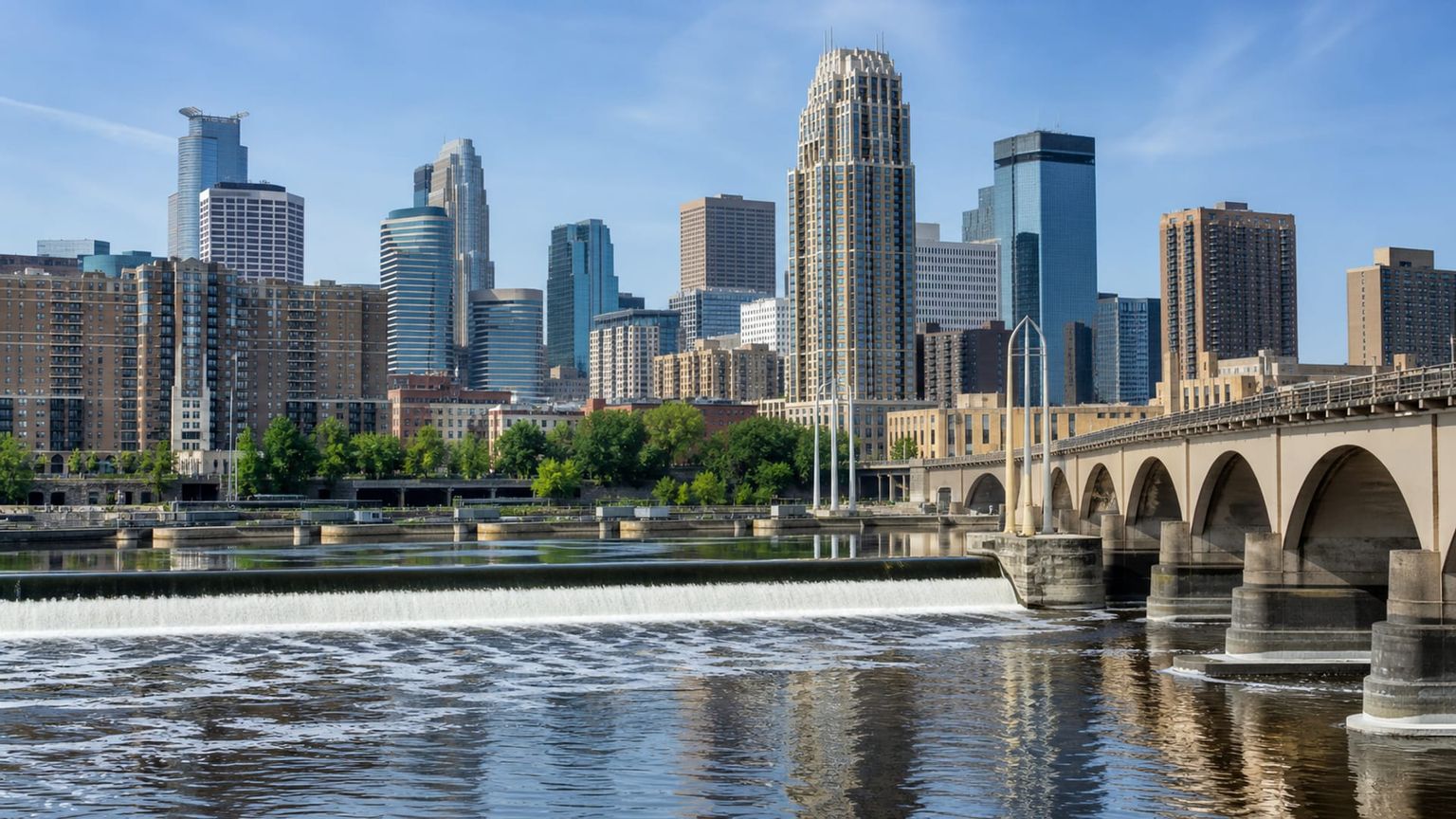
The city’s core clusters the main office towers, hotels, stadiums, and the Nicollet mall corridor. It puts you close to the Skyway system, the riverfront, and many transit lines, so meetings, games, and downtown dining all sit within easy reach.
Best for: Business trips, event nights, and travelers who want the most central base
What to expect: Busy sidewalks by day, lighter foot traffic after office hours, and plenty of people moving between hotels, restaurants, and sports venues.
Hotel prices: Usually about $140 to $260 per night for well-rated stays
Distance to major sights: 0 to 10 minutes on foot to Nicollet Mall; about 15 minutes by transit to U.S. Bank Stadium
Quietness: Lively through the workday, then noticeably quieter late in the evening except on event nights.
Main trade-off: Hotel prices run higher than in outlying neighborhoods, and street activity can feel thin after dinner once offices empty.
Good to know: If you plan to use transit often, stay near a Skyway entrance or light rail stop, since winter walks between blocks can be longer than they look on a map.
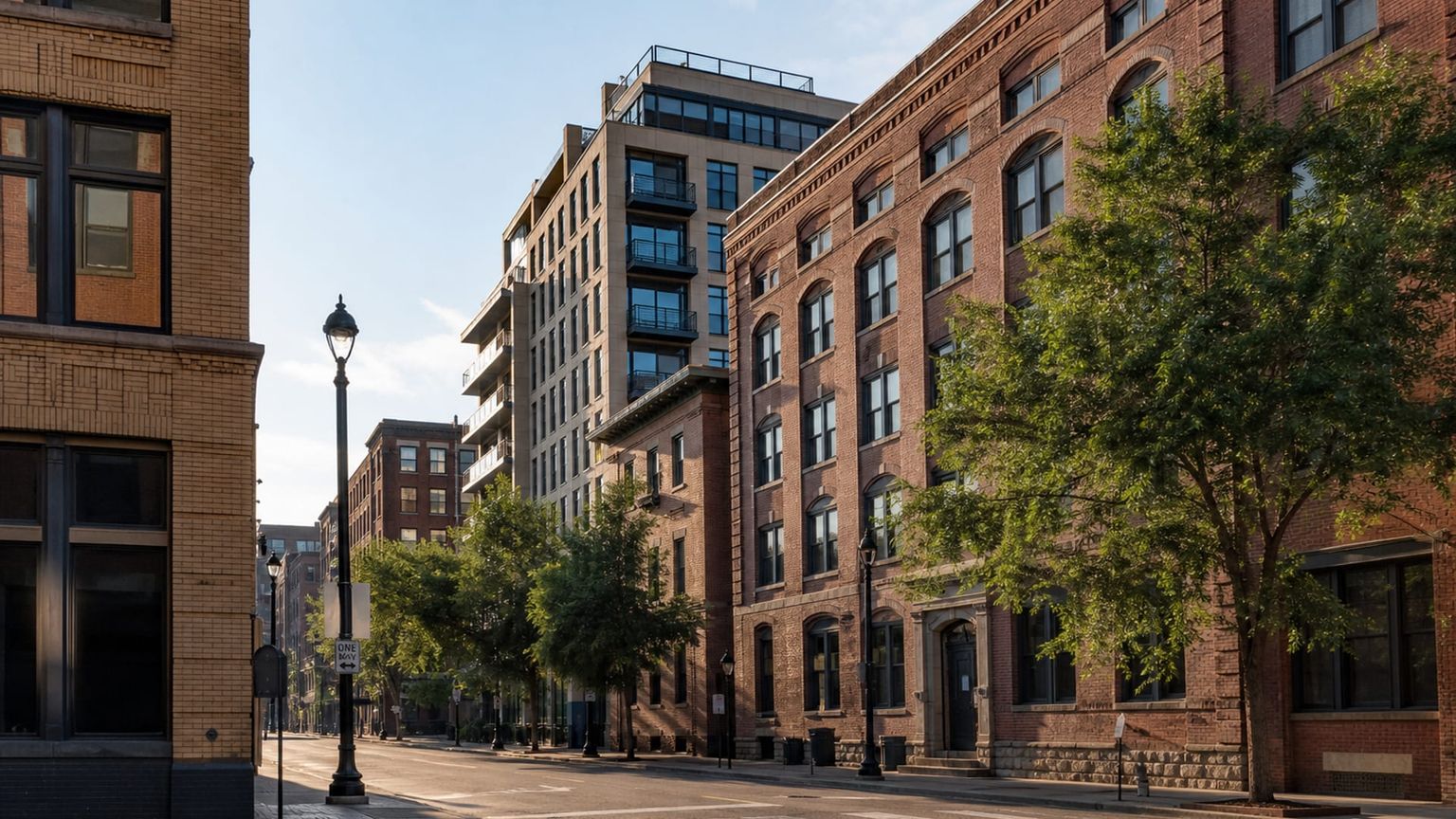
North Loop pairs converted warehouses with newer apartment towers, restaurants, and bars north of downtown. It matters because it gives you an urban base with easy access to Target Field, the river, and some of the city’s strongest dining and nightlife.
Best for: Dining, nightlife, baseball games, and travelers who want a lively urban base
What to expect: Sidewalks stay active into the evening, with restaurant patios, bar traffic, and game-day crowds around the stadium area.
Hotel prices: Usually about $170 to $320 per night for well-rated stays
Distance to major sights: About 10 minutes on foot to Target Field; about 20 minutes by transit to the Walker Art Center
Quietness: Active in the evening and often late, then calmer overnight once the restaurants close.
Main trade-off: This is one of the pricier parts of Minneapolis, and late-night noise can carry near the main bar streets.
Good to know: Parking can be limited and expensive, so a stay here works best if you plan to arrive by rideshare, rail, or on foot.
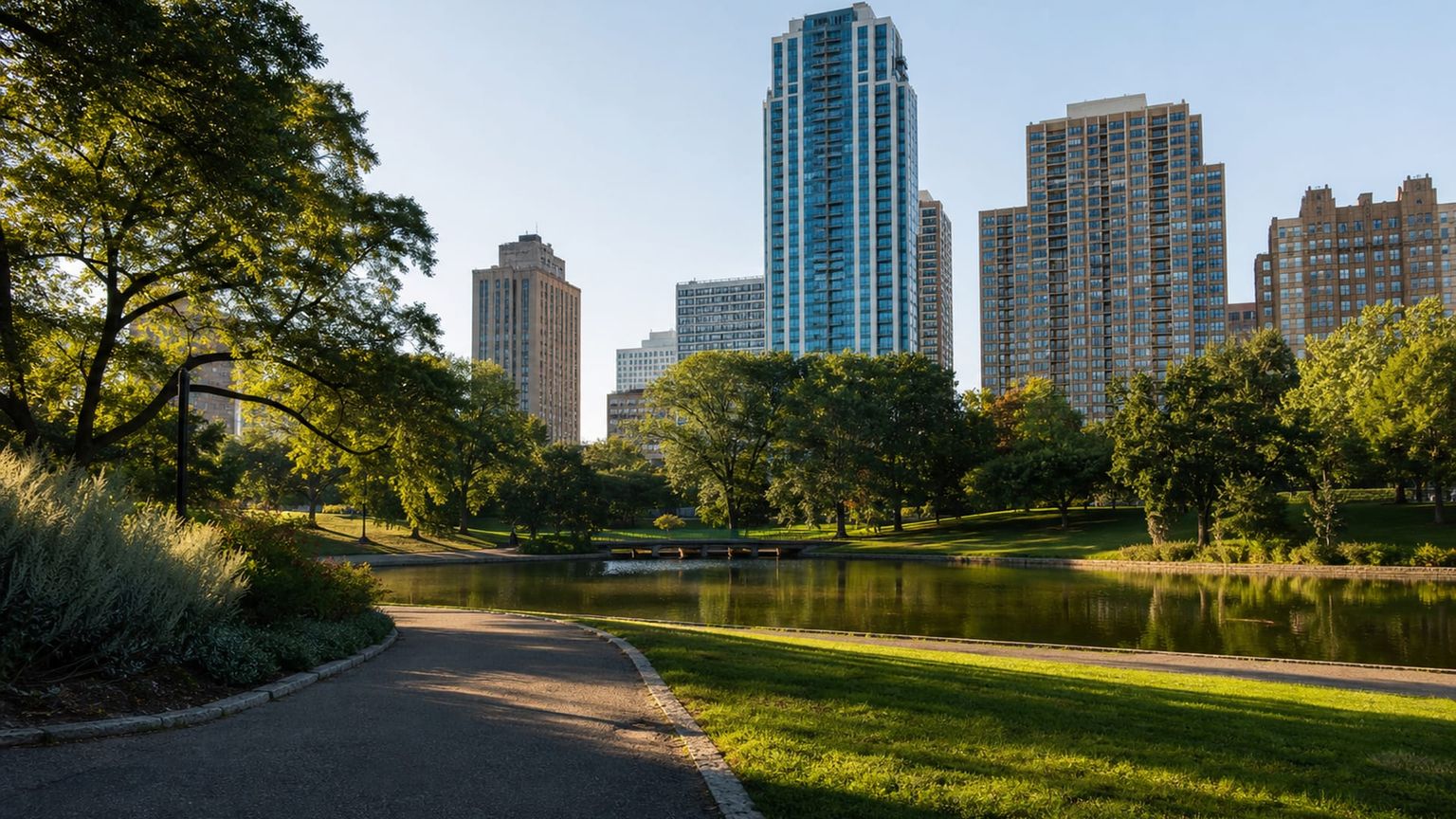
Loring Park sits just west of downtown and centers on its namesake park, older apartment buildings, and access to the Walker and Minneapolis Sculpture Garden. It gives you a calmer city base while keeping major museums, downtown, and the freeway network close by.
Best for: Museum visits, park access, and travelers who want a quieter stay near downtown
What to expect: Tree-lined streets and apartment blocks create a residential feel, with more local walkers than bar crowds except near major events.
Hotel prices: Usually about $130 to $230 per night for well-rated stays
Distance to major sights: About 15 minutes on foot to the Walker Art Center and Minneapolis Sculpture Garden; about 10 minutes by transit to downtown
Quietness: Quiet on most evenings, with brief spikes in activity when there is a concert or arena event nearby.
Main trade-off: You will usually walk a bit farther to reach the densest restaurant and nightlife options than you would in North Loop or downtown.
Good to know: Some blocks sit close to highways, so check the exact address if you want to avoid traffic noise.
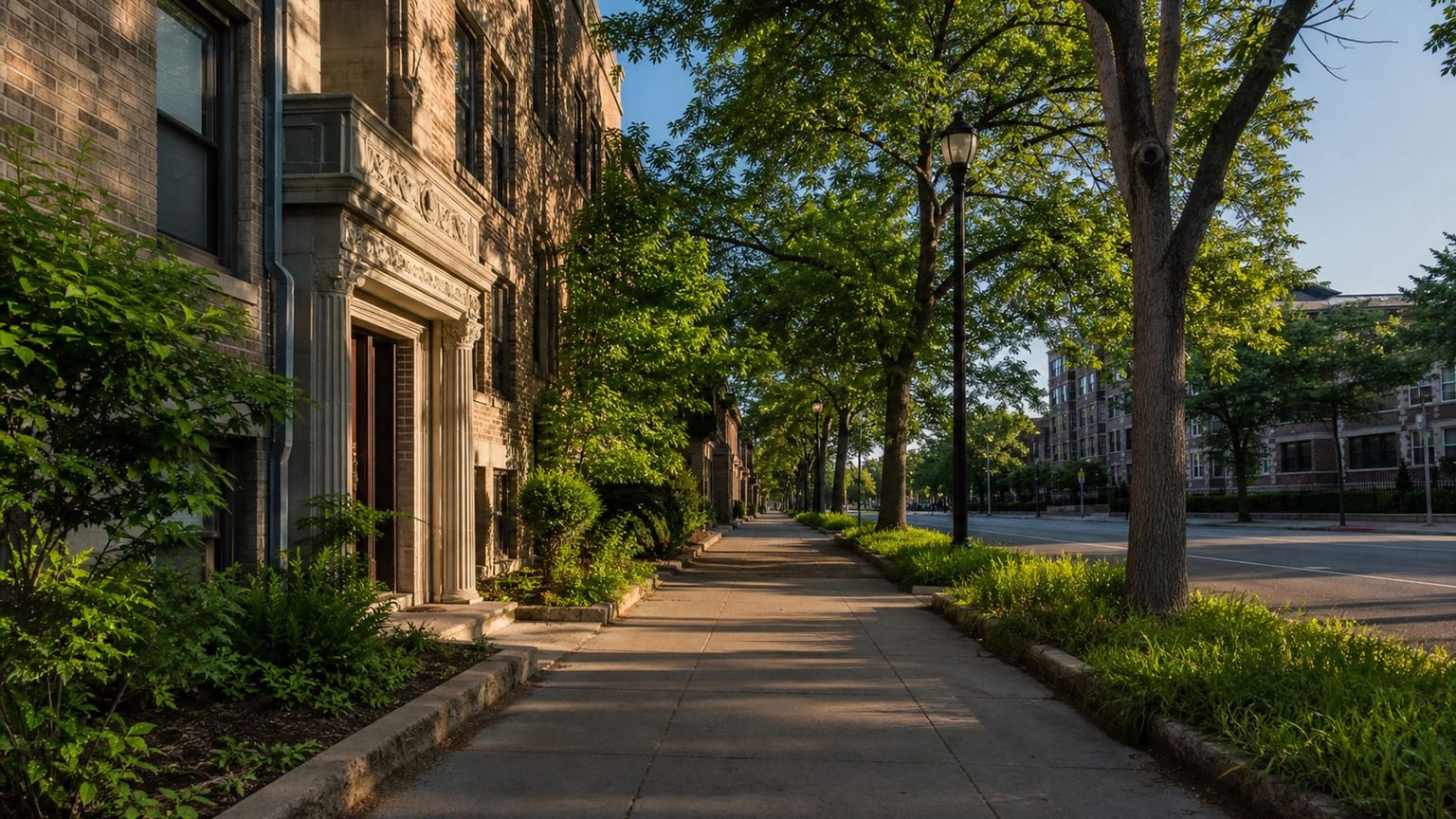
Uptown sits around Lake Street and Hennepin Avenue, with shops, restaurants, and access to Bde Maka Ska and the Chain of Lakes. It matters if you want an area that mixes neighborhood life with easy lake time and a direct ride back to downtown.
Best for: Lake walks, casual dining, and travelers who prefer a neighborhood base with nightlife nearby
What to expect: Busy arterial streets, steady restaurant traffic, and active sidewalks near the lake and the main commercial blocks.
Hotel prices: Usually about $120 to $220 per night for well-rated stays
Distance to major sights: About 20 minutes by transit to downtown; about 10 minutes on foot to Bde Maka Ska
Quietness: Lively along the main streets in the evening, then quieter on residential blocks and by the lake.
Main trade-off: Traffic and late-night noise can be noticeable near the busiest intersections, especially on weekends.
Good to know: Choose a block off the main corridors if you want easier sleep, since the busiest corners can carry sound from bars and buses.
Travelers usually avoid staying in Airport, because it is far from most major sights and depends on transit or rideshares for downtown evenings; parts of Bloomington outside the Mall of America area are also less convenient for city sightseeing. The northwestern suburbs, including Brooklyn Park and Maple Grove, are another weaker base for visitors who want walkable access to museums, restaurants, and the riverfront, and downtown-adjacent industrial blocks near the Mississippi have few visitor amenities.
Hotel deals
How to get around Minneapolis efficiently
Metro Transit and the Blue Line do most of the work here, with taxis and ride apps filling gaps when you need faster cross-town movement or a late return.

Metro
for longer distances
Minneapolis-Saint Paul has no subway, so Metro Transit buses and the METRO light rail do the heavy lifting. The Blue Line links Minneapolis-Saint Paul International Airport (MSP) with downtown Minneapolis in about 25 minutes and downtown Saint Paul in roughly 35 to 40 minutes, and a local fare is $2.00 ($2.00) for 2.5 hours or $2.50 ($2.50) at rush hours, with day passes also available.

Bus and tram
for convenience
Metro Transit buses cover both downtowns, the airport area, and many inner neighborhoods, with the A Line and B Line bus rapid transit corridors giving faster cross-town trips than standard routes. A local ride costs $2.00 ($2.00) for 2.5 hours or $2.50 ($2.50) during peak periods, while day passes and stored-value cards help if you plan several trips; check route frequency before late-evening travel, because service thins outside the core.

Taxi
for convenience or late hours
Licensed taxis at Minneapolis-Saint Paul International Airport (MSP) use metered fares from the city, and rides into downtown Minneapolis or Saint Paul usually run about $35 to $45 before tip, depending on traffic and exact drop-off. You can queue at the official taxi stands or call a cab in the city, and most cabs accept credit cards, although it is smart to confirm payment before you depart.
*Prices are based on rates updated as of June 2026 and may change at the time of travel.
Use light rail for the airport and downtown, buses for cross-city links, and taxis or ride apps when you want the shortest trip after dinner or before a flight.
Iconic landmarks
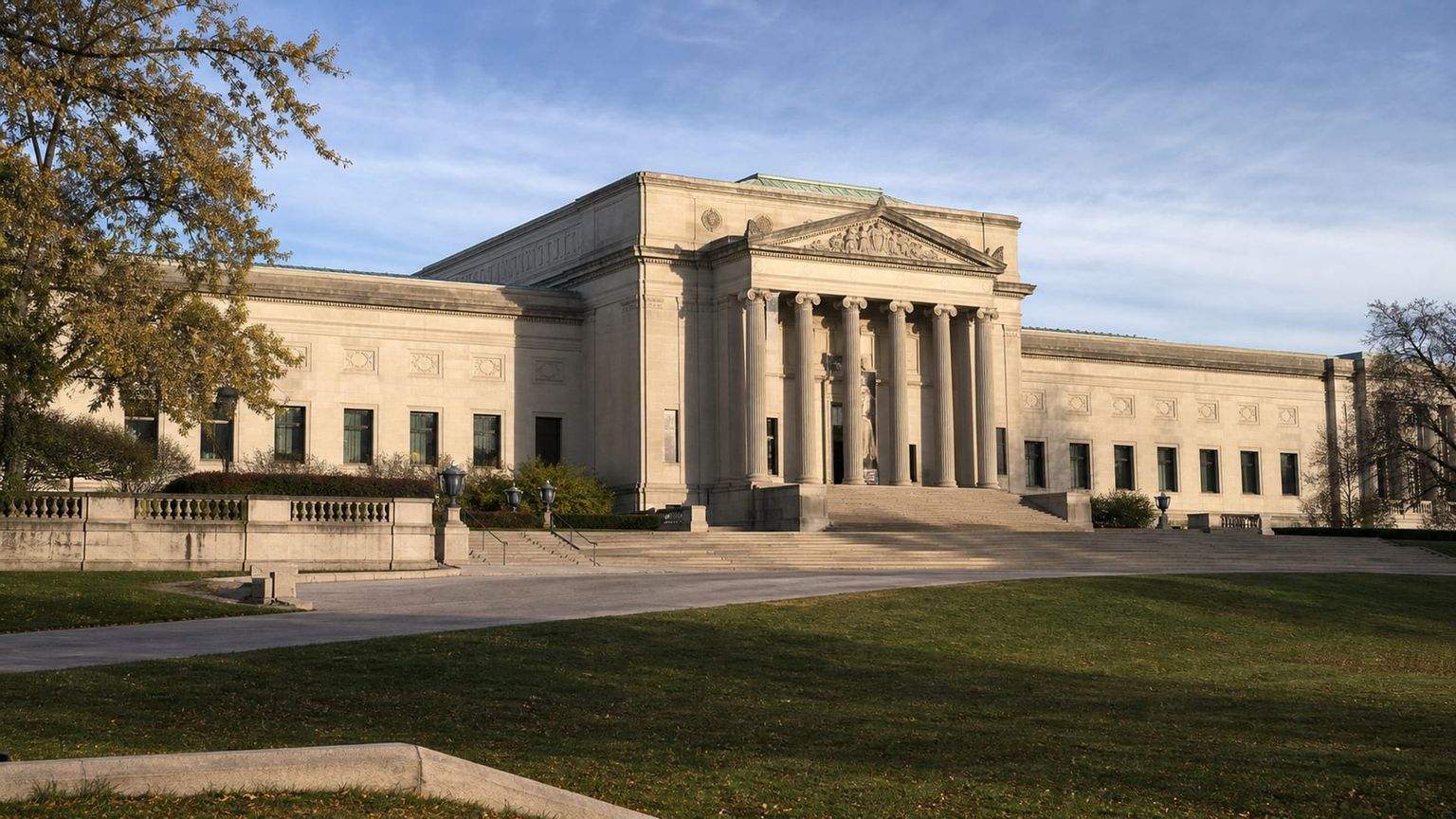
Minneapolis Institute of Art
The Minneapolis Institute of Art holds about 90,000 works, from ancient sculpture to modern painting, with strengths in Asian, African, and decorative arts. Admission is free, and the museum sits in the Whittier neighborhood, about 3 km south of downtown.
Time needed: About 2 to 3 hours
Entry: Free to enter; special exhibitions may charge separate admission or timed-entry fees on select dates. Visit the official site for details.
Tip: Arrive in the morning if you want quieter galleries and more time with the highlights.
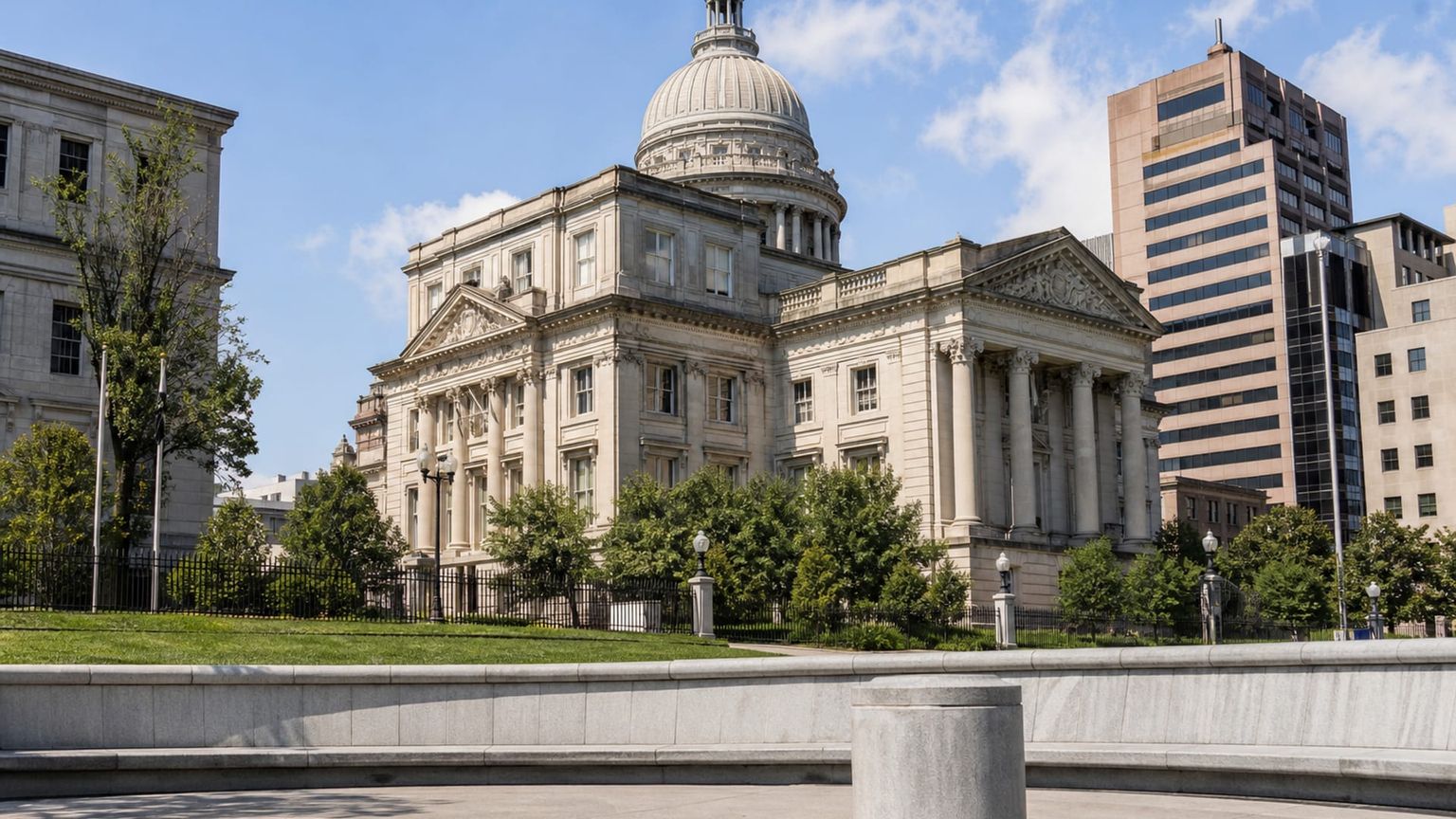
Walker Art Center and Minneapolis Sculpture Garden
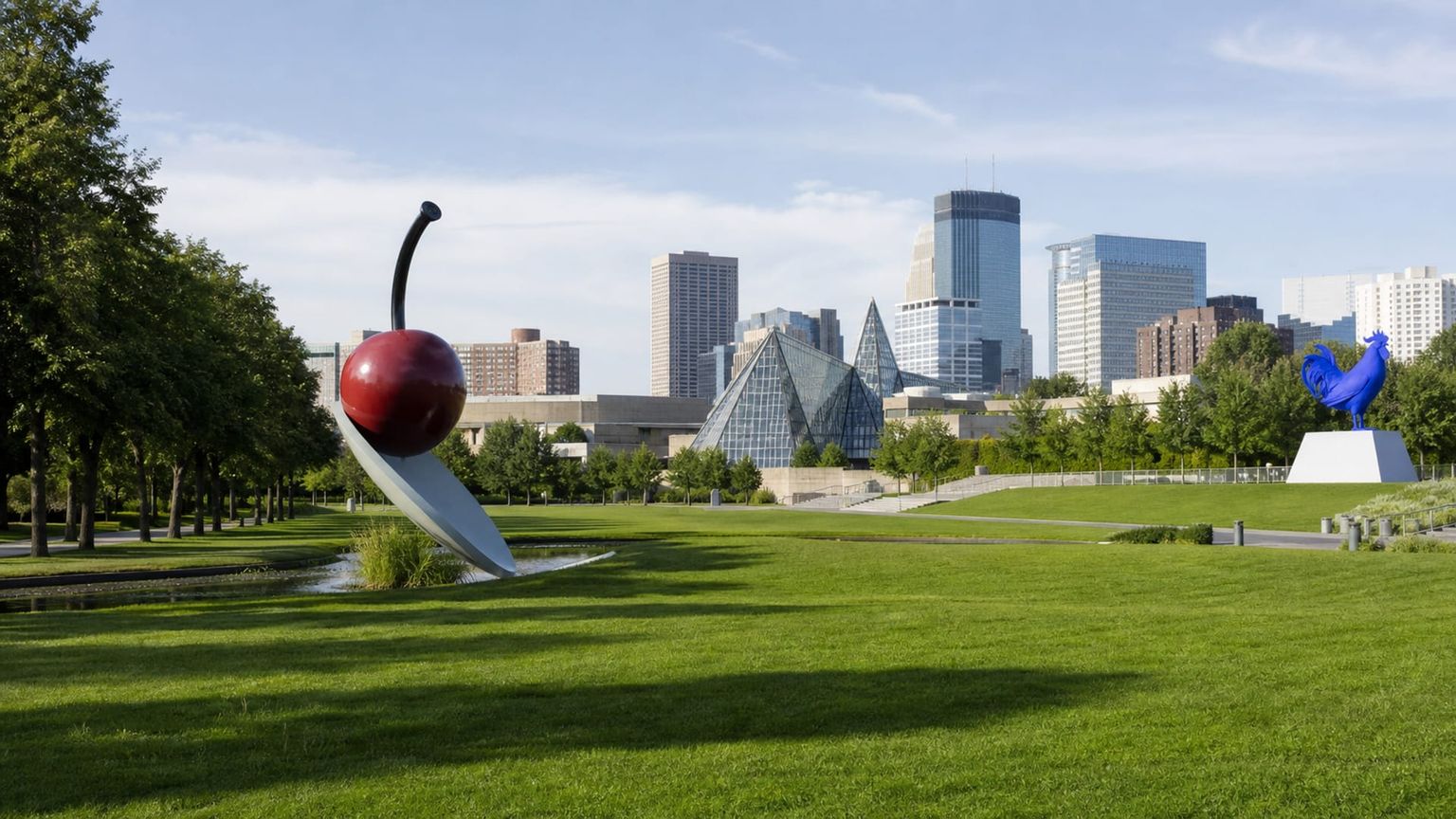
The Walker Art Center pairs contemporary art with a landmark sculpture park beside Loring Park, about 2 km west of downtown. The Sculpture Garden’s Spoonbridge and Cherry is one of Minneapolis’s most photographed public works, set among lawns, paths, and rotating installations.
Time needed: About 1.5 to 3 hours
Entry: Garden admission is free; museum tickets typically cost $15 to $18 ($15 to $18), with reduced rates for youth and seniors. Visit the official site for details.
Tip: Go late afternoon for softer light in the garden and easier photos near Spoonbridge and Cherry.
Mill City Museum
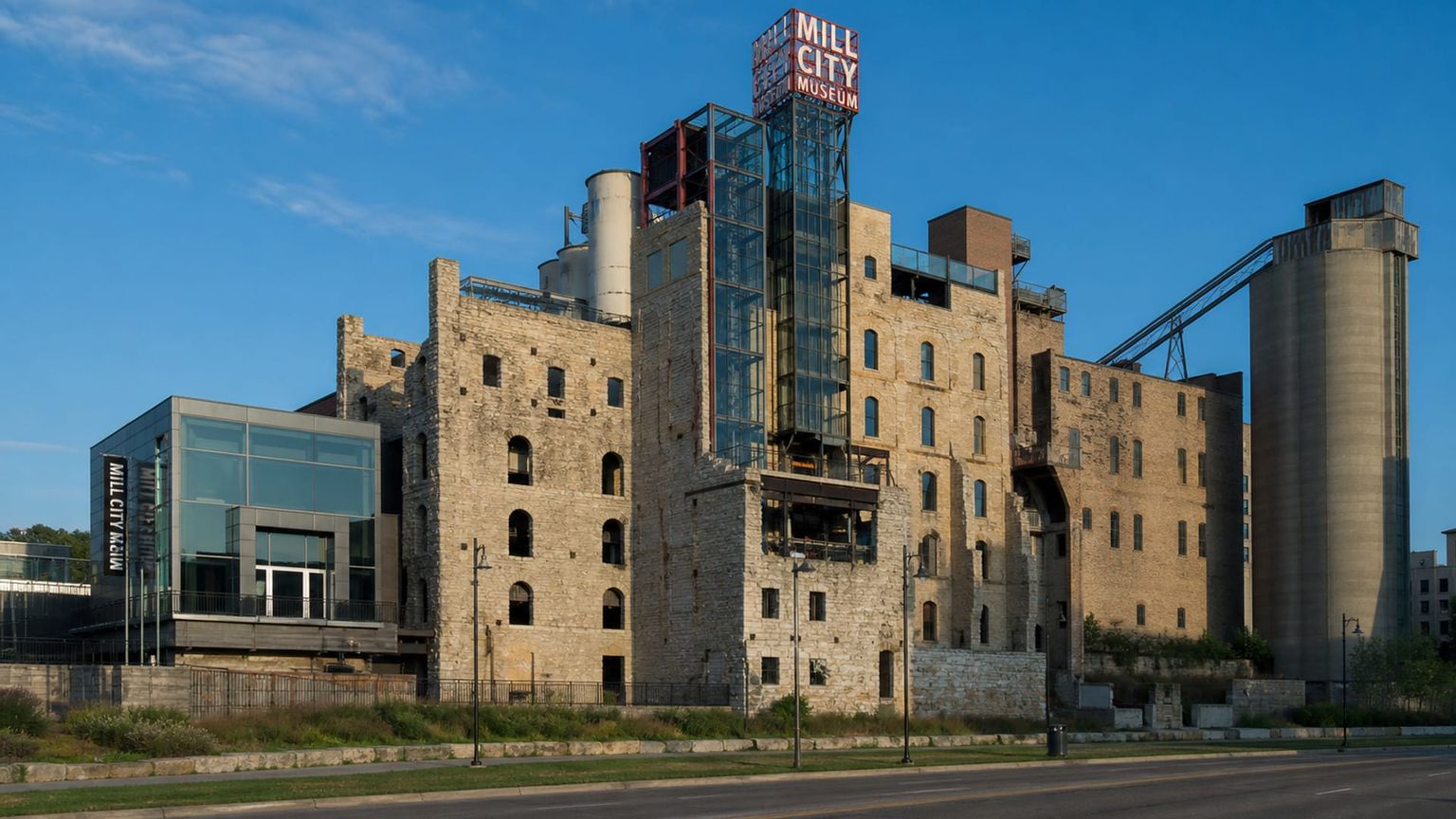
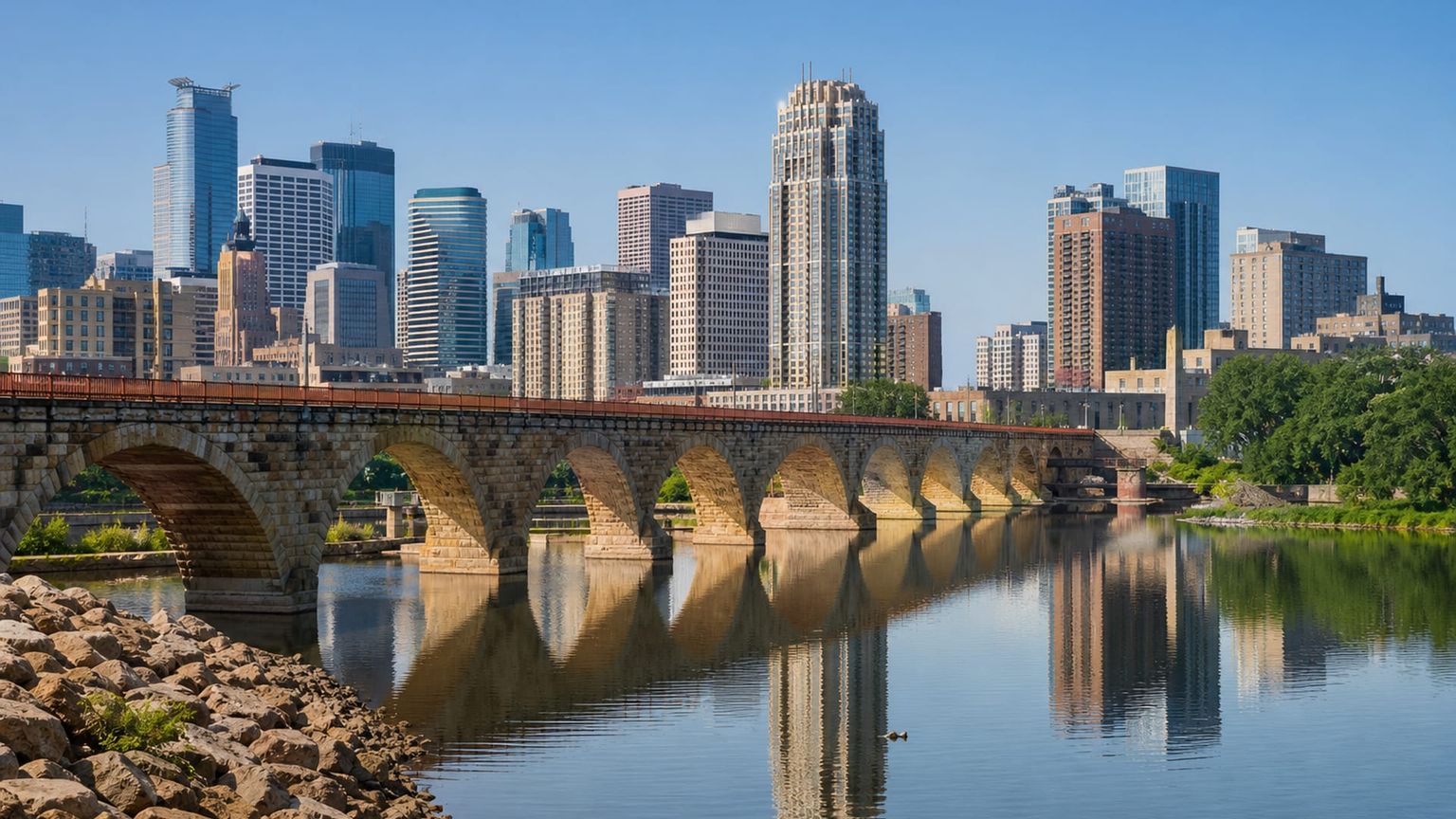
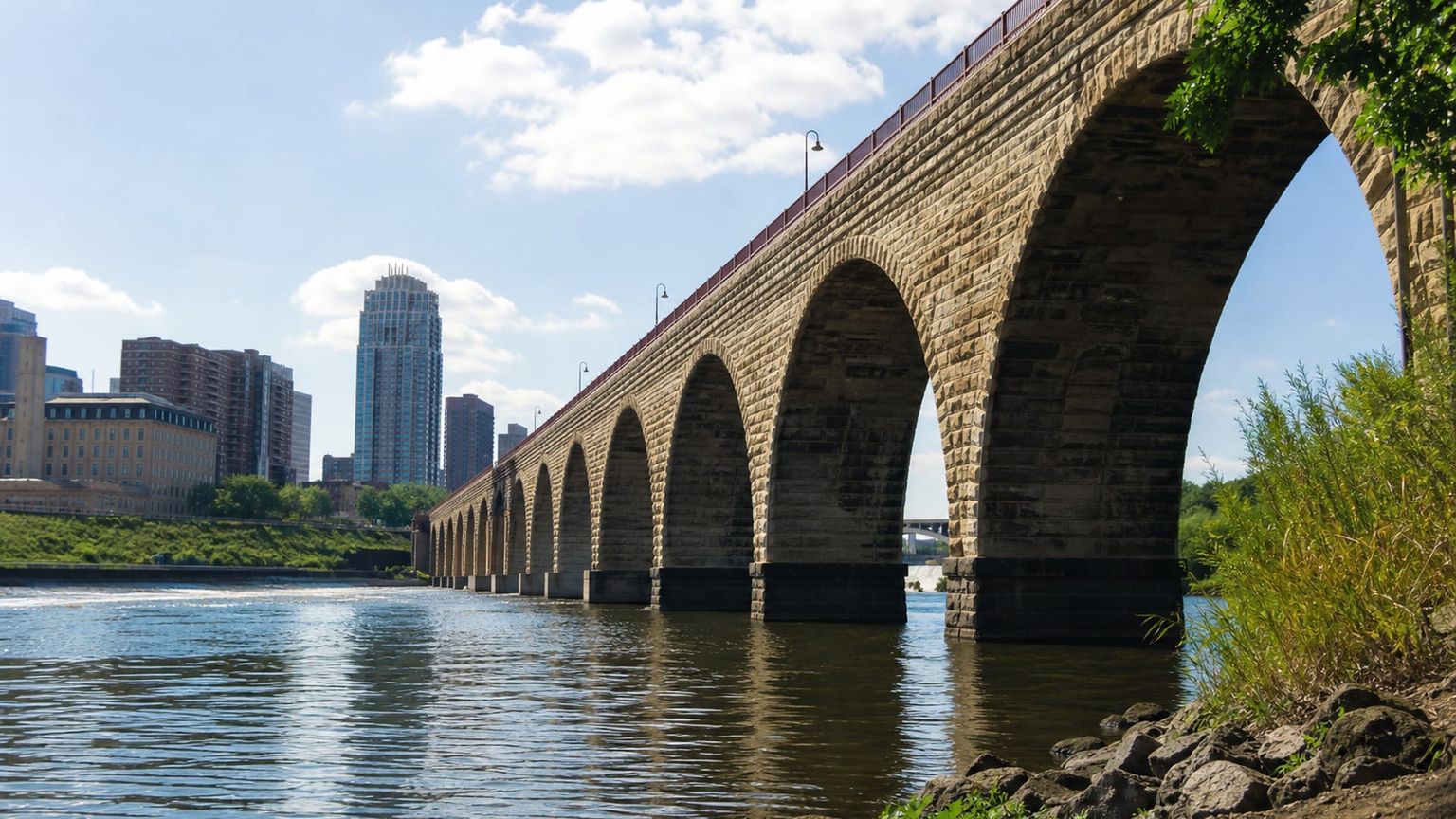
Built into the ruins of the Washburn A Mill on the Mississippi riverfront, Mill City Museum tells the story of Minneapolis flour milling and riverfront industry. The tower platform looks over St. Anthony Falls, the Guthrie Theater, and the Stone Arch Bridge.
Time needed: About 2 hours
Entry: Standard admission costs $16 ($16) for adults, $14 ($14) for seniors, and $10 ($10) for youth ages 5 to 17. Visit the official site for details.
Tip: Visit before sunset if you want the river overlook and bridge views in the best light.
Overlooked sites worth visiting

Minnehaha Falls
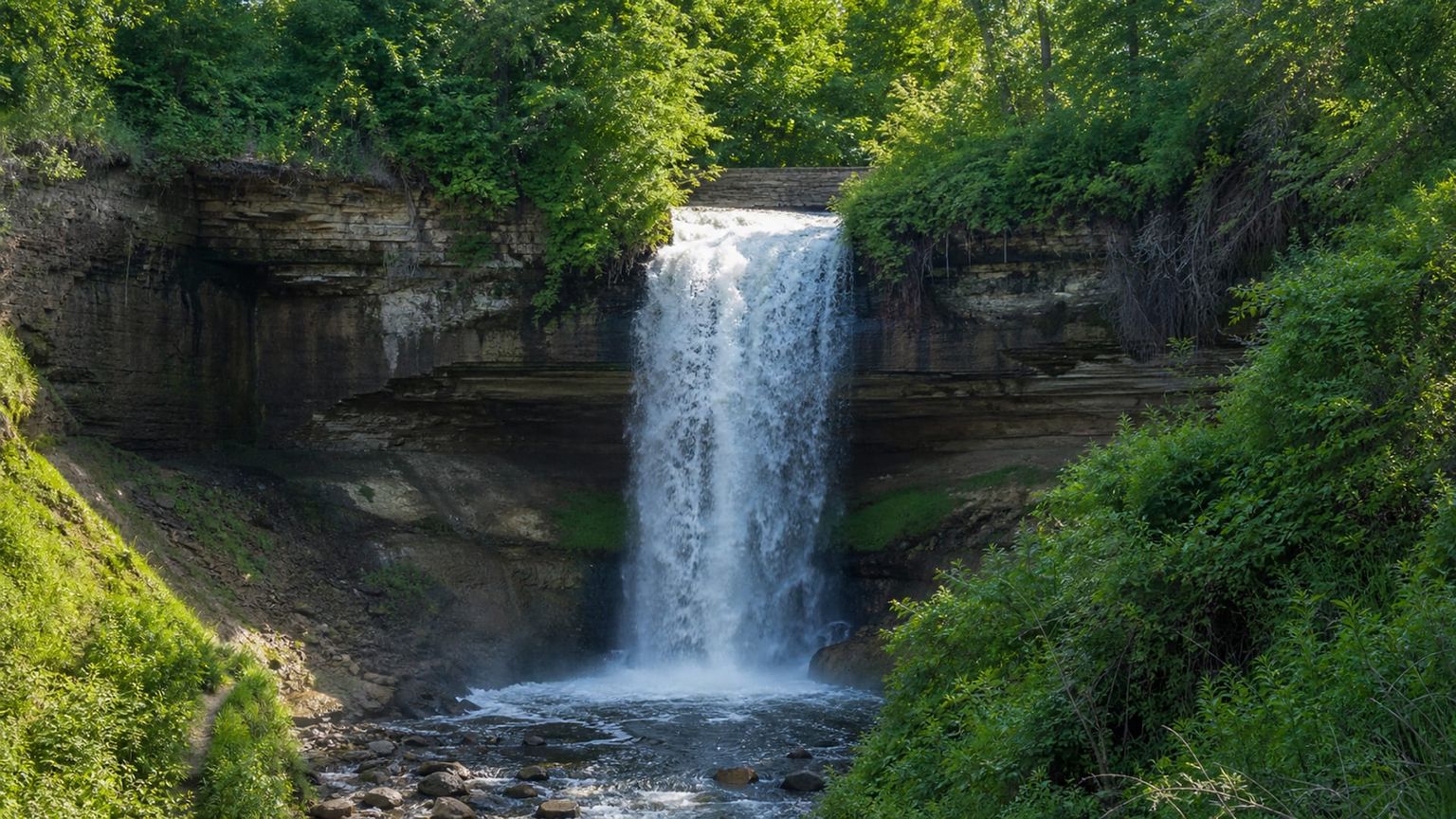
A 53-foot waterfall in a city park, with paved paths, limestone bluffs, and views from both the upper overlook and the lower basin. Trails connect to the river and garden areas.
Time needed: About 1 to 2 hours
Entry: Free to access. The falls and park trails are open year-round, and no admission fee applies for the main overlooks, paths, or picnic areas. Parking can cost at some lots during peak periods, but the site itself does not charge entry.
Tip: Go after recent rain for the fullest water flow.

American Swedish Institute
This mansion museum in Minneapolis’ Whittier neighborhood pairs carved wood interiors with rotating exhibits on Nordic design, craft, and immigrant history. The café and courtyard make it easy to linger.
Time needed: About 1 to 2 hours
Entry: Adult admission is about $15 ($15) and youth, student, senior, and member rates are lower or free on selected days. Tickets cover the historic Turnblad Mansion and current exhibitions; special events and tours can have separate pricing. Visit the official site for details.
Tip: Check exhibition hours, since gallery access can vary by day.
Traditional food
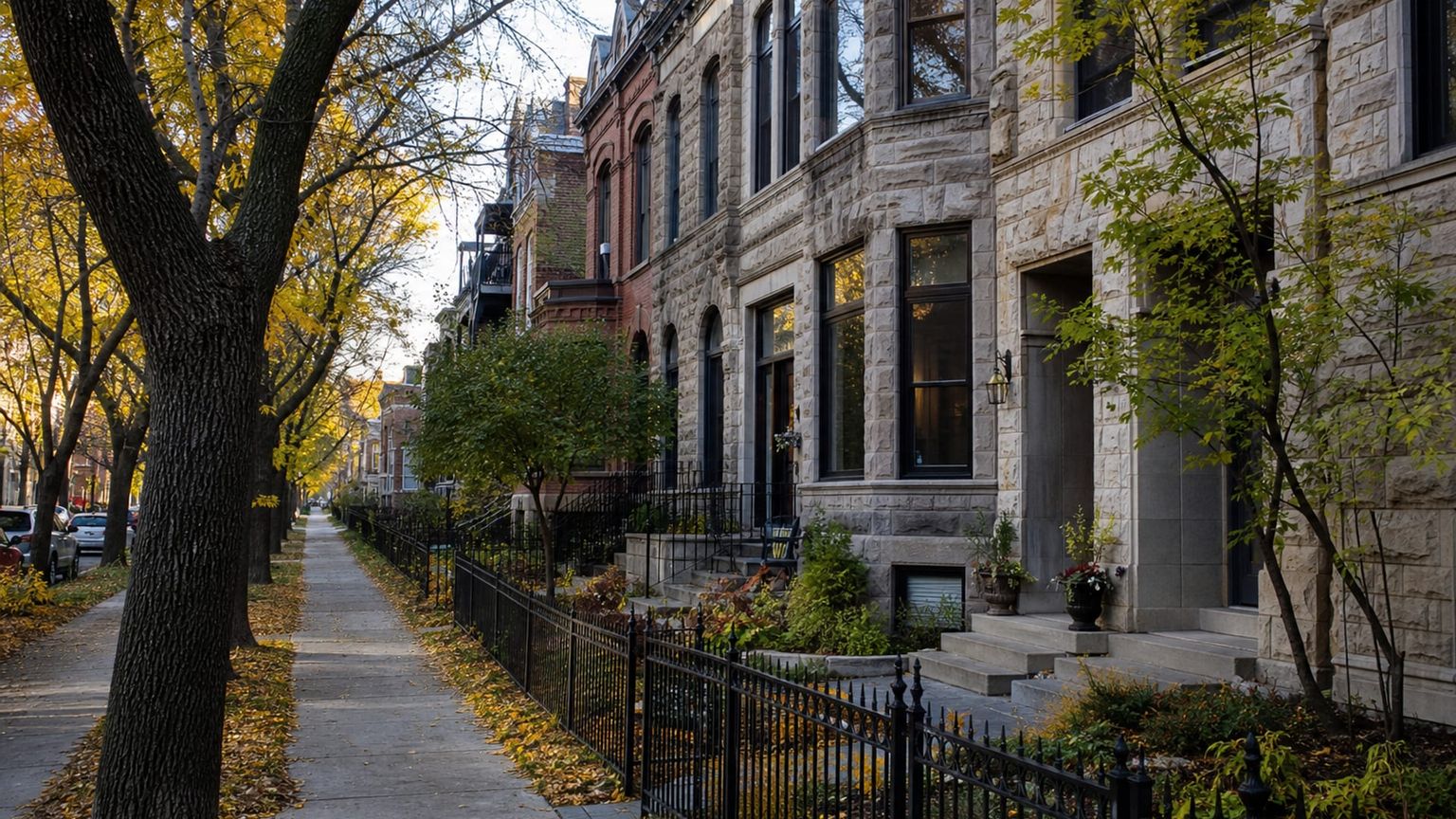
Minneapolis dining leans on Midwestern comfort with clean, seasonal produce, plus dishes like Juicy Lucy, hotdish, wild rice soup, and walleye that show up in both diners and chef-driven rooms.
Juicy Lucy
A cheese-stuffed burger with a molten center, often ordered with fries and a cold drink. Matt’s Bar is the classic Minneapolis stop for it.
Hotdish
This casserole style dish mixes meat, vegetables, and a creamy binder under a baked topping. The Butcher’s Tale serves a polished version in downtown Minneapolis.
Wild rice soup
Creamy soup built around Minnesota wild rice, often with chicken or mushrooms for depth. Hell’s Kitchen is a strong downtown choice for a bowl.
Walleye
A Upper Midwest fish staple, usually pan-seared or fried and paired with potatoes or vegetables. The Craftsman serves a well-known Minneapolis version.
Best time to visit Minneapolis
Minneapolis changes sharply with the seasons, from bright lake days and patio meals to colder months that reward shorter transfers and indoor time.
Best for: Museum visits, river walks, and early patio dining
What you get: About 40-65°F (4-18°C), with lighter crowds before summer events build
Trade-offs: Rain and cold snaps can still interrupt outdoor plans
Best for: Lakes, sculpture garden visits, and long evenings outside
What you get: About 65-85°F (18-29°C), with the busiest crowds near festivals, parks, and stadium dates
Trade-offs: Higher hotel rates and more congestion around popular sights
Best for: Leaf color, comfortable walking, and quieter museum days
What you get: About 35-70°F (2-21°C), with moderate crowds and crisp air by late season
Trade-offs: Daylight shortens quickly once November arrives
Best for: Indoor museums, Skyway-linked stays, and low-key dining
What you get: About 5-30°F (-15 to -1°C), with lighter tourist crowds but heavier weather-related slowdowns
Trade-offs: Cold, snow, and wind make outdoor time brief
A realistic 5-day plan in Minneapolis
A five-day Minneapolis stay works well when you group the city by district instead of crossing town repeatedly. The plan below starts with downtown access, then moves through museums, the riverfront, and the south side before a quieter final day.
Touch down at Minneapolis (MSP), then take a rideshare or taxi into downtown Minneapolis, North Loop, or Loring Park, roughly 15 to 25 minutes depending on traffic and about $25 to $45. If you prefer transit, the Metro Blue Line typically takes about 25 to 35 minutes to downtown and costs about $2 to $2.50, with a bit more if you need a rush-hour fare. Check into a hotel near a Skyway entrance or a light rail stop, then settle in with water and a low-key dinner in Downtown Minneapolis or North Loop, where you can choose an early burger, noodles, or a simple bowl without overplanning the evening.
Start at the Minneapolis Institute of Art, where a morning visit usually gives you about 2 to 3 calm hours with the collection. From there, take a rideshare or bus to the Walker Art Center and Minneapolis Sculpture Garden in about 10 to 15 minutes, then spend 1.5 to 3 hours moving between the galleries and Spoonbridge and Cherry. Finish with a walk or short ride into Loring Park, about 5 to 10 minutes away, for an easy dinner nearby and a slower end to the day.
Begin on the Mississippi riverfront at Mill City Museum, then give yourself about 2 hours for the exhibits and tower platform views over St. Anthony Falls. After that, walk about 10 minutes to the Stone Arch Bridge for photos and river views, then continue another 10 to 15 minutes into the North Loop for lunch or coffee. If you want a longer afternoon, stay in the area for an easy loop along the waterfront before heading back through downtown.
Head south in the morning for Minnehaha Falls, about 25 to 35 minutes by transit from downtown or roughly 20 minutes by rideshare, and plan on 1 to 2 hours for the upper overlook, lower basin, and paved trails. Afterward, continue to the American Swedish Institute in Whittier, about 15 to 20 minutes by transit or 10 to 15 minutes by car, and spend another 1 to 2 hours in the Turnblad Mansion and exhibitions. End in Uptown or back in the Whittier area for dinner, with Bde Maka Ska close enough for a sunset walk if the weather is good.
For a quieter last day, start with one final museum stop at the Walker Art Center if you missed any rooms earlier, or return for a shorter visit before lunch. Then head to the North Loop for shopping, browsing independent boutiques, menswear, and home goods along the warehouse blocks, with Downtown Minneapolis about 10 minutes away by transit if you need a bag drop or a last hotel stop. Finish in a café in Loring Park, where you can sit near the park before heading to Minneapolis (MSP), and keep enough time for the airport ride, which usually takes about 20 to 30 minutes by car or about 35 to 45 minutes by light rail.
Business-class flights from the US to Minneapolis
Flights to Minneapolis usually make the most sense when you compare nonstop time against layover savings, since the airport sits close enough to downtown to keep ground transfer time modest. The two examples below show how East Coast and West Coast itineraries differ.
From New York, Delta Air Lines, Sun Country Airlines, and United Airlines all serve this route, with nonstops taking about 2.5 to 3 hours. If you connect, typical hubs include DTW, ORD, and DEN, and one-stop trips usually run about 4 to 7 hours. Round-trip fares from New York usually start at about $450, while one-stop itineraries can dip closer to $320.
Los Angeles trips are longer, with Delta Air Lines, Sun Country Airlines, United Airlines, and American Airlines offering the main options and nonstops taking about 3.5 to 4 hours. When the nonstop fare stretches, connections often route through DEN, ORD, or PHX, with total travel time about 5 to 8 hours. Round-trip fares often open near $500 and climb to about $900 for higher-flexibility fares.
Minneapolis feels different when you slow down
A good Minneapolis trip ties downtown, Loring Park, the North Loop, and the riverfront into one sequence, with the Blue Line, buses, and short rideshares doing the linking. That structure leaves time for the Minneapolis Institute of Art, the Sculpture Garden, Mill City Museum, and a meal built around local specialties. If you want help shaping the right stay and routing it well, the AranGrant experts can match your plan to the season and neighborhood you prefer







