

Chapters:

Need help with your trip?
Our support team is available 24/7. Request a callback or call us directly at (833) 619-0908
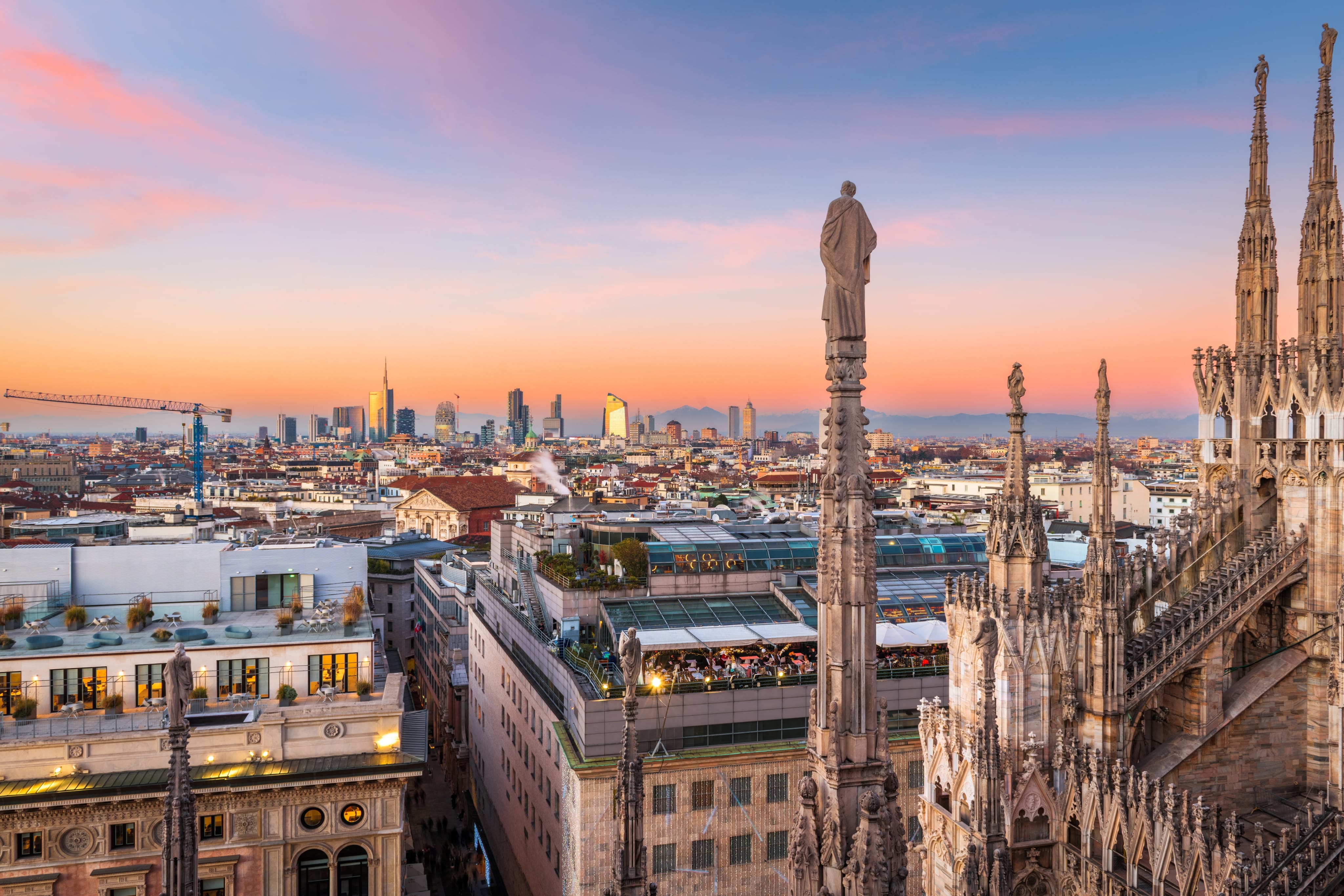
Milan’s Duomo’s Gothic spires and the fashion-week crowds get most of the attention, but this city is also a great place for walking: canal-side bars in Navigli, art-school energy in Brera, and some of the best risotto and ossobuco in Italy. Add a world-class opera house, Leonardo’s Last Supper, and a skyline punctuated by 135 marble spires, and you’ve got a city that rewards a slower, closer look.
This guide breaks Milan down neighborhood by neighborhood, covering where to stay, what to eat, which sights are worth your time, and how to move between it all without wasting a single afternoon.
Useful things to know

Main language(s): Italian
ciao (chow) – hello
per favore (pehr fah-VOH-reh) – please
grazie (GRAHT-see-eh) – thank you
parla inglese? (PAHR-lah een-GLAY-zeh) – Do you speak English?
quanto costa? (KWAN-toh KOH-stah) – How much does it cost?

Currency: Euro (EUR, €)

Cash and cards: You can pay with cards almost everywhere, including contactless, Apple Pay, and Google Pay. Carry €20–€40 ($23–$46) in cash for small cafés, tips, restrooms, and market stalls.

Tipping: Tipping isn’t mandatory in Milan. For sit-down service, round up the bill or leave a 5%–10% tip.

Traditional food: Try risotto alla milanese (saffron risotto with broth), ossobuco alla milanese (braised veal shank with gremolata), and panettone (Christmas sweet bread with candied fruit).

Water and coffee costs: A bottle of water costs €1–€2 ($1–$2.25). You can order an espresso at the bar for €1.30–€1.80 ($1.50–$2), and a cappuccino for €1.80–€3 ($2–$3.40). Prices are higher at tourist-oriented cafés.

Taxis and ride apps: Uber operates in Milan only as Uber Black, the premium tier with licensed drivers. Free Now is the most widely used app for booking a licensed taxi, and Bolt recently launched a citywide service too.

Plug and voltage: Italy uses Type C, F, and L sockets, at 230V.

Dining and shop opening hours: Italians serve a light breakfast between 7:00 and 10:00 am, often a cappuccino and pastry. Lunch is from 12:30 pm to 2:30 pm, and dinner from 7:30 pm to 10:30 pm. Many restaurants close midafternoon.

Emergency number: Dial 112 for any emergency in Italy, whether you need the police, an ambulance, or firefighters.
Where to stay in Milan
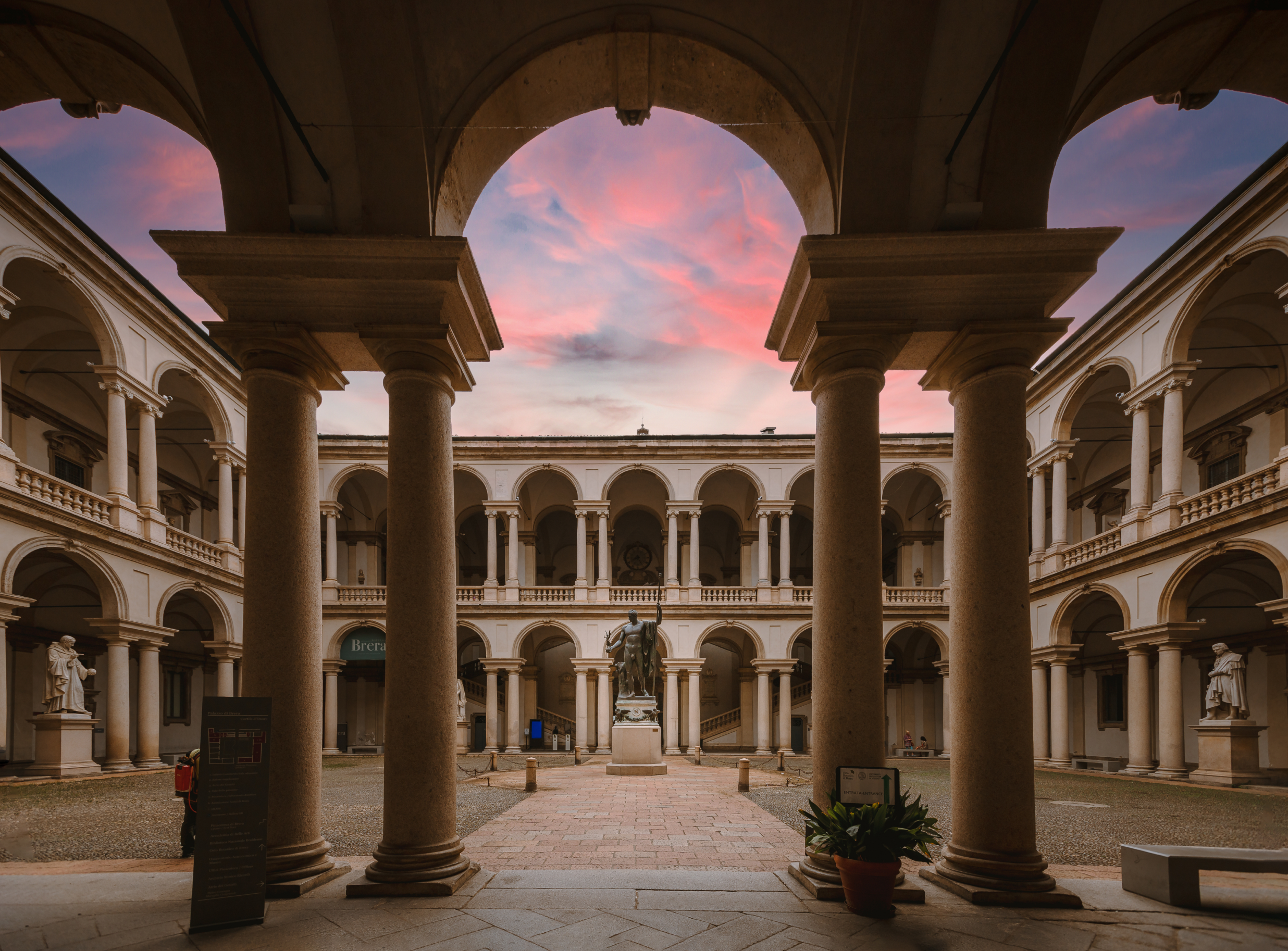
Art galleries, antique stores, and design boutiques line the cobblestone streets around Palazzo Brera, home to a top art academy and the Pinacoteca. Narrow lanes and quiet courtyards give this historic-center neighborhood an old artists’-quarter feel.
Best for: First-time visits, culture, shopping, and romantic evenings
What to expect: Expect cobblestone streets too narrow for cars, small boutique hotels, and a daytime hush that turns lively once aperitivo hour begins.
Hotel prices: Roughly €170–€320 ($194–$365) per night for well-rated stays.
Distance to major sights: About 10 to 15 minutes on foot to the Duomo and the main sights
Quietness: Via Brera and Via Fiori Chiari are lively well into the night with restaurant and bar crowds, but side streets quiet down considerably after dinner.
Main trade-off: Prices are higher, and the busiest lanes get crowded on weekends.
Good to know: No metro station serves Brera directly. The closest stops, Lanza, Cairoli, and Montenapoleone, are each about a five-minute walk away, so plan for that stretch if you’re arriving with luggage.
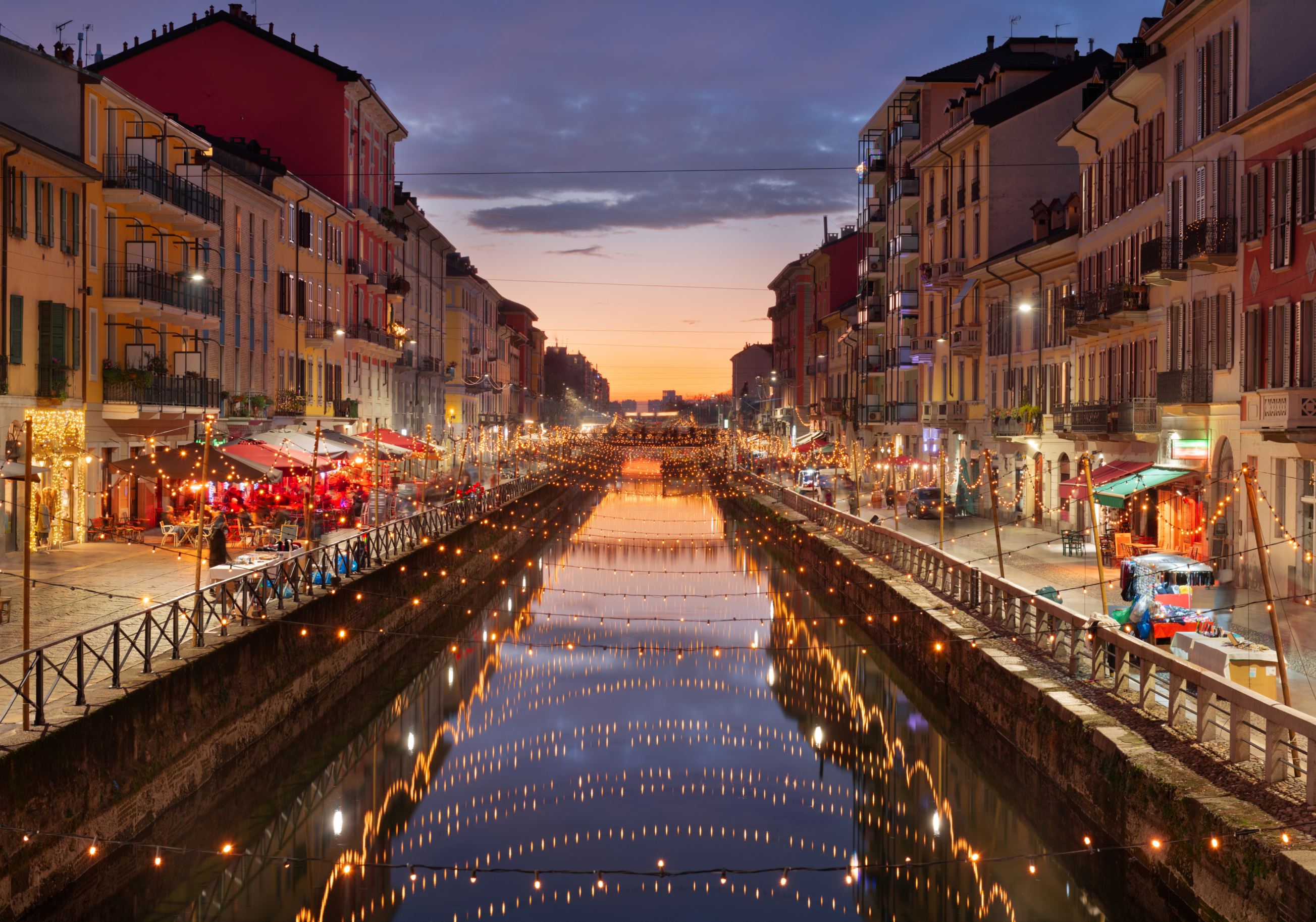
Two canals, the Naviglio Grande and Pavese, frame this district of colorful facades and repurposed warehouses, anchored by the Darsena waterfront promenade. Low-rise streets carry a creative, slightly gritty edge from galleries tucked into old factory spaces.
Best for: Food lovers, nightlife seekers, and casual travelers who want a relaxed atmosphere
What to expect: Expect a lot of bars and trattorias near the canal banks, a young social energy after dark, and small design hotels.
Hotel prices: Expect to pay roughly €130–€240 ($148–$274) a night for a well-rated hotel.
Distance to major sights: About 10 to 20 minutes by metro to the Duomo area.
Quietness: The canal-front near the Darsena is loud until late, especially on Friday and Saturday nights. Streets a few blocks inland quiet down noticeably after 11:00 pm.
Main trade-off: Weekend noise near the canal hub, particularly close to the bars and restaurants along the water
Good to know: On the last Sunday of every month, the Naviglio Grande hosts a large antiques market stretching more than a mile along the canal.
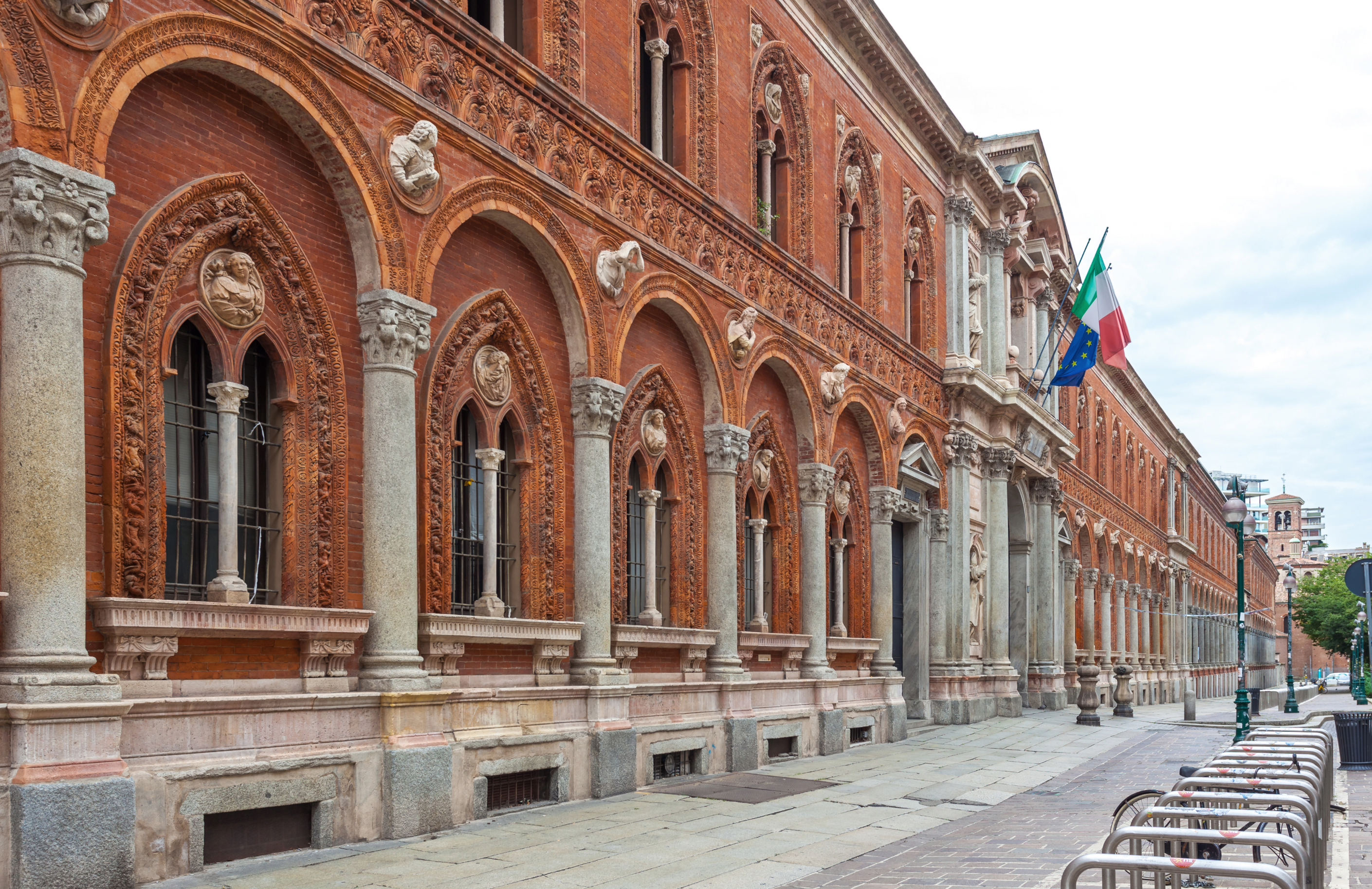
Wide, tree-lined avenues and low apartment blocks give this area a calmer, residential feel. Centered on Politecnico di Milano, it has a university-town energy, with bikes locked along railings and small parks between buildings.
Best for: Budget-conscious travelers, families, and longer-stay visitors
What to expect: Expect affordable trattorias and student bars near Piazza Leonardo da Vinci, plus simple, family-run hotels instead of design properties or chains.
Hotel prices: A well-rated hotel here typically charges €95–€170 ($108–$194) a night.
Distance to major sights: About 15 to 30 minutes by metro to the Duomo and Sforza Castle
Quietness: Streets stay busy with student traffic during the day, and most of the area settles down well before midnight, quieter overall than central neighborhoods even on weekends.
Main trade-off: Fewer historic landmarks and postcard views than the historic core
Good to know: The Casa Museo Boschi Di Stefano, a free apartment museum filled with 20th-century Italian art, is right at the edge of the neighborhood and is an easy stop most visitors miss entirely.
Skip outer areas like San Donato Milanese, Rozzano, Assago, and Quinto Romano, far from the center with long commutes despite some metro access. Also avoid Stazione Centrale’s surroundings, known for feeling unpleasant after dark; stay closer to the Duomo instead.
Hotel deals
How to get around Milan efficiently
Milan is simple to navigate if you mix walking with metro and tram rides, then use taxis only when the route between neighborhoods takes too long by public transport.

Metro
for longer distances
Milan’s metro connects major sights like the Duomo, Sforza Castle, and Porta Venezia. A €2.20 ($2.50) ticket covers one metro ride plus 90 minutes of tram and bus transfers, but you can’t re-enter the metro on the same ticket once you exit.

Bus and tram
for convenience
Trams cover the center, Navigli, and Brera, often passing landmarks you’d miss underground, and run on the same fare and transfer window as the metro. Once the metro shuts down for the night, a separate bus network runs in its place, less frequently but still covering the main routes.

Taxi
for convenience or late hours
Official taxis are white and metered. Expect to pay €10–€25 ($11–$28) for rides inside central Milan, a fixed €104 ($118) from Malpensa, and roughly €30–€35 ($34–$40) from Linate. Stick to the taxi ranks or arrange a hotel pickup, and skip any unsolicited drivers who approach you directly.
*Prices are based on rates updated as of June 2026 and may change at the time of travel.
Use the metro for fast cross-city hops, trams for short scenic rides, and taxis when you need to carry heavy luggage or move after the metro stops running.
Iconic landmarks
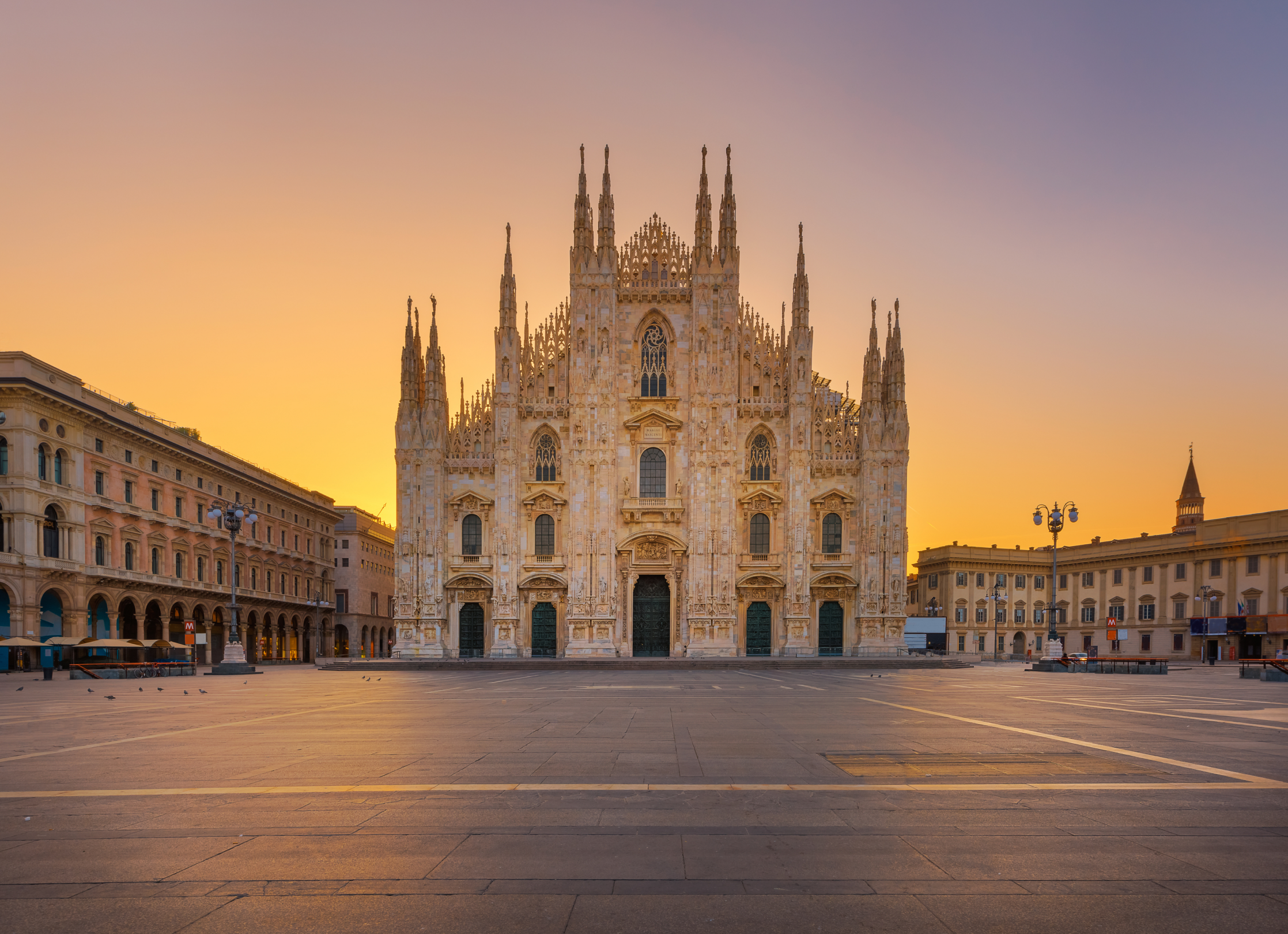
Duomo di Milano (Cathedral of Milan)
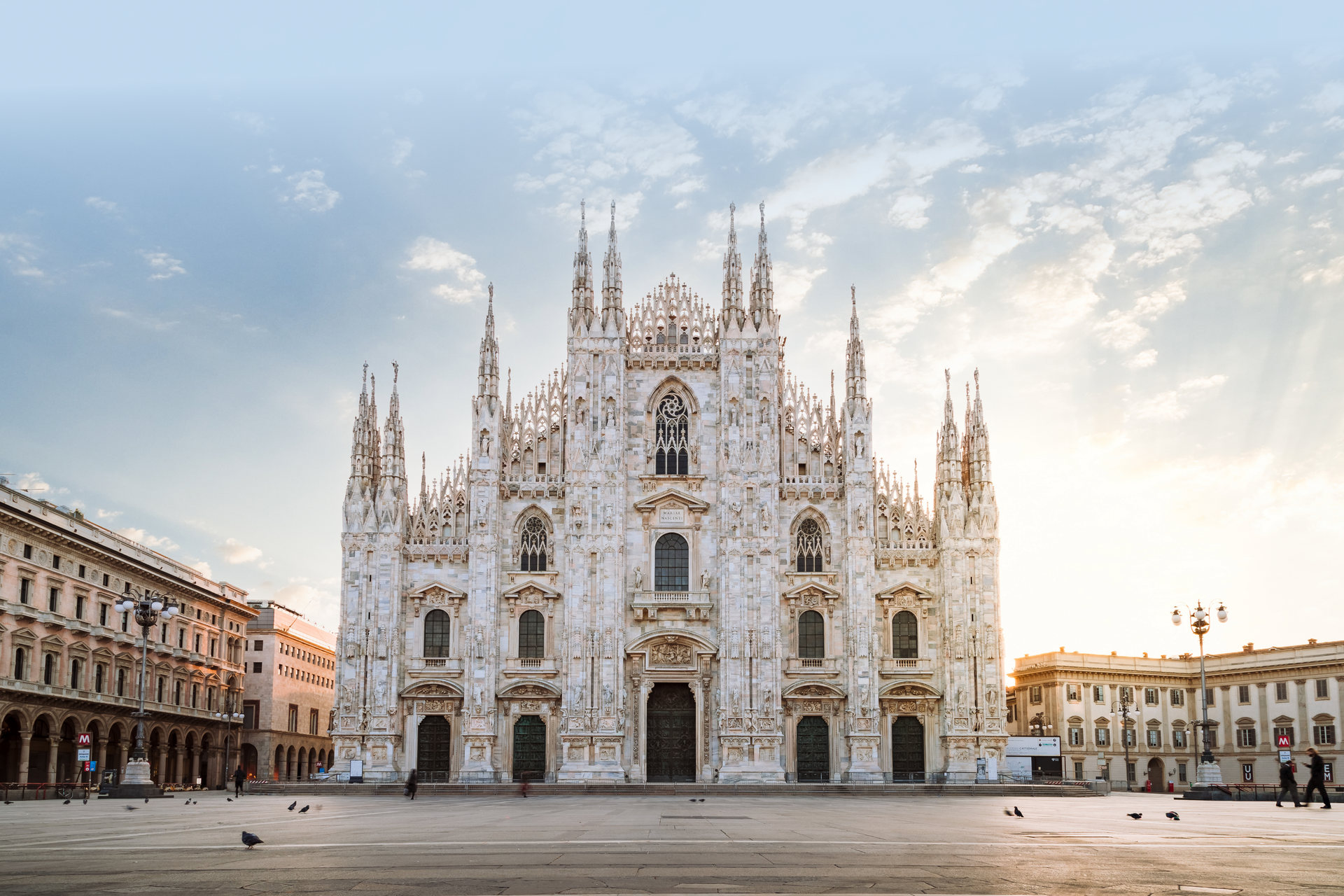
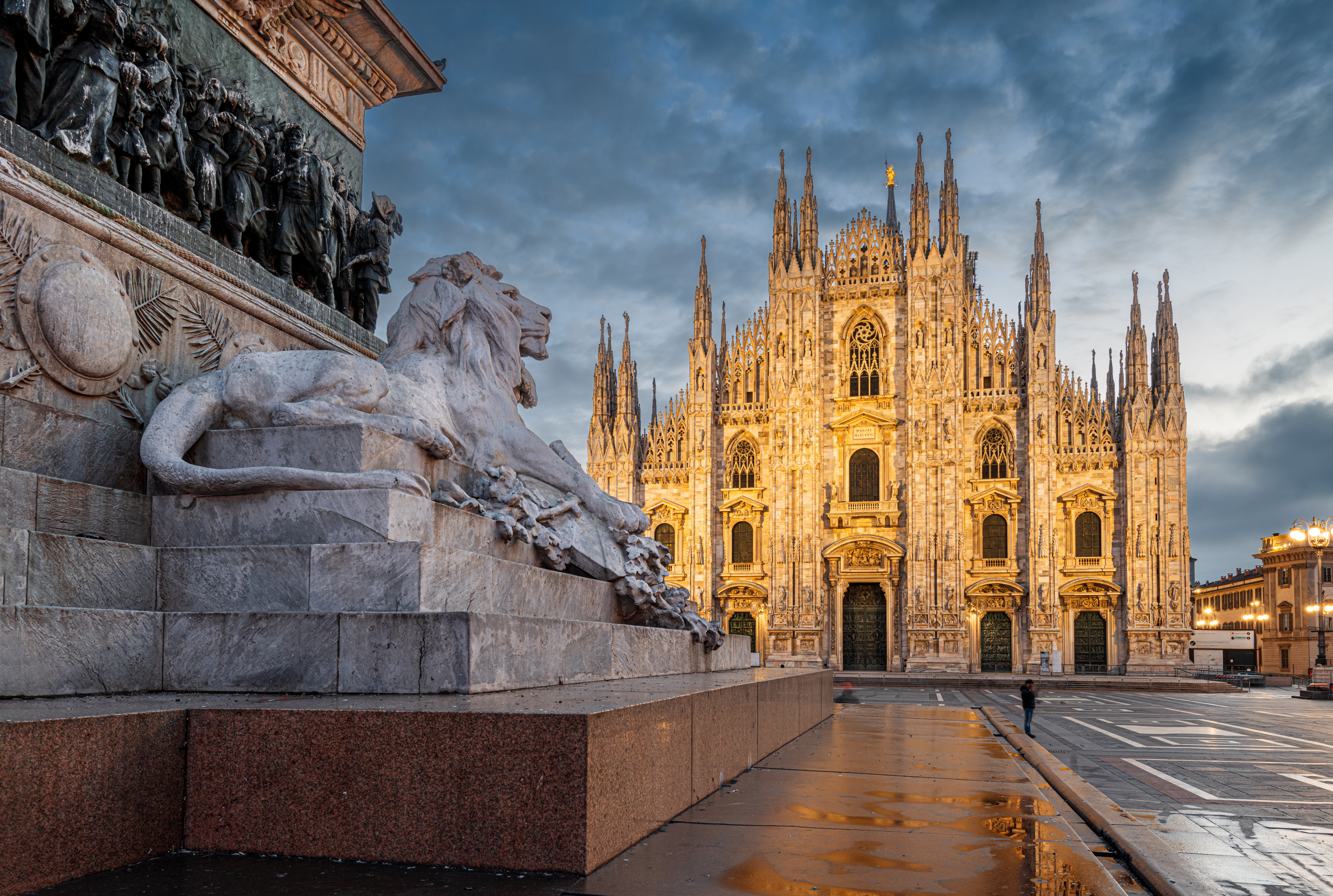
Built over six centuries, Milan’s cathedral bristles with 135 marble spires and thousands of carved figures outside. Inside, soaring columns and dim stained-glass light create an entirely different, hushed atmosphere.
Time needed: About 2 to 3 hours
Entry: Prices vary from €16 ($18) for rooftop-only access to €32 ($37) for combined cathedral, terrace, and fast-track options. Visit the official site for details.
Tip: Book rooftop or skip-the-line tickets early, especially in spring and summer.
Galleria Vittorio Emanuele II
Built in the 1860s as a cross-shaped arcade of iron and glass, this passage links Piazza del Duomo to Piazza della Scala beneath a dome mosaicked with the four continents, earning it the nickname “the city’s living room.”
Time needed: Most visits take 45 minutes to 1 hour.
Entry: Free to enter Visit the official site for details.
Tip: Visit late morning or early evening for softer light and fewer tour groups.
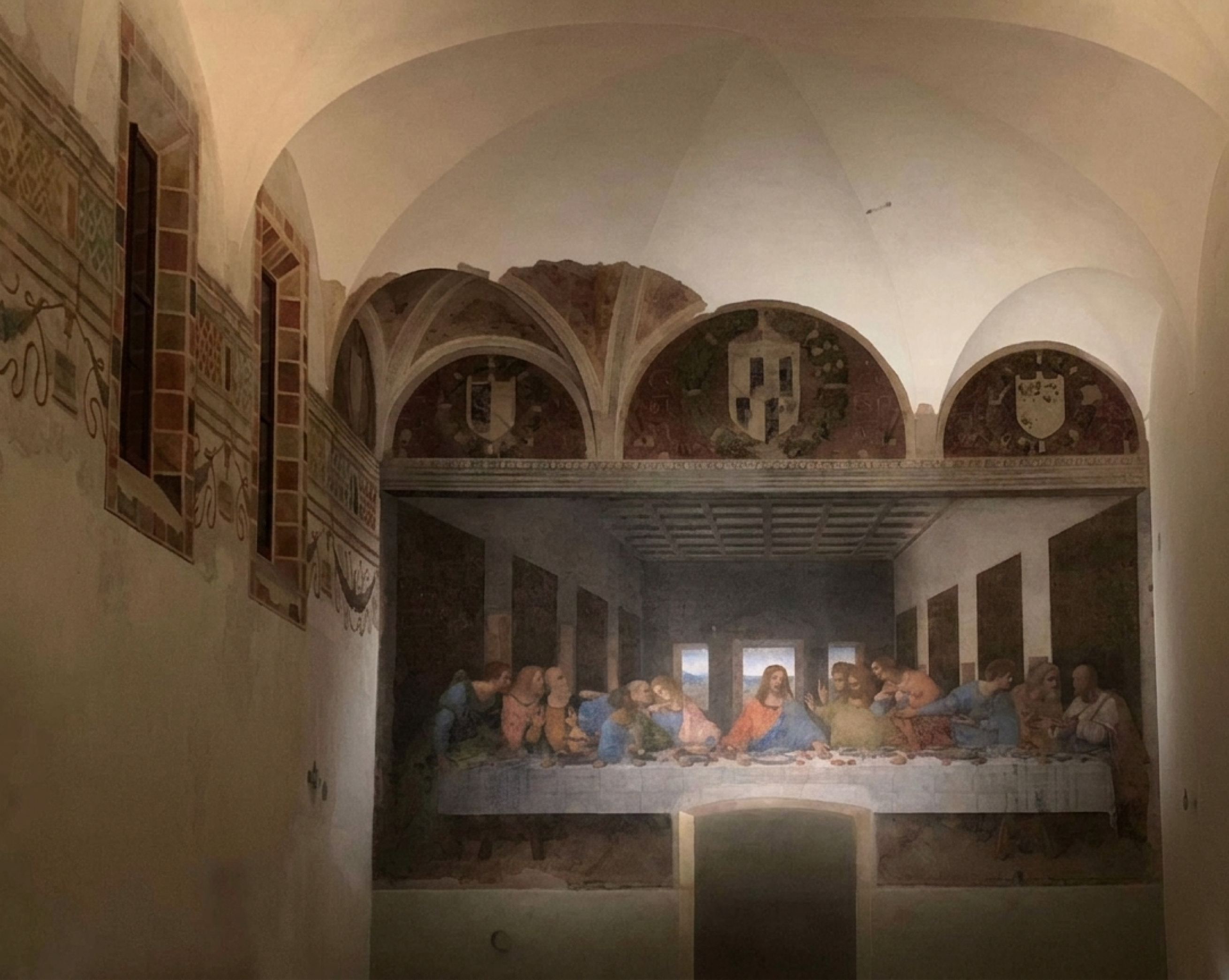
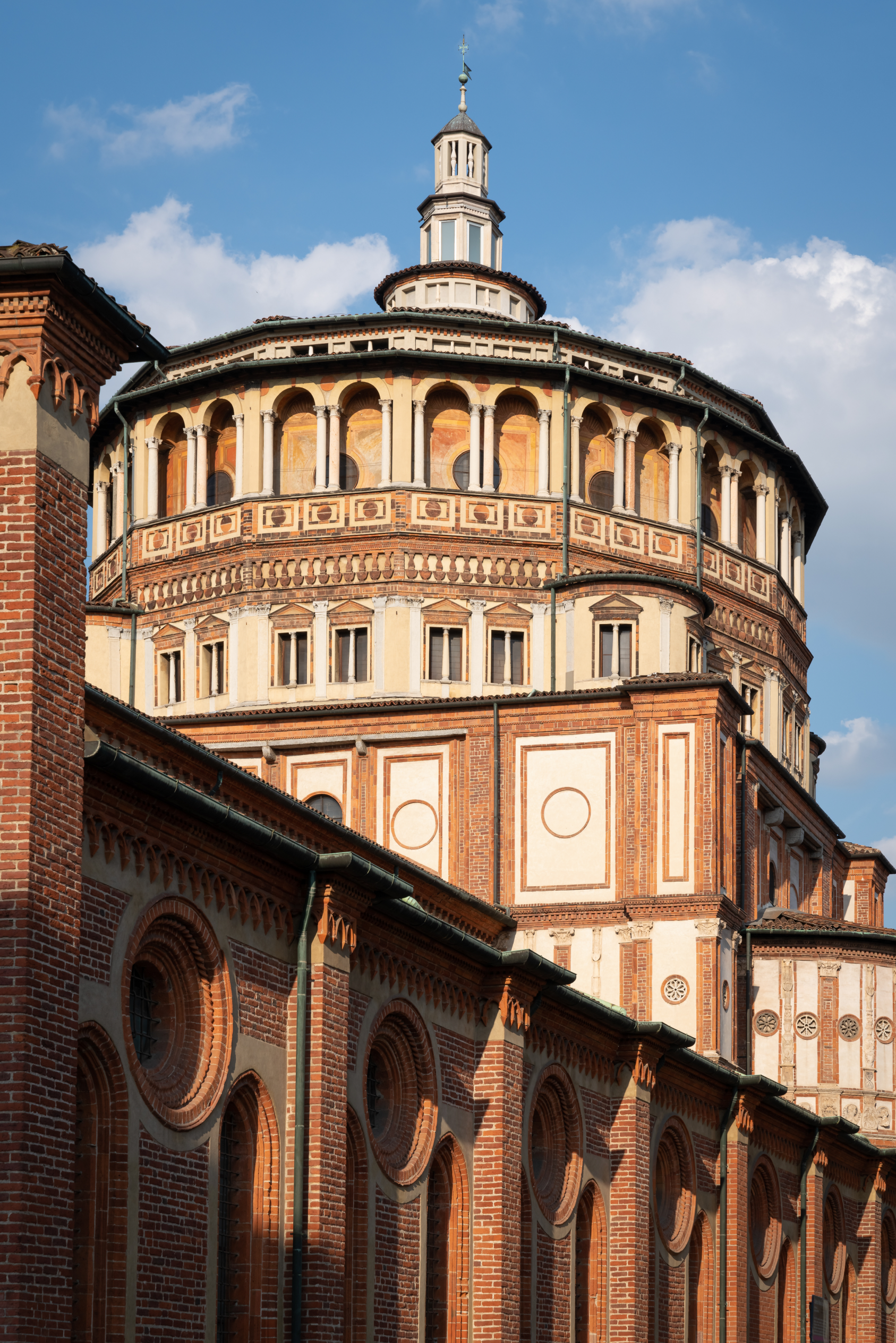
The Last Supper (Cenacolo Vinciano) at Santa Maria delle Grazie
Housed in the refectory of Santa Maria delle Grazie, this mural took Da Vinci three years to complete, capturing the apostles’ shock as Christ reveals a betrayer among them. Its experimental technique makes it remarkably fragile.
Time needed: 15 minutes for viewing, and about 30 minutes for check-in beforehand
Entry: Standard tickets cost €15 ($17), while guided tours start at €24 ($28). Visit the official site for details.
Tip: Book months ahead. Tickets release quarterly and often sell out quickly.
Overlooked sites worth visiting

Basilica di Sant’Eustorgio
Founded in the 4th century, this red-brick basilica once held relics of the Three Magi, marked by a star atop its bell tower. Its Portinari Chapel houses Renaissance frescoes and the tomb of Saint Peter Martyr.
Time needed: About 1 to 2 hours
Entry: The main church is free; entry to the Portinari Chapel and museum costs €6 ($7).
Tip: Visit it midafternoon for fewer crowds and softer interior light.
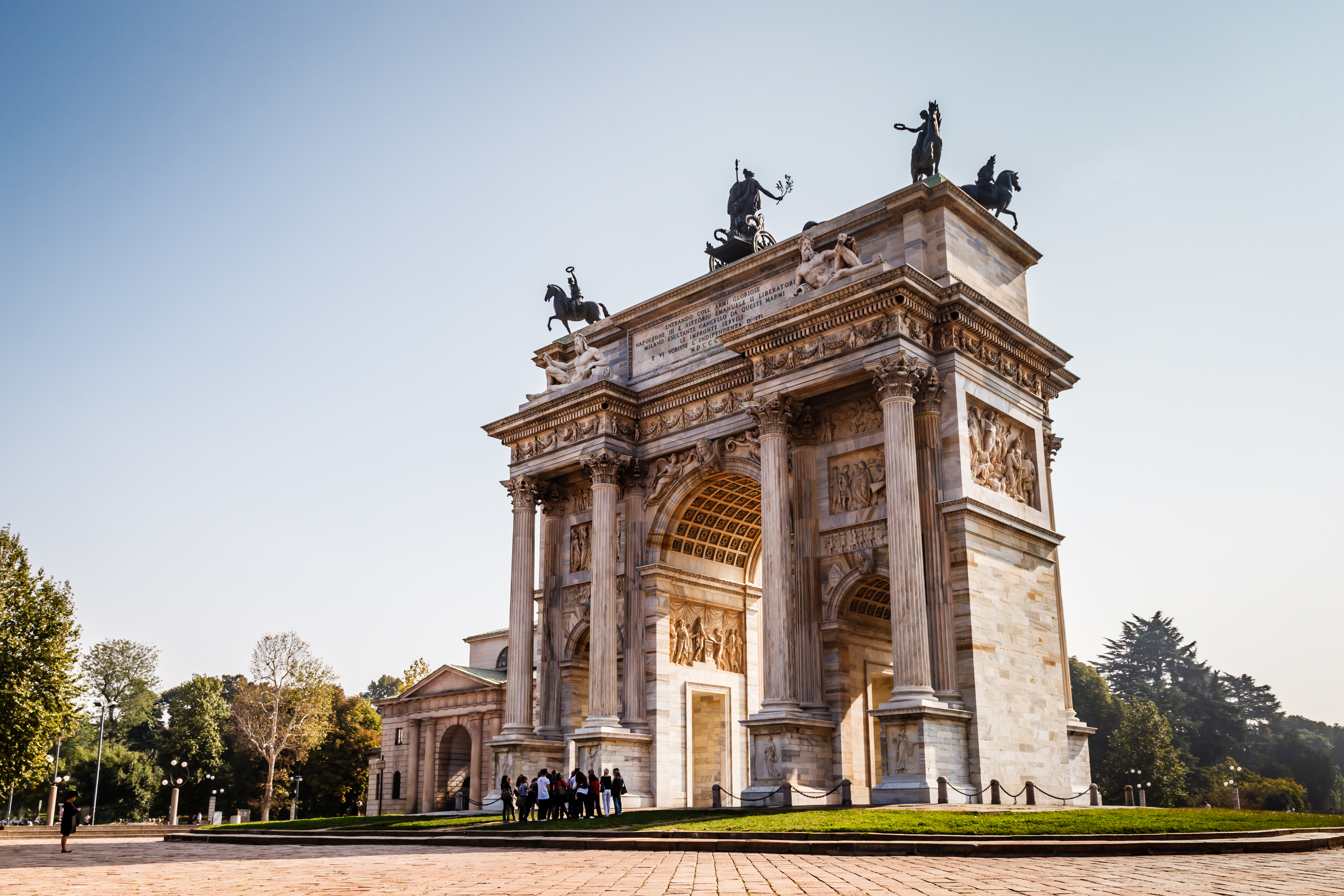
Parco Sempione (with the Sforza Castle grounds)
Laid out in the 1890s behind Sforza Castle, this English-style park has winding paths, open lawns, and a pond crossed by Ponte delle Sirenette. At its far end stands the Arco della Pace, a Napoleonic-era arch.
Time needed: About 1 hour
Entry: Free to access the park grounds; some attractions inside charge separate fees. Visit the official site for details.
Tip: Try an early weekday morning walk for the quietest atmosphere.
Traditional food
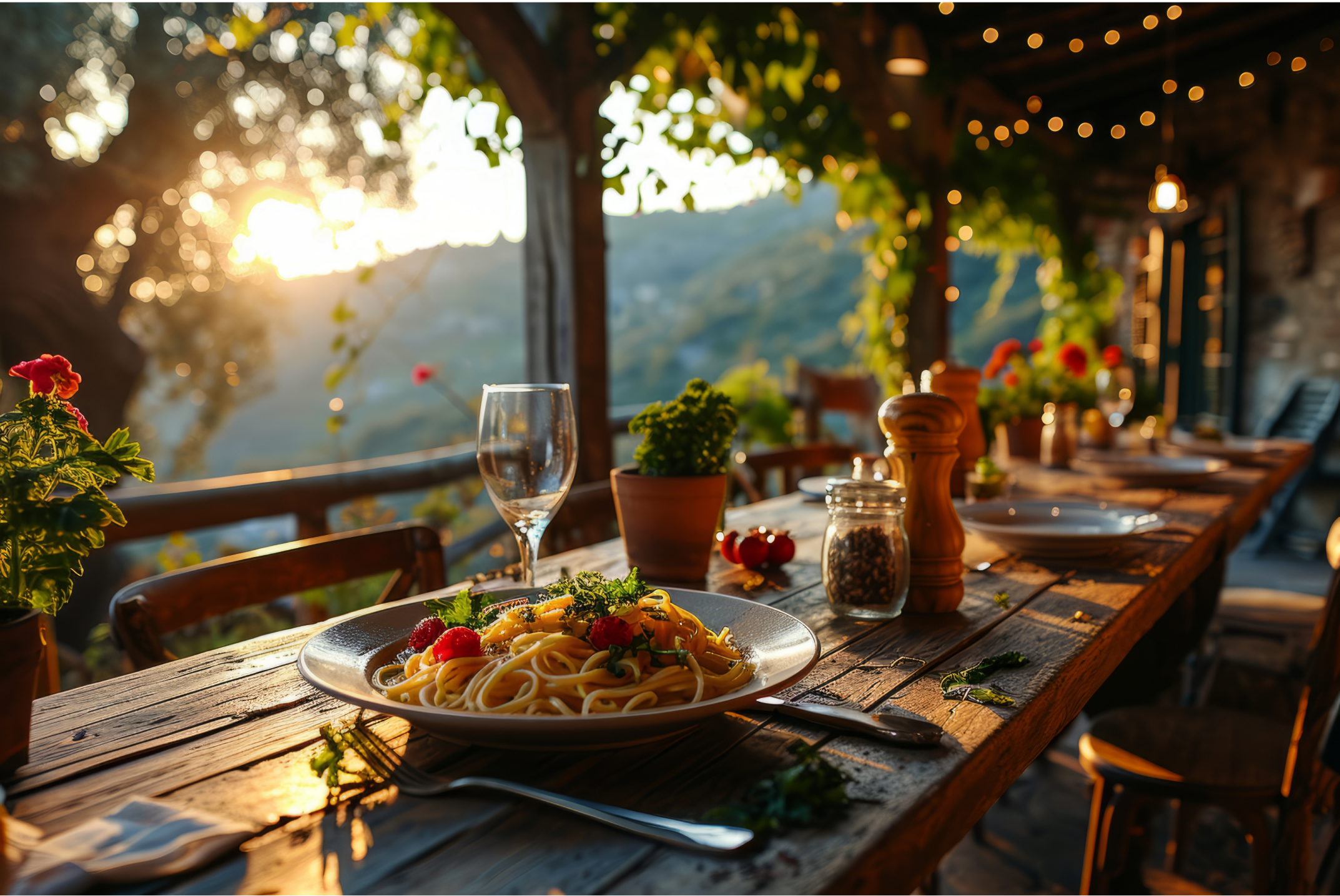
Milan’s cuisine leans on butter, rice, and veal, with saffron risotto, slow-braised meats, and buttery pastries built for cold winters and long lunches.
Risotto alla milanese
This saffron risotto, creamy with broth and butter, is the city’s signature first course. Try it at Cracco in Galleria, right in the center of town.
Ossobuco alla milanese
Braised veal shank with gremolata is one of Milan’s classic comforting dishes, usually paired with risotto. Trattoria Milanese does a classic version worth seeking out.
Panettone
This festive sweet bread with candied fruit is Milan’s best-known holiday specialty, a Christmas staple across the city. Marchesi has been baking it since the pastry shop opened its doors in 1824.
Cotoletta alla milanese
This breaded veal cutlet, crisp outside and tender inside, is another unmistakable Milanese classic. Head to Ratanà for a modern take on it.
Best time to visit Milan
Milan is pleasant year-round, but spring and autumn hit the sweet spot: clear skies for sightseeing, thinner crowds, and weather mild enough for a full day on foot.
Best for: Mild weather, flowering parks, and pleasant walking between landmarks
What you get: Temperatures usually range from 43°F to 72°F (6°C to 22°C), with moderate crowds outside peak holiday periods.
Trade-offs: Rain can interrupt a full day outdoors.
Best for: Long daylight, outdoor dinners, and late-evening neighborhood time
What you get: Temperatures usually range from 66°F to 88°F (19°C to 31°C), with heavier crowds around major sights and shopping areas.
Trade-offs: Heat and humidity can make midday sightseeing tiring.
Best for: Comfortable sightseeing, mild evenings for outdoor drinks, and calmer museum days
What you get: Temperatures usually range from 45°F to 76°F (7°C to 24°C), with moderate crowds and fewer tourists than peak summer months.
Trade-offs: Some days might be cool and damp.
Best for: Quiet museum visits, festive streets, and holiday food
What you get: Temperatures usually range from 34°F to 48°F (1°C to 9°C), with small crowds except around Christmas and sales periods.
Trade-offs: Short days and cold weather reduce time for outdoor wandering.
A realistic 5-day plan in Milan
For five days in Milan, plan by area first: pair major sights with nearby neighborhoods, and use the metro or tram only when the next part of the day is farther away.
Land at Malpensa Airport (MXP), take the Malpensa Express or a taxi into the city, and head straight to your hotel. Keep the rest of the day light: unpack, settle in, and take a short walk around your neighborhood, whether that’s Brera, Navigli, or Città Studi, to get your bearings before the busier days ahead.
Start at the Duomo, enjoy the cathedral’s spires and rooftop terraces in the morning. Spend 2 to 3 hours here, then walk straight into the Galleria Vittorio Emanuele II next door for photos, coffee, and a stroll toward Piazza della Scala. If you still have energy in the evening, head to Brera for aperitivo and dinner among its galleries and narrow streets.
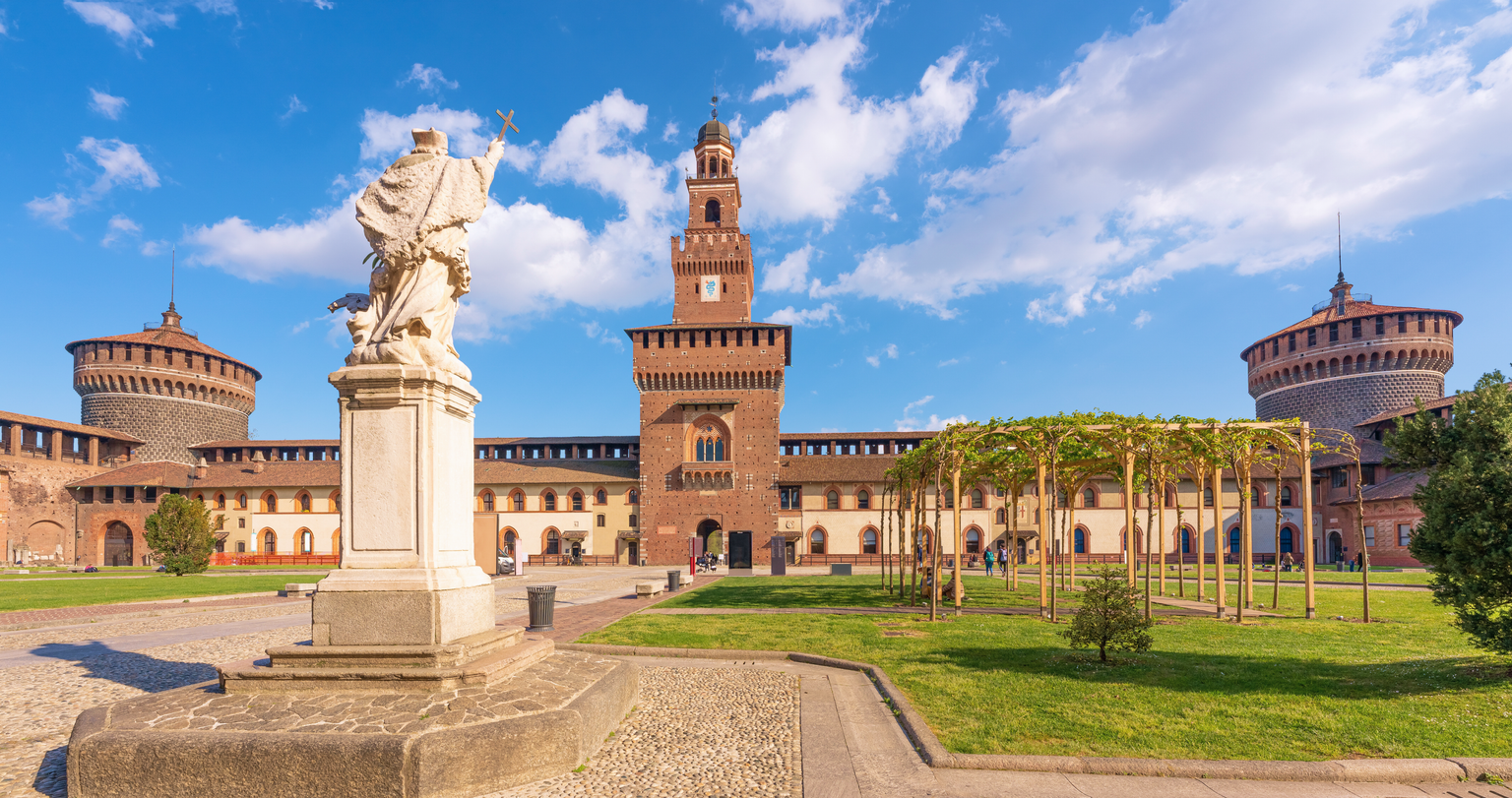
Book your Last Supper time slot for the morning, since the viewing itself is short and the surrounding area rewards a longer visit. From Santa Maria delle Grazie, walk toward Sforza Castle and continue into Parco Sempione for an open-air break among its paths and the Arco della Pace. End the day back in Brera, or wherever you’re staying, for dinner.
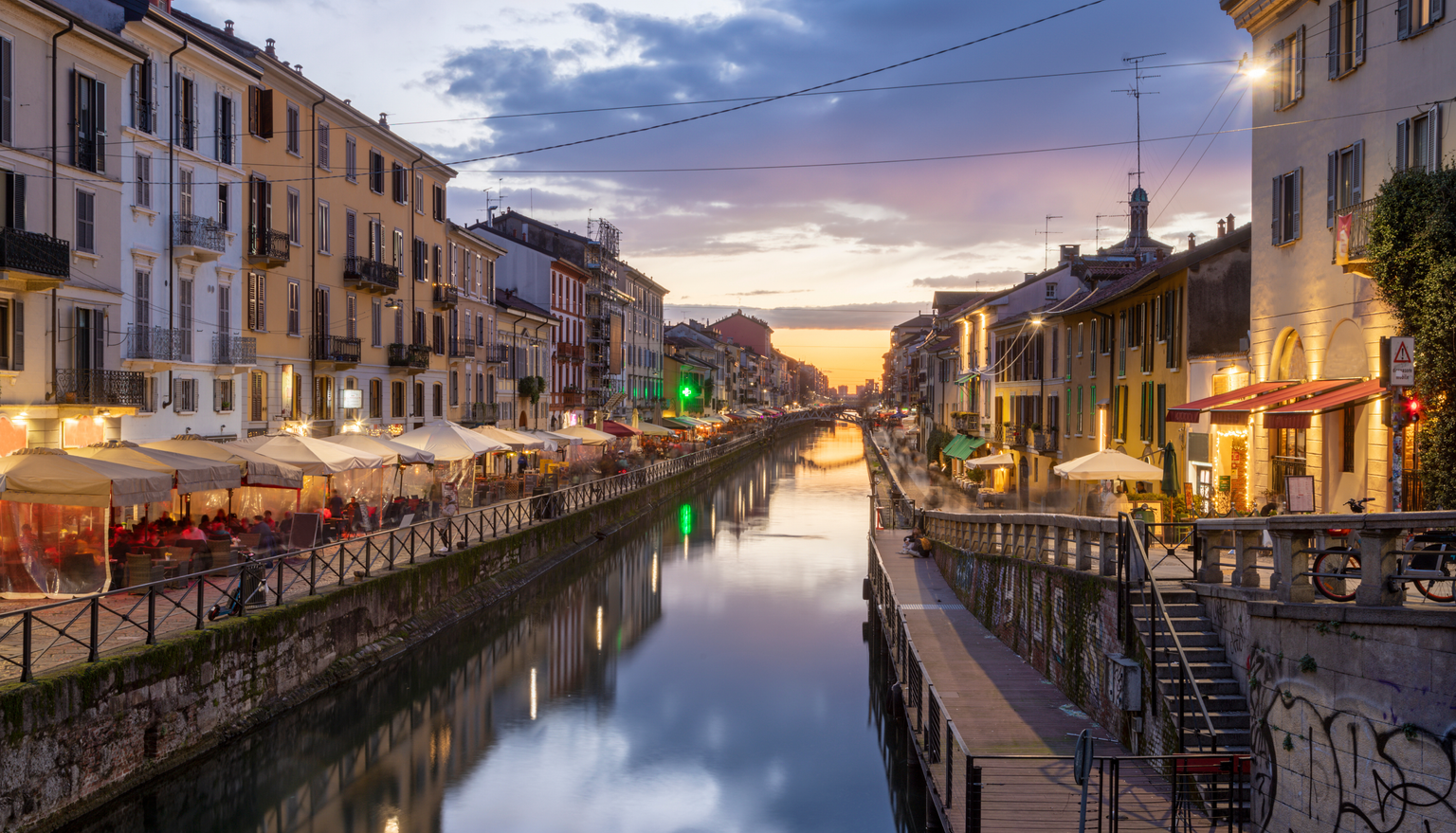
Spend the morning at Basilica di Sant’Eustorgio, a quiet historical stop near the canals, then walk toward the Darsena and the Navigli canal paths. Let the afternoon stretch into an aperitivo hour along the water, when the neighborhood’s bars and restaurants fill up, and the canal-side energy picks up for the evening.
Keep the final day open for shopping, a relaxed brunch, or any sight you missed earlier in the week. If your hotel is near Porta Venezia, its parks and cafés make for an easy, unhurried morning before departure. Leave enough time to pack your luggage, enjoy a last espresso, and transfer back to the airport or train station.
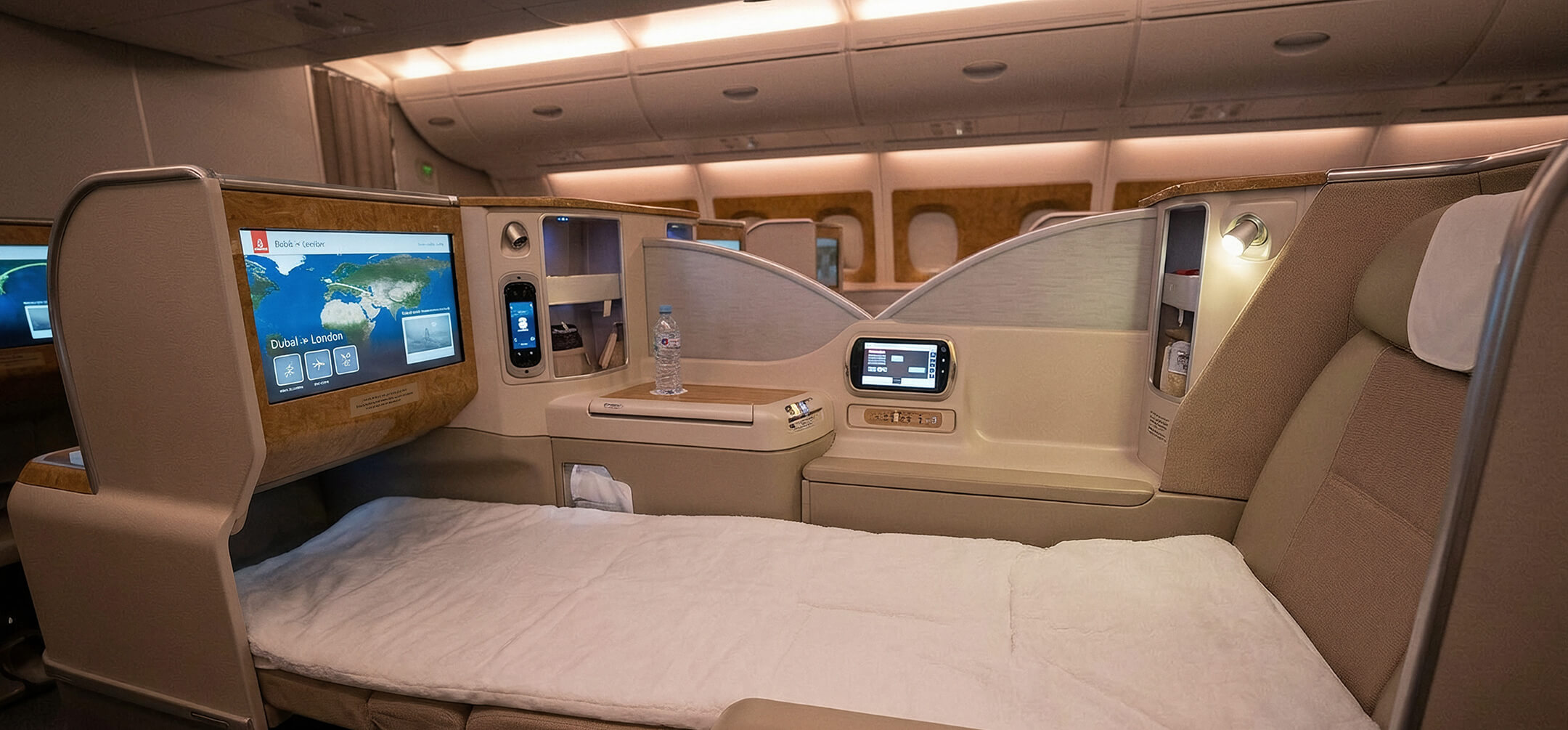
Business-class flights from the US to Milan
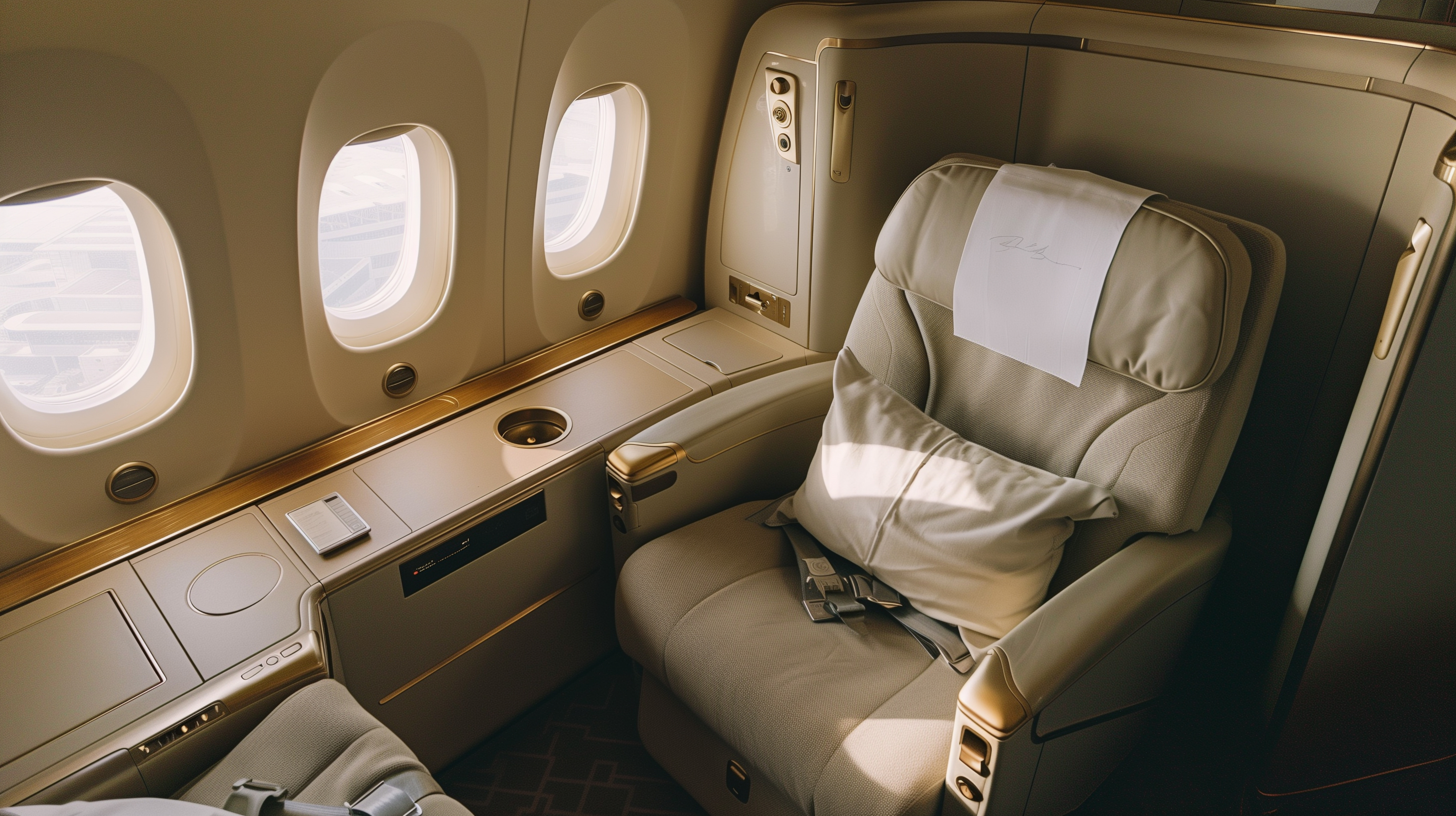
You can reach Milan in business class from many major US hubs. The examples below show how typical 2026 options differ between East Coast and West Coast departures.
New York (JFK) to Milan (MXP)
American Airlines operates a nonstop flight from New York (JFK) to Milan (MXP), covering the route in just 8 hours. Round-trip business-class fares usually start at $3,400 and can rise to $12,000 for last-minute bookings. Alternatively, if you do not mind a layover, you can opt for a flight to Milan with TAP Air Portugal, with a layover in Lisbon (LIS). The journey will last approximately 12 hours, with prices starting from $3,500 and rising to $5,700 for last-minute bookings.
Los Angeles (LAX) to Milan (MXP)
Condor flies from Los Angeles (LAX) to Milan (MXP) through Frankfurt (FRA), with a total trip time of roughly 14 hours. For this route, fares start around $3,100 and can climb to $7,500 when your departure is close. You can also choose a flight with SWISS, which reaches Milan in the same 14 hours, with a stop in Zürich (ZRH). Prices are usually slightly higher at the lower range, starting with $3,600, but often reach $6,000 when you book close to your departure dates, making it a solid choice for eleventh-hour trips.
Milan, one neighborhood at a time
The best trips to Milan aren’t about cramming in more sights; they are about giving each one room to breathe. Cluster your days by neighborhood, book your timed entries ahead, and let the metro and trams do the heavy lifting between stops. Do that, and the city stops feeling like a checklist and starts feeling like a destination. If you are planning your trip to Milan, our AranGrant experts can help you review routes, book hotels, and shape a trip that feels balanced from arrival to departure.