

Chapters:

Need help with your trip?
Our support team is available 24/7. Request a callback or call us directly at (833) 619-0908
Miami trips often start with the same outline, a beach hotel, a few landmark stops, then long rides across the causeway or back toward the airport. Travelers usually miss how much time disappears between neighborhoods, and how much the city changes once you leave the waterfront.
Brickell, Wynwood, Coconut Grove, Coral Gables, and Miami Beach sit close on a map, yet traffic, parking, and peak-hour crossings make simple plans stretch. A day that looks compact can easily turn into a series of timed transfers and late meals.
This guide keeps the city in a tighter order, pairing each area with the right visit window, transit mode, and meal stop so the trip stays anchored in actual distances instead of wishful pacing.
Useful things to know

Main language(s): English

Currency: The local currency is the US dollar (USD, $).

Cash and cards: Cards and contactless are widely accepted; keep about $20 to $40 in cash for small tips and incidental purchases.

Tipping: Add 18% to 20% at sit-down restaurants; round up small tabs and tip taxi drivers about 10%.

Traditional food: Cuban sandwich, ropa vieja, stone crab claws, key lime pie

Water and coffee costs: Water ~ $2 to $4, bar espresso ~ $4 to $6.

Taxis and ride apps: Uber and Lyft operate here; confirm pickup zones at Miami International Airport (MIA).

Plug and voltage: Type A/B socket, 120V

Dining and shop opening hours: Breakfast is about 07:00-10:00, lunch 12:00-14:30, and dinner 18:00-22:00. Many kitchens stay open late in South Beach and Brickell.

Emergency number: 911 for police, fire, and medical emergencies.
Where to stay in Miami
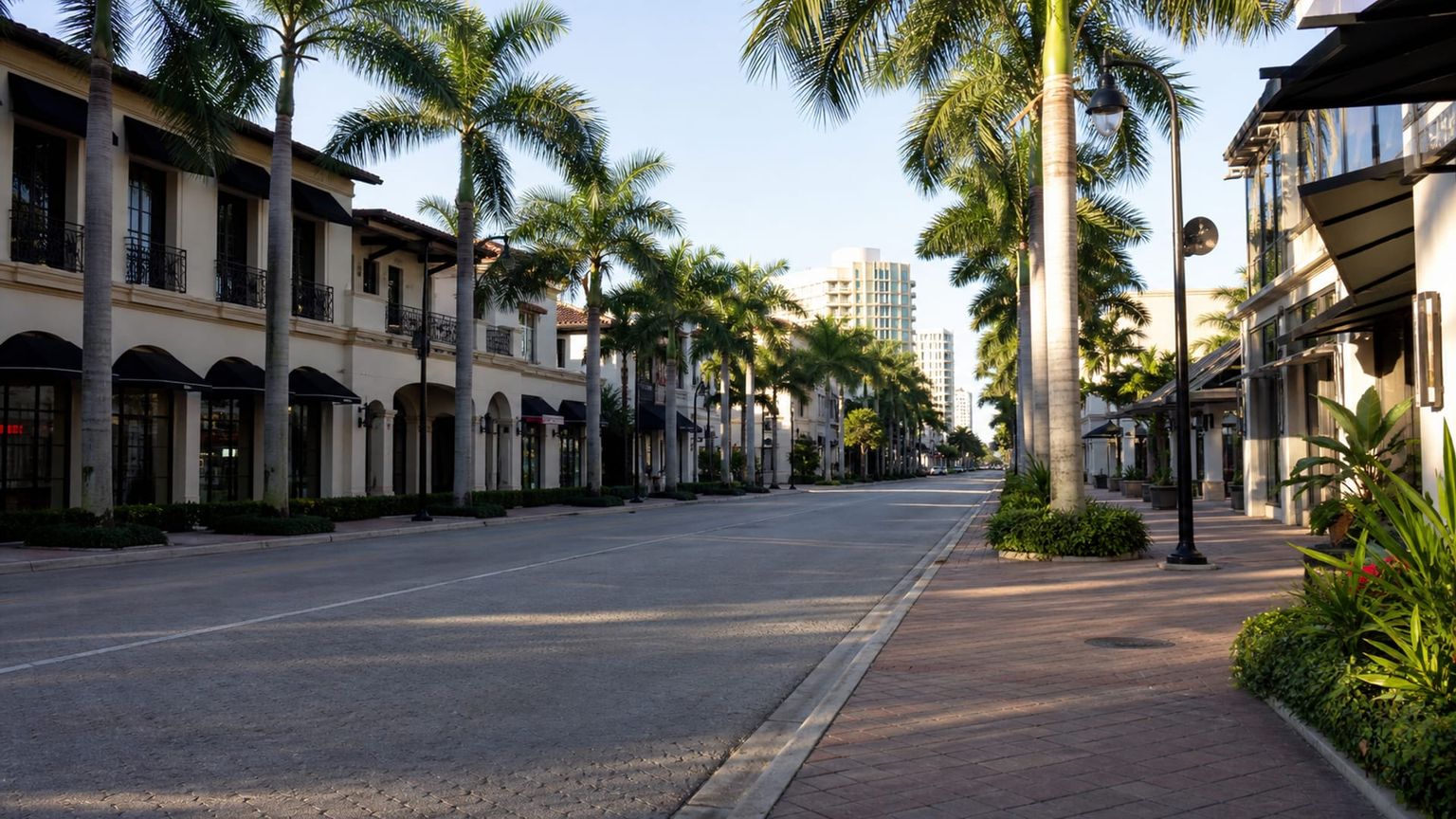
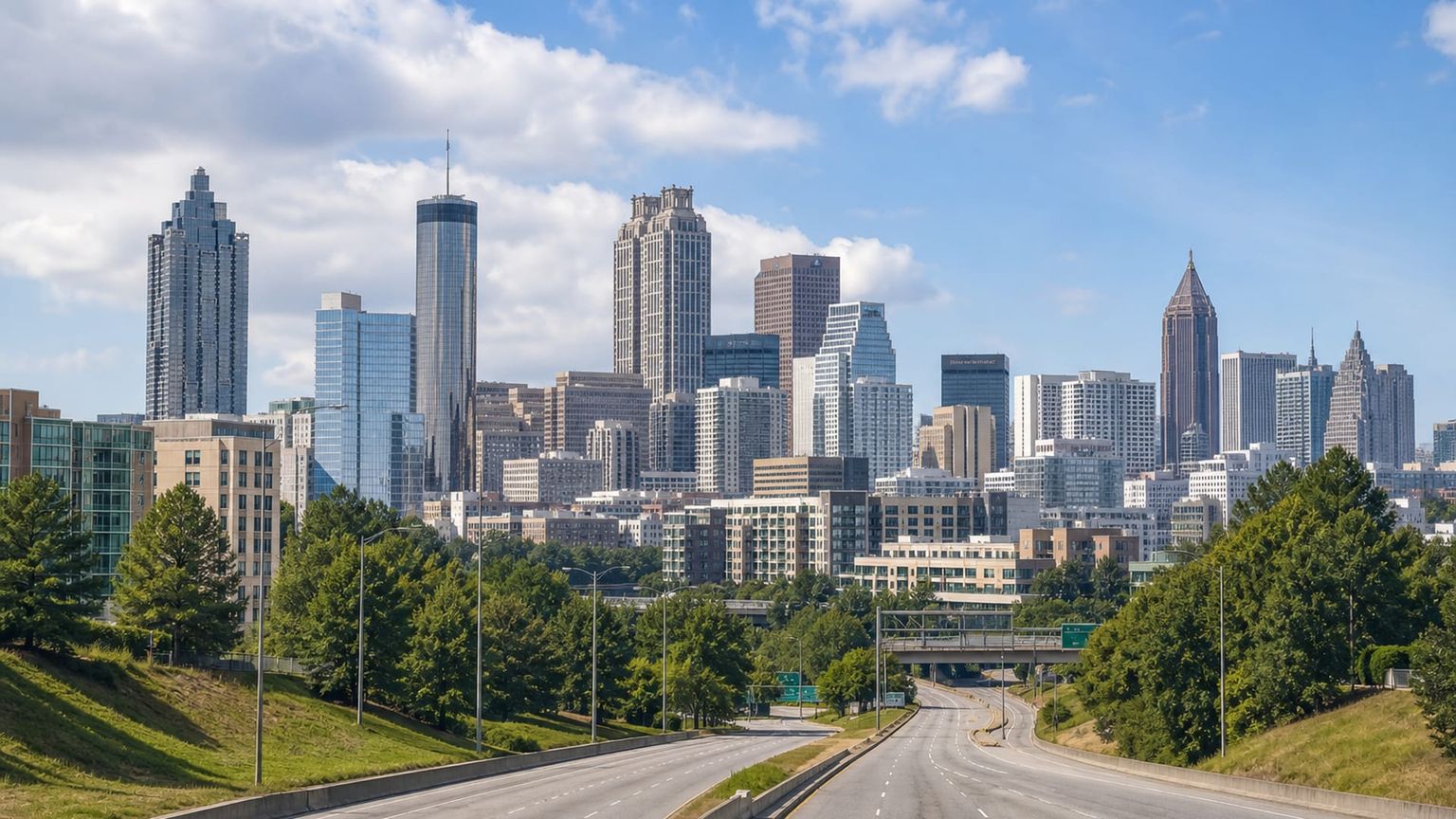
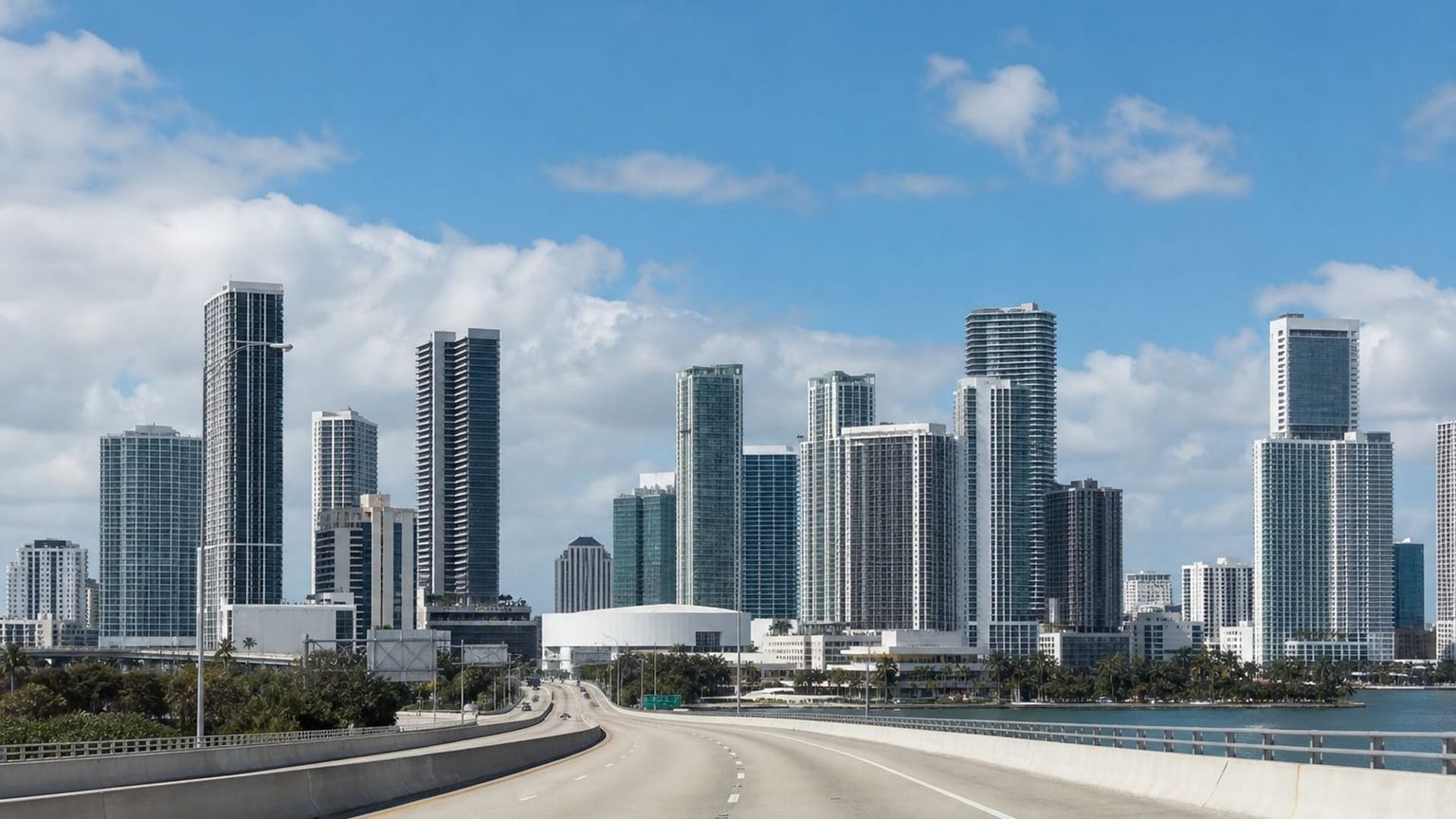
Miami’s main business and high-rise district, Brickell pairs dense hotel inventory with quick access to the riverfront, downtown, and the Metromover. It matters for travelers who want modern stays, late dining, and easy movement without relying on a car.
Best for: Business trips, couples, and visitors who want a central base for downtown and nightlife
What to expect: Busy sidewalks by day, valet traffic at night, and a constant mix of office workers, diners, and hotel guests.
Hotel prices: Usually about $220 to $450 per night for well-rated stays
Distance to major sights: About 10 to 20 minutes by transit to Bayside Marketplace, roughly 15 to 25 minutes to Wynwood by car
Quietness: Lively during the workday and early evening, then somewhat calmer late at night once restaurants close.
Main trade-off: You pay premium rates, and street noise or valet queues can be noticeable near the busiest towers.
Good to know: Choose a hotel with parking only if you plan to drive, because rideshare and transit are simpler than finding easy street parking.
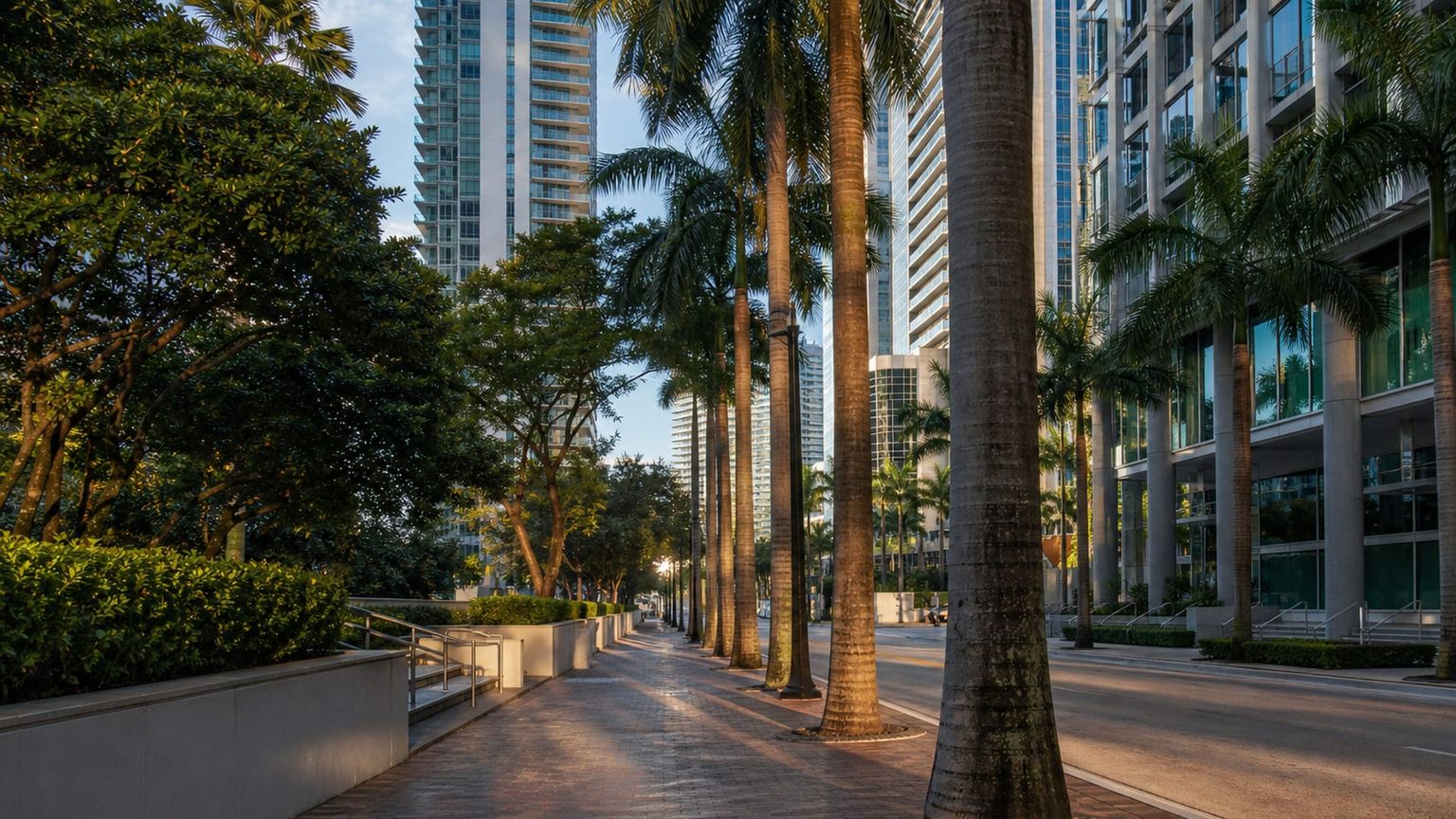
Downtown Miami centers on government offices, hotels, museums, and the bayfront, with the Metromover linking many blocks. It works well for visitors who want walkable access to waterfront sights, arena events, and transit connections.
Best for: Sightseeing, cruise departures, and easy access to transit links
What to expect: Office crowds fill the streets on weekdays, while evenings thin out away from the arena and bayfront.
Hotel prices: Usually about $180 to $350 per night for well-rated stays
Distance to major sights: About 5 to 15 minutes on foot to Bayside Marketplace, roughly 20 minutes by transit to Wynwood
Quietness: Busy and traffic-heavy by day, quieter after business hours except on event nights.
Main trade-off: The area can feel sparse after office hours, so dining choices narrow outside the main entertainment blocks.
Good to know: If you are cruising, confirm whether your hotel runs early luggage storage, since many ships depart before standard check-in time.
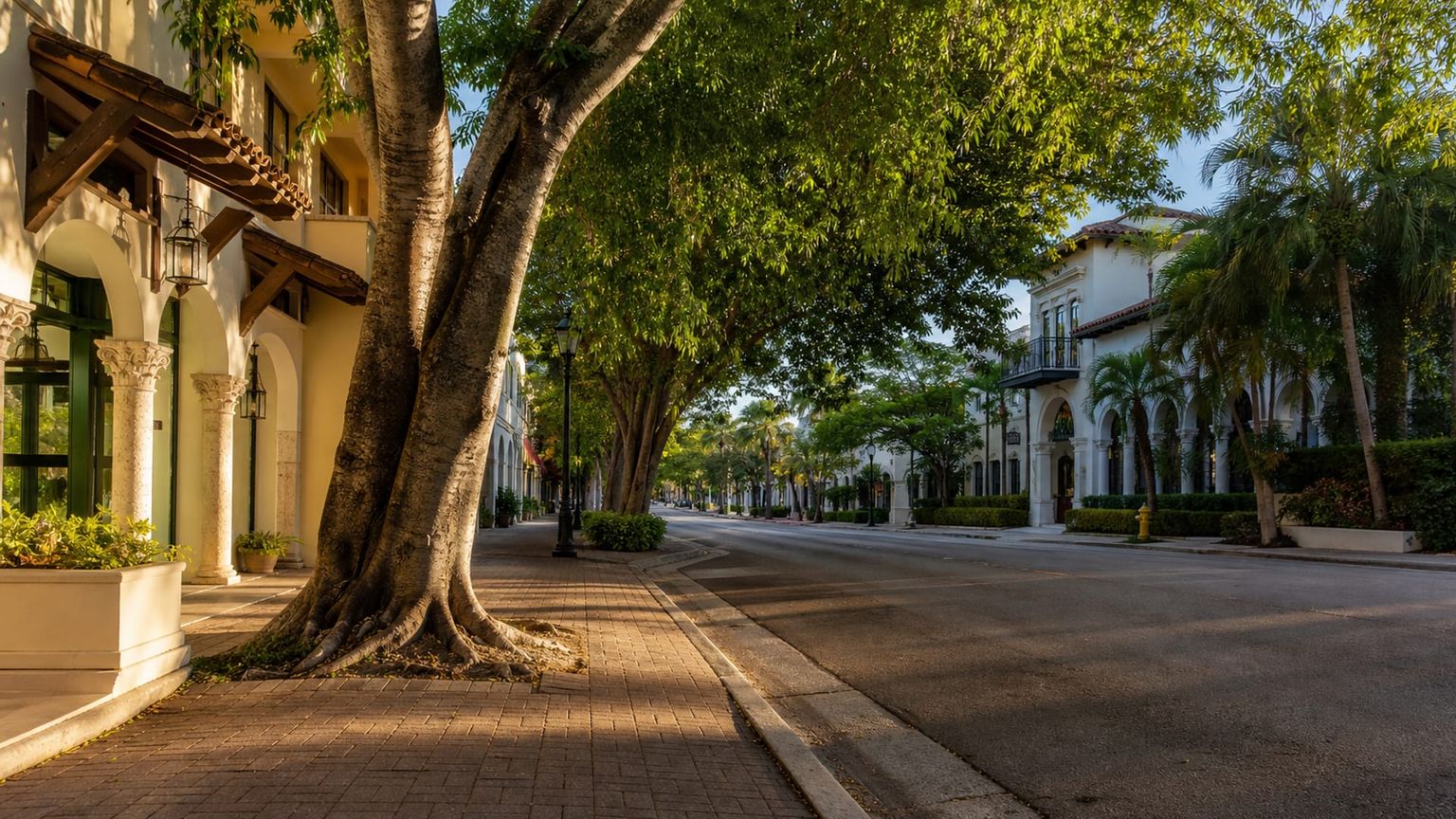
Coconut Grove is Miami’s oldest neighborhood, with tree-lined streets, marinas, parks, and a compact dining scene. It matters for travelers who want a neighborhood feel close to the water, with fewer towers than the downtown core.
Best for: Longer stays, relaxed evenings, and travelers who prefer a residential setting
What to expect: Sidewalk cafes, marina traffic, and a mix of locals, marina visitors, and diners around the main commercial strips.
Hotel prices: Usually about $170 to $320 per night for well-rated stays
Distance to major sights: About 20 to 30 minutes by car to Downtown Miami, roughly 25 to 35 minutes by transit to Bayside Marketplace
Quietness: Calm in the morning and late evening, with more activity around dinner and weekend marina traffic.
Main trade-off: You will usually pay for a quieter setting with longer rides to South Beach and the beachfront hotels.
Good to know: Check the hotel location carefully, because a property near US-1 can be much less pleasant on foot than one near the village core.
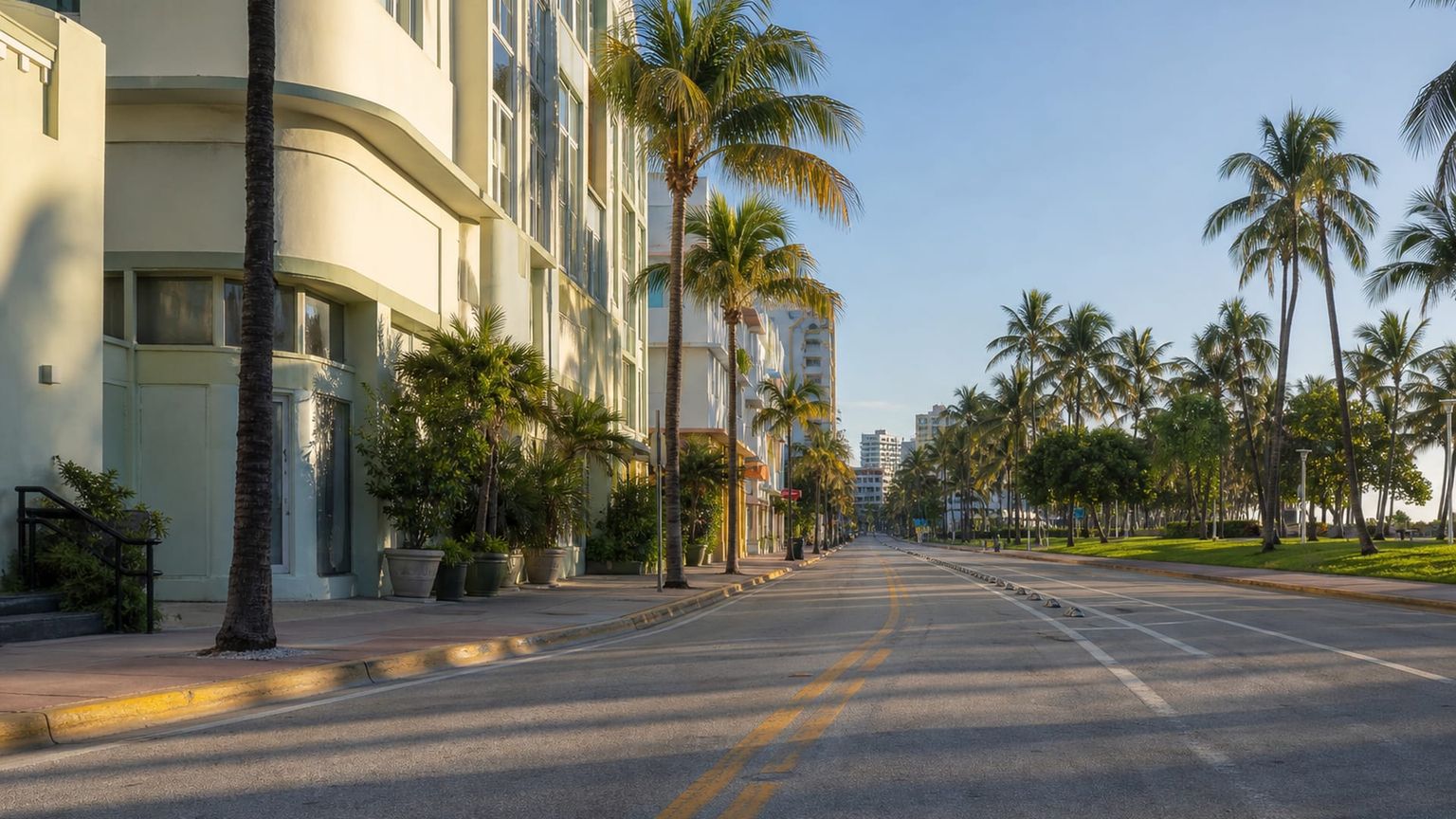
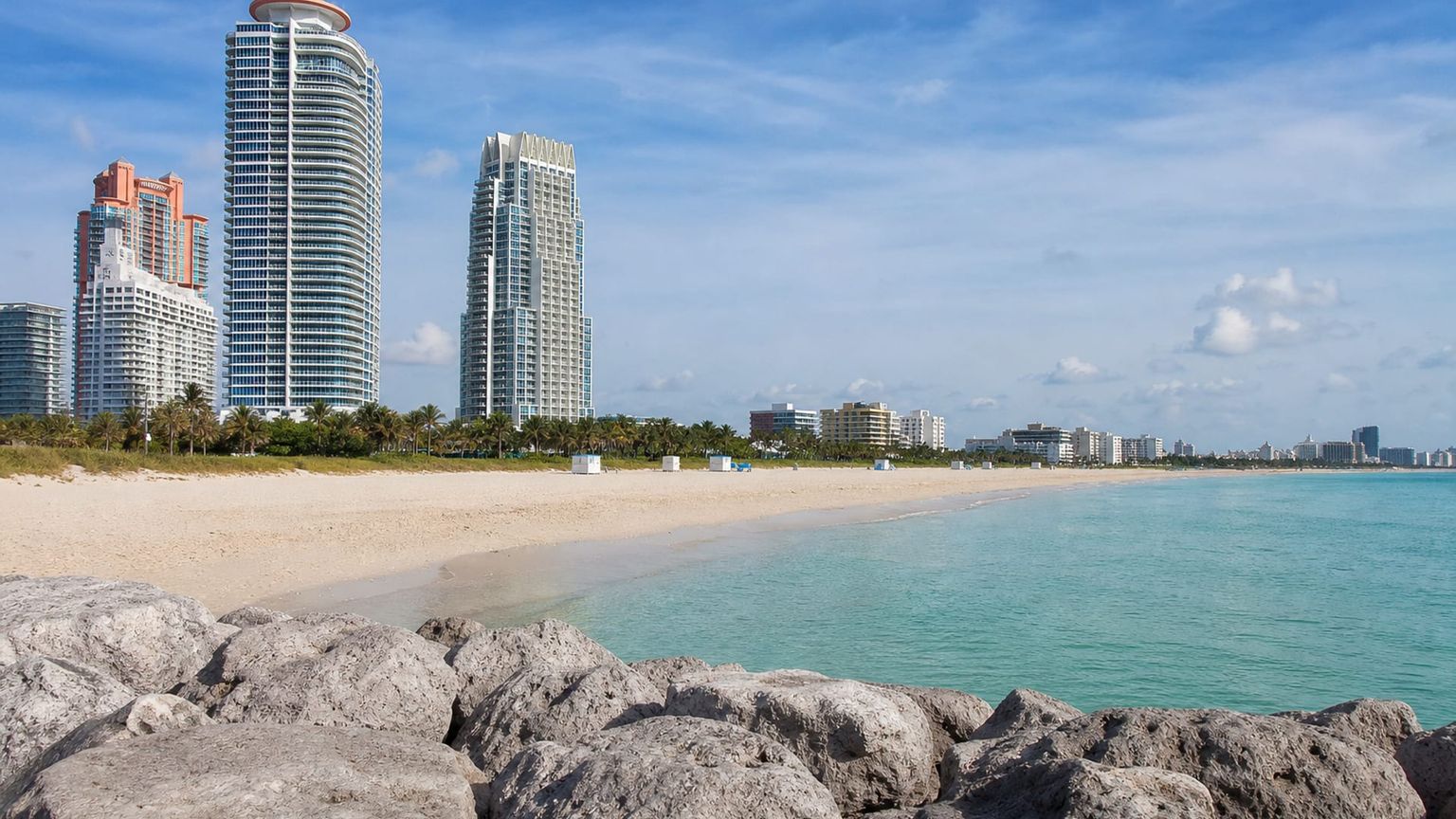
Miami Beach sits across the causeway from downtown and combines beaches, historic hotels, and dense resort blocks. It matters for travelers who want to prioritize sand, ocean access, and an easy resort-style stay over central-city logistics.
Best for: Beach stays, nightlife, and travelers who want ocean access first
What to expect: Heavy foot traffic on the main corridors, beachgoers during the day, and a late-night crowd near entertainment blocks.
Hotel prices: Usually about $240 to $500 per night for well-rated stays
Distance to major sights: About 20 to 35 minutes by car to Downtown Miami, roughly 15 to 25 minutes by car to Wynwood
Quietness: Active from morning through late evening, with the busiest stretches staying noisy well past dinner.
Main trade-off: You get the beach, but crossing to downtown often takes time during peak traffic.
Good to know: If you plan to split time between beach and city, build in extra causeway time at rush hour and on weekend afternoons.
Travelers usually avoid staying in Hialeah, Opa-locka, and Medley, since these areas sit far from Miami Beach, Downtown, and Brickell, with limited visitor amenities and longer evening trips to dining and nightlife. Florida City and Homestead are also less convenient for a Miami base because they are about 30 to 40 miles south of the main sightseeing districts, which adds significant drive time for daily visits.
Hotel deals
How to get around Miami efficiently
Miami has no airport metro, so the useful options from Miami International Airport (MIA) are Metrorail, buses, taxis, and ride-hailing, each fitting a different part of the city.

Metro
for longer distances
Miami has no subway or metro network serving the airport area. Use Metrorail instead, the Orange Line connects Miami International Airport (MIA) to downtown in about 15 minutes, and a regular fare is $2.25, with passes and transfers valid for 3 hours.

Bus and tram
for convenience
From Miami International Airport (MIA), the 37, 42, and 150 buses link the airport with Miami Springs, Coconut Grove, and Miami Beach, while the free MIA Mover connects you to the airport transit center. Local bus fares are $2.25, transfers stay valid for 3 hours, and the 150 express can take about 30 to 45 minutes to South Beach depending on traffic.

Taxi
for convenience or late hours
Licensed taxis wait at the airport taxi stands, and Miami-Dade County uses metered fares rather than fixed citywide set rates. A trip from Miami International Airport (MIA) to downtown Miami usually costs about $25 to $35 before tip, while Miami Beach often runs about $35 to $55, and most cabs accept cards as well as cash.
*Prices are based on rates updated as of July 2026 and may change at the time of travel.
Use Metrorail for the cheapest link to downtown, buses for slower but wider coverage, and taxis or ride-hailing when you want the quickest airport-to-hotel transfer or a late return after dinner.
Iconic landmarks
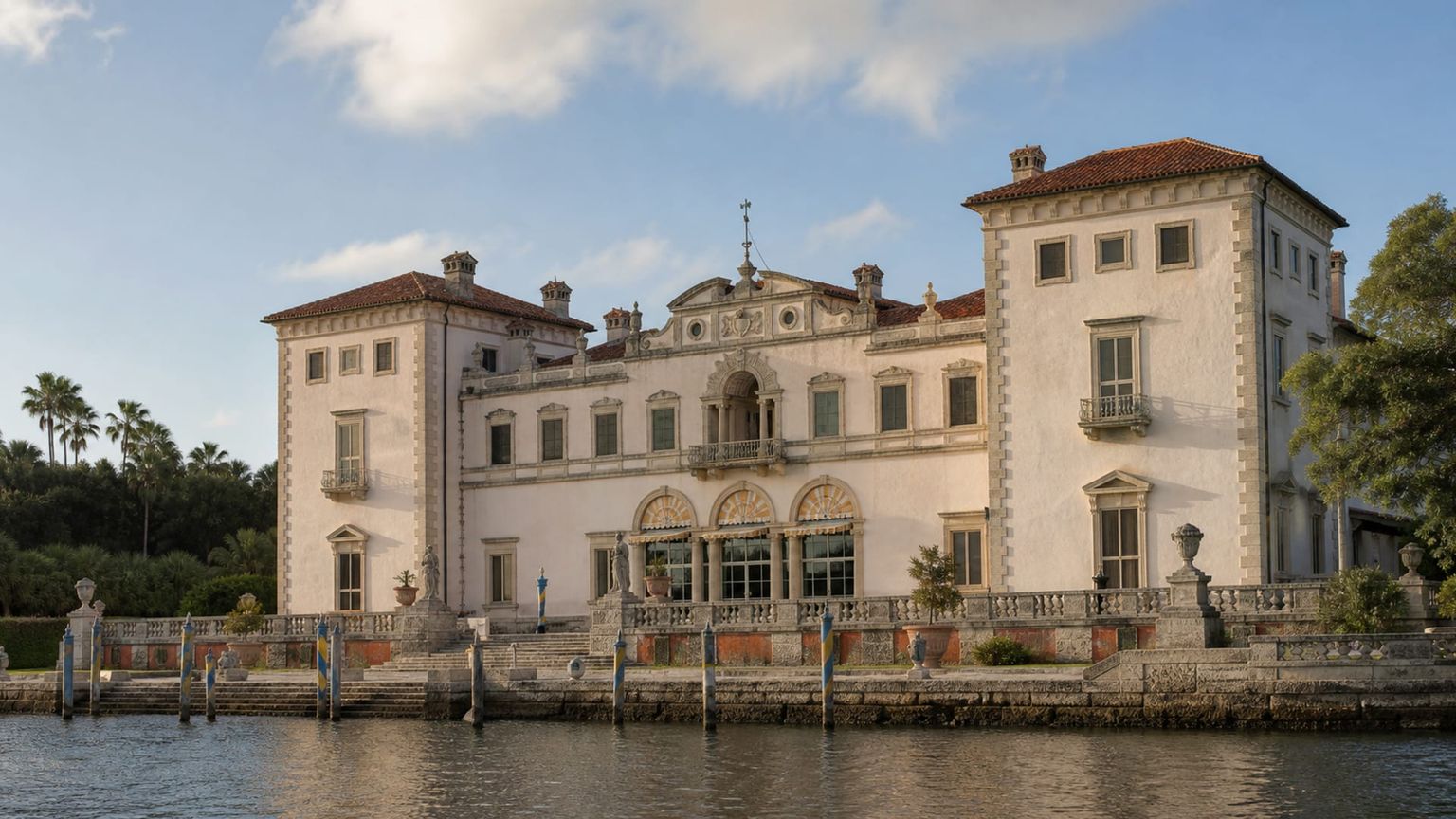
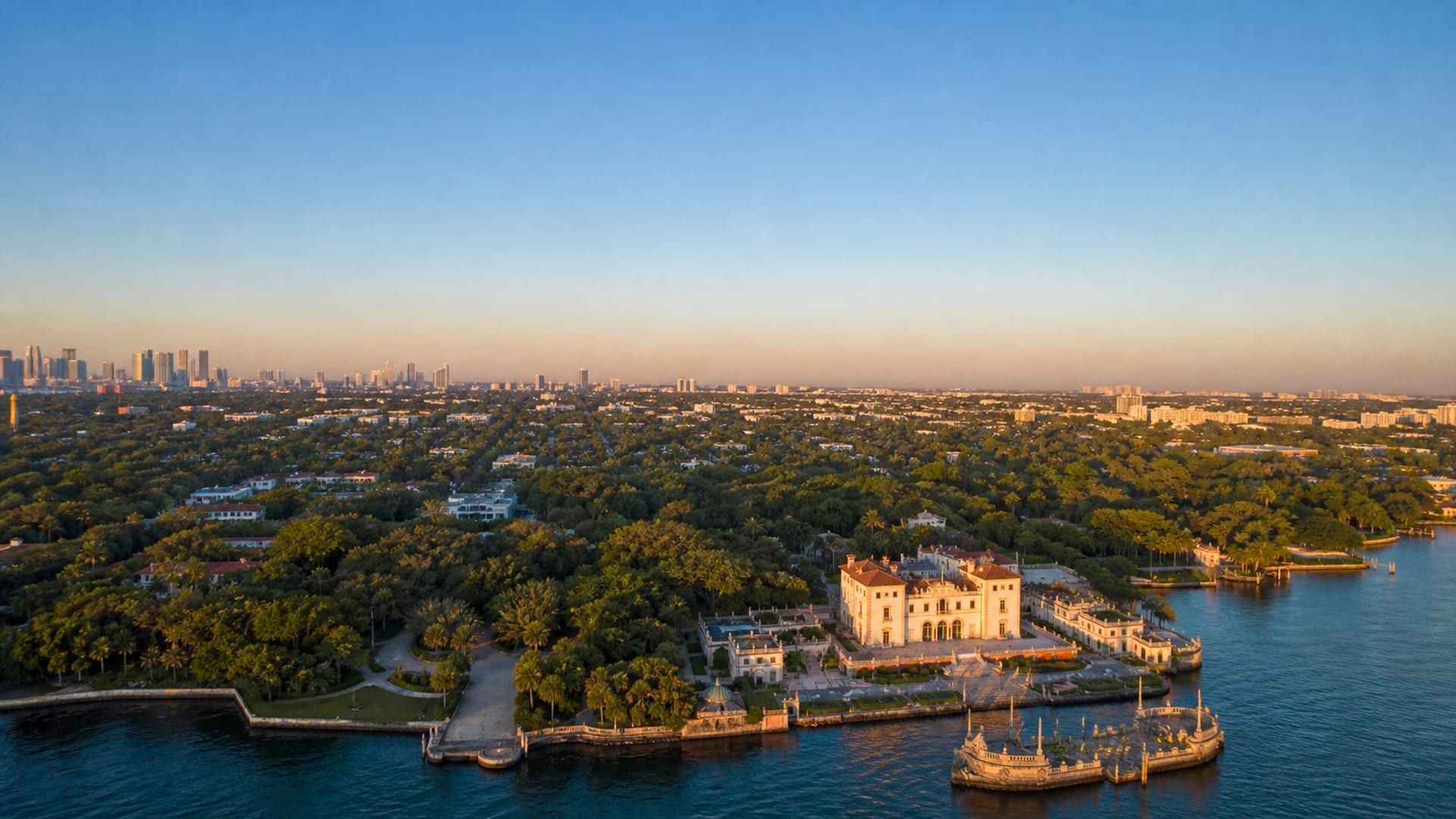
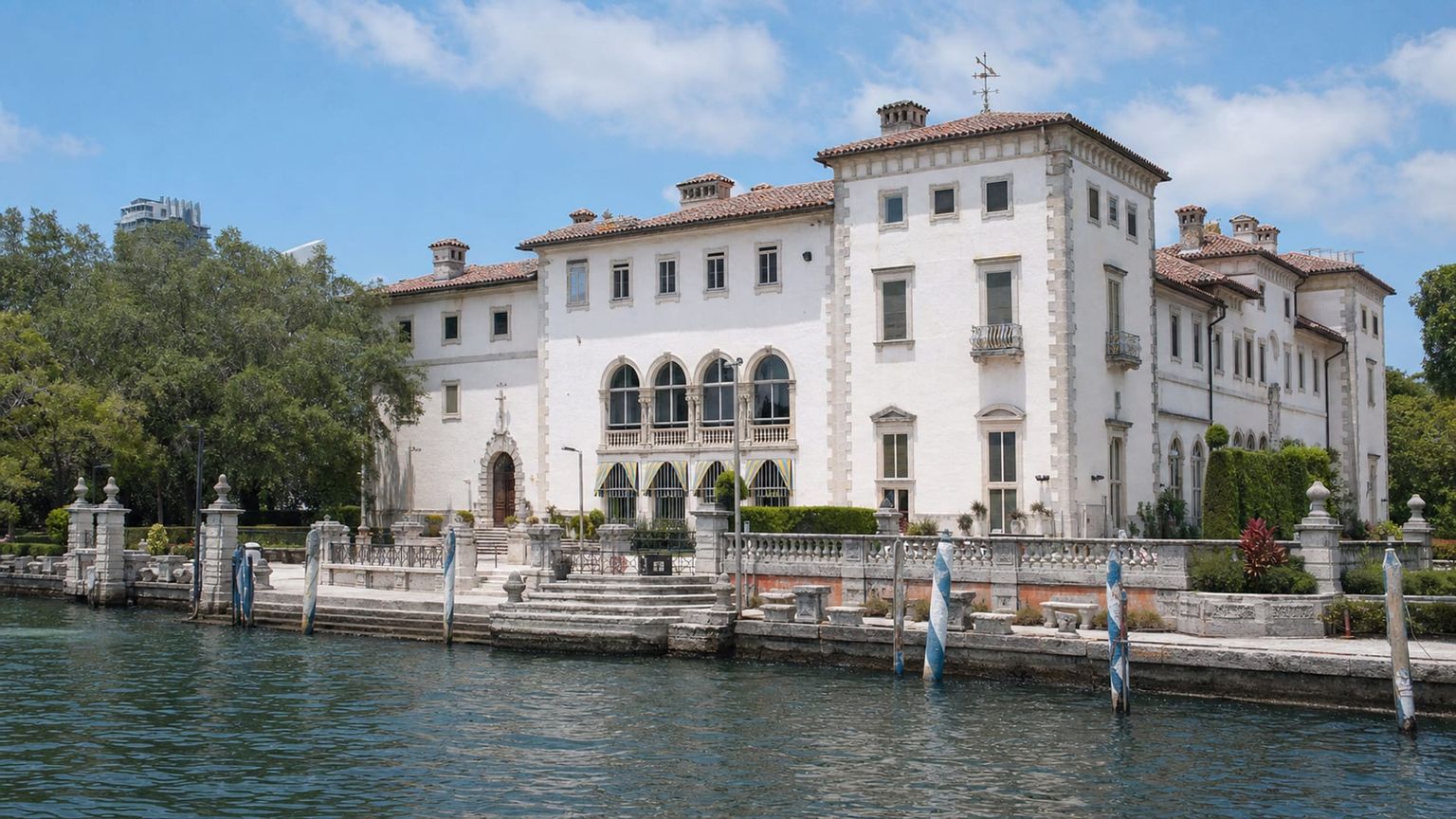
Vizcaya Museum and Gardens
This 1916 waterfront estate pairs an Italian Renaissance-style villa with formal gardens, a coral stone breakwater, and original furnishings. Its bayfront setting and intact rooms make it one of Miami’s clearest windows into the city’s early elite era.
Time needed: About 2 to 3 hours
Entry: Admission costs $25 ($25) for adults, $10 ($10) for children ages 6 to 12, and is free for children 5 and under. Visit the official site for details.
Tip: Go early for softer light in the gardens and fewer tour groups inside the villa.
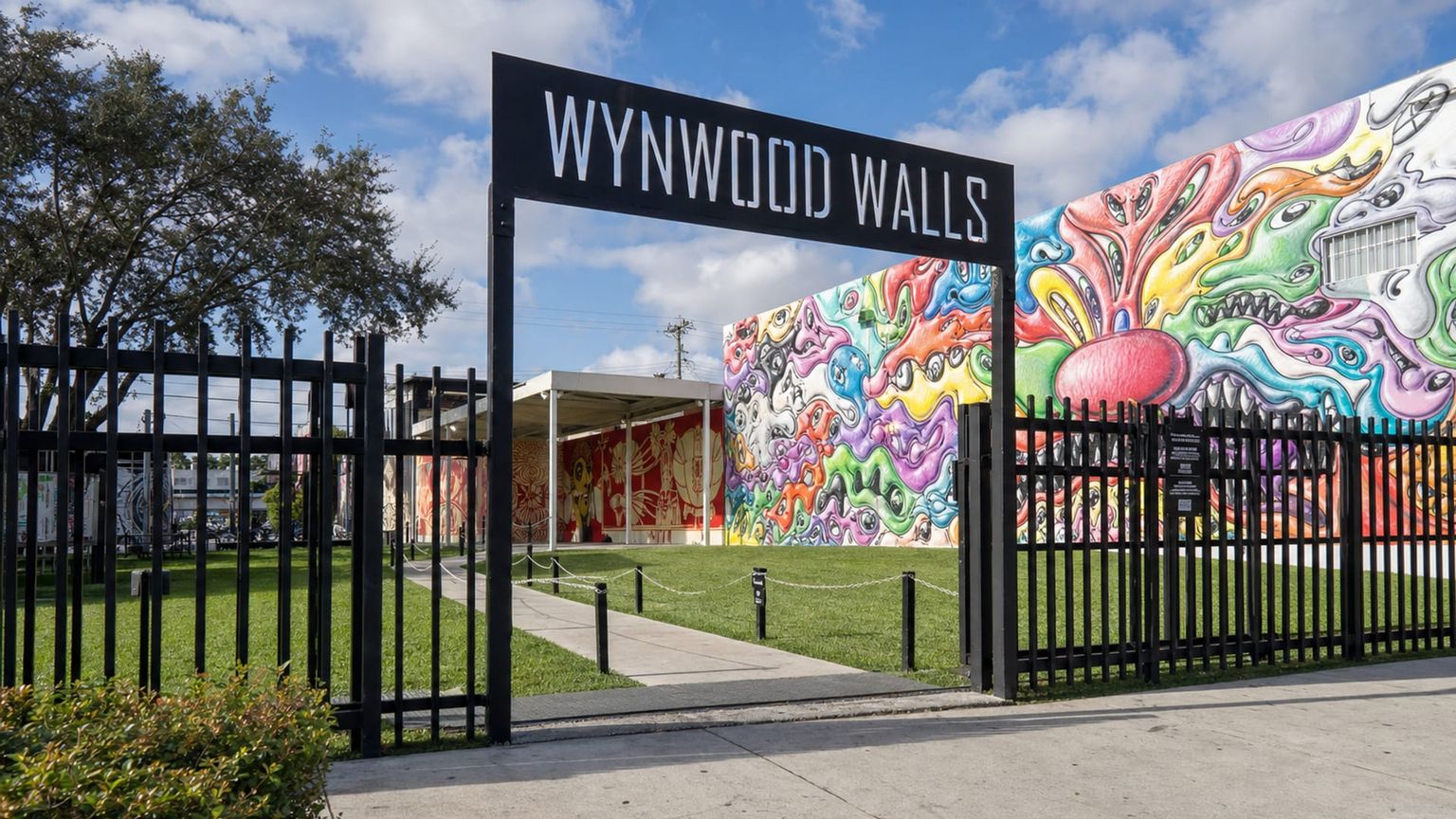
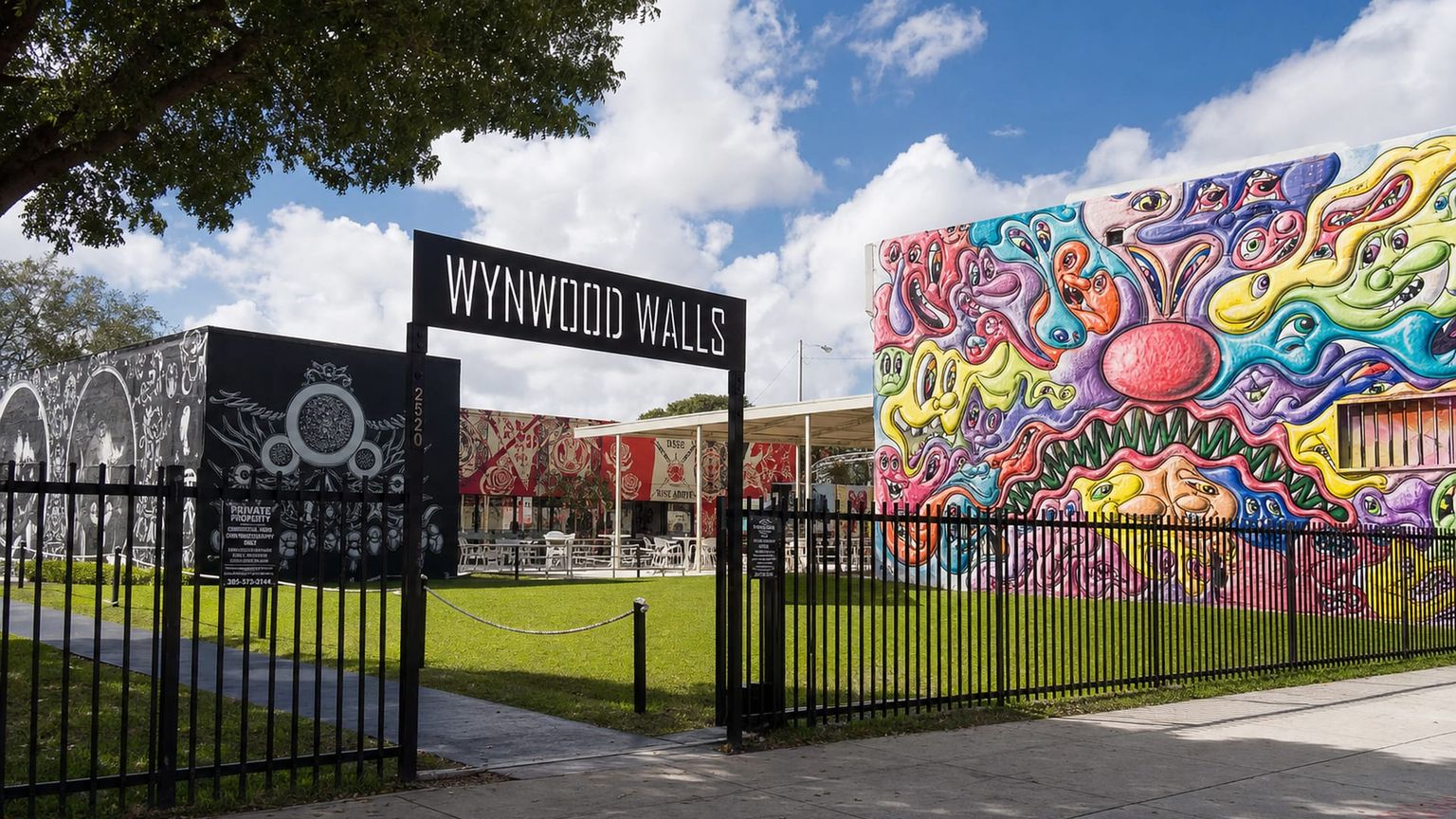
Wynwood Walls
Wynwood Walls turns warehouse blocks into an open-air gallery of large-scale murals by international street artists. The site changes often, so the best visit combines the core walls with nearby side streets for a wider mural sweep.
Time needed: About 1 to 2 hours
Entry: General admission costs $12 ($12) to $15 ($15), with prices varying by day, age, and special exhibitions. Visit the official site for details.
Tip: Visit late morning or near sunset, when the colors read well and the heat is less punishing.
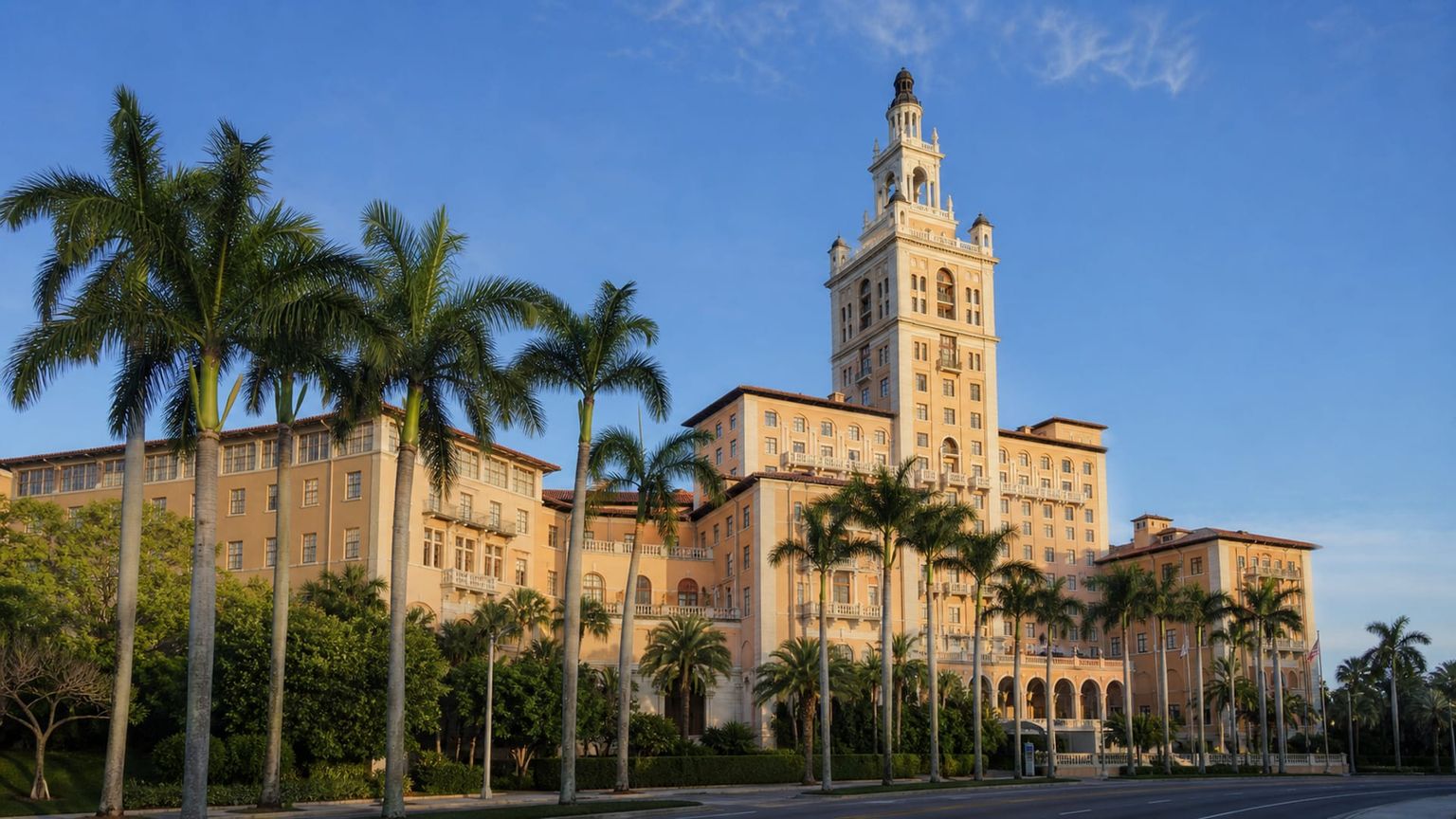
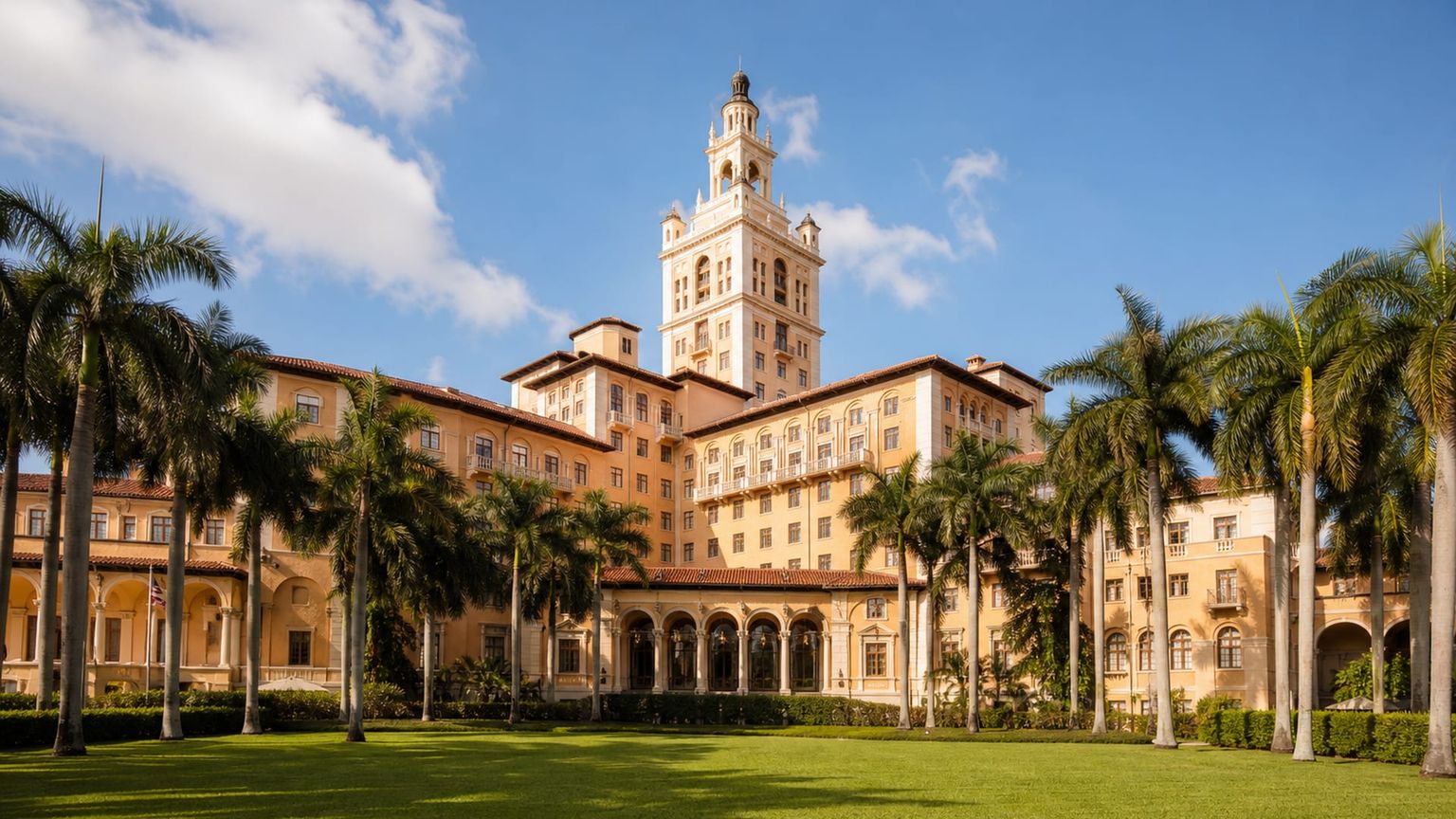
Biltmore Hotel
The Biltmore Hotel’s 1926 tower and Mediterranean Revival facade anchor Coral Gables’ historic district. Even without staying overnight, visitors come for the lobby, arcades, and one of Miami’s most recognizable early resort landmarks.
Time needed: About 45 minutes to 1 hour
Entry: Public areas are free to access, while guided history tours and special experiences cost about $30 ($30) to $65 ($65). Visit the official site for details.
Tip: Stop by in the late afternoon, when the facade catches warmer light and the grounds are calmer.
Overlooked sites worth visiting

The Barnacle Historic State Park
A 19th-century bayfront house wrapped in native hammock trees, with a short waterfront trail and picnic tables under shade. It gives you a quieter slice of Coconut Grove history and Biscayne Bay views.
Time needed: About 1 to 2 hours
Entry: Admission is free for the grounds. Guided house tours, when offered, usually cost about $3 to $6 per person, and special programs may charge separately; check the park calendar for current hours and tour availability before going. Visit the official site for details.
Tip: Go late afternoon for cooler paths and softer bay light.

The Wolfsonian-Florida International University
This compact museum in South Beach focuses on design, propaganda, and industrial art from 1885 to 1945. Its collection is dense enough to reward a short visit without filling an entire day.
Time needed: About 1 to 2 hours
Entry: General admission is about $12 to $18 ($12 to $18), with discounts for students, seniors, and children; some public programs and gallery talks are free or reduced, and tickets often cover both the permanent collection and special exhibitions. Visit the official site for details.
Tip: Visit on a weekday morning for quieter galleries.
Traditional food
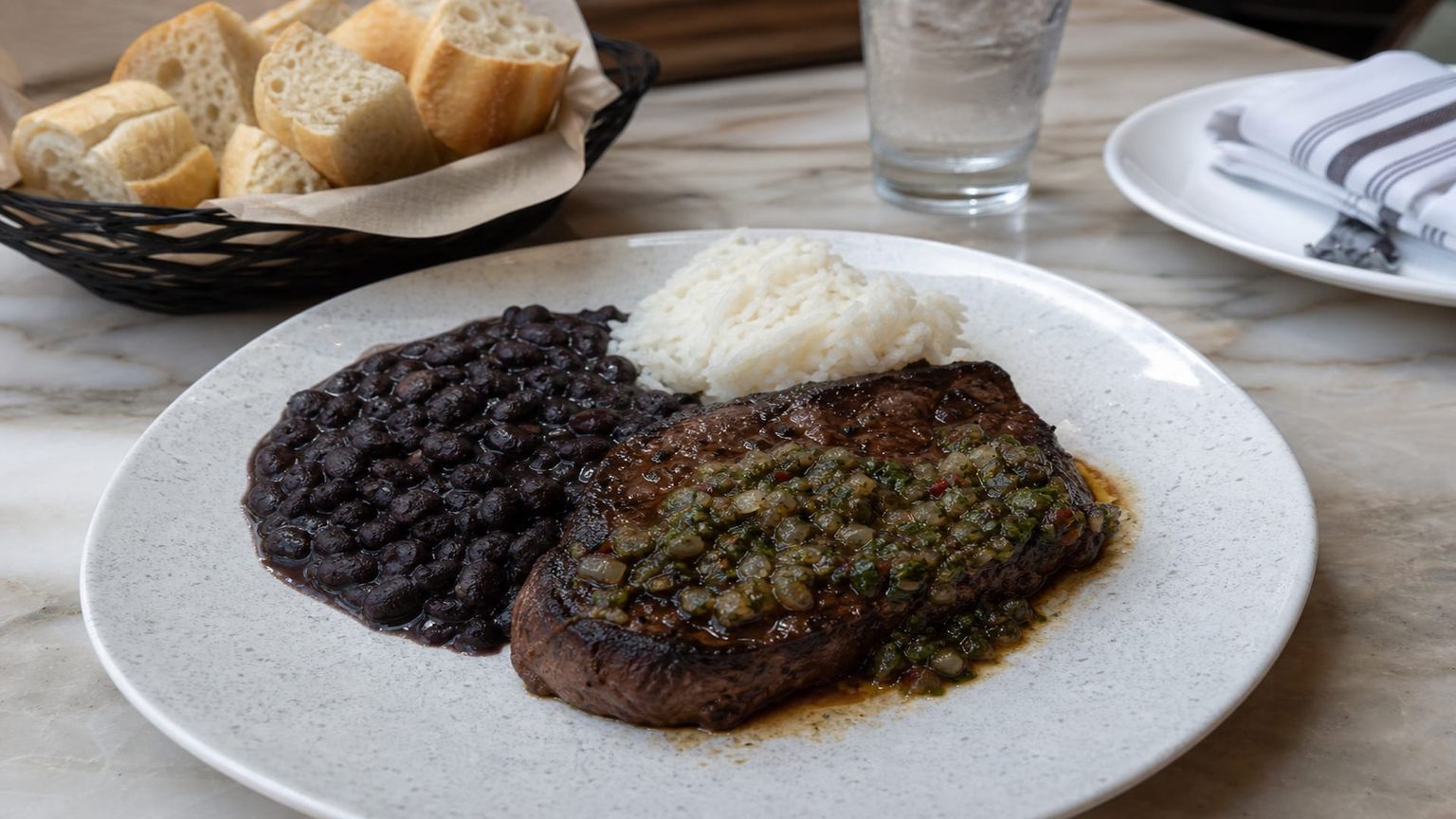
Miami’s table mixes Cuban sandwiches, ropa vieja, stone crab claws, and key lime pie with cafecito breaks and a late dining culture. Expect citrus, plantains, garlic, and seafood, served in neighborhoods where lunch counters and polished dining rooms sit side by side.
Cuban sandwich
The Cuban sandwich layers roast pork, ham, Swiss, pickles, and mustard on pressed bread, a Miami staple that works well as a quick lunch. Versailles in Little Havana is the classic stop for it.
Ropa vieja
Ropa vieja, shredded beef in a tomato-rich sauce, usually comes with rice, beans, and plantains. Havana Harry’s serves a well-known version in Coral Gables.
Stone crab claws
Stone crab claws arrive chilled with mustard sauce and plenty of shell-cracking, a seasonal South Florida favorite. Joe’s Stone Crab in Miami Beach built its reputation on them.
Key lime pie
Key lime pie balances tart citrus filling and a crumb crust, usually finished with whipped cream. Knaus Berry Farm serves a memorable version in the Miami area, especially for travelers willing to go beyond the central districts.
Best time to visit Miami
Miami shifts with heat, humidity, and hurricane season, so the best months reward outdoor time and the worst ones ask for more indoor stops and earlier starts.
Best for: Best for beach walks, outdoor dining, and the clearest sightseeing days
What you get: About 65°F to 78°F (18°C to 26°C), with lower humidity and the heaviest visitor numbers in the most popular neighborhoods
Trade-offs: Hotel rates rise, and the busiest districts feel crowded on weekends
Best for: Best for balanced weather, mural walks, and long afternoons in Coconut Grove or Coral Gables
What you get: About 70°F to 86°F (21°C to 30°C), with warm days and moderate crowds before summer heat builds
Trade-offs: Late spring brings more humidity, especially near the water
Best for: Best for lower room rates and indoor attractions in the heat of the day
What you get: About 79°F to 91°F (26°C to 33°C), with frequent afternoon rain and lighter crowds outside the beach
Trade-offs: Heat, humidity, and thunderstorms can limit outdoor time
Best for: Best for flexible trips that mix museum visits with beach time
What you get: About 74°F to 87°F (23°C to 31°C), with warm water and fewer visitors after the summer peak
Trade-offs: Storm risk stays on the calendar early in the season
A realistic 5-day plan in Miami
This five-day route keeps the city in a useful order, starting near your arrival base, then moving through the mural districts, the bayfront, and the historic neighborhoods before you head out. Each day pairs a realistic travel window with the area that makes the most sense for it.
Land at Miami (MIA), then take a rideshare or taxi into Brickell, which usually takes about 15 to 25 minutes and costs roughly $25 to $45 before tip, depending on traffic and the exact hotel. If you arrive late, check into a Brickell hotel so you can stay close to dinner, then walk a few blocks for a light meal and plenty of water after the flight.
Start with Wynwood Walls, where the mural district rewards an early visit, then spend about 1 to 2 hours moving through the surrounding blocks on foot. From Brickell, a rideshare to Wynwood usually takes about 15 to 25 minutes, and after lunch you can head back toward downtown for an easy bayfront stroll at Bayside Marketplace, which is about 10 to 20 minutes from Brickell by transit and 5 to 15 minutes on foot from many Downtown Miami hotels.
Begin in Coconut Grove, then visit The Barnacle Historic State Park, which is usually about 5 to 10 minutes away on foot or a short rideshare from the village core. After that, continue to Vizcaya Museum and Gardens, about 10 to 15 minutes by car from Coconut Grove, and plan roughly 2 to 3 hours there so you can tour the villa, formal gardens, and bayfront grounds without rushing.
Coral Gables anchors this day, starting with the Biltmore Hotel, which sits about 10 to 15 minutes by car from Coconut Grove and roughly 20 to 25 minutes from Brickell. After the hotel stop, pair it with a slower afternoon in the surrounding historic district, then return to your base for an early dinner, since traffic across central Miami can build quickly after work hours.
A final morning in Miami works best with one last indoor stop, so head to The Wolfsonian-Florida International University in South Beach for about 1 to 2 hours, then finish with a relaxed café stop in Coconut Grove before departure. If you want a little shopping between stops, Brickell City Centre is an easy option from Brickell, with rideshare trips often taking about 5 to 10 minutes, leaving you close to the airport when it is time to go.
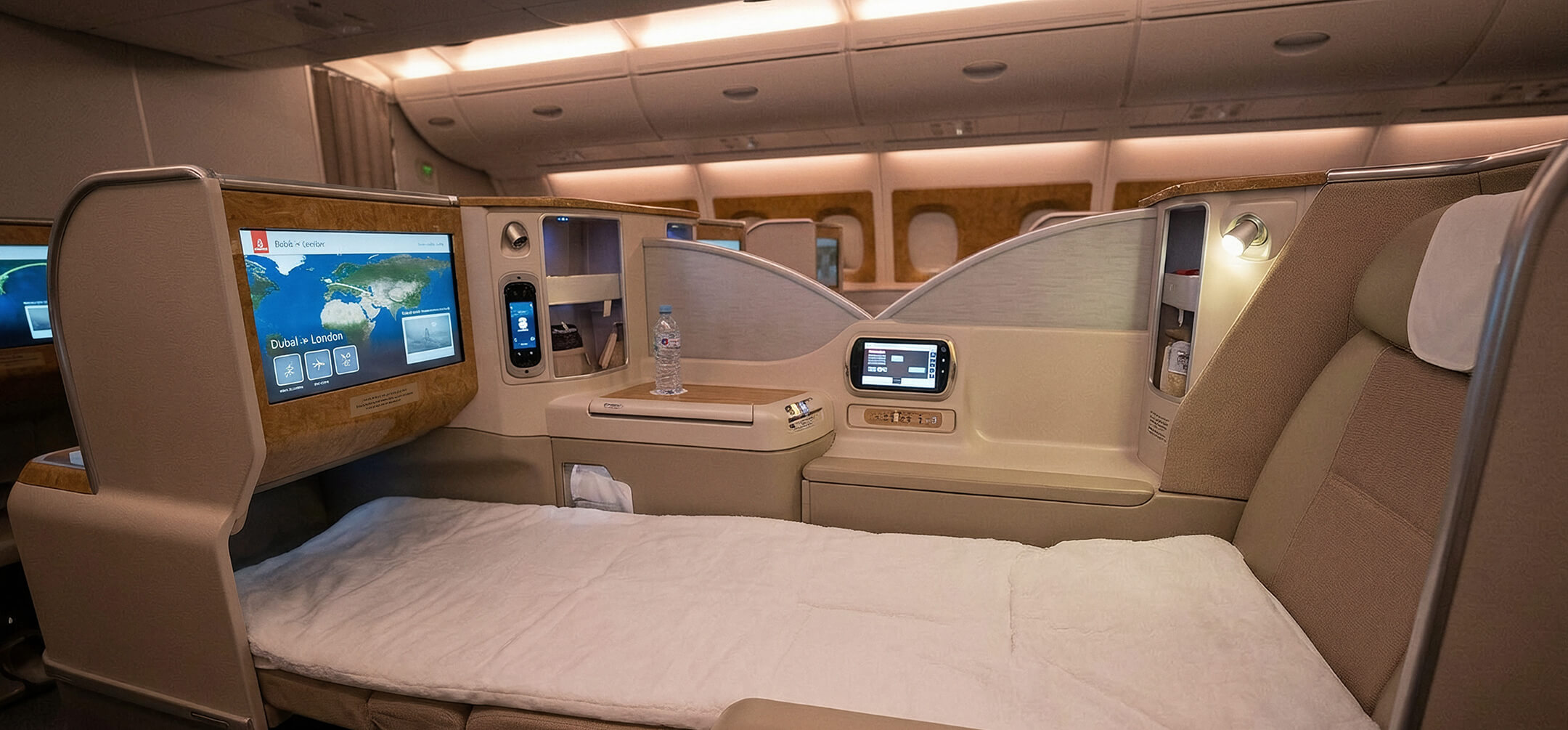
Business-class flights from the US to Miami
For long-haul business trips into Miami, the most useful comparisons are usually New York and Los Angeles, since both markets offer frequent nonstop options and common one-stop alternatives. The price spread often comes down to timing, connection choices, and how far in advance you book.
From New York, American Airlines, Delta Air Lines, JetBlue, LATAM Airlines, British Airways, and Iberia all serve the route, with nonstop flying time usually about 3 to 4 hours. If you do not mind a layover, common stops via CLT, ATL, MIA, DFW, or MEX can trim fares to roughly $700 to $1,400, while round-trip fares often start at about $900 and can reach $2,500.
Los Angeles travelers usually see American Airlines, Delta Air Lines, Alaska Airlines, LATAM Airlines, Copa Airlines, and Avianca on the route, with nonstop flying time about 5 to 6 hours. Round-trip fares usually run $1,000 to $2,900, and nonstop tickets sit at the higher end of that range.
Miami feels different when you slow down
A good Miami trip ties Brickell, Wynwood, Coconut Grove, Coral Gables, and Miami Beach together with short rides, a few timed walks, and the right indoor stops when the heat rises. That keeps Vizcaya, the Biltmore, and The Wolfsonian-FIU in context instead of scattered between long transfers. If you want to shape the trip with help from AranGrant experts, start with the neighborhood that matches your first night and build outward from there