

Chapters:

Need help with your trip?
Our support team is available 24/7. Request a callback or call us directly at (833) 619-0908
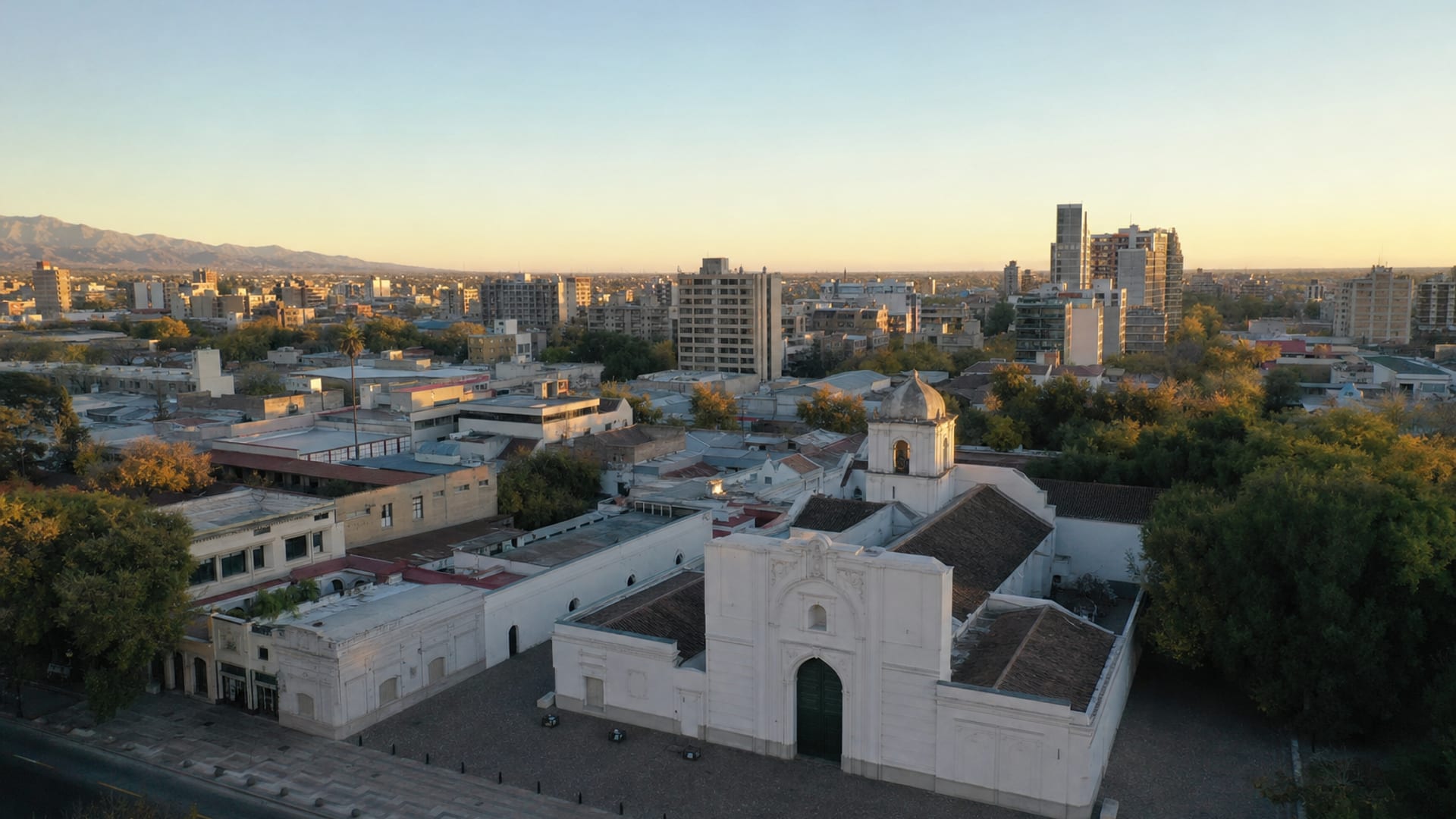
Mendoza combines a compact central grid with broad parks, residential neighborhoods, and wine areas that sit well beyond the city core. Plaza Independencia and the surrounding streets contain many of the main urban sights, while Chacras de Coria and the main winery zones require separate trips.
The city is easy to walk in sections, but meal times, evening movement, and longer taxi rides change how much fits comfortably into one day. Keeping the center, parks, and wine country on separate days helps avoid unnecessary backtracking.
This guide covers where to stay, how to get around, what to eat, and how to organize five days in Mendoza with practical routes between the city and surrounding wine areas.
Useful things to know

Main language(s): Spanish
Hola (OH-lah) – Hello
Por favor (por fah-VOR) – Please
Gracias (GRAH-see-ahs) – Thank you
¿Habla inglés? (AH-bla een-GLAYS) – Do you speak English?
¿Cuánto cuesta? (KWAHN-toh KWEHS-tah) – How much does it cost?

Currency: Argentine peso (ARS, $)

Cash and cards: Cards and contactless payments are widely accepted, but carry some pesos for small shops, markets, tips, and places that prefer cash.

Tipping: Leave approximately 10% at restaurants for good service. Rounding up or leaving small change is common for cafés and taxis.

Traditional food: Asado, empanadas mendocinas, locro, and humita are among Mendoza’s traditional dishes.

Water and coffee costs: Bottled water typically costs ARS 1,400 to ARS 2,800 ($1 to $2); a good espresso costs ARS 2,800 to ARS 5,600 ($2 to $4).

Taxis and ride apps: Uber, Cabify, and licensed taxis operate in Mendoza. Check the vehicle and license plate before getting in.

Plug and voltage: Type C/I sockets, 220V, 50Hz

Dining and shop opening hours: Lunch commonly starts at 1:00 pm, while dinner often begins after 9:00 pm. Some businesses close in the afternoon and reopen later.

Emergency number: Dial 911 for general emergencies or 107 for medical emergencies.
Where to stay in Mendoza
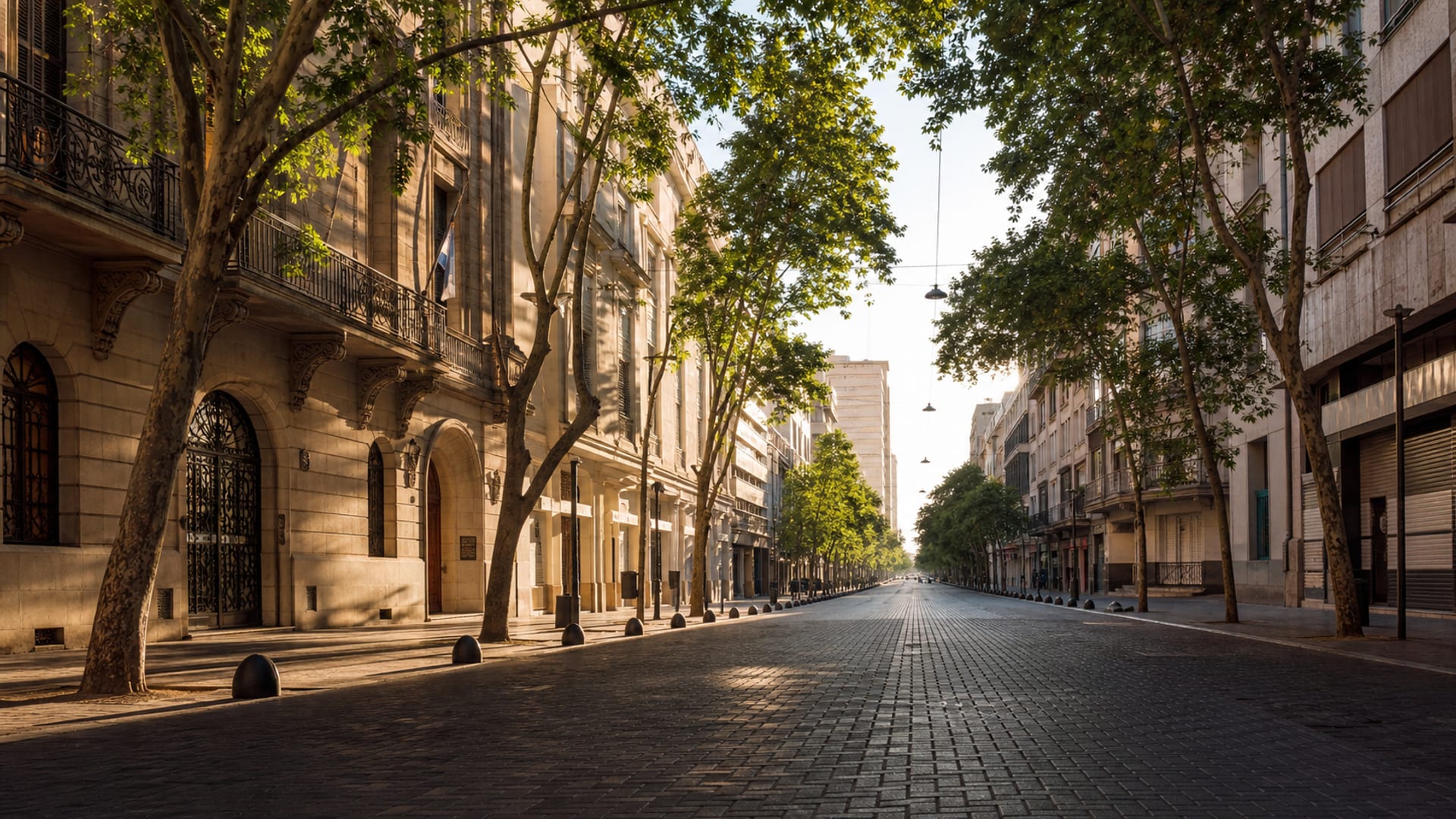
Mendoza’s city center surrounds Plaza Independencia with museums, cafés, restaurants, shops, and the main commercial streets. It suits first-time visitors who want the main city sights within walking distance and easy transport to the park and areas farther from the center.
Best for: First-time visits, dining, museums, and staying close to the main square
What to expect: Busy shopping streets, cafés, plazas, offices, and steady daytime foot traffic
Hotel prices: Well-rated hotels generally cost ARS 90,000 to ARS 211,000 ($60 to $140) per night.
Distance to major sights: 5 to 15 minutes on foot to Plaza Independencia; about 10 to 20 minutes by transit to Parque General San Martín
Quietness: Central streets stay active through the day, while office blocks become quieter in the evening.
Main trade-off: Central rooms cost more, and restaurant and shopping streets can stay noisy into the evening.
Good to know: Stay close to Plaza Independencia if you want museums, restaurants, and shopping within the same walking area.
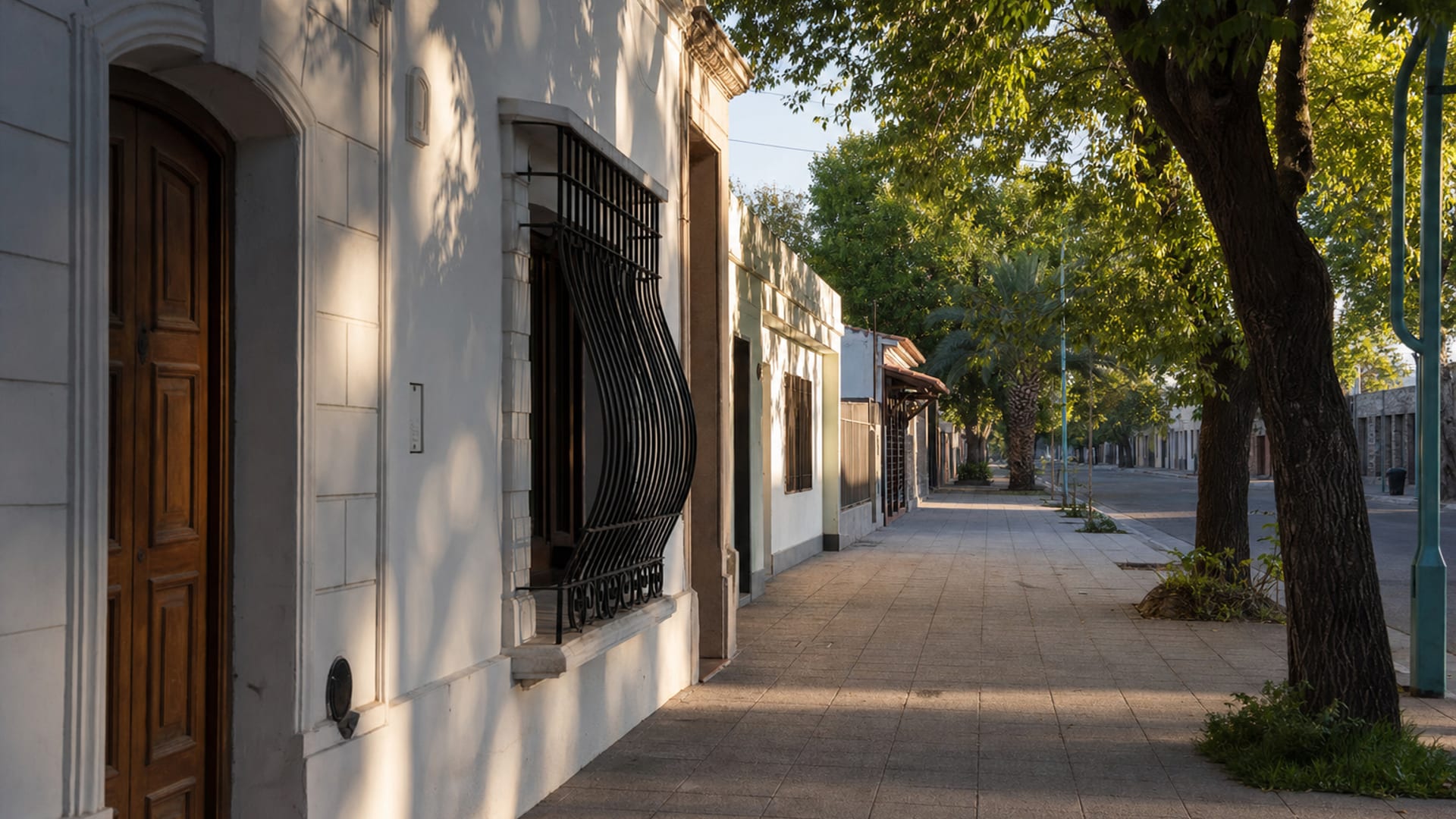
Godoy Cruz borders Mendoza city to the south and offers residential streets, restaurants, cultural venues, parks, and several urban wineries. It suits longer stays and travelers who want easier road access toward the southern wine districts.
Best for: Longer stays, local dining, urban wineries, and travelers with a car
What to expect: Residential streets, commercial corridors, parks, restaurants, and fewer tourists than central Mendoza
Hotel prices: Nightly rates usually range from ARS 68,000 to ARS 166,000 ($45 to $110).
Distance to major sights: Central Mendoza is generally 15 to 25 minutes away by car or public transport.
Quietness: Residential blocks are quieter than the center, with busier evenings near restaurant corridors.
Main trade-off: Central museums and plazas require regular taxi, bus, or Metrotranvía trips.
Good to know: Choose Godoy Cruz if winery outings and easier road access are a bigger priority than being within walking distance of Plaza Independencia.
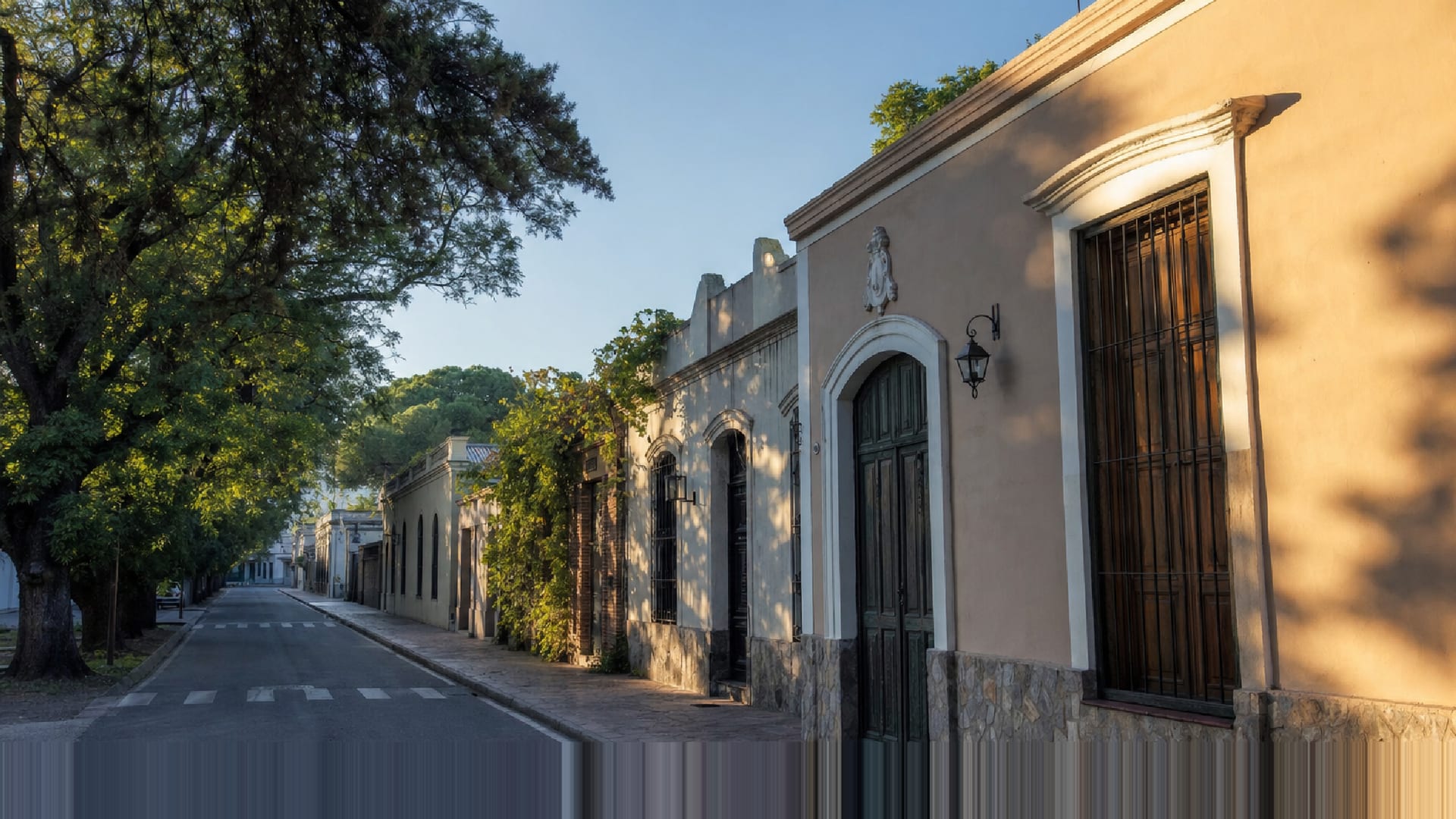
Chacras de Coria lies about 8 miles (13 km) south of central Mendoza in Luján de Cuyo. Leafy streets, boutique lodging, wineries, restaurants, and wine bars make it a strong choice when wine country and dining take priority over city sightseeing.
Best for: Wine-focused trips, boutique stays, restaurants, and travelers using private transfers
What to expect: Low-rise streets, wineries, destination restaurants, gardens, and more evening activity around the dining areas
Hotel prices: Expect to pay ARS 106,000 to ARS 271,000 ($70 to $180) per night for well-rated stays.
Distance to major sights: Central Mendoza is roughly 25 to 40 minutes away by car, depending on traffic.
Quietness: Residential streets are quieter during the day, with more activity around restaurants and wine bars after dark.
Main trade-off: City museums, plazas, and shopping require longer trips back into Mendoza.
Good to know: Choose Chacras de Coria if wineries and dinner reservations will take up more of your trip than central sightseeing.
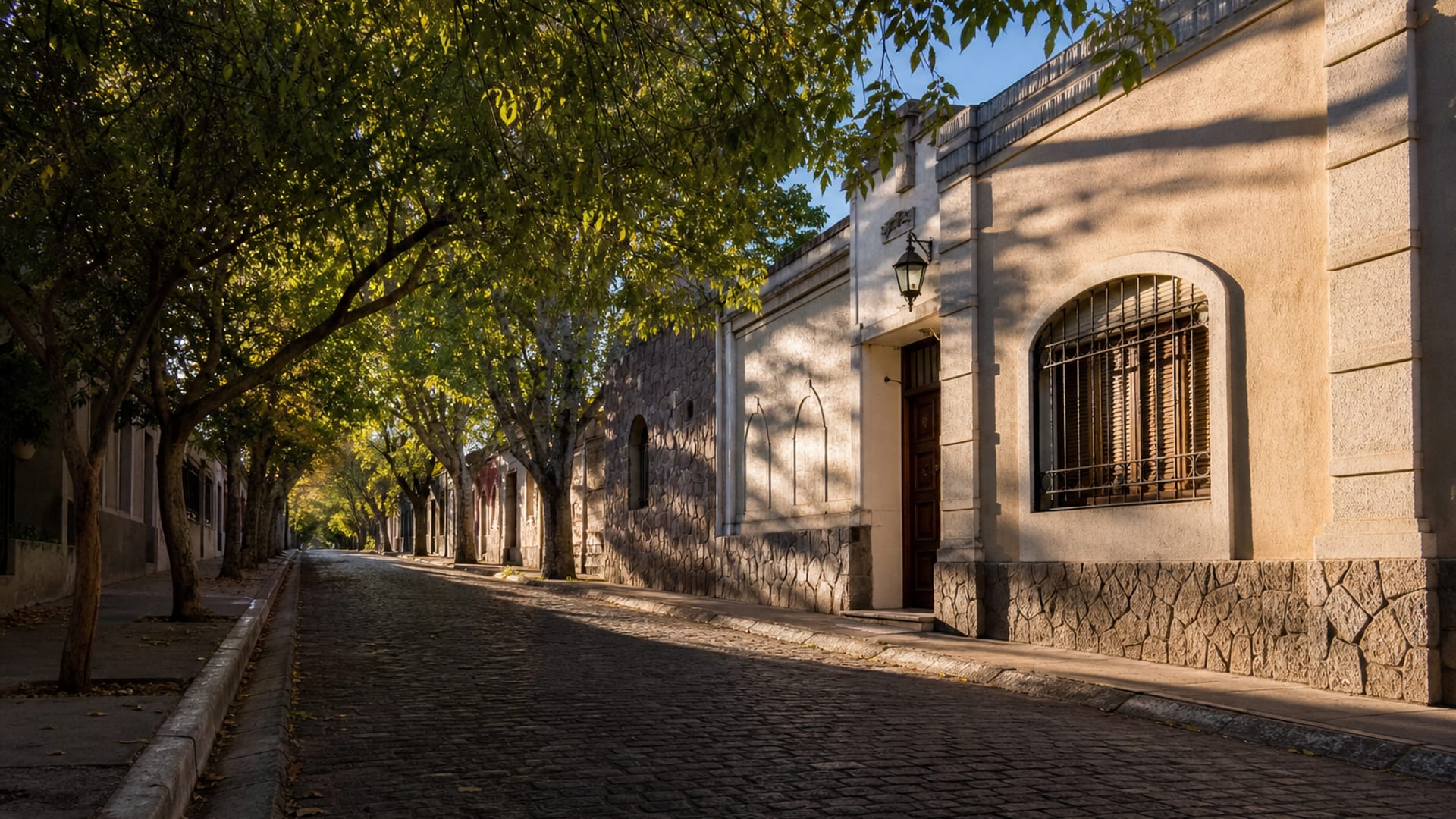
Quinta Sección sits west of the center beside Parque General San Martín and the Arístides Villanueva restaurant corridor. It offers a residential setting while keeping nightlife, cafés, the park, and central Mendoza within easy reach.
Best for: Restaurants, nightlife, park access, and travelers who want a central residential area
What to expect: Apartment buildings, cafés, restaurants, tree-lined streets, and busy evenings around Arístides Villanueva
Hotel prices: Well-rated stays generally cost ARS 70,000 to ARS 180,000 ($45 to $120) per night.
Distance to major sights: Parque General San Martín borders the neighborhood, while Plaza Independencia is roughly 10 to 20 minutes away on foot or by a short ride.
Quietness: Side streets are quieter, while Arístides Villanueva stays active well into the evening.
Main trade-off: Properties directly on the restaurant corridor can pick up late-night noise.
Good to know: Stay a few blocks from Arístides Villanueva if you want easy dining access without being directly above the busiest bars.
Outer residential areas in Las Heras, La Favorita, and the airport corridor are less convenient for a first sightseeing-focused stay because they add regular travel time to Mendoza’s main plazas, restaurants, parks, and tour pickup points.
Hotel deals
How to get around Mendoza efficiently
Central Mendoza is easy to cover by foot, while the Metrotranvía, buses, and taxis handle longer trips across Greater Mendoza and connections beyond the city center.

Metro
for longer distances
Mendoza’s light-rail Metrotranvía connects the city with parts of Greater Mendoza and integrates with the MendoTran bus network. A standard trip costs ARS 1,000 ($0.70). Pay with SUBE, contactless credit or debit cards, or compatible phones and smartwatches.

Bus and tram
for convenience
MendoTran buses cover Mendoza and the surrounding metropolitan area, including routes toward residential districts and the airport. A standard ride costs ARS 1,000 ($0.70), with some differential services costing more. SUBE and contactless payment methods are accepted.

Taxi
for convenience or late hours
Licensed taxis operate throughout Greater Mendoza and use regulated metered fares. They are particularly useful for airport transfers, late-night trips, and destinations away from convenient bus or Metrotranvía routes. Confirm the payment method before departure.
*Prices are based on rates updated as of September 2026 and may change at the time of travel.
Use the Metrotranvía for destinations along its route, buses for broader metropolitan coverage, and taxis for airport transfers, late arrivals, and trips with luggage.
Iconic landmarks
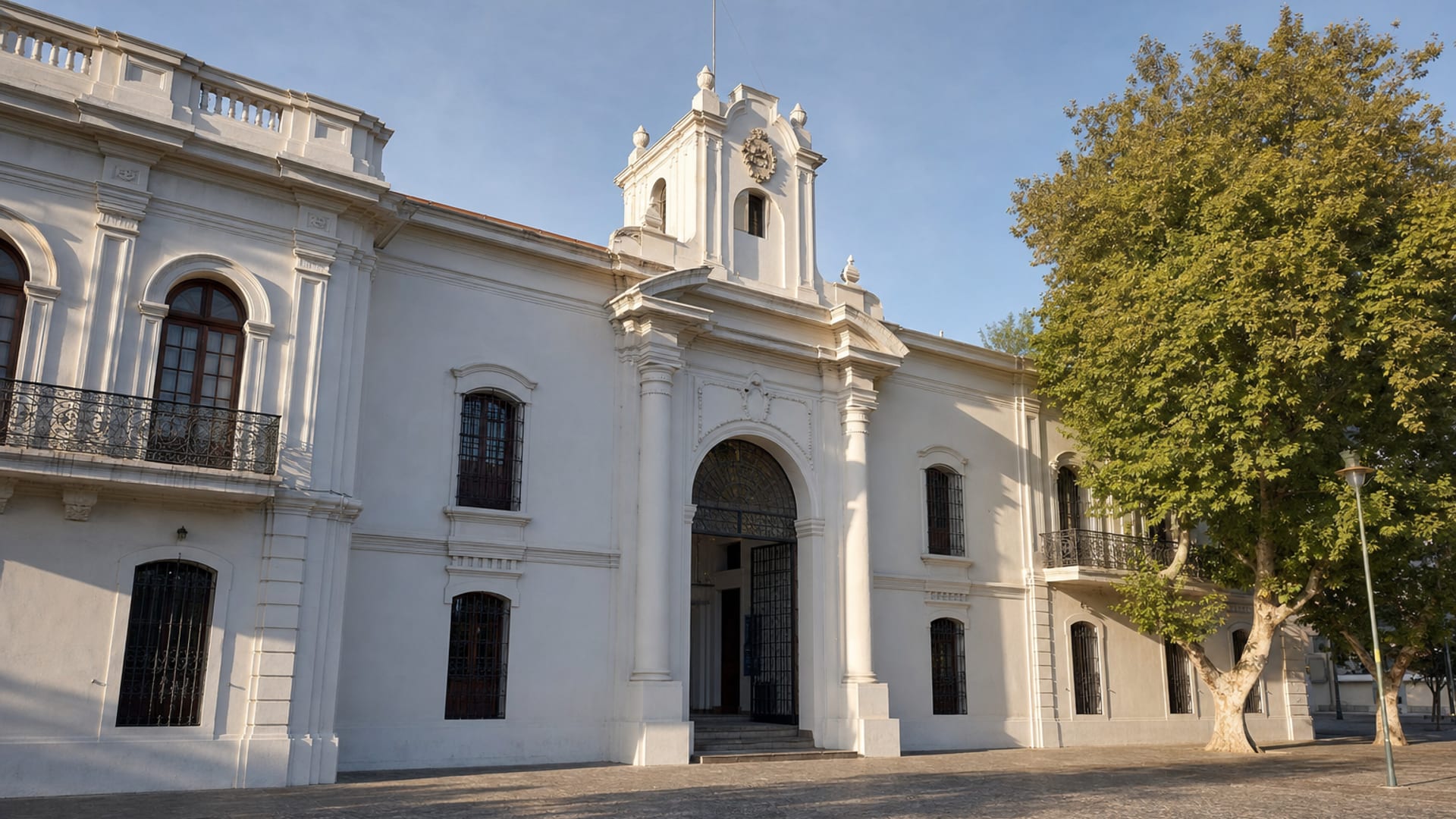
Museo del Área Fundacional
The Museo del Área Fundacional stands on Mendoza’s original colonial center and preserves archaeological remains of the old Cabildo and the city destroyed by the 1861 earthquake. Its exhibits trace Mendoza from its Indigenous past through the colonial period.
Time needed: 1 to 2 hours
Entry: Admission varies by program; many municipal activities and special museum days are free. Visit the official site for details.
Tip: Combine it with Plaza Pedro del Castillo and the nearby historic ruins.
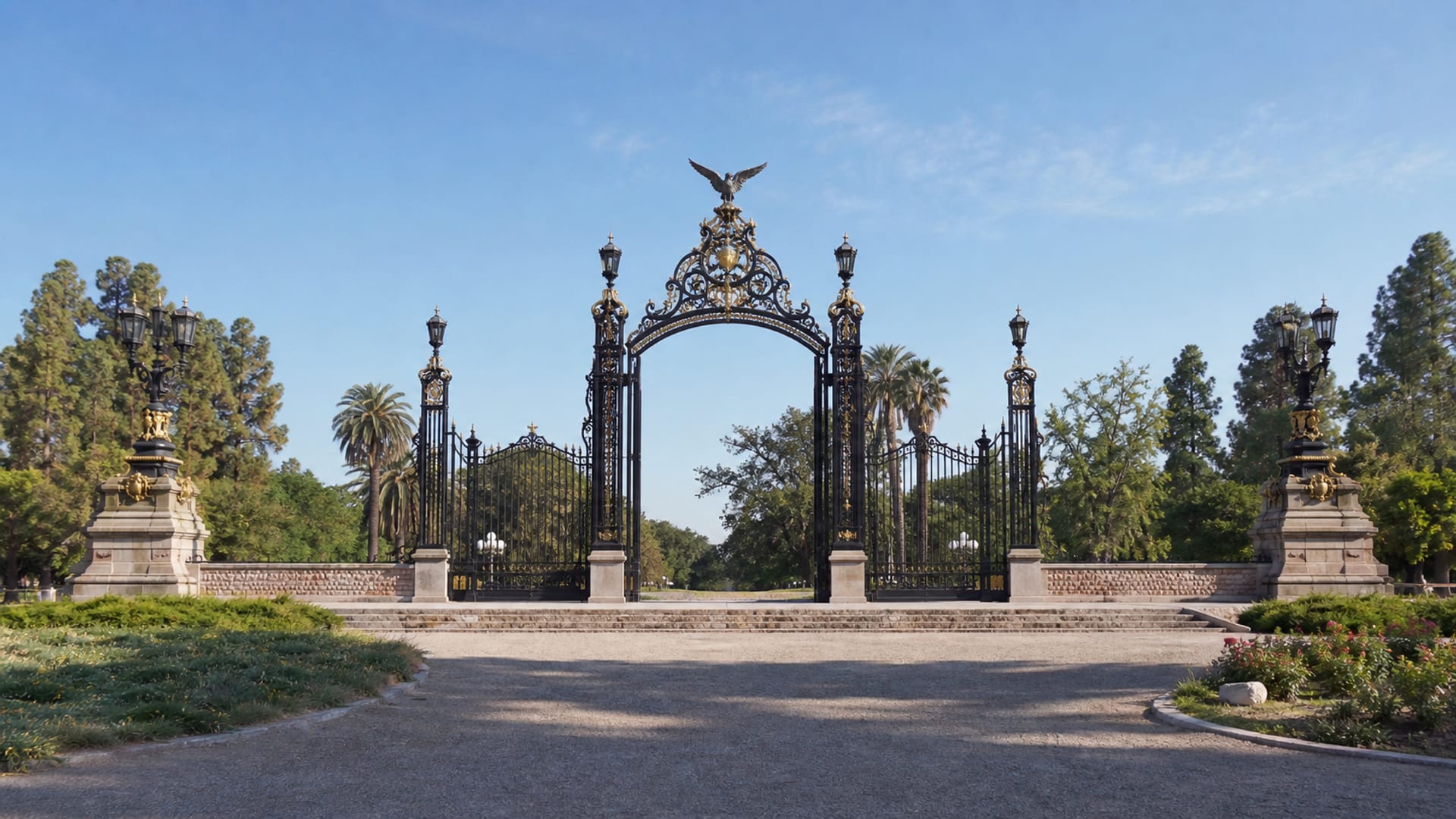
Parque General San Martín
Parque General San Martín covers more than 740 acres (300 hectares) with tree-lined avenues, an artificial lake, rose gardens, sports areas, and access toward Cerro de la Gloria. It is Mendoza’s largest and best-known urban green space.
Time needed: 2 to 4 hours
Entry: Free; rentals and individual attractions inside the park charge separately.
Tip: Go early or near sunset for softer light and cooler temperatures on the paths.
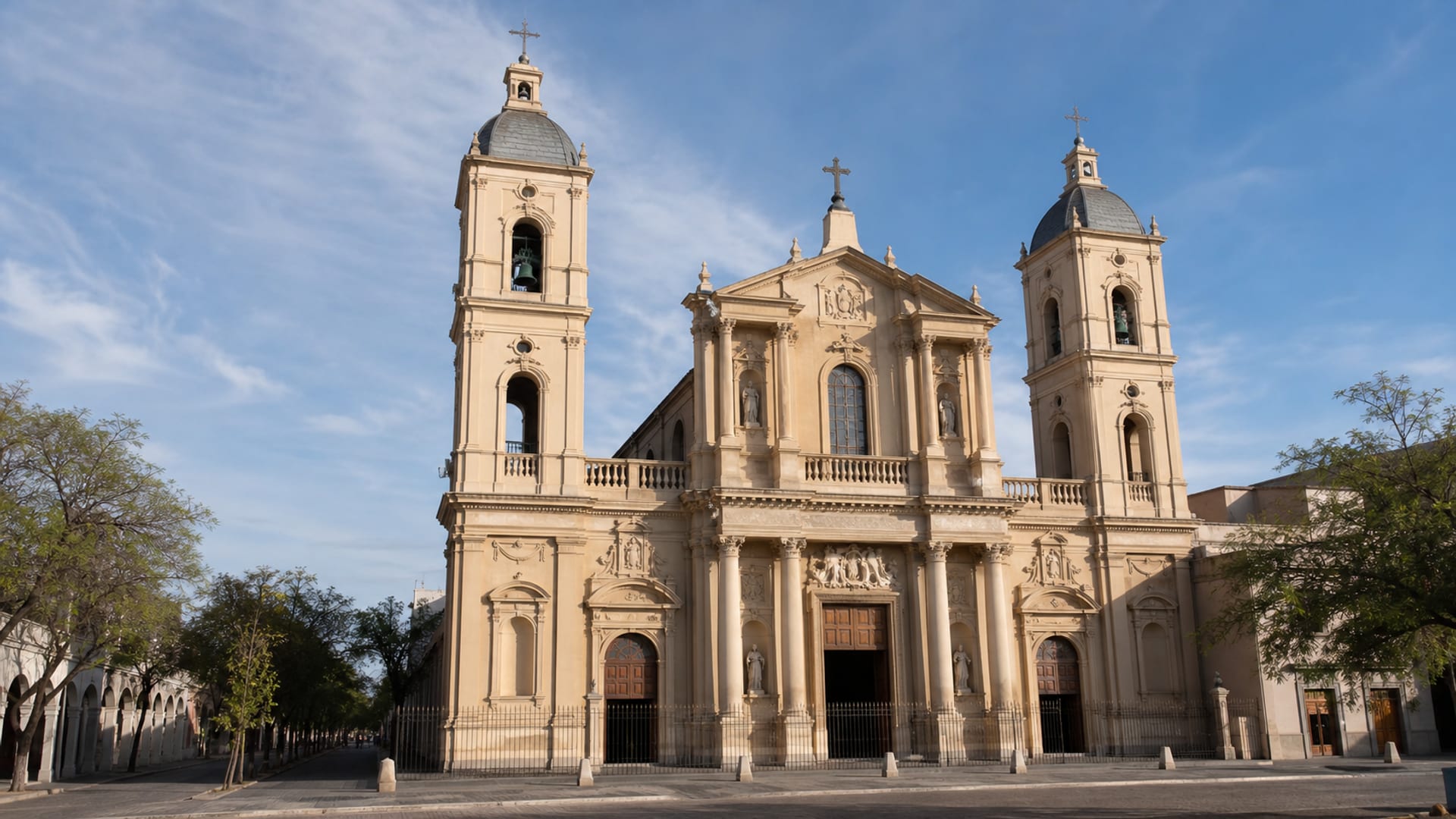
Basílica de San Francisco
Built in the late 19th century, the Basílica de San Francisco is closely tied to Mendoza’s San Martín history. It houses the Virgen del Carmen de Cuyo, San Martín’s staff of command, and the mausoleum of his daughter Mercedes and her family.
Time needed: 30 minutes to 1 hour
Entry: Free; donations are welcome. Visit the official site for details.
Tip: Visit outside mass times if you want to see the nave and altar in a quieter setting.
Overlooked sites worth visiting

Ruinas Jesuíticas de San Francisco
These surviving church ruins date from the colonial city destroyed by the 1861 earthquake. Stone walls and the interpretation center preserve one of the clearest physical links to Mendoza before the disaster.
Time needed: 45 minutes to 1 hour
Entry: Free during current municipal opening periods.
Tip: Combine it with the nearby Área Fundacional and Plaza Pedro del Castillo.

Museo del Pasado Cuyano
Museo del Pasado Cuyano occupies a historic residence and explores regional history through period rooms, documents, furniture, and objects connected with Mendoza’s political and cultural past.
Time needed: 1 to 1.5 hours
Entry: Admission starts at ARS 2,800 ($2). The museum is open Monday to Friday from 9:00 am to 1:00 pm. Visit the official site for details.
Tip: Pair it with Plaza San Martín and nearby central sights.
Traditional food
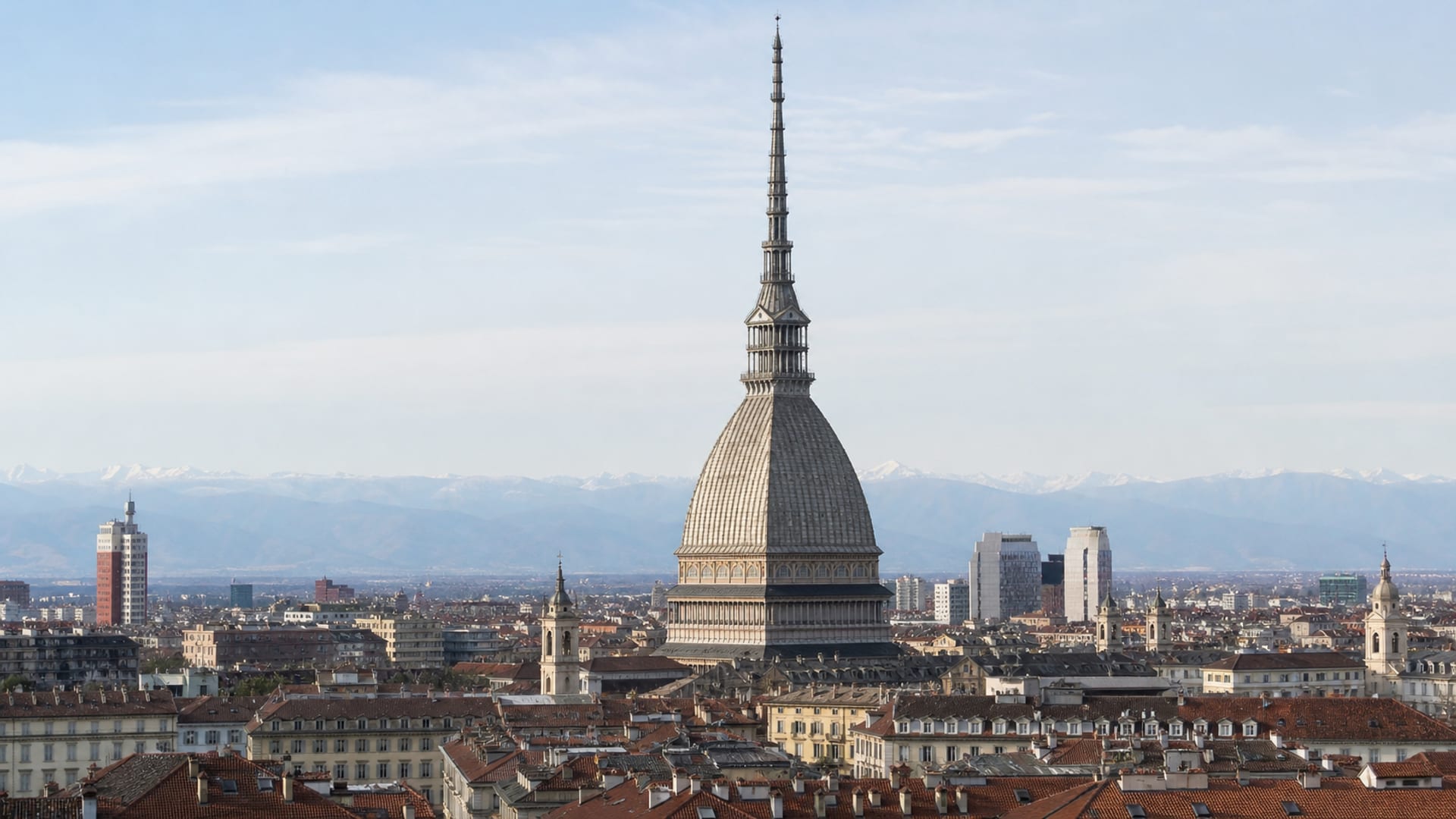
Mendoza’s traditional cooking brings together grilled meats, baked empanadas, corn-based dishes, and substantial stews, with long lunches and late dinners shaping the local dining rhythm.
Asado
Asado brings beef, sausages, and other cuts together over wood or charcoal, with slow grilling at the center of the preparation. La Cabrera Mendoza specializes in Argentine parrilla and currently offers an asado-focused dining experience.
Empanadas mendocinas
Empanadas mendocinas typically combine seasoned beef, onion, egg, and olives inside a baked pastry shell. Zappa in Chacras de Coria serves oven-baked Mendocino empanadas on its current menu.
Locro
Locro is a substantial stew made with legumes, corn, squash, pork, and sausage, especially associated with colder weather and national holidays. Siete Cocinas, a downtown Mendoza restaurant built around Argentina’s seven culinary regions, is a strong place to try a Cuyo-rooted version.
Humita
Humita is made from fresh corn cooked with onion, seasoning, and often cheese, either served creamy or wrapped in corn husks. La Quinta Comidas in Mendoza city serves humita-filled empanadas as part of its Saturday menu.
Best time to visit Mendoza
Mendoza has hot summers, cool winters, and comfortable shoulder seasons, with fall and spring especially well suited to city walks and winery visits.
Best for: Winery visits, long evenings, and outdoor dining
What you get: 64°F to 91°F (18°C to 33°C), with hot, dry afternoons, strong sun, and long daylight hours
Trade-offs: Midday heat can make walking and exposed sightseeing tiring.
Best for: Vendimia, winery visits, city walks, and seasonal dining
What you get: 46°F to 82°F (8°C to 28°C), with warm early autumn days and cooler weather developing through May.
Trade-offs: Vendimia weekends can bring higher hotel demand and busier wineries.
Best for: Museums, winery lunches, and fewer crowds
What you get: 34°F to 63°F (1°C to 17°C), with cool days, cold nights, and generally lighter visitor numbers
Trade-offs: Shorter daylight hours limit longer outdoor plans.
Best for: Park walks, winery visits, plazas, and comfortable sightseeing
What you get: 45°F to 82°F (7°C to 28°C), with rising temperatures, dry conditions, and increasingly warm afternoons
Trade-offs: Strong spring winds can disrupt some outdoor plans.
A realistic 5-day plan in Mendoza
Five days gives you enough time to separate Mendoza’s central plazas, historic district, park, and wine country without repeating the same sights. The sequence keeps the city days compact before shifting south toward Chacras de Coria.
Land at Governor Francisco Gabrielli International Airport (MDZ), then take a taxi or prebooked transfer into central Mendoza. The trip usually takes 15 to 25 minutes depending on traffic. Check in near Plaza Independencia, keep dinner within walking distance, and use the first evening for a short walk around the central plazas.
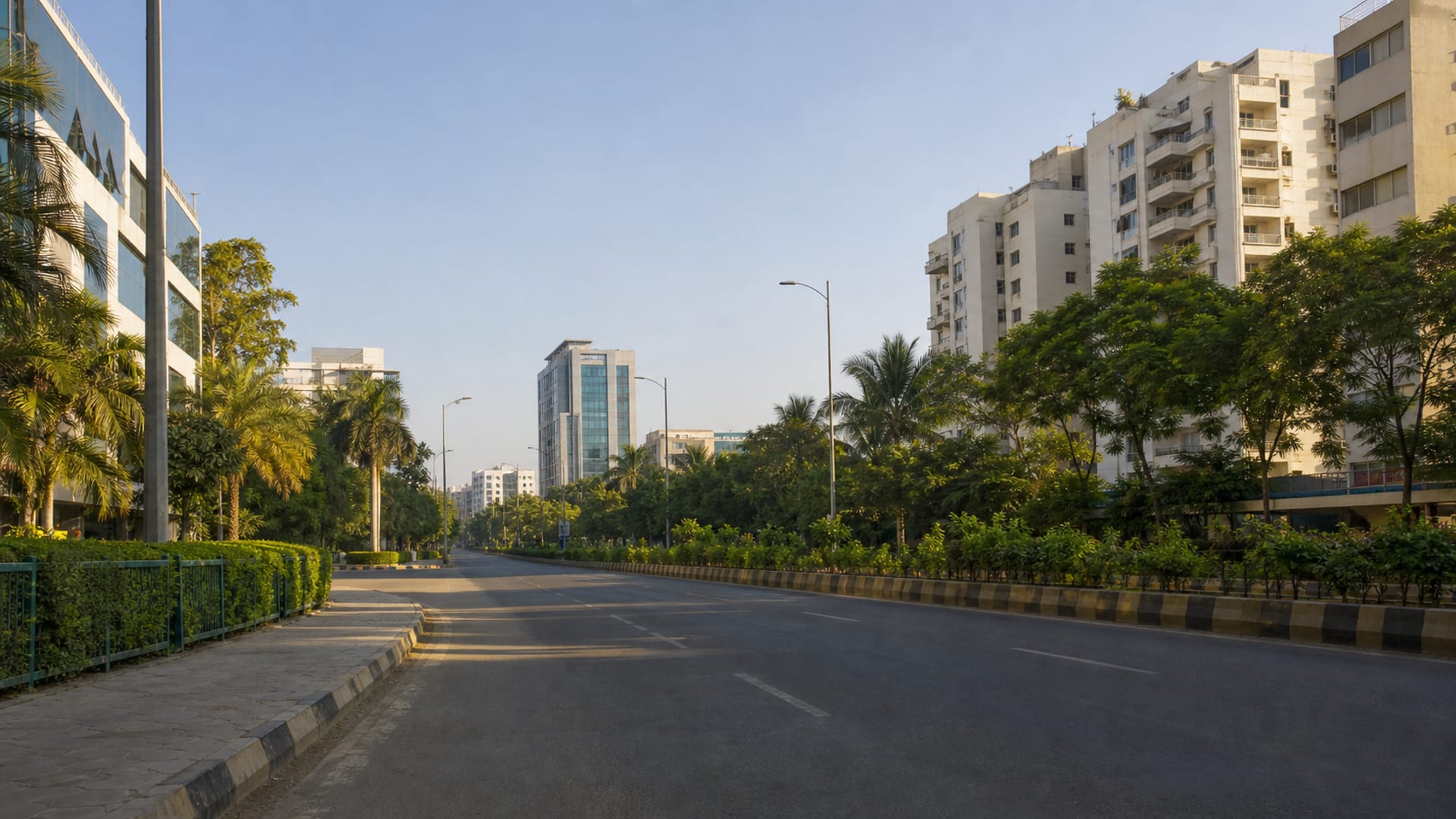
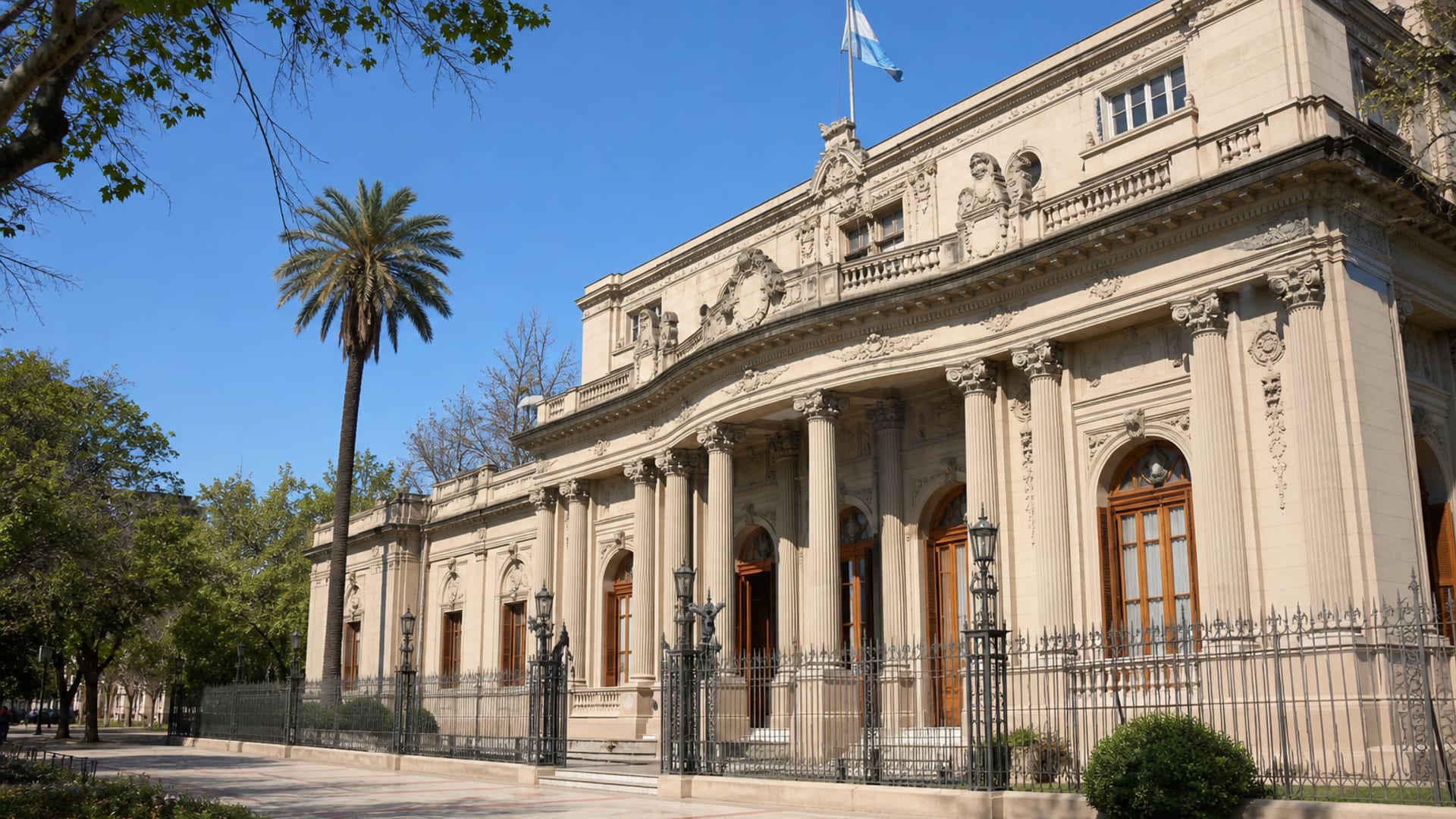
Start around Plaza Independencia, then walk through the center to the Basílica de San Francisco. After the visit, take a short taxi east to the Museo del Área Fundacional and Plaza Pedro del Castillo, allowing 1 to 2 hours for the museum and surrounding historic area. Return to the center for lunch, then spend the afternoon around the main plaza.
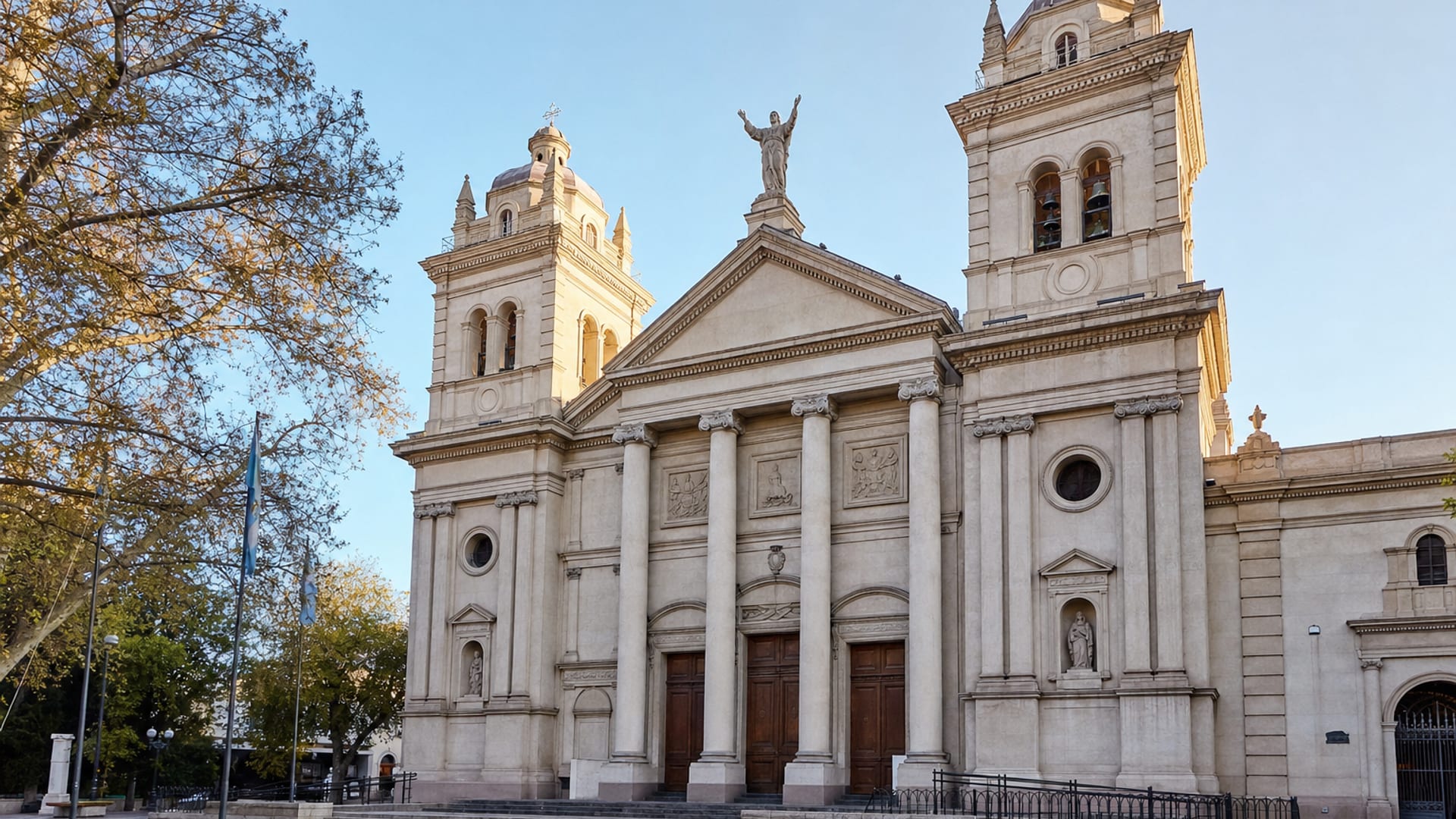
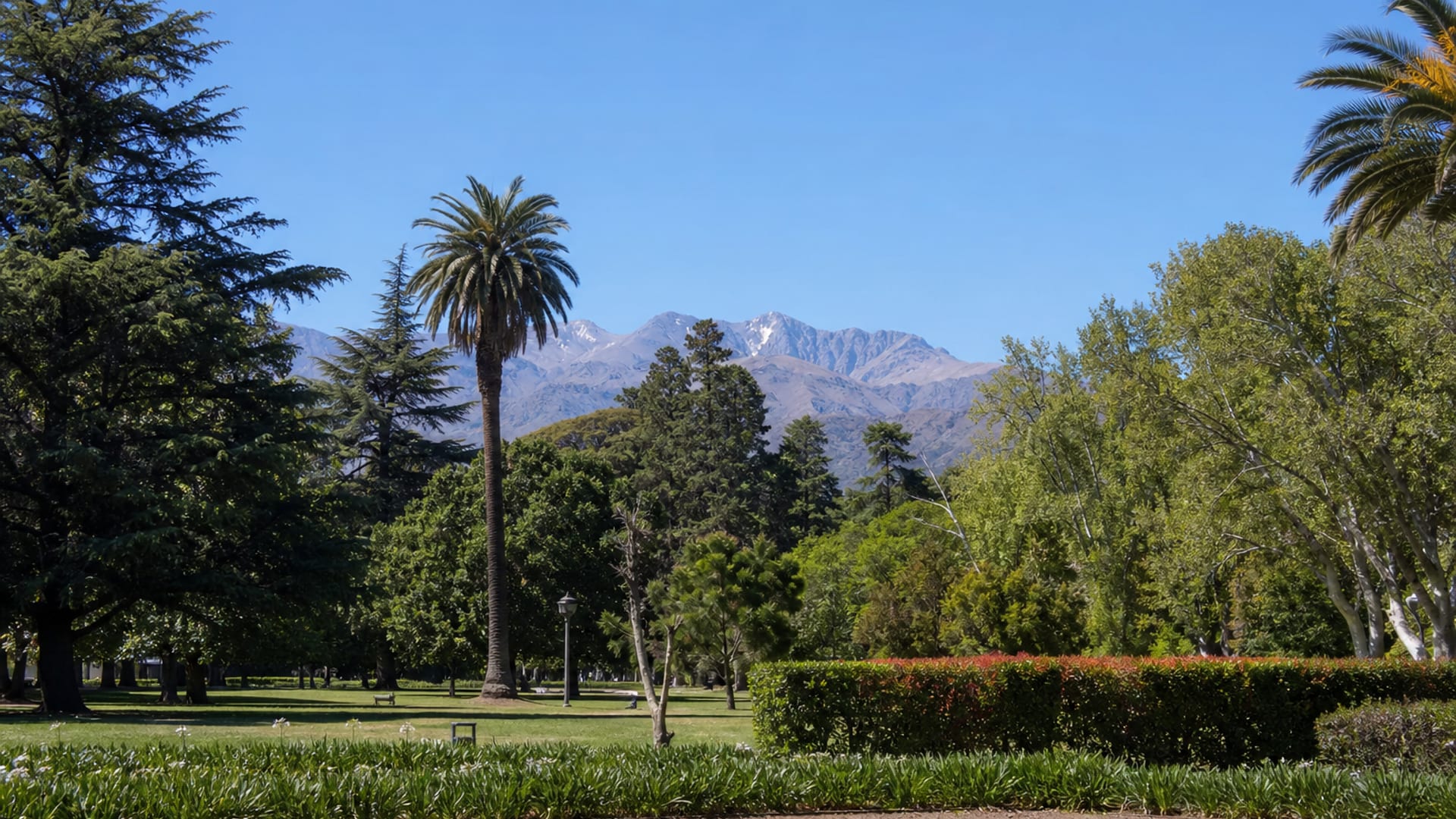
Begin early in Parque General San Martín and allow 2 to 3 hours for the lake, rose garden, tree-lined avenues, and surrounding paths. From the main park area, continue west toward Cerro de la Gloria for the monument and views over Mendoza and the foothills. Stop near the park edge for lunch or coffee before returning to your hotel.
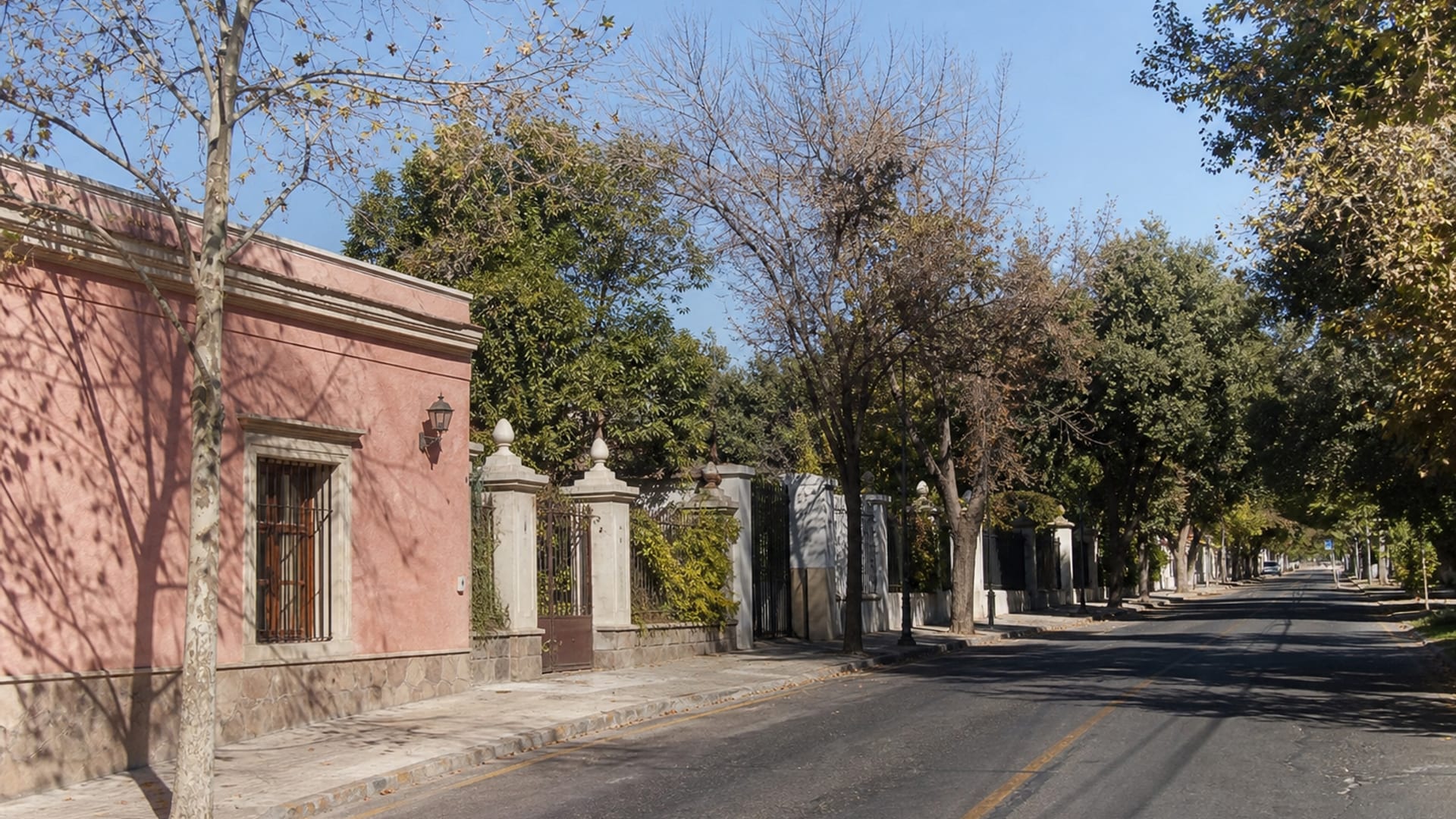
Head south to Chacras de Coria in the morning; the drive from central Mendoza usually takes 25 to 40 minutes depending on traffic. Start with coffee or a short walk through the district, then continue to prebooked winery visits in the Luján de Cuyo area. Keep lunch and tastings in the same zone, then return to Mendoza in the late afternoon or stay for dinner in Chacras de Coria.
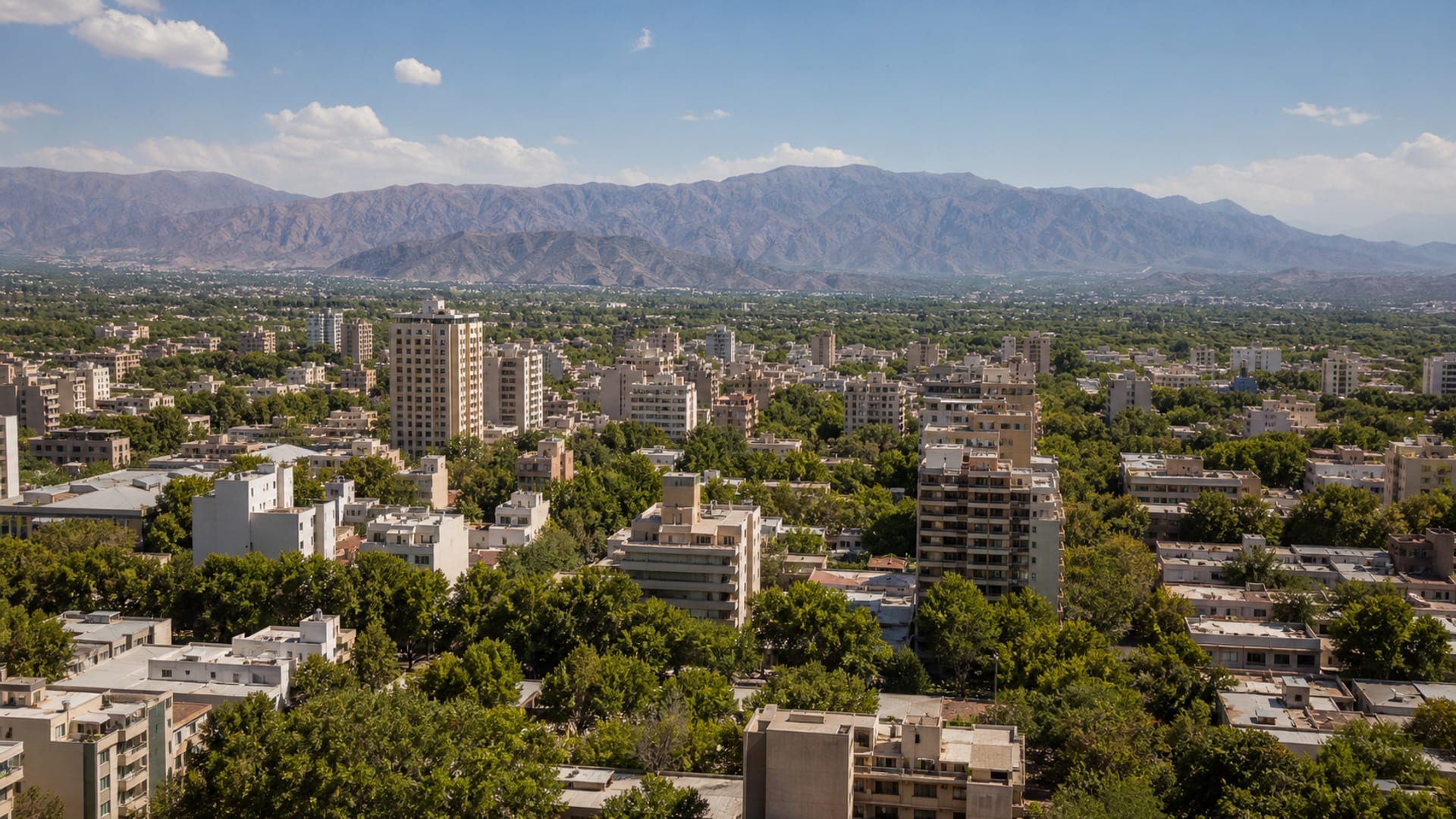
Use the final morning for Quinta Sección and the Arístides Villanueva area, where cafés, restaurants, and tree-lined streets make an easy last stop close to central Mendoza. Have lunch nearby, collect your bags, then allow 15 to 25 minutes for the transfer back to Governor Francisco Gabrielli International Airport (MDZ), with extra time during heavier traffic.
Business-class flights from the US to Mendoza
Flights to Mendoza often connect through one of a few major hubs, so the useful comparisons are the nonstop time where available and the layover path when they are not. The East Coast and West Coast routes rarely look the same on paper.
From New York, Aerolíneas Argentinas, LATAM Airlines, Delta Air Lines, American Airlines, and Copa Airlines commonly appear on one-stop itineraries, and the full trip usually takes about 10.5 to 11.5 hours when a nonstop is available. If you connect, hubs such as EZE, SCL, GRU, PTY, and MAD can push total travel time to about 15 to 21 hours. Business fares from New York usually run from $2,400 to $5,500 round-trip.
From Los Angeles, Aerolíneas Argentinas, LATAM Airlines, American Airlines, Delta Air Lines, and Copa Airlines are the names to watch, with nonstop journeys usually running about 13.5 to 14.5 hours. One-stop itineraries via EZE, SCL, GRU, PTY, or MAD often stretch the trip to about 18 to 26 hours, while fares from Los Angeles usually start from $2,200 round-trip.
Mendoza feels different when you slow down
A well-planned Mendoza stay keeps the central plazas and museums together, gives Parque General San Martín its own time, and saves Chacras de Coria for a dedicated wine day. Metrotranvía, buses, taxis, and transfers cover the longer distances. AranGrant experts can help you find business-class flights and hotels that fit your dates and preferred location.







