Chapters:

Need help with your trip?
Our support team is available 24/7. Request a callback or call us directly at (833) 619-0908
Many Medellín itineraries start in El Poblado, detour to Comuna 13, and leave the rest of the city to transit windows and hotel nights. Travelers often miss how much the center, the metro, and the hillside routes shape the trip.
That approach can waste time, since some sights sit far apart and midday crowds change the pace in El Centro and on popular viewpoints. A plan that ignores opening hours, transfer times, and neighborhood fit tends to stack long rides into the middle of the day.
This guide keeps the days in a cleaner order, with arrival, museums, cable cars, and food districts placed where they fit best. It gives Medellín a more legible structure, so you spend less time deciding what to do next.
Useful things to know

Main language(s): Spanish
Hola (OH-lah) – Hello / hi
Por favor (por fah-VOR) – Please
Gracias (GRAH-syahs) – Thank you
¿Habla inglés? (AH-blah een-GLES) – Do you speak English?
¿Cuánto cuesta? (KWAN-toh KWES-tah) – How much does it cost?

Currency: The local currency is the Colombian peso (COP, $).

Cash and cards: Cards and contactless are widely accepted; keep about COP 50,000 to 100,000 cash ($13 to $26) for taxis, tips, and small purchases.

Tipping: Round up small bills; leave 5-10% in restaurants if service is good.

Traditional food: Bandeja paisa, arepa de choclo, empanadas, mondongo

Water and coffee costs: Water ~COP 5,000 ($1.25), bar espresso ~COP 7,000 to 10,000 ($1.75 to $2.50).

Taxis and ride apps: Uber and InDriver operate here; confirm the license plate before boarding.

Plug and voltage: Type A/C socket, 110V

Dining and shop opening hours: Breakfast is roughly 07:00-09:00, lunch 12:00-14:30, and dinner 19:00-21:30. Many kitchens close between lunch and dinner.

Emergency number: 123 covers police, fire, and medical emergencies.
Where to stay in Medellín
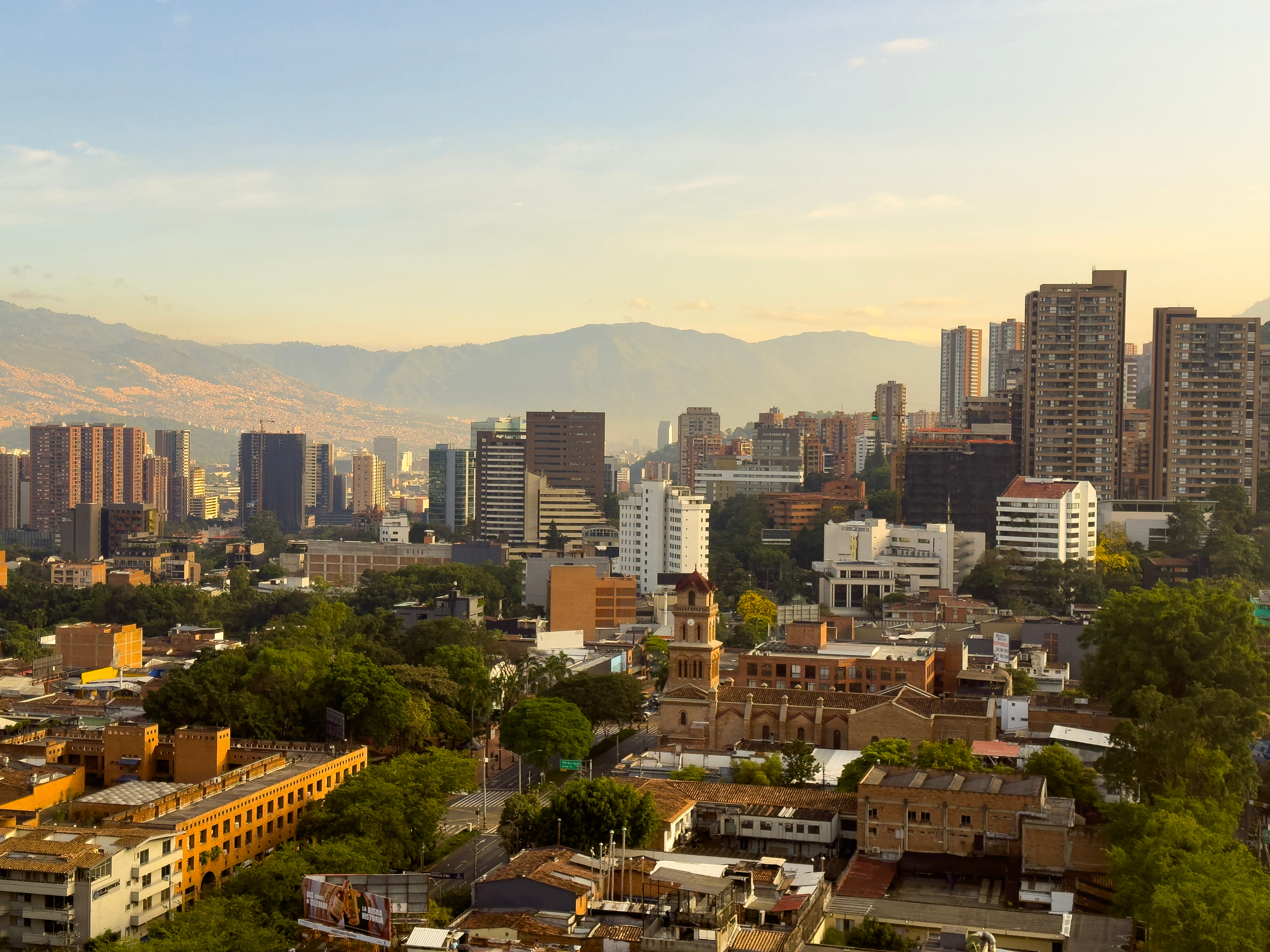
Medellín’s most polished hotel district, with high-rise stays, major restaurants, and the city’s densest cluster of international bars and cafés. It works well if you want the widest choice of places to eat and a simple starting point for taxis or rideshares.
Best for: Dining, nightlife, and travelers who want the widest hotel choice
What to expect: Busy sidewalks, constant restaurant traffic, and late-night noise on the main streets.
Hotel prices: Usually about 350,000 COP to 850,000 COP (~$90 to ~$220) per night for well-rated stays
Distance to major sights: 20 to 30 minutes by taxi to Plaza Botero and the Museo de Antioquia
Quietness: Daytime is lively and evening noise rises sharply near Provenza and Parque Lleras.
Main trade-off: You pay the city’s highest room rates, and the busiest blocks can stay loud well past midnight.
Good to know: Choose a room off the main nightlife strips if you sleep lightly; interior courtyards and higher floors make a big difference.
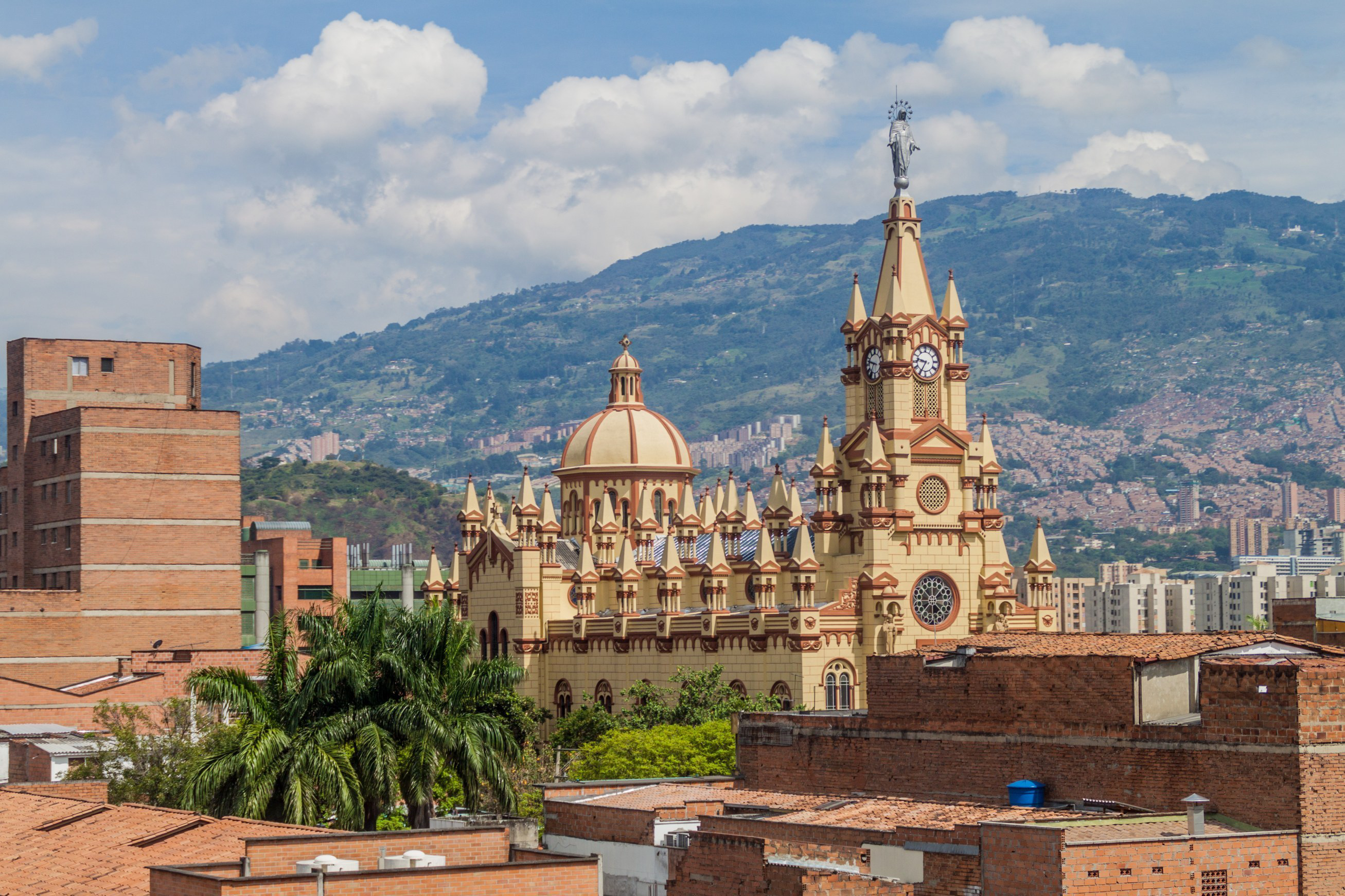
A residential district west of central Medellín, known for tree-lined blocks, local restaurants, and a more neighborhood-scale layout than El Poblado. It suits travelers who want good food, easier pacing, and fast taxi rides to the center.
Best for: Longer stays, local dining, and visitors who prefer a residential base
What to expect: Cafe traffic, soccer bars, and a steady local crowd rather than late-party streets.
Hotel prices: Usually about 220,000 COP to 520,000 COP (~$55 to ~$135) per night for well-rated stays
Distance to major sights: 15 to 25 minutes by taxi to Plaza Botero and the Museo de Antioquia
Quietness: Quieter than El Poblado by day, with moderate evening activity near restaurant corridors.
Main trade-off: You get less hotel stock than El Poblado, and some blocks are farther from the metro and major sights.
Good to know: The best stays sit near Avenida Nutibara or the Laureles stadium area if you want easy meals and lower taxi dependence.
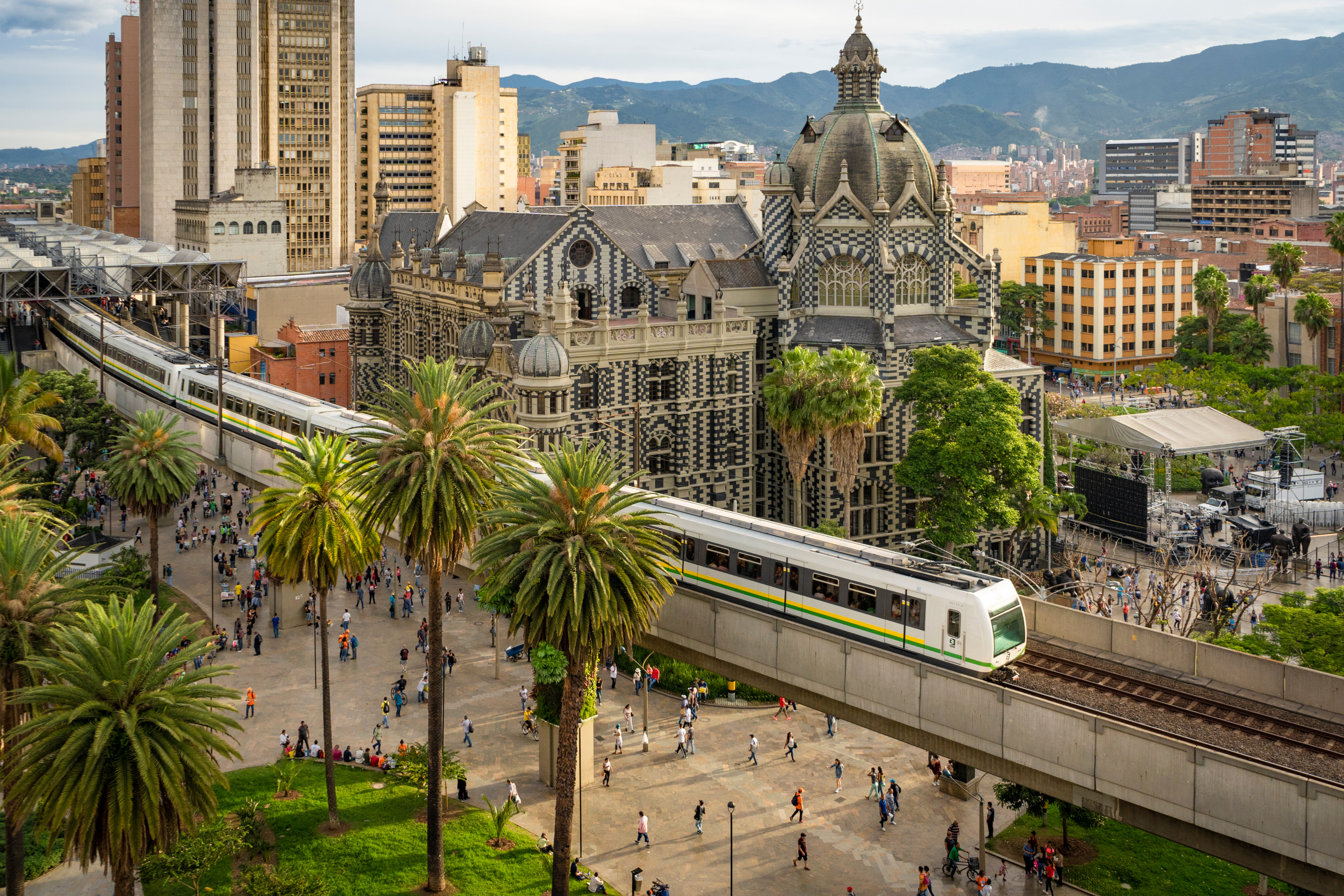
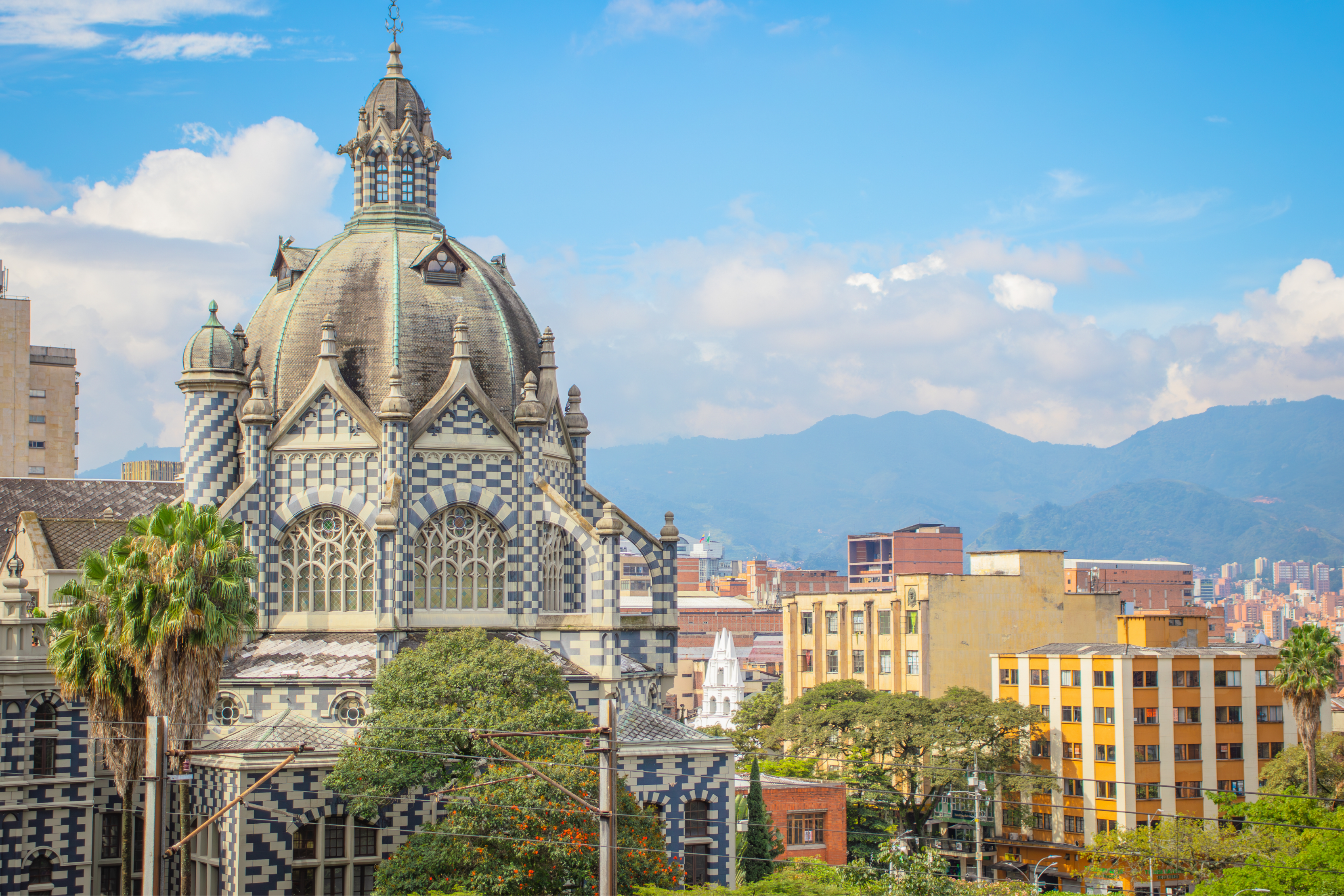
Medellín’s historic and commercial core, home to major museums, plazas, and the city’s main transit hub. It puts you closest to landmarks and public transport, but the area is busiest during the day and thins out after dark.
Best for: Museum visits, transit access, and short walks to central landmarks
What to expect: Heavy foot traffic, street vendors, and a fast-moving daytime crowd.
Hotel prices: Usually about 160,000 COP to 420,000 COP (~$40 to ~$110) per night for well-rated stays
Distance to major sights: 0 to 10 minutes on foot to Plaza Botero and the Museo de Antioquia
Quietness: Very active by day and much quieter, with some streets feeling sparse after business hours.
Main trade-off: Rates are lower, but evenings can feel too empty for some travelers and noise plus congestion are part of the daytime picture.
Good to know: If you stay here, check the exact block carefully, because a few streets are far better for visitors than others after sunset.
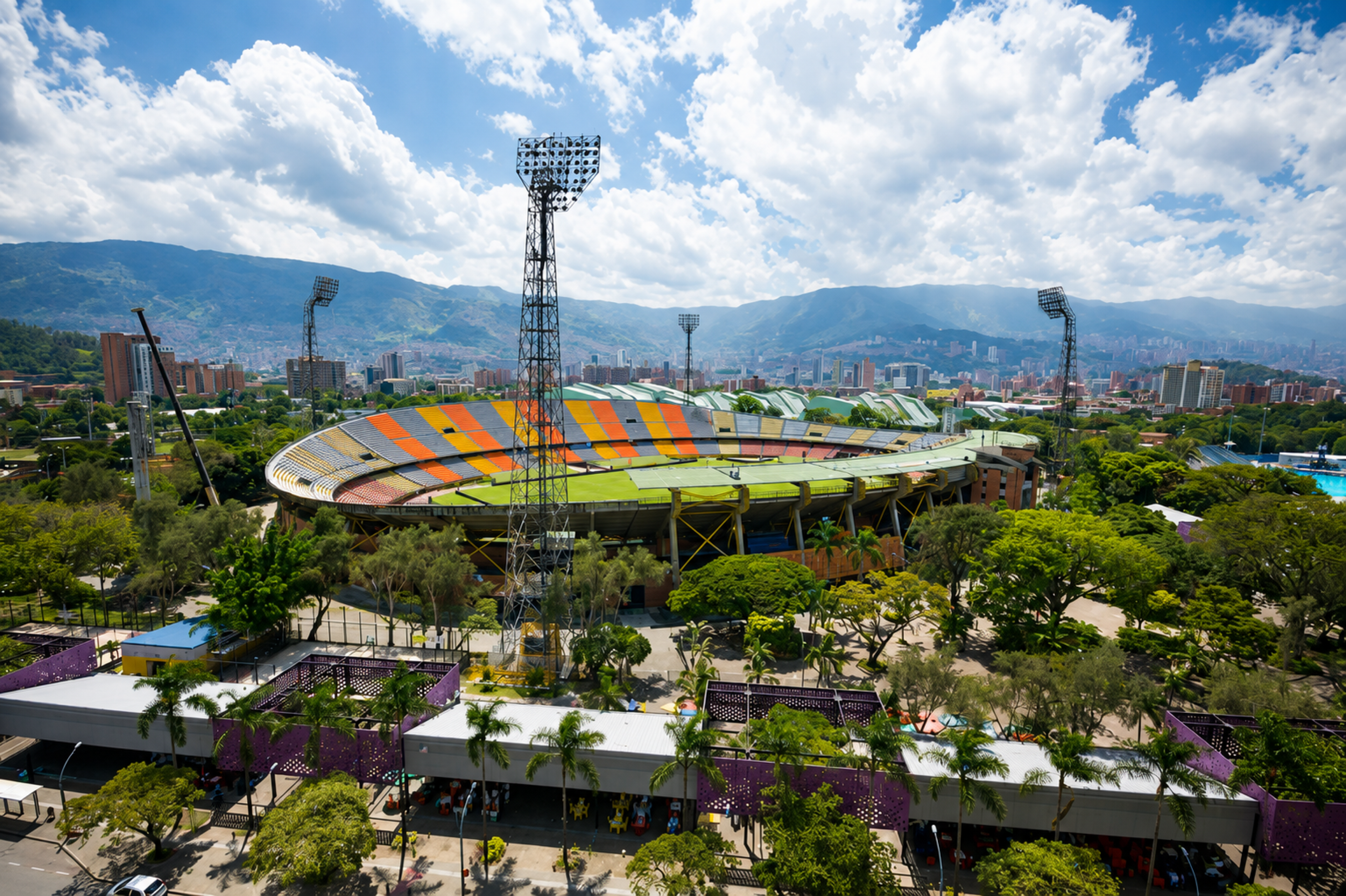
A practical west-central area built around the sports complex and nearby metro stops, with budget-friendly hotels, casual eateries, and easy movement across the city. It works well for travelers who want transit access without paying El Poblado prices.
Best for: Budget stays, metro access, and travelers attending events at the sports complex
What to expect: Local foot traffic, game-day energy, and a quieter nightly scene than the nightlife districts.
Hotel prices: Usually about 170,000 COP to 380,000 COP (~$45 to ~$100) per night for well-rated stays
Distance to major sights: 10 to 20 minutes by metro or taxi to Plaza Botero and the Museo de Antioquia
Quietness: Busy around the stadium and metro by day, then notably calmer at night except on event days.
Main trade-off: You give up the restaurant and nightlife density of the south, and the streets feel less visitor-focused after dark.
Good to know: Staying close to Estadio metro makes transfers easier, but match nights can bring traffic and noise right to your door.
Travelers usually avoid staying in Medellín’s Altavista, because it sits far from the main visitor areas and has limited hotel inventory and visitor amenities. La América, Robledo, Castilla, and Manrique are also less convenient for most first-time visitors, since they are farther from the main sights in El Poblado, Laureles, and the city center, and evening travel to those districts takes longer.
Hotel deals
How to get around Medellín efficiently
Medellín’s metro, Metrocable, buses, and taxis each solve a different part of the city, from valley-floor cross-town trips to steep hillsides and airport runs.

Metro and Metrocable
for longer distances
Medellín’s Metro includes Line A and Line B, plus the Metrocable and tram links, and a single one-way fare is about $0.80 (about COP 3,200) with transfers valid for the same paid trip within the system. Line A runs through the Aburrá Valley from Niquía to La Estrella, Line B links San Antonio to San Javier, and the cable cars extend service into hillside districts such as Santo Domingo and Arví. Trains and cable cars are useful for cross-city trips, with station-to-station rides often taking 10 to 30 minutes, depending on distance and transfers.

Bus and microbuses
for convenience
On Medellín’s street network, the tram line runs east from San Antonio to Ayacucho, while buses and minibuses cover nearly every neighborhood and fill the gaps beyond the rail lines. A bus fare is usually about $0.70 to $0.90 (about COP 2,800 to COP 3,600), and the exact amount depends on the operator and route. Use them for short hops, airport-area connections, and uphill neighborhoods that the Metro does not reach directly; travel time can vary widely with traffic, from about 15 minutes for a short urban hop to an hour or more for longer cross-town rides.

Taxi
for convenience or late hours
Licensed taxis in Medellín use metered fares in the city, with airport trips commonly quoted as a set airport rate rather than by the meter, and drivers should use the meter for ordinary trips. A short urban ride often costs about $2 to $6 (about COP 8,000 to COP 24,000), while an airport transfer from Medellín (MDE), José María Córdova International Airport to the city usually falls about $18 to $30 (about COP 72,000 to COP 120,000), depending on the destination and time of day. Hail them at official stands, street corners, or through a dispatch app, and carry cash in small bills, since card acceptance varies by driver.
*Prices are based on rates updated as of June 2026 and may change at the time of travel.
Use the metro and Metrocable for longer city hops, buses for short gaps the rail lines do not cover, and taxis or ride apps when you need the fastest door-to-door move.
Iconic landmarks
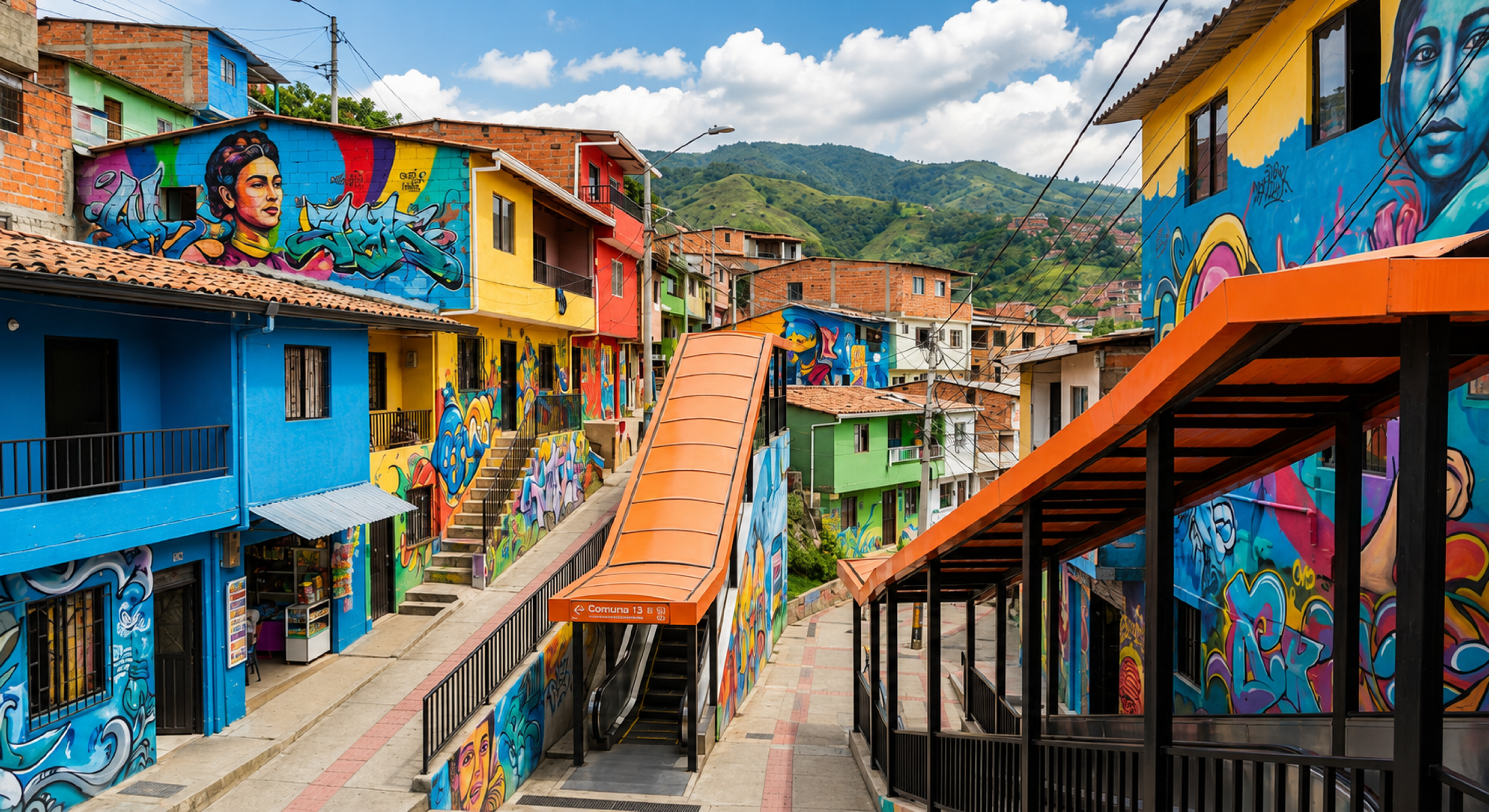
Comuna 13
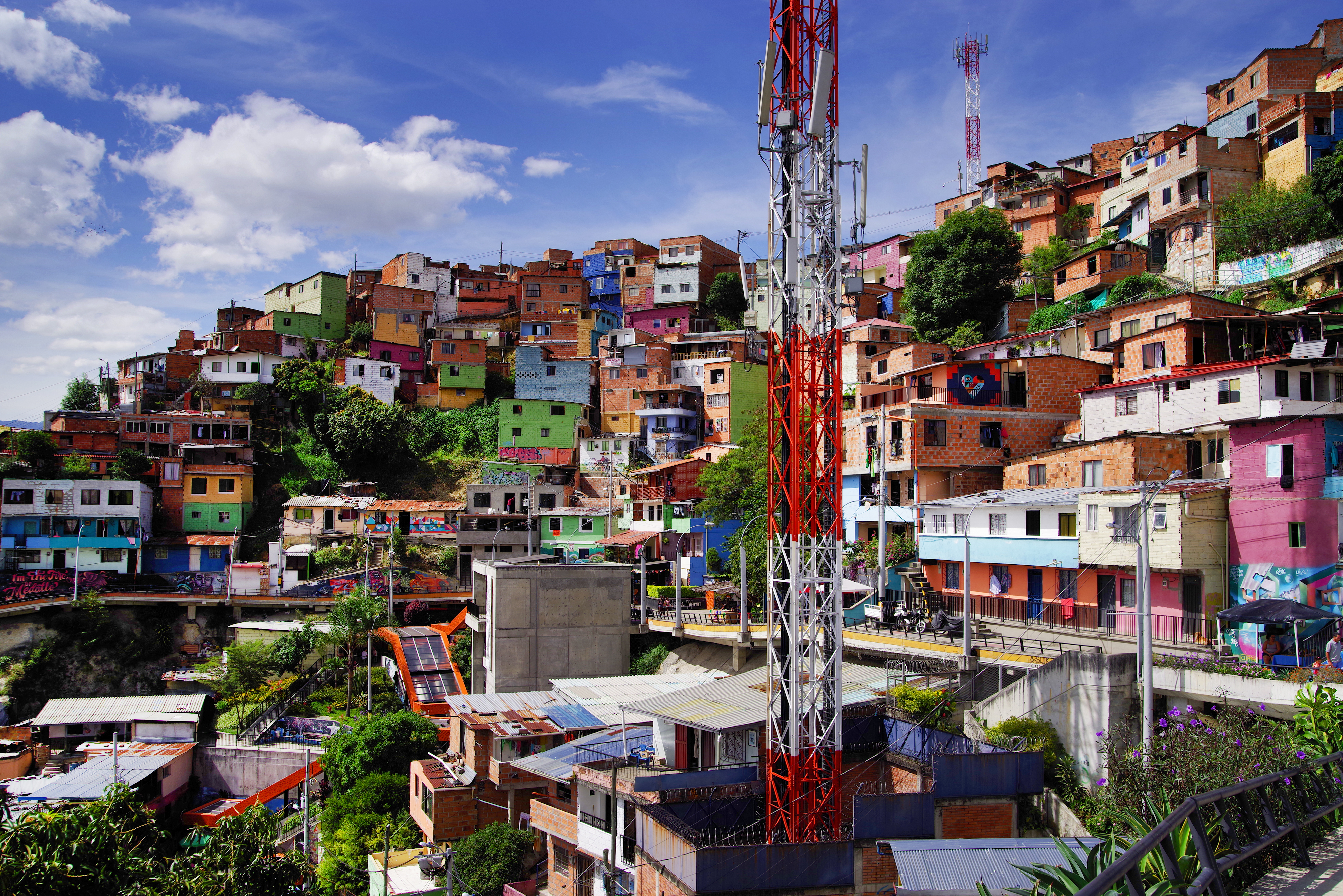
Comuna 13’s hillside escalators, street art, and lookout decks trace Medellín’s transformation in a compact route. Expect steep lanes, public murals, and dense local foot traffic, with the best visit when daylight is clear.
Time needed: About 2 to 3 hours
Entry: Free to access; guided neighborhood walks often cost $15 to $30, with optional cable car or café spending separate.
Tip: Go before late afternoon, when the murals still have direct light and the steep lanes feel safer to navigate.
Parque Arví
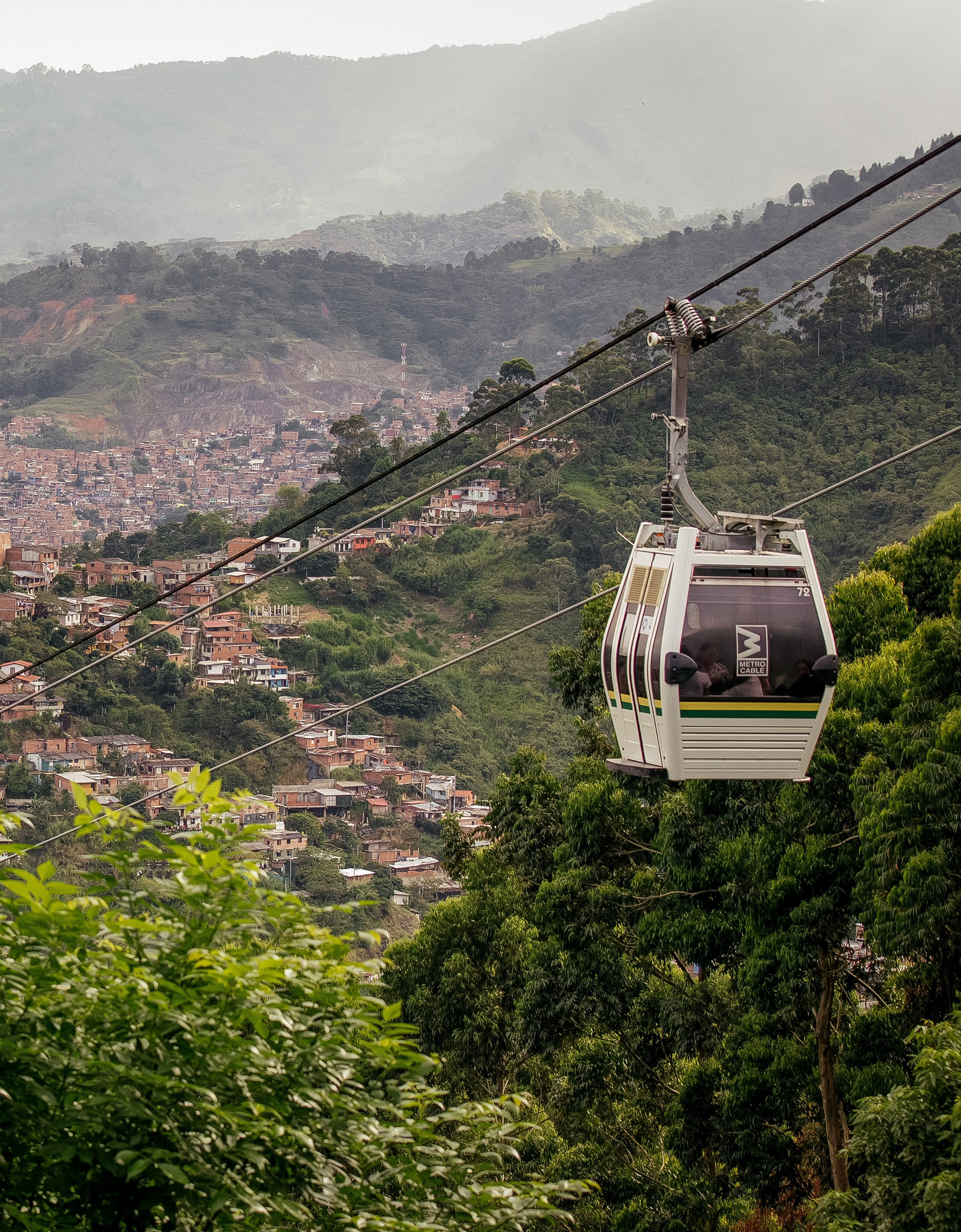
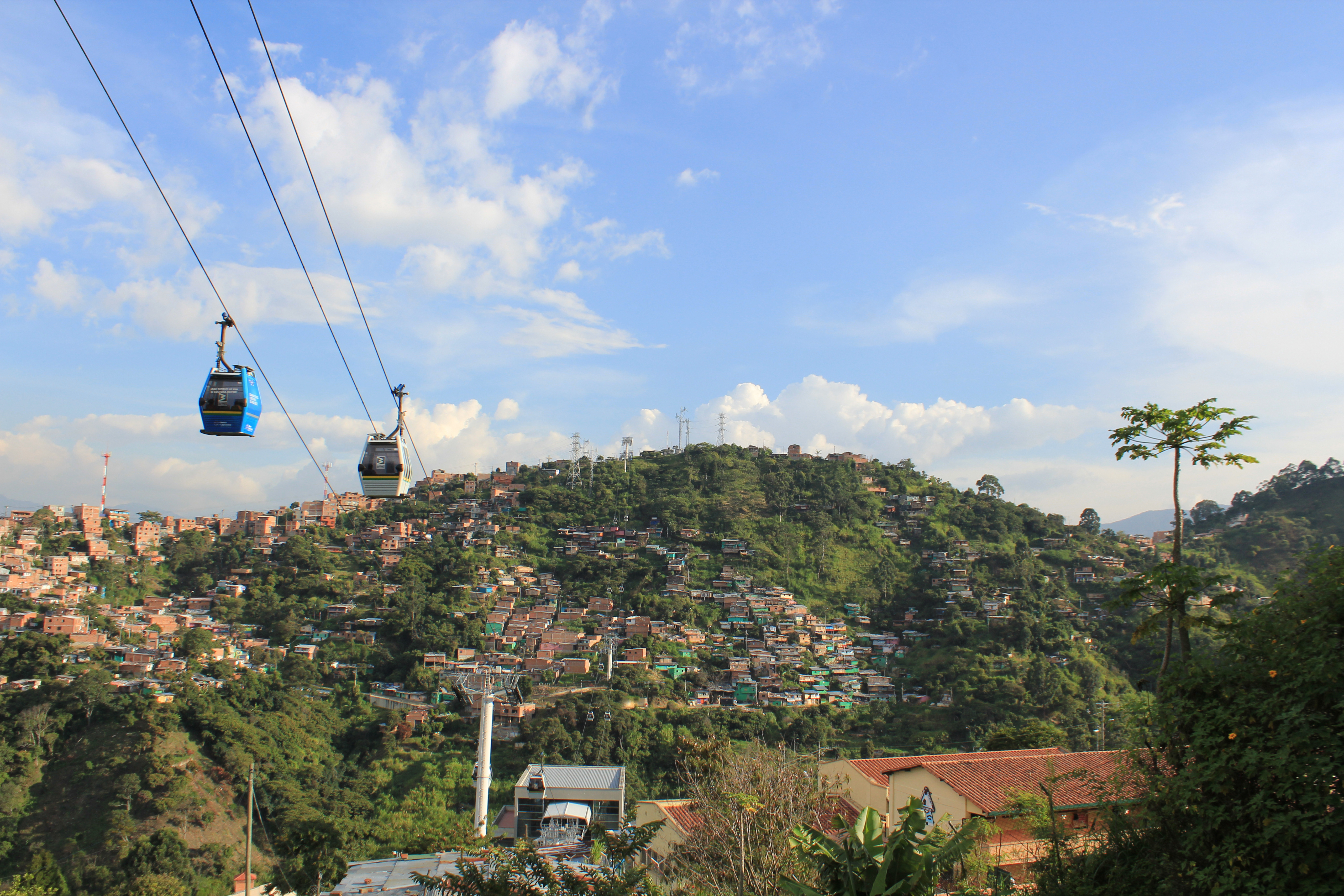
Parque Arví sits on the eastern edge of Medellín and combines native forest, marked trails, and a market area reached by Metrocable. It suits a half-day visit for hikers, birders, and anyone who wants cooler air above the valley.
Time needed: About 4 to 5 hours
Entry: Park access is free; Metrocable fares are about $1.10 ($4,500 COP) each way, and paid activities vary by operator. Visit the official site for details.
Tip: Arrive earlier in the day, since afternoon clouds can close in and cut trail visibility.
Jardín Botánico de Medellín
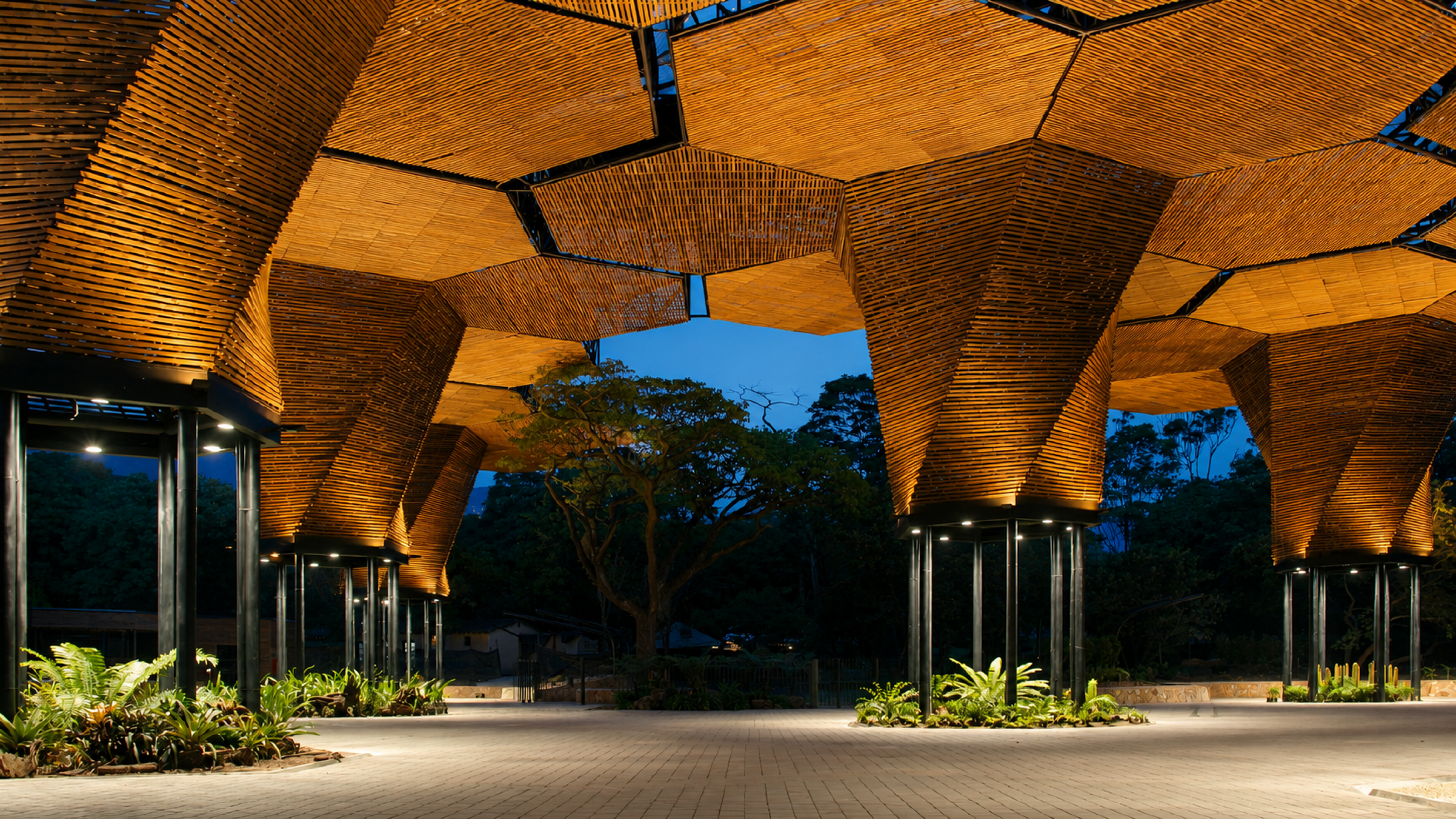
Jardín Botánico de Medellín brings together palms, orchids, ponds, and the landmark Orquideorama under one walkable canopy. It pairs well with nearby city sights and gives a close look at Colombia’s tropical plants.
Time needed: About 1.5 to 2.5 hours
Entry: Admission is free for the gardens; special exhibits or events may charge separate fees, usually about $2 to $8 ($8,000 to $32,000 COP). Visit the official site for details.
Tip: Visit on a weekday morning, when the paths are quieter and the orchid displays are easier to view.
Overlooked sites worth visiting

Cerro El Volador
This urban hill park has dirt trails, native trees, and views over Medellín’s north side. Birdwatchers come early, when the paths are quiet and tanagers move through the canopy.
Time needed: About 1 to 2 hours
Entry: Free to access. The park does not charge admission, and visitors can walk the trails at no cost during open hours. Bring water, since shade varies on the steeper slopes and the lookout points sit above exposed stretches of path.
Tip: Visit at sunrise for cooler air and clearer views.
Museo Cementerio San Pedro
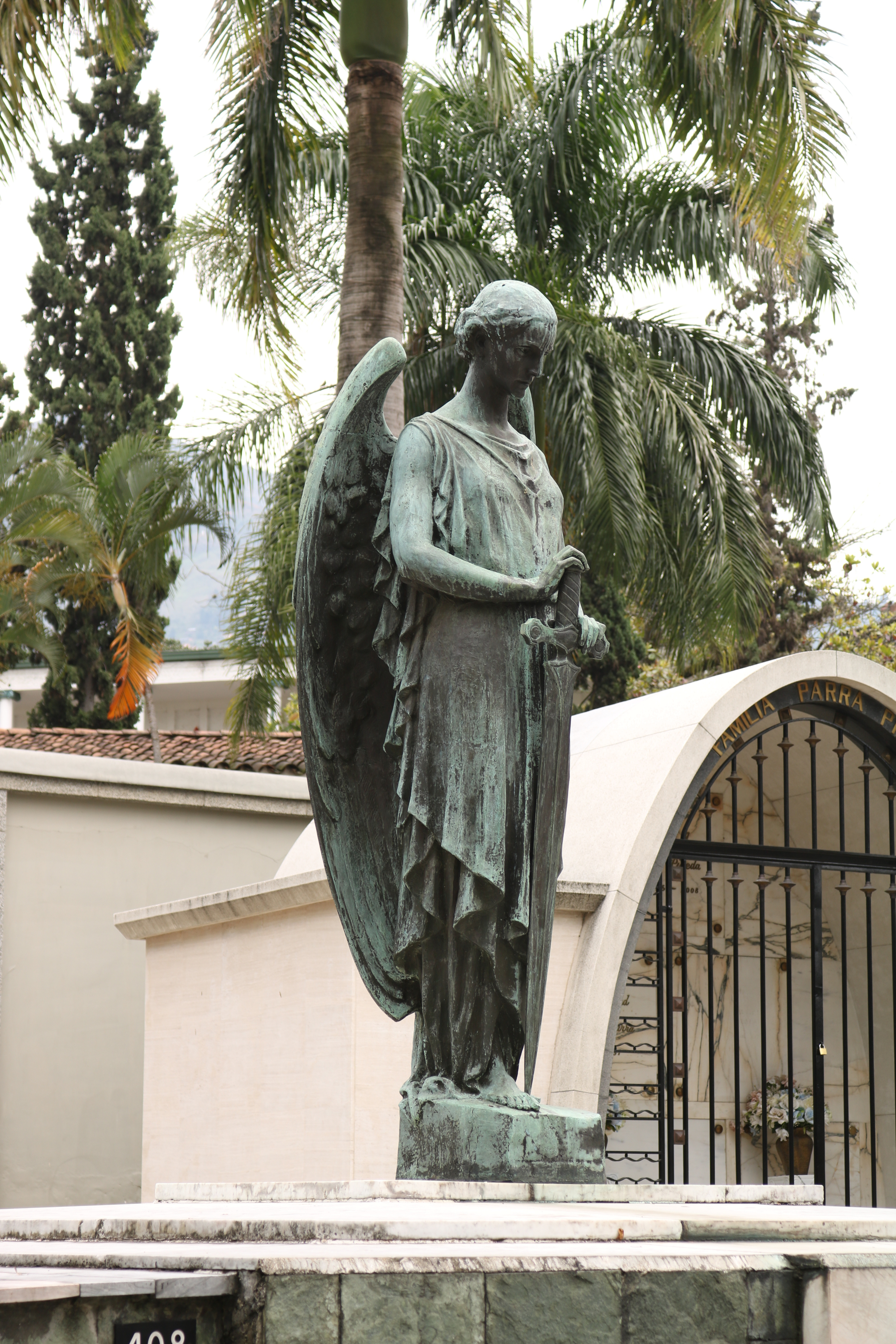
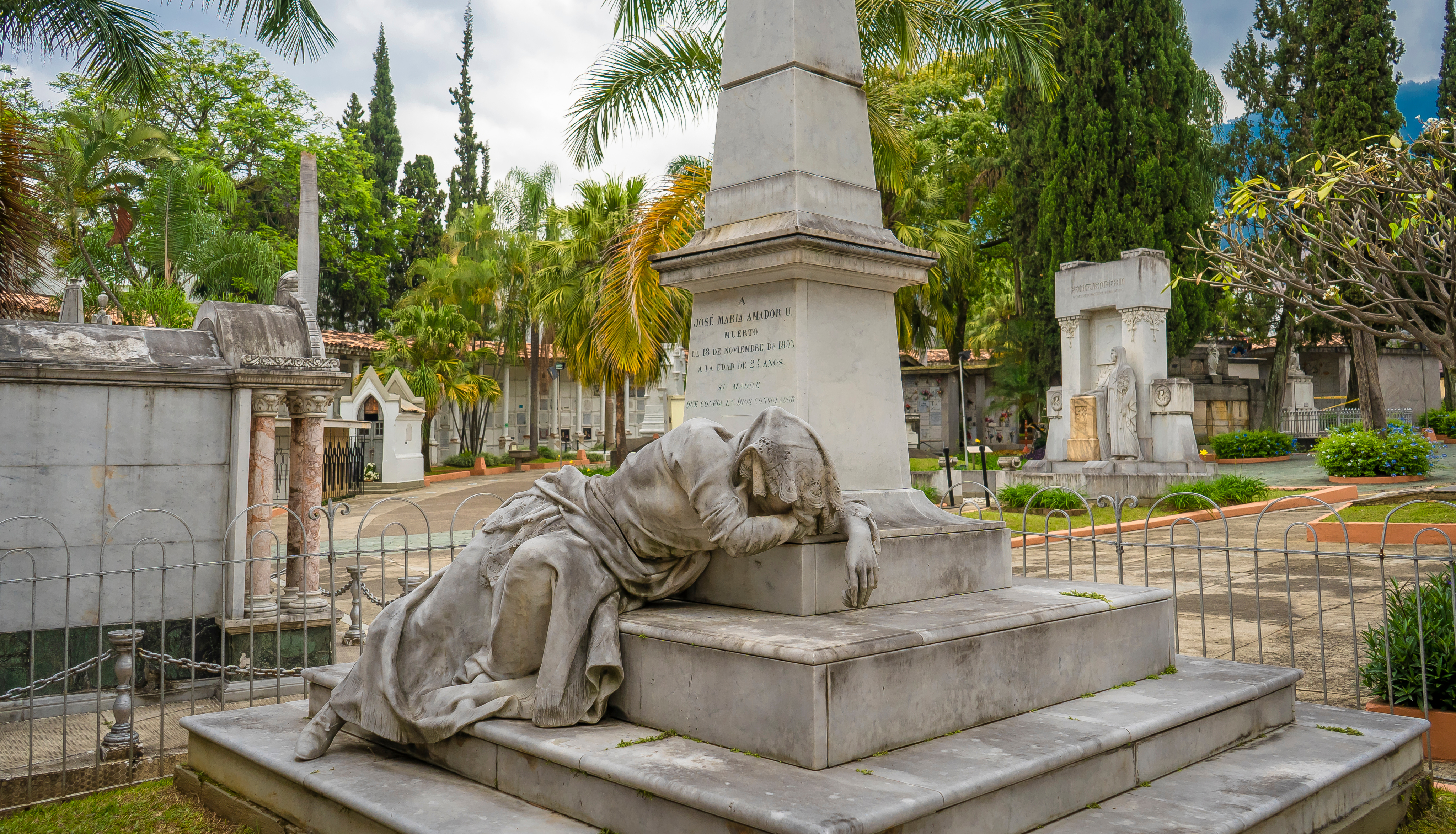
This cemetery museum pairs sculptures, mausoleums, and guided history with a compact layout. It offers a quieter look at Medellín’s public art and funerary heritage than most central museums.
Time needed: About 1 hour
Entry: Admission is typically about $4 to $6 ($16,000 to $24,000 COP) for adults, with reduced rates for some students and seniors. Guided visits may follow a separate schedule, so check current hours before you go. Visit the official site for details.
Tip: Go in the late morning for the best light on the sculpture paths.
Traditional food
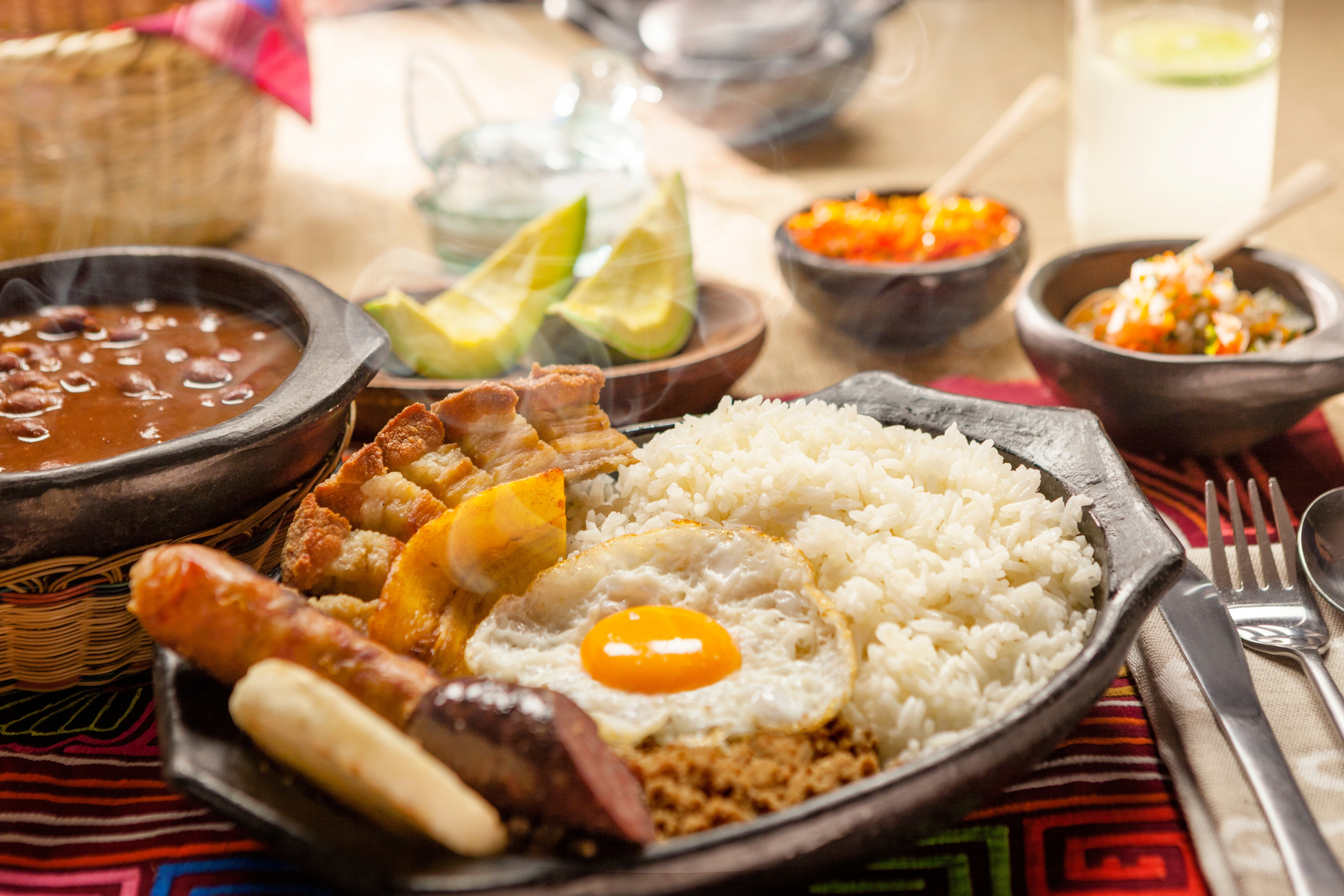
Medellín’s cooking leans on corn, beans, pork, broth, and fried snacks, with bandeja paisa and arepas anchoring the table. Meals are generous, coffee is constant, and many kitchens still close between lunch and dinner.
Bandeja paisa
This Antioquian platter piles beans, rice, ground meat, chicharrón, egg, plantain, avocado, and arepa onto one plate. For a classic city-center version, order it at Hacienda Junín, a long-running Medellín restaurant group with a central location.
Arepa de choclo
Soft corn cakes with a sweet edge, often served hot with butter and cheese. Almorza Medellín prepares a well-known version that fits a simple breakfast or late-afternoon snack in Laureles.
Empanadas
These crisp fried turnovers usually come stuffed with beef, potato, or chicken and are eaten as a quick snack with ají. For a dependable local stop, try them at El Rancherito, which has several Medellín-area locations.
Mondongo
This thick tripe stew comes with potatoes, carrots, and a rich broth that suits a slow lunch. Mondongo’s Medellín, on Avenida 70 in Laureles, is the best-known place to try it in the city.
Best time to visit Medellín
Medellín stays mild year-round, but rain patterns, cloud cover, and holiday crowds change how easy it is to move between the valley, hills, and open-air sights.
Best for: Dryer days for Comuna 13, central museums, and cable car outings
What you get: About 66°F to 82°F (19°C to 28°C), with moderate crowds and strong holiday demand in December and January
Trade-offs: Hotel rates and restaurant waits rise during the holiday stretch
Best for: Balanced weather for city walks, cafés, and shorter museum lines
What you get: About 66°F to 81°F (19°C to 27°C), with lighter crowds outside Easter week and frequent afternoon showers
Trade-offs: Rain can interrupt outdoor plans later in the day
Best for: Clearer mornings for viewpoints and hillside excursions
What you get: About 65°F to 80°F (18°C to 27°C), with decent crowd levels and occasional bright, dry stretches
Trade-offs: Some days turn humid in the afternoon
Best for: Lower visitor pressure for museum days and neighborhood dining
What you get: About 65°F to 80°F (18°C to 27°C), with fewer tourists and the wettest stretch of the year
Trade-offs: Showers are more frequent, so plan some indoor time
A realistic 5-day plan in Medellín
Five days in Medellín work best when the city’s districts set the pace. The plan below starts with an easy arrival, moves through the historic core, then gives a full day to the hills before ending with a quieter museum stop and departure.
Land at Medellín (MDE) and plan on a taxi or app-based ride to El Poblado in about 30 to 45 minutes, usually for roughly $8 to $15 depending on traffic and pickup point. If you prefer a quieter base, Laureles usually takes about 5 to 10 minutes longer and costs a little more. Check in, drink water, and keep dinner close to your hotel, ideally on Provenza or a calmer side street in El Poblado, where you can find an easy first meal without a long outing.
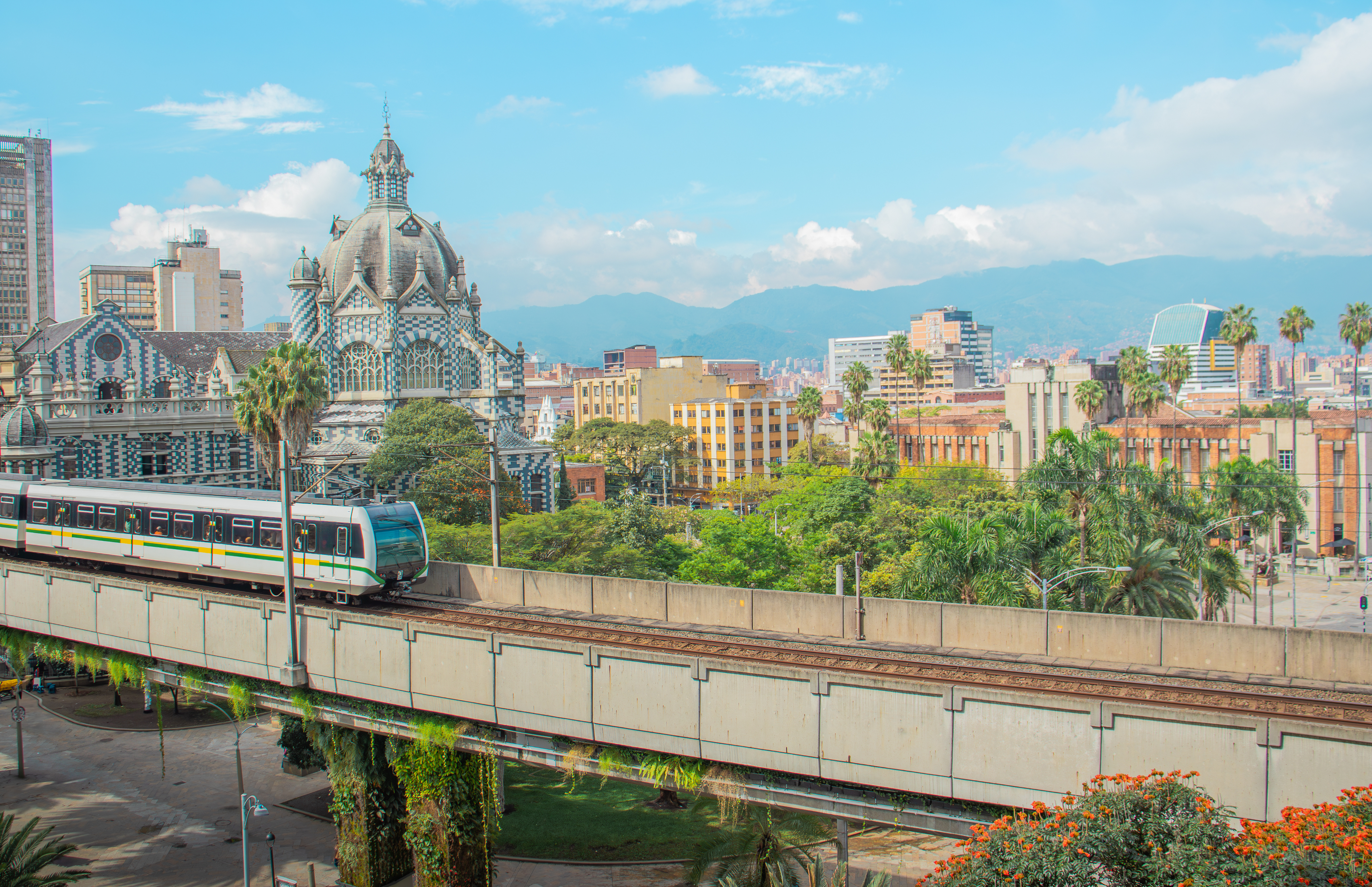
Begin in El Centro with Plaza Botero and the Museo de Antioquia, which sit about a 5-minute walk apart. Spend roughly 2 to 3 hours between the plaza, the museum, and the surrounding core, then take a taxi or metro west to Jardín Botánico de Medellín, about 15 to 20 minutes away. Finish with an early evening meal in Laureles, about 15 to 25 minutes by taxi from the botanical garden, so the day ends in a calmer restaurant zone.
Start early for Comuna 13, because the hillside route is easiest before the afternoon heat builds. From El Poblado, the trip usually takes about 25 to 35 minutes by taxi, and the visit itself runs about 2 to 3 hours. After that, continue about 20 to 30 minutes by taxi to El Centro for a late lunch or coffee near the Plaza Botero area, then head back to your hotel before dark.
A morning cable car ride turns into a half-day outing at Parque Arví, which works best if you leave early and reach the Metrocable before the day gets cloudy. From El Poblado, expect about 30 to 40 minutes to the cable car station, then about 20 to 30 minutes on the Metrocable itself, followed by 4 to 5 hours for trails and the market area. Return to Laureles or El Poblado for an easy dinner, or stop in Estadio if you want a more local, lower-key meal near the metro.
For a final slow day, pair the Museo Cementerio San Pedro with café time in Laureles and a last round of shopping in El Poblado. The cemetery museum takes about 1 hour and sits roughly 10 to 20 minutes by taxi from El Centro or Estadio, then Laureles is about 15 minutes away for a late coffee and pastry. If you want to buy gifts or browse boutiques, El Poblado has the widest selection, and it is about 10 to 15 minutes by taxi from Laureles. Plan your airport departure from there with enough time for Medellín (MDE) traffic, especially in the late afternoon.
Business-class flights from the US to Medellín

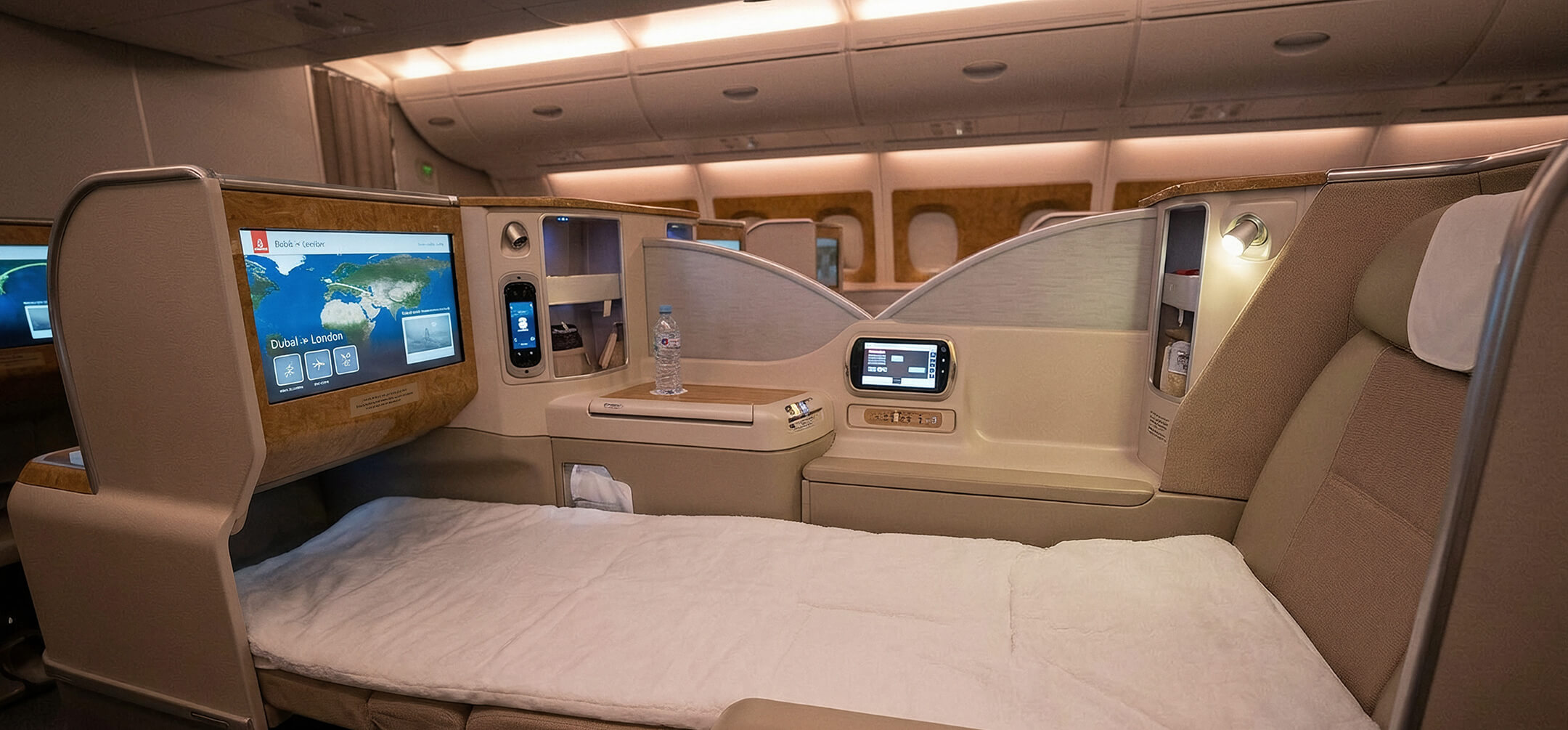
Flights to Medellín usually connect through a small set of hubs, and the longest part of the trip often sits in the layover rather than the final hop. From New York and Los Angeles, the route mix changes enough that it is worth comparing the nonstop timing with one-stop prices.
From New York, Avianca, American Airlines, Copa Airlines, Delta Air Lines, JetBlue, and United Airlines all appear on the route mix, with nonstop travel taking about 5 to 6 hours. If you do not mind a layover, common connections through BOG, PTY, MIA, CLT, or ATL can bring fares down to roughly $750 to $1,400, while direct itineraries usually price from $1,400 to $3,200 round trip.
Los Angeles trips often lean on Avianca, American Airlines, Copa Airlines, Delta Air Lines, and United Airlines, and nonstop flying usually takes about 7 to 8 hours. One-stop itineraries through BOG, PTY, MIA, DFW, or IAH often cost less, with business fares from Los Angeles commonly starting at $1,500 and reaching $3,600 round trip.
Medellín feels different when you slow down
A deliberate Medellín trip uses the city in layers, with El Poblado for arrival, El Centro for museums, Comuna 13 for street art, and the Metrocable for time above the valley. That structure keeps transit decisions simple and leaves room for a slower meal in Laureles or a final stop at Museo Cementerio San Pedro. If you want help shaping the route, AranGrant experts can build it around your dates and preferred neighborhoods