

Chapters:

Need help with your trip?
Our support team is available 24/7. Request a callback or call us directly at (833) 619-0908
Mauritius looks small on a map, but each part of the island feels different once you start moving between them.
The north has busy resort areas, beaches, restaurants, and nightlife, while Port Louis brings markets, museums, and much heavier traffic. Farther west and southwest, places like Black River, Le Morne, and Chamarel spread out more and take longer to reach. The airport is in the southeast, which also affects how you plan arrival and departure days. With only five days, hotel location and driving time can shape the trip as much as the sights themselves.
This guide shows you where to stay, how to get around, what to eat, and how to divide the island into manageable days.
Useful things to know
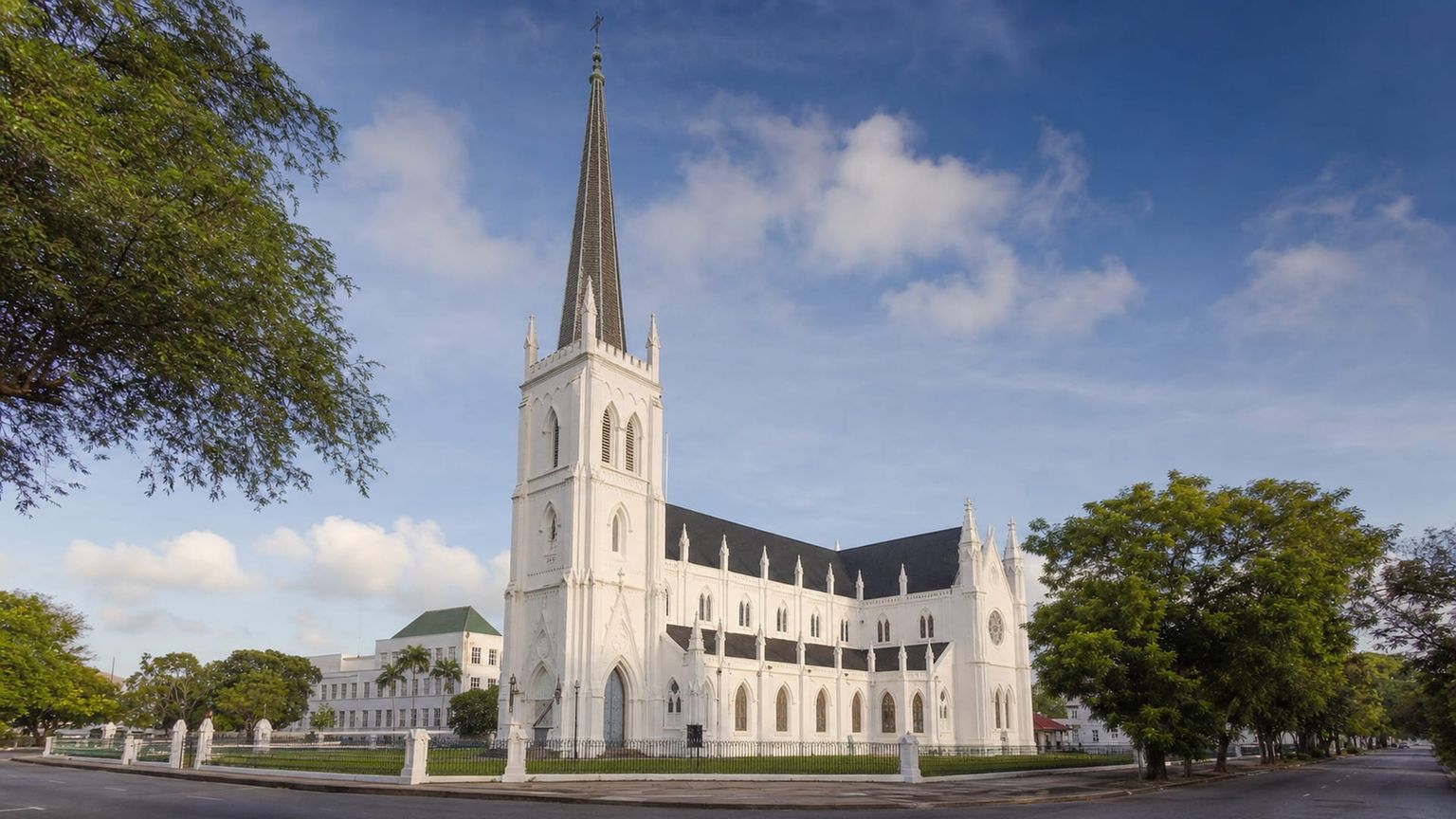

Main language(s): (ah-LOH) – Hello
Silvouple (seel-voo-PLEH) – Please
Mersi (mehr-SEE) – Thank you
To koz anglai? (toh kohz ahn-GLAY?) – Do you speak English?
Komie sa koute? (koh-MYEN sah koot?) – How much is this?

Currency: Mauritian rupee (MUR, Rs)

Cash and cards: Major cards are widely accepted. Carry Rs500–Rs1,000 ($11–$22) for markets, small shops, and places that prefer cash.

Tipping: Tipping is optional. Some upscale restaurants add a 10%–15% service charge; otherwise, round up or leave a small tip for good service.

Traditional food: Dholl puri, gâteau piment, fish vindaye, rougaille, and boulettes are among the best-known Mauritian dishes.

Water and coffee costs: Bottled water commonly costs Rs25–Rs65 ($0.55–$1.40), while a cappuccino averages about Rs120 ($2.60).

Taxis and ride apps: Yugo lets you book registered taxis and see the fare before confirming. Regular taxis are also widely available.

Plug and voltage: Mauritius uses British three-pin and two-round-pin plugs with a 230V, 50Hz supply. Bring a universal adapter.

Dining and shop opening hours: Restaurants often serve lunch 12:00 pm–3:00 pm and dinner 7:00 pm–10:00 pm. Shops generally open 9:30 am–7:30 pm Monday–Saturday.

Emergency number: Call 999 or 112 for police, 114 for ambulance services, and 115 for fire services.
Where to stay in Mauritius
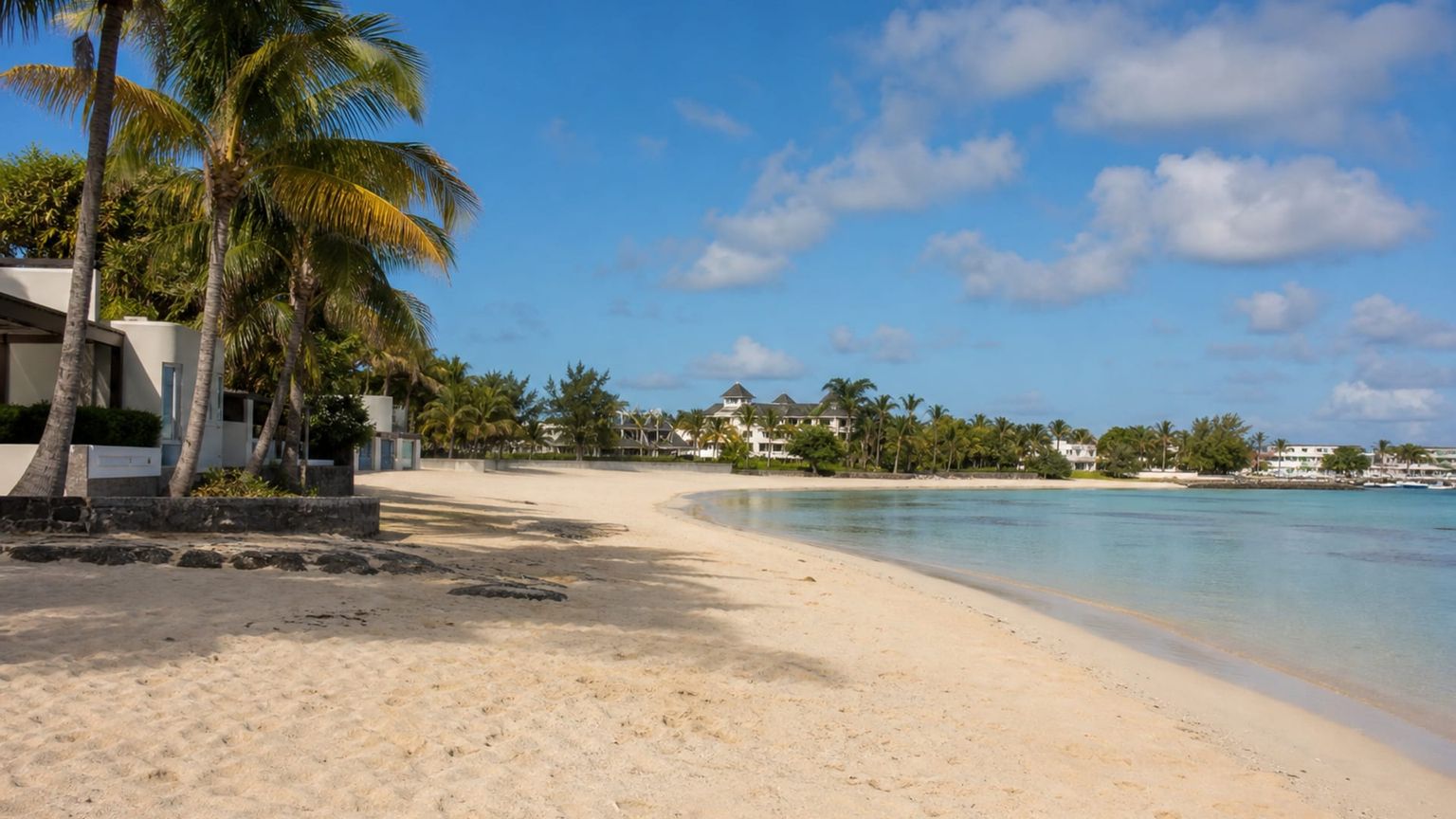
Grand Baie curves around a sheltered bay on the northwest coast, with beach hotels, restaurants, shops, boat operators, and the island’s strongest nightlife scene. The waterfront stays busy all day, while nearby roads lead to Pereybère, Cap Malheureux, and other northern beaches.
Best for: Beach time, dining out, boating, and a lively resort base
What to expect: Busy streets by day, active restaurant scene at night, and steady tourist traffic near the waterfront.
Hotel prices: Usually about $120 to $280 per night for well-rated stays
Distance to major sights: About 35 minutes by car to Port Louis waterfront, about 45 minutes to SSR Botanical Garden
Quietness: The daytime is energetic and crowded near the lagoon; evenings stay lively around bars and restaurants, then quiet down inland.
Main trade-off: You pay more for waterfront rooms, and peak-season traffic can slow cross-island trips.
Good to know: Hotels one or two streets inland usually reduce bar noise while keeping the waterfront within easy walking distance.
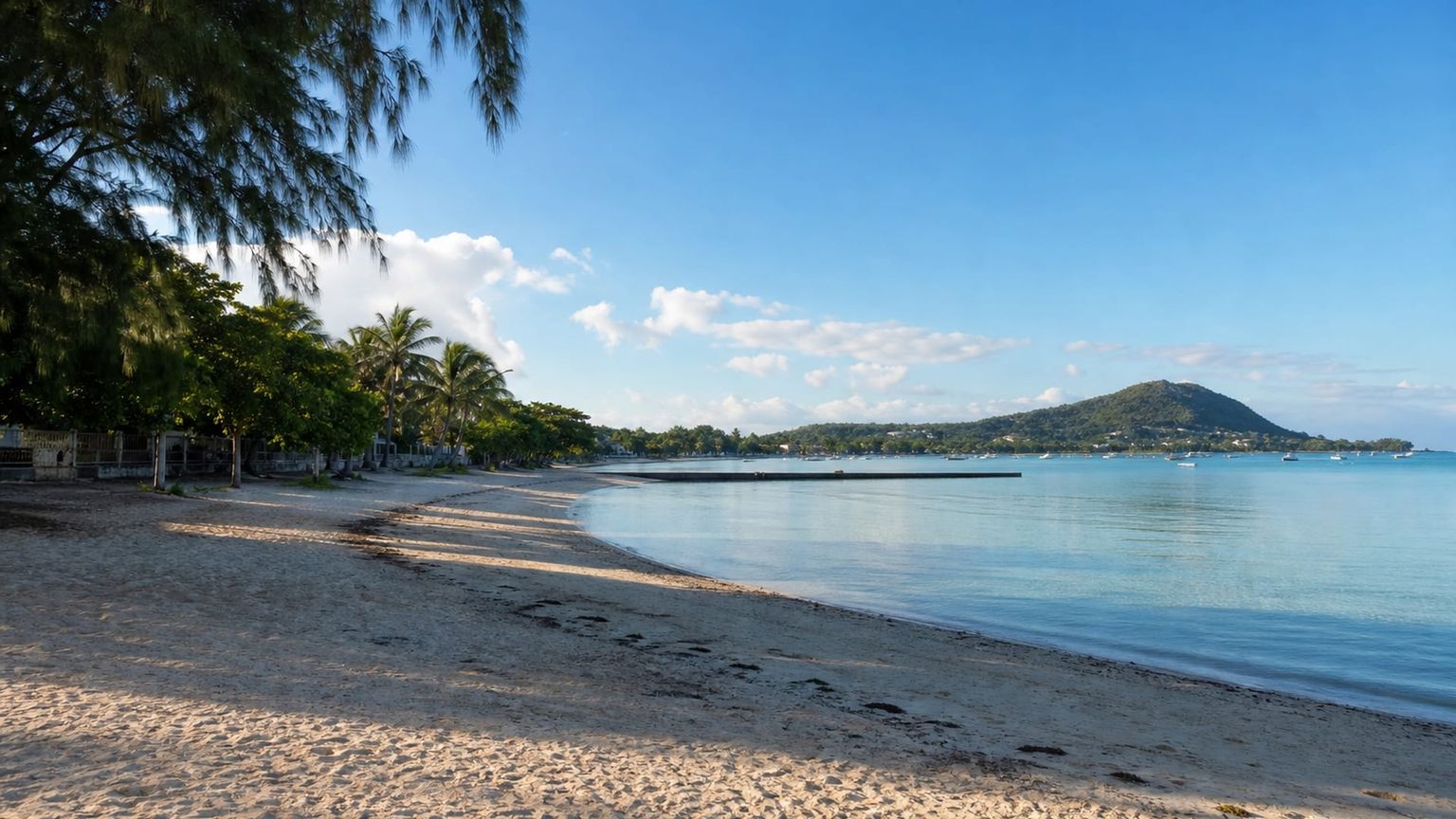
Le Morne occupies the southwest corner of Mauritius beneath Le Morne Brabant, with luxury resorts, a wide lagoon, white-sand beaches, and open views of the mountain. Roads from the peninsula lead toward Chamarel and Black River Gorges, while evenings remain quiet outside the resort grounds.
Best for: Swimming, relaxed beach days, and travelers who want a quieter north coast base
What to expect: Low-key beach street life, casual cafés, and lighter evening activity than nearby Grand Baie.
Hotel prices: Usually about $100 to $240 per night for well-rated stays
Distance to major sights: About 10 minutes by car to Grand Baie, about 35 minutes by car to Port Louis waterfront
Quietness: Daytime is busy around the beach; evenings are calmer, with most activity centered on a few restaurants and guesthouses.
Main trade-off: The area is smaller, so you will have fewer dining and nightlife options than in Grand Baie.
Good to know: Many properties here are resort-led, so check how many restaurants, shops, and services you can reach outside the hotel.
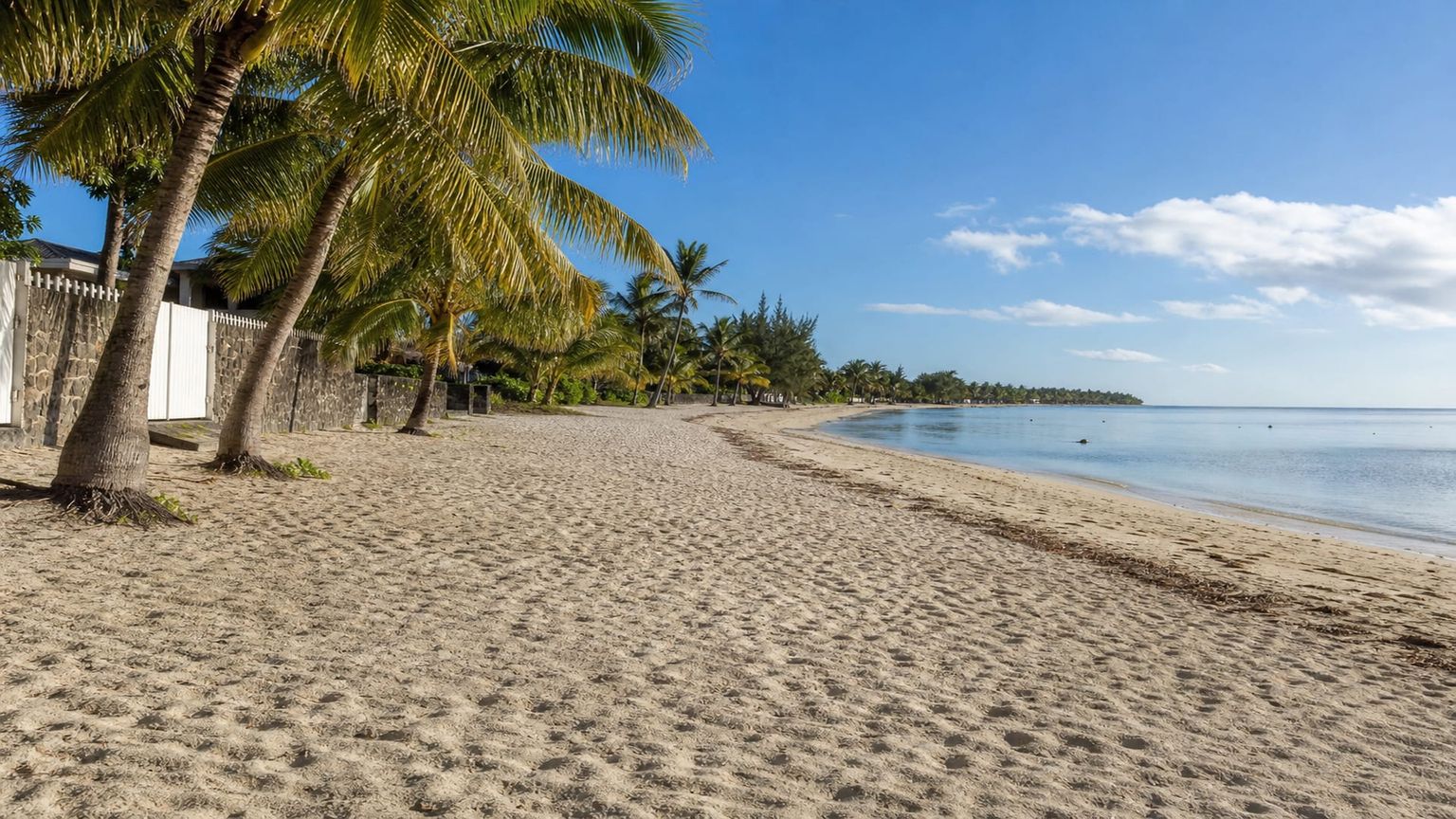
Flic en Flac follows a long west coast beach lined with hotels, apartments, casual restaurants, and dive centers. The lagoon is great for swimming and snorkeling, while the sunset-facing shore and road south toward Tamarin and Black River make it ideal for nearby west coast day trips.
Best for: Beach stays, sunset views, family trips, and west coast excursions
What to expect: Busy beachfront in the afternoon, casual restaurants along the main strip, and a tourist crowd that thins late at night.
Hotel prices: Usually about $90 to $230 per night for well-rated stays
Distance to major sights: About 20 minutes by car to Port Louis waterfront, about 45 minutes by car to Chamarel
Quietness: Days are lively along the beach and main road; evenings are active near restaurants, then quieter in apartment zones.
Main trade-off: The beach is popular, so parking and restaurant tables can be harder to secure on weekends and holidays.
Good to know: The southern end of the beach generally has less traffic than the busiest central stretch near the main restaurants.
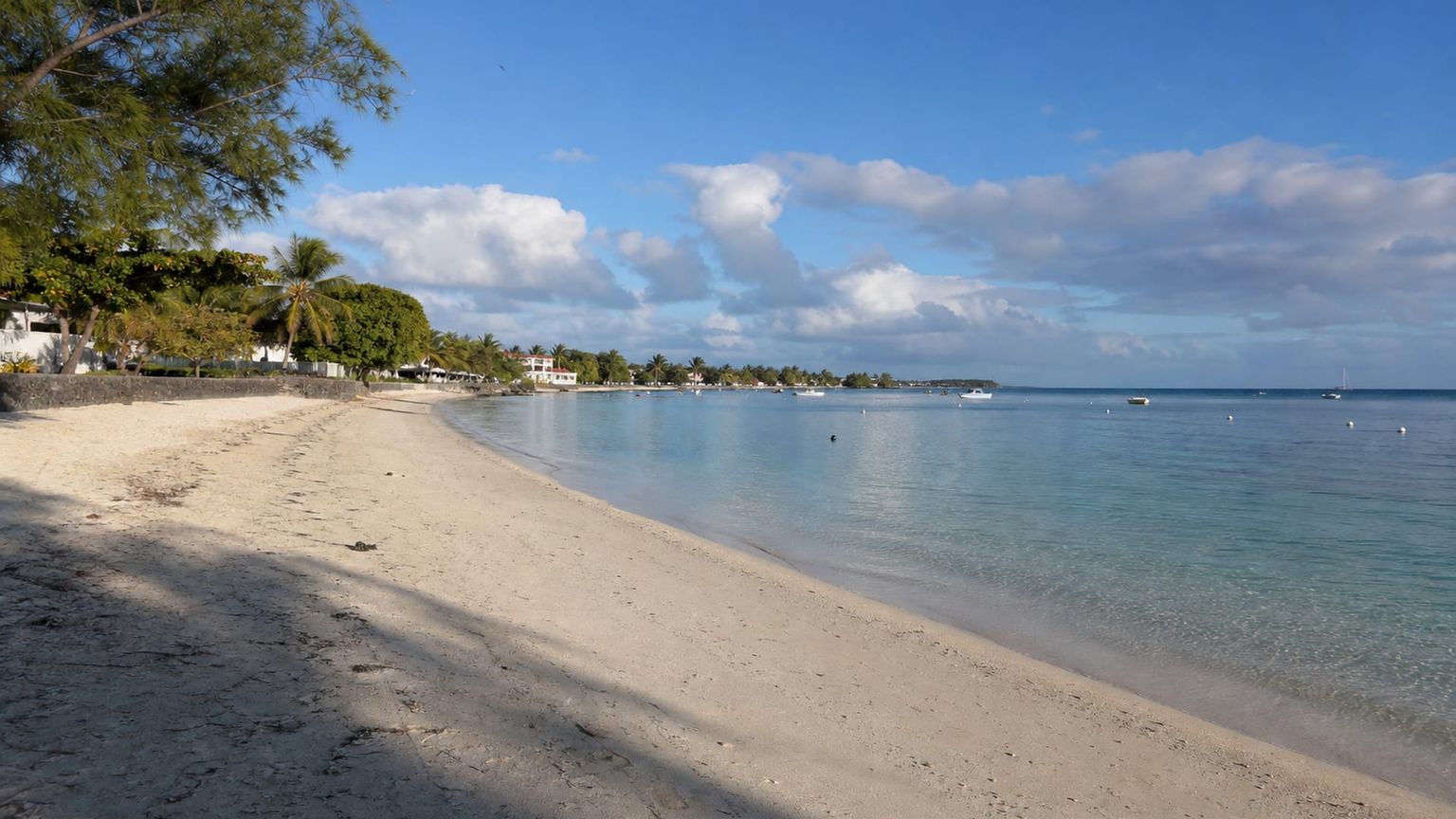
Belle Mare stretches along the east coast with a long white-sand beach, large resort grounds, golf courses, and a broad lagoon. The area feels spacious and low-rise, with fewer commercial streets than Grand Baie, while Trou d’Eau Douce and boat departures for Île aux Cerfs lie farther south.
Best for: Families, swimming, snorkeling, and travelers who want a calmer north coast stay
What to expect: Beach-focused mornings, resort activity in the afternoon, and a quieter evening pace than the larger north coast centers.
Hotel prices: Usually about $110 to $260 per night for well-rated stays
Distance to major sights: About 15 minutes by car to Grand Baie, about 35 minutes by car to Port Louis waterfront
Quietness: Days can be busy around the beach and resort gates; evenings are generally quieter, especially away from the main road.
Main trade-off: You will rely more on taxis or a car, since the area spreads out and public transport is limited for hotel hopping.
Good to know: East coast winds can feel stronger in some months, so beach conditions may differ noticeably from the west coast.
If you plan to explore several parts of Mauritius, stay in Flic en Flac or Grand Baie. Le Morne and Belle Mare suit resort-focused trips better because reaching other coasts can take considerably longer.
Hotel deals
How to get around Mauritius efficiently
Mauritius combines buses, light rail, and taxis. The right choice depends mainly on whether you stay inland or along the coast.

Metro Express
for Port Louis and central urban stops
Metro Express links Port Louis with Rose Hill, Quatre Bornes, Vacoas, and Curepipe. Adult fares range from Rs35 to Rs55 ($0.75–$1.15). Buy tickets or an MECard at station machines. The network does not reach the airport or the main beach resorts.

Public buses
for low-cost travel between towns
Public buses cover towns and coastal areas across Mauritius. Adult fares generally range from Rs17–Rs47 ($0.35–$1). From the airport, routes 9, 10, and 198 serve Mahébourg, Curepipe, Port Louis, and southern stops. Service becomes more limited later in the day.

Taxis and Yugo
for direct trips and airport transfers
Licensed airport taxis charge fixed fares by destination. Trips cost Rs2,500 ($53) to Port Louis, Rs3,000 ($63) to Flic en Flac, and Rs3,500 ($74) to Grand Baie, Belle Mare, or Le Morne. Yugo also lets you book registered taxis and see the fare before confirming.
*Prices are based on rates updated as of September 2026 and may change at the time of travel.
Use Metro Express for central urban trips, buses for low-cost travel between towns, and taxis when you need a direct ride or airport transfer.
Iconic landmarks
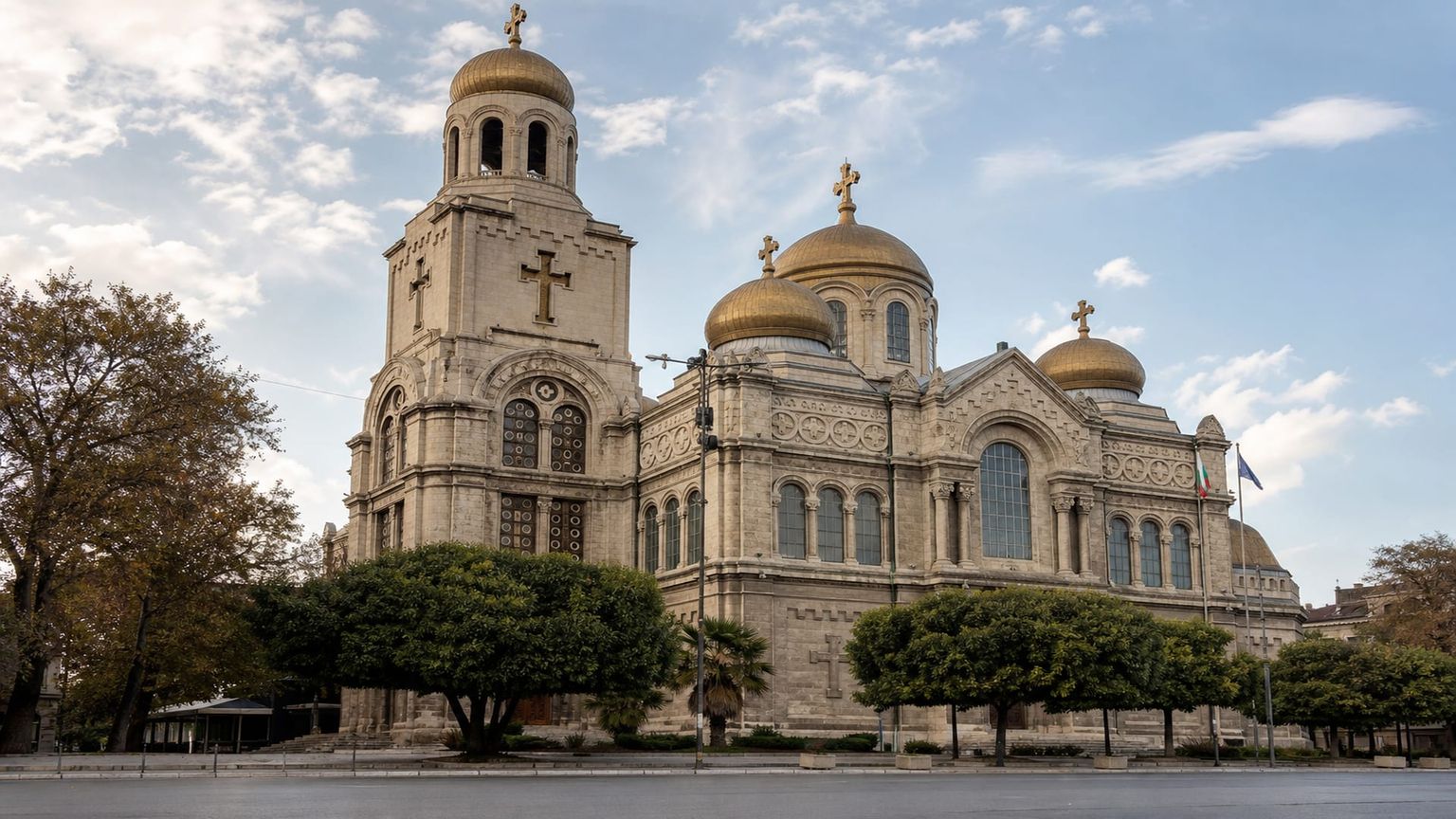
Le Morne Brabant
Le Morne Brabant rises above the southwest coast as one of Mauritius’s most recognizable landmarks. The UNESCO-listed mountain sheltered escaped enslaved people during the 18th and early 19th centuries and remains a national symbol of resistance and freedom.
Time needed: 2–3 hours
Entry: Free; trail access can change for safety. Find more information on the official website.
Tip: Check trail access before leaving, especially after strong wind or heavy rain.

Chamarel 7 Coloured Earth
Chamarel 7 Coloured Earth features volcanic dunes in shades of red, brown, violet, green, blue, purple, and yellow. The 21-acre (8.5-hectare) geopark also includes viewpoints over Chamarel Waterfall, an endemic garden, and an Aldabra tortoise park.
Time needed: 90–120 minutes
Entry: Non-resident adults pay Rs800 ($17) for and children Rs400 ($8.40). Find more information on the official website.
Tip: Visit early for cooler conditions and clearer views over the waterfall.
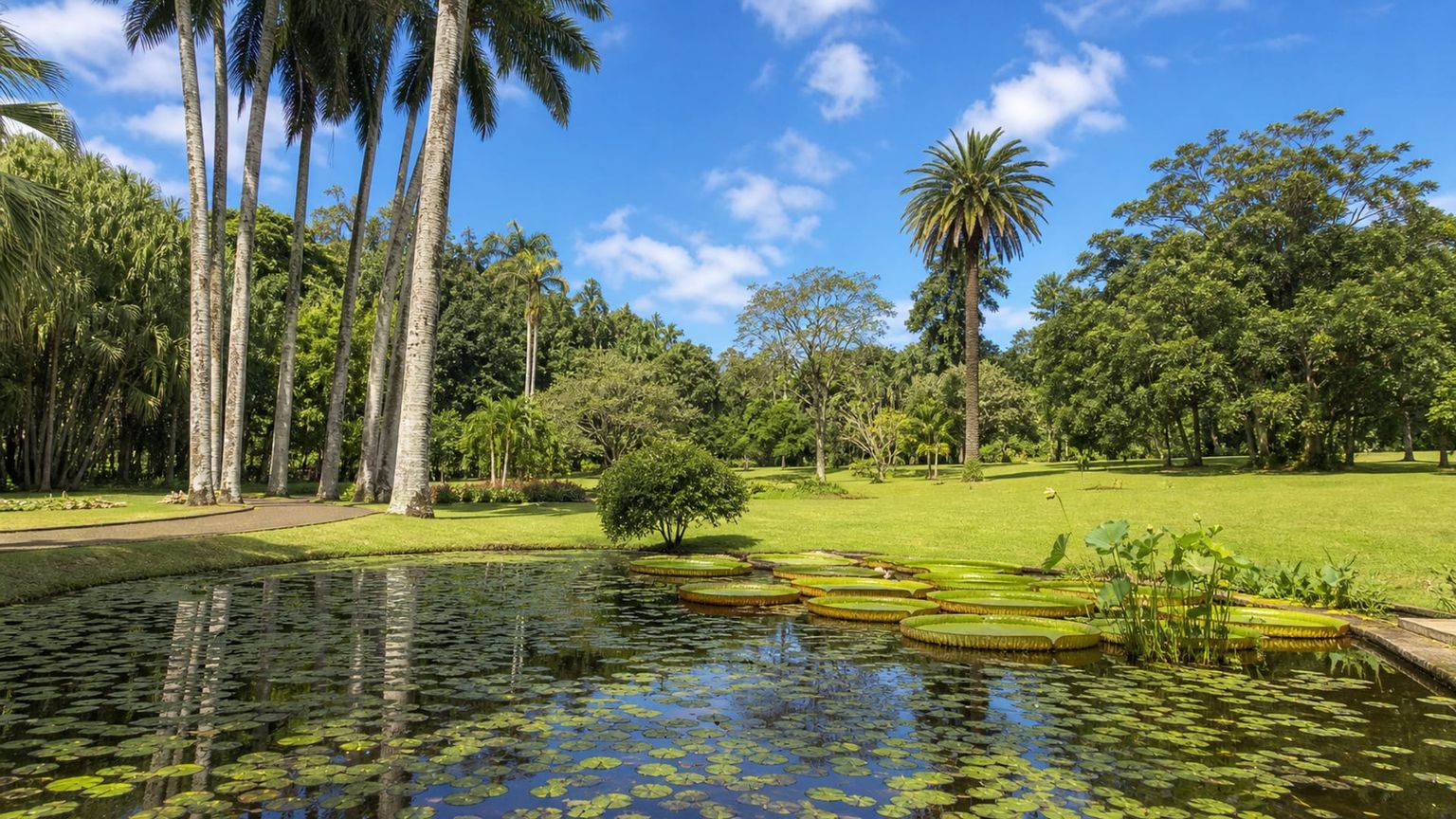
Sir Seewoosagur Ramgoolam Botanic Garden
Sir Seewoosagur Ramgoolam Botanic Garden in Pamplemousses traces its history to the French colonial period. Its paths pass giant water lilies, palms, spice plants, historic structures, and mature tropical trees across one of Mauritius’s best-known gardens.
Time needed: 90–120 minutes
Entry: Non-residents over the age of 5 pay Rs300 ($6.30). Find more information on the official website.
Tip: Go in the morning when temperatures are lower, and the garden is easier to explore.
Overlooked sites worth visiting

Château de Labourdonnais
Château de Labourdonnais in Mapou combines a restored colonial house with gardens, orchards, historic exhibits, and tastings of products made on the estate.
Time needed: 90 minutes
Entry: The Classic Tour ticket costs Rs750 ($15.75) for adults and Rs600 ($12.60) for children. Visit the official website.
Tip: Allow time for the gardens and tasting instead of visiting only the house.

Aapravasi Ghat
Aapravasi Ghat in Port Louis preserves part of the 1849 immigration depot where indentured laborers arrived before working on Mauritius and other colonies.
Time needed: 60 minutes
Entry: Admission is free. Guided visits require booking. Visit the official website.
Tip: Combine it with Central Market or the Port Louis waterfront while you are nearby.
Traditional food
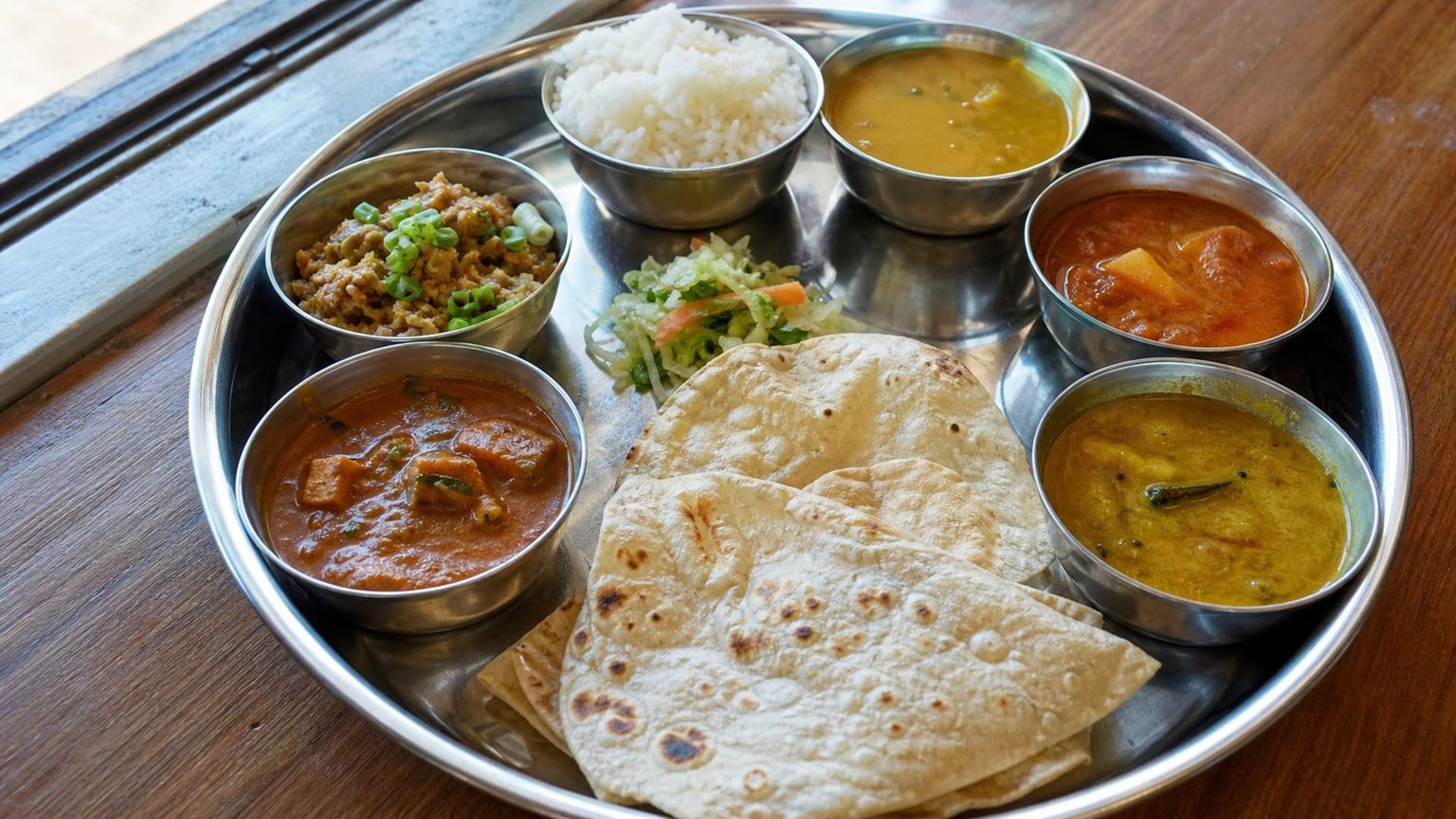
Mauritian cooking combines Creole, Indian, Chinese, and French influences, with curries, street food, seafood, spices, and tomato-based sauces appearing across the island.
Dholl puri
Dholl puri is a thin flatbread filled with ground yellow split peas, then served with bean curry, tomato rougaille, chutney, and pickles. Port Louis Central Market has street-food stalls selling it.
Gâteau piment
Gâteau piment combines ground split peas with chile, coriander, and spices, then fries them into small crisp fritters. Le Grand B in Grand Baie serves them as part of its Mauritian snack selection.
Seafood vindaye
Seafood vindaye uses fish or octopus with mustard, turmeric, vinegar, onions, and spices for a sharp, savory flavor. Eritaz Kreol serves both fish vindaye and octopus vindaye on its Mauritian menu.
Rougaille
Rougaille combines tomatoes, onions, garlic, ginger, thyme, chile, and herbs, often with fish, seafood, meat, or vegetables. Le Capitaine in Grand Baie serves its own house rougaille among its Mauritian dishes.
Best time to visit Mauritius
Mauritius has two main seasons, with May and October marking the transition between wetter summer weather and the cooler, drier winter.
Best for: Warm-water swimming, beach days, snorkeling, and resort stays
What you get: Coastal temperatures often reach 75°F–88°F (24°C–31°C), while January to March brings the highest humidity and rainfall.
Trade-offs: Cyclones, heavy rain, and humid afternoons can disrupt outdoor plans.
Best for: Beach time, road trips, hiking, and combining several parts of the island
What you get: Rainfall starts easing in May, while temperatures settle near 68°F–82°F (20°C–28°C), giving you warm days without peak-summer humidity.
Trade-offs: Short rain spells can still appear as the wetter season comes to an end.
Best for: Hiking, Port Louis, gardens, inland sightseeing, and longer days outdoors
What you get: Drier weather dominates these months, with temperatures near 61°F–80°F (16°C–27°C) and cooler evenings across the interior.
Trade-offs: Stronger winds can affect east and south coast beaches, and the sea feels cooler.
Best for: Beaches, Le Morne, island drives, outdoor dining, and sightseeing
What you get: October is the driest month on average, while temperatures rise toward 66°F–83°F (19°C–28°C) ahead of the humid summer.
Trade-offs: Heat begins building toward November, especially on sheltered north and west coasts.
A realistic 5-day plan in Mauritius
Five days in Mauritius work better when each day stays in one part of the island. This plan keeps Port Louis and the north together, gives the southwest a full day, adds the east coast separately, and leaves the final morning close to the airport.
After landing at Sir Seewoosagur Ramgoolam International Airport (MRU), head straight to your hotel and keep the rest of the day close to the coast. Once you have checked in, walk the nearest beach, learn where the local restaurants and shops are, and have dinner nearby. If the flight has left you tired, skip sightseeing entirely. The first evening is more useful for settling into the area than starting a long drive across the island, especially after a long-haul arrival.
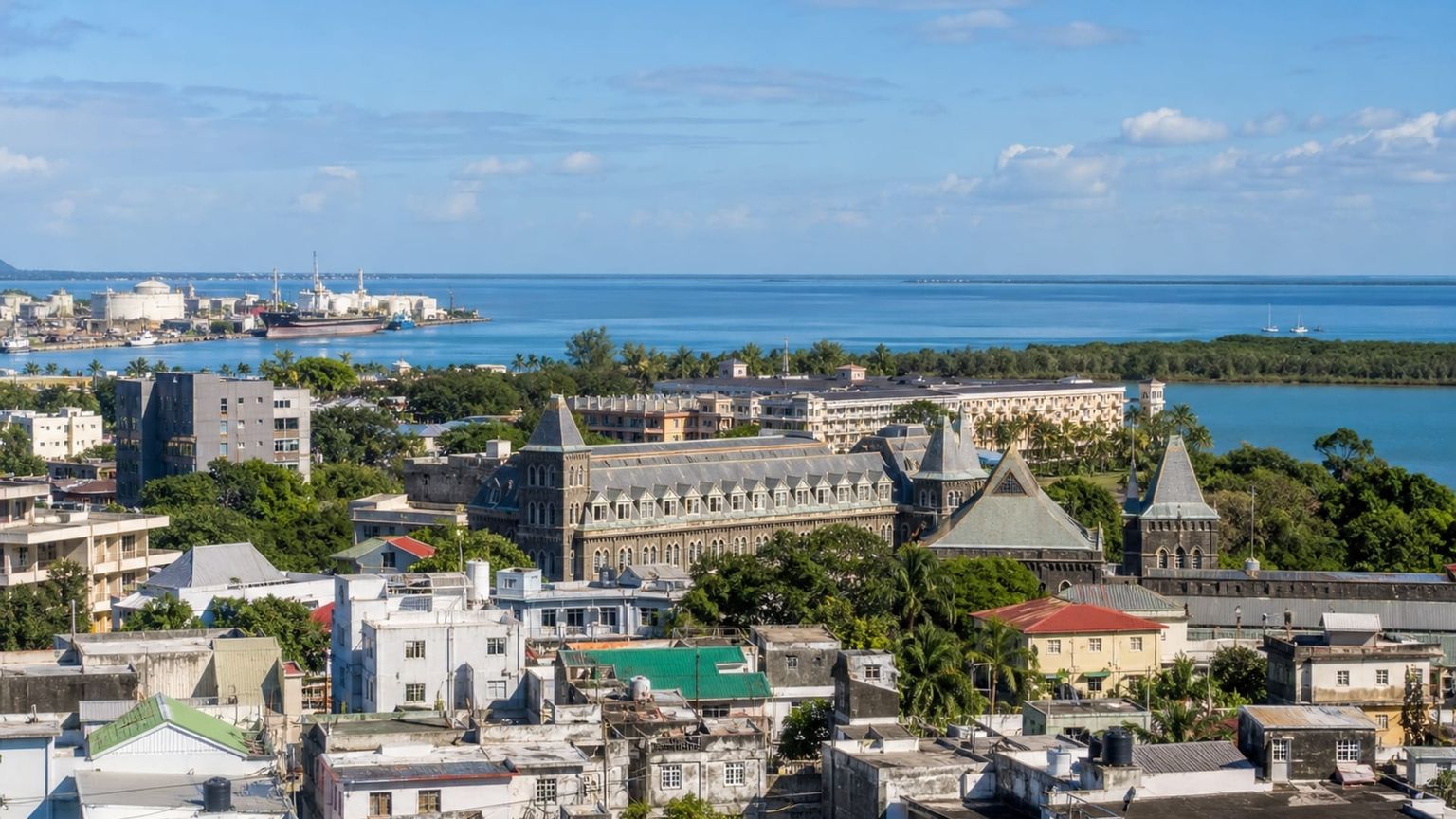
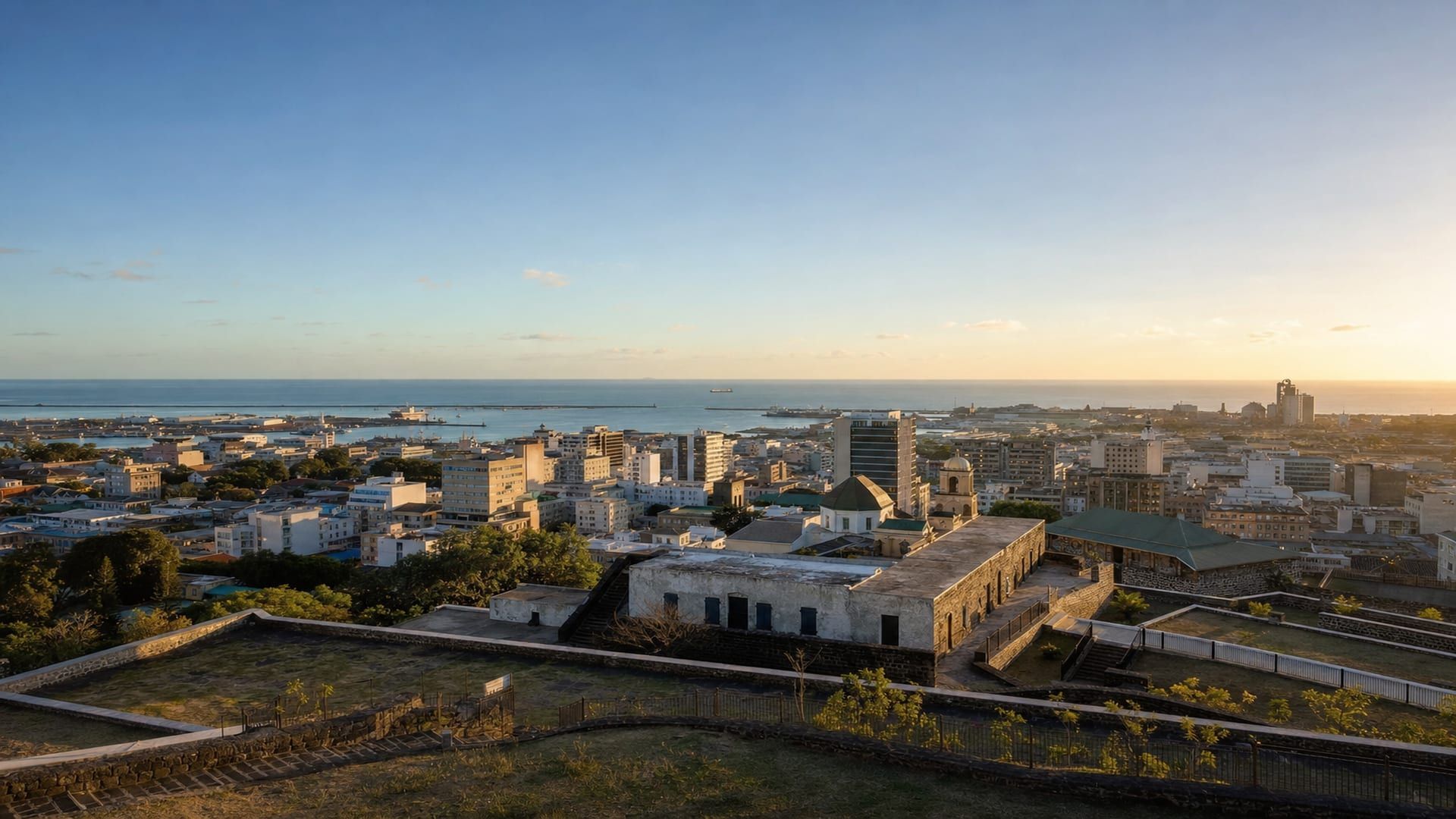
Start in Port Louis at Aapravasi Ghat, then continue to Central Market for fruit, spices, street food, and a glass of alouda. If local food is one of the reasons you travel, leave extra time here for dholl puri or gâteau piment before walking toward Caudan Waterfront. After lunch, drive north to Sir Seewoosagur Ramgoolam Botanic Garden and spend the late afternoon among the giant water lilies, palms, and shaded paths before dinner in Grand Baie by the bay.
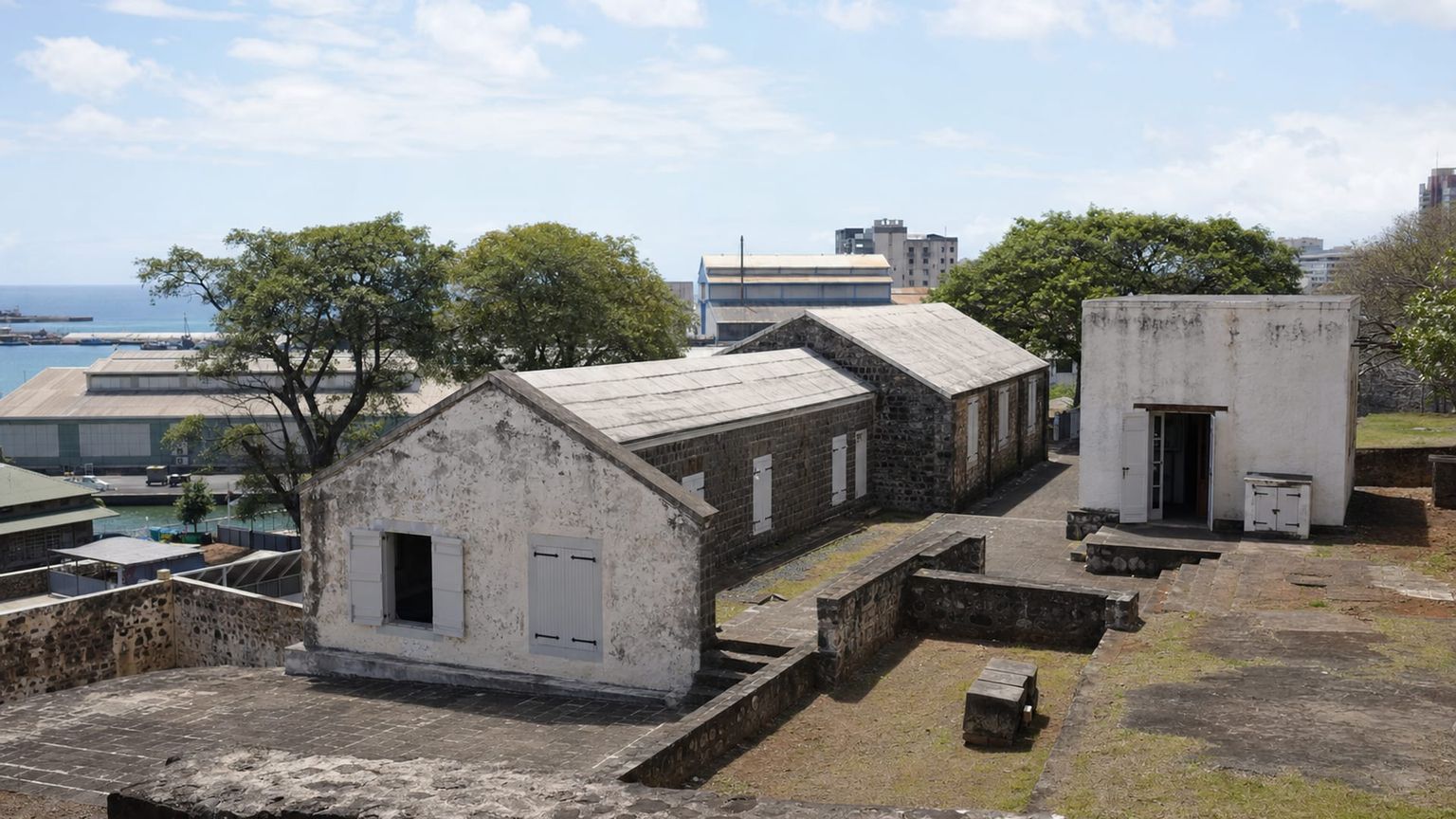
Give the southwest a full day, starting beneath Le Morne Brabant while the morning is still cooler. Keen walkers can follow part of the mountain trail, while anyone who prefers an easier start can stay along the lagoon and beach. Continue inland to Chamarel for the waterfall viewpoint and 7 Coloured Earth Geopark, then stop for lunch in the village. Return toward Le Morne later in the afternoon, leaving enough time for a swim or sunset by the water before dinner.
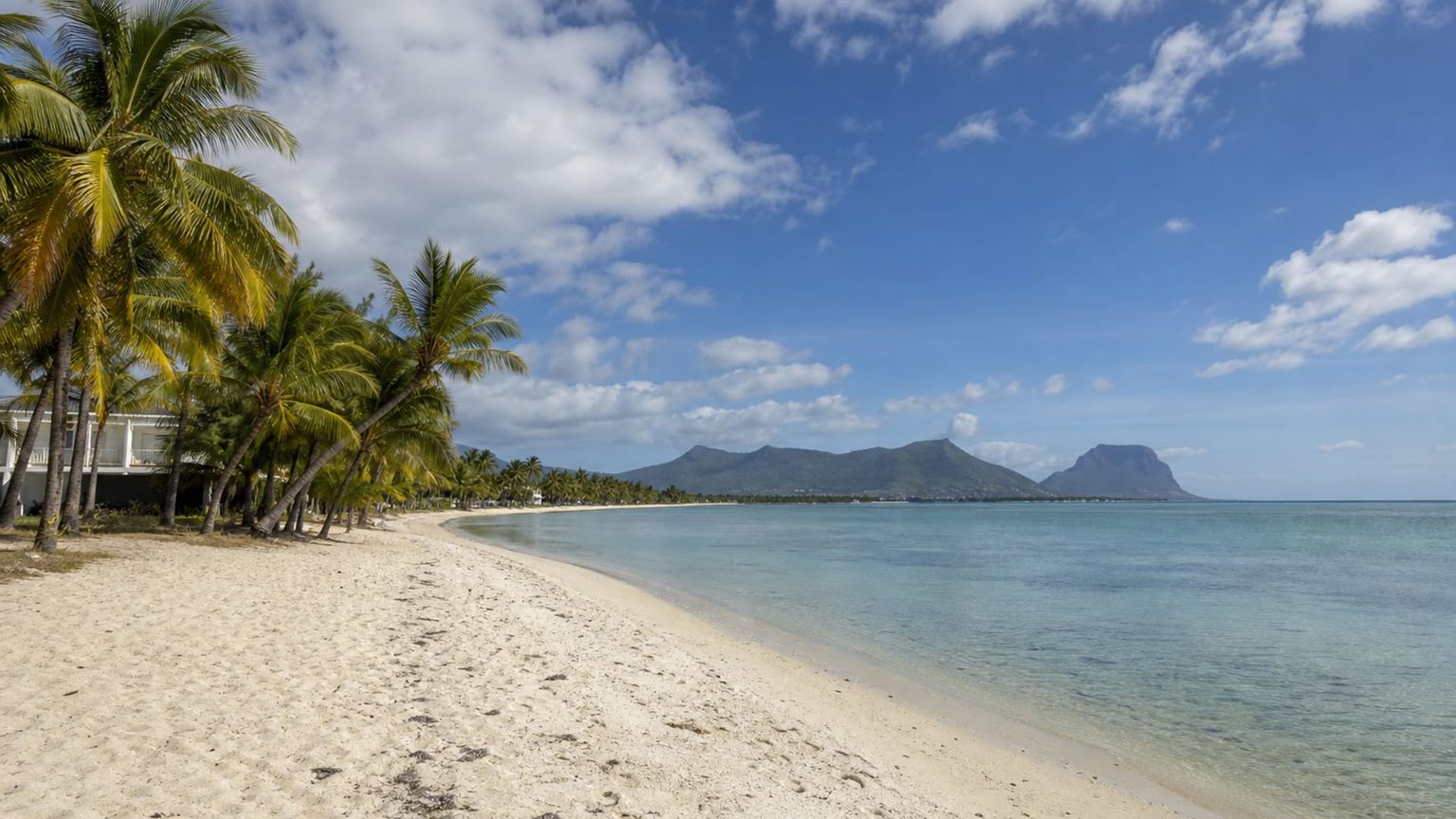
Spend the fourth day on the east coast, beginning with a slow morning on Belle Mare’s long beach before continuing south toward Trou d’Eau Douce. From there, take a boat to Île aux Cerfs for the middle of the day. You can make this a swimming-and-beach afternoon, or spend more time walking the island and stopping for lunch. Return to the mainland before evening, then have dinner near Belle Mare so the day stays on one side of Mauritius and never turns into a long transfer day.
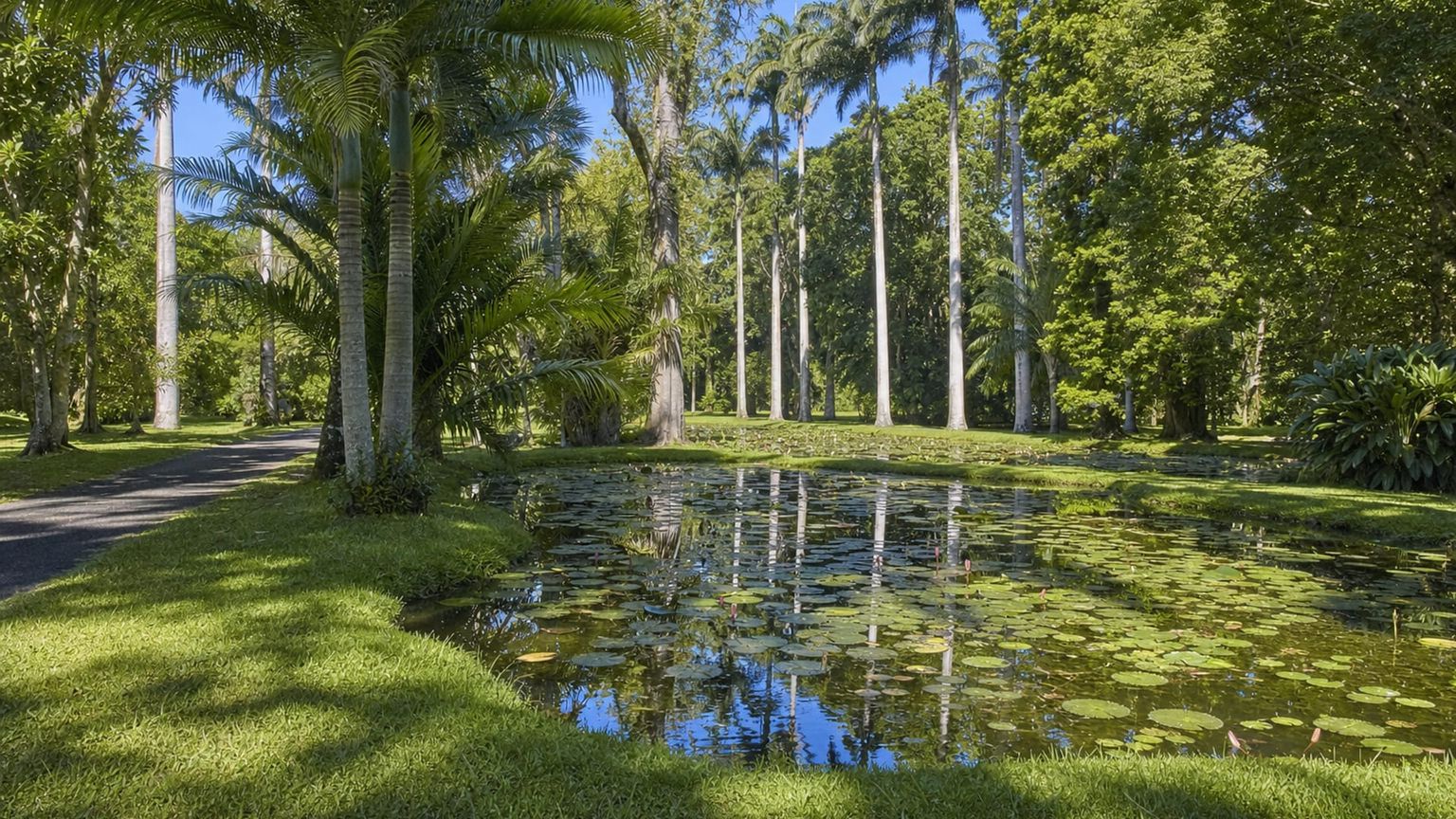
Keep the final day in the southeast so you do not finish the trip with another cross-island drive. Head to Blue Bay for a last stretch of beach time before lunch. Snorkel in the marine park if you want one more active morning, or take a glass-bottom boat if you would rather see the coral without spending as much time in the water. Have an early lunch nearby, collect your bags if needed, and continue to the airport with a comfortable margin before departure.
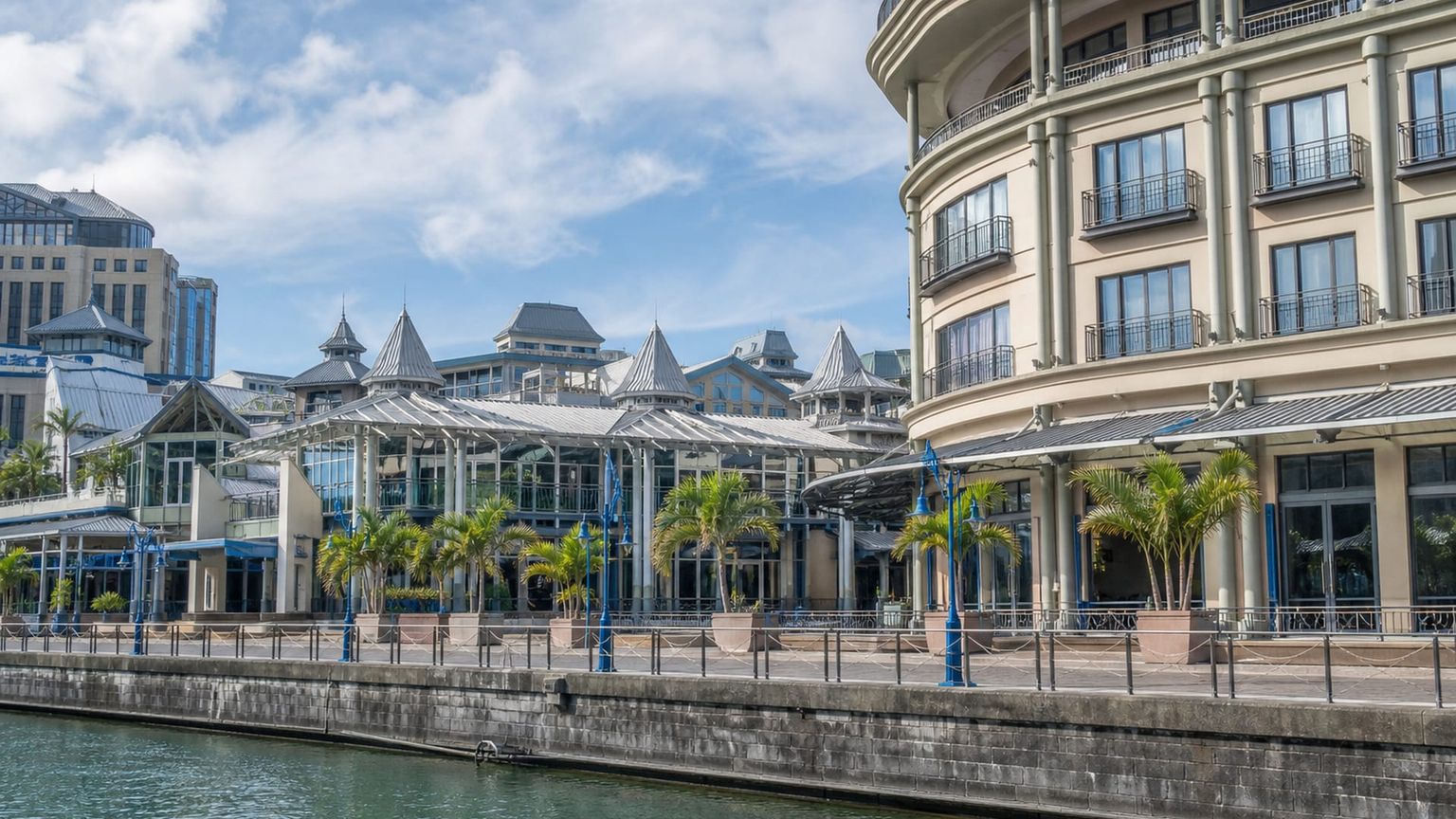
Business-class flights from the US to Mauritius
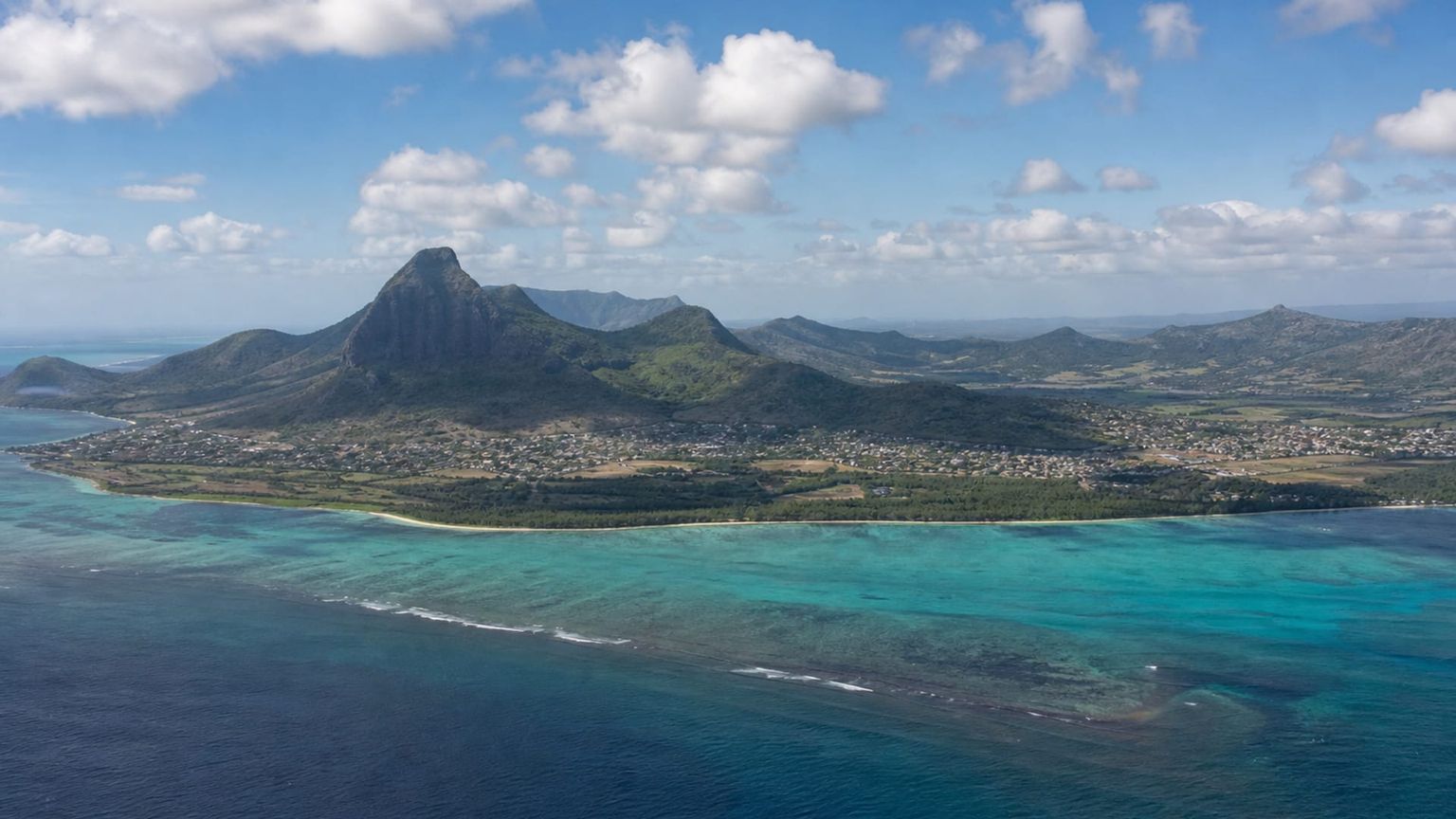
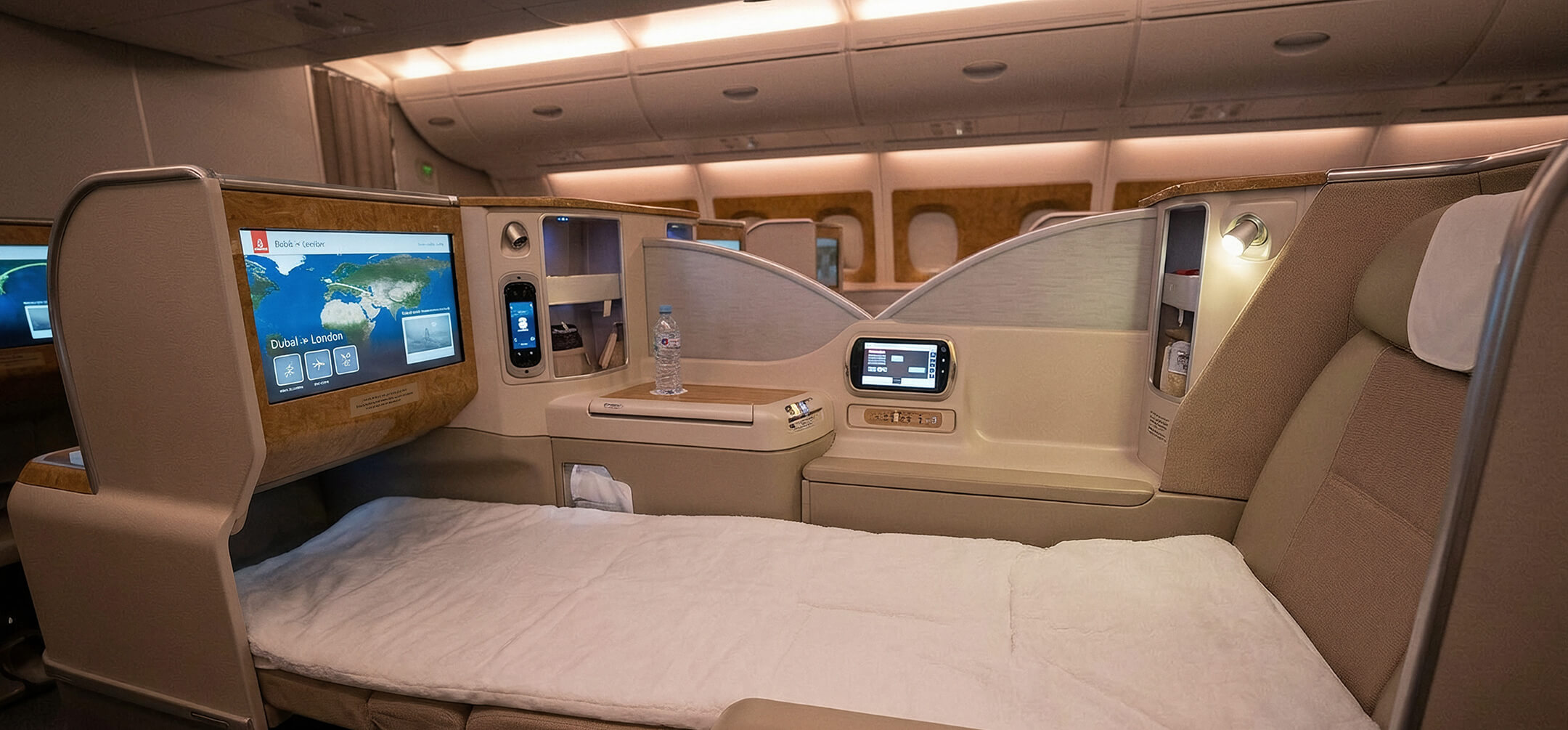
Flights from both US coasts reach Mauritius with one stop, usually through a major hub in Europe, the Middle East, or Africa.
New York (JFK) to Mauritius (MRU)
Kenya Airways connects New York (JFK) to Mauritius through Nairobi (NBO), while Turkish Airlines flies through Istanbul (IST) and Emirates through Dubai (DXB). The fastest journeys take 18–19 hours; flights with longer layovers can reach 22 hours or more. Round-trip business-class tickets generally cost $4,700 to $7,300, with higher fares possible on peak dates.
Los Angeles (LAX) to Mauritius (MRU)
From Los Angeles (LAX), Turkish Airlines offers one-stop flights through Istanbul (IST), Emirates through Dubai (DXB), and Air France through Paris (CDG). The shortest trips take 23–24 hours, while longer layovers can push the journey past 30 hours. Round-trip business-class tickets generally range from $6,300 to $10,400, depending on the airline and travel dates.
Give each part of Mauritius its own day
Mauritius becomes easier to enjoy when you plan by coast and keep each day focused on one part of the island. Port Louis suits history and markets, the north brings restaurants and beach time, and the southwest deserves a separate day for Le Morne and Chamarel. That structure keeps long drives from taking over the trip and leaves more room for meals, beaches, and slower stops. Once your dates are set, AranGrant can help you compare business-class flights and hotels that fit your plans.