

Chapters:

Need help with your trip?
Our support team is available 24/7. Request a callback or call us directly at (833) 619-0908
Maun is compact by Botswana standards, but its airport, shops, lodges, riverfront properties, and residential areas spread along roads that make short distances less convenient than they appear on a map. Most visitors also use the town as the starting point for the Okavango Delta, so where you stay affects both everyday errands and safari transfers.
The town center and Old Mall area keep shops and practical services close, while the Thamalakane River edge trades that convenience for a more scenic setting. Planning each day by area limits unnecessary taxi trips and leaves more time for the places you came to see. This guide covers where to stay, transportation, food, local sights, seasonal conditions, and a realistic five-day plan.
Useful things to know

Main language(s): (doo-MEH-lah) – Hello
Ke a leboga (keh ah leh-BOH-gah) – Thank you
Tsweetswee (tsweets-WEE) – Please
O bua Sekgoa? (oh boo-AH seh-KWOH-ah) – Do you speak English?
Ke bokae? (keh boh-KAH-eh) – How much is it?

Currency: Botswana pula (BWP, P)

Cash and cards: Cards and contactless payments are accepted at many larger hotels, lodges, and shops, but carry P300 to P600 ($23 to $45) for smaller purchases and cash-only situations.

Tipping: Leave 5% to 10% at restaurants when service is good, and a service charge has not already been added.

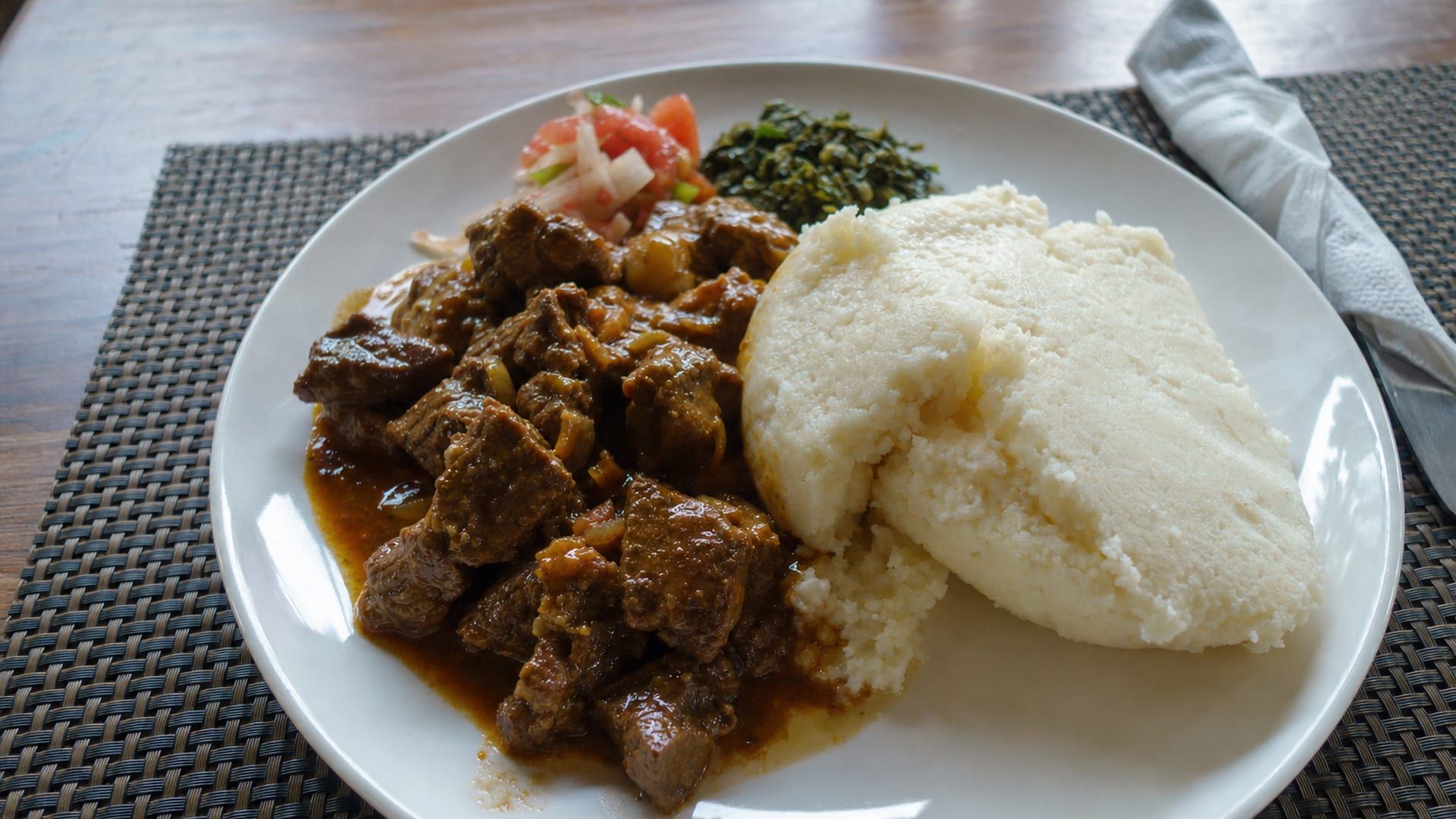
Traditional food: Seswaa, setampa, magwinya, kudu burger

Water and coffee costs: Bottled water costs P10 ($0.75), while an espresso costs P25 ($2).

Taxis and ride apps: Taxis and prearranged hotel transfers are the most practical options. Do not rely on a major ride-hailing app being available for every trip.

Plug and voltage: Type D, G, and M sockets, 230V, 50Hz

Dining and shop opening hours: Restaurants commonly serve breakfast from 7:00 am to 9:00 am, lunch from noon to 2:00 pm, and dinner from 6:30 pm to 9:00 pm. Lodge schedules vary, and some kitchens close between meal periods.

Emergency number: Call 999 for police emergencies and 997 for an ambulance.
Where to stay in Maun
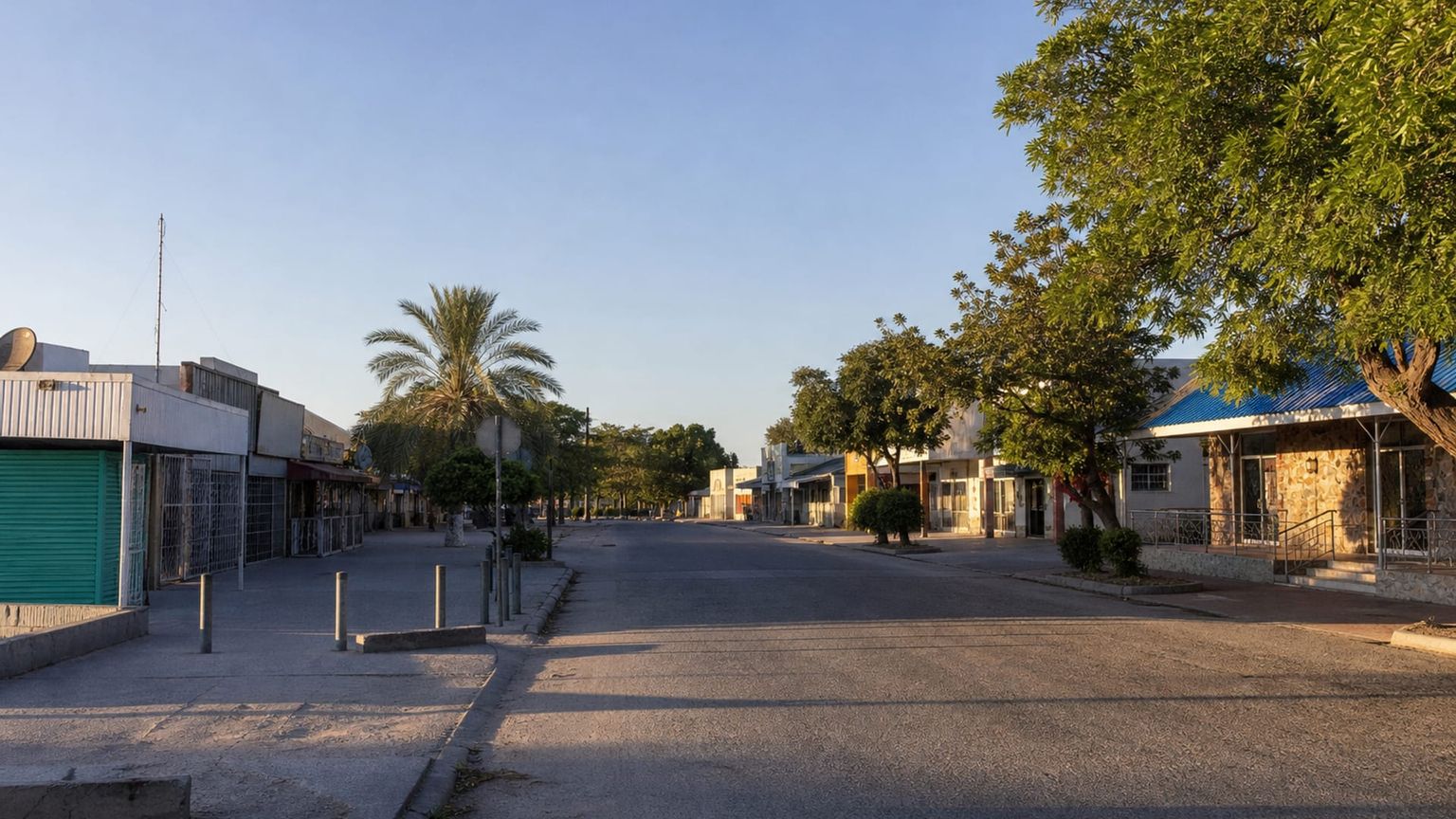
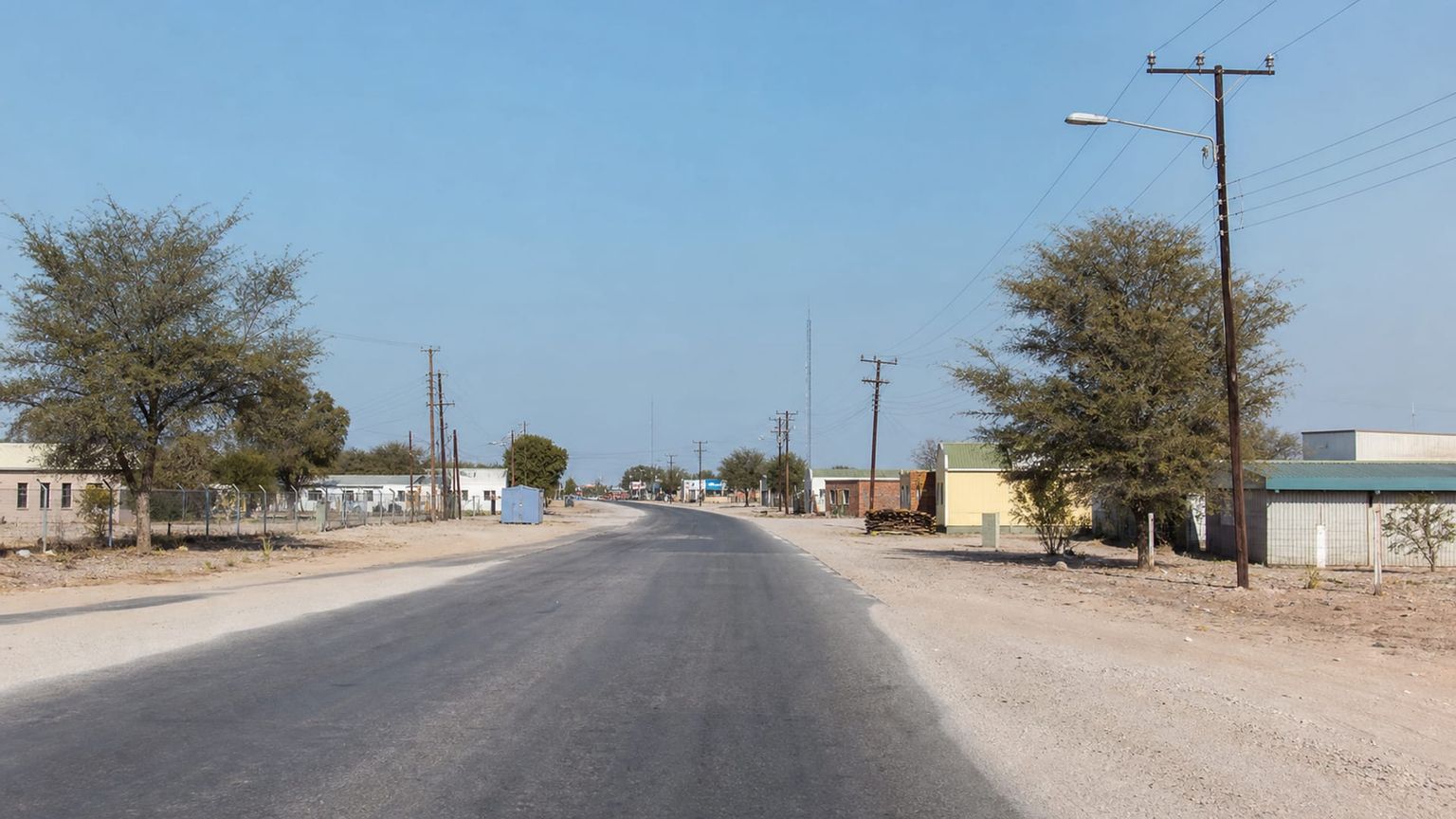
Maun’s town center puts shops, banks, restaurants, safari operators, and everyday services close together along the A3 and surrounding streets. It suits short stays and travelers who need to organize transfers, supplies, or safari arrangements before leaving town.
Best for: First visits, short stays, errands, and safari preparations
What to expect: Shops, banks, restaurants, operators, hotels, and active daytime traffic
Hotel prices: P800 to P2,130 ($60 to $160) per night for well-rated stays
Distance to major sights: Approximately 5 minutes by car to Maun International Airport (MUB)
Quietness: Traffic drops after shops and offices close.
Main trade-off: The practical location comes with more daytime road activity.
Good to know: A room away from the A3 can reduce traffic noise.
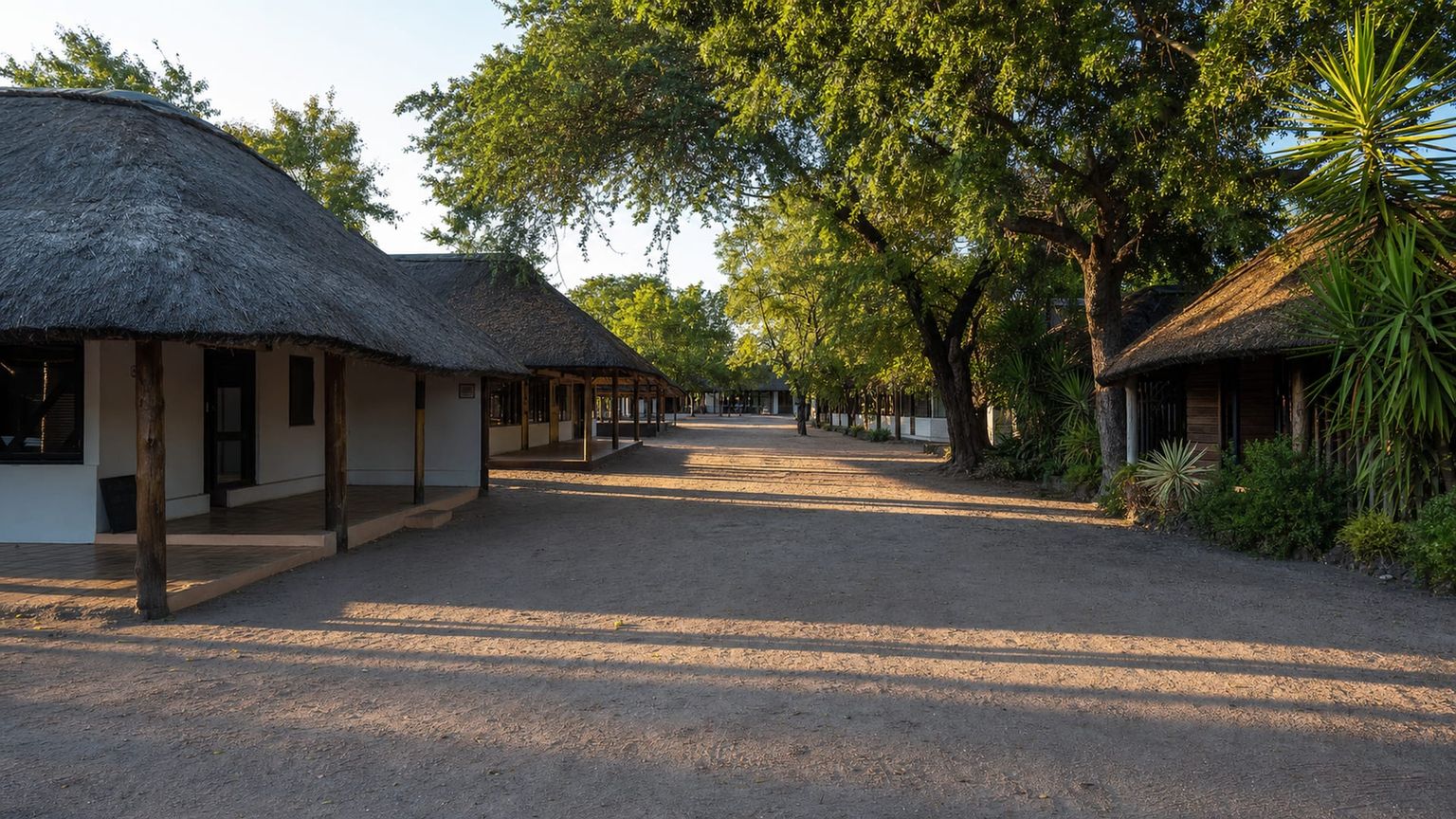
The Old Mall area features supermarkets, banks, casual restaurants, and other everyday services within a relatively compact part of Maun. It suits travelers who want easy access to supplies while remaining close to both the airport and central parts of town.
Best for: Short stays, shopping, everyday services, and pre-safari errands
What to expect: Shops, restaurants, offices, supermarkets, and daytime foot traffic
Hotel prices: P730 to P1,865 ($55 to $140) per night for well-rated stays
Distance to major sights: 10 minutes by car to Maun International Airport, roughly 8 minutes by car to the Nhabe Museum
Quietness: Activity drops noticeably after businesses close.
Main trade-off: The accommodation selection is smaller than across Maun as a whole.
Good to know: Check walking distance to a supermarket if you plan to buy safari supplies.
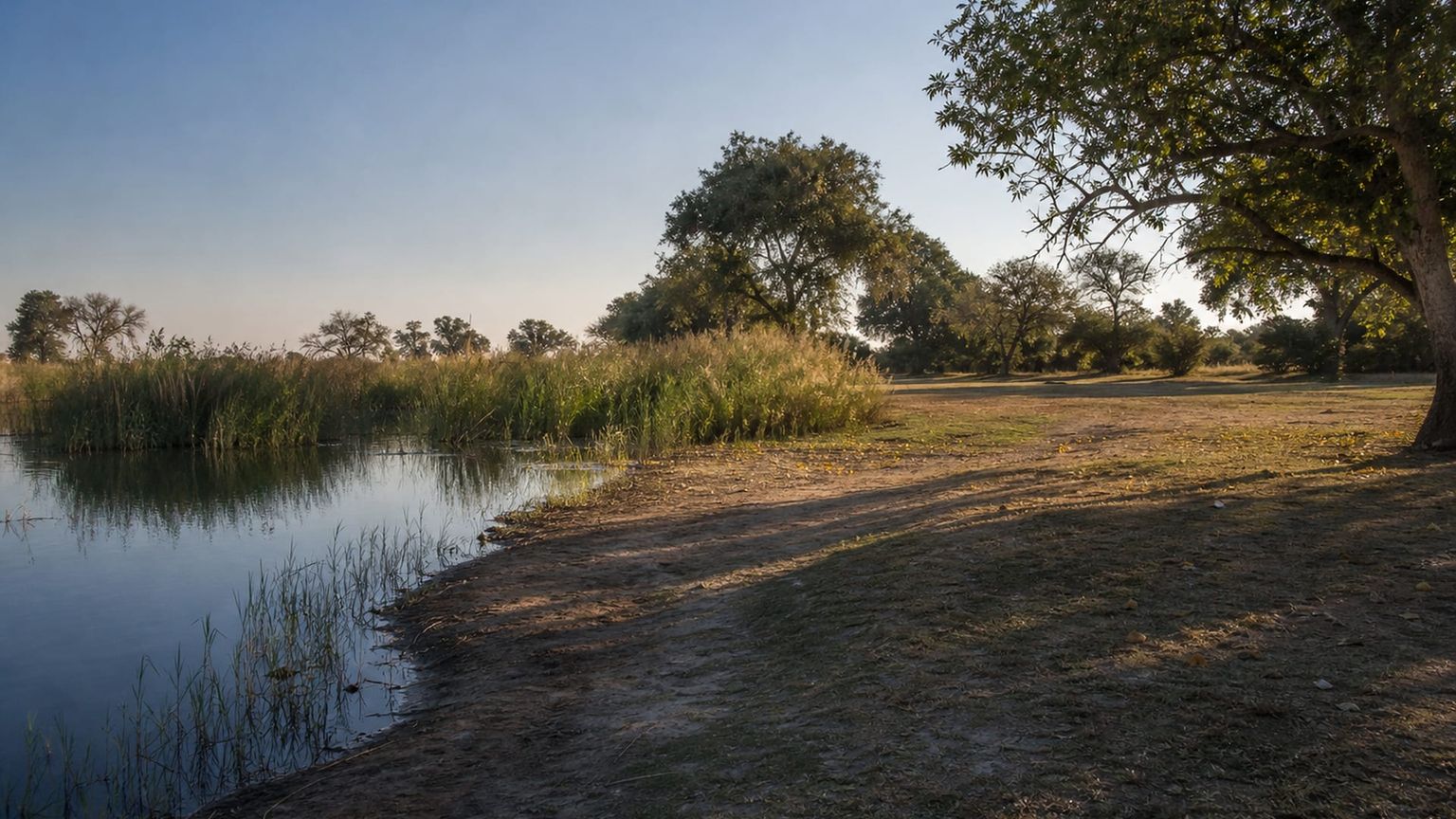
Properties along the Thamalakane River put you closer to water views, lodge grounds, birdlife, and river activities than the commercial center. The setting suits travelers who expect to spend more time at their property and do not mind taking taxis for shopping and errands.
Best for: Riverside stays, couples, birdwatching, and longer lodge stays
What to expect: Lodges, guesthouses, river views, restaurants, and fewer shops
Hotel prices: P1,065 to P2,930 ($80 to $220) per night for well-rated stays
Distance to major sights: 10 to 20 minutes by car to the airport, depending on the property
Quietness: Less commercial traffic than in central Maun.
Main trade-off: Restaurants and shops may require a taxi.
Good to know: Arrange evening transportation to your lodging when needed.
Remote lodge clusters outside Maun are less practical for a short stay focused on the town itself. They make more sense when the property and its safari activities are the purpose of the stay.
Hotel deals
How to get around Maun efficiently
Maun has no urban rail system, so visitors generally rely on taxis, minibuses, and prearranged transfers.

Metro
for longer distances
Shared taxis cost P10 ($0.75) per passenger, while special-hire taxis cost P36 ($2.70). For airport transfers or trips outside standard local routes, confirm the fare before departure. Carry smaller pula notes for payment.

Bus and tram
for convenience
Shared minibuses serve common routes through Maun and nearby residential areas. A local trip costs P9 ($0.70). Vehicles usually leave once enough passengers have boarded, so carry small cash and confirm your destination before getting on.

Taxi
for convenience or late hours
Many Maun hotels arrange airport transfers on request. This is particularly useful when arriving with luggage or transferring directly between Maun International Airport and a lodge, scenic flight, or safari departure. Confirm the transfer price when booking.
*Prices are based on rates updated as of September 2026 and may change at the time of travel.
Use taxis for flexible trips within town, minibuses for inexpensive daytime travel, and prearranged transfers when coordinating an airport arrival or safari departure.
Iconic landmarks
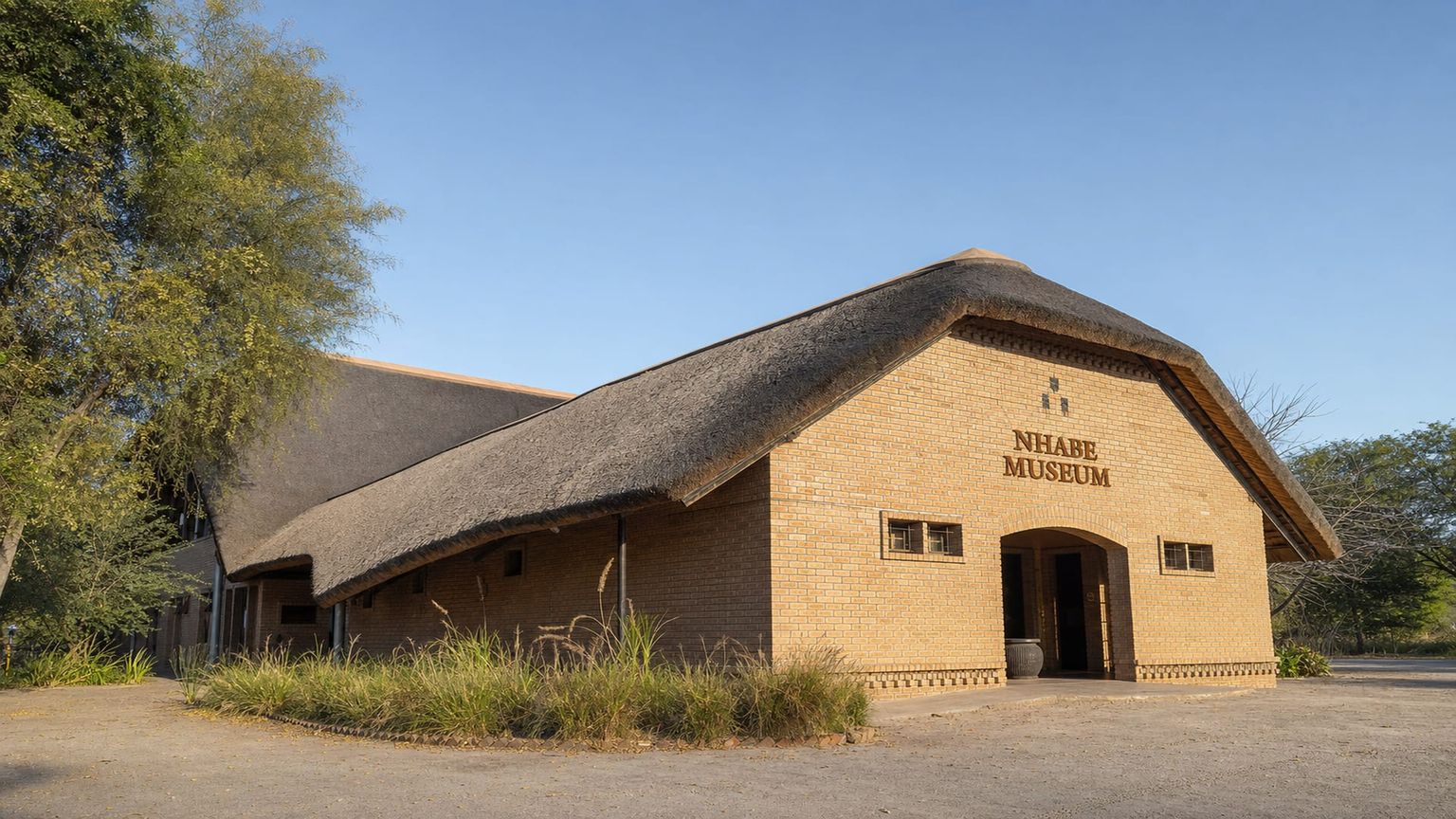
Nhabe Museum
Nhabe Museum introduces the history and cultures of Ngamiland, including the Batawana and Maun’s relationship with the Okavango region. Its compact size makes it an easy cultural stop before or after a trip into the delta.
Time needed: 1 to 2 hours
Entry: Admission fees vary depending on the exhibition. You can purchase tickets on site.
Tip: Visit before an Okavango excursion for useful context on the people and history of Ngamiland.
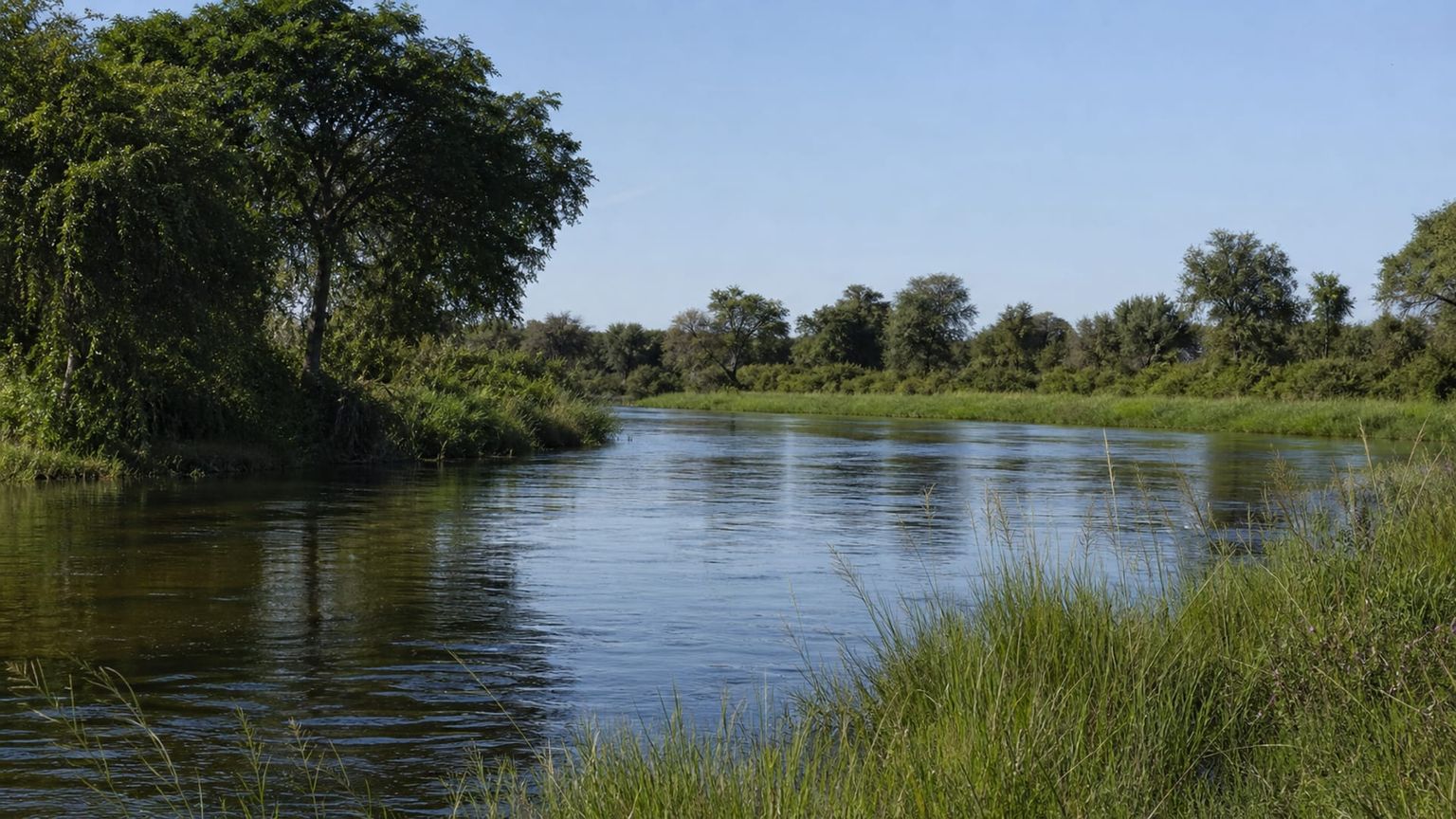
Thamalakane River
The Thamalakane River passes through Maun and provides an accessible introduction to the waterways associated with the wider Okavango region. Riverside lodges and operators offer places to watch birds, take boat trips, or spend time beside the water.
Time needed: 1 to 2 hours
Entry: Free from public-access areas; boat trips and lodge activities cost extra.
Tip: Late afternoon brings lower temperatures and good conditions for birdwatching.
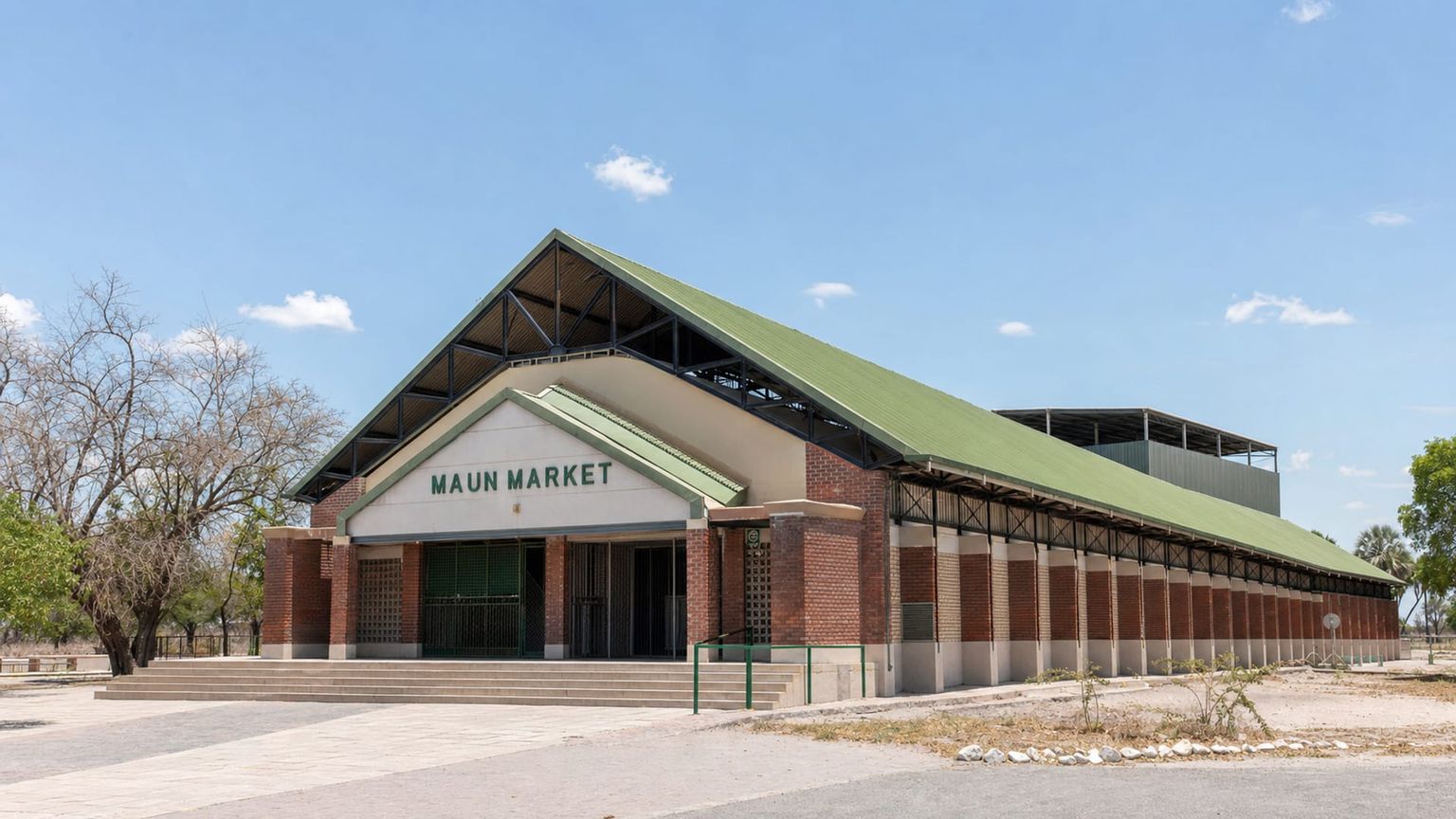
Maun market
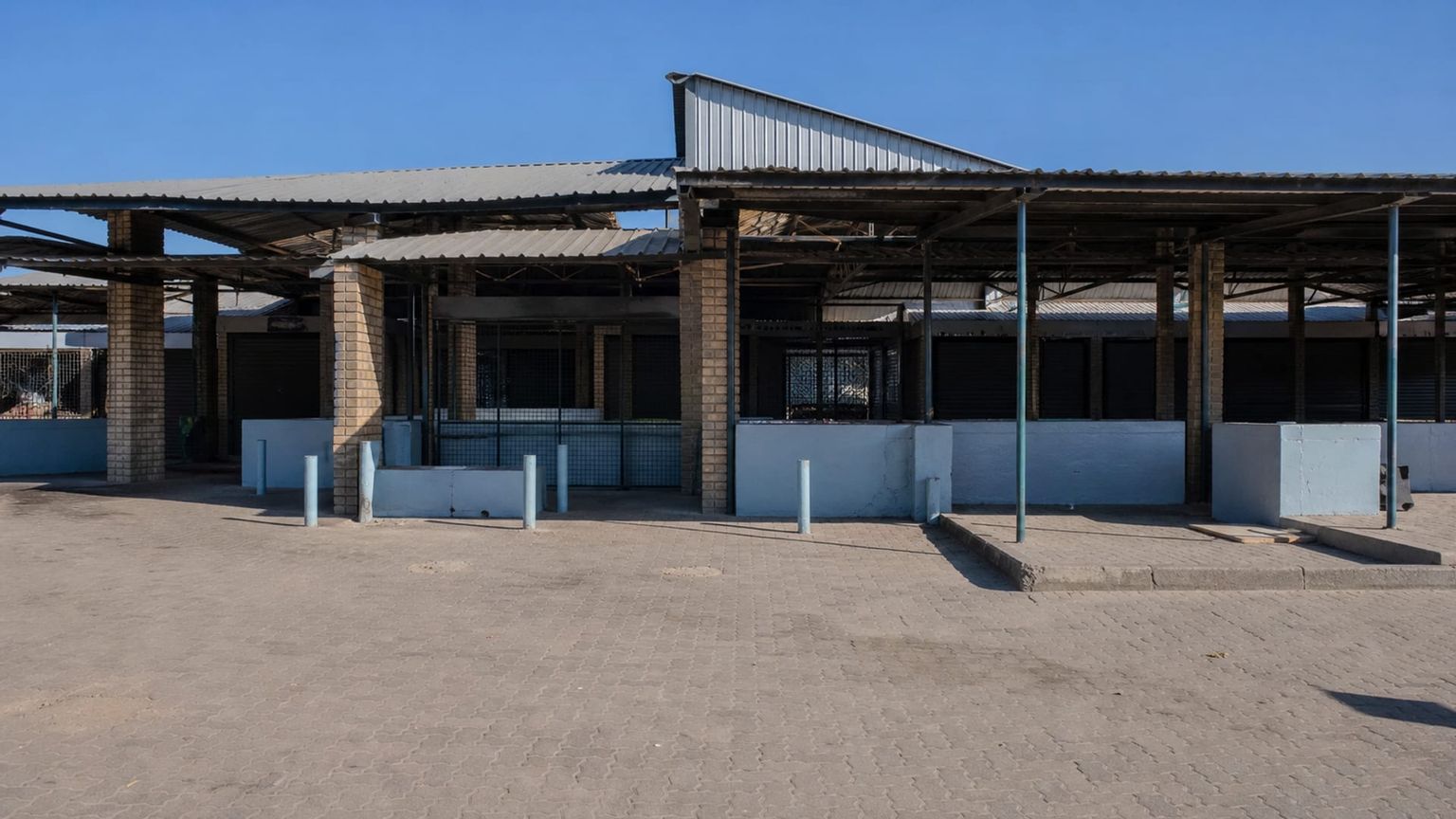
Maun’s market brings together produce, household goods, clothing, and everyday trade in the center of town. It is a practical place to see what residents buy while picking up fruit, snacks, or small items before continuing elsewhere.
Time needed: 1 hour
Entry: Visit in the morning before temperatures rise.
Tip: Arrive early for the best produce and the busiest trade before midday heat.
Overlooked sites worth visiting

Matlapana riverfront
Matlapana extends along the Thamalakane River northeast of central Maun, with guesthouses and riverfront properties overlooking the water. It provides an easy place for birdwatching and a short riverside stop without leaving town.
Time needed: 1 to 2 hours
Entry: Public river views are free; private lodge activities cost extra.
Tip: Go in the late afternoon and arrange your return taxi before dark.

Boseja
Boseja lies southeast of central Maun along the Thamalakane River and offers another look at the town beyond its commercial center. Riverside properties here can arrange boat cruises and other activities linked to the wider Okavango region.
Time needed: 1 to 2 hours
Entry: Exploring the area is free; individual lodge activities are priced separately.
Tip: Combine Boseja with lunch or a river activity instead of making a separate cross-town trip.
Traditional food
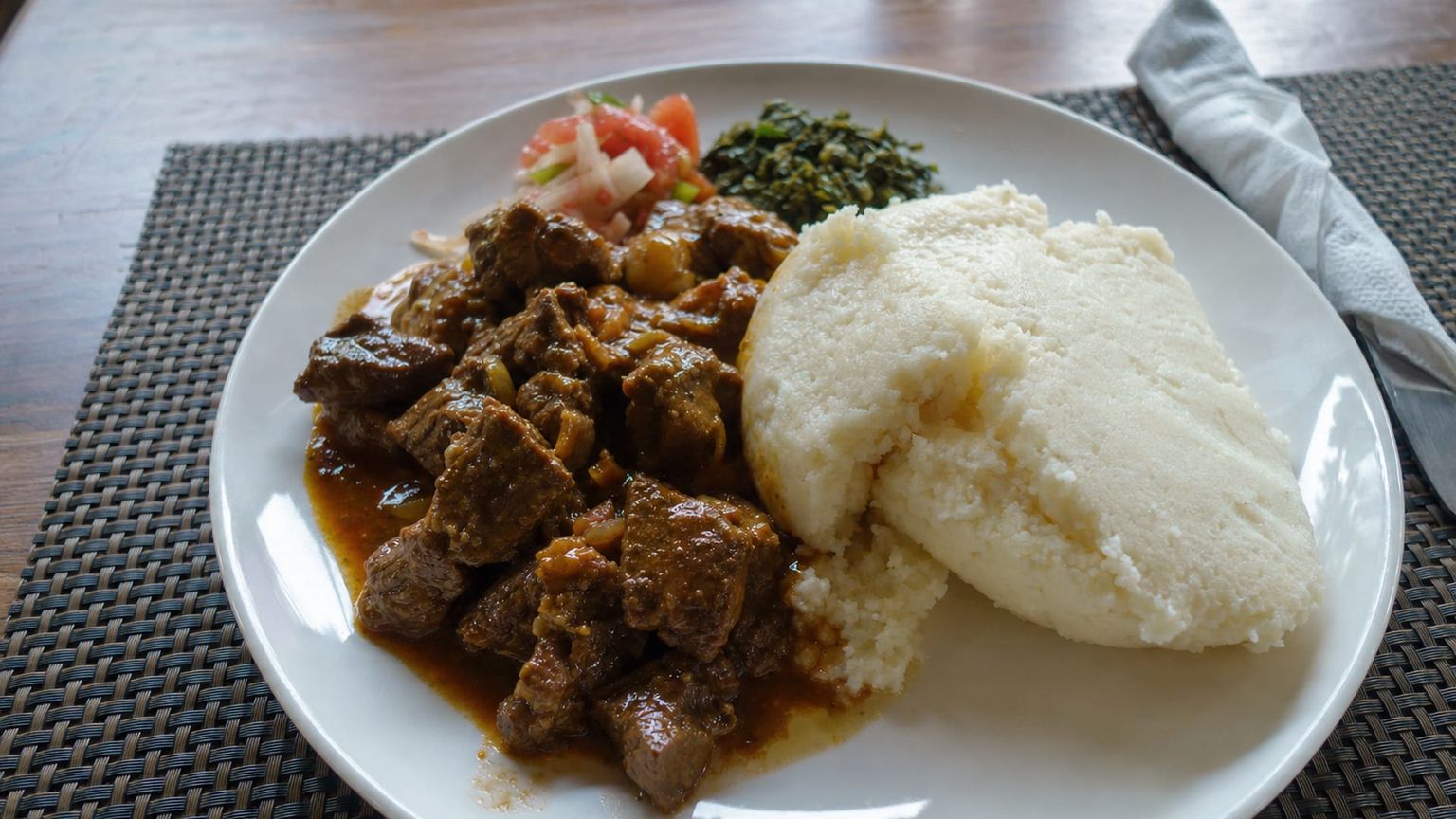
Maun is a good place to try Botswana staples built around slow-cooked meat, maize, grains, and fried breads, alongside contemporary dishes made with southern African game.
Seswaa
Seswaa is beef cooked slowly until tender, then pounded or shredded into soft strands. It is traditionally served with pap or another starch. Bull and Bush Maun currently serves seswaa balls, a modern version made from slow-cooked, pounded beef with truffle dip.
Setampa
Setampa is samp made from dried maize kernels, cooked until tender and commonly served with meat or vegetables. Planet Culture Café in Maun specializes in Setswana food and currently lists setampa among its traditional dishes.
Magwinya
Magwinya are deep-fried dough balls eaten as a breakfast food or snack, often with tea or alongside savory fillings. Planet Culture Café currently includes magwinya among the traditional Setswana foods it serves in Maun.
Kudu burger
Kudu is a lean southern African game meat with a richer flavor than beef. Marc’s Eatery in Maun serves it as a burger with onion, pickles, lettuce, and apple-chili jelly.
Best time to visit Maun
Maun’s dry winter and hot rainy summer create noticeably different conditions for sightseeing and safari departures, with May through August bringing the coolest daytime weather.
Best for: Green landscapes, birdlife, and travelers comfortable with summer rain
What you get: 69°F to 92°F (21°C to 33°C), with hot days, warm nights, green vegetation, and frequent rain
Trade-offs: Heat and afternoon rain can interrupt outdoor plans and road journeys.
Best for: Lower rainfall, comfortable sightseeing, and outdoor activities
What you get: 54°F to 90°F (12°C to 32°C), with temperatures and rainfall dropping as the season progresses
Trade-offs: March can remain hot, particularly during the middle of the day.
Best for: Dry weather, safari connections, outdoor activities, and cooler days
What you get: 47°F to 86°F (8°C to 30°C), with cool mornings, warm afternoons, and very little rain
Trade-offs: Early mornings can feel cold, especially before sunrise.
Best for: Dry conditions, wildlife trips, and travelers comfortable with heat
What you get: 61°F to 97°F (16°C to 36°C), with increasingly hot days before the summer rains return
Trade-offs: October and November can be very hot before the rains arrive.
A realistic 5-day plan in Maun
Five days gives you time to see Maun itself while leaving room for the Okavango activities that bring most visitors here. Keep central errands together, use the riverfront for a separate afternoon, and avoid repeatedly crossing town for places you have already visited.
Land at Maun International Airport (MUB) and take a taxi or prearranged transfer to your hotel. Check in, pick up some local money and any supplies you need for the next few days, then have dinner near your hotel. Keep the first day local instead of adding another transfer immediately after the flight.
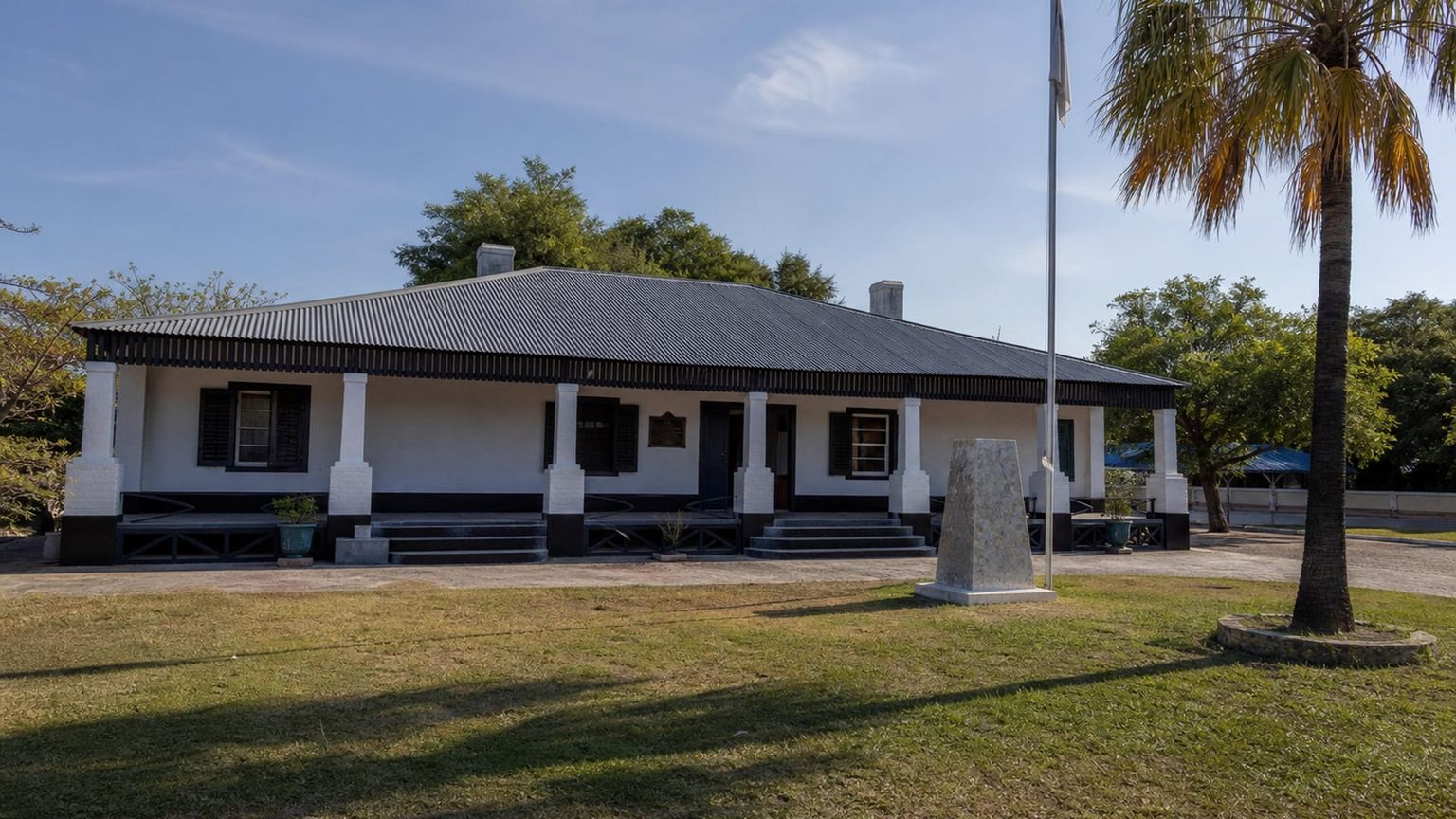
Visit Maun market in the morning for fresh produce, crafts, and a close look at everyday local commerce. Continue to Nhabe Museum, housed in a 1939 British military building. The museum holds Hambukushu baskets, traditional musical instruments, hunting tools, skin work, and rotating exhibitions of local art. Allow 1 to 1.5 hours. Use the afternoon for shops and safari preparations in central Maun or the Old Mall area before returning to your hotel.
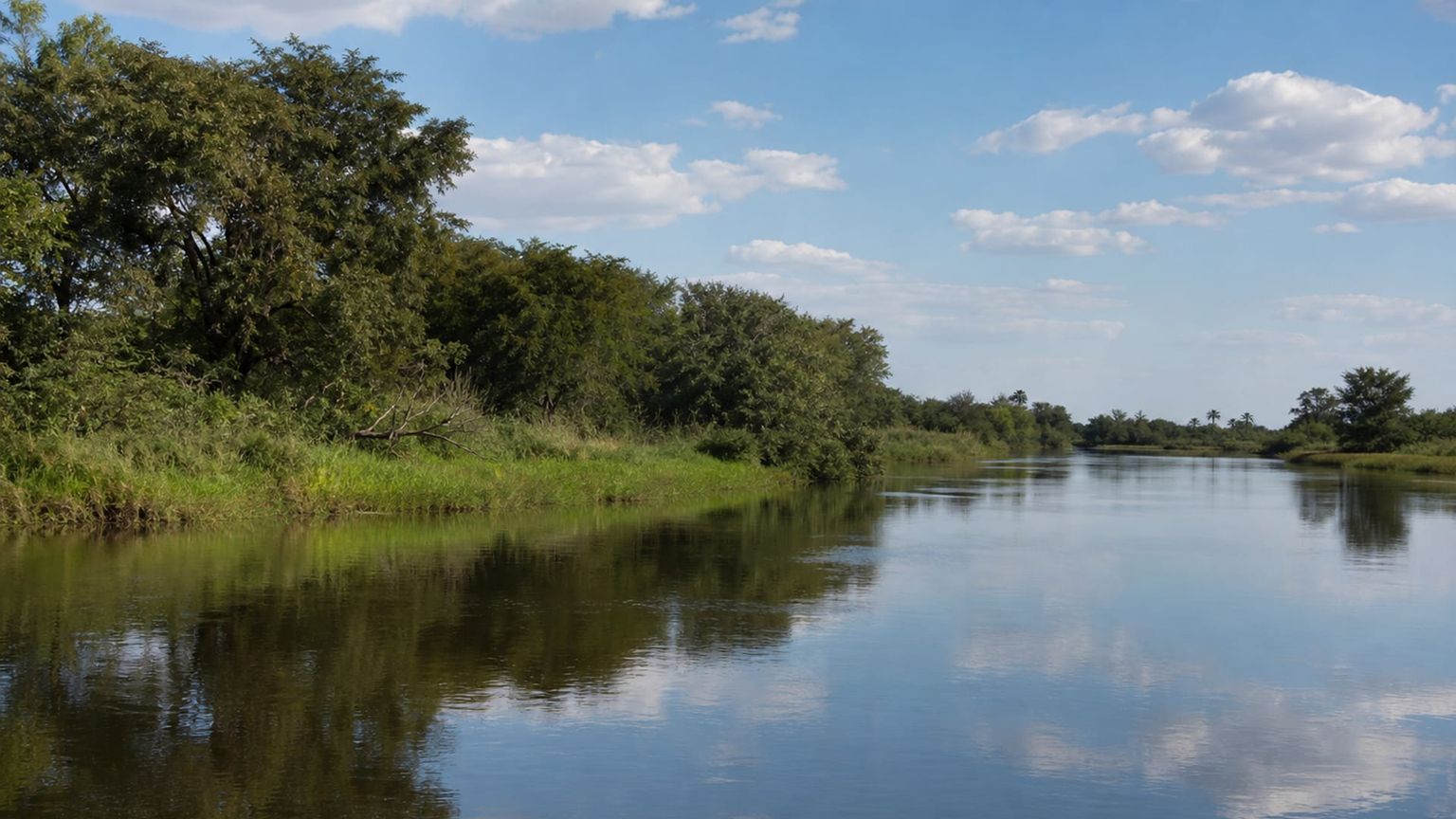
Set aside the day for an Okavango experience arranged through a licensed operator. Options from Maun can include a scenic flight over the Delta’s channels and islands, a mokoro excursion with a local poler through the reed beds, a motorboat trip into the waterways, or an organized day excursion combining boat and walking. Water-based activities are seasonal and depend on annual flood levels, so confirm availability, departure time, transfer arrangements, and what is included with your operator in advance.
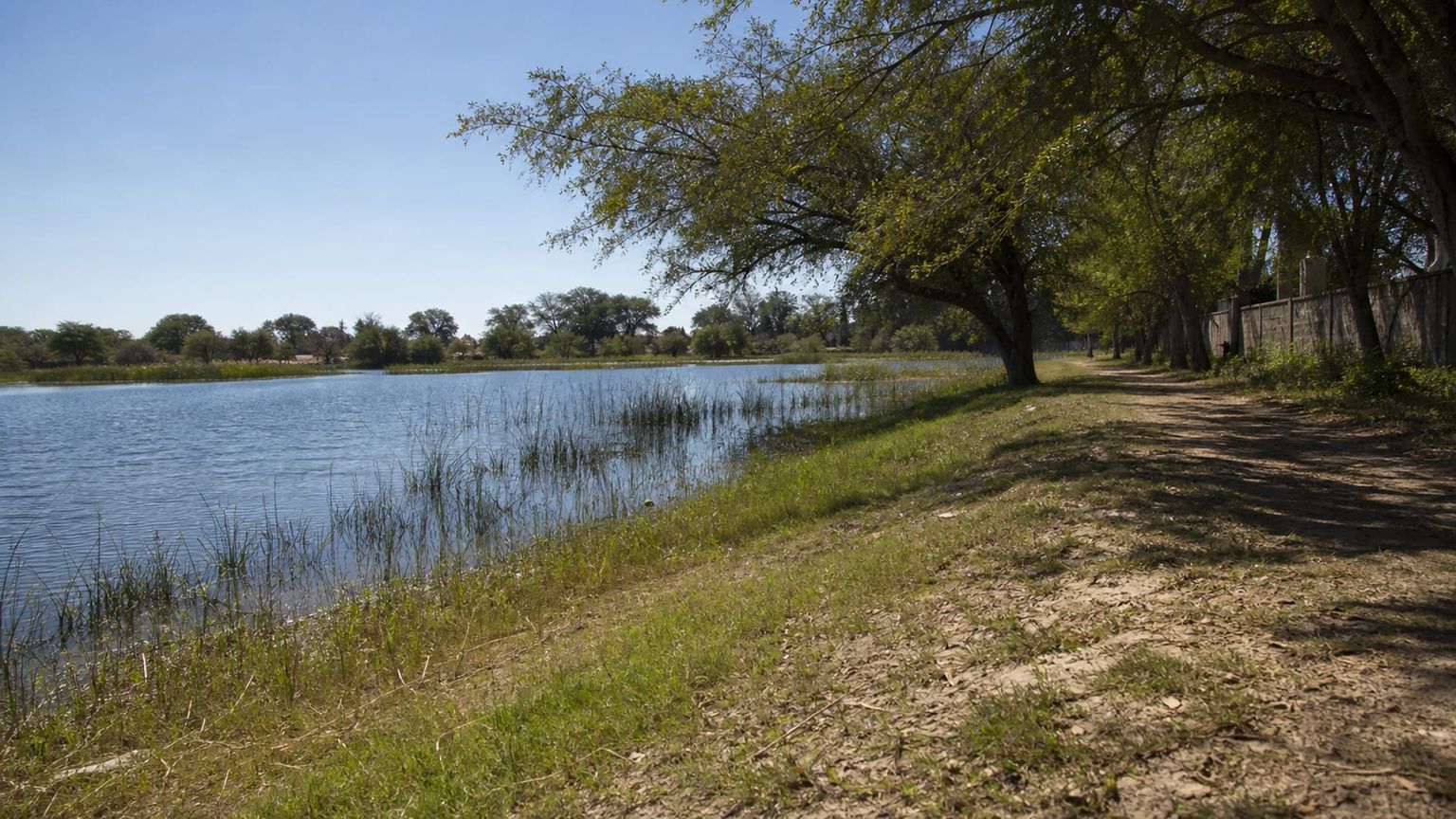
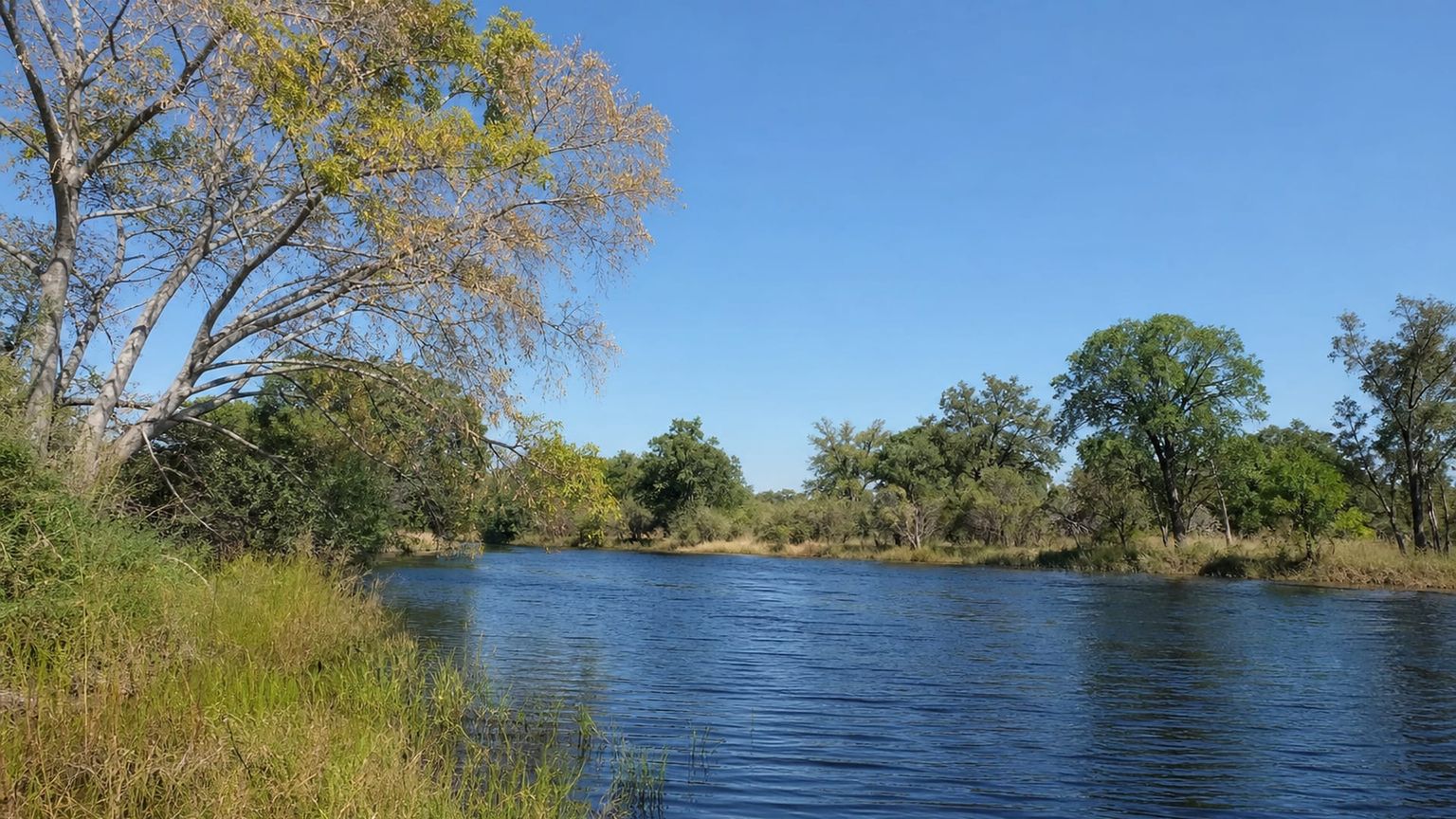
Keep the day closer to town after the previous day’s excursion. The Thamalakane River, which runs along Maun’s edge toward Matlapana, draws over 400 bird species to its reed-lined banks, and is one of the better birdwatching spots accessible directly from town. Head toward Matlapana in the afternoon for a riverside walk, a sunset boat cruise, or a meal at one of the lodges with river access. Boat cruises are seasonal and depend on water levels, so confirm availability in advance. Stay through the late afternoon, then return by taxi or lodge transfer.
If your flight leaves later in the day, spend the morning on the Boseja side of Maun for a final riverside stop or relaxed breakfast. Return to your hotel for luggage, then continue to Maun International Airport. Leave enough time for the transfer even though the airport is close to the central parts of town.
Business-class flights from the US to Maun
Flights from the US require two stops before reaching Maun, so total journey time depends heavily on the layover duration.
New York (JFK) to Maun (MUB)
From New York, ITA Airways and Ethiopian Airlines offer an itinerary to Maun through Leonardo da Vinci International Airport (FCO) in Rome and Bole Addis Ababa International Airport (ADD). Total journey time is typically 22 to 25 hours, with round-trip business-class fares ranging from $5,900 to $11,100.
Los Angeles (LAX) to Maun (MUB)
From Los Angeles, British Airways and Airlink offer codeshare flights to Maun, which include a layover at Heathrow Airport (LHR) and one at O.R. Tambo International Airport (JNB). Such flights take 27 to 31 hours, and round-trip business-class fares range from $7,500 to $12,200.
Maun feels different when you slow down
Maun is easier to manage when you keep practical errands in the town center and Old Mall area, then give the Thamalakane River its own part of the trip instead of crossing town repeatedly. AranGrant experts can help you compare business-class flights and hotels that fit your dates and preferred location.







