

Chapters:

Need help with your trip?
Our support team is available 24/7. Request a callback or call us directly at (833) 619-0908
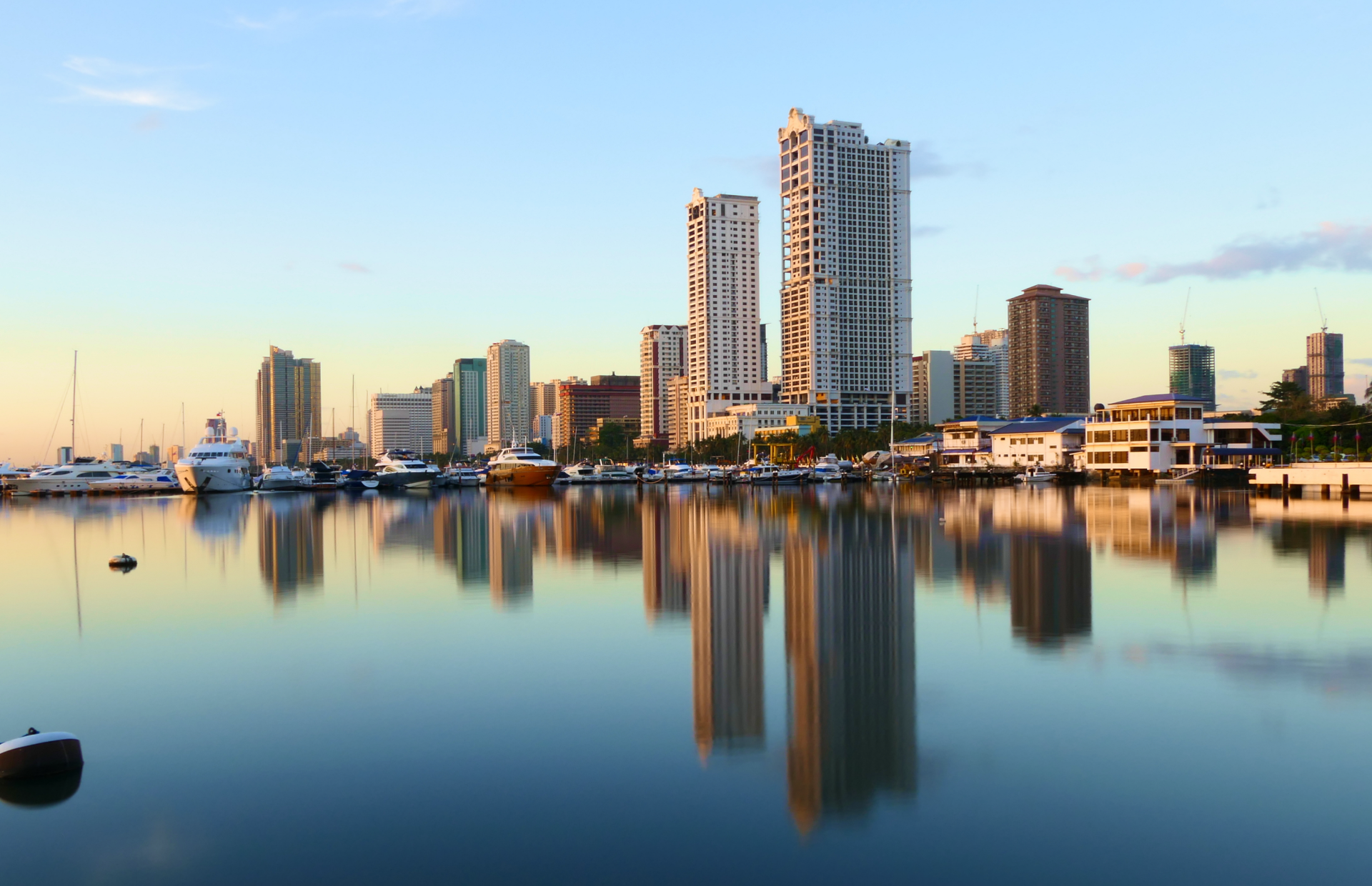
Manila is a city that takes a little time to read. Walled Spanish fortresses, baroque churches, and cobblestone lanes in Intramuros. Rooftop bars and designer restaurants in Makati. Colonial streets and bay views in Ermita. Each neighborhood runs on its own rhythm, and the best way to experience the city is to take them one at a time.
This guide covers Manila neighborhood by neighborhood, with the best places to stay, eat, and explore in each one, and a five-day plan for putting it all together.
Useful things to know

Main language(s): Filipino (Tagalog), English
Kumusta (koo-MUS-ta) – Hello
Pakiusap (pa-kee-OOS-ap) – Please
Salamat (sa-LA-mat) – Thank you
Nagsasalita ka ba ng Ingles? (nag-sa-sa-LEE-ta ka ba ng ING-gles) – Do you speak English?
Magkano ito? (mag-KA-no EE-to) – How much does it cost?

Currency: Philippine peso (PHP, ₱)

Cash and cards: Malls, hotels, and restaurants widely accept cards, Apple Pay, and Google Pay, but small cafés, jeepneys, markets, and restrooms still require cash. Carry ₱1,000–₱2,000 ($16–$33) in your day bag for these expenses.

Tipping: Tipping is not mandatory. Restaurants often add a 10% service charge to the bill; in that case, an extra tip is optional. If the bill doesn’t include a service charge, leave 10% for good service.

Traditional food: Adobo (chicken or pork in soy-vinegar), Sinigang (tamarind sour soup), Halo-halo (shaved ice dessert with beans and fruit)

Water and coffee costs: A small bottle of water usually costs ₱20–₱40 ($0.33–$0.65). A local espresso or brewed coffee costs ₱80–₱150 ($1.30–$2.45) in cafés, and more in hotel lounges.

Taxis and ride apps: Grab is the main ride-hailing app in Manila, offering motorcycle and car options across many areas.

Plug and voltage: Type A, B, and C sockets, 220V

Dining and shop opening hours: Locals typically eat breakfast between 7:00 am and 10:00 am, lunch from 11:00 am to 2:00 pm, and dinner from 6:00 pm to 10:00 pm. Many malls and restaurants are open from 10:00 am to 11:00 pm.

Emergency number: For police assistance, fire response, or medical help in the Philippines, call 911.
Where to stay in Manila
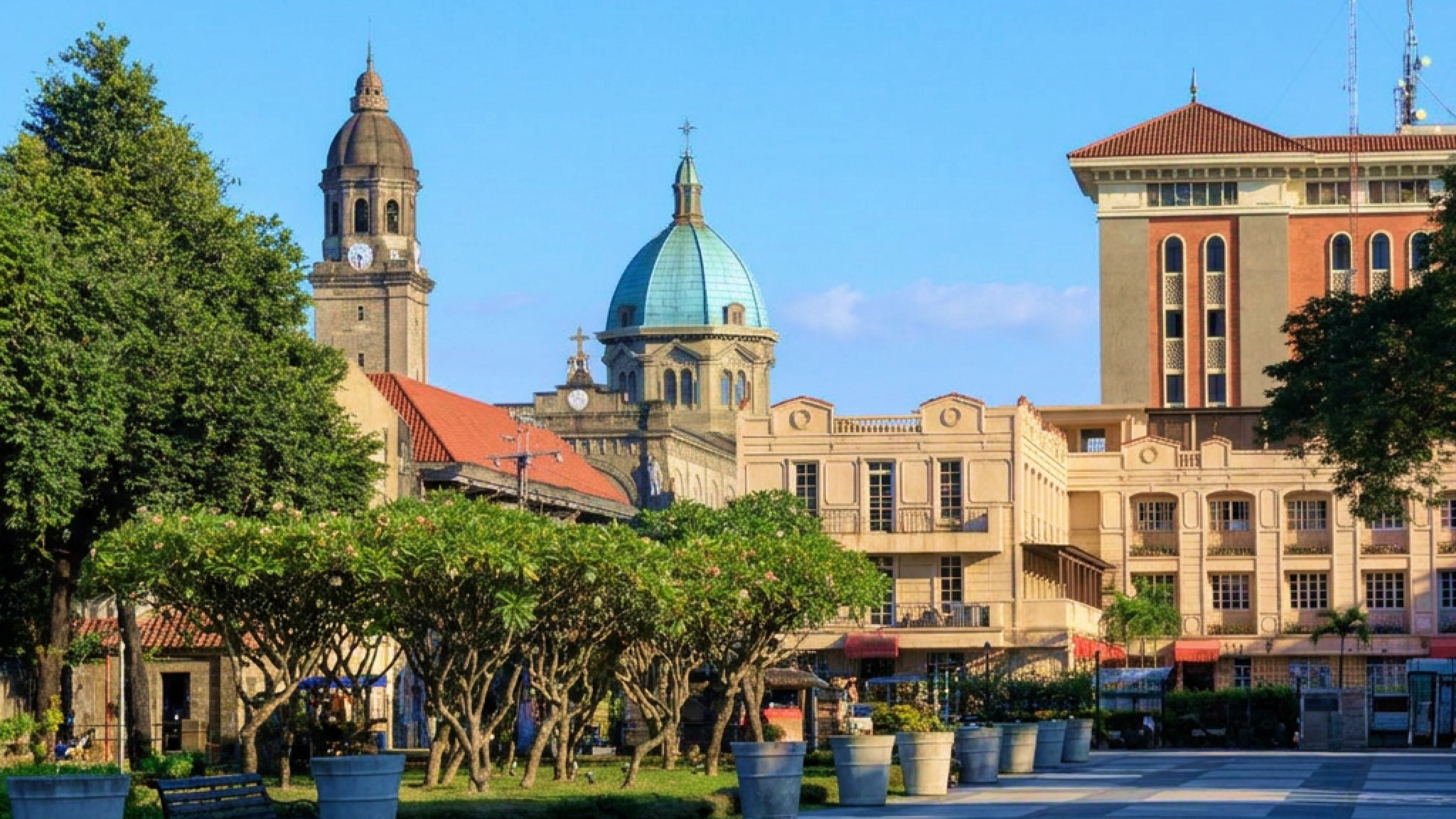
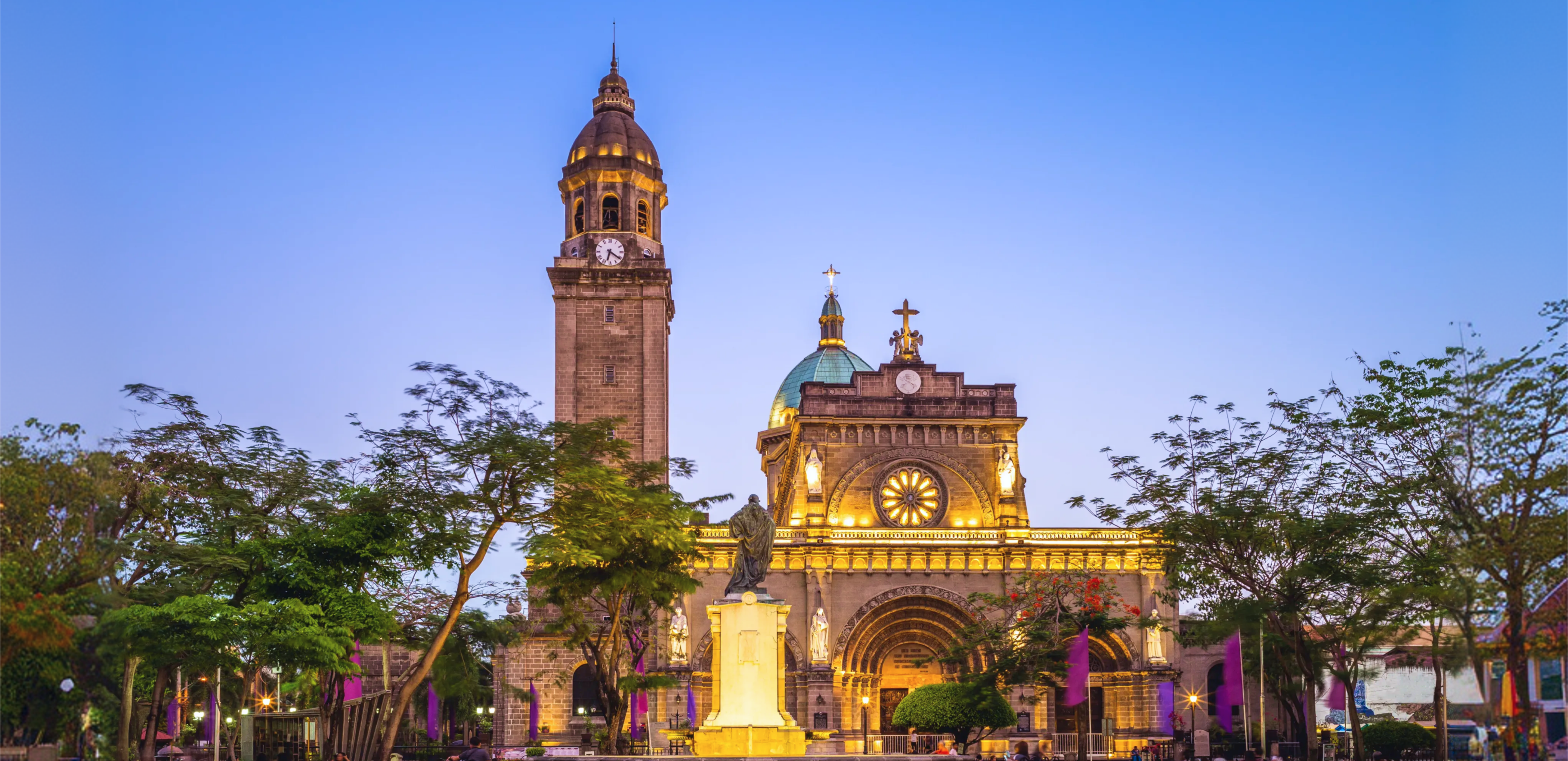
Built by the Spanish in 1571, this 64-hectare walled city is the oldest district in Manila. Its stone fortifications, cobblestone lanes, and Baroque churches are largely intact despite the destruction of World War II.
Best for: First-time visits, sightseeing, and heritage walks
What to expect: A compact, walkable district where most of the major sites, including Fort Santiago, San Agustín Church, Manila Cathedral, and Casa Manila, are within a short walk of each other.
Hotel prices: Roughly ₱3,900–₱7,100 ($68–$125) per night for well-rated stays
Distance to major sights: About 10 to 20 minutes on foot to central sites and museums within the walls
Quietness: Busy with tour groups and school visits during the day; evenings are quiet
Main trade-off: A limited hotel selection and some properties that don’t match the quality you would expect at the price
Good to know: Horse-drawn kalesas (carriages) are available for hire inside the walls and cover the main landmarks in about an hour.
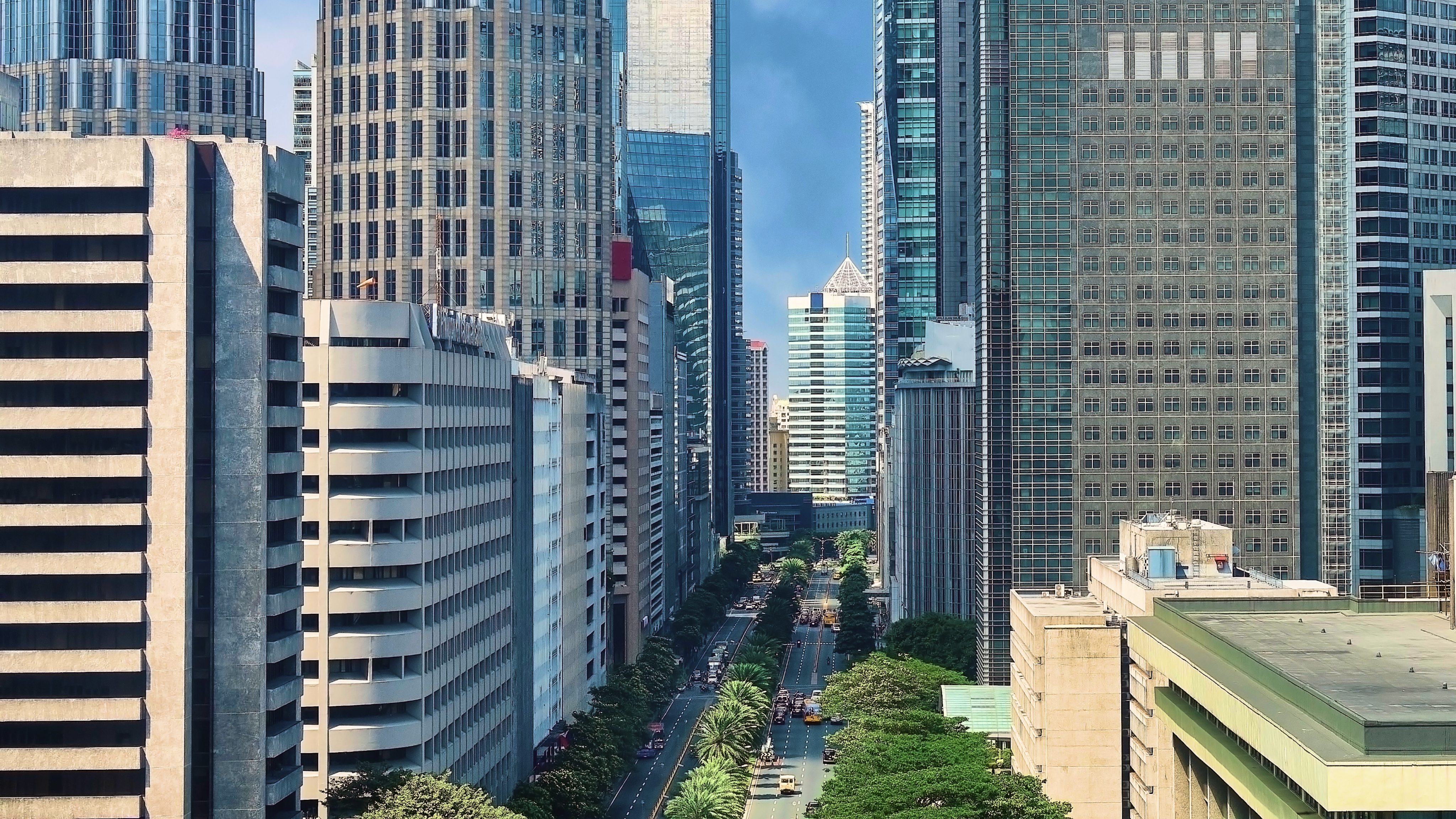
Glass towers, luxury hotels, and rooftop bars define Makati, Manila’s wealthiest district, where the Greenbelt and Glorietta malls anchor a dense stretch of international restaurants, cafes, and nightlife around the Ayala Triangle Gardens.
Best for: Comfort-focused travelers and repeat visitors
What to expect: Large international hotels and a handful of luxury properties and restaurants
Hotel prices: Expect to pay ₱5,200–₱13,000 ($91–$228) a night for a well-rated hotel.
Distance to major sights: 10–30 minutes by taxi to Intramuros and Rizal Park, depending on traffic
Quietness: Lively through the day and well into the night near the malls and Poblacion’s bars
Main trade-off: Makati is more expensive than most other Manila neighborhoods, and far from the city’s historic districts in character if not in distance.
Good to know: The LRT-1 line connects Makati to Intramuros and Rizal Park in about 20 minutes for a fraction of the taxi fare.
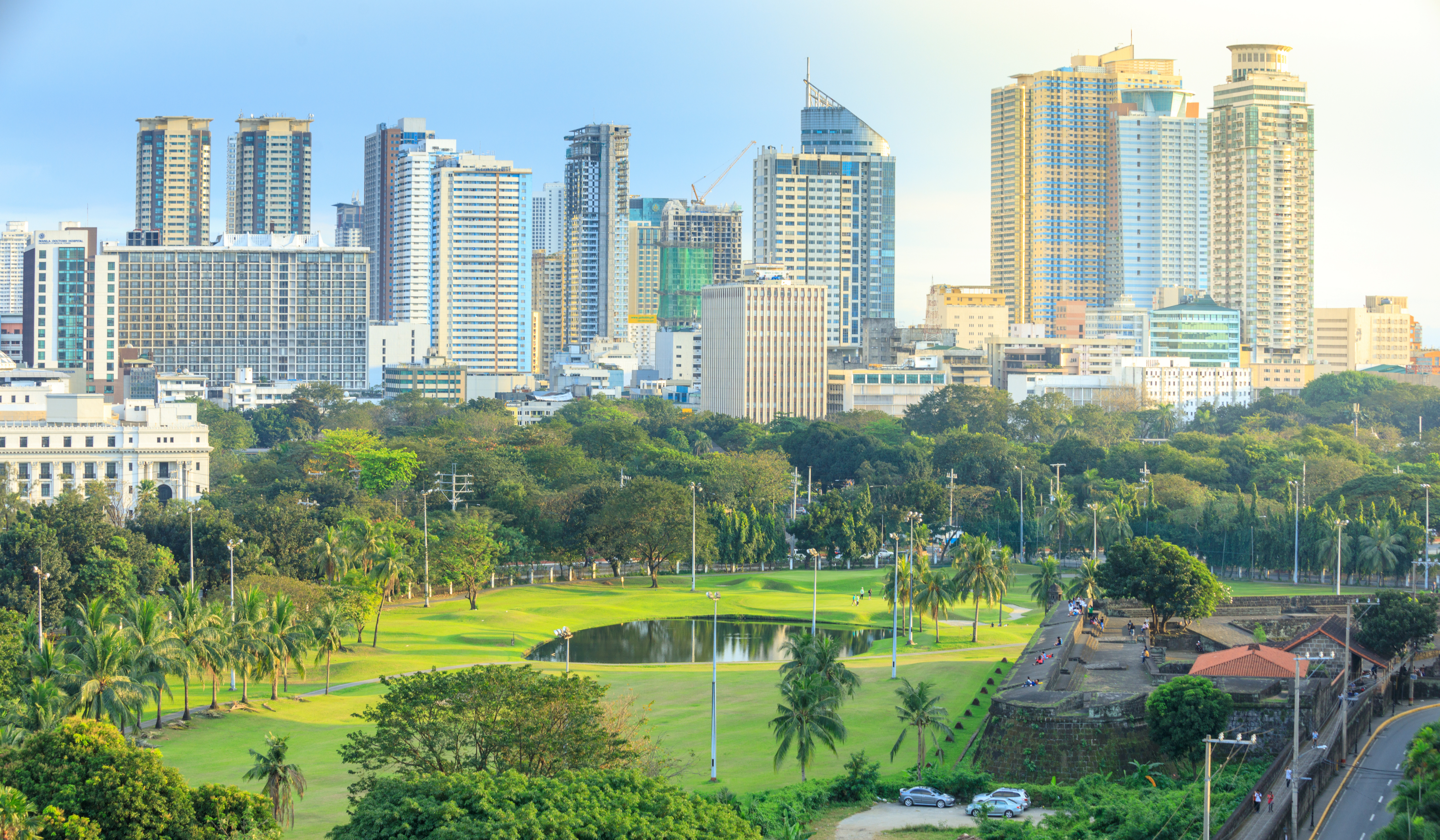
Stretched between Manila Bay and the historic center, Ermita and Malate retain a faded colonial character along their tree-lined streets, with neoclassical buildings and old hotels mixed in among restaurants, bars, and small shops along Roxas Boulevard.
Best for: Travelers who want a less expensive location close to the main sights
What to expect: A lively, slightly gritty neighborhood with a strong bar and restaurant scene
Hotel prices: A well-rated room here costs ₱2,000–₱6,000 ($35–$105) a night.
Distance to major sights: About 15 to 30 minutes by taxi to Intramuros and key central sights
Quietness: The Adriatico and Mabini areas are active until late; streets closer to the bay and Rizal Park are noticeably quieter by evening.
Main trade-off: Some streets in Malate get noticeably rougher after dark, and parts of the area feel run-down compared to Makati or Intramuros.
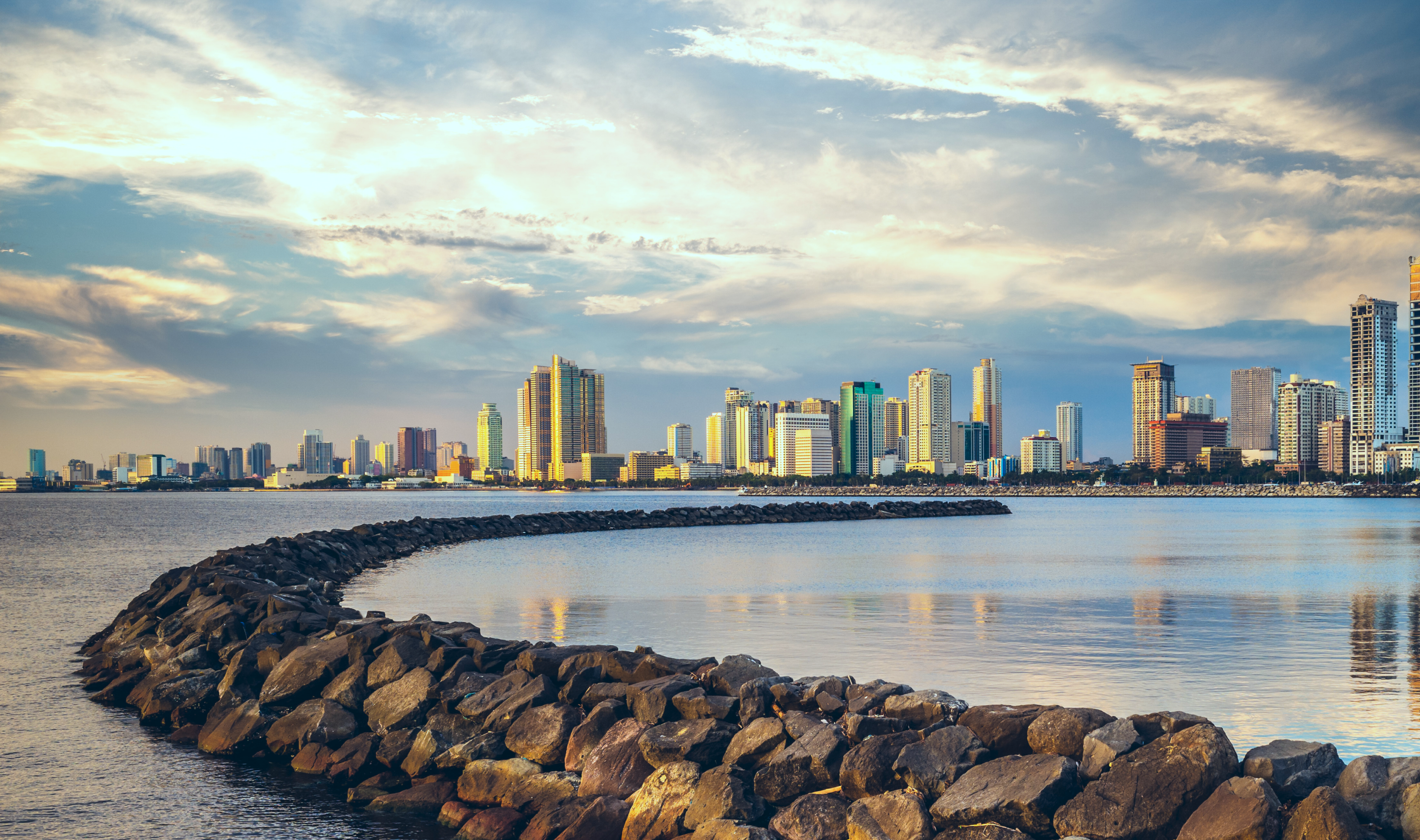
Good to know: Roxas Boulevard runs along the bay for the full length of the neighborhood and makes for a pleasant early-morning walk.
Avoid outer areas like Valenzuela, Navotas, and Malabon, because they offer little reason to stay there and involve long commutes to the center.
Hotel deals
How to get around Manila efficiently
Manila is a sprawling city, and getting around takes some planning. For your daily rides between landmarks, you can take the rail, a bus, or taxi.

Rail
for rides between city areas
Three elevated rail lines run through Manila: LRT-1 goes north to south through Manila and Pasay, LRT-2 runs east to west from Quiapo to Antipolo, and MRT-3 follows EDSA from Quezon City down to Taft Avenue. Fares vary from ₱13 to ₱30 ($0.25 to $0.55) per ride. The three lines don’t connect seamlessly, so getting from one to another usually means a short walk between stations and a separate fare.

Bus
for short rides
Buses and jeepneys go almost everywhere in the city at fares of ₱13–₱30 ($0.25–$0.55), but routes are hard to figure out without local knowledge and stops tend to get crowded.

Grab and taxi
for comfort and longer distances
Grab is the most reliable way to get between neighborhoods, especially after dark or with luggage. Most rides within the city run ₱300–₱600 ($5–$10) depending on traffic. Metered taxis are also available, but Grab is the better choice for most visitors because its pricing is transparent up front.
*Prices are based on rates updated as of June 2026 and may change at the time of travel.
Walking is a good option in Intramuros and around park-and-museum clusters, rail is best for point-to-point city hops, and taxi or Grab rides are the most reliable option for any type of commute in Manila.
Iconic landmarks
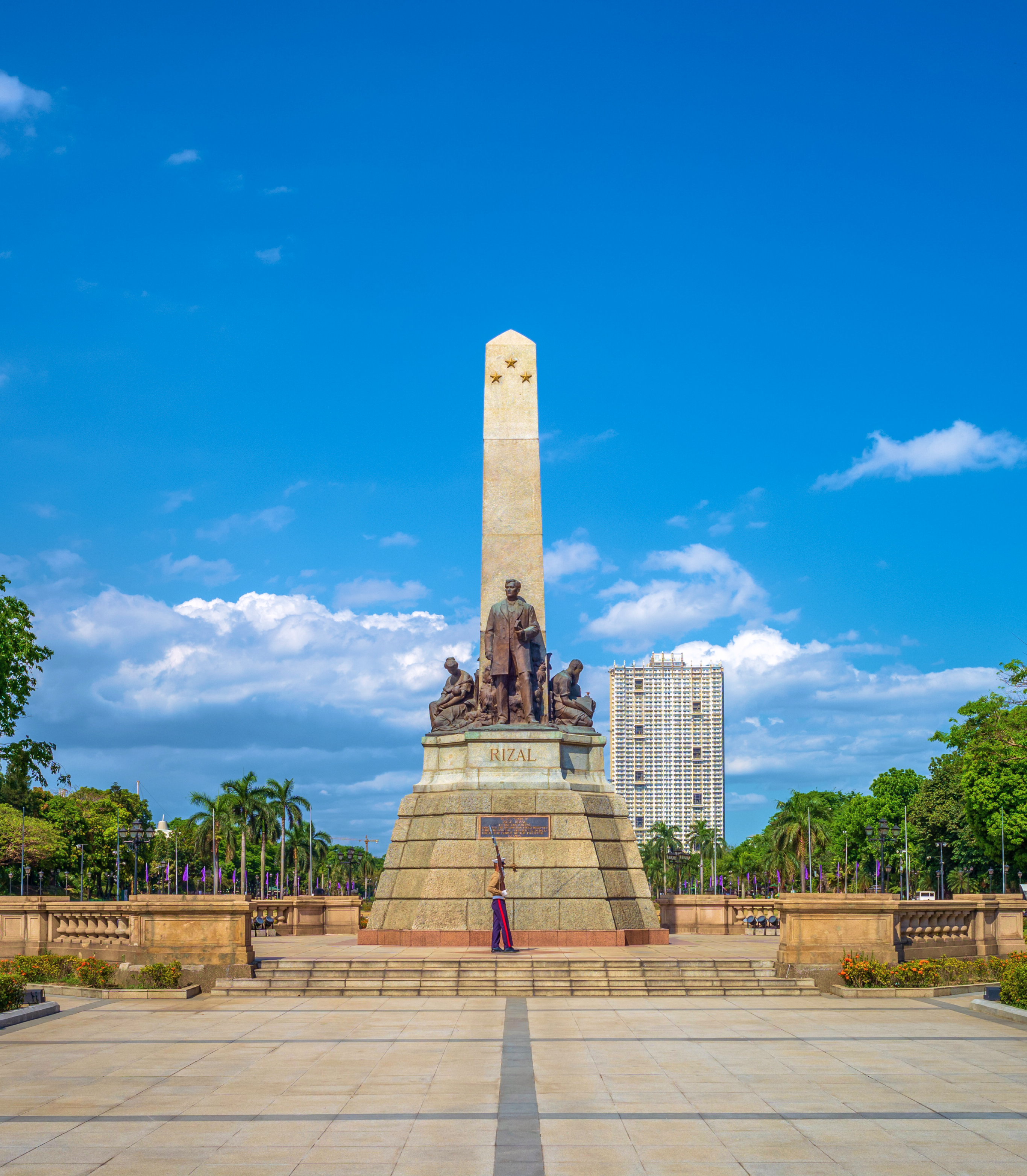
Rizal Park (Luneta Park)
Manila’s most famous urban park honors national hero José Rizal, with wide lawns, monuments, and a classic view toward Manila Bay. It’s a signature stop for photos, evening strolls, and quick access to nearby museums and historic sites.
Time needed: About 1 to 2 hours
Entry: Free to access the park; some attractions inside may have separate charges
Tip: Go late afternoon for calmer crowds and the best light for photos.
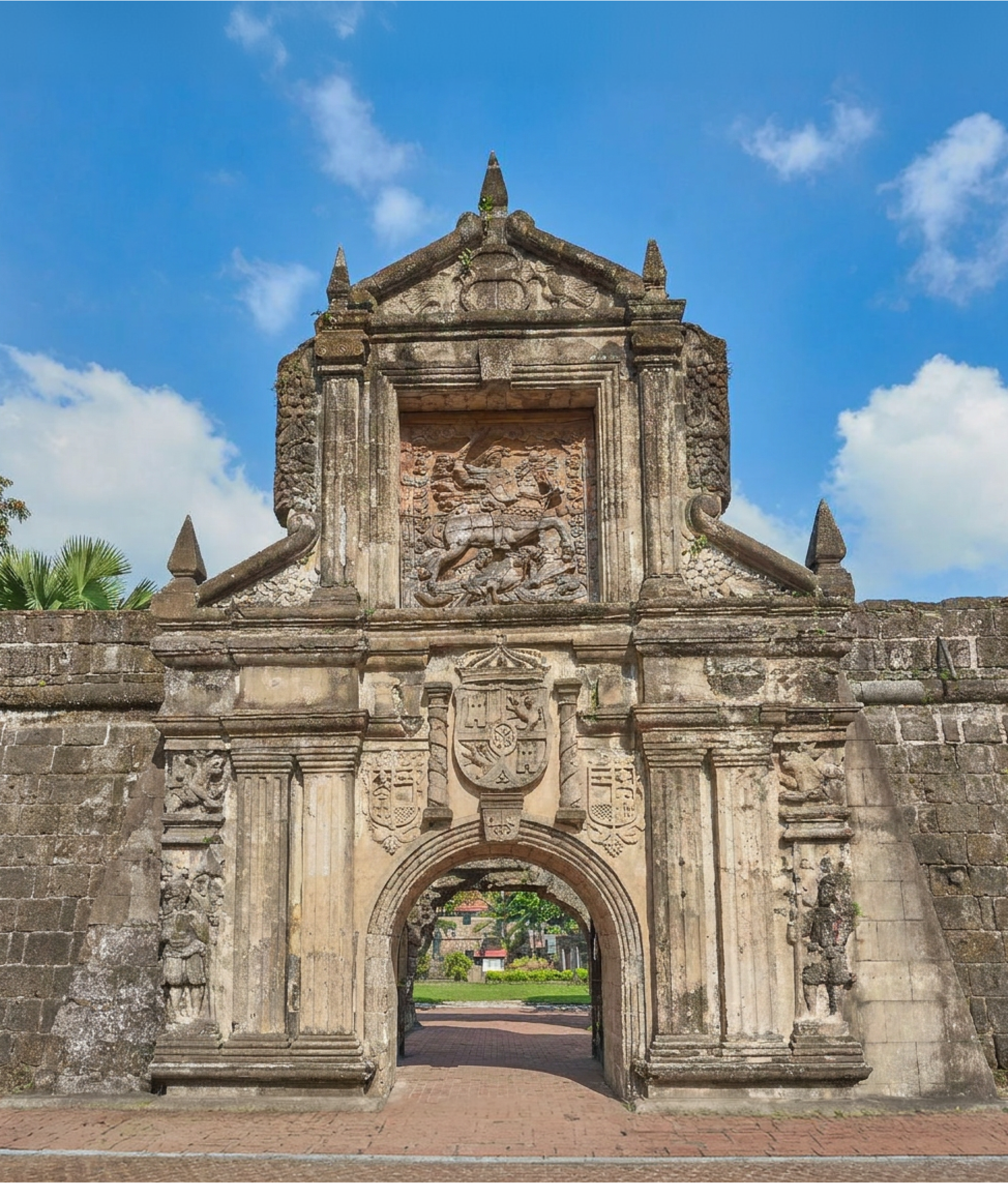
Fort Santiago
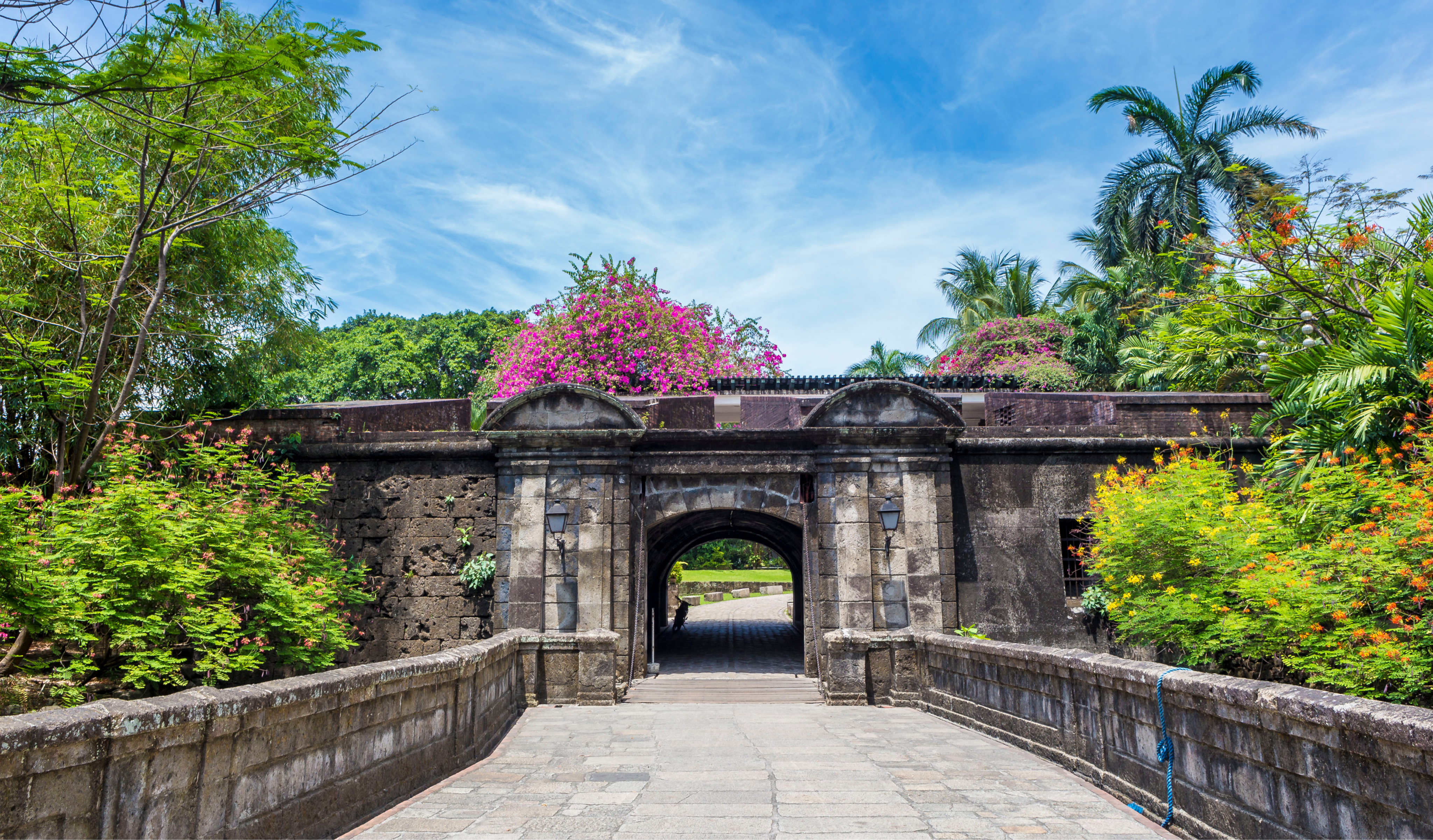
Standing within Intramuros, Fort Santiago was a key Spanish-era fort and prison site tied to Philippine history. Explore the rebuilt walls and heritage displays first, then proceed to nearby churches and museums for an experience full of history.
Time needed: About 1 to 2 hours
Entry: Tickets cost ₱75 ($1.30) for adults, ₱50 ($0.88) for students and seniors. Visit the official site for details.
Tip: Check entry times on the official Intramuros site before you go.
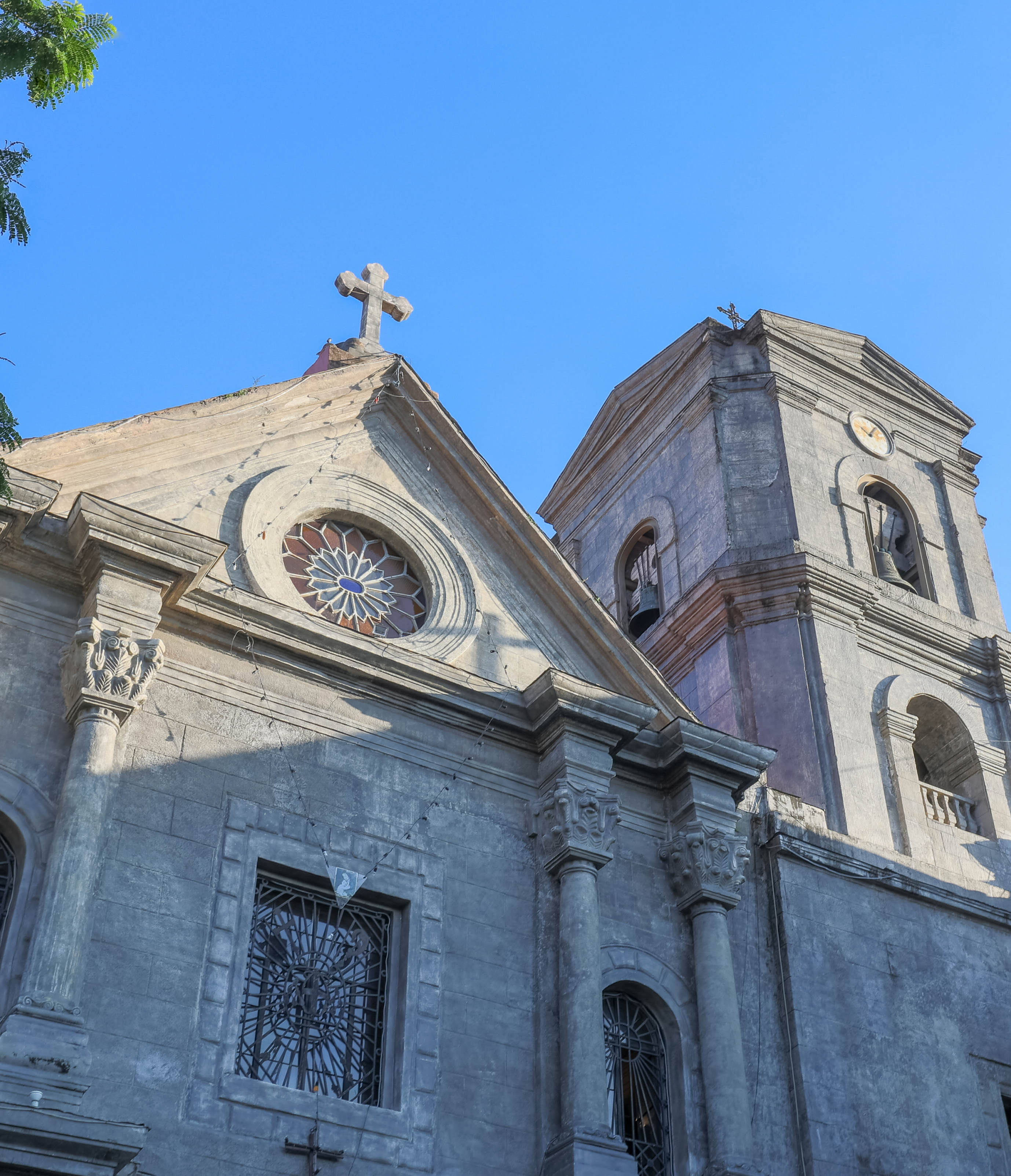
San Agustin Church
One of Intramuros’ most revered churches, San Agustin is famous for its centuries-old architecture and well-preserved interiors. A visit pairs beautifully with nearby heritage sites, offering a quieter, reverent break in the middle of Manila’s historic core.
Time needed: Most visits take 45 minutes to 1 hour.
Entry: The church is free to enter. The San Agustin Museum next door charges ₱200 ($3.50) for adults. Visit the official site for details.
Tip: Dress respectfully and arrive earlier to avoid midday tour groups.
Overlooked sites worth visiting
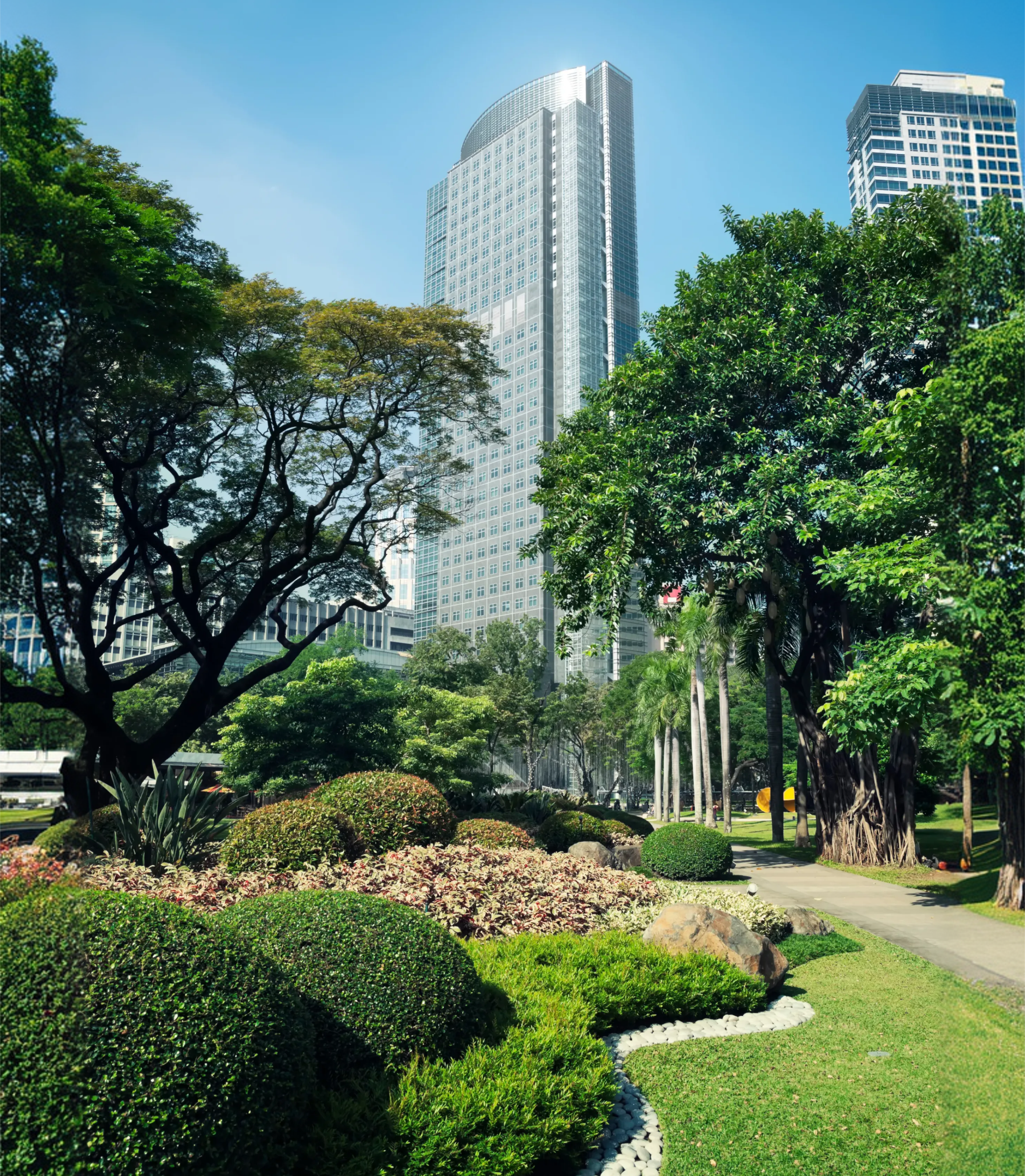
Ayala Triangle Gardens
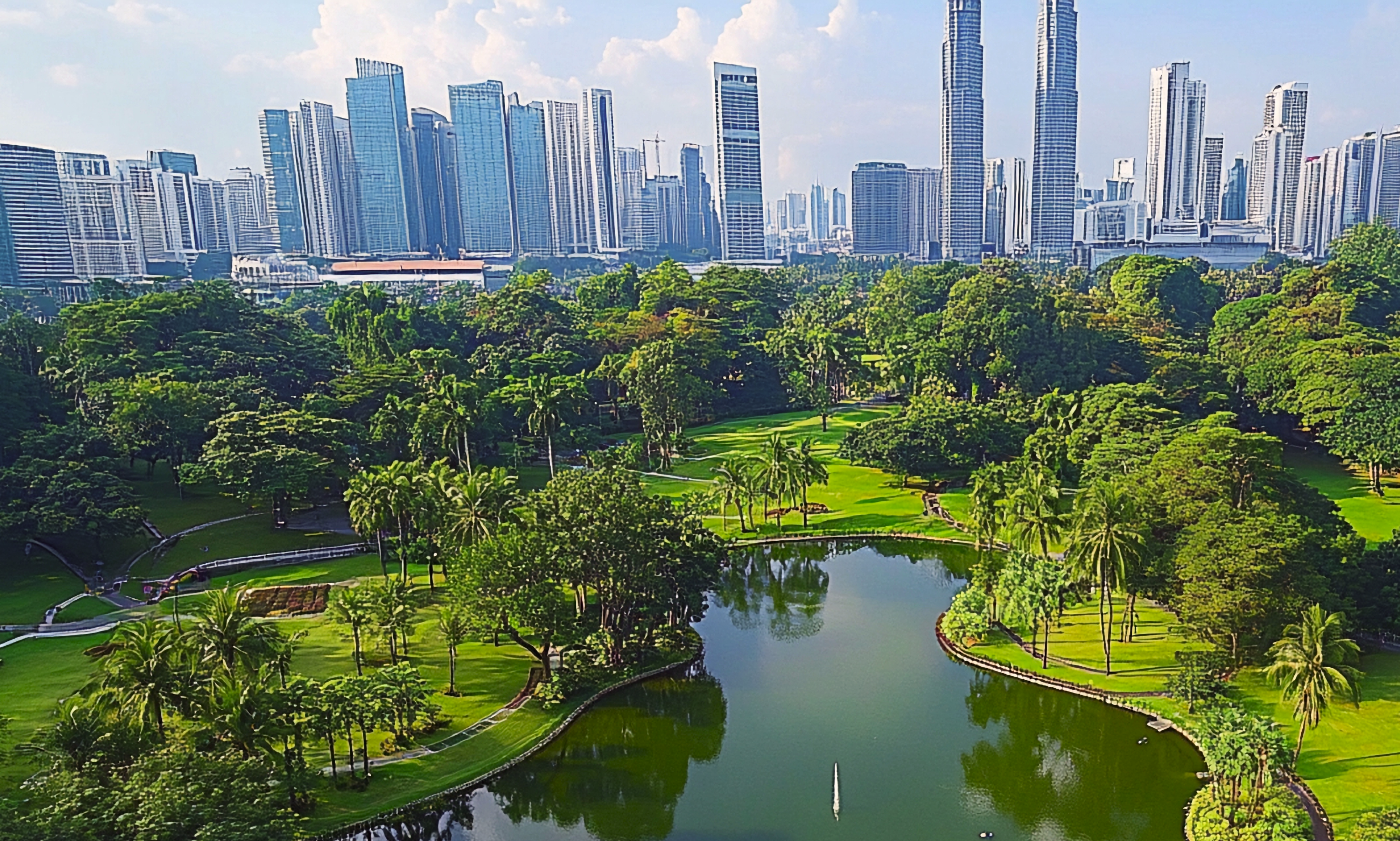
A calm pocket of greenery in Makati, Ayala Triangle Gardens is a refreshing contrast to traffic-heavy Manila streets. It’s great for a quick break and evening photos with the skyline as backdrop.
Time needed: About 1 hour
Entry: Free to access
Tip: Visit around golden hour for skyline photos and cooler walking weather.
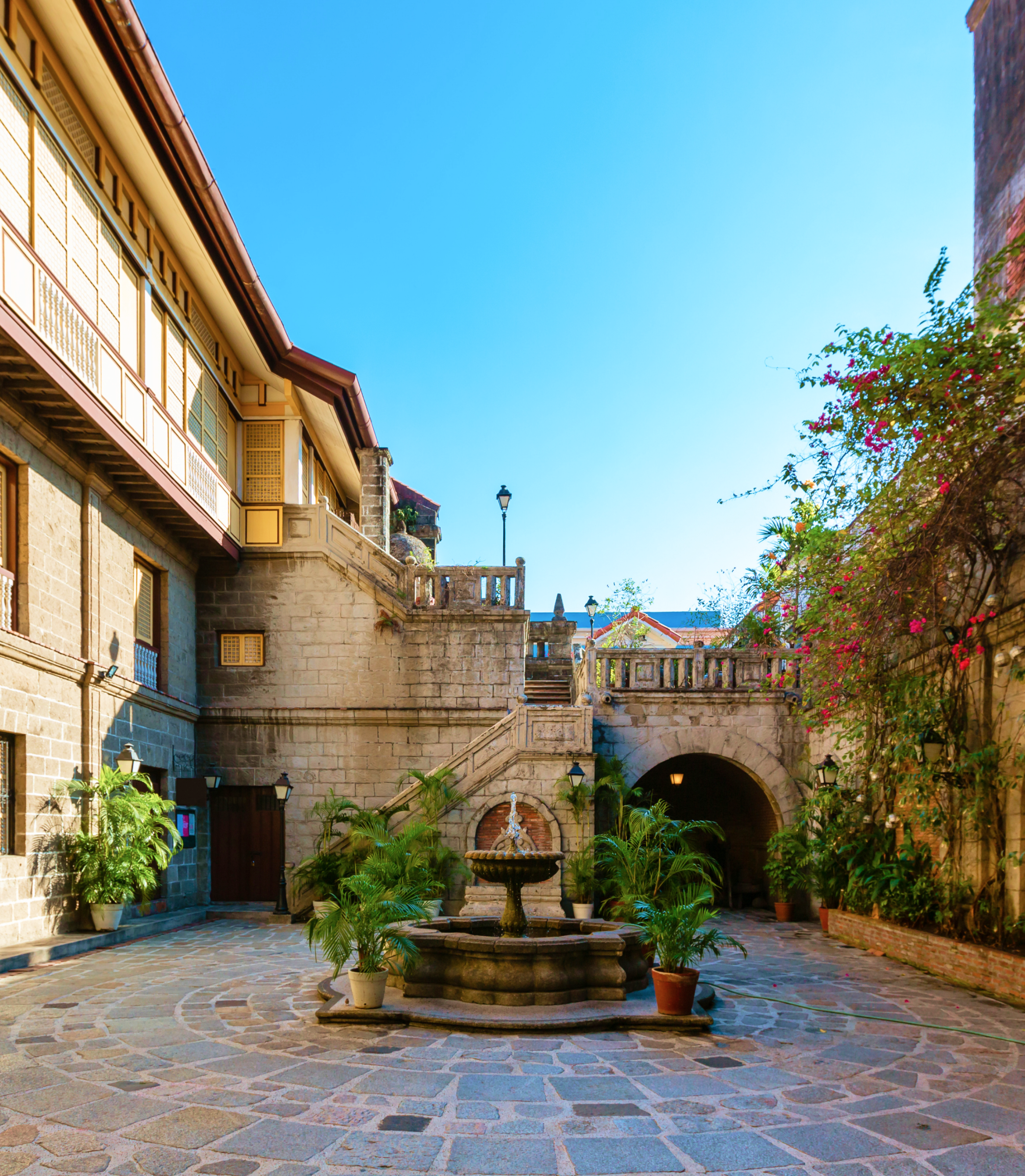
Casa Manila (Museo de Intramuros)
Casa Manila offers an atmospheric look at Filipino-Spanish life inside an authentic-style heritage home in Intramuros. It’s a small museum that feels intimate, with rotating exhibits and period rooms that many first-timers miss.
Time needed: About 1 hour
Entry: Tickets cost ₱75 ($1.30) for adults, ₱50 ($0.88) for students, seniors, and children.
Tip: Plan to visit it after Fort Santiago for a smooth Intramuros museum loop.
Traditional food
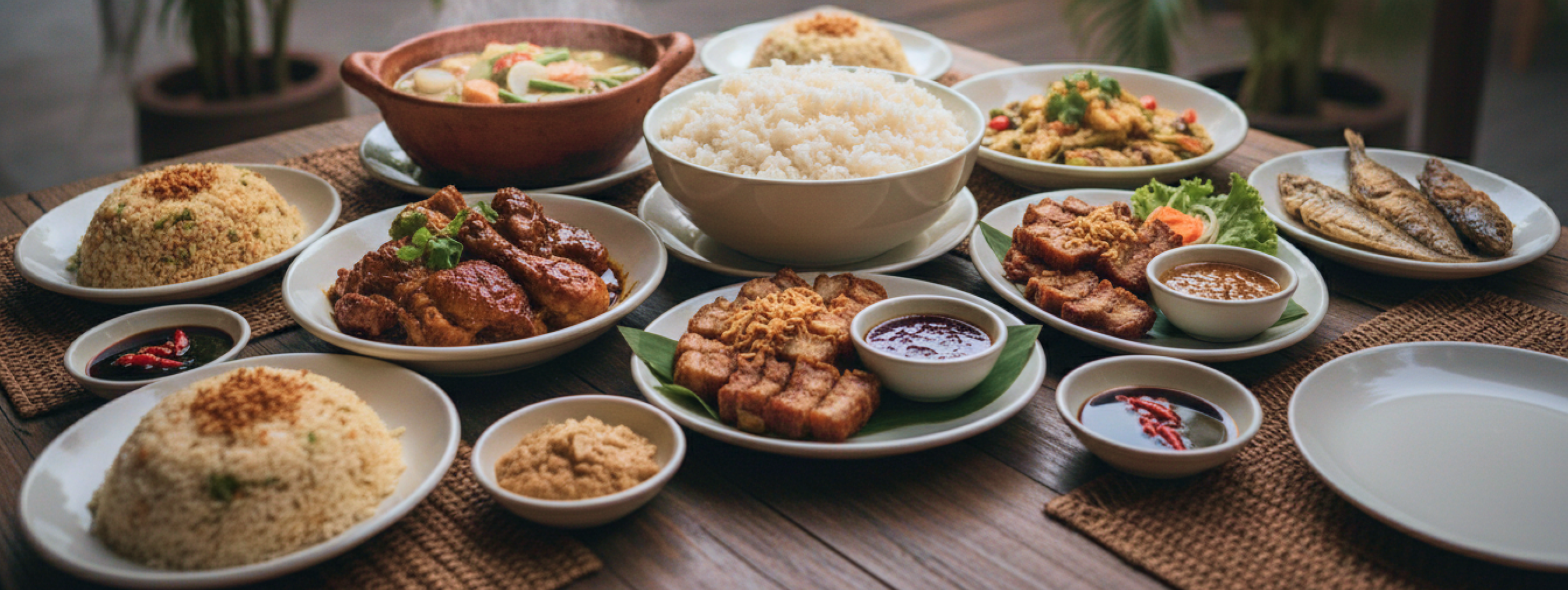
In Manila, many classic dishes build flavor from soy, vinegar, tamarind, and garlic, with rice at the center of most meals. The food is hearty, direct, and often sour-savory.
Adobo
Chicken or pork adobo is one of Manila’s defining dishes, made with soy, vinegar, garlic, and pepper into something simple but deeply satisfying. Cafe Adriatico has served classic Filipino comfort food in Malate for years, making it a fitting place to try it.
Sinigang
Sinigang is a tamarind-soured broth with pork, shrimp, or fish and vegetables, built around that sharp, clean sourness the city’s cooking is known for. Manam serves it in several variations, including their well-known beef short rib and watermelon version.
Halo-halo
Halo-halo is Manila’s best-known dessert: shaved ice and milk layered with toppings that vary by vendor. Razon’s of Guagua keeps theirs deliberately simple, using only three ingredients, which is exactly what it’s famous for.
Kare-kare
Kare-kare is a rich peanut stew often served with oxtail or other beef cuts, plus bagoong on the side for contrast. Gerry’s Grill has been a go-to for trying it since 1997.
Best time to visit Manila
Manila is hot and humid all year, with a dry season from December to April and a wet season from May to November.
Best for: First-time visitors, heritage walks, and anyone who wants to cover the most ground on foot
What you get: Temperatures usually range from 73°F to 88°F (23°C to 31°C), with little rain and comfortable conditions.
Trade-offs: Higher demand can mean higher prices and more crowds at major sites.
Best for: Travelers who don’t mind the heat and prefer fewer tourists at the main sites
What you get: Temperatures usually range from 77°F–95°F (25°C–35°C), with hot afternoons and mostly manageable crowds outside holidays.
Trade-offs: Heat builds fast, and midday sightseeing can be exhausting.
Best for: Returning visitors, shorter trips, or anyone planning mostly indoor sightseeing and dining
What you get: Temperatures usually range from 75°F–90°F (24°C–32°C), with frequent rain and heavy humidity.
Trade-offs: Rain and traffic delays can disrupt outdoor plans, and typhoon risk rises through this period.
Best for: Travelers who want the quieter shoulder season with improving weather toward the end of the window.
What you get: Temperatures usually range from 75°F to 89°F (24°C–32°C), with gradually improving conditions as the rains ease toward November, and moderate crowds throughout.
Trade-offs: Late-season typhoons can affect sightseeing plans, particularly in September and October.
A realistic 5-day plan in Manila
The five-day plan below groups Manila by area instead of sending you across the city every day. The historic core, the bayfront, and the modern business districts each get their own time, with less of the trip lost to traffic.
Take a Grab from Ninoy Aquino International Airport to your hotel and keep the rest of the day easy. If you are staying in Ermita or Intramuros, an early evening walk along Roxas Boulevard toward Manila Bay is a good way to settle in before finding somewhere nearby for dinner.
Start the morning at Fort Santiago, then walk General Luna Street to San Agustin Church and the attached museum, finishing with Casa Manila for a look at colonial domestic life. The whole route is walkable and fills most of the day at a relaxed pace.
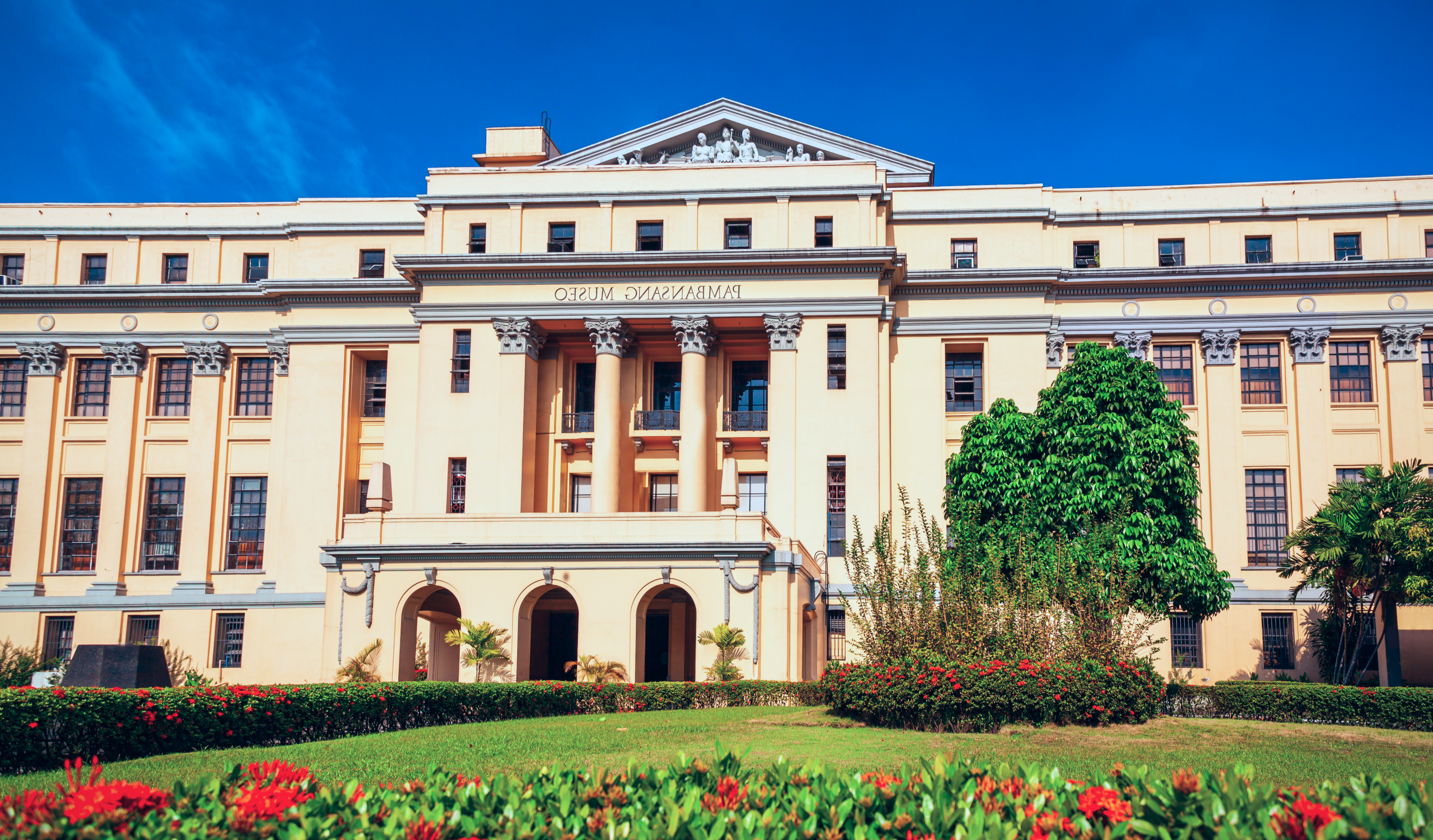
Spend the morning at Rizal Park before the afternoon heat sets in. Afterward, head to Ermita for lunch at Cafe Adriatico, then spend the rest of the afternoon around the Ermita and Malate streets before settling on a restaurant for dinner.
Spend the day in Makati, starting with a walk through Ayala Triangle Gardens and the Greenbelt area. The neighborhood is easy to explore on foot, with good restaurants and bars within a short distance of each other, making it a natural place to stay for dinner.
Keep the final morning easy, with a last coffee stop and time for any remaining errands before heading to the airport. Leave well ahead of your flight and account for traffic, which can significantly stretch the drive from any of the main neighborhoods to Ninoy Aquino Airport.
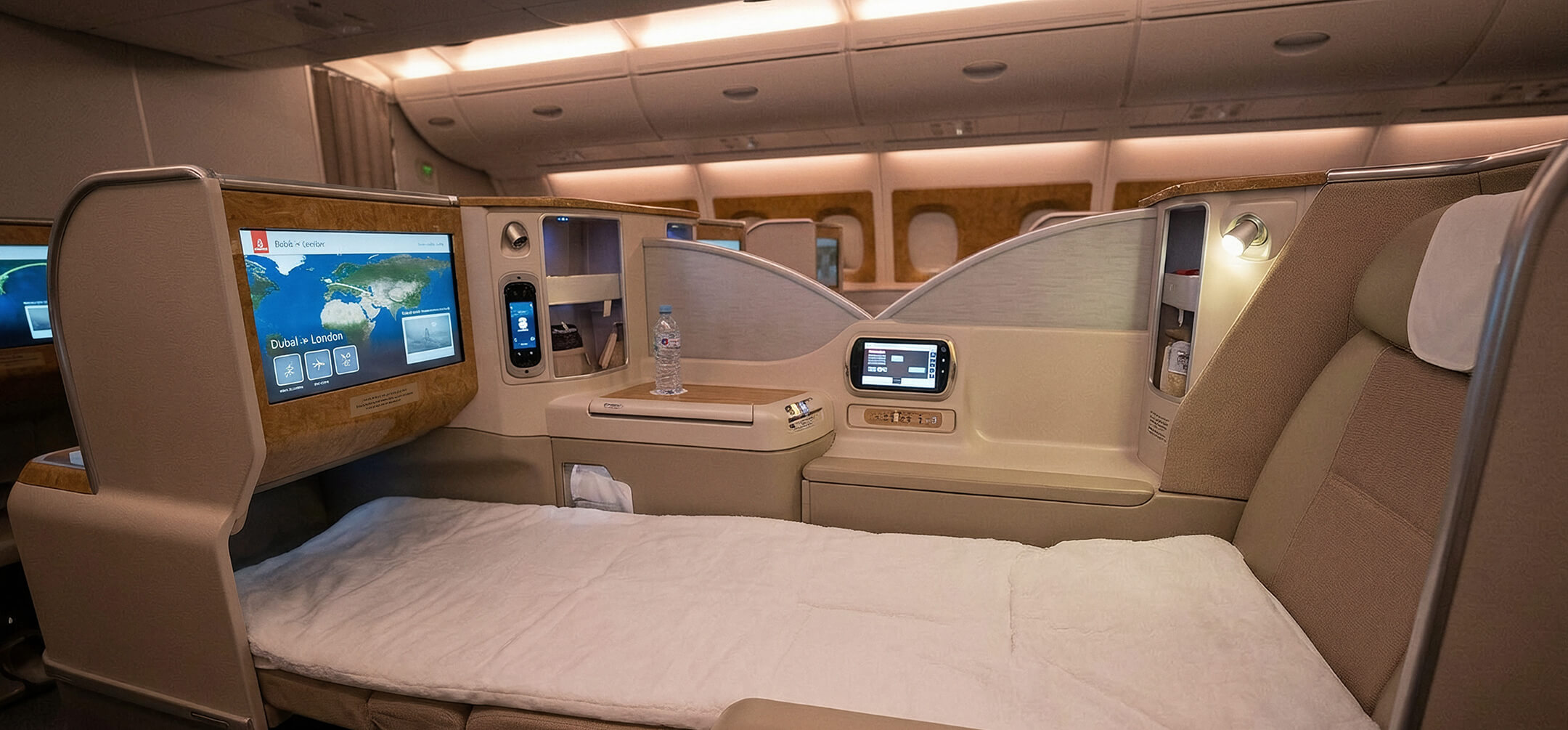
Business-class flights from the US to Manila
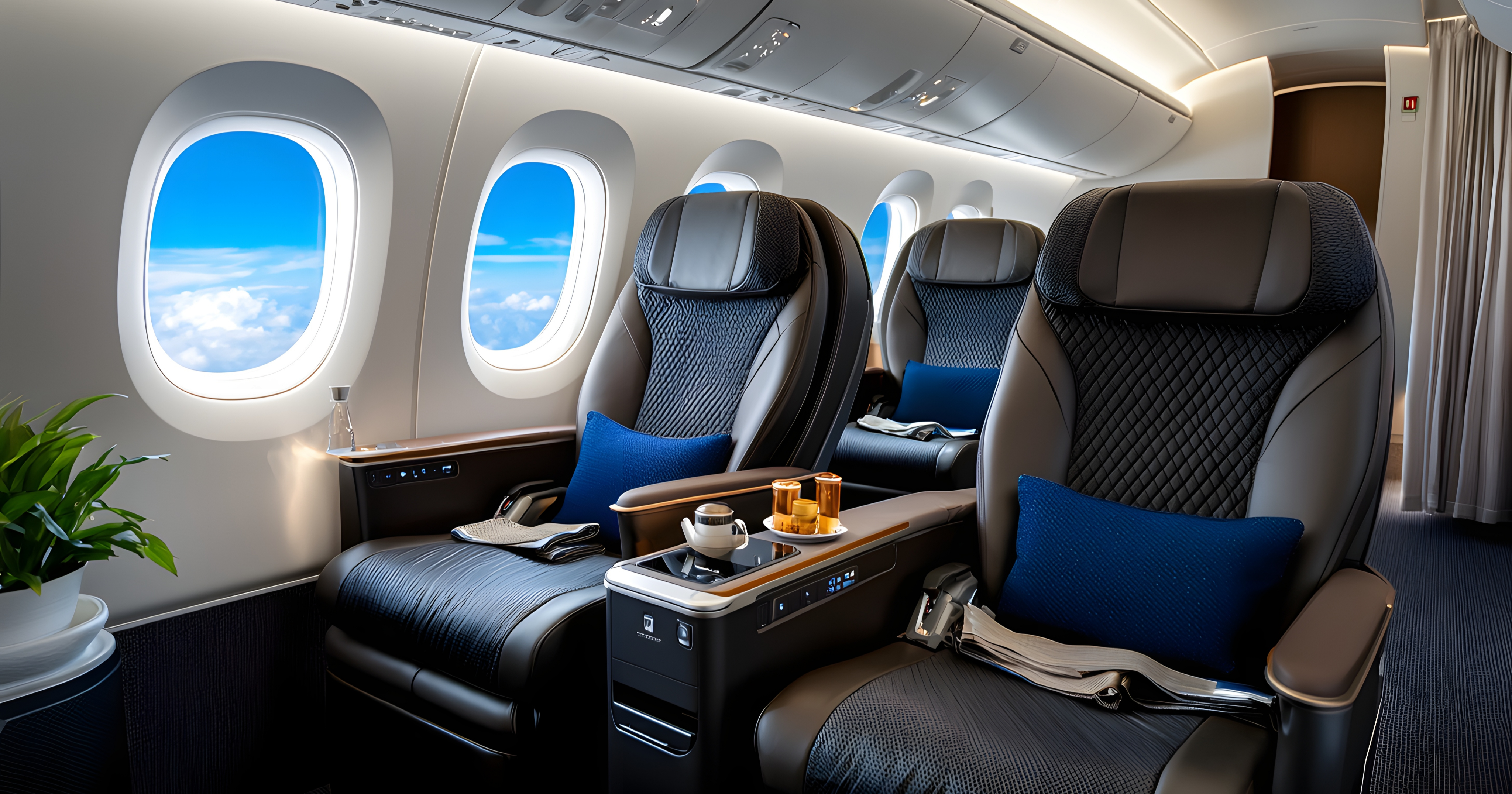
Flights to Manila usually depend on whether you want the shortest possible journey or the easiest fare. From the U.S. East Coast and West Coast, both nonstop and one-stop options are common.
New York (JFK) to Manila (MNL)
Qatar Airways flies from New York (JFK) to Manila (MNL) with a stop in Doha (DOH), bringing total travel time to roughly 23 hours. For this route, fares generally start around $4,200 and can climb to $8,000 when your departure is close. You can also choose to fly with Korean Air, which reaches Manila slightly faster, usually in roughly 20 hours, but the tickets cost more, with prices starting at $4,700.
Los Angeles (LAX) to Manila (MNL)
Philippine Airlines operates a nonstop flight from Los Angeles (LAX) to Manila (MNL), covering the route in approximately 14.5 hours. Round-trip business-class fares typically start at $5,800 and can rise to $7,000 for last-minute bookings. If you want a more cost-efficient option and do not mind a layover, you can opt for a flight with Air Canada with a layover in Vancouver (YVR). For this route, tickets start at $4,700 and may rise to roughly $6,000 in peak season.
Give Manila the time it deserves
Manila rewards travelers who resist the urge to cover everything at once. Give each neighborhood a full day, move at a pace that lets the city breathe, and the trip becomes something worth remembering. If you are planning your trip to Manila, our AranGrant experts can help you compare flights from the US to Manila and shape an itinerary that offers you the comfort you need at every stage of your journey.