

Chapters:

Need help with your trip?
Our support team is available 24/7. Request a callback or call us directly at (833) 619-0908
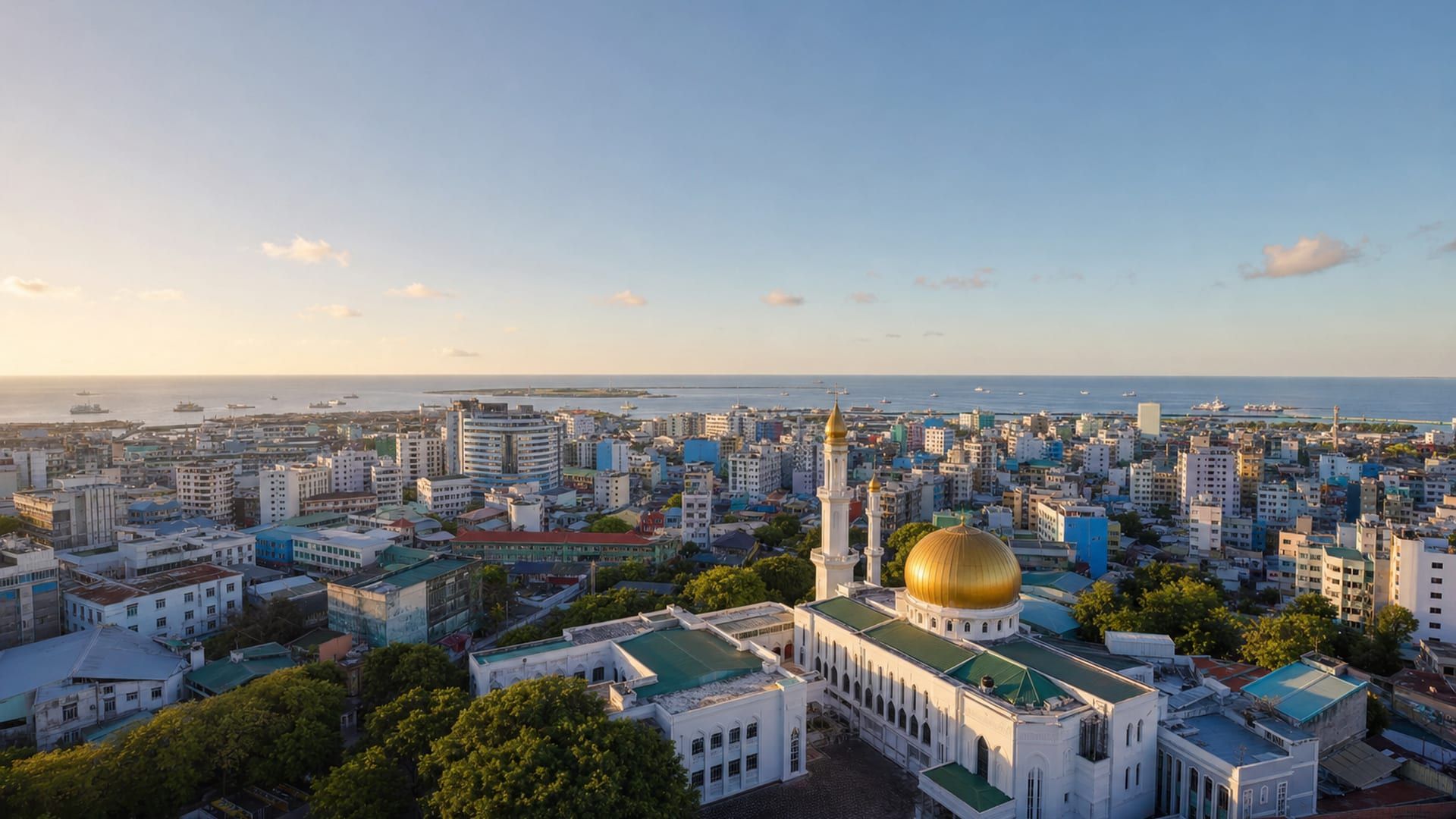
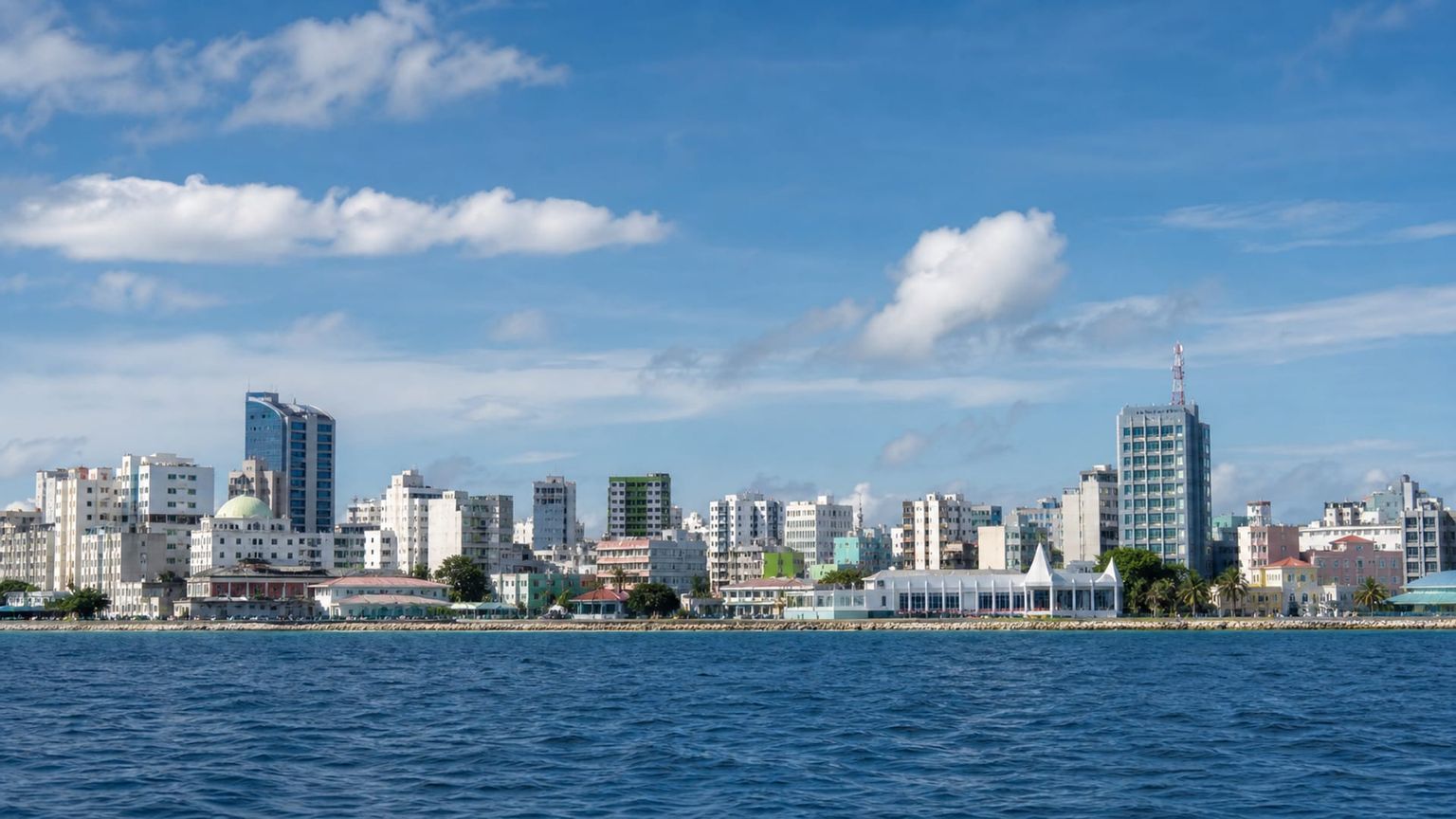
Male works best when travelers treat it as a compact island capital, then miss how quickly ferries, prayer times, and bridge crossings shape the day. Many visitors move from airport to hotel to one mosque and stop there.
That short loop leaves out the island connections that determine whether lunch is near the jetties, a beach sits within reach, or a late return turns into a longer ride. Distances are small, but timing still matters.
This guide uses that reality as the frame, with a clear plan for where to stay, how to move, what to eat, and how to fit the capital and nearby islands into a few measured days.
Useful things to know

Main language(s): Dhivehi
Assalaamu alaikum (ah-sah-LAA-moo ah-LA-ykoom) – Hello
Shukuriyaa (shoo-koo-REE-yah) – Thank you
Dhannabaage? (dhan-naa-BAA-geh) – Please
Ingireysi bas dhahkahtha? (in-gee-RAY-see bahs dhah-KAH-tha) – Do you speak English?
Mikahalaakaa kobaitha? (mee-kah-hah-LAA-kah koh-bye-tha) – How much does it cost?

Currency: The local currency is the Maldivian rufiyaa (MVR, Rf).

Cash and cards: Cards and contactless are widely accepted, but carry roughly MVR 200 to 500 ($13 to $32) for taxis and small purchases.

Tipping: Tipping is not expected; round up small bills or leave about 10% for good restaurant service.

Traditional food: Garudhiya, Mas huni, Fihunu mas, Bis keemiya

Water and coffee costs: Water about MVR 15 to 25 ($1 to $2), bar espresso about MVR 25 to 40 ($2 to $3).

Taxis and ride apps: Avas Ride and Waleed operate here; airport pickup rules may limit curbside meets.

Plug and voltage: Type G socket, 230V

Dining and shop opening hours: Breakfast is about 7:00-9:00 am, lunch 12:00-2:00 pm, and dinner 7:00-10:00 pm. Many resorts serve food later, while some local spots close between meals.

Emergency number: 999 for police, fire, and ambulance.
Where to stay in Male
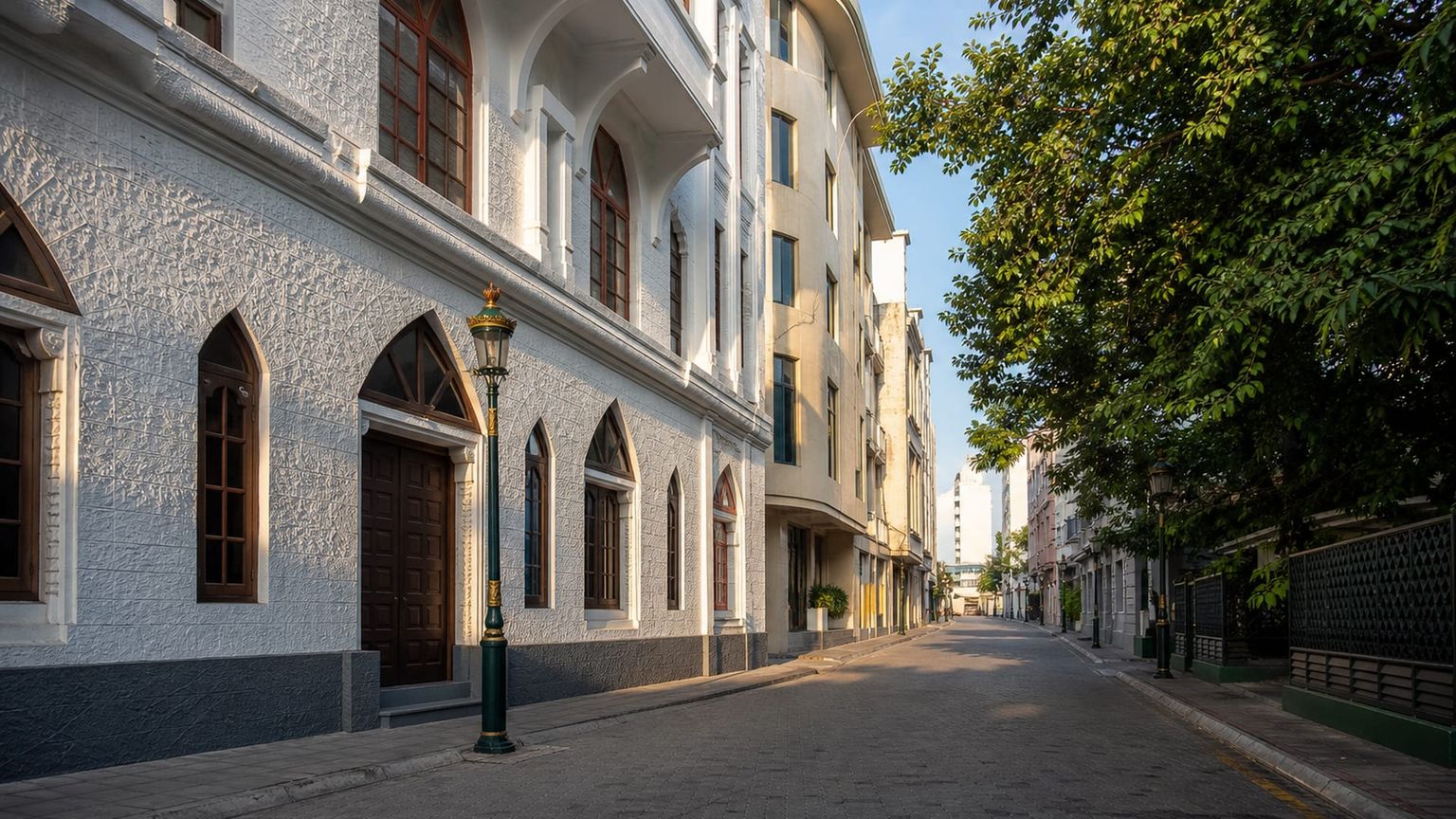
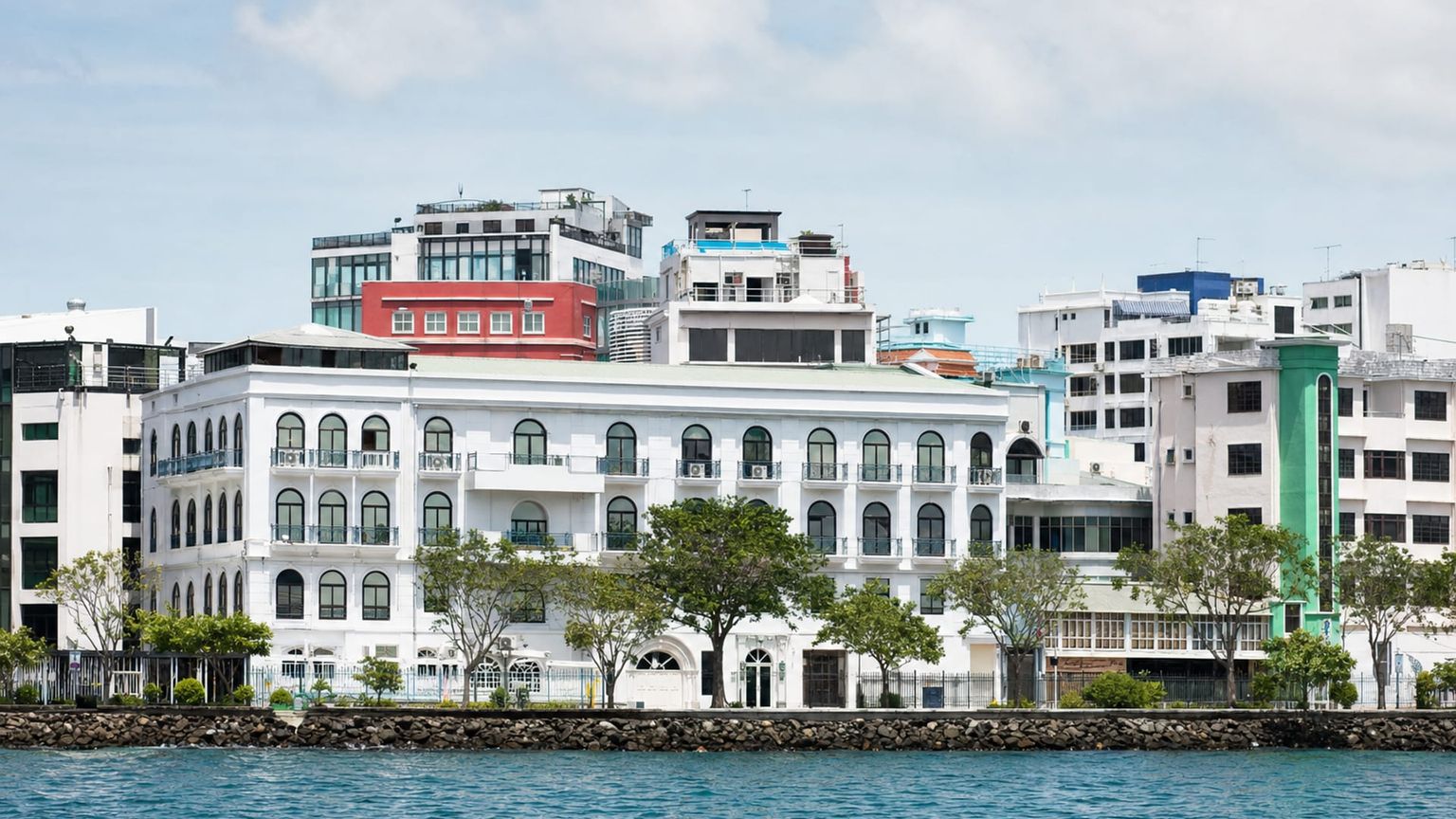
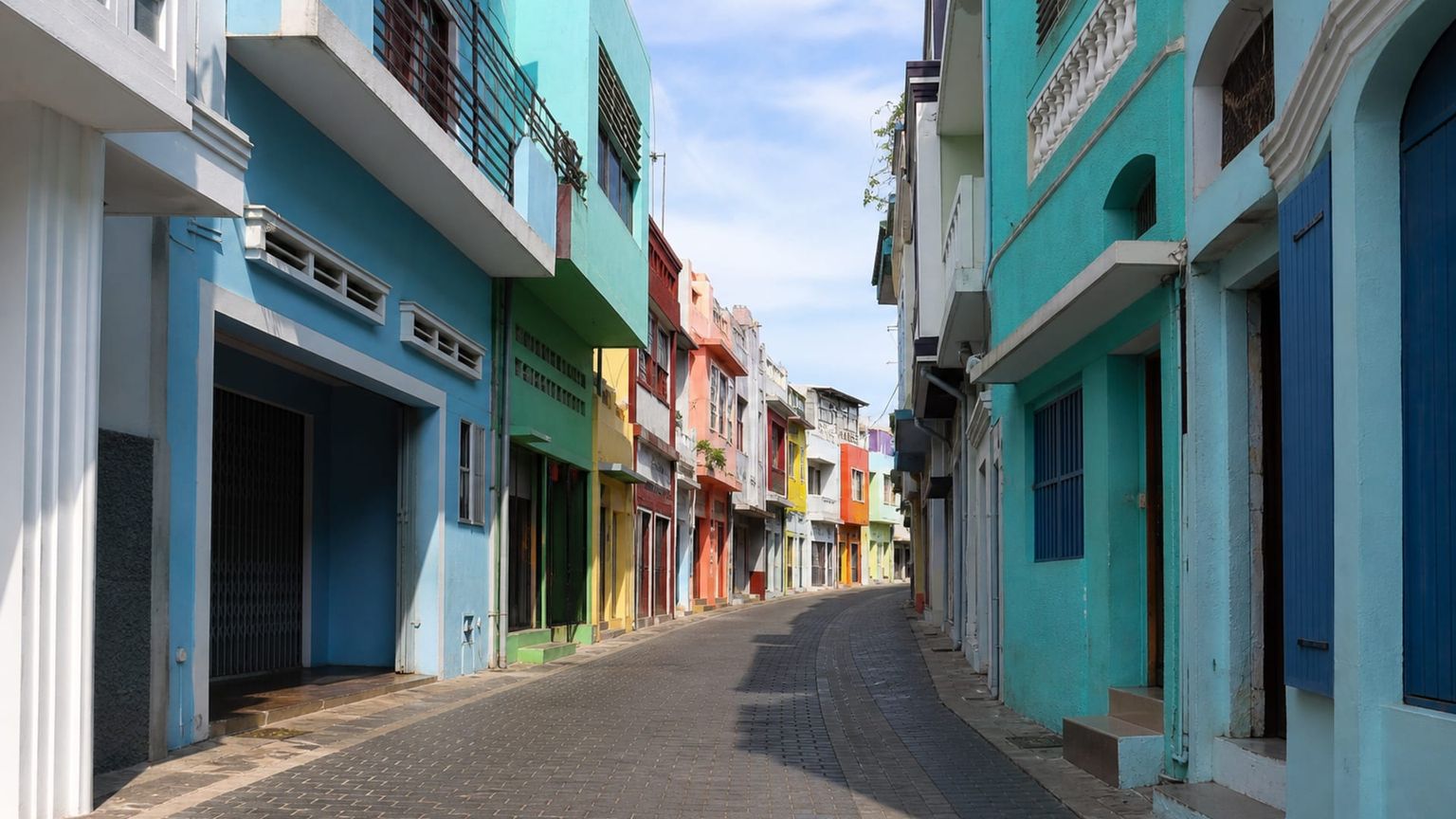
The city center puts you near the main ferry jetties, government offices, and the busiest retail streets in Malé. It suits travelers who want quick access to ferries, mosques, markets, and short taxi rides across the island.
Best for: Short stays, ferry access, and first-time visitors who want to stay close to core sights
What to expect: Compact streets, constant scooter traffic, and the highest concentration of shops and cafes on the island.
Hotel prices: Usually about $70 to $180 per night for well-rated stays
Distance to major sights: 5 to 10 minutes on foot to the Old Friday Mosque; about 10 minutes on foot to Republic Square
Quietness: Busy through the day, with noticeably less activity late at night after shops close.
Main trade-off: Rooms cost more here, and many buildings are small, so space can feel tight compared with outer districts.
Good to know: If you need frequent ferry departures, this base cuts transfer time, but evening dining choices narrow quickly after peak hours.
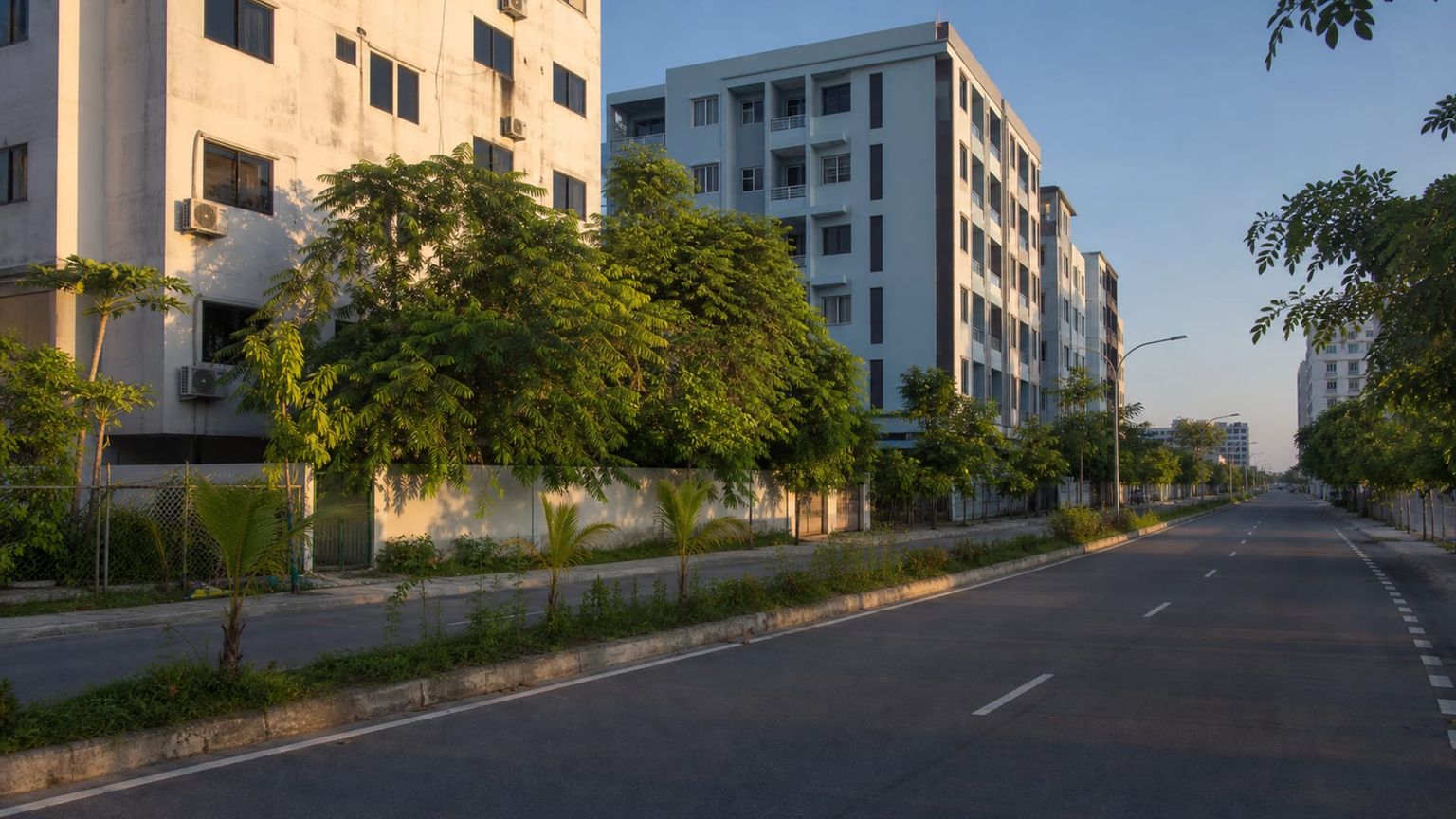
Hulhumale is the planned island city linked to Malé by road and bridge, with newer hotels, wider streets, and more room than the capital itself. It works well for airport-linked stays and for visitors who prefer modern lodging over dense urban blocks.
Best for: Airport transfers, newer hotels, beach access, and longer stays
What to expect: Broader roads, residential blocks, and a more spread-out feel than central Malé, with beaches and cafes along the coast.
Hotel prices: Usually about $60 to $150 per night for well-rated stays
Distance to major sights: About 15 to 25 minutes by car to Malé ferry terminals; about 10 to 15 minutes on foot to Hulhumale Beach
Quietness: Quieter at night than central Malé, though traffic and resort movement pick up in the morning.
Main trade-off: You gain more space and newer rooms, but you will spend extra time crossing into the capital for museums, markets, and major sights.
Good to know: Late arrivals often find this the simplest first night, yet repeated trips into Malé add taxi or bus costs.
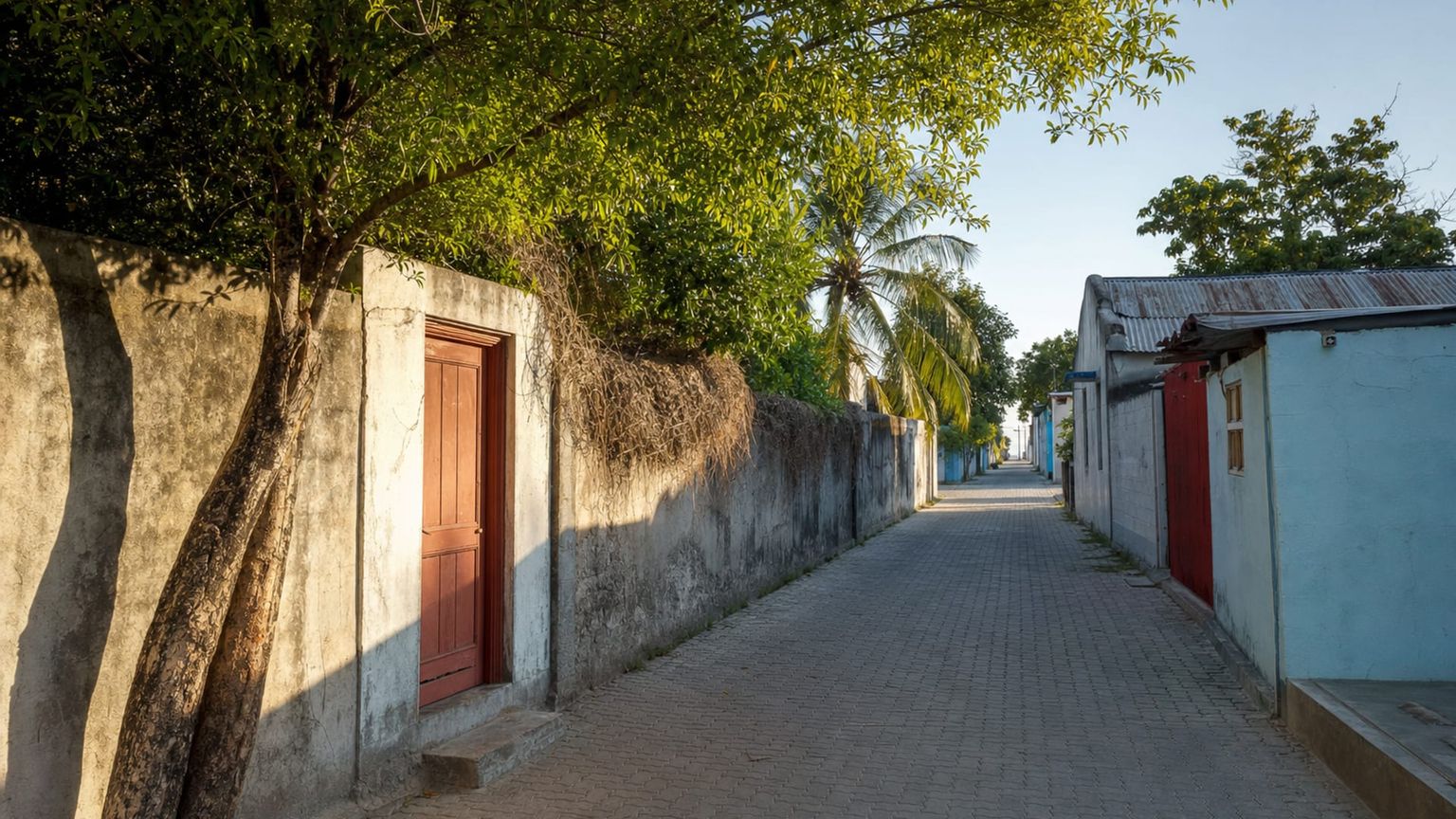
Villingili sits just across the water from central Malé and gives you a more residential setting with local streets, parks, and a slower daily pace. It matters for travelers who want an island base within easy reach of the capital but away from its densest traffic.
Best for: Longer stays, quieter island life, and travelers who do not mind ferry crossings
What to expect: Local neighborhoods, small shops, and modest foot traffic, with ferry movement linking the island to central Malé.
Hotel prices: Usually about $50 to $130 per night for well-rated stays
Distance to major sights: About 15 to 20 minutes by ferry to Malé’s main jetty; about 20 minutes by ferry to the National Museum area
Quietness: Calm most of the day, then very quiet after the last ferry runs and local shops close.
Main trade-off: You trade immediate access to central Malé for ferry schedules, which can shape evening plans and early departures.
Good to know: Check the last ferry time before booking, because a late dinner or early flight can turn into an unplanned taxi ride.
Travelers usually avoid the far south of Hulhumalé, because it sits well away from Male (MLE) sights and most visitor-oriented dining and shopping are concentrated closer to the bridge and ferry points. Parts of the airport island, Hulhulé, are also less convenient for a stay, since they have very few hotel options and require a transfer into the city for most meals and activities.
Hotel deals
How to get around Male efficiently
In Male, walking handles the tight center, while ferries, taxis, buses, and bridge-linked road trips cover the airport and nearby islands.

Metro
for longer distances
Male has no metro or suburban rail, so visitors rely on walking, ferries, and road transfers on Hulhumale and nearby islands; for airport-area trips, the Maldives is about water and short road hops rather than rail.

Bus and tram
for convenience
MTCC buses link Malé with Hulhumale and Velana International Airport, and some runs continue to the bridge-connected islands; fares are usually about $0.50 to $1.00, paid on board, with trips from the airport to Malé taking roughly 15 to 20 minutes by bridge route.

Taxi
for convenience or late hours
Licensed taxis use set fares rather than meters, with short rides in Malé commonly about $2 to $5, and airport trips to central Malé usually about $5 to $8 depending on luggage and time of day; you can hail them on the street or find them at the airport rank, and drivers often accept cash in local currency or USD.
*Prices are based on rates updated as of June 2026 and may change at the time of travel.
Walk for the old streets and mosque cluster, use ferries for Villingili, take taxis for short point-to-point trips, and rely on buses or road transfers when you are moving between Hulhumale and the airport.
Iconic landmarks
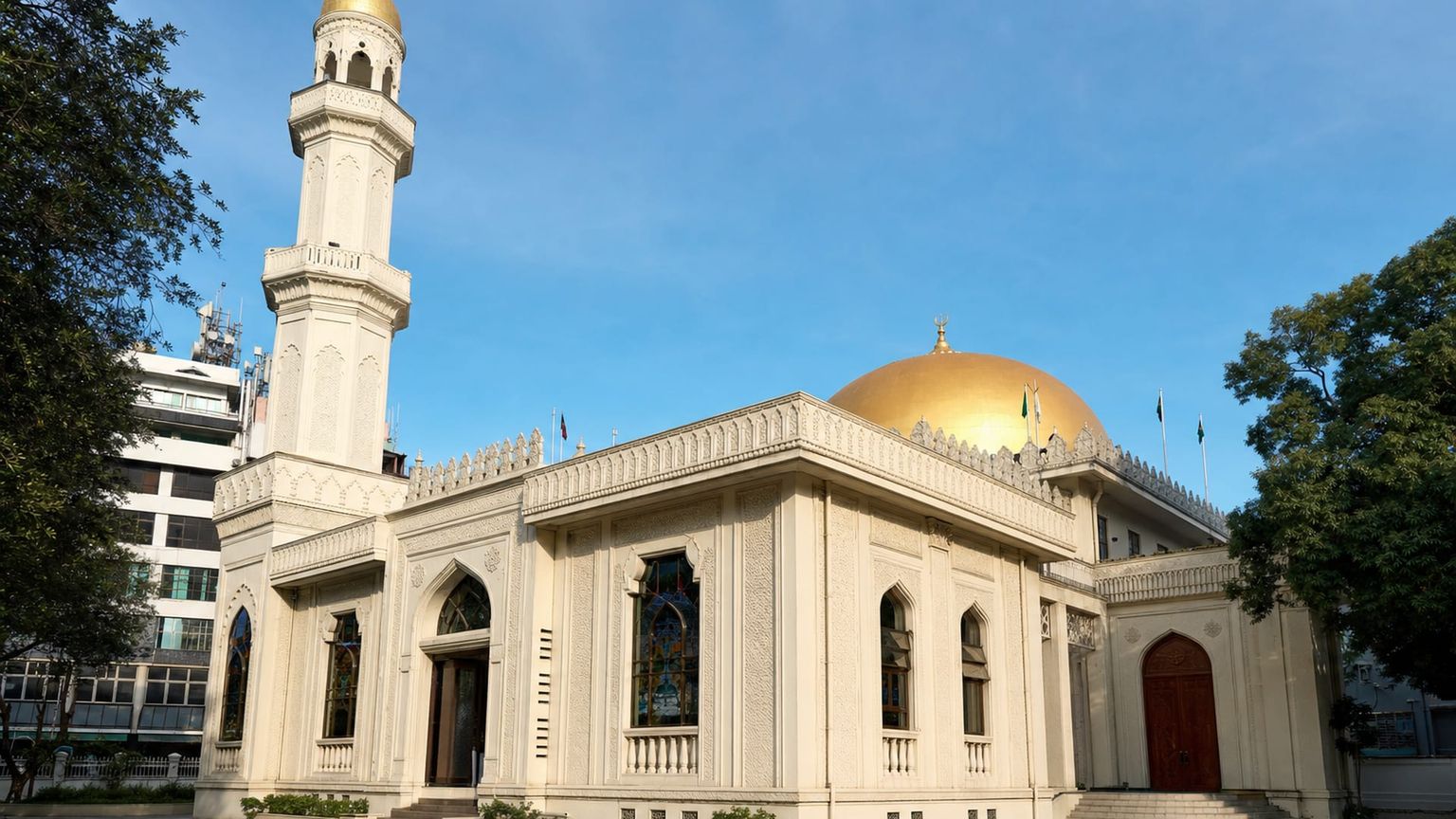
Grand Friday Mosque
Male’s landmark mosque rises above the harbor with a 3,500-capacity prayer hall, coral-stone walls, and a gilded dome visible across the city. Non-Muslim visitors can enter outside prayer times to see the interior and waterfront setting.
Time needed: About 1 hour
Entry: Free to visit for non-Muslim visitors outside prayer times; modest dress required, and women must cover hair before entering the prayer areas and mosque grounds.
Tip: Go late morning on a weekday, when worship traffic is lighter and the interior is easier to view.
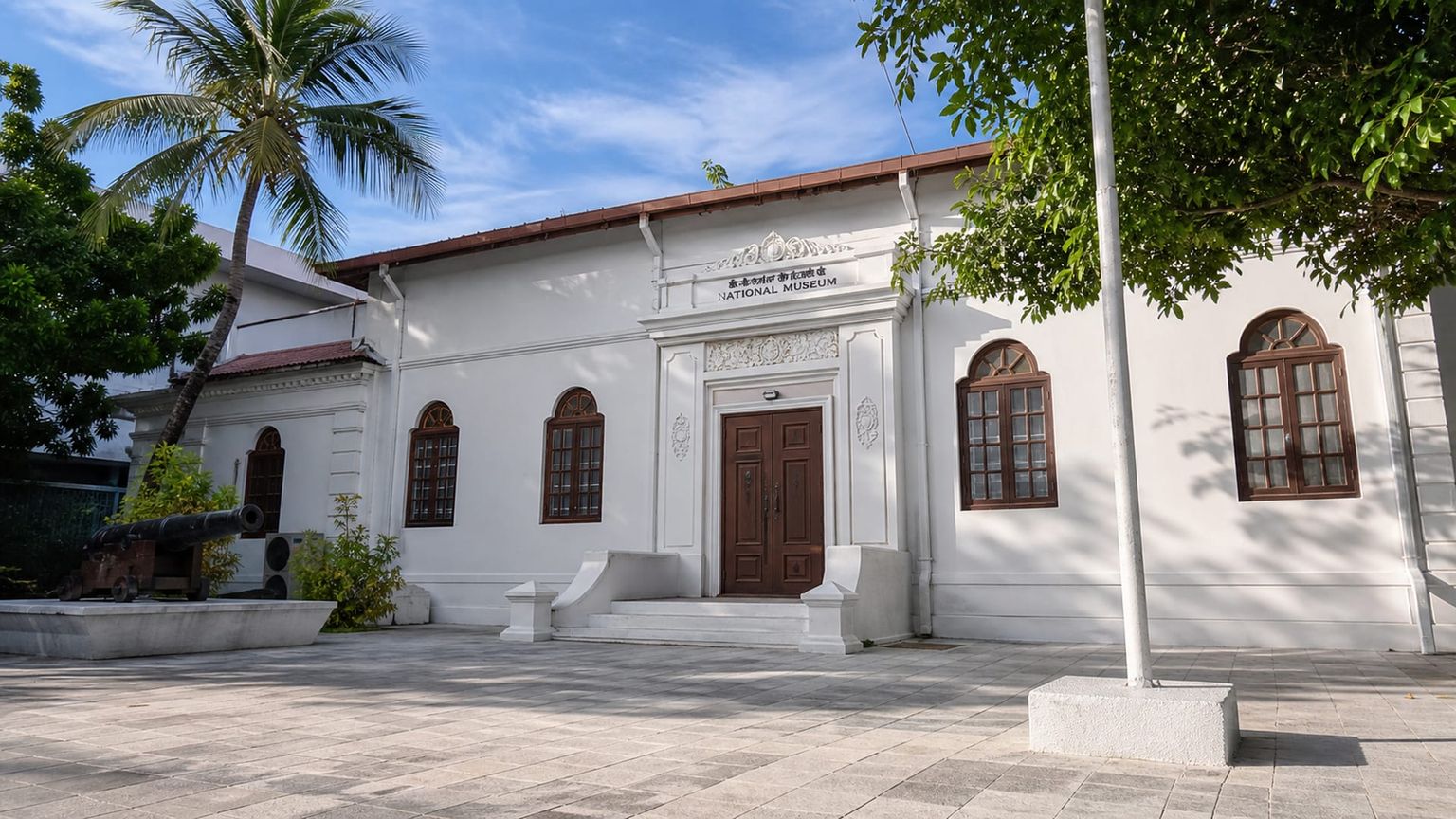
National Museum
Housed in the former Sultan’s Palace, the museum traces Maldivian history through royal regalia, ceremonial objects, Buddhist relics, and colonial-era artifacts. The collection is compact, but it gives a clear sense of how the capital developed.
Time needed: About 1 to 2 hours
Entry: Standard admission costs about $7 ($100 MVR) for adults and about $3 ($50 MVR) for children; camera fees may apply for some exhibits and displays. Visit the official site for details.
Tip: Allow extra time for the palace grounds, since the surrounding park adds context to the museum stop.
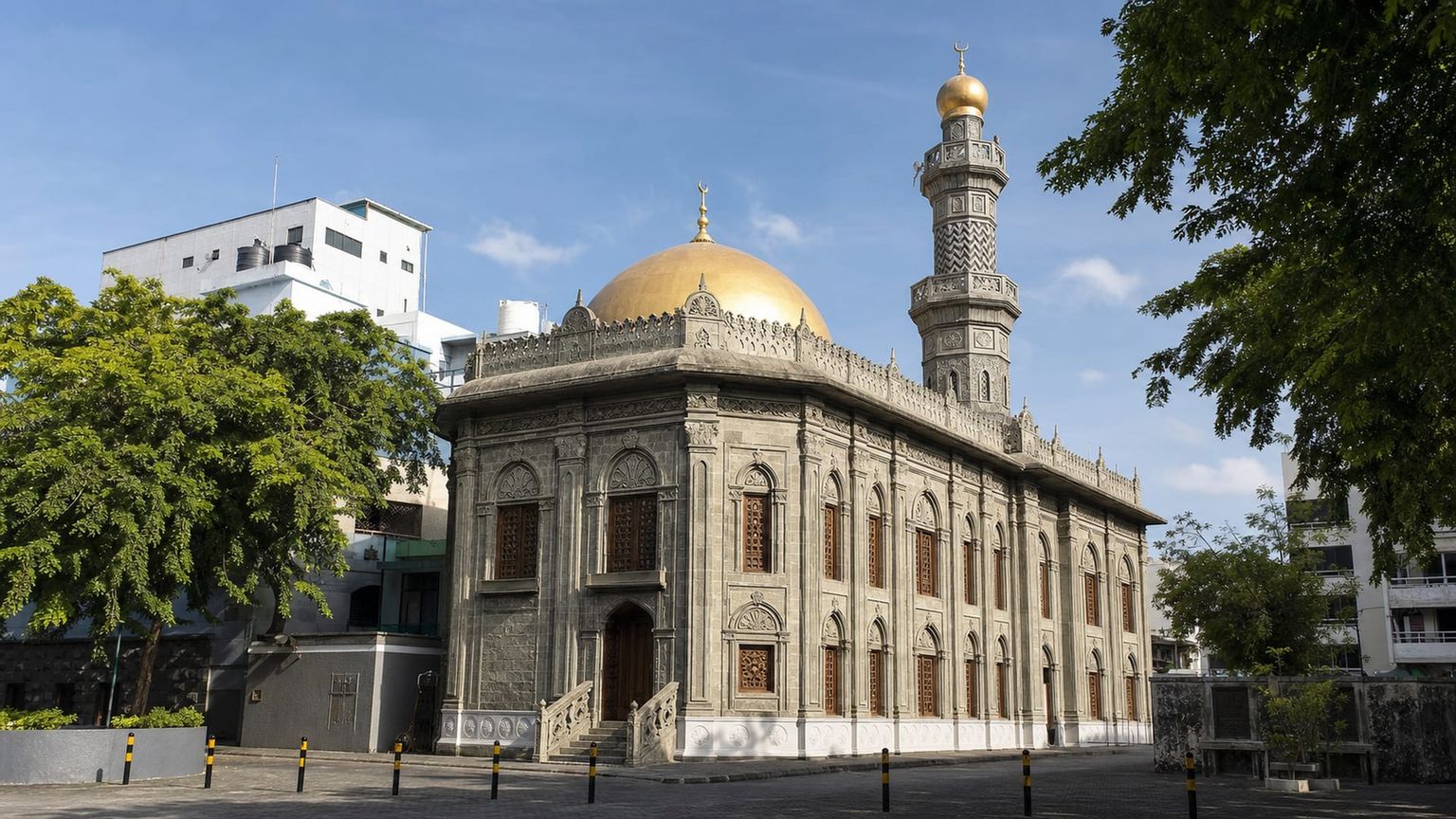
Hukuru Miskiy
Built in 1658, Hukuru Miskiy is Male’s oldest mosque and one of the Maldives’ most important historic buildings. Coral-stone walls, carved teak details, and a small cemetery with ornate gravestones make it a rare surviving monument in the capital.
Time needed: About 45 minutes
Entry: Free to access outside prayer times, with modest dress required; a small donation may be requested for the caretakers and historical preservation work.
Tip: Visit in the morning for softer light on the coral stone and fewer visitors in the courtyard.
Overlooked sites worth visiting

National Museum of Maldives
This compact museum in Sultan Park traces Maldives history through royal artifacts, weaponry, coins, and photographs. It gives a tighter look at Maldivian heritage than the larger seafront sights nearby.
Time needed: About 1 hour
Entry: Admission costs roughly $7.50 (MVR 115) for non-resident adults, with lower rates for children and students. Opening hours and prices can change on public holidays, so check the museum’s current notice before going.
Tip: Visit early, then continue through Sultan Park before noon heat builds.

Villingili public beach
A short ferry ride from Malé brings you to a quieter public beach with pale sand, shallow water, and shade from mature trees. It suits a slower half day away from the city center.
Time needed: About 2 to 3 hours
Entry: Free to access. You only need to cover the ferry fare from Malé to Villingili, which is typically a few dollars each way, plus any snack or drink purchases near the beach.
Tip: Go in late afternoon for softer light and calmer temperatures.
Traditional food
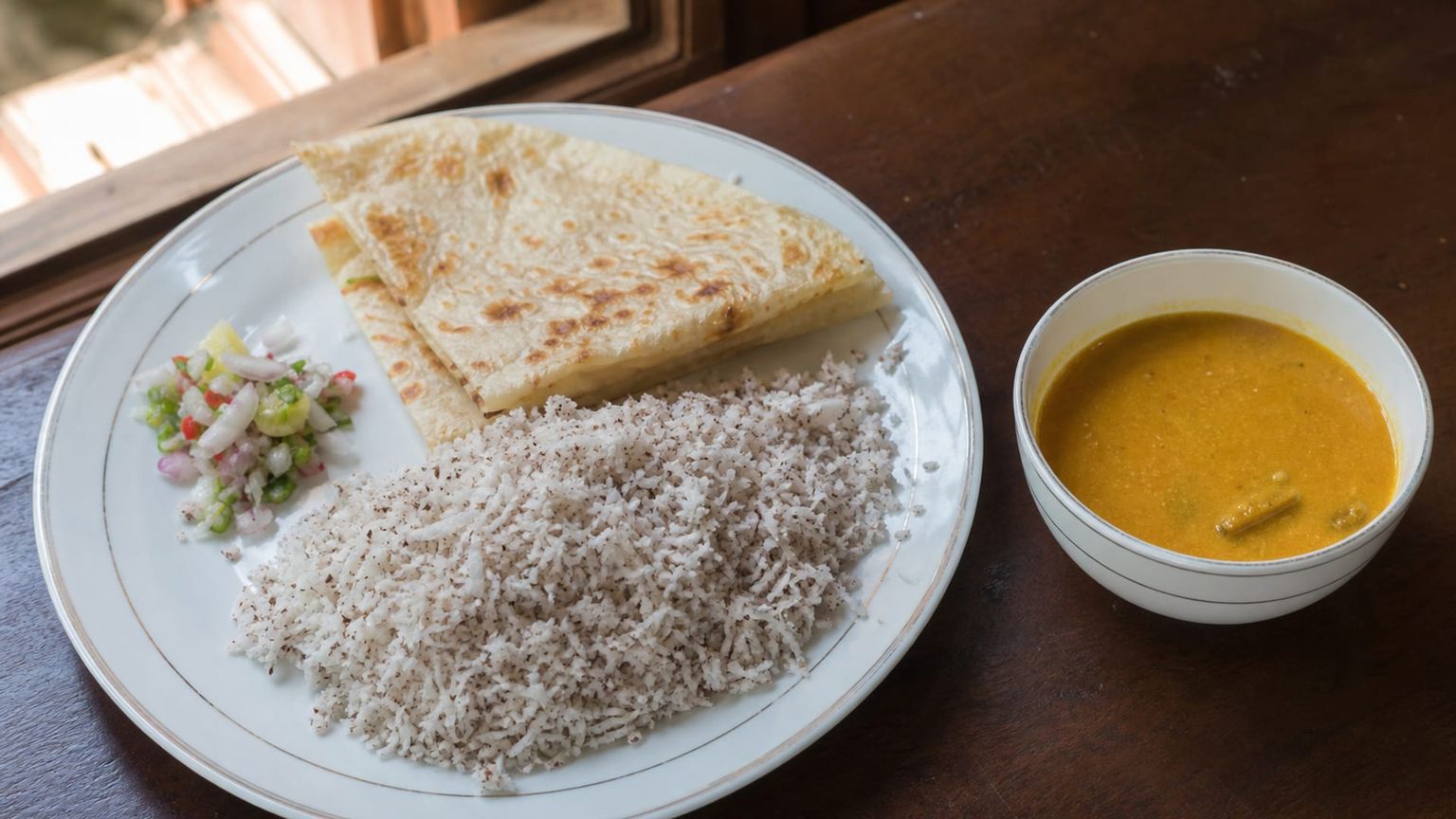
Male’s food centers on tuna, coconut, and rice, with grilled fish, savory snacks, and breakfast plates built for early starts. Resorts and cafes keep the schedule flexible, but local cooking still favors quick, salty, and sea-driven meals.
Garudhiya
This clear tuna broth is a Maldivian staple, usually served with rice, lime, chili, and onions. Salt Cafe in Hulhumale is a good place to try it in a casual setting close to the city.
Mas huni
A breakfast mix of shredded tuna, coconut, onion, and chili, mas huni shows up with flatbread and tea across the islands. The Sea House in Male serves a well-known version in a waterfront setting.
Fihunu mas
This grilled fish dish uses chili and spice to season the catch, then serves it simply with rice or sides. The Oberoi Beach Resort, Maldives, in the greater Male area prepares a polished version with strong island flavor.
Bis keemiya
A crisp pastry filled with tuna, cabbage, and egg, bis keemiya works well as a snack between sights. Batuta Maldives Cafe in Male is a dependable place to order it with tea or coffee.
Best time to visit Male
Male stays warm all year, but humidity, rain, and sea conditions shift enough to change how comfortably you move between ferries, beaches, and the capital.
Best for: Dry skies, easier island-hopping, and the clearest conditions for short stays
What you get: About 77 to 88°F (25 to 31°C), with lighter rain and the highest visitor numbers
Trade-offs: Hotels and flights often cost more, and popular spots can book early
Best for: Warm water, good beach time, and manageable sightseeing hours
What you get: About 81 to 90°F (27 to 32°C), with more humidity and gradually increasing rain
Trade-offs: Afternoon heat builds fast, so outdoor plans need earlier starts
Best for: Lower shoulder-season pricing and quieter hotel availability
What you get: About 79 to 87°F (26 to 31°C), with frequent showers and heavier clouds
Trade-offs: Rain can interrupt ferry timing and reduce beach time
Best for: A mix of warm water, fewer crowds, and better rates than peak season
What you get: About 79 to 88°F (26 to 31°C), with improving weather late in the season
Trade-offs: Early fall can still bring wet spells and less predictable skies
A realistic 5-day plan in Male
This five-day plan keeps the capital compact and the island crossings intentional. It starts with arrival and nearby beach time, then layers in the mosque and museum circuit, a ferry day to Villingili, and a final stretch in Hulhumale before departure.
Land at Malé (MLE) and head straight to Hulhumale by taxi or prearranged airport transfer, which usually takes about 10 to 15 minutes and costs roughly $7 to $15. If you arrive later in the day, book a room near Hulhumale Beach so you can settle in quickly, drink plenty of water, and keep dinner near your hotel, where the coastal cafes stay easy to reach without crossing into central Malé.
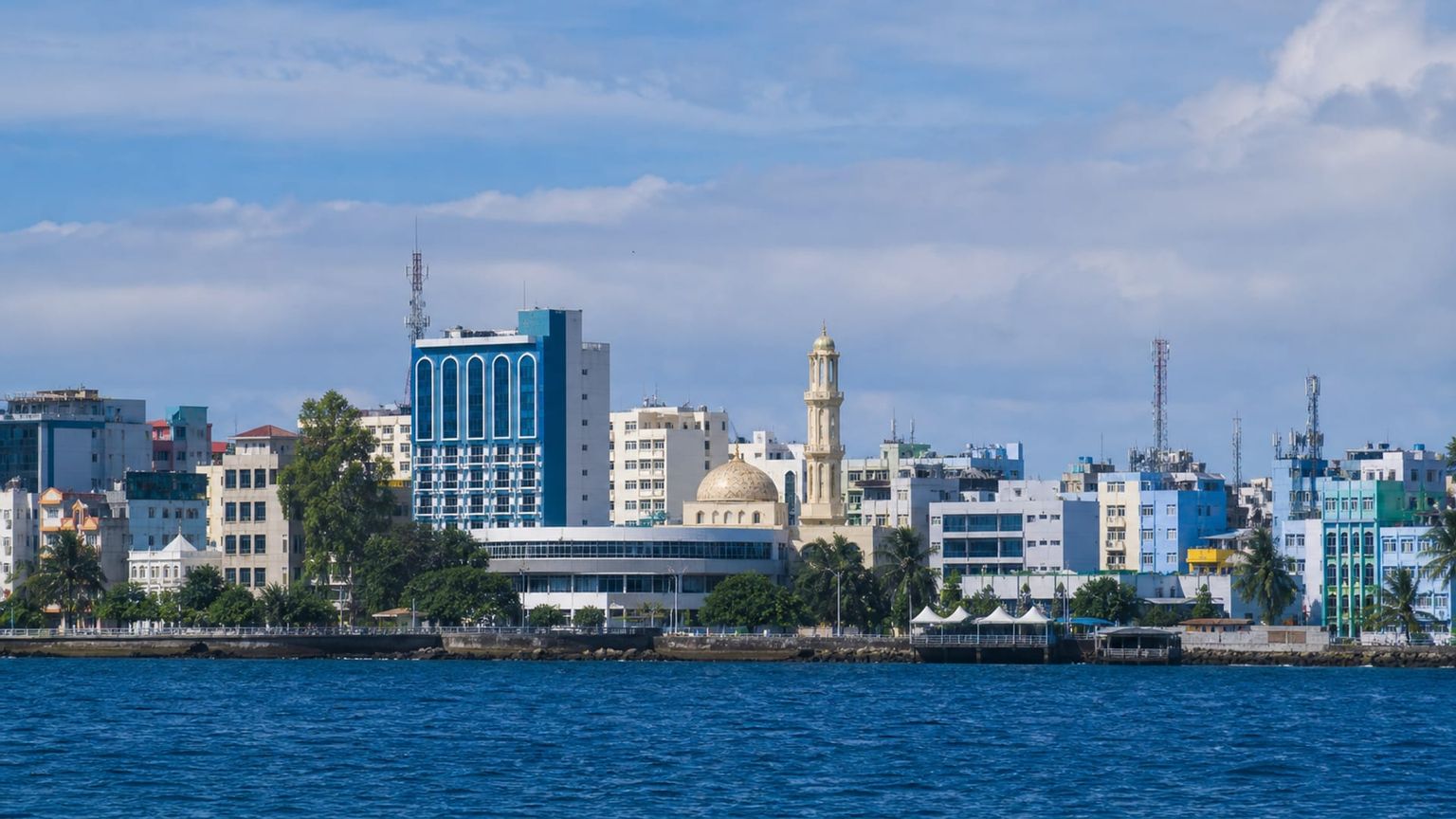
Start in Malé City Center with Hukuru Miskiy, which takes about 45 minutes, then walk roughly 10 minutes to the National Museum for an hour or so inside the former Sultan’s Palace. From there, continue about 5 to 10 minutes on foot to the Grand Friday Mosque, where a late-morning weekday visit gives you the best chance of seeing the prayer hall before the midday rush. Finish with lunch near the main ferry jetties in Malé City Center, where the densest cluster of cafes sits within a short walk of the sights.
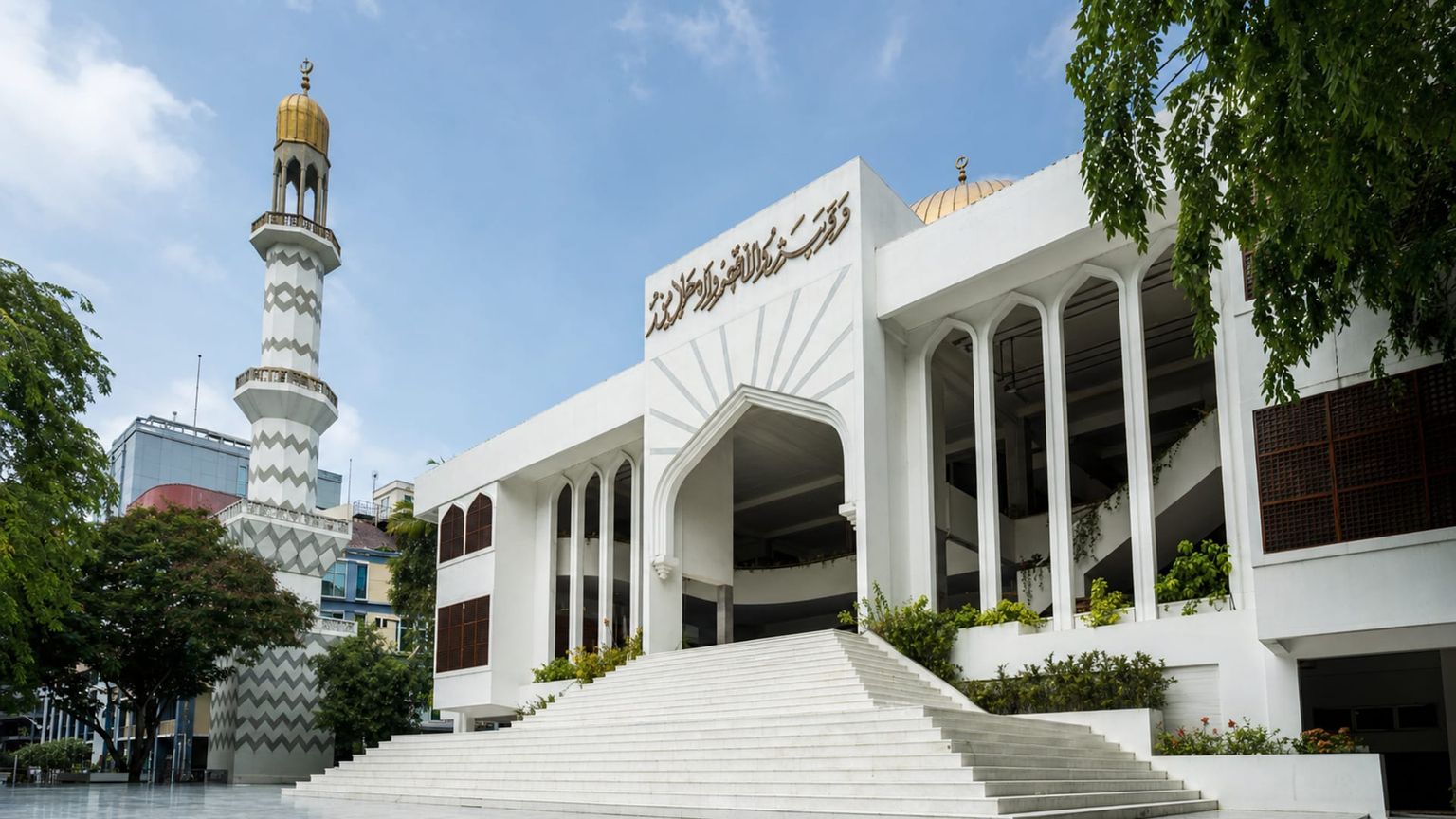
Begin with the National Museum of Maldives in Sultan Park, then spend about an hour there before walking a few minutes through the park to the surrounding civic streets for a closer look at central Malé. After that, take a ferry to Villingili, which usually takes about 15 to 20 minutes, and spend the afternoon at Villingili public beach for 2 to 3 hours. The return ferry gives you an easy way back to Malé City Center for dinner, without forcing a long cross-island taxi ride.
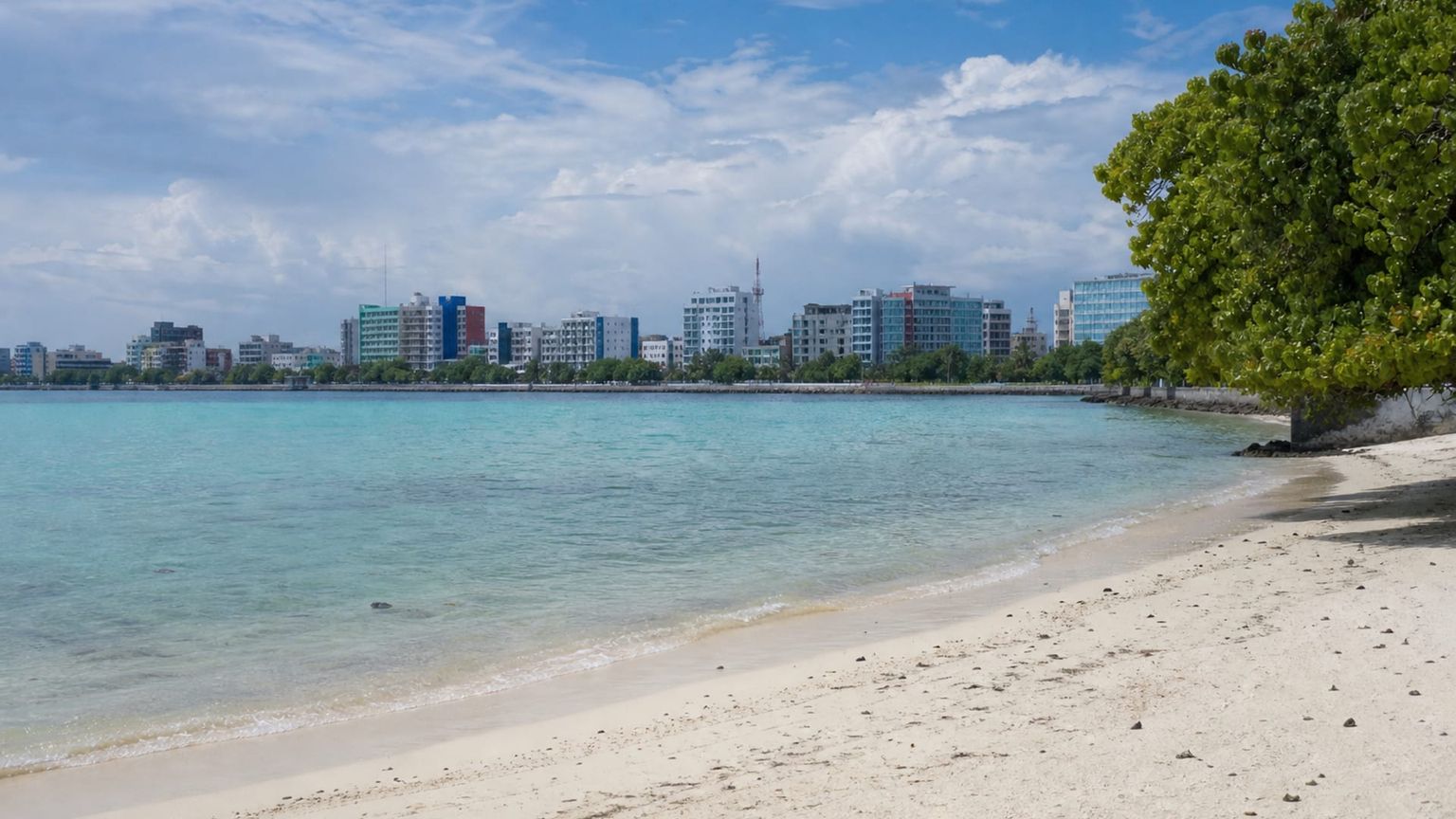
A ferry-based morning makes sense today, so cross to Villingili first and then head to the island’s public beach for a slower coastal stop with shallow water and shade. Afterward, return to Malé and walk through the area near the Grand Friday Mosque and Hukuru Miskiy, which sit close enough for a compact heritage circuit, with about 10 minutes on foot between the mosque cluster and the surrounding city-center streets. End with an early dinner in Malé City Center, where you can stay within a short walk of the main jetties if you want an easier next-morning departure.
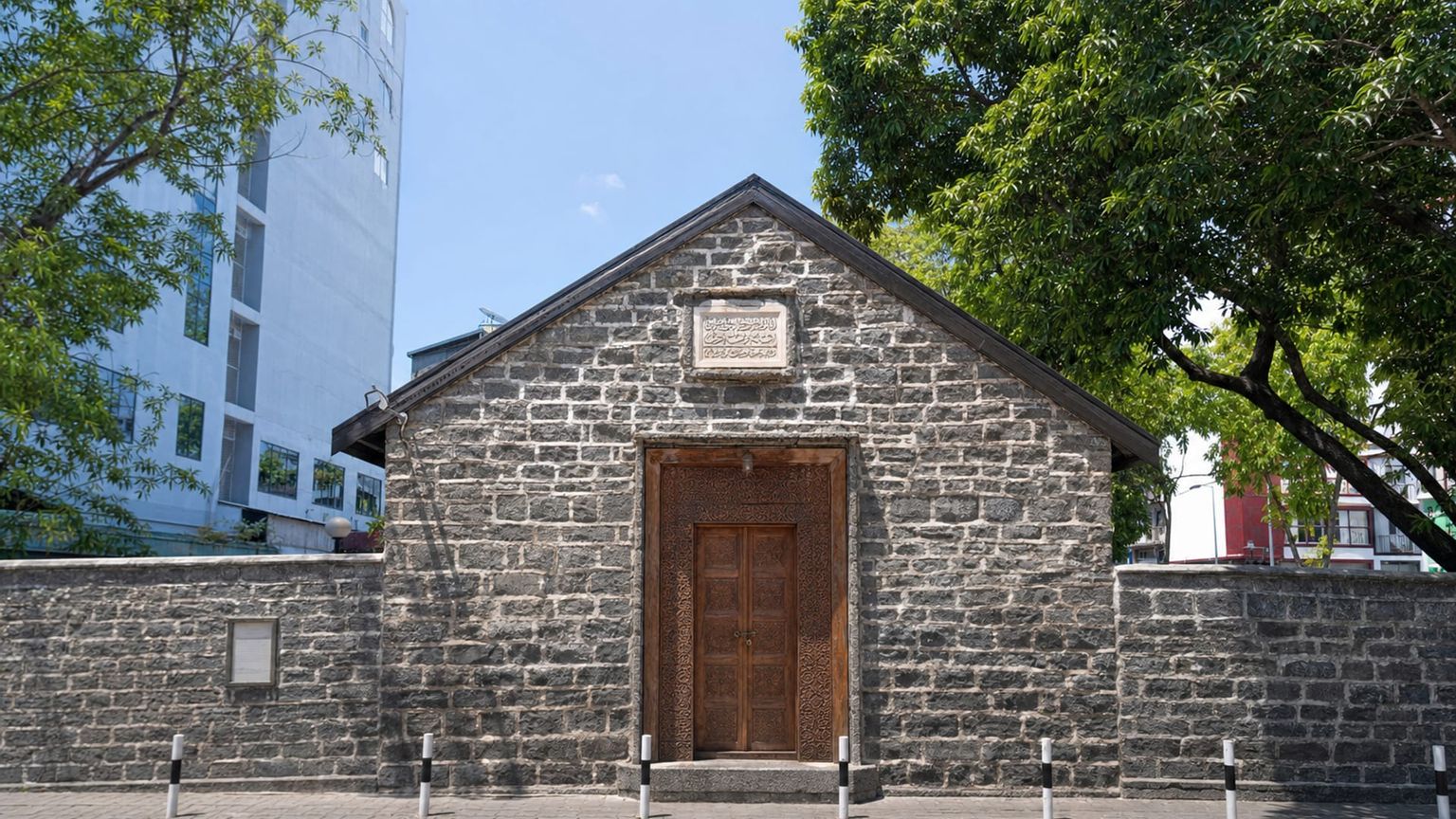
Start with one last museum stop in central Malé, either the National Museum or the National Museum of Maldives, depending on opening hours and how much time you have before departure. Then spend the rest of the day in Hulhumale, browsing cafes and shops along the coast, with a final coffee near Hulhumale Beach before heading back to Malé (MLE) for your flight. The bridge and road link make the return simple, and staying in Hulhumale keeps the airport transfer short if you have an evening departure.
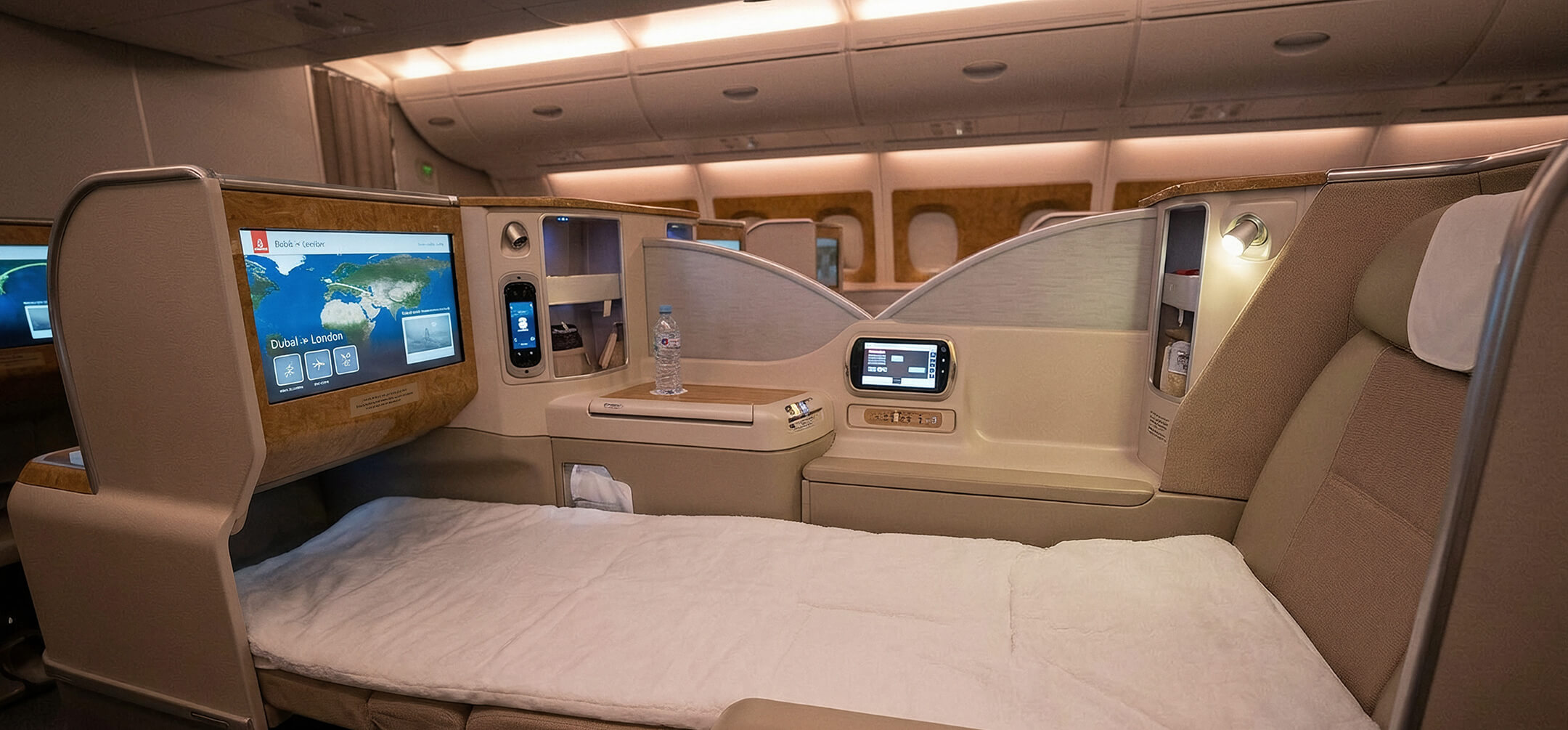
Business-class flights from the US to Male
Long-haul trips to Male usually involve one stop, and the most useful comparison is how quickly each route links you to the Maldives after a layover. The airline list is strong, but the hub choice shapes the total day in transit.
From New York, Qatar Airways, Emirates, Etihad Airways, Turkish Airlines, and SriLankan Airlines all appear on common itineraries, with total travel often running about 17 to 23 hours. If you do not mind a layover, routings via Doha (DOH), Dubai (DXB), or Istanbul (IST) often bring the price down, with business fares from New York to Malé usually running from $4,200 to $7,500 round-trip.
Los Angeles itineraries commonly use Qatar Airways, Emirates, Etihad Airways, Singapore Airlines, or Turkish Airlines, and the trip usually takes about 20 to 27 hours. Common connections run through Doha (DOH), Dubai (DXB), Abu Dhabi (AUH), Singapore (SIN), or Istanbul (IST), and business fares often start near $4,500 and can reach $8,200 round-trip.
Male feels different when you slow down
A well-planned Male stay gives each part of the city a clear role, from the mosque cluster in the center to lunch near the main jetties, a ferry to Villingili, and a final night in Hulhumale before the airport run. That structure keeps the capital legible without rushing it. If you want help shaping the right route, the AranGrant experts can tailor it around your arrival time, hotel base, and season