

Chapters:

Need help with your trip?
Our support team is available 24/7. Request a callback or call us directly at (833) 619-0908
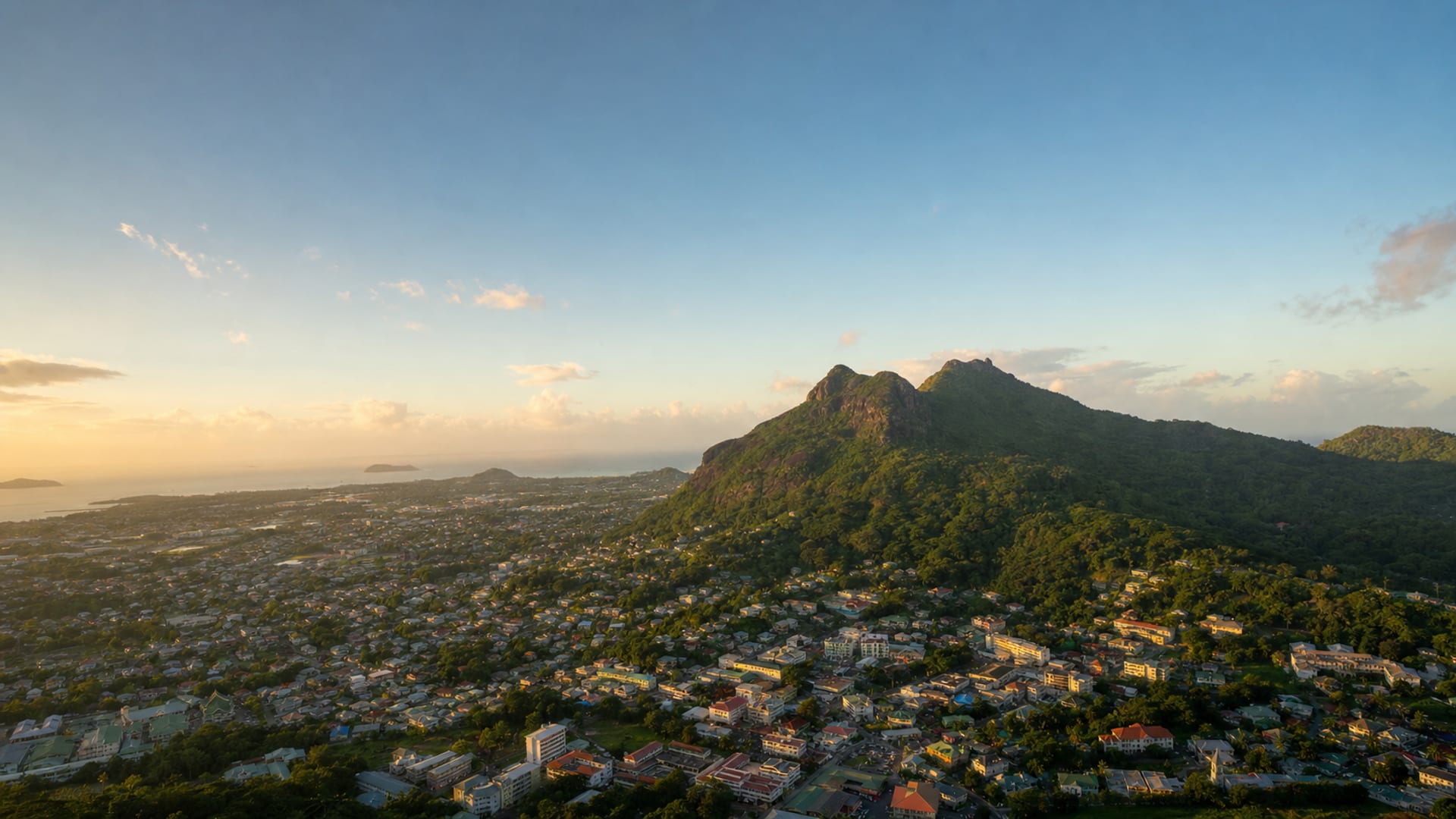
Many Mahé trips begin with a beach base, a market stop, and a quick look at a viewpoint, then end with little sense of how far the island actually stretches.
That pattern can work, but it often adds backtracking on steep roads, long taxi rides, and crowded midday hours in Victoria and Beau Vallon.
This guide trims that waste by pairing the coast with the hills, then sequencing the island so each day has a clear geographic focus.
Useful things to know
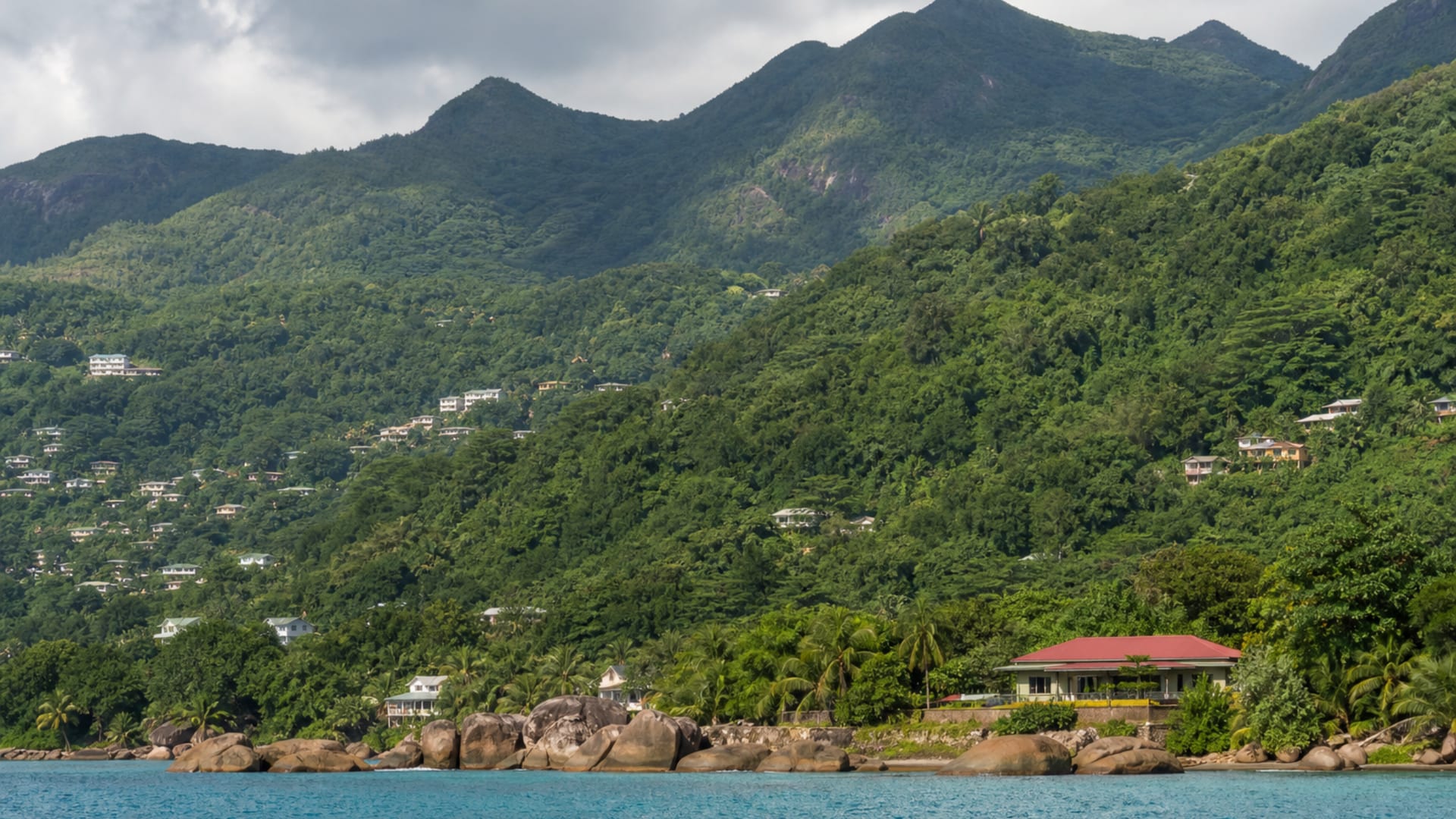

Main language(s): Seychellois Creole, English, French
bonjou (bohn-zhoor) – hello/good morning
sil vou plé (seel voo pleh) – please
mersi (mehr-see) – thank you
eski ou pale angle? (es-kee oo pahl ahng-glay) – Do you speak English?
konbien sa koute? (kohn-byen sah kooht) – How much does it cost?

Currency: Seychellois rupee (SCR, ₨)

Cash and cards: Hotels, resorts, restaurants, and larger shops commonly accept cards. Carry ₨300–₨500 ($22–$37) for markets, smaller cafés, taxis, and cash-only purchases.

Tipping: Tipping is not mandatory. Round up smaller bills or leave 5%–10% at restaurants when service is particularly good.

Traditional food: Grilled fish, octopus curry, tuna salad, and coconut curry

Water and coffee costs: Bottled water costs Rs15–₨25 ($1.10–$1.85), while espresso drinks commonly cost ₨35–₨50 ($2.60–$3.70).

Taxis and ride apps: Licensed taxis operate across Mahé and wait outside Seychelles International Airport. Hotel staff can also arrange pickups, while app availability is more limited than in larger cities.

Plug and voltage: Type G socket, 240V

Dining and shop opening hours: Restaurants generally serve lunch from 12:00 pm to 3:00 pm and dinner from 6:30 pm to 10:00 pm. Takeaways often follow similar lunch and evening hours.

Emergency number: Dial 999 for police or 999/112 for emergency assistance.
Where to stay in Mahé
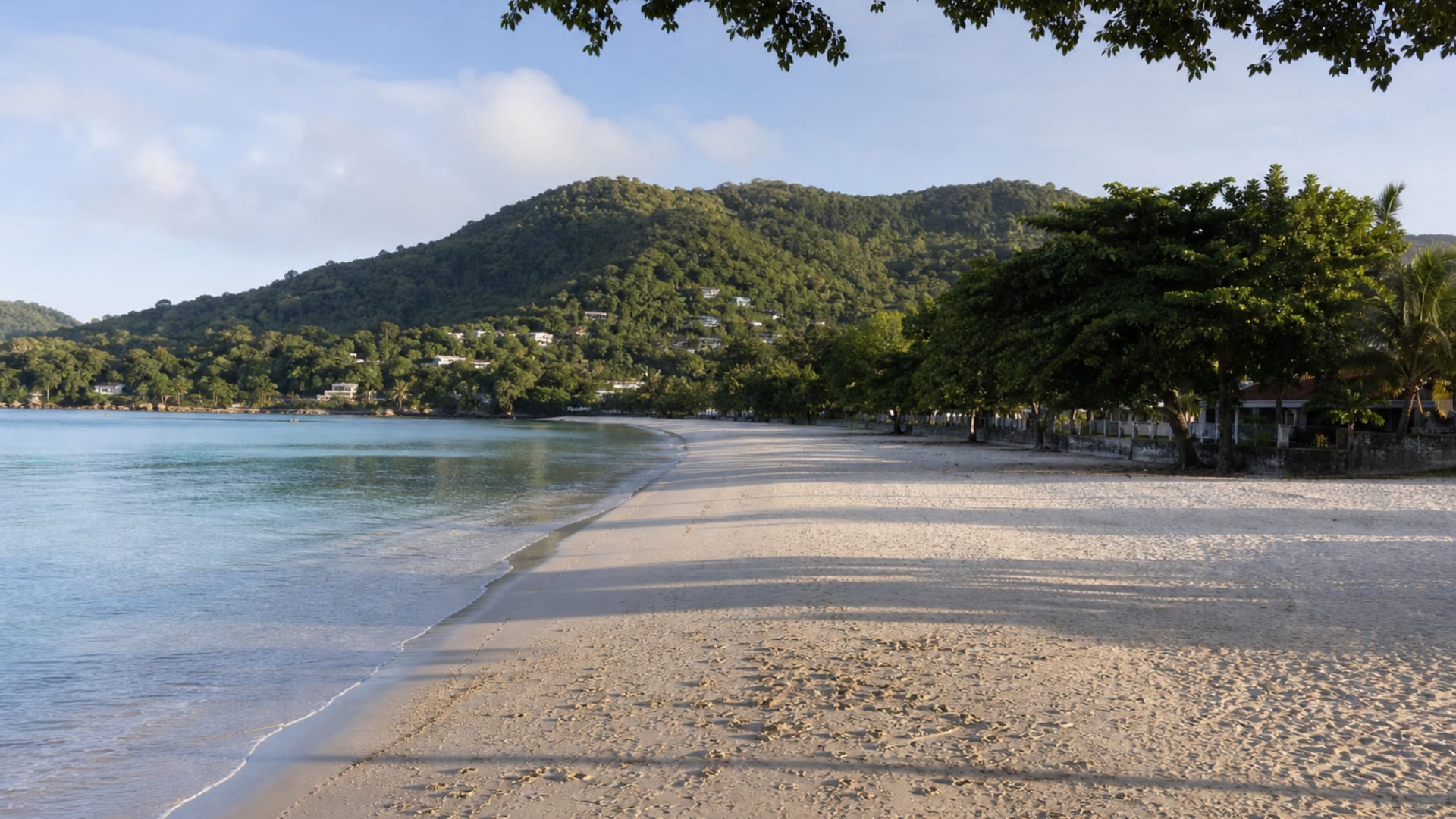
Beau Vallon is Mahé’s best-known beach district, with hotels, guesthouses, restaurants, water activities, shops, and a long sandy bay along the northwestern coast. It gives travelers one of the island’s broadest accommodation choices while keeping Victoria within a manageable drive.
Best for: Beach time, restaurants, swimming, and first visits
What to expect: Hotels, beachfront restaurants, water activities, local vendors, and more evening activity than most coastal districts
Hotel prices: Nightly rates at well-reviewed properties typically range from ₨2,400 to ₨6,100 ($175–$450).
Distance to major sights: Victoria is approximately 3 miles (5 km) away, with the drive commonly taking 15 to 25 minutes.
Quietness: Streets farther from the beachfront are generally less active in the evening.
Main trade-off: Beachfront hotels cost more, and the busiest parts of the bay stay active after sunset.
Good to know: Choose accommodation within walking distance of the beach if you want to avoid arranging transport for dinner and swimming.
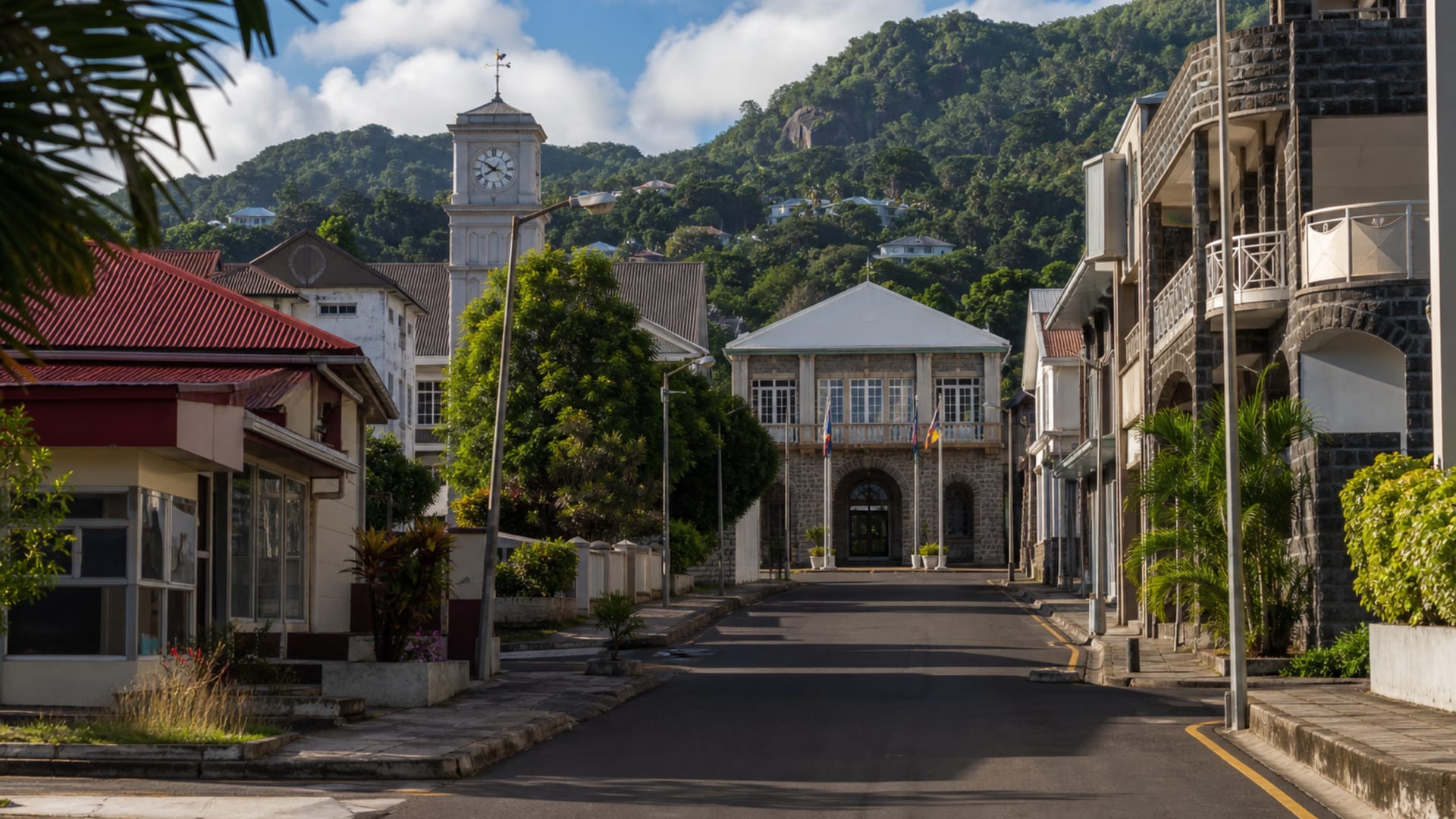
Victoria is Seychelles’ compact capital and Mahé’s main center for markets, government buildings, shops, buses, and everyday services. Hotels are less resort-focused than in Beau Vallon, but staying here makes the Sir Selwyn Selwyn-Clarke Market and the island’s principal bus terminal easy to reach.
Best for: Markets, public transport, short stays, and central sightseeing
What to expect: Shops, offices, market activity, buses, local restaurants, and heavier traffic during working hours
Hotel prices: Rooms in well-reviewed properties generally cost ₨1,600–₨3,800 ($120–$280) per night.
Distance to major sights: Sir Selwyn Selwyn-Clarke Market is within central Victoria, while Beau Vallon requires a short drive over the hills.
Quietness: Activity decreases noticeably after offices and shops close.
Main trade-off: The capital has no major swimming beach within its central streets.
Good to know: This is one of the most practical areas if you plan to use SPTC buses for several days.
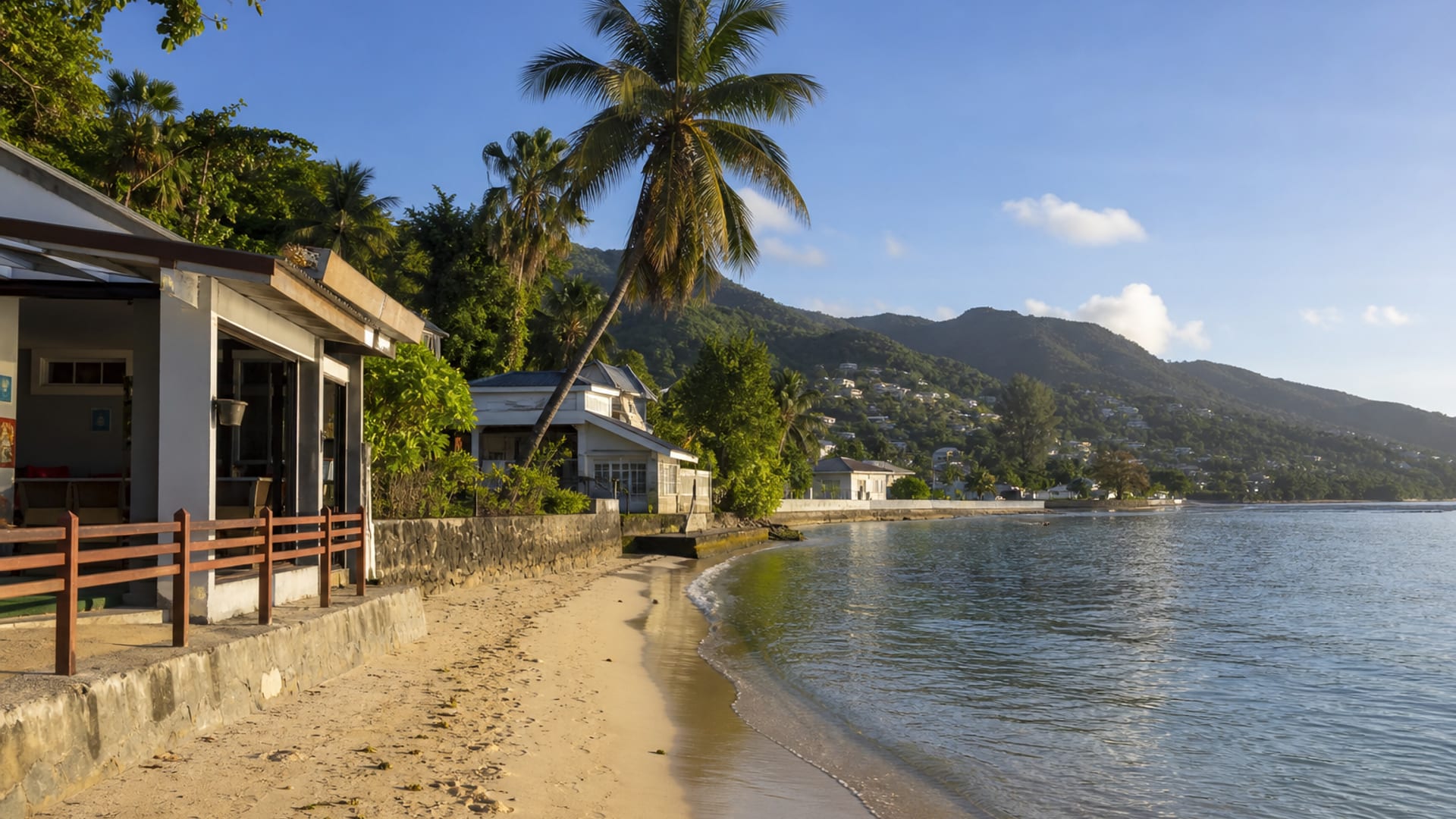
Anse Royale lies on Mahé’s southeast coast and has a reef-protected beach with guesthouses, small hotels, shops, restaurants, and local services. Its position makes it convenient for exploring the southern half of the island while keeping the airport and Victoria closer than they are from Takamaka.
Best for: Southern beaches, self-catering stays, snorkeling, and longer visits
What to expect: A village center, beach access, local restaurants, small shops, and less visitor traffic than Beau Vallon
Hotel prices: Expect to pay ₨1,900–₨4,300 ($140–$315) per night at many well-reviewed properties.
Distance to major sights: Domaine de Val des Prés is a short drive north, while Victoria generally takes 30 to 40 minutes to reach by car.
Quietness: Residential streets become very quiet after dinner.
Main trade-off: Reaching Beau Vallon and northern Mahé requires a longer cross-island journey.
Good to know: The area is a good choice if your itinerary includes southern beaches and you plan to rent a car.
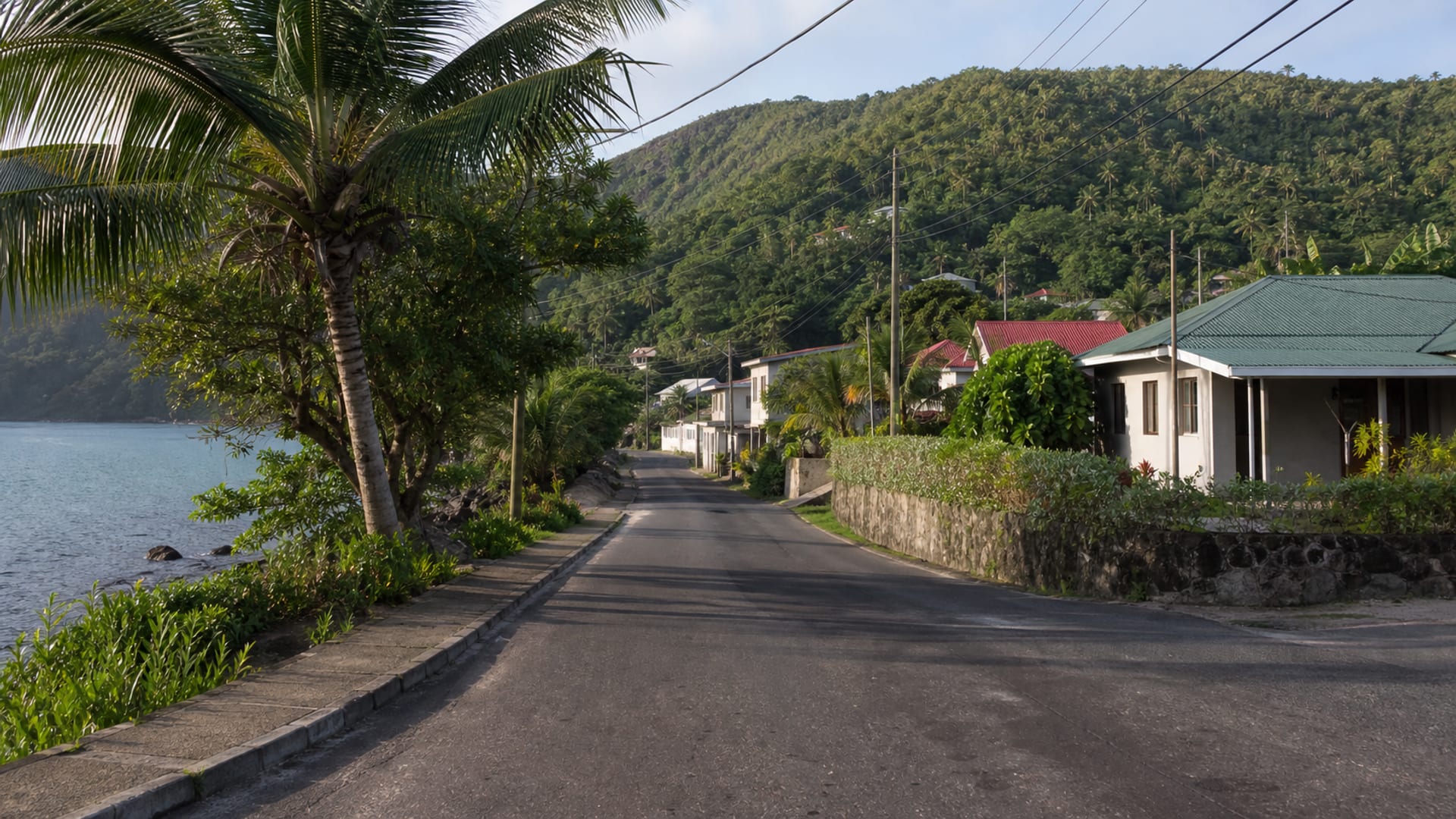
Takamaka occupies the southern part of Mahé, where small beaches, forested slopes, guesthouses, and residential roads replace the denser development around Victoria and Beau Vallon. It suits travelers planning a quieter coastal stay with a rental car and regular access to Mahé’s southern coves.
Best for: Southern beaches, scenic drives, rental-car trips, and quieter stays
What to expect: Small beaches, hillside roads, guesthouses, local homes, and limited evening activity
Hotel prices: Hotels and guesthouses commonly charge ₨1,750–₨4,050 ($130–$300) per night.
Distance to major sights: Anse Royale lies north along the coast, while central Victoria can require 40 minutes or more by car.
Quietness: Most roads have little late-night activity.
Main trade-off: Restaurant and shopping choices are more limited than in Beau Vallon or Victoria.
Good to know: Renting a car makes this area considerably easier to use for a multi-day stay.
Cascade, Mont Buxton, and other residential districts can be less convenient for a sightseeing-focused visit. Beau Vallon, Victoria, Anse Royale, and Takamaka provide a more practical range of beach access, transport, restaurants, and accommodation.
Hotel deals
Getting around Mahé
Mahé has no rail line, so the trip hinges on blue public buses, fixed-fare taxis, and the occasional rental car, with the busiest links running through Victoria and the beach corridor to Beau Vallon.

Metro
for longer distances
Rental cars give you the most flexibility for Anse Royale, Takamaka, Mission Lodge, and trailheads. Drive on the left and expect narrow mountain roads. Local limits are generally 25 mi/h (40 km/h) in towns and 40 mi/h (65 km/h) elsewhere. Book through a licensed rental company.

Bus and tram
for convenience
SPTC buses connect Victoria, Beau Vallon, the airport, Anse Royale, and southern districts. You can buy visitor cards online during travel authorization or at the airport. A one-day unlimited bus travel card costs Rs100 ($7.30), while an eight-day card costs Rs363 ($27).

Taxi
for convenience or late hours
Licensed taxis wait outside Seychelles International Airport (SEZ). Victoria is usually 15 to 20 minutes away, while Beau Vallon takes roughly 30 to 40 minutes to reach. Airport rides commonly start at ₨270–₨405 ($20–$30). Confirm the fare before boarding the taxi.
*Prices are based on rates updated as of September 2026 and may change at the time of travel.
Use SPTC buses for lower-cost journeys through Victoria, taxis for airport transfers and direct trips, and a rental car for southern beaches or hillside stops.
Iconic places in Mahé
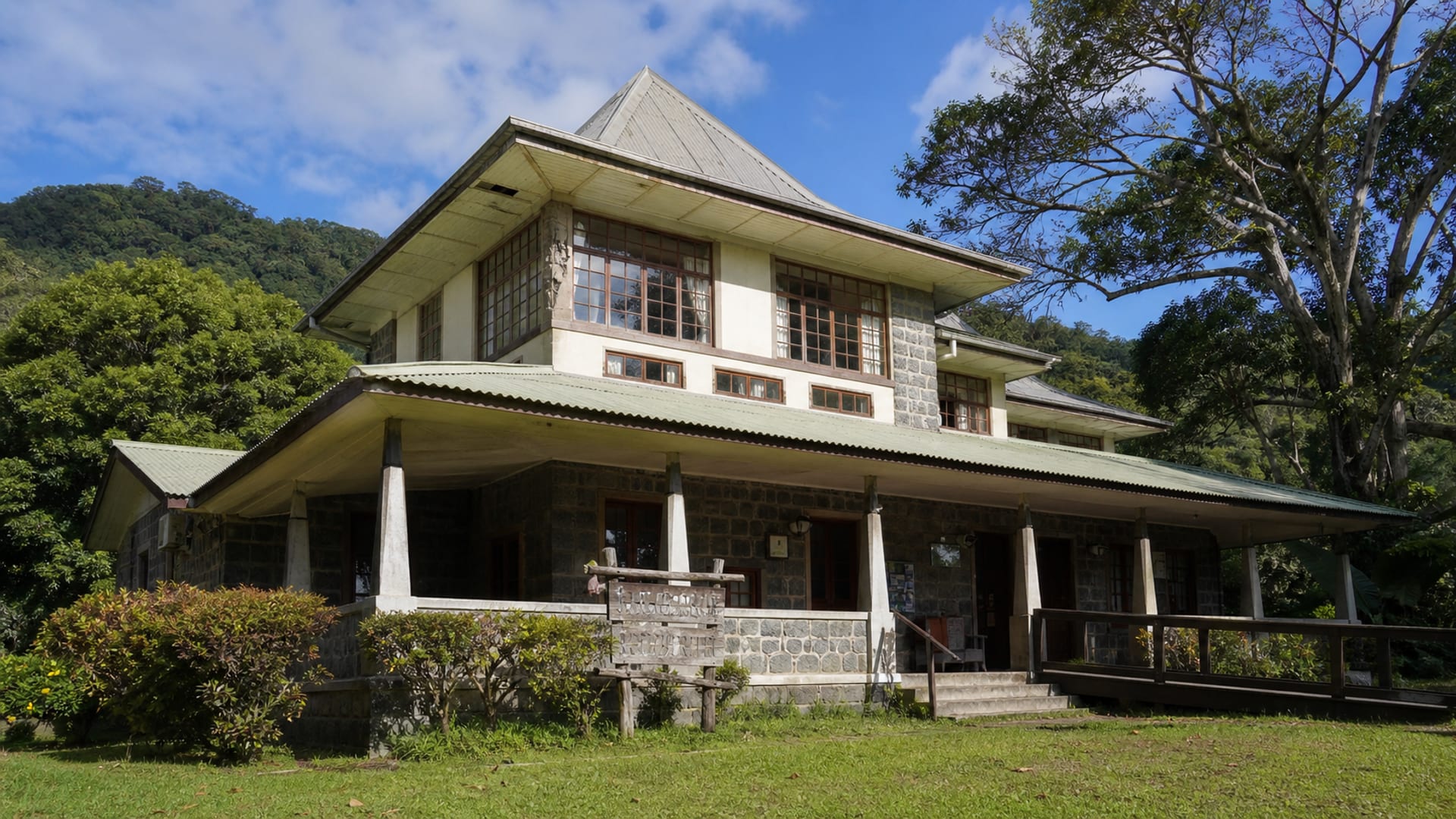
Morne Seychellois National Park
Morne Seychellois National Park protects rainforest, mountain ridges, endemic plants, and Mahé’s highest peak. The main Morne Seychellois trail climbs through dense vegetation toward high viewpoints and must currently be visited with a licensed guide.
Time needed: 4 to 6 hours
Entry: Non-residents over 12 pay ₨250 ($18.30); a licensed guide is required. Visit the official site for details.
Tip: Start early since access hours are limited.
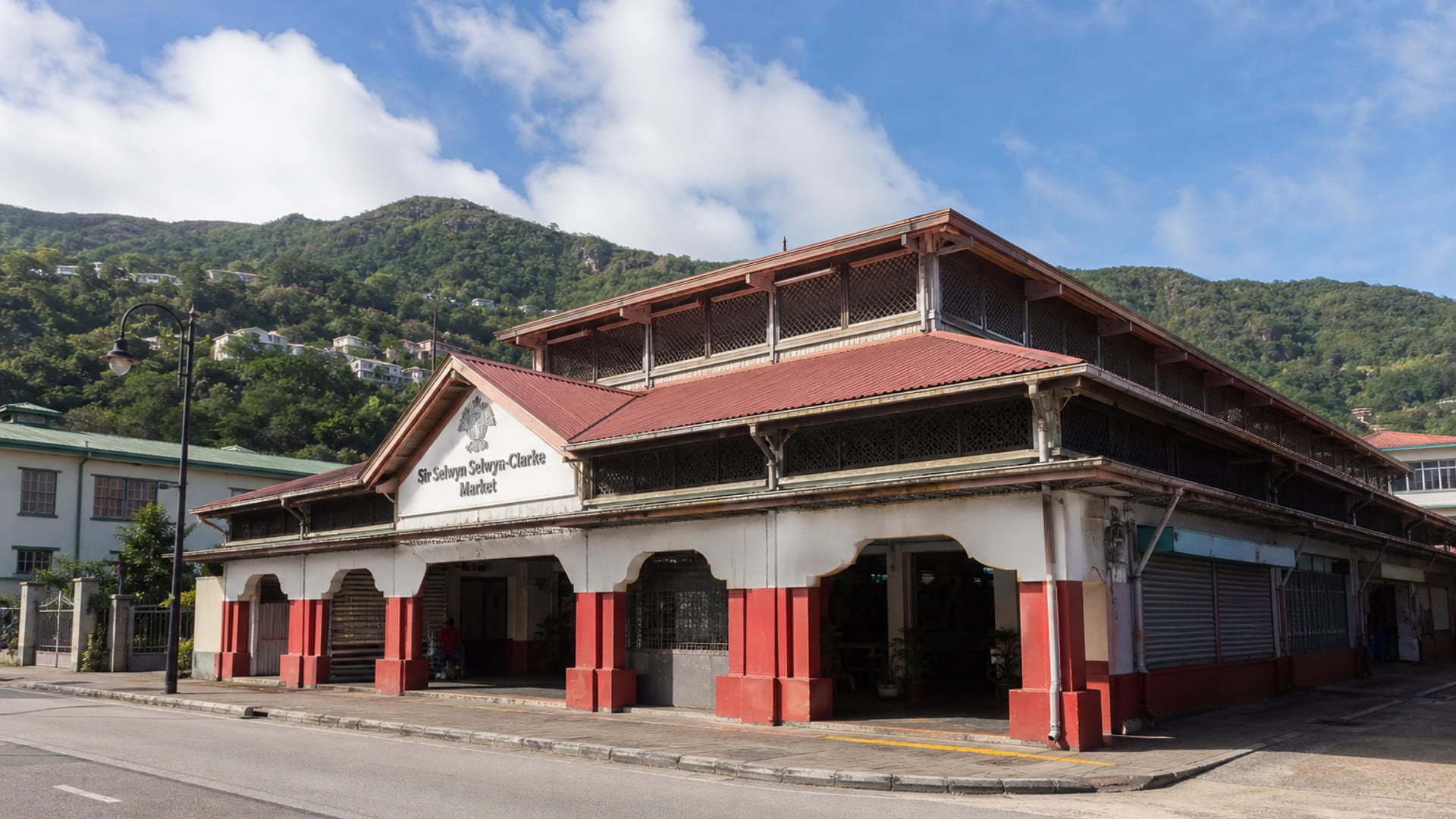
Sir Selwyn Selwyn-Clarke Market
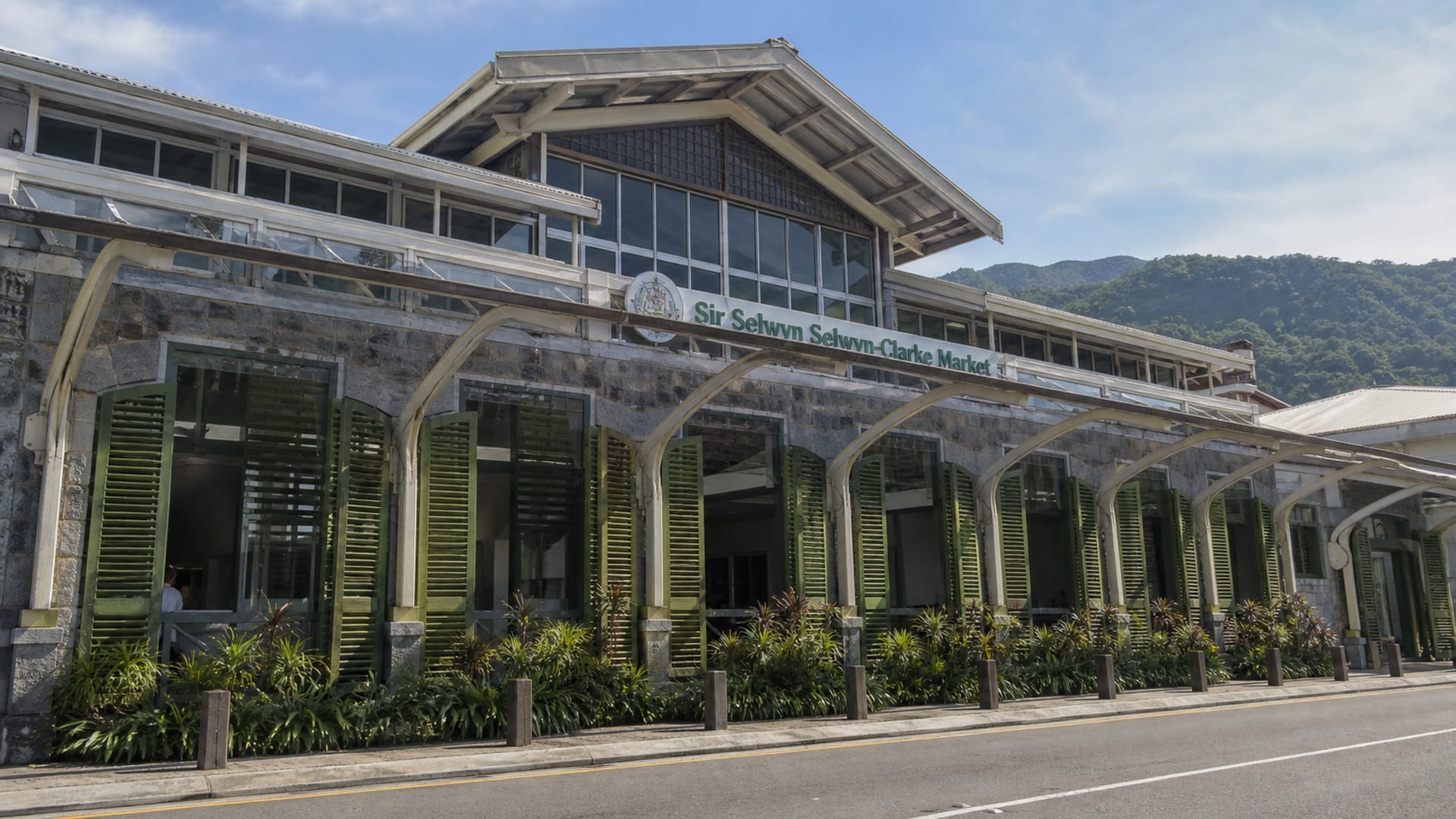
Here, at Victoria’s main market, you can find fresh fish, tropical fruit, vegetables, spices, and local crafts. Renovation work has temporarily moved the market to the former STC Supermarket in Victoria, but it continues to operate Monday through Saturday.
Time needed: 1 to 1.5 hours
Entry: Free
Tip: Visit before 9:00 am for the widest selection of produce and fish.
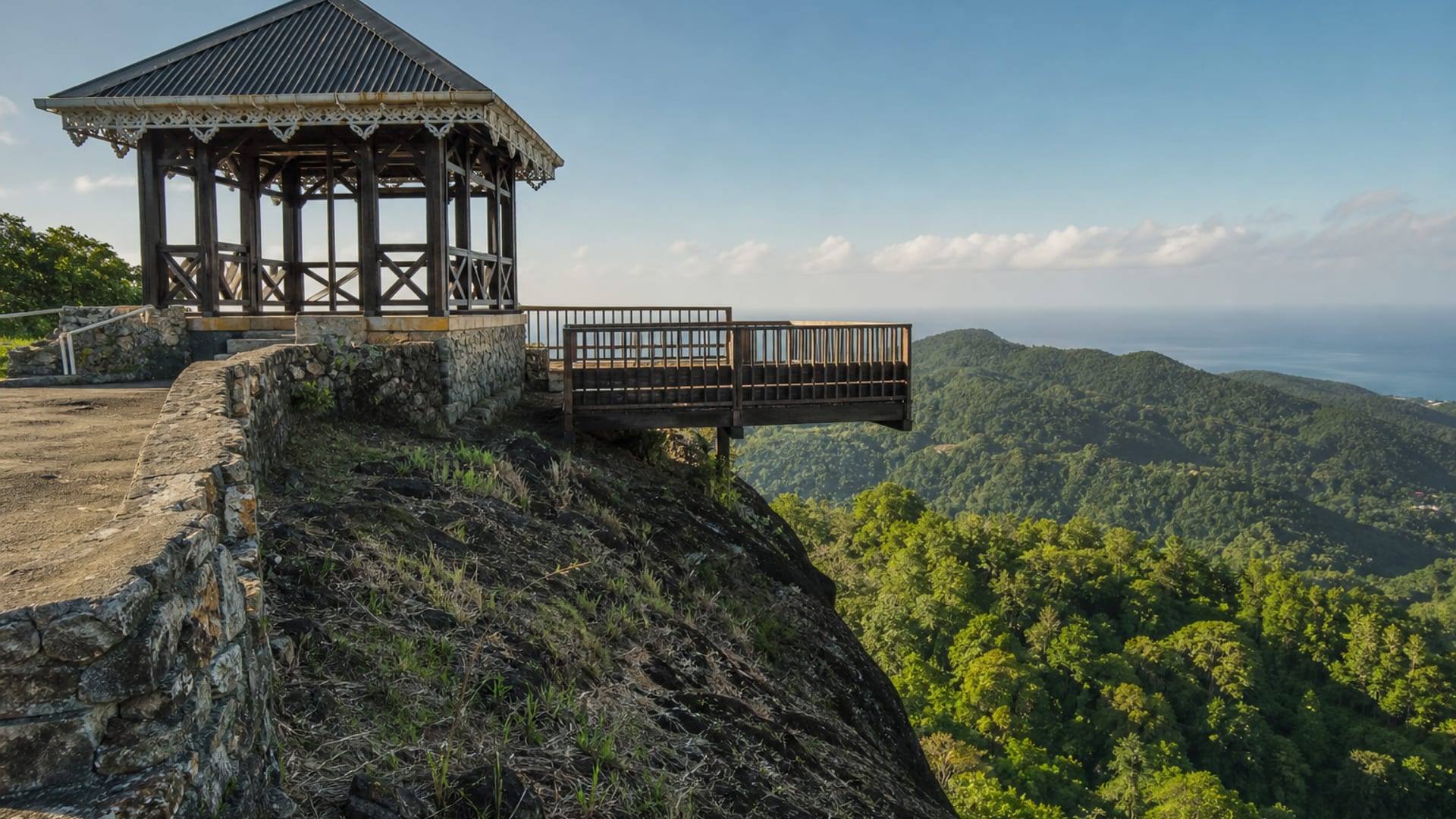
Mission Lodge
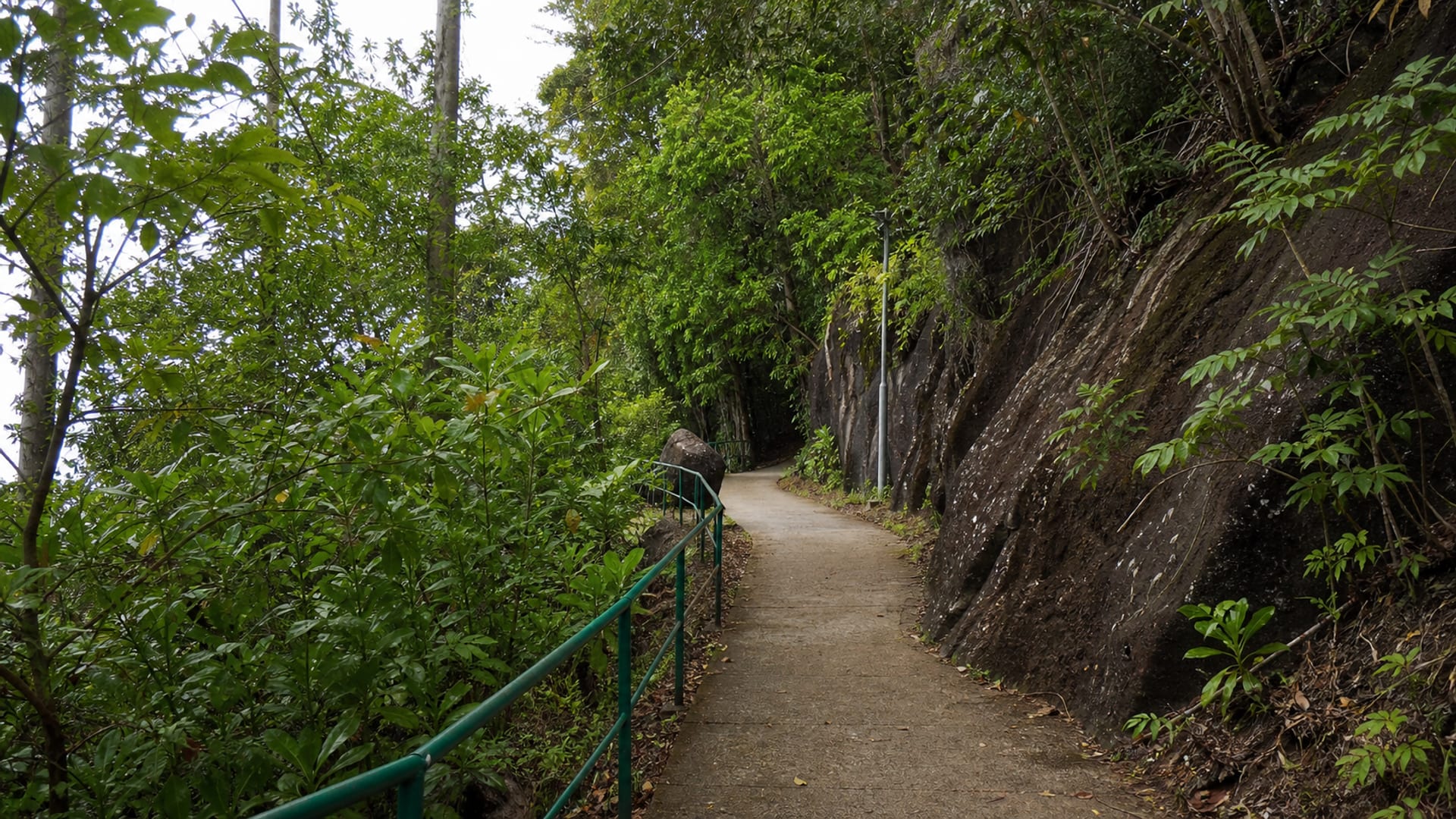
Mission Lodge occupies a forested hillside above western Mahé, with historic ruins and a viewpoint across the coast. The site combines traces of a 19th-century school for liberated African children with one of the island’s best-known mountain panoramas.
Time needed: 45 minutes to 1 hour
Entry: Admission costs Rs100 ($7.30).
Tip: Visit on a clear morning before clouds gather over the central mountains.
Overlooked places in Mahé

Morne Blanc Trail
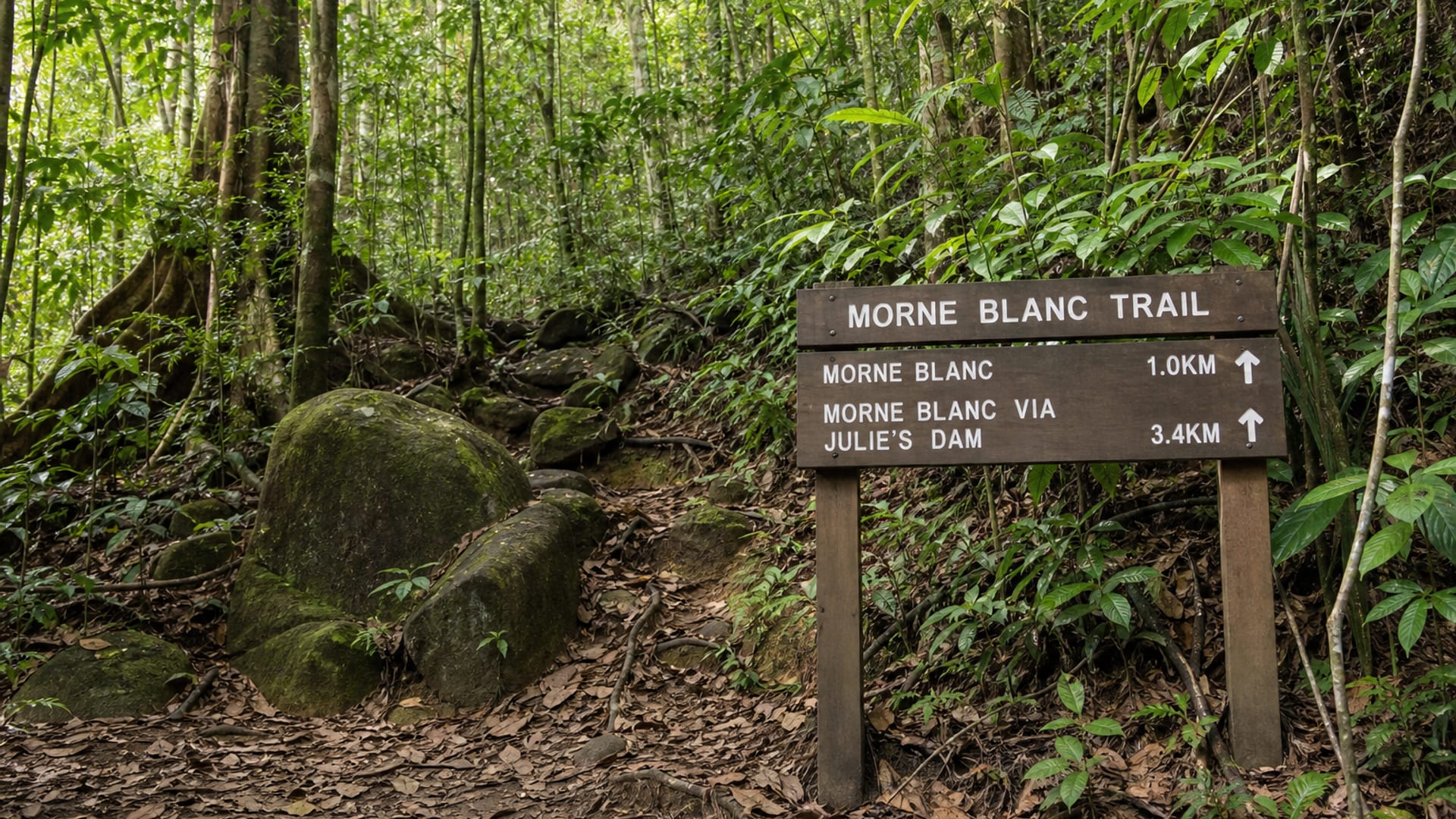
Morne Blanc Trail climbs steeply through mist forest to a platform above Mahé’s west coast. The shaded route is short but demanding, particularly after rain when roots and rocks become slippery.
Time needed: 1.5 to 2 hours
Entry: Free
Tip: Start early and carry water because the climb is steep and humid.

Domaine de Val des Prés
Domaine de Val des Prés in Au Cap preserves traditional Creole architecture. Craft workshops and small shops here sell locally made products. It makes an easy cultural stop on a south-coast day.
Time needed: Around 1 hour
Entry: Grounds are generally free to access; purchases and special activities cost extra.
Tip: Visit in the morning when more workshops and shops are open.
What to eat in Mahé
Mahé’s Creole cuisine uses fresh fish, coconut, chile, lime, herbs, and locally grown produce, with curries, grilled seafood, and simple salads appearing across restaurants, markets, and takeaways.
Grilled fish
Fresh fish is commonly grilled and served with rice, salad, vegetables, or Creole sauce. Marie Antoinette in Victoria is one of Mahé’s long-established restaurants for traditional Seychellois cooking.
Octopus curry
Octopus curry combines slow-cooked octopus with coconut milk, garlic, spices, and aromatics, usually served with rice. The Boat House in Beau Vallon includes octopus curry in its nightly Creole buffet.
Tuna salad
Fresh tuna is commonly paired with vegetables, herbs, onion, citrus, or light dressings for a simpler meal in the island heat. The Boat House in Beau Vallon serves tuna dishes alongside a broad selection of Creole seafood.
Coconut curry
Creole curries use coconut milk with fish, seafood, chicken, or vegetables, along with garlic, chile, and local spices. Kafe Kreol in Anse Royale serves Creole dishes beside the beach.
Best time to visit Mahé
Mahé stays warm year-round, but rainfall, humidity, and seasonal winds have a greater effect on beach conditions and hiking than temperature alone.
Best for: Swimming, hiking, Victoria, and beach days before the stronger southeast winds
What you get: Temperatures generally range from 77°F to 88°F (25°C–31°C), with warm water and gradually decreasing humidity.
Trade-offs: Short tropical showers remain possible, particularly earlier in the season.
Best for: Hiking, viewpoints, beach walks, and longer island drives
What you get: Temperatures commonly range from 75°F to 84°F (24°C–29°C), with lower humidity and comparatively drier conditions.
Trade-offs: Southeast winds can make exposed beaches rougher and some sea conditions less suitable for swimming.
Best for: Swimming, southern beaches, island drives, and warmer sea conditions
What you get: Temperatures rise from approximately 77°F to 88°F (25°C–31°C), with lighter winds early in the season.
Trade-offs: Humidity and rainfall increase as November approaches.
Best for: Creole food, Victoria, beach stays, and travelers comfortable with tropical rain
What you get: Temperatures generally range from 77°F to 89°F (25°C–32°C), with warm seas and lush vegetation.
Trade-offs: More frequent rain can interrupt hiking, viewpoints, and longer road trips.
A 5-day plan in Mahé
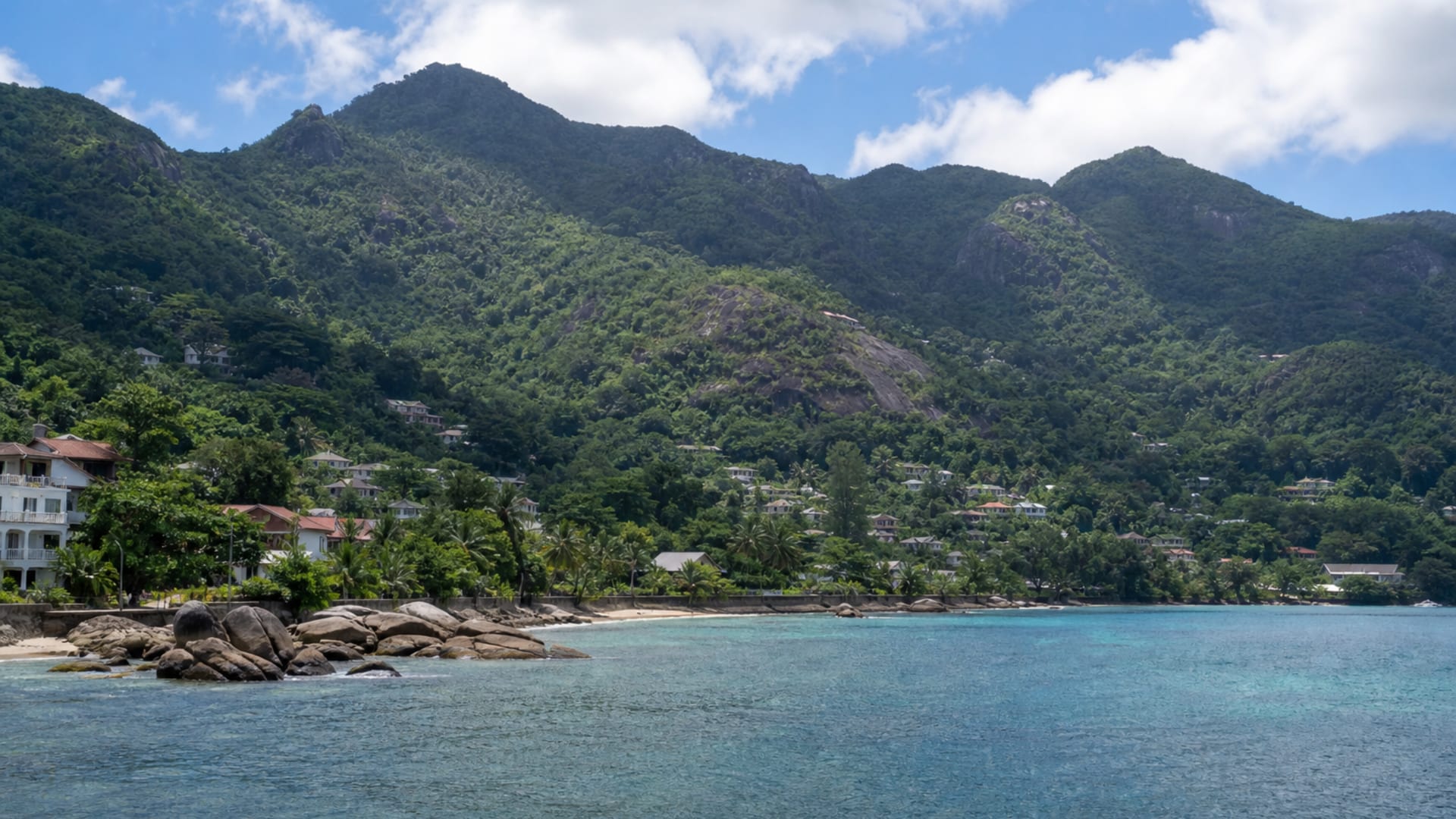
Five days in the city give you enough time to explore Victoria, Beau Vallon, Mahé’s mountain interior, Anse Royale, and the southern coast at a leisurely pace.
Land at Seychelles International Airport (SEZ), then take a taxi to Beau Vallon or Victoria. Victoria is generally 15 to 20 minutes from the airport, while Beau Vallon usually takes 30 to 40 minutes to reach. After check-in, stay near your hotel rather than starting a cross-island drive. If you choose Beau Vallon, walk along the beach and have dinner nearby. From Victoria, explore the compact center and save the market for the next morning.
Begin at Sir Selwyn Selwyn-Clarke Market before 9:00 am and allow 1 to 1.5 hours for the produce, fish, spice, and craft stalls. The market currently operates from Monday to Saturday and is temporarily relocated within Victoria during renovations. Spend another hour around the Clock Tower and nearby streets, then travel to Beau Vallon for lunch and an afternoon on the beach. Staying there for dinner avoids another journey before returning to your hotel.
Start early in Morne Seychellois National Park, where the main Morne Seychellois trail requires a licensed guide and costs ₨250 ($18.30) for non-residents over 12. Allow several hours for the hike, then continue by car or taxi toward Mission Lodge after lunch if conditions remain clear. Spend 45 minutes to 1 hour at the viewpoint before returning toward Beau Vallon or Victoria. Keep dinner near your hotel after the longer mountain day.
Drive or take a taxi south to Domaine de Val des Prés in Au Cap and allow around 1 hour for the Creole buildings, craft workshops, and shops. Continue to Anse Royale, 10 to 15 minutes farther south, for lunch and beach time. Its reef-protected water is suitable for a longer afternoon stop. Continue toward Takamaka only if you have a rental car, then have dinner in Anse Royale rather than driving back north before eating.
Keep the last morning near your accommodation or along the airport side of the island. From Anse Royale, have breakfast and a final swim before heading north; from Victoria, use the time for shopping or another walk through the center. Avoid scheduling a mountain hike or distant north-coast beach before departure. Collect your luggage, then leave additional time for Mahé’s narrow roads and airport check-in, especially if you are traveling from Beau Vallon or Takamaka.
Business-class flights from the US to Mahé
There are no nonstop flights from New York (JFK) or Los Angeles (LAX) to Seychelles International Airport (SEZ), so both routes require at least one layover.
New York (JFK) to Mahé (SEZ)
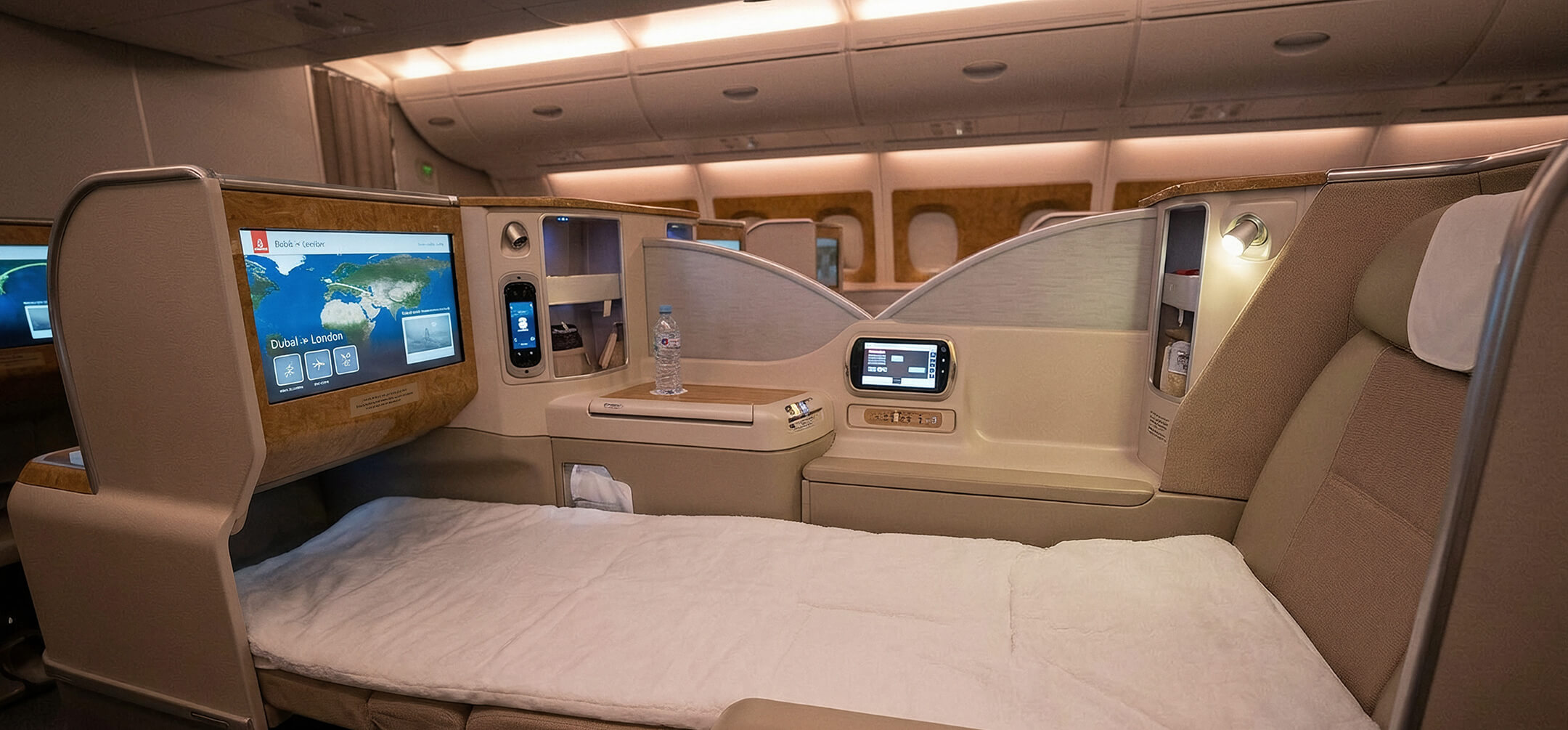
Emirates, Qatar Airways, Turkish Airlines, Kenya Airways, Etihad Airways, and partner carriers operate connecting itineraries from John F. Kennedy International Airport (JFK) to Mahé. Common layovers include Dubai (DXB), Doha (DOH), Istanbul (IST), Nairobi (NBO), and Abu Dhabi (AUH). These flights take between 18 and 39 hours. Current round-trip business-class tickets on the route cost $5,700–$9,800.
Los Angeles (LAX) to Mahé (SEZ)
Travelers from Los Angeles International Airport (LAX) can fly to Mahé with Emirates, Qatar Airways, Turkish Airlines, SWISS, and other airlines. These flights have layovers in cities like Dubai (DXB), Doha (DOH), Istanbul (IST), and Zurich (ZRH) and typically take 26–34 hours. Round-trip business tickets from the airlines range from $6,900 to $9,800.
Explore Mahé by coast and elevation
Mahé is easier to explore when Victoria, the northern beaches, the mountain interior, and the southern coast each have their own time. Visit the market and capital together, keep Morne Seychellois for a dedicated hiking day, and combine Au Cap with Anse Royale instead of repeatedly crossing the island. Travelers planning a trip to Mahé can contact our AranGrant experts. They can assist with booking business-class flights and hotels that fit their dates, preferences, and budget.