

Chapters:

Need help with your trip?
Our support team is available 24/7. Request a callback or call us directly at (833) 619-0908
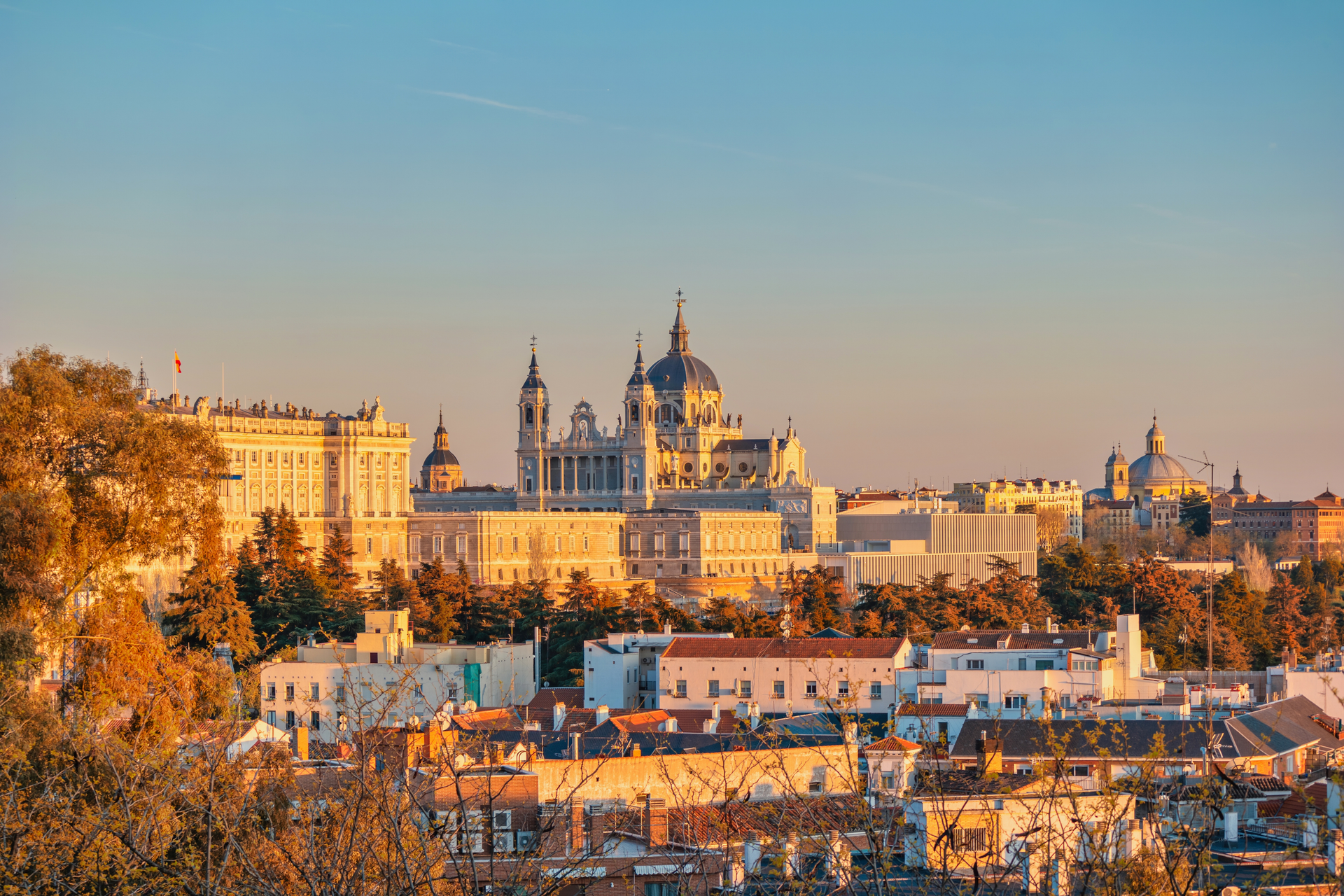
Madrid has more restaurants per square kilometer than any other city in Europe, a nightlife culture that starts where most cities finish, and three world-class art museums within walking distance of each other. The Royal Palace is the largest in Western Europe, and the neighborhoods, from the medieval streets of La Latina to the wide avenues of Salamanca, are worth as much time as the landmarks.
This guide covers where to stay, what to see, where to eat, and how to plan five days through the city’s landmarks and neighborhoods.
Useful things to know
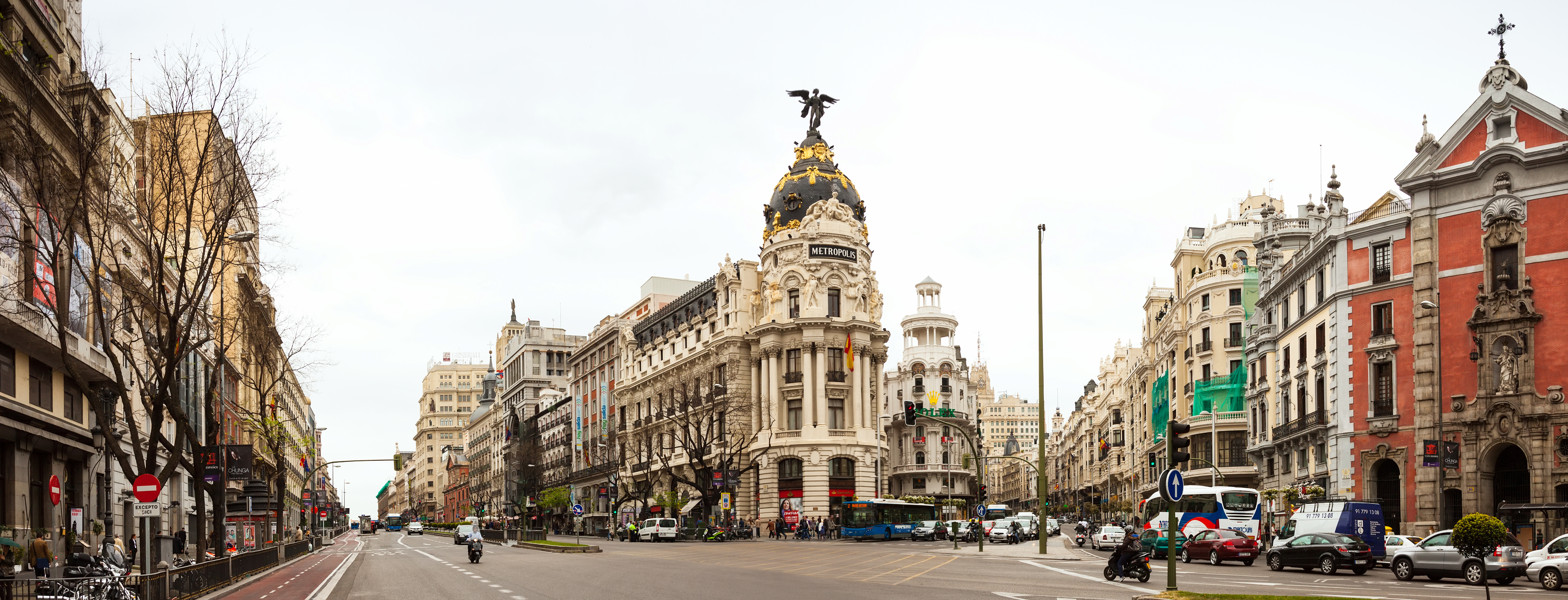

Main language(s): Spanish
Hola (OH-lah) – Hello / good morning
Por favor (por fah-VOR) – Please
Gracias (GRAH-see-ahs) – Thank you
¿Habla inglés? (AH-blah een-GLAYS) – Do you speak English?
¿Cuánto cuesta? (KWAN-toh KWES-tah) – How much does it cost?

Currency: Euro (EUR, €)

Cash and cards: Both card and contactless payments are widely accepted across Madrid. Keep €20 to €40 ($23 to $46) in cash for small cafés, market stalls, and the occasional restroom fee.

Tipping: Tipping is modest but customary. In restaurants, leaving 5%–10% is standard. In taxis and cafés, most people leave small change or round up the bill.

Traditional food: Cocido madrileño (chickpea stew with meats), Tortilla española (potato and egg omelet), Callos a la madrileña (tripe stewed with chorizo and morcilla)

Water and coffee costs: A bottle of water usually costs €1–€2 ($1.15–$2.28), and an espresso is often €1.20–€2 ($1.37–$2.28). In sit-down cafés, prices can be higher near major sights.

Taxis and ride apps: Uber, Bolt, and Free Now all operate in Madrid. Licensed taxis are reliable and often cheaper for airport trips. Avoid unsolicited drivers at terminals and major transport hubs.

Plug and voltage: Type C/F socket, 230V

Dining and shop opening hours: Breakfast is from 7:30 am to 10:30 am, lunch from 1:30 pm to 3:30 pm, and dinner starts at 8:30 pm. Most kitchens close around 11:00 pm. Many shops close for a midday break before reopening in the afternoon.

Emergency number: Call 112 for police, ambulance, or fire services anywhere in Spain.
Where to stay in Madrid
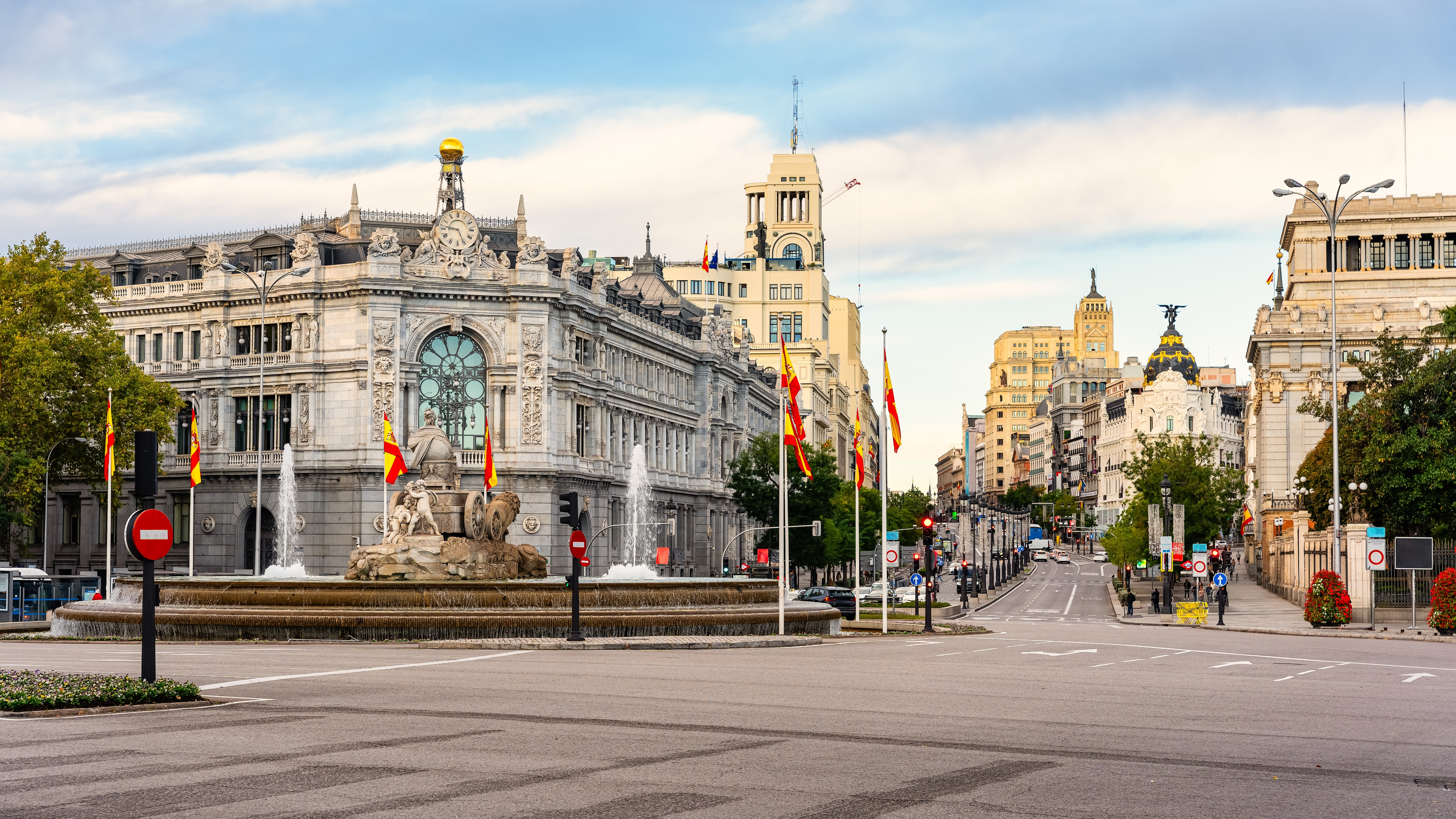
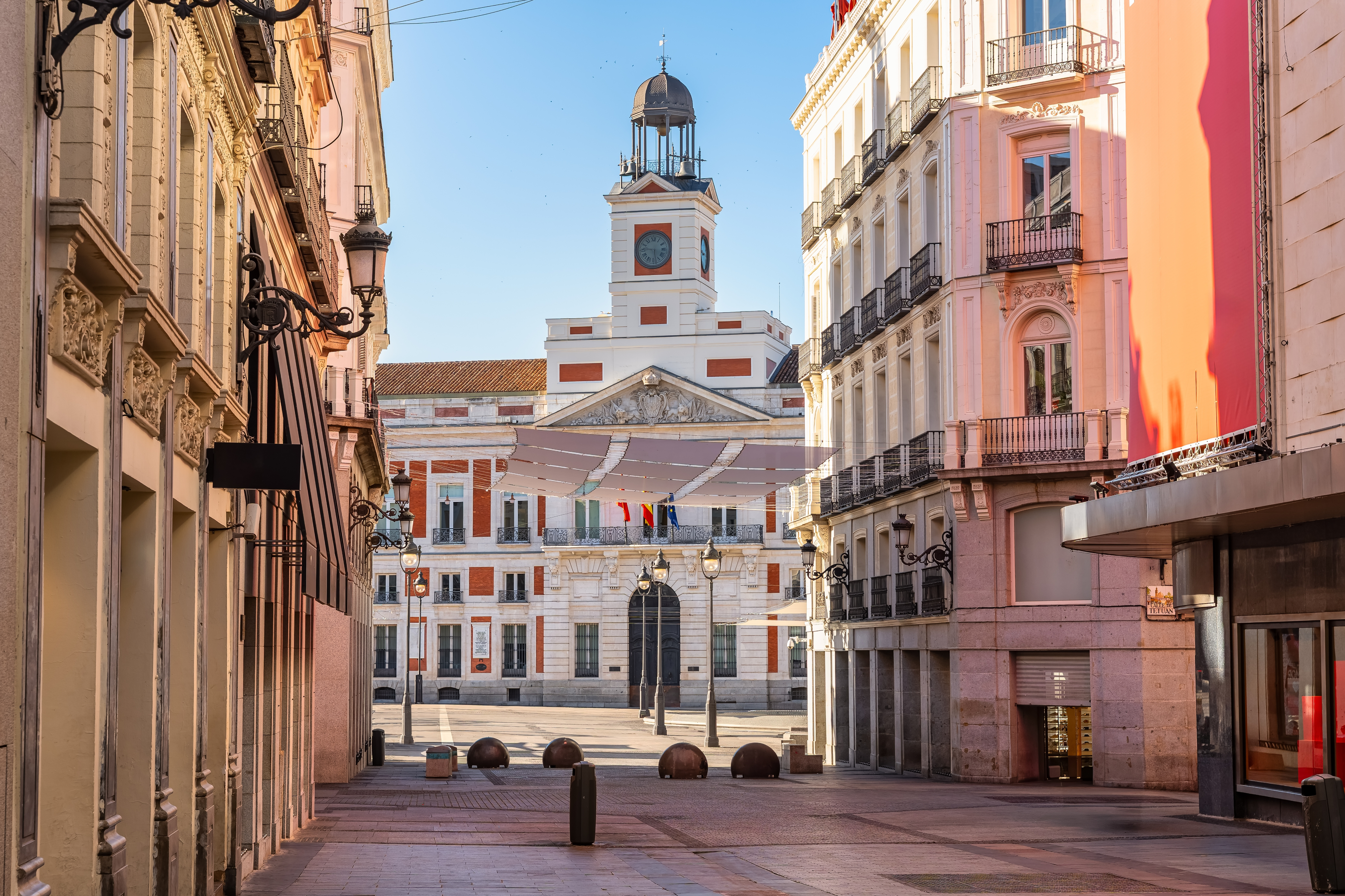
Madrid’s central core, covering the area from Puerta del Sol north through Malasaña, is the city’s most walkable district. Here are the main plazas, the historic streets around Plaza Mayor, and the highest concentration of cafés, tapas bars, and late-night options in the city.
Best for: First-time visits, sightseeing, and easy access to major landmarks
What to expect: Busy historic streets, crowded squares, and constant daytime activity
Hotel prices: Usually €110–€230 per night for well-rated stays
Distance to major sights: About 10 to 20 minutes on foot to central sights
Quietness: Lively throughout the day and evening
Main trade-off: Higher prices and busier streets, especially around Sol and Gran Vía
Good to know: The area around Sol and Gran Vía runs busy until late, but quieter streets are a short walk north into Malasaña or west toward Opera.
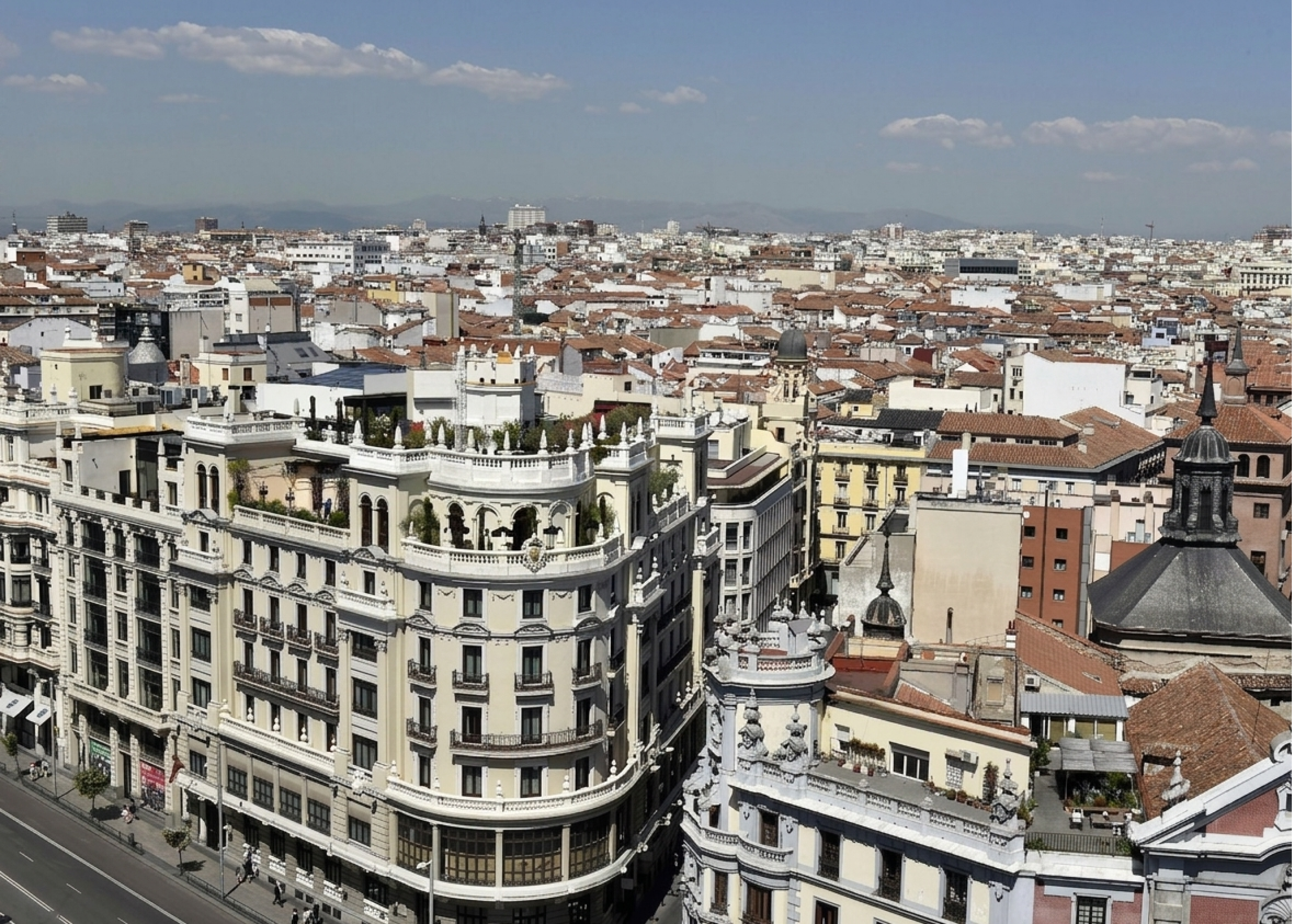
Chamberí is an affluent residential district north of the center, with wide avenues, neighborhood markets, and a strong restaurant scene on Calle Ponzano. The Sorolla Museum and Plaza de Olavide are its two most recognizable landmarks.
Best for: Couples and culture lovers who prefer a calmer location
What to expect: Vibrant local life with less tourist crowding than the center
Hotel prices: Expect to pay €95–€180 ($108–$205) per night.
Distance to major sights: About 20 to 30 minutes by metro to major central sights
Quietness: More relaxed day-to-evening, especially away from main roads
Main trade-off: Fewer famous landmarks right on your doorstep than Centro
Good to know: Calle Ponzano is the neighborhood’s main bar and restaurant street, busiest from Thursday through Sunday evening.
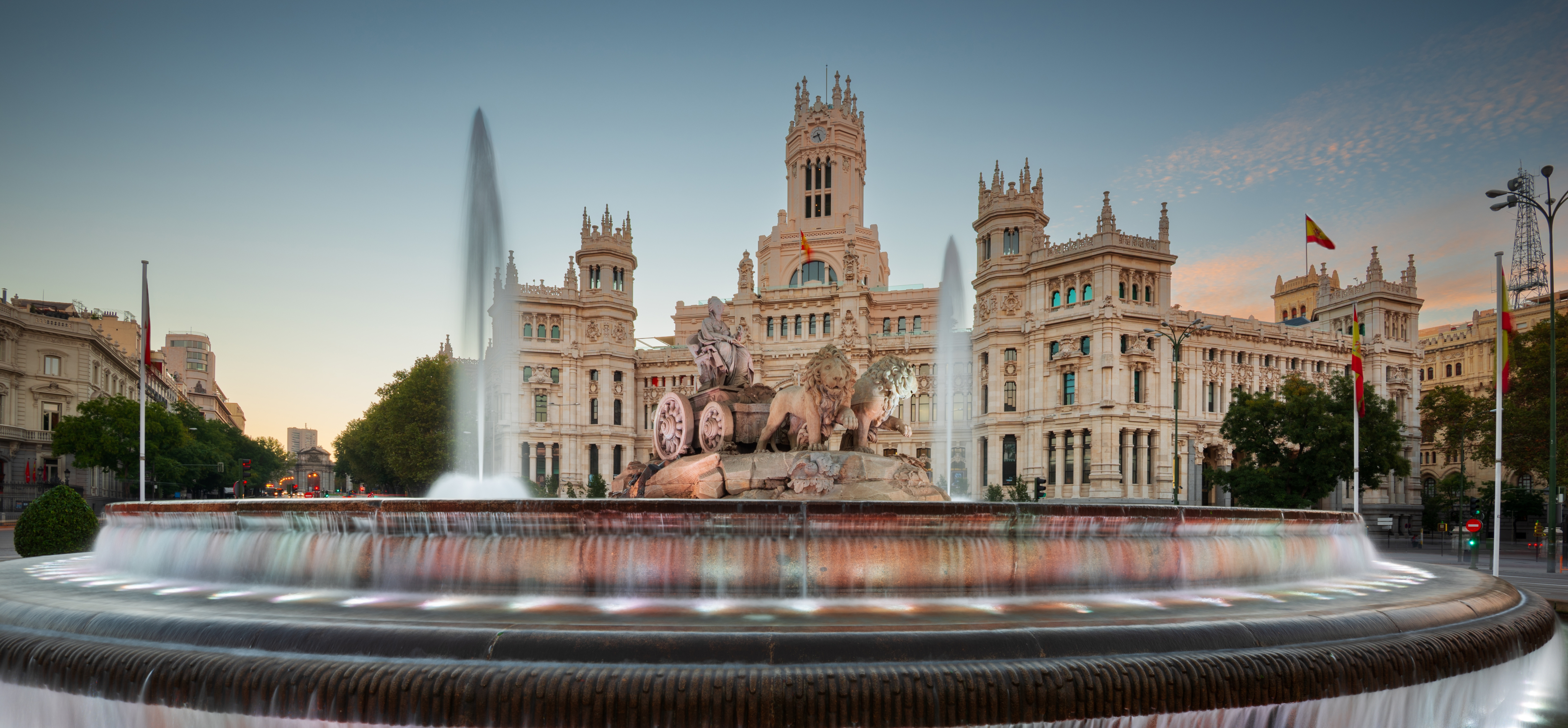
Salamanca is Madrid’s elegant, upscale district with wide avenues, stylish shopping, and refined restaurants. It’s ideal if you want a polished stay while still reaching key attractions fast by taxi or metro, including the Retiro area.
Best for: Shopping enthusiasts and travelers who prefer a refined atmosphere
What to expect: Polished city life with upscale dining
Hotel prices: Salamanca is more expensive than most districts, with well-rated hotels typically ranging from €140–€290 ($159–$330) per night.
Distance to major sights: About 20 to 35 minutes by metro to central landmarksAbout 20 to 35 minutes by metro to central landmarks
Distance to major sights: About 20 to 35 minutes by metro to central landmarks
Quietness: Generally calmer in residential areas; lively around main avenues
Main trade-off: More expensive lodging and fewer late-night party hubs
Good to know: Retiro Park borders the district to the west, making it easy to combine a morning walk with a visit to the Prado or the Crystal Palace within a day.
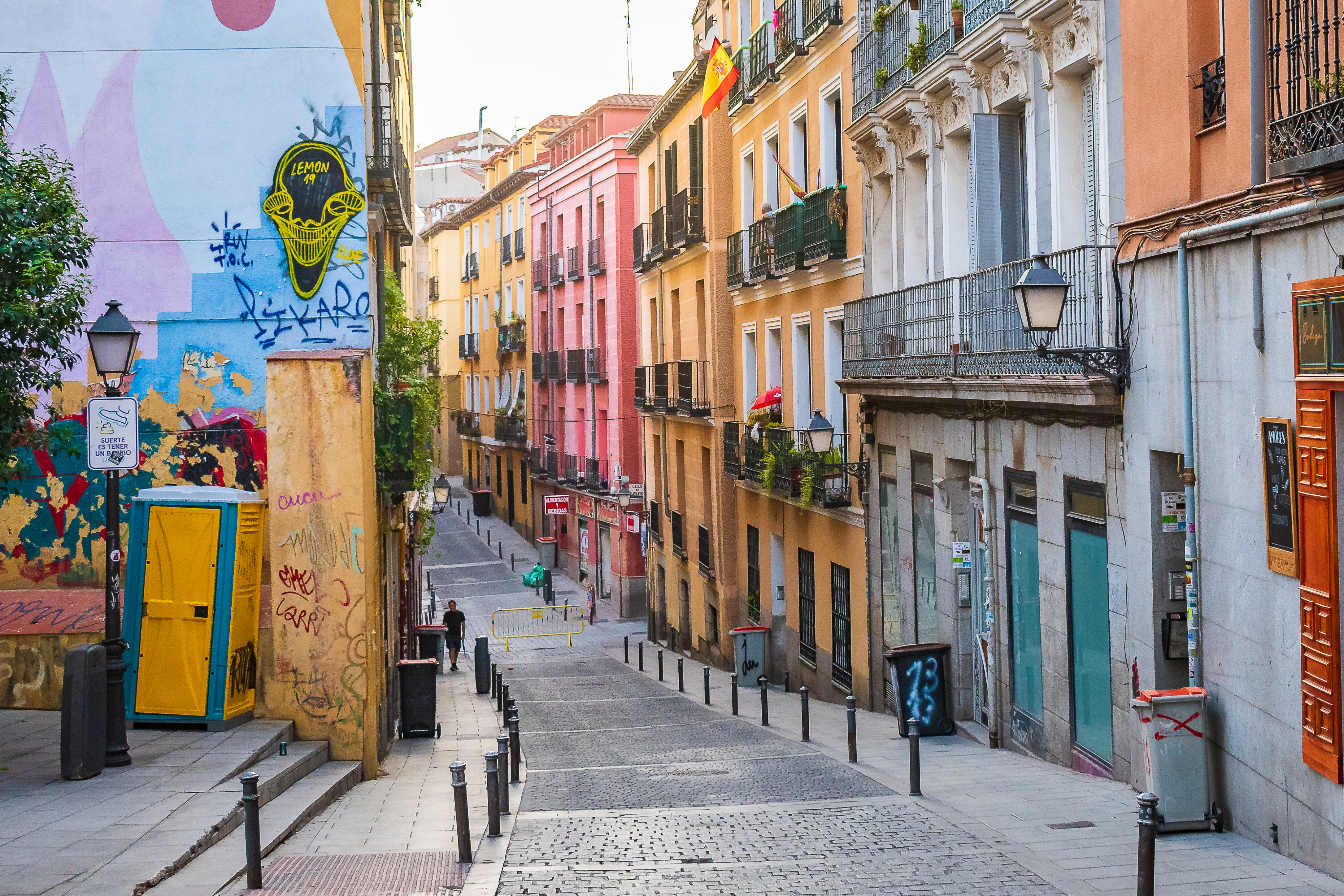
Lavapiés is lively, multicultural, and full of character, from street art to inventive eateries. It’s a fun area for exploring theaters, historic corners, and the nearby Sunday El Rastro flea market, with excellent transit links throughout the neighborhood.
Best for: Foodies, art lovers, and travelers seeking an authentic vibe
What to expect: Lively and sometimes boisterous, especially in the evenings
Hotel prices: Lavapiés is one of the more affordable areas of Madrid, with well-rated hotels typically ranging from €80–€150 ($91–$171) per night.
Distance to major sights: About 15 to 25 minutes by metro to central sights
Quietness: Active day and night; quieter in side streets away from main bars
Main trade-off: The area can be busy and noisy.
Good to know: The neighborhood is within walking distance of the Prado, the Reina Sofía, and the Sunday El Rastro market on Ribera de Curtidores.
Visitors often avoid the outer districts of Vallecas, Villaverde, and San Blas–Canillejas, which lack easy access to central sights and nightlife attractions.
Hotel deals
How to get around Madrid efficiently
Madrid is easy to navigate if you combine walking with short metro rides and the occasional taxi, especially when moving between central districts.

Metro
for longer distances
Madrid’s metro is fast, frequent, and the best way to move between Centro, Chamberí, Salamanca, and Retiro. A single ticket costs €1.50–€2.00 ($1.71–$2.28). Traveling to or from the airport requires an additional €3 fee. Most rides across the center take 10–25 minutes.

Bus
for convenience
Madrid’s EMT city buses cover almost every part of the city, with night buses running after the metro closes at 1:30 am. A single ride costs €1.50 ($1.71). The airport express bus runs 24 hours a day and is a good alternative to the metro for reaching Barajas.

Taxi
for convenience or late hours
Taxis are metered and easy to find at ranks across the city. The fixed rate from Barajas to any destination within the M-30 ring road is €33 ($37.60), covering luggage, night, and holiday surcharges. For cross-city rides, expect €8 to €15 ($9.10 to $17.10) depending on distance.
*Prices are based on rates updated as of June 2026 and may change at the time of travel.
The metro covers most of the city efficiently. Taxis are worth it for the airport, late nights, or when you have luggage. Most of central Madrid is walkable.
Iconic landmarks
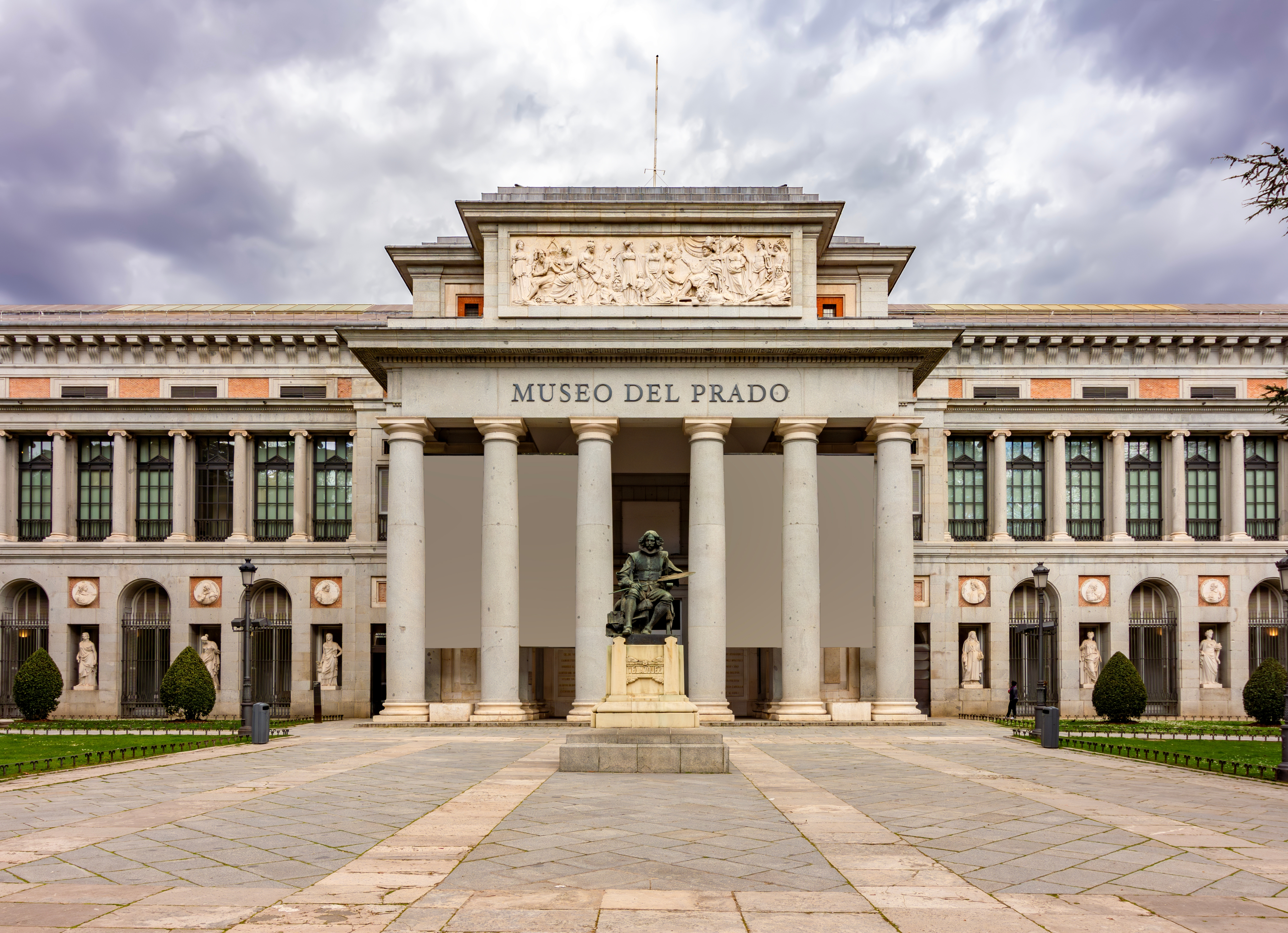
Prado Museum (Museo del Prado)
Home to masterpieces from Spain’s Golden Age and beyond, the Prado is Madrid’s defining art museum. Plan for major works by Velázquez, Goya, and Bosch, and expect timed-entry lines during peak seasons.
Time needed: About 2 to 3 hours
Entry: Standard tickets cost about €15 to €20 Visit the official site for details.
Tip: Book timed tickets early in peak season to avoid long queues.
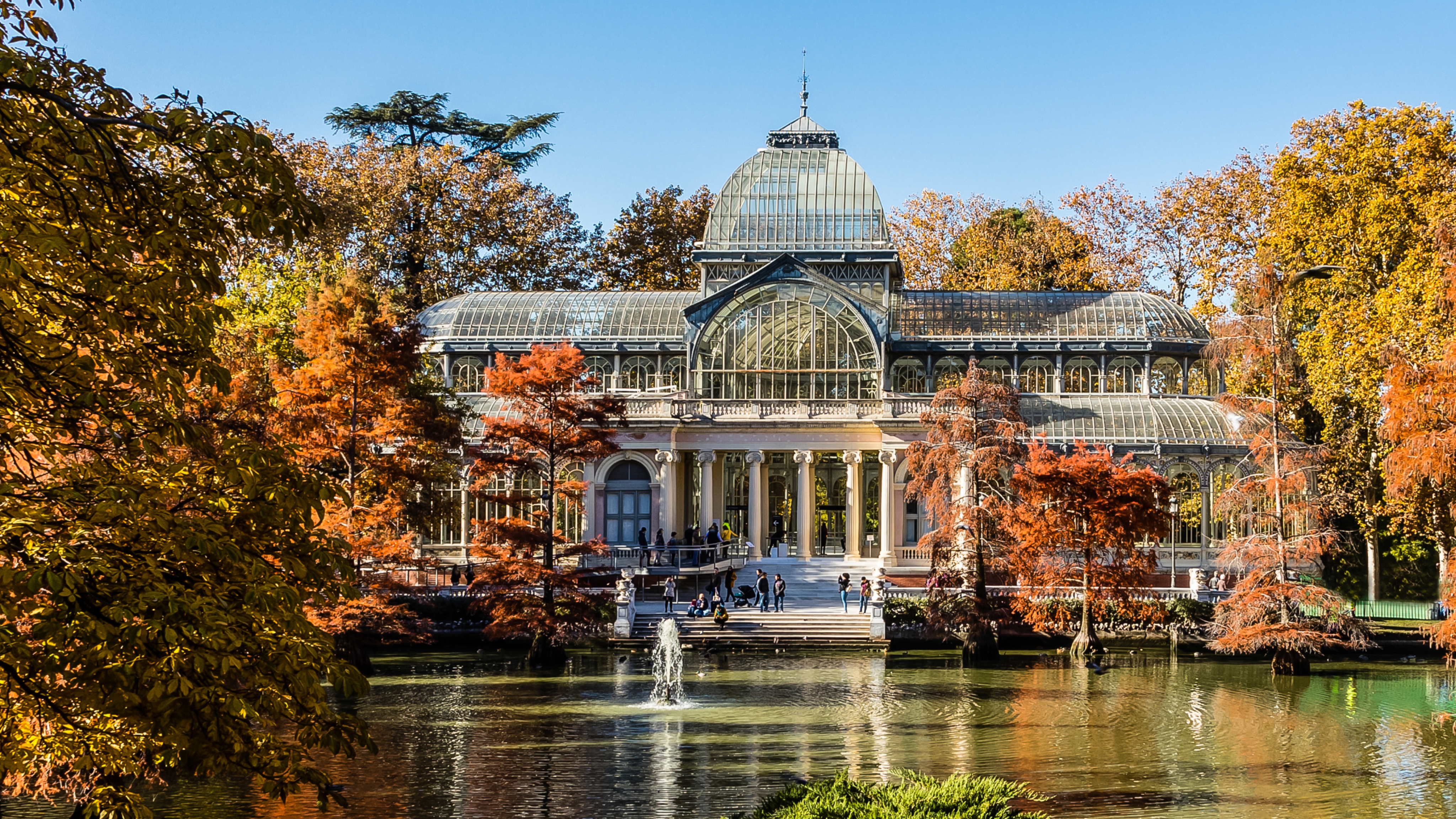
Retiro Park (Parque del Retiro) & Crystal Palace (Palacio de Cristal)
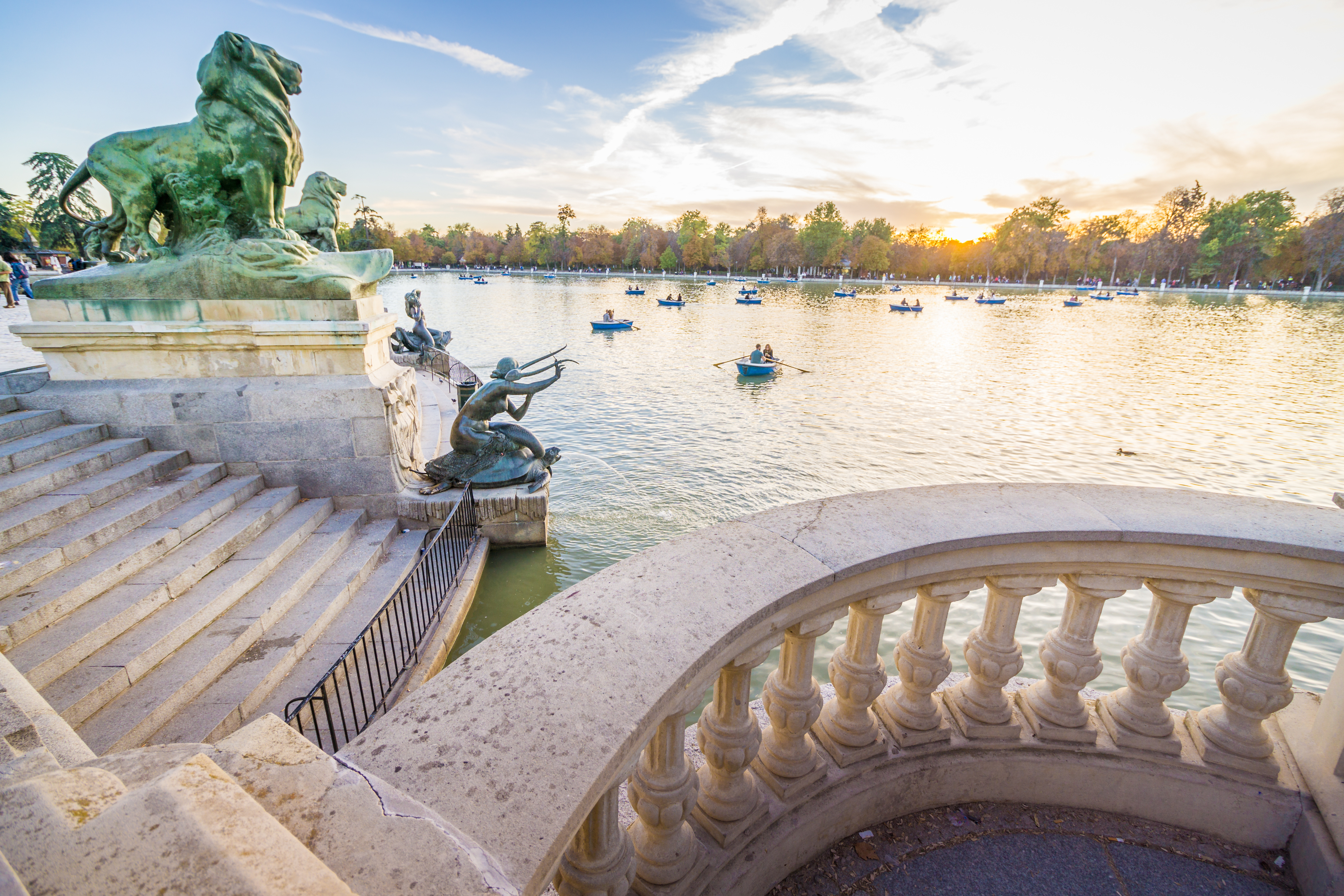
Retiro Park is Madrid’s classic green escape, combining shaded paths, historic monuments, and leisurely lake views. Inside, the Palacio de Cristal’s light-filled architecture makes a stunning backdrop for photos and slow wandering.
Time needed: About 1.5 to 2.5 hours
Entry: Access to the park is free; special exhibits may require tickets Visit the official site for details.
Tip: Go late afternoon for softer light around the lake and Palacio de Cristal.
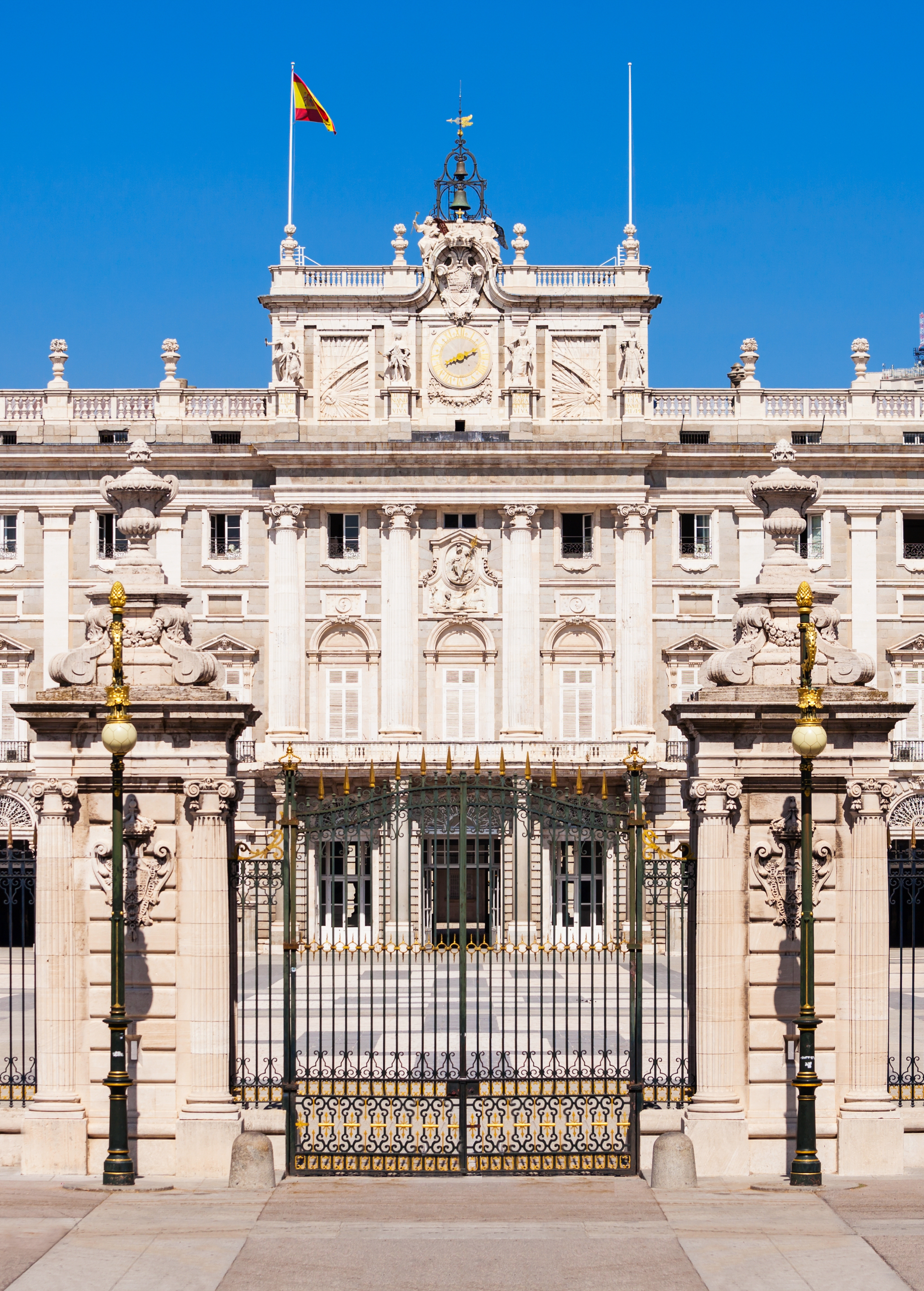
Royal Palace of Madrid (Palacio Real de Madrid)
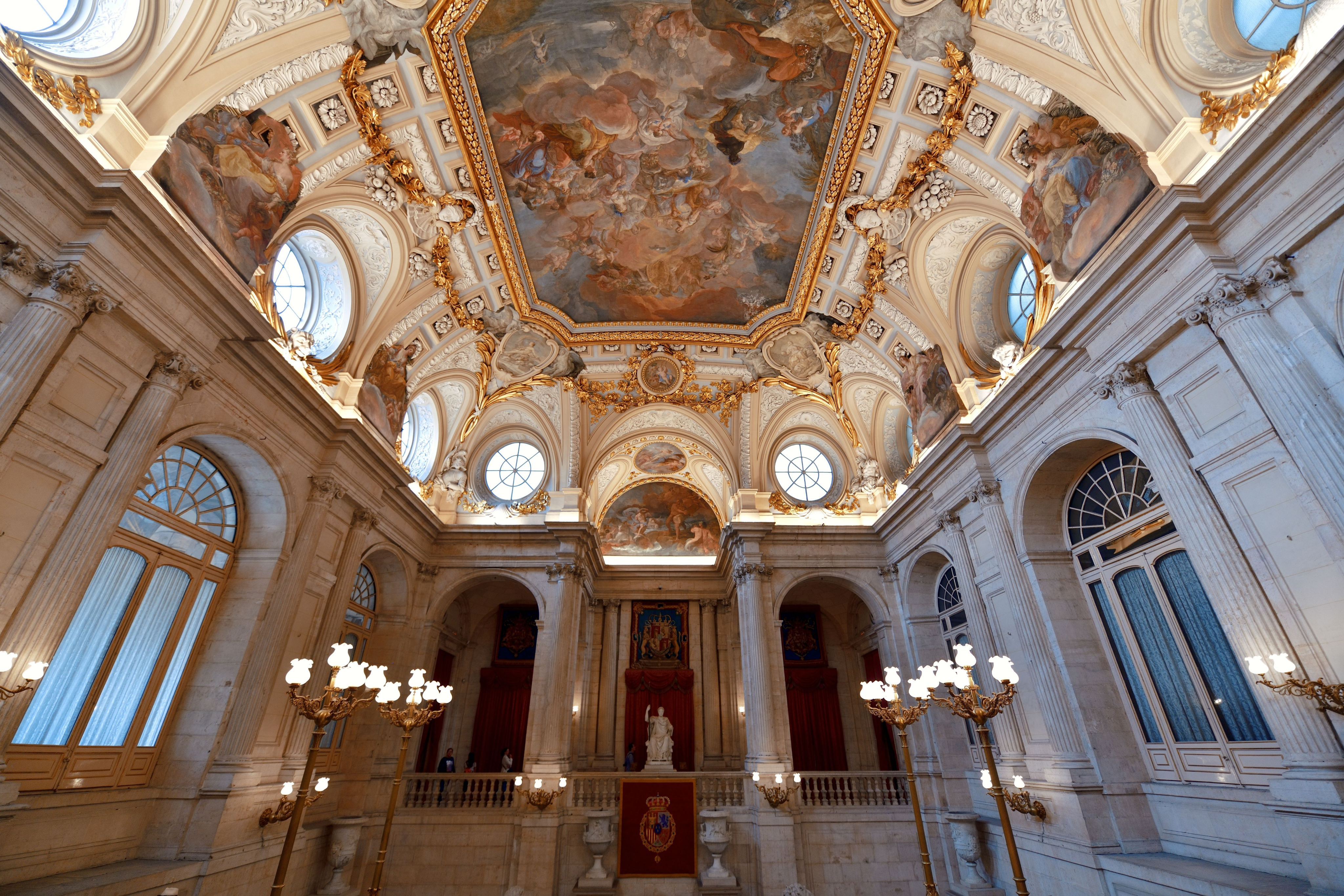
This grand royal residence showcases lavish rooms, ornate staircases, and historic art and armor collections. Even if you’ve seen palaces before, its scale and details make it a standout, especially in the morning before crowds build.
Time needed: About 2 to 3 hours
Entry: Standard tickets cost about €14 to €16 (varies by season)
Tip: Choose a morning slot and wear comfortable shoes for the larger rooms.
Overlooked sites worth visiting
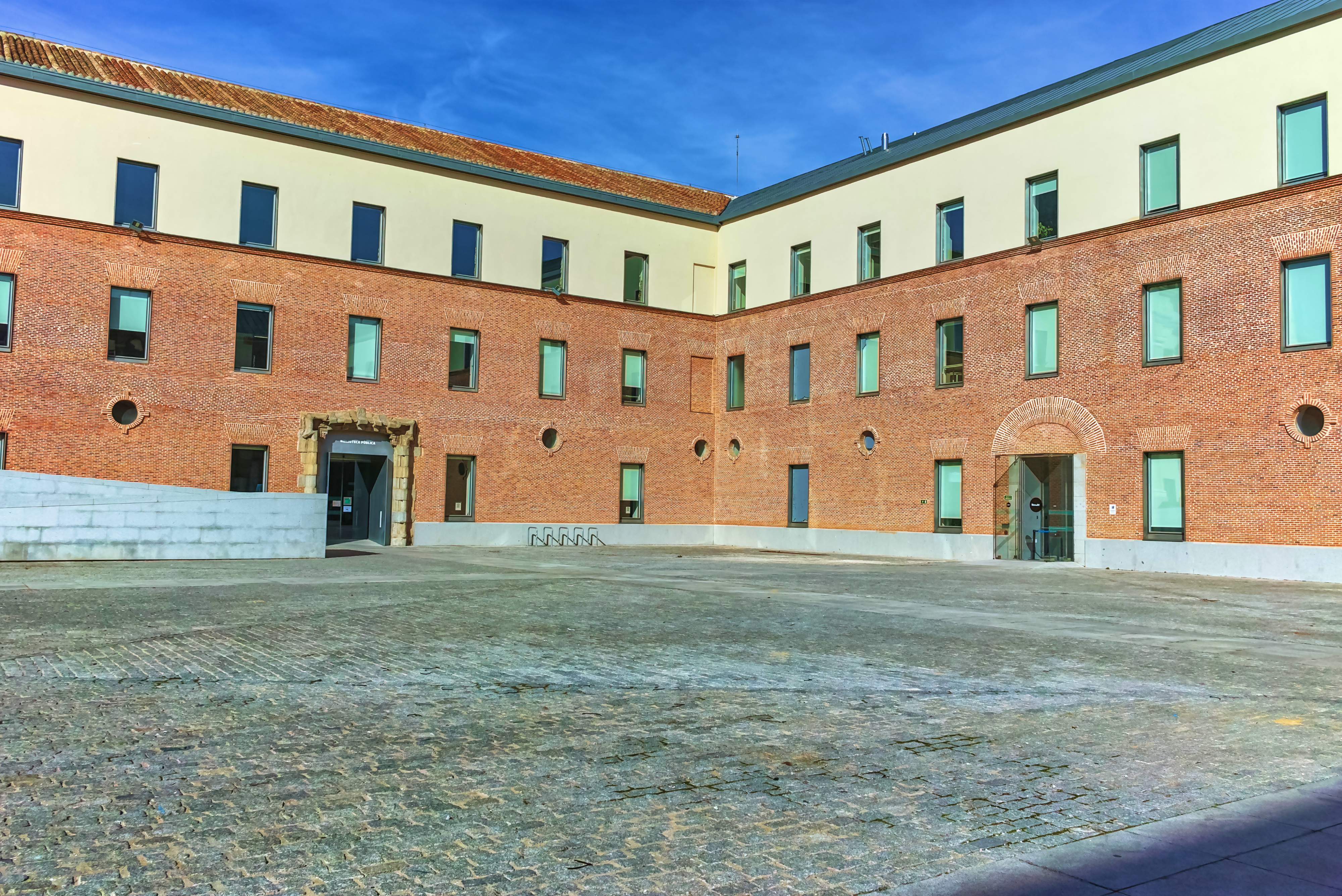
Conde Duque Cultural Center
An 18th-century military barracks that most visitors overlook is now one of Madrid’s most active cultural centers, with exhibition rooms, a theater, a concert hall, and a large central courtyard.
Time needed: About 1 to 2 hours
Entry: All activities are free. Some performances require tickets. Visit the official site for details.
Tip: The two internal courtyards are open even when no exhibitions are running.

Ermita de San Antonio de la Florida (Goya's Chapel)
This is a small chapel near Príncipe Pío, where Goya painted the dome and vaults in 1798 on the request of Carlos IV. It is one of the few places in the world to see his work in its original setting.
Time needed: About 30 to 45 minutes
Entry: Free. Open Tuesday to Sunday from 9:30 am. Visit the official site for details.
Tip: Arrive at the opening for the best light through the dome and no crowds.
Traditional food
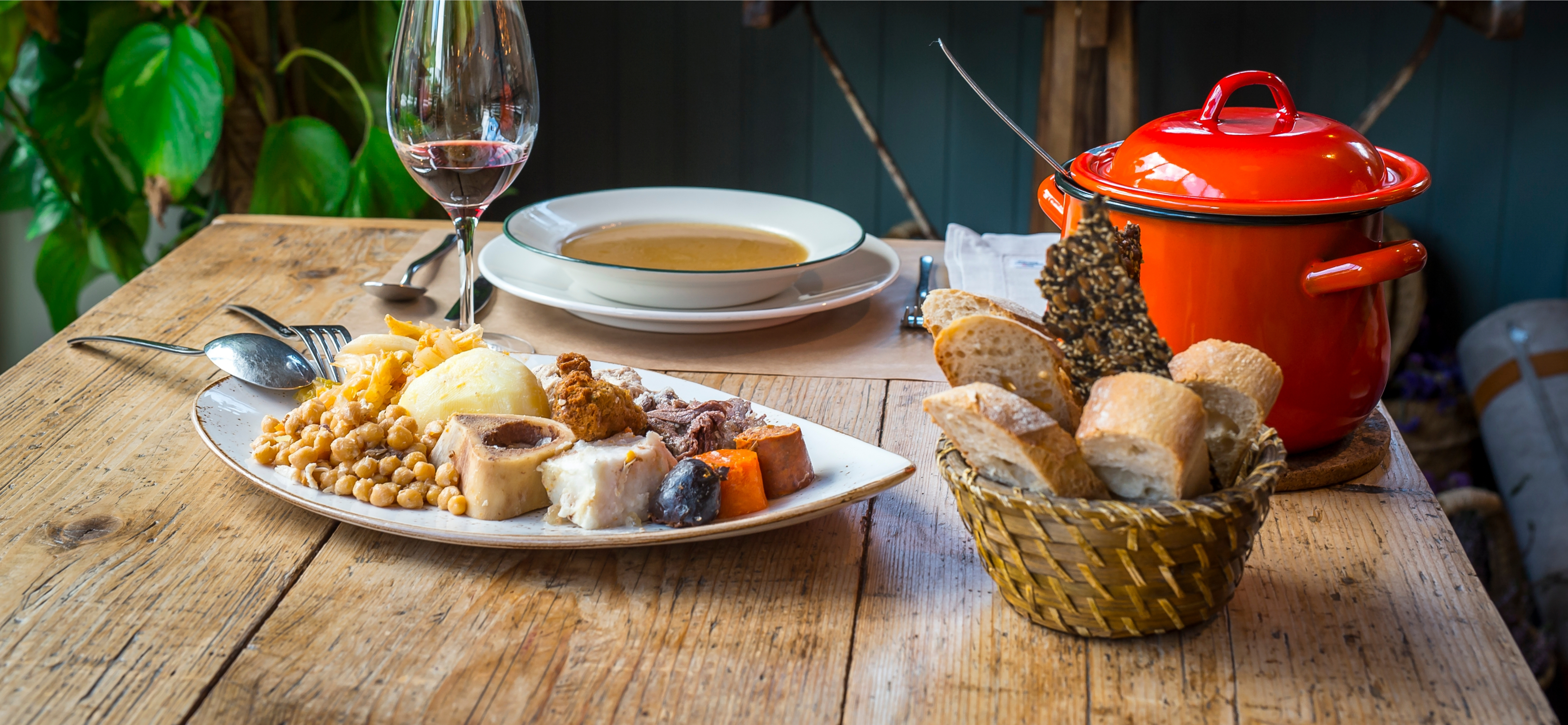
In Madrid, you can taste dishes unchanged for generations, including chickpea stews and slow-cooked meats. The portions are generous, the recipes are simple, and dinner times run later than in other parts of Europe.
Cocido madrileño
This chickpea stew is Madrid’s signature comfort dish, usually served in stages with meats, vegetables, and broth. La Bola has served one of the city’s best-known versions for generations.
Tortilla española
Spain’s potato-and-egg omelet is simple on the surface but depends on balance and texture. Juana La Loca is widely known in Madrid for a standout tortilla and has served it as a house specialty.
Callos a la madrileña
This rich tripe stew with chorizo, morcilla, and paprika sauce is one of Madrid’s most traditional plates. Casa Lucio has long been a canonical place to try it in the city.
Bocadillo de calamares
A bread roll filled with fried squid rings, the bocadillo de calamares is one of the dishes found in Madrid’s bars. El Brillante near Atocha has served one of the best-known versions for decades.
Best time to visit Madrid
Madrid’s climate is extreme by European standards: hot, dry summers and cold winters, with spring and autumn offering the most comfortable conditions for visiting.
Best for: Best for long walks, park visits, and outdoor dining
What you get: Expect about 54°F–75°F (12°C–24°C), with generally manageable crowds outside major holiday periods.
Trade-offs: Popular dates can book up quickly.
Best for: Best for late evenings, rooftop time, and a lively city rhythm
What you get: Summer temperatures range from 59°F to 95°F (15°C–35°C), often hotter at midday and busier around major sights.
Trade-offs: Heat can make midday sightseeing tiring.
Best for: Best for balanced sightseeing and comfortable museum days
What you get: Expect about 50–79°F (10–26°C), with moderate crowds and more comfortable conditions than peak summer.
Trade-offs: Days are short later in the season.
Best for: Best for lower prices and a slower pace
What you get: Expect temperatures of 39°F to 55°F (4°C to 13°C), with lighter crowds and crisp air for short walks.
Trade-offs: Some days might feel too cold for long outdoor plans.
A realistic 5-day plan in Madrid
This five-day plan follows Madrid’s natural rhythm. It starts with a walk around the hotel neighborhood, then pairs the city’s biggest sights with quieter afternoon spaces and a flexible final day.
Take a taxi from Barajas Airport for €33 ($38) or the metro for €5 ($6), both about 20 minutes to the center. Check in and spend the afternoon walking the streets around your hotel. Restaurants open for dinner at 9:00 pm and bars are busy until well past midnight, so the first evening has more room than most cities give you on arrival day.
Arrive at the Prado early with a timed ticket and spend at least 2 hours on the permanent collection before the guided groups arrive. After lunch near Atocha, walk into Retiro Park and follow the path to the Crystal Palace. The park borders Salamanca to the east, which has the best restaurant options for the evening.
Book the Royal Palace for the morning and allow 2 to 3 hours for the state apartments, throne room, and armory. Walk east through Opera toward Plaza Mayor, then south into La Latina for lunch. The neighborhood is at its best after 8:00 pm, when Cava Baja fills up, so plan to stay through the evening.
Take the metro to Príncipe Pío and walk to the Ermita de San Antonio de la Florida, where Goya painted the dome in 1798 and is buried beneath the altar. Continue through Parque del Oeste into Malasaña and spend the afternoon at Conde Duque, a converted barracks with free exhibitions and open courtyards. Calle Ponzano in Chamberí is a good place to spend the evening.
Use the morning for a last walk and any remaining shopping before the airport. Salamanca suits a polished send-off with boutiques and wide avenues; Chamberí is the better option if you want a quieter final few hours. A taxi or metro from the center takes 20–35 minutes to reach Barajas Airport.
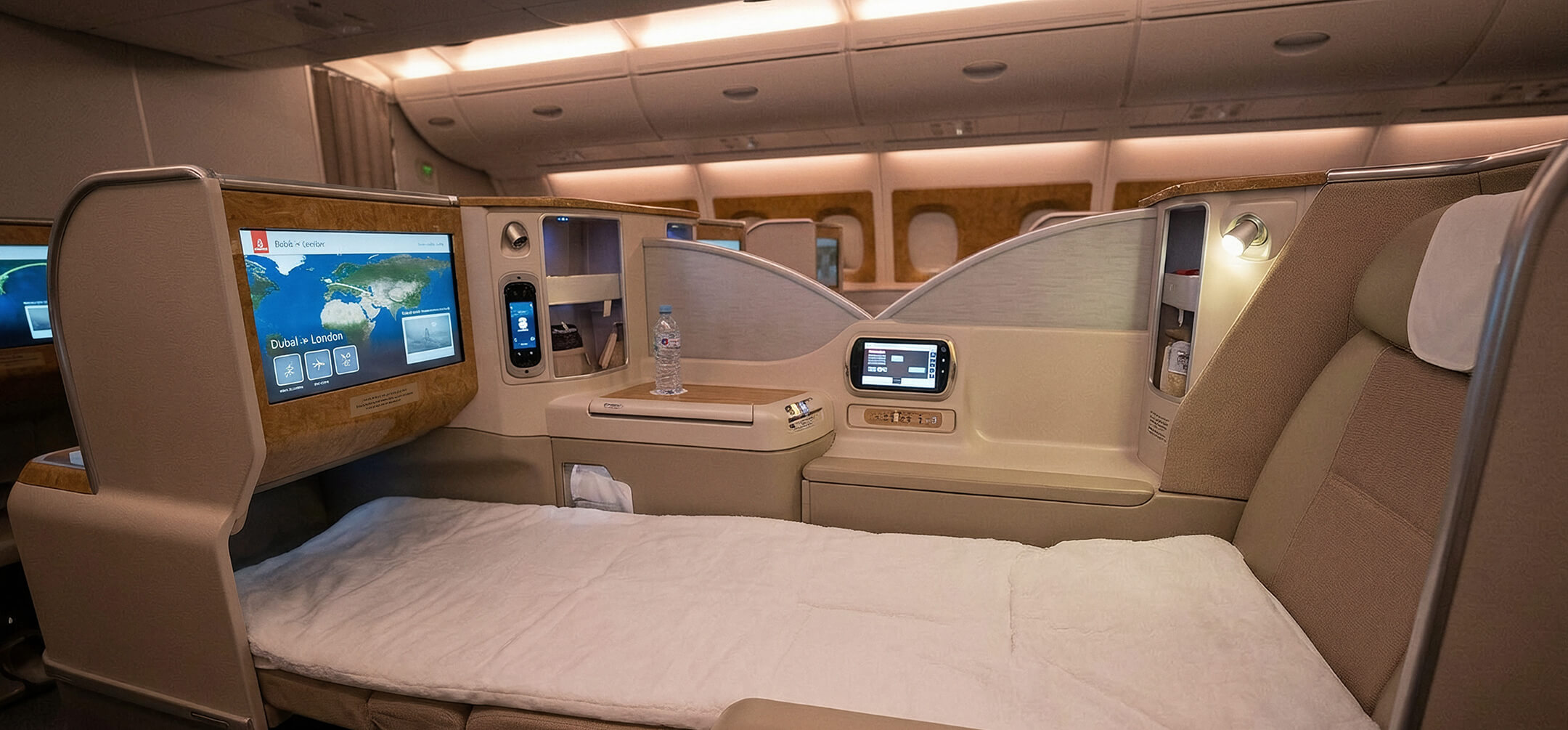
Business-class flights from the US to Madrid
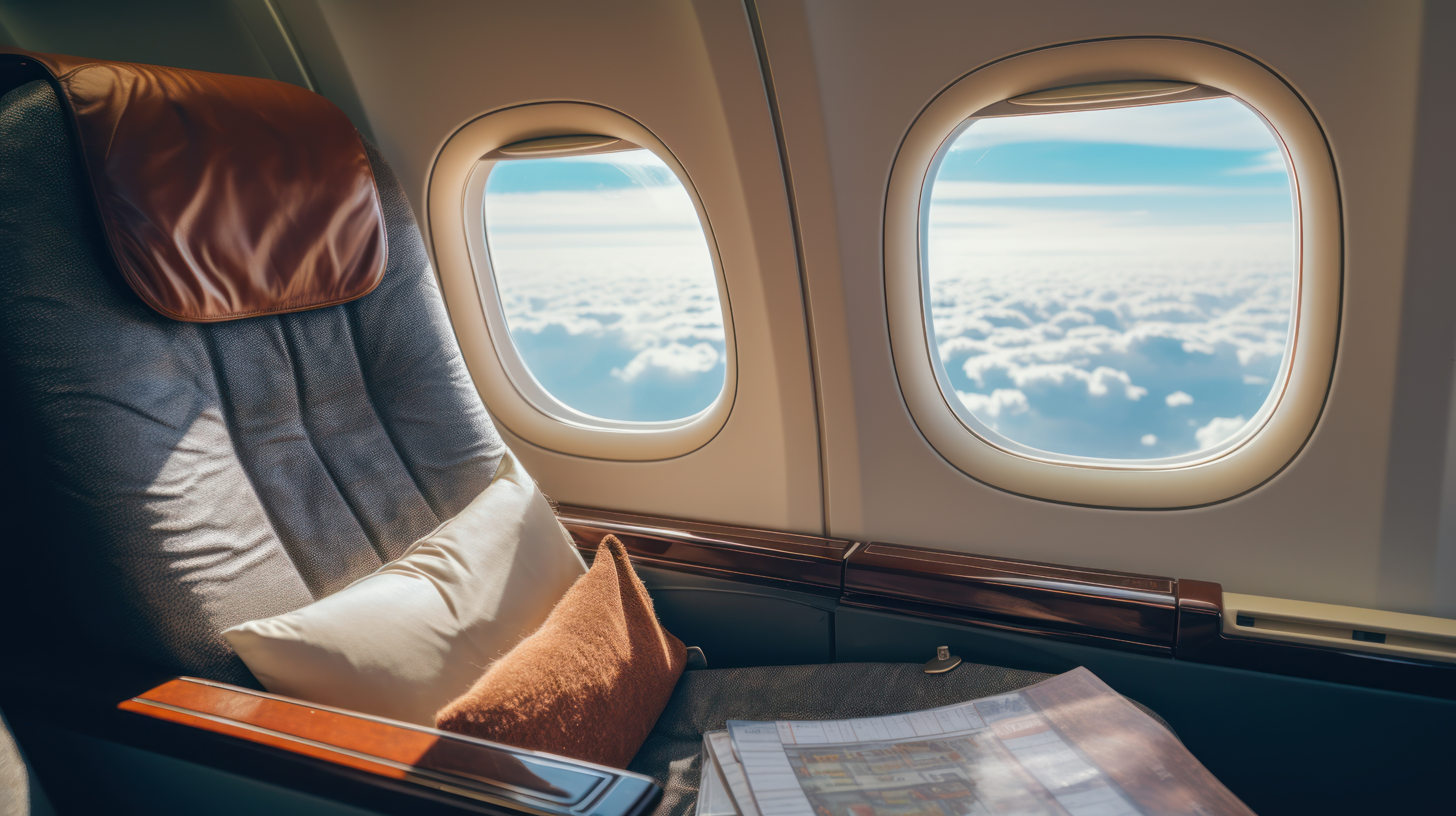
Madrid Barajas Airport (MAD) has direct connections to both coasts of the US. The examples below show typical flight options in 2026.
New York (JFK) to Madrid (MAD)
Iberia operates nonstop business-class flights from New York JFK to Madrid Barajas, with a flight time of approximately 7.5 hours. Round-trip business-class fares typically start at $3,800 and can rise to $8,700 closer to departure.
Los Angeles (LAX) to Madrid (MAD)
Iberia is also the only airline operating nonstop flights from Los Angeles (LAX) to Madrid Barajas, covering the route in approximately 11 hours. Round-trip business-class fares typically start at $5,900, with last-minute prices reaching $15,000 during peak summer and holiday travel.
Getting the most out of Madrid
Madrid is one of those cities where the best moments tend to happen between the planned ones. If you would like to see it for yourself, our team of travel agents at AranGrant can help you find comfortable business-class flights to Madrid, so you arrive at your destination ready to explore.