


Chapters:

Need help with your trip?
Our support team is available 24/7. Request a callback or call us directly at (833) 619-0908
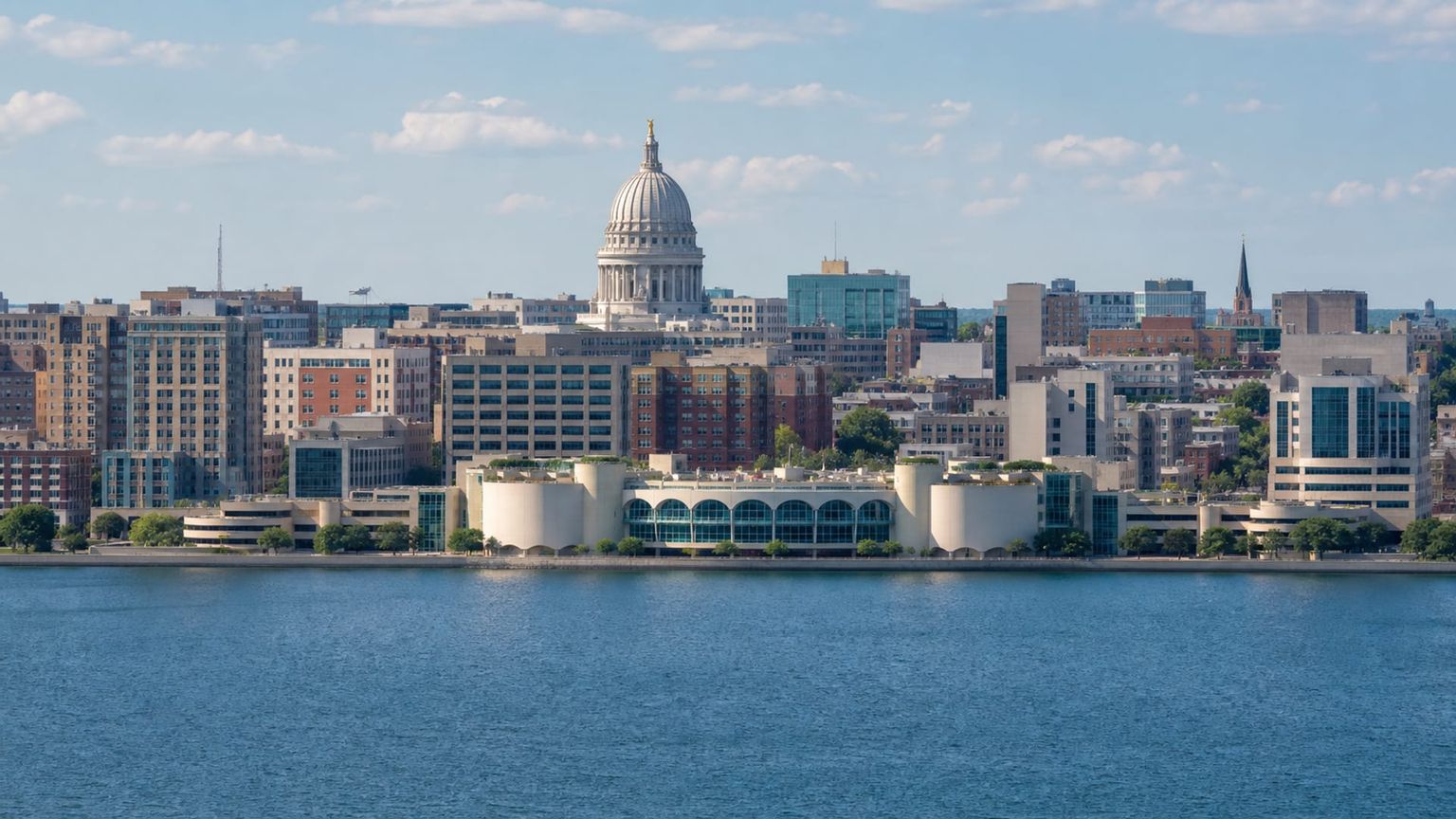
Madison trips often start with the Capitol, a dinner on State Street, and a quick look at the lake, but many visitors miss how much the city changes once you step a few blocks off the square.
That shortcut can leave you crossing the isthmus more than necessary, standing in busier restaurant corridors, and packing too much into short daylight hours.
This guide sets out a clearer order, with neighborhoods, sights, transit, food, and flight planning arranged so each day has a simple purpose.
Useful things to know

Main language(s): English

Currency: The local currency is the US dollar (USD, $).

Cash and cards: Cards and contactless are widely accepted; carry about $20 to $40 in cash for tips or small purchases.

Tipping: Tip 15-20% at sit-down restaurants; round up for taxis and small bills.

Traditional food: Cheese curds, bratwurst, Friday fish fry, fish boil

Water and coffee costs: Water about $2 to $3, bar espresso about $3 to $5.

Taxis and ride apps: Uber and Lyft operate here; wait times can be longer late at night.

Plug and voltage: Type A/B socket, 120V

Dining and shop opening hours: Breakfast runs about 07:00-10:00, lunch 11:30-13:30, and dinner 17:00-21:00. Many casual spots close between lunch and dinner.

Emergency number: 911 for police, fire, and medical emergencies.
Where to stay in Madison
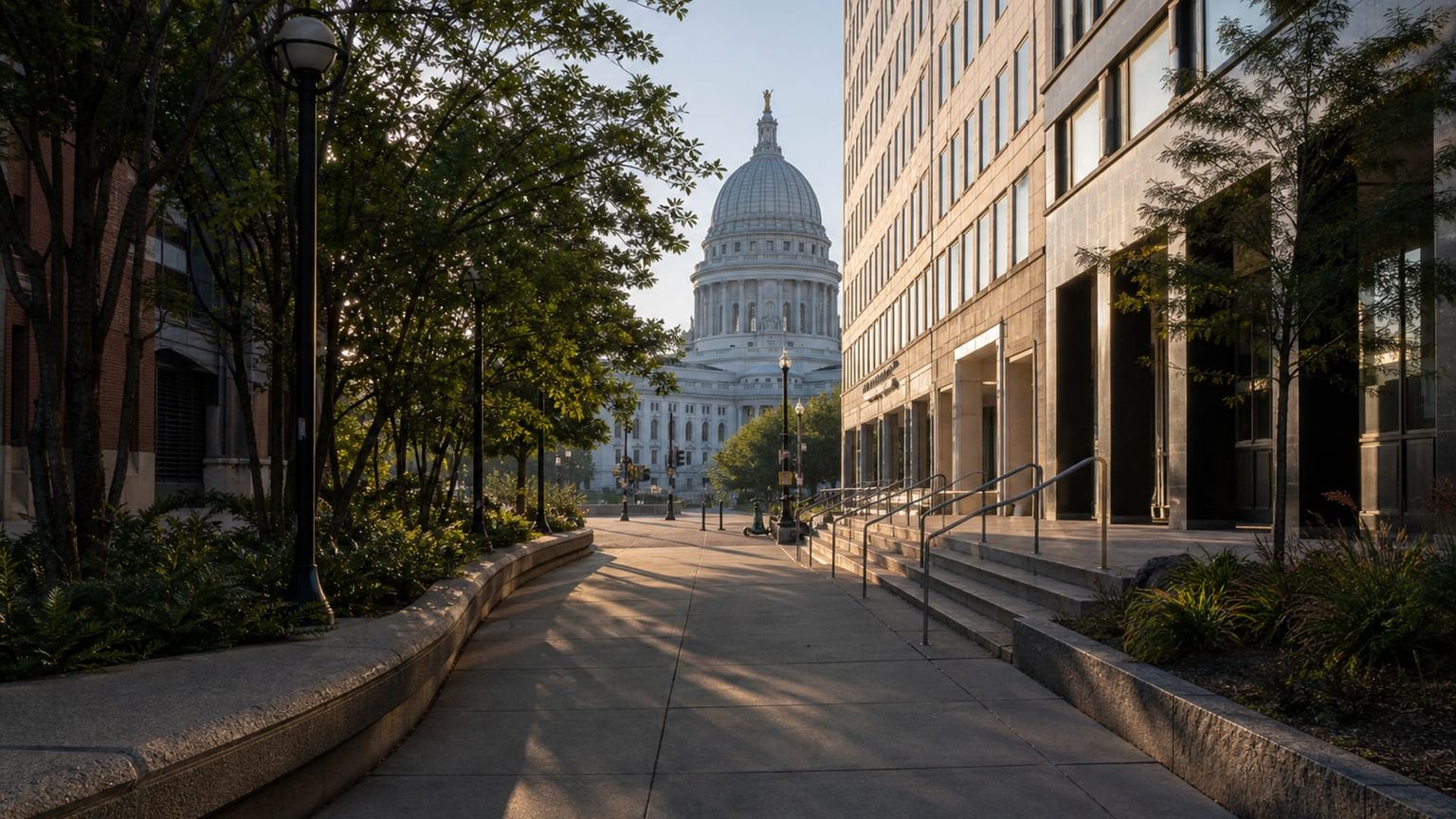
Madison’s downtown puts you beside the State Capitol, the lakefront, and the city’s main restaurant streets. It works well for visitors who want the shortest walks to museums, bars, and government buildings.
Best for: First-time visits, business trips, and travelers who want to walk to the Capitol and nearby dining
What to expect: Busy sidewalks by day, with the most activity around State Street, the Capitol square, and Friday and Saturday nights.
Hotel prices: Usually about $150 to $280 per night for well-rated stays
Distance to major sights: 5 to 10 minutes on foot to the Wisconsin State Capitol, about 15 minutes on foot to State Street, about 10 to 20 minutes by bus to the Memorial Union Terrace
Quietness: Noisy in the daytime and livelier at night, especially near bars and event venues.
Main trade-off: Rooms here cost more, and some blocks pick up late-night noise from bars and events.
Good to know: If you plan evening dinners or Capitol events, this base cuts transit time, but book early for game weekends and university dates.
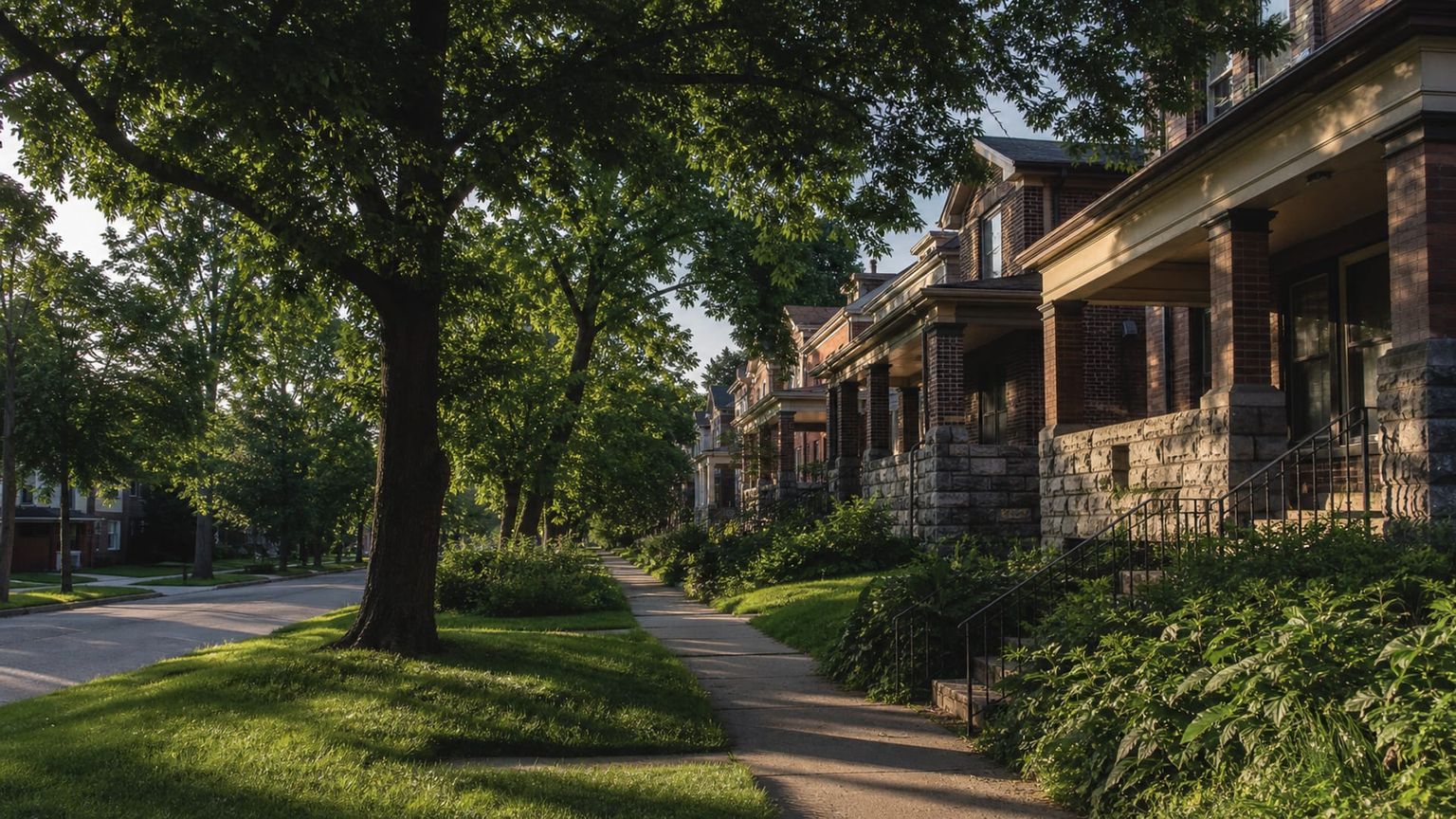
Mifflin-West Wilson sits just west and south of the Capitol, with apartment buildings, older homes, and a compact grid of streets. It matters for travelers who want a central stay without being on the busiest blocks of State Street.
Best for: Couples, longer stays, and travelers who want a central base with less late-night street activity
What to expect: Residential streets with local restaurants nearby, plus steady foot traffic near the Capitol and university corridor.
Hotel prices: Usually about $140 to $240 per night for well-rated stays
Distance to major sights: 10 to 15 minutes on foot to the Wisconsin State Capitol, about 15 to 20 minutes on foot to State Street, about 10 minutes by bus to the Memorial Union Terrace
Quietness: Quieter in the day than downtown; evenings stay calmer on side streets, though nearby arterial roads can carry traffic.
Main trade-off: You gain a calmer block, but you may walk a little farther for the fullest restaurant and nightlife options.
Good to know: Check parking rules before booking, because many streets use resident permits or have limited overnight spaces.
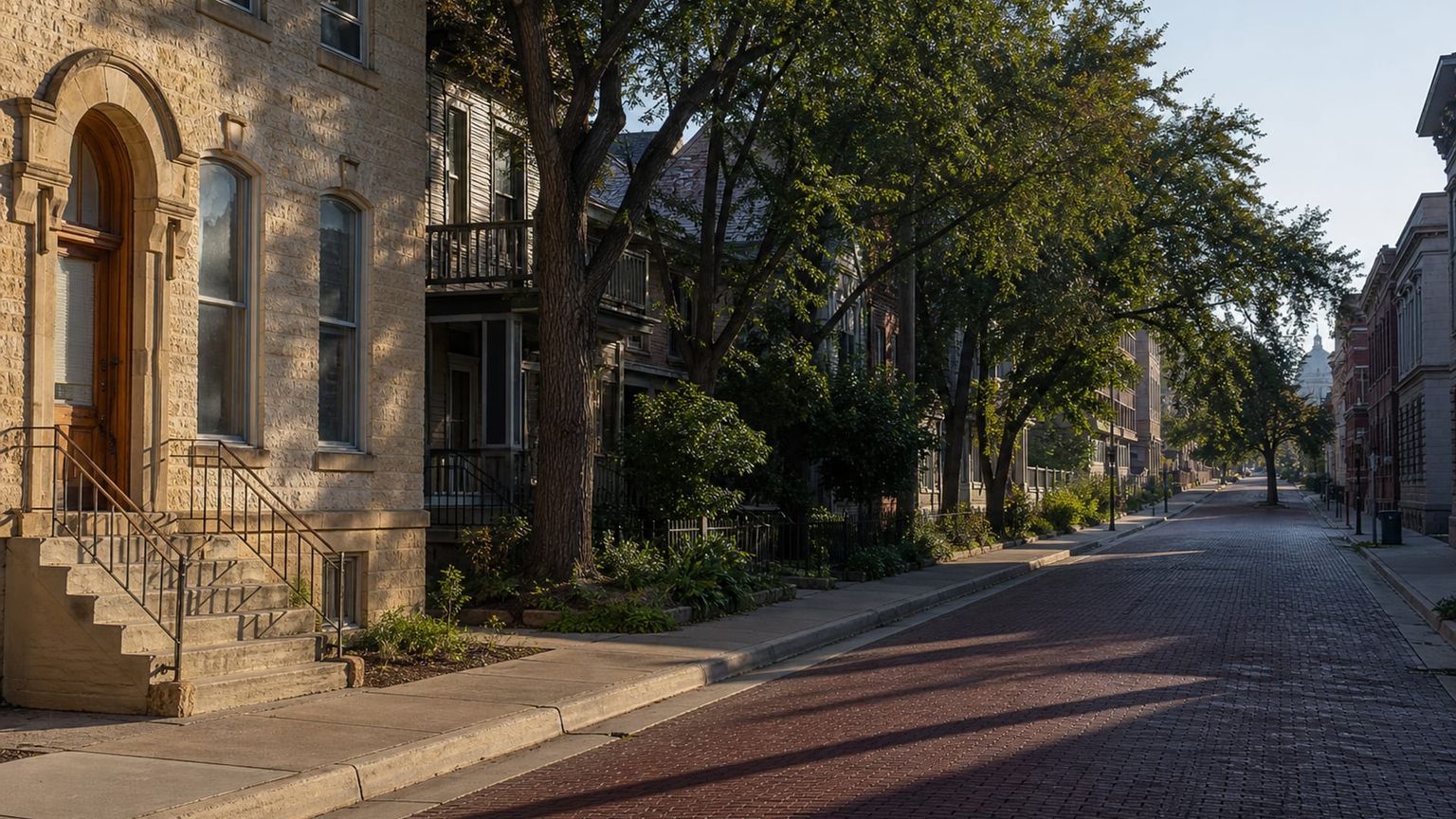
The Broom Street and Bassett Street area sits between downtown and the west side, close to the Capitol, the university, and several newer apartment blocks. It works for travelers who want quick access to both the lakefront and the core without staying on the loudest blocks.
Best for: University visits, short trips, and travelers who want quick access to both downtown and the west side
What to expect: Mixed residential and commercial streets, with cafés, student housing, and moderate evening movement.
Hotel prices: Usually about $130 to $230 per night for well-rated stays
Distance to major sights: 10 to 15 minutes on foot to the Wisconsin State Capitol, about 15 to 25 minutes on foot to State Street, about 15 minutes by bus to the Memorial Union Terrace
Quietness: Moderately active during the day, then quieter after dinner than the core, though student housing can add weekend noise.
Main trade-off: The area is central, but hotel choices are limited and some blocks sit beside busy roads.
Good to know: If you are relying on rideshares after dinner, this location keeps most fares short without putting you on the noisiest corners.
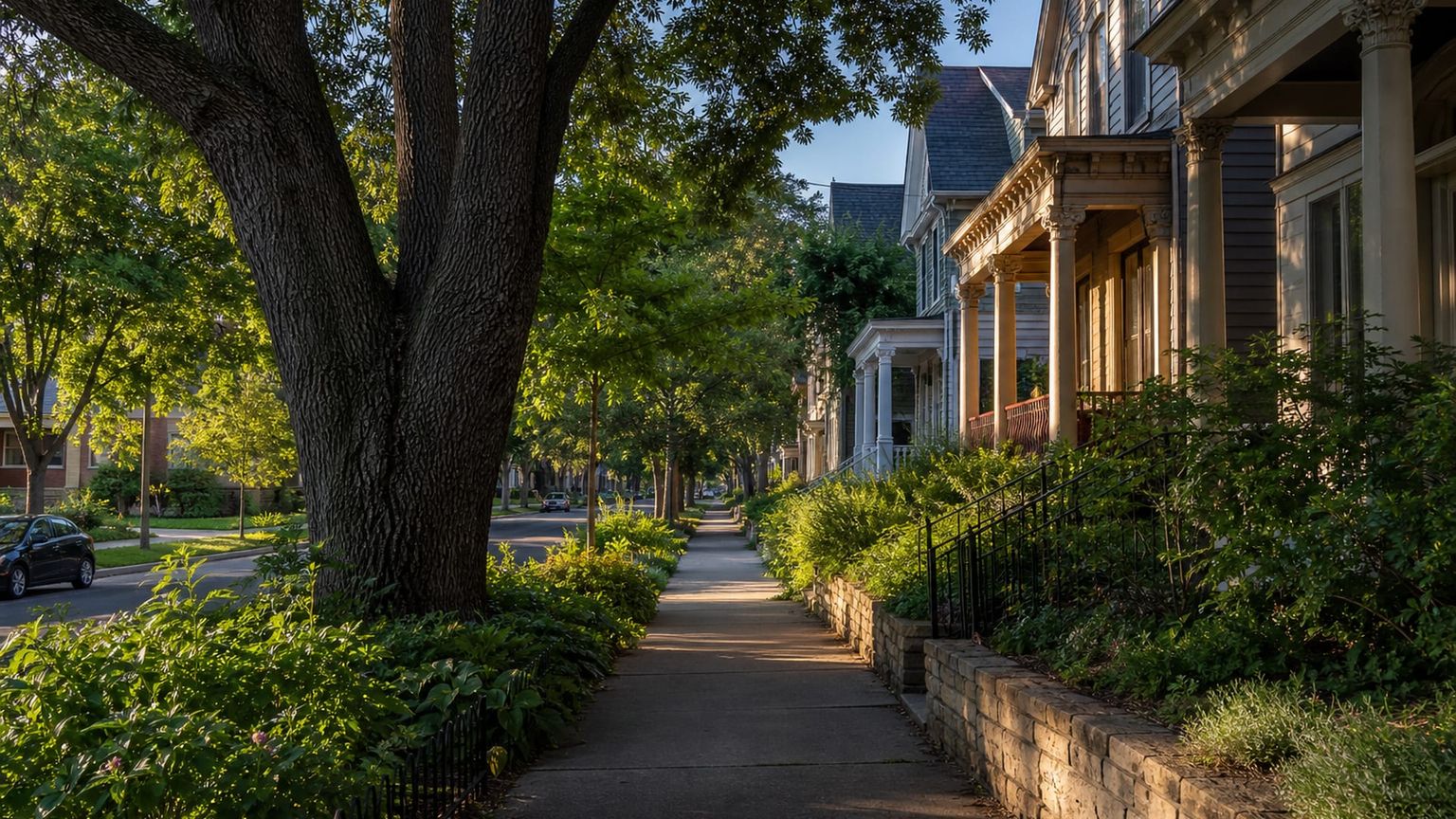
Madison’s Near East Side stretches east of the Capitol and includes neighborhood pockets close to Willy Street, James Madison Park, and several lakefront blocks. It suits travelers who prefer local cafés, independent shops, and a less hotel-heavy base.
Best for: Food-focused stays, repeat visitors, and travelers who prefer neighborhood cafés and lake access
What to expect: Lively local streets by day, with restaurants, small shops, and a more residential pace after dinner.
Hotel prices: Usually about $120 to $220 per night for well-rated stays
Distance to major sights: 15 to 25 minutes on foot to the Wisconsin State Capitol, about 10 to 20 minutes on foot to James Madison Park, about 20 to 30 minutes by bus to the Memorial Union Terrace
Quietness: Quieter than downtown in the evening, though the busiest restaurant blocks stay active later.
Main trade-off: You will trade some proximity to the central hotel strip for a more residential setting and fewer chain options.
Good to know: If you want lake walks, aim for a place near the park or the lakefront, because some east side blocks sit farther from the water than maps suggest.
Travelers usually avoid staying in the far west side near Allied Drive and the neighborhoods beyond the Beltline, since they sit far from the Capitol Square, State Street, and the Lake Monona waterfront, with fewer visitor-oriented hotels and dining options. The far east industrial edge near Truax Field and the airport area around Madison (MSN) is also less convenient for a city stay, because it is removed from the main sights and can require longer evening rides to downtown, while the outer suburban edges such as Fitchburg’s far south end and Sun Prairie’s outskirts add extra transit time without many walkable attractions.
Hotel deals
How to get around Madison efficiently
Madison has no metro, so most visitors rely on Metro Transit buses, walking, taxis, and rideshares for short cross-town moves.

Metro
for longer distances
Madison has no metro or subway system. The closest equivalent is Metro Transit bus routes, which handle most trips in the city and toward the airport area; there is no rail line to use for local travel.

Bus and tram
for convenience
Metro Transit buses connect downtown Madison, the university area, East Towne, West Towne, and Madison (MSN) airport, with most daytime rides taking roughly 15 to 40 minutes depending on traffic and transfers. A single ride costs about $2 ($2), and day passes and multi-ride options are available; buy on board with exact fare or use the transit app if you want a pass.

Taxi
for convenience or late hours
Licensed taxis and app-based cars use metered fares in Madison, not set airport flat rates, so the total depends on distance and time. A trip from downtown to Madison (MSN) airport usually runs about $30 to $45, with a shorter cross-town ride often about $12 to $25; drivers usually accept credit cards, though it is wise to confirm before departure.
*Prices are based on rates updated as of June 2026 and may change at the time of travel.
Walk downtown and near the lake, use Metro Transit for budget trips across the isthmus, and choose taxis or rideshares when you need an evening return from the east side or airport.
Iconic landmarks
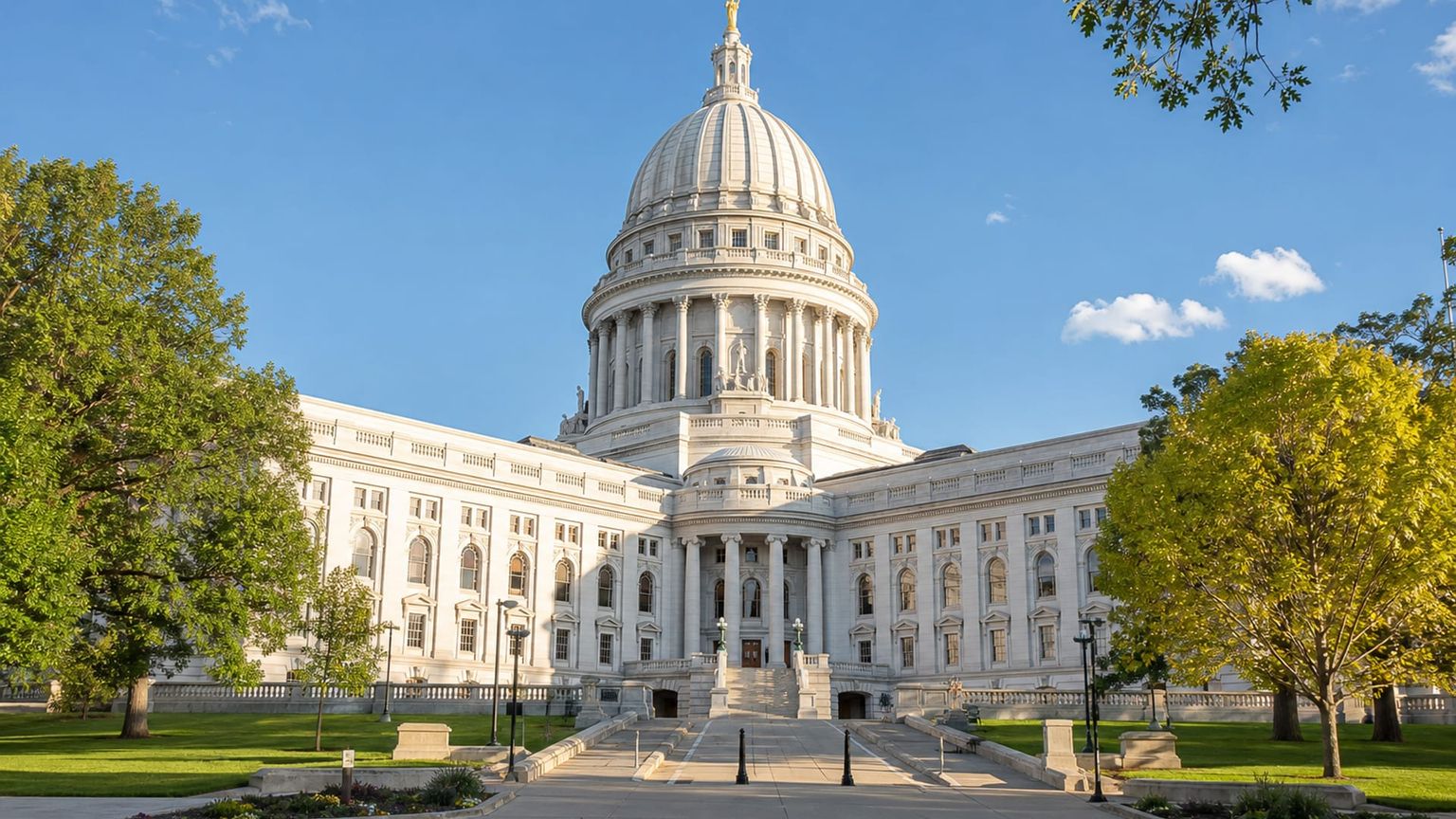
Wisconsin State Capitol
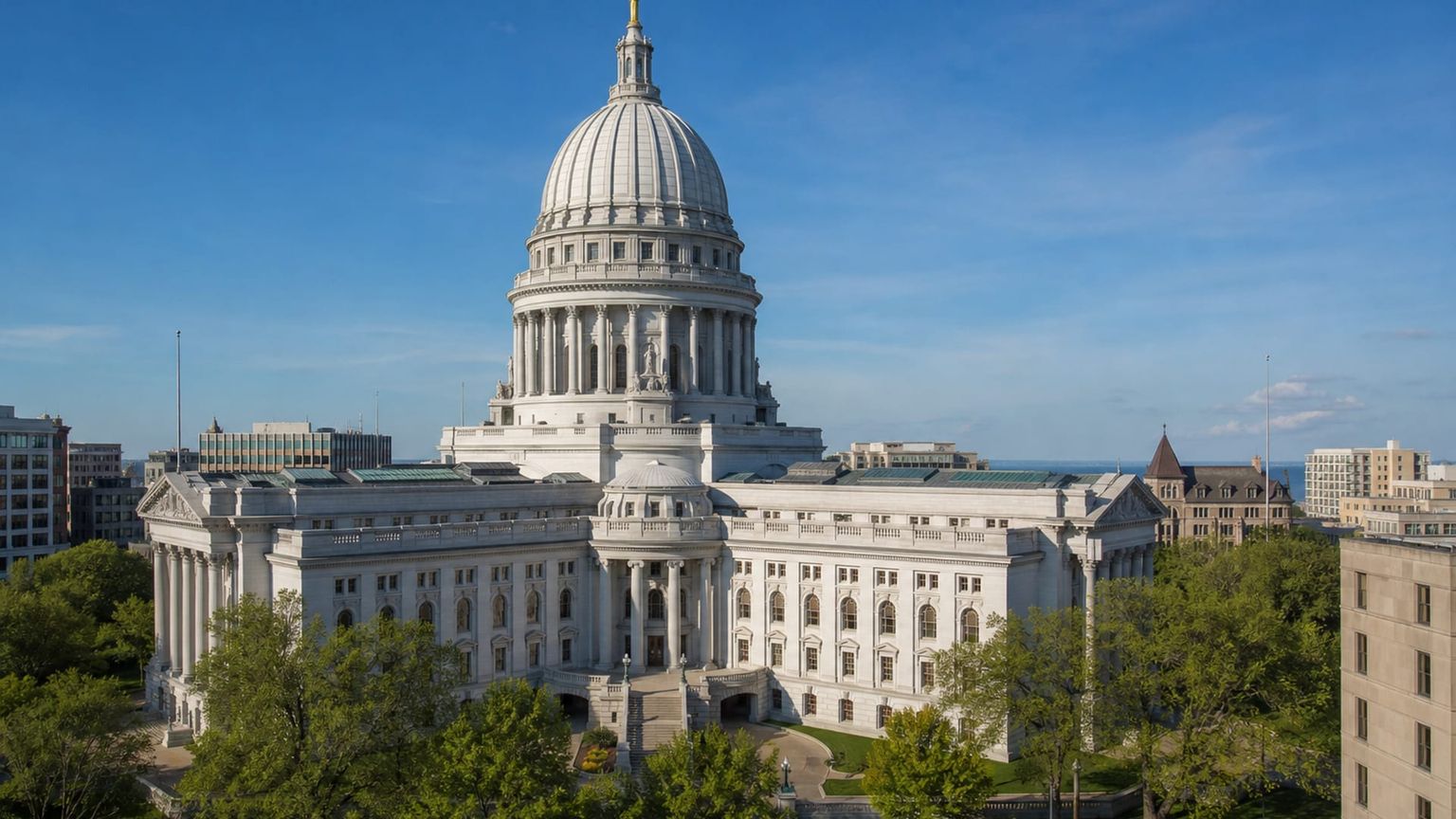
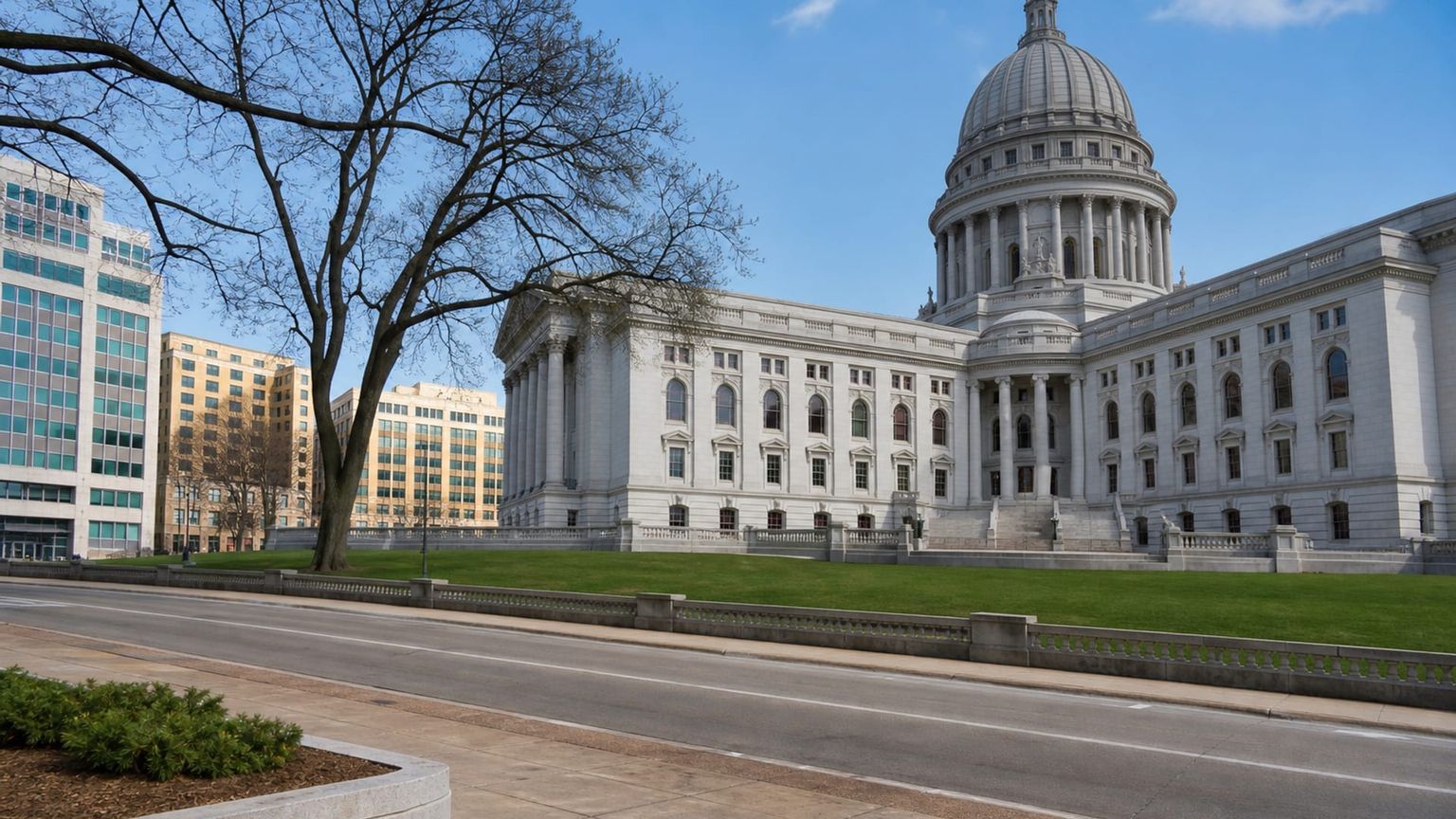
The granite dome crowns Madison’s center and anchors the statehouse square. Step inside for the rotunda, murals, and marble-clad halls, then circle the grounds for views over Lake Monona and the downtown isthmus.
Time needed: About 1 to 2 hours
Entry: Free to access; guided tours are free and run on a posted schedule during regular hours. Visit the official site for details.
Tip: Go on a weekday morning for quieter halls and better light in the rotunda.
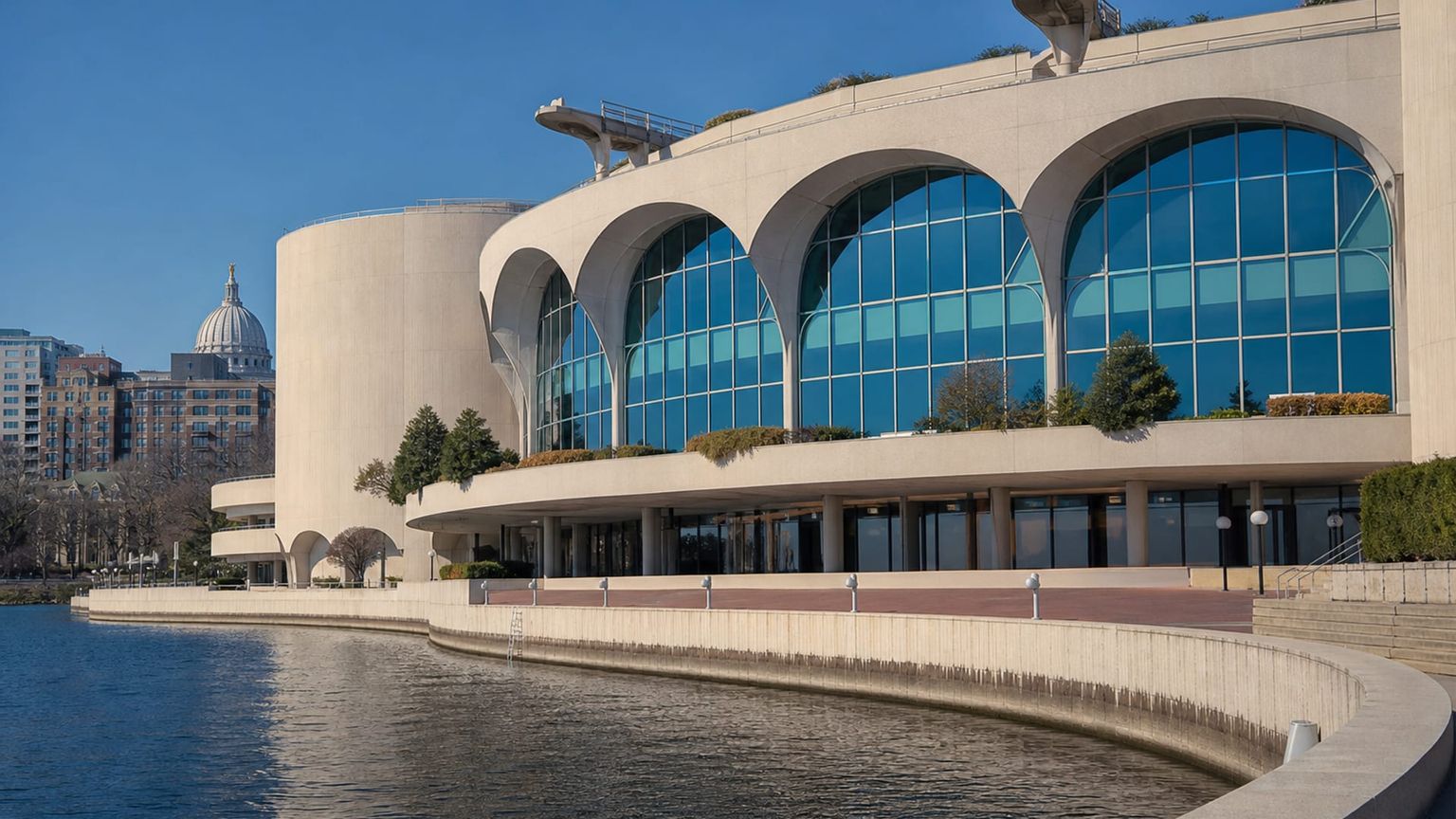
Monona Terrace Community and Convention Center
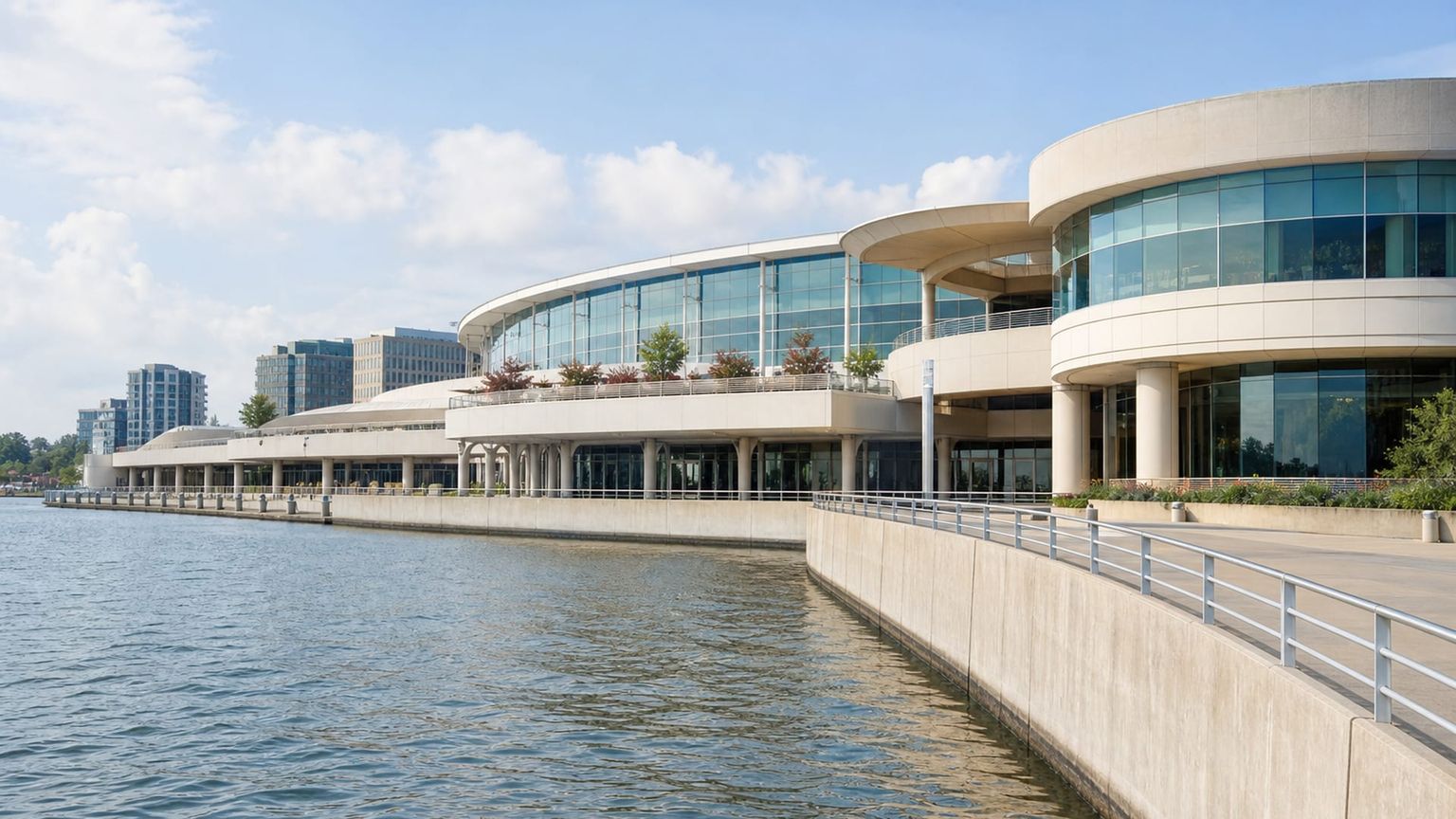
Frank Lloyd Wright’s lakeside terrace frames the Capitol, Lake Monona, and the city skyline in one sweep. Even a short visit gives you Wright details, a rooftop walk, and one of Madison’s clearest public viewpoints.
Time needed: About 1 to 2 hours
Entry: Free to access; public areas are open daily, and paid events or tours may have separate charges. Visit the official site for details.
Tip: Visit near sunset, when the Capitol dome and lake light up from the rooftop terrace.
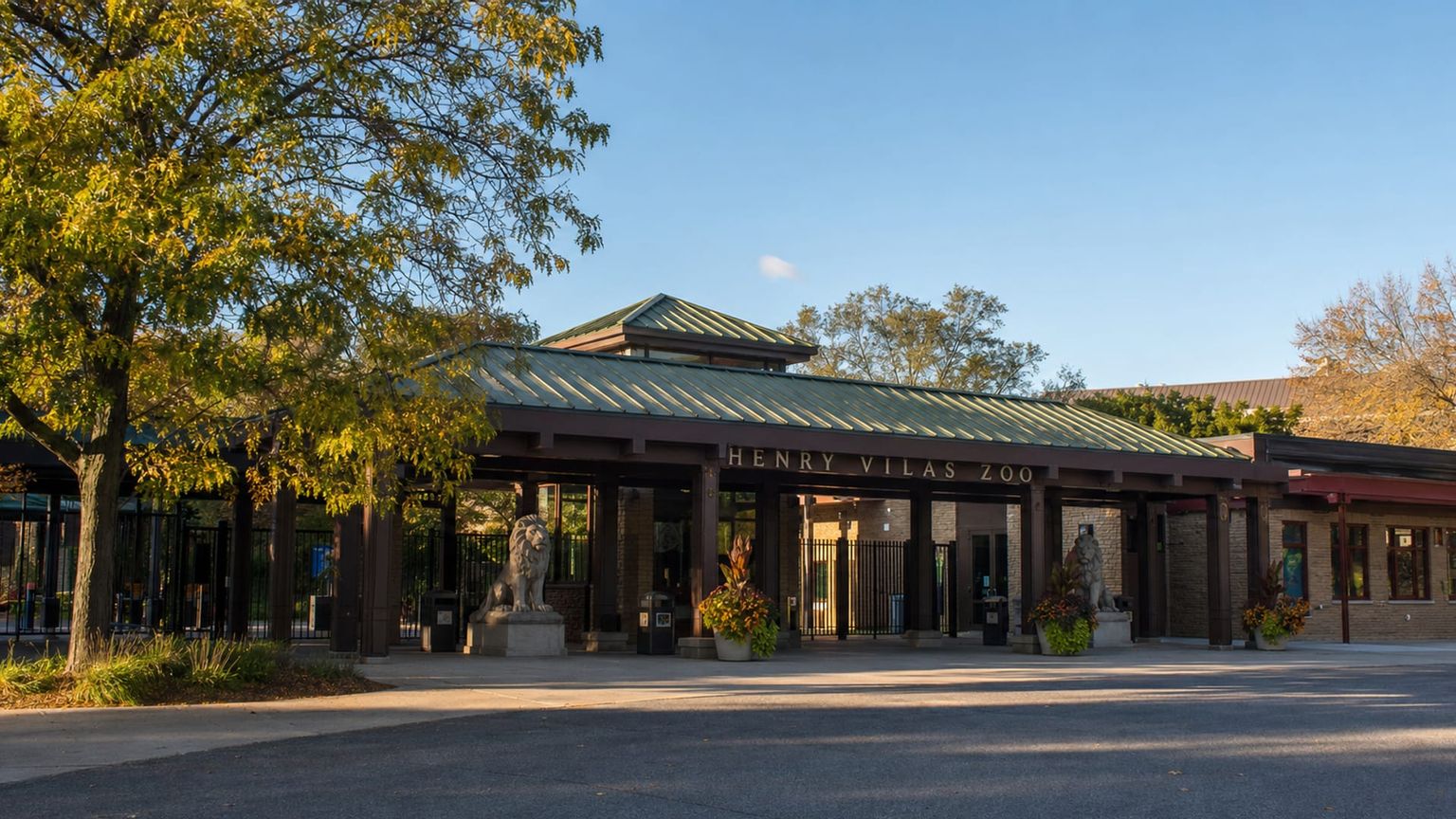
Henry Vilas Zoo
This free city zoo sits near Vilas Park and is one of Madison’s best family stops. It pairs compact walking loops with bear, lion, and primate exhibits, plus winter animal viewing and a seasonal train in warmer months.
Time needed: About 2 to 3 hours
Entry: Free to access; donation boxes are on site, and some experiences or concessions cost extra. Visit the official site for details.
Tip: Arrive early on warm days, before the animal houses and paths fill up.
Overlooked sites worth visiting

Aldo Leopold Nature Center
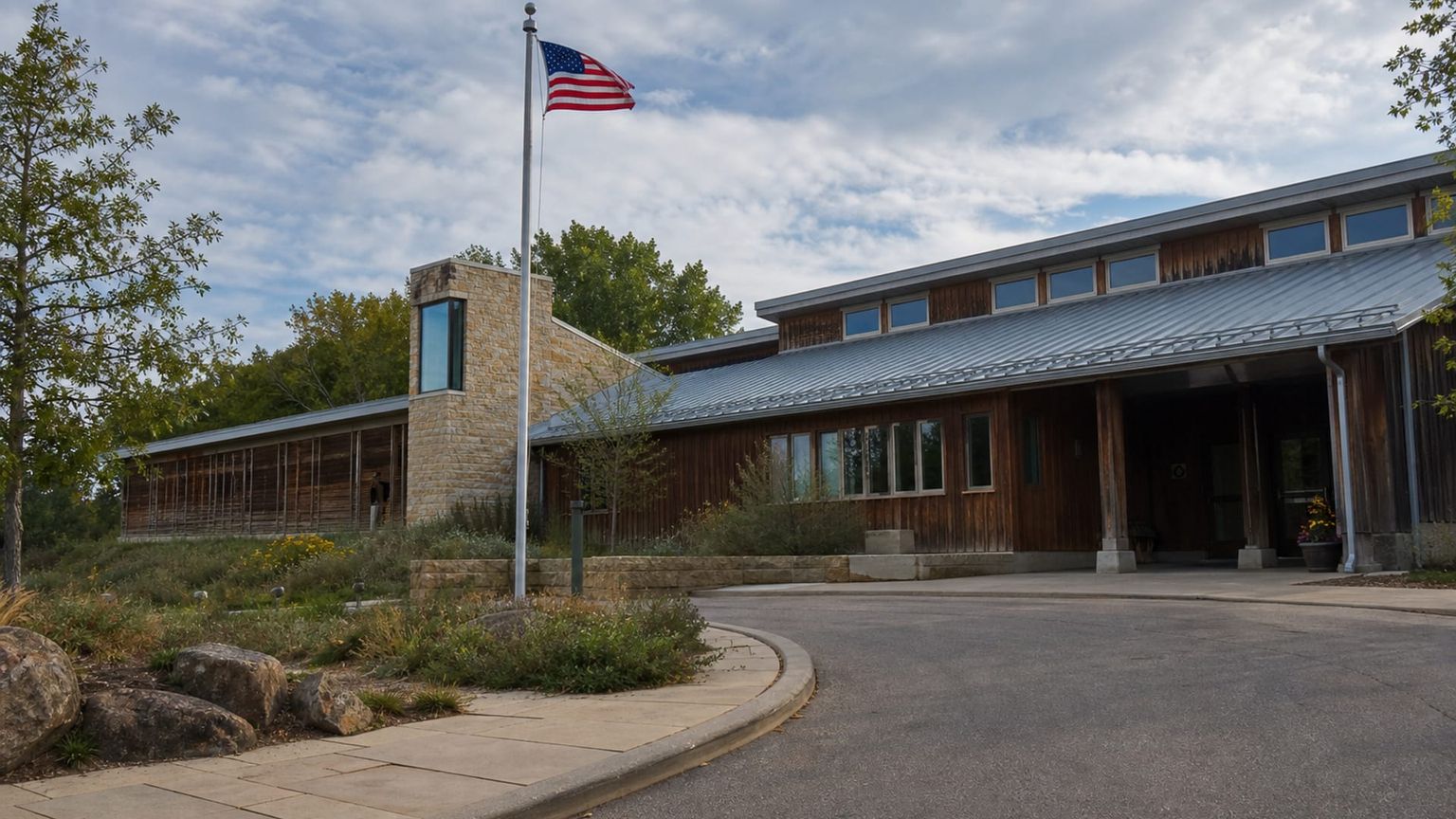
Trails, ponds, and prairie plantings make this south Madison preserve a quiet break from the city. Boardwalks and bird blinds let you watch marsh life at a slower pace.
Time needed: About 1 to 2 hours
Entry: Admission is free for the grounds and trail network. Some indoor programs, camps, or special events may carry separate fees, but casual visiting does not require a ticket. Visit the official site for details.
Tip: Go near sunrise for the best bird activity and softer light.

Chazen Museum of Art
This university museum pairs compact galleries with strong holdings in European, Asian, and American art. The scale makes it easy to focus on a few rooms instead of rushing past them.
Time needed: About 1 to 2 hours
Entry: General admission is free. Special exhibitions, lectures, or ticketed programs may have separate charges, and some events need timed entry when attendance is limited. Visit the official site for details.
Tip: Start upstairs, then work down to the temporary shows.
Traditional food
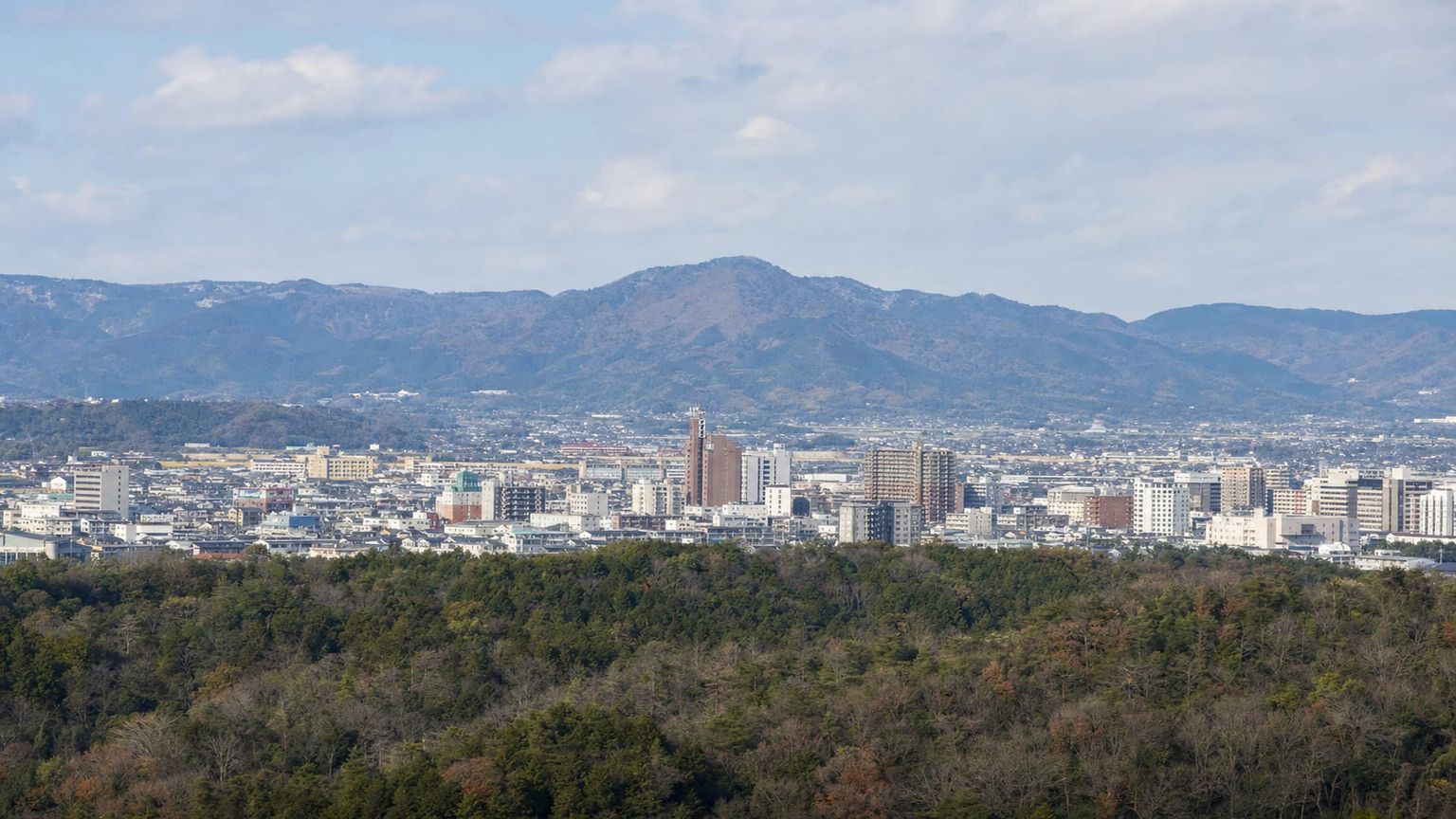
Madison’s table leans on cheese curds, bratwurst, fish fry plates, and lake-state comfort food, with taverns, supper clubs, and neighborhood cafés all playing a part.
Cheese curds
Fresh curds are the city’s signature snack, best when they arrive hot and squeaky. For a classic order in Madison, Mint Mark serves a version that fits the city’s cheese-first habits.
Bratwurst
Bratwurst shows up at counters, patios, and game-day tables across Madison, often with onions, mustard, and a soft roll. The Old Fashioned is a strong canonical stop for a local brat and other Wisconsin staples.
Friday fish fry
The Friday fish fry follows a long local tradition, usually with battered fish, coleslaw, rye bread, and potatoes. Tornado Steak House is a classic Madison place to order it in a supper-club setting.
Fish boil
Fish boil brings whitefish, potatoes, and onions together in a single kettle, often with a bright finish of melted butter. For a Madison-area version, turn to the Olde Madison Fish Camp in the metro area.
Best time to visit Madison
Madison changes shape with the seasons, from snowy lakefront walks and indoor museum days to warm evenings on patios and trails around the isthmus.
Best for: Capitol walks, gardens, and early lakefront visits
What you get: About 38-68°F (3-20°C), with lighter crowds and some changeable rain
Trade-offs: Cool mornings can limit long outdoor stays
Best for: Terrace evenings, zoo visits, and long daylight plans
What you get: About 58-84°F (14-29°C), with the biggest crowds and the fullest event calendar
Trade-offs: Hotel rates rise and weekends book fast
Best for: Museum time, crisp walks, and clear Capitol views
What you get: About 40-68°F (4-20°C), with moderate crowds and vivid foliage
Trade-offs: Late fall brings colder wind and shorter days
Best for: Indoor galleries, cafés, and quiet downtown stays
What you get: About 14-34°F (-10-1°C), with light tourist numbers and frequent snow or ice
Trade-offs: You need to plan for slippery sidewalks and cold lake wind
A realistic 5-day plan in Madison
This five-day plan keeps the city in a sensible order: arrive downtown, spend the core days around the Capitol and lake, then move outward for nature and neighborhood meals before you leave.
Land at Madison (MSN) and take a taxi or rideshare into downtown Madison, about 15 to 20 minutes in normal traffic, for roughly $20 to $30. If you want an easier first evening, stay near Downtown Madison or the Broom Street and Bassett Street area, then walk a few blocks for a light dinner on State Street or near the Capitol Square. Keep the pace small tonight, drink water after the flight, and settle in before an early start tomorrow.
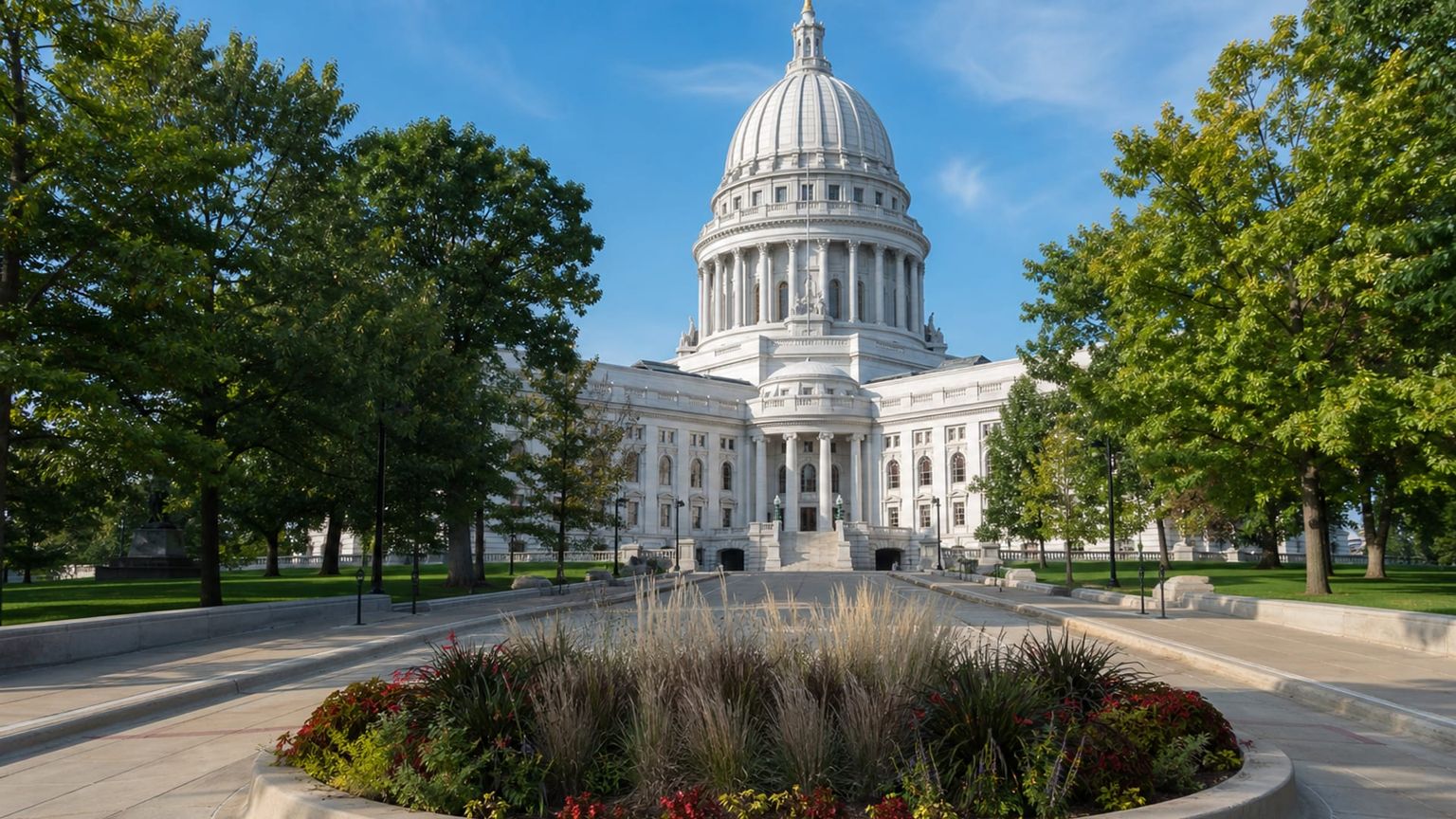
Begin at the Wisconsin State Capitol, where free guided tours and the rotunda make a strong morning stop, then spend about 1 to 2 hours inside and on the grounds. From the Capitol, walk about 15 minutes to the Chazen Museum of Art for a quieter second stop, with another 1 to 2 hours for the galleries. Finish the afternoon in the Near East Side, where Willy Street cafés give you an easy dinner option about 10 to 15 minutes by rideshare from the museum district.
Start at Monona Terrace Community and Convention Center, then head to the rooftop terrace for Capitol and Lake Monona views about 1 to 2 hours into the visit. From there, it is roughly a 15 to 20 minute ride to Henry Vilas Zoo, where you can spend 2 to 3 hours moving through the compact animal areas and Vilas Park edges. End the day back near downtown or Mifflin-West Wilson for dinner, since both areas sit close to the lakefront and keep the return trip short.
Aldo Leopold Nature Center sets up an early departure from central Madison, so plan on a rideshare or bus ride of about 20 to 30 minutes from downtown, then spend 1 to 2 hours on the trails and boardwalks. After that, head back toward the city for a late lunch in the Near East Side, where neighborhood restaurants and cafés are easy to reach on foot from many lakefront blocks. If the weather stays clear, finish with a lake walk near James Madison Park before dinner.
For your last morning, start with one final stop at the Chazen Museum of Art if you want a quiet indoor visit, then move to State Street for shopping in the downtown district. A café stop in the Near East Side gives the trip an easy close, especially if you want one more meal near Willy Street before heading to Madison (MSN). Leave enough time for the airport ride, which usually takes about 15 to 20 minutes from downtown and costs roughly $20 to $30 by taxi or rideshare.
Business-class flights from the US to Madison
Flights to Madison usually connect through a Midwest hub or a larger coastal gateway, so the useful comparison is less about distance than about how many extra hours you want to spend in transit. The examples below show how that plays out from New York and Los Angeles.
American Airlines, Delta Air Lines, and United Airlines all sell routes from New York to Madison (MSN). A nonstop takes about 2 to 3 hours, while one-stop options often connect through ORD, DFW, or CLT and usually take about 3 to 6 hours total. From New York, round-trip fares start at about $500 and can reach $1,400.
From Los Angeles, American Airlines, Delta Air Lines, and United Airlines commonly route travelers through ORD, DFW, or DEN before the final leg to Madison (MSN). Total travel time usually lands at about 5 to 8 hours, and round-trip fares generally start at $700 and can reach $1,800.
Madison feels different when you slow down
A good Madison trip uses downtown as the anchor, then steps out toward the Near East Side, Monona Terrace, and Aldo Leopold Nature Center without forcing every meal or outing into the same few blocks. Metro Transit, short rideshares, and on-foot stretches each fit a different part of the city. If you want help shaping that mix into a trip that matches your pace, the AranGrant experts can help you plan it around the Capitol, State Street, and the lakefront







