

Chapters:

Need help with your trip?
Our support team is available 24/7. Request a callback or call us directly at (833) 619-0908
Lyon trips often start with the old center, a hilltop basilica, and one long meal in a bouchon, but many visitors leave without giving the city’s riverbank districts or neighborhood hills enough time.
That pattern can leave the map feeling compressed. Vieux Lyon, Presqu’île, Croix-Rousse, and Part-Dieu sit close on paper, yet each one asks for a different pace, and crowds build quickly at the main sights.
This guide separates arrival, sightseeing, food, and transit into a clear five-day order, so you can move between quarters without backtracking and still leave room for the park, the museum, and one last easy center walk.
Useful things to know

Main language(s): French
Bonjour (bohn-zhoor) – Hello / good morning
S'il vous plaît (seel voo pleh) – Please
Merci (mehr-see) – Thank you
Parlez-vous anglais ? (par-lay voo ahn-gleh) – Do you speak English?
Combien ça coûte ? (kohm-byen sah koot) – How much does it cost?

Currency: The local currency is the euro (EUR, €).

Cash and cards: Cards and contactless are widely accepted; carry about €20 to €40 ($22 to $44) in cash for small purchases.

Tipping: Round up small bills and leave 5-10% in restaurants if service was good.

Traditional food: Quenelle, salade lyonnaise, cervelle de canut, tablier de sapeur

Water and coffee costs: Water about €2 ($2), bar espresso about €2.50 ($3).

Taxis and ride apps: Uber and Bolt operate here; pick-up points can vary by terminal.

Plug and voltage: Type C/F socket, 230V

Dining and shop opening hours: Breakfast is about 07:00-09:00, lunch 12:00-14:00, and dinner 19:00-21:30. Many restaurants close between lunch and dinner, and some are closed Sunday or Monday.

Emergency number: 112 for all emergencies, including police, fire, and medical.
Where to stay in Lyon
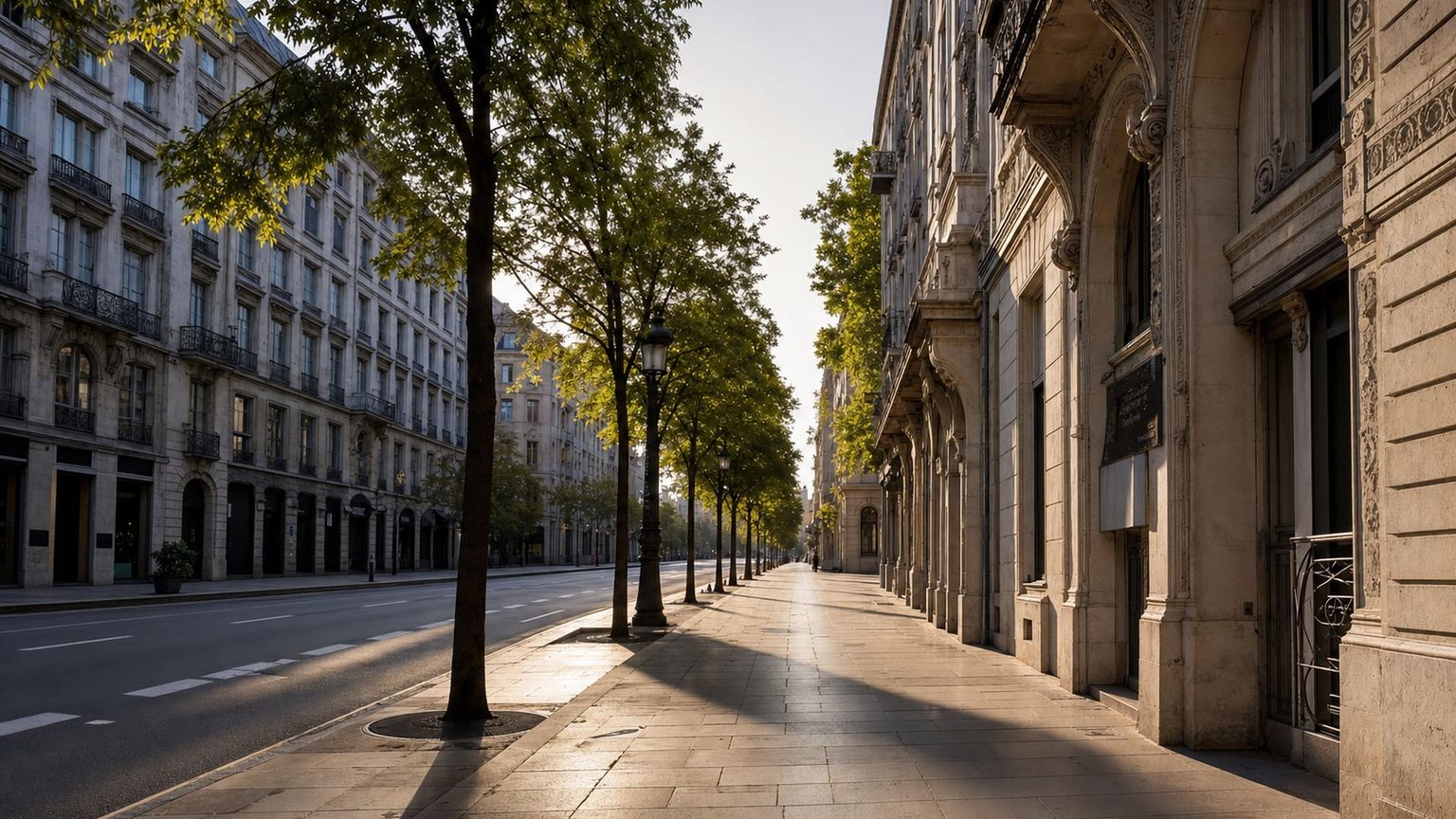
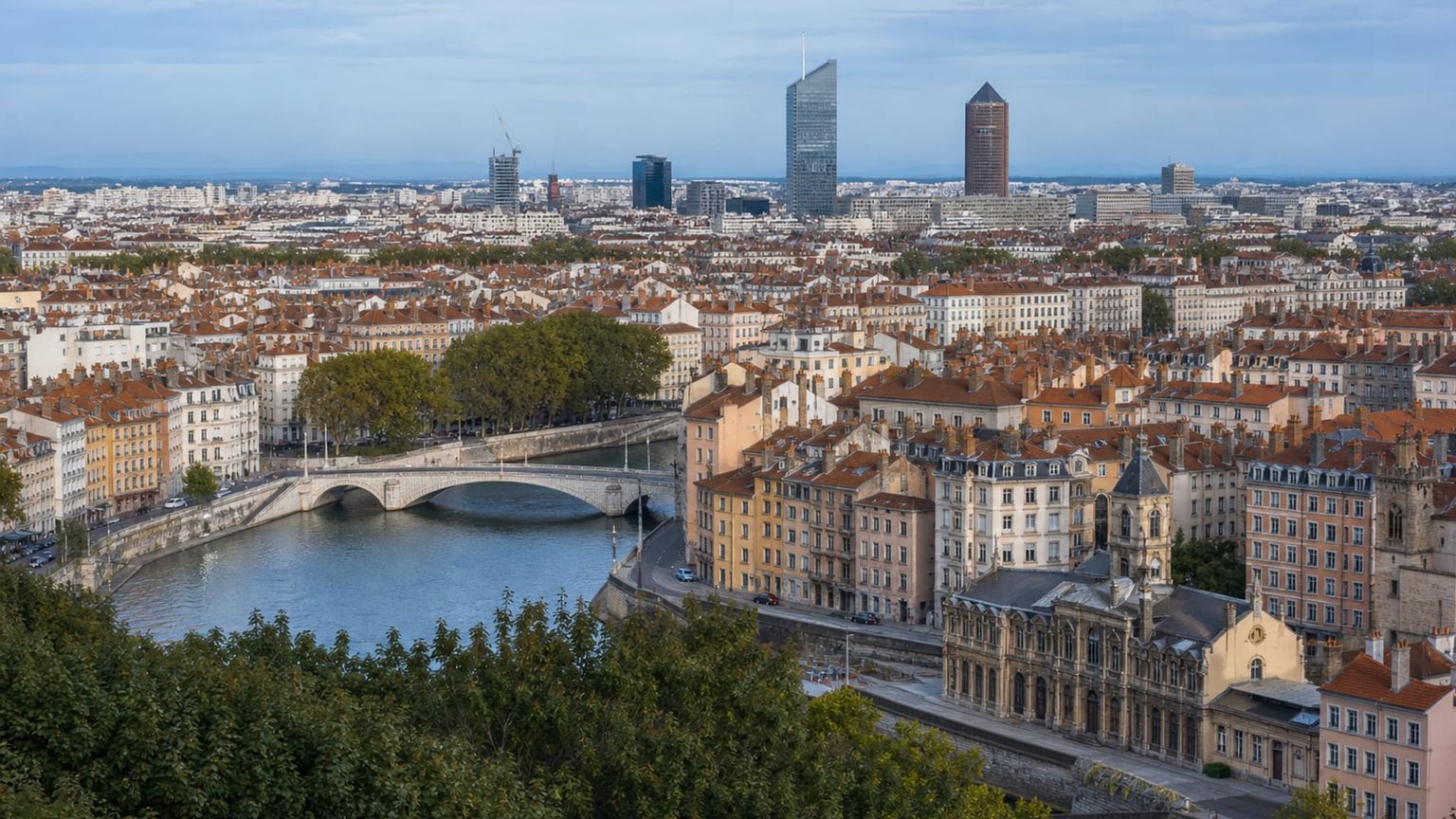
Lyon’s central peninsula between the Rhône and Saône, Presqu’île puts you by Place Bellecour, major shopping streets, and many of the city’s best restaurants. It suits visitors who want the classic center on the doorstep and easy tram, metro, and riverbank access.
Best for: First-time visits, dining, shopping, and easy access to both riverbanks
What to expect: Busy sidewalks, late-opening restaurants, and a steady flow of shoppers and transit riders through most of the day.
Hotel prices: Usually about €150 to €280 (~$165 to ~$305) per night for well-rated stays
Distance to major sights: 5 to 10 minutes on foot to Place Bellecour, 15 to 20 minutes on foot to Vieux Lyon
Quietness: Active during the day and lively into the evening, especially near main shopping streets and dining blocks.
Main trade-off: Central locations here cost more, and rooms on main streets can pick up noise from nightlife and traffic.
Good to know: Book a room facing an inner courtyard or side street if you want to avoid tram and restaurant noise.
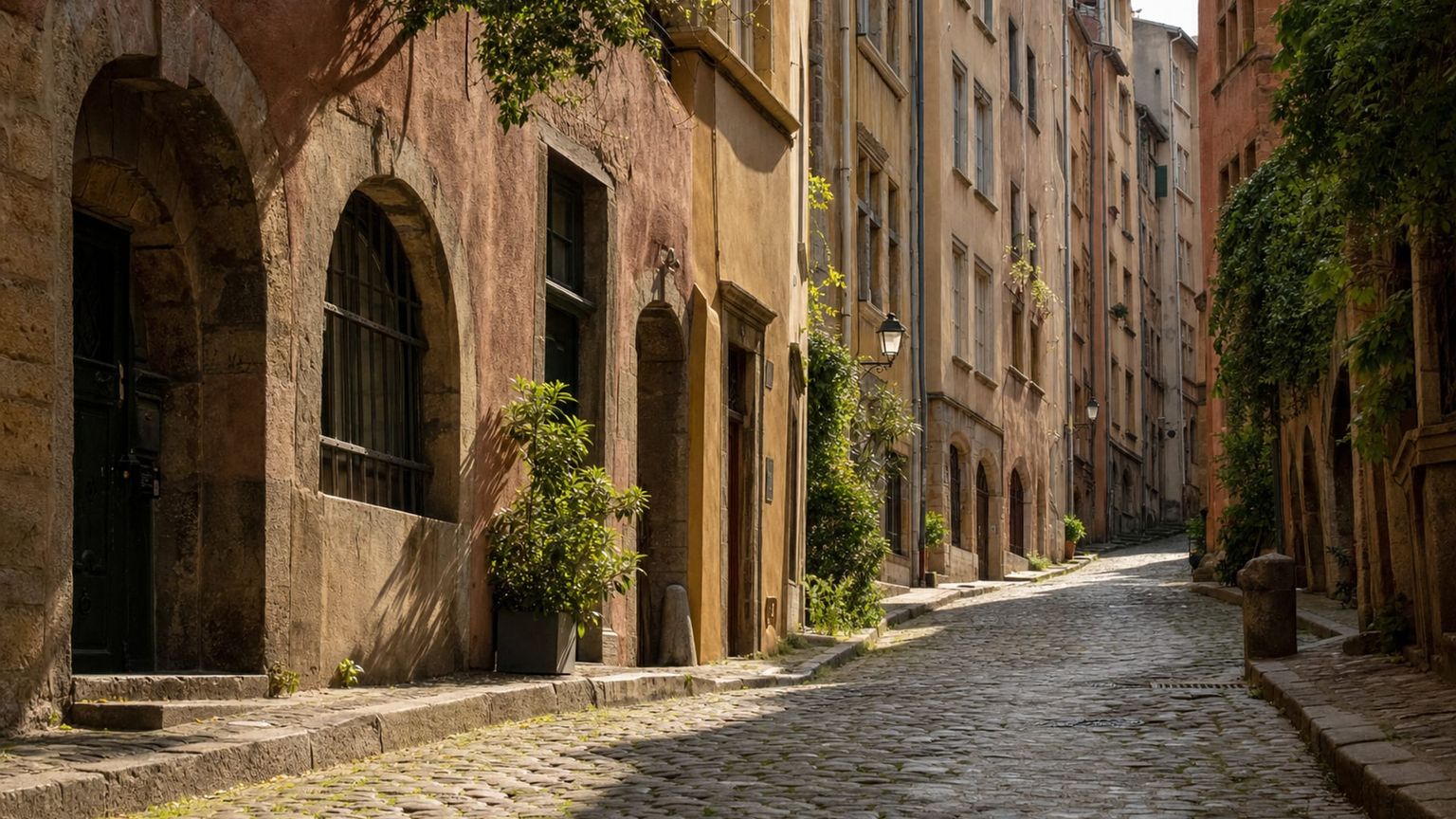
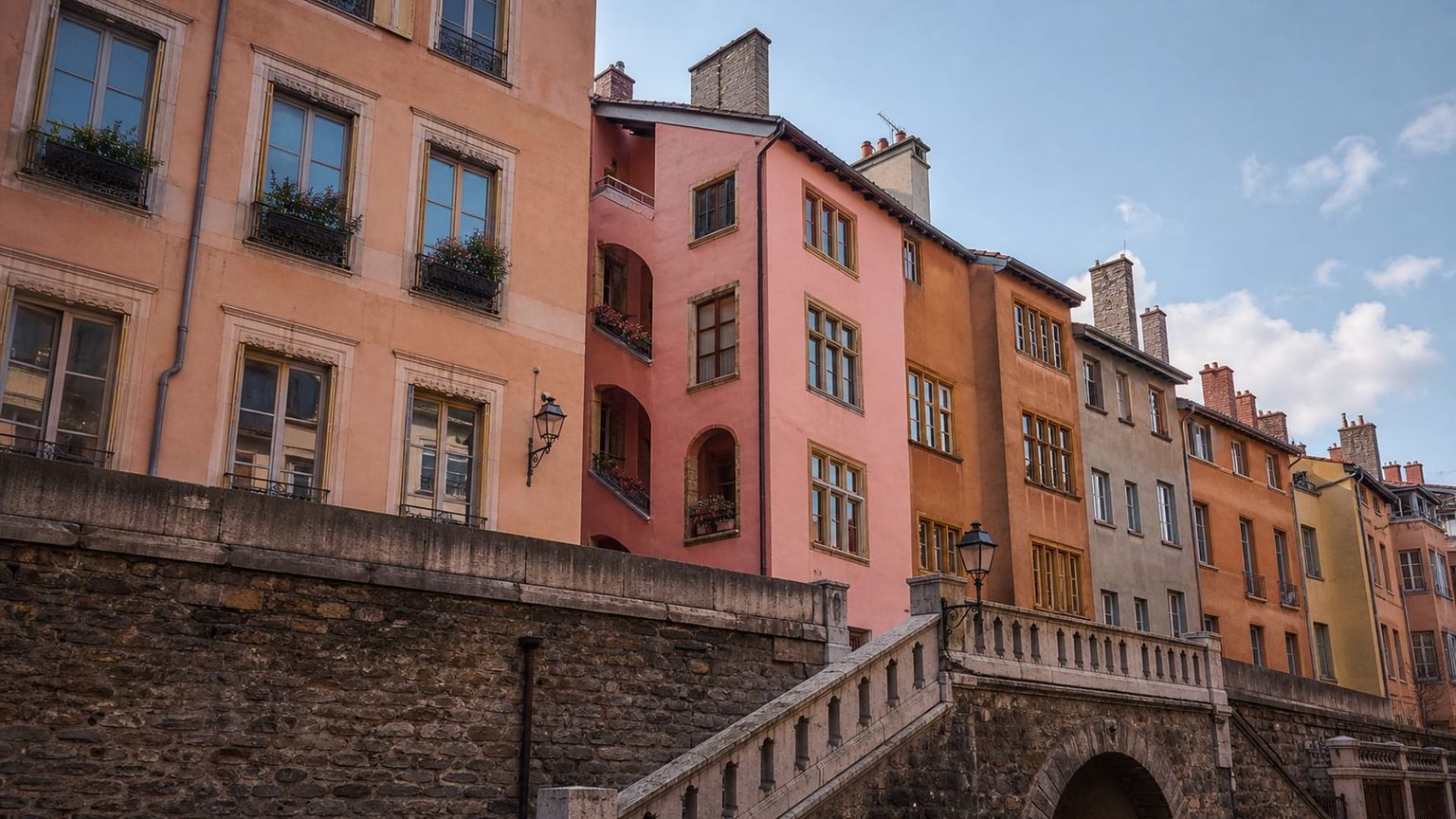
Vieux Lyon is the Renaissance quarter on the west bank, known for cobbled lanes, historic houses, and easy access to the funicular up to Fourvière. It matters for travelers who want the city’s oldest setting and a short walk to river views, museums, and classic bouchons.
Best for: Historic walks, short stays, and travelers who want a photogenic base
What to expect: Tour groups, steep lanes, and a compact restaurant scene that stays busy well past dinner on weekends.
Hotel prices: Usually about €160 to €300 (~$175 to ~$330) per night for well-rated stays
Distance to major sights: 10 to 15 minutes on foot to Place Bellecour, 20 to 25 minutes by funicular and foot to Fourvière Basilica
Quietness: Quieter early in the morning, then noticeably busier through lunch and evening dining hours.
Main trade-off: The setting is distinctive, but cobblestones, hills, and limited vehicle access can make arrivals and luggage handling less convenient.
Good to know: If you stay here, check whether your hotel has elevator access, since many historic buildings have steep stairs.
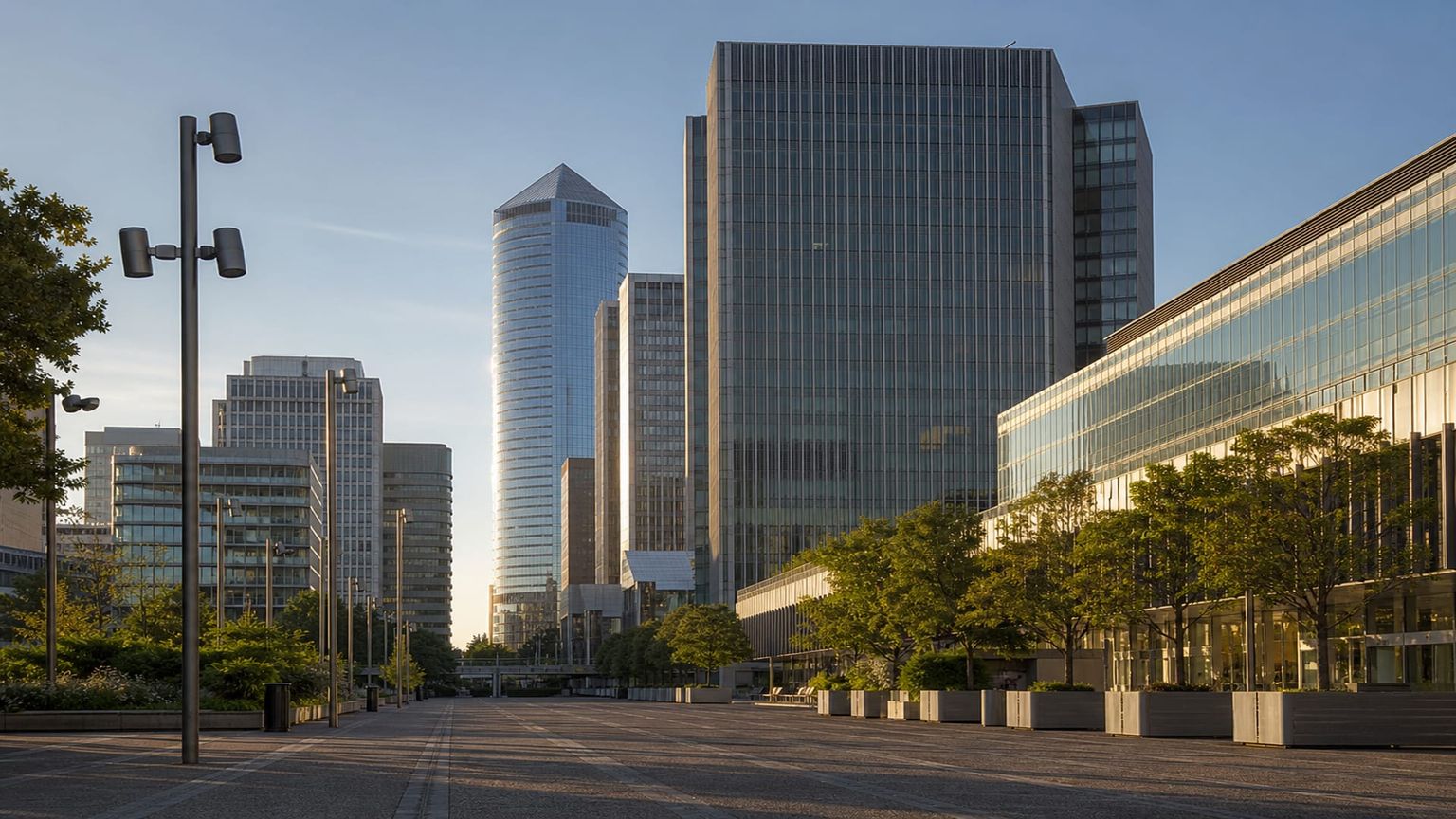
Part-Dieu is Lyon’s main business and rail district, anchored by the station, the shopping center, and high-rise hotels. It matters if you want fast rail arrivals, direct metro links, and a base that works well for short stays or early departures.
Best for: Train travelers, business trips, and short stopovers with early departures
What to expect: Large intersections, office traffic, and busy station concourses rather than neighborhood café streets.
Hotel prices: Usually about €120 to €230 (~$130 to ~$250) per night for well-rated stays
Distance to major sights: 10 to 12 minutes by metro to Place Bellecour, 15 to 20 minutes by tram or metro to the Rhône riverfront
Quietness: Lively and traffic-heavy by day, then calmer at night once offices close and station traffic thins.
Main trade-off: You save time on trains, but the district has less character and fewer late-evening dining choices than the old center.
Good to know: If your itinerary starts or ends by rail, this area can trim connection time, especially with an early TGV.
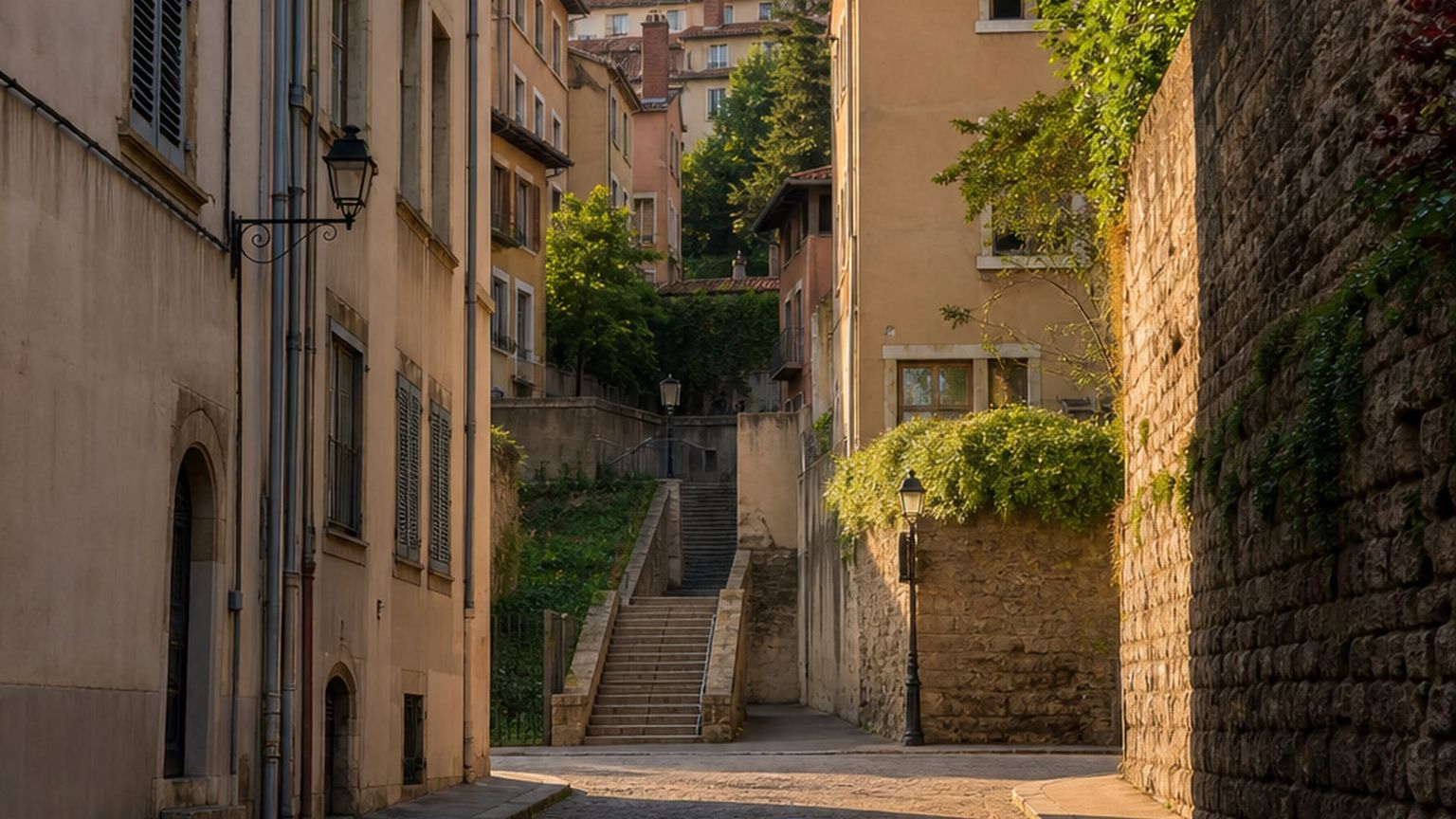
Croix-Rousse sits on the hill north of the center, with village-style streets, markets, and a strong local restaurant scene. It matters for travelers who want a residential base with broad city views and easy access to the center by metro.
Best for: Travelers who prefer a residential feel, markets, and a quieter evening base
What to expect: Independent shops, neighborhood cafés, and steeper streets that draw more locals than tour groups.
Hotel prices: Usually about €110 to €220 (~$120 to ~$240) per night for well-rated stays
Distance to major sights: 15 to 20 minutes by metro to Place Bellecour, 20 to 25 minutes by metro and foot to Vieux Lyon
Quietness: Active around market hours and café times, then markedly calmer after dinner.
Main trade-off: The hills can make walks tiring, and some streets need an extra metro ride rather than an easy stroll.
Good to know: Choose a place near a metro stop if you plan to return late, because the steepest streets are better avoided on foot after dinner.
Travelers usually avoid staying in Lyon’s Gerland and La Doua areas, which sit far from the main old-town and Presqu’île sights and have fewer visitor-focused hotels and restaurants. Parts of Vaise, the industrial stretches along the east side near Carré de Soie, and the airport area in Colombier-Saugnieu are also less convenient for short stays because they put you well away from the historic center and make evening travel back from dinner or sightseeing more cumbersome.
Hotel deals
How to get around Lyon efficiently
Lyon’s Metro, trams, buses, the Rhônexpress, and taxis each solve a different part of the city, and the right choice changes with whether you are crossing the center, heading to the airport, or climbing the hills.

Metro
for longer distances
Lyon’s Metro runs four lines, A, B, C, and D, with Trains every 2 to 10 minutes and single tickets valid for 1 hour across the TCL network. A one-way ticket costs about $2 ($2.10), and a 24-hour pass costs about $7 ($7.60). Line A links Perrache, Bellecour, and Vaulx-en-Velin La Soie; line B serves Part-Dieu and Gerland; line C and line D are useful for hill and cross-city trips. Buy tickets from station machines or via the TCL app, then validate before boarding.

Bus and tram
for convenience
Tram and bus lines fill the gaps that the Metro does not reach, with Tram T1, T2, T3, T4, T5, T6, T7, and T8 and a dense bus grid covering the airport coach links, the Presqu’île, Part-Dieu, and the riverside neighborhoods. A single ride costs about $2 ($2.10), valid for 1 hour, while a 2-hour ticket costs about $3 ($3.40) if you need to change between modes. Use the same ticket on buses and trams after validation, and check the latest end-of-service times because some outer lines thin out after about 10:00 pm.

Taxi
for convenience or late hours
Licensed taxis use metered fares in Lyon, with airport trips sometimes priced as flat-rate transfers from Lyon-Saint Exupéry Airport (LYS) to the city center. Expect roughly $45 to $60 to central Lyon in normal traffic, more late at night, on Sundays, or when luggage and extra passengers add to the fare. You can find taxis at marked ranks, book by phone or app, and most cabs accept cards, though cash is still common enough that it helps to confirm payment before you set off.
*Prices are based on rates updated as of June 2026 and may change at the time of travel.
Use the Metro for cross-city links, trams and buses for neighborhoods the Metro misses, the Rhônexpress for Lyon Airport, and taxis when luggage, late hours, or a direct hotel drop matter most.
Iconic landmarks
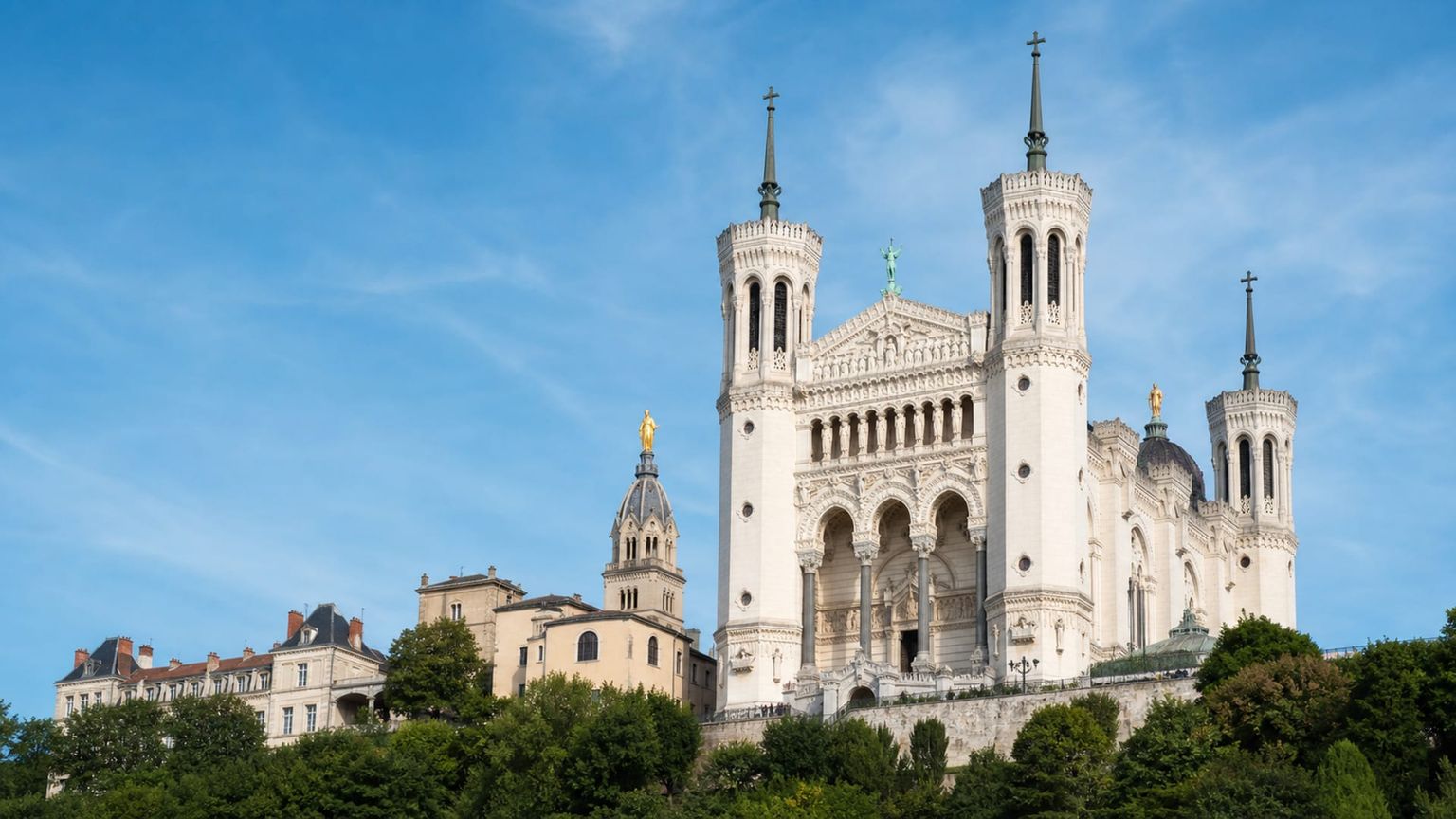
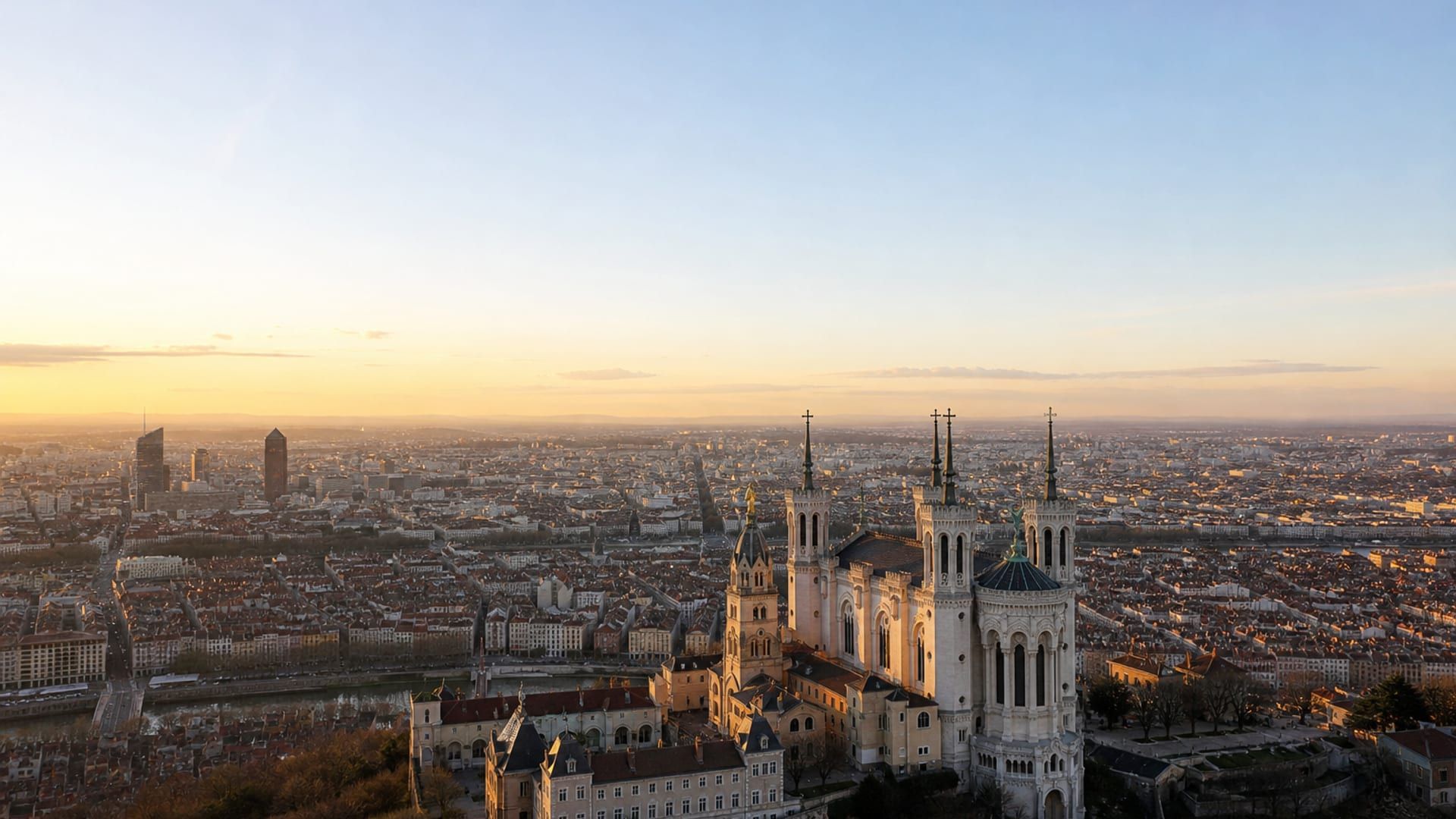
Basilica of Notre-Dame de Fourvière
Hilltop basilica overlooking Lyon, built in the late 19th century with white stone, gilded mosaics, and a richly decorated interior. The terrace gives a wide view over the Saône and Rhône valleys and the old city below.
Time needed: About 1 to 2 hours
Entry: Free to visit the basilica and terrace; museum access and guided crypt visits may cost a small fee depending on the section. Visit the official site for details.
Tip: Go early or near sunset for clearer views and lighter crowds on the terrace.
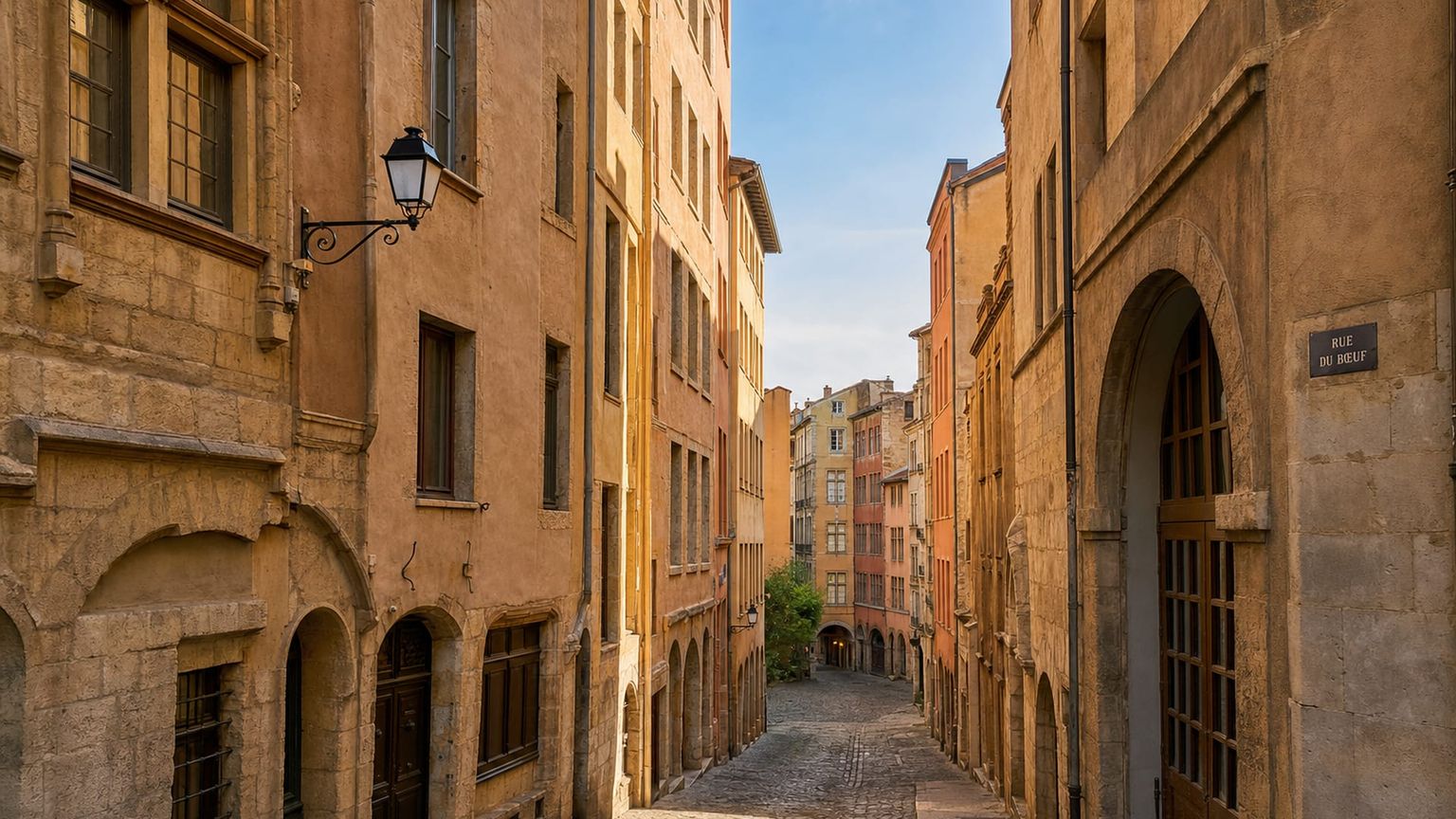
Vieux Lyon
Lyon’s Renaissance quarter spreads along the Saône with narrow lanes, courtyards, and painted facades from the 15th to 17th centuries. Its traboules, hidden passageways through buildings and courtyards, make the district distinctive.
Time needed: About 2 to 3 hours
Entry: Free to explore the district; some traboules and museums may charge small entry fees or restrict access by building rules.
Tip: Visit on a weekday morning, when the lanes are quieter and courtyard entrances are easier to notice.
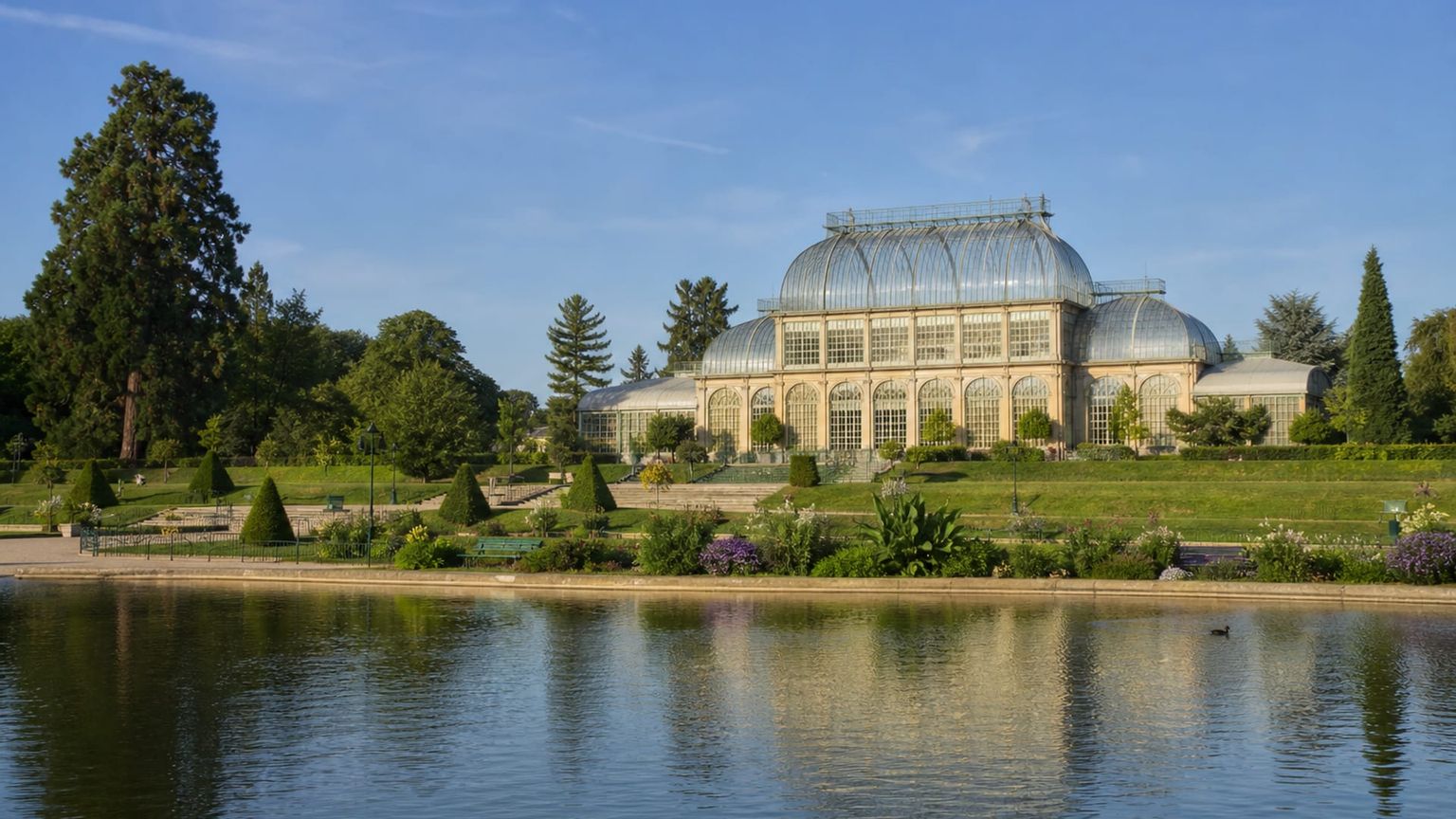
Parc de la Tête d'Or
This large urban park in Lyon covers a lake, rose garden, botanical garden, and a small zoo, all within walking distance of the center. Wide paths, lawns, and seasonal plantings make it one of the city’s main outdoor stops.
Time needed: About 2 to 4 hours
Entry: Free to access; the botanical garden and zoo are included, though some special activities may charge separate fees.
Tip: Plan a longer visit in spring or early summer, when the rose garden and trees are at their best.
Overlooked sites worth visiting

Parc de la Tête d’Or
Lyon’s largest park mixes a lake, greenhouse collections, and long tree-lined paths with enough space for slow walks, boat rentals, and picnics. Its zoo is free and open daily.
Time needed: About 2 to 3 hours
Entry: Free to access; the botanical gardens, lake paths, and zoo do not charge admission, though boat rentals and some special events have separate fees. No ticket is needed for general entry, and the park sits on the city edge near the Rhône for easy half-day visits.
Tip: Go early for quieter paths and softer light on the lake.

Institut Lumière
Set in the Lumière family’s former villa, this small museum covers the birth of cinema with original equipment, film stills, and the first public screenings. The preserved garden adds a calm break.
Time needed: About 1 to 1.5 hours
Entry: Tickets cost about $9 to $11 (€8 to €10) for adults, with reduced rates for students and children. Admission includes the museum rooms and the grounds at the Institut Lumière, a compact stop in the Monplaisir district that suits an indoor visit of under two hours. Visit the official site for details.
Tip: Visit on a weekday morning to avoid school-group visits.
Traditional food
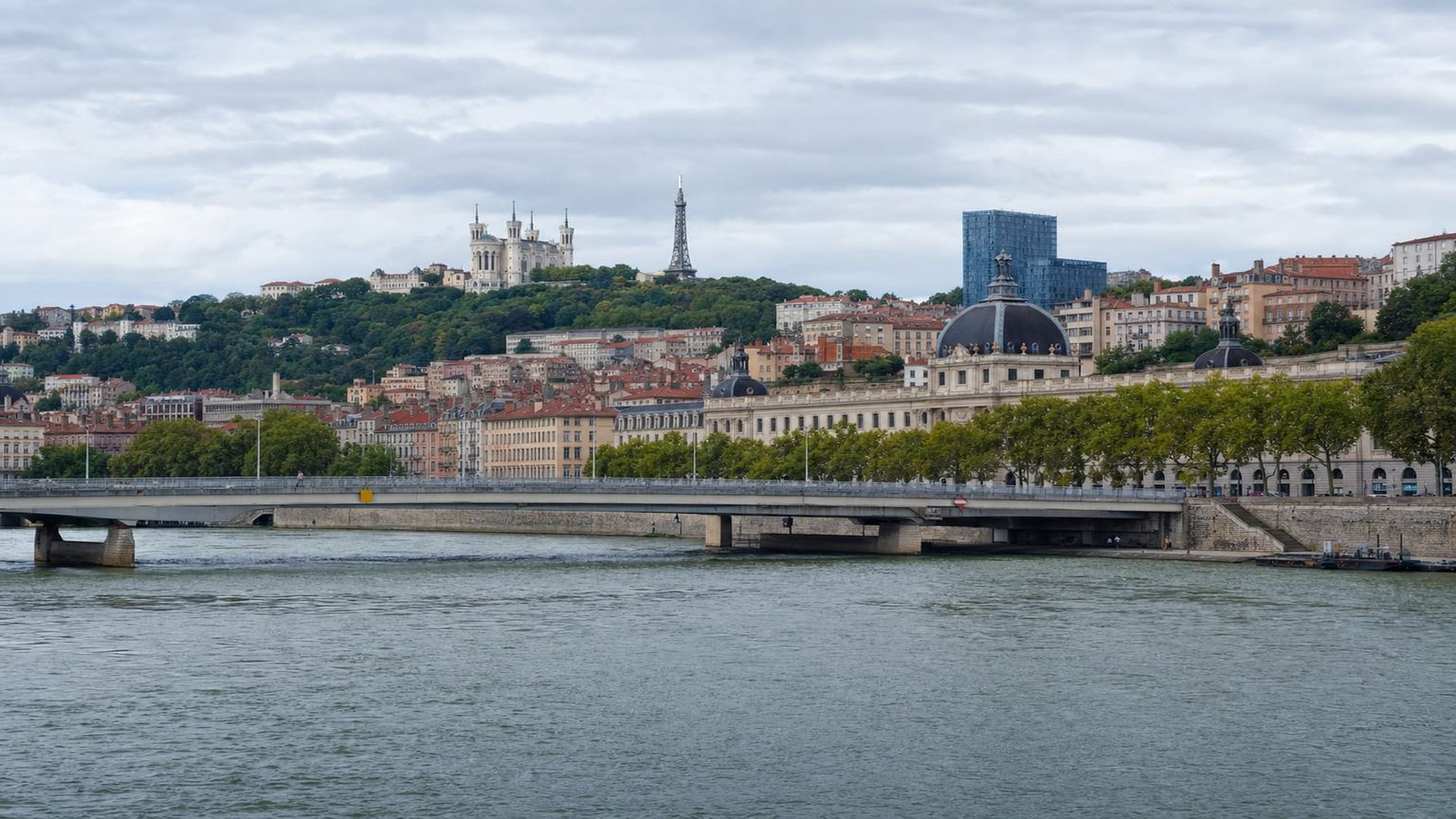
Lyon’s table leans on pork, offal, rich sauces, and bright salads, with quenelle and other bouchon staples sharing space with simpler neighborhood plates. Lunch and dinner matter here, and many kitchens still close between services.
Quenelle
Lightly poached dumplings, usually served with a creamy sauce, make a classic Lyon plate and a good first order at a bouchon. Le Garet is one of the city’s best-known addresses for it.
Salade lyonnaise
This salad pairs frisée, lardons, croutons, and a poached egg, which gives Lyon’s brasserie side in one bowl. You can treat Café des Fédérations as a canonical stop for it.
Cervelle de canut
A herbed fresh cheese spread served cold, often with bread or potatoes, it shows the lighter end of Lyonnais cooking. Daniel et Denise Croix-Rousse is a dependable place to order it.
Tablier de sapeur
Breaded, pan-fried tripe gives Lyon one of its most distinctive traditional dishes, especially for travelers who want a deeper cut into bouchon cooking. You can count on it at Giraudet, a long-running Lyon house.
Best time to visit Lyon
Lyon shifts with the season, from bright park days and terrace views in warmer months to shorter sightseeing windows and quieter museum time when the weather turns cold.
Best for: Parc de la Tête d’Or, hill views, and café terraces
What you get: About 45 to 68°F (7 to 20°C), with moderate crowds and good walking weather
Trade-offs: Rain can interrupt long outdoor plans
Best for: Long evenings, river walks, and open-air dining
What you get: About 60 to 84°F (16 to 29°C), with the heaviest visitor levels and fuller dining rooms
Trade-offs: Heat and crowding can make midday sightseeing tiring
Best for: Museum visits, market streets, and calmer city walks
What you get: About 48 to 70°F (9 to 21°C), with lighter crowds after summer
Trade-offs: Shorter days arrive quickly by late October
Best for: Bouchon meals, basilica interiors, and compact city touring
What you get: About 34 to 48°F (1 to 9°C), with low crowd levels outside holiday periods
Trade-offs: Cold rain and gray skies can limit outdoor time
A realistic 5-day plan in Lyon
The five-day plan follows Lyon’s actual geography, starting with arrival and the center, then moving through Vieux Lyon, Fourvière, the park, the cinema museum, and the hill neighborhoods before a final slow morning in Presqu’île.
Land at Lyon (LYS) and take the Rhônexpress into the city in about 30 minutes, which costs about $18 (€16) one way. Check into Presqu’île if you want the easiest first-night setup, or Vieux Lyon if you prefer older streets and a shorter hop to dinner. After you settle in, walk to Place Bellecour or the Saône riverfront for a short stretch, then keep dinner simple with a bouchon meal in Presqu’île and a glass of local wine before an early night.
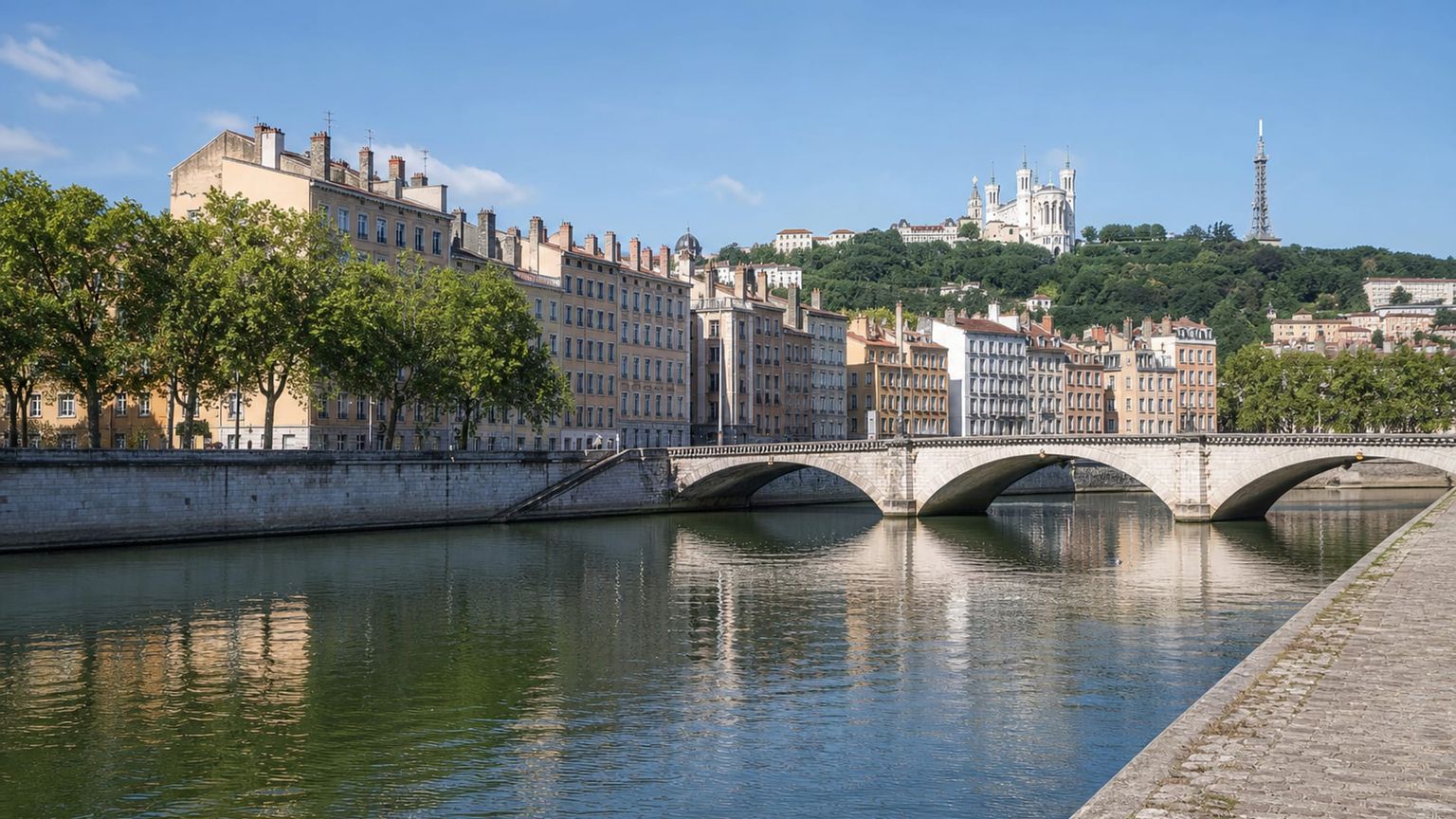
Start in Vieux Lyon, where the Renaissance lanes and traboules reward an early visit before the tour groups thicken. Spend about 2 to 3 hours in the quarter, then ride the funicular up to Basilica of Notre-Dame de Fourvière in roughly 10 minutes for the terrace view and about 1 to 2 hours inside. From there, walk or ride back down to the Saône edge, where you can finish with a relaxed lunch in the old city or by Place Bellecour, about 10 to 15 minutes away on foot from the river.
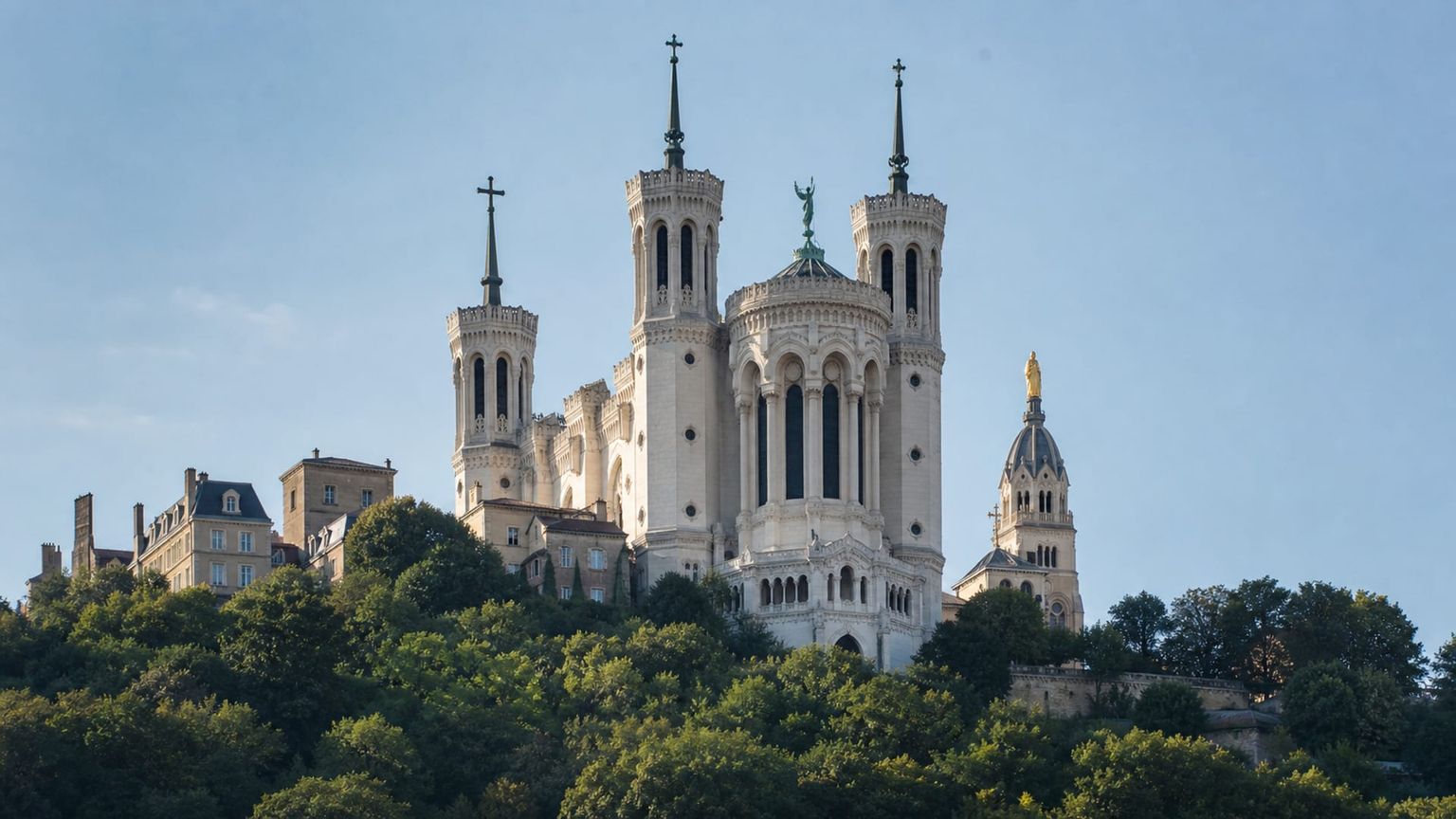
Begin with Parc de la Tête d’Or, which works well for a long morning since the park is free and large enough for lakeside walking, the rose garden, and the botanical collections. If you stay near Presqu’île, expect roughly a 20-minute tram or bus ride, or a longer walk along the Rhône. After lunch, move to the Institut Lumière in Monplaisir, about 20 to 25 minutes by metro from the center, and plan about 1 to 1.5 hours for the museum and villa grounds before returning to the city center for dinner.
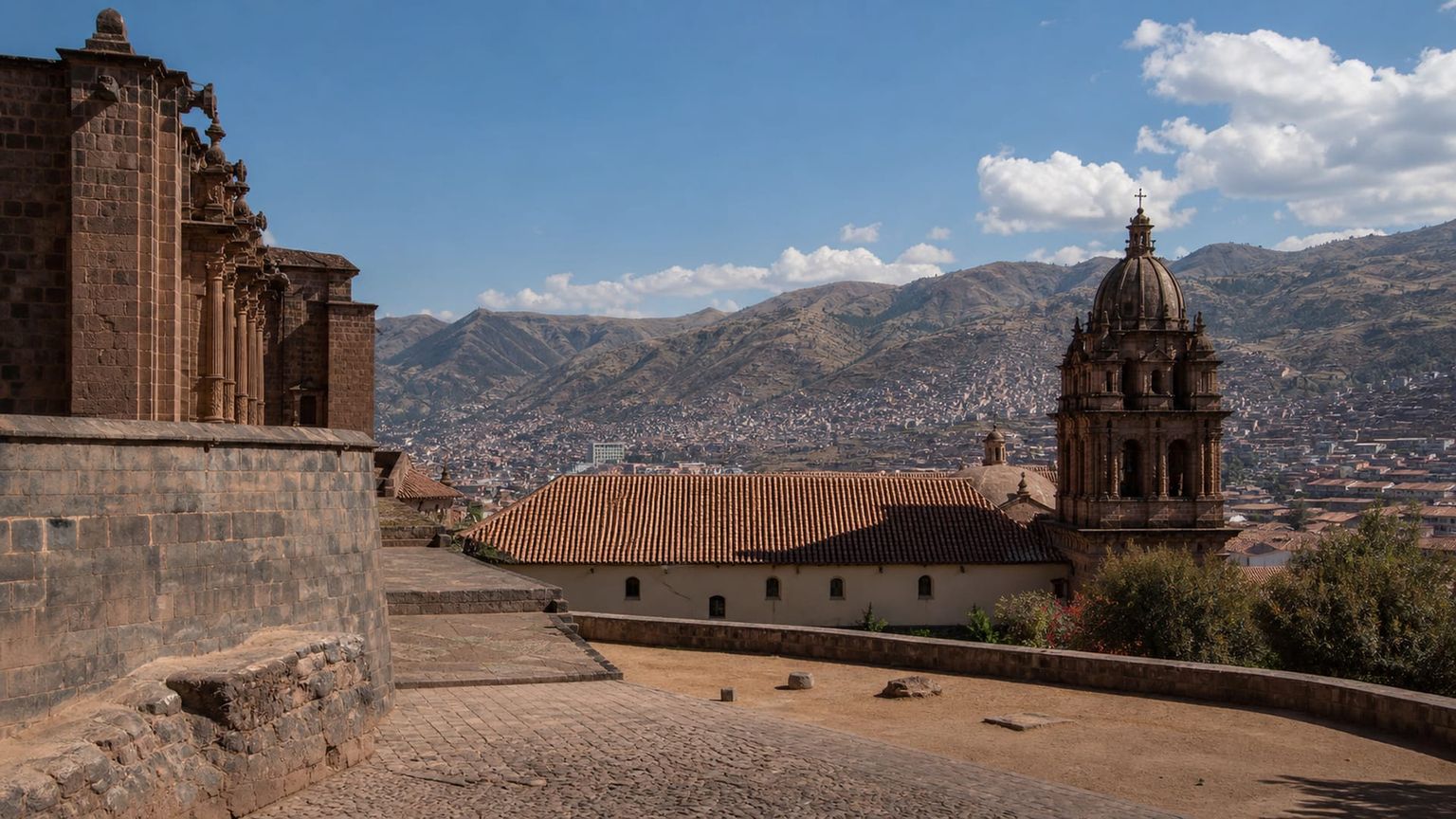
Cross into Croix-Rousse for a hill-focused day shaped by markets, stair-stepped streets, and neighborhood cafés. Spend the morning walking the plateau and its slopes, then descend toward Presqu’île, about 10 to 15 minutes by metro, for shopping on the main central streets and a late lunch near Place Bellecour. If you want a final scenic stop, loop back to the riverbank at sunset, when the views over the Saône and the hill are at their clearest.
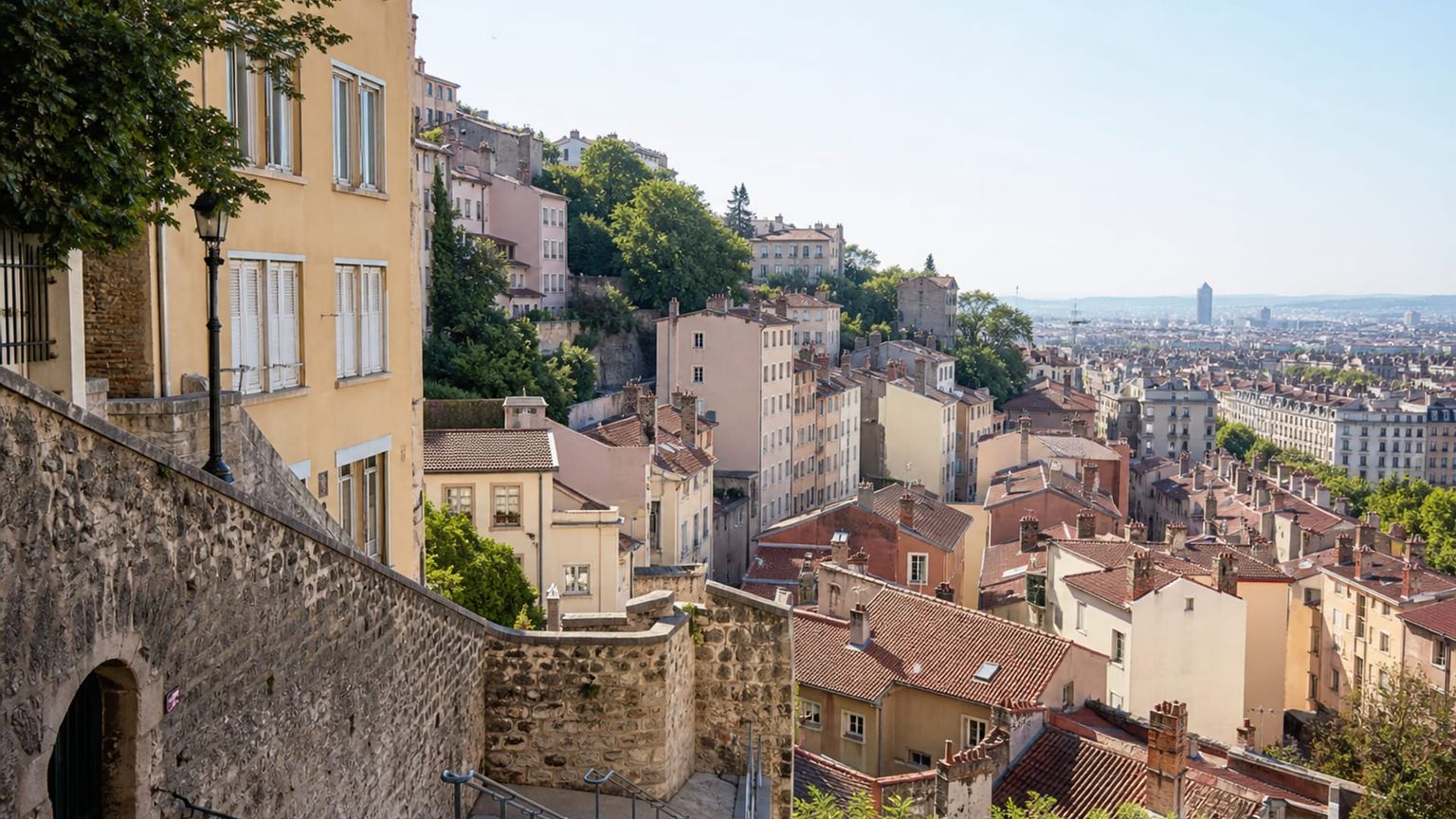
Close the trip with one last easy round of the center, starting at a café in Presqu’île for breakfast and a slow look at the shopping streets near Place Bellecour. If time allows before your flight, fit in a final museum stop or a return stroll through Vieux Lyon, then head back to Lyon (LYS) by Rhônexpress, leaving roughly 30 minutes for the ride plus airport check-in.
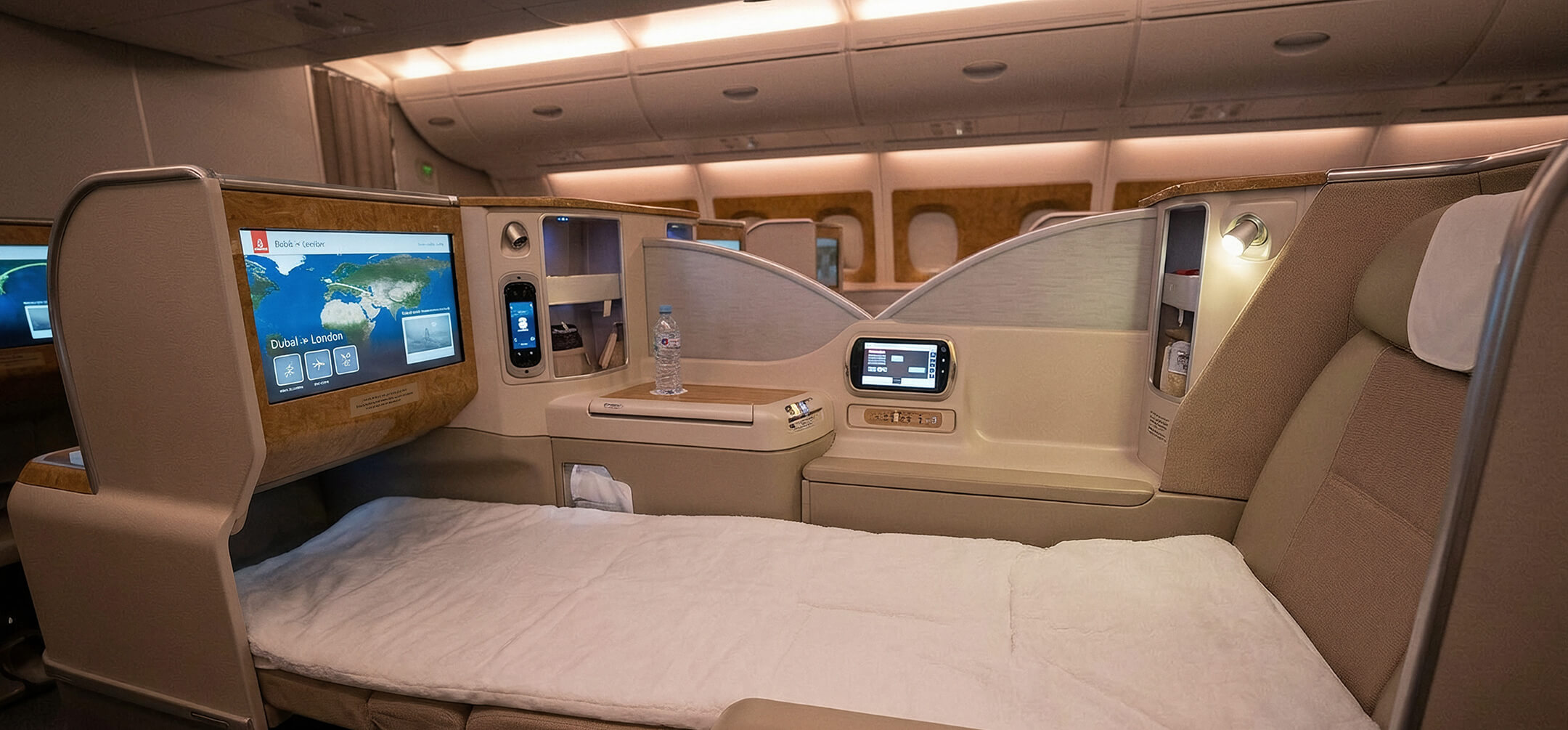
Business-class flights from the US to Lyon
Reaching Lyon from either coast usually means a one-stop trip, and the layover city often matters as much as the airline. The examples below show the typical timing and fare range from New York and Los Angeles.
From New York, Delta Air Lines, Air France, Lufthansa, British Airways, Turkish Airlines, and Swiss International Air Lines usually price round-trip trips at about $3,500 to $7,500. A nonstop takes roughly 7 to 8 hours, while one-stop options through Paris Charles de Gaulle (CDG), Frankfurt (FRA), or Istanbul (IST) take about 10 to 15 hours and often lower the fare.
Los Angeles itineraries usually start at about $1,100 and can rise to $2,600 round-trip. Air France, Lufthansa, British Airways, Turkish Airlines, and Swiss International Air Lines commonly connect through Paris Charles de Gaulle (CDG), Frankfurt (FRA), Munich (MUC), London Heathrow (LHR), Istanbul (IST), or Zurich (ZRH), with total travel time of about 14 to 20 hours.
Lyon feels different when you slow down
A well-paced Lyon trip gives each district its own turn: breakfast in Presqu’île, a morning in Vieux Lyon, a climb to Fourvière, a park pause at Parc de la Tête d’Or, and an easy finish near Place Bellecour before the Rhônexpress. That balance keeps the city legible without cramming the day. If you want to shape the route more tightly, the AranGrant experts can help you build it around the neighborhoods and meals that matter most