

Chapters:

Need help with your trip?
Our support team is available 24/7. Request a callback or call us directly at (833) 619-0908
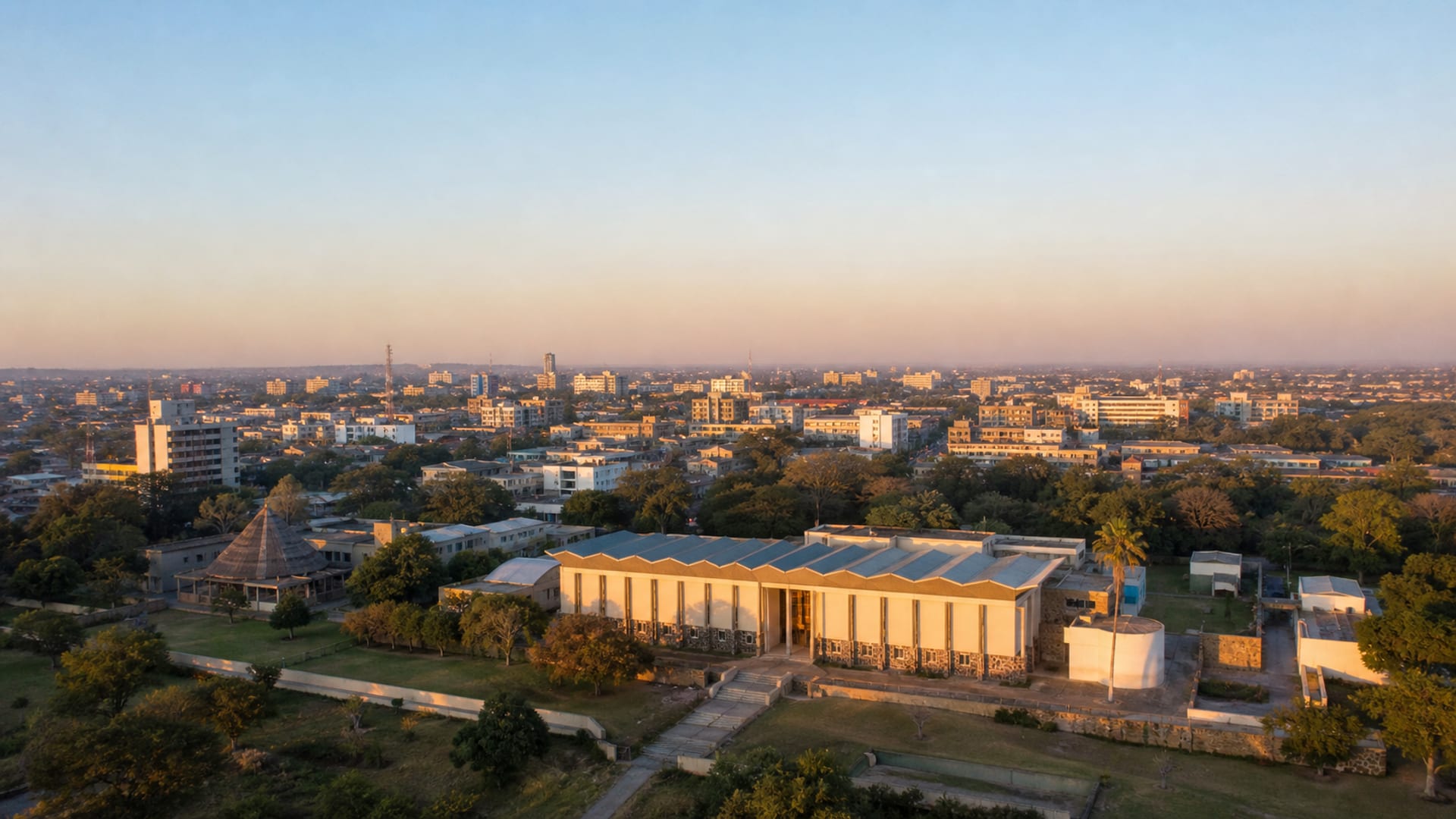
Lusaka is easier to enjoy when you plan by area instead of trying to cross the city several times in one day. Its main sights are spread between central Lusaka, Kabwata, Woodlands, Kabulonga, and the eastern districts rather than concentrated in one compact core. A morning near the center can include the Lusaka National Museum and nearby streets, while Kabwata Cultural Village fits naturally into the same part of the day. Woodlands or Kabulonga make more sense later for restaurants and a slower evening. Traffic can build quickly, and the heat makes repeated back-and-forth trips tiring.
This guide keeps each day focused on places that fit together geographically, so you spend less time in transit and more time actually experiencing Lusaka.
Useful things to know

Main language(s): (moh-nee) – Hello
Muli bwanji? (moo-lee bwahn-jee) – How are you?
Chonde (chon-deh) – Please
Zikomo (zee-koh-moh) – Thank you
Tsalani bwino (tsa-lah-nee bwee-noh) – Goodbye

Currency: Zambian kwacha (ZMW, ZK)

Cash and cards: Hotels, malls, and larger restaurants generally accept cards, but cash is still useful for taxis and small purchases. Carry about ZK200-ZK500 ($8-$20).

Tipping: Tipping is not compulsory. Round up smaller bills or leave 5%–10% in restaurants when you receive good service.

Traditional food: Nshima, ifisashi, chikanda, and kapenta are among the Zambian dishes commonly found in Lusaka.

Water and coffee costs: Bottled water usually costs ZK15-ZK25 ($0.60-$1), while coffee at a cafe is commonly around ZK35-ZK50 ($1.50-$2).

Taxis and ride apps: Bolt and Yango operate in Lusaka. Book through the app and check the vehicle plate and driver details before getting in.

Plug and voltage: Zambia uses Type C, D, and G plugs with a 230V, 50Hz supply. US travelers need a plug adapter and should check whether their devices support 230V.

Dining and shop opening hours: Restaurants commonly serve breakfast from 6:30 to 9:00 am, lunch from noon to 2:00 pm, and dinner from 6:30 to 9:00 pm. Most shops close by early evening.

Emergency number: Call 991 for police, 992 for ambulance services, and 993 for the fire service.
Where to stay in Lusaka
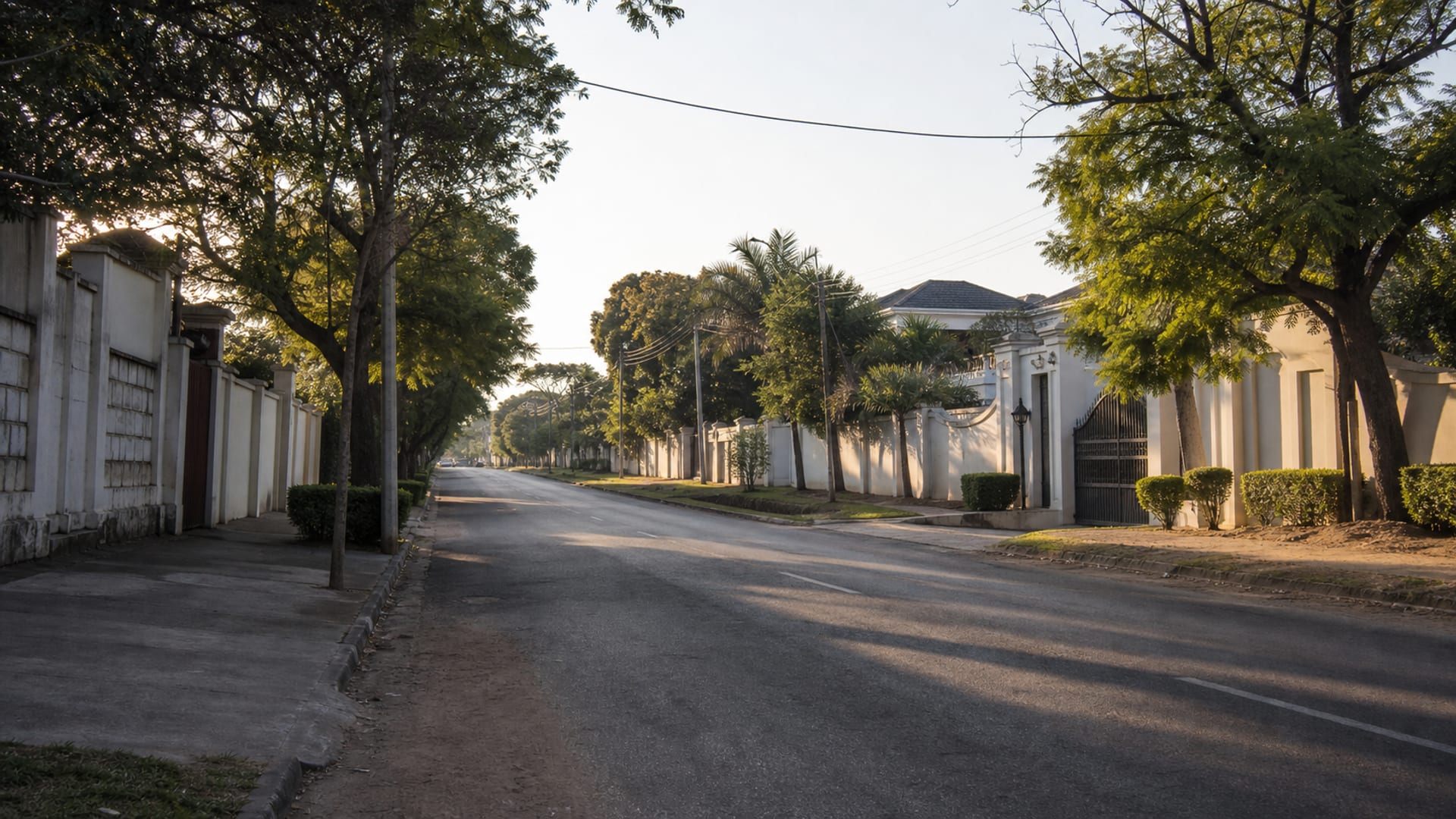
Longacres lies just east of central Lusaka, close to embassies, government offices, banks, and Longacres Mall. Hotels here sit near major roads and restaurants, while the district stays more business-focused than residential. It is well placed for reaching the museum and central offices by taxi.
Best for: Business trips, embassy visits, and travelers who want a central base with easy road access
What to expect: Expect steady weekday activity, traffic on main roads, and fewer late-night crowds than in the busiest entertainment areas.
Hotel prices: Usually about $90 to $180 per night for well-rated stays
Distance to major sights: About 10 to 15 minutes by car to Lusaka National Museum and the city center
Quietness: Quieter at night, though traffic and weekday office activity keep the area busy during the day.
Main trade-off: Rates can run higher than in outer suburbs, and you will still rely on taxis for many cross-city trips.
Good to know: Longacres Mall adds restaurants, shops, banks, and everyday services within the district.
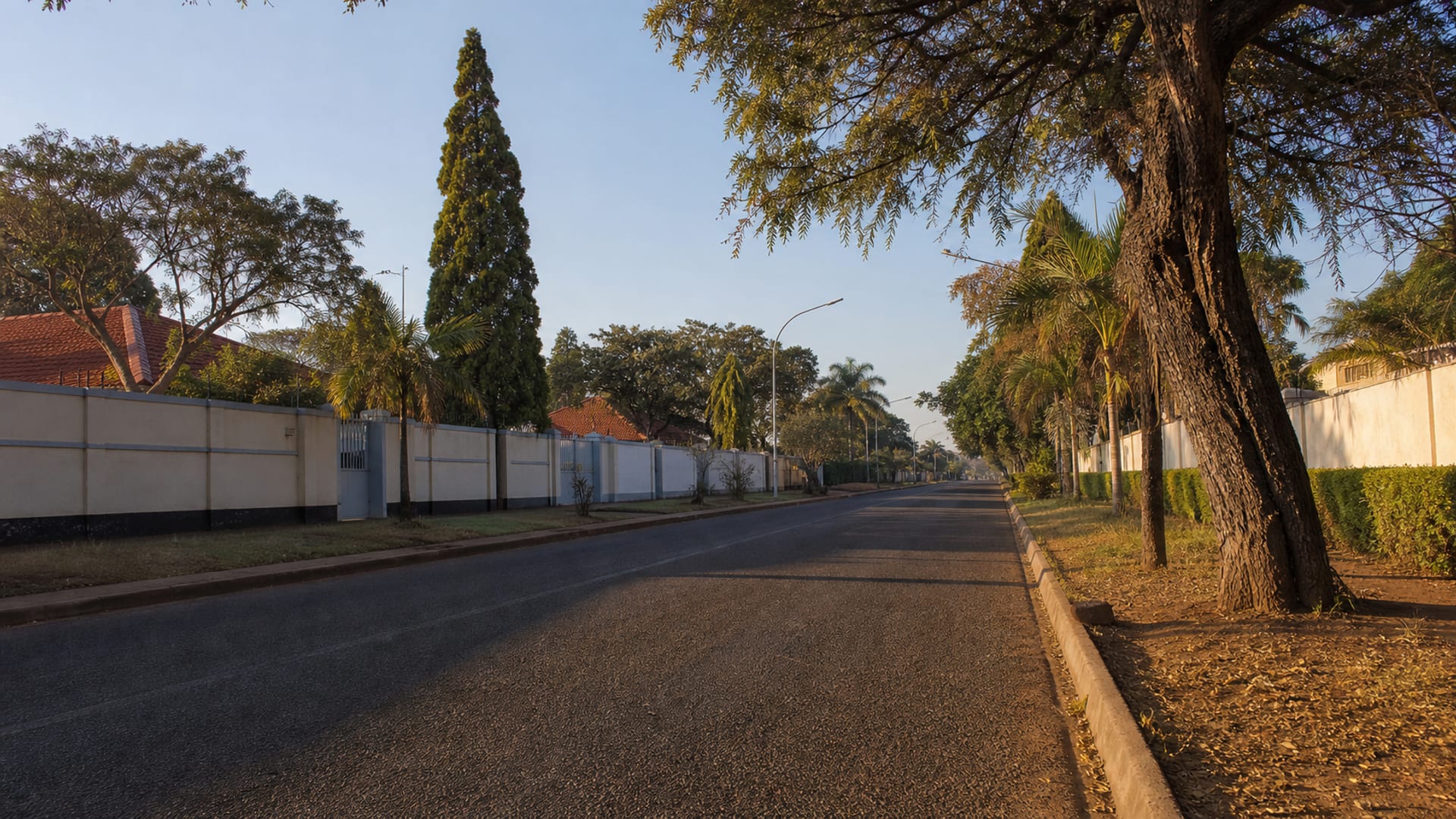
Woodlands is a residential district south of central Lusaka, with villas, shopping centers, hotels, and serviced apartments spread along quieter streets. The area has supermarkets and restaurants nearby, while major roads lead toward Kabulonga, central Lusaka, and the southern suburbs.
Best for: Families, longer stays, and travelers who prefer a residential base with nearby shopping
What to expect: Expect suburban streets, moderate traffic near the malls, and a low-key evening scene centered on hotels and restaurants.
Hotel prices: Usually about $70 to $160 per night for well-rated stays
Distance to major sights: About 15 to 25 minutes by car to Lusaka National Museum and the city center
Quietness: Quiet in the evening, with more movement around shopping centers during the day.
Main trade-off: You will spend more time in taxis for central sightseeing, especially if you plan several short trips in one day.
Good to know: Nearby malls make groceries, pharmacies, restaurants, and other everyday errands easier to handle.
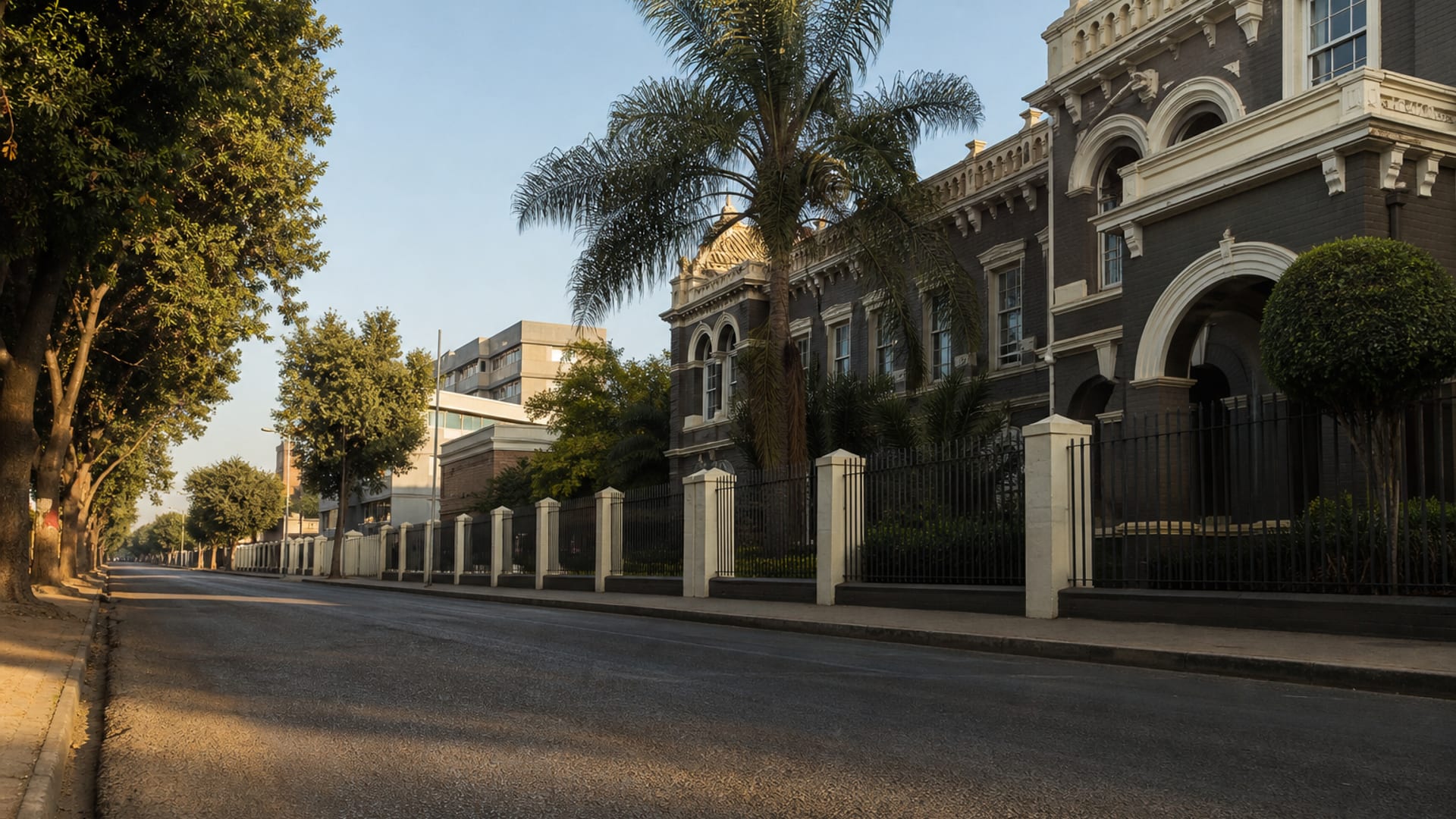
Central Lusaka around Cairo Road is the city’s main commercial district, with offices, banks, shops, markets, hotels, and heavy daytime traffic. Staying here puts you close to the railway station and downtown services, while the Lusaka National Museum lies a short drive east of the road.
Best for: Short business stays, quick city access, and travelers who want to be in the center of activity
What to expect: Expect busy sidewalks, heavy daytime movement, and a constant flow of minibuses, taxis, and shoppers.
Hotel prices: Usually about $60 to $140 per night for well-rated stays
Distance to major sights: About 5 to 10 minutes on foot to Lusaka National Museum and the central government district
Quietness: Lively and noisy by day, then noticeably calmer after office hours.
Main trade-off: The central location is convenient, but traffic, street noise, and a thinner late-evening choice of polished hotels can be drawbacks.
Good to know: Check the exact hotel location, since a few blocks can make a noticeable difference in traffic and street noise.
If most of your plans are in central Lusaka, avoid hotels deep in Makeni or Lilayi, where traffic can add time to daily trips. Longacres keeps you closer to central sights, while Woodlands offers quieter evenings.
Hotel deals
How to get around Lusaka efficiently
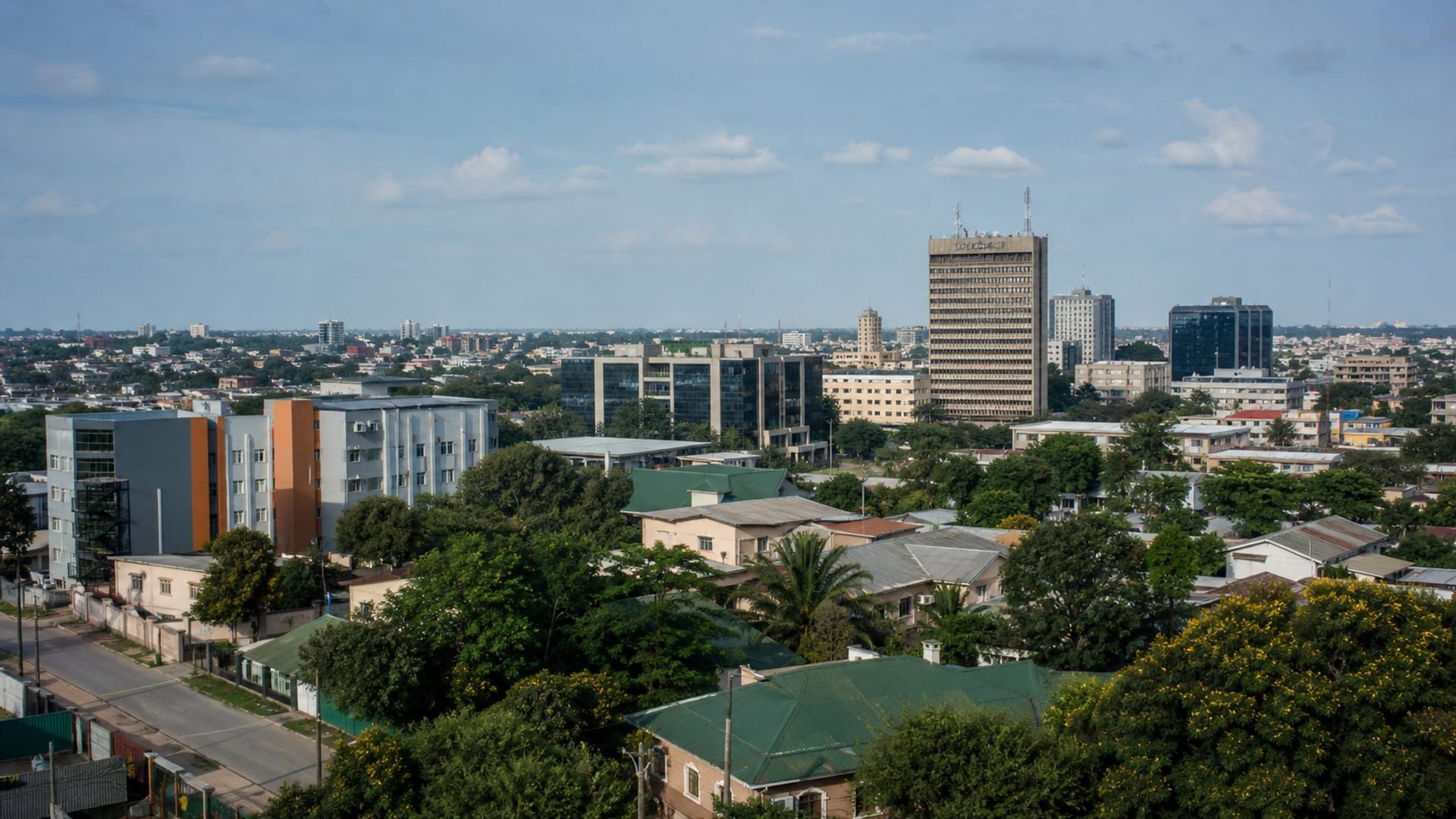
Lusaka relies mainly on road transport, with minibuses, ride apps, and taxis covering both central districts and longer cross-city trips.

Minibus
for longer distances
Minibuses run along major routes between the city center, bus stations, and residential districts. Fares are usually ZK8–ZK15 ($0.45–$0.85) and are paid in cash when you board. They are cheapest for daytime trips, but routes and departure times can be unpredictable.

Rideshare services
for convenience
Bolt and Yango are useful for trips between hotels, restaurants, and sights, especially after dark. Book through the app and check the fare before confirming. Yango rides start at ZK49 ($2.70), while longer journeys cost more depending on distance, traffic, and demand.

Airport taxi
for convenience or late hours
Official taxis wait outside Kenneth Kaunda International Airport (LUN) and are available 24 hours a day. Fares toward central Lusaka start at ZK250 ($14). Confirm the price before leaving the airport; the drive generally takes 30–45 minutes depending on traffic.
*Prices are based on rates updated as of June 2026 and may change at the time of travel.
Use minibuses for cheap daytime travel, ride apps for most city trips, and airport taxis when you want a car waiting as soon as you leave the terminal.
Iconic landmarks
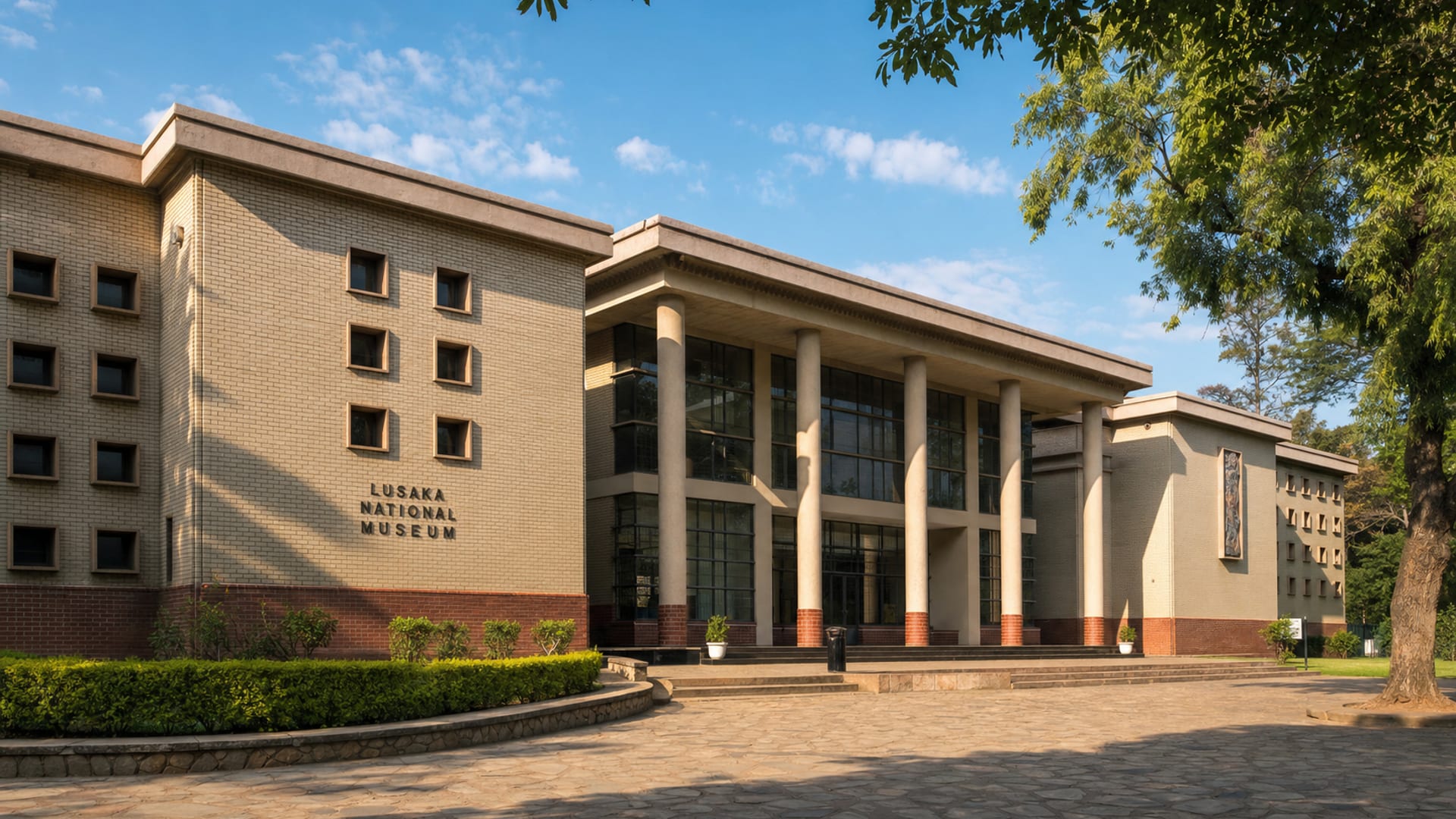
Lusaka National Museum
Lusaka National Museum focuses on Zambia’s political and cultural history, with permanent and temporary exhibitions supported by archaeology, ethnography, and history collections. Its central location also makes it easy to pair with the nearby Freedom Statue.
Time needed: 1–2 hours
Entry: Locals pay ZK10 for a ticket; foreign adults: $5. Find information on the official website.
Tip: Pair it with the Freedom Statue nearby to cover both in one outing.
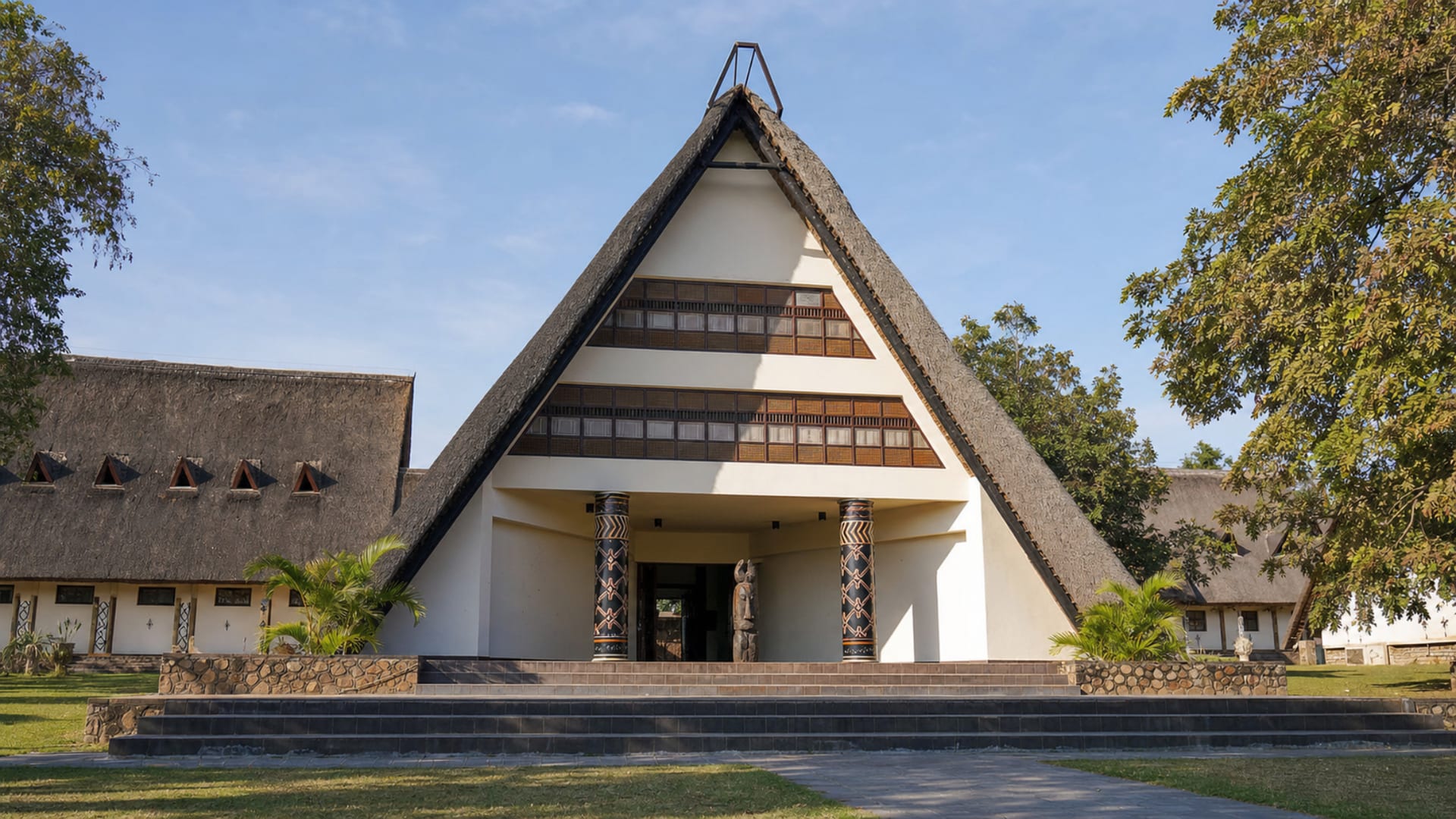
Kabwata Cultural Village
Kabwata Cultural Village brings together Zambian artists and craftspeople selling woodcarvings, baskets, paintings, textiles, jewelry, and other handmade pieces. The open-air setting makes it one of Lusaka’s best-known places to see local craft traditions and buy souvenirs.
Time needed: Visit earlier in the day, when more workshops and stalls are active.
Entry: Free to enter, with prices set by individual makers for crafts, carvings, textiles, and other pieces displayed in the village.
Tip: Go in the morning, when more stalls are open and the heat is easier to handle.
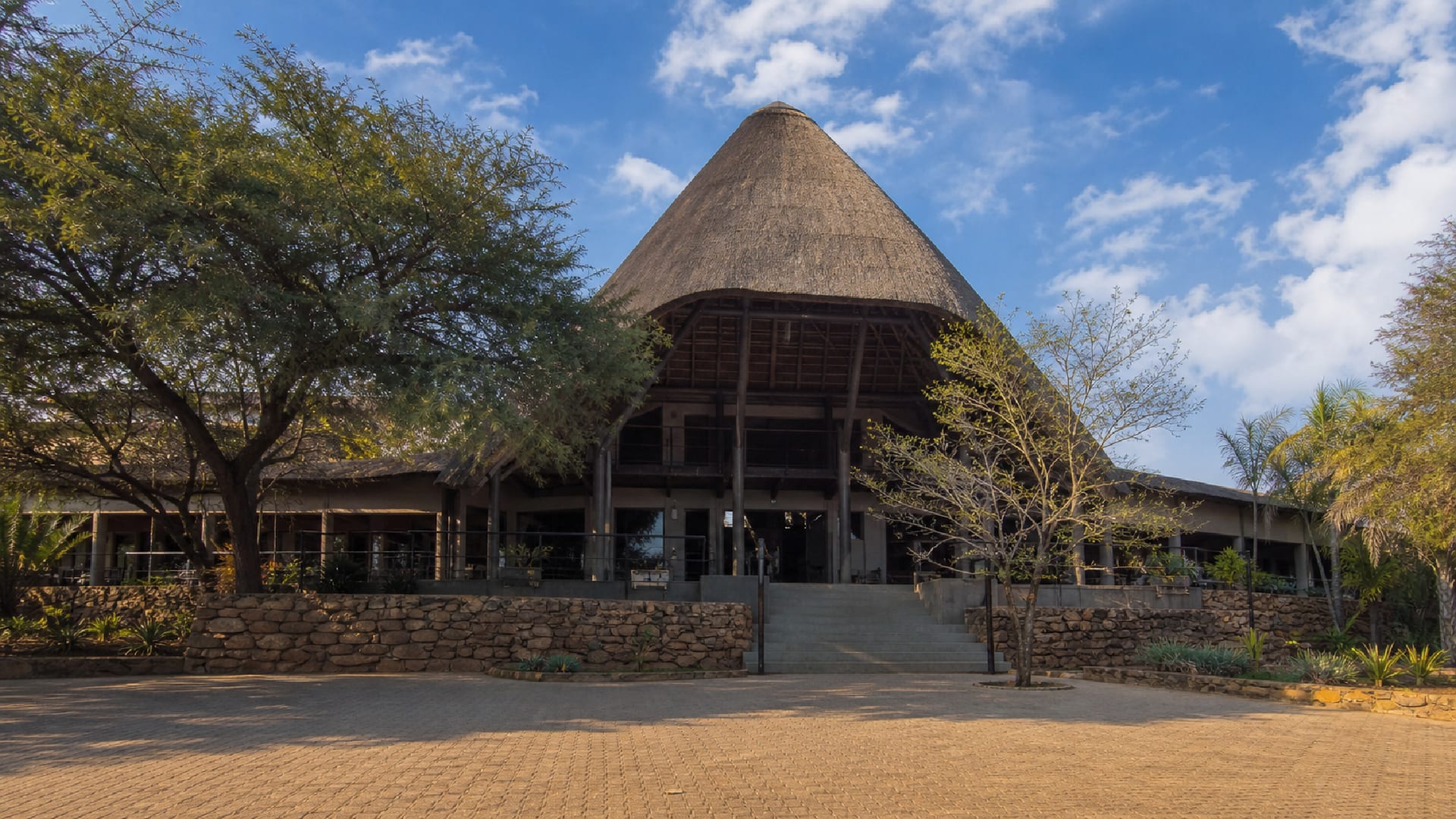
Freedom Statue
The Freedom Statue shows a man breaking his chains, symbolizing Zambia’s independence from colonial rule. Unveiled in 1974, the monument honors the country’s freedom fighters and is modeled on Zanco Mpundu Mutembo, whose image became a national symbol.
Time needed: 20 to 30 minutes
Entry: Free to view from the public area on Independence Avenue. Visit the official site for details.
Tip: Combine it with the National Museum, which is only a short walk away.
Overlooked sites worth visiting

37D Gallery
37D Gallery showcases contemporary work by emerging and established Zambian and African artists. Sales also support the stART Foundation’s arts education programs.
Time needed: About 1 to 2 hours
Entry: Free; check current exhibitions before visiting. Find information on the official website.
Tip: Check the exhibition schedule first, since displays change throughout the year.

Munda Wanga Environmental Park
Munda Wanga in Chilanga combines botanical gardens, wildlife enclosures, and conservation education. Its shaded grounds make it an easy half-day trip south of central Lusaka.
Time needed: 2 to 3 hours
Entry: Foreign adults pay $5 for a ticket; children: $3. Visit the official site for details.
Tip: Visit in the morning, before the afternoon heat makes the outdoor areas less comfortable.
Traditional food
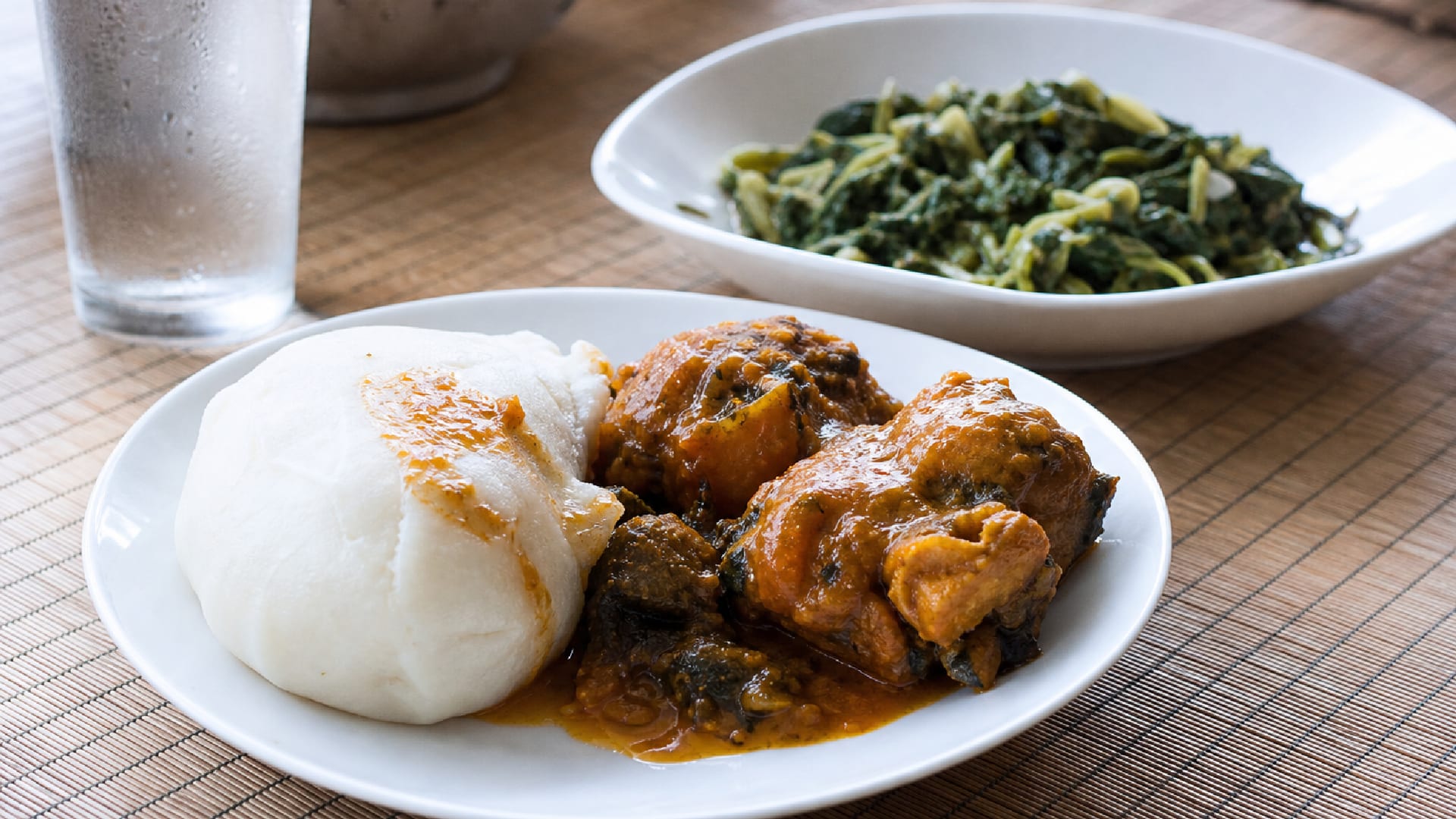
Lusaka’s traditional food centers on maize, leafy vegetables, groundnuts, fish, and slow-cooked relishes. Nshima usually anchors the meal, with several dishes served beside it.
Nshima
Nshima is a thick porridge made from finely ground maize meal and water, usually eaten with meat, fish, beans, or vegetable relish. Musuku Restaurant serves it with several local dishes.
Kapenta
Kapenta are tiny freshwater fish that are commonly dried, then fried or cooked with tomato and onion before being served with nshima. The Kiwi Café lists fried kapenta on its current menu.
Chikanda
Chikanda is made from ground wild-orchid tubers and groundnuts, cooked until firm and sliceable, which gives it the nickname “African polony.” Curate Restaurant serves it as a stew with tomato sauce and chakalaka.
Ifisashi
Ifisashi combines leafy greens, often pumpkin or cassava leaves, with groundnuts and sometimes tomato, creating a rich, savory relish. White House Residences Restaurant serves pumpkin-leaf ifisashi with groundnuts.
Best time to visit Lusaka
Lusaka has three practical travel seasons: warm and wet, cool and dry, and hot and dry. Each changes how comfortable long days outdoors feel.
Best for: Green scenery, indoor sights, photography, and slower sightseeing days
What you get: Warm days bring regular afternoon rain, greener surroundings, and temperatures around 68°F–90°F (20°C–32°C), with humid spells between showers.
Trade-offs: Heavy showers can slow road travel and shorten outdoor plans, especially later in the day.
Best for: City walks, museums, long outings, and comfortable daytime sightseeing
What you get: Dry weather, clear skies, and temperatures around 50°F–79°F (10°C–26°C) make long days outside easier, with cool mornings and mild afternoons.
Trade-offs: Early mornings and evenings can feel chilly, so bring a light jacket or sweater.
Best for: Dry sightseeing, early starts, outdoor meals, and relaxed evening city plans
What you get: Days become hotter and sunnier, with temperatures often reaching 88°F–90°F (31°C–32°C) by October and little rain before the wet season.
Trade-offs: Midday heat can make longer walks tiring, especially in October and November.
Best for: Dry sightseeing before the rains return
What you get: About 77°F to 93°F (25°C to 34°C), with thinner crowds and dusty afternoons
Trade-offs: Heat rises quickly, especially later in the season
A realistic 5-day plan in Lusaka
Five days in Lusaka are enough for the city’s main cultural stops without spending every afternoon in traffic. This plan groups central sights, saves the longer trip south for its own day, and keeps the final afternoon light before the airport.
After landing at Kenneth Kaunda International Airport (LUN), take a taxi or ride app to your hotel and leave the first afternoon open. Settle in, have coffee or an early meal nearby, and avoid adding a cross-city trip after the flight. If you are staying in Longacres or Woodlands, use the evening for a short neighborhood walk or dinner close to the hotel. Lusaka’s traffic can make even simple detours feel longer after a travel day, so save the central sights for the next morning.
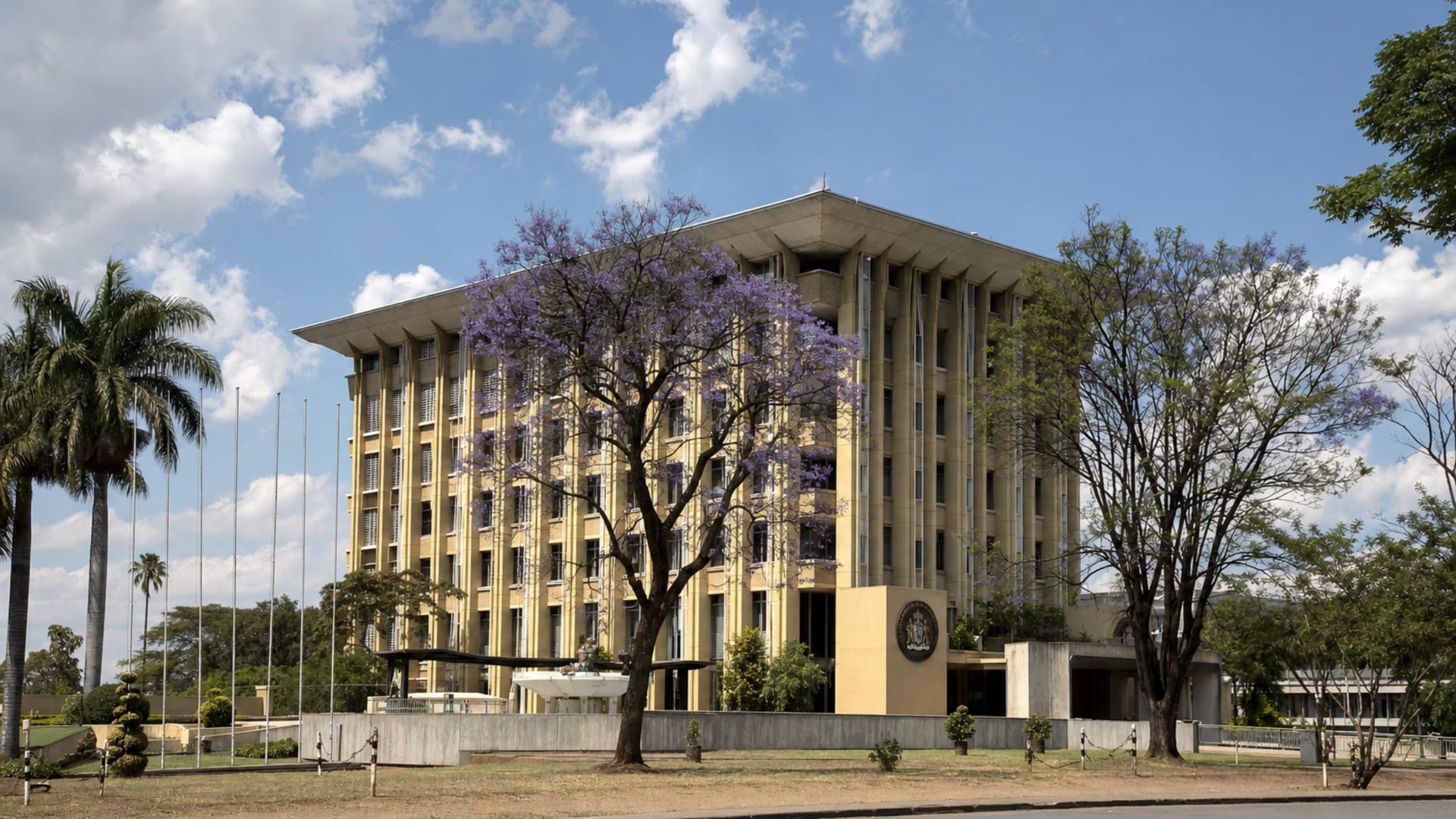
Spend the morning at Lusaka National Museum, where the permanent and temporary exhibitions focus on Zambia’s political history, with archaeology and ethnography supporting the wider collection. Allow 1–2 hours, then walk to the nearby Freedom Statue on Independence Avenue. Have lunch in central Lusaka afterward and keep the afternoon unhurried, with time for coffee or a break before dinner. Both stops sit close together, so there is no reason to add another district to the day.
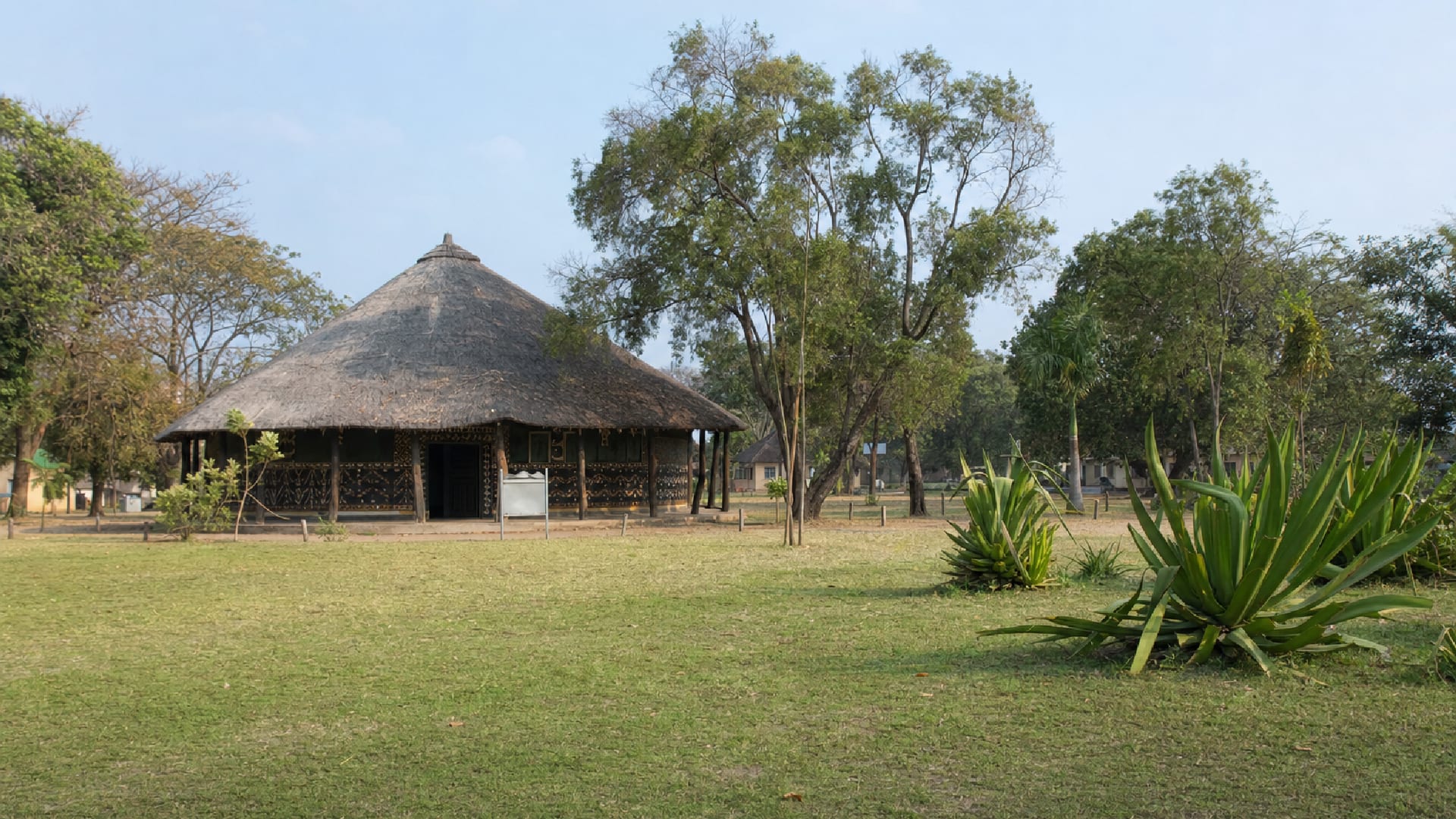
Give Munda Wanga Environmental Park its own morning, since the trip south to Chilanga takes you away from the central districts. Arrive early for the botanical gardens, wildlife enclosures, and conservation displays, then allow 2–3 hours inside. On the way back, stop in Woodlands for a late lunch or coffee and keep the rest of the afternoon open. Grouping the park with a southern district avoids turning the day into repeated drives across Lusaka.
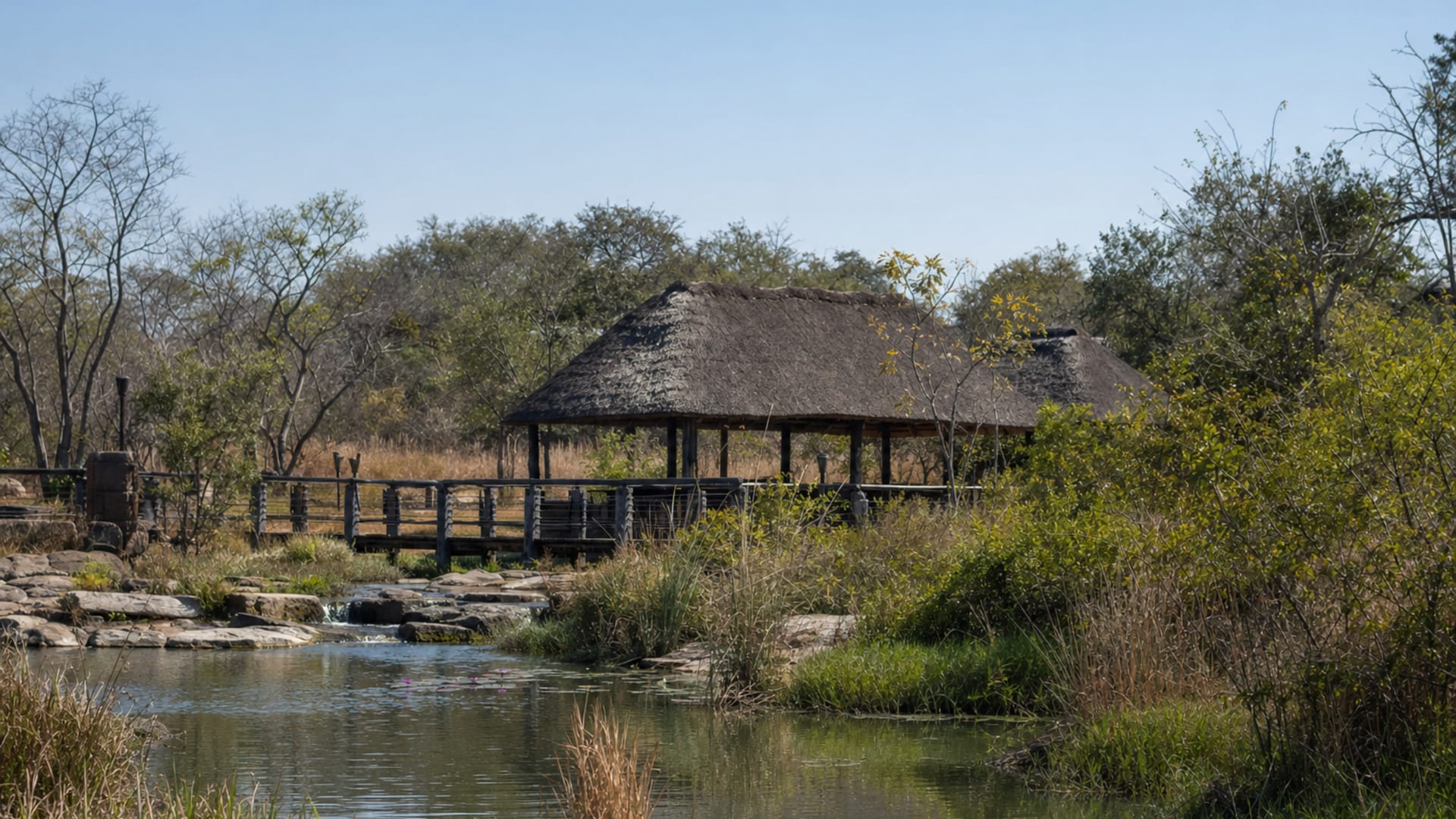
Use the morning for central Lusaka, walking part of Cairo Road to see the city’s commercial side before traffic and heat build later in the day. After lunch, take a short taxi ride to Kabwata Cultural Village and spend 60–90 minutes browsing carvings, baskets, textiles, and workshops. Finish with dinner in Kabwata or Longacres instead of crossing the city again. The day stays focused on downtown and nearby districts, with enough time to stop when the midday heat picks up.
Keep the final day lighter with a visit to 37D Gallery in Kabulonga, where contemporary Zambian and African art fills a compact gallery space alongside a cafe. Afterward, move toward Woodlands or Longacres for lunch, coffee, or any last shopping you need before collecting your bags. Keep the schedule loose enough to return to the hotel without rushing, then leave a comfortable margin for the drive to Kenneth Kaunda International Airport (LUN), especially during afternoon traffic.
Business-class flights from the US to Lusaka
From both US coasts, Lusaka is accessible with one connection through major hubs in Africa or the Middle East.
New York (JFK) to Lusaka (LUN)
From John F. Kennedy International Airport (JFK), Kenya Airways flies through Jomo Kenyatta International Airport (NBO), Qatar Airways through Hamad International Airport (DOH), and Emirates through Dubai International Airport (DXB). Flights on this route usually take 16–20 hours. Round-trip business-class fares start near $5,000 and can rise above $8,000 depending on demand and travel dates.
Los Angeles (LAX) to Lusaka (LUN)
Los Angeles International Airport (LAX) has one-stop business-class service with Qatar Airways via Hamad International Airport (DOH) and Emirates via Dubai International Airport (DXB). The shortest flights on this route take roughly 24–26 hours. Round-trip business-class prices start at $7,400; peak periods can push fares beyond $10,000.
Lusaka makes more sense one area at a time
Lusaka is easier to plan when each day stays focused on one part of the city. Longacres keeps you close to central offices and restaurants, Cairo Road covers the commercial core, and Woodlands offers a quieter place to end the day. Taxis and ride apps handle most longer trips, while grouping nearby sights helps reduce unnecessary time in traffic. If you are planning a visit, AranGrant can help you compare business-class flights and hotels that suit your dates, preferences, and budget.







