

Chapters:

Need help with your trip?
Our support team is available 24/7. Request a callback or call us directly at (833) 619-0908
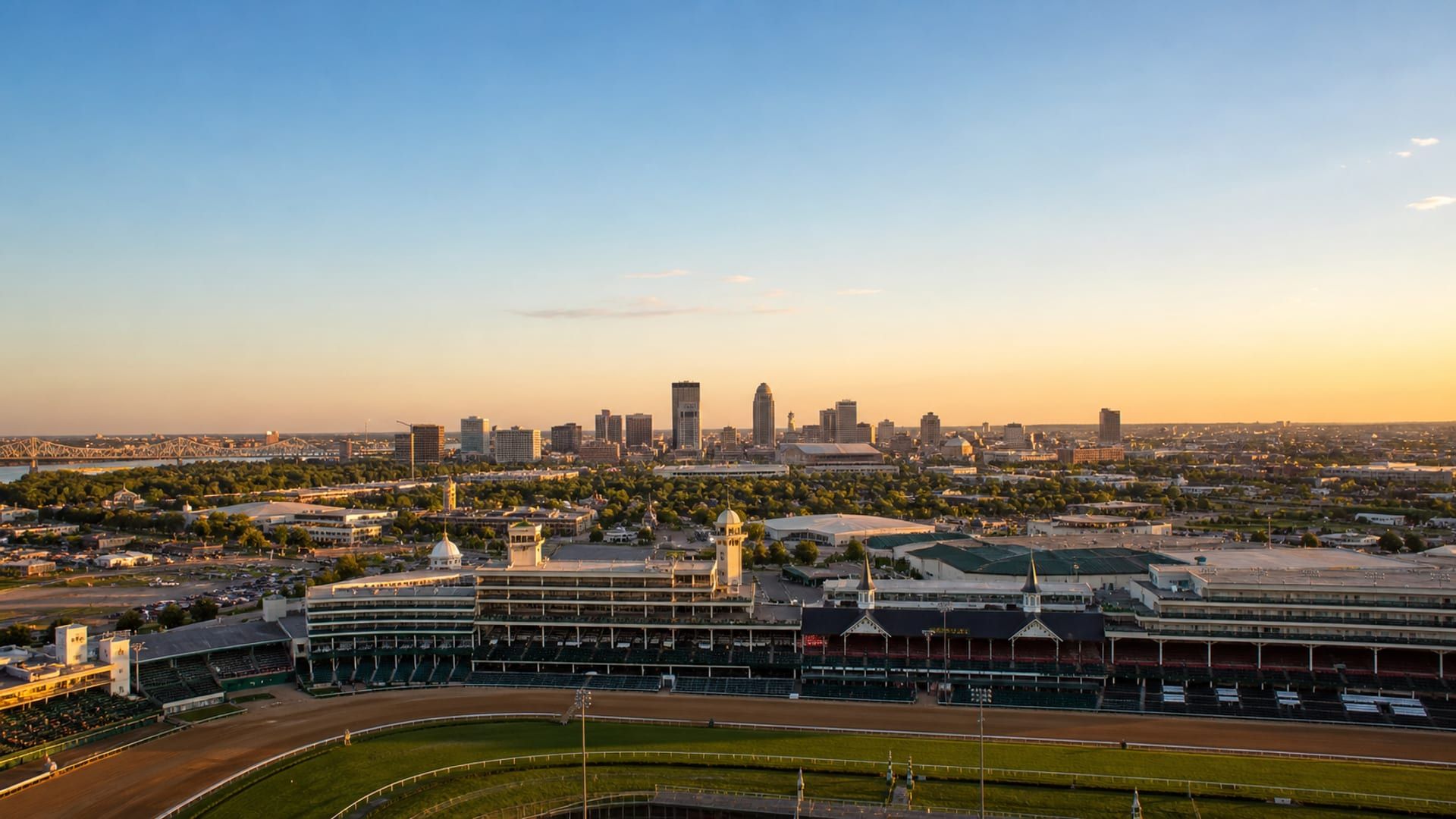
Louisville trips often start with a quick museum stop, a Derby photo, and dinner downtown, while Cave Hill, Old Louisville, and the Highlands stay off the first draft. That pattern skips the places that explain how the city actually opens up.
The distance between a riverfront hotel, Churchill Downs, and Cave Hill is manageable, but not on foot, and evening plans can unravel if you treat every neighborhood as central. Lunch closures and limited late buses also shape the day more than many visitors expect.
This guide builds the trip in a clearer order, with neighborhoods, transit, food, and day-by-day pacing lined up so you can move through Louisville without wasting time between stops.
Useful things to know

Main language(s): English

Currency: The local currency is the US dollar (USD, $).

Cash and cards: Cards and contactless are widely accepted; keep about $20 to $40 cash for tips, small shops, and taxis.

Tipping: Tip 15 to 20% at sit-down restaurants; round up small checks and tip taxi drivers about 10%.

Traditional food: Hot Brown, fried chicken, Derby pie, burgoo

Water and coffee costs: Water about $2 ($2), bar espresso about $3.50 ($3).

Taxis and ride apps: Uber and Lyft operate here; check airport pickup zones before you request a car.

Plug and voltage: Type A/B socket, 120V

Dining and shop opening hours: Breakfast is about 07:00-10:00, lunch 11:30-14:00, and dinner 17:00-21:00. Some restaurants close between lunch and dinner, especially outside downtown.

Emergency number: Call 911 for police, fire, or medical emergencies.
Where to stay in Louisville
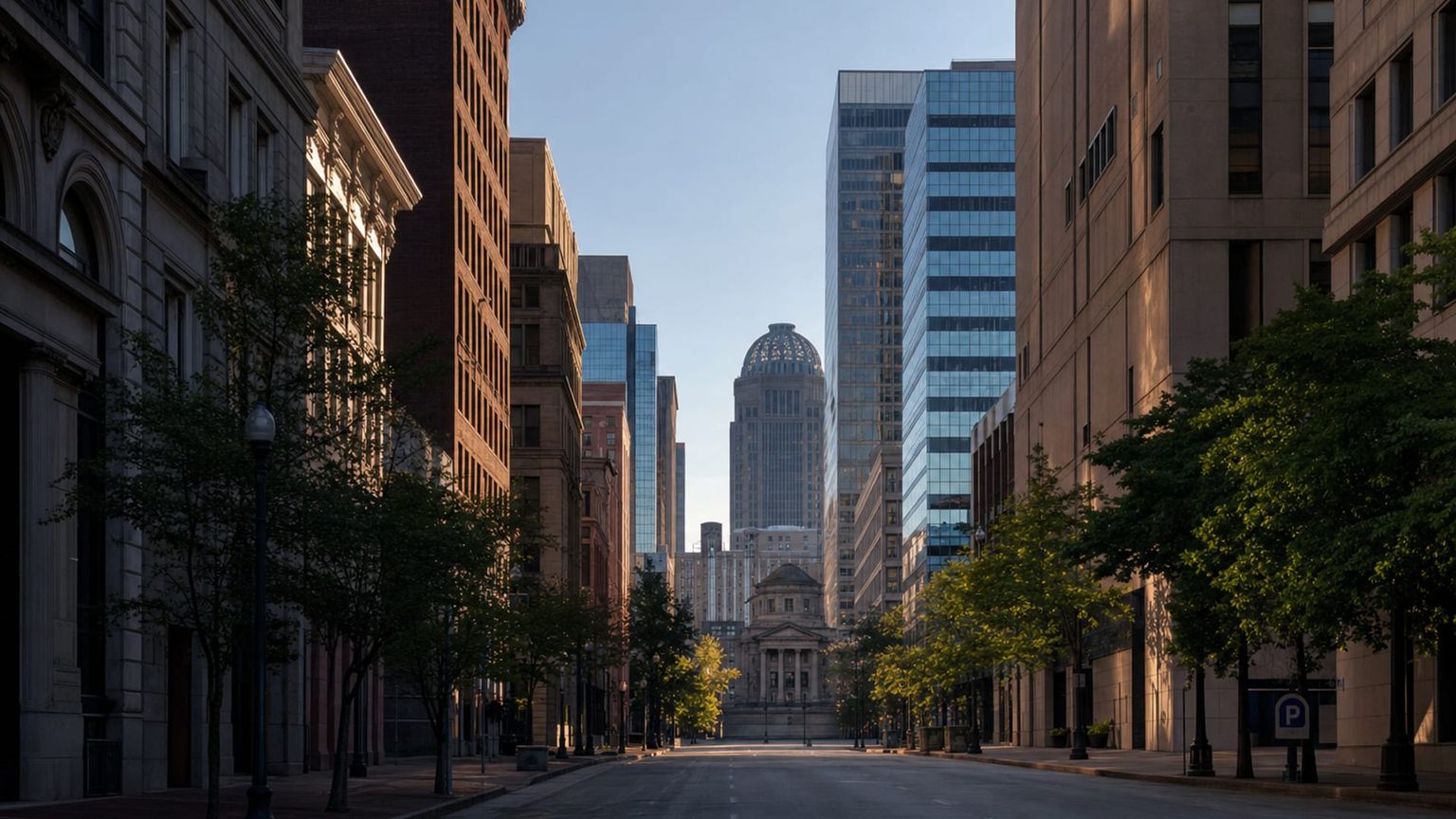
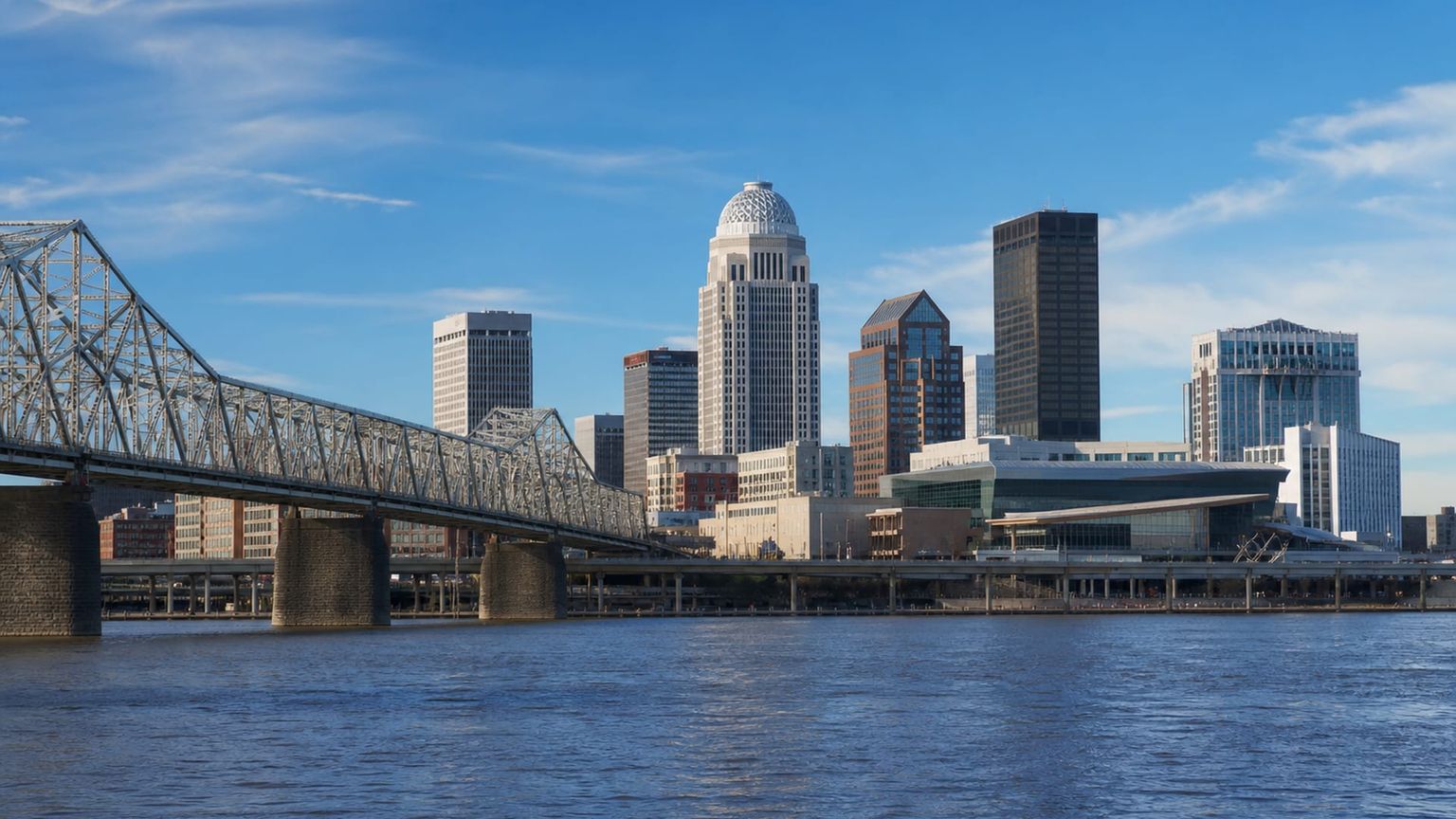
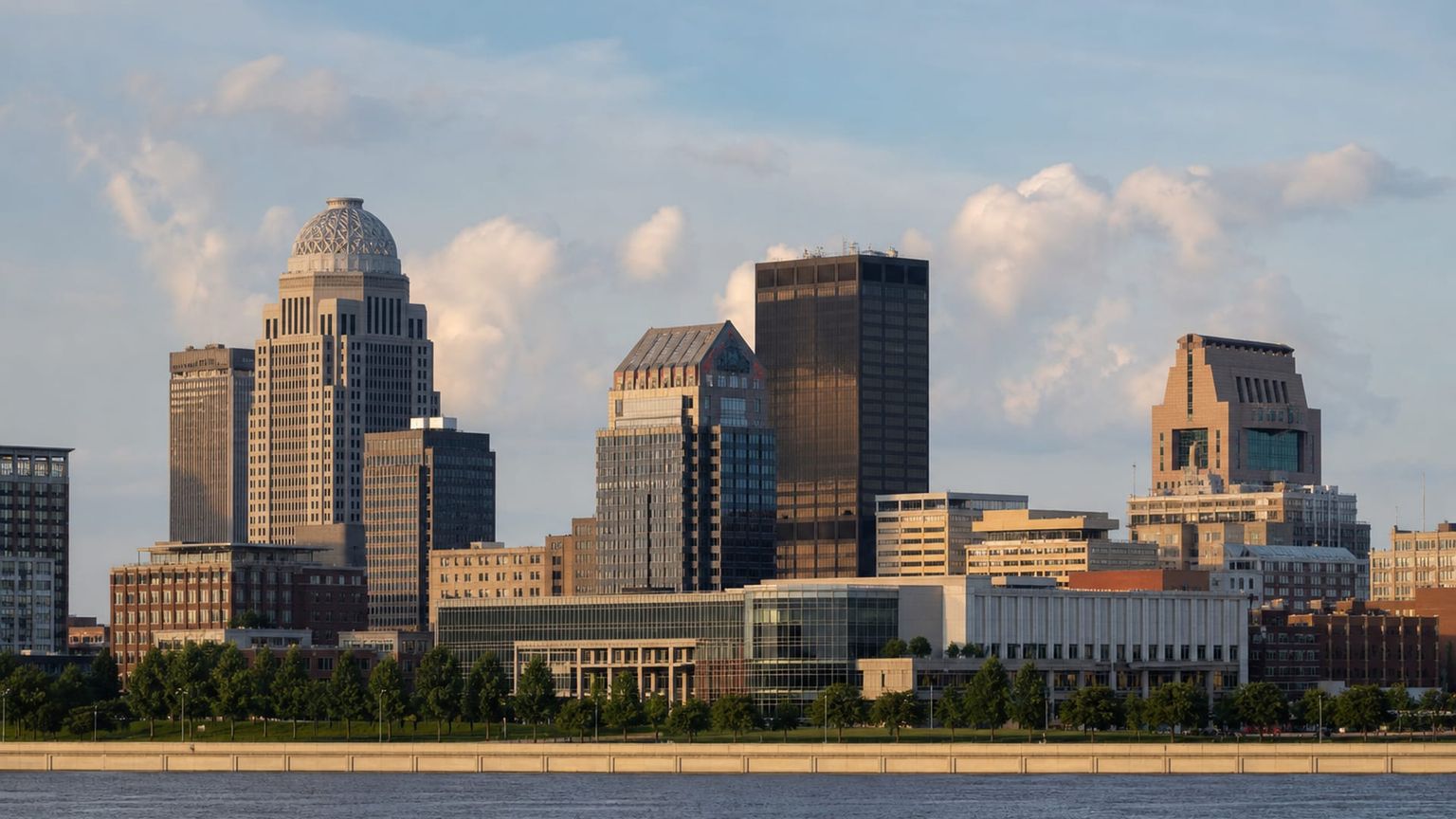
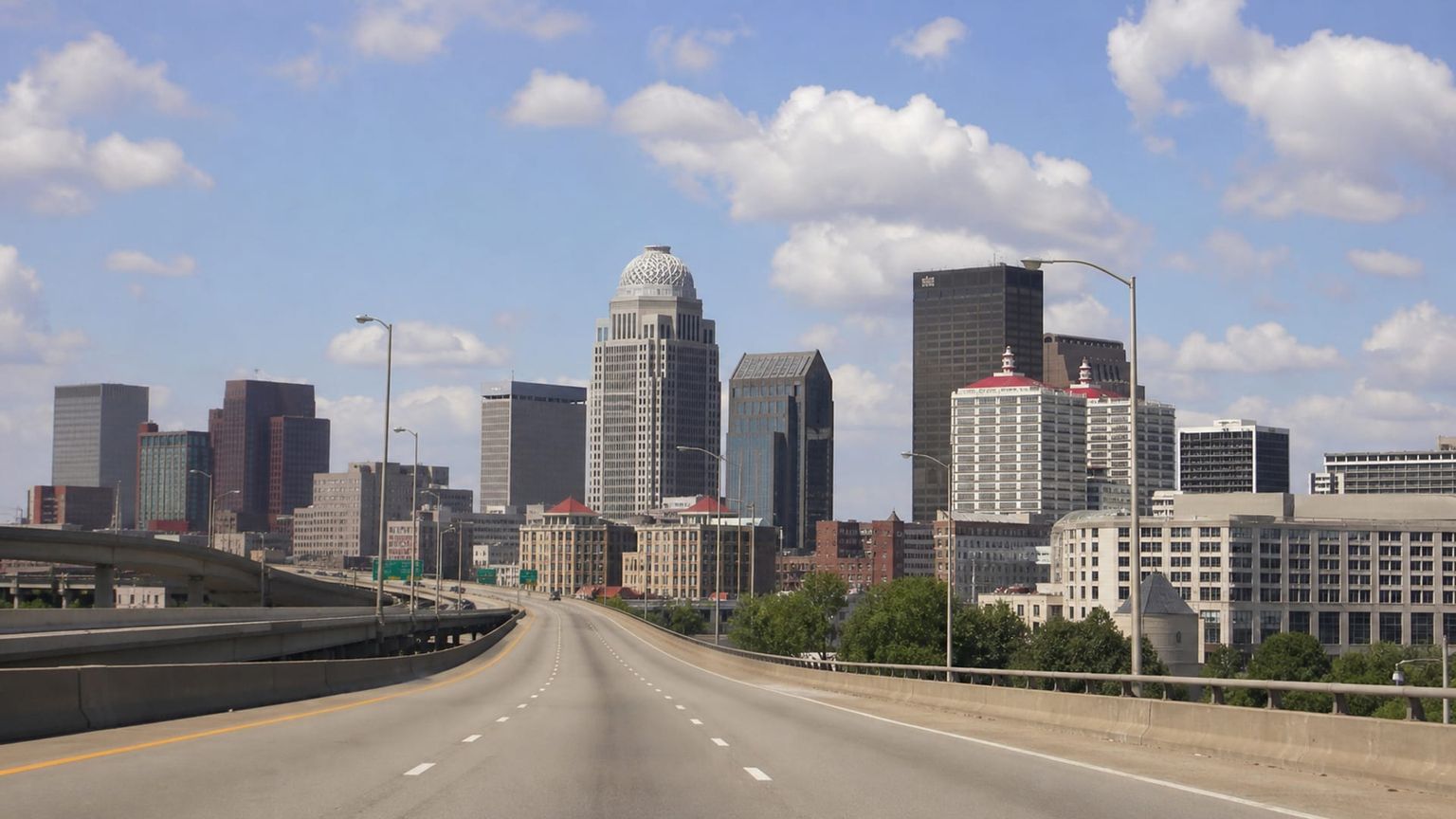
Louisville’s main business district puts you close to the Ohio riverfront, museums, and the city’s best-known dining streets. It suits visitors who want the densest cluster of hotels, event venues, and transit connections in one place.
Best for: First-time visits, riverfront walks, events, and travelers who want the city’s densest hotel cluster
What to expect: Busy sidewalks by day, steady after-work traffic, and a mix of office towers, restaurants, and convention guests.
Hotel prices: Usually about $170 to $320 per night for well-rated stays
Distance to major sights: 5 to 15 minutes on foot to the Kentucky Center and Louisville Slugger Museum, about 10 minutes by transit to Whiskey Row
Quietness: Lively in the day, quieter late at night once offices and event crowds thin out.
Main trade-off: Weekend rates can jump during conventions and big games, and some blocks feel empty after business hours.
Good to know: Parking costs add up quickly, so choose a hotel with on-site parking if you plan to rent a car.
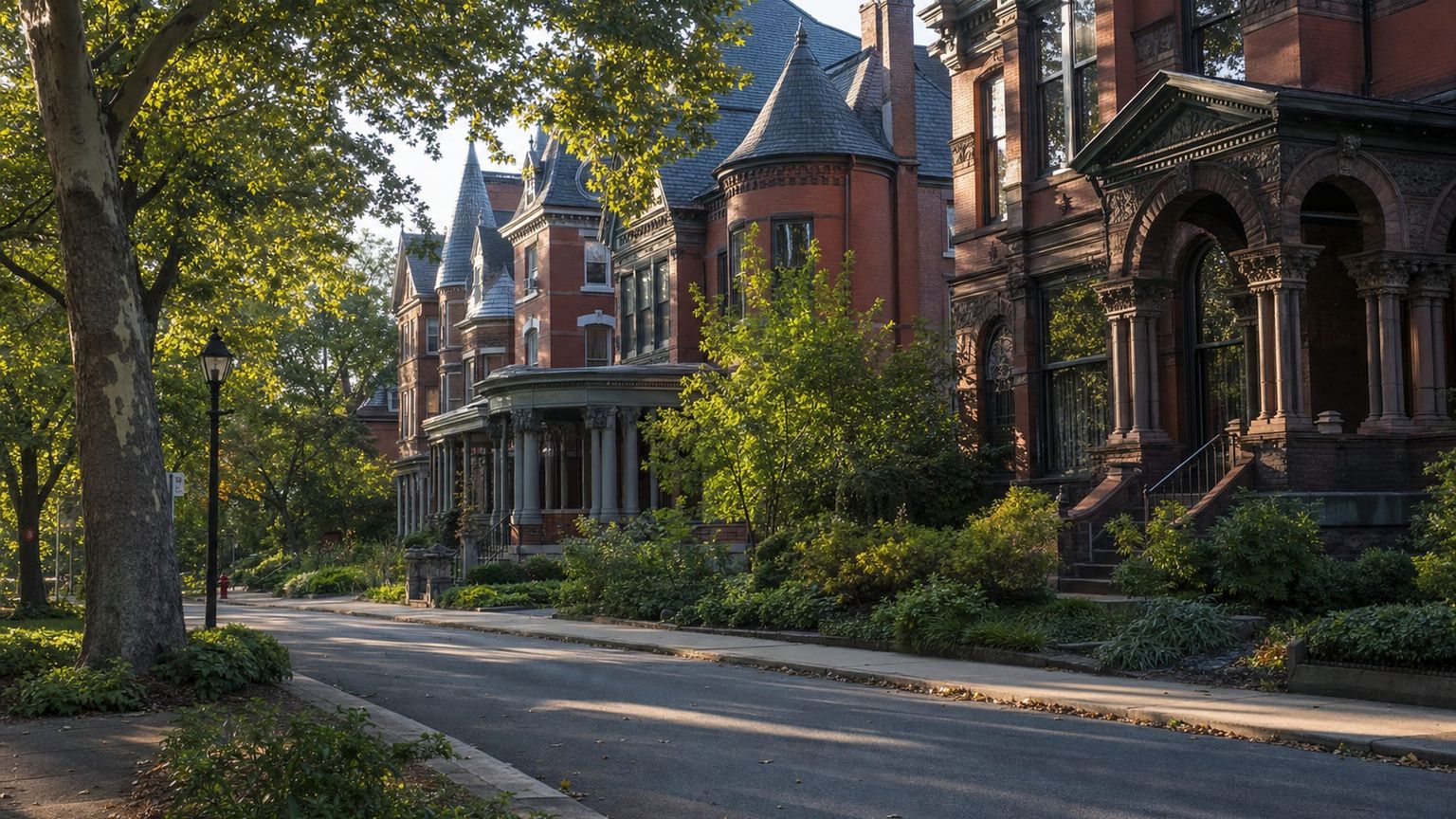
Old Louisville is a historic neighborhood south of downtown, known for Victorian homes, tree-lined streets, and a residential feel close to the city’s core. It works well for visitors who want character and easy access to central attractions without staying amid the busiest blocks.
Best for: Architecture lovers, quieter evenings, and visitors who want central access without downtown’s busiest blocks
What to expect: Residential streets, older houses, local coffee spots, and lighter foot traffic than downtown.
Hotel prices: Usually about $140 to $260 per night for well-rated stays
Distance to major sights: About 10 minutes by car to Downtown Louisville and 20 to 25 minutes on foot to the Kentucky International Convention Center
Quietness: Calm at night on most blocks, with more street activity near campus edges and main roads during the day.
Main trade-off: You will likely rely on rideshares or a car after dark, since dining and nightlife choices are thinner than downtown.
Good to know: Some blocks are wide and shaded, so check the exact street, because walking times can vary more than the map suggests.
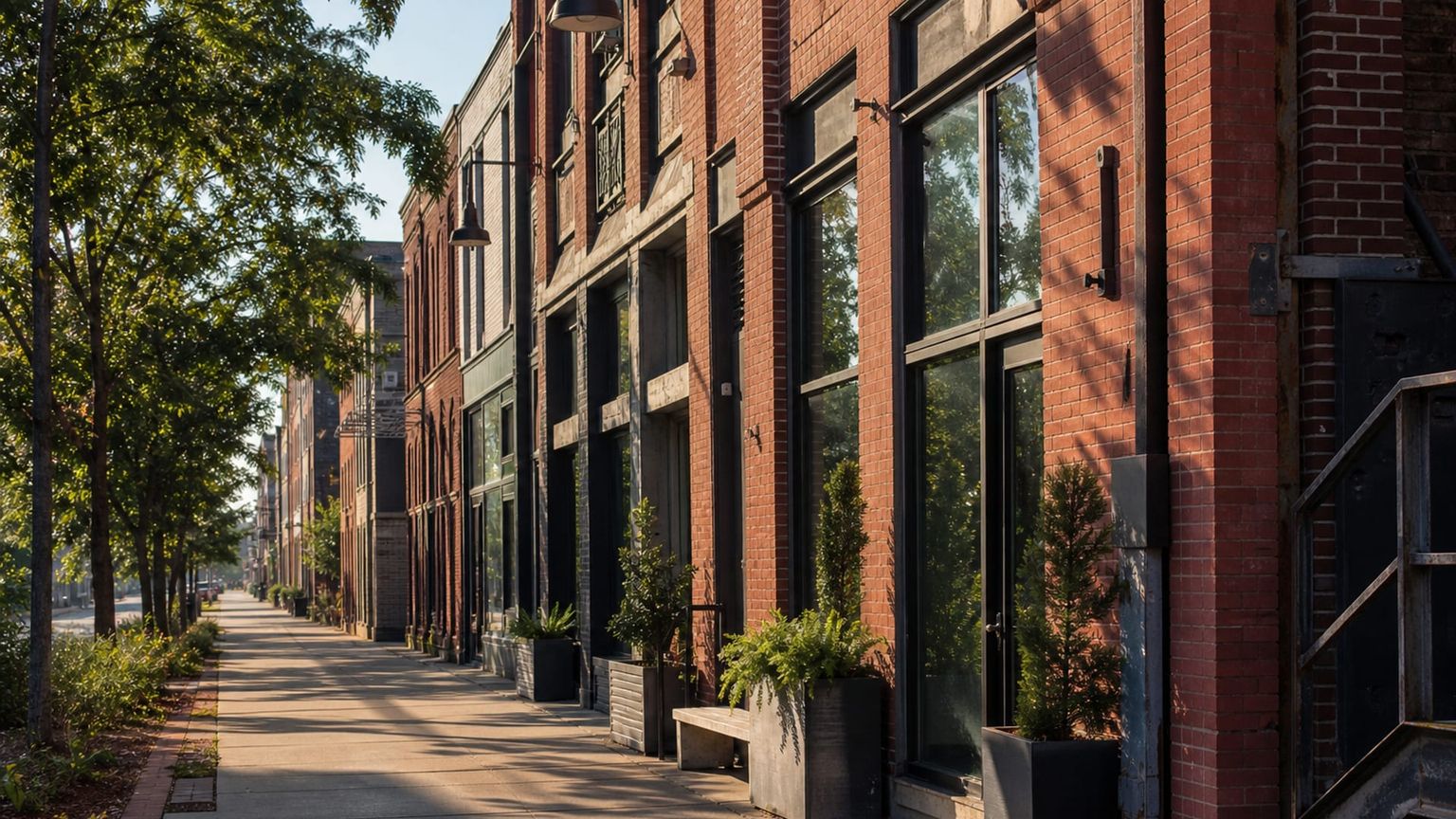
NuLu, short for East Market District, sits east of downtown and centers on galleries, independent restaurants, and design shops. It matters because it gives you a compact base for dining and nightlife while keeping downtown and the riverfront within easy reach.
Best for: Dining, nightlife, boutique shopping, and travelers who want an energetic neighborhood close to downtown
What to expect: Active sidewalks, patio dining, and a younger crowd concentrated along East Market Street.
Hotel prices: Usually about $180 to $340 per night for well-rated stays
Distance to major sights: About 10 minutes by transit to the Louisville Slugger Museum and 20 minutes on foot to the KFC Yum! Center
Quietness: Busy into the evening, then quieter on side streets once restaurants close.
Main trade-off: Hotels are fewer here, so rates can run higher and some rooms face nightlife noise.
Good to know: If you want an early night, ask for a room away from Market Street, since the restaurant strip stays active late.
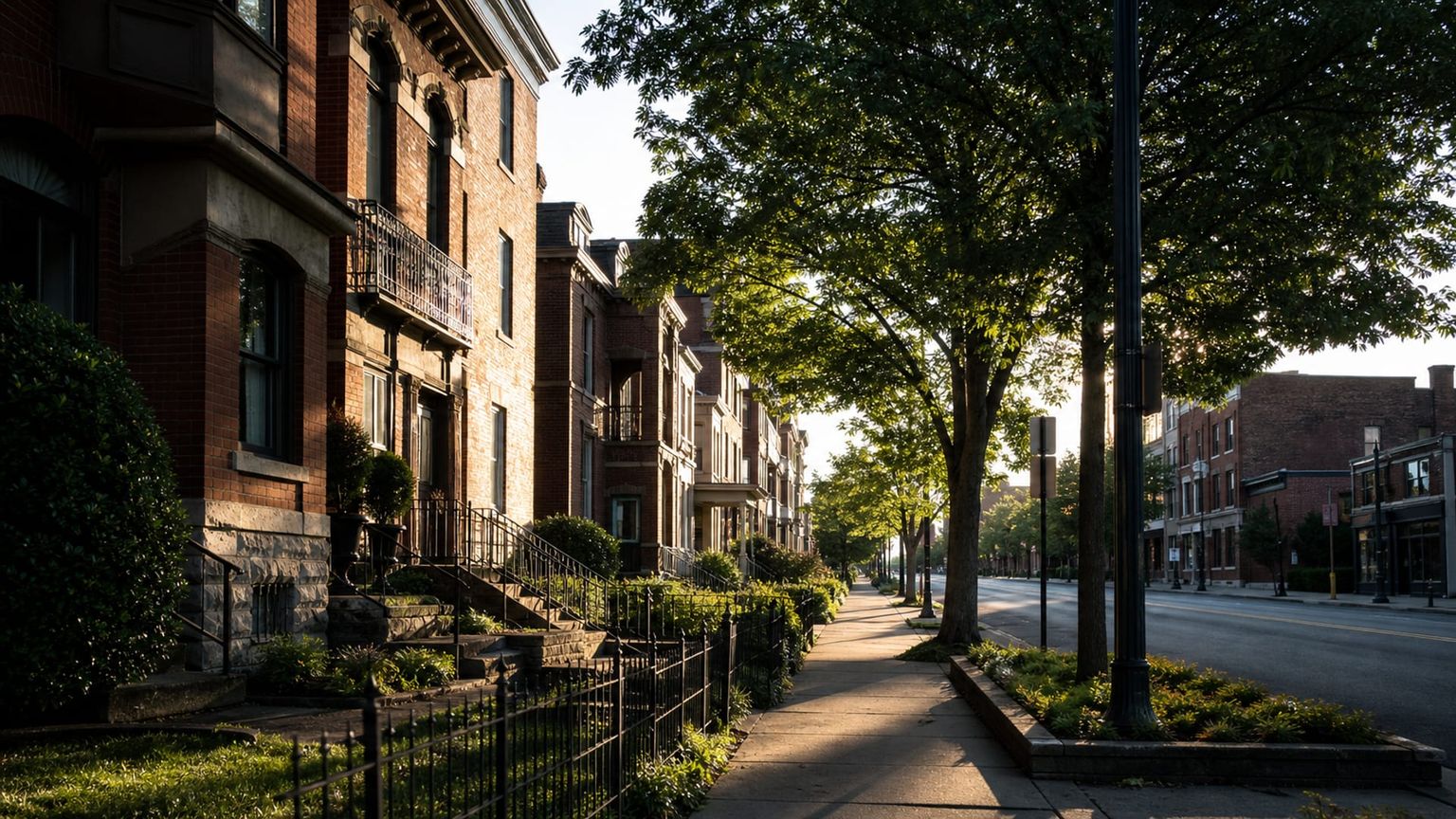
The Highlands is a long, established district east of downtown, known for Bardstown Road, independent shops, bars, and a dense restaurant scene. It is a good fit if you want a neighborhood feel with more local nightlife and fewer office towers.
Best for: Dining, bar hopping, local shopping, and travelers who prefer a neighborhood setting over a downtown tower
What to expect: Dense storefronts, steady evening foot traffic, and a mix of locals, students, and late diners.
Hotel prices: Usually about $150 to $290 per night for well-rated stays
Distance to major sights: About 15 minutes by car to Downtown Louisville and 20 to 25 minutes by transit to the Kentucky Center
Quietness: Active well into the evening on main streets, with quieter residential side streets overnight.
Main trade-off: You trade close walking access to downtown sights for a livelier street scene and more dependence on rideshares after dark.
Good to know: Late-night noise can carry along Bardstown Road, so choose a room set back from the main strip if sleep matters.
Travelers usually avoid staying in Okolona, Pleasure Ridge Park, J-Town, and Valley Station if they want easy access to Louisville’s main sights, since these areas sit far from downtown, the Waterfront, and Old Louisville. Waterfront-area hotels in the airport corridor and along lower Dixie Highway are also less convenient for sightseeing, with fewer visitor-oriented restaurants and longer evening rides back from dinner and nightlife.
Hotel deals
How to get around Louisville efficiently
Louisville has no metro, so most visitors move between downtown, the Highlands, and Churchill Downs with TARC buses, taxis, or rideshare, depending on distance and timing.

Metro
for longer distances
Louisville has no subway or metro system, so visitors rely on buses, taxis, and rideshare for cross-town trips. The closest rail option is regional or intercity service outside the city center, not an urban metro network.

Bus and tram
for convenience
TARC runs Louisville’s bus network, with several downtown routes linking the airport, central business district, the Highlands, and major shopping areas. Fares are $1.75 for a local ride, with day passes at $3.50 and 30-day passes at $50; passes and transfers are timed for about 2 hours on local service. Buses are the main public option, and schedules thin out late at night and on Sundays.

Taxi
for convenience or late hours
Licensed taxis use meter fares rather than flat citywide rates, and airport trips from Louisville Muhammad Ali International Airport (SDF) to downtown usually cost about $25 to $35 before tip, depending on traffic and exact drop-off. You can queue at the taxi stand outside the terminal, and most cabs accept cards, though it is worth confirming before you set off. Short in-town rides often land at $10 to $20, while longer cross-city trips can run higher.
*Prices are based on rates updated as of June 2026 and may change at the time of travel.
Walk downtown when the stops cluster close together, use TARC for low-cost daytime trips, and choose a taxi or rideshare for Churchill Downs, Cave Hill, and late returns from dinner.
Iconic landmarks
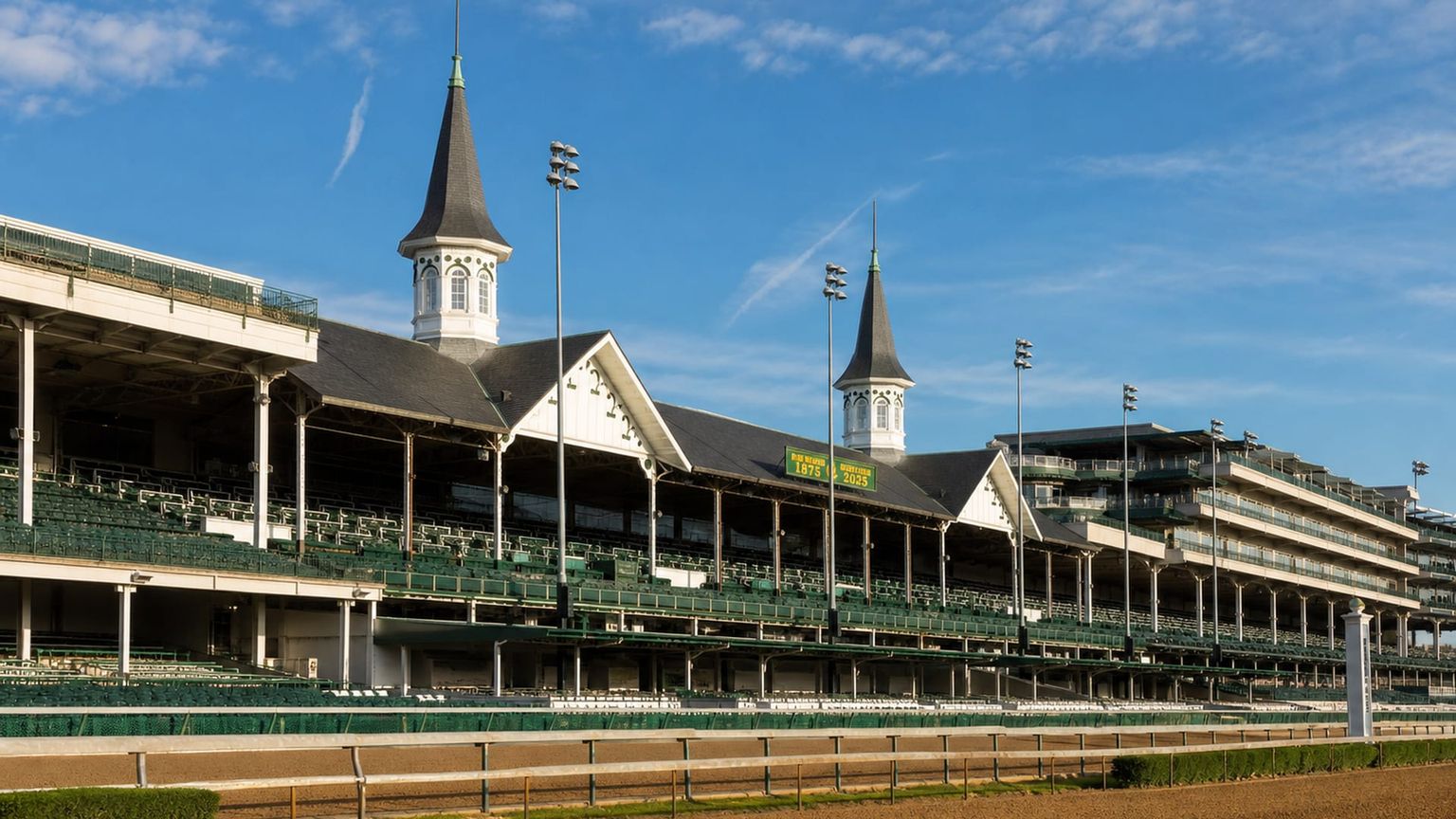
Churchill Downs
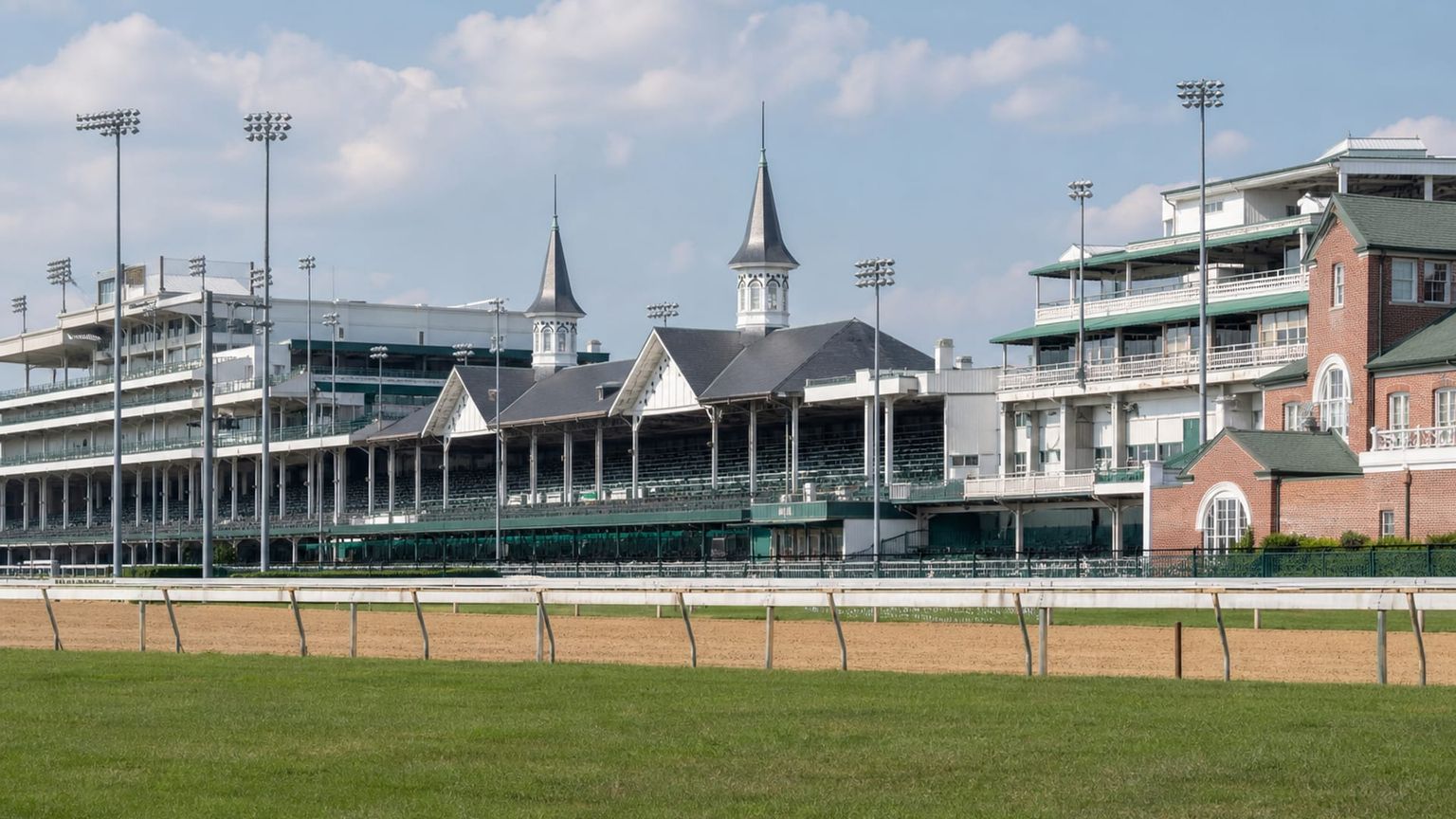
Churchill Downs is the home of the Kentucky Derby, with the twin spires, the track, and the Kentucky Derby Museum on site. Race days bring the biggest crowds, but a non-raceday visit lets you see the grounds, museum, and historic clubhouse area.
Time needed: About 2 to 3 hours
Entry: Standard admission costs $20 to $35 ($20 to $35), with higher prices on special event days and added fees for some museum packages. Visit the official site for details.
Tip: Go earlier in the day, when the grounds are quieter and photo light is better.
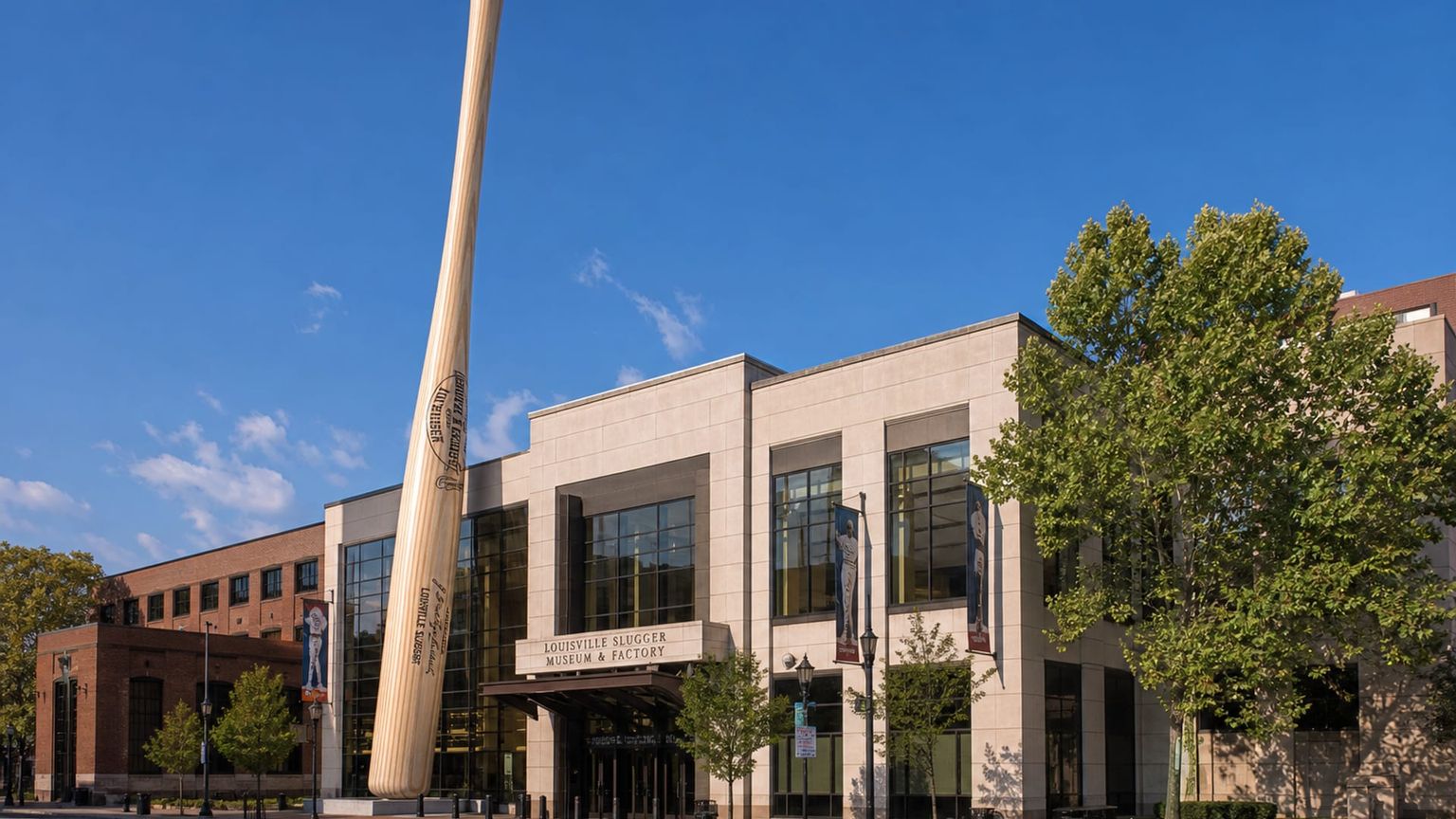
Louisville Slugger Museum and Factory
Louisville Slugger Museum and Factory traces the city’s bat-making history through exhibits, live production views, and the giant bat at the entrance. It sits downtown, making it an easy stop with other city-center sights.
Time needed: About 1 to 2 hours
Entry: Standard tickets cost $20 to $25 ($20 to $25), with discounts for children, seniors, and selected package combinations. Visit the official site for details.
Tip: Visit on a weekday morning to avoid school groups and keep lines shorter.
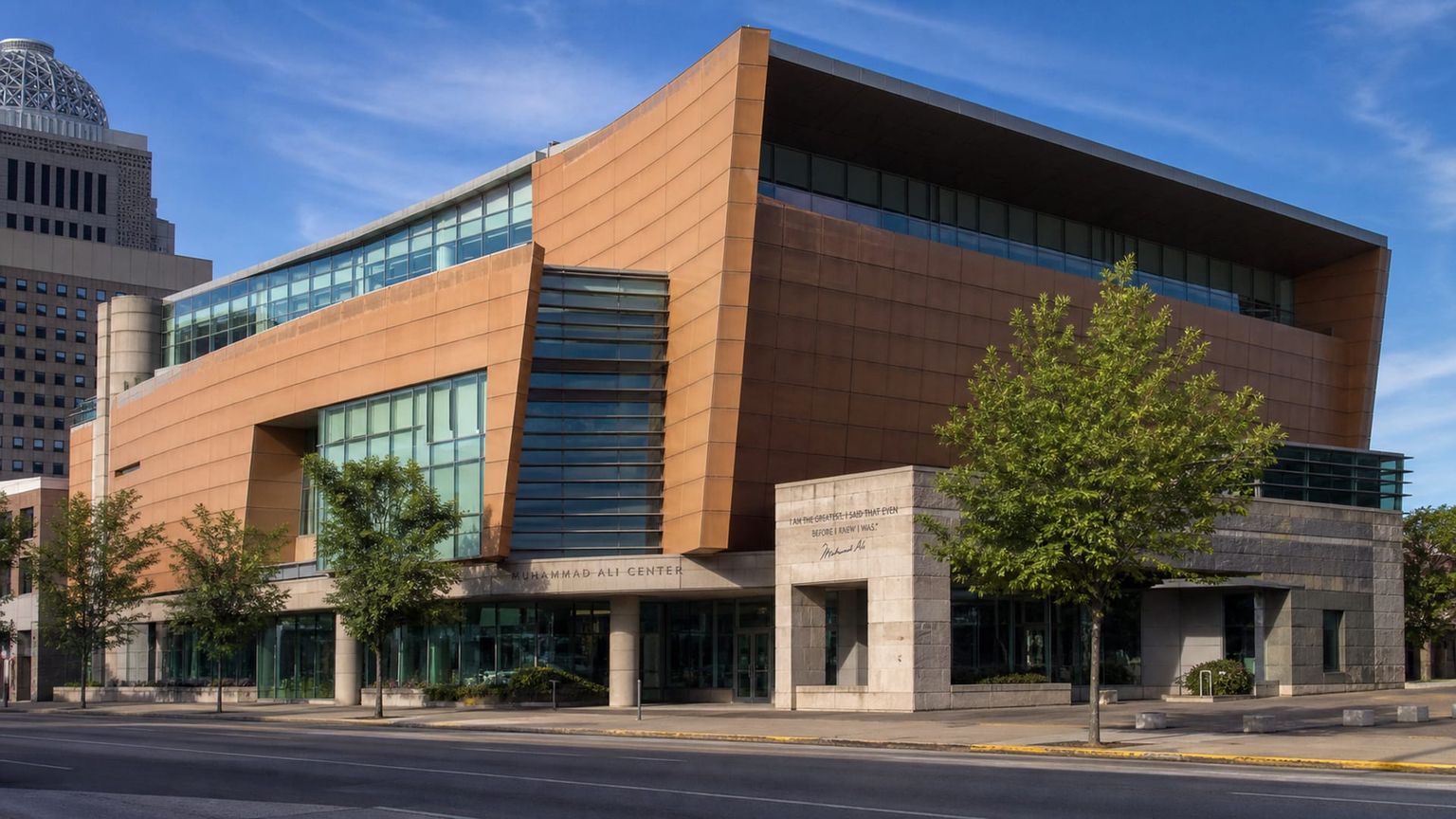
Muhammad Ali Center
The Muhammad Ali Center pairs exhibits, videos, and artifacts with views over downtown Louisville from its hillside site above the riverfront. Its galleries cover Ali’s boxing career, his Louisville roots, and his work beyond the ring.
Time needed: About 1 to 2 hours
Entry: Standard admission costs $20 to $22 ($20 to $22), with reduced rates for youth, seniors, and eligible local residents. Visit the official site for details.
Tip: Allow time for the hilltop approach, then step outside for skyline and river views.
Overlooked sites worth visiting

Cave Hill Cemetery
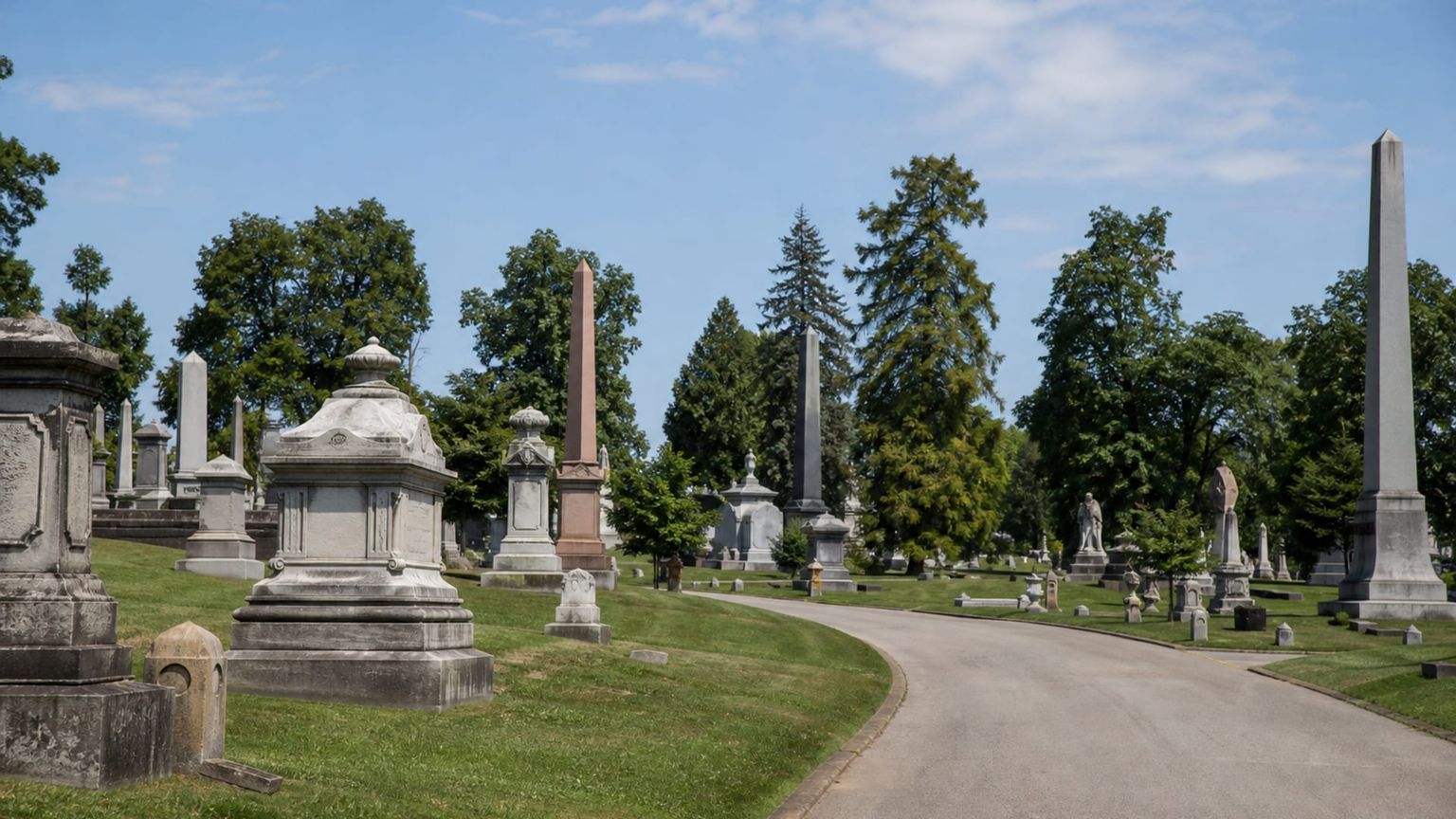
Victorian monuments, winding drives, and the graves of Muhammad Ali and George Rogers Clark make this 296-acre cemetery worth a slow visit. The arboretum has labeled trees and views across rolling hills.
Time needed: About 1 to 2 hours
Entry: Free to access; walking and driving through the grounds do not require an admission fee. The cemetery office offers maps and self-guided materials, and special tours or events may carry separate charges.
Tip: Visit in late afternoon for softer light on the monuments.

Speed Art Museum
Kentucky’s largest art museum packs ancient, modern, and contemporary works into a compact building beside the University of Louisville. Its mix of galleries and rotating shows gives you a focused visit without a long day.
Time needed: About 2 hours
Entry: Standard admission costs $12 ($12) for adults, $8 ($8) for seniors 60 and older, $8 ($8) for college students with ID, and free for children 17 and under. Special exhibitions may cost extra. Visit the official site for details.
Tip: Check the exhibition calendar before you go; some galleries rotate often.
Traditional food
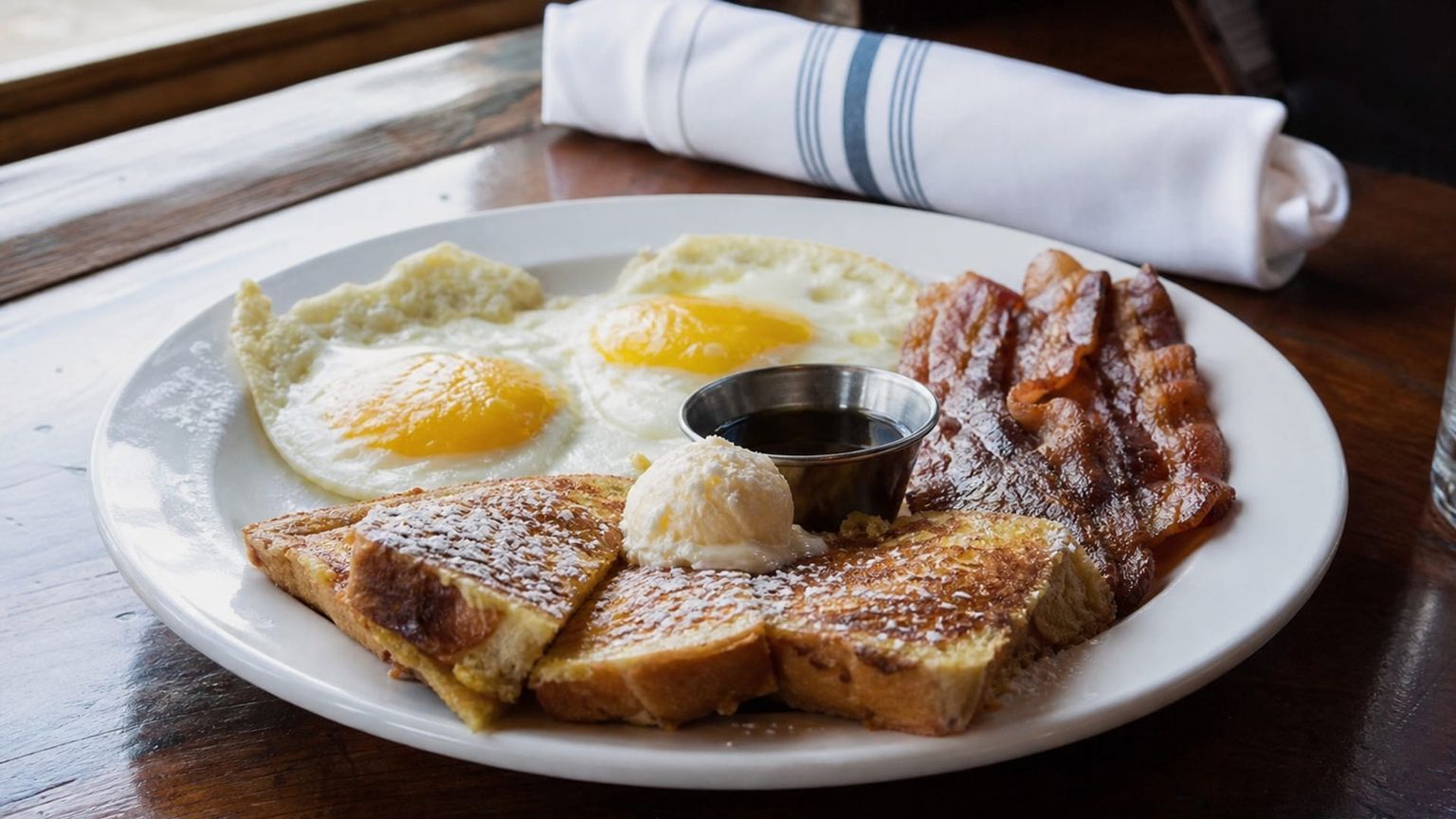
Louisville’s table leans on bourbon-braised sauces, crisp fried chicken, ham, tomatoes, and cream, with Hot Brown, Derby pie, and burgoo anchoring the city’s comfort-food identity in dining rooms that still favor generous portions.
Hot Brown
This open-faced turkey sandwich comes with bacon, tomato, and Mornay sauce, and it defines Louisville comfort food. For a canonical version, go to The Brown Hotel, where the dish was created.
Fried chicken
Louisville treats fried chicken as a weeknight staple and a special-occasion plate, often with sides that lean Southern and hearty. Royals Hot Chicken is a strong local choice for a crisp, peppery version.
Derby pie
This chocolate-and-walnut dessert is rich, sticky, and closely tied to Kentucky’s Derby season. Kern’s Kitchen is the classic source, and many Louisville restaurants serve it as a local finish.
Burgoo
Burgoo is a thick Kentucky stew built from several meats and vegetables, with a texture that sits between soup and braise. For a dependable Louisville plate, try it at Doc Crow’s.
Best time to visit Louisville
Louisville is comfortable in most months, but spring and fall give you the best balance of mild weather, lighter humidity, and manageable crowds around the biggest sights.
Best for: Best for Derby season energy, blooming streets, and long walks in Old Louisville
What you get: About 48 to 76°F (9 to 24°C), with rising visitor traffic in late April and early May
Trade-offs: Hotel rates and crowds climb near the Kentucky Derby
Best for: Best for riverfront evenings, museum visits, and indoor time between hot afternoons
What you get: About 70 to 90°F (21 to 32°C), with the warmest, busiest stretch of the year
Trade-offs: Humidity can make midday sightseeing tiring
Best for: Best for crisp neighborhood walks, cemetery visits, and comfortable downtown days
What you get: About 50 to 78°F (10 to 26°C), with steady conditions and moderate crowds
Trade-offs: Cooler evenings arrive quickly in late October and November
Best for: Best for lower hotel prices, easier museum access, and a quieter downtown
What you get: About 28 to 46°F (-2 to 8°C), with the lightest visitor traffic of the year
Trade-offs: Cold snaps and occasional ice can complicate driving and walking
A realistic 5-day plan in Louisville
A five-day stay in Louisville works best when you separate downtown landmarks, south-side race history, and the quieter residential neighborhoods instead of packing them into one long loop.
Land at Louisville (SDF) and take a taxi or rideshare into Downtown Louisville, which usually takes about 15 to 20 minutes and costs roughly $25 to $35 before tip. If you are staying in NuLu or Old Louisville, expect a similar ride time with a slightly lower fare to Old Louisville and a slightly higher one to NuLu depending on traffic. Check in near the riverfront or in Downtown Louisville, drink some water, and keep dinner simple at a nearby spot on Main Street or East Market Street so you do not start the trip with a long night out.
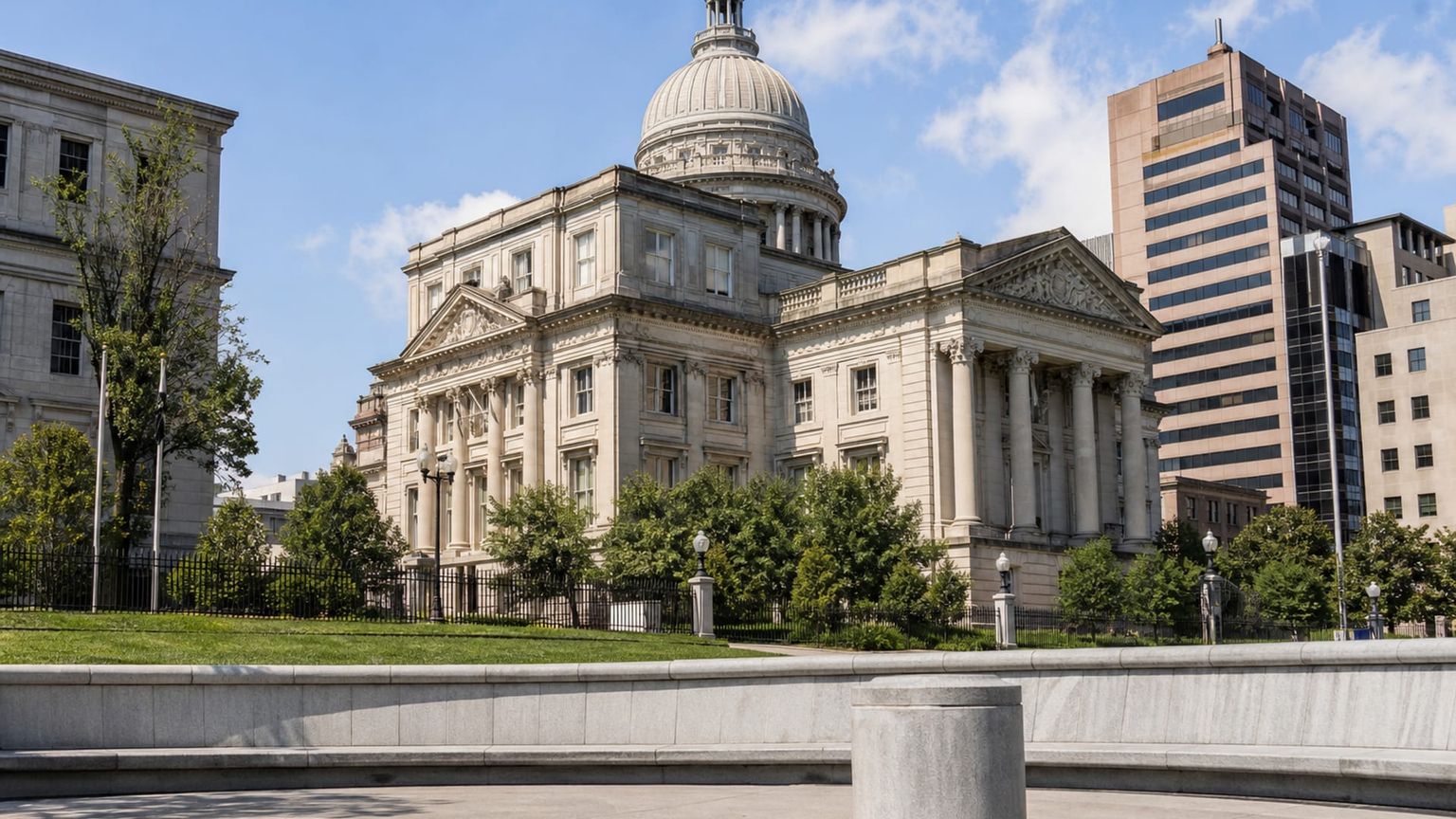
Start at the Louisville Slugger Museum and Factory, then walk about 10 minutes to the Muhammad Ali Center for a second downtown stop with river views from the hillside site. After lunch, continue by transit or rideshare to the Speed Art Museum, which takes about 15 minutes from downtown, and spend roughly 2 hours with its rotating galleries. End the afternoon in Old Louisville, about 10 minutes by car from the museum, for a slower walk past Victorian houses before a low-key dinner nearby.
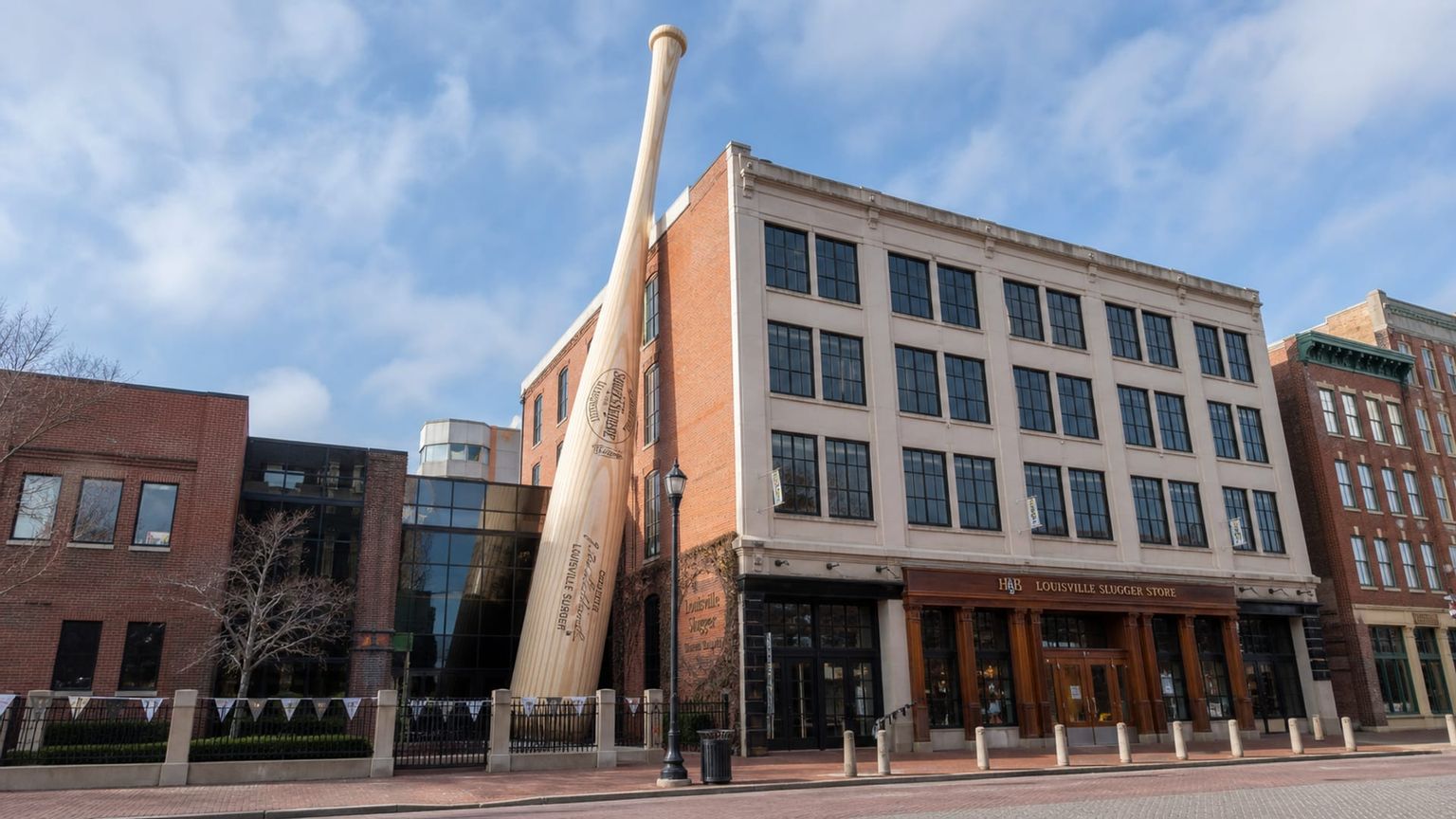
Begin at Churchill Downs early, when the grounds are quieter and the light is better for the twin spires; from Downtown Louisville, the ride takes about 15 minutes. Plan roughly 2 to 3 hours there, then head about 20 minutes by car to Cave Hill Cemetery for an afternoon visit among the Victorian monuments and rolling hills. Return to NuLu for dinner, about 10 minutes from Cave Hill by car, and finish with a short walk along East Market Street.
Old Louisville makes a good starting point for a day built on close-range stops, since Cave Hill Cemetery sits only about 10 minutes away by car and the Speed Art Museum is also nearby. Spend the morning at Cave Hill if you want softer light on the monuments, then move on to the museum for about 2 hours with time for its permanent collection and rotating shows. After that, cross back toward downtown in about 10 to 15 minutes for a late lunch near the riverfront, then cap the day with an easy evening in Downtown Louisville.
For your final morning, pair one last museum stop with a neighborhood stroll, then keep the rest of the day anchored in a café and a little shopping. If you want a last cultural stop, return to the Muhammad Ali Center or the Louisville Slugger Museum and Factory, both easy from Downtown Louisville, then spend time in NuLu browsing galleries and design shops before settling into a café in the Highlands for coffee or lunch. If you are headed back through Louisville (SDF), stay near downtown or NuLu so the airport ride stays simple and unhurried.
Business-class flights from the US to Louisville
From New York and Los Angeles, Louisville usually fits into one-stop business-class itineraries, with a few nonstop options from the East Coast and more connecting choices from the West. Fare ranges vary by airline and timing, but the routing pattern is easy to compare.
Delta Air Lines, American Airlines, United Airlines, JetBlue, and Southwest Airlines all sell New York to Louisville itineraries, and nonstop flying takes about 2 to 2.5 hours when schedules line up. If you do not mind a stop, common connections via CLT, ORD, ATL, DCA, or IAH can lower fares to about $450 to $850 round-trip, compared with roughly $650 to $1,300 for nonstop options.
From Los Angeles, the main carriers are American Airlines, Delta Air Lines, United Airlines, Southwest Airlines, and Alaska Airlines. Typical round-trip fares start at about $450 and reach $900, with nonstop itineraries near the top of that range and one-stop trips usually taking about 6 to 9 hours.
Louisville feels different when you slow down
A well-shaped Louisville trip keeps downtown for the first museum cluster, then uses short rides to reach Churchill Downs, Cave Hill Cemetery, and the Highlands without trying to force every stop into one district. TARC, taxi, and rideshare each have a role, especially once dinner moves east of downtown or daylight starts to fade. If you want help matching hotels, flights, and a neighborhood plan, AranGrant experts can build a Louisville itinerary around NuLu, Old Louisville, or downtown







