

Chapters:

Need help with your trip?
Our support team is available 24/7. Request a callback or call us directly at (833) 619-0908
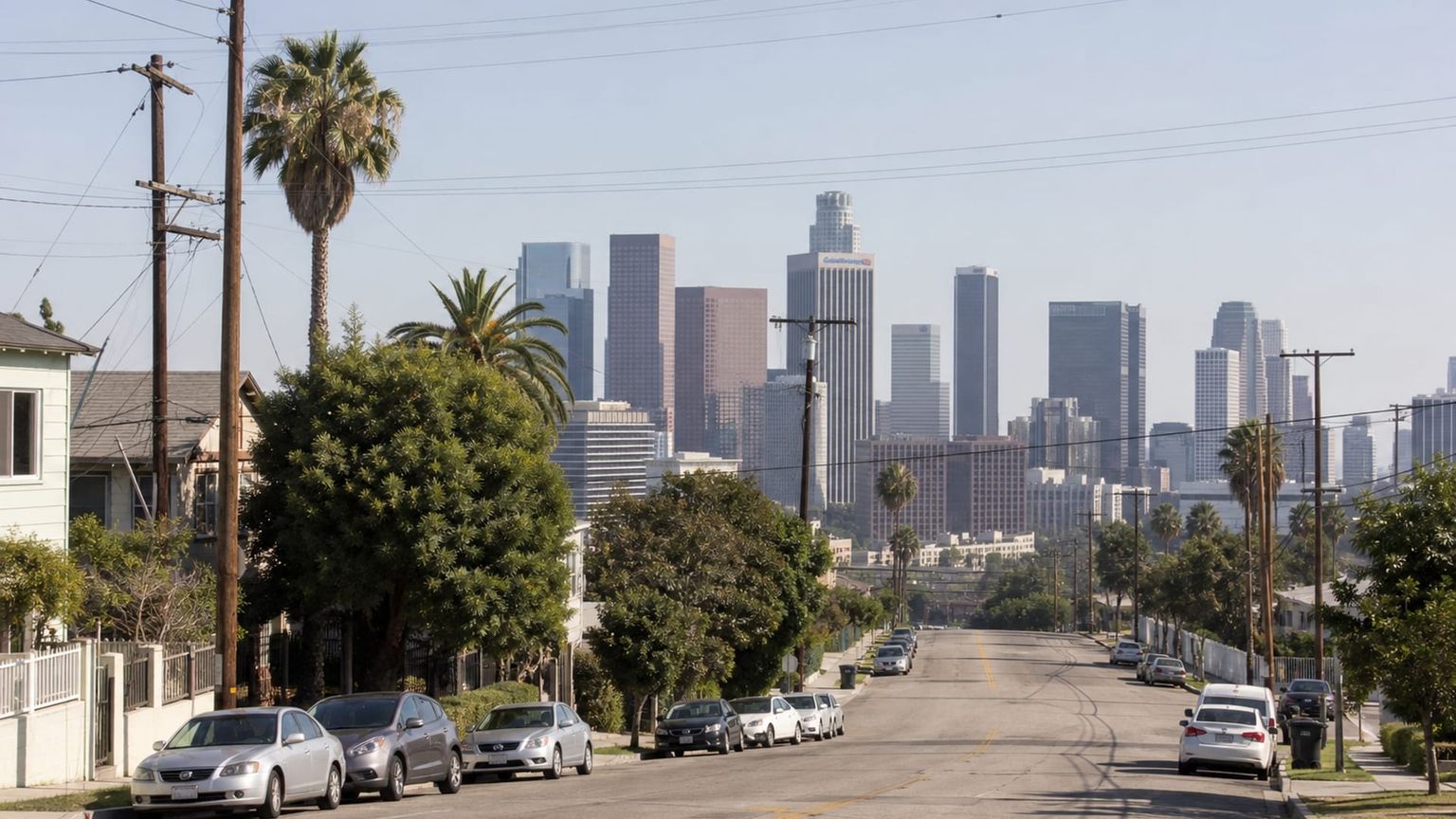
Los Angeles rewards travelers who pick a few neighborhoods and accept the distance between them. Many first trips chase landmarks in a single sweep, then spend more time in traffic than at museums, beaches, or dinner tables.
That approach misses how the city actually works. Westside art, Griffith Park views, Downtown history, and coastal evenings sit far apart, and peak-hour driving can turn short hops into long detours.
This guide organizes the city by area and by day, so you can pair sights with the right base, use transit where it helps, and avoid unnecessary backtracking.
Useful things to know

Main language(s): English

Currency: The local currency is the US dollar (USD, $).

Cash and cards: Cards and contactless are widely accepted; carry about $20 to $40 in cash for tips and small purchases.

Tipping: Tip 15-20% at sit-down restaurants; round up for taxis and small checks.

Traditional food: Korean barbecue, fish tacos, In-N-Out burger, tacos al pastor

Water and coffee costs: Water about $2 ($2), bar espresso about $4 ($4).

Taxis and ride apps: Uber and Lyft operate here; pickup zones vary by terminal.

Plug and voltage: Type A/B socket, 120V

Dining and shop opening hours: Breakfast is about 07:00-10:00, lunch 12:00-14:00, and dinner 18:00-21:00. Many places stay open later in West Hollywood, Santa Monica, and downtown.

Emergency number: 911 for police, fire, and medical emergencies.
Where to stay in Los Angeles
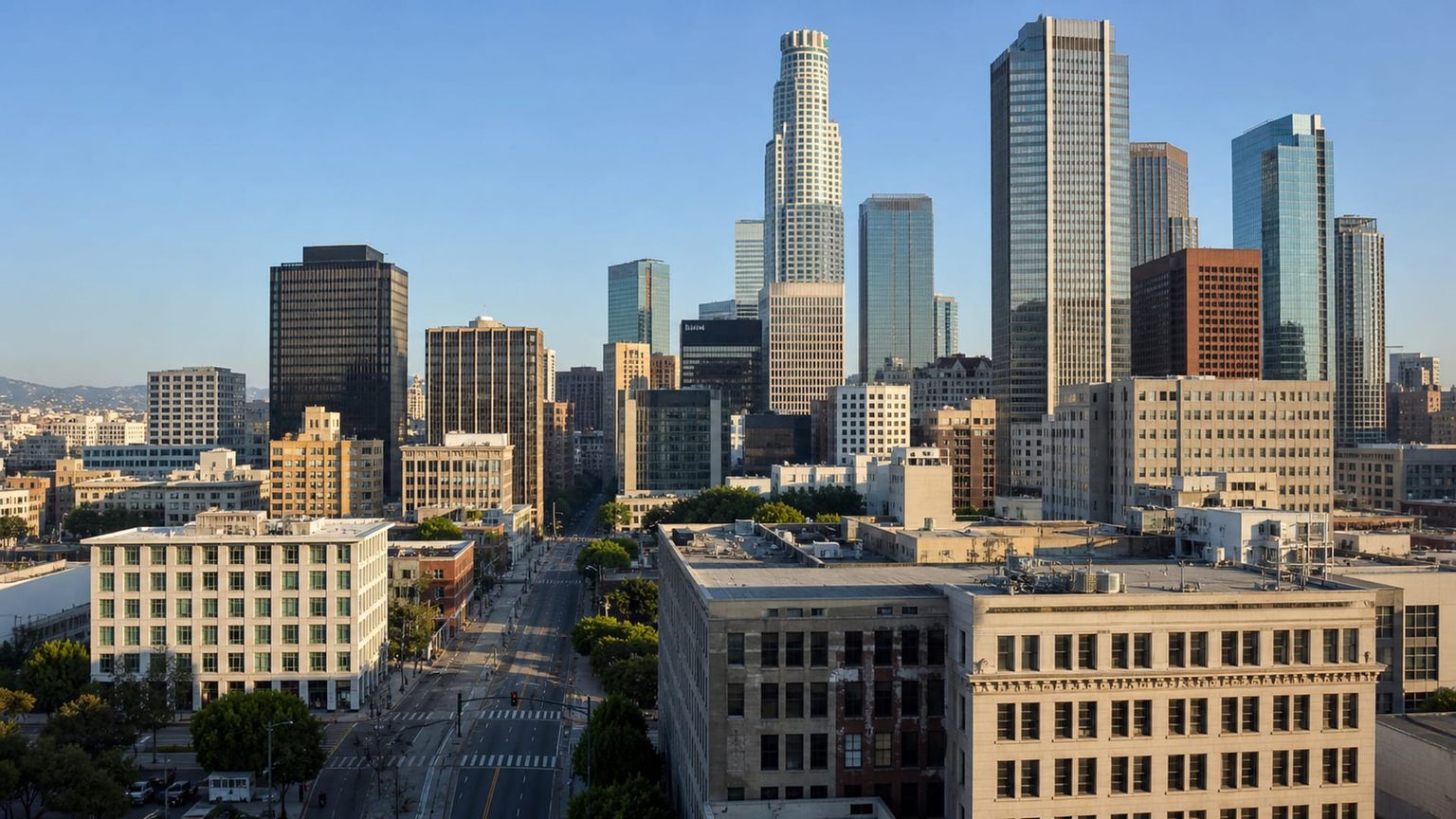
Downtown Los Angeles puts Union Station, the Arts District, and major museums within a compact core of towers, historic blocks, and nightlife streets. It suits visitors who want museum access, transit connections, and a central base for wider city plans.
Best for: Museum visits, transit access, and a central base for broader Los Angeles plans
What to expect: Busy sidewalks by day, with restaurant, bar, and event traffic concentrated in pockets at night.
Hotel prices: Usually about $180 to $330 per night for well-rated stays
Distance to major sights: About 15 to 25 minutes by Metro or car to Hollywood Walk of Fame, about 10 to 20 minutes on foot to The Broad and Grand Central Market
Quietness: Noisy on major streets day and evening, with quieter hotel blocks after office hours.
Main trade-off: Hotels can be good value for the center, but parking costs and late-night street activity add to the bill and the noise.
Good to know: Choose a hotel near a Metro station if you plan to move across the city, since rideshares can take much longer during rush hour.
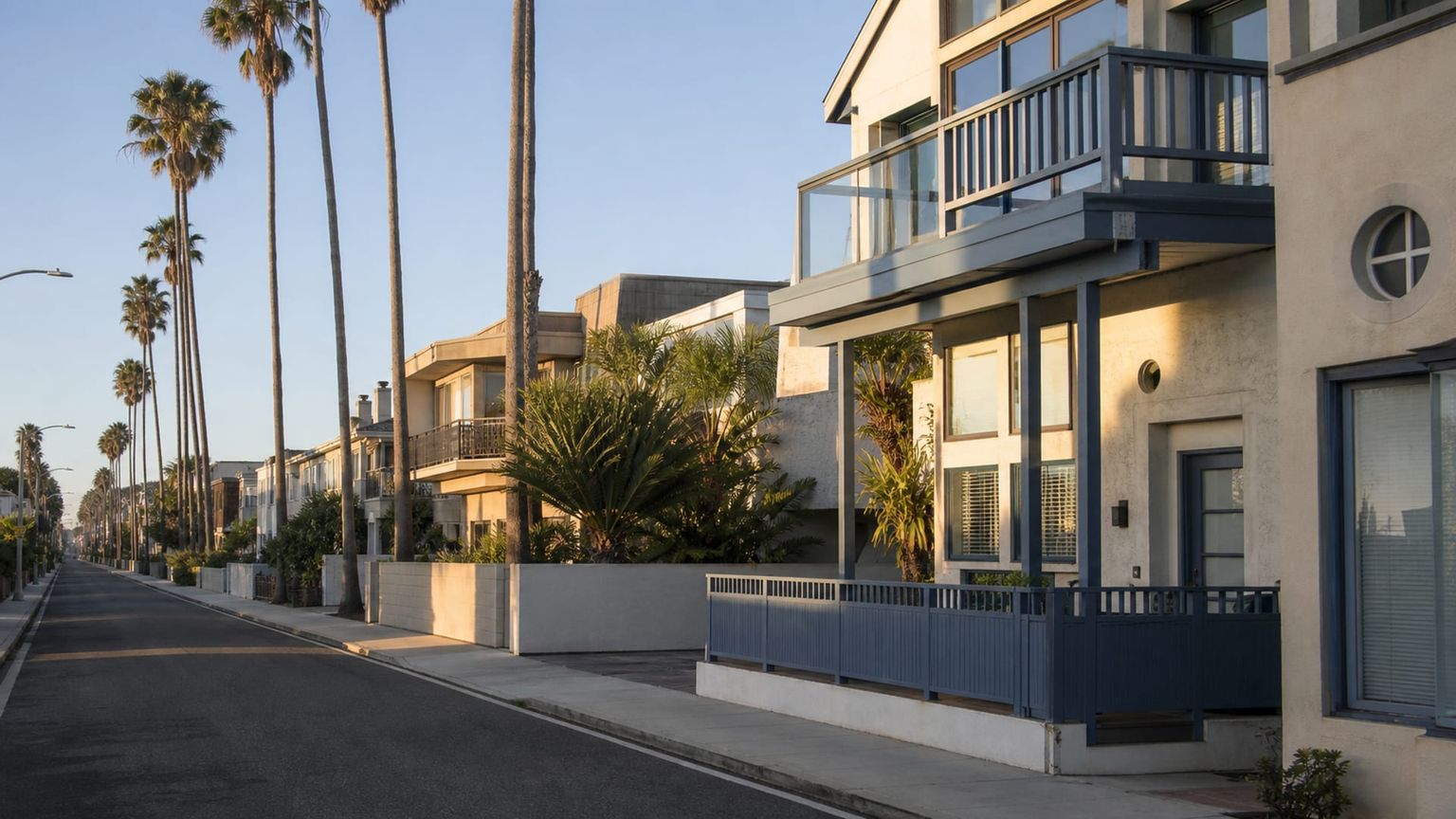
Santa Monica pairs a beach setting with a walkable downtown, the pier, and easy coastal access. It matters for travelers who want ocean views, an evening dining scene, and a calmer western base without leaving the city.
Best for: Beach time, relaxed evenings, and travelers who want a walkable coastal base
What to expect: Heavy foot traffic near the pier and Third Street Promenade, with joggers, cyclists, and families filling the beachfront paths.
Hotel prices: Usually about $240 to $450 per night for well-rated stays
Distance to major sights: About 35 to 50 minutes by car to Hollywood Walk of Fame, about 5 to 15 minutes on foot to Santa Monica Pier
Quietness: Lively near the ocean and shopping streets by day, then quieter in residential blocks after dinner.
Main trade-off: You pay more for the coast, and trips to central Los Angeles can be long during weekday traffic.
Good to know: If you plan several central-city outings, check traffic before booking, because the drive inland can stretch well past an hour at peak times.
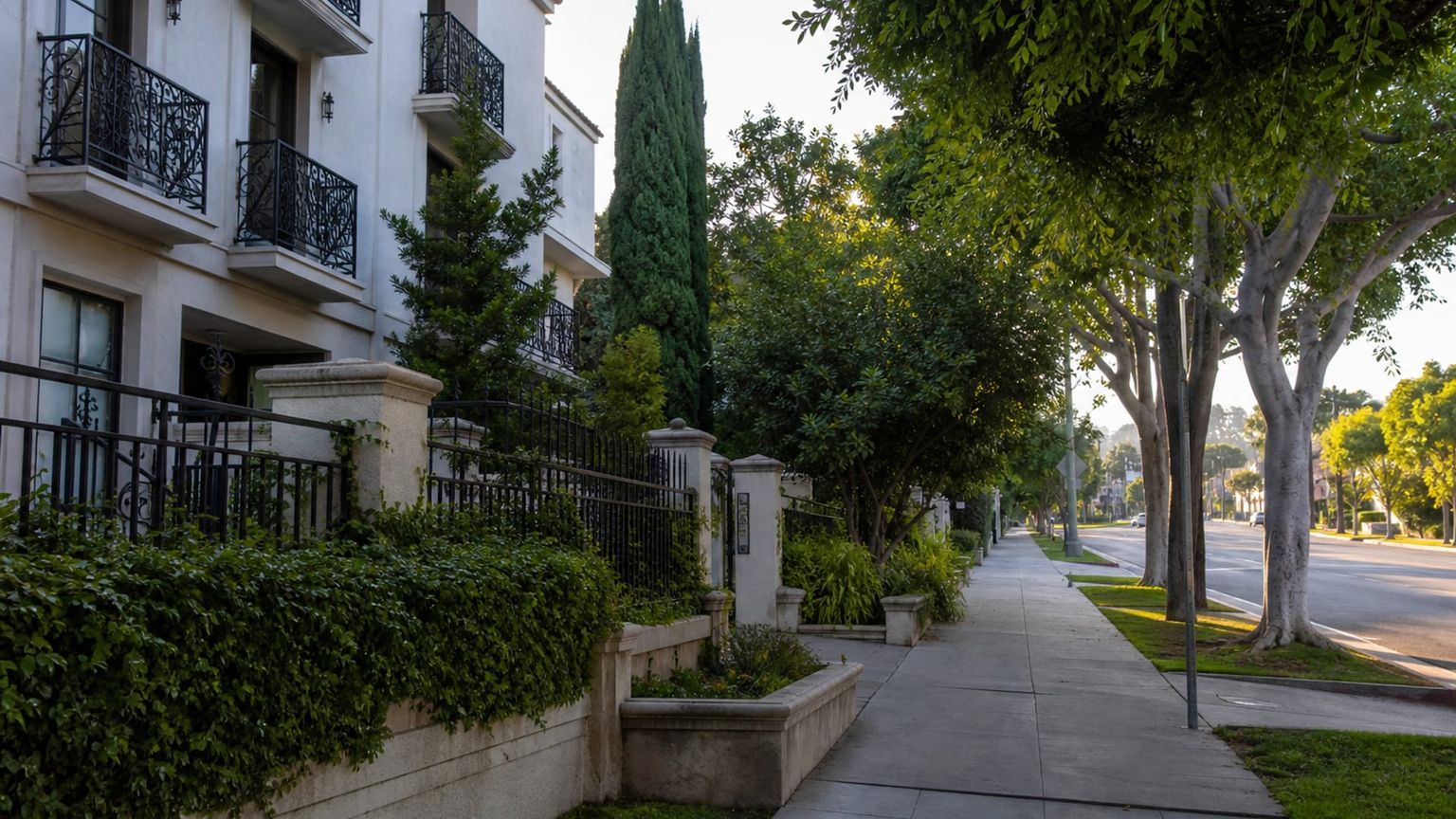
West Hollywood sits between Beverly Hills and Hollywood, with design hotels, restaurants, and a dense nightlife strip along Santa Monica Boulevard. It works well for travelers who want late dining, walkable blocks, and fast access to the area’s major sights.
Best for: Dining, nightlife, and a central base for Hollywood and Beverly Hills
What to expect: Compact sidewalks, full patios, and a steady evening crowd around Sunset Strip and Santa Monica Boulevard.
Hotel prices: Usually about $250 to $500 per night for well-rated stays
Distance to major sights: About 10 to 15 minutes by car to Hollywood Walk of Fame, about 20 to 30 minutes by car to Beverly Hills
Quietness: Active well into the evening, then calmer on side streets after bars and restaurants close.
Main trade-off: Rates run high, and the liveliest blocks can bring late noise from traffic, patios, and nightlife.
Good to know: Request a room away from Sunset Boulevard if sleep matters, because the noisiest blocks stay active late.
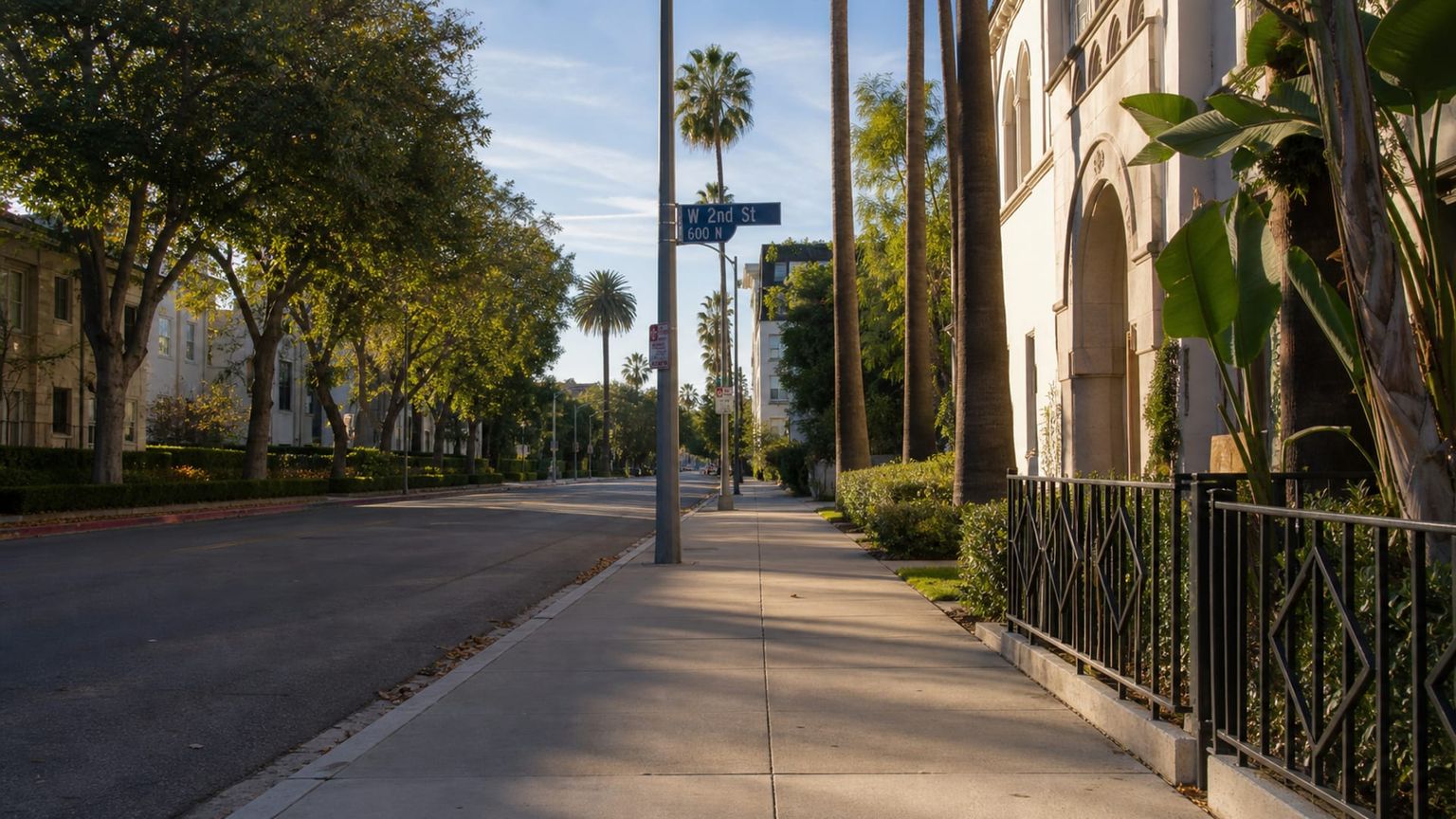
Beverly Grove sits just east of Beverly Hills and south of West Hollywood, with shopping at The Grove, the Original Farmers Market, and easy access to Melrose and museum corridors. It suits visitors who want a central stay for dining, shopping, and short cross-town drives.
Best for: Shopping, dining, and visitors who want a central base for cross-town driving
What to expect: Busy retail sidewalks, lunch crowds, and steady car traffic along major boulevards.
Hotel prices: Usually about $220 to $420 per night for well-rated stays
Distance to major sights: About 10 to 15 minutes by car to Los Angeles County Museum of Art, about 15 to 25 minutes by car to Hollywood Walk of Fame
Quietness: Busy during shopping hours and dinner, with quieter residential streets at night.
Main trade-off: You get a useful central location, but most errands and landmark visits still depend on car or rideshare.
Good to know: Parking can add a meaningful daily cost, so compare hotel rates with the garage fee before you book.
Travelers usually avoid staying in the far eastern San Fernando Valley, including Sun Valley and Pacoima, because they sit far from Hollywood, West Hollywood, and the beach areas, and late-night car trips can take a long time. Parts of South Los Angeles, including Watts and Boyle Heights, are also less convenient for most visitors because hotel choices are limited and you are farther from the main sightseeing corridors. Large stretches of the airport area near LAX are practical for early flights, but less convenient for a city stay because they are away from most attractions and many evenings center on airport traffic rather than dining or sightseeing.
Hotel deals
How to get around Los Angeles efficiently
Los Angeles has no true airport metro connection at LAX, so most visitors mix rideshares, taxis, Metro buses, and the FlyAway depending on the day’s route.

Metro
for longer distances
Los Angeles does not have a true metro system at LAX, so the closest rail option is the Metro C Line and Metro K Line, reached by the free LAX/Metro Transit Center shuttle until the airport rail station opens. From the airport area, trips to downtown Los Angeles usually take about 45 to 60 minutes once you connect, with fares at $1.75 for a 2-hour transfer on Metro buses and rail.

Bus and tram
for convenience
Metro buses serve LAX and the surrounding area, with the LAX FlyAway running directly to Union Station and Van Nuys; fares are $12 each way and the ticket is valid for that one trip. Local buses also connect the airport to places such as Inglewood, El Segundo, Santa Monica, and Long Beach, though travel times vary widely with traffic, so a short hop can take 20 to 60 minutes.

Taxi
for convenience or late hours
Licensed taxis line up at the airport taxi stands, and you should use only the official queue or a dispatched cab. Trips from LAX use metered fares plus airport surcharges, not set fares, and a ride to downtown Los Angeles usually costs about $55 to $80 before tip, while Santa Monica is often about $35 to $55; taxis take cash and major cards.
*Prices are based on rates updated as of July 2026 and may change at the time of travel.
Use the FlyAway for Union Station, taxis or rideshares for hotel-to-hotel movement, and Metro when Downtown or a rail connection makes the timing work.
Iconic landmarks
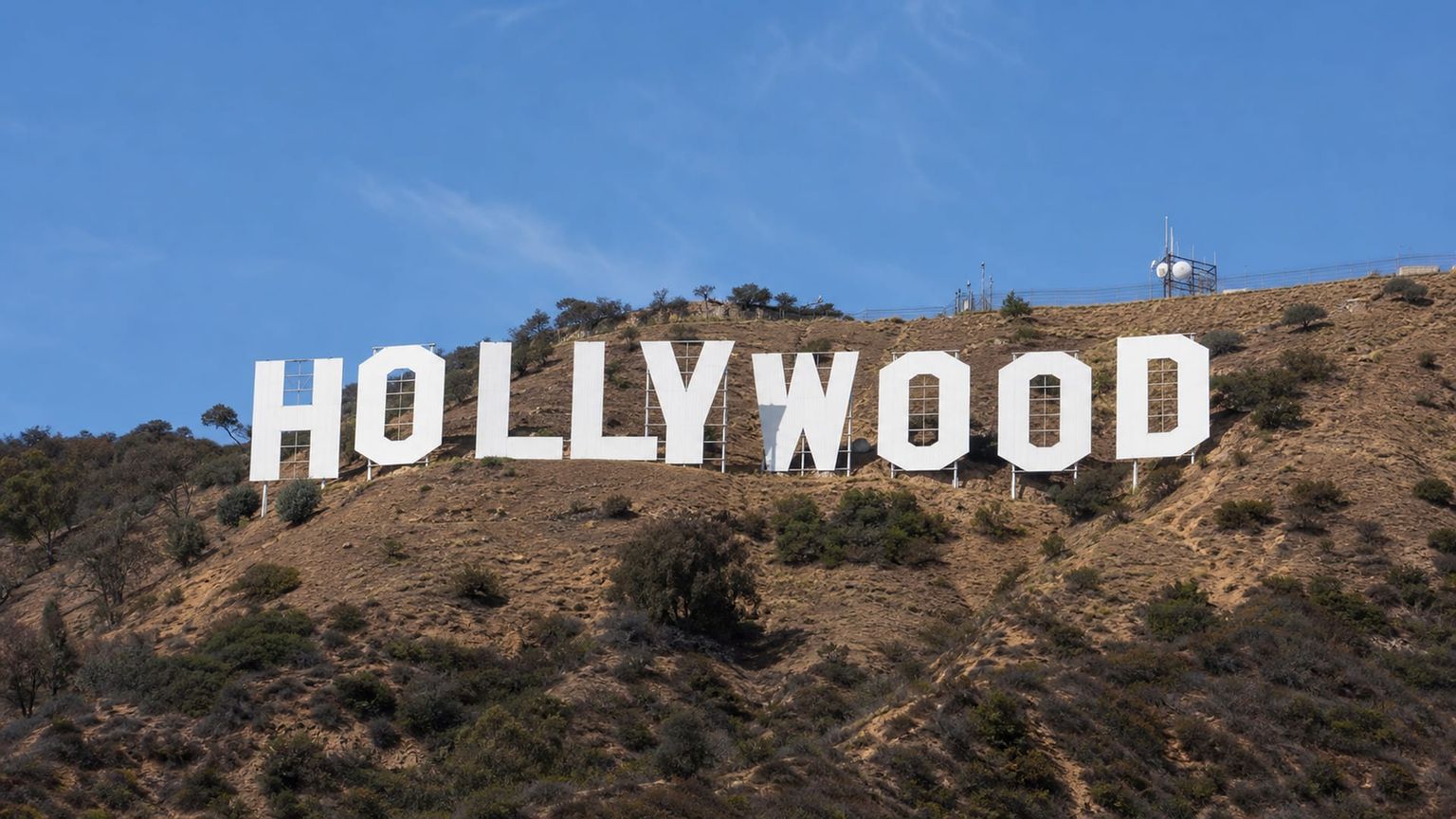
Hollywood Sign
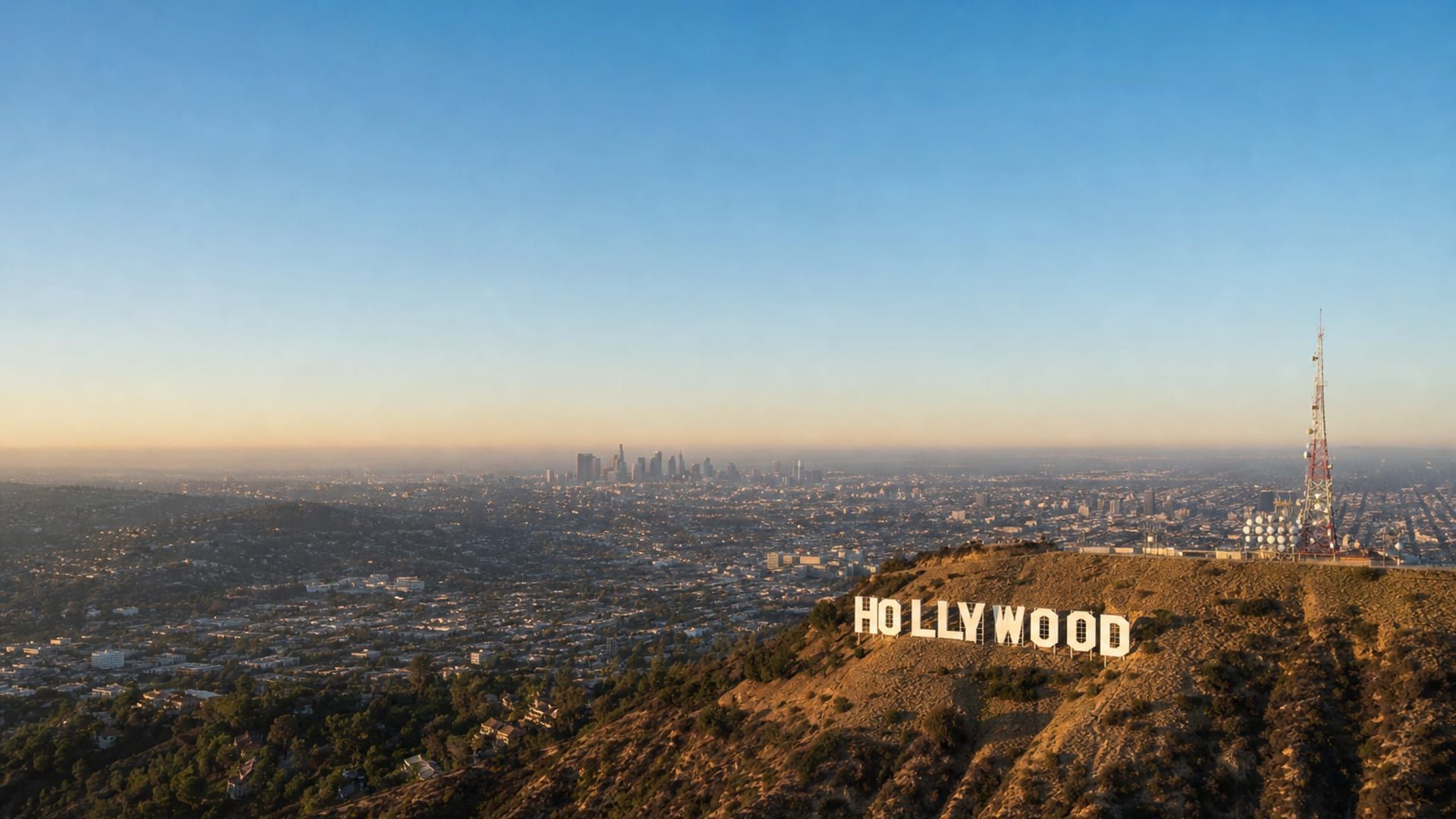
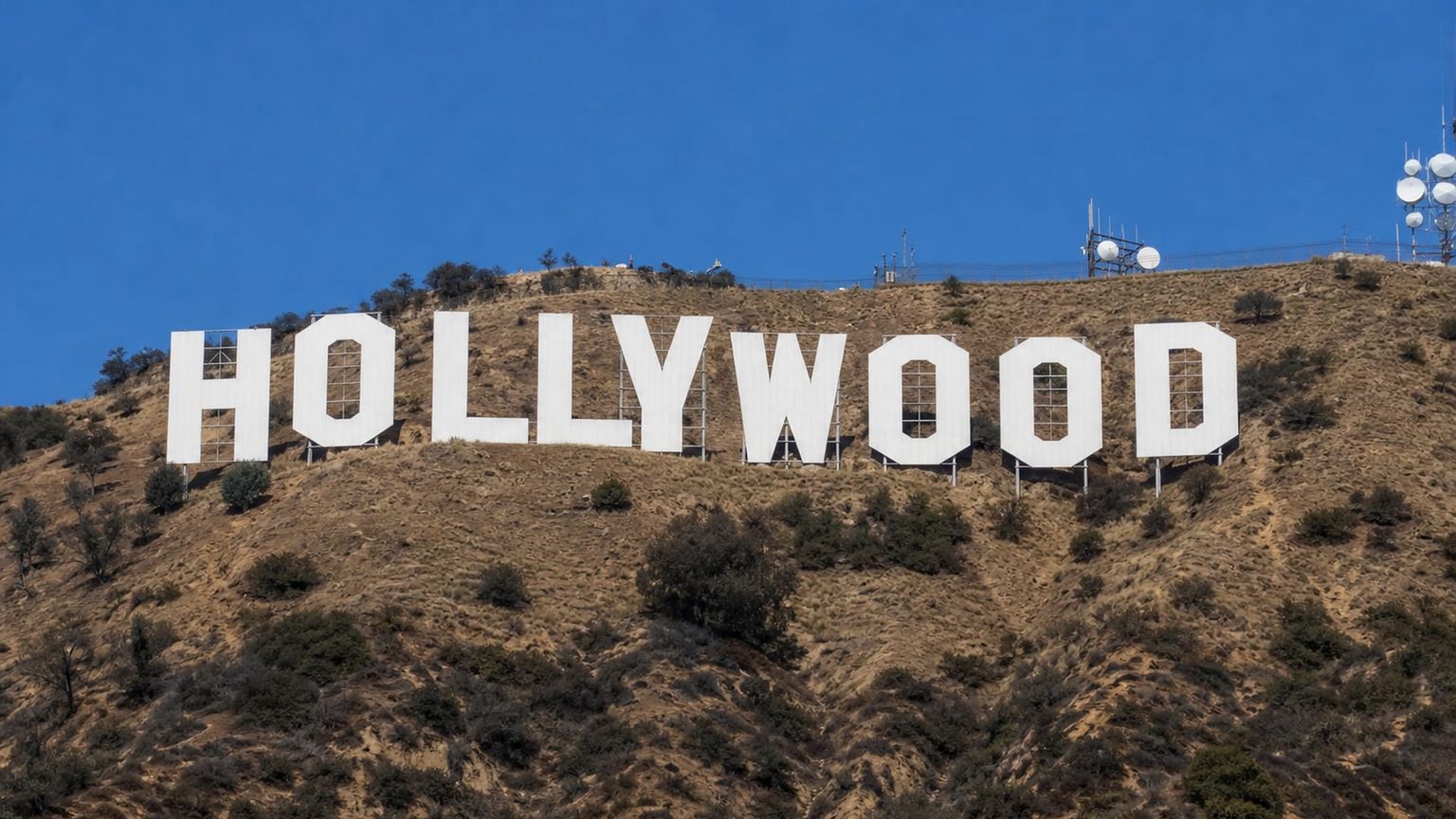
Perched on the south slope of Mount Lee in Griffith Park, the Hollywood Sign is visible from several city overlooks. The best close views come from hiking trails or the Griffith Observatory area, which also frame the basin and downtown.
Time needed: About 1 to 2 hours
Entry: Free to view from public overlooks and nearby trails; no timed entry or ticket is required for exterior viewing.
Tip: Go early for cooler weather and clearer views before afternoon haze builds.
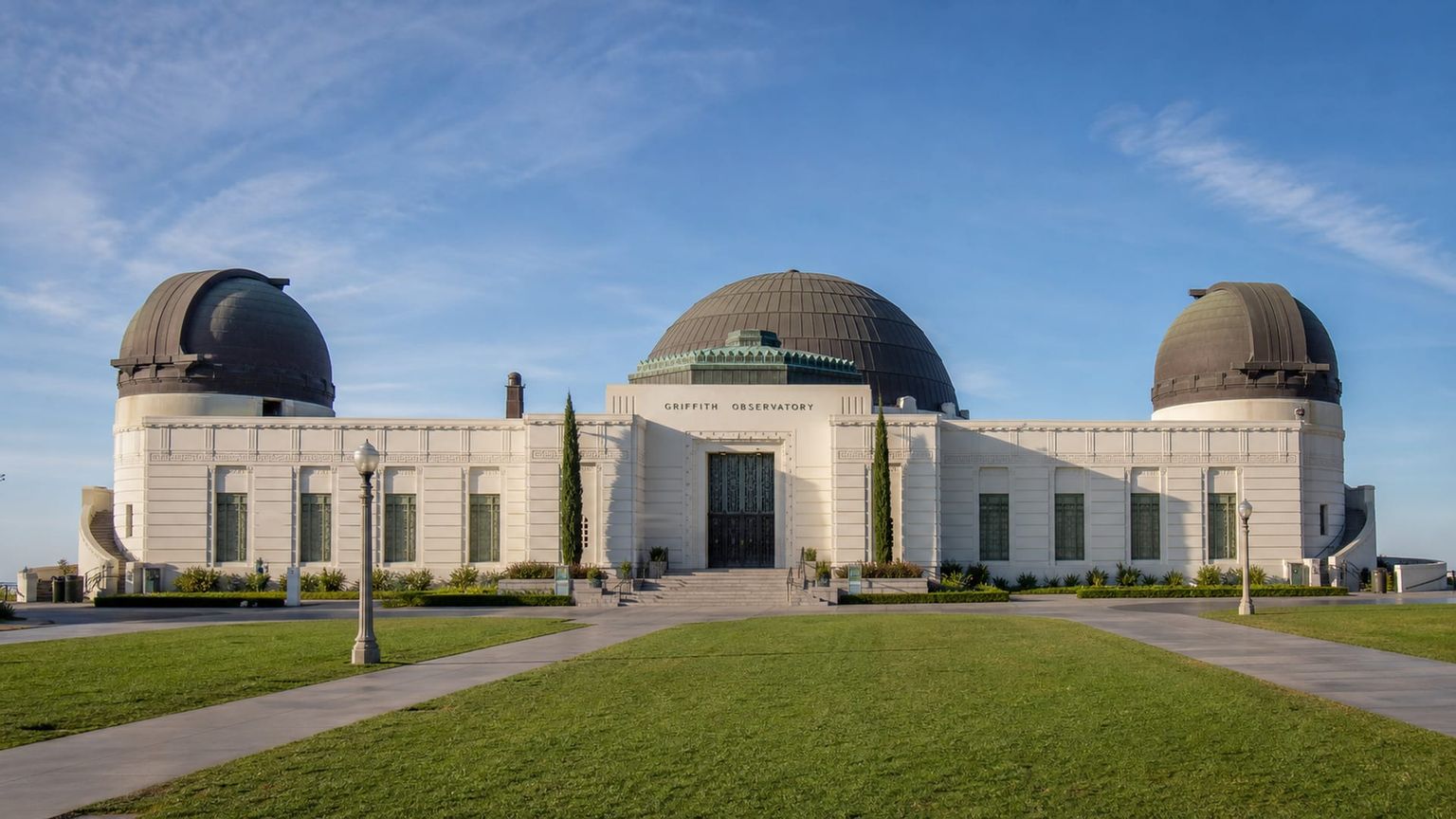
Griffith Observatory
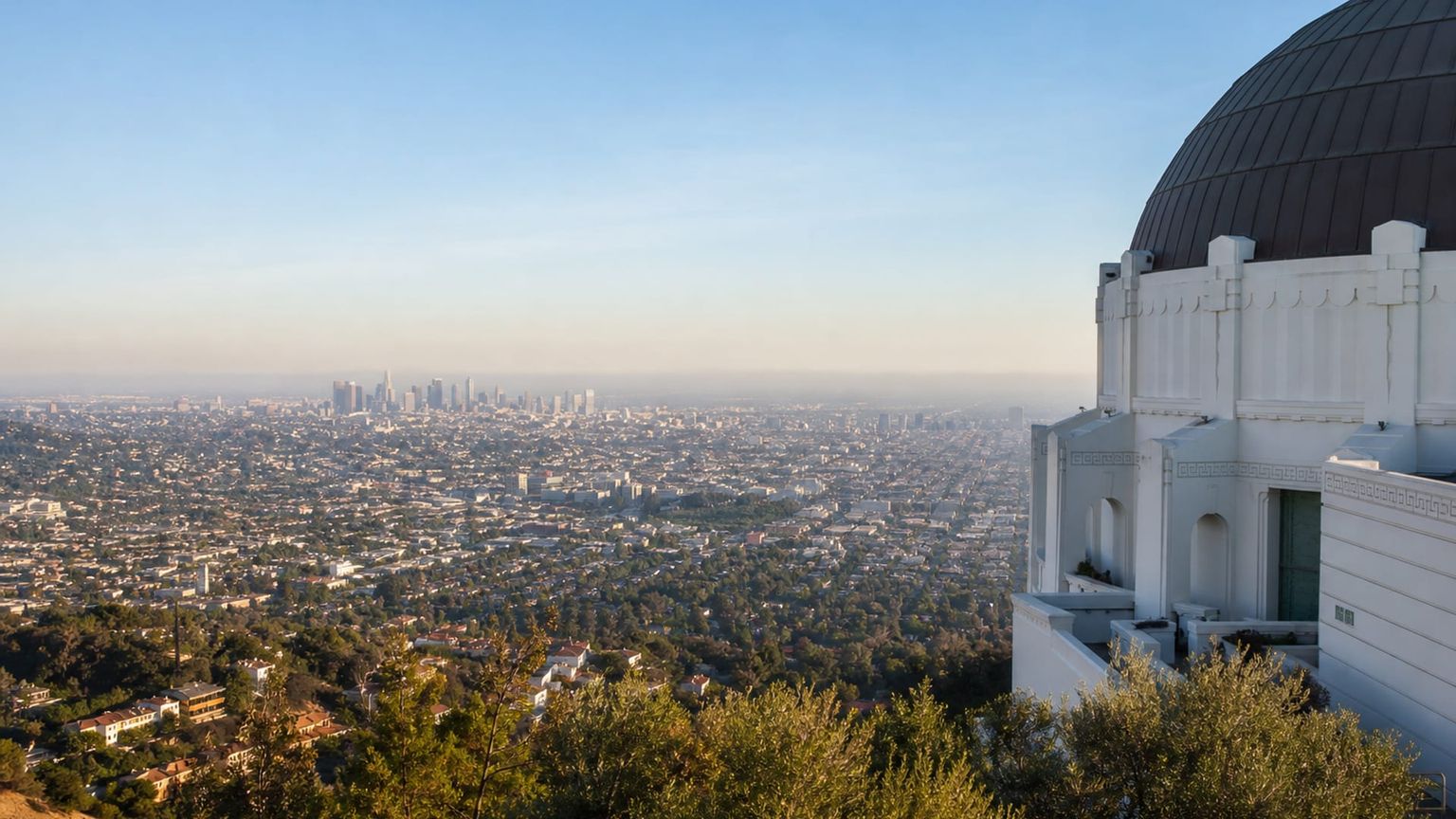
Griffith Observatory sits on Mount Hollywood with wide views over Los Angeles, the Hollywood Sign, and downtown. Inside, exhibits explain astronomy and the building’s public telescope program; outside, the terraces are popular at sunset.
Time needed: About 2 to 3 hours
Entry: Free to enter the building and grounds; shows and special programs may have separate ticketed charges. Visit the official site for details.
Tip: Arrive before sunset, then stay after dark for the city lights and telescope line.
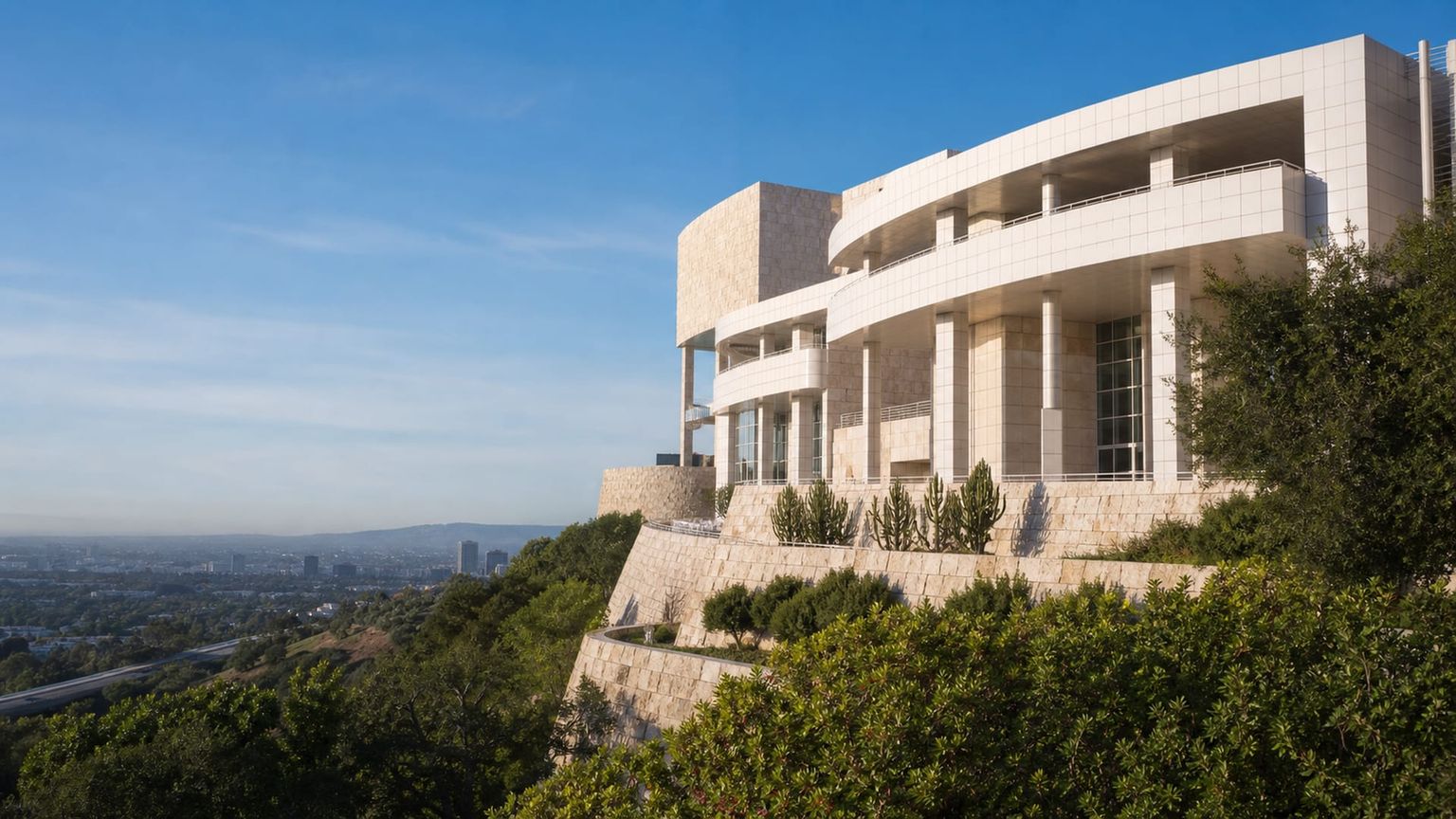
The Getty Center
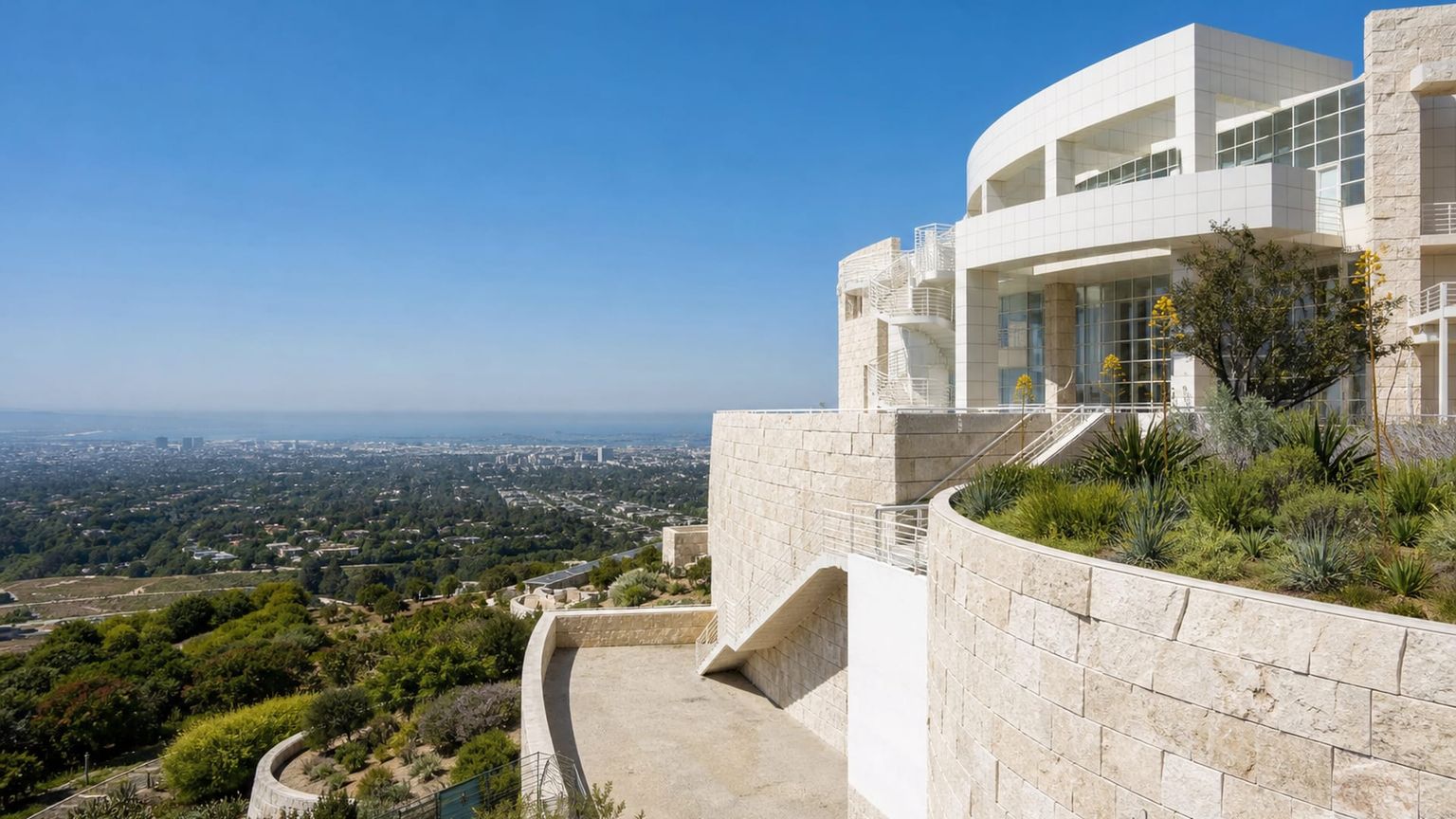
The Getty Center combines a major art collection with Richard Meier’s hilltop architecture, gardens, and long views over West Los Angeles. Galleries include European paintings, sculptures, manuscripts, and photography, with tram access from the parking area.
Time needed: About 3 to 4 hours
Entry: Admission is free; parking costs $25 ($25) per car after 3:00 pm on weekdays and all day on weekends. Visit the official site for details.
Tip: Use the tram first, then start with the gardens before the galleries fill up.
Overlooked sites worth visiting

El Pueblo de Los Angeles Historical Monument
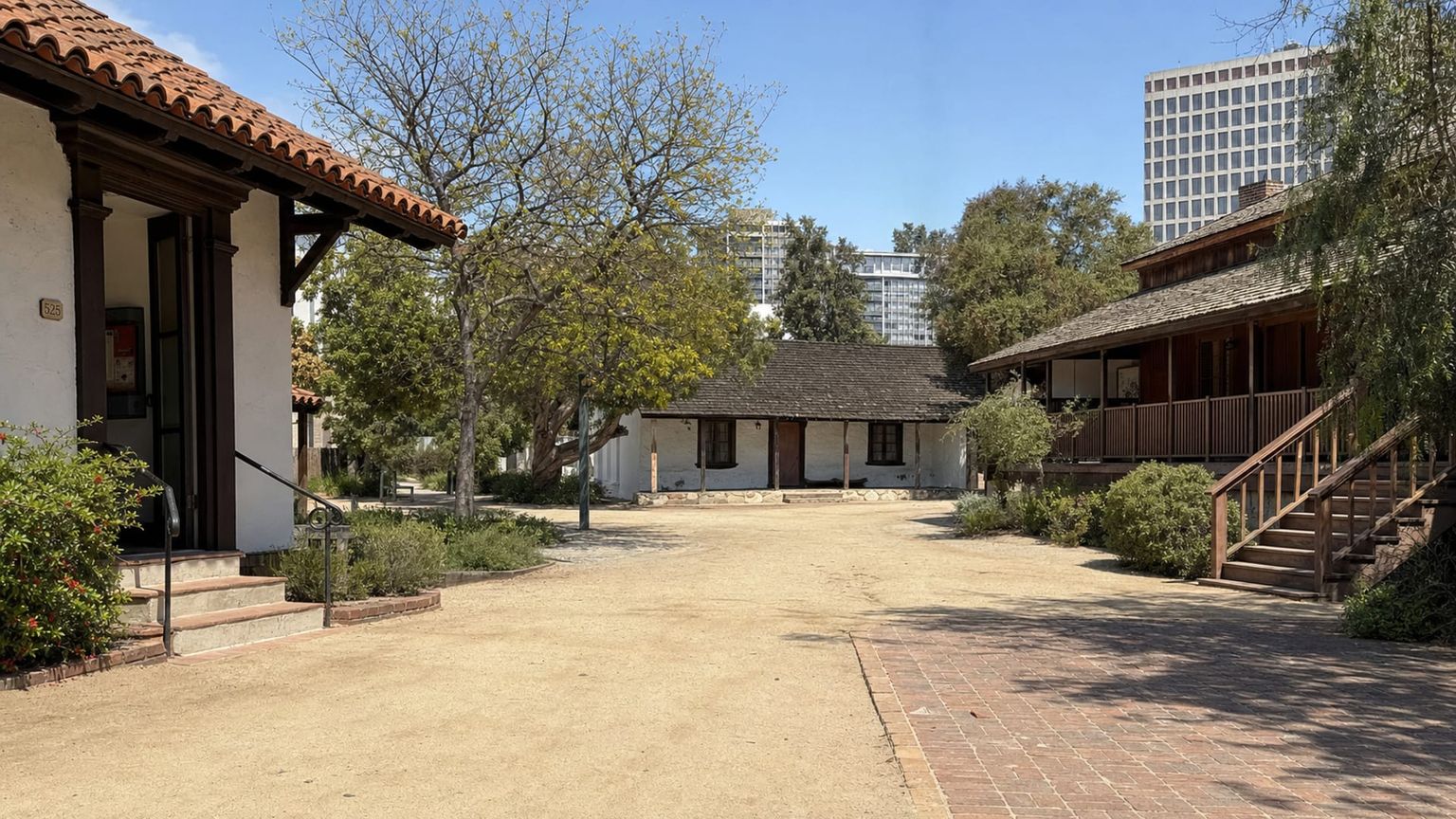
This preserved plaza district holds Avila Adobe, Olvera Street, and the Avila Adobe museum cluster in a compact walk. You can see Spanish-era buildings, small exhibits, and vendors in one stop.
Time needed: About 1 to 2 hours
Entry: The plaza grounds are free to enter; some museums and guided interiors charge separate admission, often about $5 to $18 ($5 to $18). Check individual museum desks for current hours and any temporary closures before you go. Visit the official site for details.
Tip: Go early for quieter courtyards and better photos.

Bergamot Station Arts Center
This former rail yard now holds galleries, photography spaces, and design showrooms in warehouse buildings. The compact campus makes it easy to see several exhibits without a long walk.
Time needed: About 1 to 2 hours
Entry: General entry to the arts center is free, and most gallery visits cost nothing. Special exhibitions, talks, or ticketed openings can charge separate admission, usually about $10 to $25 ($10 to $25), depending on the venue. Visit the official site for details.
Tip: Visit on an opening day for the widest gallery turnover.
Traditional food
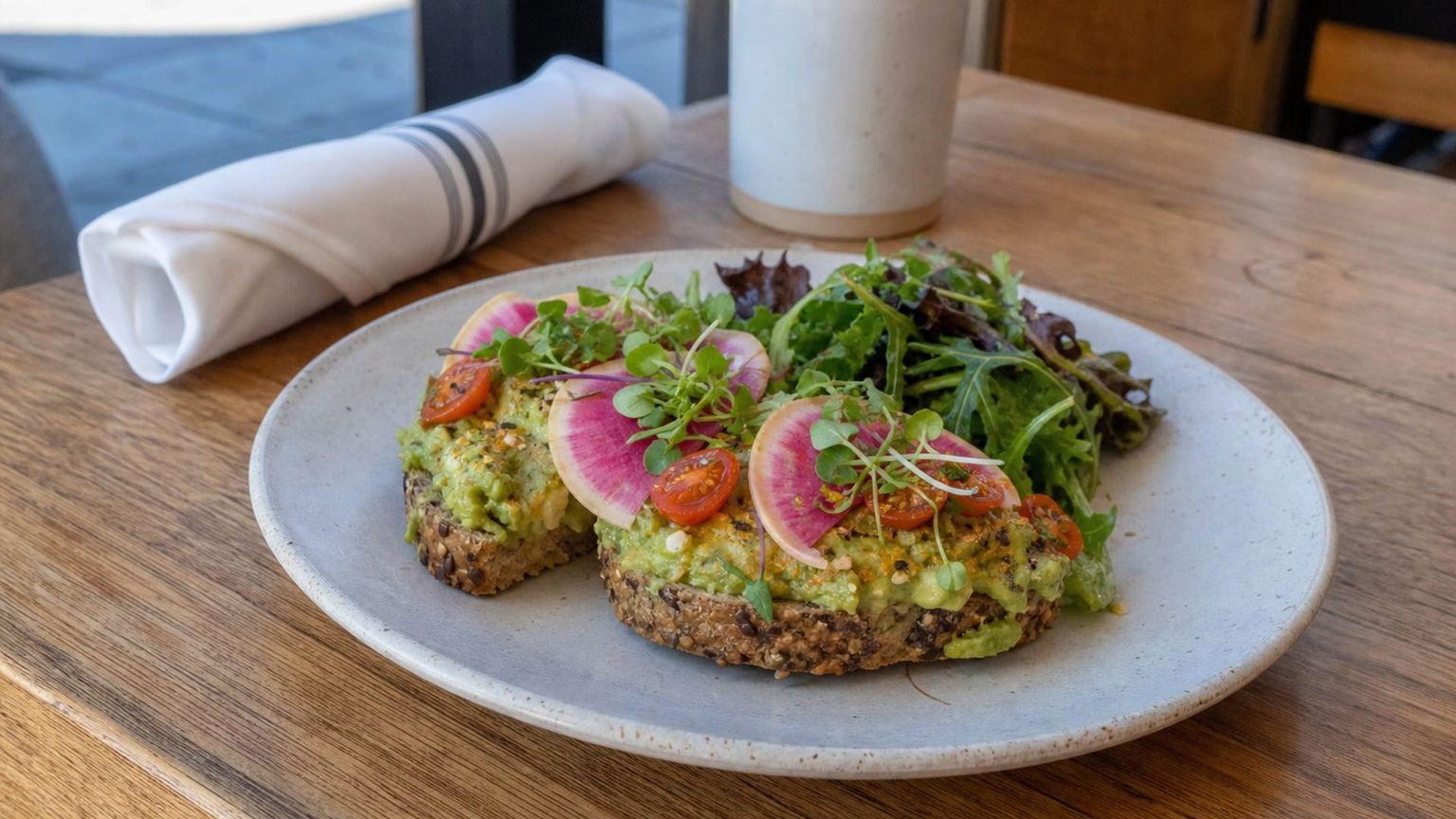
Los Angeles cooks from many directions at once, but the city’s everyday table often runs through tacos, grilled meat, seafood, and burger counters. Korean barbecue, fish tacos, In-N-Out burger, and tacos al pastor capture that mix of smoke, spice, and fast-moving counter culture.
Korean barbecue
Built around tabletop grilling, banchan, and marinated meats, Korean barbecue anchors some of Los Angeles’ most energetic dinners. Parks BBQ in Koreatown is a canonical stop for it.
Fish tacos
Los Angeles fish tacos tend to favor crisp batter, lime, salsa, and a coastal sense of balance. Holbox in Mercado La Paloma gives the dish a standout metro reference.
In-N-Out burger
The In-N-Out burger defines the city’s fast-food side, with a compact menu and a loyal local following. The In-N-Out on Sunset Boulevard is a classic Los Angeles stop for it.
Tacos al pastor
Tacos al pastor bring marinated pork, pineapple, and a quick hand from the trompo to the tortilla. Leo’s Tacos Truck is one of the city’s best-known places for them.
Best time to visit Los Angeles
Los Angeles changes more by neighborhood than by season, but the best months bring clearer skies, lighter heat, and easier outdoor time in the hills and along the coast.
Best for: Museum visits, hiking, and coastal evenings
What you get: About 60 to 75°F (16 to 24°C), with moderate crowds and comfortable afternoons
Trade-offs: Late spring can bring haze and a few busier weekends
Best for: Beach time and long daylight hours
What you get: About 70 to 85°F (21 to 29°C), with heavy beach and attraction crowds
Trade-offs: Inland heat and traffic can slow cross-town plans
Best for: Clear views, outdoor meals, and flexible sightseeing
What you get: About 65 to 80°F (18 to 27°C), with lighter crowds after summer
Trade-offs: Hot spells can linger in September and October
Best for: Museum days and lower hotel competition
What you get: About 50 to 68°F (10 to 20°C), with lighter tourist crowds outside holidays
Trade-offs: Rain can interrupt beach time and hilltop views
A realistic 5-day plan in Los Angeles
The five-day plan follows the city’s geography instead of forcing it into one loop. It starts near the airport, then moves through the Westside, Griffith Park, Downtown, and a final shopping day before departure.
Land at Los Angeles (LAX), then take a rideshare or taxi into Santa Monica or West Hollywood, usually about 25 to 45 minutes in light traffic and roughly 60 to 90 minutes at peak times; fares often run about $35 to $70 before tip, depending on demand and traffic. If you want the easiest first night, book near Santa Monica Pier or in West Hollywood, where you can settle in, refill water, and have a light dinner on Santa Monica Boulevard or near the Third Street Promenade without crossing the city.
Start at The Getty Center, taking the tram from the parking area and spending about 3 to 4 hours with the gardens and galleries; from Santa Monica or West Hollywood, plan on about 20 to 35 minutes by car. After lunch, continue to Bergamot Station Arts Center, about 15 to 20 minutes away by car from the Getty area and roughly 10 minutes from Santa Monica, for 1 to 2 hours of gallery hopping. If you want an easy evening, stay in Santa Monica for dinner, or head back inland and keep the night close to your hotel.
Begin in Griffith Park at Griffith Observatory, arriving before sunset if you want city views and the telescope line, then spend about 2 to 3 hours there. From there, it is about 10 to 15 minutes by car to the Hollywood Sign overlooks, where a short walk or trail stop gives you the clearest photo angles, and the full outing usually takes another 1 to 2 hours. Finish with dinner in West Hollywood, about 15 to 20 minutes by car from Griffith Observatory, so you can stay near Sunset Boulevard and Santa Monica Boulevard afterward.
Downtown gives the day a compact start, with El Pueblo de Los Angeles Historical Monument first, then the Arts District or a nearby lunch stop. From most central hotels, reach El Pueblo in about 10 to 20 minutes by car or Metro, and plan 1 to 2 hours for the plaza, Avila Adobe, and surrounding streets. Afterward, move to Grand Central Market and The Broad area, which sit about 10 to 15 minutes apart on foot, then continue to dinner in Downtown Los Angeles or the nearby Arts District, where the evening traffic stays concentrated in a few blocks.
For the last morning, pair a final museum stop with an unhurried neighborhood walk, then finish with shopping and coffee rather than a long cross-town transfer. If you are staying west, The Getty Center works well again for a shorter, late-trip art stop; if you are based downtown, a last pass through El Pueblo de Los Angeles Historical Monument fits neatly before checking out. End with shopping at The Grove in Beverly Grove, then a café stop in Santa Monica or West Hollywood before heading to Los Angeles (LAX), leaving enough time for the airport drive and security line.
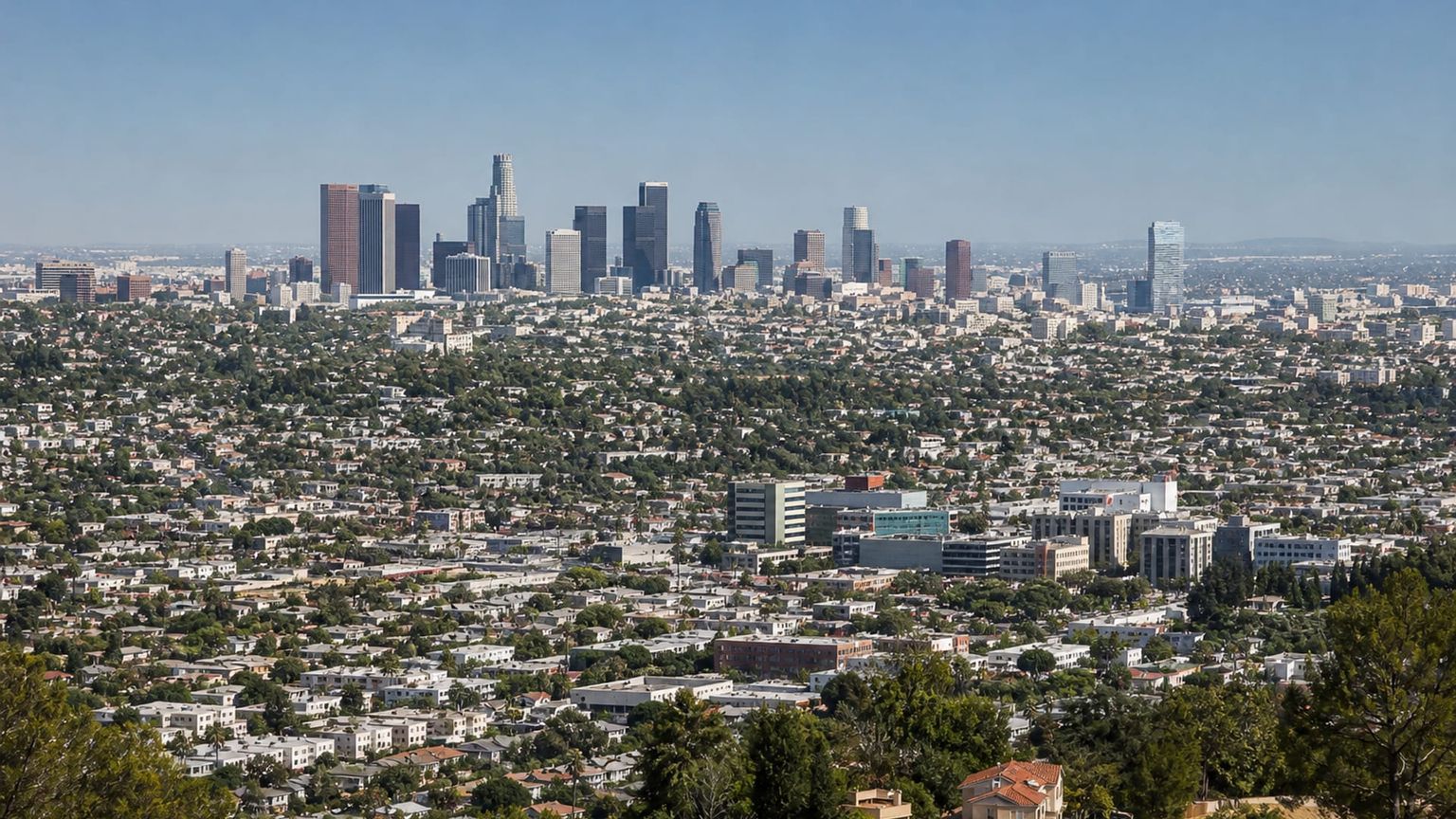
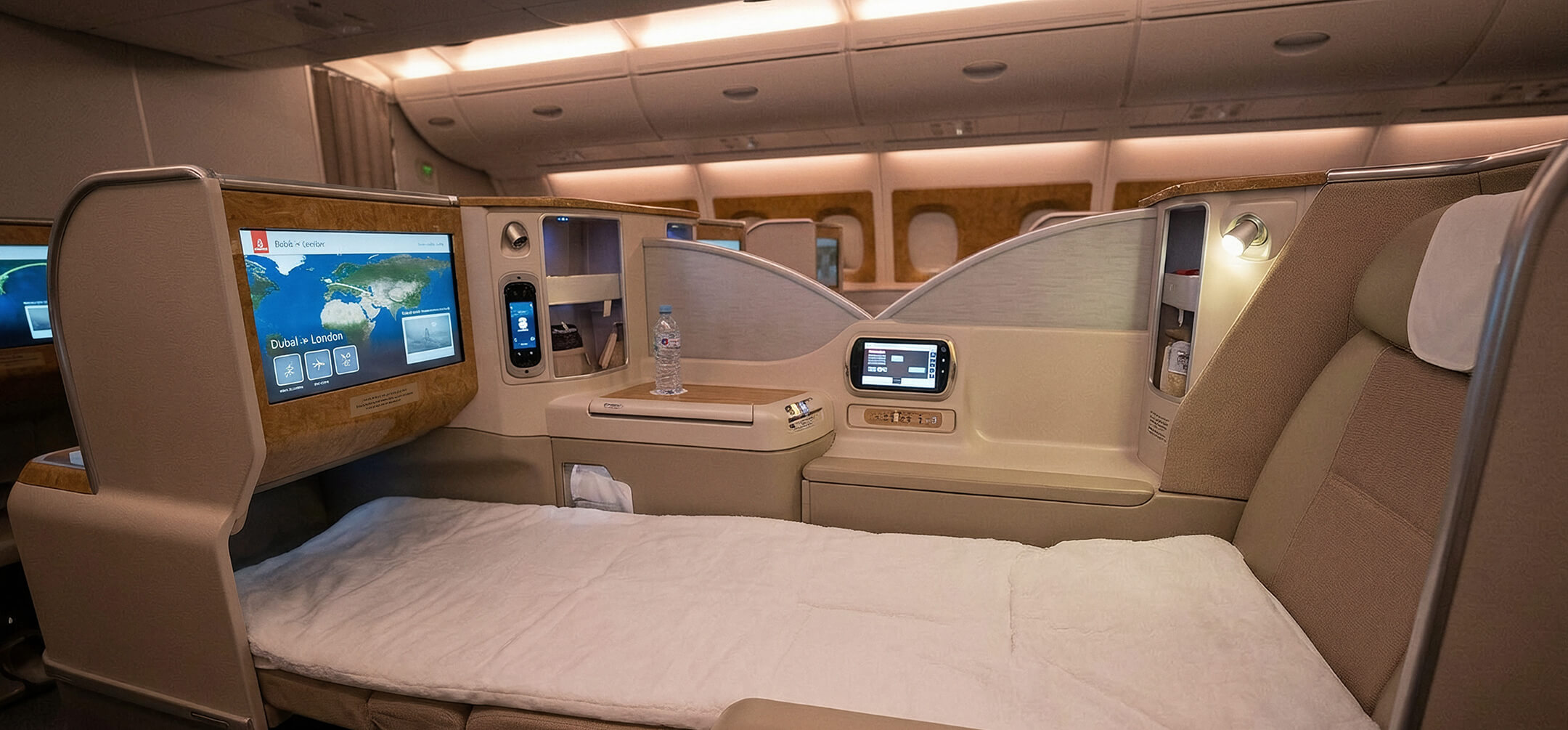
Business-class flights from the US to Los Angeles
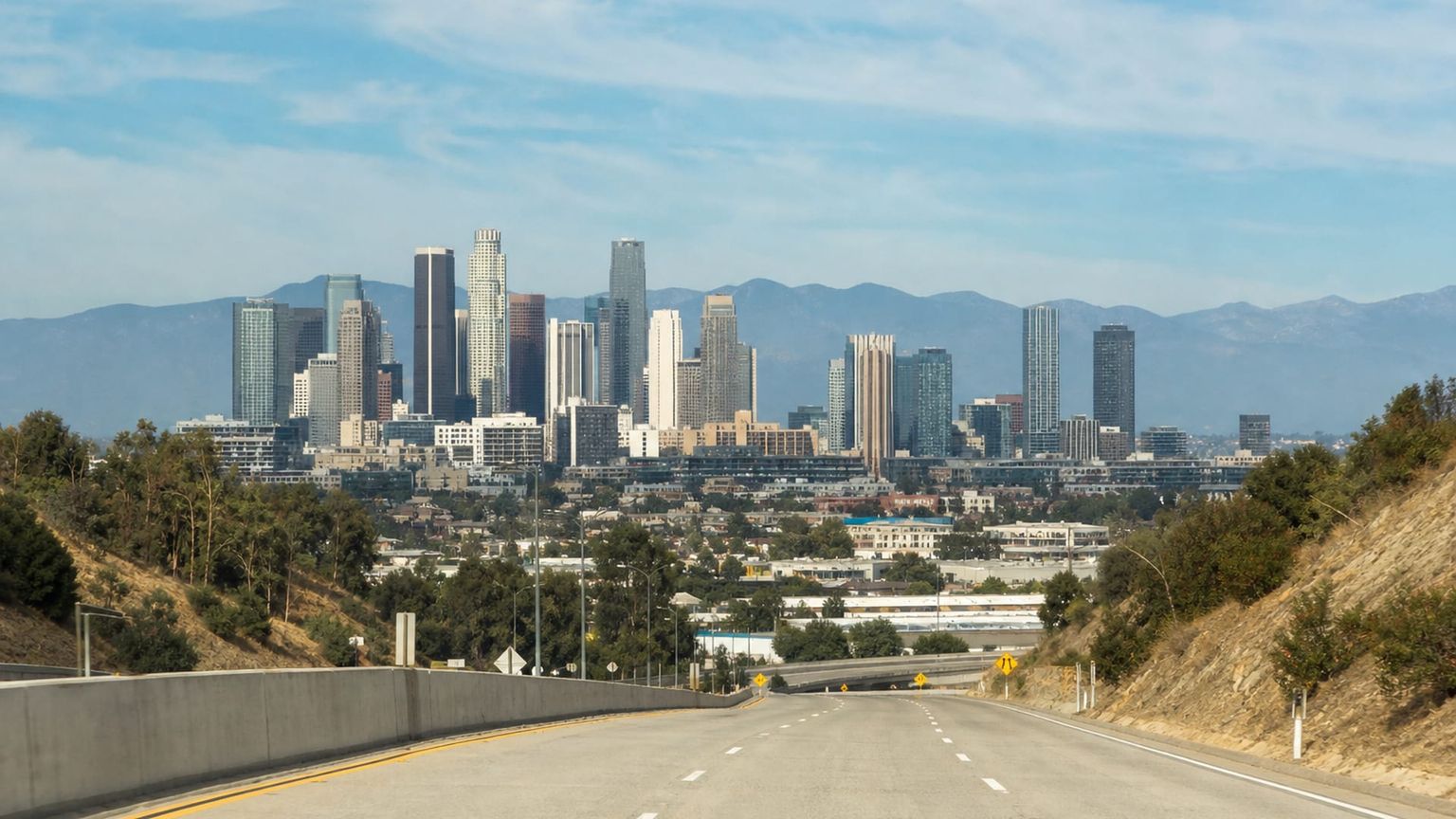
For long-haul arrivals, Los Angeles often works best with a one-stop itinerary unless you find the nonstop timing you want. The two route examples below show how the market shifts by origin.
From New York (JFK), fares usually start at about $1,000 and can reach $4,500, with nonstop premium seats on Delta Air Lines, Emirates, and Virgin Atlantic often sitting near the upper end. If you connect, common hubs include DOH, DXB, AUH, IST, LHR, and CDG, and the trip usually takes about 11 to 16 hours.
From Los Angeles (LAX), round-trip fares usually run from $900 to $3,800, and one-stop itineraries via NRT, HKG, or ICN often land below nonstop prices. Air France, British Airways, Cathay Pacific, Japan Airlines, Korean Air, and Lufthansa all operate on this market, with total travel time typically about 12 to 18 hours when you connect.
Los Angeles feels different when you slow down
A deliberate Los Angeles trip gives each area its own role, whether that means a Getty Center morning, sunset at Griffith Observatory, dinner in West Hollywood, or a final stop at The Grove before LAX. That structure cuts down on wasted crossings and leaves room for beach light, museum time, and a proper meal. If you want help shaping the route, the AranGrant experts can match your dates to the right neighborhoods and flight plan