

Chapters:

Need help with your trip?
Our support team is available 24/7. Request a callback or call us directly at (833) 619-0908
Ljubljana often gets treated as a quick stop between larger European cities, which means travelers see the castle, the riverfront, and not much else. They often miss how much the city changes once you leave the busiest bridge crossings and plan for the pace of each district.
That shortcut can work, but it leaves distance, opening hours, and evening movement to chance. Old Town crowds build fast, the station area needs a different arrival plan, and some museums and cafes close for a midday break.
This guide sorts the city by neighborhood, day length, and transit choice, so each stop fits the next one. It keeps the routing clear without flattening Ljubljana into a single walk.
Useful things to know

Main language(s): Slovene
Dober dan (DOH-ber dahn) – Hello / good day
Prosim (PROE-seem) – Please
Hvala (HVAH-lah) – Thank you
Ali govorite angleško? (AH-lee goh-VOH-ree-teh ahn-GLAYSH-koh) – Do you speak English?
Koliko stane? (KOH-lee-koh STAH-neh) – How much does it cost?

Currency: The local currency is the euro (EUR, €).

Cash and cards: Cards and contactless are widely accepted; keep about €20 to €40 ($22 to $44) in cash for small purchases.

Tipping: Round up the bill or leave about 5% to 10% for good service; it is not expected.

Traditional food: Kranjska sausage, žganci, štruklji, potica

Water and coffee costs: Water ~€1.50 ($2), bar espresso ~€1.80 ($2).

Taxis and ride apps: Uber and Bolt operate here; taxis are also easy to find at the airport.

Plug and voltage: Type C/F socket, 230V

Dining and shop opening hours: Breakfast is about 07:00-10:00, lunch 12:00-15:00, and dinner 19:00-22:00. Many restaurants close between lunch and dinner, especially outside the center.

Emergency number: Call 112 for police, fire, or medical emergencies.
Where to stay in Ljubljana
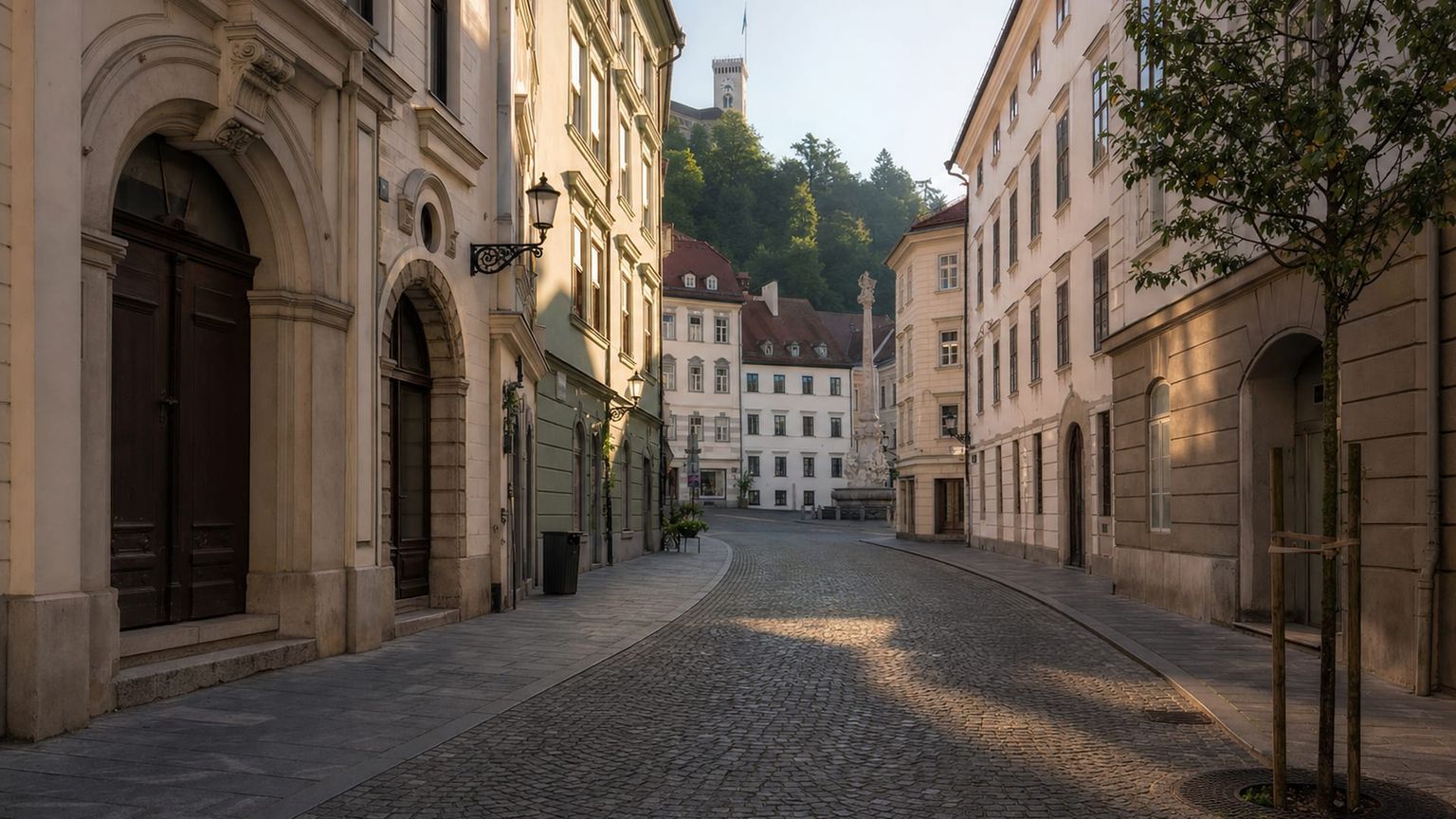
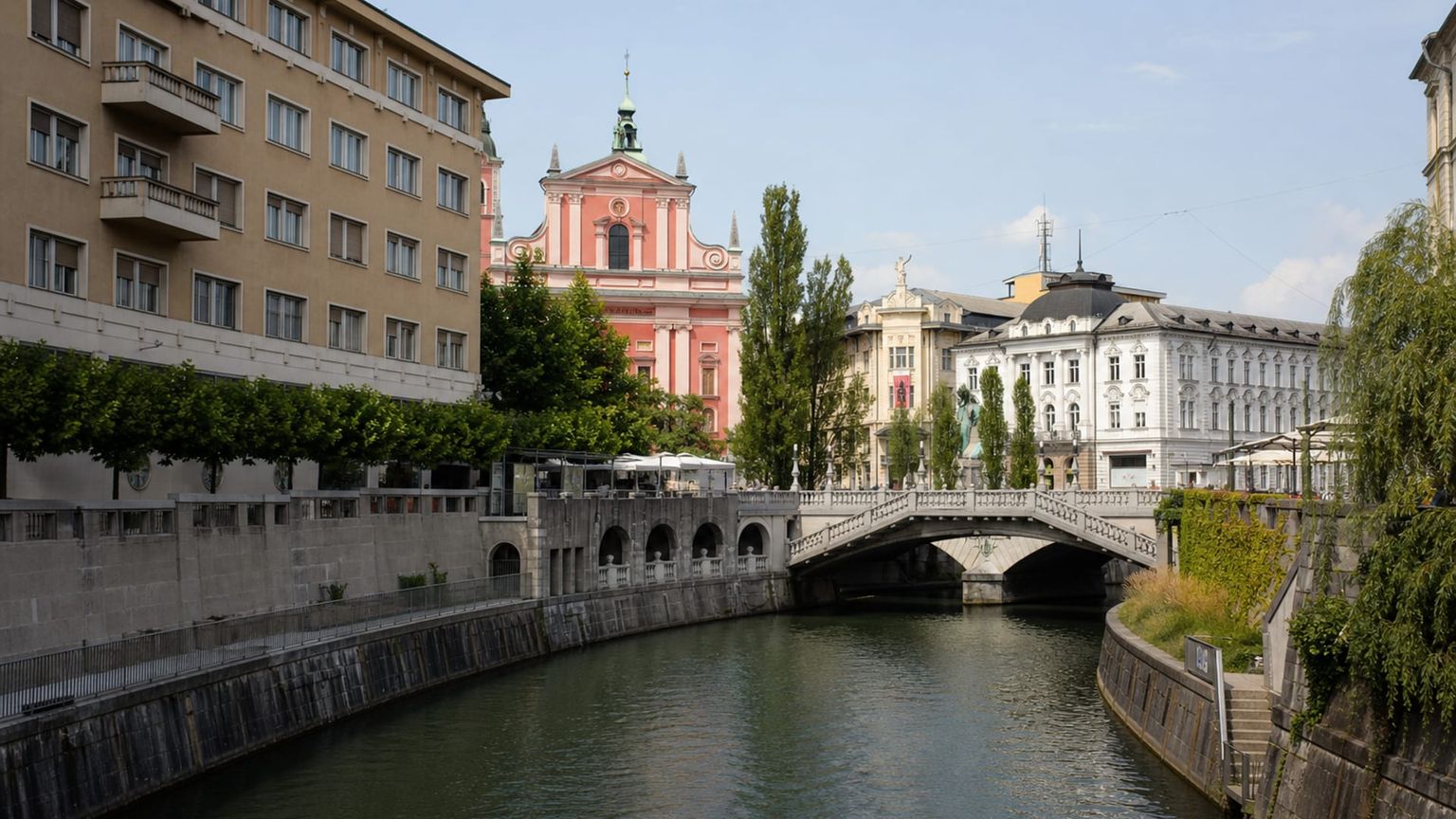
Ljubljana Old Town puts you beside the river, Prešeren Square, and many of the city’s main sights. It suits visitors who want to walk to cafes, museums, and evening tables without relying on transit.
Best for: First-time visits, sightseeing, and travelers who want to be in the historic core
What to expect: Pedestrian streets stay busy through the day, then fill with diners and drinkers after dark.
Hotel prices: Usually about €140 to €260 (~$154 to ~$286) per night for well-rated stays
Distance to major sights: 0 to 10 minutes on foot to Prešeren Square and the Triple Bridge
Quietness: Daytime is lively and often crowded, while evenings stay active and can run late on weekends.
Main trade-off: Rooms often cost more, and some streets bring noise from restaurants, bars, and tour groups.
Good to know: Book a room away from the main riverfront if you are sensitive to late-night foot traffic.
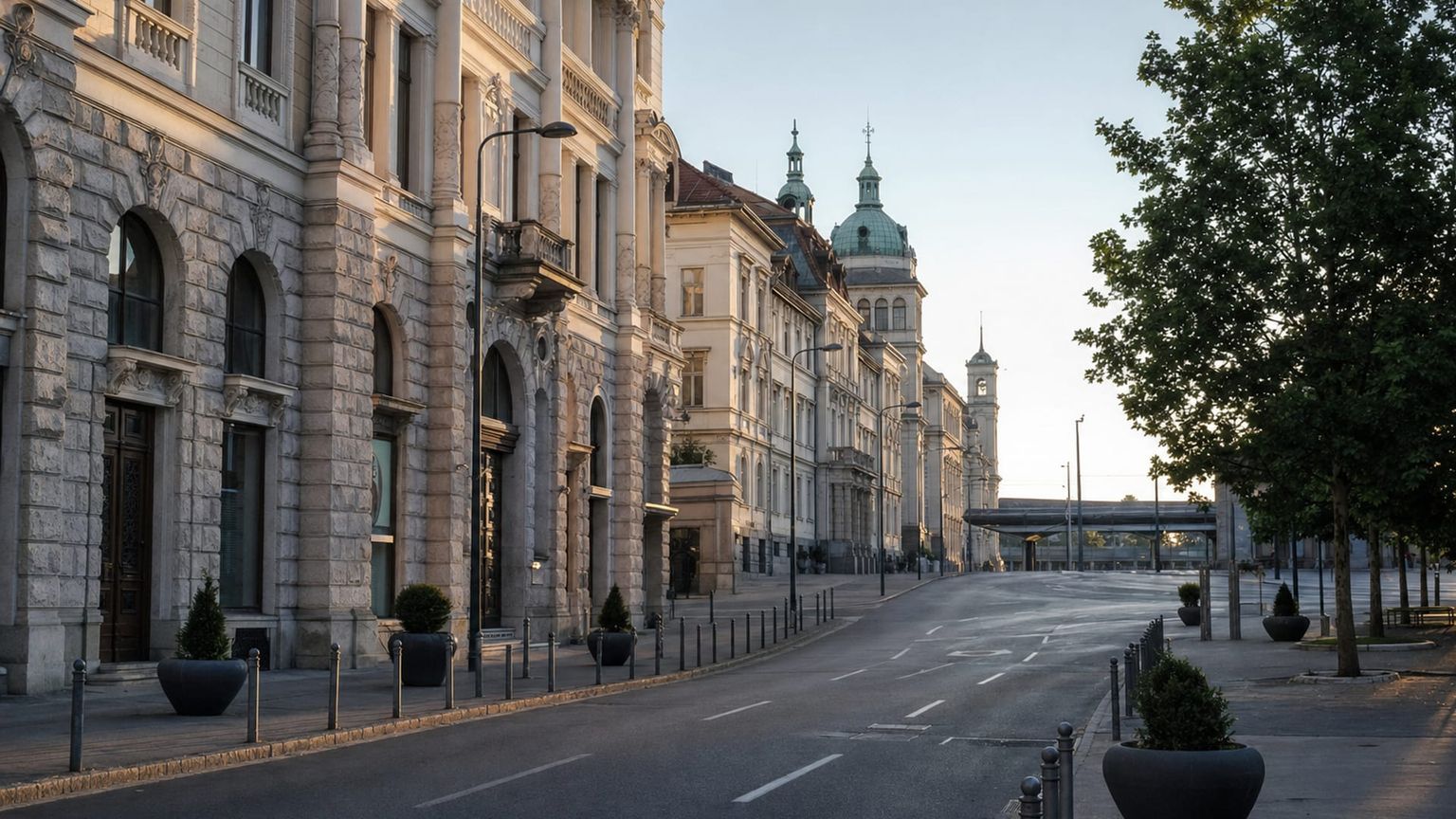
Miklošičeva and the station area sit just east of the old center, with quick access to the main train and bus stations. It works well for travelers who want easy arrivals, simple tram and bus links, and a short walk into the core.
Best for: Rail and bus arrivals, short stays, and travelers who want easy access to transit
What to expect: The streets are active near the stations, with a mix of commuters, hotels, and passing travelers.
Hotel prices: Usually about €90 to €170 (~$99 to ~$187) per night for well-rated stays
Distance to major sights: 10 to 15 minutes on foot to Prešeren Square and the Triple Bridge
Quietness: Daytime brings steady movement, while evenings are calmer a few blocks from the stations and busier right beside them.
Main trade-off: You gain transport access, but the setting is less scenic and some blocks feel busy after dark.
Good to know: Pick a side street rather than the blocks closest to the platforms if you want less late-night station noise.
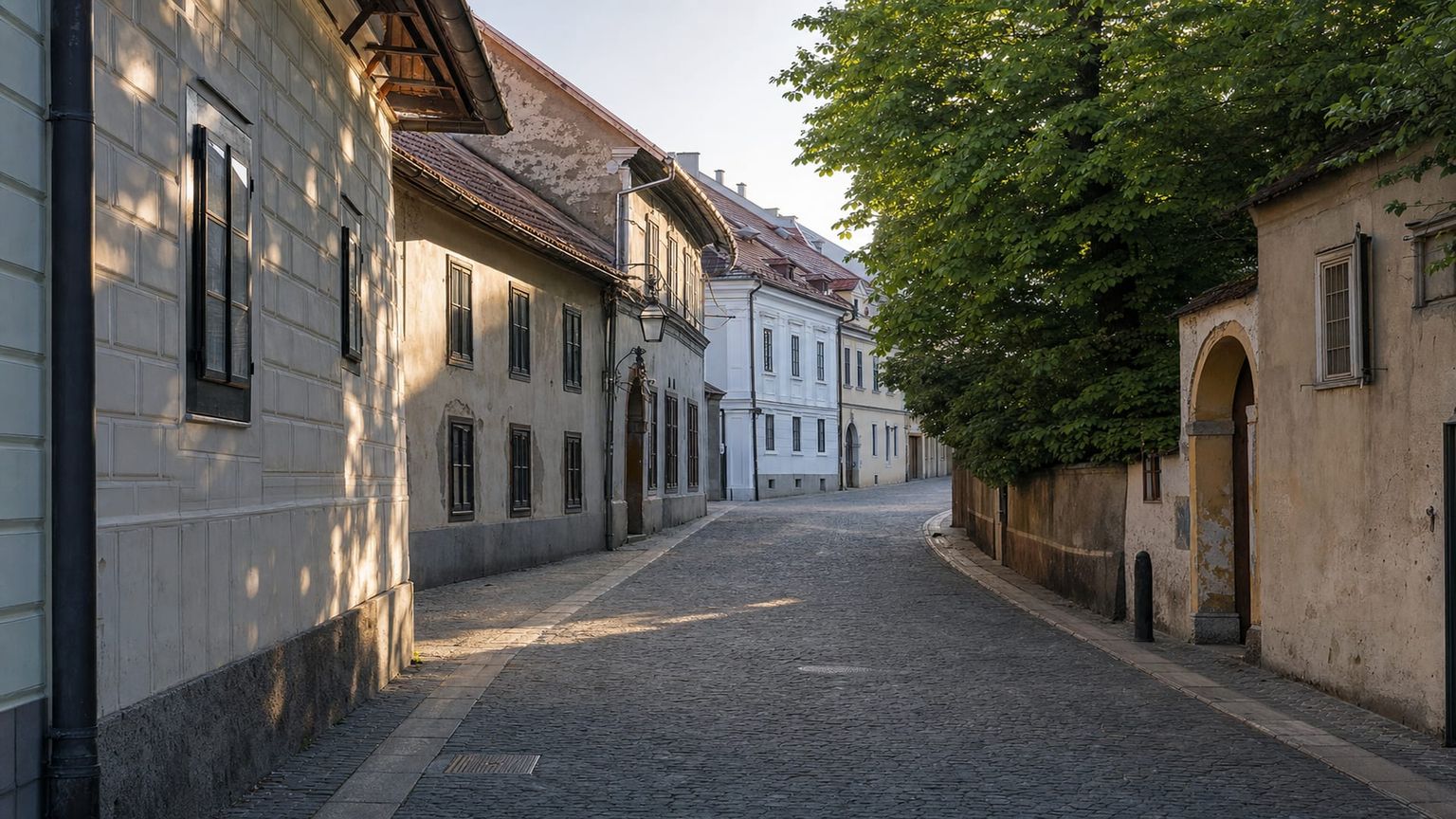
Trnovo sits south of the center along the Ljubljanica, with a residential feel, local restaurants, and good links back to the old town. It matters if you want quieter nights without losing a walkable base near the river.
Best for: Couples, longer stays, and travelers who want a calmer residential base
What to expect: The area is local and residential, with smaller cafes and a slower pace than the old center.
Hotel prices: Usually about €100 to €190 (~$110 to ~$209) per night for well-rated stays
Distance to major sights: 15 to 20 minutes on foot to Prešeren Square and the Triple Bridge
Quietness: Daytime is relaxed and local, while evenings stay comparatively quiet except near a few dining streets.
Main trade-off: You will walk farther to the main sights, and the choice of hotels is smaller than in the center.
Good to know: Check the exact bridge crossing on your route, since river paths can add a few extra minutes at night.
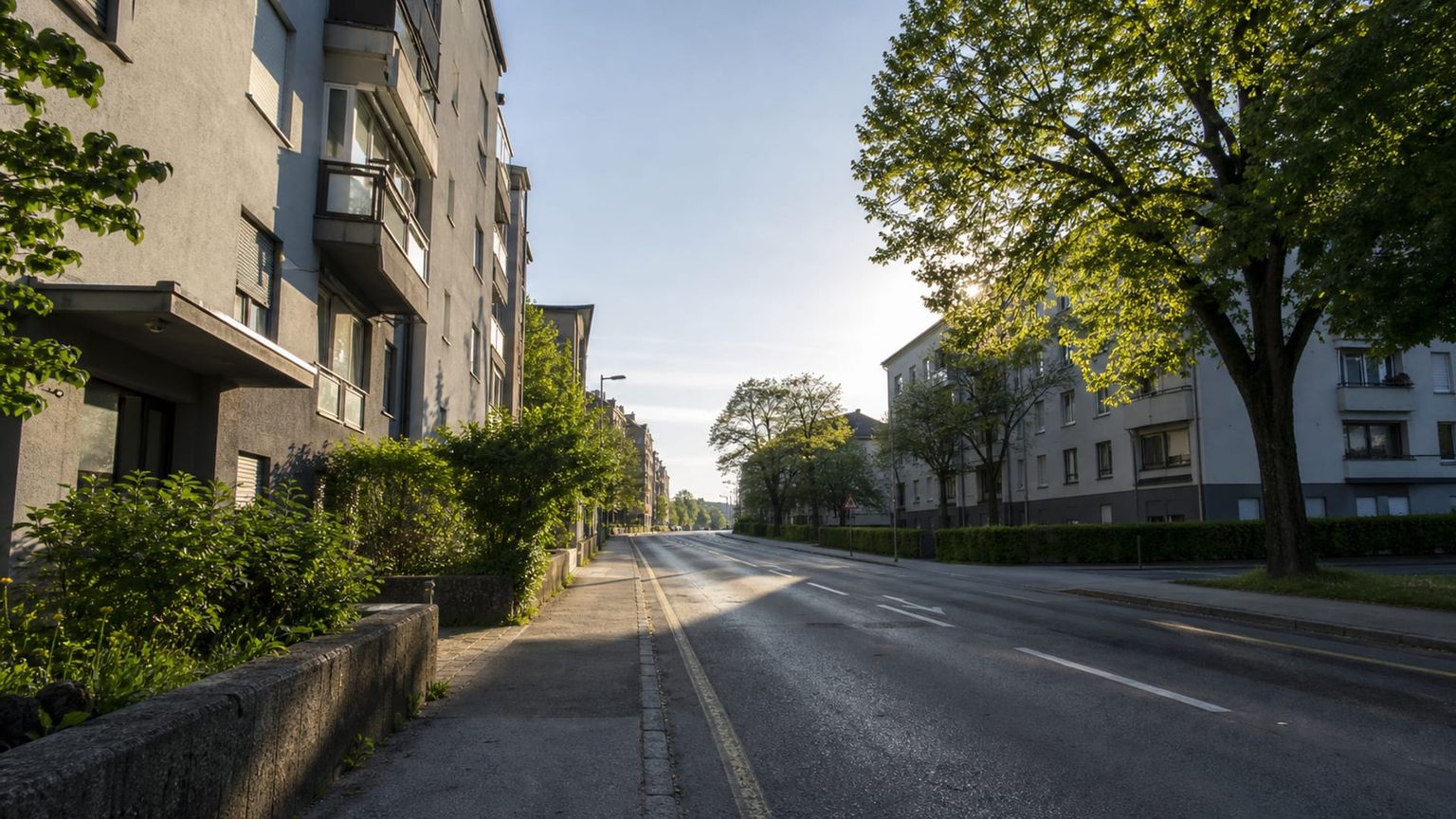
Šiška is a broad northwestern district with apartment blocks, neighborhood shops, and tram and bus links toward the center. It suits travelers who want more space than the core usually offers and do not mind using transit for sightseeing.
Best for: Longer stays, lower-key neighborhoods, and travelers comfortable using buses into the center
What to expect: You will see everyday residential life, local stores, and fewer visitors than in the historic core.
Hotel prices: Usually about €80 to €150 (~$88 to ~$165) per night for well-rated stays
Distance to major sights: 20 to 25 minutes by bus to Prešeren Square and the Triple Bridge
Quietness: Daytime is active with local errands and traffic, while evenings are generally quiet in residential blocks.
Main trade-off: The setting is less atmospheric for a short holiday, and getting to dinner or museums takes more planning.
Good to know: Choose this area if you prefer larger rooms, because many stays are apartment-style rather than traditional hotel rooms.
Travelers usually avoid staying in BTC City, Vič, Šiška near the ring road, and the outskirts of Rudnik, because these areas sit farther from Ljubljana’s Old Town and main sights, with fewer visitor-oriented restaurants and more dependence on bus or taxi travel in the evening. The immediate airport area near Ljubljana (LJU) is also less convenient for a city stay, since it puts you well outside the center and offers little to do on foot.
Hotel deals
How to get around Ljubljana efficiently
Ljubljana has no metro, so the city works best as a walkable center paired with buses, taxis, or ride-hailing for airport transfers and longer cross-town hops.

Metro
for longer distances
Ljubljana has no metro, so the closest equivalent is the urban bus network, which carries most local trips. If you need to cross the center quickly, plan on walking for short hops and using buses for longer reaches; single rides are about $1.50 to $2.50 (€1.40 to €2.30) and usually stay valid for 90 minutes.

Bus and tram
for convenience
Bus 28 links Ljubljana Jože Pučnik Airport to the city center, and the urban bus system covers the compact core plus outlying districts. Buy or top up the Urbana smart card, then validate on board; a standard city ride is about $1.50 to $2.50 (€1.40 to €2.30), with 90-minute validity, and day passes are also sold for unlimited use on the bus network.

Taxi
for convenience or late hours
Licensed taxis in Ljubljana use metered fares, with no universal citywide flat rate from the airport, so confirm the estimate before you set off. Typical city trips cost about $6 to $12 (€5 to €11), while rides from Ljubljana Jože Pučnik Airport to the center usually run about $25 to $40 (€23 to €37), depending on time of day and traffic; most cabs take cards, but it is worth checking when you book.
*Prices are based on rates updated as of June 2026 and may change at the time of travel.
Walk for the Old Town, use buses for longer district-to-district trips, and choose a taxi or ride app when you are coming from Ljubljana (LJU) or moving late in the evening.
Iconic landmarks
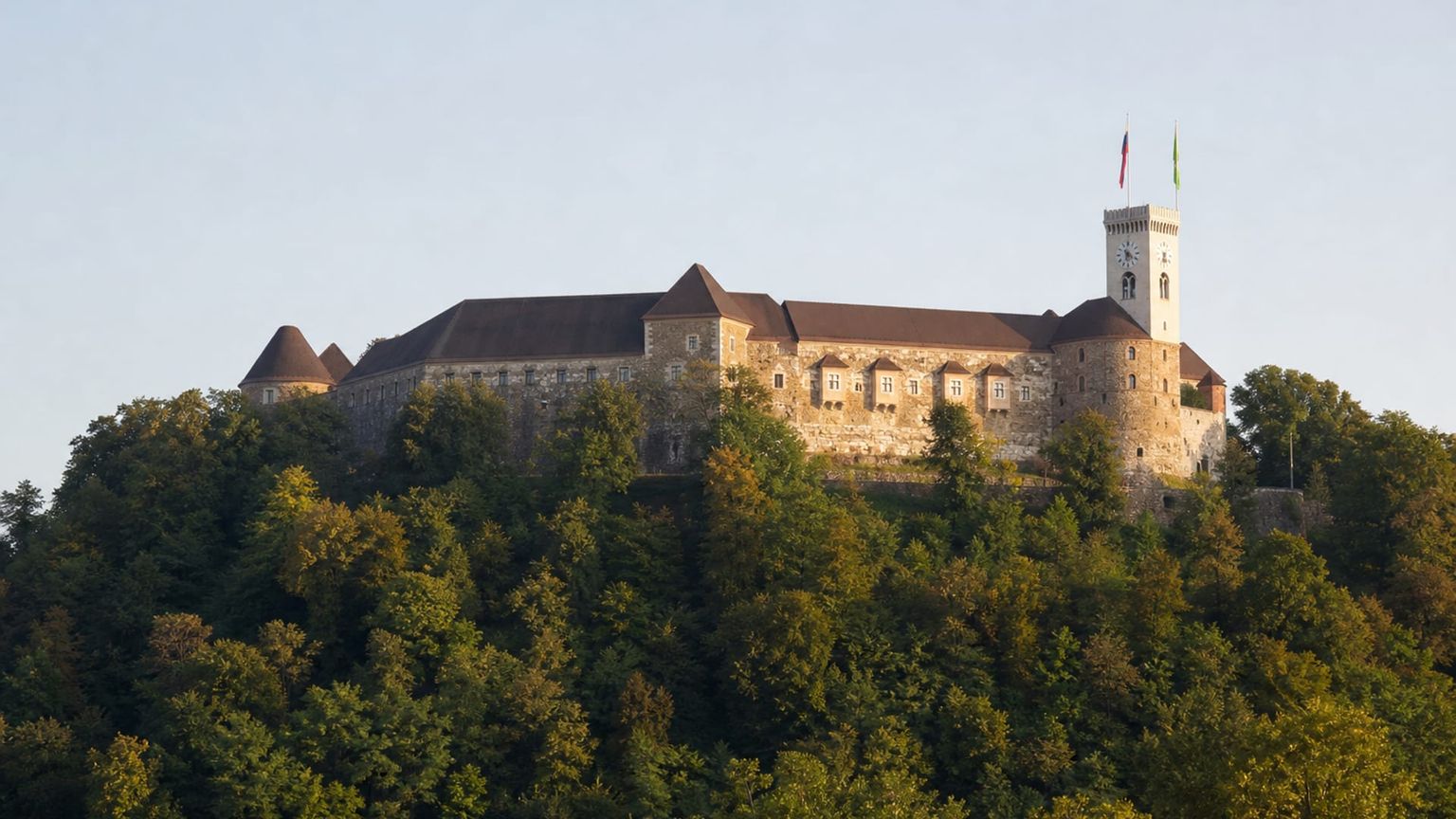
Ljubljana Castle
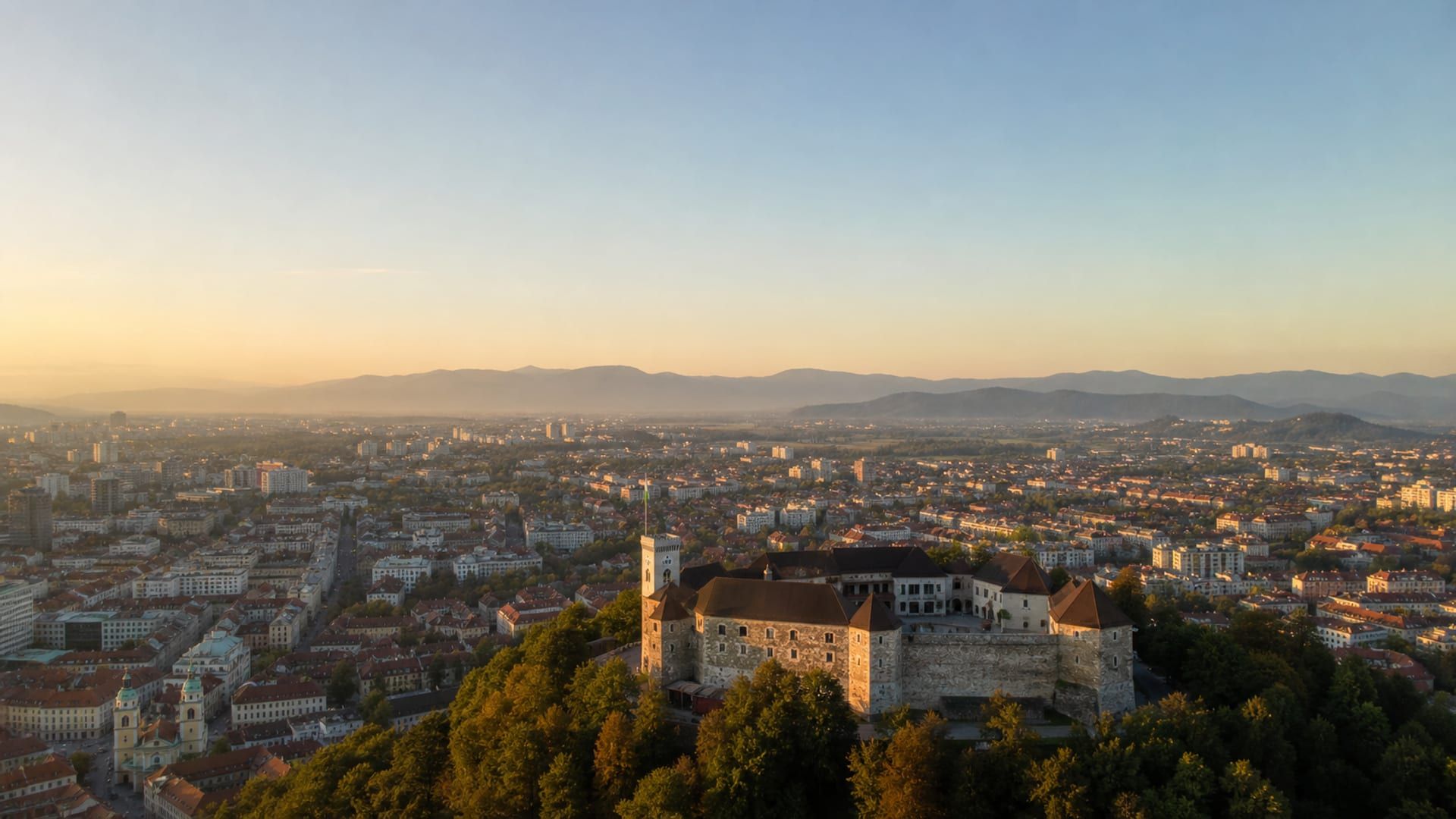
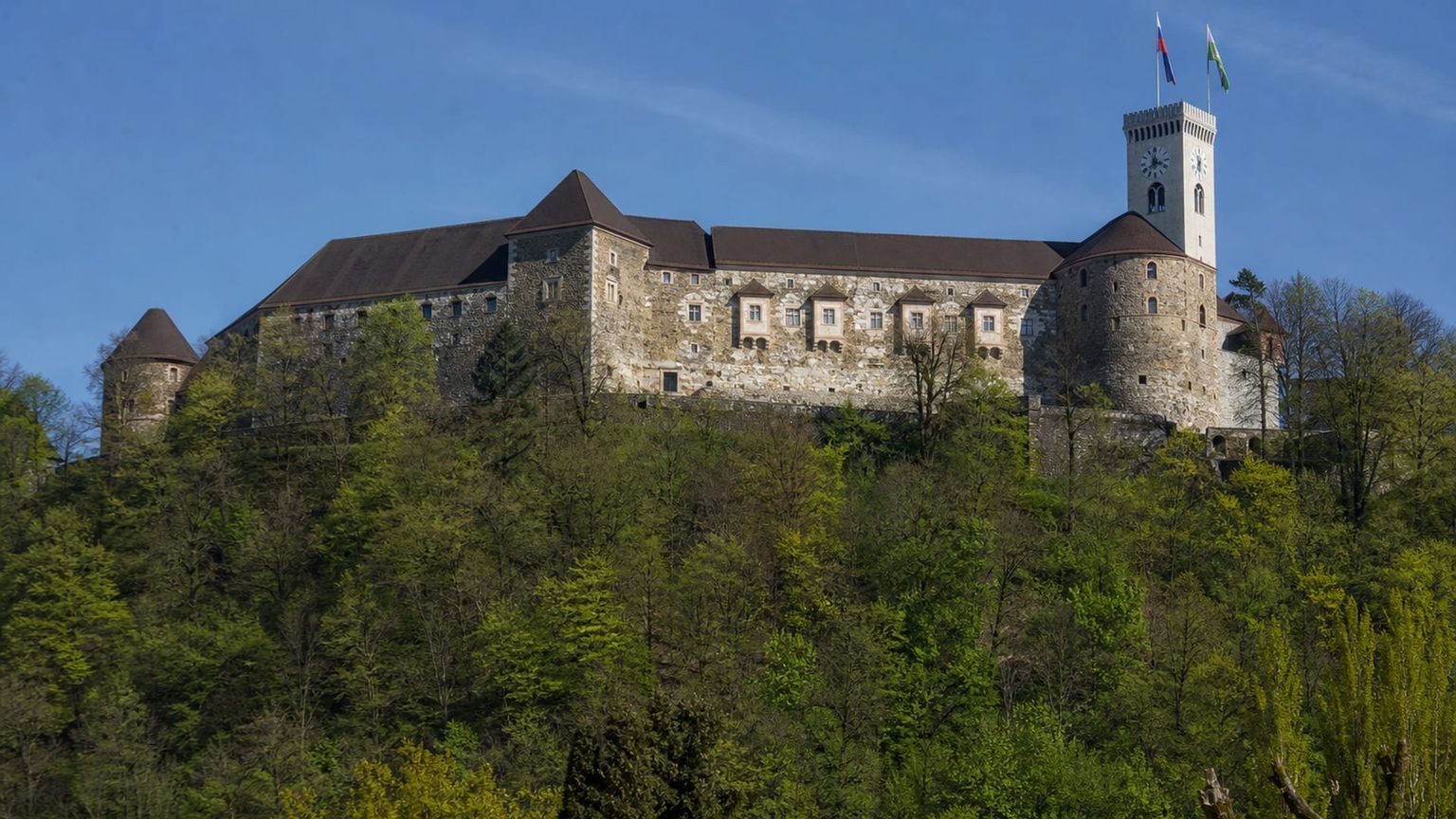
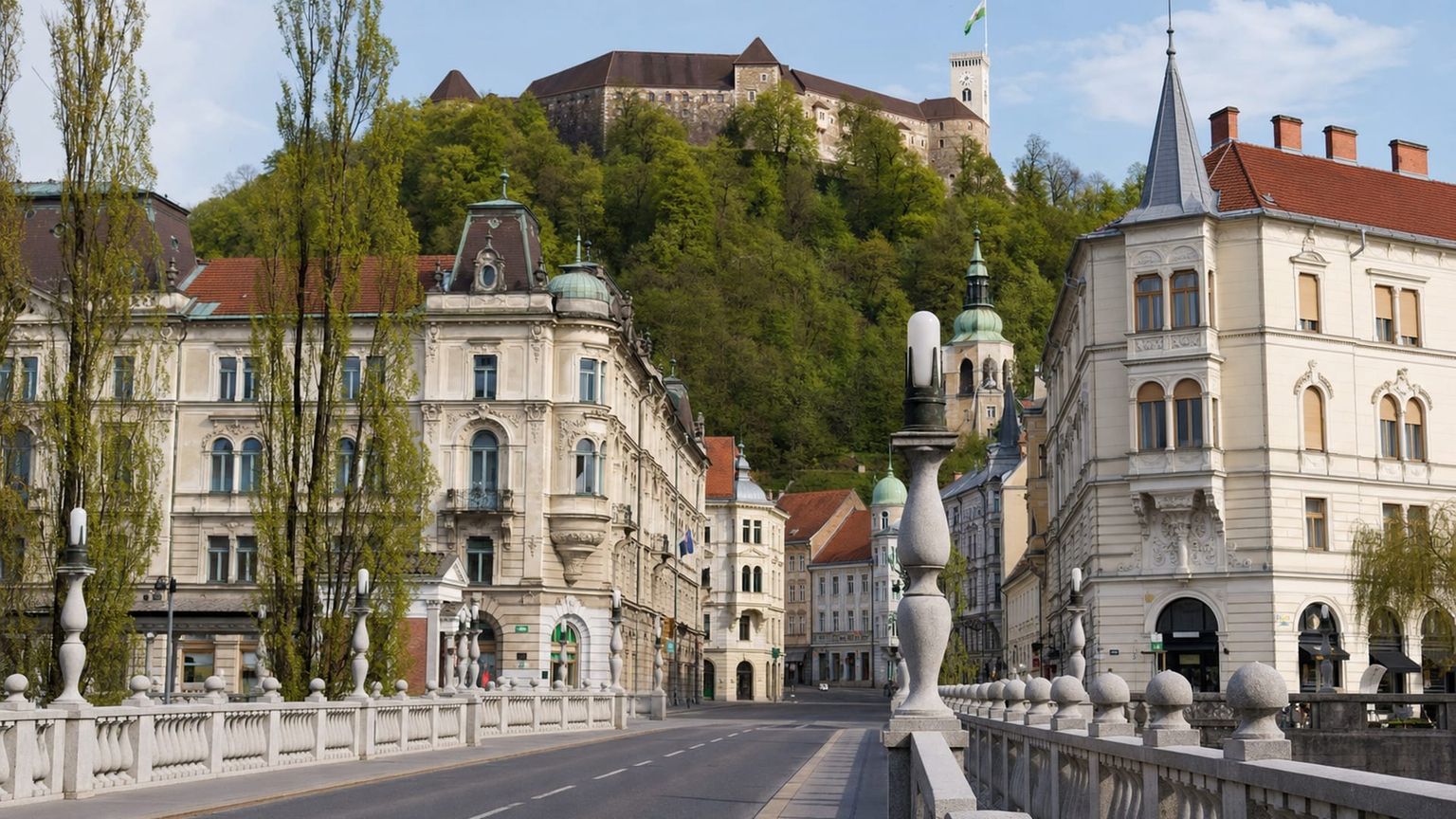
The hilltop fortress above the old town dates to the 11th century and today combines ramparts, a museum, and wide city views. Take the funicular up, then walk the walls for the best panorama over the river and rooftops.
Time needed: About 2 to 3 hours
Entry: Standard tickets cost $12 to $16 (€11 to €15), with extra charges for select exhibits, the funicular, and special events inside the castle grounds. Visit the official site for details.
Tip: Go late afternoon, when the light is softer and the terraces are less crowded.
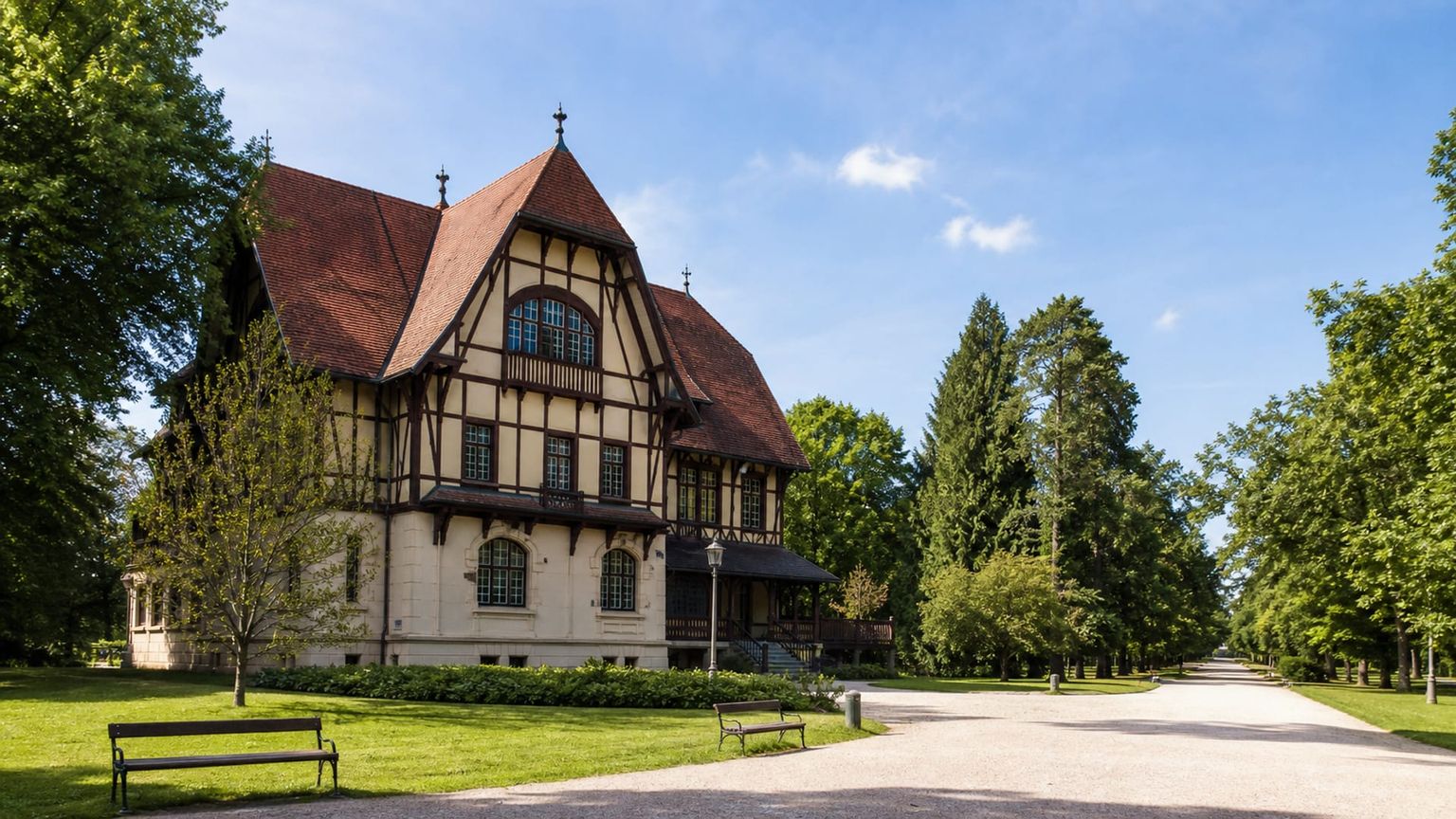
Tivoli Park
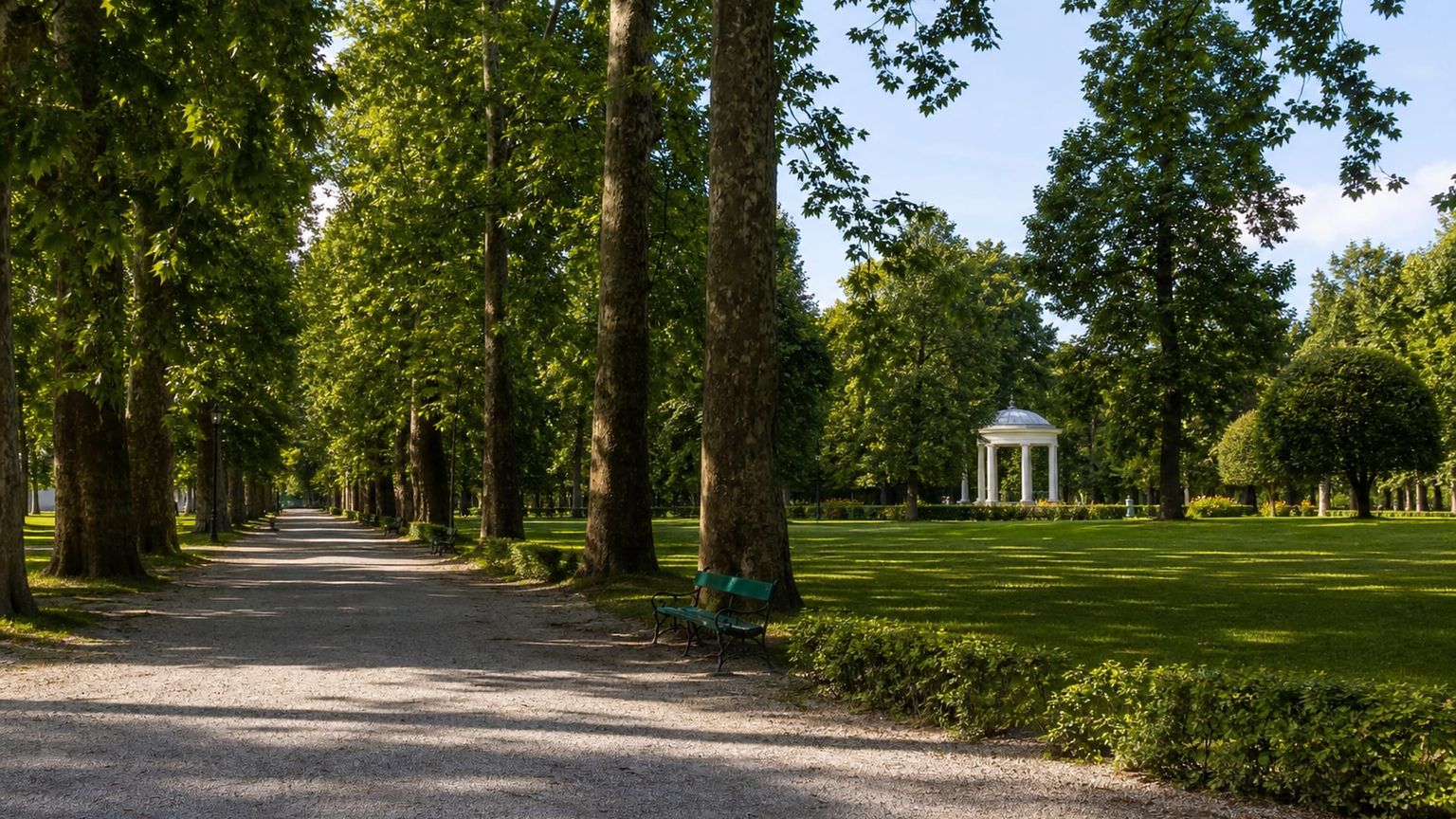
Ljubljana’s largest park stretches west of the center with tree-lined paths, formal gardens, and the Jakopič Promenade. It also links several cultural stops, so you can pair a long walk with the city’s museums and open-air sculpture.
Time needed: About 1 to 2 hours
Entry: Free to access, with no ticket required for the park itself; some nearby museums, galleries, and special exhibitions charge separately on site.
Tip: Visit in the morning for quieter paths and clearer views across the gardens.
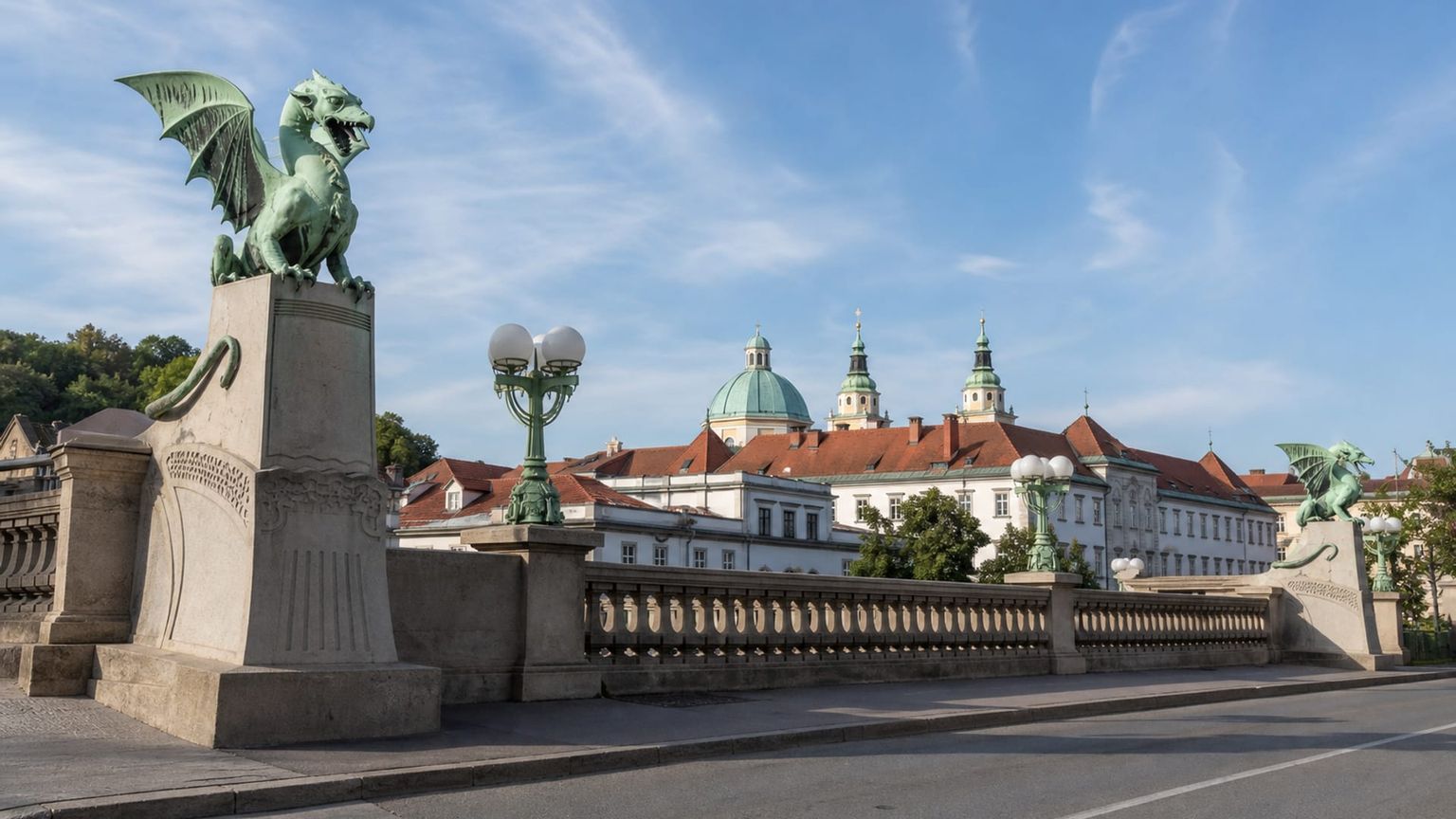
Dragon Bridge
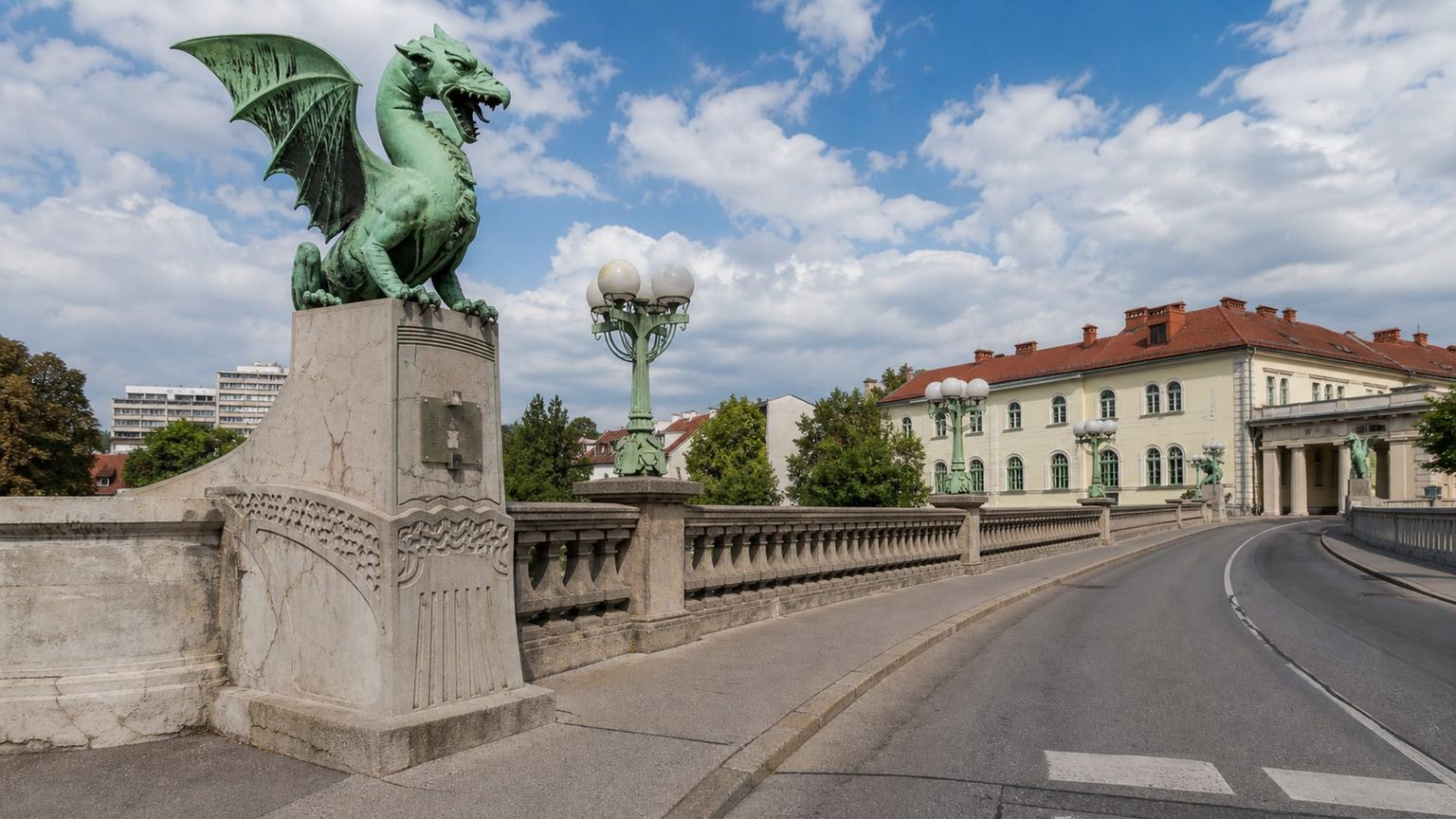
This 1901 bridge is one of Ljubljana’s best-known landmarks, set beside the market and the old town approach. Four copper dragons guard the corners, and the bridge gives you a short but classic look at the city’s Secession-era architecture.
Time needed: About 15 to 30 minutes
Entry: Free to access, with no ticket required and no timed entry; you can cross at any hour, although the surrounding market stalls follow their own schedules.
Tip: Come early for open sightlines, or at dusk when the bridge is lit.
Overlooked sites worth visiting

Špica Riverside Park
Where the Ljubljanica splits near the old tobacco factory, this grassy riverbank draws walkers, runners, and cyclists. Benches face the water, and the path links quickly to the old center.
Time needed: About 45 minutes to 1.5 hours
Entry: Free to access. There is no admission charge for the riverside lawns, paths, and seating areas, and the park is open at all hours. Nearby cafes and the old tobacco factory precinct sit outside the park boundary, so expect separate costs if you stop for food or drinks.
Tip: Go near sunset for calmer light on the river.

Švicarija, Tivoli Creative Centre
This restored villa in Tivoli Park now hosts studios, exhibits, and occasional open days. Its compact rooms and hillside setting make it a quieter stop than Ljubljana’s main museums.
Time needed: About 1 hour
Entry: Admission varies by exhibition or event; many visits are free, while ticketed programs typically cost about $3 to $10 (€3 to €9). Check the current calendar before you go, because access to some studio areas is limited and special exhibitions can change the price or opening hours. Visit the official site for details.
Tip: Check the event calendar before heading up the hill.
Traditional food
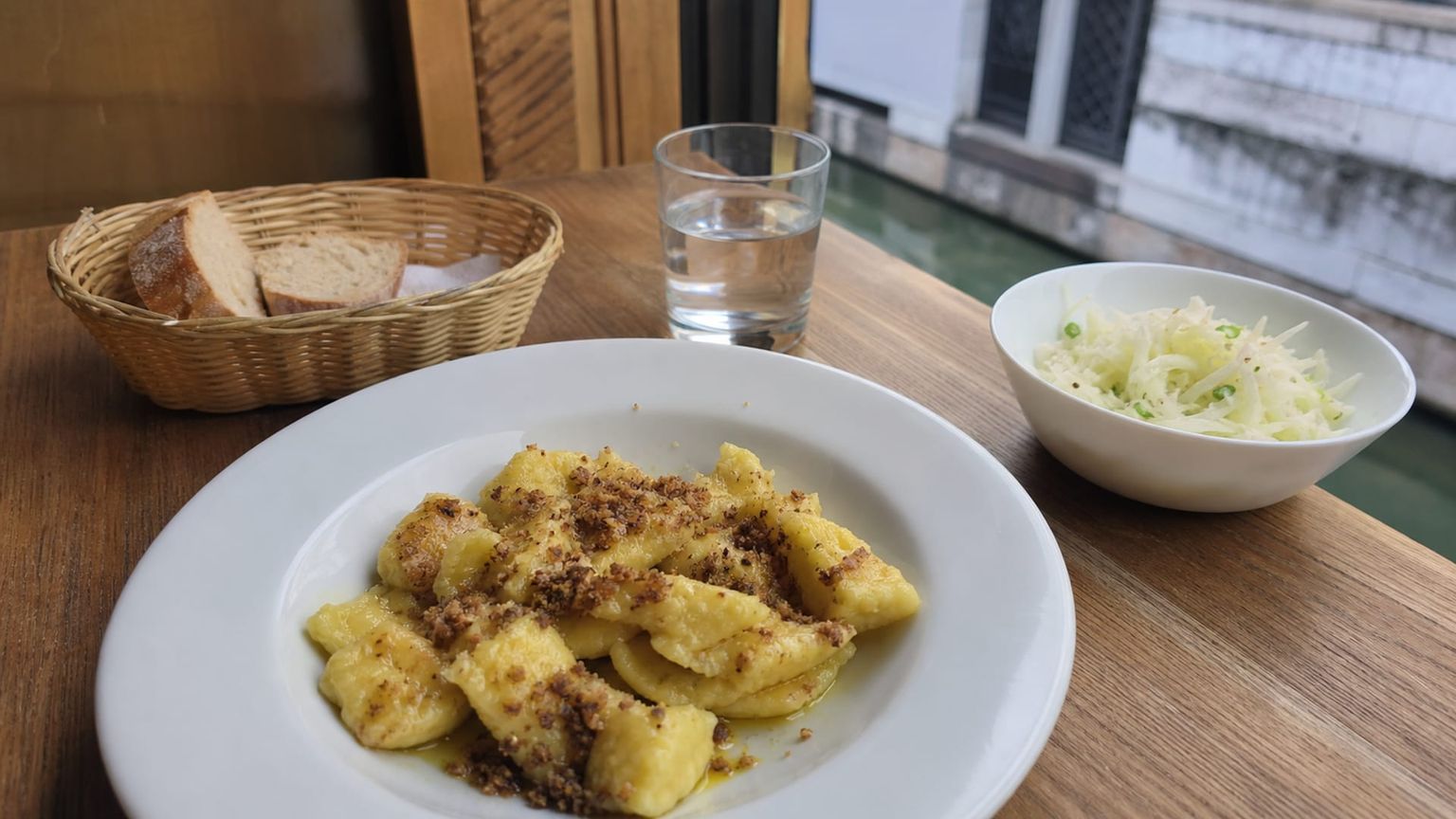
Ljubljana’s food leans on pork, buckwheat, dumplings, and pastry, with hearty plates such as Kranjska sausage, žganci, štruklji, and potica. Lunch often runs earlier than dinner, and many kitchens close between services.
Kranjska sausage
The city’s signature sausage is seasoned, smoky, and usually served with mustard, horseradish, or bread. For a classic plate in Ljubljana, Restavracija Strelec at Ljubljana Castle is a strong place to book.
Žganci
This buckwheat dish arrives as a simple, filling side or main, often paired with cracklings, stew, or milk. At Šestica, a long-running Ljubljana restaurant, it fits the city’s traditional cooking well.
Štruklji
Rolled dumplings come in savory and sweet versions, and they show up across Slovenia in many regional forms. For Ljubljana, Gostilna As is a dependable place to try a well-made version in a central setting.
Potica
This filled rolled cake is one of the country’s best-known desserts, often scented with walnut, poppy seed, or tarragon. For a neat finish to a meal in Ljubljana, Zvezda in the center is a familiar stop for potica and coffee.
Best time to visit Ljubljana
Ljubljana works year-round, but spring and early autumn bring the best mix of open-air walking, river views, and manageable crowds.
Best for: River walks, castle visits, and cafe terraces returning to life
What you get: About 45 to 68°F (7 to 20°C), with moderate crowds and a comfortable pace in the center
Trade-offs: Rain can interrupt outdoor plans and some days still feel cool
Best for: Long evenings, outdoor dining, and the fullest use of the riverfront
What you get: About 59 to 84°F (15 to 29°C), with the biggest crowds around the Old Town and major sights
Trade-offs: Heat and tourist traffic can make midday sightseeing slower
Best for: Clear walking weather, park colors, and easier museum days
What you get: About 41 to 70°F (5 to 21°C), with lighter crowds after the peak summer weeks
Trade-offs: Shorter days and cooler evenings arrive quickly
Best for: Quiet streets, holiday lights, and indoor time in cafes and museums
What you get: About 27 to 43°F (-3 to 6°C), with the lightest crowds outside holiday periods
Trade-offs: Cold weather narrows the window for long outdoor routes
A realistic 5-day plan in Ljubljana
Five days in Ljubljana works well if you treat the center, the river, and the park system as separate pieces instead of trying to cover everything in one loop. The plan below keeps arrival, sightseeing, green space, river walking, and departure in a sequence that matches the city’s scale.
Land at Ljubljana (LJU), then take a taxi or rideshare into the center in about 20 to 25 minutes for roughly €20 to €30, or use the public bus if your bags are light and your schedule is loose. Base yourself in Ljubljana Old Town if you want to step out to the river and Prešeren Square, or choose Miklošičeva and the station area if you prefer easier arrivals and a shorter walk from the train and bus terminals. For a first evening, keep things simple with a short stroll to the Triple Bridge, a bowl of soup, or an early dinner near the river, then turn in before the pedestrian streets get livelier.
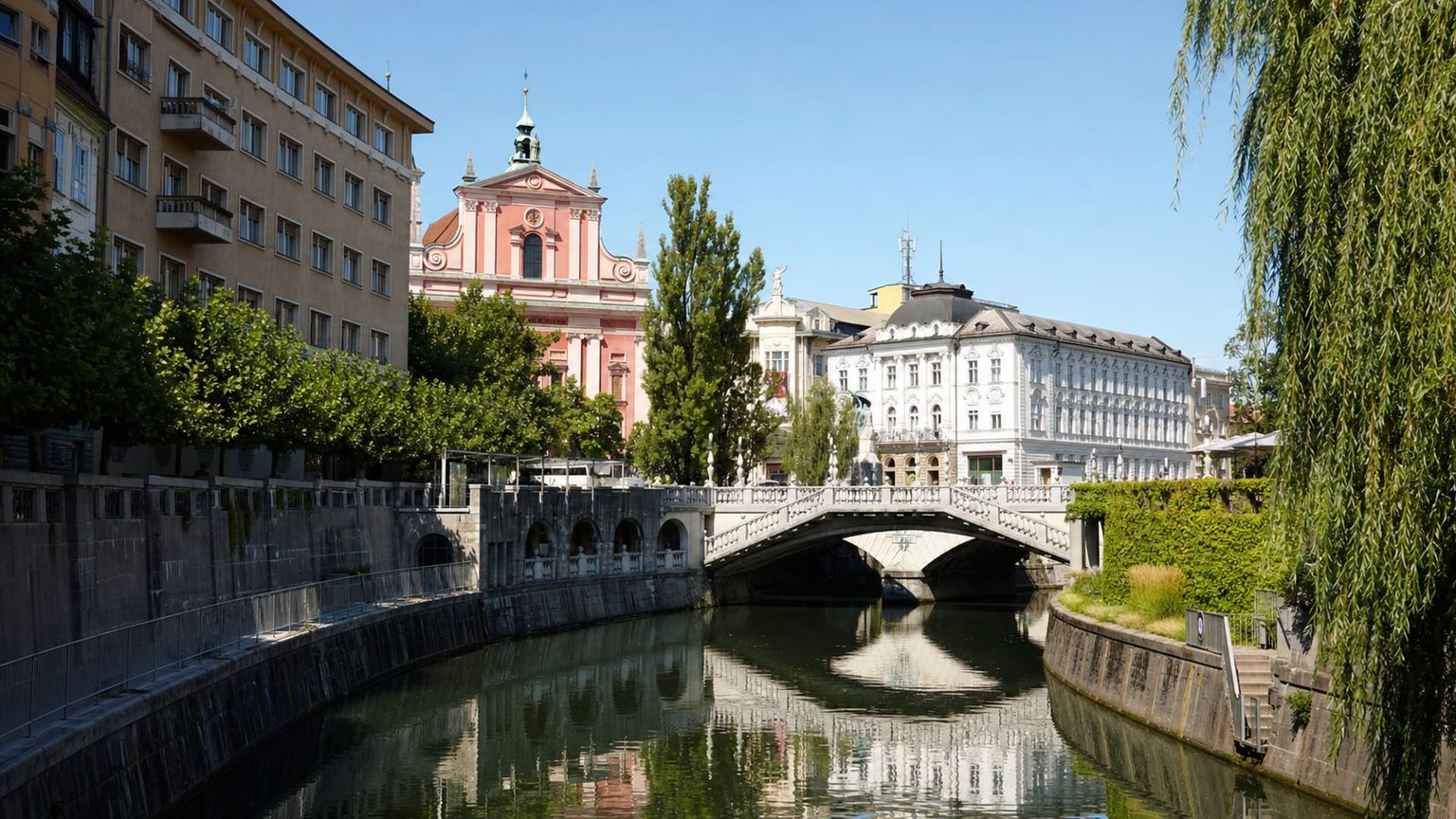
Start in the old center with Dragon Bridge, then walk about 5 minutes to Prešeren Square and the Triple Bridge for the city’s main river crossings and facades. From there, continue roughly 10 minutes on foot to the funicular for Ljubljana Castle, and spend about 2 to 3 hours on the ramparts, museum spaces, and tower views above the rooftops. Come down late afternoon, then finish with a riverside dinner in Ljubljana Old Town, where you can stay within a few minutes of your hotel rather than crossing the city after dark.
Tivoli Park makes the best morning anchor, so begin with a slow walk through the formal gardens and along the Jakopič Promenade, which takes about 1 to 2 hours if you include the sculpture stops. From the park’s east side, it is roughly a 15-minute walk back toward the center, or a short bus ride, to reach Švicarija, Tivoli Creative Centre for its studios or current exhibit. End the day with a café stop near the park edge or back in the old town, depending on whether you are staying in Trnovo, Ljubljana Old Town, or near the station.
A day along the Ljubljanica works well if you start at Špica Riverside Park, where the lawns and benches sit about 15 to 20 minutes on foot from the old town. Walk the river path north toward the center, pausing for views by the water, then continue to the market side of town for a return look at Dragon Bridge and the streets around it. If you still want one more easy stop, circle back through the old center for an unhurried lunch or an early dinner, since this route keeps most of the day on foot.
Begin with one last museum visit or gallery stop near Tivoli Park, then spend the afternoon in the old center or along Miklošičeva for souvenir shopping, postcards, and a final coffee before departure. If your flight is later in the day, Trnovo offers a quieter café break south of the river, with a short walk back toward the center when you are ready to collect bags. Keep your timing loose enough for the airport ride, since a taxi or rideshare back to Ljubljana (LJU) still takes about 20 to 25 minutes from the center.
Business-class flights from the US to Ljubljana
For long-haul arrivals, Ljubljana usually means one-stop itineraries rather than direct service from either U.S. coast. The useful comparisons are the duration, the connection point, and how much the fare drops if you allow a layover.
From New York, Lufthansa, Swiss International Air Lines, Air France, Turkish Airlines, LOT Polish Airlines, and KLM Royal Dutch Airlines all appear on the route list. Typical one-stop travel takes about 9 to 10 hours, while itineraries via FRA, MUC, ZRH, AMS, CDG, or IST usually run about 11 to 15 hours and can bring fares down, with round-trip prices usually starting from $3,200.
Los Angeles itineraries are longer, with Lufthansa, Turkish Airlines, Swiss International Air Lines, Air France, KLM Royal Dutch Airlines, and KLM Royal Dutch Airlines on the board. Expect about 14 to 19 hours with one stop, and common connections through FRA, MUC, ZRH, AMS, CDG, or IST can trim the total cost further, with round-trip fares from $3,400 to $6,500.
Ljubljana feels different when you slow down
A good Ljubljana trip gives each part of the city its own role: the Old Town for the first look, Miklošičeva for an easier arrival, Tivoli Park for a slower morning, and Špica for time by the water. Trams do not enter the picture, so the city rewards walking, short bus rides, and a clear plan for the airport leg. If you want help matching those pieces to your dates, the AranGrant experts can shape a Ljubljana itinerary around your pace







