

Chapters:

Need help with your trip?
Our support team is available 24/7. Request a callback or call us directly at (833) 619-0908
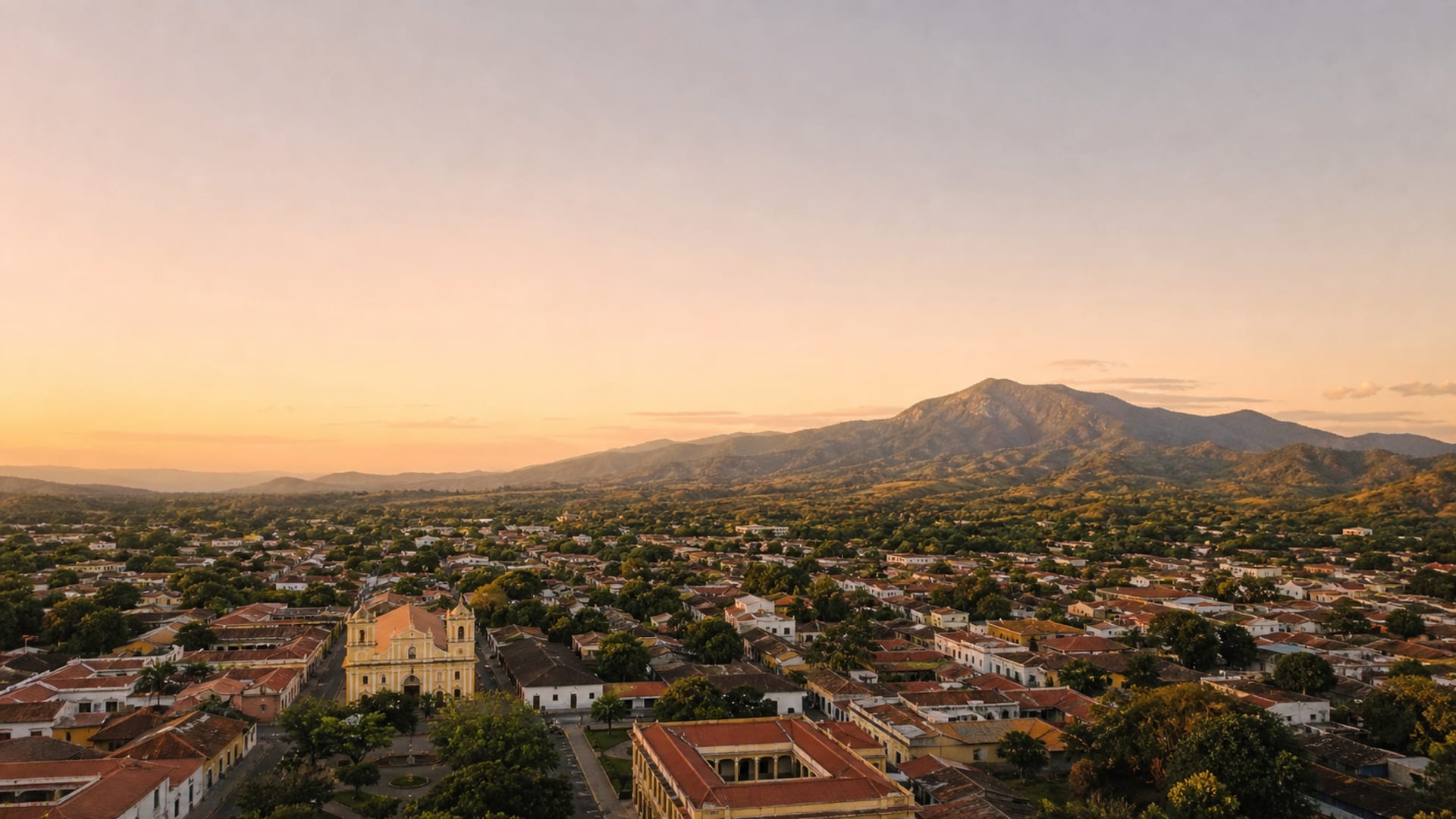
Liberia usually draws travelers into a familiar pattern, airport night, one or two volcano or wildlife outings, then a quick exit toward the coast. What many visitors miss is how much time the city itself can absorb if you do not plan the day around heat, closing hours, and the gaps between neighborhoods.
Those gaps matter here. Distances to Rincon de la Vieja, Santa Rosa, and Palo Verde are manageable, but the pace changes once you add taxis, afternoon closures, and streets that quiet down early in the center.
This guide sets out the city in a clearer order, with a base, meals, seasons, flights, and day trips arranged so Liberia works as more than a stop on the way through Guanacaste.
Useful things to know

Main language(s): Spanish
hola (OH-lah) – hello/good morning
por favor (por fah-VOR) – please
gracias (GRAH-see-ahs) – thank you
¿Habla inglés? (AH-blah een-GLAYS) – Do you speak English?
¿Cuánto cuesta? (KWAHN-toh KWEHS-tah) – How much does it cost?

Currency: The local currency is the Costa Rican colón (CRC, ₡).

Cash and cards: Cards and contactless are accepted at many hotels and larger shops, but carry about $20 to $40 in colones for taxis and small purchases.

Tipping: Round up small bills, and leave 10% in restaurants when service is not included.

Traditional food: Gallo pinto, casado, ceviche, arroz con pollo

Water and coffee costs: Water ~₡1,000 ($2), bar espresso ~₡1,500 ($3).

Taxis and ride apps: Uber and DiDi operate here; availability can be limited outside airport and town centers.

Plug and voltage: Type A/B socket, 120V

Dining and shop opening hours: Breakfast runs about 07:00-09:00, lunch 12:00-14:00, and dinner 18:00-21:00. Many places close in the afternoon and on Sundays.

Emergency number: 911 for police, fire, and medical emergencies.
Where to stay in Liberia
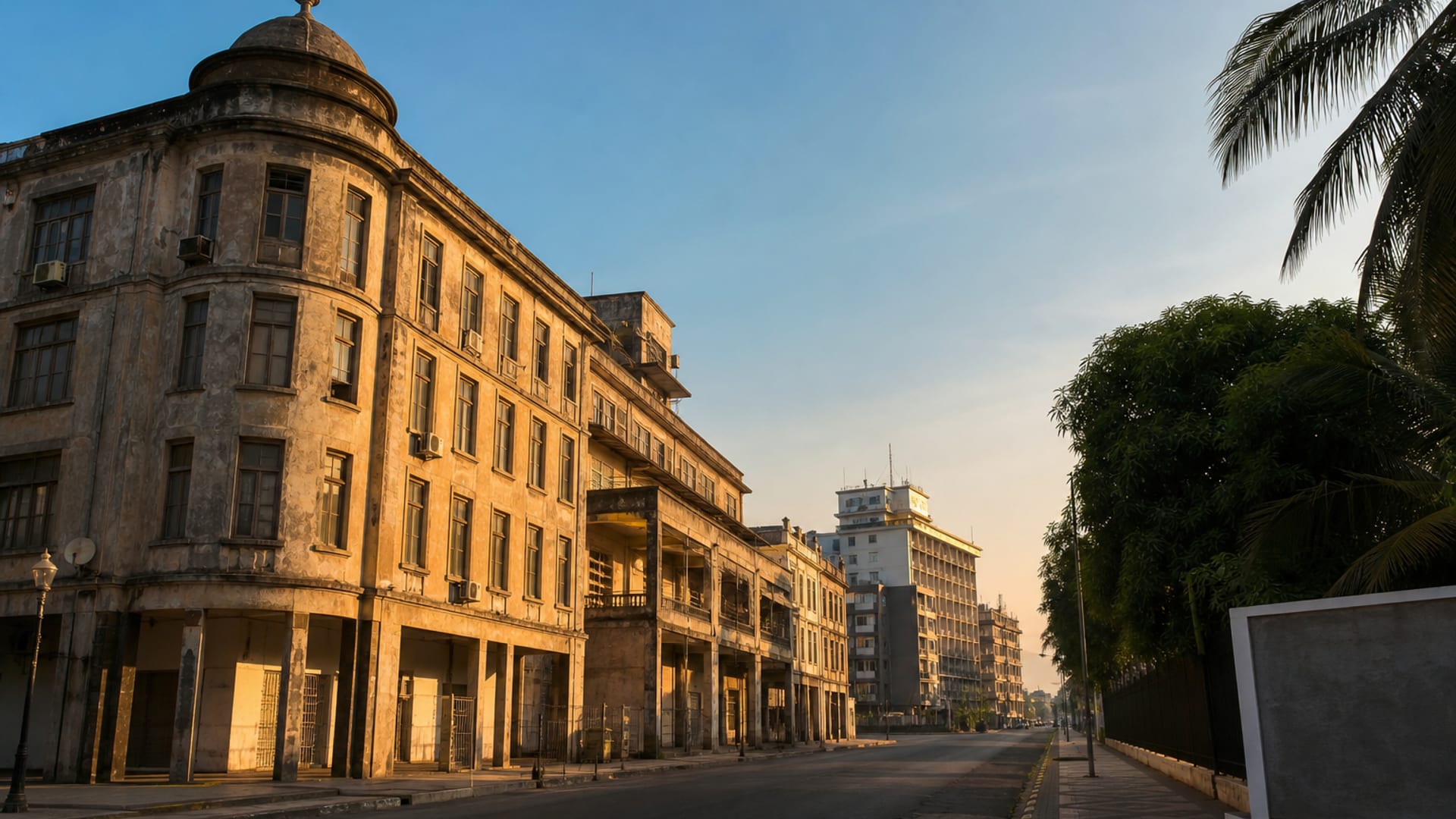
Liberia’s central district clusters shops, banks, local eateries, and the city market around the main streets. It suits visitors who want the most direct access to buses, taxis, and everyday services, with the airport still within a short ride.
Best for: Short stays, simple airport access, errands, and travelers who want to be close to local dining
What to expect: Busy daytime streets, taxi traffic, and a local crowd that thins after dark.
Hotel prices: Usually about $45 to $110 per night for well-rated stays
Distance to major sights: About 10 to 15 minutes by taxi to Museo de Guanacaste, about 20 to 25 minutes to Guanacaste Airport (LIR)
Quietness: Noisy by day, quieter in the evening once shops close.
Main trade-off: You give up resort-style grounds and a quieter setting for easier access to town basics and transport.
Good to know: Nighttime dining options are limited, so plan late meals before you return to the hotel.
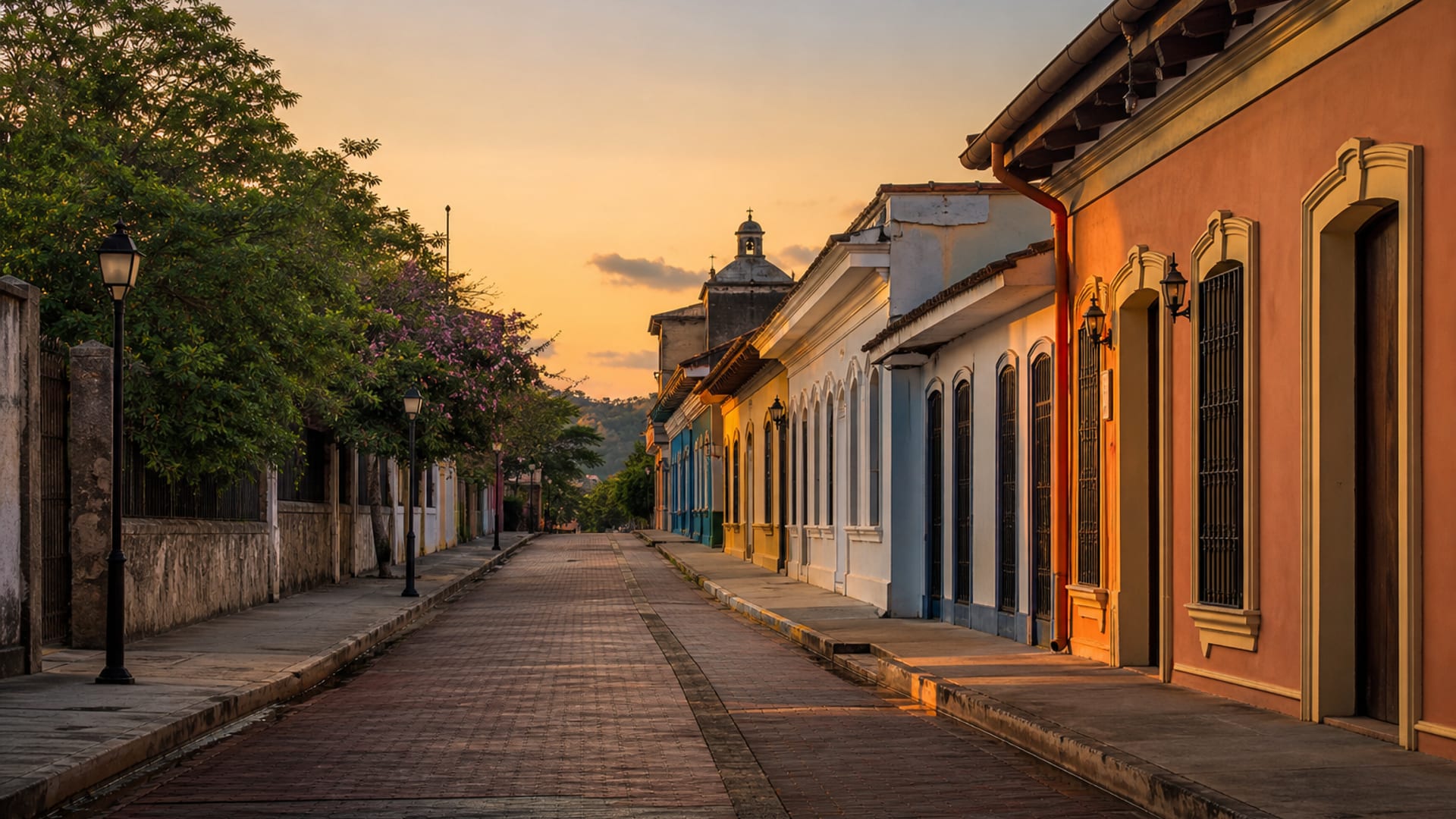
Pueblo Nuevo sits just outside the core and mixes residential streets with small hotels and local storefronts. It gives you an in-town base with easier parking and a bit less congestion than the central blocks.
Best for: Travelers with a car, value-conscious stays, and visitors who prefer a residential setting
What to expect: Low-key streets, local traffic, and fewer pedestrians than downtown.
Hotel prices: Usually about $40 to $95 per night for well-rated stays
Distance to major sights: About 5 to 10 minutes by taxi to downtown Liberia, about 20 to 25 minutes to Guanacaste Airport (LIR)
Quietness: Calmer during the day, and generally quiet at night.
Main trade-off: You will rely more on taxis or a car for dinner and sightseeing because the area is spread out.
Good to know: Check whether your lodging has secure parking, since many stays here are easiest to use with a car.
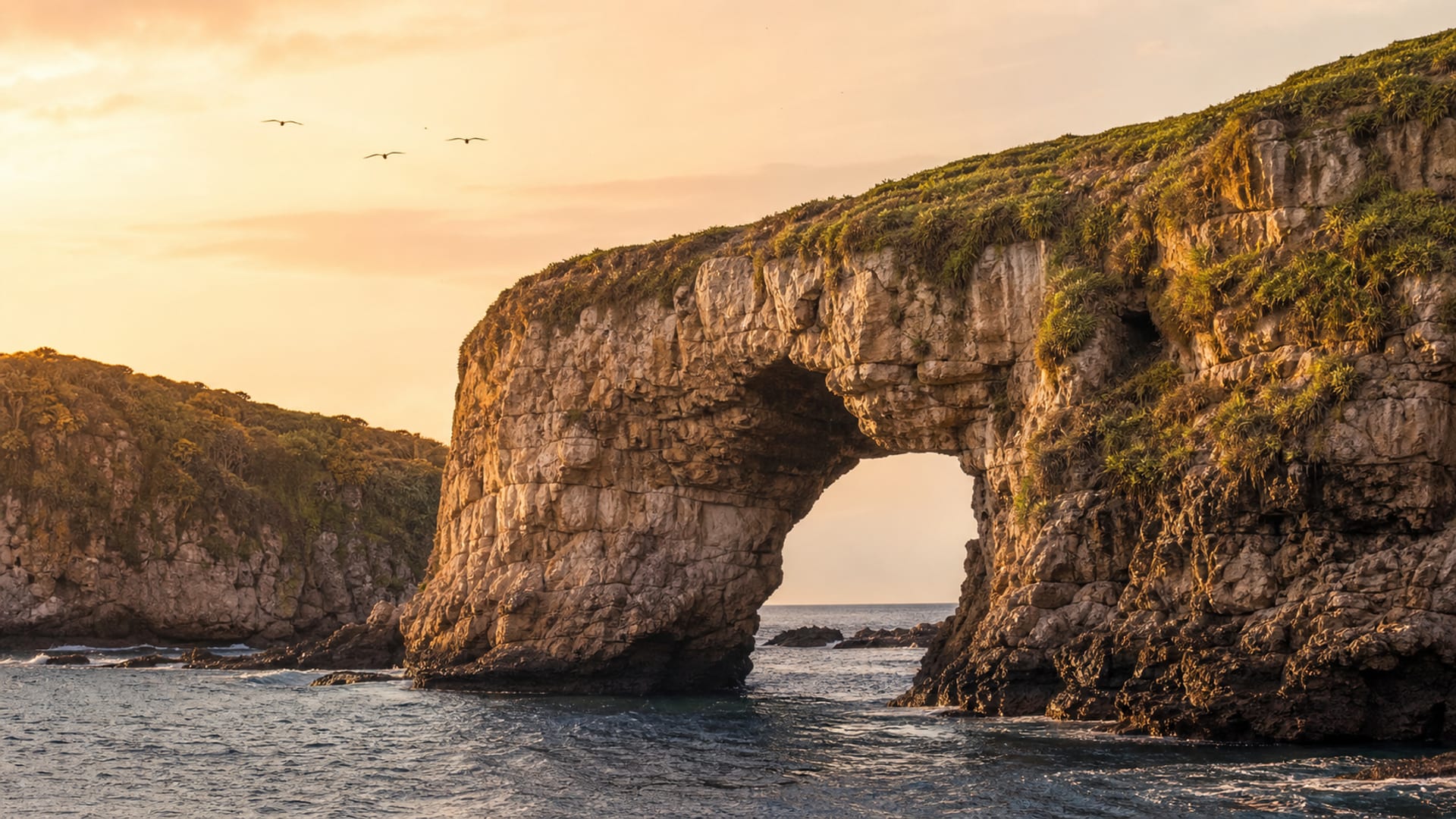
El Capulín is a residential pocket on Liberia’s edge with guesthouses and small vacation rentals. It works for travelers who want a quieter place to sleep while staying within easy reach of the city center and the airport.
Best for: Early flights, longer stays, and guests who want a quieter residential base
What to expect: Sparse street life, modest traffic, and a mostly local neighborhood feel.
Hotel prices: Usually about $35 to $85 per night for well-rated stays
Distance to major sights: About 10 to 15 minutes by taxi to downtown Liberia, about 15 to 20 minutes to Guanacaste Airport (LIR)
Quietness: Quiet most of the day and very quiet after sunset.
Main trade-off: Dining and shopping are limited nearby, so you’ll spend more time moving between the neighborhood and the center.
Good to know: If you arrive late, confirm check-in details in advance because reception hours can be limited.
Travelers usually avoid staying in downtown Liberia’s older commercial blocks near the central market, since they sit far from most beach and national-park day trips and have limited visitor lodging. The outskirts along Route 1 toward Cañas and the industrial stretches near the airport are also less convenient, with fewer restaurants, little evening activity, and more dependence on taxis for basic errands.
Hotel deals
How to get around Liberia efficiently
Liberia has no metro, so your day-to-day movement depends on walking in the center, taxis for short hops, and buses or arranged transfers for the parks and beach corridors.

Metro
for longer distances
Liberia’s airport area has no metro, and the nearest fixed-rail option is none, so you will rely on road transport to reach Liberia Airport (LIR) and nearby beach towns.

Bus and tram
for convenience
Public buses and minibuses serve Liberia city and the routes toward Playas del Coco, Tamarindo, and other Guanacaste stops, but they do not run to the airport terminal itself. Fares are usually about $1 to $10 depending on distance, and local services can be crowded with limited luggage space, so allow extra time and confirm the last departure before an evening flight.

Taxi
for convenience or late hours
Licensed taxis use set fares in this part of Guanacaste rather than meters, and airport transfers commonly cost about $15 to $30 to Liberia town and roughly $30 to $80 to beach areas such as Playas del Coco or Tamarindo, depending on distance and time of day. Use the official red taxis or prebooked airport cars at Liberia (LIR), pay in cash in USD or colones, and ask for the fare before you depart.
*Prices are based on rates updated as of June 2026 and may change at the time of travel.
Walk for the central blocks, use taxis for quick town transfers, and choose buses or prebooked cars when you are heading to the airport or into Guanacaste’s longer day-trip routes.
Iconic landmarks
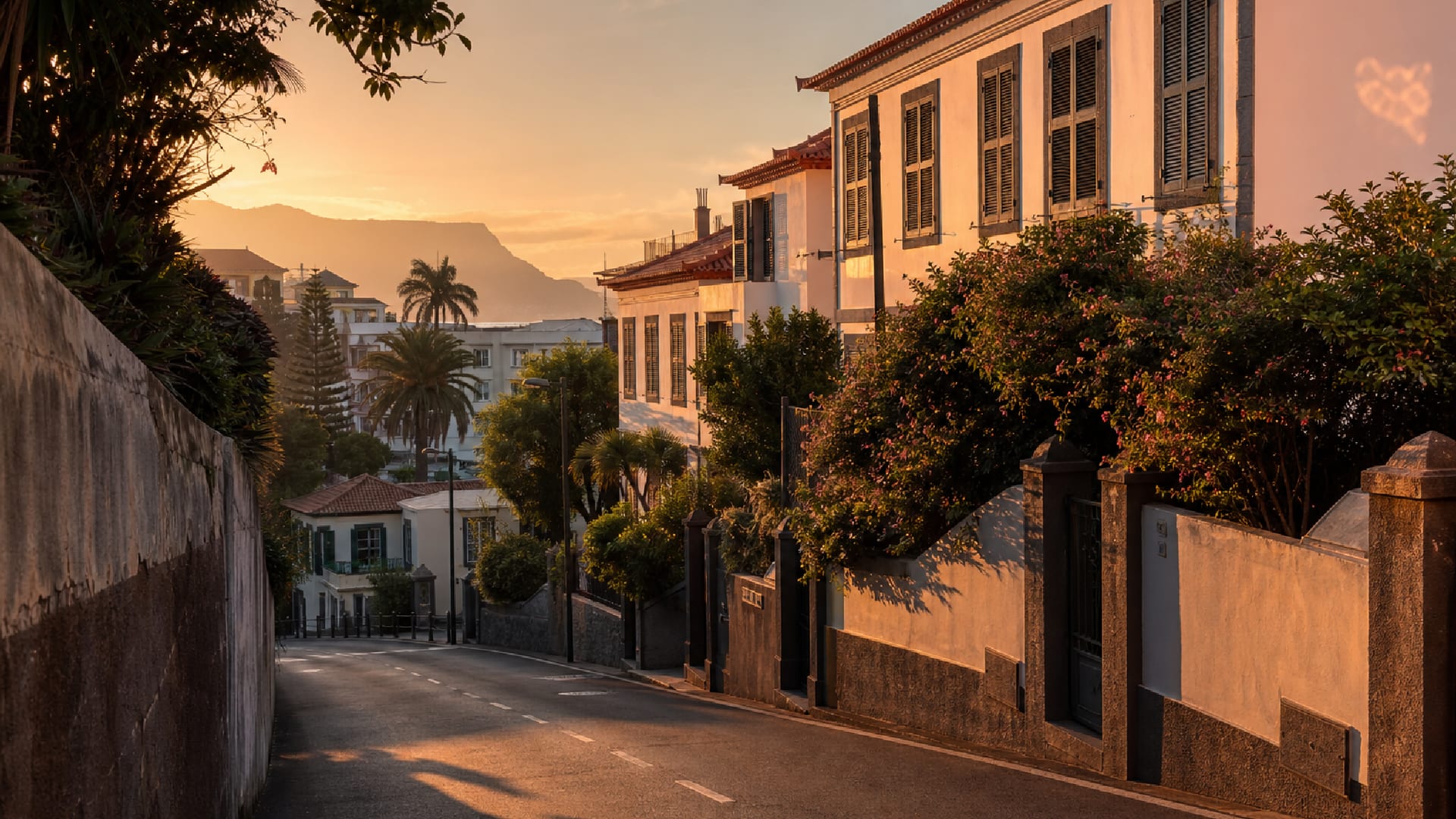
Rincon de la Vieja Volcano National Park
This protected area near Liberia combines a volcanic cone, fumaroles, waterfalls, and dry forest trails. Hike the Las Pailas sector for steam vents and birdlife, then add a shorter waterfall route if you want a fuller half-day visit.
Time needed: About 3 to 5 hours
Entry: Park entry costs $15 ($7 for residents and children in some categories), plus separate charges for guided access and parking where applicable. Visit the official site for details.
Tip: Arrive early, because midday heat makes the exposed Las Pailas trails harder to enjoy.
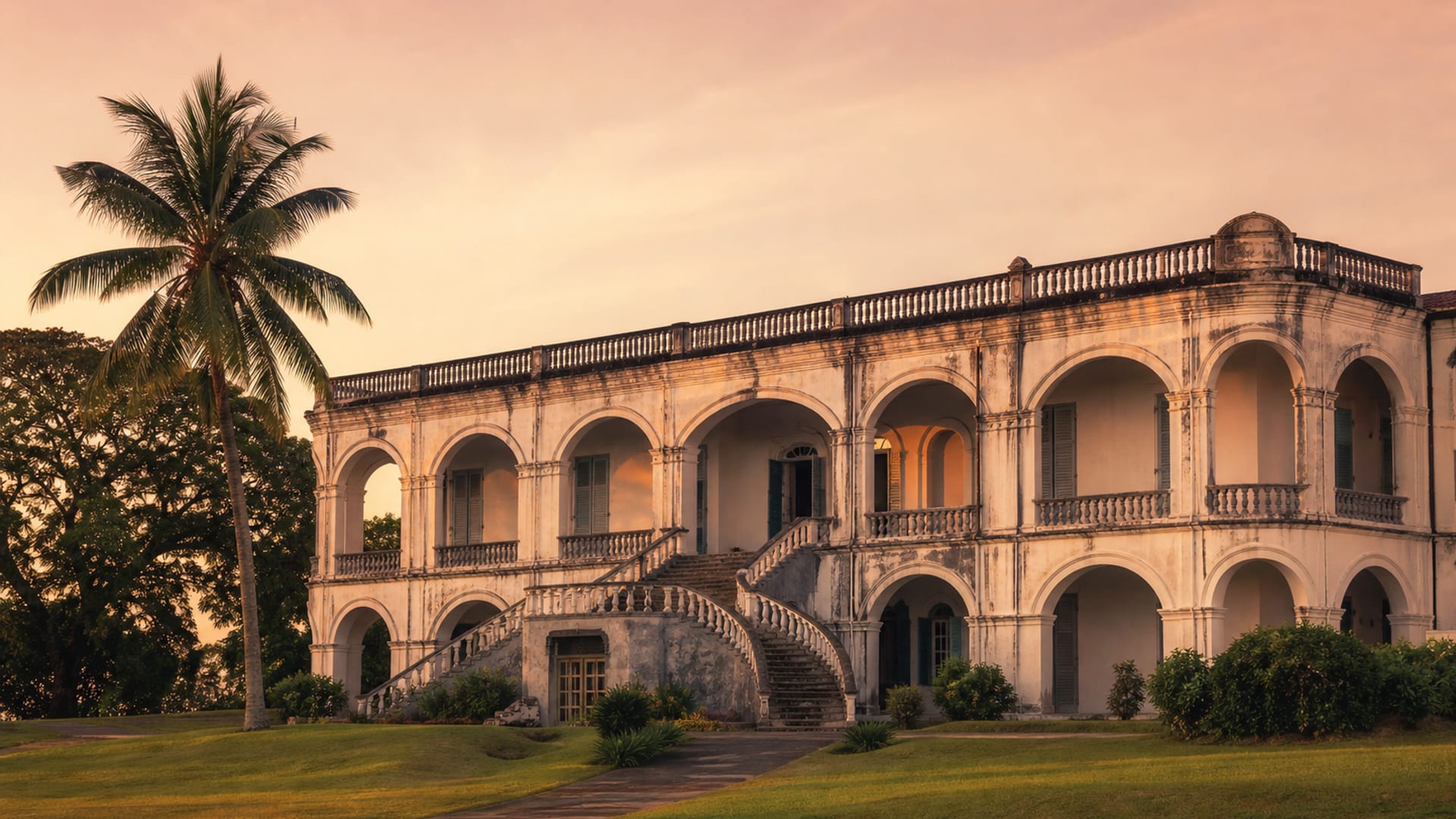
Santa Rosa National Park
About 30 km from Liberia, Santa Rosa combines a historic battlefield site with dry tropical forest and long beaches inside one protected area. Visit for the museum, wildlife spotting, and a clear look at northwest Costa Rica’s coastal landscape.
Time needed: About 3 to 4 hours
Entry: Park entry costs $15 ($7 for residents and children in some categories), with separate fees only for special tours or added park programs. Visit the official site for details.
Tip: Go in the morning, when heat is lower and wildlife is more active on the forest edge.
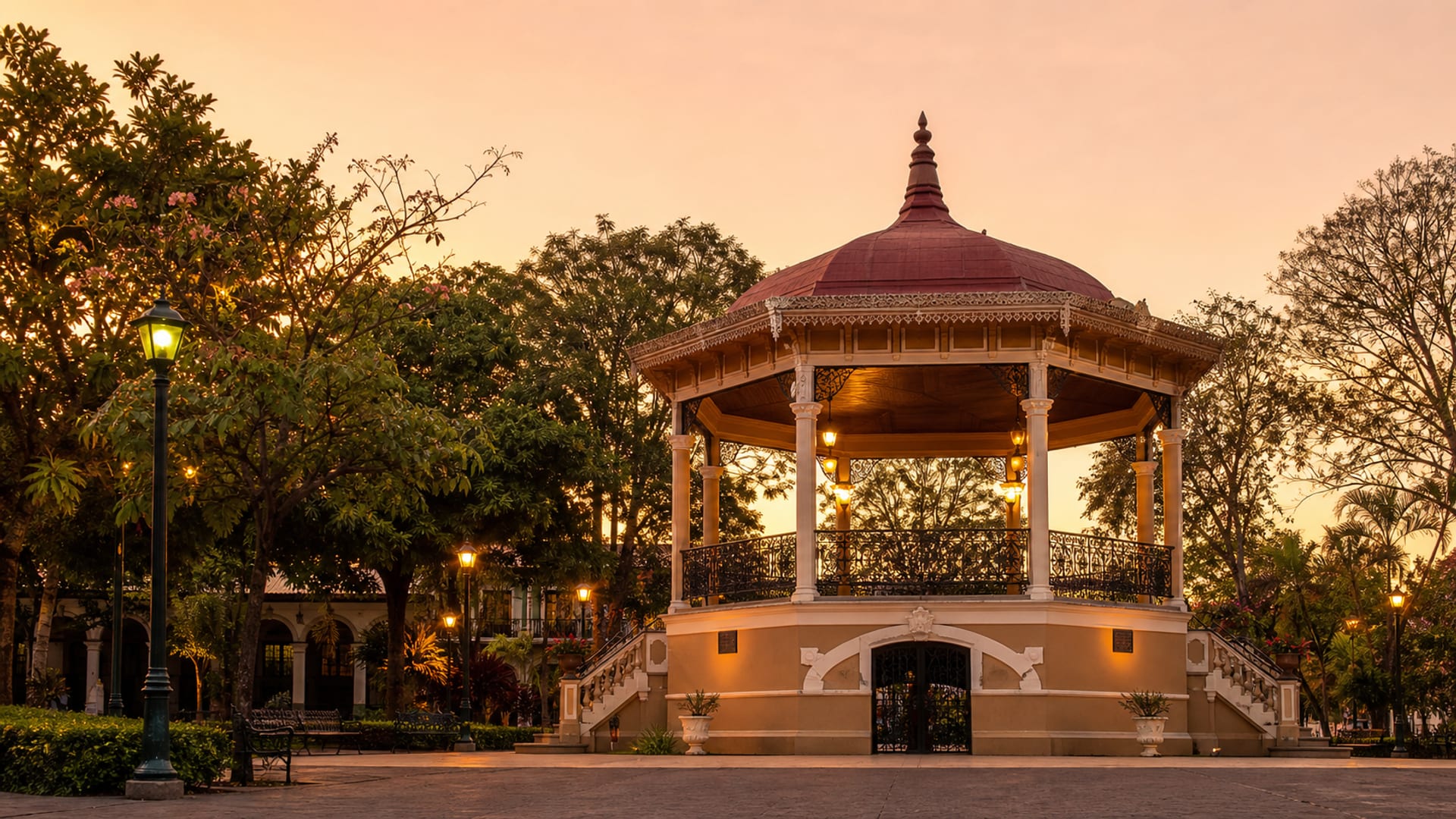
Parque Mario Cañas Ruiz
Liberia’s central park sits beside the colonial-era church and remains the city’s most recognizable public square. Come for the carved white statues, shade trees, and easy people-watching between coffee stops and a walk through the historic center.
Time needed: About 30 to 45 minutes
Entry: Free to access, with no ticket required for the park or the surrounding plaza during normal public hours.
Tip: Visit late afternoon, when the light suits photos and the square fills with local activity.
Overlooked sites worth visiting

Palo Verde National Park boat trip
Glide through mangrove channels and wetland lagoons on the Tempisque River margin, where crocodiles, herons, and roseate spoonbills are common. Boats leave from river landings about 30 km from Liberia.
Time needed: About 2 to 3 hours
Entry: Boat tours usually cost about $65 to $95 per person, with prices varying by operator, group size, and whether lunch is included. Most departures run from private docks near the park entrance, and some tours add hotel pickup from Liberia.
Tip: Go early for cooler air and better bird activity.

Museo de Guanacaste
This small museum, set in Liberia’s former old penitentiary, covers provincial history, civic life, and local traditions in a compact stop. Its courtyard and restored rooms give context without requiring a long visit.
Time needed: About 45 minutes to 1 hour
Entry: Admission is usually free or very low cost, often about $1 to $3 ($1 to ₡1,600) for special exhibits or events, depending on the program. Opening hours can vary by day, so check current times before you go, and bring small cash for any paid exhibit.
Tip: Visit midday, when the courtyard gets the best light.
Traditional food
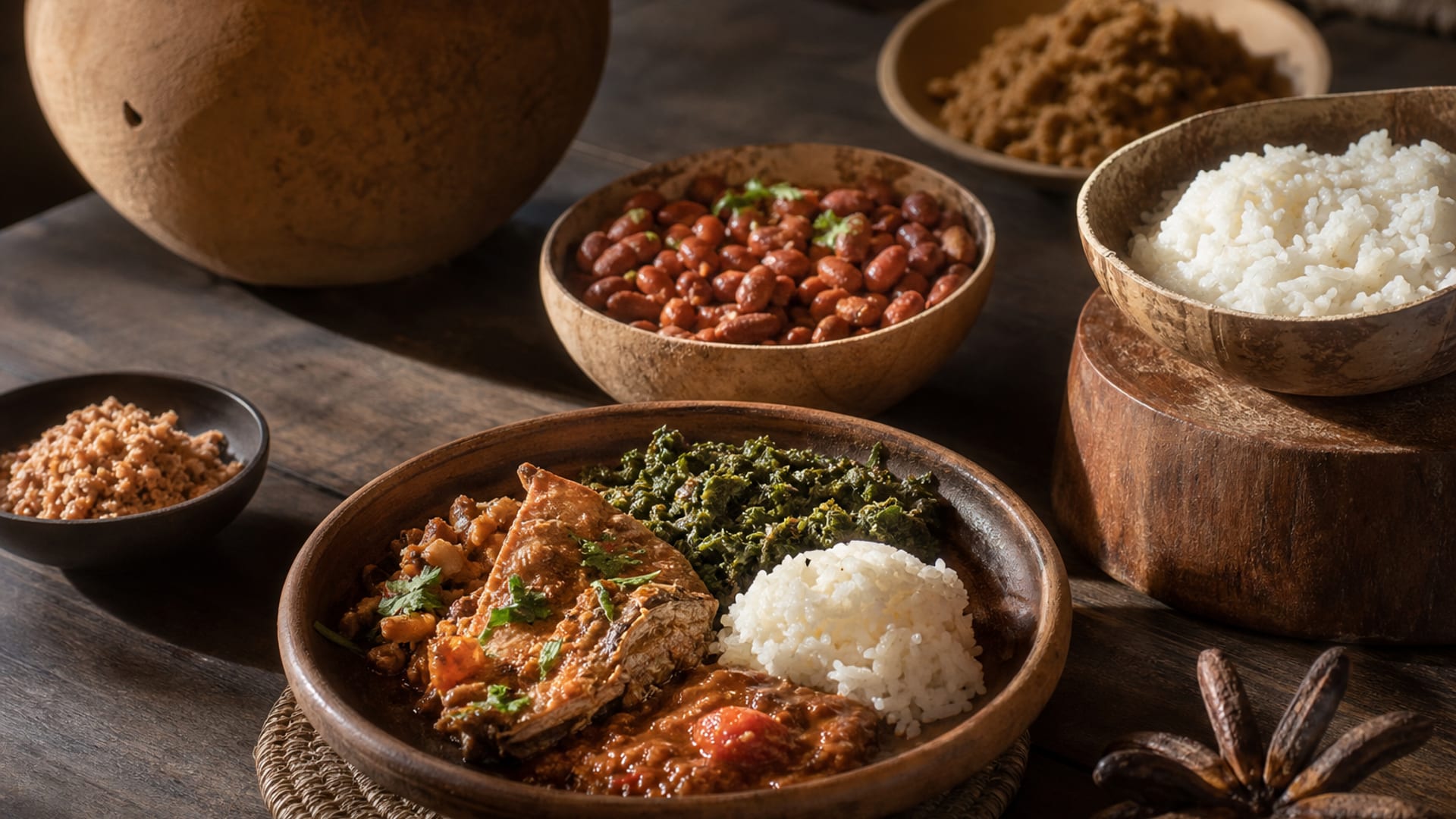
Liberia’s food leans on rice, beans, fresh seafood, and grilled meat, with gallo pinto, casado, ceviche, and arroz con pollo anchoring the table. Lunch runs longest, while many kitchens close early or take Sunday hours.
Gallo pinto
This rice and bean breakfast staple shows up with eggs, plantains, and fresh cheese across Liberia. Soda La Marimba is a classic place to start the day with it.
Casado
A casado gives you rice, beans, salad, plantains, and a protein in one plate, which fits Liberia’s midday meal habits well. Visit Restaurante Tierra Mar for a dependable local version.
Ceviche
Costa Rican ceviche usually arrives bright with lime, onion, and cilantro, making it a good fit for a hot afternoon. Marisquería Mazatlan serves a popular seafood-forward version in town.
Arroz con pollo
Arroz con pollo mixes seasoned rice with chicken and vegetables, often as a family-style lunch plate. La Puerta del Sol is a sensible place to order it in Liberia.
Best time to visit Liberia
Liberia stays warm all year, but the dry season gives you clearer roads and easier park days, while the rainy months bring greener landscapes and more frequent afternoon showers.
Best for: Best for dry roads, volcano hikes, and beach connections
What you get: About 86-95°F (30-35°C), with larger visitor numbers and strong demand for early tours
Trade-offs: Dustier conditions and higher room rates
Best for: Best for warm days and long sightseeing windows before the rains build
What you get: About 88-97°F (31-36°C), with moderate crowds in March and quieter streets later in the season
Trade-offs: Heat rises, and the first heavy showers can start in May
Best for: Best for greener scenery, birdwatching, and lighter park traffic
What you get: About 80-90°F (27-32°C), with fewer visitors and more afternoon rain
Trade-offs: Wet roads can slow transfers and some trails
Best for: Best for the quietest conditions and the strongest green season
What you get: About 79-88°F (26-31°C), with low crowds and frequent rain breaks
Trade-offs: Heavier showers can limit beach time and outdoor plans
A realistic 5-day plan in Liberia
The five-day plan below keeps the first day light, then groups the parks into manageable outings before ending with a short city circuit and an unhurried departure. That order gives the heat, road time, and opening hours room to work in your favor.
Land at Guanacaste Airport (LIR) and take a taxi into Downtown Liberia, roughly 20 to 25 minutes for about $15 to $25. If you are staying in Pueblo Nuevo, the ride is usually about 5 to 10 minutes shorter, and El Capulín is a good fit if you want a quieter first night near the airport side of town. Settle in, hydrate, and keep dinner close to your hotel, with a simple meal in the central district before streets thin out after dark.
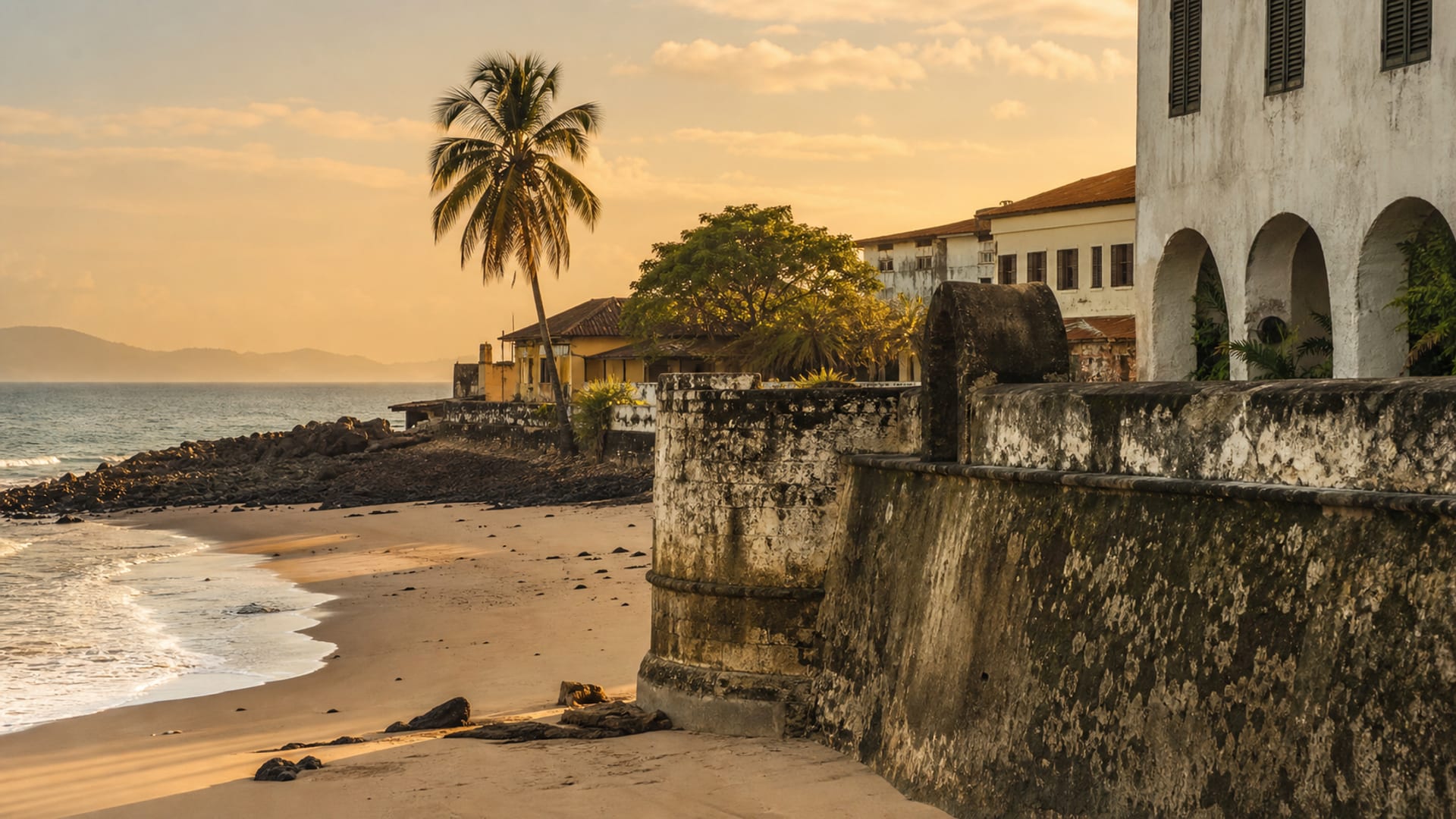
Begin early for Rincon de la Vieja Volcano National Park, since the Las Pailas trails are better before the heat builds. From Downtown Liberia, the drive takes about 1 hour, and you should allow 3 to 5 hours inside the park for steam vents, dry forest, and a shorter waterfall stop if you want one. Return to Liberia in the late afternoon, then walk about 10 to 15 minutes from the center to Museo de Guanacaste for a compact history stop if you still have energy.
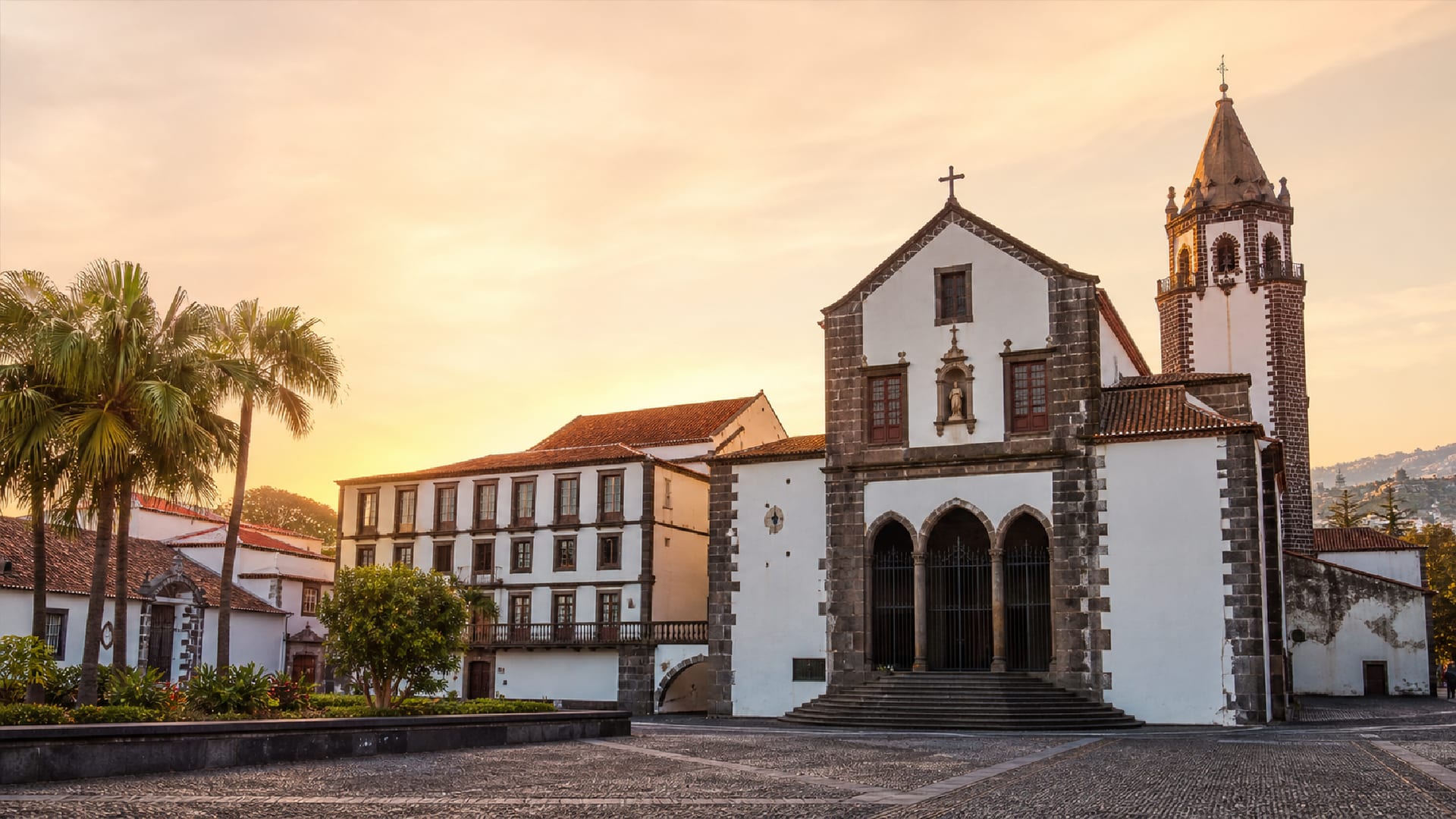
Santa Rosa National Park works well as a morning out, with the drive from Liberia taking about 45 to 60 minutes. Plan 3 to 4 hours for the battlefield area, dry forest, and shoreline sections, then come back toward town for a late lunch. If the afternoon is clear, head to Parque Mario Cañas Ruiz in the center, about 10 to 15 minutes from most downtown stays, for shade, the church frontage, and an easy walk through the square.
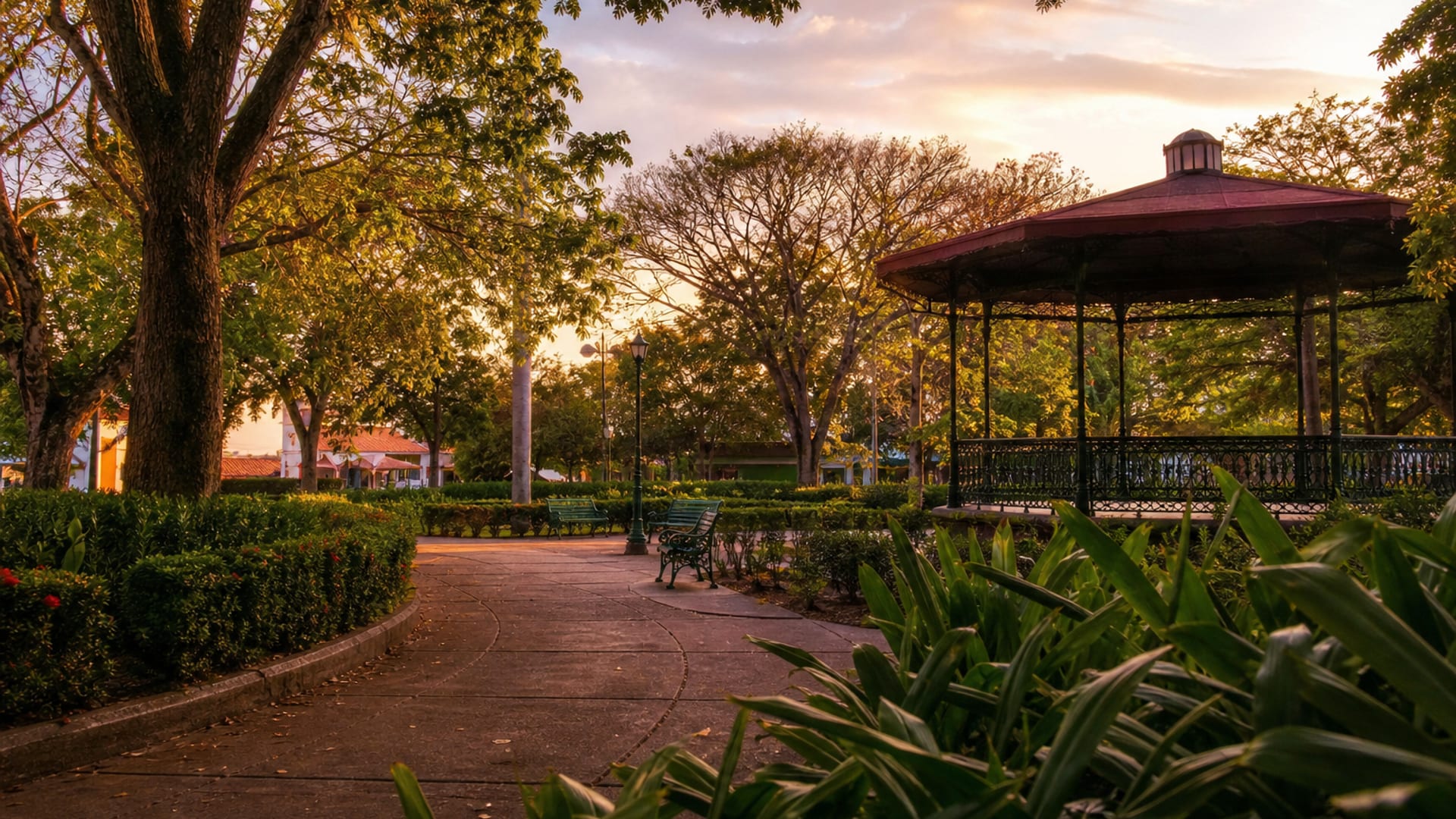
A boat trip in Palo Verde National Park gives the day a different pace, and the river landings sit about 45 minutes to 1 hour from Liberia by car or arranged transfer. Most tours last about 2 to 3 hours, and the best departure is early, when birds are active and the air is cooler. After you return, spend the rest of the afternoon on foot in Downtown Liberia, then pause at Parque Mario Cañas Ruiz, only a short taxi ride or a 10-minute walk from the main central blocks.
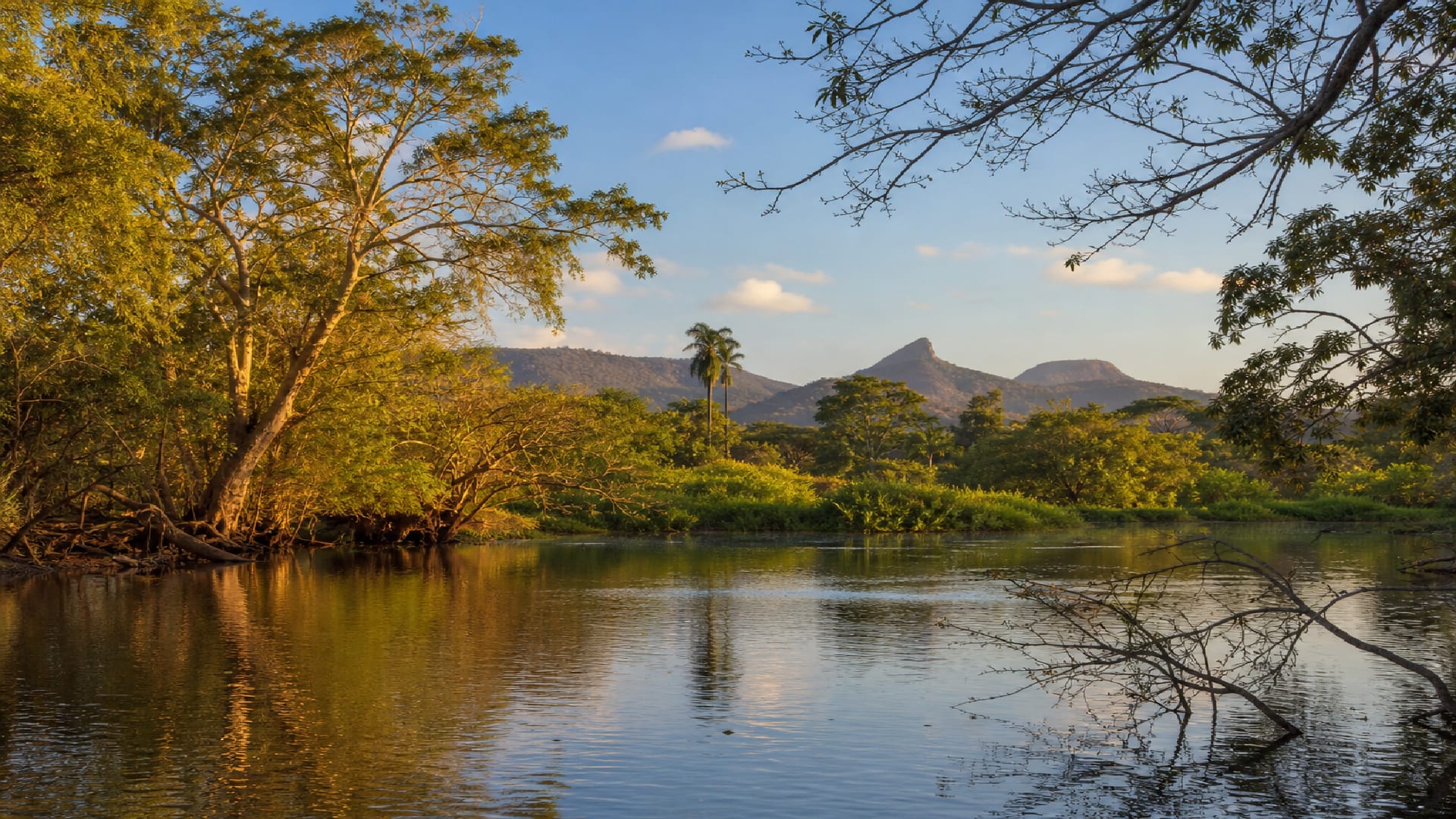
For a final low-key day, start with Museo de Guanacaste if you missed it earlier or want one last short cultural stop, then wander the shops and banks in Downtown Liberia for souvenirs and travel basics. From most central hotels, the museum is about 10 to 15 minutes away on foot or by taxi, and the nearby blocks make it easy to finish errands without rushing. End with coffee in a central neighborhood café, then head back toward Guanacaste Airport (LIR) with enough time for a 20- to 25-minute transfer.
Business-class flights from the US to Liberia
Flights into Liberia usually funnel through a few major U.S. gateways, so the difference between routes comes down to timing, layovers, and fare bands. The East Coast and West Coast options each have their own patterns.
From New York, American Airlines, Delta Air Lines, United Airlines, Avianca, Copa Airlines, and JetBlue all appear on the route set, with nonstop flying time at about 5 to 6 hours. If you do connect, common stops include Miami (MIA), Panama City (PTY), Houston (IAH), Atlanta (ATL), and San Juan (SJU), with layovers often stretching about 8 to 13 hours. Round-trip fares from New York start at about $1,600 and often reach $3,800. If you do not mind a layover, common routings via Miami (MIA) or Panama City (PTY) can cut the fare to about $1,200 to $2,400.
Los Angeles travelers usually see American Airlines, United Airlines, Delta Air Lines, Copa Airlines, and Avianca, and the nonstop flight takes about 6 to 7 hours. When itineraries connect, the usual hubs are Miami (MIA), Panama City (PTY), Houston (IAH), Dallas (DFW), and Atlanta (ATL), and the total journey often runs about 9 to 14 hours. From Los Angeles, round-trip fares usually begin near $1,500 and climb to roughly $3,500.
Liberia feels different when you slow down
A deliberate Liberia stay puts the city center, its parks, and its road links in a single plan. You sleep in Downtown Liberia or Pueblo Nuevo, take early starts to Rincon de la Vieja and Santa Rosa, then return for an easy dinner near Parque Mario Cañas Ruiz before a final museum stop and airport transfer. If you want AranGrant experts to shape a Liberia itinerary around your dates, start with the park season and build from there







