

Chapters:

Need help with your trip?
Our support team is available 24/7. Request a callback or call us directly at (833) 619-0908
Leknes trips often begin with a quick airport transfer, a night near the center, and then a rush toward Lofotr Viking Museum, Unstad, or the coastal road south. What gets missed is how much time a small detour, a late meal, or an extra drive can add.
Distances are short on the map, but the road network, opening hours, and weather can change the pace quickly, especially if you stay outside Leknes sentrum. Without a plan, travelers end up backtracking between sights, stores, and dinner.
This guide keeps the stay centered on what is close, what needs a car, and what works best by day. It lays out where to sleep, how to move, what to eat, and how to fit the main stops into five clear days.
Useful things to know

Main language(s): Norwegian
Hei (hay) – Hello
Vær så snill (vair sah snill) – Please
Takk (tahk) – Thank you
Snakker du engelsk? (SNAH-ker doo ENG-elsk) – Do you speak English?
Hvor mye koster det? (vohr MY-eh KOHS-ter deh) – How much does it cost?

Currency: The local currency is the Norwegian krone (NOK, kr).

Cash and cards: Cards and contactless are widely accepted; keep about NOK 100 to NOK 200 ($9 to $18) in cash for small purchases.

Tipping: Round up or leave a small amount; tipping is not expected.

Traditional food: Stockfish, rakfisk, klippfisk, fårikål

Water and coffee costs: Water about NOK 25 ($2), bar espresso about NOK 40 ($4).

Taxis and ride apps: Taxi Best and local taxi apps operate here; prebook late-night rides if possible.

Plug and voltage: Type C/F socket, 230V

Dining and shop opening hours: Breakfast is about 07:00-10:00, lunch 11:30-14:00, and dinner 17:00-21:00. Some restaurants close early on Sundays and outside summer.

Emergency number: Call 112 for police, 113 for medical, 110 for fire.
Where to stay in Leknes
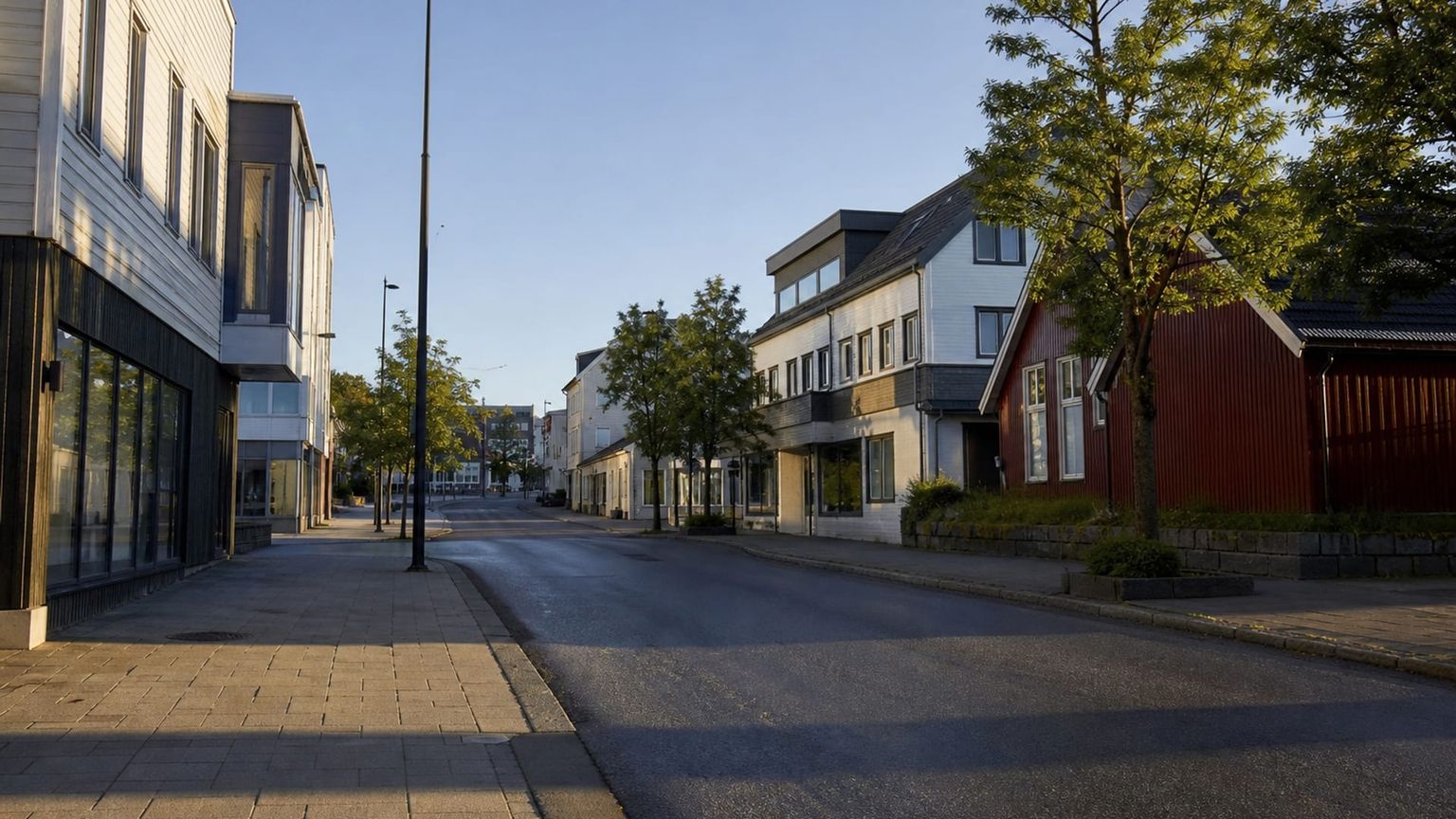
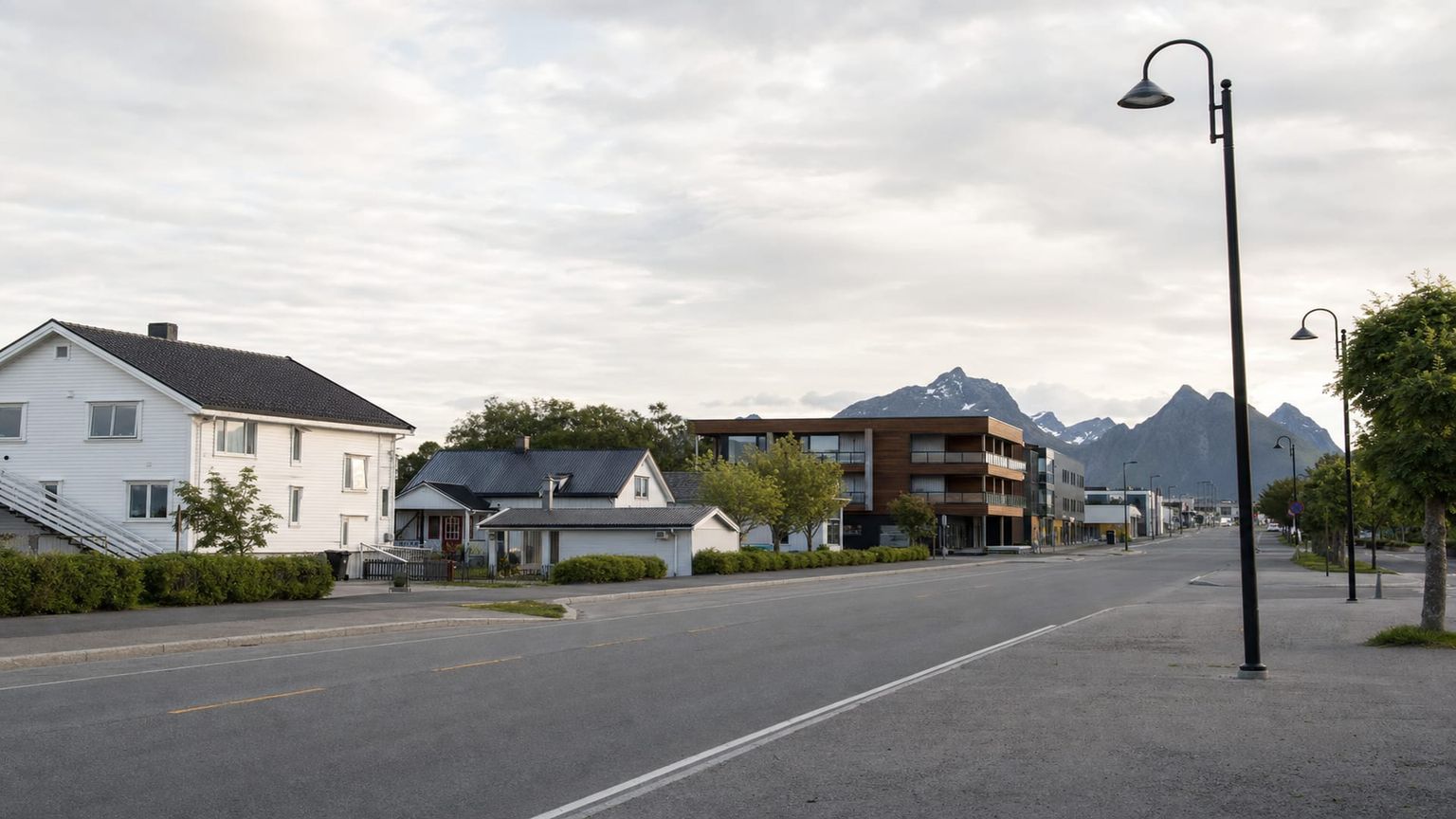
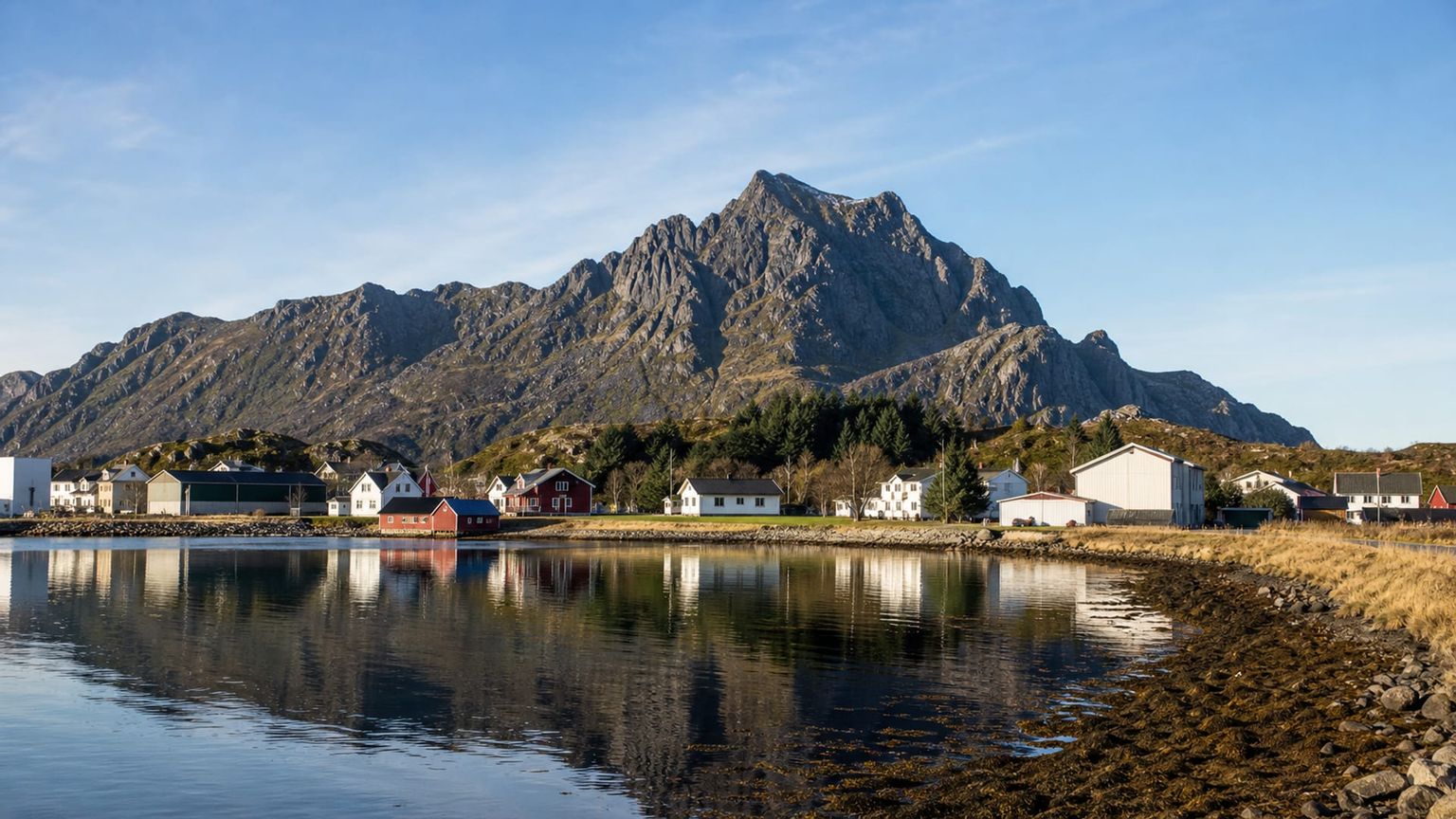
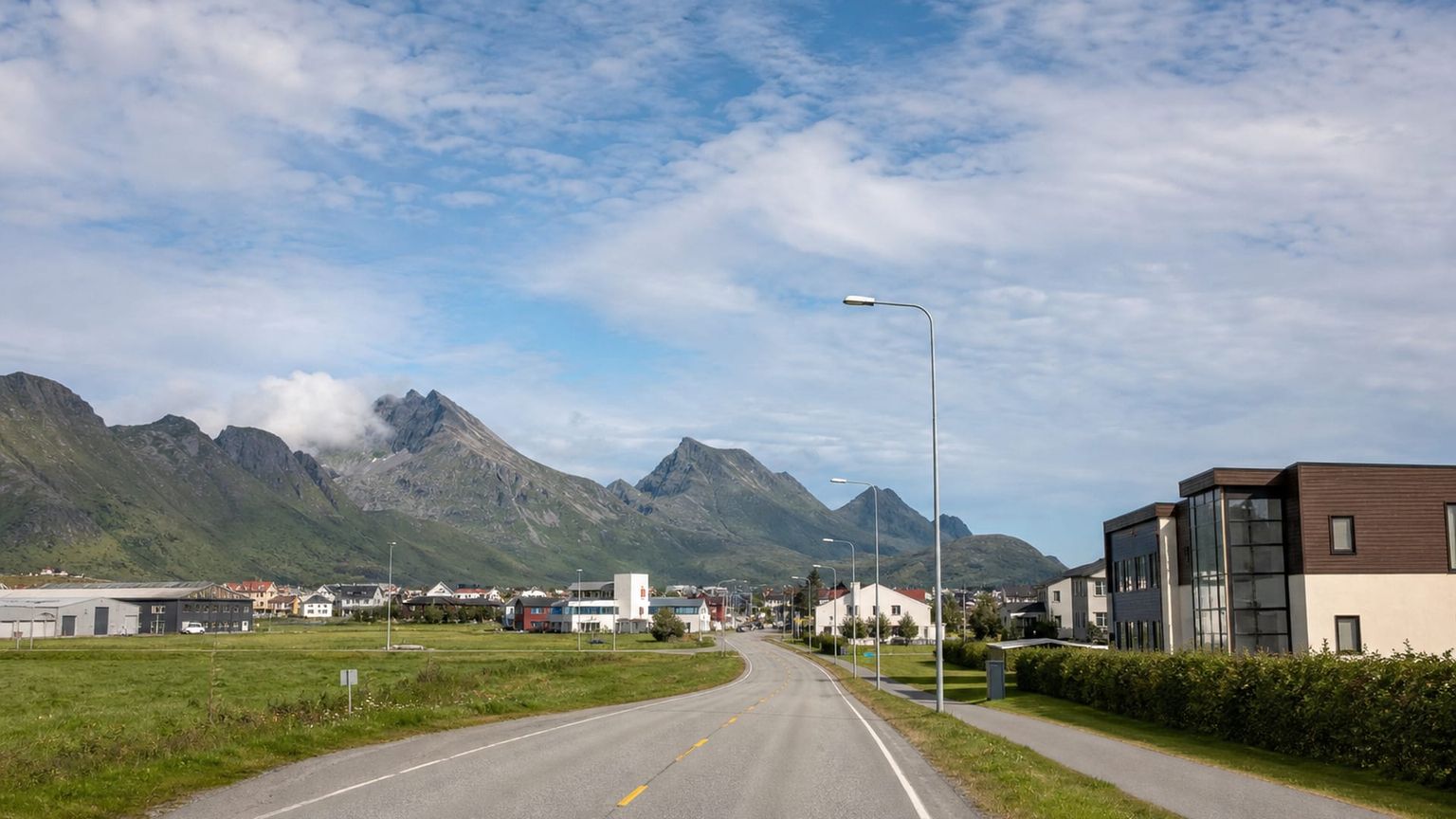
Leknes sentrum is the main town center, with the region’s shops, cafes, supermarkets, and bus links clustered close together. It works well if you want the easiest base for errands, car pickup, and moving between the airport, harbor, and nearby road connections.
Best for: First-time visits, short stays, and travelers without a car
What to expect: A compact commercial center with low-rise buildings, steady daytime activity, and a quiet evening scene after shops close.
Hotel prices: Usually about NOK 1,300 to NOK 2,300 (~$120 to ~$215) per night for well-rated stays
Distance to major sights: About 5 to 10 minutes by car to Lofotsenteret, and about 10 minutes by car to Leknes Airport (LKN)
Quietness: Busy in the daytime, then noticeably quieter after business hours.
Main trade-off: You get the most convenient location, but the lodging stock is limited and prices can rise when the town hosts local events or fills with road-trippers.
Good to know: If you plan to rely on buses or walk to daily essentials, this is the easiest place to organize your stay, but you will still want a car for the wider Lofoten coast.
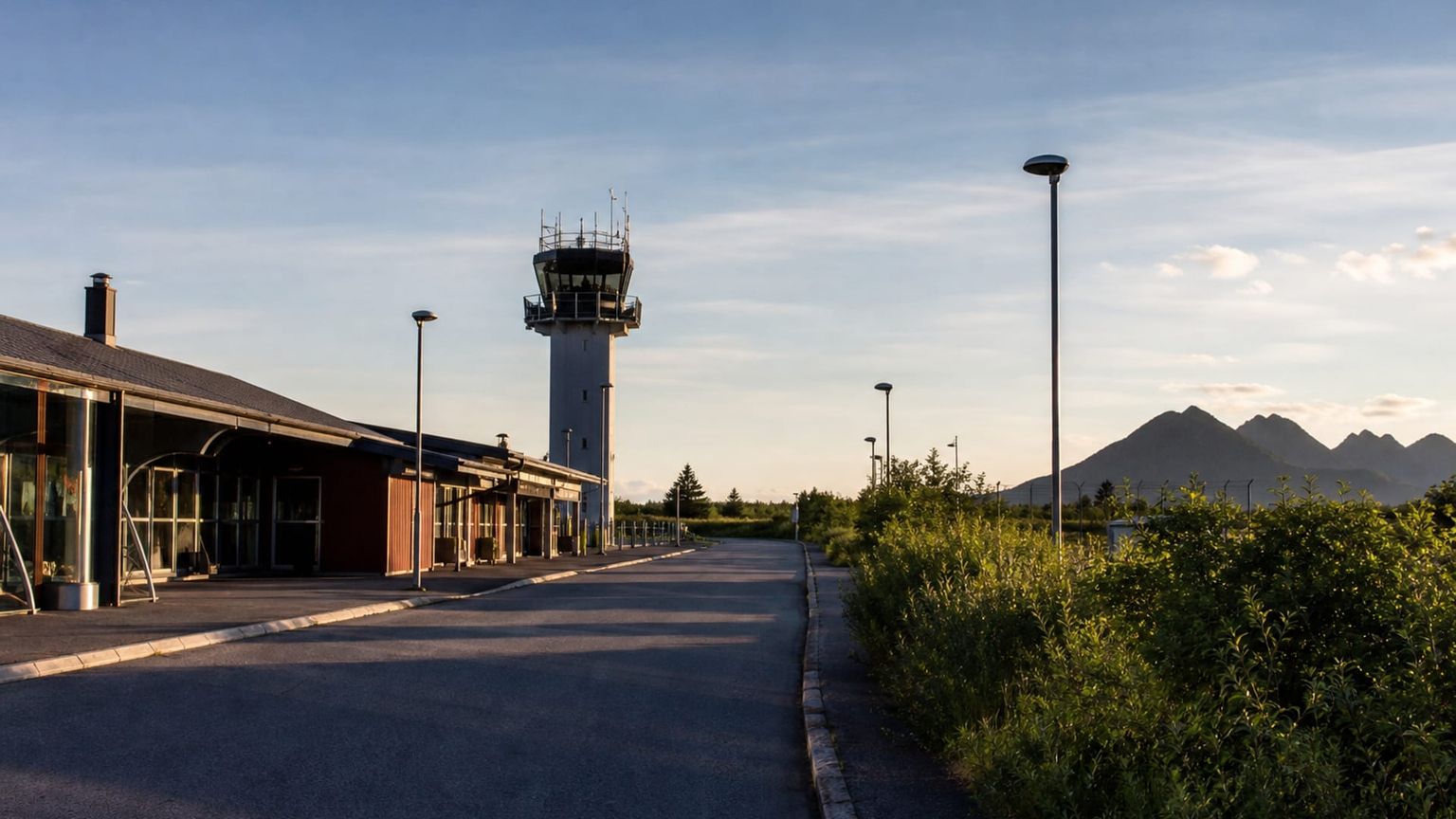
The area near Leknes Airport (LKN) sits just outside the town center and offers quick access to arrivals, departures, and the E10. It suits travelers with early flights, late arrivals, or rental cars who want to minimize time spent between the terminal and lodging.
Best for: Early flights, late arrivals, and road-trip stopovers
What to expect: Mostly hotels, guesthouses, and parking areas, with very little street life and a functional, vehicle-focused setting.
Hotel prices: Usually about NOK 1,200 to NOK 2,200 (~$110 to ~$205) per night for well-rated stays
Distance to major sights: About 5 minutes by car to Leknes sentrum, and about 10 minutes by car to Lofotsenteret
Quietness: Quiet through the day, and very quiet at night except for airport-related traffic.
Main trade-off: You save time on airport transfers, but you will depend on a car or taxi for restaurants and any evening plans.
Good to know: Check flight times before booking, because taxis and late-night transport are limited compared with larger Norwegian towns.
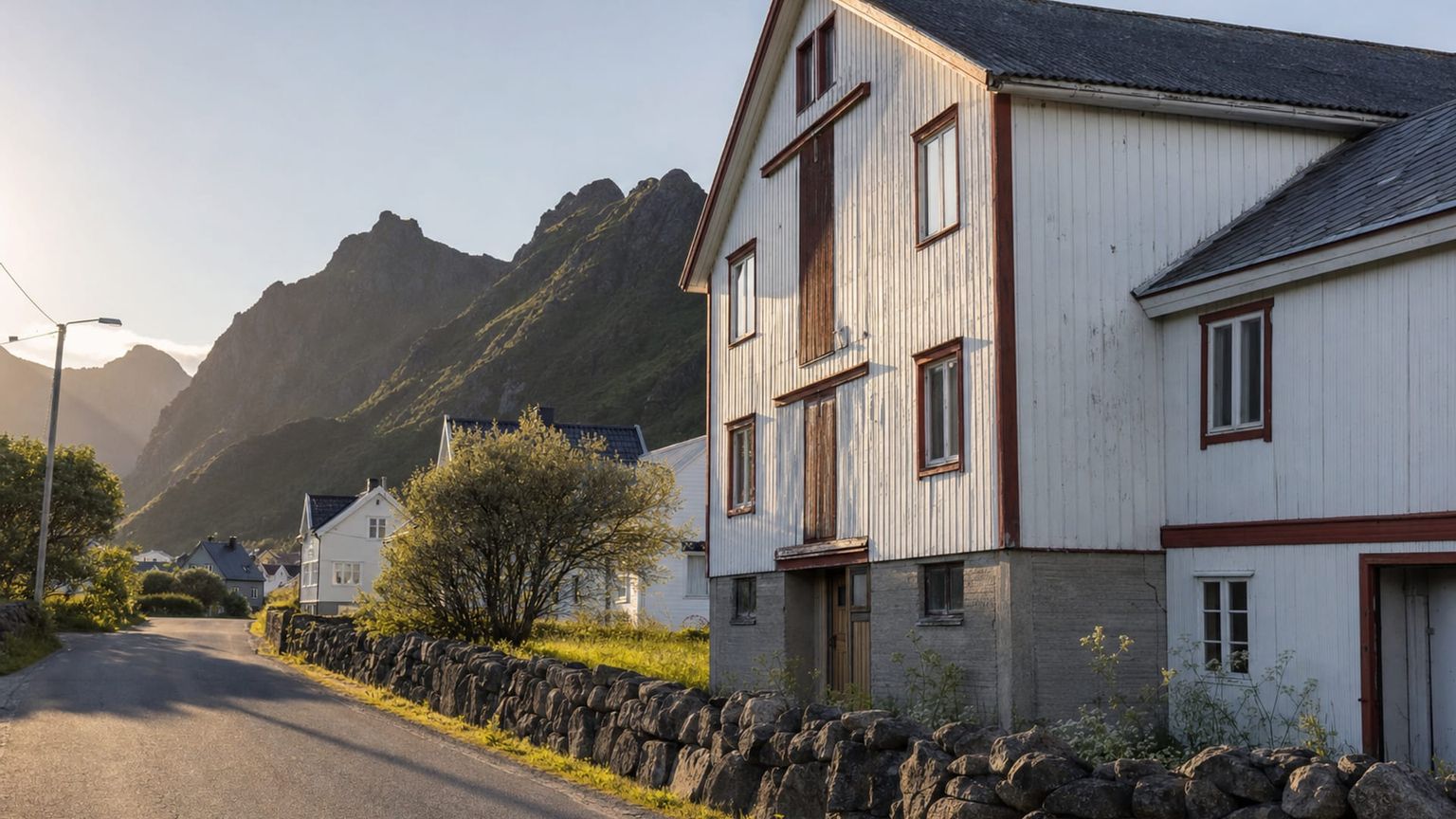
Gravdal lies just west of Leknes and includes residential streets, local services, and Lofoten Hospital. It gives you a slightly quieter base than the town center while keeping daily needs, road access, and the main local medical facilities within easy reach.
Best for: Travelers who want a quieter base with car access and proximity to local services
What to expect: Residential streets, some local traffic, and a low-key atmosphere with little nightlife or foot traffic.
Hotel prices: Usually about NOK 1,100 to NOK 2,000 (~$100 to ~$185) per night for well-rated stays
Distance to major sights: About 5 minutes by car to Leknes sentrum, and about 10 to 15 minutes by car to Leknes Airport (LKN)
Quietness: Calm in the evening, with a little more movement during commuting hours and hospital visits.
Main trade-off: It is more subdued than the center, so you may spend more time driving for dining, shopping, and evening plans.
Good to know: If you are traveling with someone who may need medical access, this is the most useful nearby base to consider.
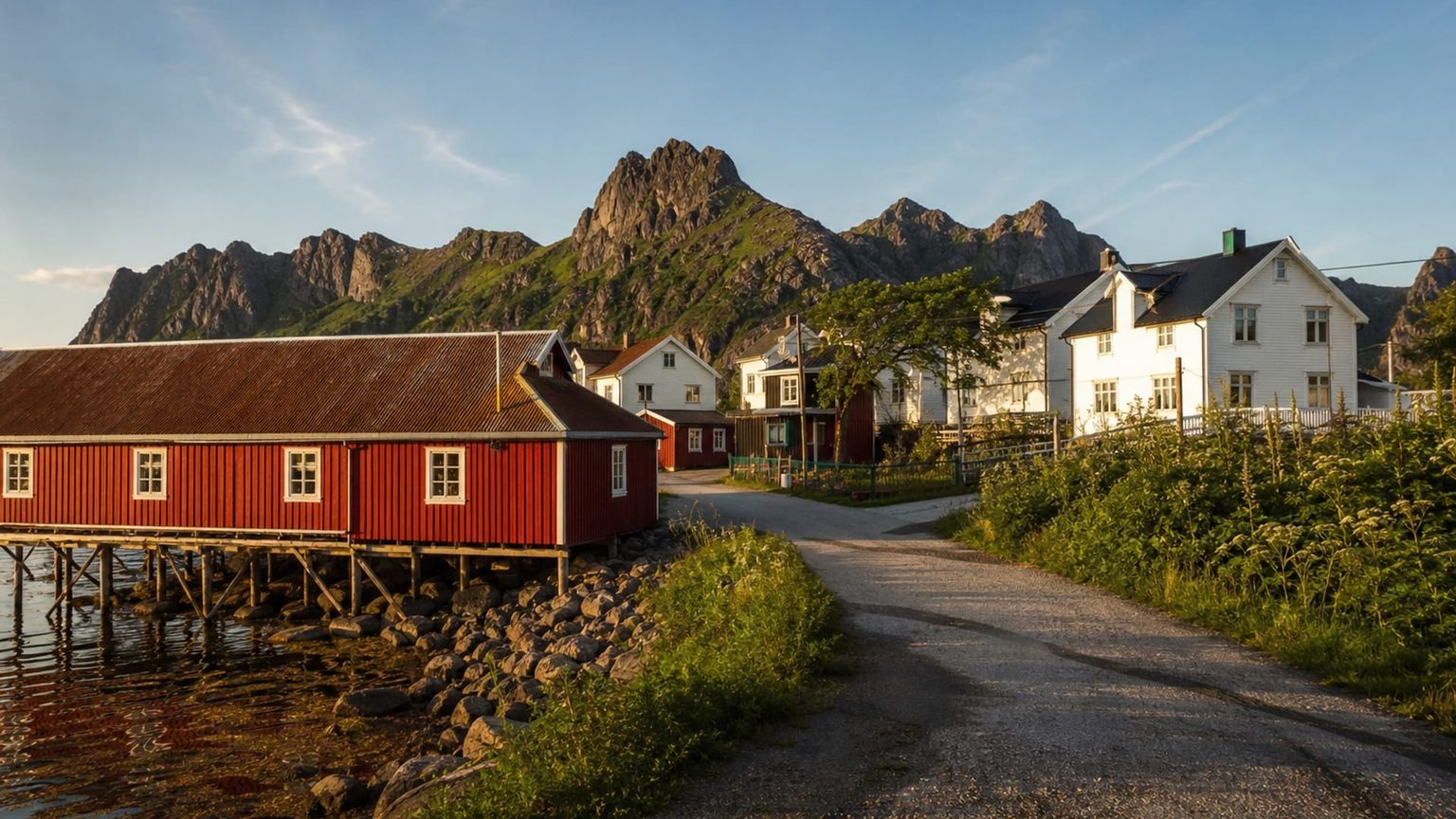
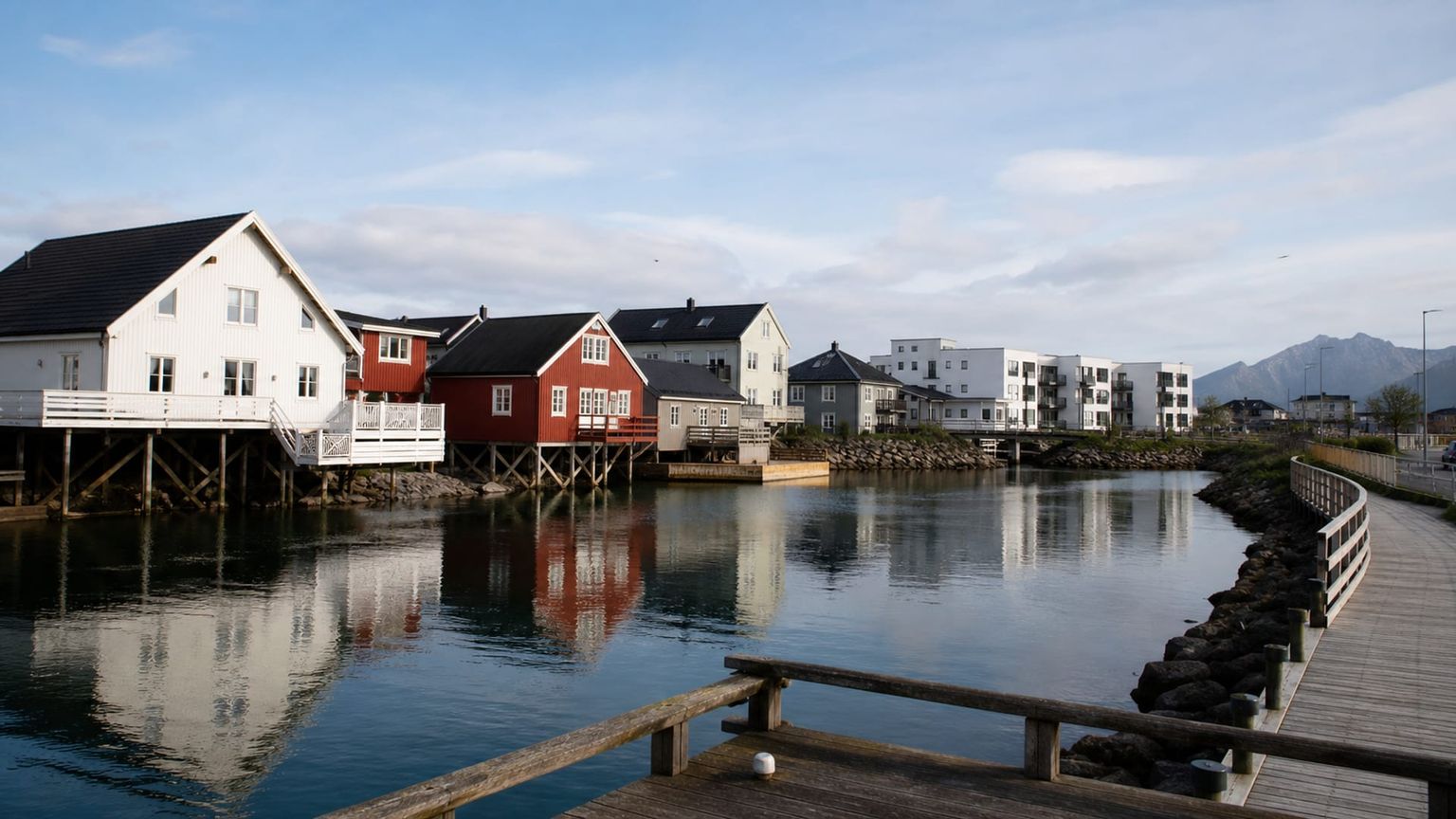
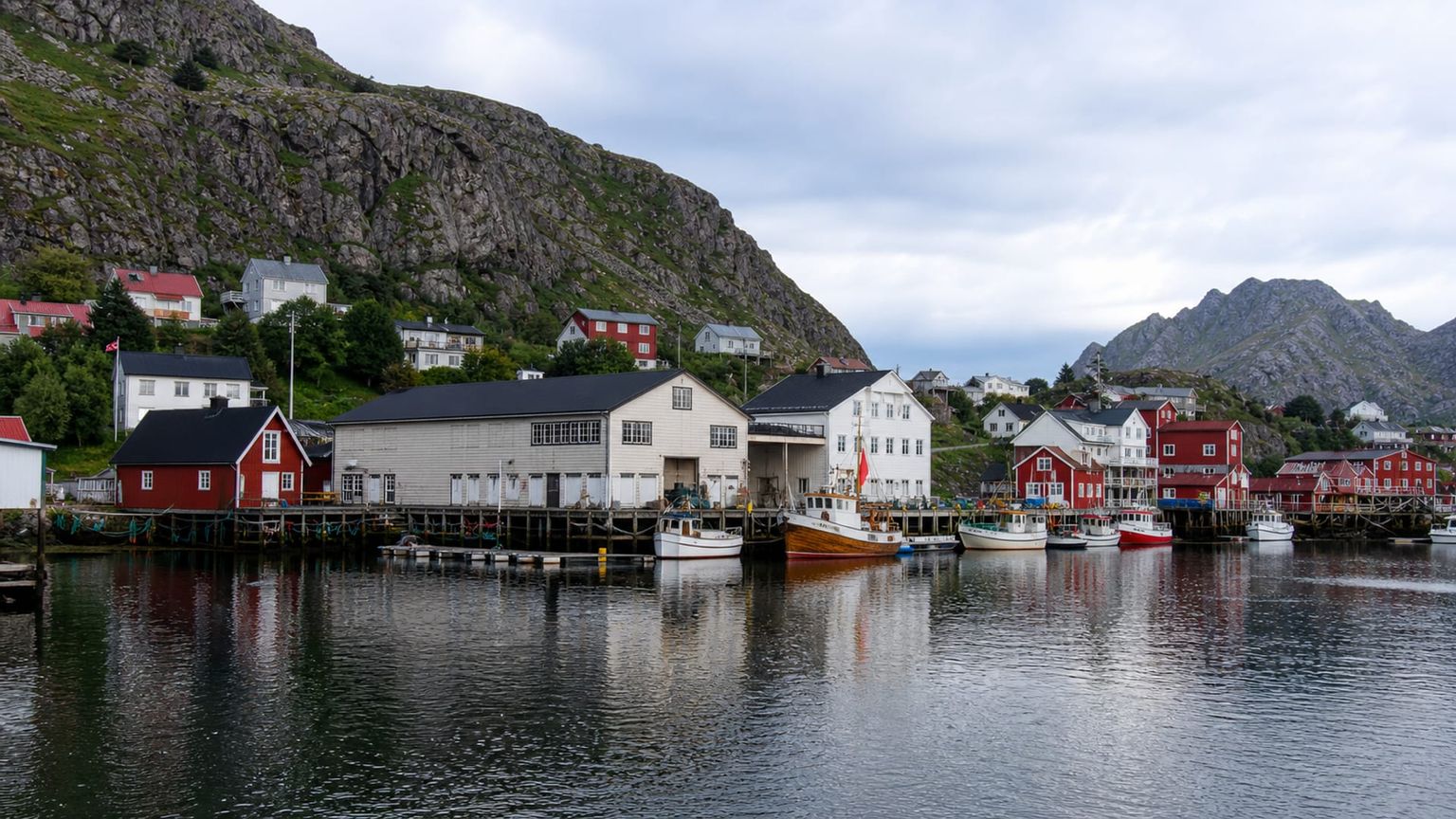
Ballstad is a working fishing village south of Leknes, known for harbor views, rorbuer, and a stronger sense of coastal life. It matters if you want scenery and character first, with Leknes still close enough for groceries, services, and onward driving.
Best for: Harbor scenery, photography, and travelers who want a village setting
What to expect: Small harbor activity, boat traffic, and a village atmosphere with more character than street life.
Hotel prices: Usually about NOK 1,400 to NOK 2,600 (~$130 to ~$240) per night for well-rated stays
Distance to major sights: About 15 to 20 minutes by car to Leknes sentrum, and about 25 minutes by car to Leknes Airport (LKN)
Quietness: Generally quiet, though the harbor can be active in the daytime and summer evenings.
Main trade-off: You trade away central convenience for a more scenic setting, and restaurant choices are much thinner than in Leknes.
Good to know: Book ahead if you want a waterside room, because the best harbor-facing stays are limited and can fill early in peak season.
Travelers usually avoid Leknes Airport and the industrial strips along the E10 on the south and west sides of town, since they sit well away from the main sights and have few visitor amenities. The scattered outskirts toward Bøstad and along the road to Stamsund are also less convenient, with limited dining, longer evening drives, and no walkable town center.
Hotel deals
How to get around Leknes efficiently
Leknes has no metro, so most visitors move between the airport, town center, museums, and coastal villages by bus, taxi, or rental car.

Metro
for longer distances
Leknes has no metro or suburban rail, so you will use buses or taxis instead for local trips and airport transfers.

Bus and tram
for convenience
Nordland county buses link Leknes with nearby villages, the airport area, and other Lofoten stops; a typical local ride costs about $4 to $8, and tickets usually stay valid for about 60 to 90 minutes, depending on the fare zone.

Taxi
for convenience or late hours
Licensed taxis in Leknes queue at the airport and key stands, and you can also phone dispatch for pickup; fares are metered rather than set, with airport rides and short town trips often costing about $25 to $60, while longer late-night or out-of-town transfers can be higher. Cards are usually accepted.
*Prices are based on rates updated as of June 2026 and may change at the time of travel.
Use buses for simple local hops, taxis for airport runs or late evenings, and a car when you want to reach Ballstad, Unstad, or Borg on your own schedule.
Iconic landmarks

Lofotr Viking Museum
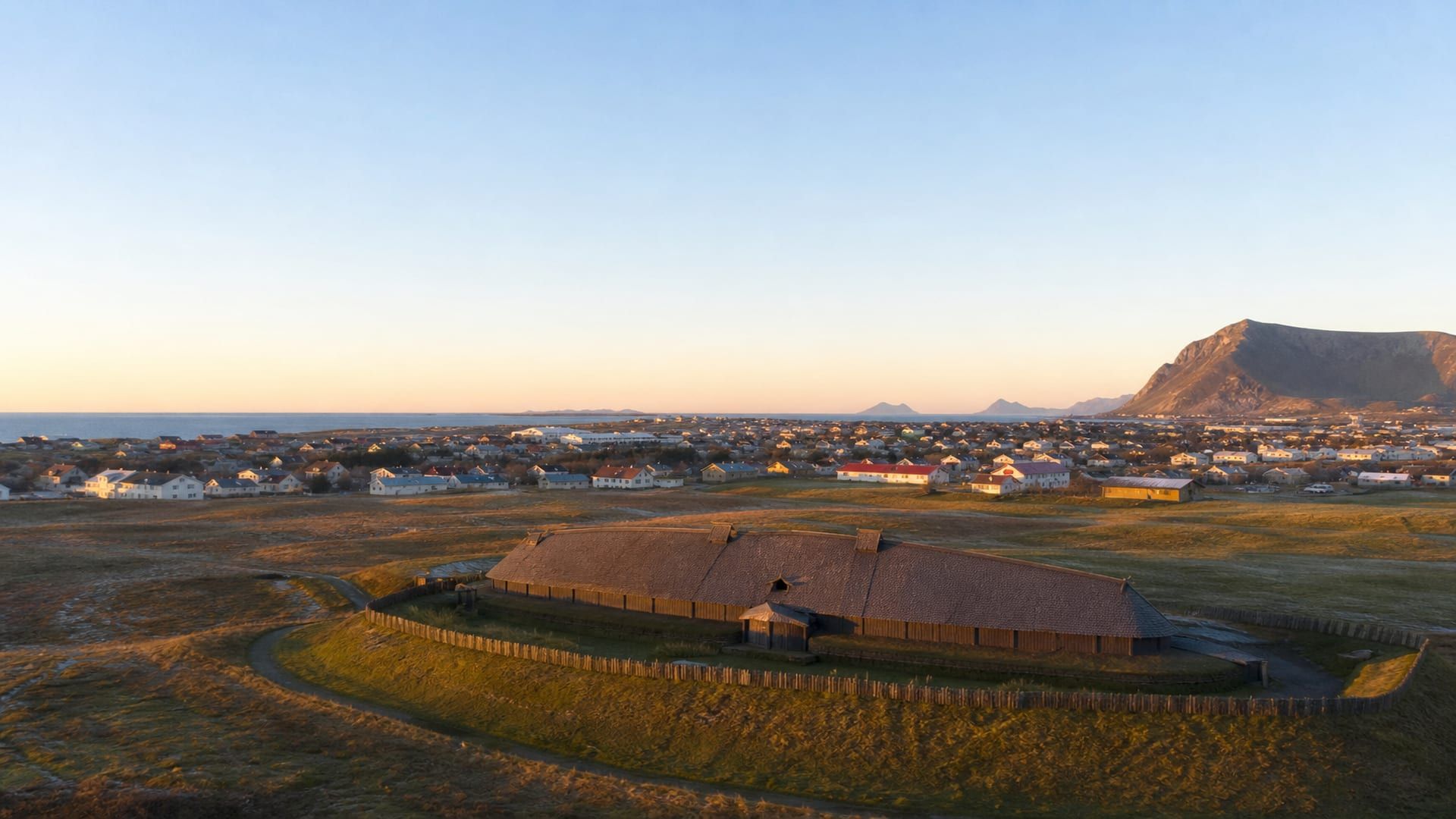
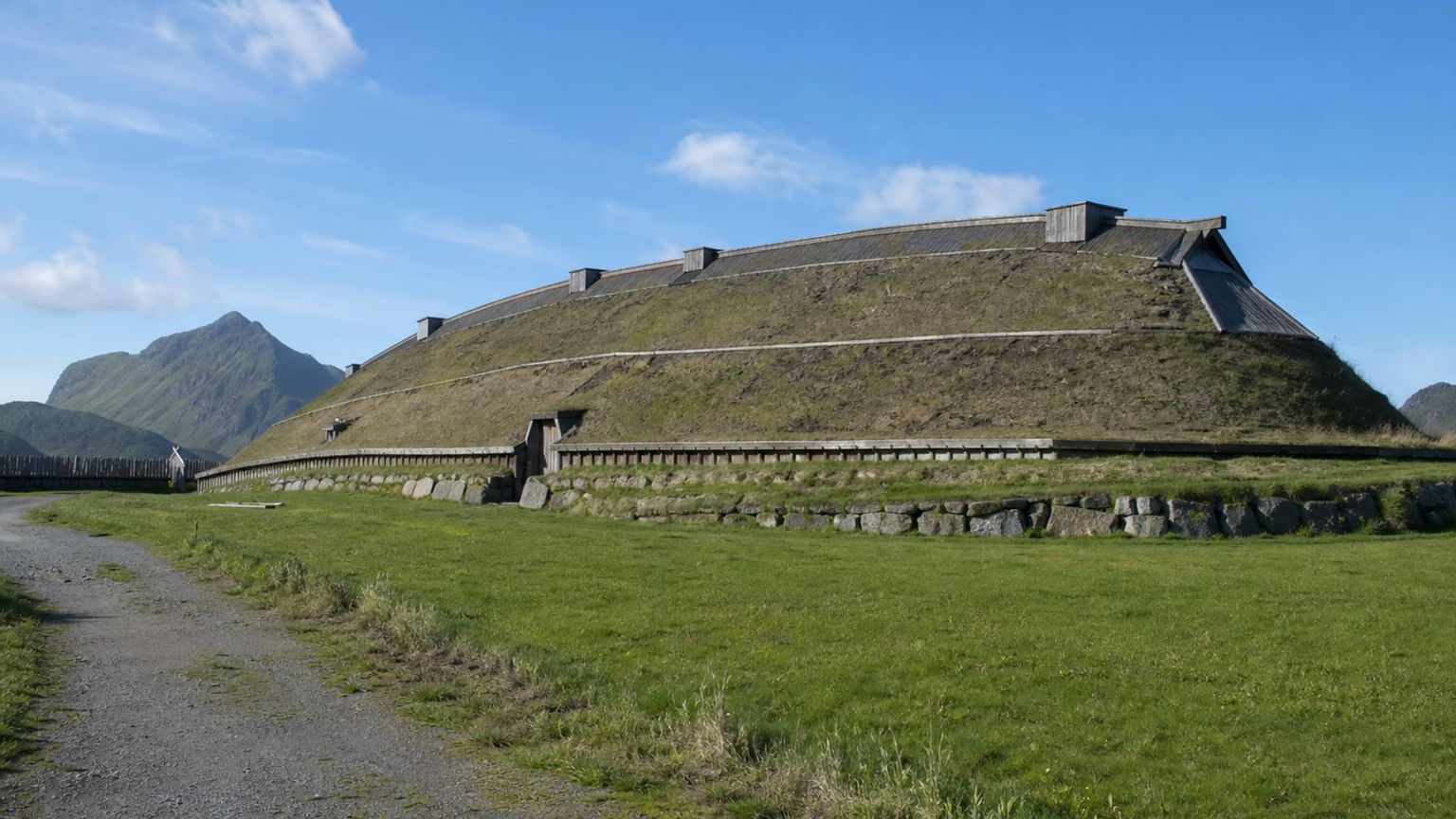
Reconstructed chieftain’s hall, boathouse, and saga-style exhibits bring Viking life to Borg, about 15 km north of Leknes. The site also includes seasonal living-history demonstrations and coastal views across Bøstad.
Time needed: About 2 to 3 hours
Entry: Adult admission costs about $21 to $24 (€19 to €22); children, seniors, and family tickets have lower rates. Visit the official site for details.
Tip: Go in the morning for quieter galleries and clearer light for the outdoor buildings.
Offersøykammen
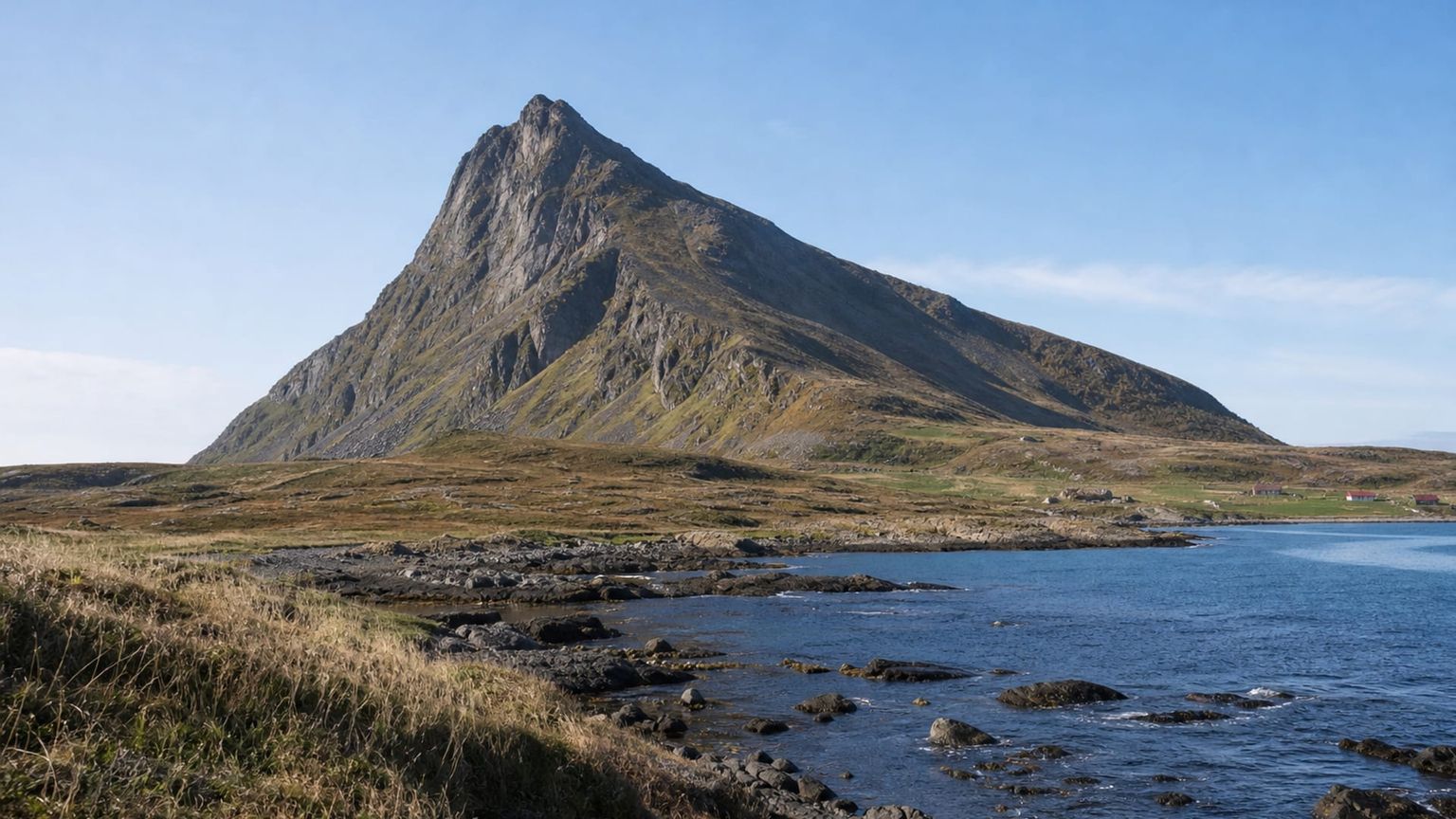
This short mountain hike rises above the peninsula near Offersøy, about 12 km west of Leknes. From the top, you get a wide view of the Vestfjord, sandy coves, and the jagged Lofoten peaks behind the coast.
Time needed: About 1 to 2 hours
Entry: Free to access; no ticket office, timed entry, or site fee applies at the trailhead.
Tip: Start on dry ground, because the upper path gets slick after rain or snowmelt.
Unstad Beach
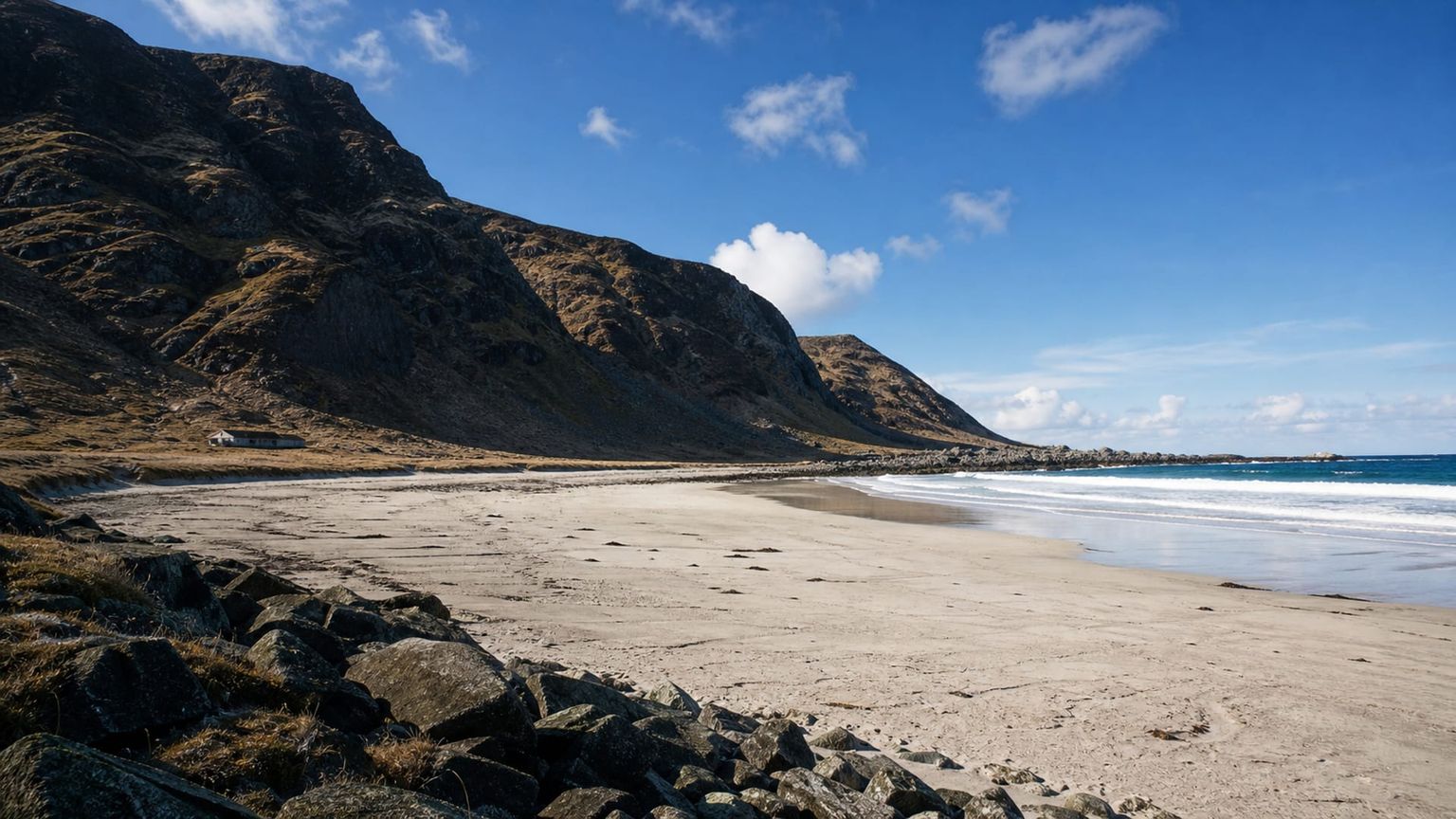
Unstad sits on the north side of Vestvågøya, about 25 km from Leknes, and draws visitors for its black sand cove and steep mountain backdrop. It is one of the island’s best-known surf beaches, with strong Atlantic swell.
Time needed: About 1 to 2 hours
Entry: Free to access; parking fees may apply in peak season, but the beach itself has no admission charge.
Tip: Arrive near sunset for softer light on the surf and the surrounding cliffs.
Overlooked sites worth visiting

Lofotr Viking Museum
At Borg, this museum pairs a full-scale chieftain’s longhouse with indoor finds from the Viking Age. The site also includes shore views and a seasonal boathouse area beside the excavation field.
Time needed: About 2 hours
Entry: Adult admission is about $18 to $25 (approximately NOK 190 to NOK 270), with lower rates for children and family tickets. Seasonal activities, guided tours, and special events may carry separate pricing. Visit the official site for details.
Tip: Arrive early for the quietest longhouse visit.

Leknes Open-Air Museum
This small museum shows Nordland farm buildings moved from across Vestvågøy, including a storehouse, boathouse, and turf-roofed structures. It gives a compact look at everyday coastal life without a long detour.
Time needed: About 1 hour
Entry: Admission is typically about $7 to $10 (approximately NOK 75 to NOK 110) for adults, with reduced prices for children and seniors. Opening days are seasonal, and some visits are by arrangement outside summer hours.
Tip: Go in summer, when the grounds and buildings are open.
Traditional food
Leknes cooking leans on the sea and the fjords, with stockfish, rakfisk, klippfisk, and fårikål showing up in simple dishes that suit short lunch stops and early dinners.
Stockfish
Dried cod is one of the clearest tastes of Lofoten, often served in a simple warm preparation that lets the fish do the work. In Leknes, Digg Pizza serves a version that fits a casual dinner in town.
Rakfisk
This fermented trout has a stronger flavor and a more traditional profile than many visitors expect, so it suits travelers who want to try a regional specialty. Sjokoladerommet in Leknes is the best-known place to look for a local plate that can include it.
Klippfisk
Salted and dried cod appears in local kitchens in hearty, no-nonsense preparations that reflect the fishing economy behind the islands. Skeie Gård, just outside central Leknes, is a fitting place to seek it out.
Fårikål
This mutton and cabbage stew is one of Norway’s classic home-style dishes, especially welcome on colder evenings. Du Verden Leknes often works well for a comforting plate when you want a sit-down dinner in town.
Best time to visit Leknes
Leknes changes most in daylight and weather, with long summer evenings for coastal stops and a quieter winter pattern shaped by short days, wind, and occasional snow.
Best for: Coastal scenery, museum visits, and dark-season light
What you get: Temperatures usually sit about 23 to 36°F (-5 to 2°C), with fewer visitors and shorter opening windows
Trade-offs: Wind, snow, and limited daylight can narrow your sightseeing hours
Best for: Clearer roads, easier hiking, and early season museum visits
What you get: Expect about 32 to 48°F (0 to 9°C), with moderate visitor numbers before summer peaks
Trade-offs: Weather can change fast, and some seasonal places may still have limited hours
Best for: Hiking, beach stops, and the broadest sightseeing schedule
What you get: Typical highs run about 50 to 61°F (10 to 16°C), with the busiest roads and attractions
Trade-offs: Peak season brings more traffic and higher room rates
Best for: Quieter museums, changing light, and flexible road trips
What you get: Temperatures usually range from 39 to 50°F (4 to 10°C), with crowds thinning after summer
Trade-offs: Shorter days and wetter conditions can reduce outdoor time
A realistic 5-day plan in Leknes
Five days in Leknes work best as a mix of short drives, one or two longer excursions, and time left open for weather shifts. The plan below starts with arrival in town, then builds toward museums, hikes, and the coastal villages that define the area.
Land at Leknes Airport (LKN), then take a taxi or rental car into Leknes sentrum, a ride of about 5 to 10 minutes that usually costs roughly NOK 150 to NOK 250. Check in near the town center if you want to stay close to supermarkets, cafes, and the bus links, then have an easy first evening with a light dinner in the center before an early night.
Start early for Lofotr Viking Museum in Borg, about 15 minutes north of Leknes by car, so you can see the chieftain’s hall before the busier midday hours. Plan about 2 to 3 hours there, then drive about 20 minutes back toward Leknes and continue to Leknes Open-Air Museum for a shorter stop of about 1 hour. If you still have daylight, finish with an unhurried walk through Leknes sentrum, where dinner options sit close together and the drive back from the museums is simple.
Head west from Leknes sentrum for Offersøykammen, which takes about 20 to 25 minutes by car and 1 to 2 hours on the trail. The climb is short, but the summit gives you open views over the coast, so start in dry weather and carry proper shoes. After the hike, drive about 30 minutes north to Unstad Beach for surf scenery, black sand, and a late-afternoon or sunset stop before returning to Leknes for dinner.
Take the coastal road south to Ballstad in about 15 to 20 minutes by car, then spend the morning among harbor views, rorbuer, and fishing-village streets. From there, continue to Gravdal in roughly 10 minutes for a quieter lunch stop near local services, then return to Leknes sentrum in about 5 minutes for an afternoon of errands or a relaxed cafe break. If the weather is clear, end with a final drive back toward the water in Ballstad for sunset light on the harbor.
Before leaving, fit in one last museum stop if you missed it earlier, either Lofotr Viking Museum in Borg or the Leknes Open-Air Museum, depending on your flight time. Spend the rest of the day in Leknes sentrum, where you can pick up gifts, basic travel supplies, and any last groceries without leaving the main streets. A final coffee in the town center works well before the 5 to 10 minute drive to Leknes Airport (LKN).
Business-class flights from the US to Leknes
Reaching Leknes usually means one-stop flying, and the best options into the airport area often route through a small set of Nordic hubs. From both coasts, the longest part of the trip is usually the connection, not the final leg.
From New York, Finnair, Scandinavian Airlines, Norwegian Air Shuttle, Lufthansa, KLM Royal Dutch Airlines, and Icelandair all appear on workable itineraries. Round-trip fares from New York start at $3,200 and often land between $4,500 and $7,500.
Los Angeles itineraries with Finnair, Scandinavian Airlines, Lufthansa, KLM Royal Dutch Airlines, and Icelandair typically route through CPH, FRA, AMS, KEF, or OSL, with total layovers of about 14 to 20 hours. You can expect round-trip fares from Los Angeles to begin near $3,400, with many itineraries priced from $4,800 to $8,000.
Leknes feels different when you slow down
A well-planned Leknes stay gives you a clear split between the compact center, the road out to Borg, and the coastal stretches toward Ballstad and Unstad. Taxis and buses cover the short transfers, while a car lets you shape the days around weather and light. If you want help matching Leknes sentrum, Gravdal, or Ballstad to your dates, the AranGrant experts can map it out with you