

Chapters:

Need help with your trip?
Our support team is available 24/7. Request a callback or call us directly at (833) 619-0908
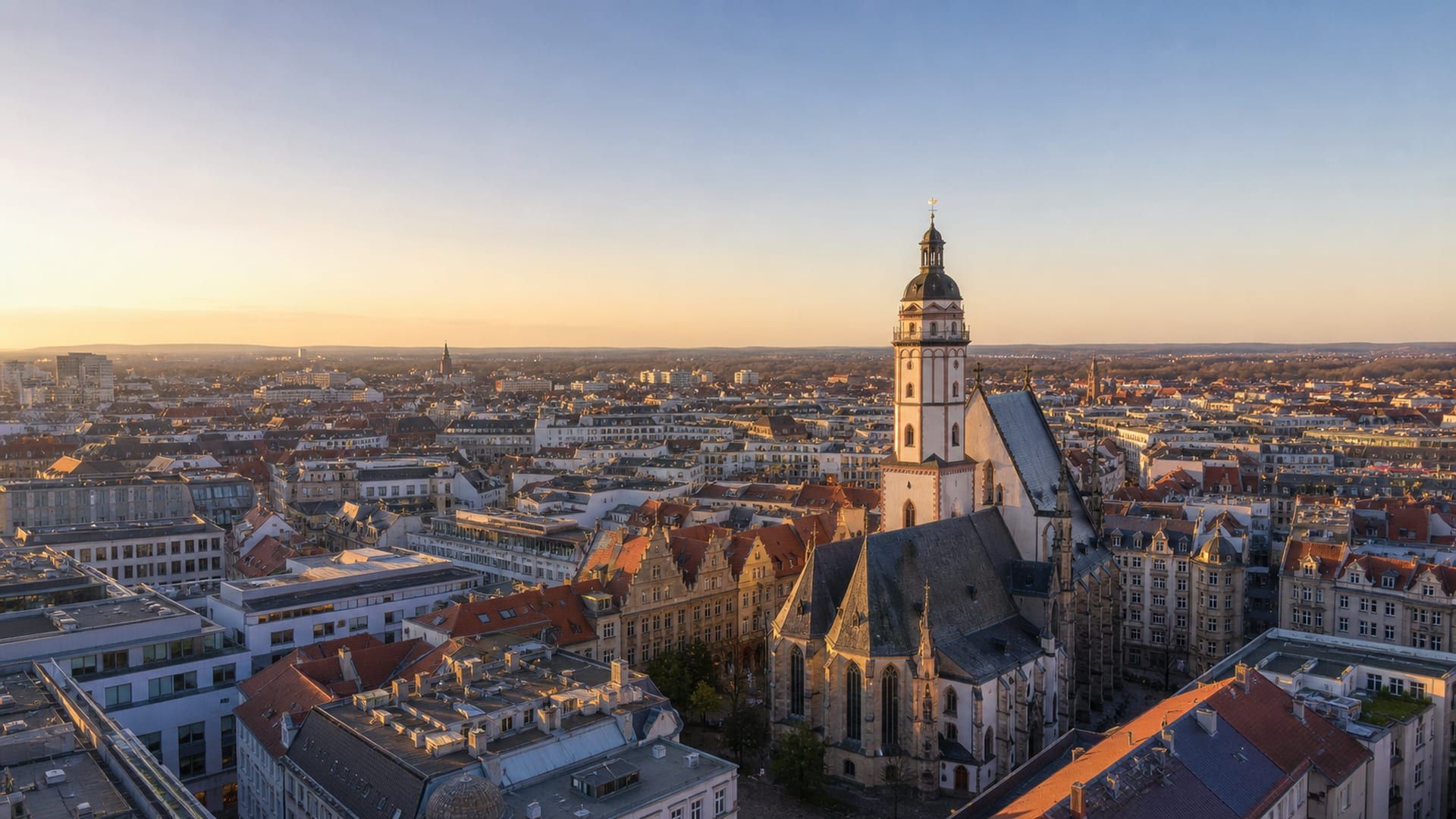
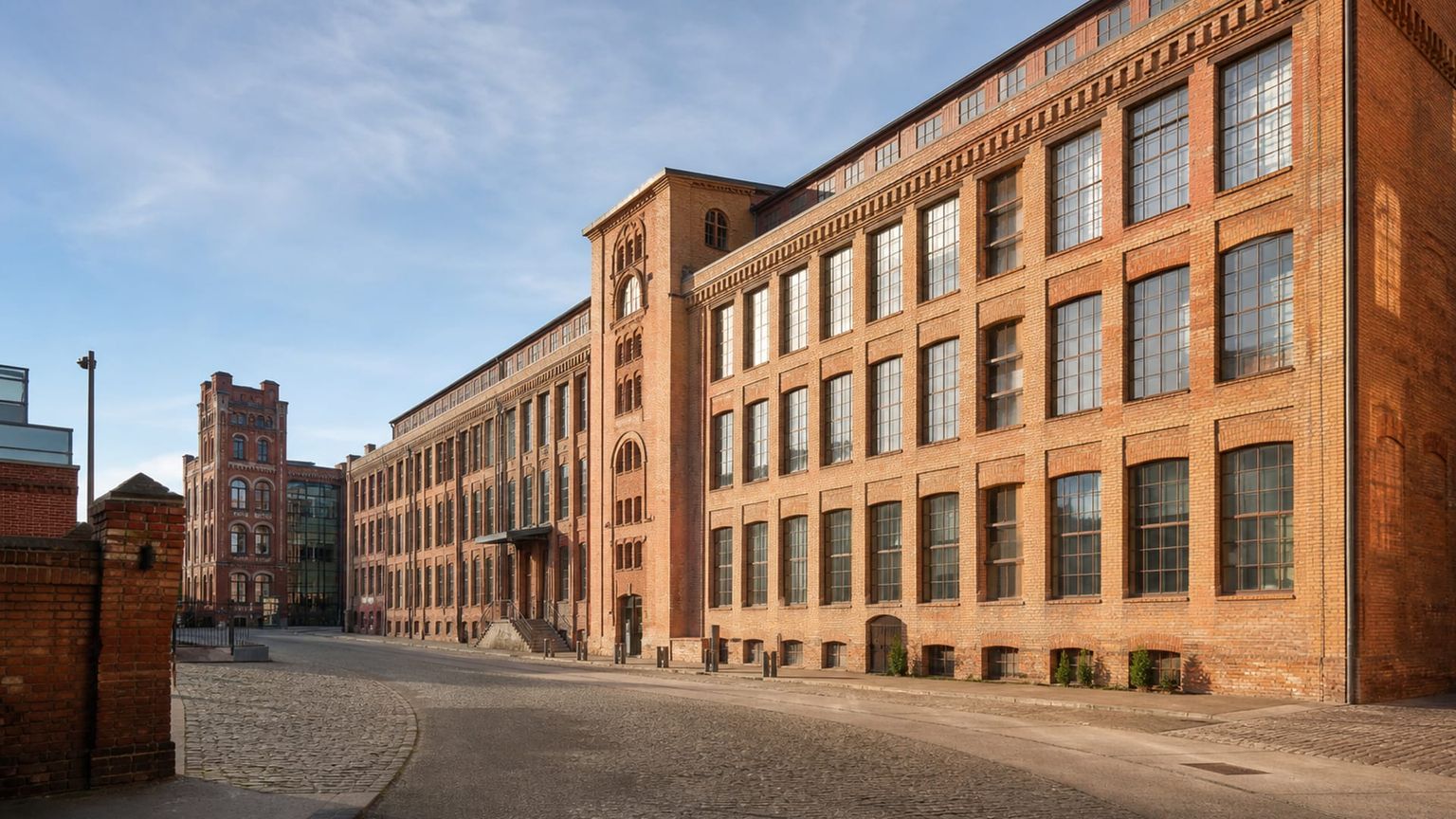
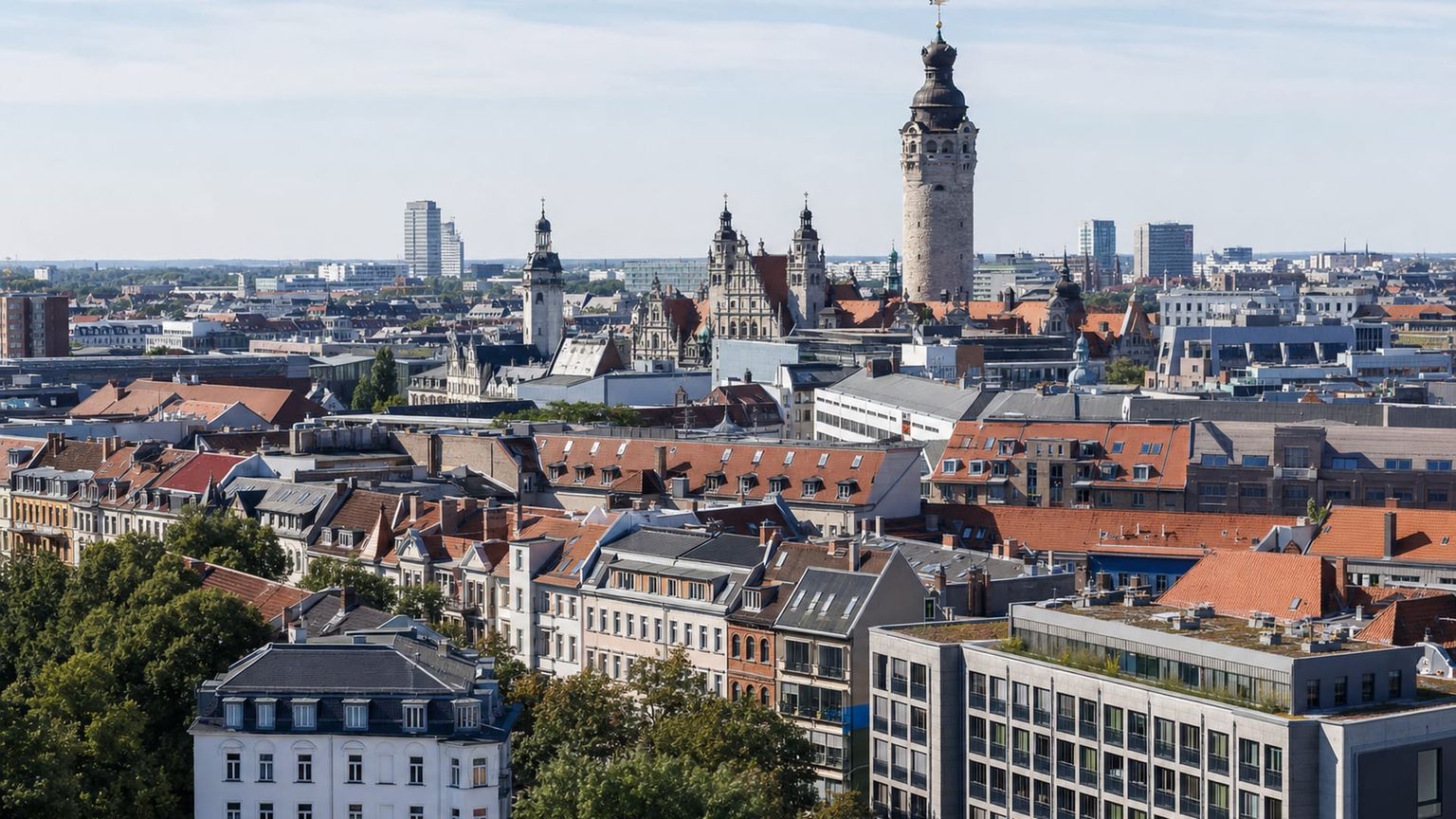
Leipzig is easy to navigate because its historic center is compact, but the city extends well beyond the streets around Markt and St. Thomas Church. Trams run west toward Plagwitz and its converted industrial buildings, southeast to the Monument to the Battle of the Nations, and south toward neighborhoods that lead eventually to the lakes beyond the city.
That layout makes Leipzig a city of distinct areas rather than one continuous sightseeing zone. You can spend a morning walking the center, then shift to galleries, canals, parks, or residential streets without crossing the entire city.
This guide shows you how to divide your time between Leipzig’s historic core, creative districts, major landmarks, and quieter outer areas without packing too much into one day.
Useful things to know

Main language(s): German
Hallo (HAH-loh) – Hello
Bitte (BIT-teh) – Please
Danke (DAHN-keh) – Thank you
Sprechen Sie Englisch? (SHPREH-chen zee ENG-lish?) – Do you speak English?
Wie viel kostet das? (vee feel KOS-tet dahs?) – How much does it cost?

Currency: Euro (EUR, €)

Cash and cards: Cards are widely accepted, but cash remains useful. Carry €20–€40 ($23–$45) for small purchases, markets, and places with card minimums.

Tipping: Tipping is optional. Round up the bill or leave 5%–10% in restaurants and cafés when you are happy with the service.

Traditional food: Leipziger Allerlei, Leipziger Lerche, Sächsische Kartoffelsuppe, and Quarkkeulchen are among Leipzig’s best-known local specialties.

Water and coffee costs: Water in cafés costs €2–€3.60 ($2.30–$4.10), while an espresso is usually €2.40–€3.30 ($2.70–$3.75).

Taxis and ride apps: LeipzigMOVE lets you book and pay for local taxis. Uber Taxi also offers rides with licensed taxi companies.

Plug and voltage: Germany uses Type C and F plugs with a 230V supply. US travelers should check device voltage and bring an adapter when needed.

Dining and shop opening hours: Shops commonly open Monday–Saturday, often 10 am–8 pm, and most close Sundays. Restaurant hours vary, so check individual lunch and dinner service.

Emergency number: Call 112 for fire or ambulance services and 110 for police.
Where to stay in Leipzig
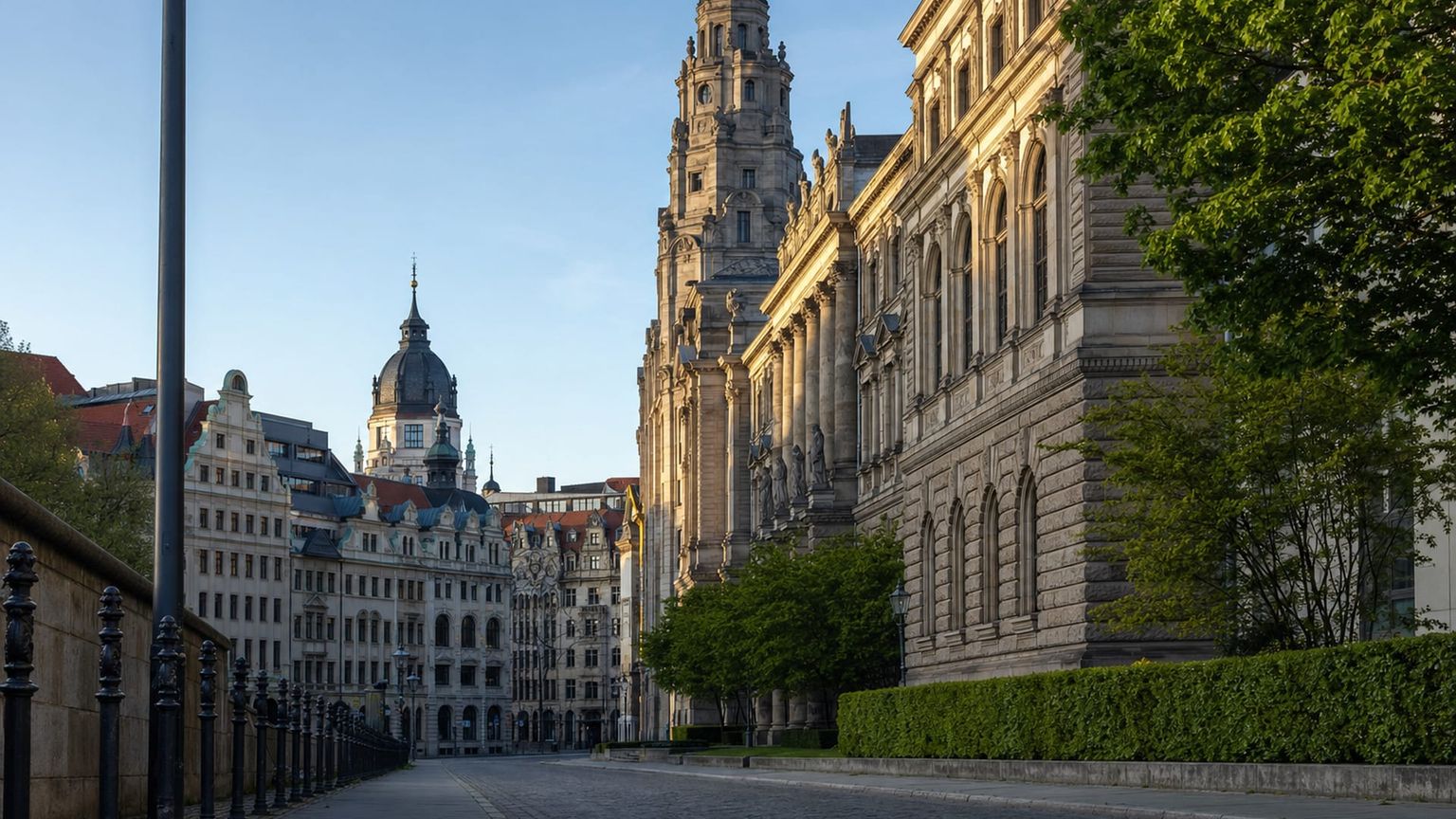
Zentrum forms Leipzig’s historic and commercial core around Markt, St. Thomas Church, the passages, and the main shopping streets. Leipzig Hauptbahnhof lies on its northern edge, while museums, restaurants, and major sights are within an easy walk from most central hotels throughout the day.
Best for: First-time visits, car-free stays, and easy access to museums, dining, and shopping
What to expect: Busy sidewalks by day, with steady restaurant and bar traffic into the evening.
Hotel prices: Usually about 120€ to 220€ (~$130 to ~$240) per night for well-rated stays
Distance to major sights: About 5 to 10 minutes on foot to Leipzig Market Square; roughly 10 minutes on foot to St. Thomas Church
Quietness: Daytime is lively and commercial, while evenings are quieter on side streets but still active near bars.
Main trade-off: This is the most convenient area, but it brings higher rates and more street noise than outer districts.
Good to know: An inner-courtyard room is worth requesting if you want central access without as much street noise.
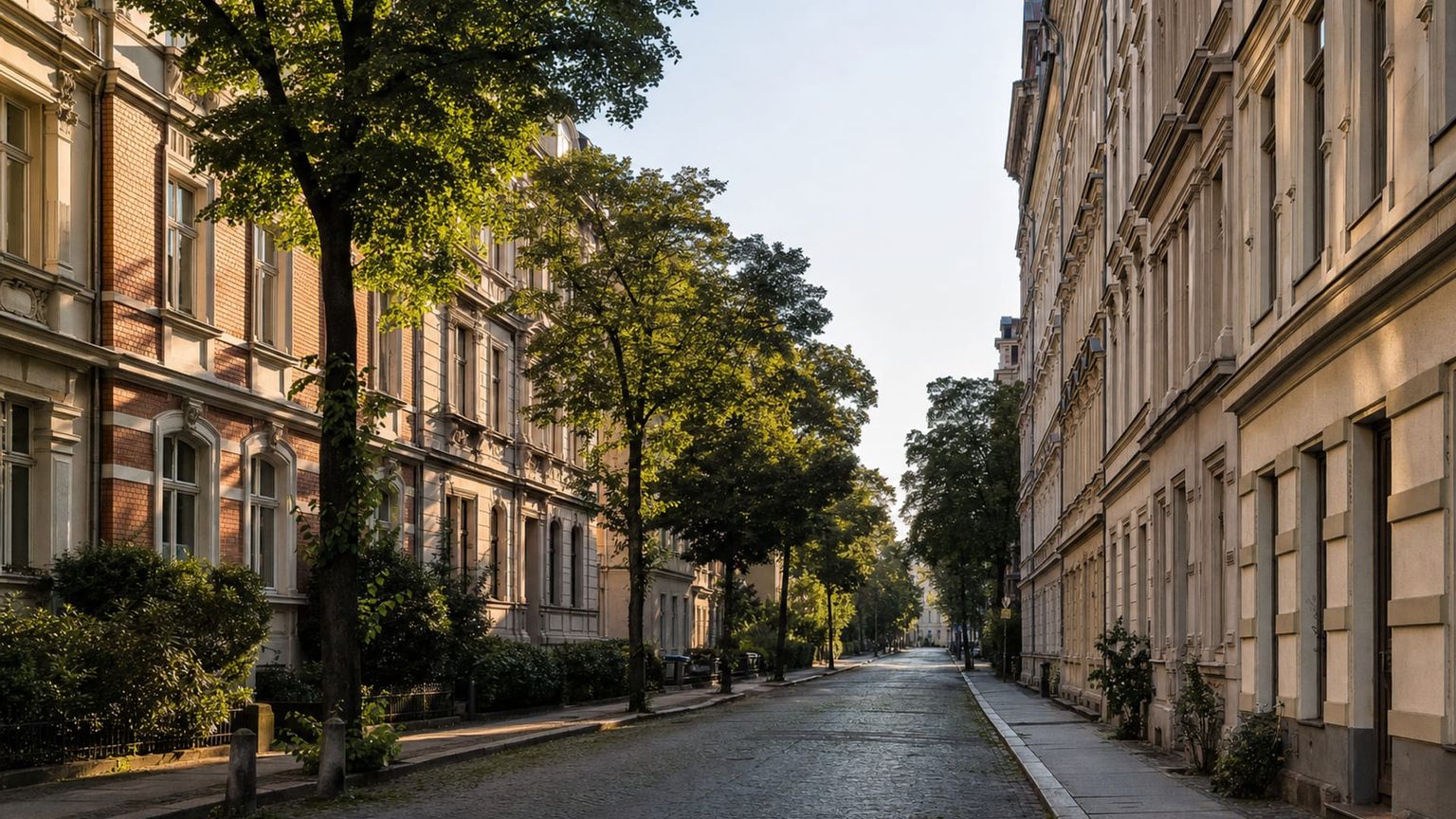
Südvorstadt stretches south from the center along Karl-Liebknecht-Straße, where cafés, bars, restaurants, and cultural venues line one of Leipzig’s liveliest streets. Residential blocks branch off the main avenue, while trams 10 and 11 run directly toward the historic center throughout the day.
Best for: Dining, nightlife, younger travelers, and stays with frequent tram connections
What to expect: Animated sidewalks, full terraces, and a noticeable late-evening crowd near the main strip.
Hotel prices: Usually about 90€ to 170€ (~$100 to ~$185) per night for well-rated stays
Distance to major sights: About 15 to 20 minutes by tram to Leipzig Market Square; about 25 minutes on foot to the central station
Quietness: Daytime is busy around cafés and shops, and evenings stay active well past dinner.
Main trade-off: You get atmosphere and restaurant choice, but light sleep can be harder on the busiest blocks.
Good to know: Choose a room one or two blocks off Karl-Liebknecht-Straße if quiet nights matter more than being above the action.
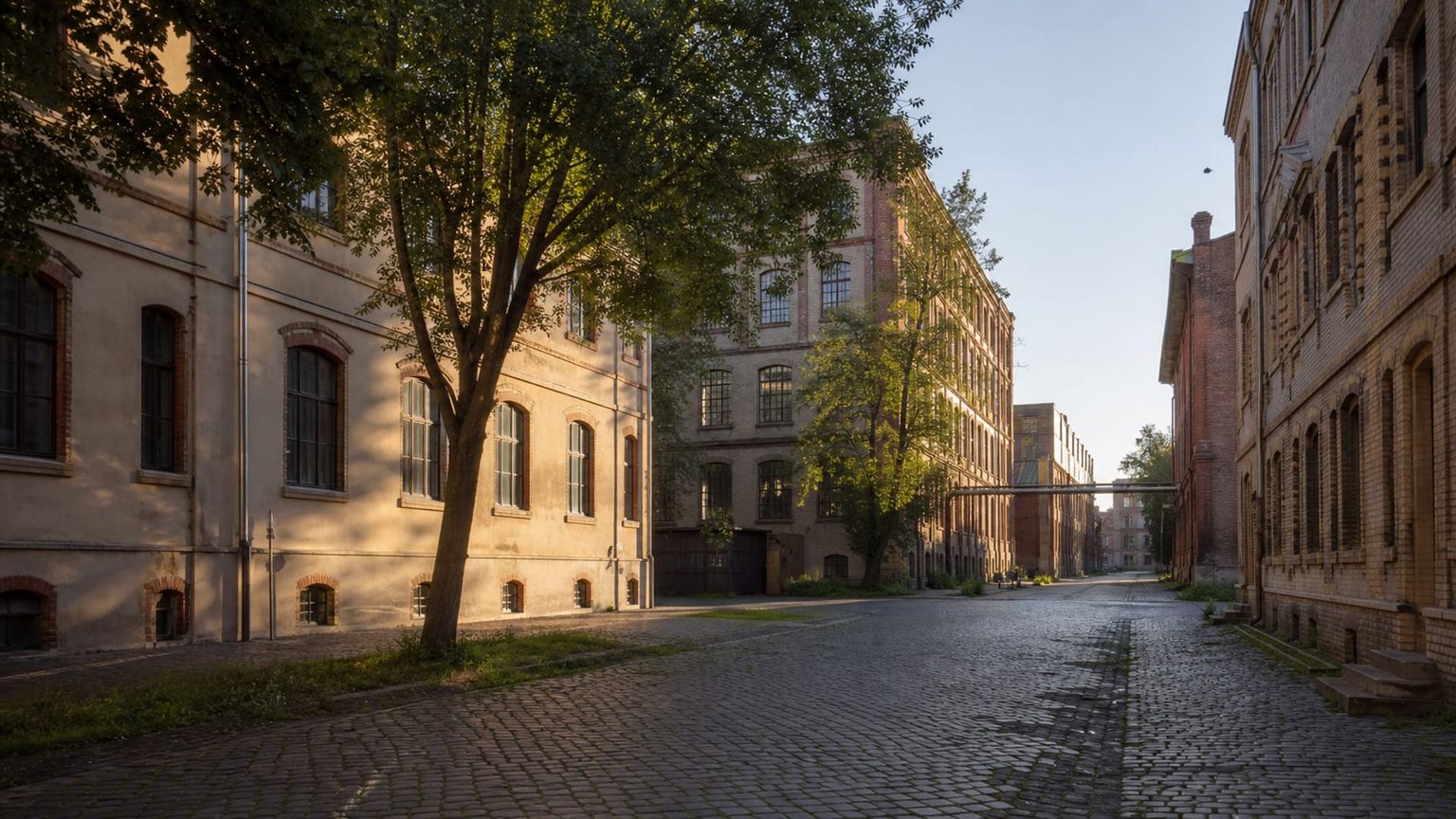
Plagwitz spreads west of the center around Karl-Heine-Straße and the Karl-Heine Canal, mixing preserved industrial architecture with studios, galleries, cafés, and converted factories. Its wider streets, waterways, and former industrial sites give this part of Leipzig more open space than Zentrum.
Best for: Design-minded travelers, longer stays, cafés, and a neighborhood feel away from the center
What to expect: Mixed residential streets, busy brunch spots, and pockets of activity near the waterways and former factory sites.
Hotel prices: Usually about 80€ to 150€ (~$87 to ~$163) per night for well-rated stays
Distance to major sights: About 20 to 25 minutes by tram to Leipzig Market Square; roughly 15 minutes by tram to the Baumwollspinnerei
Quietness: Days can be active around cafés and arts venues, while evenings are calmer once bars thin out.
Main trade-off: It offers more space and character than the center, but you will spend more time on tram rides for classic sightseeing.
Good to know: Check the nearest tram stop before booking, especially if you plan to return from the center late in the evening.
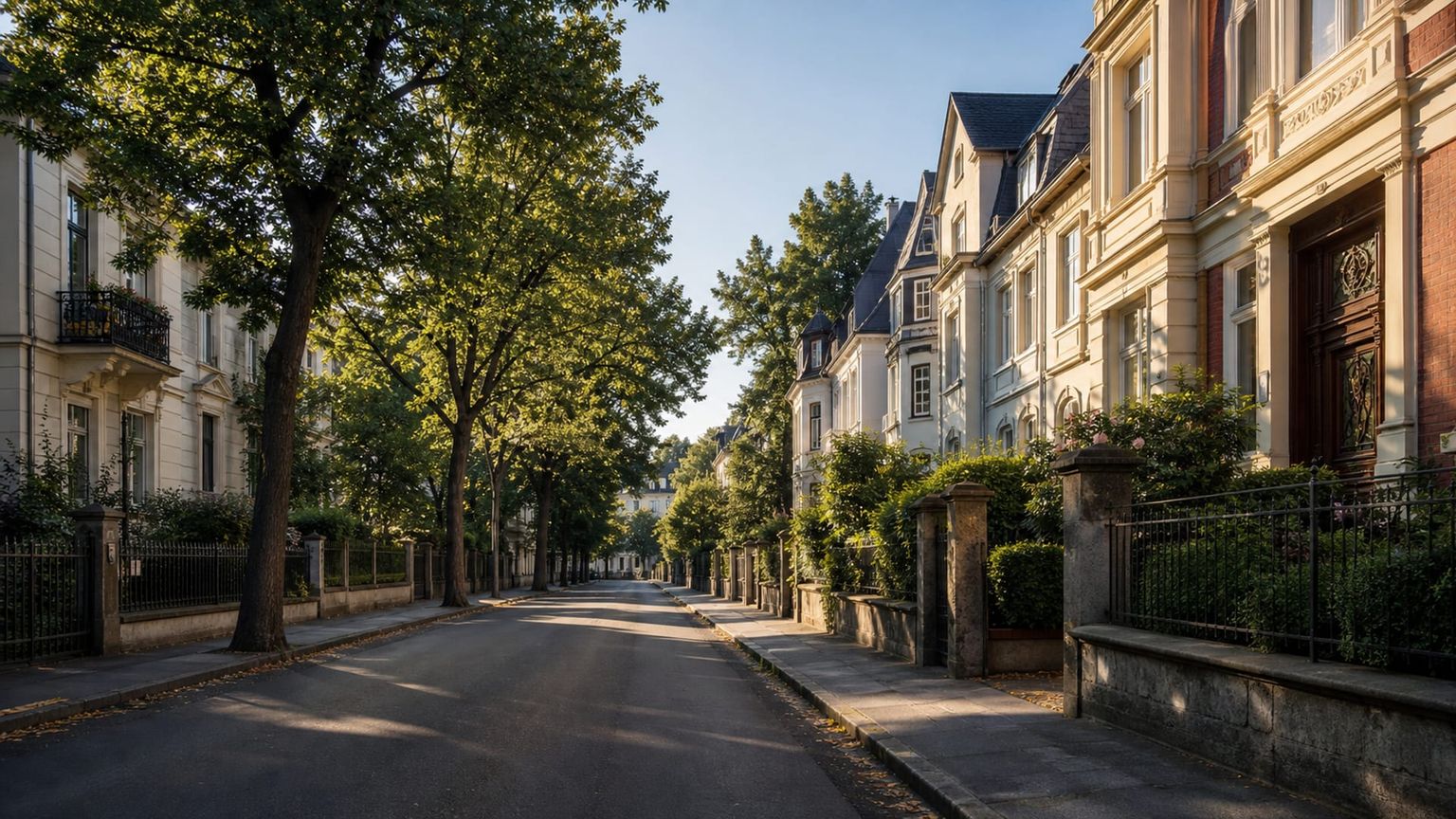
Gohlis lies north of the center, where residential streets, historic houses, the Schillerhaus, and Gohliser Schlösschen create a quieter setting near Rosental. Tram links keep the historic center within easy reach, while evenings are noticeably quieter than in Zentrum or Südvorstadt.
Best for: Calmer stays, families, park access, and travelers who do not need nightlife at the door
What to expect: Residential streets, local cafés, and moderate foot traffic rather than constant crowds.
Hotel prices: Usually about 85€ to 160€ (~$93 to ~$174) per night for well-rated stays
Distance to major sights: About 15 to 20 minutes by tram to Leipzig Market Square; roughly 10 minutes by tram to Rosental Park
Quietness: Days are lived-in and relatively calm, and evenings are noticeably quieter than the center.
Main trade-off: You save noise, but you will rely more on transit for restaurants, bars, and late returns.
Good to know: Staying near tram lines 4 or 12 keeps central Leipzig easy to reach without giving up the quieter setting.
For a first stay, choose Zentrum if you want to walk to most major sights. Pick Südvorstadt for restaurants and nightlife, while Plagwitz and Gohlis make more sense if you do not mind using trams more often.
Hotel deals
How to get around Leipzig efficiently
Leipzig’s tram network handles most city trips, while the S-Bahn is fastest for the airport and outer stops. Taxis are useful late at night.

Trams and buses
for most city sightseeing
Trams are the easiest way to reach Zentrum, Südvorstadt, Plagwitz, Gohlis, and most major sights, while buses cover streets outside the tram network. A Leipzig single ticket costs €3.60 ($4.10) and a 24-hour ticket costs €10.20 ($11.60). Buy tickets in LeipzigMOVE or at machines.

S-Bahn
for rides to the airport and outside the city
S-Bahn lines are useful for Leipzig/Halle Airport (LEJ), Leipzig Messe, and faster trips across the city tunnel. S5 and S5X link the airport with Leipzig Hauptbahnhof in 14–22 minutes. The two-zone MDV fare is €4.80 ($5.50). Buy before boarding or use the DB or MDV apps.

Taxis
for luggage, late hours, and direct rides
Taxis are useful with luggage, after late dinners, or when you want a direct airport ride. The daytime meter starts at €3.90 ($4.45); a central Leipzig–airport trip typically costs €45–€50 ($51–$57). Ask before departure if you plan to pay by card.
*Prices are based on rates updated as of September 2026 and may change at the time of travel.
Use trams and buses for most sightseeing, the S-Bahn for the airport and longer trips, and taxis when luggage or late hours make a direct ride easier.
Iconic landmarks
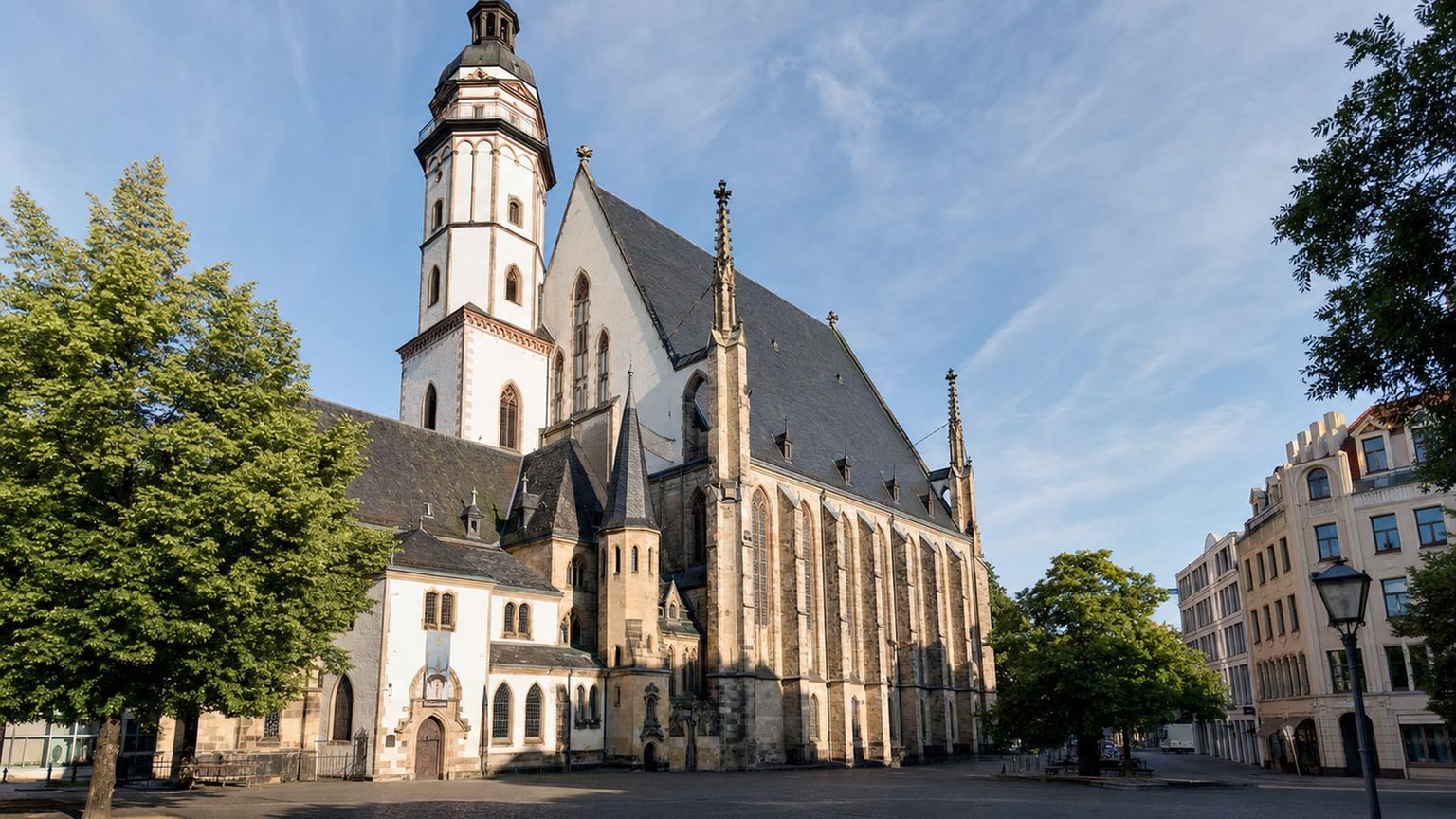
St. Thomas Church
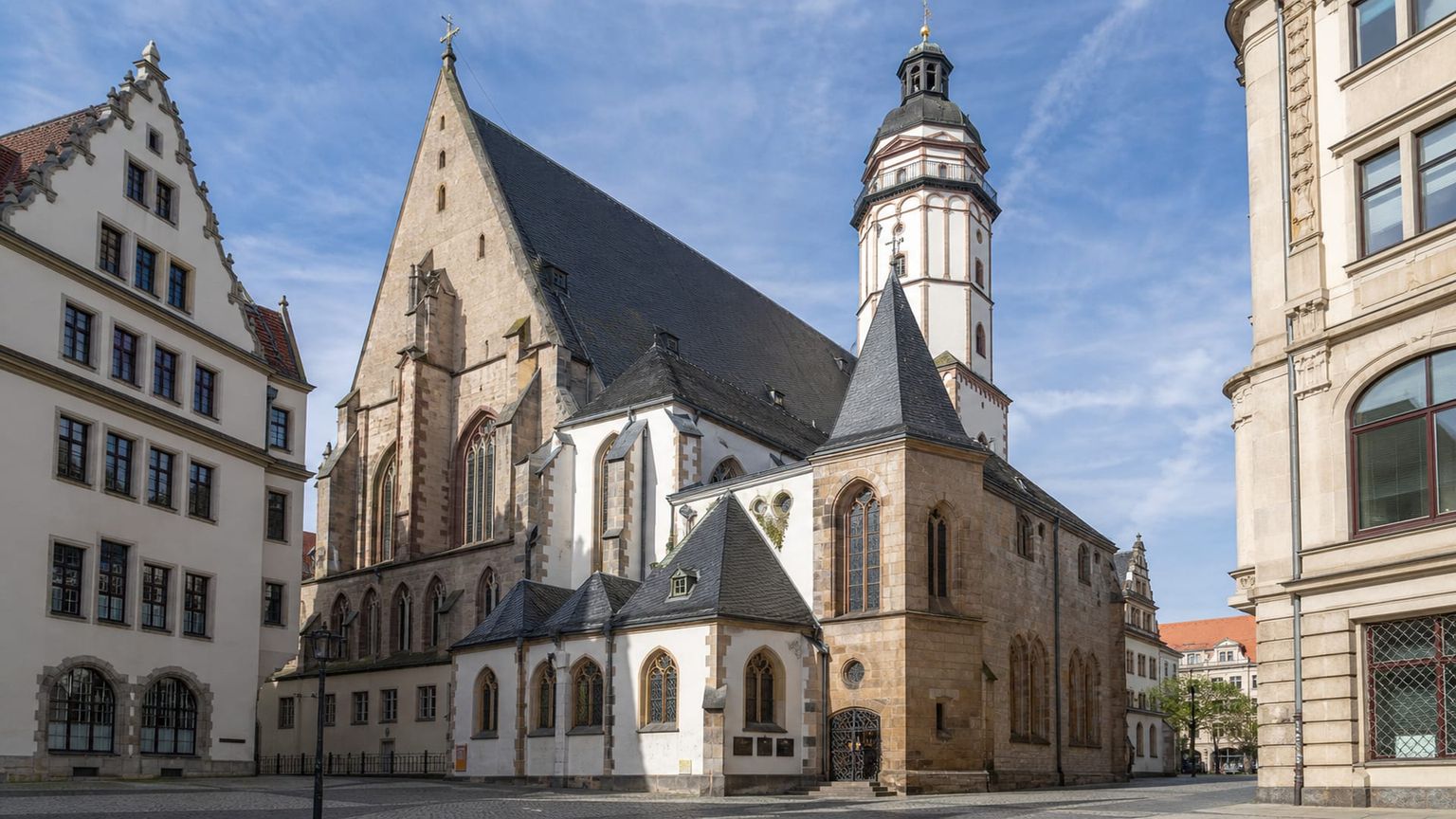
St. Thomas Church is home to the St. Thomas Boys Choir and the final resting place of Johann Sebastian Bach, who worked here for 27 years. The church’s long musical tradition and Bach’s tomb make it one of Leipzig’s defining historic sites.
Time needed: A visit takes 45 minutes to 1 hour.
Entry: You can visit the church for free. Check the official website for more details.
Tip: Check the church calendar first, as opening hours can change for rehearsals and events.
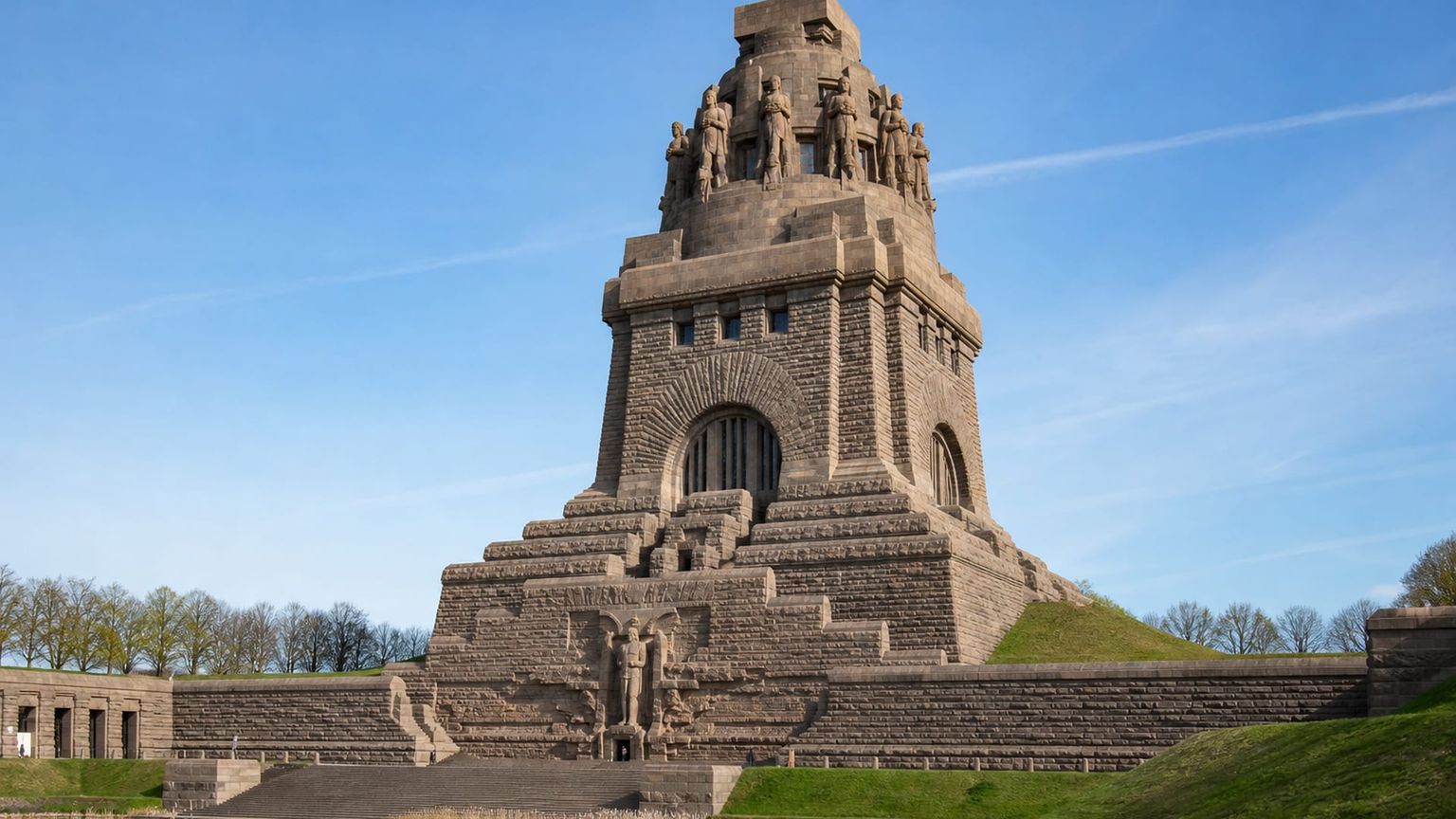
Monument to the Battle of the Nations
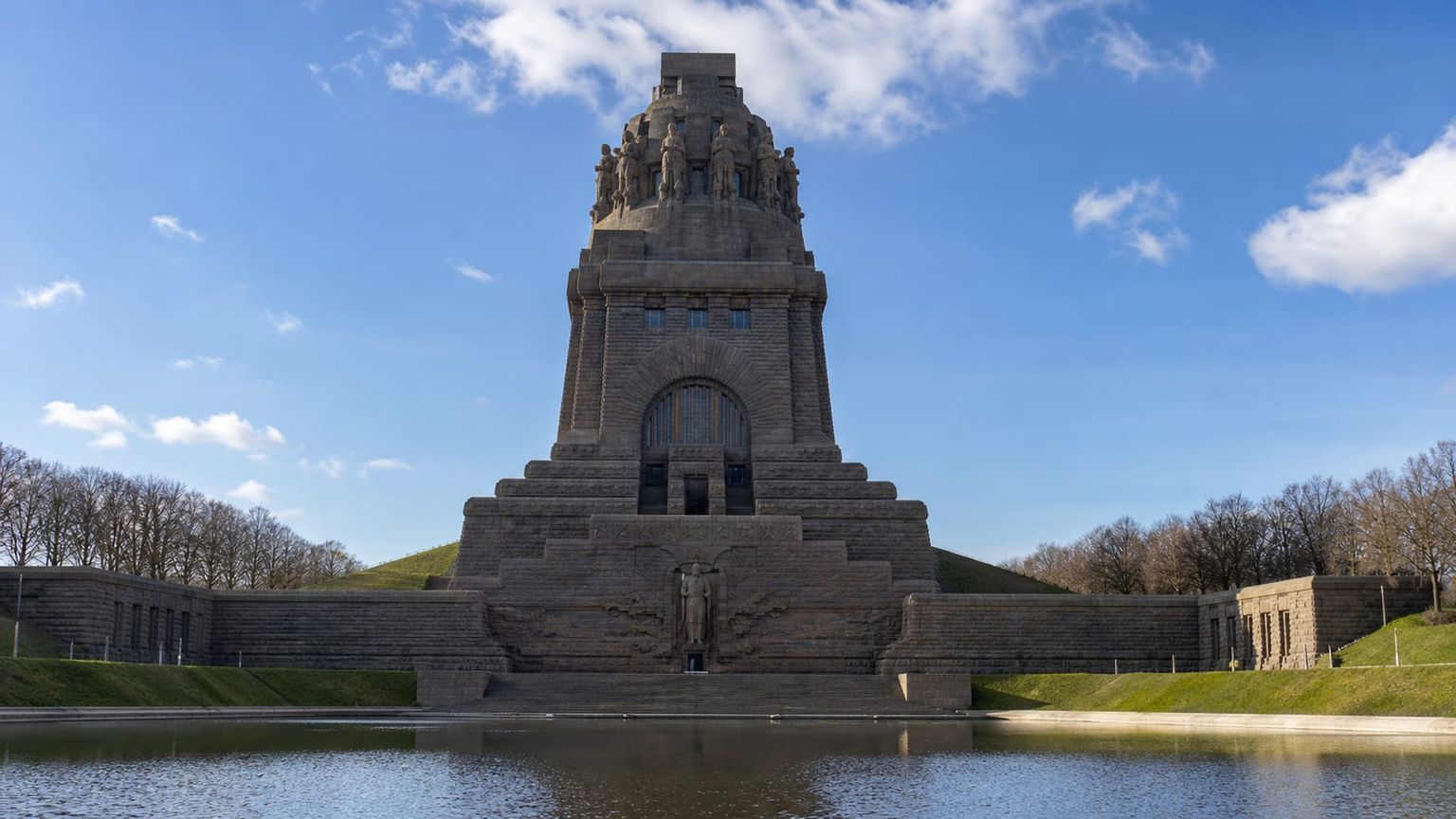
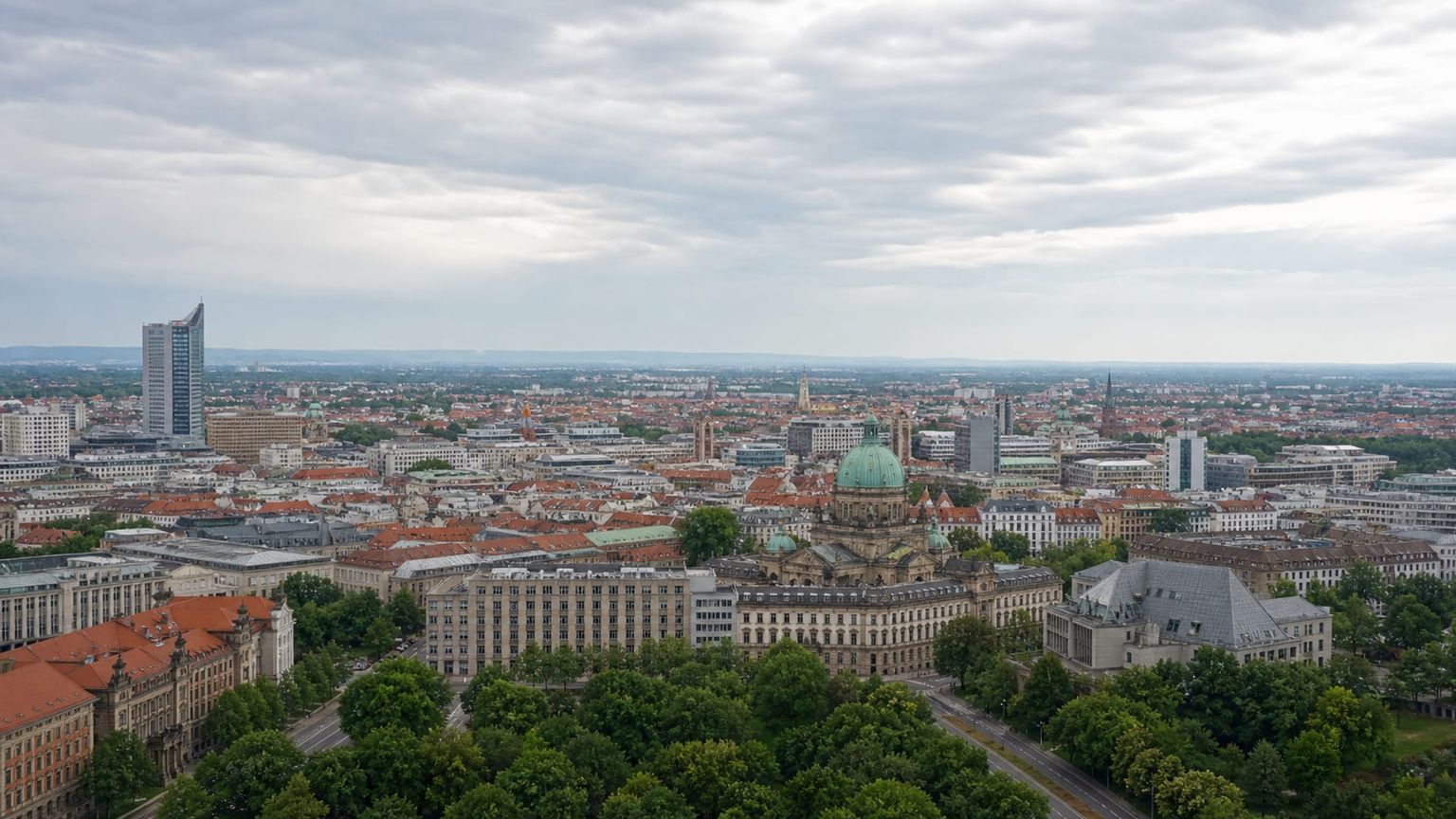
The 299-foot (91-meter) Monument to the Battle of the Nations commemorates the 1813 Battle of Leipzig. Inside, monumental stone figures surround the crypt and Hall of Fame, while the upper platform gives you a wide view across Leipzig and its outskirts.
Time needed: You will need 1.5–2 hours for an in-depth visit.
Entry: An adult ticket costs €12 ($13.60). Check the official website for more details.
Tip: Take the elevator to 58 m, then climb the remaining stairs for the top viewpoint.
St. Nicholas Church
St. Nicholas Church is Leipzig’s oldest and largest church and a key site of the 1989 Peaceful Revolution. Its neoclassical interior, palm-shaped columns, and continuing Monday peace prayers connect the building to both the city’s religious history and German reunification.
Time needed: A visit takes 30–45 minutes.
Entry: You can visit the church for free. Check the official website for more details.
Tip: Check the church calendar before going, because visits pause during services and concerts.
Overlooked sites worth visiting

Leipzig Panometer
The Panometer fills a former gas holder with Yadegar Asisi’s huge 360-degree panoramas. The 49-foot (15-meter) viewing tower lets you see the artwork from several levels inside the industrial hall.
Time needed: A visit takes 1.5–2 hours.
Entry: Adult admission costs €16 ($18.20). Check the official website for more details.
Tip: Check the current panorama before visiting, as the exhibition changes over time.

Leipziger Baumwollspinnerei
Once one of Europe’s largest cotton mills, the Spinnerei now contains artist studios, galleries, exhibition spaces, a cinema, and workshops across its former factory buildings.
Time needed: You will need 1.5–2 hours for an in-depth visit.
Entry: Free; a 1-hour guided tour costs €12 ($13.60). Check the official website for more details.
Tip: Visit Tuesday–Saturday, when the galleries generally open from 11 am to 6 pm.
Traditional food
Leipzig’s food combines Saxon soups and vegetable dishes with pastries built around quark, marzipan, and fruit.
Leipziger Allerlei
Leipziger Allerlei brings together tender spring vegetables such as carrots, asparagus, cauliflower, and kohlrabi with morels and crayfish. Mein Leipzig serves a richer version with sea bream, green asparagus, mushrooms, and crayfish tails.
Sächsische Kartoffelsuppe
Sächsische Kartoffelsuppe is a thick, savory potato soup with a soft, creamy texture and smoky sausage running through it. Ratskeller Leipzig serves it with mini Vienna sausages and a crisp crouton.
Quarkkeulchen
Quarkkeulchen are small fried cakes made with quark and grated potatoes, with a golden outside and soft, slightly tangy center. Café Kandler serves them with apple compote, cinnamon sugar, and whipped cream.
Leipziger Lerche
Leipziger Lerche is a crumbly shortcrust pastry filled with almonds, nuts, marzipan, and a layer of strawberry jam. Kaffeehaus Riquet is a classic place to try one with coffee in the city center.
Best time to visit Leipzig
Leipzig changes clearly with the seasons, from park-and-lake weather in summer to Christmas markets and indoor culture in winter.
Best for: Parks, café terraces, walking, and longer days before the peak summer heat
What you get: Days warm from 39°F to 63°F (4°C to 17°C), trees and parks turn green again, and outdoor cafés gradually return as spring settles across Leipzig.
Trade-offs: Cool mornings and changeable rain mean you will still need layers and a light jacket.
Best for: Lake days, outdoor dining, festivals, cycling, and the longest daylight hours
What you get: With temperatures around 55°F–79°F (13°C–26°C), this is the season for Cospudener See, canal trips, parks, and long evenings outdoors.
Trade-offs: Hot spells can make afternoon sightseeing tiring, and summer thunderstorms can interrupt outdoor plans.
Best for: Gallery days, city walks, parks, and cooler weather after the summer heat
What you get: September can still reach 66°F (19°C), while November drops toward 41°F (5°C); changing leaves add color to Leipzig’s parks and streets.
Trade-offs: Rain becomes more frequent later in the season, and daylight shortens quickly by November.
Best for: Museums, churches, concerts, Christmas markets, and indoor cultural stops
What you get: Winter brings 28°F to 41°F (-2°C to 5°C), short daylight hours, and Leipzig’s Christmas market from late November through December in the city center.
Trade-offs: Cold wind and early darkness reduce outdoor time, especially once the Christmas markets end.
A realistic 5-day plan in Leipzig
Five days give you enough time to see Leipzig without crossing the city repeatedly. This plan keeps the historic center, southeast landmarks, Plagwitz, and the quieter north on separate days, with a lighter final morning before departure.
After landing at Leipzig/Halle Airport (LEJ), take the S5 or S5X to Leipzig Hauptbahnhof, then check in and keep the rest of the day light. Walk through the streets closest to your hotel, have an early dinner in Zentrum, and stop if you feel tired instead of adding a major sight. If you are staying near Markt, use the evening for a short walk through the pedestrian center, then head back before the streets get busier later at night. Take the evening slowly.
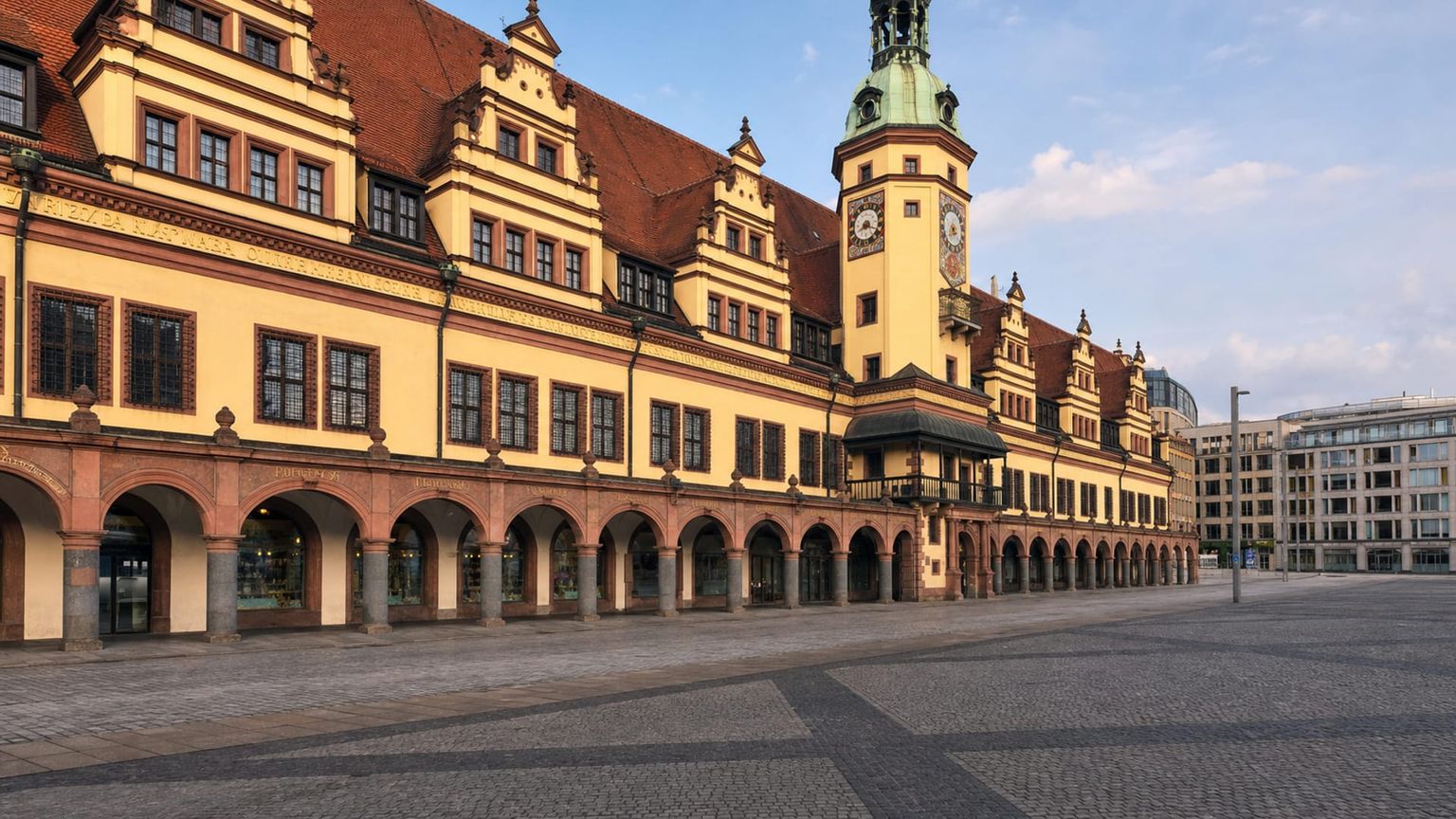
Start at St. Thomas Church, then walk through Markt and the historic passages before continuing to St. Nicholas Church. The churches are close enough to visit on foot, so you can also see the Old Town Hall, Mädler Passage, and Nikolaikirchhof without rushing. Break for lunch in the center, then spend the late afternoon around Augustusplatz or stop for coffee nearby before dinner. Keeping the day on foot makes the historic core easier to understand as one connected area.
Take the tram southeast to the Monument to the Battle of the Nations and spend 1.5–2 hours inside, including the crypt, Hall of Fame, and upper viewpoint. Afterward, continue to the Panometer instead of returning to the center first. Its 360-degree panorama fills a former gasometer and makes a logical second stop in this part of Leipzig. Once you finish, head toward Südvorstadt for dinner, where Karl-Liebknecht-Straße gives you plenty of choices without another long ride.
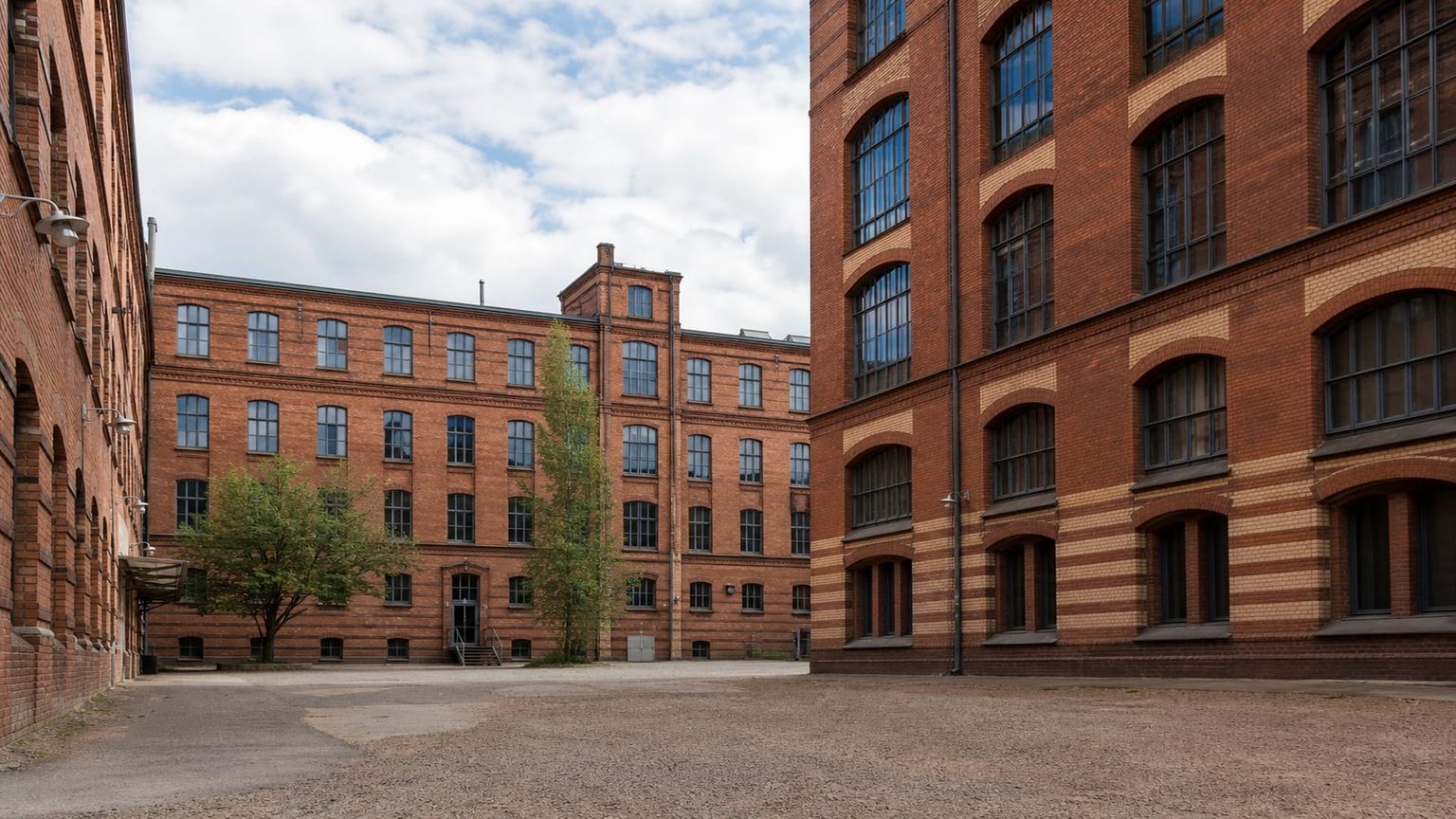
Spend the day in Plagwitz, starting at the Leipziger Baumwollspinnerei for its galleries, studios, and former factory buildings. From there, continue toward Karl-Heine-Straße and the Karl-Heine Canal, where you can walk beside the water, stop for lunch, and follow the converted industrial streets at your own pace. If you want more time outdoors, stay near the canal into the late afternoon, then choose dinner in western Leipzig instead of returning to Zentrum between stops.
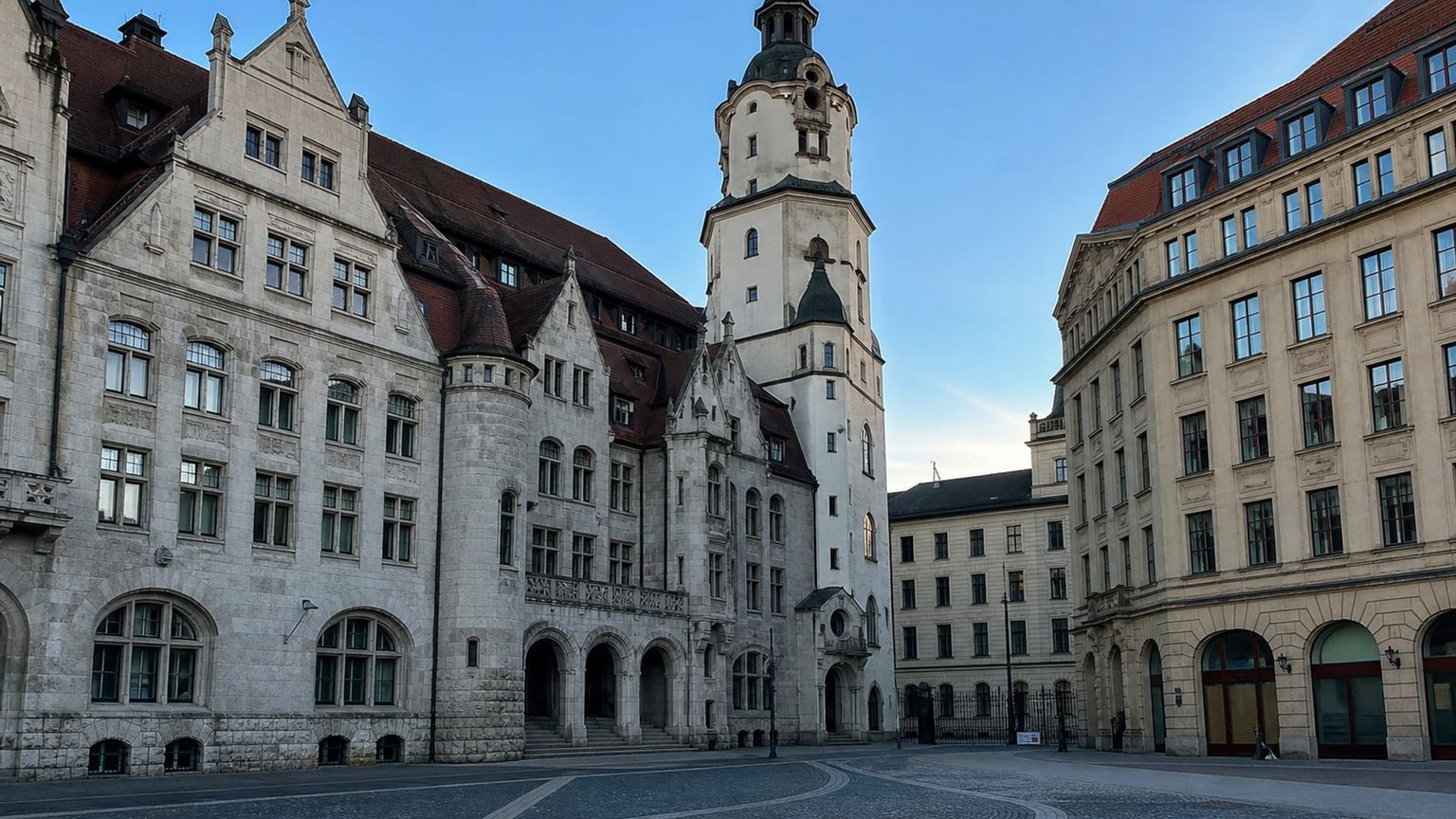
Keep the final morning north of the center with a walk through Rosental, then continue to Gohliser Schlösschen if it is open on your departure day. The palace and garden give you one last cultural stop without committing to a long museum visit. Have coffee or an early lunch in Gohlis, return to your hotel for your bags, and leave enough time for the S-Bahn to Leipzig/Halle Airport (LEJ). This keeps the last day useful without turning it into another full sightseeing schedule.
Business-class flights from the US to Leipzig
Business-class trips from both US coasts reach Leipzig with one stop, usually through Frankfurt, Munich, Vienna, or Istanbul.
New York (JFK) to Leipzig (LEJ)
Lufthansa offers one-stop flights from New York through Frankfurt (FRA), while Austrian connects through Vienna (VIE) and Turkish Airlines through Istanbul (IST). The shortest journeys take about 10 hours, while longer connections can reach 13–16 hours. Round-trip business-class tickets currently start near $4,000 and can exceed $5,500 on high-demand dates.
Los Angeles (LAX) to Leipzig (LEJ)
From Los Angeles, Lufthansa offers one-stop flights through Frankfurt (FRA) or Munich (MUC), while Austrian connects through Vienna (VIE) and Turkish Airlines through Istanbul (IST). The shortest trips take about 14 hours, while flights with longer layovers can take up to 20 hours. Business-class tickets generally start near $3,400 and can rise above $6,000 on peak dates.
Leipzig is a city of contrasts
Leipzig changes quickly from Bach churches and historic passages to Plagwitz’s canals, former factories, and galleries, then again to quieter streets in Gohlis and the huge scale of the Battle of the Nations monument. Giving each part of the city its own time makes those contrasts easier to appreciate. When you are ready to plan the trip, AranGrant can help you compare business-class flights to Leipzig and hotels in the area you want to stay.







