

Chapters:

Need help with your trip?
Our support team is available 24/7. Request a callback or call us directly at (833) 619-0908
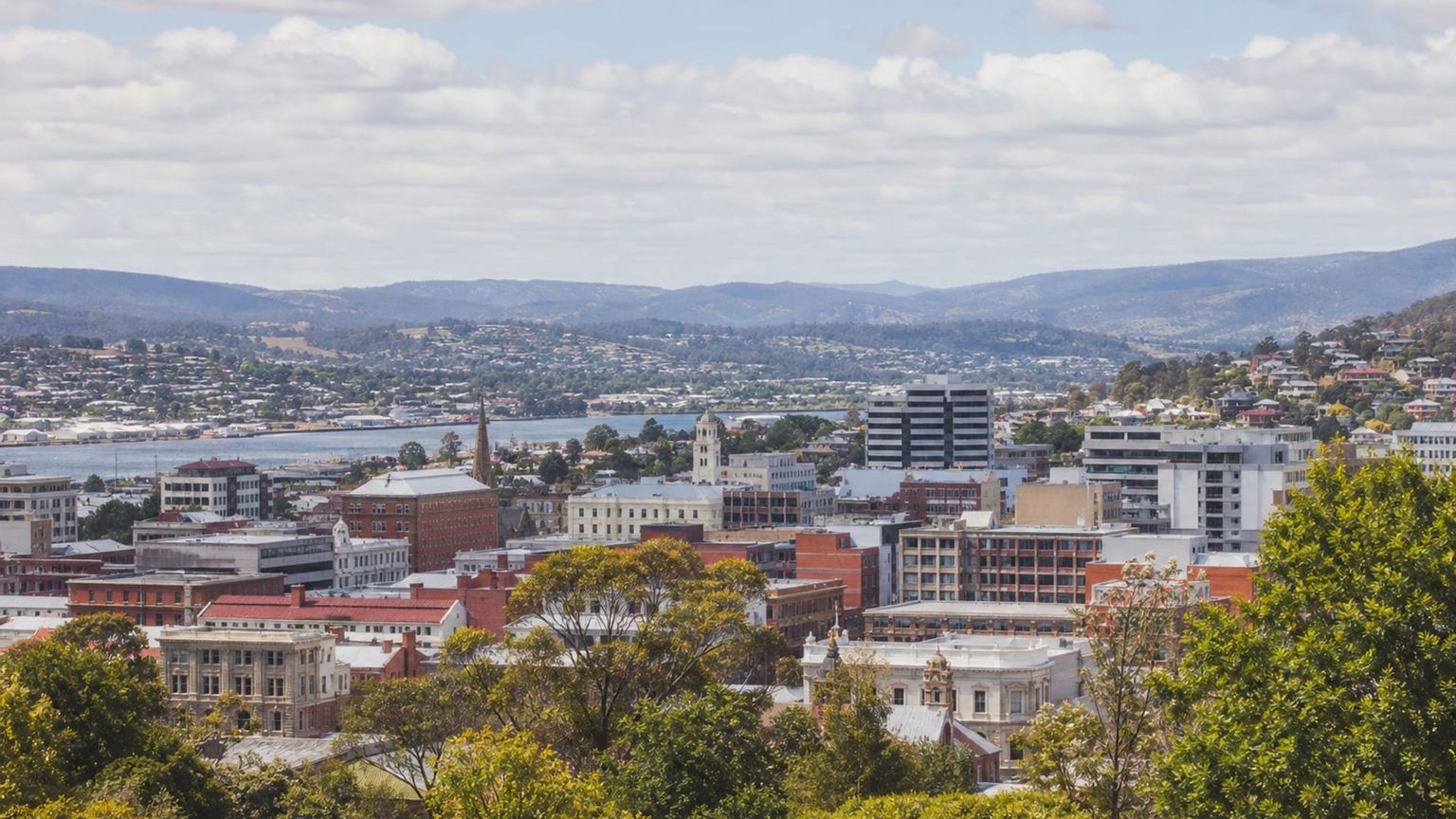
Launceston trips often begin with the CBD, a taxi from the airport, and a quick visit to Cataract Gorge, yet many visitors still miss the city’s quieter edges, where museums, parks, and neighborhood streets fill the gaps.
That pattern works for a first look, but it can leave you backtracking across short distances and arriving at popular sites when they are busiest. Evening plans also spread out fast if you do not choose a base with care.
This guide keeps the city compact, then builds each day with clear transfers, meal windows, and time for the riverfront, so the pace stays readable from arrival to departure.
Useful things to know

Main language(s): English

Currency: The local currency is the Australian dollar (AUD, A$).

Cash and cards: Cards and contactless are widely accepted; carry about A$20 to A$40 in cash for small purchases or rural stops.

Tipping: Tipping is optional; round up small bills or leave about 10% for good service.

Traditional food: wallaby, Tasmanian salmon, scallop pie, apple cake

Water and coffee costs: Water about A$3 ($2), bar espresso about A$4 to A$5 ($3).

Taxis and ride apps: Uber operates here; local taxis are also easy to find.

Plug and voltage: Type I socket, 230V

Dining and shop opening hours: Breakfast is about 07:00-09:00, lunch 12:00-14:00, and dinner 18:00-21:00. Many restaurants close early on Sunday evenings.

Emergency number: Dial 000 for police, fire, or ambulance.
Where to stay in Launceston
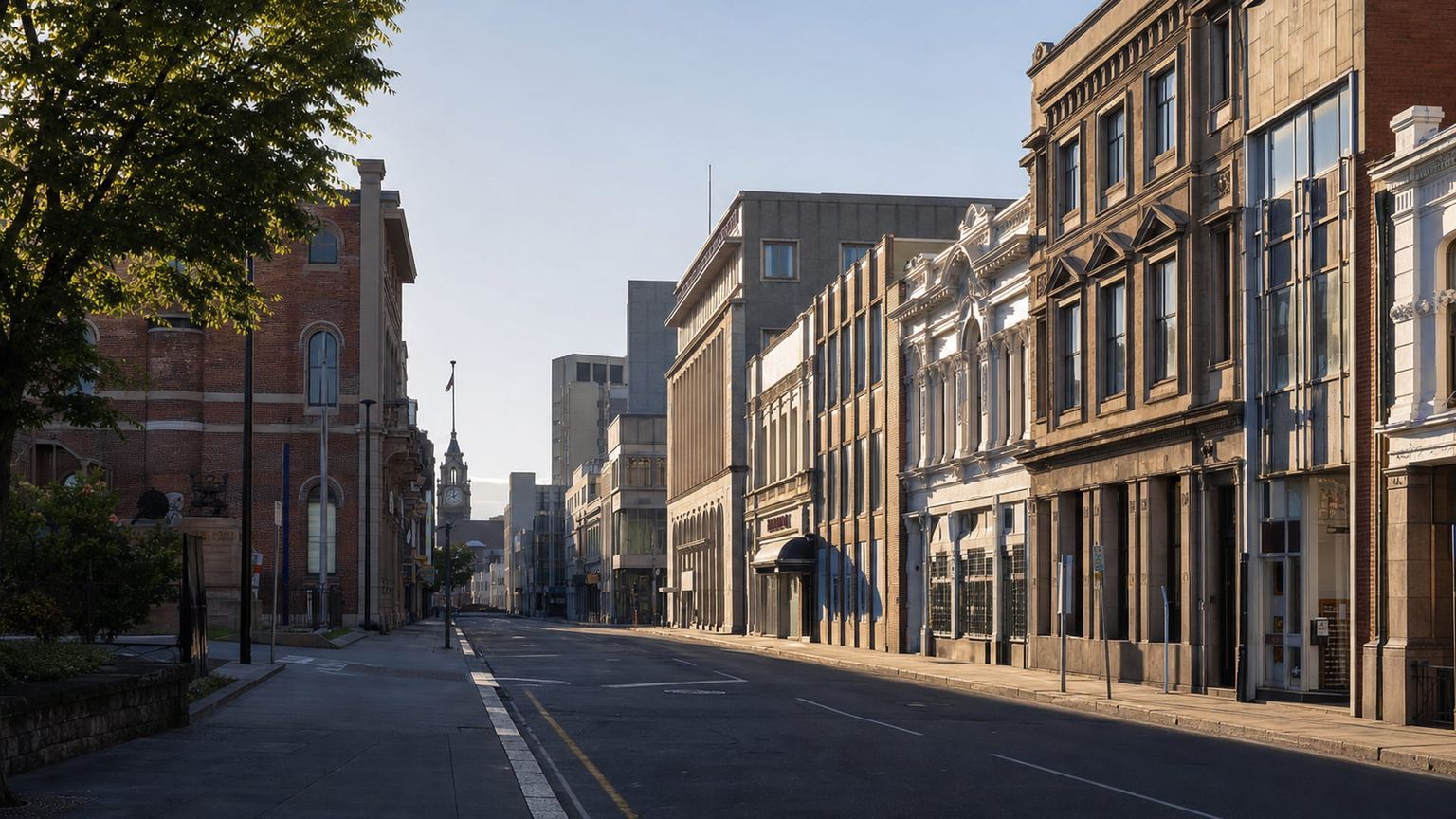
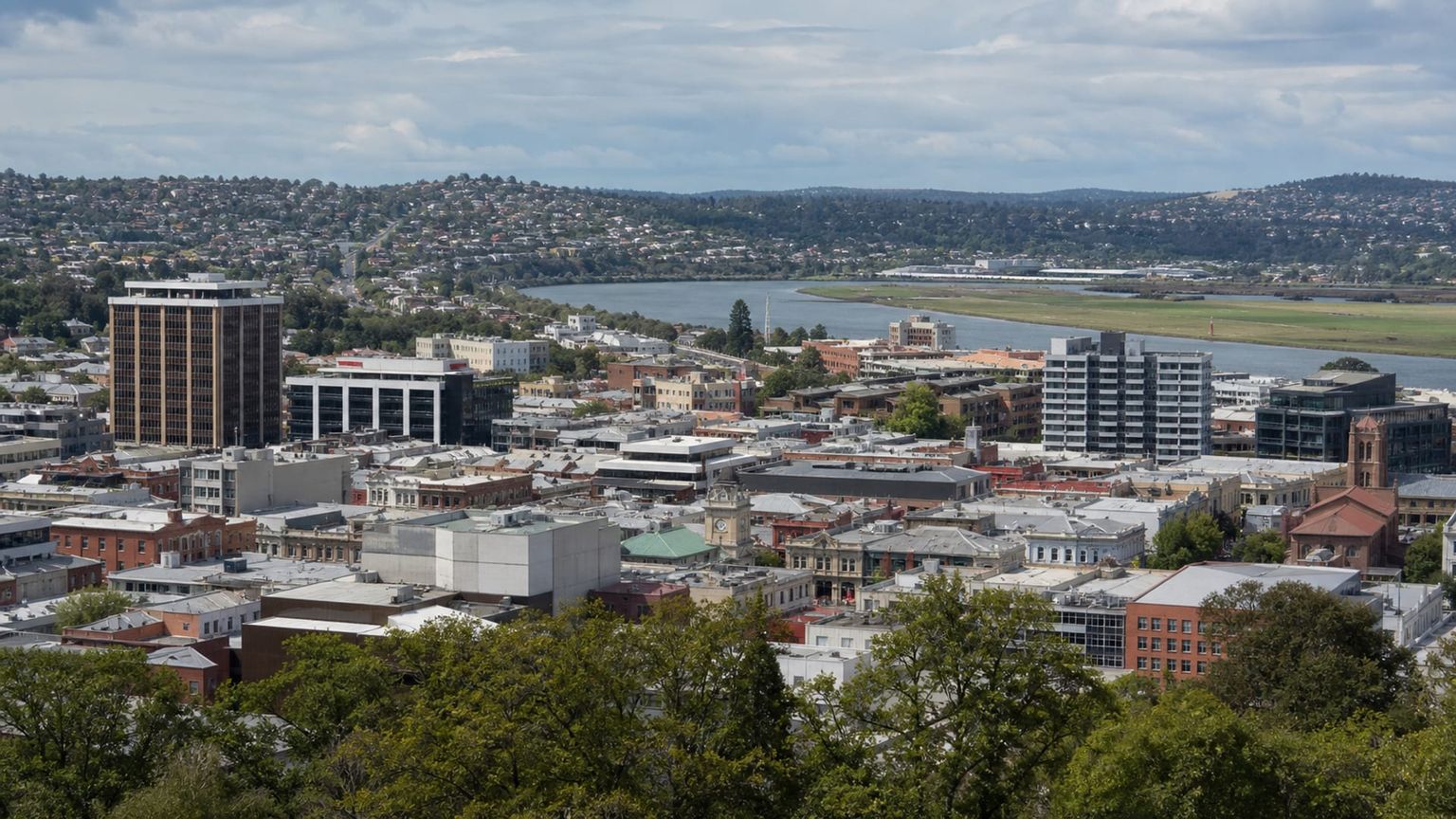
The CBD puts you beside Launceston’s main dining streets, shops, and heritage buildings, with the Tamar Valley nearby and Cataract Gorge a short trip away. It suits visitors who want the city’s main sights, restaurants, and transport options within easy reach.
Best for: First-time visits, dining, shopping, and walkable access to the city center
What to expect: Busy by day with office workers, shoppers, and diners; evenings stay active around restaurants and bars, then calm down on side streets.
Hotel prices: Usually about $140 to $280 per night for well-rated stays
Distance to major sights: 5 to 15 minutes on foot to the Queen Victoria Museum and Launceston City Park; about 10 minutes by car to Cataract Gorge
Quietness: Lively in business hours, then quieter late at night on streets away from the main dining strip.
Main trade-off: You pay more for central convenience, and some blocks can bring traffic noise or weekend restaurant activity.
Good to know: If you plan to rely on public transport or taxis, staying here cuts down on transfers after dinner and before day trips.
South Launceston sits just south of the city center and gives you quick road access into town, along with a mix of older houses and low-rise lodging. It works well for travelers who want to stay close to the CBD without being right in the busiest streets.
Best for: Car travelers, longer stays, and visitors who want a residential base near the center
What to expect: Mostly residential streets with light traffic, a few local eateries, and fewer late-night crowds than the CBD.
Hotel prices: Usually about $120 to $220 per night for well-rated stays
Distance to major sights: About 5 minutes by car to the Launceston CBD and 12 to 18 minutes by car to Cataract Gorge
Quietness: Quiet through the day, with only modest evening activity near main roads.
Main trade-off: You will usually walk less to restaurants and major sights, so most outings still need a short drive or taxi.
Good to know: Parking is usually easier here than in the center, which matters if you plan to come and go by car multiple times a day.
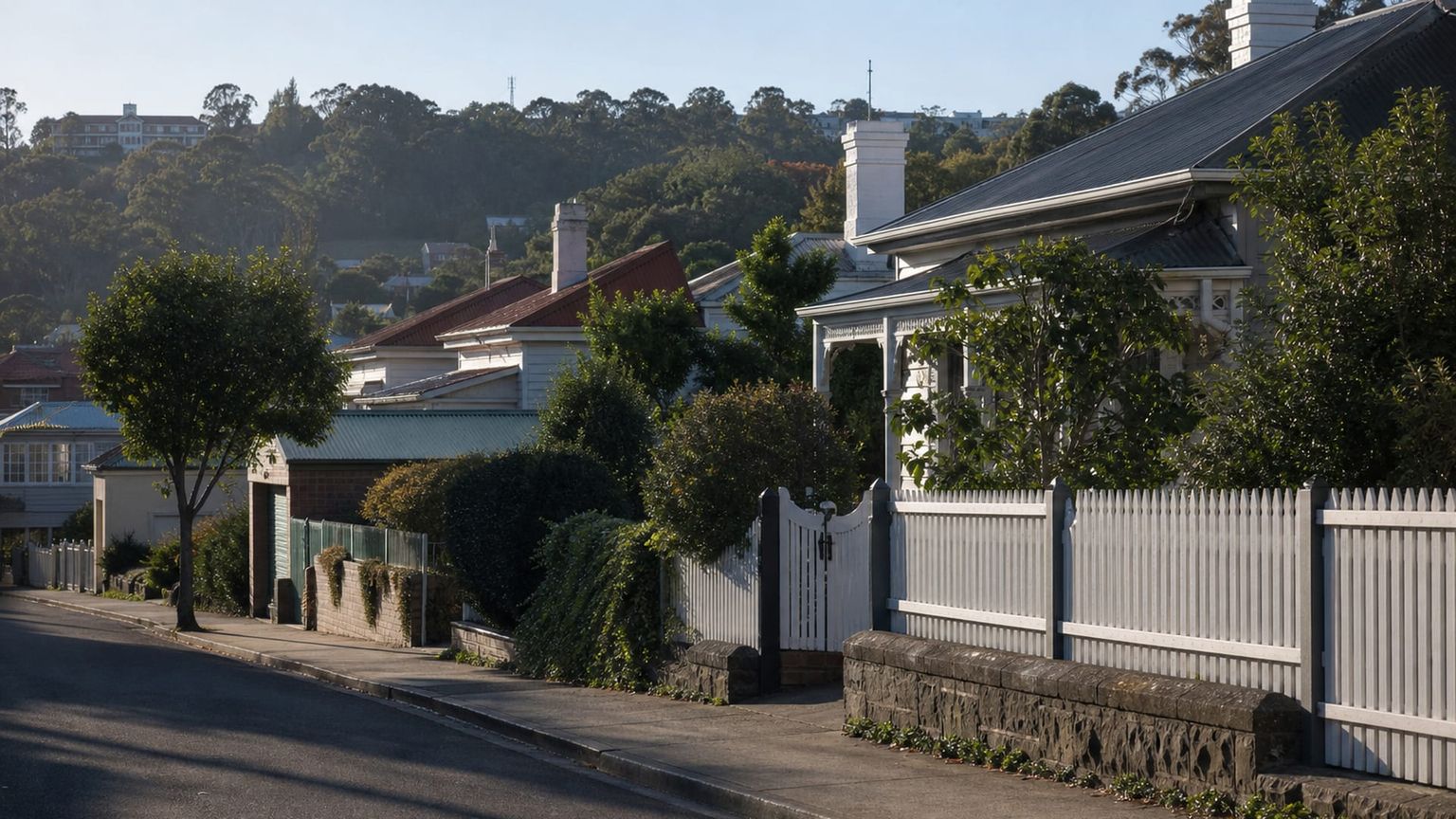
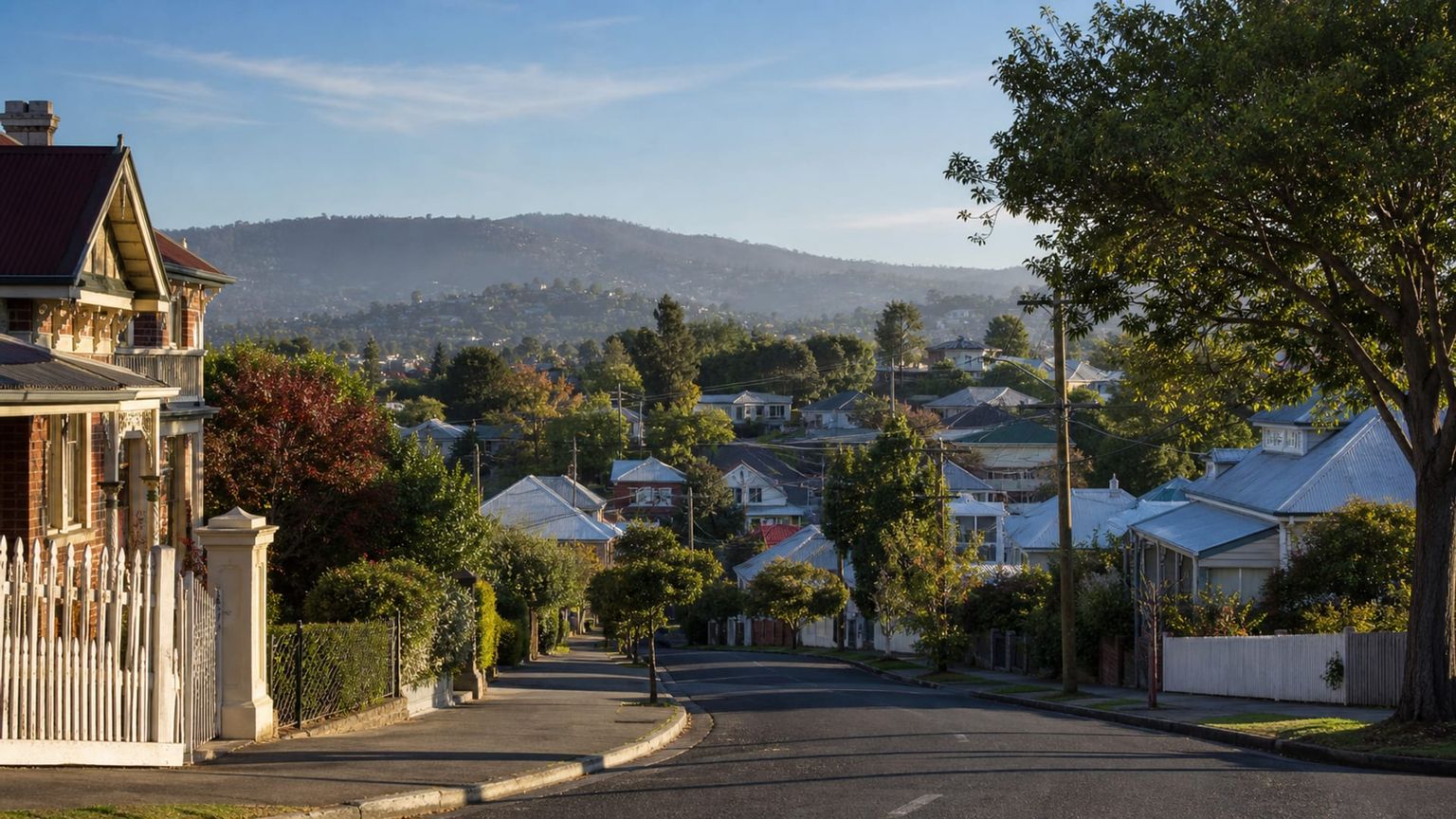
East Launceston is a leafy inner suburb east of the center, known for period homes, tree-lined streets, and easy access back to the CBD. It suits visitors who want a residential setting while staying close to museums, parks, and the city’s main dining areas.
Best for: Couples, residential stays, and visitors who prefer quieter streets near the city
What to expect: Tree-lined streets, limited through traffic, and a local pace with only small pockets of neighborhood activity.
Hotel prices: Usually about $130 to $240 per night for well-rated stays
Distance to major sights: About 10 minutes by car to the CBD and Queen Victoria Museum, or roughly 20 minutes on foot to City Park
Quietness: Calm during the day and generally very quiet at night.
Main trade-off: You trade away instant access to shops and nightlife, so most meals out will mean heading back toward the center.
Good to know: This area suits travelers with a car or those happy to walk downhill and ride back after sightseeing.
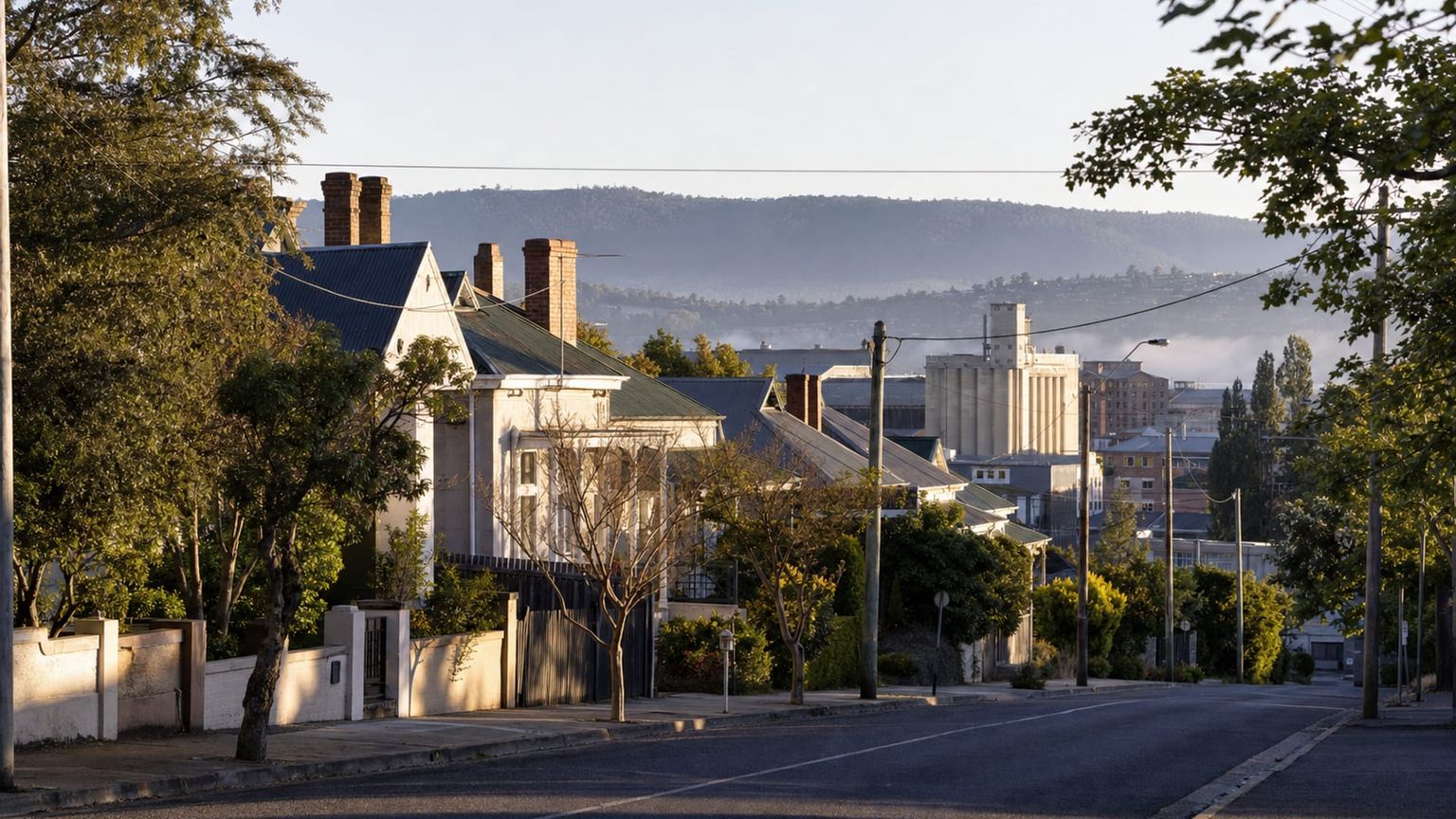
Invermay sits north of the city center and puts you close to UTAS Stadium, the heritage railway precinct, and easy road links across the Tamar. It is a useful base for event trips and for visitors who want a cheaper stay within easy reach of downtown.
Best for: Event stays, budget-minded travelers, and visitors who do not mind a short trip into the center
What to expect: A mix of student housing, older homes, and local traffic, with more activity on match or event days than on normal evenings.
Hotel prices: Usually about $110 to $200 per night for well-rated stays
Distance to major sights: About 5 to 10 minutes by car to the CBD and roughly 5 minutes by car to UTAS Stadium
Quietness: Usually quiet in the daytime away from event venues, then busier and noisier around stadium nights.
Main trade-off: You may need to plan around event traffic, and the street scene is thinner than in the CBD.
Good to know: Check match or concert schedules before booking, since room demand and parking pressure rise quickly on event nights.
Travelers usually avoid staying in Rocherlea, Ravenswood, and Bell Bay, since they sit well outside Launceston’s main sightseeing area and have few visitor amenities. Legana and Newnham are also less convenient for a short stay, because they are farther from the Cataract Gorge, City Park, and the riverfront, and evening transport back from dinner can be limited.
Hotel deals
How to get around Launceston efficiently
Launceston has no metro, so most visitors move by bus, taxi, rideshare, and walking, with Metro Tasmania’s city links covering the main neighborhoods and the airport area on limited runs.

Metro
for longer distances
Launceston has no metro or subway, so visitors rely on buses, taxis, and walking. The closest equivalent is the local bus network, with routes centered on the city and links to suburbs, and most short trips stay under about 20 to 30 minutes by road.

Bus and tram
for convenience
Metro Tasmania buses cover the city center, Legana, Riverside, Newnham, Mowbray, and the airport area on limited runs. A single fare is about $3 to $5 ($4 to $7), and day or multi-ride tickets give longer validity, usually about 2 to 24 hours depending on the product; check the timetable because evening and weekend frequency drops.

Taxi
for convenience or late hours
Licensed taxis queue at Launceston Airport and rank in the CBD, and you can also book by phone or app. Fares are metered, with city trips often costing about $10 to $25 ($15 to $38) and an airport transfer to the center roughly $20 to $35 ($30 to $53); most cabs accept cards, though a small card fee may apply.
*Prices are based on rates updated as of June 2026 and may change at the time of travel.
Walking works best in the CBD and around City Park, buses suit short city hops, and taxis or Uber make the quickest link to the airport, Cataract Gorge, and the outer suburbs.
Iconic landmarks
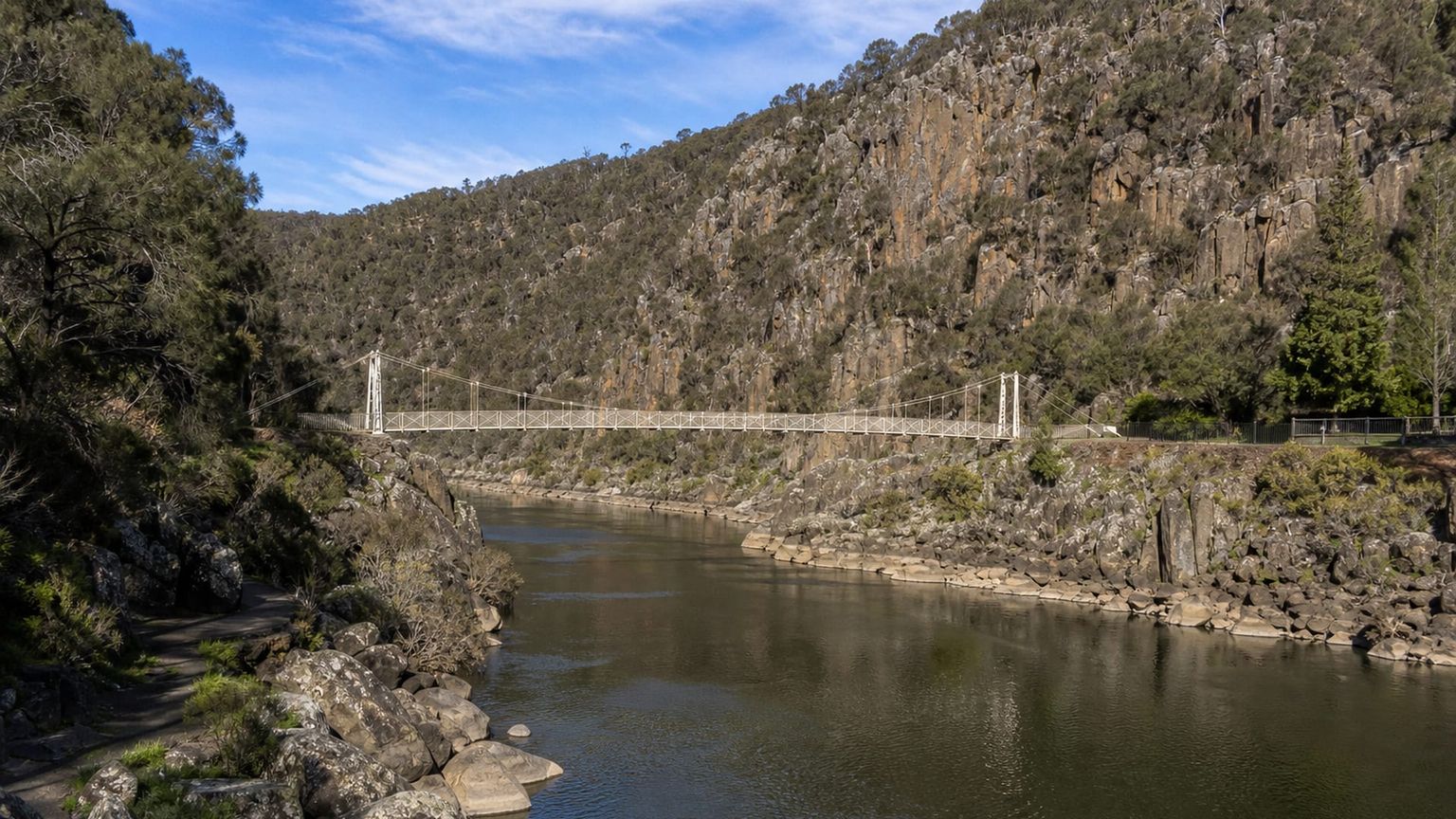
Cataract Gorge Reserve
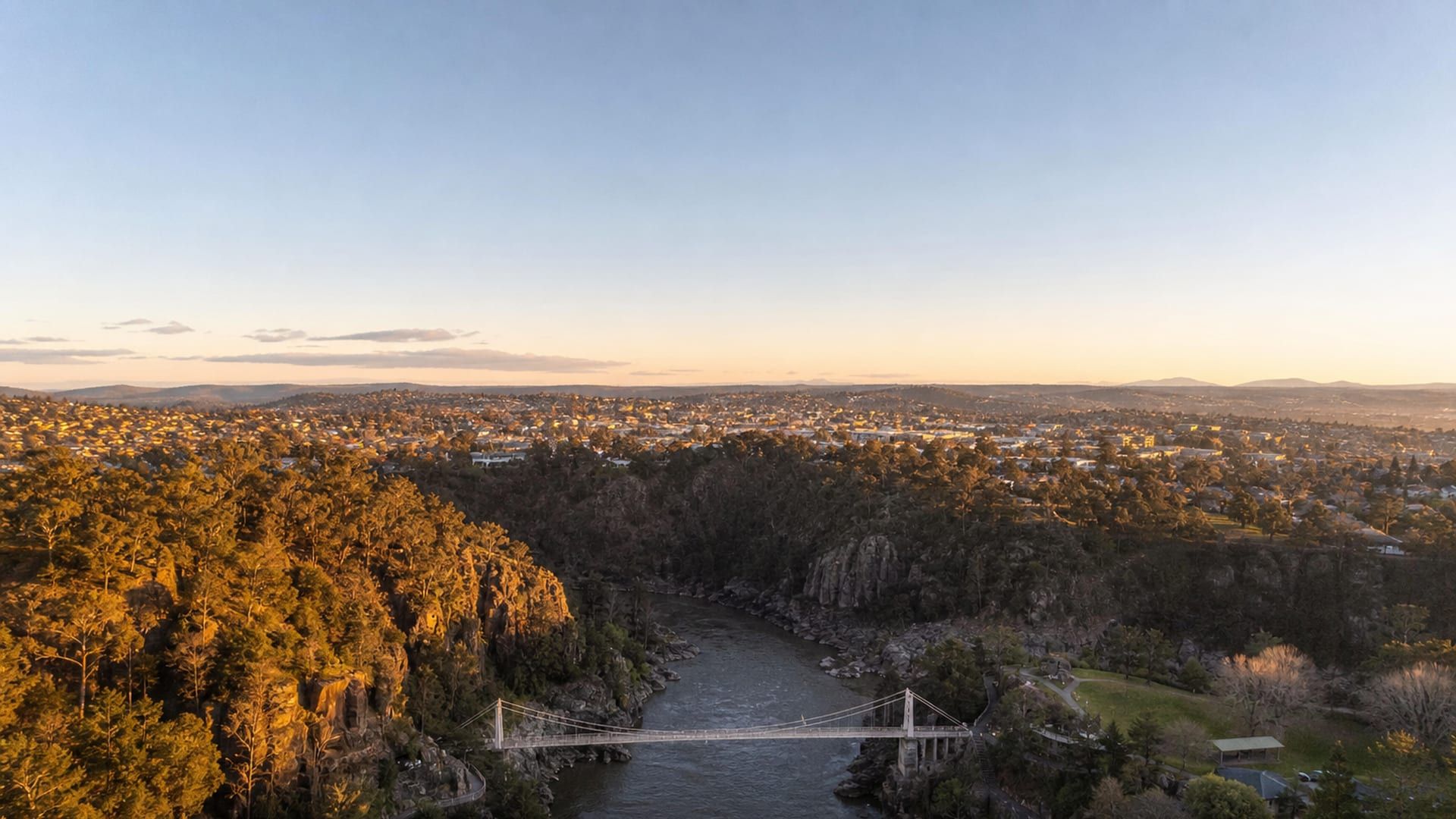
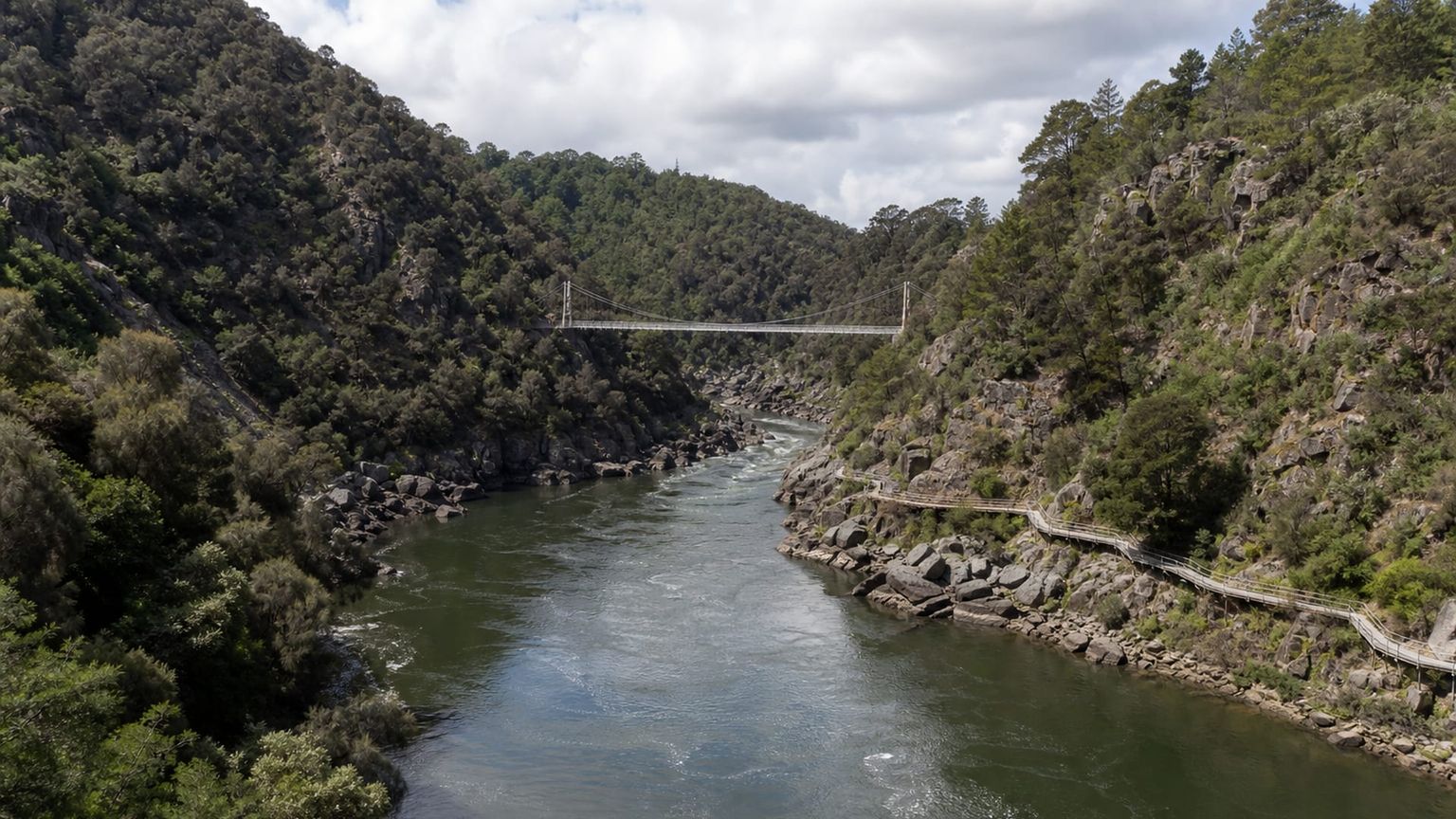
This river gorge sits just west of the center and combines steep cliffs, forest paths, and the famous Basin swimming area. The suspension bridge, chairlift, and riverside trails make it one of Launceston’s defining city-edge outings.
Time needed: About 2 to 4 hours
Entry: Free to access; chairlift rides and some recreation facilities charge separately, with seasonal prices posted on site. Visit the official site for details.
Tip: Go early on warm days, before the Basin area fills and parking tightens near the reserve.
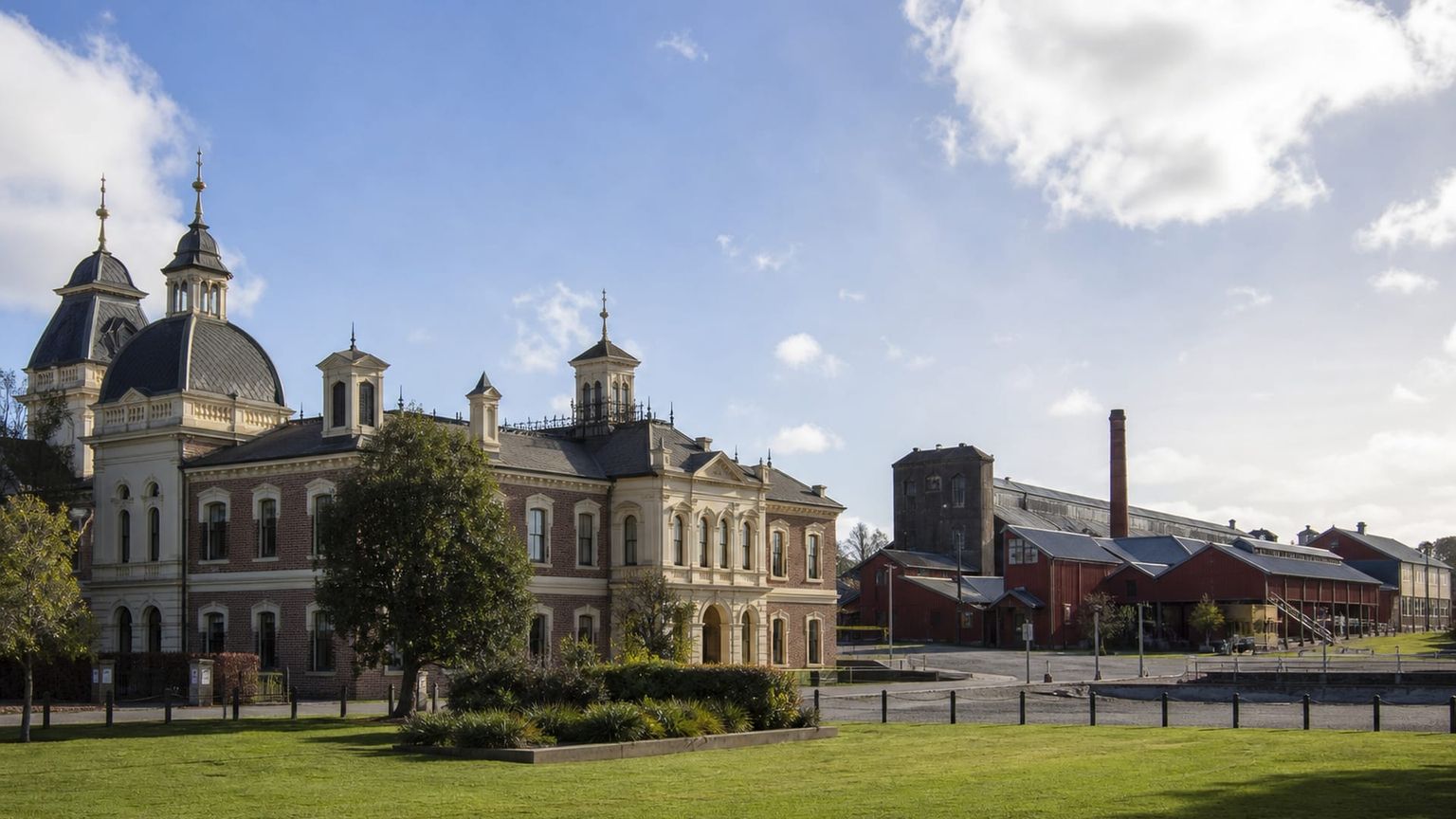
Queen Victoria Museum and Art Gallery, Royal Park and Inveresk sites
Launceston’s main museum spreads across two sites, with historic engineering, natural history, and rotating art displays. The Inveresk precinct adds the heritage railway sheds, while Royal Park sits beside the Tamar River and central streets.
Time needed: About 2 to 3 hours
Entry: General admission is free; special exhibitions and some programs carry separate fees, which vary by season and venue. Visit the official site for details.
Tip: Start at Inveresk, then cross to Royal Park if you want a full visit without backtracking.
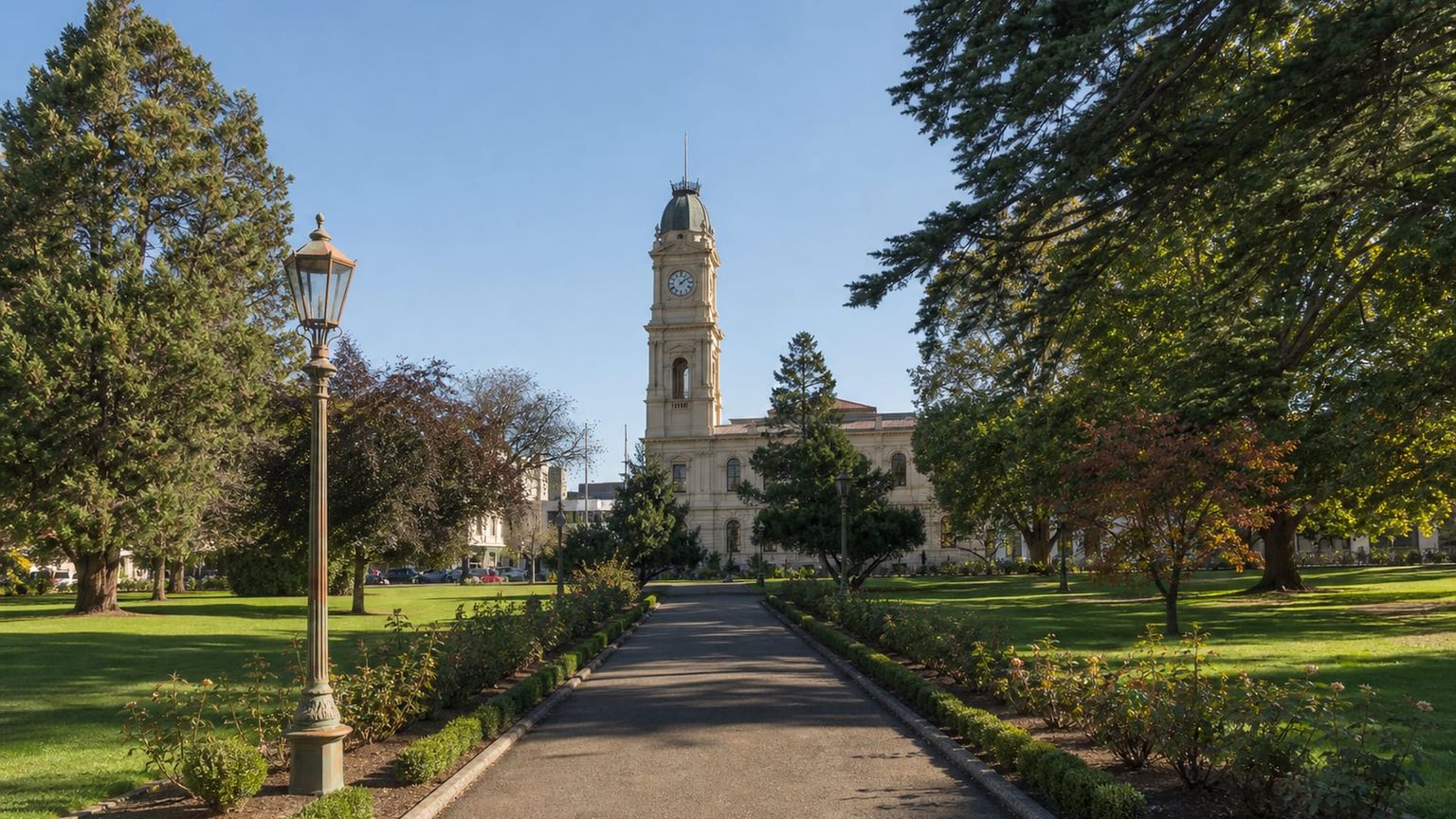
City Park
This central park mixes Victorian garden design with broad lawns, a conservatory, and the long-running Japanese macaque enclosure. It gives Launceston an easy green stop between downtown streets, the riverfront, and the museum district.
Time needed: About 1 to 2 hours
Entry: Free to access; the gardens, lawns, and animal enclosure are open without ticketed admission during park hours. Visit the official site for details.
Tip: Visit in the morning for quieter paths and softer light on the conservatory and flower beds.
Overlooked sites worth visiting

Cataract Gorge Reserve
A short walk from central Launceston, this reserve packs river cliffs, suspension bridges, and the Basin chairlift into one compact outing. Go for the Gorge Scenic Chairlift, then follow the riverside paths.
Time needed: About 2 to 3 hours
Entry: Free to access. The Basin chairlift charges separate fares, with adult return rides typically costing about $18 ($27) and child fares about $11 ($17); seasonal hours and weather closures can affect access to the lift.
Tip: Late afternoon gives softer light on the cliffs.

Launceston Tramway Museum
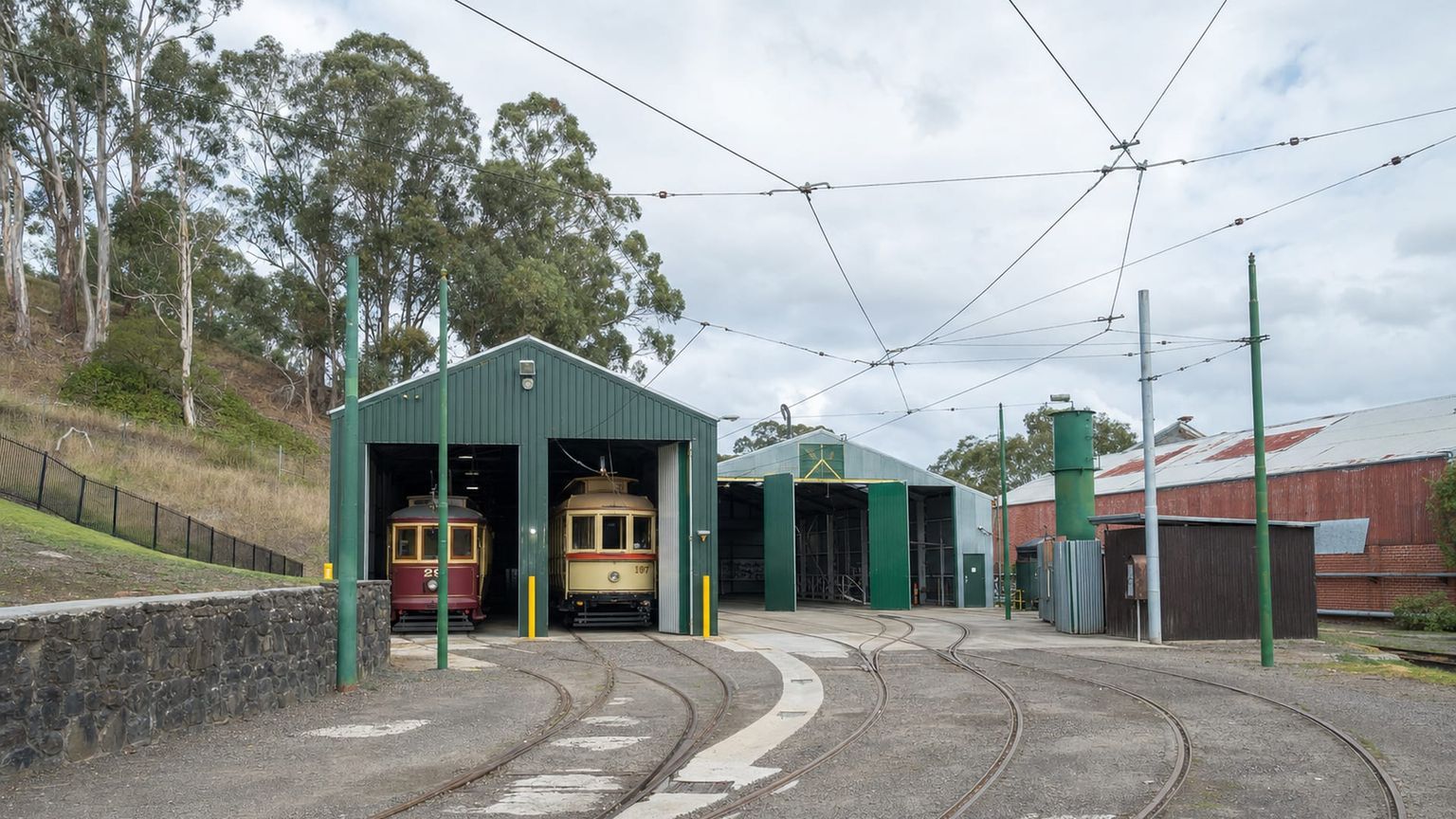
Set in a restored tram depot, this small museum traces the city’s streetcar era with cars, photos, and local transport details. It suits a short cultural stop before or after the river precinct.
Time needed: About 1 hour
Entry: Admission usually costs about $10 ($15) for adults, with reduced rates for children and concessions; opening days are limited, and some displays or tram rides run only on selected weekends and school holidays. Visit the official site for details.
Tip: Check opening days before you go, because hours vary.
Traditional food
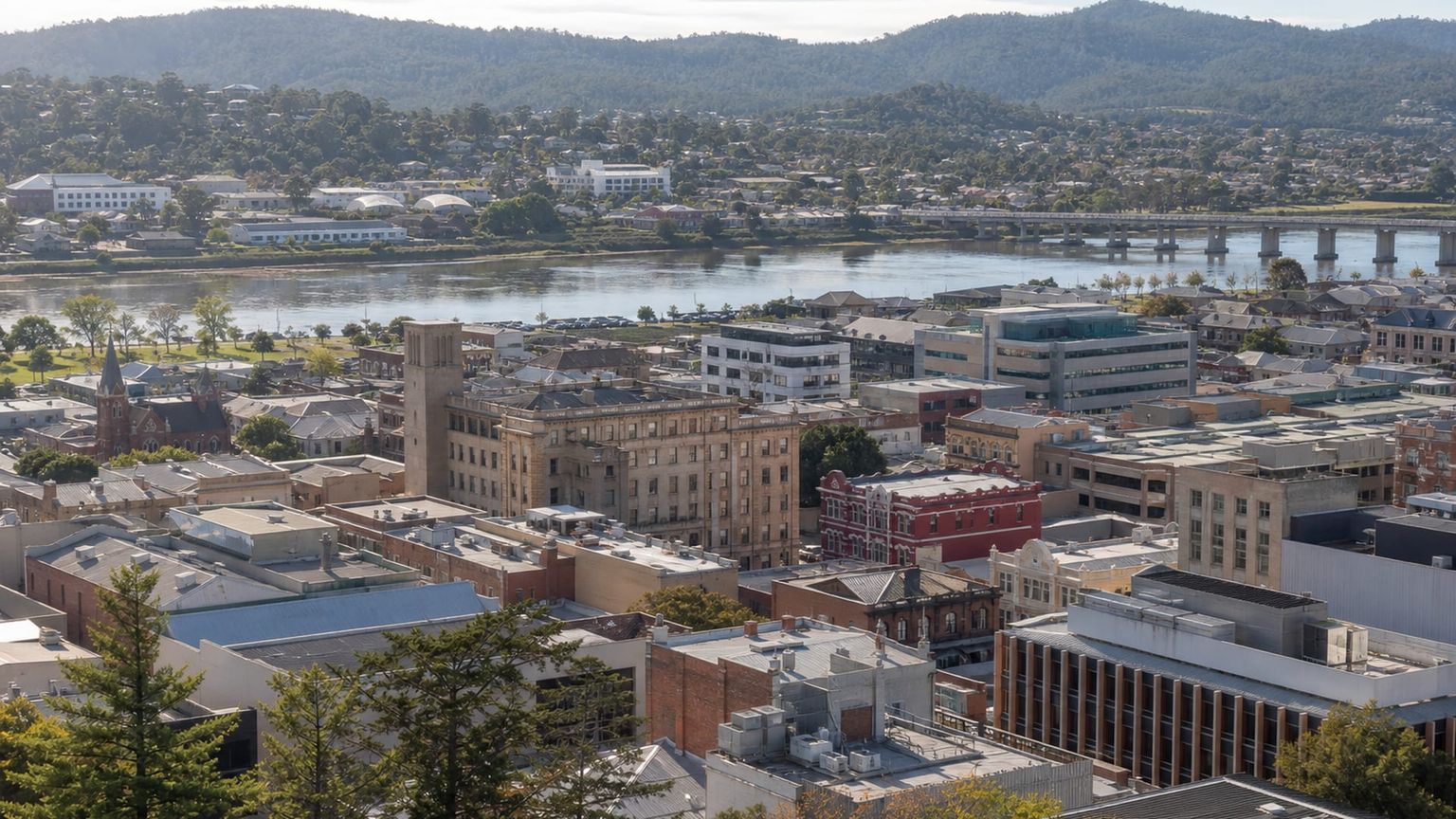
Launceston’s food scene leans on Tasmanian salmon, wallaby, scallop pie, and apple cake, with menus shaped by local produce and early dining hours. Expect relaxed rooms, short dinner windows, and an easygoing approach to regional ingredients.
Scallop pie
A Tasmanian staple with a flaky crust and creamy filling, best eaten hot at a casual lunch counter. Samuel Pepys usually gets the nod for a dependable version in Launceston.
Tasmanian salmon
Fresh local salmon appears across Launceston menus, often served simply so the fish can lead. Mudbar Restaurant is a strong place to order it with a riverfront dinner setting.
Wallaby
Wallaby shows up on more adventurous menus, where chefs usually treat it like a lean game meat. Stillwater often serves refined local dishes that suit this kind of order.
Apple cake
Tasmanian apples give this dessert its local identity, usually with a soft crumb and a gentle spice note. Cataract on Paterson is a good stop for a post-dinner slice or afternoon coffee.
Best time to visit Launceston
Launceston changes enough through the year that the best visit depends on whether you want clear walking weather, fuller gardens, or quieter streets and cooler evenings.
Best for: Gorge walks, park time, and longer daylight for easy sightseeing
What you get: About 55 to 78°F (13 to 26°C), with the busiest visitor flow near Cataract Gorge and the riverfront
Trade-offs: Warm days can bring fuller parking lots and stronger midday sun
Best for: Museums, food stops, and clear walking weather through the CBD
What you get: About 45 to 69°F (7 to 21°C), with moderate crowds and comfortable conditions for day plans
Trade-offs: Evenings cool off quickly, so late outdoor dinners need an extra layer
Best for: Slower museum days and uncrowded city walks
What you get: About 38 to 56°F (3 to 13°C), with lighter crowds and shorter daylight hours
Trade-offs: Cold mornings and occasional rain make outdoor time shorter
Best for: City Park, garden time, and fresh air near the gorge
What you get: About 43 to 67°F (6 to 19°C), with rising visitor numbers and pleasant walking weather
Trade-offs: Conditions can shift quickly, so a dry morning can turn into a cool afternoon
A realistic 5-day plan in Launceston
The five-day plan below keeps Launceston in a workable order: arrival in the center, a museum and gorge day, a tramway and river day, then a second look at Cataract Gorge before departure.
Fly into Launceston (LST), then take a taxi or rideshare into the CBD, which usually takes about 15 minutes and costs roughly $25 to $35. If you are staying in East Launceston or South Launceston, the ride is usually a few minutes longer but still close enough for an easy first night. Settle in, drink some water, and keep dinner simple near Brisbane Street or Charles Street, where you can find an early meal without crossing the city. A quiet walk past City Park works well if you want fresh air before an early night.
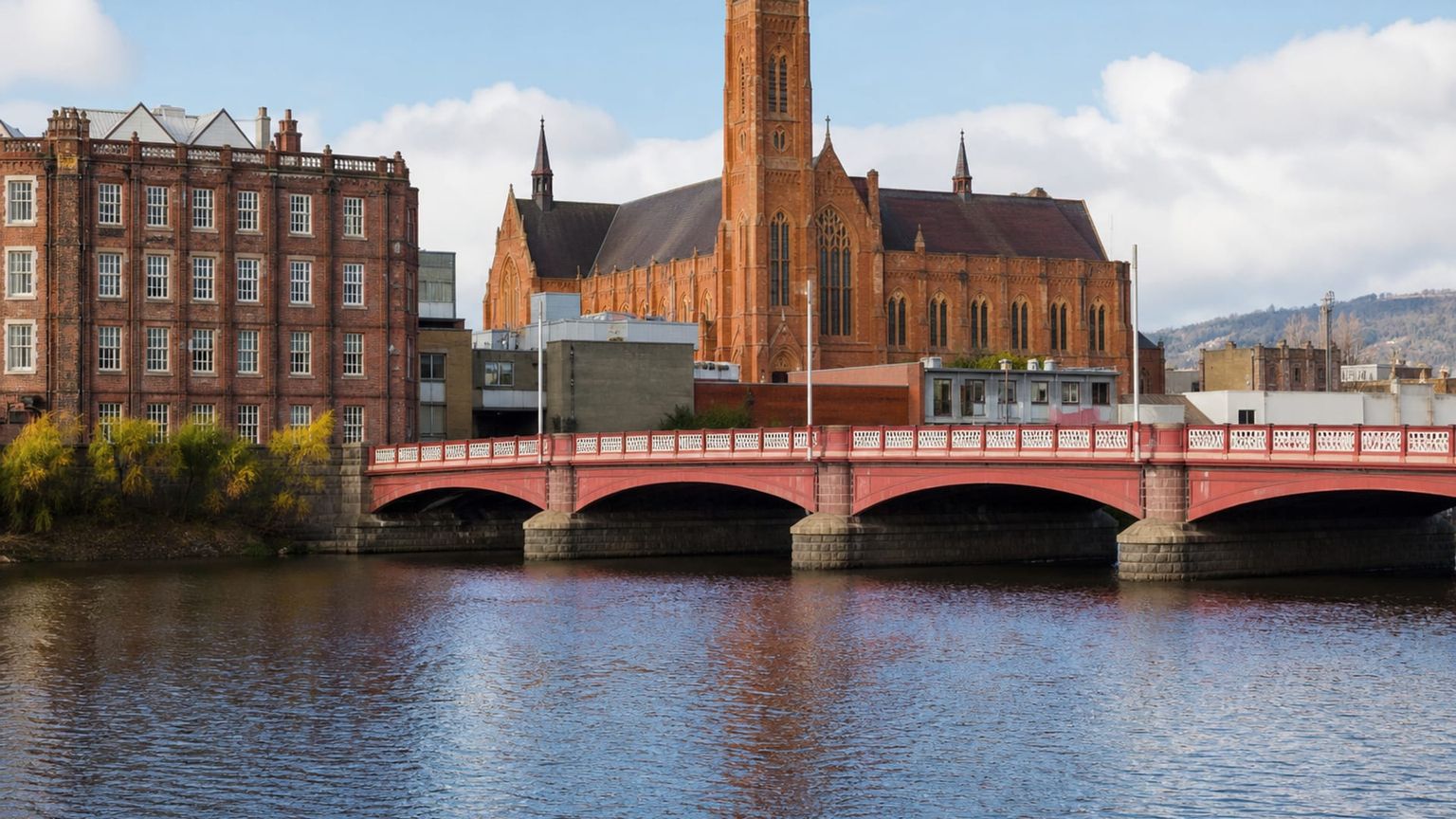
Start at City Park in the morning, about a 5 to 10 minute walk from the CBD, then continue to the Queen Victoria Museum and Art Gallery at the Inveresk and Royal Park sites, about 5 minutes by car or 15 to 20 minutes on foot from the park. Spend 2 to 3 hours with the museum’s history, natural history, and art collections, then pause for lunch in the city center before heading west to Cataract Gorge Reserve, about 10 minutes by car from downtown. At the gorge, cross the suspension bridge, walk the riverside paths, and, if you want the overhead view, take the Basin chairlift for a return ride that costs about $18 ($27) for adults. Finish with an easy dinner back in the CBD, where the walk from the museum district usually takes about 10 minutes on foot.
Begin with the Launceston Tramway Museum, where admission is about $10 ($15) for adults and opening days can be limited, so check hours before you go. From the CBD, it is about a 5 to 10 minute drive or a longer walk north toward the depot, which makes it easy to pair with a coffee stop in the city afterward. Next, head back toward Royal Park and the river edge, then wander the streets between the Tamar and the center for lunch and a slower afternoon. If you are staying in Invermay, you can return on foot in about 15 to 20 minutes; otherwise, a short taxi ride keeps the day moving without much planning.
Cataract Gorge Reserve deserves a second, fuller visit today, this time starting later in the afternoon when the cliffs take softer light. From the CBD, the trip is about 10 minutes by car, and once inside you can follow the riverside paths, pause at the suspension bridge, and ride the chairlift if you skipped it earlier. Afterward, return toward the city center for dinner, then end the night in East Launceston or the CBD, where the quieter side streets make an easy place to rest after a long walk. If you want one more low-key stop, City Park is close enough for a short evening stroll before heading back.
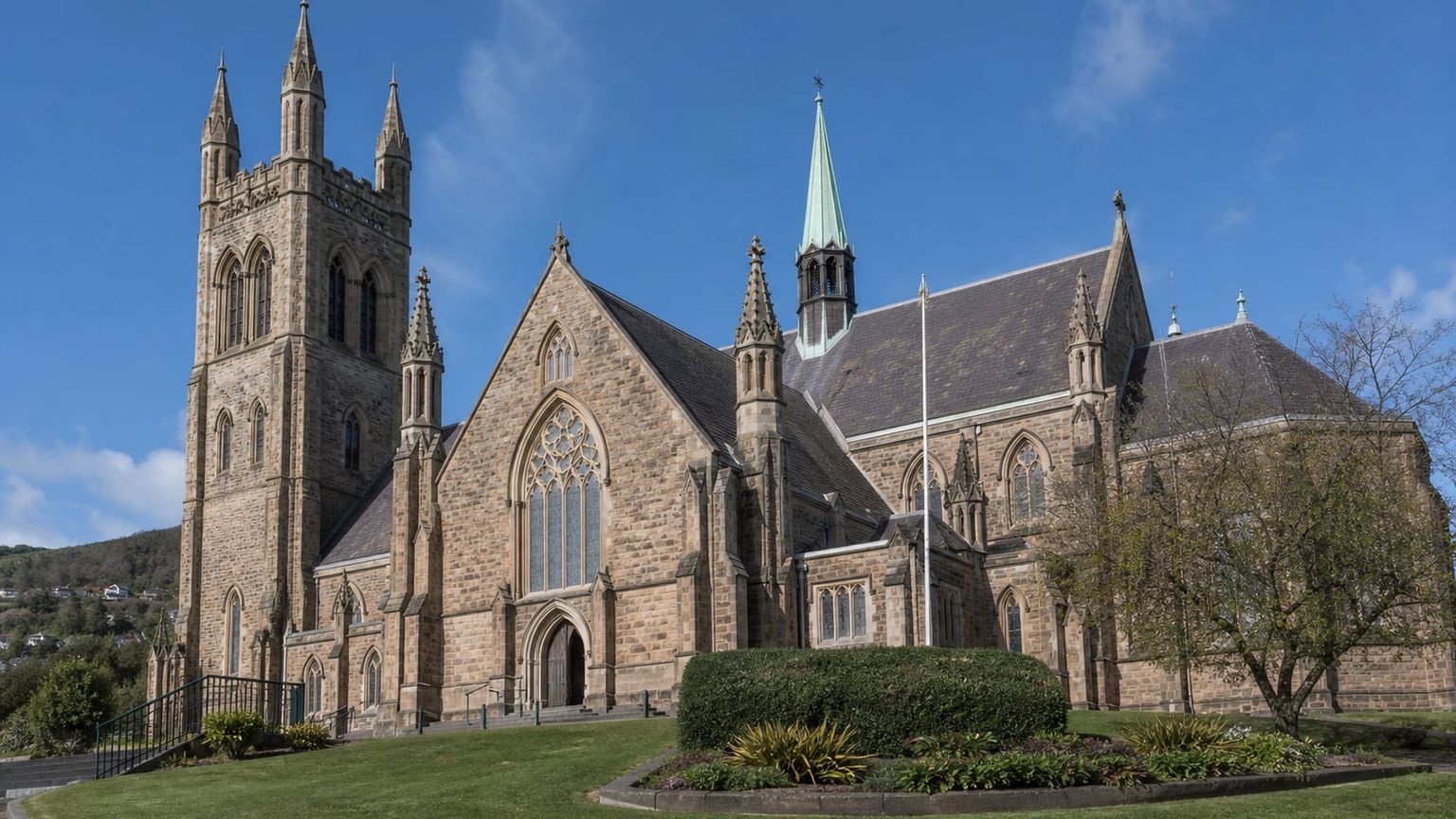
Before you leave, fit in one last museum stop at the Queen Victoria Museum and Art Gallery if you missed part of it earlier, then spend your remaining time in the CBD on shopping streets near Brisbane Street Mall and Charles Street. A late brunch or coffee in East Launceston gives the day a calm start, and the walk back toward the center is short enough to keep bags and timing simple. If your flight is later in the day, stay near Launceston CBD for an easy taxi to Launceston (LST), and keep lunch close to your accommodation so you are not rushing across town.
Business-class flights from the US to Launceston
Launceston usually requires one-stop long-haul connections from both the New York and Los Angeles areas, so the useful comparison is the route shape and fare band. The examples below show the main airline options and where the layover choices matter most.
From New York (JFK), Qantas Airways, Virgin Australia, Singapore Airlines, Qatar Airways, Emirates, and United Airlines all appear on itineraries into Launceston. Round-trip fares usually start at about $5,500 and can climb to roughly $9,500, with common layovers through LAX, HKG, SIN, DOH, or DXB and total travel times of about 26 to 36 hours.
From Los Angeles (LAX), round-trip fares often run $4,800 to $8,700. Qantas Airways, Virgin Australia, Singapore Airlines, Qatar Airways, Emirates, and United Airlines all appear on itineraries, and if you do not mind a layover, routing via Sydney (SYD) or Melbourne (MEL) can lower the price; typical total travel time sits about 21 to 31 hours.
Launceston feels different when you slow down
A deliberate Launceston stay usually means sleeping close to the CBD or East Launceston, walking to City Park in the morning, then using taxis or Metro Tasmania buses to reach Cataract Gorge and the museum precinct without extra detours. That mix leaves room for an early dinner on Brisbane Street, a quiet night in South Launceston, or one last coffee before the airport run. If you want a trip shaped this clearly, the AranGrant experts can help you plan it around the neighborhoods and seasons that suit you best







