

Chapters:

Need help with your trip?
Our support team is available 24/7. Request a callback or call us directly at (833) 619-0908
Las Vegas trips often begin and end on the Strip, with a few headline stops between late dinners and casino floors. What many travelers miss is how much the city changes once you step beyond the brightest blocks.
Distances can be longer than they look on a map, crowds thicken fast after sunset, and moving between districts takes more planning than the hotels suggest. A relaxed schedule also matters, because the city rewards pauses between big-ticket sights.
This guide lays out the city by base, season, and route, then builds a five-day plan that balances the Strip, downtown, and the southeast metro area.
Useful things to know

Main language(s): English

Currency: The local currency is the US dollar (USD, $).

Cash and cards: Cards and contactless are widely accepted; carry about $20 to $40 in cash for tips and small purchases.

Tipping: Tip 15-20% at restaurants; round up taxis and small bills.

Traditional food: Shrimp cocktail, prime rib, steakhouse ribeye, casino buffet crab legs

Water and coffee costs: Water about $3 ($3), bar espresso about $5 ($5).

Taxis and ride apps: Uber and Lyft operate here; pickup zones can vary by terminal.

Plug and voltage: Type A/B socket, 120V

Dining and shop opening hours: Breakfast is about 07:00-10:00, lunch 11:30-14:00, and dinner 17:00-22:00, with many Strip kitchens serving later. Some hotel restaurants and buffets stay open until midnight or beyond.

Emergency number: 911 for police, fire, and medical emergencies.
Where to stay in Las Vegas
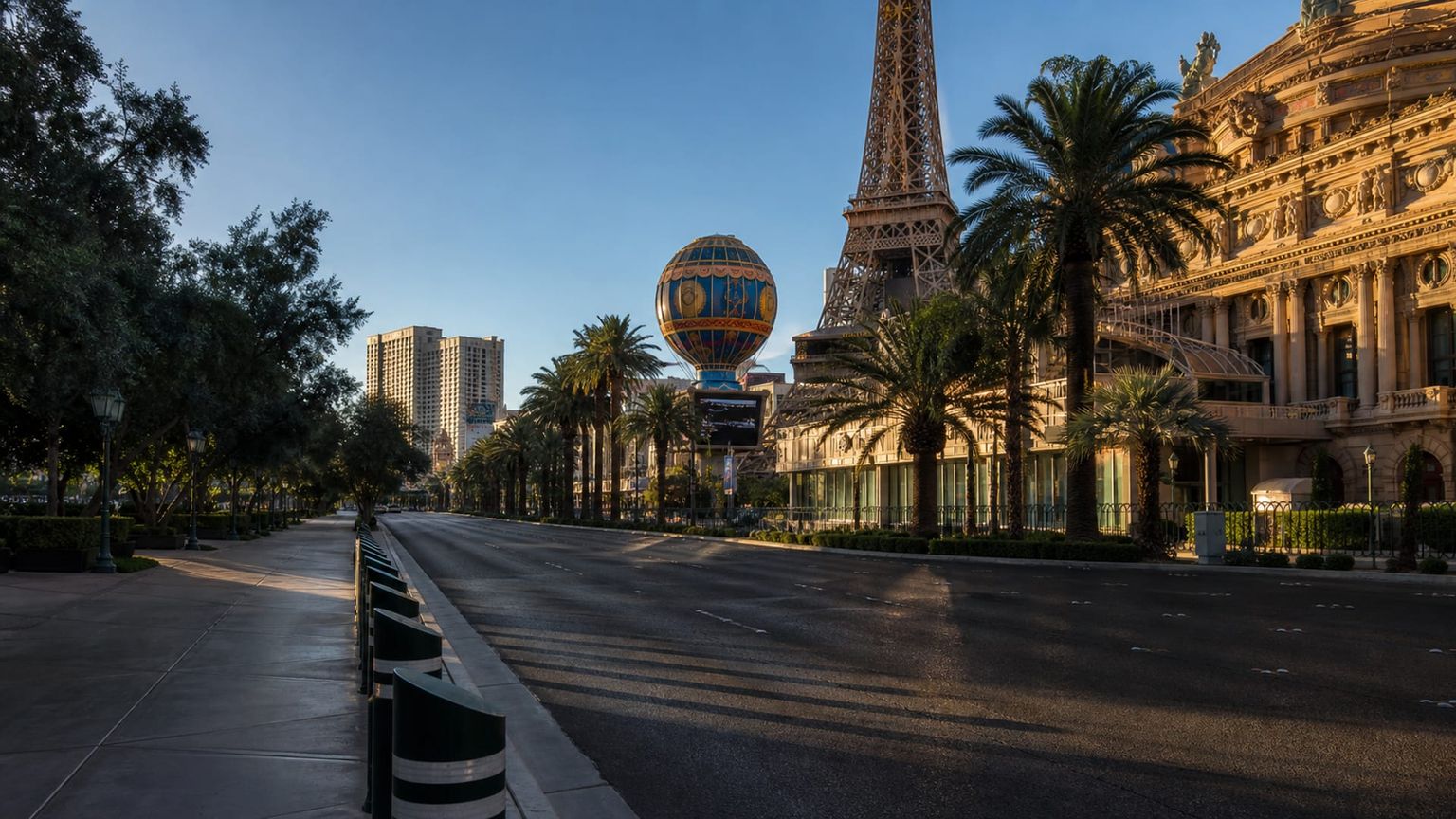
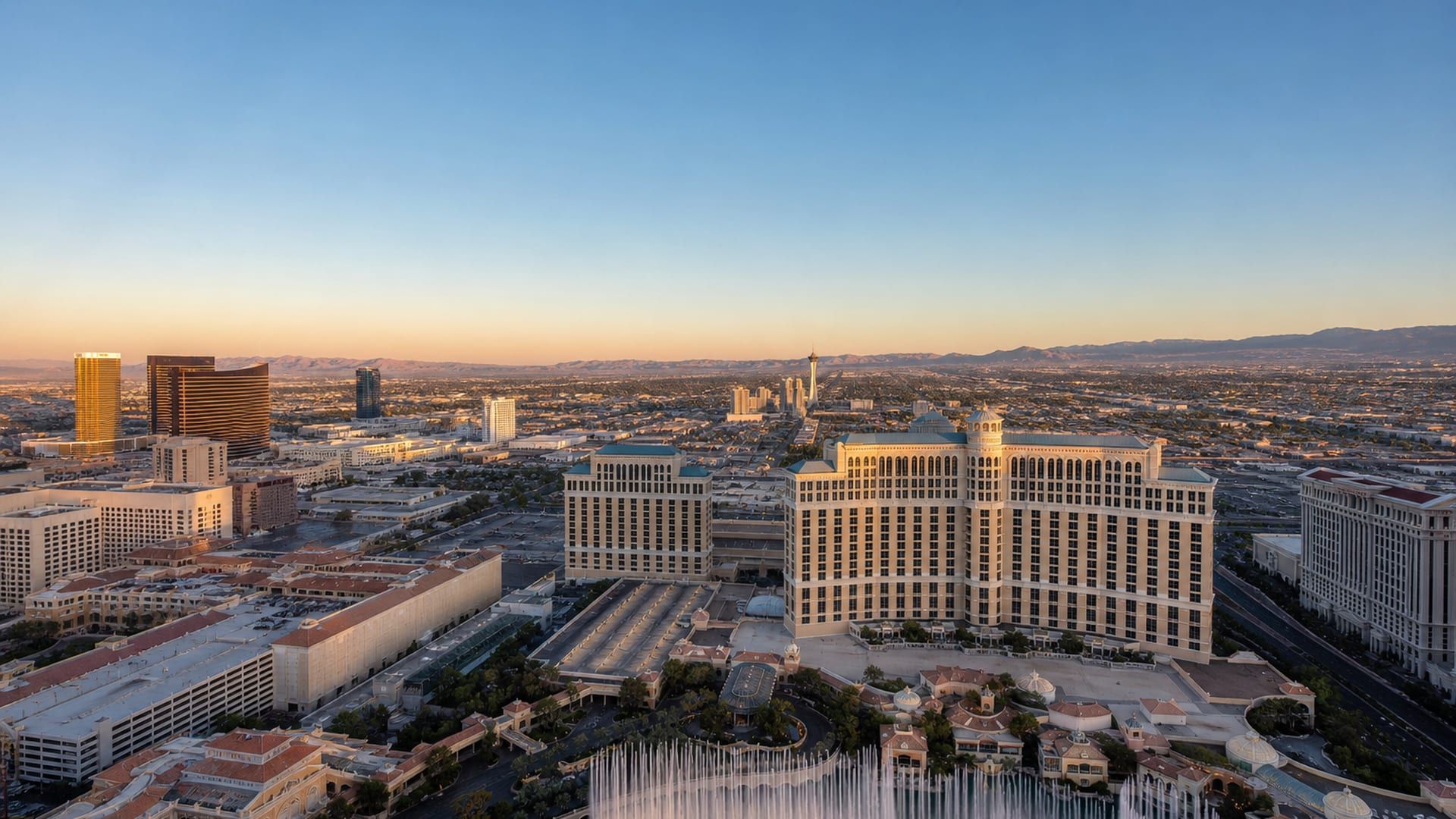
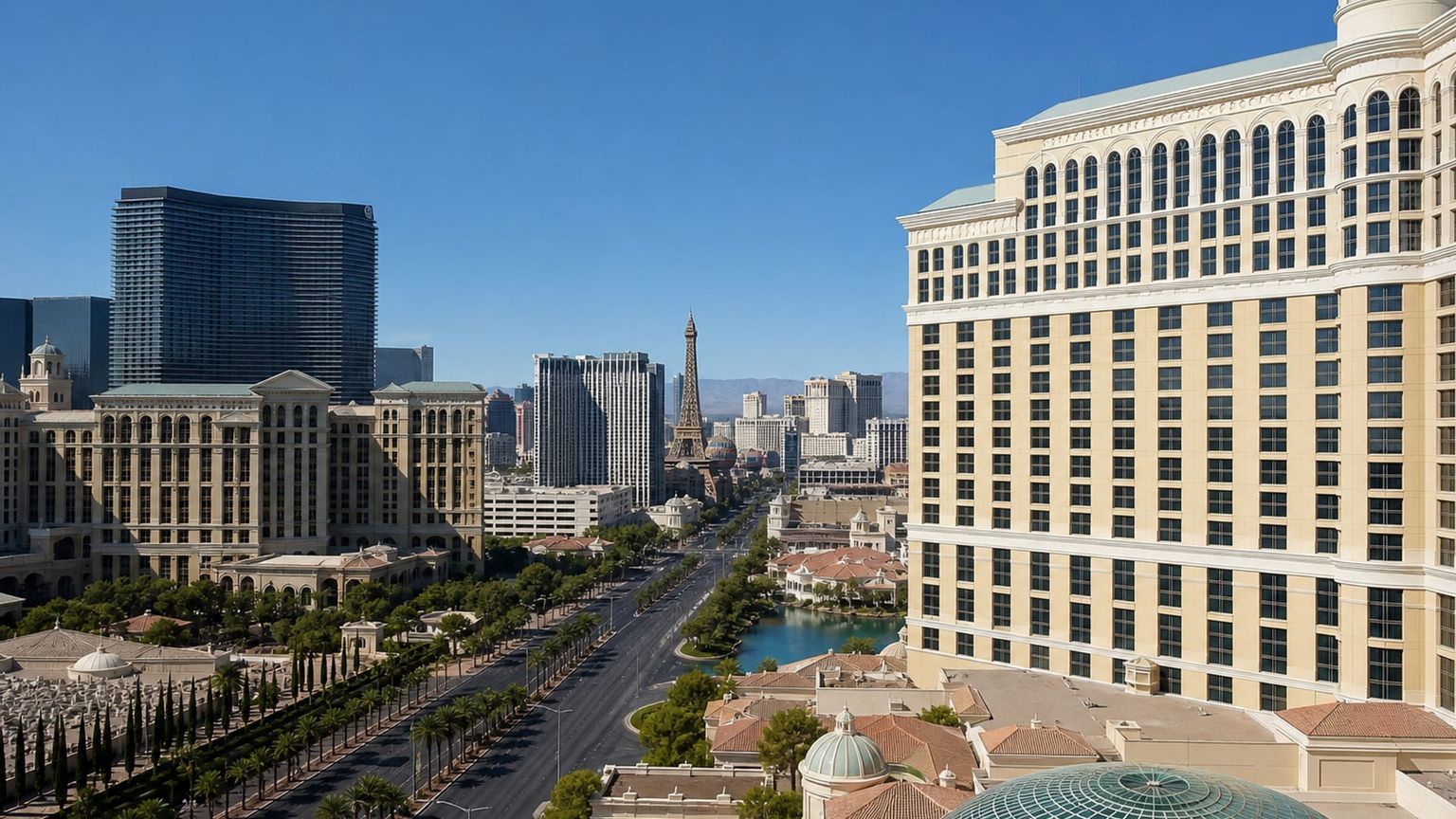
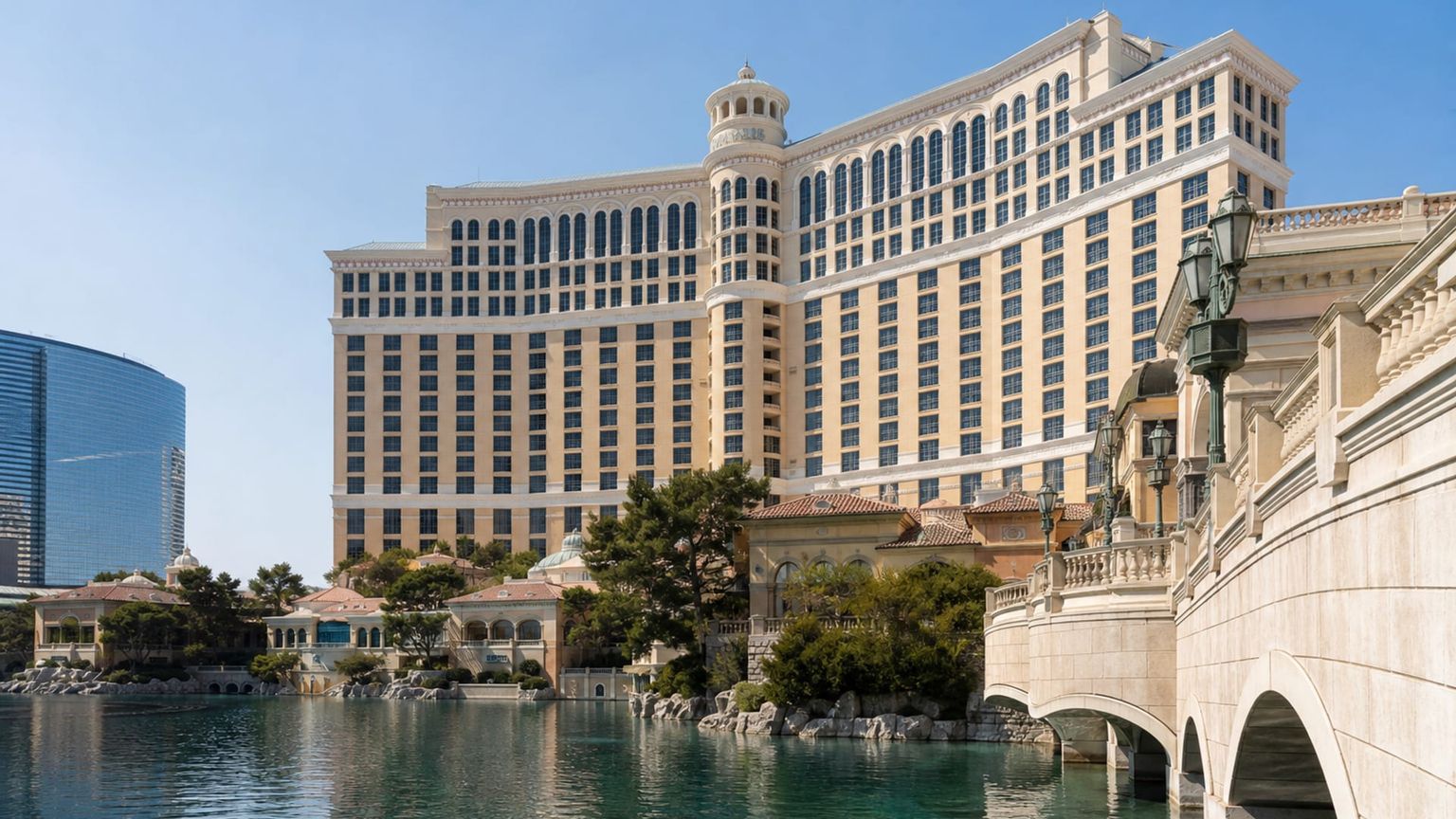
The Strip is Las Vegas’s main resort corridor, lined with major hotels, casinos, restaurants, and performance venues. Staying here puts you closest to the city’s biggest sights, with easy access to the Bellagio Fountains, Caesars Palace, and constant late-night activity.
Best for: First-time visits, nightlife, and travelers who want the easiest access to major resorts
What to expect: Wide boulevards, heavy pedestrian traffic, and a nonstop crowd around the casinos and shows.
Hotel prices: Usually about $180 to $450 per night for well-rated stays
Distance to major sights: 5 to 20 minutes on foot to the Bellagio Fountains; 10 to 20 minutes by rideshare to Caesars Palace
Quietness: Busy at all hours, with the lightest foot traffic in the early morning and the most noise after dark.
Main trade-off: You pay more for resort fees, parking, and room rates, and the most popular blocks can be noisy late at night.
Good to know: If you want to walk between major attractions, this is the easiest base, but book early and check the resort fee before you compare rates.
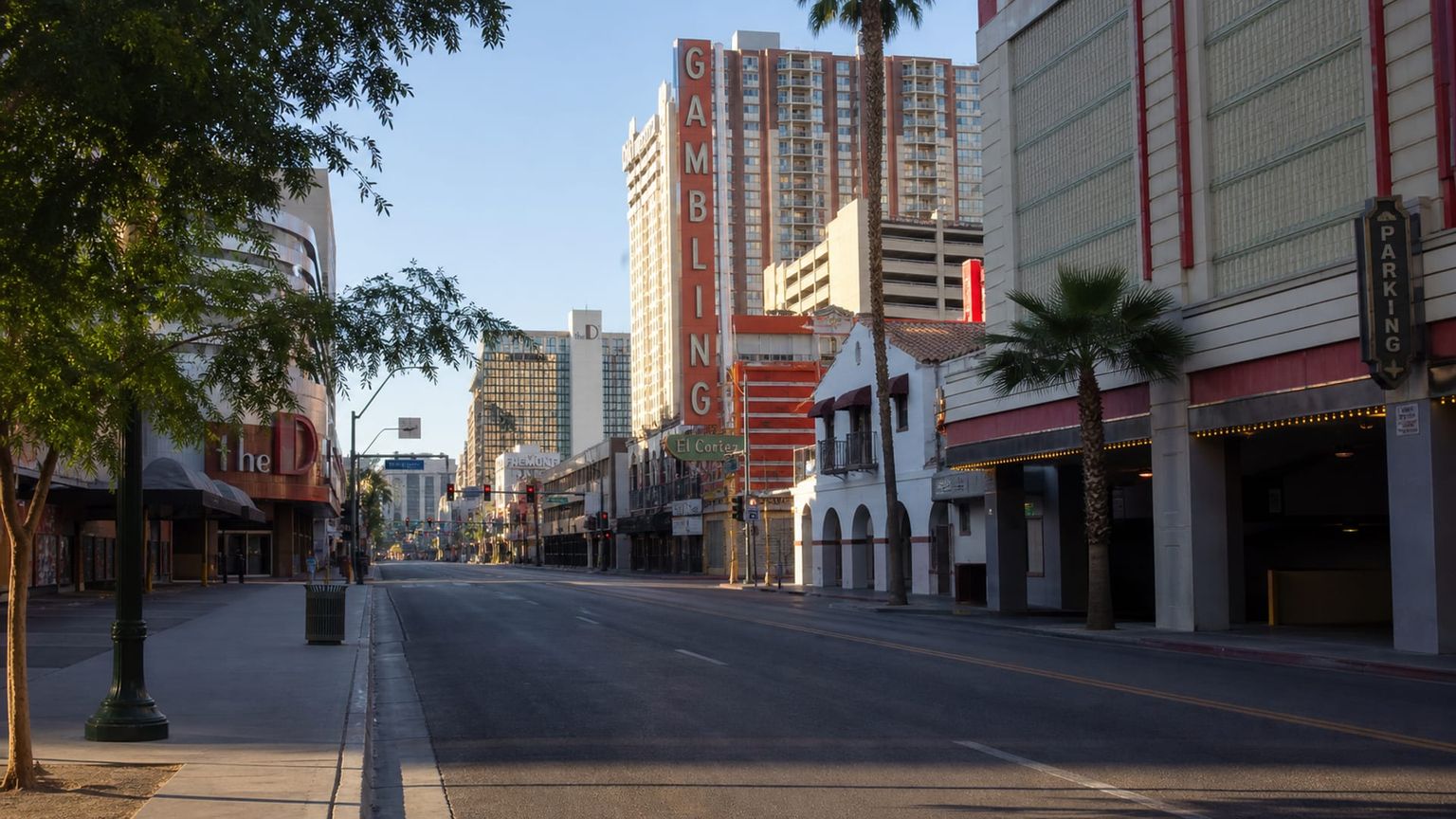
Downtown Las Vegas centers on Fremont Street, vintage casinos, bars, live music, and the Arts District nearby. It gives you a different side of the city, with shorter stays, lower room rates, and faster access to the old casino core.
Best for: Nightlife, vintage Vegas atmosphere, and travelers who prefer a more local-feeling base
What to expect: Neon-heavy blocks, street performers, and a concentrated bar scene that gets livelier after sunset.
Hotel prices: Usually about $90 to $220 per night for well-rated stays
Distance to major sights: 1 to 5 minutes on foot to Fremont Street Experience; about 15 to 20 minutes by rideshare to the Strip
Quietness: Moderate by day, then much louder at night near Fremont Street.
Main trade-off: You save on hotel costs, but you will rely on rideshares or buses for most Strip attractions.
Good to know: Late-night noise can carry into nearby rooms, so ask for a higher floor or an interior-facing room if sleep matters.
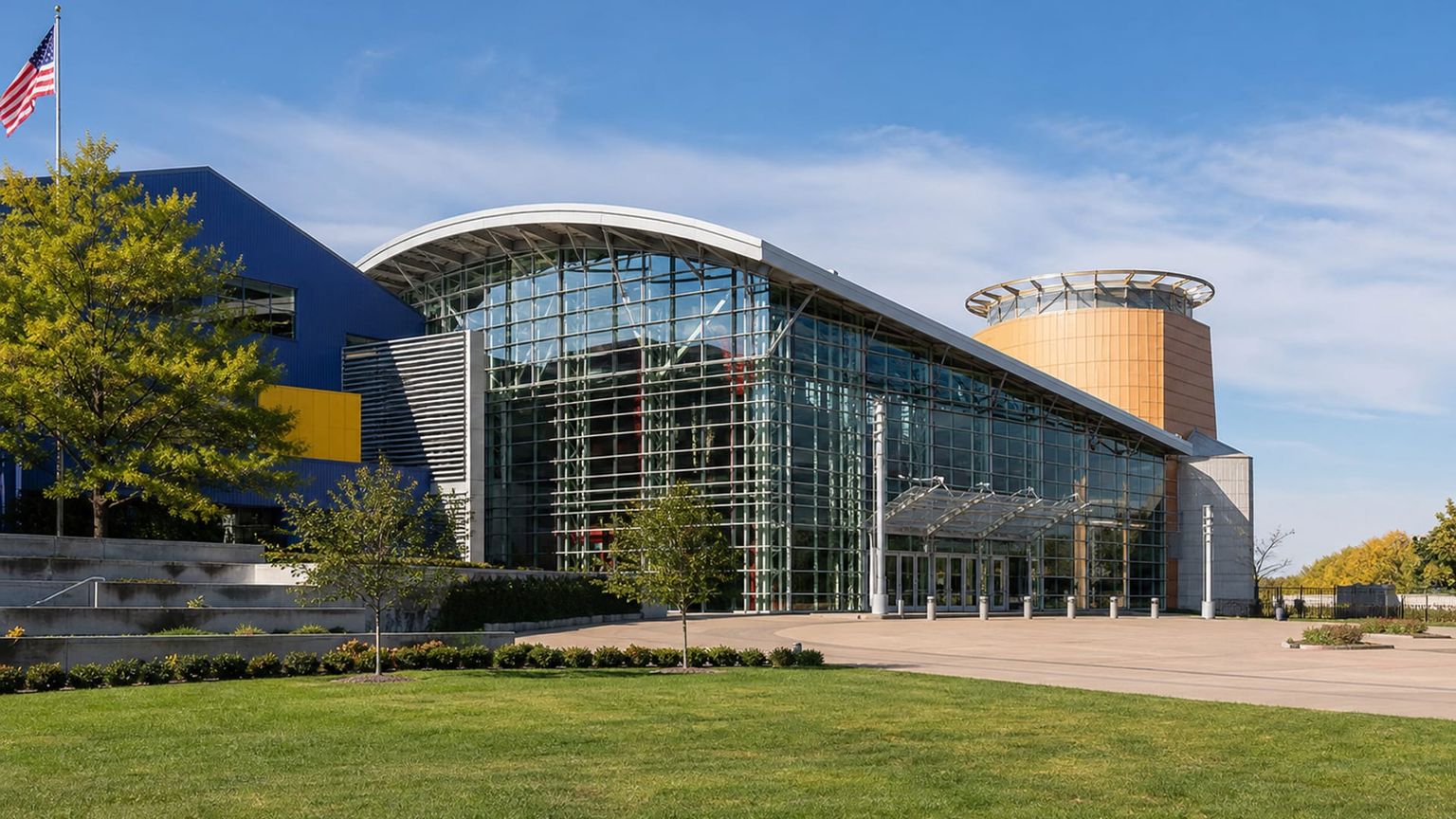
Summerlin is a planned residential district on the west side of Las Vegas, known for shopping centers, golf, and quick access to Red Rock Canyon. It suits travelers who want newer hotels and a base away from the casino core while staying within the metro area.
Best for: Families, longer stays, golf trips, and travelers with a car
What to expect: Suburban streets, shopping plazas, and far less pedestrian traffic than the central resort districts.
Hotel prices: Usually about $120 to $280 per night for well-rated stays
Distance to major sights: About 25 to 35 minutes by car to the Strip; about 20 to 30 minutes by car to Red Rock Canyon
Quietness: Quiet in the evening, with the busiest periods near shopping and dining corridors during the day.
Main trade-off: You will spend more time in transit for central attractions, and public transport options are limited.
Good to know: Choose this area if you plan to rent a car, because most errands and sightseeing here depend on driving.
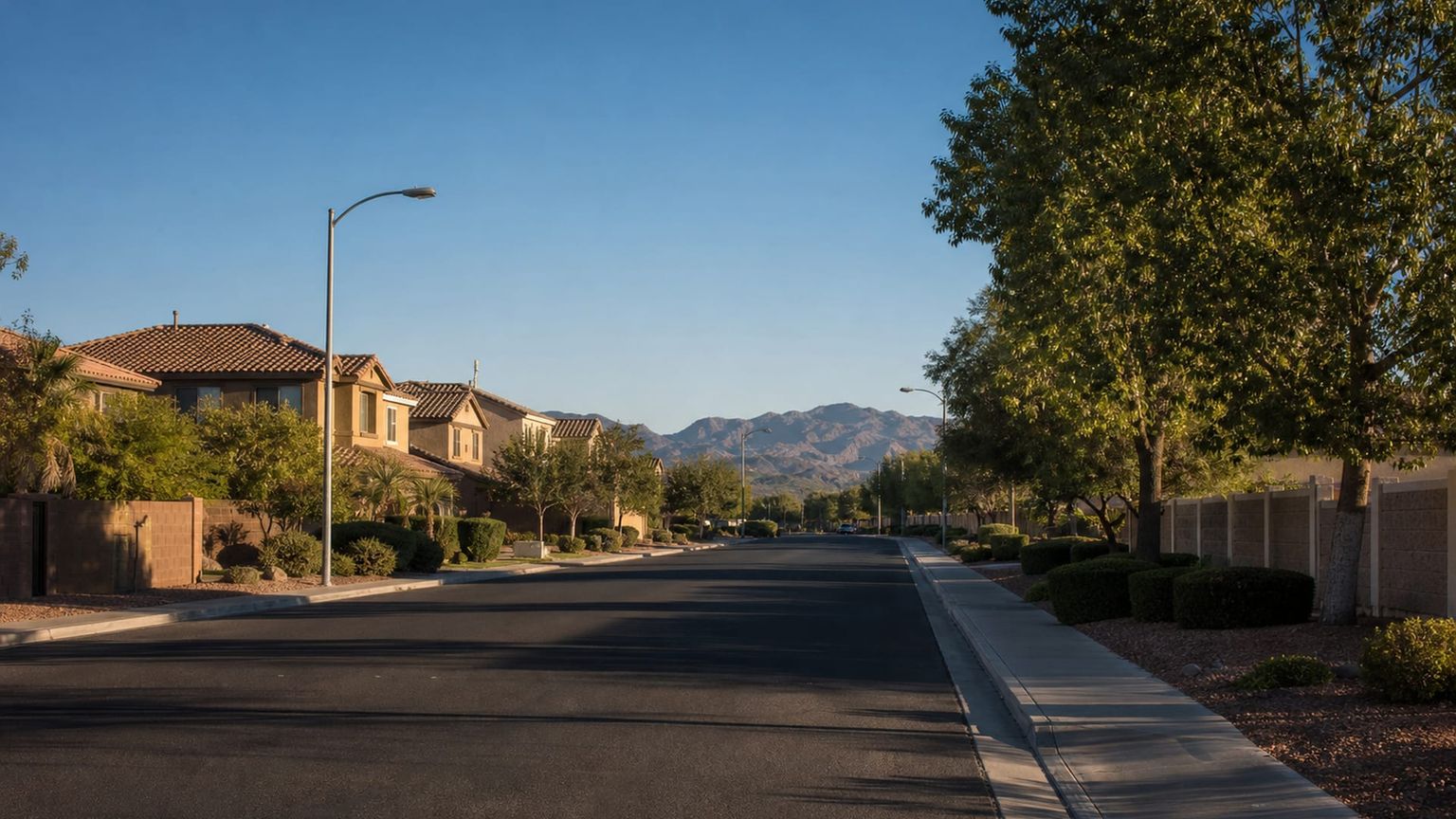
Henderson sits southeast of Las Vegas and offers a spread of hotels, restaurants, and residential neighborhoods with easier access to Lake Las Vegas and the airport side of town. It works well for visitors who want a lower-key base and do not need to be in the casino district every night.
Best for: Longer stays, road trips, and travelers who want to split time between Las Vegas and the southeast metro area
What to expect: Mostly car-oriented streets, neighborhood dining centers, and quieter evenings than the Strip or Downtown.
Hotel prices: Usually about $110 to $260 per night for well-rated stays
Distance to major sights: About 20 to 35 minutes by car to the Strip; about 15 to 25 minutes by car to Harry Reid International Airport (LAS)
Quietness: Generally quiet at night, with more activity around shopping and dining areas during the day.
Main trade-off: You trade central access for lower noise and a wider choice of chain hotels and apartment-style stays.
Good to know: Check the parking policy before booking, because many stays here assume you will have a car.
Travelers usually avoid hotel areas in North Las Vegas, which sit far north of the Strip and downtown and have fewer visitor-oriented amenities. They also often skip Sunrise Manor and Whitney on the east side, plus Enterprise and parts of Spring Valley south and west of the Strip, because these areas put you farther from major sights and can make evening taxi or rideshare trips longer.
Hotel deals
How to get around Las Vegas efficiently
Las Vegas has no subway, so walking, the RTC buses, monorail, taxis, and rideshares each fill a different role depending on whether you are staying on the Strip, downtown, or farther out.

Metro
for longer distances
Las Vegas has no subway or metro, so most visitors rely on buses, resort shuttles, rideshares, or taxis; the nearest rail-like option is the Las Vegas Monorail, which runs behind major Strip resorts from about 7:00 am to 2:00 am Monday through Thursday, and until 3:00 am Friday through Sunday. A single ride costs about $6, with a 1-day pass about $13 and a 3-day pass about $29.

Bus and tram
for convenience
The RTC bus network covers the Strip, downtown, the airport area, and routes to neighborhoods beyond the resort corridor. The Deuce and Strip and Downtown Express run frequently along Las Vegas Boulevard, with 2-hour passes for about $6, a 24-hour pass about $8, and a 3-day pass about $20; pay onboard in cash or use transit apps, and expect slower trips in heavy traffic.

Taxi
for convenience or late hours
Licensed taxis line up at airports, hotels, and taxi stands, and street hails are not the norm. Fares are metered, with McCarran, Las Vegas (LAS) to the Strip typically about $20 to $35 plus airport fees and tip, and to downtown about $25 to $40; most cabs take cards, and airport trips can include flat-rate zones in some cases, so ask the driver before you set off.
*Prices are based on rates updated as of June 2026 and may change at the time of travel.
Use the Strip Monorail and RTC buses for short hotel-to-hotel trips, taxis or rideshares for airport and cross-town runs, and walking when your plans stay within one resort corridor.
Iconic landmarks
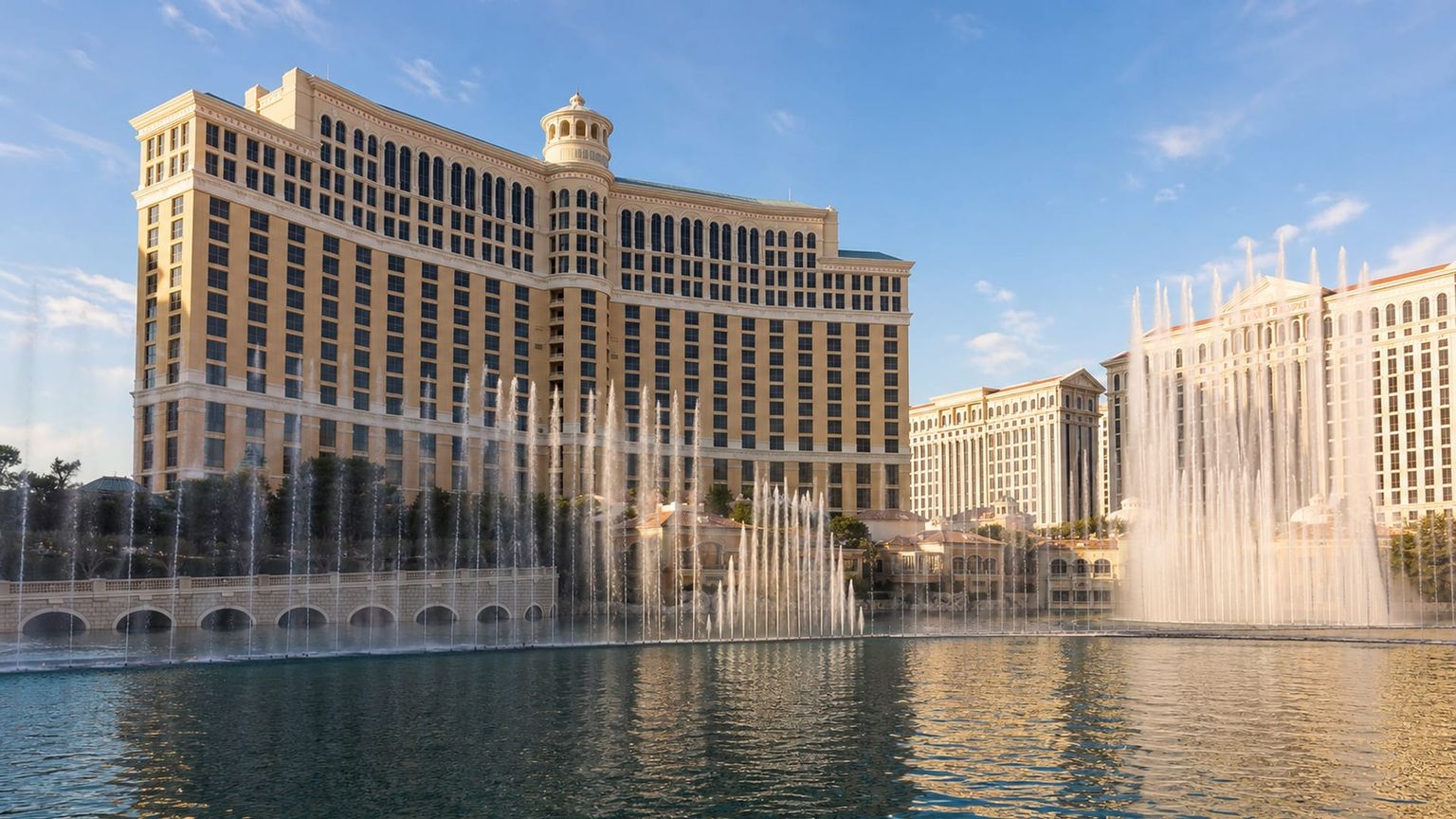
Bellagio Fountains
The Bellagio Fountains stage synchronized water shows on the hotel lake beside the Strip, with jets set to music and light. The displays run repeatedly through the evening, and the sidewalk viewing area is free.
Time needed: About 20 to 30 minutes
Entry: Free to view from the sidewalk; no ticket or timed entry is required for the fountain shows. Visit the official site for details.
Tip: Arrive a few minutes early for a front-row rail spot along Las Vegas Boulevard.
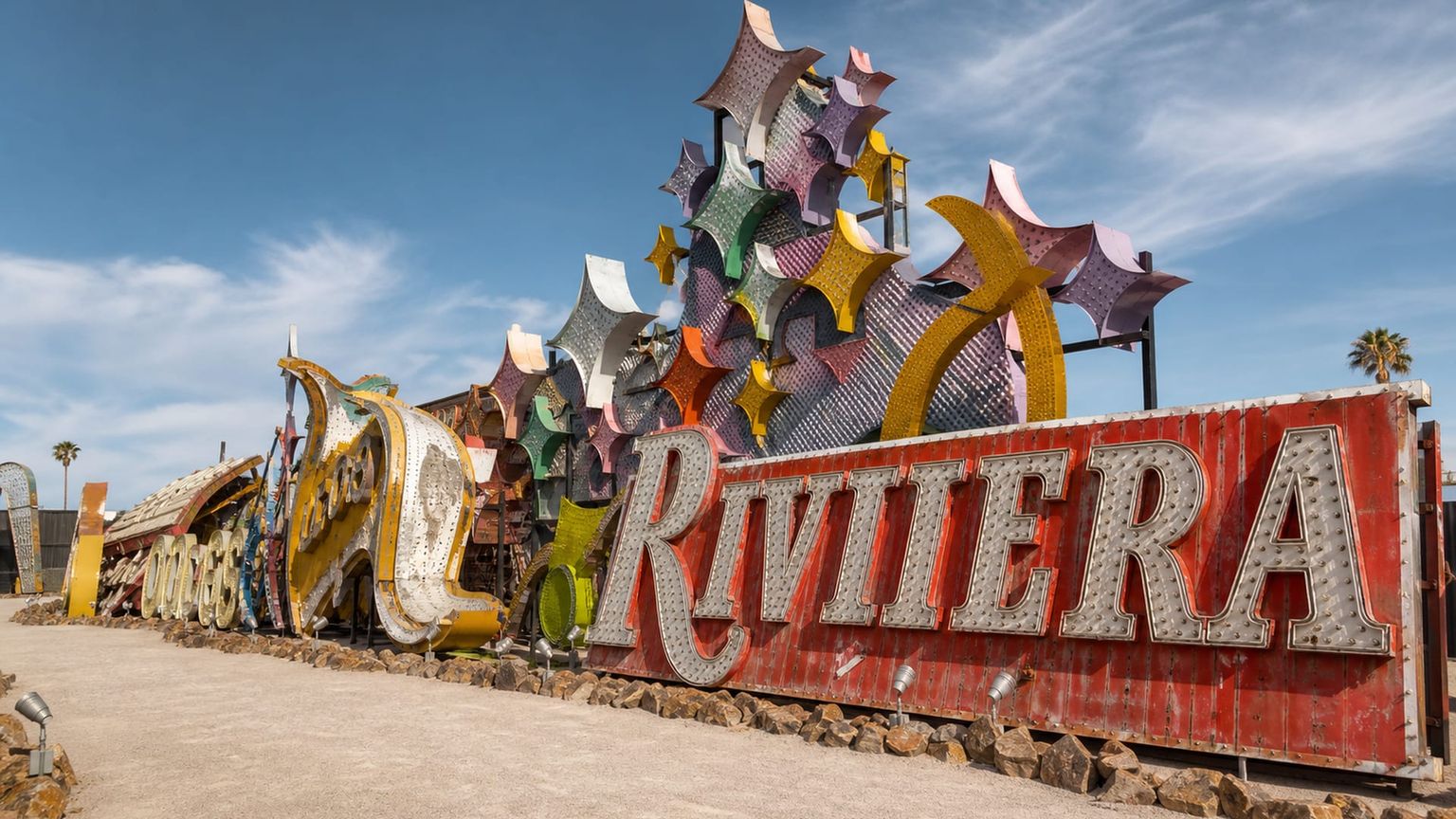
The Neon Museum
The Neon Museum preserves retired casino and motel signs in its outdoor Boneyard north of downtown Las Vegas. Day and night visits show different details, from painted lettering to illuminated marquees and restored vintage pieces.
Time needed: About 1 to 1.5 hours
Entry: General admission starts at $20 ($20) for daytime visits and $28 ($28) for evening admission, with guided options priced higher. Visit the official site for details.
Tip: Go near sunset if you want both daylight detail and glowing sign colors.
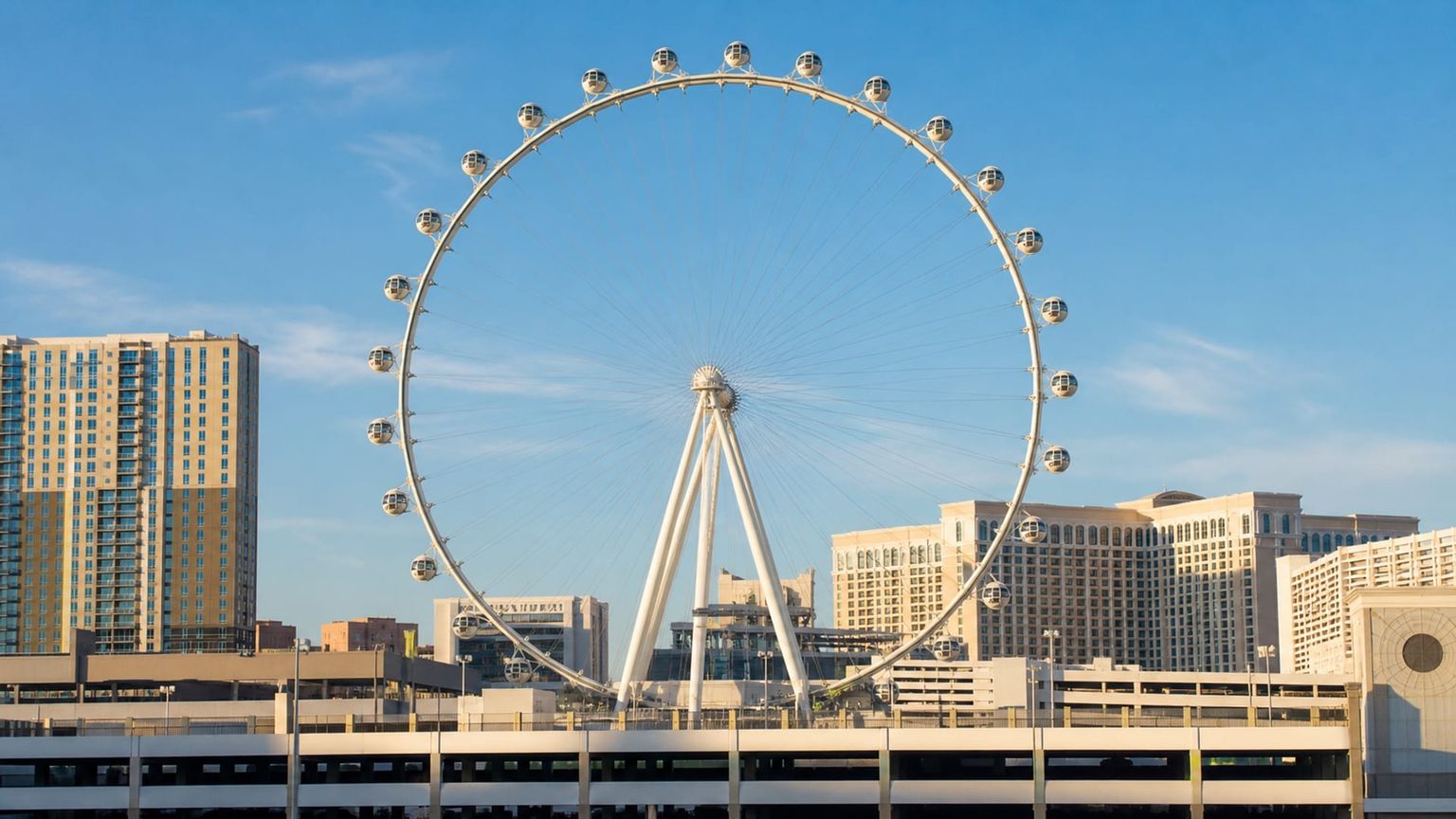
High Roller
The High Roller is the 550-foot observation wheel at The LINQ Promenade, with enclosed cabins that circle above the central Strip. One rotation gives wide views of the hotels, desert skyline, and mountains on clear days.
Time needed: About 30 to 40 minutes
Entry: Standard tickets typically start at $27.20 ($27.20) for adults, with prices higher for evening and specialty cabin rides. Visit the official site for details.
Tip: Choose a daytime ride for clear desert views, or after dark for the neon skyline.
Overlooked sites worth visiting

Clark County Museum
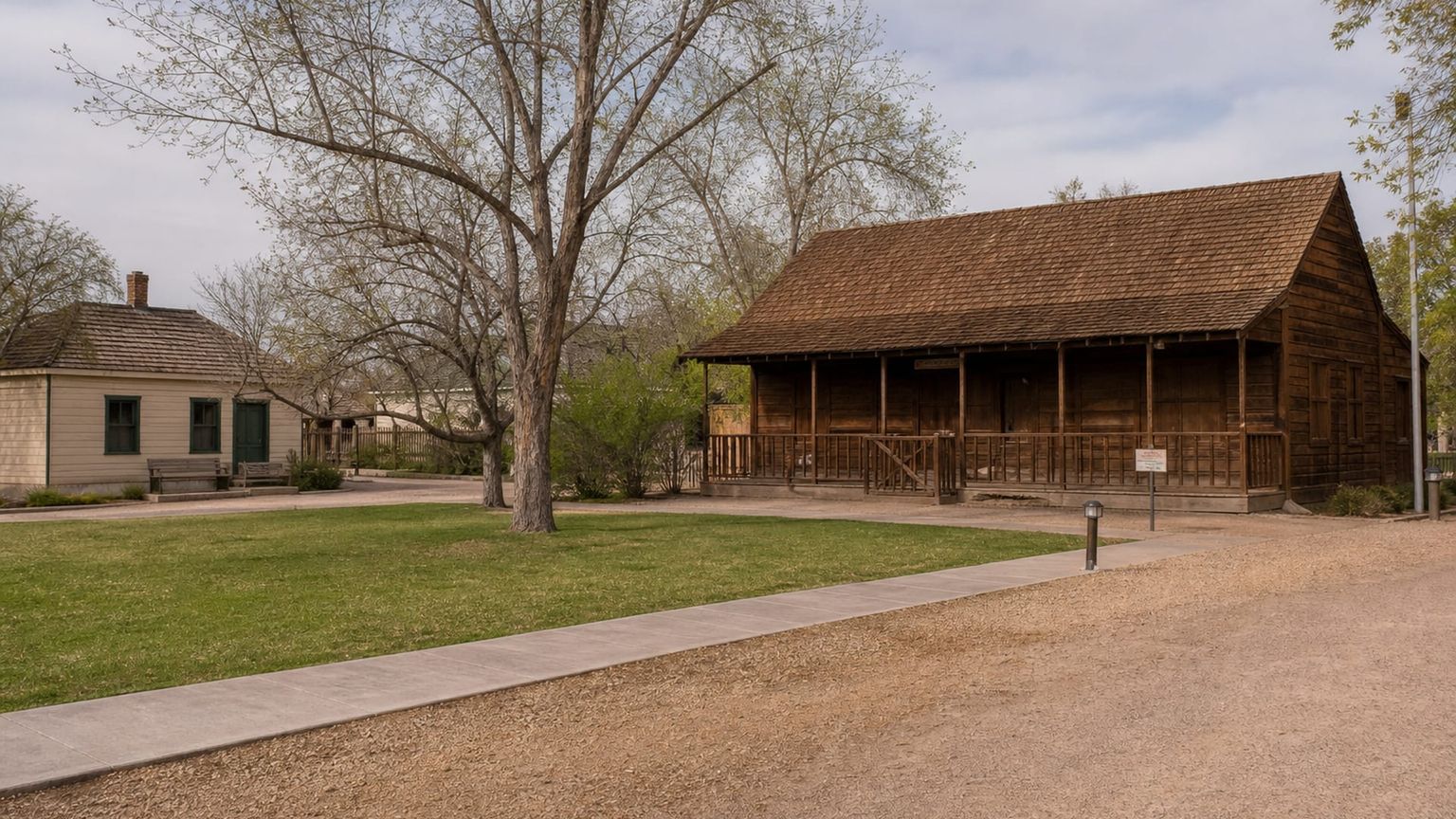
This outdoor history park pairs restored houses with a desert train depot, neon signs, and a Boulder City rail display. It gives a compact view of southern Nevada settlement without the Strip crowds.
Time needed: About 1.5 to 2 hours
Entry: Admission is $2 for ages 13 and up, $1 for seniors and children 3 to 12, and free for children 2 and under. Some exhibits and programs may have separate fees, so check the museum calendar before you go. Visit the official site for details.
Tip: Go in the morning, then walk the outdoor village before midday heat builds.

Pinball Hall of Fame
This volunteer-run arcade packs rows of restored pinball machines from different decades, with many set on free play. It is compact, noisy, and far less publicized than the casinos.
Time needed: About 1 to 2 hours
Entry: Free to enter, with pinball machines typically priced at 25 cents to $1 per play, depending on the machine. The hall accepts cash and cards for game credits, and it is open daily with posted hours that can vary by season. Visit the official site for details.
Tip: Bring quarters or a card, and visit early for shorter waits at popular machines.
Traditional food
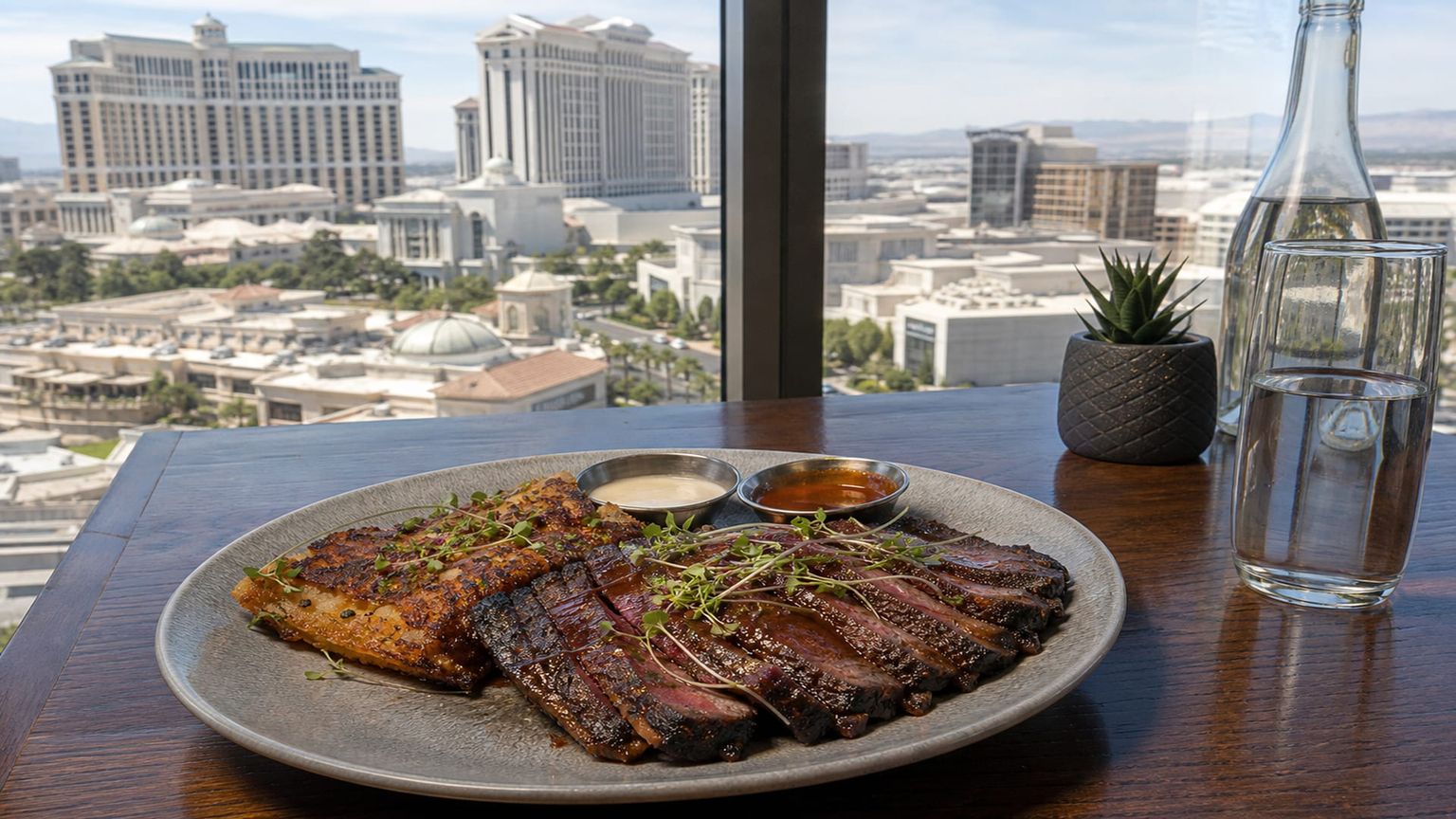
Las Vegas dining leans heavily on steakhouse classics, seafood towers, and all-night buffet culture, with shrimp cocktail and prime rib showing the city’s taste for rich, high-contrast plates and late hours.
Shrimp cocktail
This is one of the city’s signature retro dishes, served cold with a sharp cocktail sauce. The Peppermill Restaurant and Fireside Lounge is a classic Las Vegas stop for it, with an old-school setting that matches the dish.
Prime rib
Prime rib remains a staple at long-running Las Vegas dining rooms, often carved thick and served with potatoes or creamed spinach. Lawry’s The Prime Rib in Las Vegas is a canonical place to order it.
Steakhouse ribeye
A ribeye fits the city’s high-end steakhouse tradition, with heavy marbling and a strong sear that suits a long evening meal. CUT by Wolfgang Puck at The Palazzo is a strong Las Vegas reference point for it.
Casino buffet crab legs
Crab legs at a buffet capture the city’s all-you-can-eat side, especially in resort dining rooms with broad seafood spreads. The Buffet at Wynn is a leading Las Vegas option for this style of plate.
Best time to visit Las Vegas
Spring and fall bring the most comfortable walking weather, while summer pushes sightseeing toward early mornings, indoor venues, and late-night plans.
Best for: Strip walks, fountain shows, and patio dinners
What you get: Temperatures usually run about 55 to 88°F (13 to 31°C), with moderate crowds outside major holiday weekends.
Trade-offs: March can still swing cool at night, and Easter and spring break can lift hotel prices.
Best for: Indoor attractions, pool time, and late-night casino areas
What you get: Expect roughly 78 to 106°F (26 to 41°C), with heavy daytime heat and crowded resort pools.
Trade-offs: Midday walking can be punishing, and hydration and air-conditioned breaks become essential.
Best for: Balanced sightseeing, outdoor dining, and downtown visits
What you get: Temperatures often sit near 58 to 90°F (14 to 32°C), with lighter crowds than peak summer.
Trade-offs: Weekend events and convention dates can still push prices higher.
Best for: Shows, casinos, and lower-key museum time
What you get: Weather usually ranges from about 39 to 63°F (4 to 17°C), with lighter crowds between holidays and major conventions.
Trade-offs: Evenings can feel cold for long outdoor walks, and some pool areas scale back hours.
A realistic 5-day plan in Las Vegas
A good five-day stay in Las Vegas mixes one resort-heavy day with time downtown, a museum day, and a slower finish near the southeast side of the valley. That pace keeps transit manageable while leaving room for long dinners and a few free views.
From Harry Reid International Airport (LAS), a taxi or rideshare to The Strip usually takes about 10 to 20 minutes and costs roughly $20 to $35 before tip and surge pricing. If you are staying downtown, expect about 15 to 25 minutes and about $25 to $40. Check into a room near the Bellagio Fountains or The LINQ Promenade, then keep the first evening close by with water, a casual dinner, and an early walk for fresh air before the casino floor gets busy.
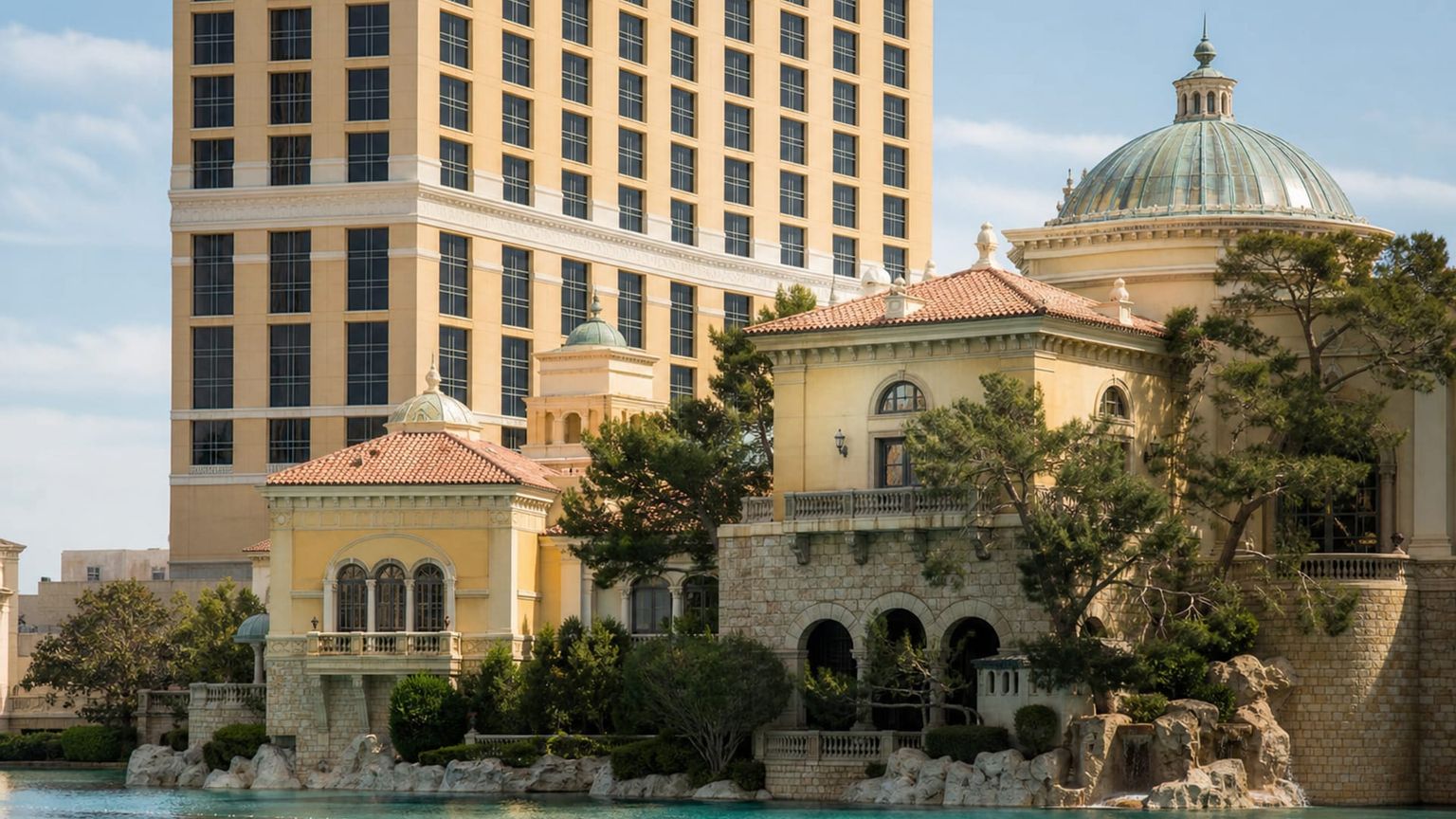
Start with the Bellagio Fountains, then walk about 10 to 15 minutes north along Las Vegas Boulevard to The LINQ Promenade for the High Roller. Ride the wheel in the late afternoon or after dark, when the Strip lights come on and the cabins have broader city views; plan on about 30 to 40 minutes for the rotation. End with dinner nearby on the central Strip, where you can return to your hotel on foot instead of calling a car.
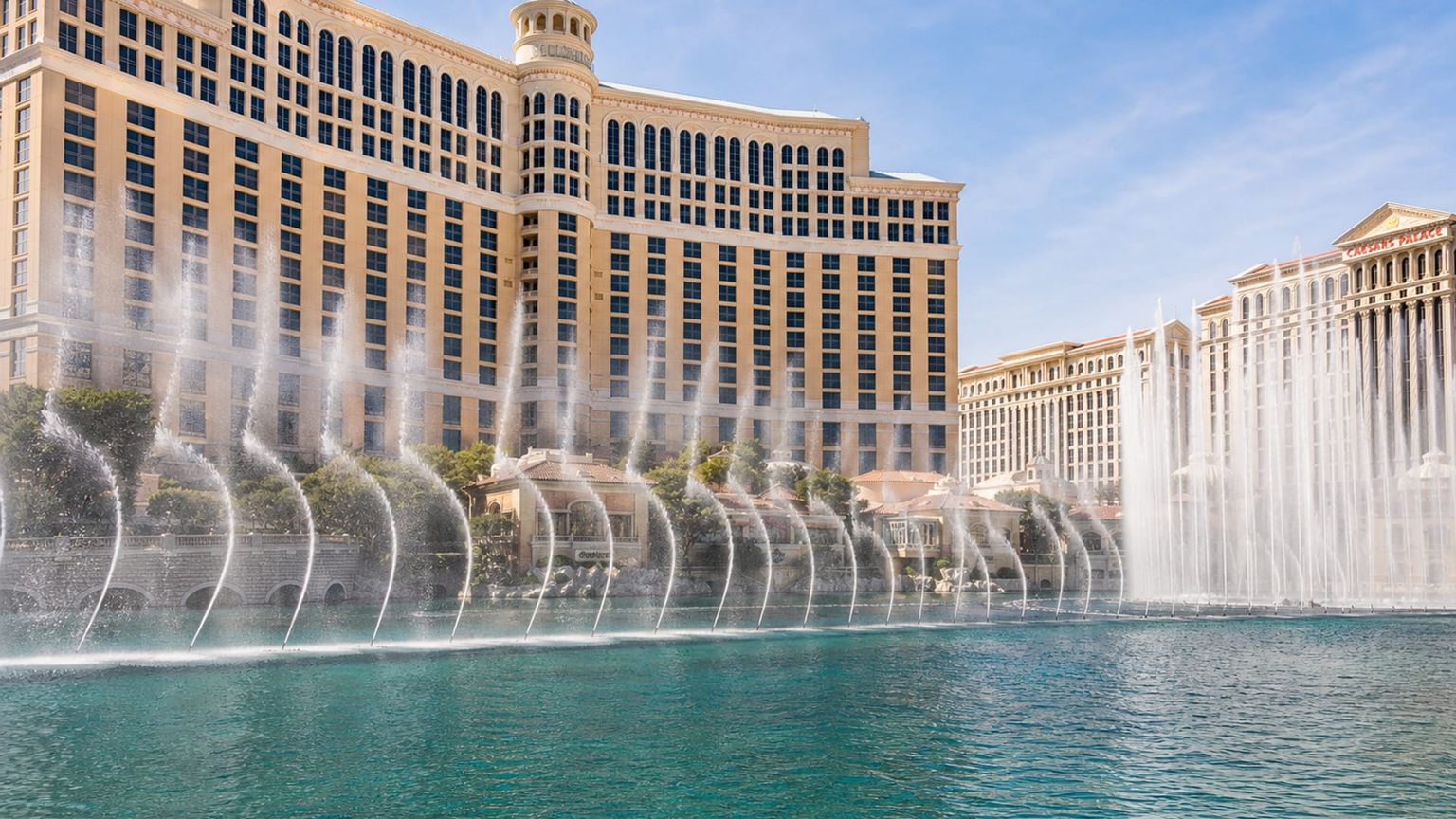
Begin in downtown Las Vegas at the Neon Museum, about 10 minutes by rideshare from Fremont Street and roughly 15 to 20 minutes from the central Strip. Go near sunset if you want the signs lit against the dusk sky, then head to Fremont Street for an easy evening in the old casino core. If you have energy for a second stop, the Pinball Hall of Fame is about 15 to 20 minutes by rideshare from downtown and makes a lively late-afternoon detour before dinner.
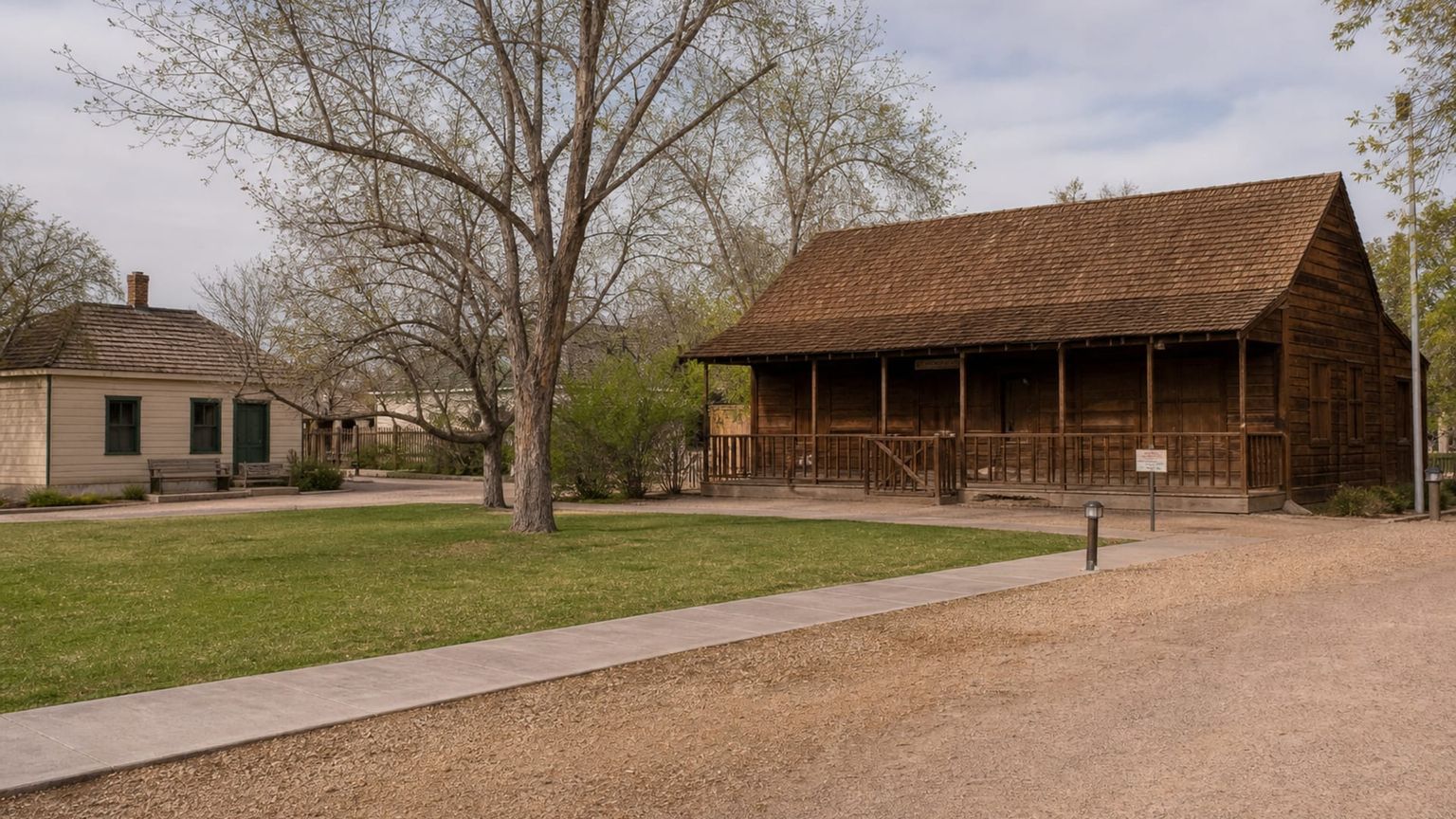
Head southeast for the Clark County Museum, which works best in the morning and takes about 25 to 30 minutes by car from The Strip. Spend about 1.5 to 2 hours among the restored houses, railroad displays, and desert history exhibits, then continue to Henderson for lunch, about 15 to 20 minutes away by car. In the afternoon, circle back toward the resort corridor for an easy final walk and a low-key dinner near your hotel.
Begin with a slower morning in downtown Las Vegas, then stop at the Pinball Hall of Fame if you skipped it earlier, since the museum takes about 1 to 2 hours and sits about 15 to 20 minutes by rideshare from the Strip. After that, head to the Arts District for coffee and a final look at local galleries and shops, then make one last shopping stop in The LINQ Promenade before returning to your hotel to pack. If your flight leaves late, the Bellagio Fountains give you one last free view of the city before you head to Harry Reid International Airport (LAS).
Business-class flights from the US to Las Vegas
Flights into Las Vegas vary sharply by origin, especially when you compare the East Coast with the shorter West Coast hop. The examples below show how nonstop time, layovers, and airline choices shape the trip.
From New York, Delta Air Lines, American Airlines, United Airlines, JetBlue, Spirit Airlines, and Alaska Airlines all operate on this city pair, and the nonstop flight time runs about 5 to 6 hours. If you accept a connection, common stops through Atlanta, Chicago, Dallas, Denver, IAH, or Charlotte can bring fares down to about $450 to $900, compared with the usual $700 to $1,800 range.
Los Angeles brings the shortest run, with Southwest Airlines, American Airlines, Delta Air Lines, United Airlines, Alaska Airlines, and Spirit Airlines all serving the route. Nonstop flights take about 1 hour 10 minutes to 1 hour 20 minutes, and round-trip fares often run $250 to $900, with the lowest nonstop sales usually near the bottom of that band.
Las Vegas feels different when you slow down
A deliberate Las Vegas trip usually means dividing your time between the Strip, downtown, and one quieter side of the valley, then matching each move to the right transit option. Walking works best along a single resort corridor, the monorail suits Strip stretches, and rideshares make the museum days and Henderson detours easier to manage. If you want to shape that balance well, AranGrant experts can help you build it around Bellagio, Fremont Street, and the rest of the city you actually plan to see