

Chapters:

Need help with your trip?
Our support team is available 24/7. Request a callback or call us directly at (833) 619-0908
Lanzhou trips often begin with the same loop, an airport transfer, a central hotel, then a quick bowl of beef noodles before a museum or river walk. What visitors usually miss is how much time the city takes to cross, and how quickly dinner streets change pace after dark.
That matters because Lanzhou stretches along the Yellow River, with attractions split across bridges, hills, and separate districts. Taxi rides add up, transit routes do not always line up with every stop, and a loose plan can waste an afternoon.
This guide keeps the route in view from the start, pairing neighborhoods with sights, meals, and transfers so each day builds on the last without unnecessary backtracking.
Useful things to know

Main language(s): Mandarin Chinese
Nǐ hǎo (nee how) – Hello / good morning
Qǐng (cheeng) – Please
Xièxie (shyeah-shyeah) – Thank you
Nǐ huì shuō Yīngwén ma? (nee hway shwoh ying-wun mah) – Do you speak English?
Duōshǎo qián? (dwaw shao chyen) – How much does it cost?

Currency: The local currency is the Chinese yuan (CNY, ¥).

Cash and cards: Cards and contactless are accepted in many hotels and chains, but carry about CNY 200 to 300 ($28 to $42) in cash.

Tipping: Tipping is not customary in most places; round up small bills only when you want to.

Traditional food: Lanzhou beef noodle soup, hand-pulled lamb, beef and mutton skewers, zha jiang mian

Water and coffee costs: Water ~CNY 2 to 4 ($0.30 to $0.60), bar espresso ~CNY 20 to 30 ($3 to $4).

Taxis and ride apps: Didi and Amap work here; some drivers prefer cash.

Plug and voltage: Type A/C socket, 220V

Dining and shop opening hours: Breakfast is about 07:00-09:00, lunch 11:30-13:30, and dinner 18:00-20:30. Many restaurants close early outside the main meal windows.

Emergency number: 110 police, 120 ambulance, 119 fire.
Where to stay in Lanzhou
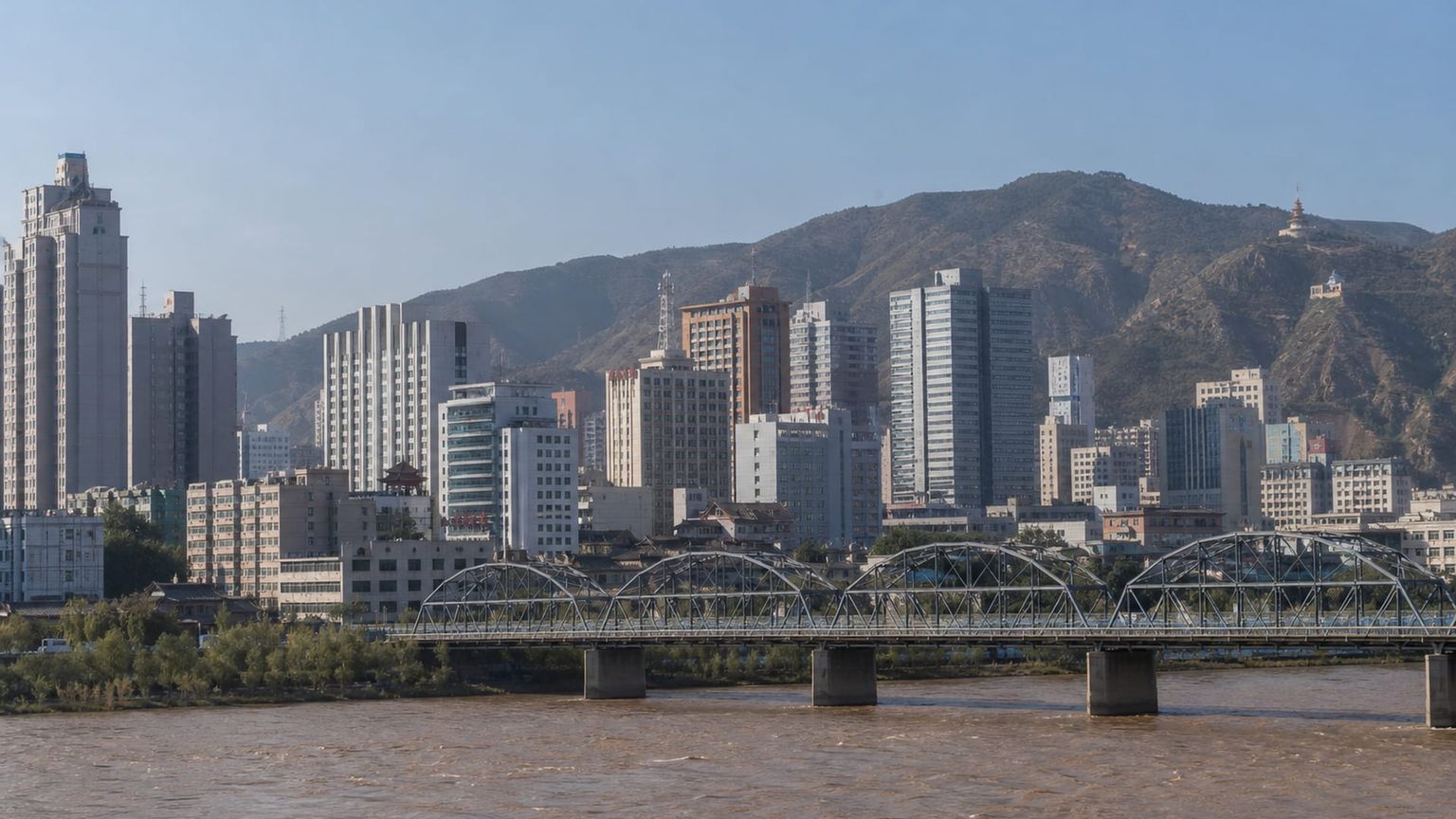
Lanzhou’s main downtown district centers on the Yellow River and the city’s busiest commercial streets. It suits travelers who want easy access to museums, riverfront walks, restaurants, and the main rail station area.
Best for: First-time visits, dining, shopping, and easy transit access
What to expect: Expect heavy daytime foot traffic, taxi flow, and a full spread of shops and noodle restaurants, with the busiest blocks near major intersections.
Hotel prices: Usually about $35 to $90 per night for well-rated stays
Distance to major sights: 10 to 20 minutes by taxi to Zhongshan Bridge, about 15 to 25 minutes by transit to Gansu Provincial Museum
Quietness: Busy during the day, with noticeably calmer side streets after dinner.
Main trade-off: Central addresses cost more, and the most convenient blocks can sit beside traffic and late-opening businesses.
Good to know: Choose a room away from the main arterial roads if you are a light sleeper, because evening vehicle noise carries on the busiest streets.
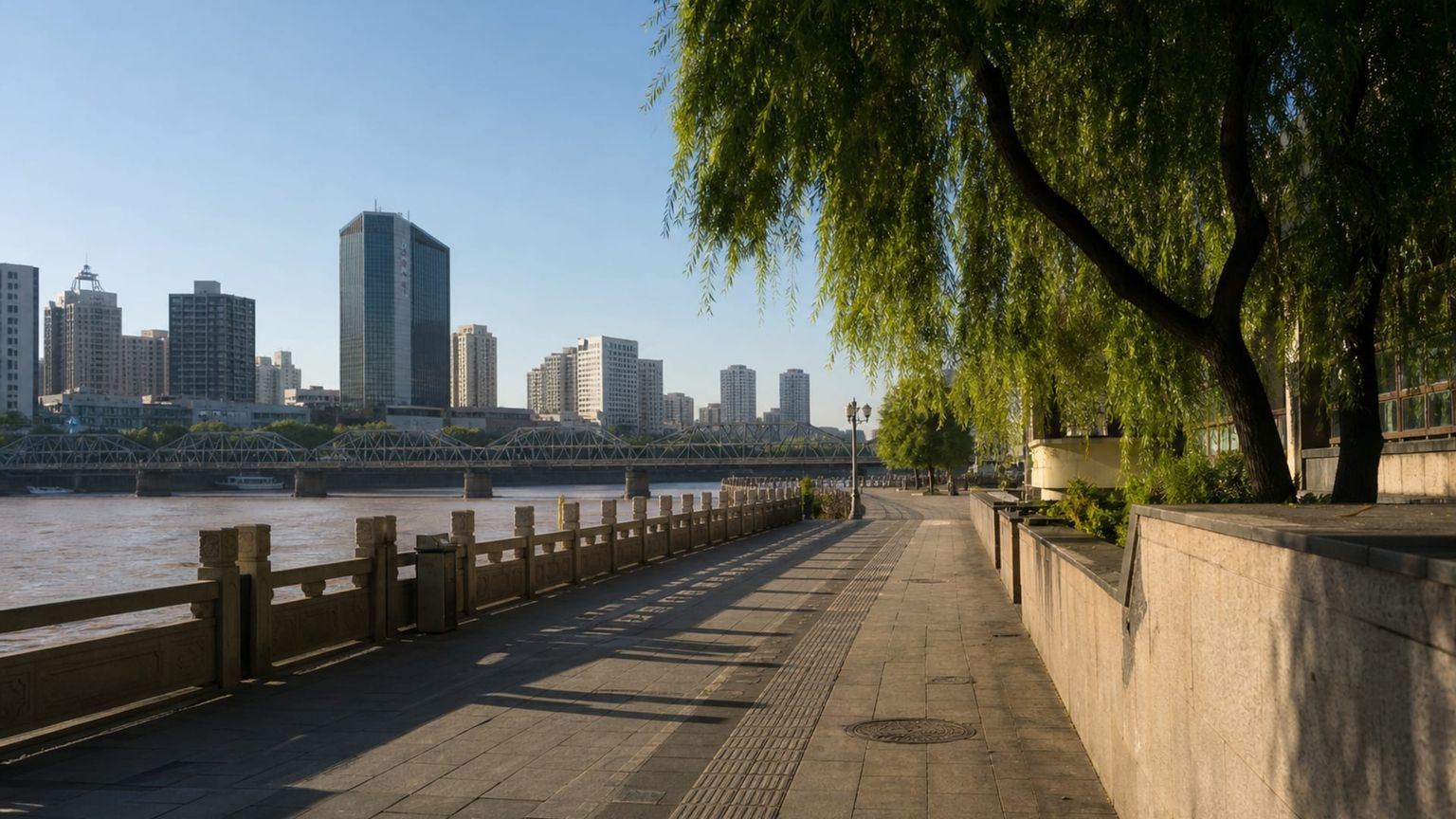
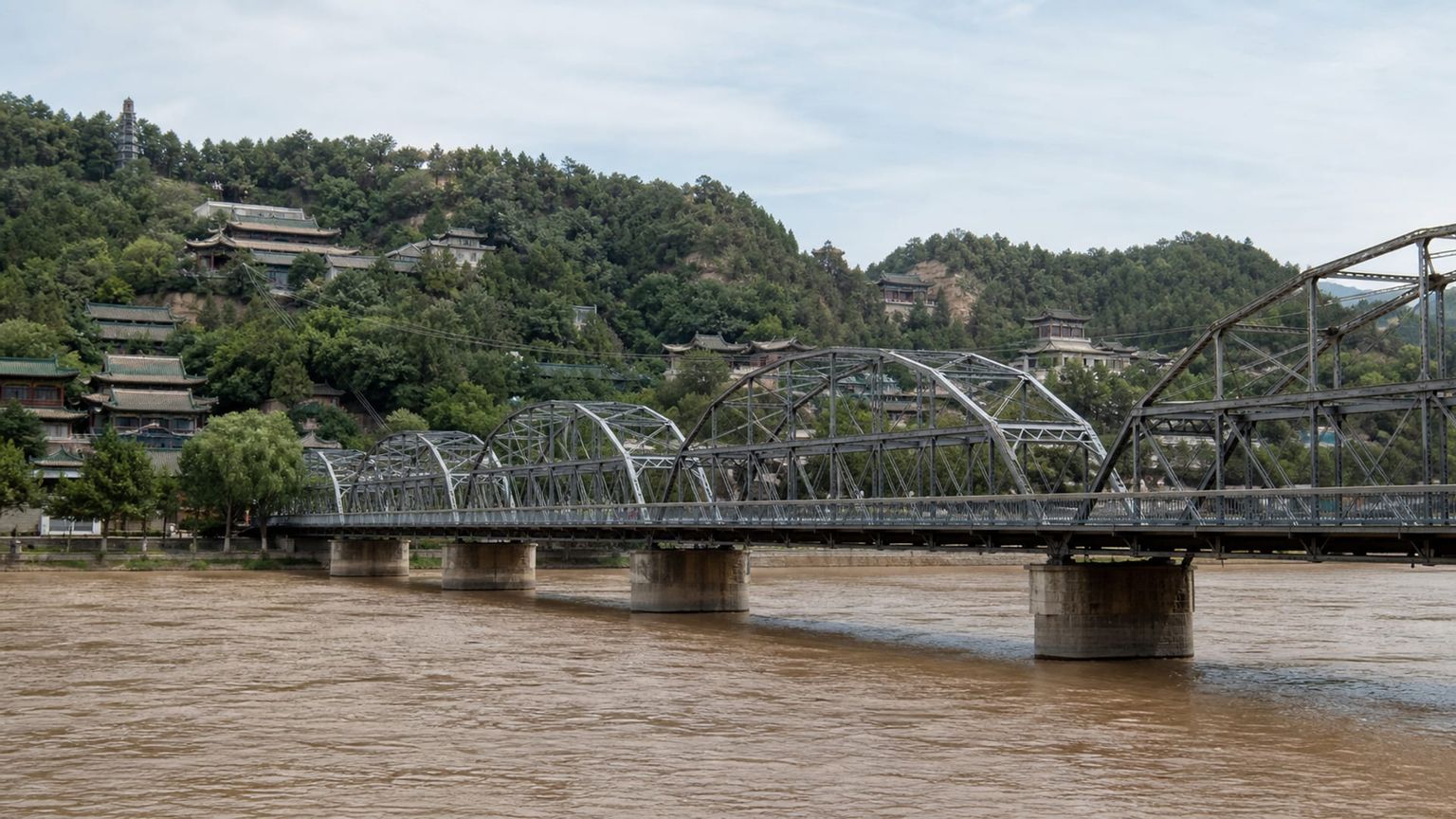
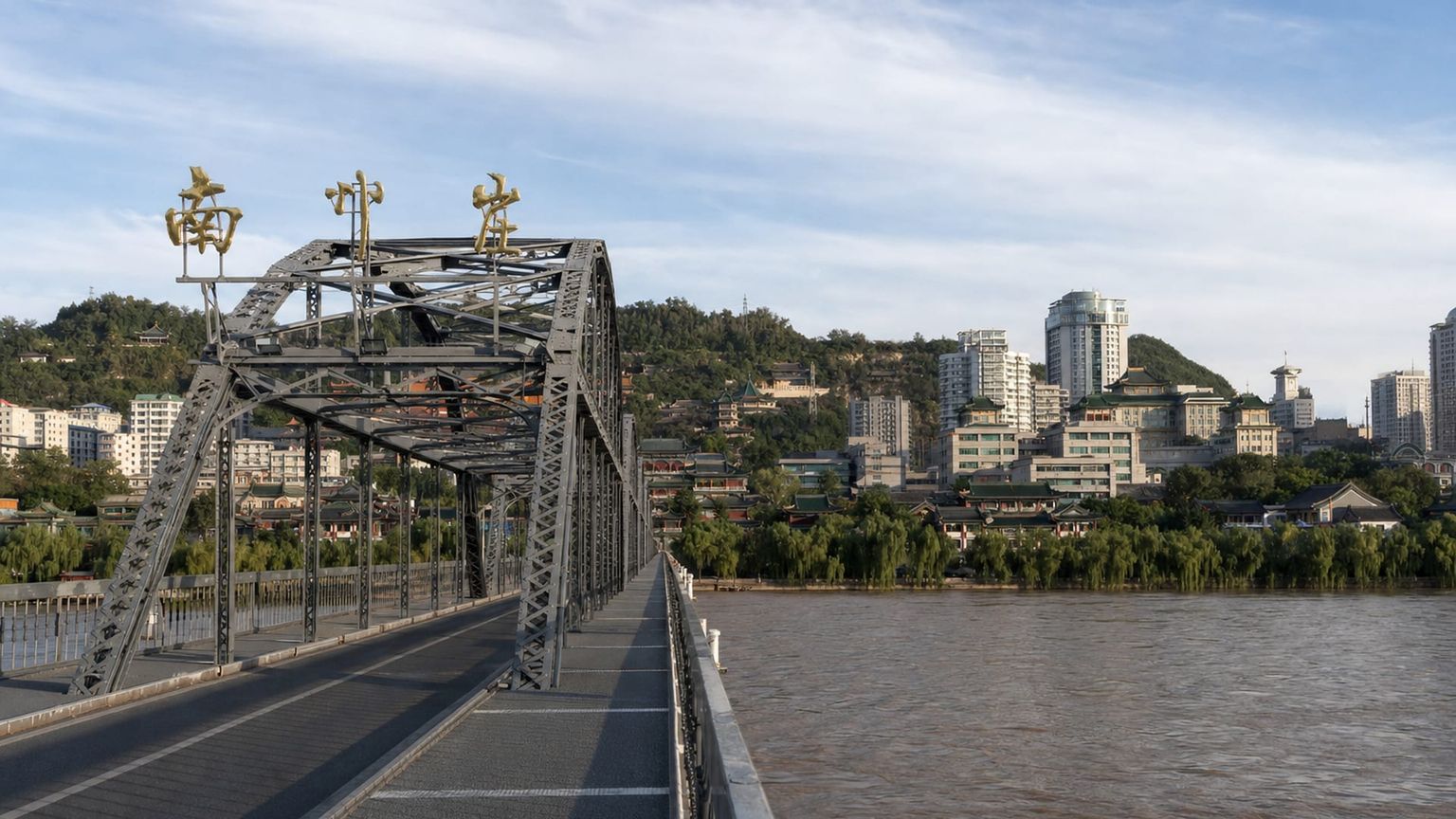
This stretch follows the north bank of the Yellow River near the city’s signature bridges and promenades. It works well for visitors who want evening walks, river views, and a scenic base close to downtown.
Best for: River walks, photography, and a scenic base near central sights
What to expect: Expect evening strollers, cyclists, and families on the promenade, with quieter pockets once you move a block or two inland.
Hotel prices: Usually about $40 to $110 per night for well-rated stays
Distance to major sights: 5 to 15 minutes by taxi to Zhongshan Bridge, about 20 to 30 minutes by transit to Lanzhou Baita Mountain Park
Quietness: Lively along the river in the evening, then quieter late at night.
Main trade-off: Hotels with the best views often charge more, and some rooms face traffic or the promenade rather than the water.
Good to know: Ask for a river-facing room only if you value the view, because lower floors can pick up promenade noise in warm weather.
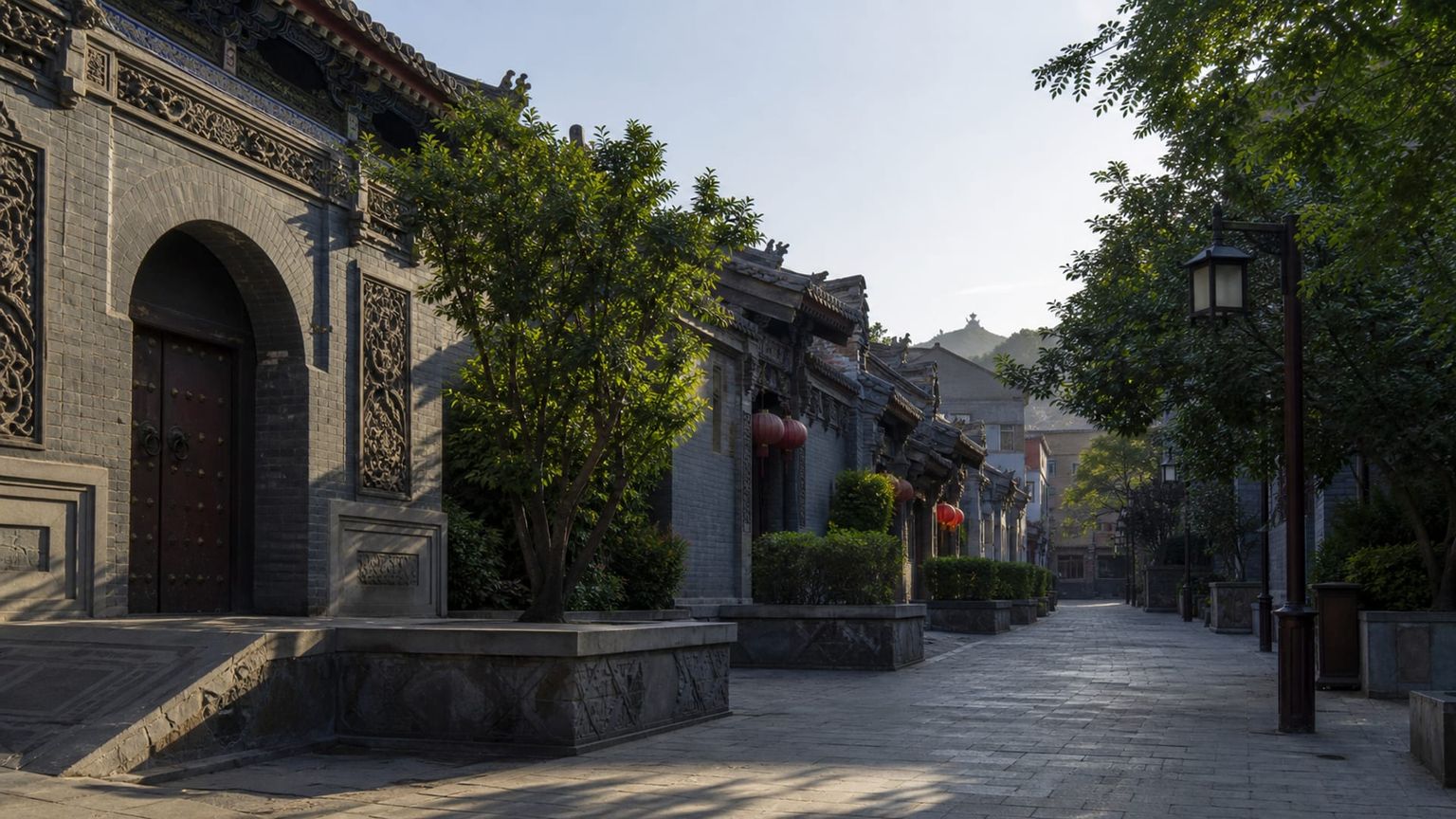
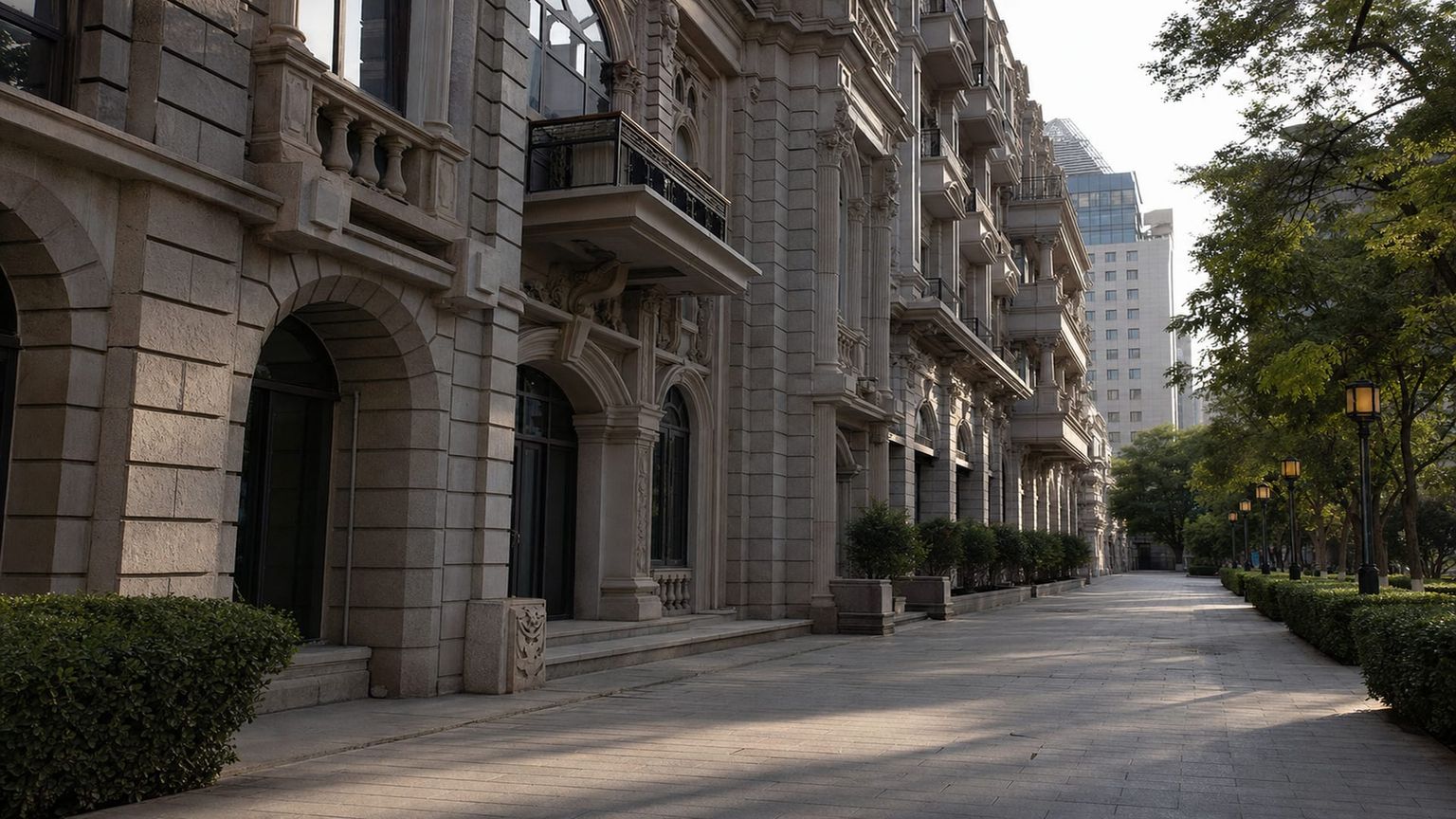
Xiguan sits west of downtown and has long been one of Lanzhou’s classic commercial quarters. It gives you access to local food streets, neighborhood markets, and a shorter ride into the core than outer districts.
Best for: Local food, neighborhood atmosphere, and travelers who want an active urban base
What to expect: Expect dense storefronts, steady local traffic, and a lot of foot activity around market streets and restaurant blocks.
Hotel prices: Usually about $30 to $75 per night for well-rated stays
Distance to major sights: 15 to 25 minutes by taxi to Zhongshan Bridge, about 20 to 35 minutes by transit to Gansu Provincial Museum
Quietness: Active throughout the day, with a softer pace after the dinner rush.
Main trade-off: You gain access to everyday city life, but some streets feel congested and less tidy than newer hotel zones.
Good to know: Plan extra time for evening taxis, because the busiest food streets can slow cars at dinner hour.
Travelers usually avoid the far western industrial edges of Qilihe District, including the areas around Xigu Road, because they sit well away from Lanzhou’s main sights and have fewer visitor amenities. Parts of Anning District near the university and factory belt are also less convenient, since they are far from the Yellow River central corridor and can mean longer evening trips back to the hotel. Outlying stretches of Chengguan District beyond the central riverfront are another weaker choice for the same reason, with limited walkable dining and shopping for visitors.
Hotel deals
How to get around Lanzhou efficiently
Lanzhou’s metro, buses, taxis, and ride apps each cover a different part of the city, so the best move is to match the mode to the river crossing, hill climb, or food street you want next.

Metro
for longer distances
Lanzhou has a metro network, with Line 1 linking Lanzhou Zhongchuan Airport area, Lanzhou West Railway Station, and the city center; single rides are typically about $0.30 to $1.00, and paper or QR tickets usually stay valid for the same journey until you exit the system. Trains serve the main east-west corridor well, but you may still need a bus or taxi for hotels and sights away from the line.

Bus and tram
for convenience
Lanzhou’s buses cover most districts, including the old city, Lanzhou West, and riverfront areas, and fares are usually about $0.15 to $0.30 per ride, with some intercity or airport links priced higher. Most riders pay by transit card or mobile QR code, and the network is the best option for short hops where the metro does not reach; travel times can stretch during rush hour, especially across the Yellow River crossings.

Taxi
for convenience or late hours
Licensed taxis in Lanzhou use meters, not fixed citywide fares, and daytime trips usually cost about $2 to $6 within central areas, with airport journeys often about $12 to $20 depending on traffic and distance. Hail them at taxi stands or by the curb, look for the illuminated roof sign and driver permit, and expect to pay by cash or mobile app, since card acceptance is less common.
*Prices are based on rates updated as of June 2026 and may change at the time of travel.
Use the metro and buses for the main east-west corridor, taxis for cross-river or late-night trips, and ride apps when you want to avoid waiting at the curb.
Iconic landmarks
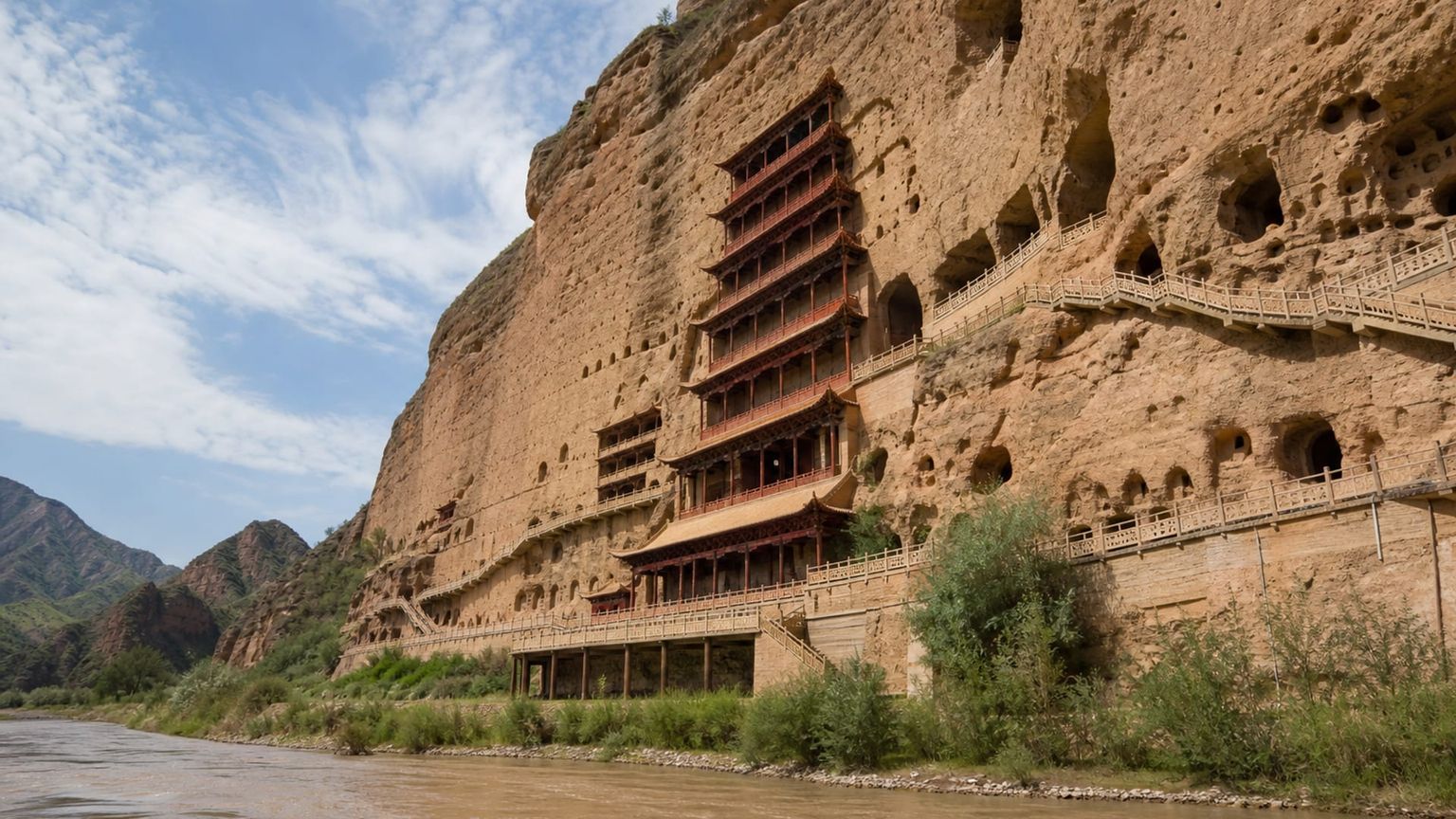
Bingling Temple Grottoes
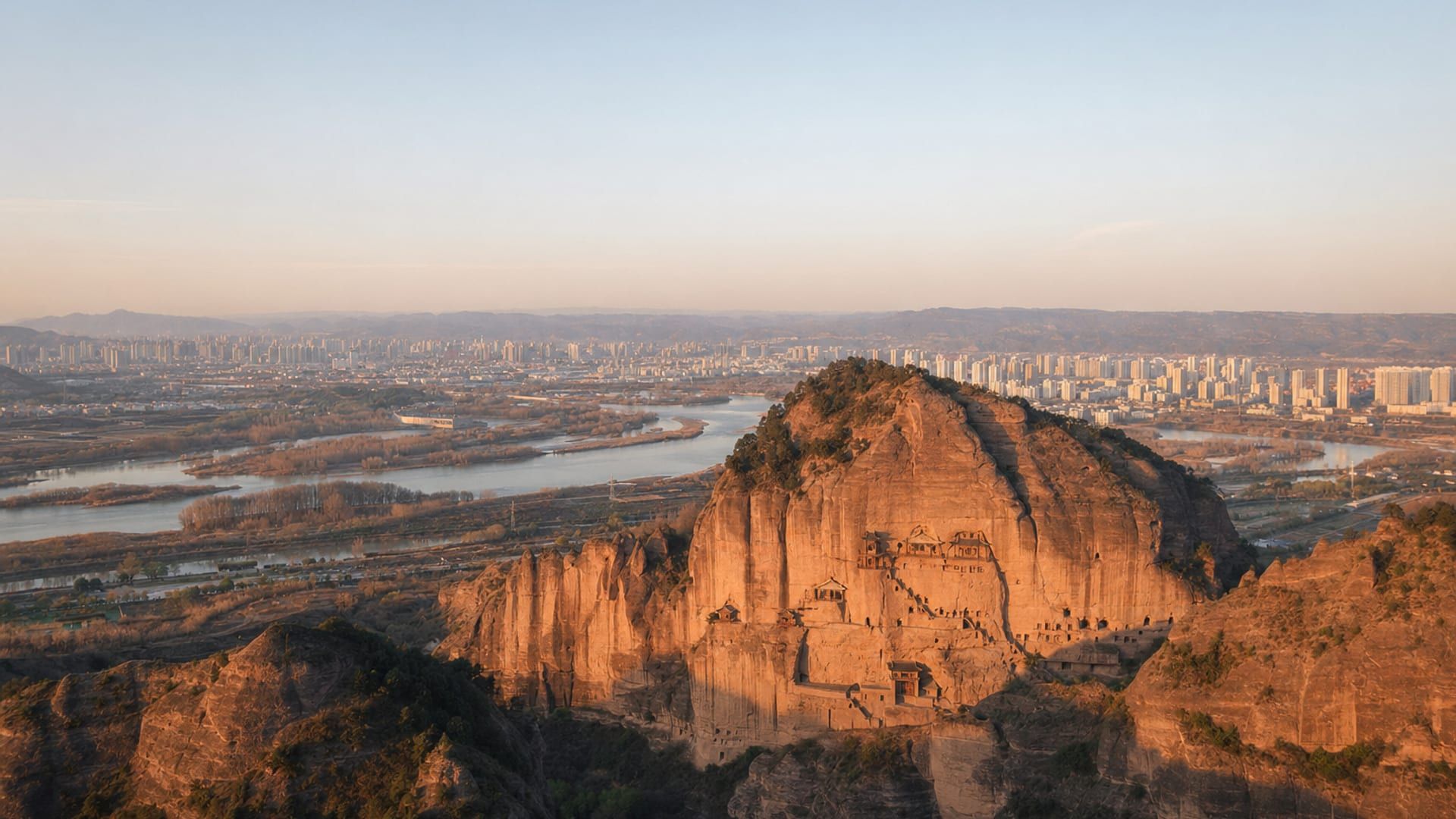
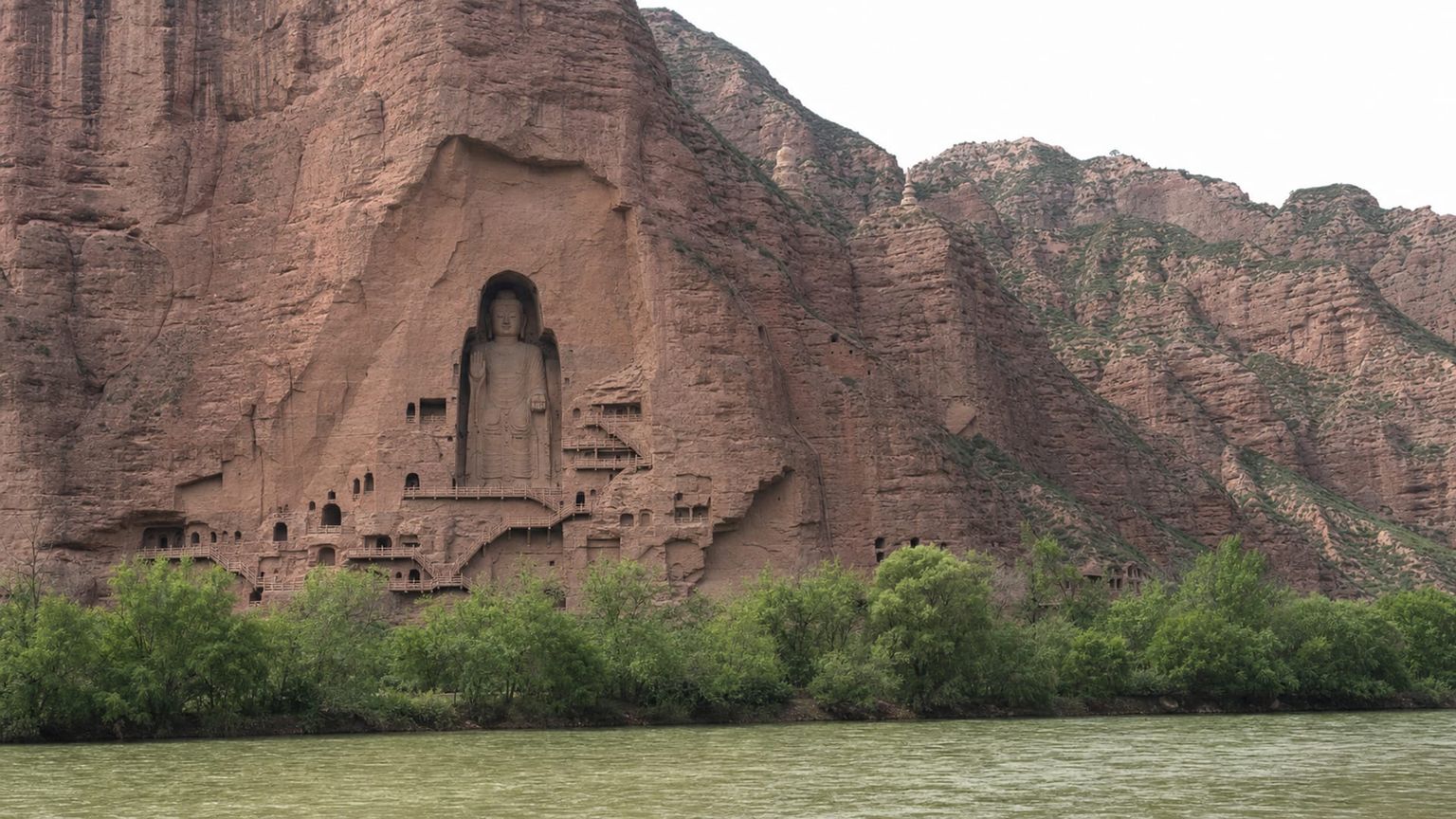
Cut into a limestone cliff above the Yellow River, the Bingling Temple Grottoes hold more than 700 Buddhist statues, murals, and inscriptions dating from the 5th century onward. Reach them by boat from Liujiaxia Reservoir, about 30 km west of Lanzhou.
Time needed: About 4 to 5 hours
Entry: Admission and boat transfer typically cost about $29 to $43 (approximately ¥210 to ¥310), depending on route and season; check on arrival
Tip: Go in the morning for calmer water and more daylight inside the grottoes, then return before late-afternoon winds build.
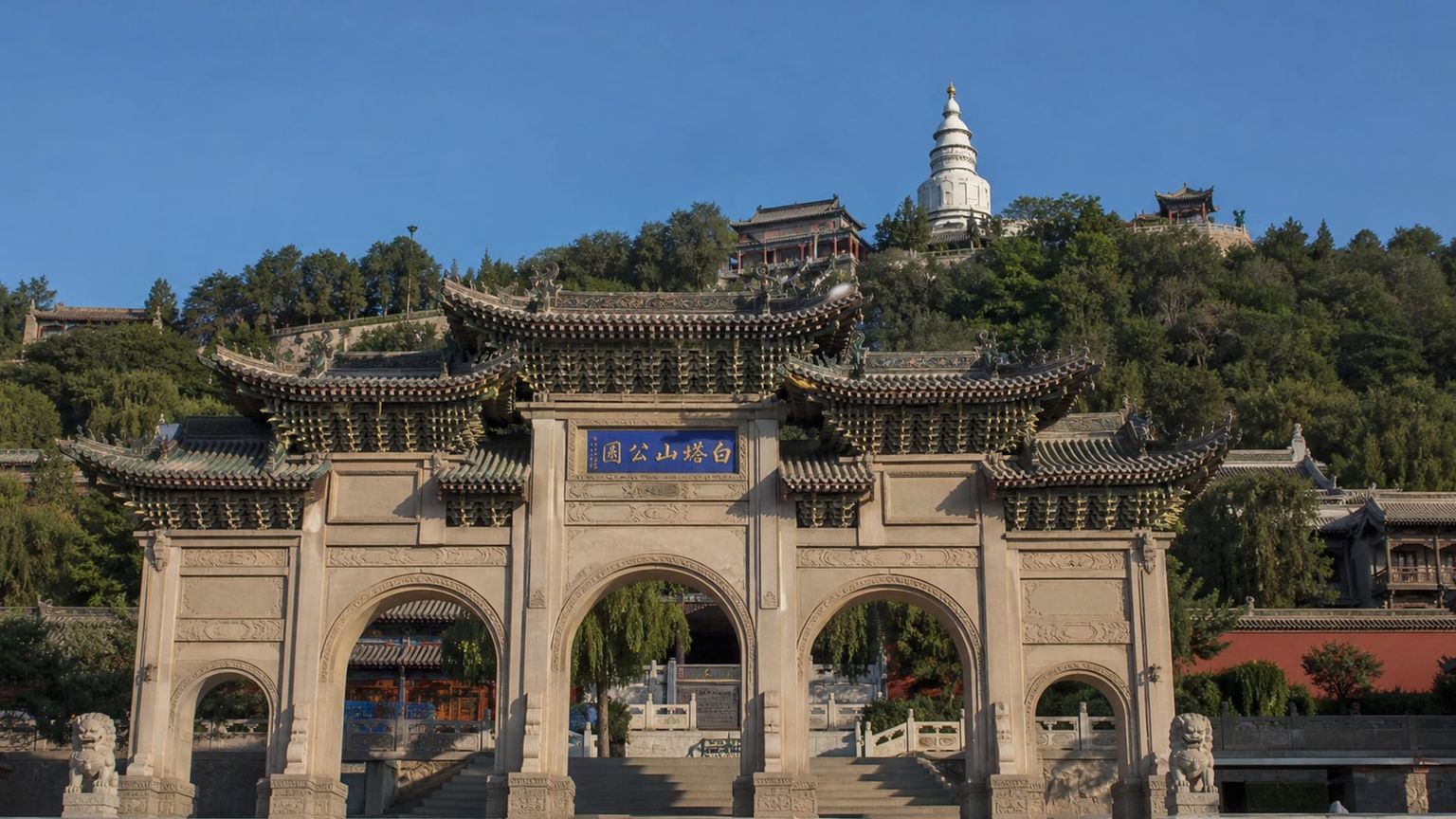
White Pagoda Mountain Park
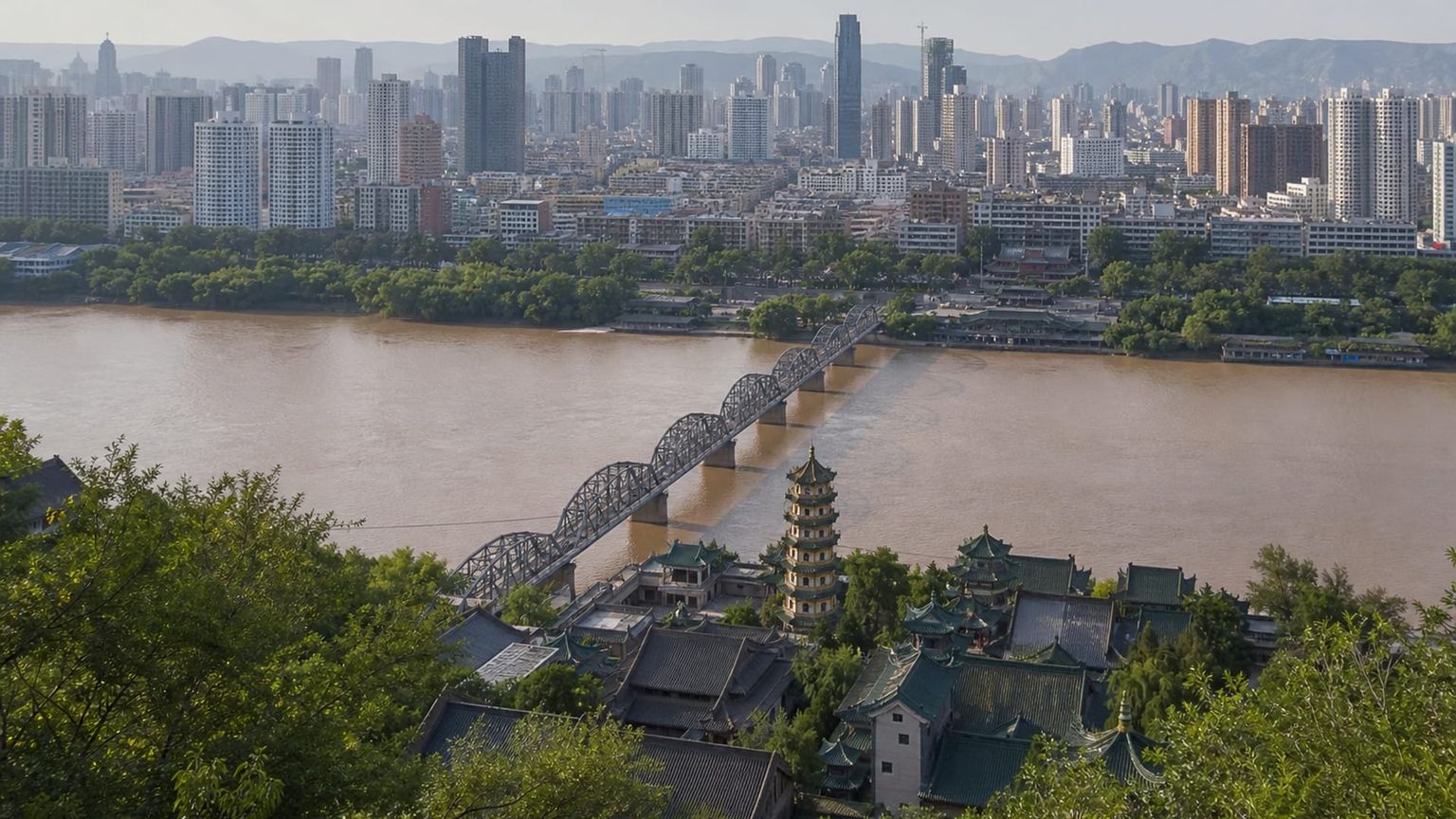
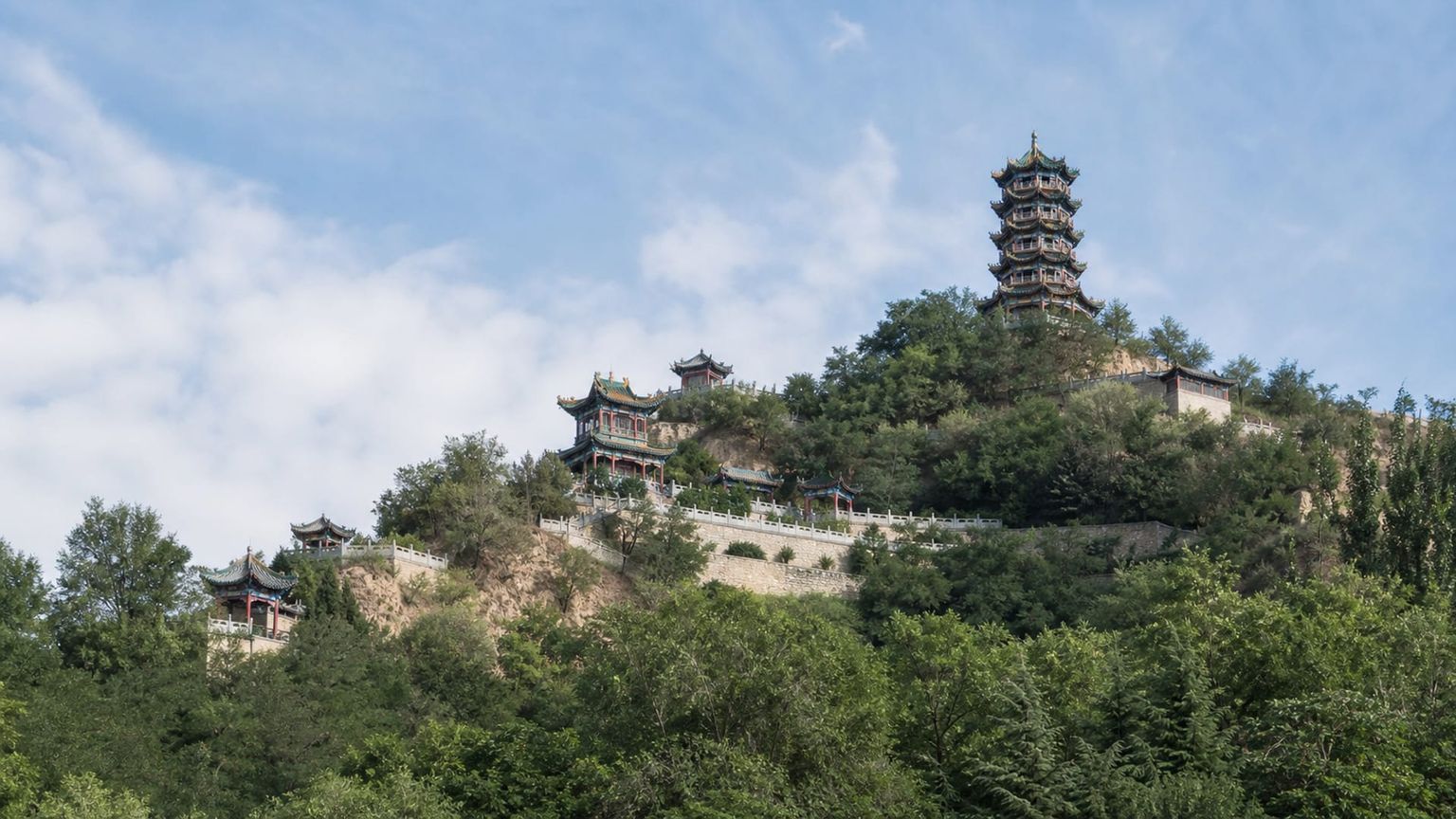
White Pagoda Mountain Park rises above the Yellow River with a 13th-century white pagoda, ridge paths, and broad city views. The summit gives one of Lanzhou’s clearest looks at the river bend, bridges, and downtown skyline in a single sweep.
Time needed: About 2 to 3 hours
Entry: Entry is free to access; cable car and other on-site rides, when operating, charge separate fares that usually total about $4 to $11 (approximately ¥30 to ¥80)
Tip: Visit near sunset for long light on the river, then leave before dark if you want to avoid the steep descent after sunset.
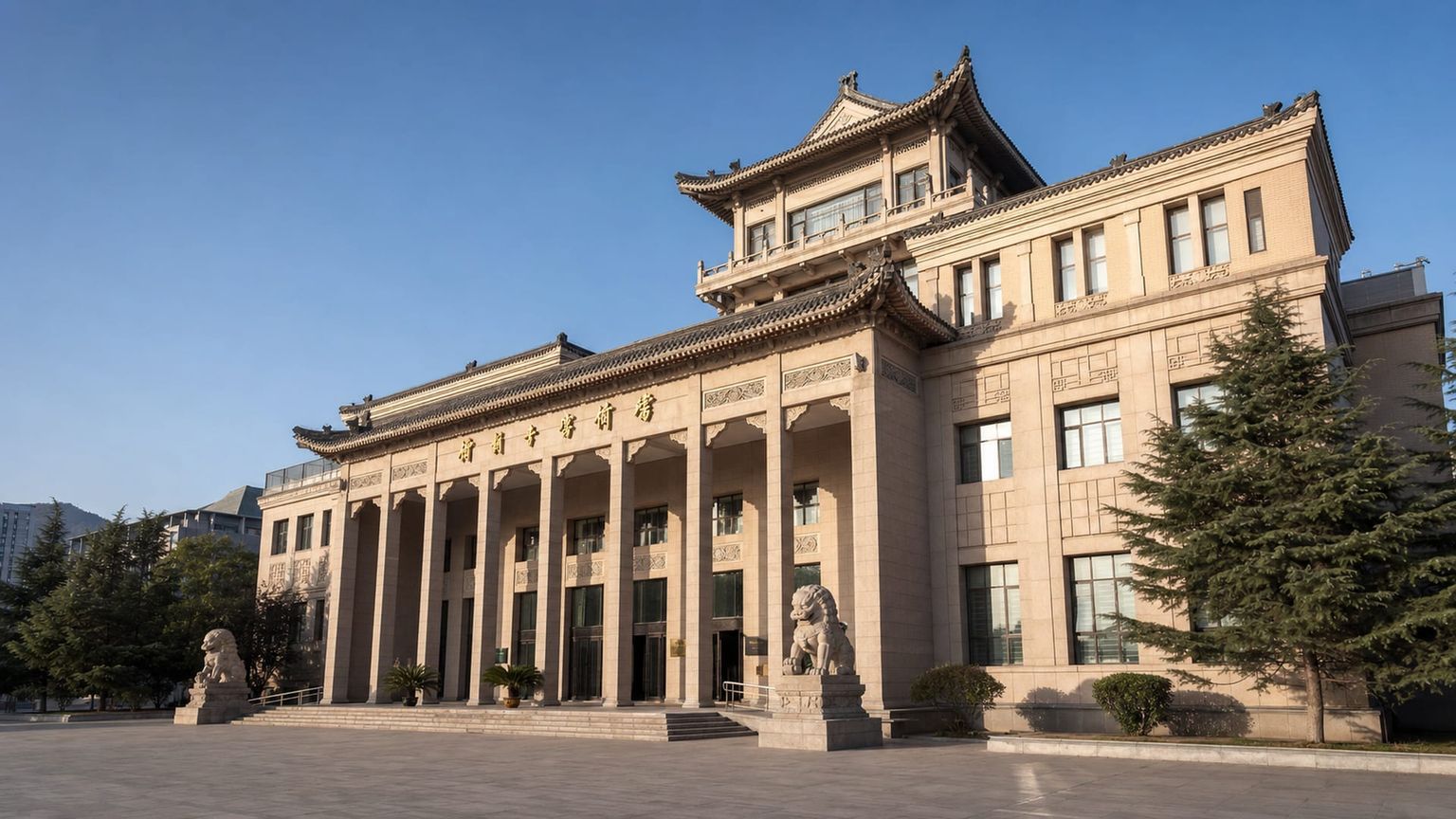
Gansu Provincial Museum
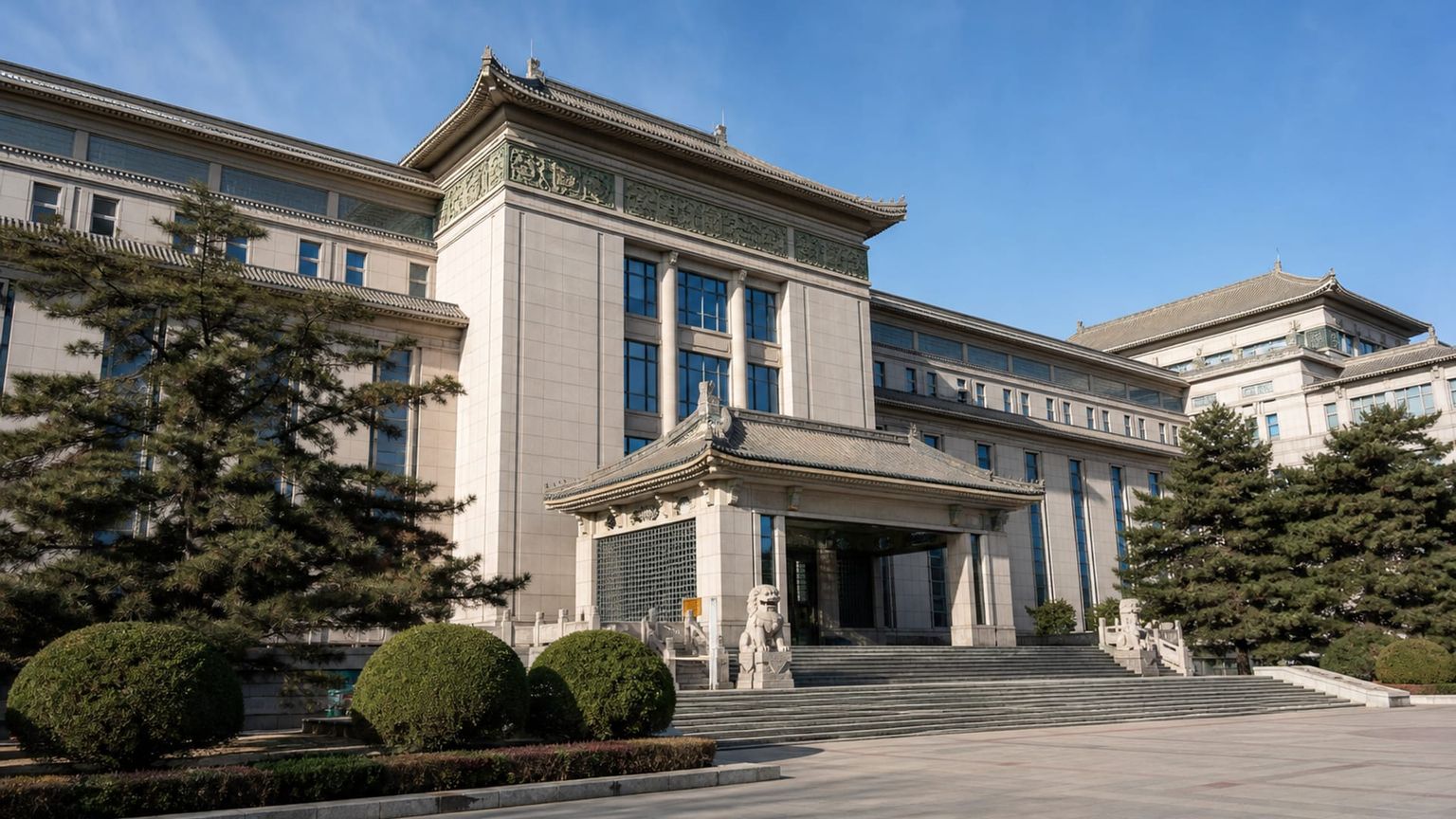
Gansu Provincial Museum presents one of China’s best regional collections, including the Flying Horse of Gansu, Han-era relics, Silk Road artifacts, and Buddhist sculpture. The galleries give Lanzhou’s history a clear route through trade, art, and burial culture.
Time needed: About 2 to 3 hours
Entry: Admission is free to access, but some temporary exhibitions may charge about $3 to $7 (approximately ¥20 to ¥50) at the door Visit the official site for details.
Tip: Arrive early on weekdays, when security lines are shorter and the most popular galleries are easier to view at your own pace.
Overlooked sites worth visiting

Baita Mountain Park
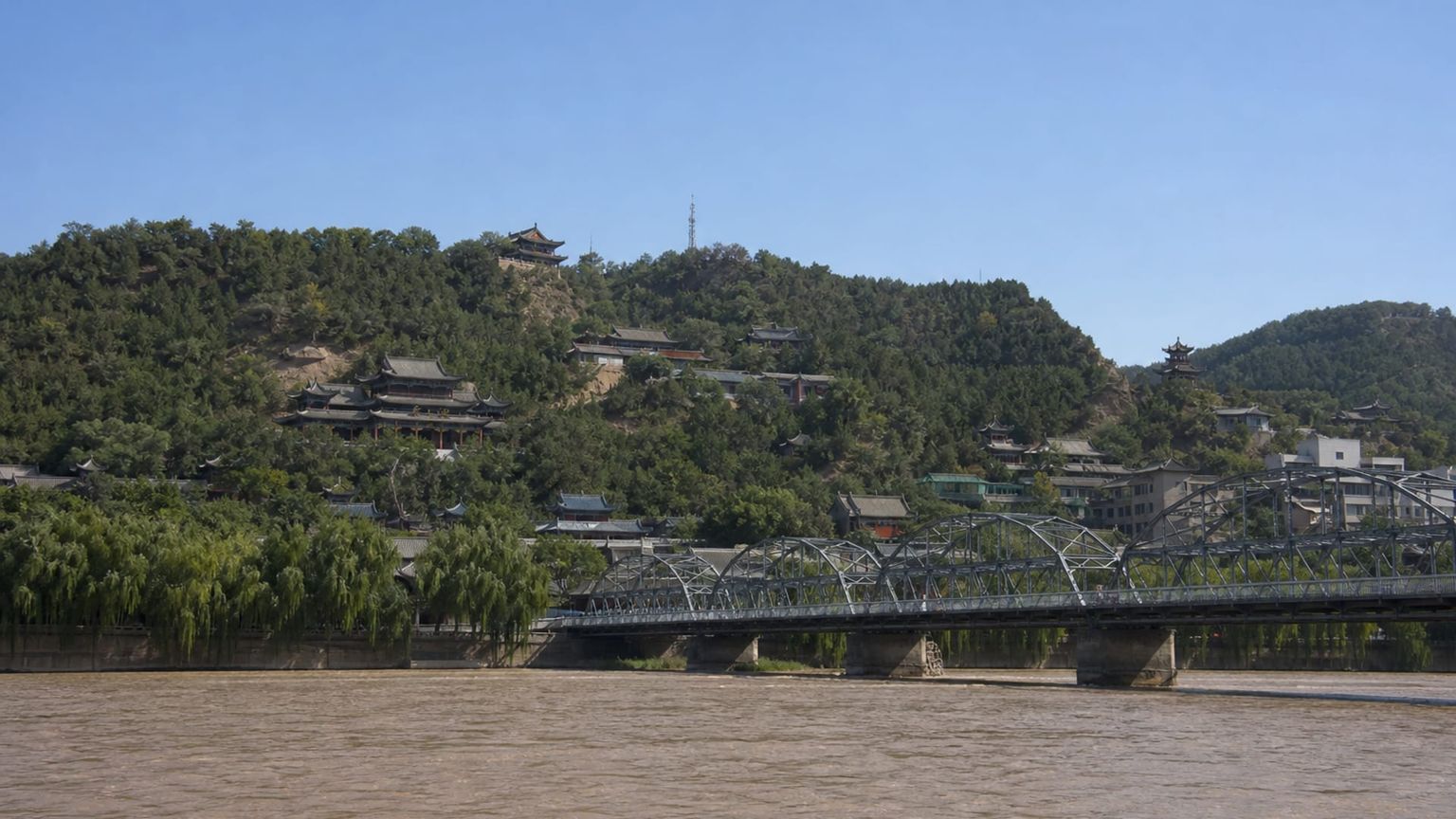
A hillside park on Lanzhou’s north side with long loops, river views, and scattered pavilions. Locals come here for walking, photography, and sunset light over the Yellow River.
Time needed: About 1 to 2 hours
Entry: Free to access; no ticket is usually needed for the park grounds, though some small amusement rides, cafes, or seasonal facilities may charge separately. Bring cash or a transit card if you plan to use any paid extras inside the park.
Tip: Go late in the day for softer light over the river.

Lanzhou Museum
A compact museum in the city center with exhibits on Gansu history, Buddhist art, and Silk Road finds. Its smaller scale makes it easy to fit into a short stop without a long detour.
Time needed: About 1 to 1.5 hours
Entry: Admission is typically free, but timed or same-day entry rules can apply on busy days and special exhibitions may require a separate ticket. Check the museum notice board before you go; photo rules and bag checks are common.
Tip: Arrive early on weekends, when entry can be limited.
Traditional food
Lanzhou’s food centers on wheat noodles, lamb, beef, and sharp seasoning, with Lanzhou beef noodle soup setting the tone and late-night streets keeping the city busy through dinner.
Lanzhou beef noodle soup
The city’s signature bowl combines hand-pulled noodles, clear beef broth, radish, chili oil, and herbs. Ma Zilu Beef Noodles is a classic Lanzhou stop for a first bowl.
Hand-pulled lamb
Thinly sliced lamb, often served plain or with a light seasoning, puts the meat first. A well-known place to try it in Lanzhou is Jincheng Lamb Restaurant.
Beef and mutton skewers
Charcoal-grilled skewers bring smoke, cumin, and salt together in a late-night format that fits Lanzhou’s food streets. Saqima Lamb Skewers is a local-style choice for this dish.
Zha jiang mian
This wheat-noodle dish uses a savory bean paste topping and often appears as a filling lunch or late supper. Old Lanzhou Zha Jiang Noodle House is a dependable place to order it in the city.
Best time to visit Lanzhou
Lanzhou shifts noticeably by season, with bright, dry weather in spring and autumn, hotter afternoons in summer, and colder, clearer winter days that change how long you want to stay outside.
Best for: Museum visits, river walks, and hill viewpoints
What you get: About 45°F to 75°F (7°C to 24°C), with moderate crowds and comfortable walking weather
Trade-offs: Wind and dust can interrupt the clearest days
Best for: Longer evenings on the river and higher-elevation parks
What you get: About 63°F to 88°F (17°C to 31°C), with heavier visitor flow and more local evening activity
Trade-offs: Afternoon heat can make midday sightseeing tiring
Best for: Clear views, dry air, and the best city panoramas
What you get: About 39°F to 74°F (4°C to 23°C), with comfortable crowds and strong visibility
Trade-offs: Temperatures drop fast after sunset
Best for: Quieter museums and uncrowded riverfront walks
What you get: About 10°F to 40°F (-12°C to 4°C), with low tourist traffic and crisp air
Trade-offs: Cold mornings and icy conditions can shorten outdoor plans
A realistic 5-day plan in Lanzhou
Five days in Lanzhou works best as a city-and-river sequence: one day for arrival, one for museums and the north-bank skyline, one for the western grottoes, one for a slower hill-and-museum pair, and one final pass through Xiguan before departure.
Land at Lanzhou Zhongchuan International Airport (LHW), then take a taxi or airport shuttle into the city in about 45 to 70 minutes, usually for roughly $11 to $18 (approximately ¥80 to ¥130), depending on traffic and your hotel area. For an easy first night, stay near Chengguan District center or the Yellow River riverside, where you can reach dinner on foot or with a short ride. A bowl of Lanzhou beef noodles near your hotel makes the most sense tonight, then water and an early bedtime will help after the travel day.
Start at Gansu Provincial Museum, which usually takes about 2 to 3 hours, and arrive early on a weekday if you want shorter lines. From Chengguan District center, a taxi takes roughly 10 to 20 minutes, or public transit about 15 to 25 minutes. After lunch, head to White Pagoda Mountain Park, about 15 to 25 minutes by taxi from the museum, then spend 2 to 3 hours on the ridge paths and at the summit for river and skyline views. Finish with an easy evening walk on the Yellow River riverside, about 10 to 15 minutes by taxi from the park, and book dinner near the bridge so you can avoid a late cross-town ride.
Begin the day on the water with Bingling Temple Grottoes, which takes about 4 to 5 hours including the boat transfer from Liujiaxia Reservoir, roughly 30 km west of Lanzhou. Leave early, since the calmest light and water are in the morning, and plan your return before winds build later in the day. When you get back to the city, rest in Xiguan, then go out for an evening meal in the neighborhood food streets, where the atmosphere stays active after dark and taxi traffic can slow at dinner hour.
Baita Mountain Park works well as a slower day, so arrive late in the afternoon and spend about 1 to 2 hours on the hillside loops and lookout points. A taxi from Chengguan District center usually takes about 15 to 25 minutes, and the same ride from the Yellow River riverside is often about 10 to 20 minutes. Pair it with a second city stop at Lanzhou Museum, which takes about 1 to 1.5 hours and sits close enough to fit before or after the park, depending on opening hours. End with a river-facing dinner near downtown, then watch the skyline fade from the north bank.
One last museum stop at Gansu Provincial Museum fits neatly into a departure day, especially if you want a final look at the Flying Horse of Gansu and the Silk Road galleries before heading out. After that, return to Xiguan for shopping and a late lunch, then settle into a café in Chengguan District center or along the Yellow River riverside for tea, pastry, and a quiet break before your transfer. If you have extra time, walk a short section of the river promenade rather than crossing the city for one more sight.
Business-class flights from the US to Lanzhou
Reaching Lanzhou from New York or Los Angeles usually means a one-stop long-haul itinerary, often through major hubs in Asia or the Gulf. Fare and elapsed time both move with the routing, so the best option depends on how much connection time you want to accept.
From New York, carriers including China Eastern Airlines, Air China, Qatar Airways, Turkish Airlines, Emirates, and Etihad Airways can get you to Lanzhou with connections that commonly run about 16 to 24 hours overall. Common layovers include Doha, Istanbul, Beijing, and Shanghai, and round-trip fares usually start from $3,200 and can reach $6,500.
Los Angeles travelers can book with China Eastern Airlines, Air China, China Southern Airlines, Qatar Airways, Turkish Airlines, or Emirates, and the total journey usually falls in the 14 to 21 hour range. A fair planning range is about $3,100 to $6,200 round-trip.
Lanzhou feels different when you slow down
A deliberate Lanzhou stay follows the river, not the map alone, with mornings at Gansu Provincial Museum, afternoons on White Pagoda Mountain Park or Baita Mountain Park, and evenings in Chengguan District center or Xiguan for noodles and skewers. Taxis fill the gaps, while the metro and buses handle the main corridor. If you want AranGrant experts to shape the route around your flight timing and hotel area, start with the Yellow River and build from there







