

Chapters:

Need help with your trip?
Our support team is available 24/7. Request a callback or call us directly at (833) 619-0908
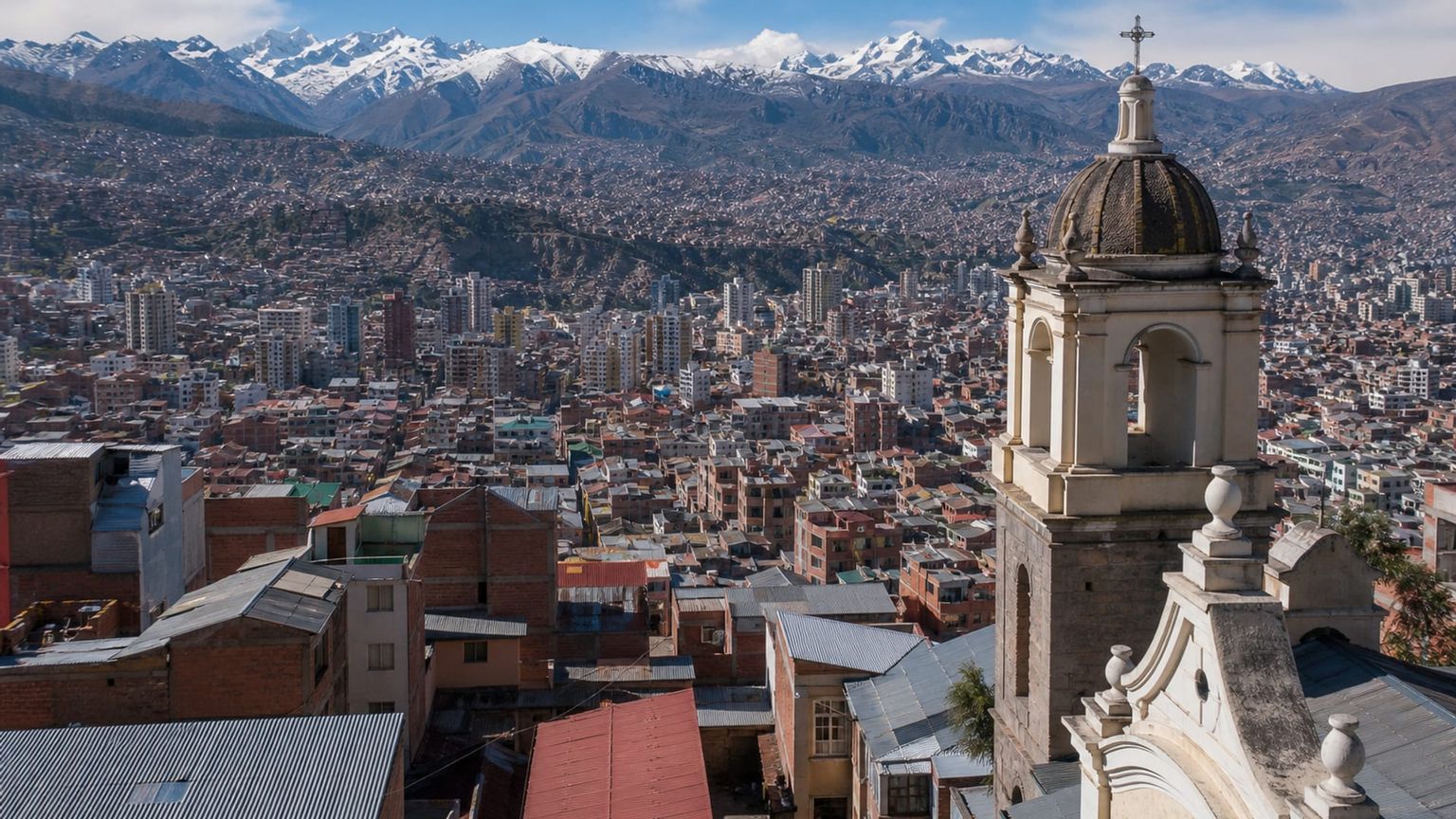
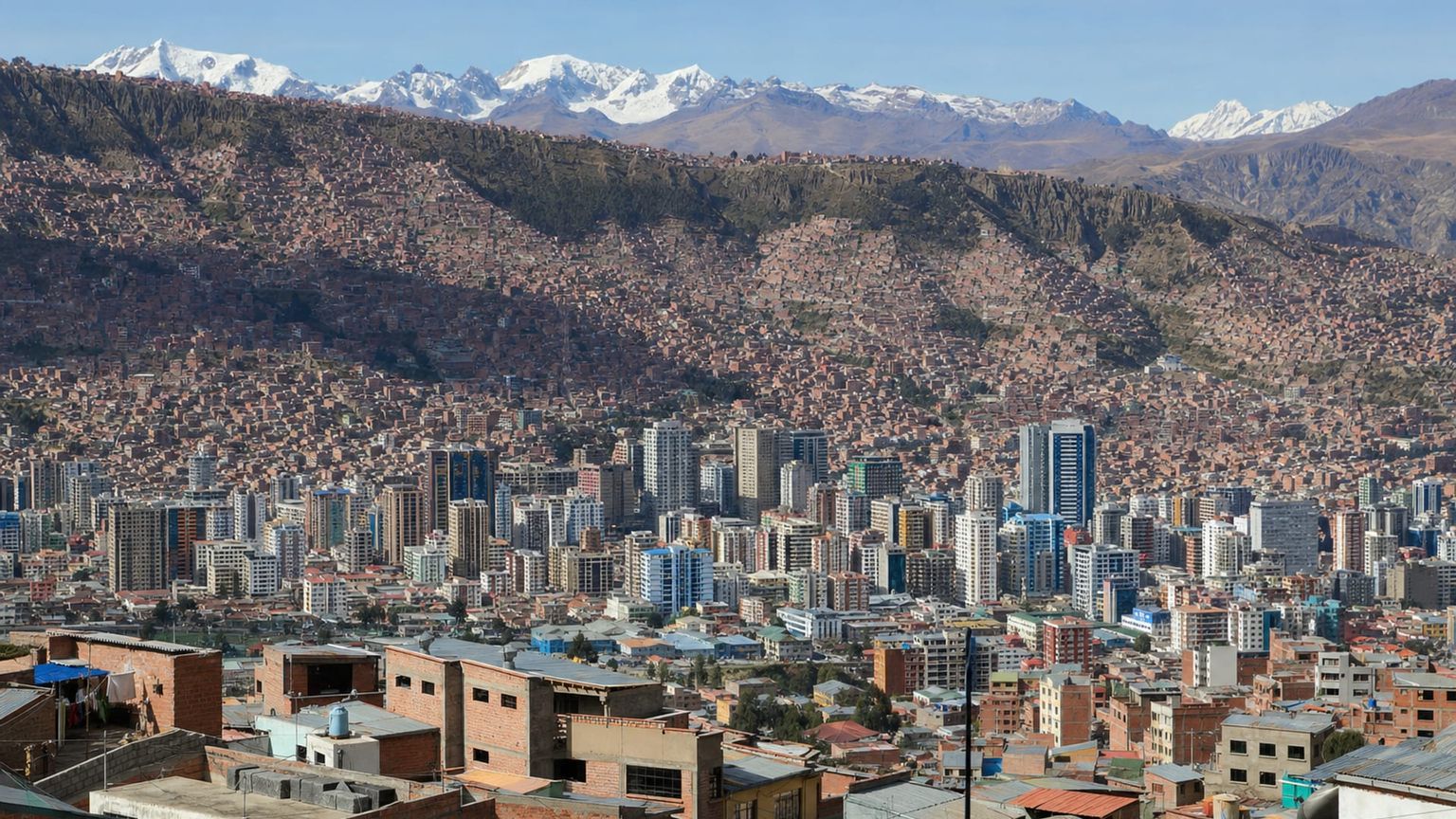
La Paz trips often start with the same small circuit, a taxi from the airport, a few photos in the center, and one cable car ride before dinner. What many visitors miss is how quickly altitude, steep streets, and district gaps can shape the day.
That matters because short distances on a map can take time once traffic, hills, and transfers enter the picture. A lunch stop in the historic core and dinner in Zona Sur can turn into two very different journeys.
This guide lays the city out in a cleaner sequence, with neighborhoods, sights, meals, and transfer times arranged so you can move through La Paz with fewer detours and more context.
Useful things to know

Main language(s): Spanish
Hola (OH-lah) – Hello
Por favor (por fah-VOR) – Please
Gracias (GRAH-syahs) – Thank you
¿Habla inglés? (AH-blah een-GLAYS) – Do you speak English?
¿Cuánto cuesta? (KWAHN-toh KWES-tah) – How much does it cost?

Currency: The local currency is the boliviano (BOB, Bs).

Cash and cards: Cards and contactless are accepted in many hotels and bigger restaurants, but carry about BOB 100 to 200 ($15 to $30) in cash.

Tipping: Round up small bills; add 10% at restaurants if service is not included.

Traditional food: Salteñas, anticuchos, pique macho, silpancho

Water and coffee costs: Water about BOB 5 ($1), bar espresso about BOB 12 ($2).

Taxis and ride apps: Uber and local taxis app use is limited; confirm the fare before boarding.

Plug and voltage: Type A/B socket, 127V

Dining and shop opening hours: Breakfast runs about 7:00-10:00 am, lunch about 1:00-3:00 pm, and dinner about 8:00-10:00 pm. Many restaurants close between meals and on Sunday afternoons.

Emergency number: 911 for police, fire, and medical emergencies.
Where to stay in La Paz
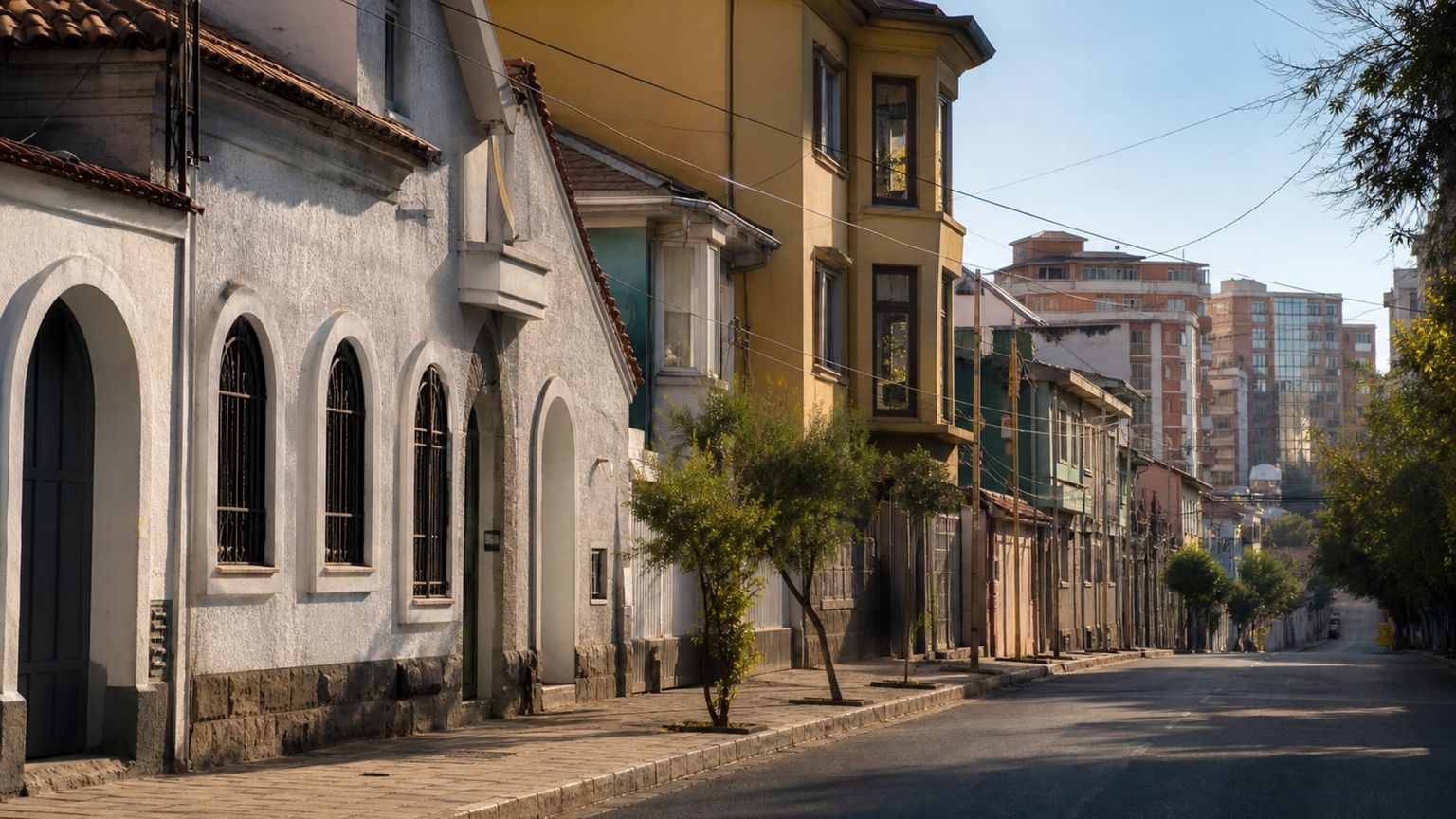
Sopocachi is a central hillside district west of the core, known for cafés, independent restaurants, and a steady choice of midrange hotels and apartments. It works well for travelers who want dinner options nearby and easy rides into the historic center.
Best for: Dining, cafés, nightlife, and travelers who want a central base with plenty of nearby places to eat
What to expect: Busy sidewalks by day, then a lively restaurant and bar scene after dark, especially on main streets.
Hotel prices: Usually about $35 to $90 per night for well-rated stays
Distance to major sights: About 10 to 20 minutes by taxi to Plaza Murillo and the Witches’ Market
Quietness: Quieter in the morning and late evening on side streets, but main avenues stay active into the night.
Main trade-off: The best-located streets can get noisy from traffic and late-night venues, and prices are often higher than in outer districts.
Good to know: Choose a room away from the busiest corners if you are sensitive to noise, since nightlife clusters on a few streets.
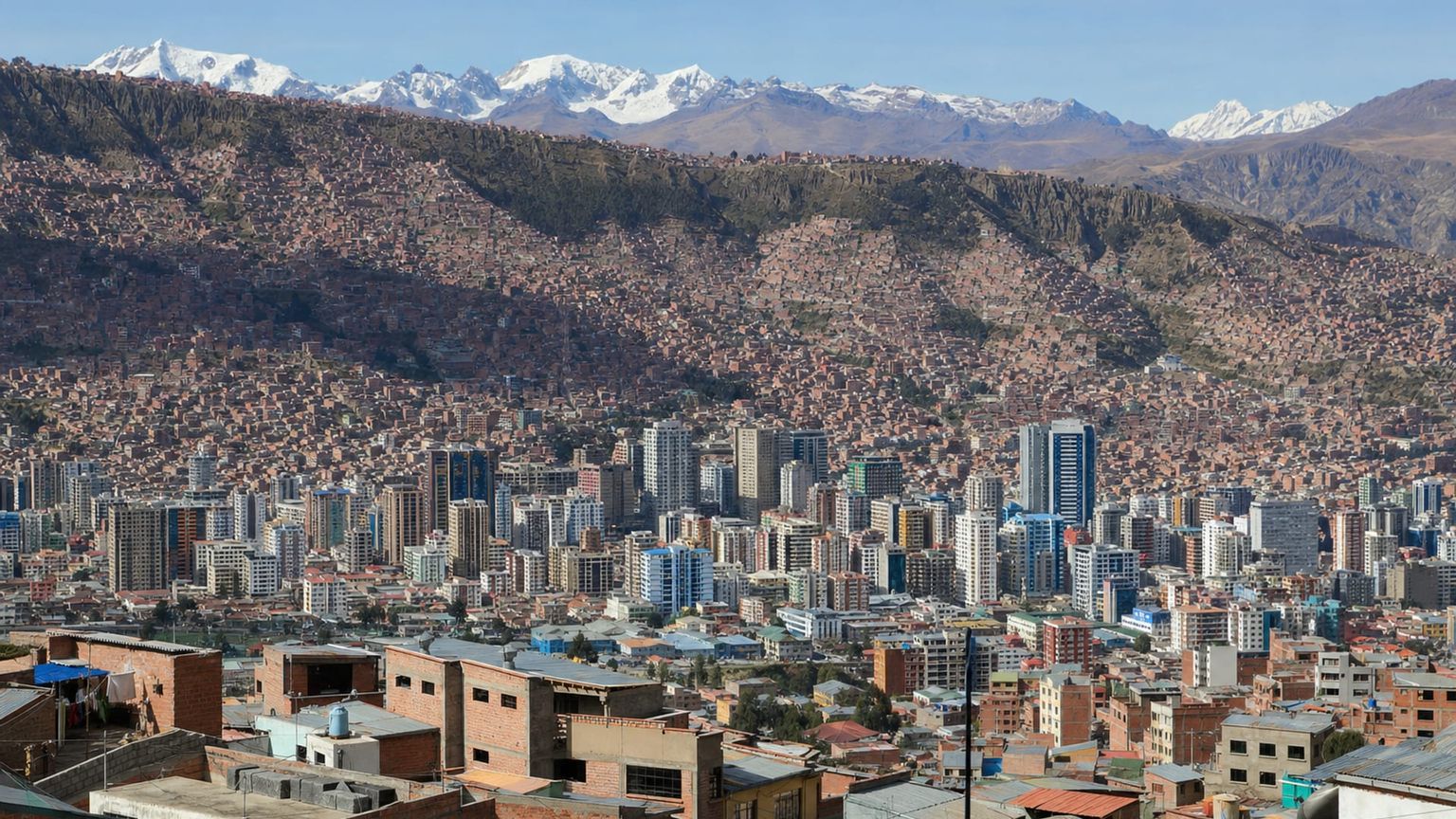
Zona Sur is the lower, warmer residential district in the south of La Paz, with newer hotels, shopping centers, and a more suburban street pattern than the center. It matters for travelers who value larger rooms, easier parking, and a calmer setting than the steep historic hills.
Best for: Longer stays, families, business travelers, and visitors who prefer newer hotels and calmer streets
What to expect: Residential streets, malls, and restaurant strips, with less foot traffic than central neighborhoods.
Hotel prices: Usually about $40 to $120 per night for well-rated stays
Distance to major sights: About 25 to 40 minutes by taxi to Plaza Murillo and the historic center
Quietness: Quiet on most residential blocks, with more activity near shopping streets and main roads in the evening.
Main trade-off: You will spend more time and money getting to colonial sights and museums in the center.
Good to know: If you plan repeated trips into downtown, budget extra travel time during rush hour because traffic can be slow.
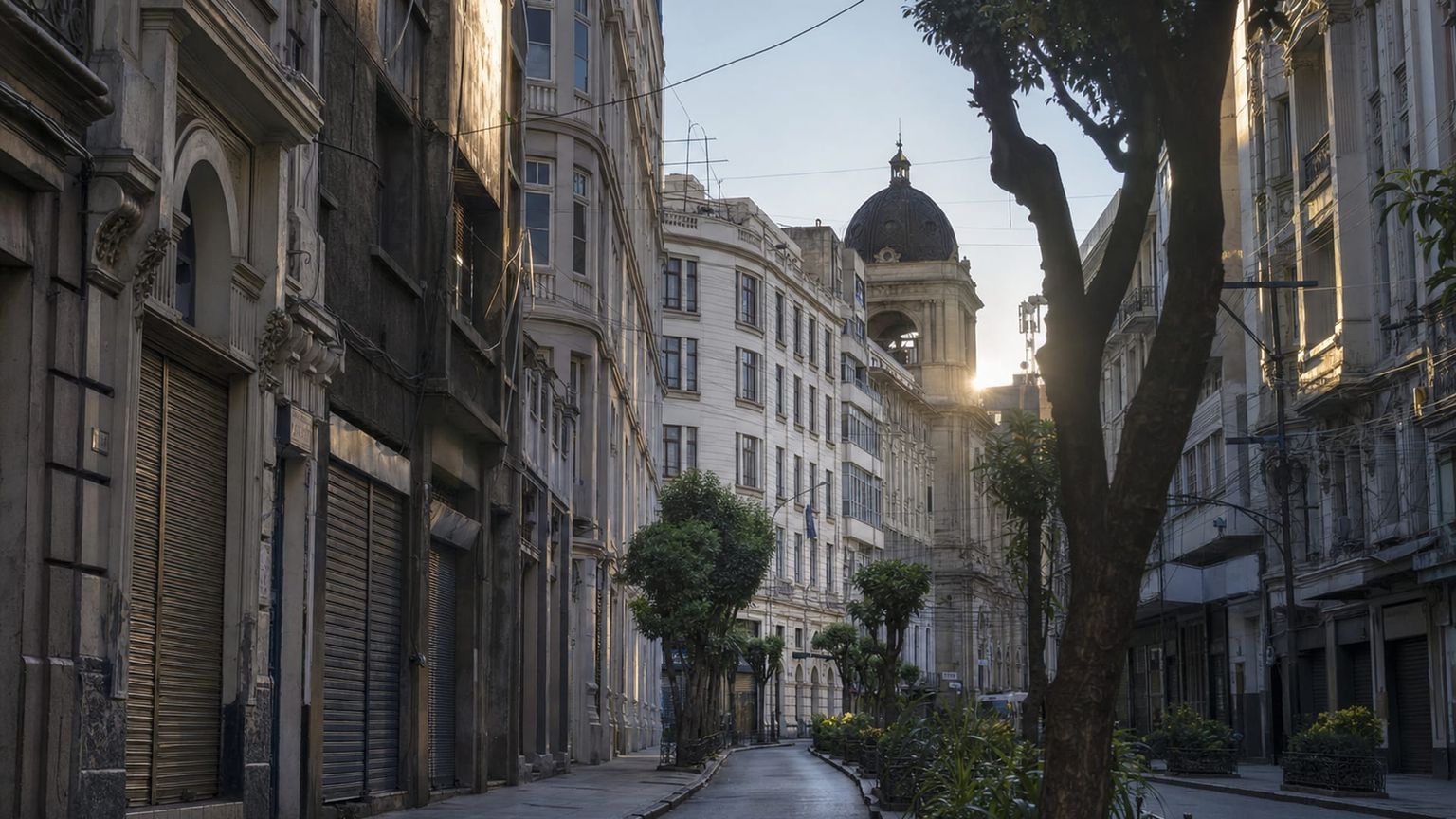
Centro places you near Plaza Murillo, government buildings, museums, and the oldest street grid in La Paz. It suits visitors who want to walk to major sights and stay in the city’s most concentrated historic area.
Best for: First-time visits, sightseeing, and travelers who want the historic core close by
What to expect: Dense daytime foot traffic, street vendors, and a constant flow of people near civic and commercial streets.
Hotel prices: Usually about $35 to $100 per night for well-rated stays
Distance to major sights: On foot, about 5 to 15 minutes to Plaza Murillo and the Witches’ Market
Quietness: Busy through the day, then noticeably calmer late evening once offices and shops close.
Main trade-off: Streets can feel crowded and some blocks empty out after business hours, so location within the district matters.
Good to know: Check whether your hotel sits on a lit main street, because short walking distances can still feel inconvenient after dark.
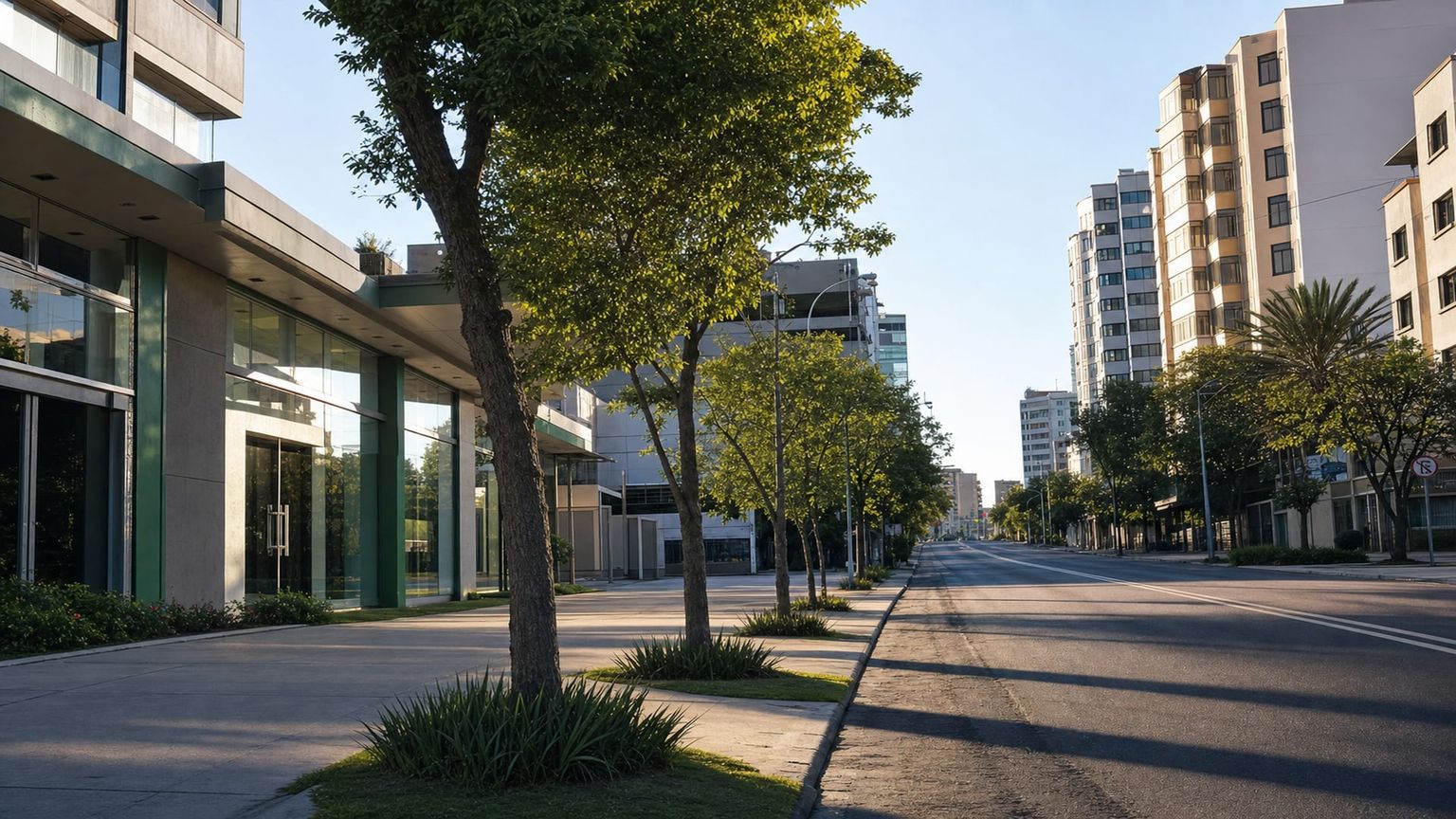
San Miguel is a polished southern neighborhood in Zona Sur with restaurants, cafés, banks, and modern apartment buildings. It matters if you want an easygoing base with good dining and shopping but do not need to sleep near the colonial center.
Best for: Upscale stays, dining, shopping, and travelers who want a quieter residential base
What to expect: Sidewalk cafés, local shopping streets, and a neighborhood crowd rather than heavy tourist foot traffic.
Hotel prices: Usually about $45 to $130 per night for well-rated stays
Distance to major sights: About 25 to 35 minutes by taxi to Plaza Murillo
Quietness: Quiet at night on residential blocks, with more movement around restaurants and main avenues in the evening.
Main trade-off: You gain a calmer address, but you will rely on taxis for most historic sightseeing.
Good to know: If you plan early-morning tours, confirm breakfast hours, since many smaller hotels open later than the city center.
Travelers usually avoid staying in El Alto, it sits high above the city and adds a longer, less convenient trip to the main sights in central La Paz. Miraflores, Sopocachi, and Zona Sur can also be less convenient for first-time visitors if your plans center on the historic core, since evening travel takes longer and the best-known sights are not on the doorstep.
Hotel deals
How to get around La Paz efficiently
La Paz has no metro, so the cable car, buses, and taxis each cover a different kind of trip, from cross-city rides to short hops between hills and neighborhoods.

Metro
for longer distances
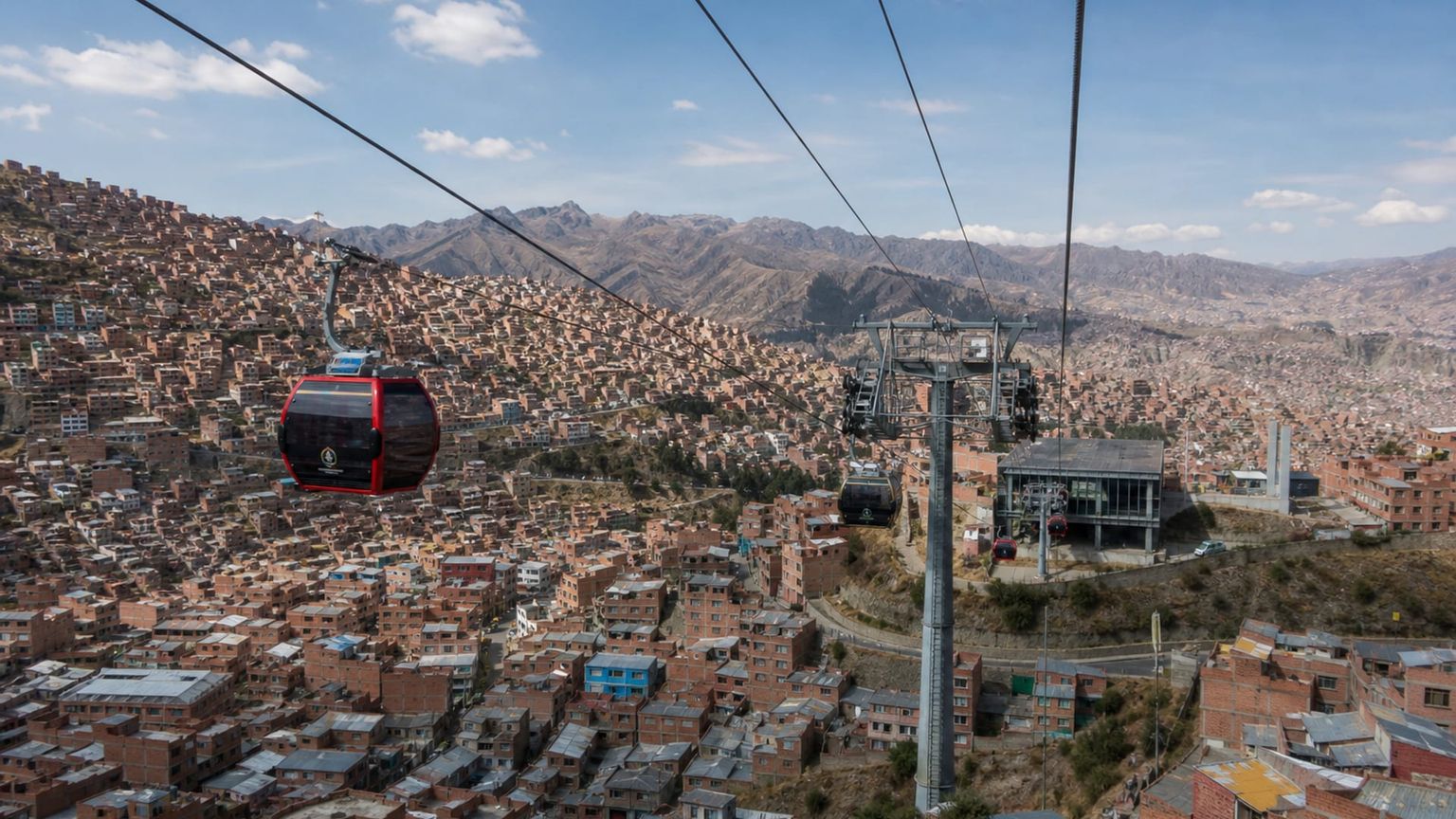
La Paz has no metro system, so visitors usually rely on buses, minibuses, and the Mi Teleférico cable car network instead. The cable car links La Paz with El Alto on several color-coded lines, with rides costing about $0.35 ($2.4 BOB) and taking roughly 10 to 30 minutes depending on the segment. It works best for cross-city trips between major stations, while short street-level trips still call for other transport.

Bus and tram
for convenience
Blue minibuses, collectivos, and city buses cover most La Paz neighborhoods and the route toward El Alto, but they do not follow the fixed, signed patterns common in many cities. Fares usually run about $0.15 to $0.30 ($1 to $2 BOB), paid in cash on board, and trips within central areas often take 10 to 30 minutes, longer when traffic builds on the main hillsides and connector roads. For visitors, the key is to confirm the destination out loud before boarding, since vehicles are often identified by route names or painted boards rather than by numbered lines.

Taxi
for convenience or late hours
Licensed taxis in La Paz usually use set fares rather than meters, with short city trips often about $2 to $5 ($14 to $35 BOB) and airport trips from La Paz (LAP) typically about $8 to $15 ($55 to $100 BOB), depending on time of day and exact drop-off point. You can hail them on the street, use hotel dispatch, or arrange one through a radio taxi company; agree on the price before departure, since cash in bolivianos is the norm and card payment is uncommon. Shared radio taxis can cut the fare a little, but private rides are more common for airport transfers and late-night trips.
*Prices are based on rates updated as of June 2026 and may change at the time of travel.
Use Mi Teleférico for longer crossings and views, taxis for airport runs and late evenings, and buses or minibuses when you want the lowest fares on short daytime trips.
Iconic landmarks
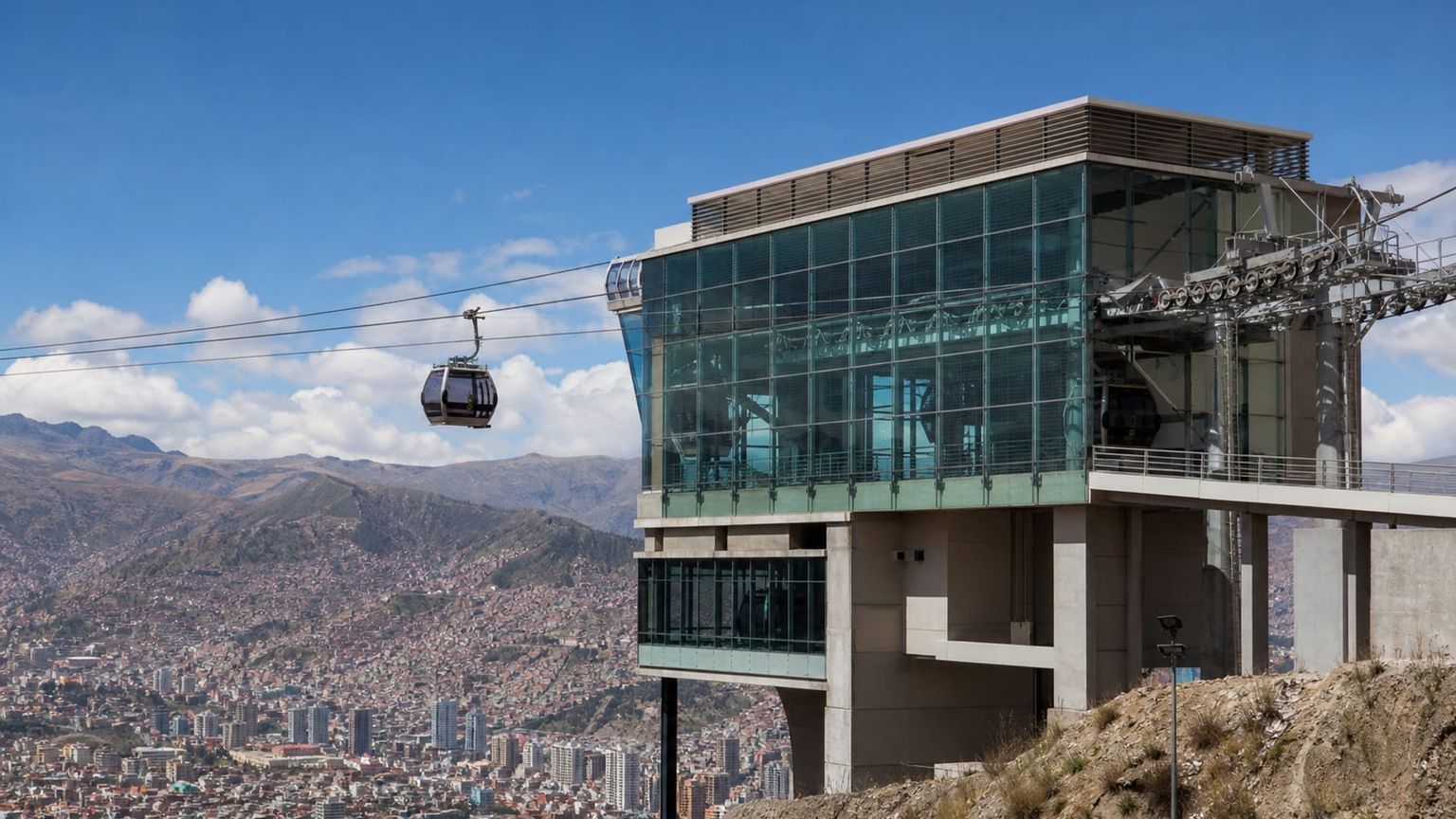
Mi Teleférico
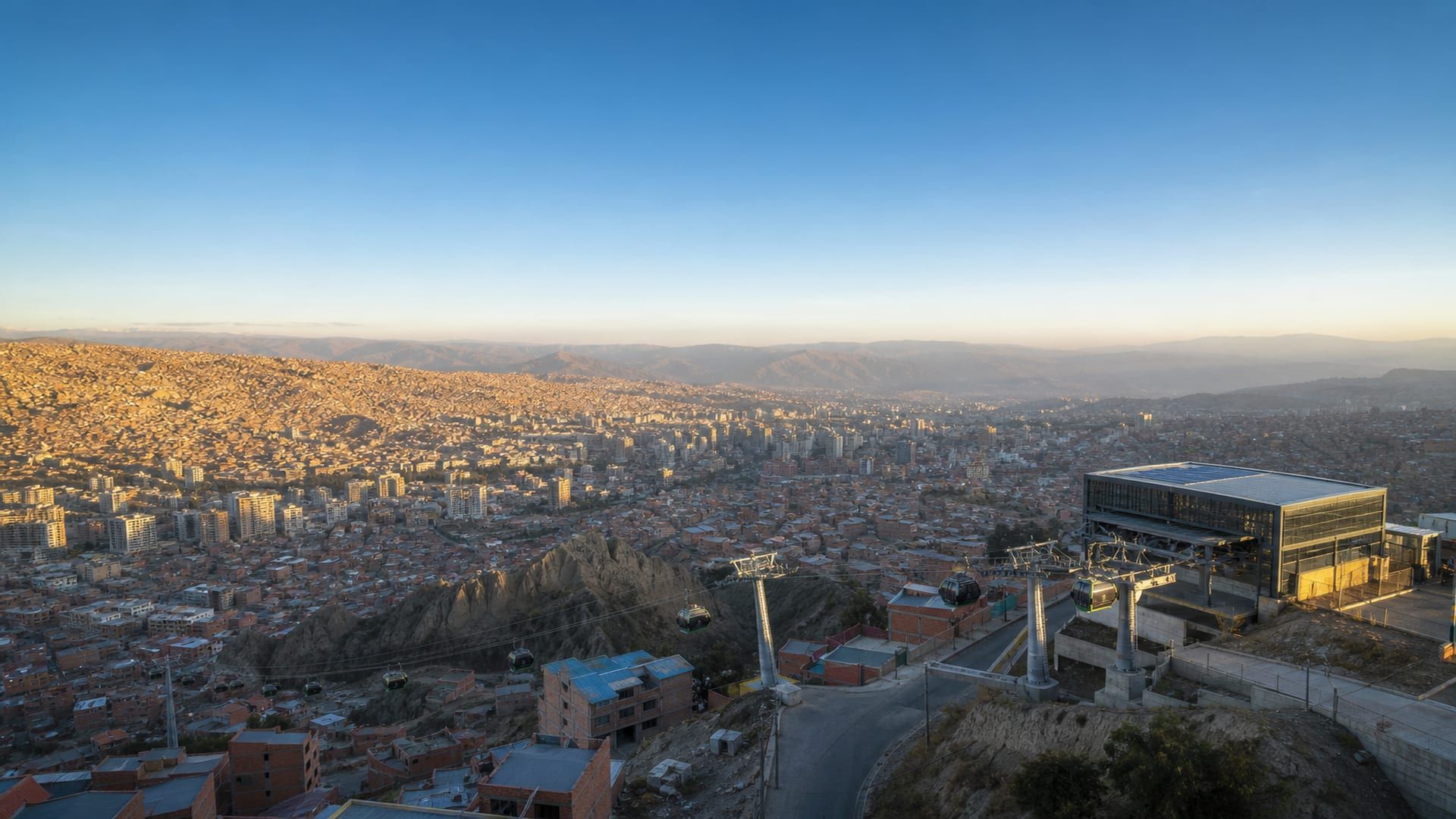
La Paz’s cable car network links the valley floor with the high plateau and nearby neighborhoods, and the ride doubles as city transport and a viewpoint. The clearest panoramas come on a full loop with daylight over the canyon.
Time needed: About 1 to 2 hours
Entry: Standard fares cost about $0.52 (Bs 3.50) per ride; multi-line transfers increase the total. Visit the official site for details.
Tip: Ride near sunset for clearer light, then stay on for one full segment to compare elevations.
Valley of the Moon
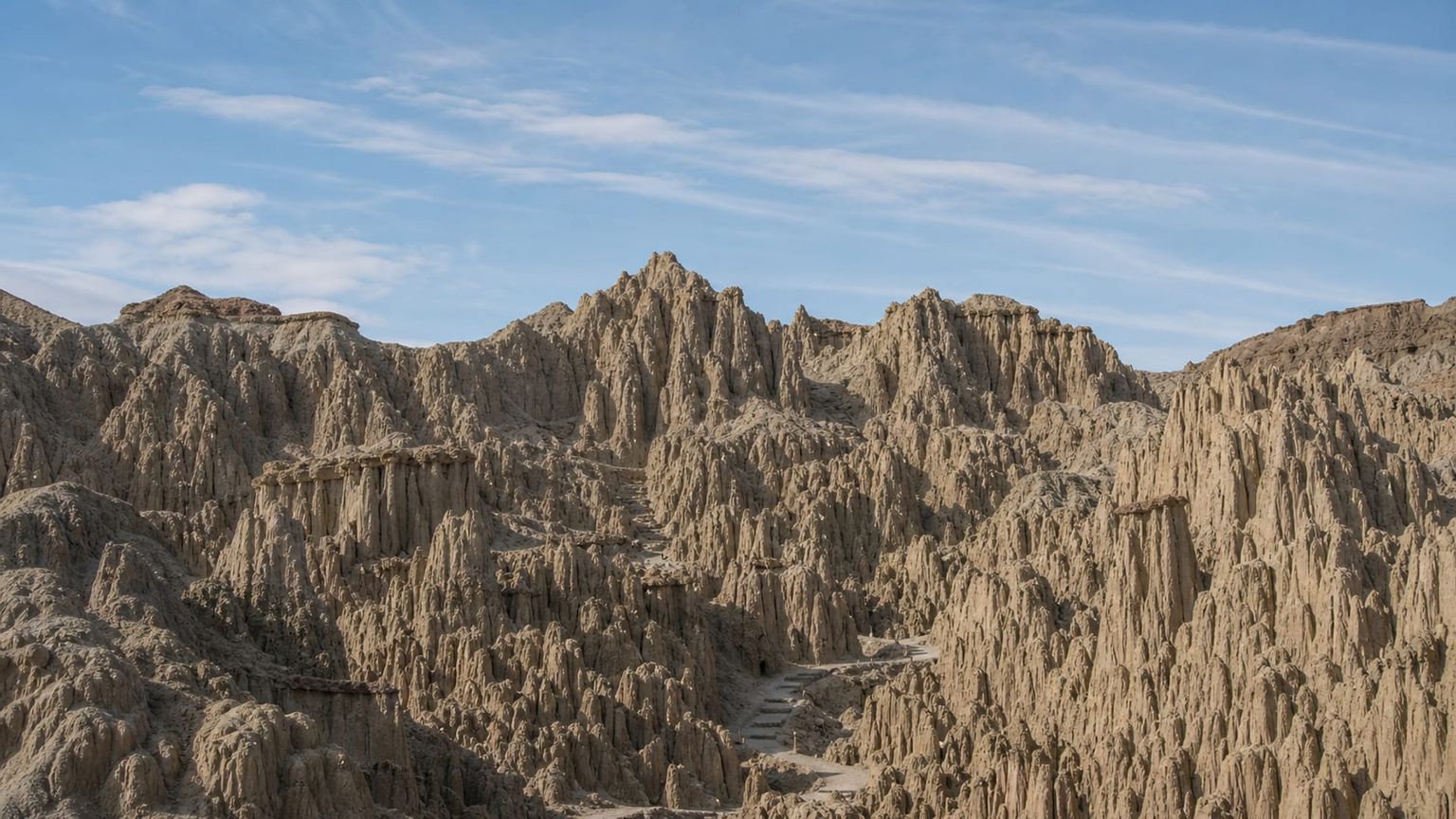
This eroded clay landscape in southern La Paz has sharp ridges, gullies, and narrow paths that make the geology easy to read on foot. Short trails and the lookout points are the main reason to visit, with the city still visible behind the formations.
Time needed: About 1 to 2 hours
Entry: Admission costs about $1.45 (Bs 10) for adults, with lower rates for children and local residents. Visit the official site for details.
Tip: Go early or late in the day, when the shadows make the ridges easier to photograph.
Witches' Market
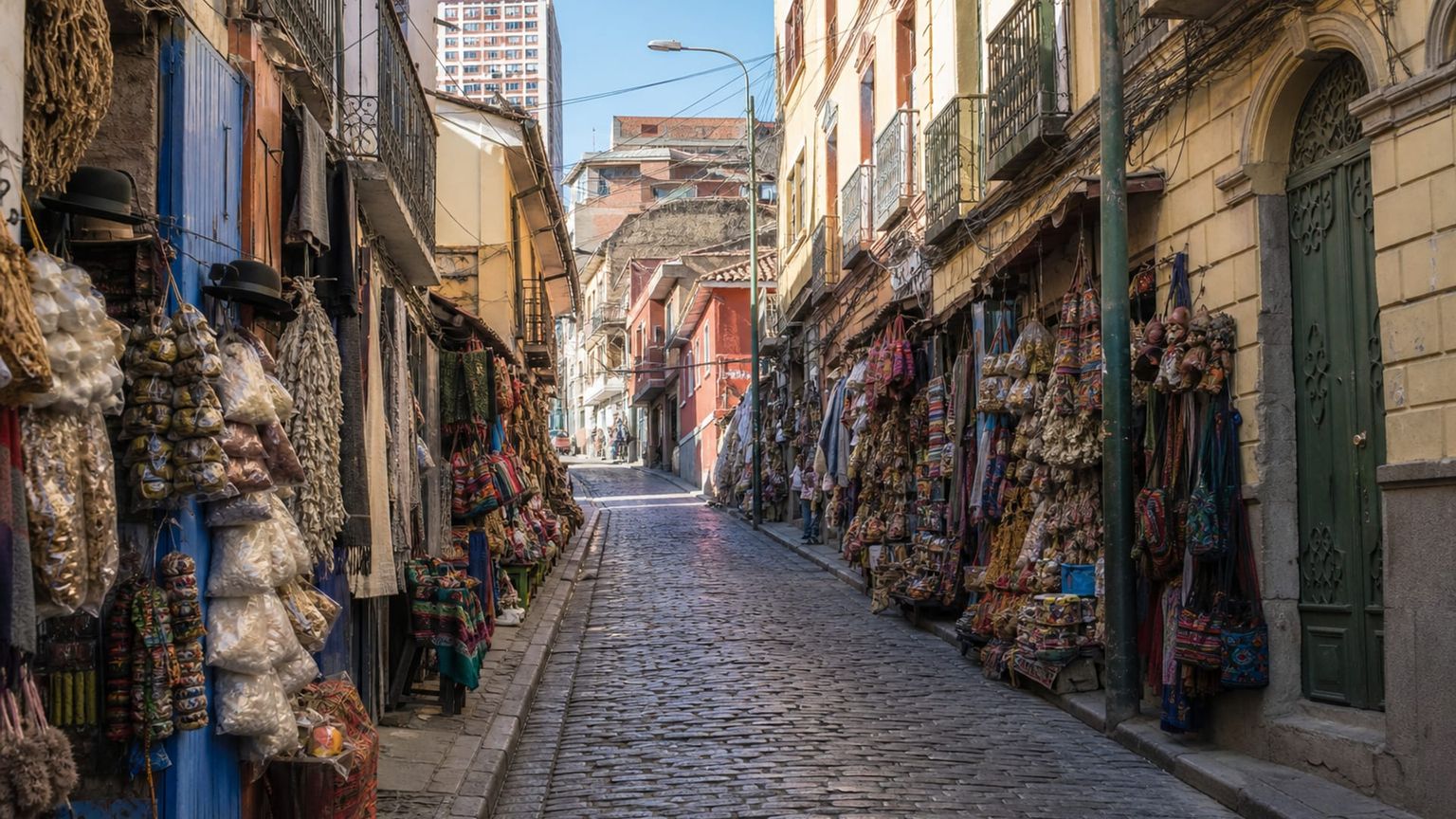
Around Calle Linares, stalls sell dried herbs, charms, llama figurines, and ritual items tied to Aymara beliefs. It is a compact stop for browsing and photographing the shopfronts before or after the nearby historic center.
Time needed: About 45 minutes to 1 hour
Entry: Free to access; purchases are optional and prices vary by stall and item.
Tip: Visit before midday, when stalls are open and the lane is easier to move through.
Overlooked sites worth visiting

Valle de la Luna
A eroded clay-and-sandstone ravine south of La Paz, with narrow paths, ridges, and gullies that change color in late light. The best visit is a short loop with city views.
Time needed: About 1 to 2 hours
Entry: Entry costs about $3 ($20 BOB) for adults, with lower rates for children and Bolivian residents. The site opens daily, though hours can shift by season and weather, so check current times before you go.
Tip: Go near sunset for the strongest color and cooler air.

Calle Jaén
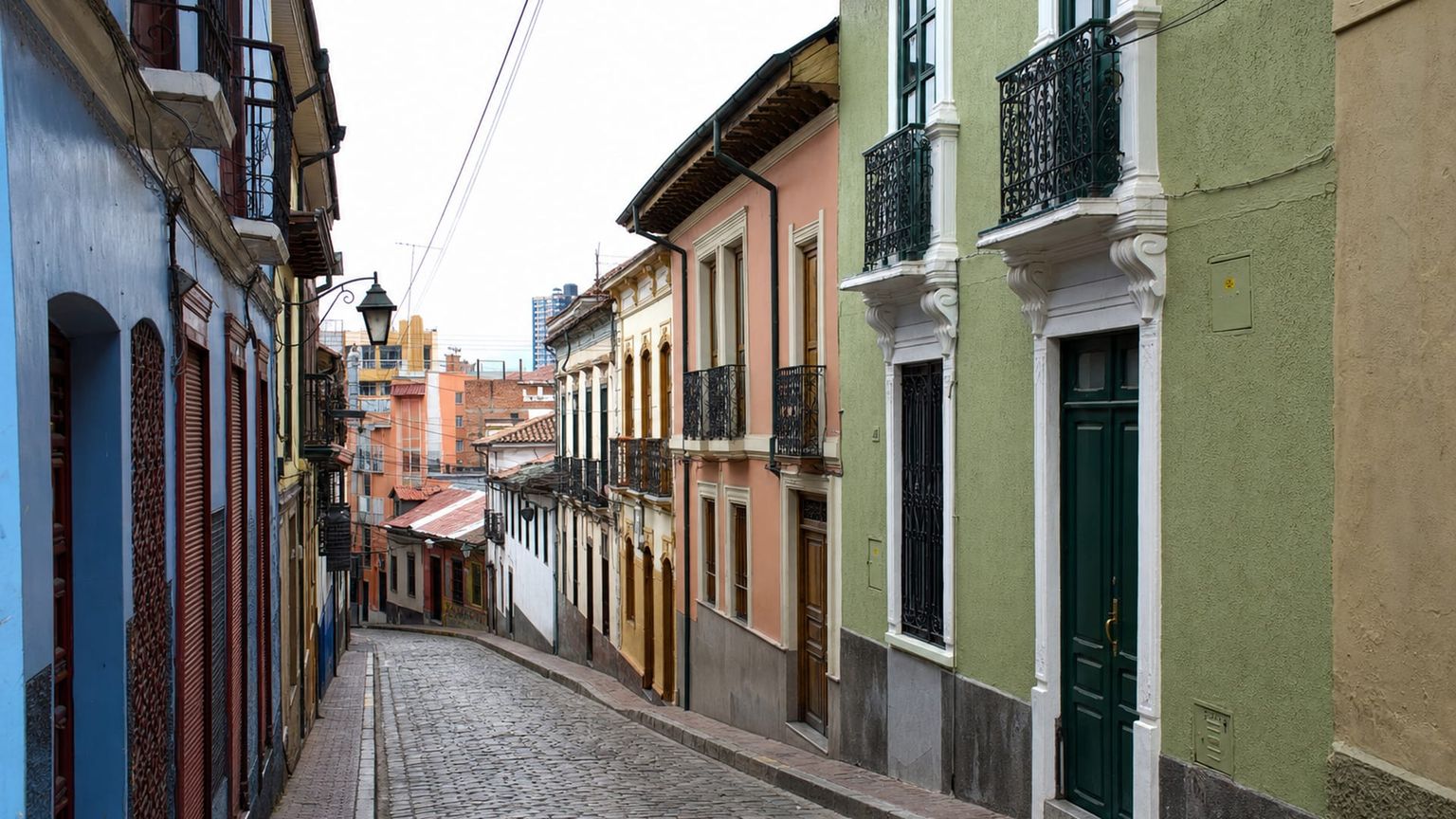
This preserved colonial lane near the center has cobblestones, low houses, and small museums clustered along one short block. It suits a slow walk, with frequent photo stops and little traffic.
Time needed: About 45 minutes to 1 hour
Entry: Free to walk the street. Small museums on or near Calle Jaén usually charge about $1 to $3 ($7 to $21 BOB) each, and most open late morning through afternoon.
Tip: Visit before lunch, when the lane is quietest.
Traditional food
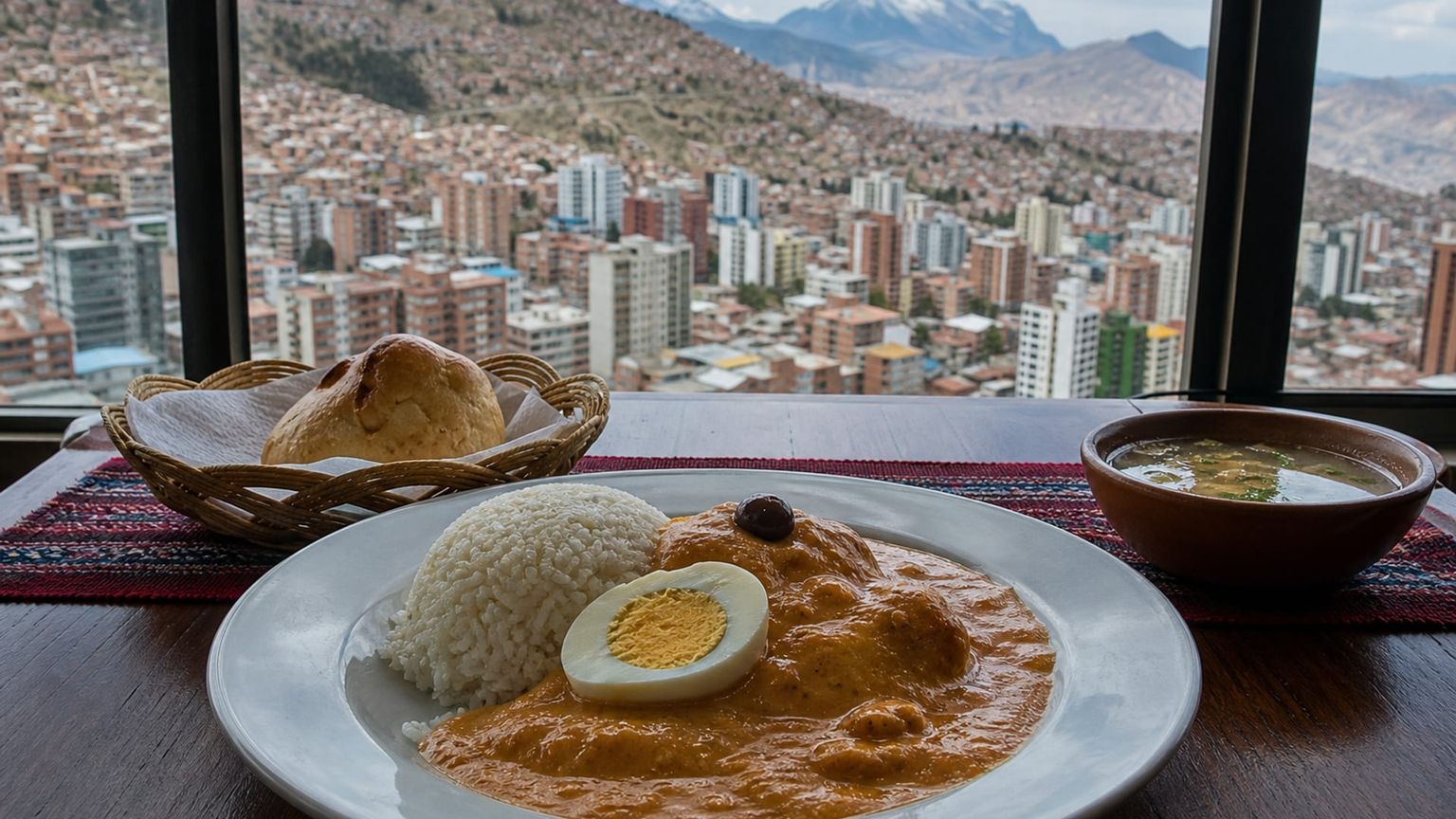
La Paz cooking leans on corn, potatoes, cheese, beef, and a sharp, savory seasoning profile. Salteñas, anticuchos, pique macho, and silpancho show up in markets, lunch counters, and late-evening dining rooms.
Salteñas
These baked, broth-filled pastries make a classic breakfast or midmorning snack in La Paz. Confitería La Paceña is one of the city’s best-known stops for them.
Anticuchos
Skewered beef hearts grilled over hot coals, anticuchos usually come with potato and a peanut-based sauce. Nicky Ardi’s is a well-known La Paz restaurant for this dish.
Pique macho
This heavy plate of beef, sausage, potatoes, onions, and peppers is built for a long lunch. Popular favorites in La Paz include local grill houses such as La Tavernetta, which serves a strong version of the dish.
Silpancho
Silpancho layers rice, potatoes, meat, and a fried egg into a filling Cochabamba-area specialty that many La Paz diners seek out too. Popular de Sucre is a dependable place to order it in La Paz.
Best time to visit La Paz
La Paz is driest and clearest in the winter months, while summer brings more cloud, rain, and a softer mountain view, so the best season depends on how much weather flexibility you want.
Best for: Warm afternoons, green hillsides, and lower hotel demand
What you get: About 45 to 60°F (7 to 16°C), with lighter crowds but more rain and frequent afternoon showers
Trade-offs: Cloud cover can hide the long views from the cable car and lookout points
Best for: Clearer skies after the rainy season and comfortable sightseeing
What you get: About 41 to 59°F (5 to 15°C), with moderate crowds and fewer weather interruptions than summer
Trade-offs: Mornings can feel chilly, especially before the sun reaches the steep streets
Best for: Dry air, bright light, and the sharpest mountain visibility
What you get: About 37 to 57°F (3 to 14°C), with the busiest visitor flow and the steadiest sightseeing weather
Trade-offs: Nights are cold, and higher-season demand can lift hotel rates
Best for: Balanced weather, lighter crowds, and good walking conditions
What you get: About 43 to 61°F (6 to 16°C), with fewer visitors than winter and generally comfortable days
Trade-offs: Late-spring showers can return before the main wet season settles in
A realistic 5-day plan in La Paz
Five days in La Paz work well when you group the city by elevation and neighborhood. The plan below starts in the center, then moves south for the landscape sites, cable car views, and the kind of lunch and dinner stops that fit each part of the city.
Land at La Paz (LAP) and take a taxi to Sopocachi or Downtown La Paz, since both sit close to the center and keep the first evening short. The ride usually takes about 20 to 40 minutes, depending on traffic and where you stay, and costs roughly $8 to $15. Settle in, drink plenty of water, and choose an easy dinner on a busy Sopocachi side street, where restaurants are close together and you can walk back without covering much ground.
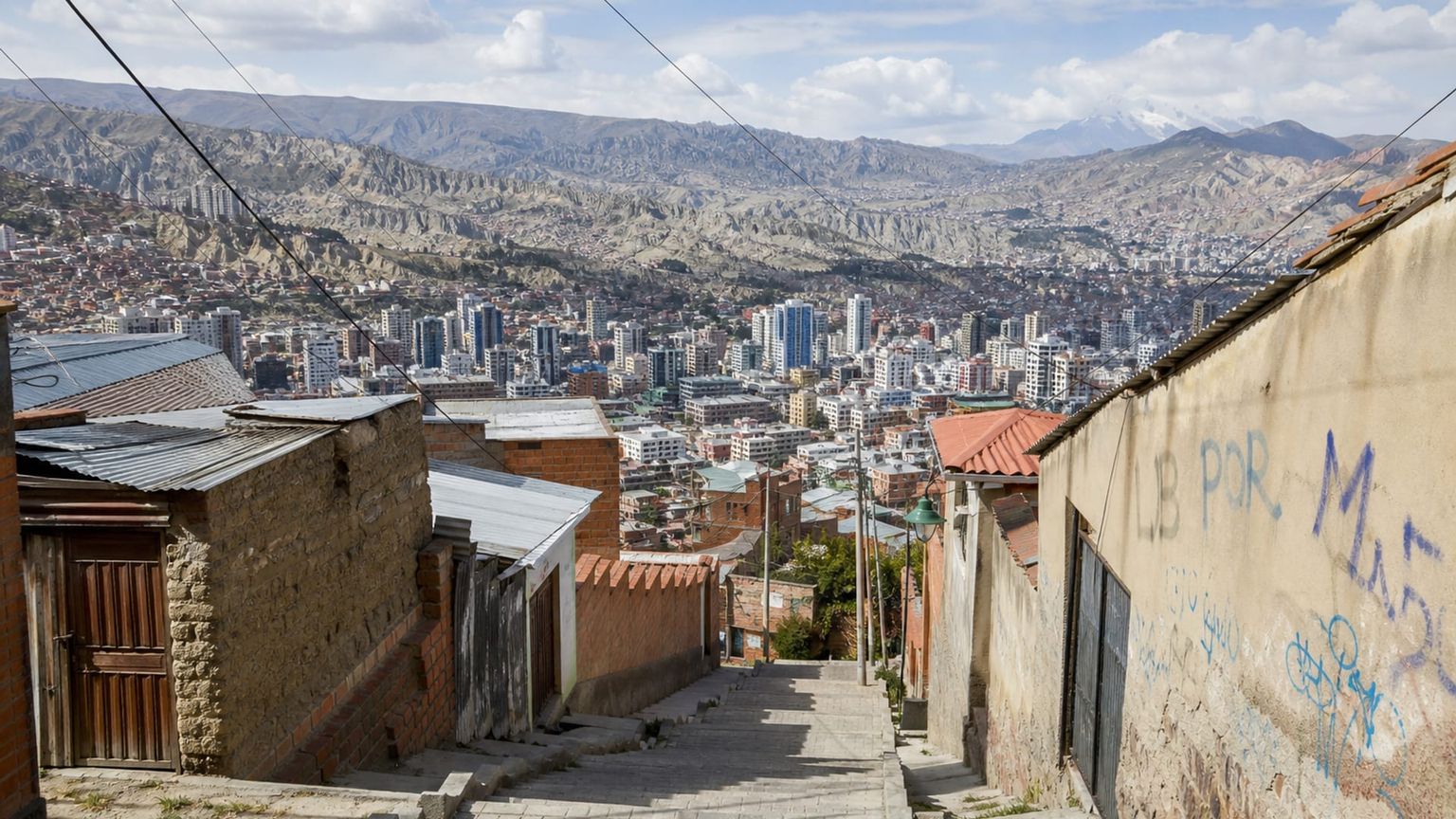
Start at Plaza Murillo and the nearby National Museum of Art, which are about 5 to 15 minutes apart on foot through the center. From there, walk 10 to 15 minutes to Calle Jaén for a slower hour among the colonial houses and small museums, then continue 10 minutes by taxi or about 25 minutes on foot to the Witches’ Market near Calle Linares before lunch. Finish with Mi Teleférico in the late afternoon, when a full segment gives you broad city views; standard fares cost about $0.52 (Bs 3.50) per ride, and a sunset ride from the central stations works well after a downtown day.
Head south for Valle de la Luna, which sits about 15 minutes by taxi from Zona Sur and about 25 to 35 minutes from the historic center, depending on traffic. Walk the short loop through the clay ridges and gullies for about 1 to 2 hours, then continue to Mi Teleférico later in the day if you want a second look at the city from above. If you are staying in Zona Sur, end with dinner in Calacoto or San Miguel, where the restaurant streets are easier to reach by taxi than on foot after dark.
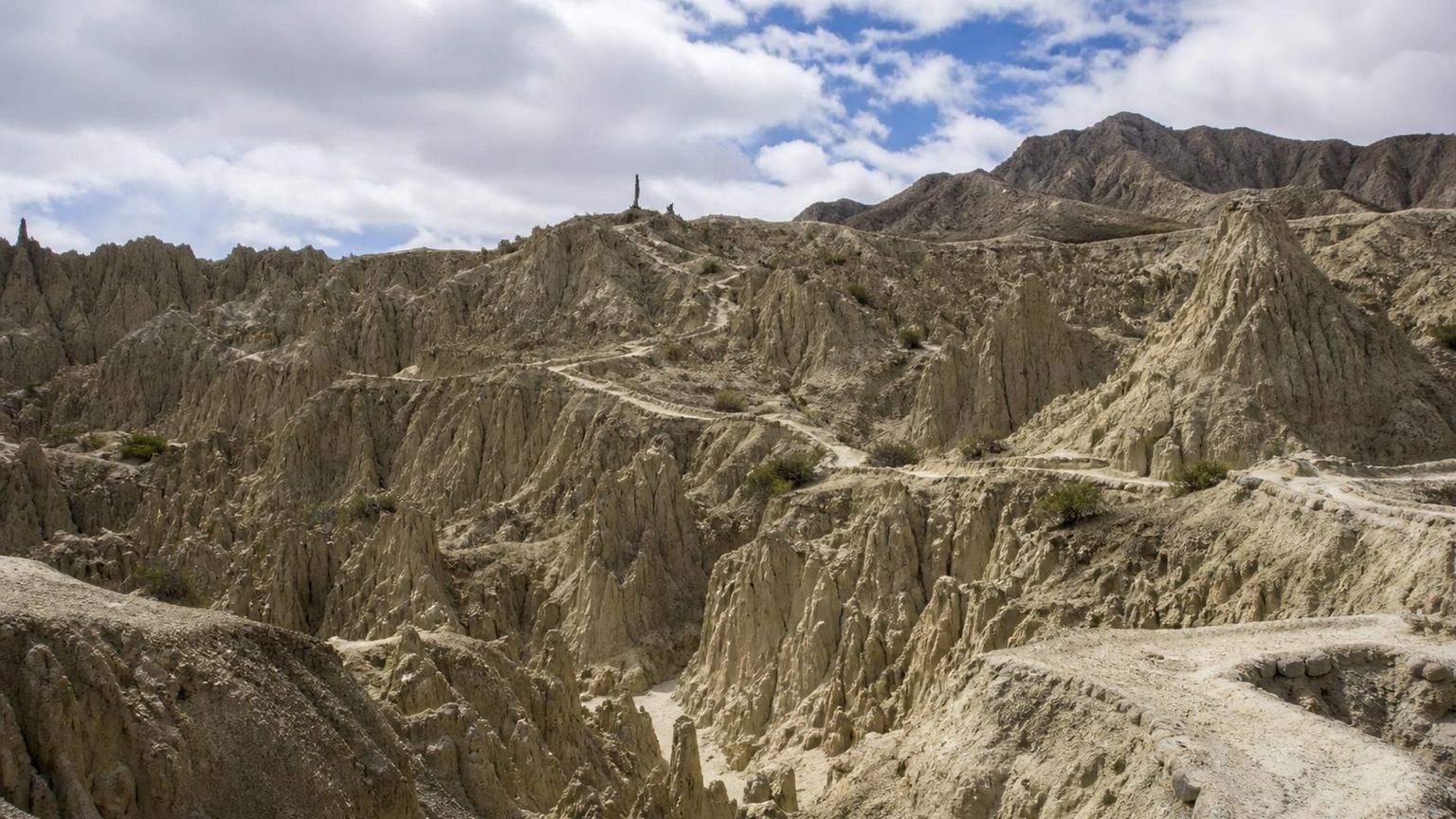
Begin in Sopocachi, then ride about 15 to 20 minutes by taxi to the southern side of the city for the other version of Valle de la Luna if you did not visit it earlier, or go straight there if you want a second, slower look at the terrain. Spend about 1 to 2 hours on the lookout paths and short trails, then return north in roughly 25 to 40 minutes for an evening along Calle Linares and the Witches’ Market. That pairing keeps the day centered on two different faces of La Paz, the eroded landscape outside the core and the compact market streets near it.
For a final morning, stop at the National Museum of Art if you have not been yet, since it sits only about 5 to 15 minutes on foot from Plaza Murillo and fits neatly into a short last day. Afterward, head to Zona Sur for shopping in Calacoto or San Miguel, where wider streets and scattered stores make an easy last browse before the airport. Finish with coffee in Sopocachi, then leave enough time for the trip back to La Paz (LAP), which usually takes about 20 to 40 minutes from the center depending on traffic.
Business-class flights from the US to La Paz
Business-class itineraries to La Paz often run through one of a few North American hubs, so the best option depends as much on connection time as on the fare itself. The East Coast and West Coast examples differ in both duration and the cities they touch along the way.
From New York, Aeromexico, American Airlines, Delta Air Lines, United Airlines, and Alaska Airlines all appear on common itineraries. The fastest options usually run about 6 to 7 hours nonstop, while one-stop trips through Mexico City (MEX), Phoenix (PHX), Los Angeles (LAX), Dallas (DFW), or Houston (IAH) usually take about 8 to 13 hours; round-trip fares usually start near $1,500 and can climb to about $3,500, with the highest prices on the most convenient itineraries.
Los Angeles itineraries commonly use American Airlines, Alaska Airlines, Aeromexico, Delta Air Lines, Volaris, or United Airlines. If you do not mind a connection, routing through Mexico City (MEX) or Phoenix (PHX) often puts the trip in the 7 to 12 hour range and can trim the total fare, which usually runs about $1,100 to $2,800 round-trip.
La Paz feels different when you slow down
A well-planned La Paz stay gives each part of the city a job: Plaza Murillo and Calle Jaén for the historic core, Mi Teleférico for the valley views, and Valle de la Luna for the southern edge of town. Add Sopocachi for dinner and Zona Sur for a slower final morning, and the city starts to read in layers instead of as a single steep climb. If you want to shape that route with less guesswork, the AranGrant experts can help you build it around the district that matters most to you