

Chapters:

Need help with your trip?
Our support team is available 24/7. Request a callback or call us directly at (833) 619-0908
Kumamoto trips often begin and end at the station, with the castle, Suizenji, and the arcades fitted in between. That pattern covers the obvious landmarks, but it can miss how much the city rewards short tram rides and well-timed returns for meals and rest.
The gap is pace, not distance: castle crowds build by midday, some streets close early, and cross-town moves take longer than they look on a map. If you stack too many stops into one block, you spend more time transferring than seeing anything.
This guide sets out a cleaner order, with each day built around one part of the city, one transit choice, and one meal window. It keeps the plan close to the tram network and the castle district, so the route stays legible from arrival to departure.
Useful things to know

Main language(s): Japanese
こんにちは (Konnichiwa) – Hello / good afternoon
お願いします (Onegaishimasu) – Please
ありがとうございます (Arigatō gozaimasu) – Thank you
英語を話せますか? (Eigo o hanasemasu ka?) – Do you speak English?
いくらですか? (Ikura desu ka?) – How much does it cost?

Currency: The local currency is the Japanese yen (JPY, ¥).

Cash and cards: Cards and contactless are widely accepted, but carry about ¥3,000 to ¥5,000 ($20 to $35) for small shops and rural buses.

Tipping: Tipping is not customary; round up only in rare cases.

Traditional food: Basashi, Kumamoto ramen, karashi renkon, taipi-en

Water and coffee costs: Water about ¥120 ($1), bar espresso about ¥500 ($3.50).

Taxis and ride apps: Uber and JapanTaxi operate here, but rides are often limited, so taxis are easier.

Plug and voltage: Type A/B socket, 100V

Dining and shop opening hours: Breakfast is about 07:00-09:00, lunch 12:00-13:30, and dinner 18:00-21:00. Many restaurants close between lunch and dinner, and some stop serving early.

Emergency number: 119 for ambulance and fire; 110 for police.
Where to stay in Kumamoto
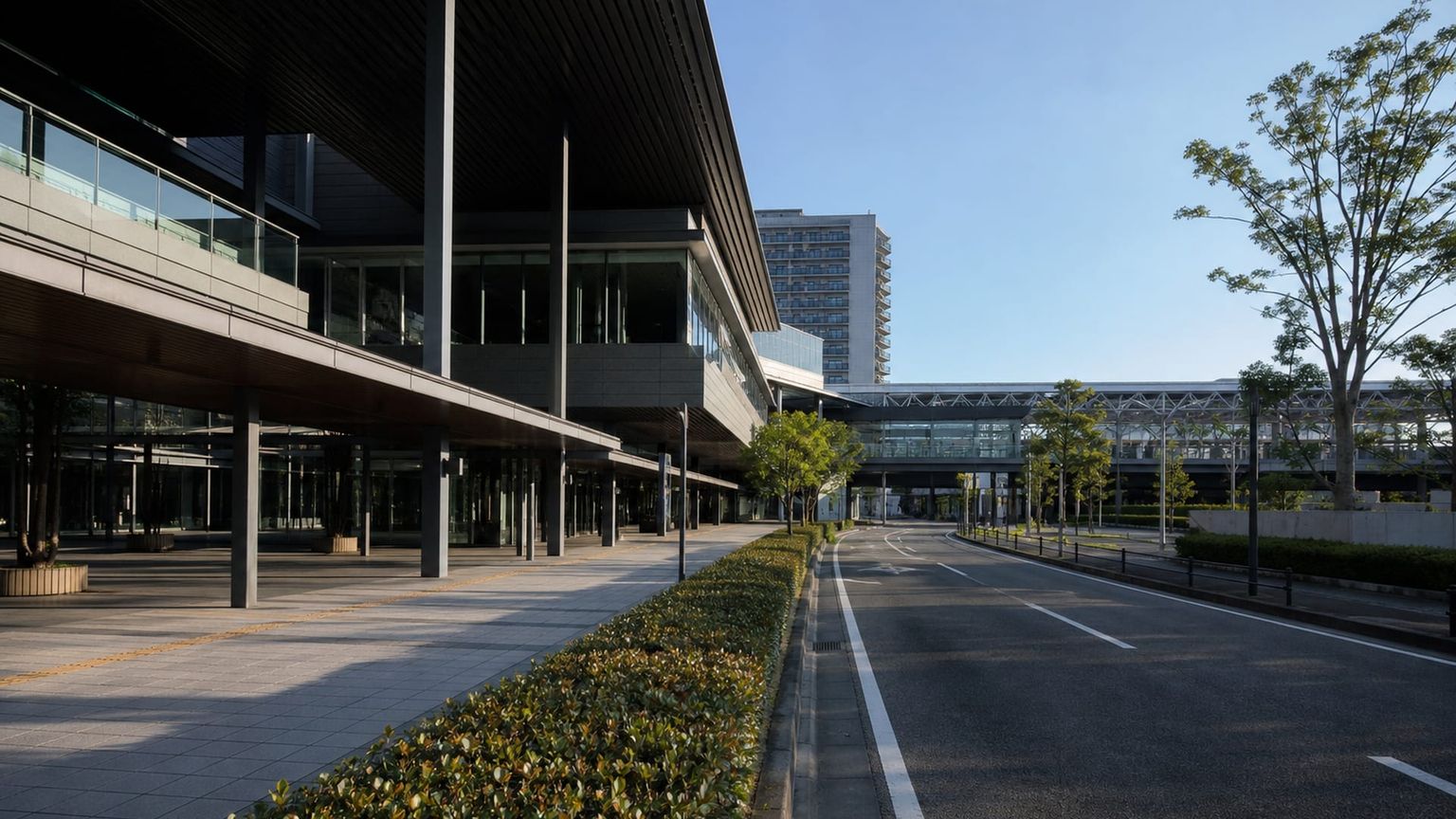
Kumamoto Station is the city’s main rail hub, with hotels, bus links, and easy access to the shinkansen, trams, and airport buses. It suits travelers who want simple arrivals and departures while staying within reach of downtown dining and the castle district.
Best for: Rail travelers, short stays, and visitors who want the easiest arrival and departure
What to expect: Busy during the day with commuters, hotel guests, and steady foot traffic from the station concourse; evenings are quieter once the trains thin out.
Hotel prices: Usually about ¥8,000 to ¥18,000 (~$52 to ~120) per night for well-rated stays
Distance to major sights: About 12 minutes by tram to Kumamoto Castle; about 20 minutes on foot to downtown arcades
Quietness: Lively by day, quieter at night except near the station frontage and main roads.
Main trade-off: You stay a little outside the most atmospheric streets, so evening dining and bars usually mean a tram ride or a longer walk.
Good to know: Choose a hotel on the side streets rather than directly above the station frontage if you want less train and taxi noise.
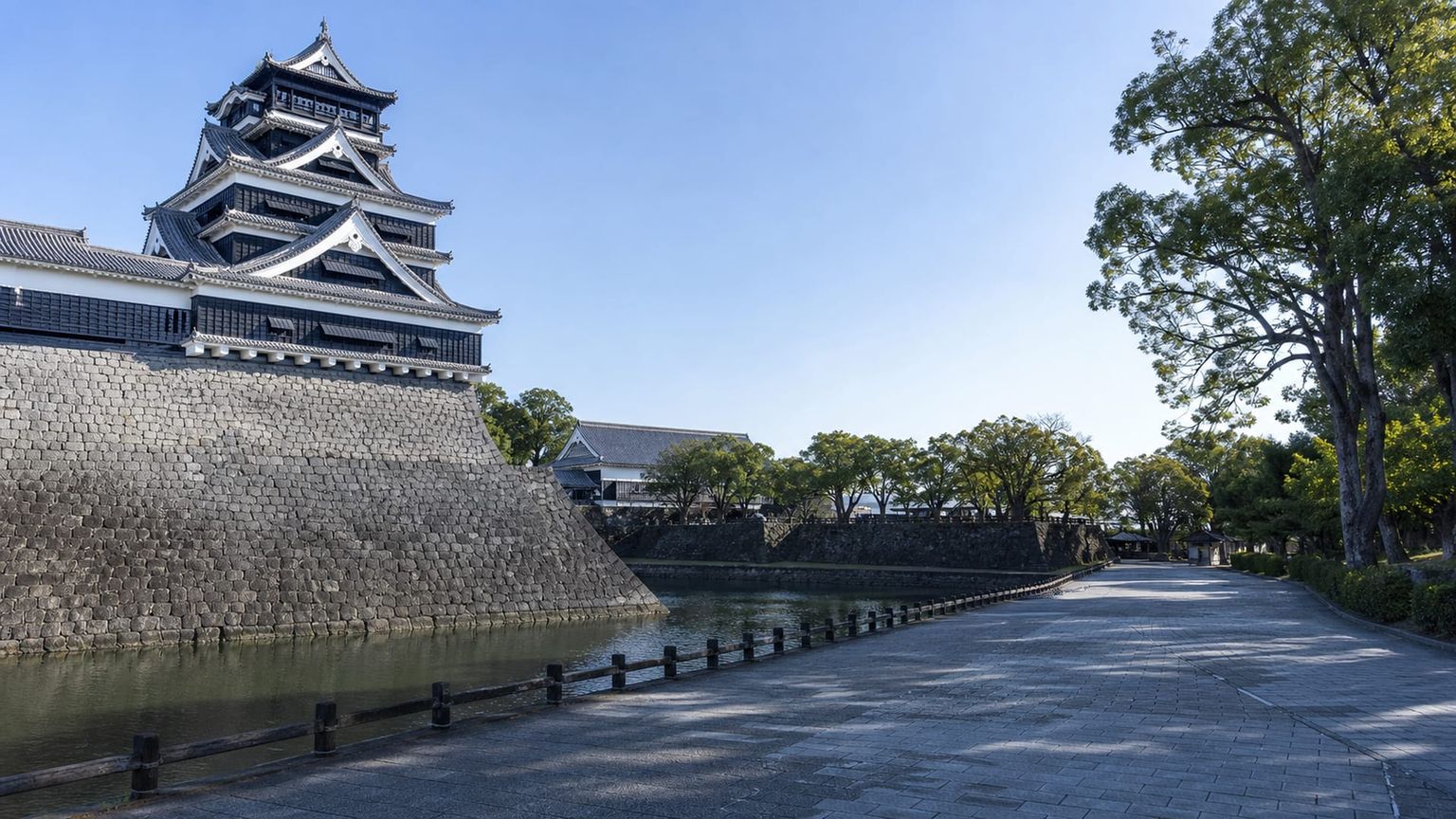
The castle area places you beside Kumamoto’s signature landmark, plus park paths, museums, and central tram stops. It matters because you can walk to major sightseeing and still reach shopping streets and restaurants without a long cross-city trip.
Best for: Sightseeing, history-focused trips, and travelers who want landmark access on foot
What to expect: Tour buses, school groups, and a steady daytime crowd around the park and castle approach; after dusk the area becomes much calmer.
Hotel prices: Usually about ¥10,000 to ¥25,000 (~$65 to ~165) per night for well-rated stays
Distance to major sights: On foot to Kumamoto Castle, about 10 minutes; about 15 minutes by tram to Kumamoto Station
Quietness: Busy and active by day, notably quieter after sunset.
Main trade-off: Hotels here can book up early, and the closest places often cost more than comparable rooms near the station.
Good to know: Some castle-adjacent streets close earlier than the station district, so plan dinner before returning if you prefer to stay nearby.

Shinshigai and Kamitori are Kumamoto’s main covered arcade districts, lined with shops, cafes, izakaya, and convenience stores. They matter if you want to stay in the center of the city’s shopping and dining life, with trams nearby and the castle still within easy reach.
Best for: Dining, shopping, nightlife, and travelers who want a central base with many evening options
What to expect: Crowded in the afternoon and evening, especially on weekends, with plenty of pedestrian activity under the arcade roofs.
Hotel prices: Usually about ¥9,000 to ¥22,000 (~$59 to ~145) per night for well-rated stays
Distance to major sights: About 10 minutes by tram to Kumamoto Castle; about 20 minutes by tram to Kumamoto Station
Quietness: Lively late into the evening, then quieter after the bars and restaurants close.
Main trade-off: The area gives you the most going on after dark, but rooms above the arcade streets can pick up late-night noise.
Good to know: If you are sensitive to noise, ask for a room away from the arcade-facing side streets and upper floors above entertainment venues.
Travelers usually avoid Ishizaka, Shigematsu, and parts of the outer Higashi Ward, since they sit far from Kumamoto Castle, Sakuranobaba Johsaien, and the main tram corridors, with limited visitor-focused dining and late-night transit. Areas on the city edge near Kumamoto Station’s industrial back side can also be less convenient, because hotels there put you farther from the castle district and the Shimotori, Kamitori, and Shinshigai shopping arcades.
Hotel deals
How to get around Kumamoto efficiently
Kumamoto has no metro, so the tram, city buses, JR lines, and taxis do the work of linking the station, the castle district, Suizenji, and the shopping arcades.

Metro
for longer distances
Kumamoto has no metro system, so visitors usually rely on the tram, city buses, and the JR and private rail lines that radiate from Kumamoto Station. The closest equivalent to an urban rail spine is the tram network, with one-day passes often costing about $3 to $5 ($450 to ¥800) depending on the product and validity, while single rides are usually about $1 to $2 ($180 to ¥240).

Bus and tram
for convenience
The tram network links Kumamoto Station, Suizenji, the city center, and key stops near Kumamoto Castle, and most tram rides take about 10 to 25 minutes within the core area. City buses reach farther neighborhoods and sightseeing spots, and many accept IC cards such as Suica and nimoca; one-day city passes are often about $4 to $6 ($700 to ¥1,000), with short single fares usually about $1 to $3 ($180 to ¥260).

Taxi
for convenience or late hours
Licensed taxis use metered fares, with daytime rides in central Kumamoto often starting near $3 to $4 ($500 to ¥700) and airport trips to downtown commonly landing about $35 to $50 ($5,000 to ¥7,500), depending on traffic and route. You can hail one at ranks, call a radio dispatcher, or use an app where available, and most taxis take cash plus major cards and IC payment.
*Prices are based on rates updated as of June 2026 and may change at the time of travel.
Use the tram for central sightseeing, buses for farther neighborhoods, and taxis when you want to save time between the castle, the gardens, and dinner.
Iconic landmarks
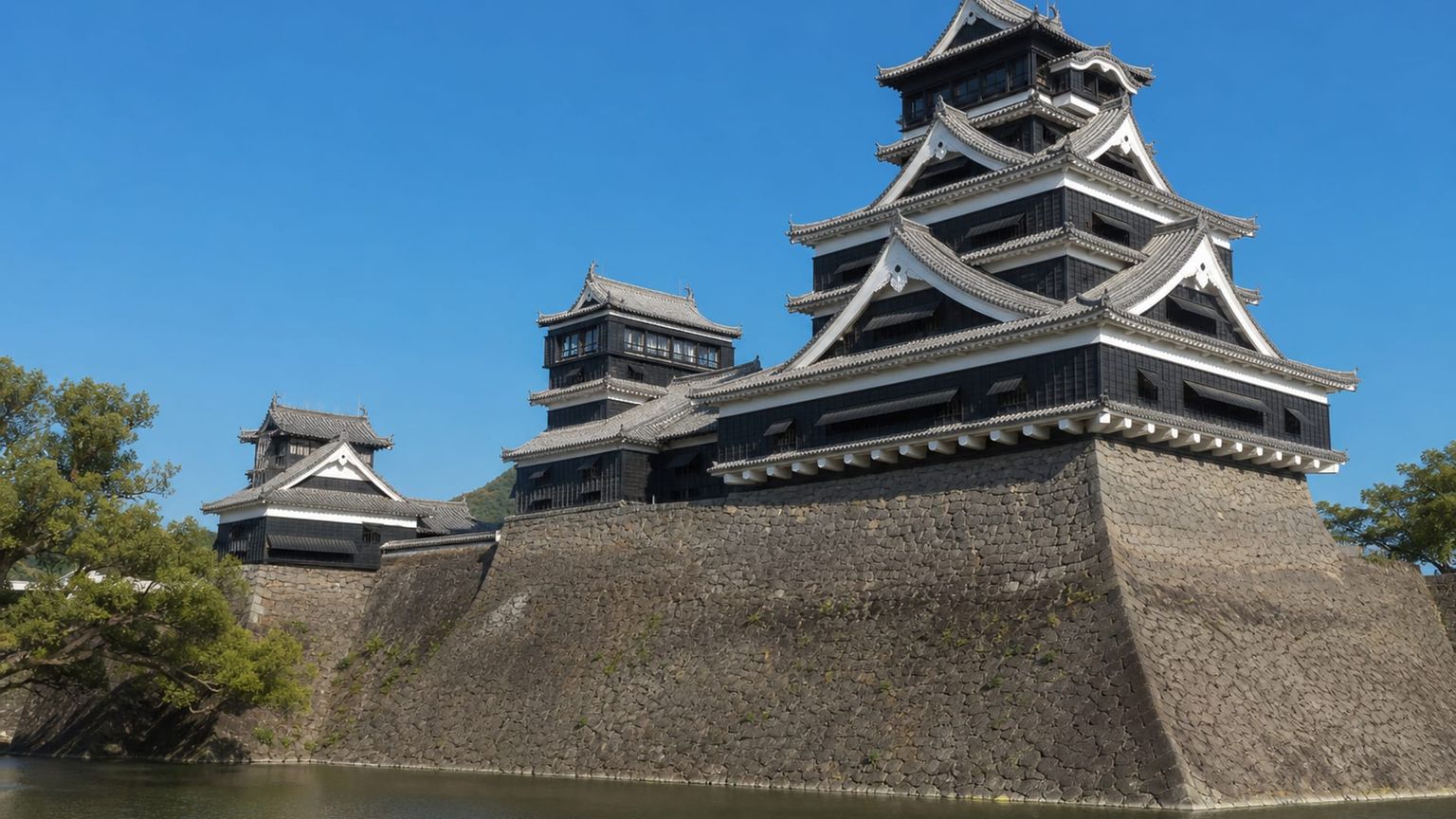
Kumamoto Castle
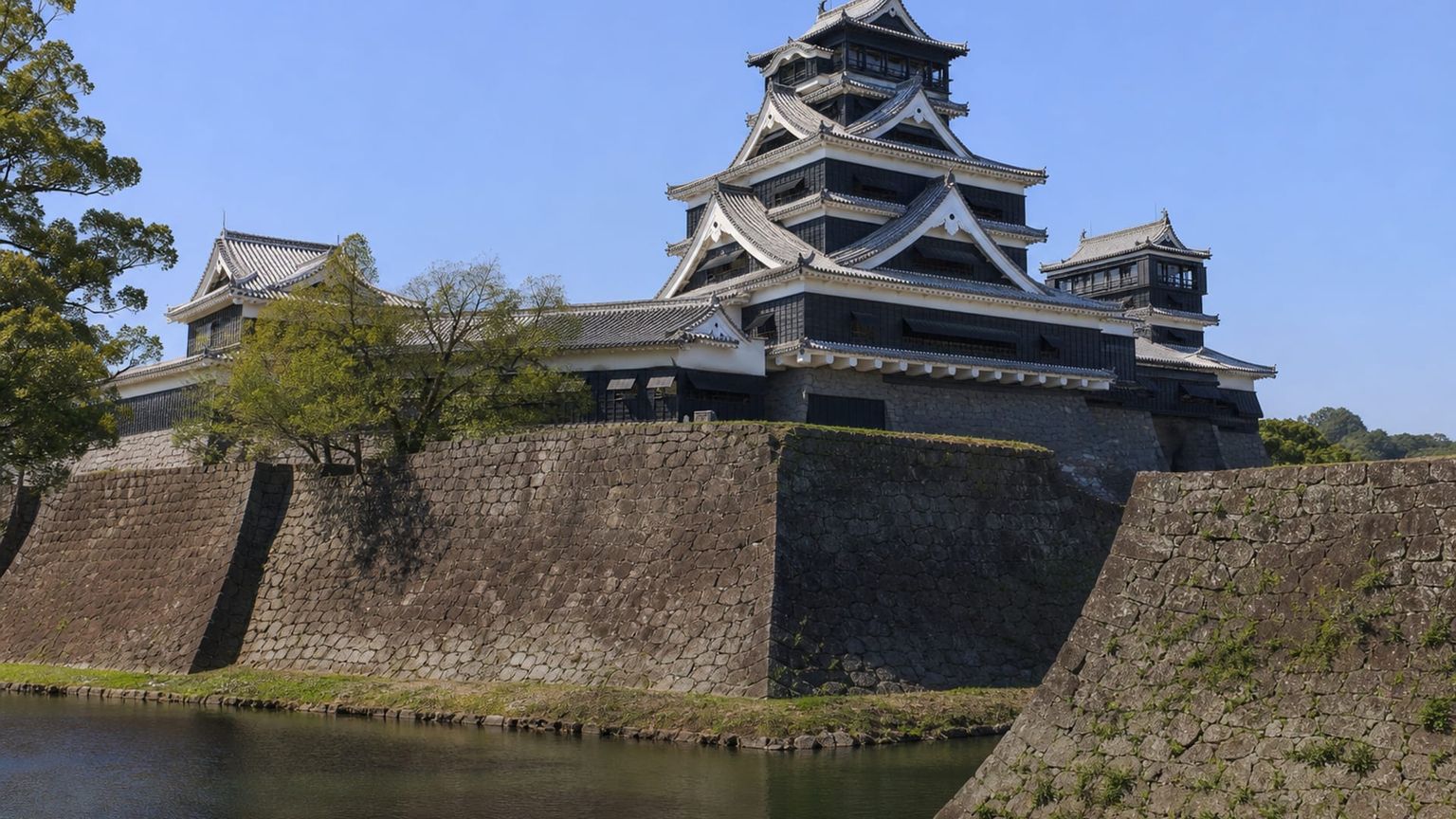
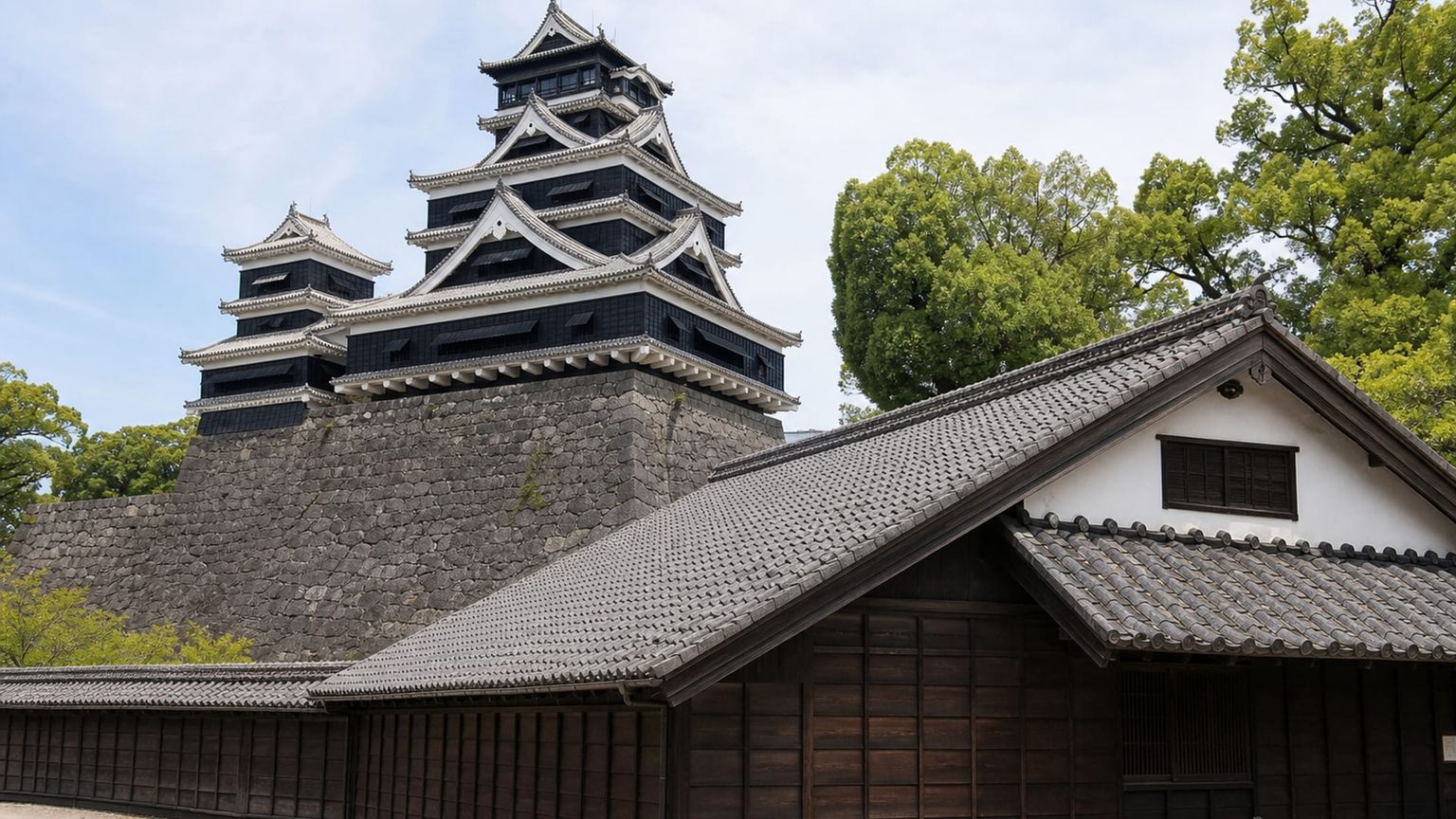
This hilltop castle complex anchors Kumamoto’s center with massive stone walls, restored keeps, and the rebuilt palace rooms open to visitors. The site links samurai-era defenses with clear exhibits on the 2016 earthquake damage and repairs.
Time needed: About 2 to 3 hours
Entry: Admission costs $4 to $6 (¥600 to ¥800), with some special exhibits priced separately; castle grounds have limited free areas, but the main keep needs a ticket. Visit the official site for details.
Tip: Go early on a clear day, then climb the upper paths before midday crowds build.
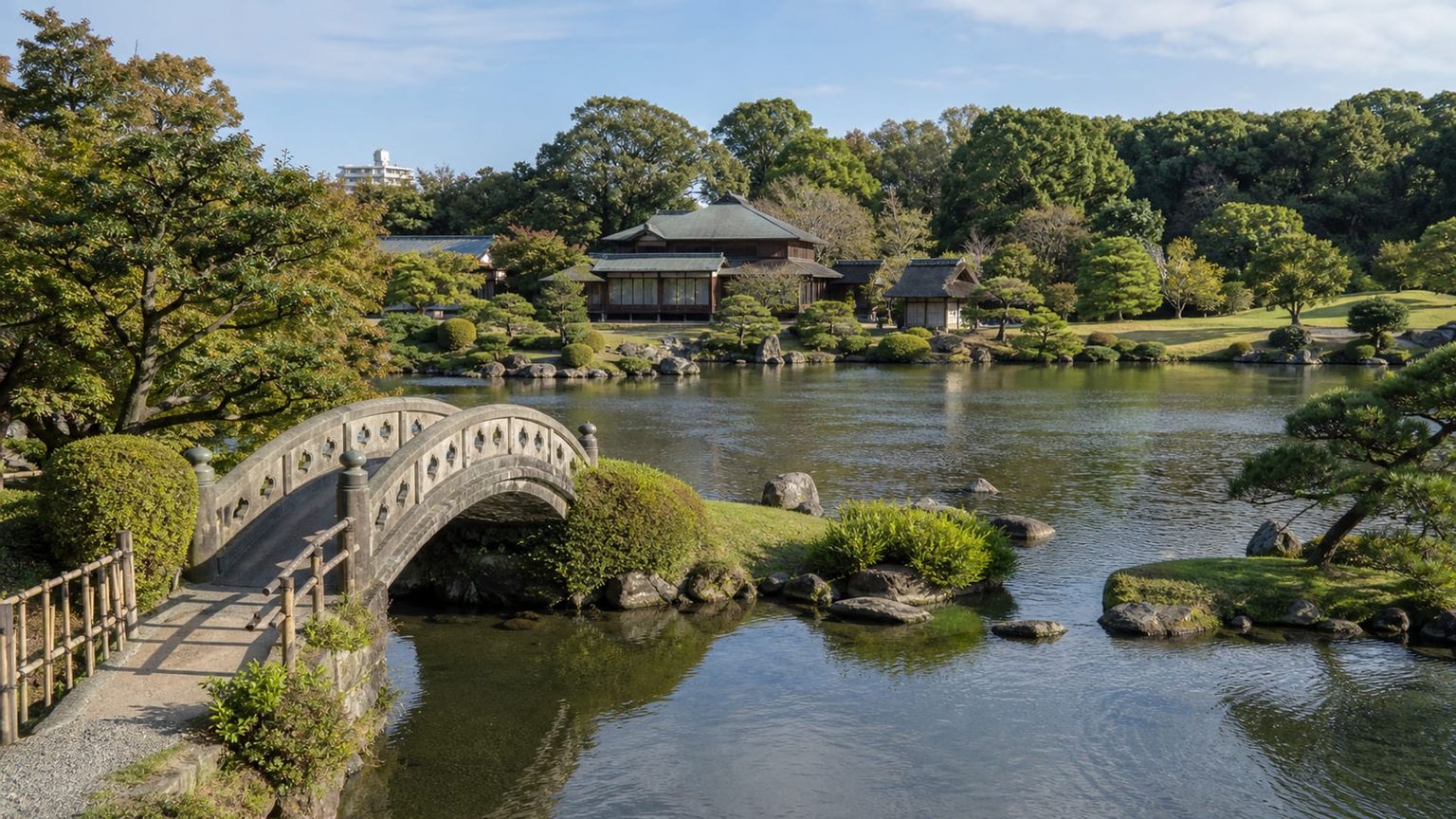
Suizenji Jojuen Garden
This stroll garden dates to the 17th century and maps the old Tokaido road in miniature, with a central spring pond, tea houses, and carefully shaped pine and azalea plantings. It gives a direct look at Kumamoto’s feudal landscaping tastes.
Time needed: About 1 to 2 hours
Entry: Admission costs $3 to $4 (¥400 to ¥500); tea, museum, and event fees are extra, and children’s discounts apply on select days. Visit the official site for details.
Tip: Visit in the morning for softer light, then circle the pond before the tea rooms fill up.
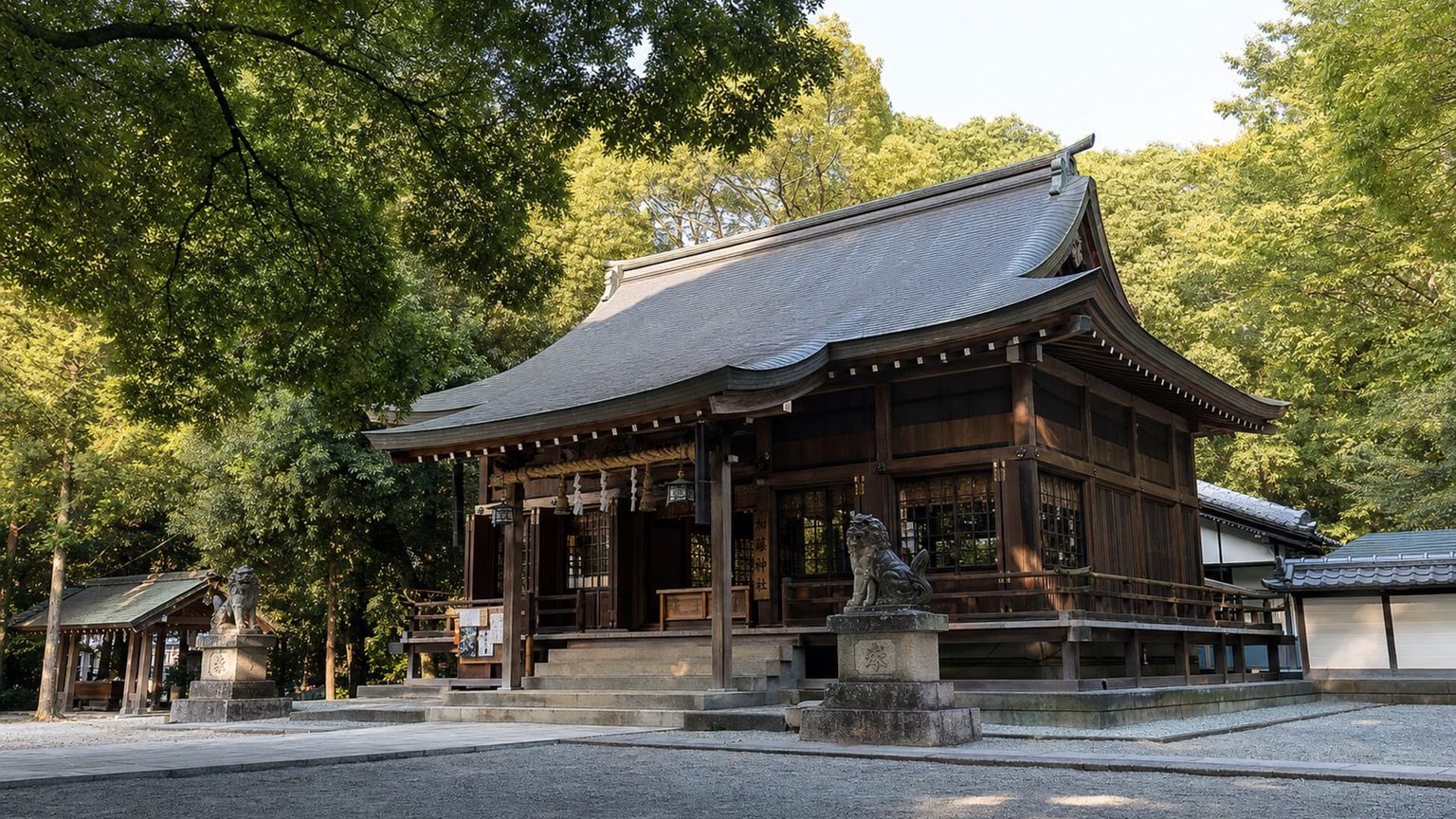
Kato Shrine
Set inside the castle grounds, Kato Shrine honors feudal lord Kato Kiyomasa and draws visitors for its paired black and white gate, rebuilt after the earthquake. Its position beside the castle makes it an easy stop on the same walk.
Time needed: About 30 to 45 minutes
Entry: Free to access, with no timed entry required; donations are optional and shrine goods cost extra if you choose to purchase them. Visit the official site for details.
Tip: Stop by in late afternoon, when the gate and stone approach catch the best side light.
Overlooked sites worth visiting

Suizenji Jojuen Garden
This 17th-century landscape garden pairs a spring-fed pond with pavilions, a teahouse, and a small hill styled after Mount Fuji. Visit for a slow circuit, with clear views from the paths.
Time needed: About 1 to 2 hours
Entry: Adult admission is about $3 ($300); elementary and junior high students pay about $1.50 ($150), and preschool children enter free. The garden opens daily, usually from 8:30 am to 5:00 pm, with seasonal late closing on some dates. Visit the official site for details.
Tip: Go early for softer light and fewer group tours.

Kumamoto Prefectural Traditional Crafts Center
Inside Kumamoto Castle Park, this compact museum shows local woodwork, ceramics, and paper crafts in rotating displays. The scale is small, so you can see the main rooms without rushing.
Time needed: About 45 minutes to 1 hour
Entry: Admission is free for the permanent displays. Some special exhibitions may charge a separate fee, usually about $3 to $8 ($300 to $800), and the center normally opens from 9:00 am to 5:00 pm, with the last entry about 30 minutes before closing. Visit the official site for details.
Tip: Pair it with a castle-park walk before the halls fill at midday.
Traditional food
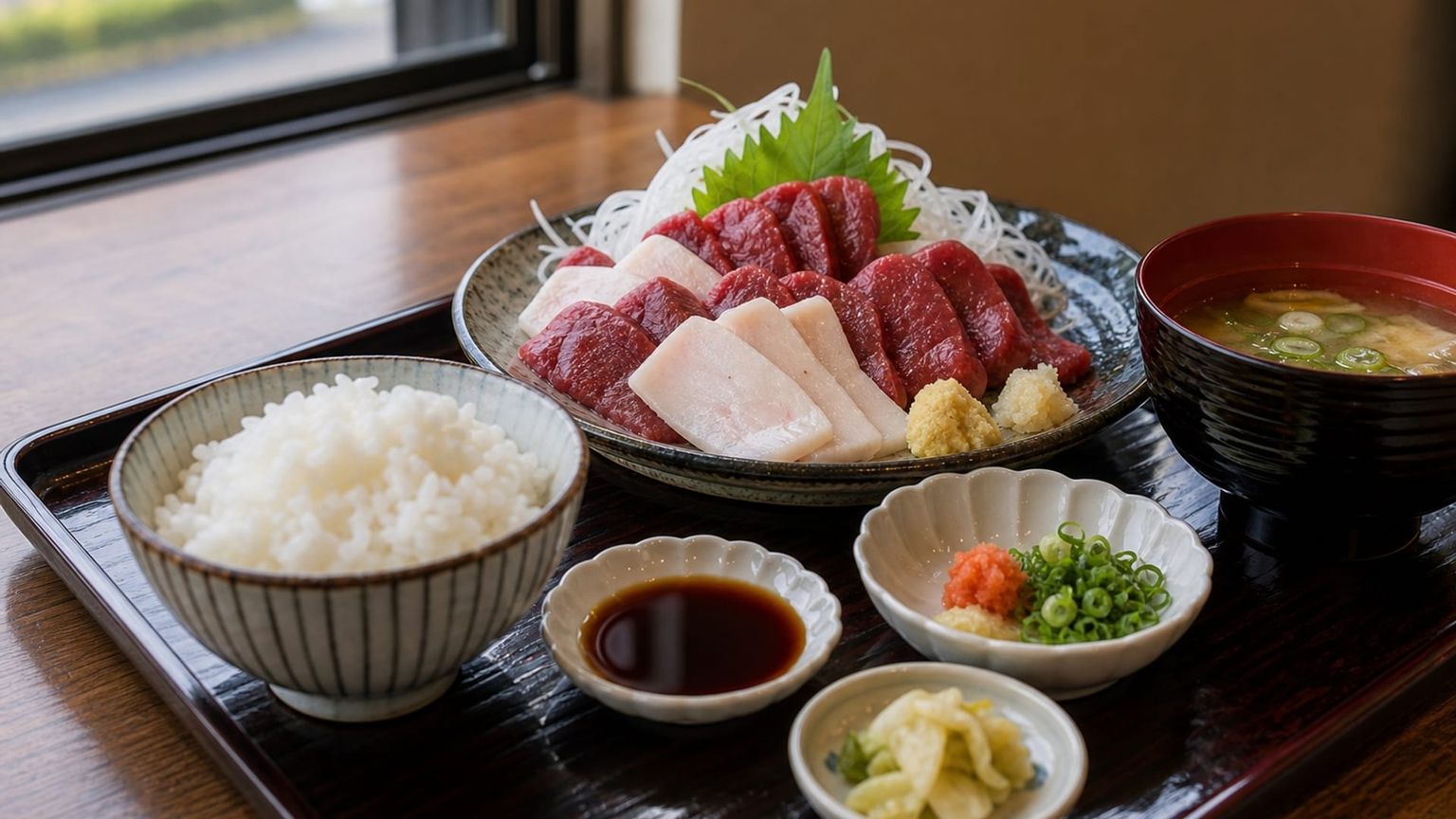
Kumamoto’s table leans on rich ramen broth, horse sashimi, and vegetable dishes shaped by local produce. Meals often fit the city’s early dining hours, so timing matters as much as the order you choose.
Basashi
Thin slices of horse sashimi, often served with soy, ginger, and garlic, make one of Kumamoto’s signature meals. Suganoya Kumamoto Castle is a strong canonical stop for it, with a central location that suits an evening in the castle district.
Kumamoto ramen
This regional ramen usually comes with a garlic-scented pork broth, firm noodles, and toppings such as roast pork and fried garlic chips. Ajisen Ramen, a Kumamoto-born chain, is a dependable city reference for the style.
Karashi renkon
Lotus root filled with mustard and miso gives Kumamoto one of its most recognizable side dishes, sharp and savory in a single bite. Akadora in central Kumamoto is a noted place to try it alongside other local specialties.
Taipi-en
This clear soup dish combines vermicelli, seafood, vegetables, and chicken stock for a lighter local specialty. Higo Honjin, near the city center, is a fitting place to order it when you want a classic Kumamoto meal.
Best time to visit Kumamoto
Kumamoto changes more by light and heat than by season alone, so spring and autumn suit long walks, while summer asks for earlier starts and winter rewards shorter, well-planned circuits.
Best for: Castle walks, garden visits, and comfortable tram-based sightseeing
What you get: About 50 to 75°F (10 to 24°C), with mild days and moderate crowds around major sights
Trade-offs: Late April and Golden Week can raise hotel demand and daytime congestion
Best for: Early starts, indoor stops, and evening arcade time
What you get: About 75 to 92°F (24 to 33°C), with humid weather, heavier rain in June, and lighter crowds at some midday sights
Trade-offs: Heat and humidity make long outdoor routes tiring after late morning
Best for: Castle views, Suizenji, and extended walking days
What you get: About 55 to 79°F (13 to 26°C), with crisp air, good visibility, and steady visitor numbers
Trade-offs: Typhoon remnants can affect September travel plans
Best for: Quiet sightseeing, indoor meals, and short city rides
What you get: About 36 to 54°F (2 to 12°C), with lighter crowds and clear days between cold spells
Trade-offs: Cold mornings and shorter daylight make early outdoor visits less comfortable
A realistic 5-day plan in Kumamoto
A five-day Kumamoto stay works best when the castle district, Suizenji, and the arcades each get their own block of time. This plan keeps the arrival day light, then builds into fuller sightseeing before easing back toward the station for departure.
Land at Kumamoto Airport, then take the airport limousine bus to Kumamoto Station, roughly 45 to 60 minutes and about ¥1,000 to ¥1,200, or about $7 to $8. Settle into a hotel in the Kumamoto Station area for the easiest arrival, then stay close to the station side streets for a low-effort first evening. Drink some water, walk to a nearby cafe or a quiet diner for an early meal, and keep the first night centered on the station district rather than crossing town after dark.
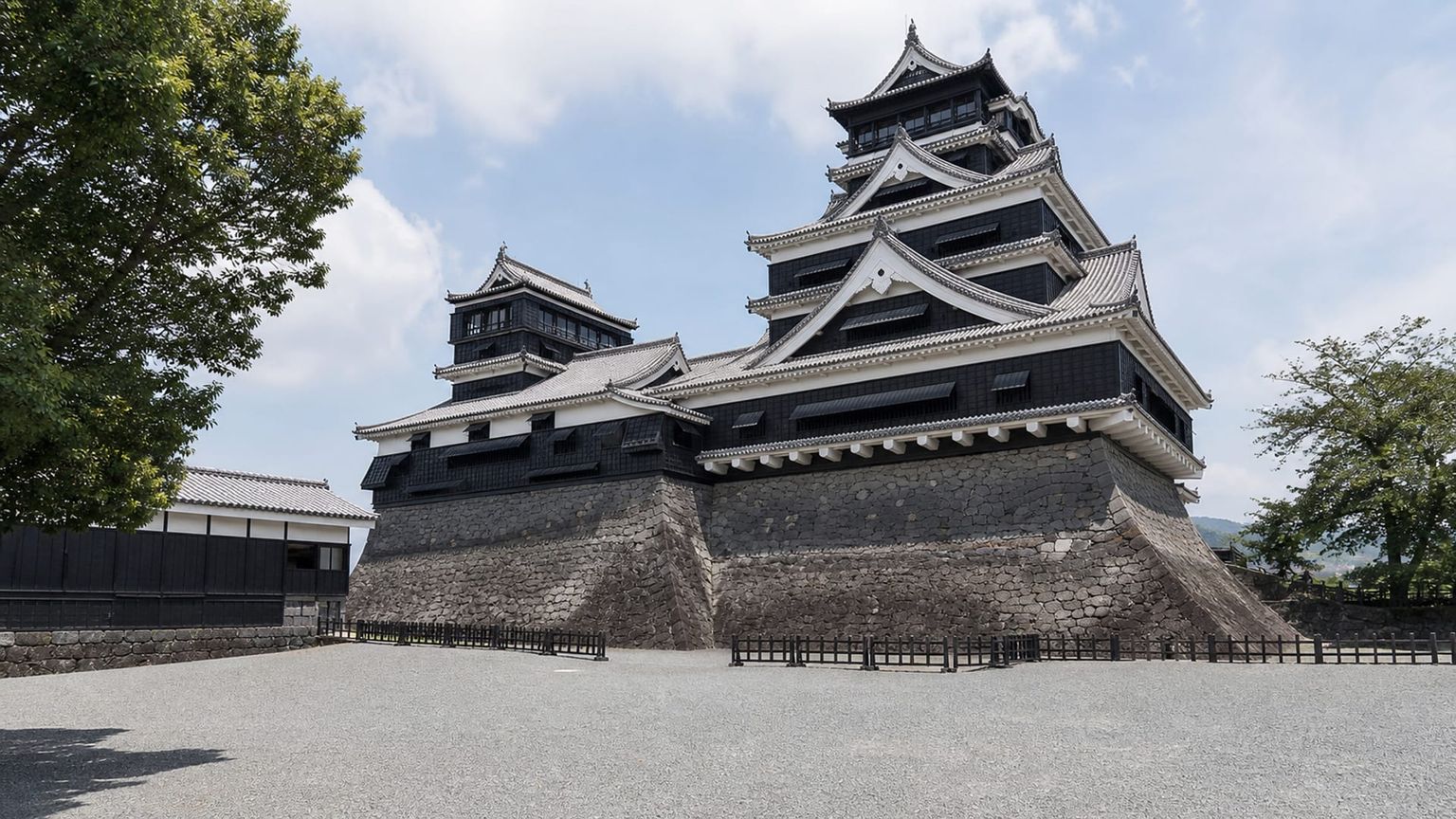
Begin at Kumamoto Castle, where the grounds and main keep need about 2 to 3 hours, with admission at $4 to $6 (¥600 to ¥800). From there, walk about 10 minutes to Kato Shrine for a 30 to 45 minute stop beside the castle walls, then continue about 15 minutes on foot to the Kumamoto Prefectural Traditional Crafts Center in Castle Park for about 45 minutes to 1 hour. Finish in Shinshigai and Kamitori, about 15 to 20 minutes by tram from the castle area, for dinner and arcade-covered shopping once the daytime crowds thin.
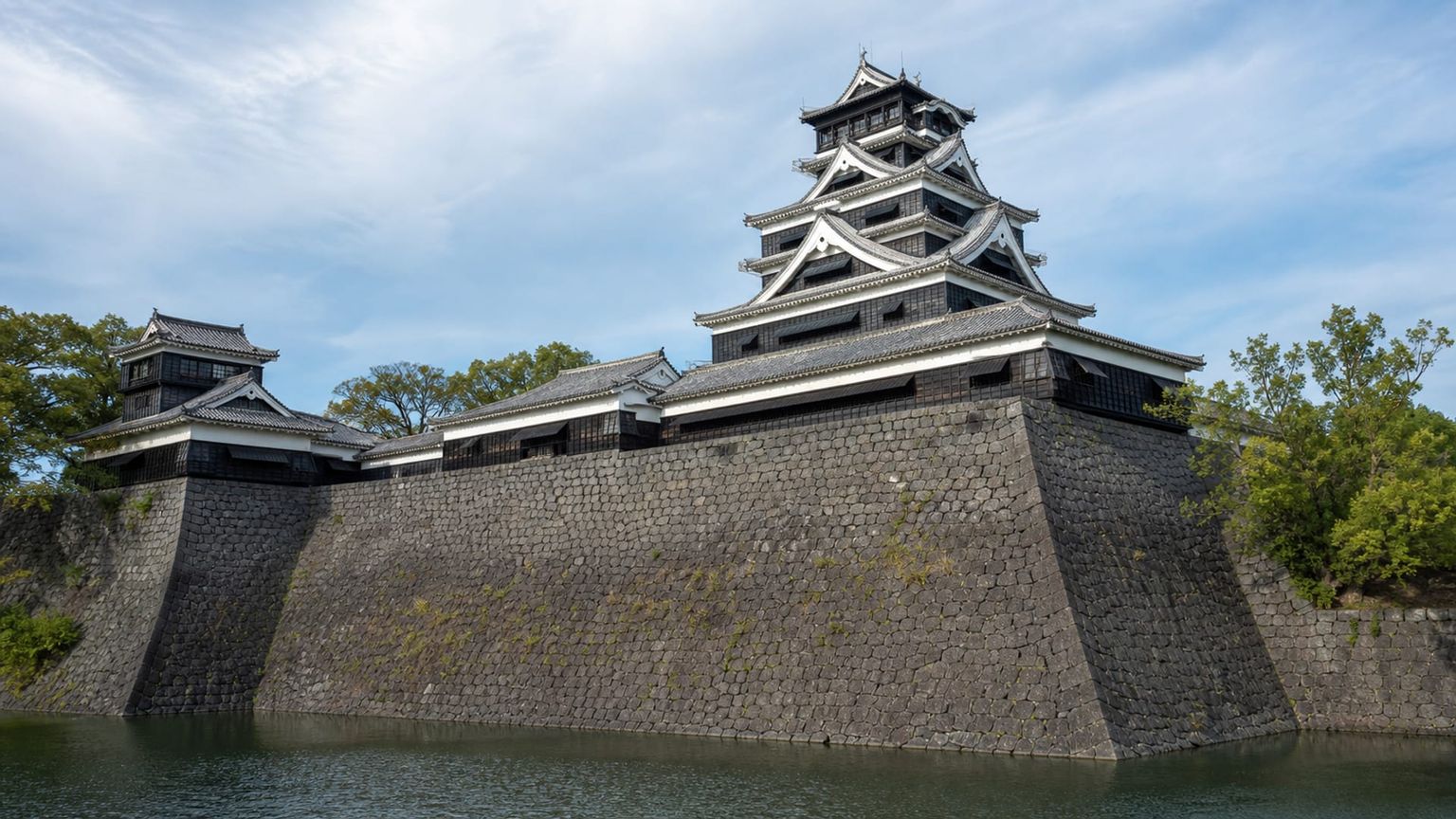
Start early at Suizenji Jojuen Garden, about 1 to 2 hours with admission at $3 to $4 (¥400 to ¥500), when the paths are quieter and the pond light is softer. Afterward, ride the tram or take a taxi to the castle district in roughly 15 to 20 minutes and spend time at Kumamoto Castle if you want a second, more detailed visit through the rebuilt areas and upper paths. End the afternoon back in the arcades, where Kamitori and Shinshigai make an easy place for lunch, browsing, and an early dinner within a short tram ride of the castle.
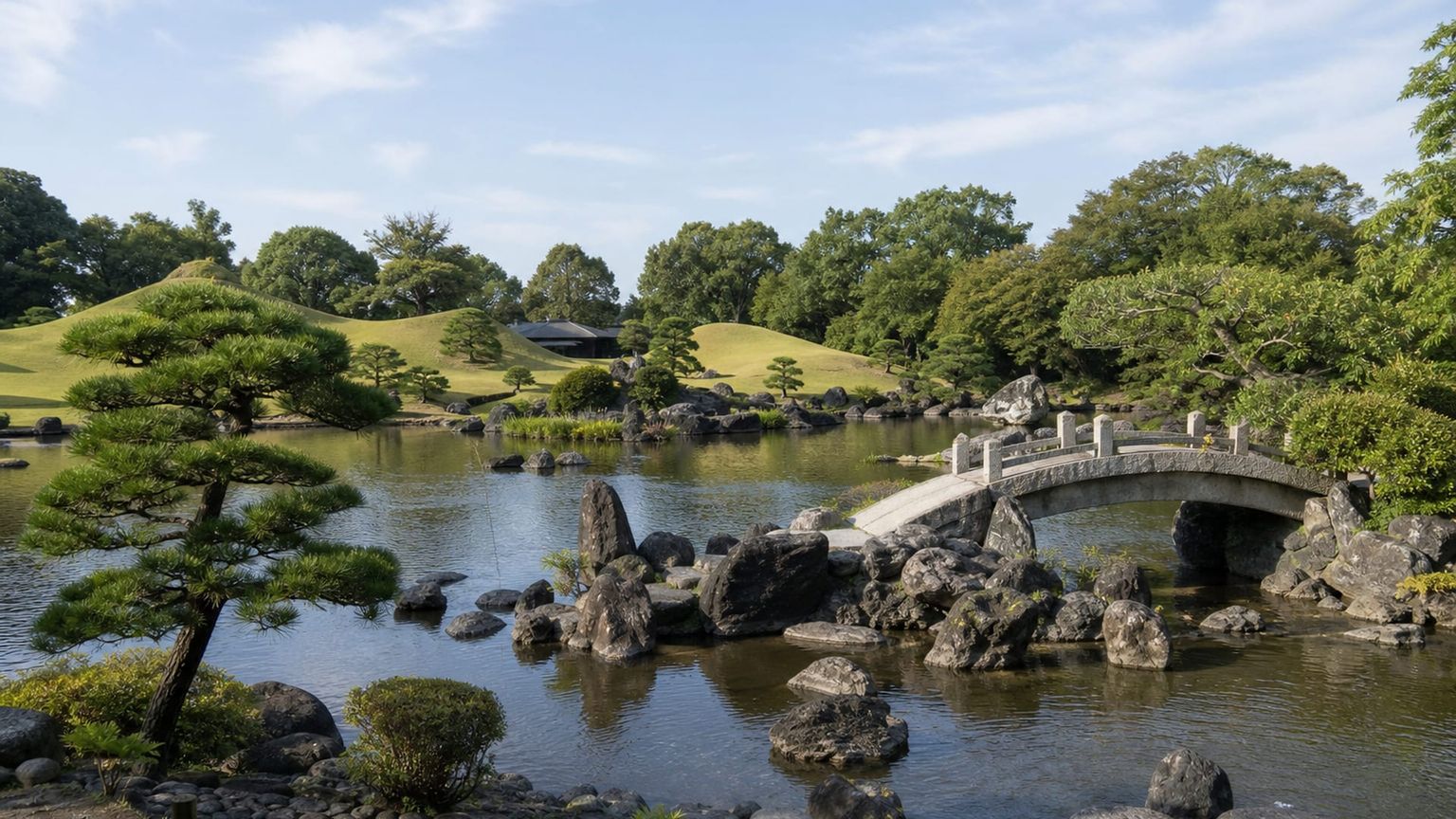
Begin with another walk through Kumamoto Castle if you want a deeper look at the walls, keep, and palace rooms, then move to Kato Shrine inside the same grounds for a shorter final pass through the approach and gate. From the castle area, ride to Suizenji Jojuen Garden in about 15 to 20 minutes by tram or taxi for a slower late-morning circuit, then return to the central shopping streets for a relaxed afternoon in Shinshigai and Kamitori. That route keeps the day compact, with the castle district, garden, and arcades all tied together by short city rides.
For the last day, pair one final museum stop with easy downtown wandering rather than a long outing. If time allows, return to the Kumamoto Prefectural Traditional Crafts Center in Kumamoto Castle Park for about 45 minutes to 1 hour, then head to Kamitori for shopping under the arcade roof and a final coffee in Shinshigai before your transfer. If you are staying near Kumamoto Station, finish with a simple lunch nearby, since the airport bus from Kumamoto Station back to Kumamoto Airport again takes roughly 45 to 60 minutes and usually costs about ¥1,000 to ¥1,200, or about $7 to $8.
Business-class flights from the US to Kumamoto
Kumamoto usually sits on one-stop itineraries from both coasts of the United States, with Tokyo, Seoul, Taipei, and Shanghai appearing often in the middle. The route you choose mainly changes the total time and how much you save.
From New York, Japan Airlines, All Nippon Airways, Delta Air Lines, American Airlines, Korean Air, and China Airlines commonly appear on the route, with total travel time usually about 13 to 14 hours nonstop or 16 to 22 hours with a stop. Round-trip fares from New York to Kumamoto usually start near $4,500 and can climb to $8,500.
From Los Angeles, Japan Airlines, All Nippon Airways, Delta Air Lines, Korean Air, and China Airlines are common options, and the trip takes about 11 to 12 hours nonstop or 14 to 19 hours with a connection through Tokyo (NRT) or Seoul (ICN). If you do not mind a layover, those routings often reduce the cost to roughly $3,500 to $6,500.
Kumamoto feels different when you slow down
A deliberate Kumamoto trip usually means staying close to Kumamoto Station, the castle district, or Shinshigai and Kamitori, then moving by tram rather than crossing town repeatedly. That keeps the day anchored to concrete stops, Kumamoto Castle in the morning, Suizenji in softer light, and an arcade dinner after the crowds thin. If you want help shaping the route, the AranGrant experts can turn those pieces into a trip that fits your dates and pace