

Chapters:

Need help with your trip?
Our support team is available 24/7. Request a callback or call us directly at (833) 619-0908
Kuala Lumpur often gets reduced to a quick tower stop, a mall lunch, and a late flight, while Batu Caves and Chinatown slip into the margins.
That shortcut can leave you crossing the city more than you expect, with heat, traffic, and station changes shaping the day as much as the sights themselves.
This guide sets out a cleaner five-day plan, pairing neighborhoods, transit, food, and timing so each stop has room to breathe.
Useful things to know

Main language(s): Malay, English, Chinese, Tamil
Selamat pagi (seh-lah-mat pah-gee) – Good morning/Hello
Tolong (toh-long) – Please
Terima kasih (tuh-ree-mah kah-see) – Thank you
Anda boleh bercakap Bahasa Inggeris? (ahn-dah boh-leh ber-chah-kap bah-hah-sah ing-geh-ris) – Do you speak English?
Berapa harganya? (beh-rah-pah har-gah-nya) – How much does it cost?

Currency: The local currency is the Malaysian ringgit (MYR, RM).

Cash and cards: Cards and contactless are widely accepted; carry about MYR 50 to MYR 100 ($11 to $22) in cash for small stalls and transit.

Tipping: Round up small bills; a 10% tip is appreciated in nicer restaurants, but not expected.

Traditional food: Nasi lemak, satay, char kway teow, roti canai

Water and coffee costs: Water about MYR 2 to MYR 4 ($0.40 to $0.85), bar espresso about MYR 8 to MYR 12 ($1.70 to $2.55).

Taxis and ride apps: Grab and AirAsia Ride operate here; taxis can be slower at the airport.

Plug and voltage: Type G socket, 240V

Dining and shop opening hours: Breakfast runs about 07:00-10:00, lunch 12:00-14:30, and dinner 19:00-22:00. Many hawker stalls close by late evening, while shopping-mall food courts may stay open later.

Emergency number: 999 for police, fire, and ambulance; 112 also works from mobile phones.
Where to stay in Kuala Lumpur
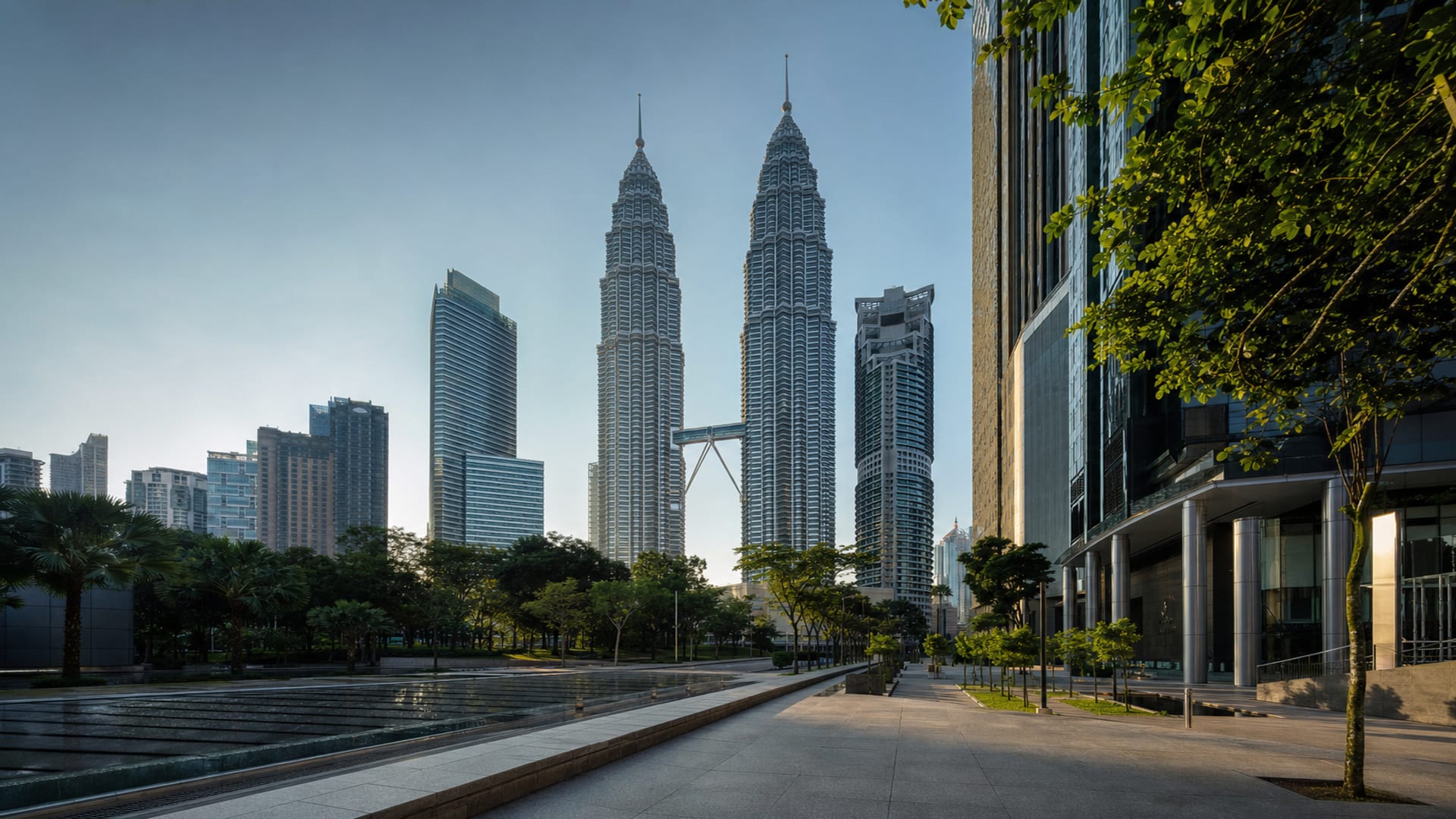
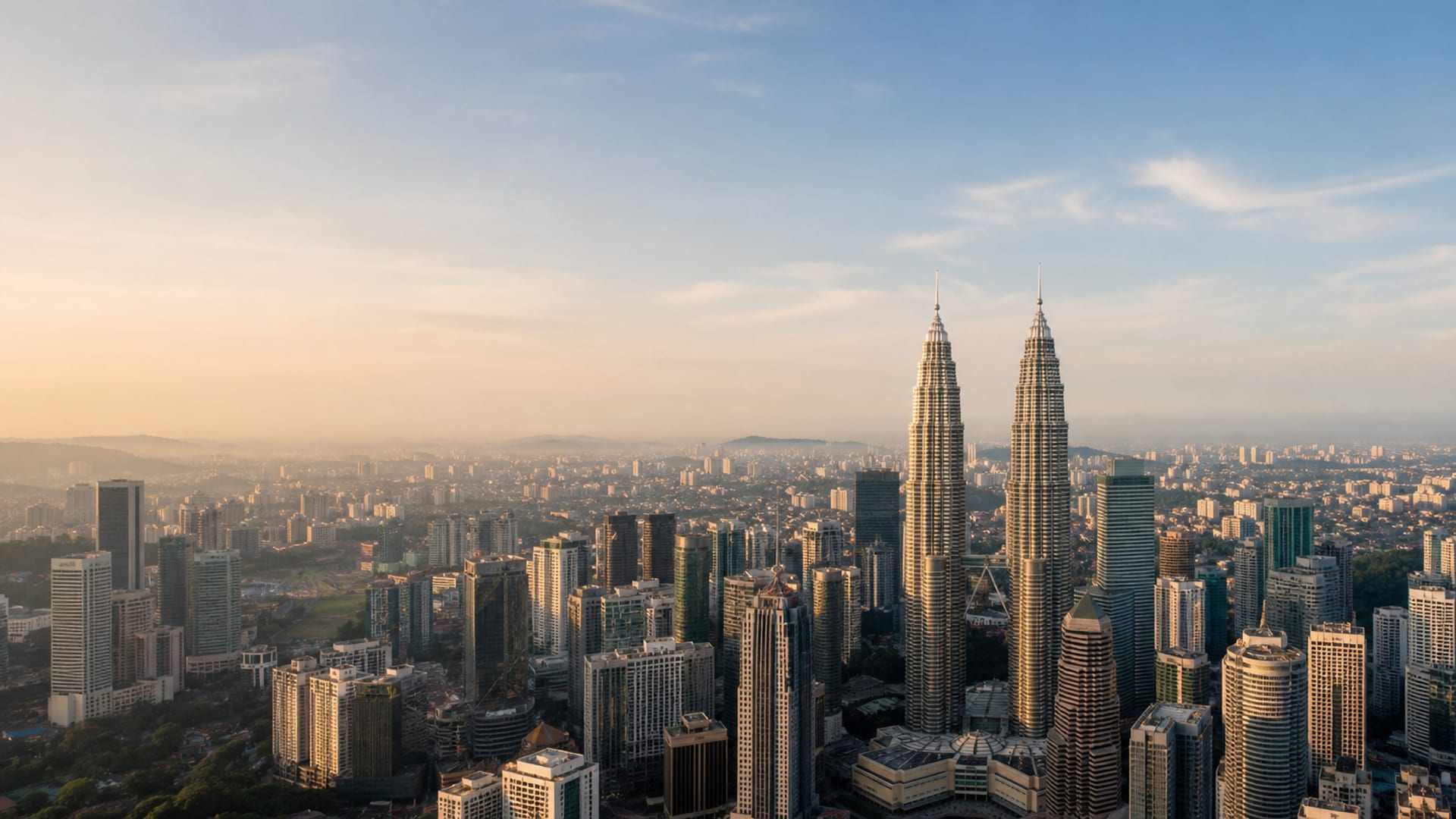
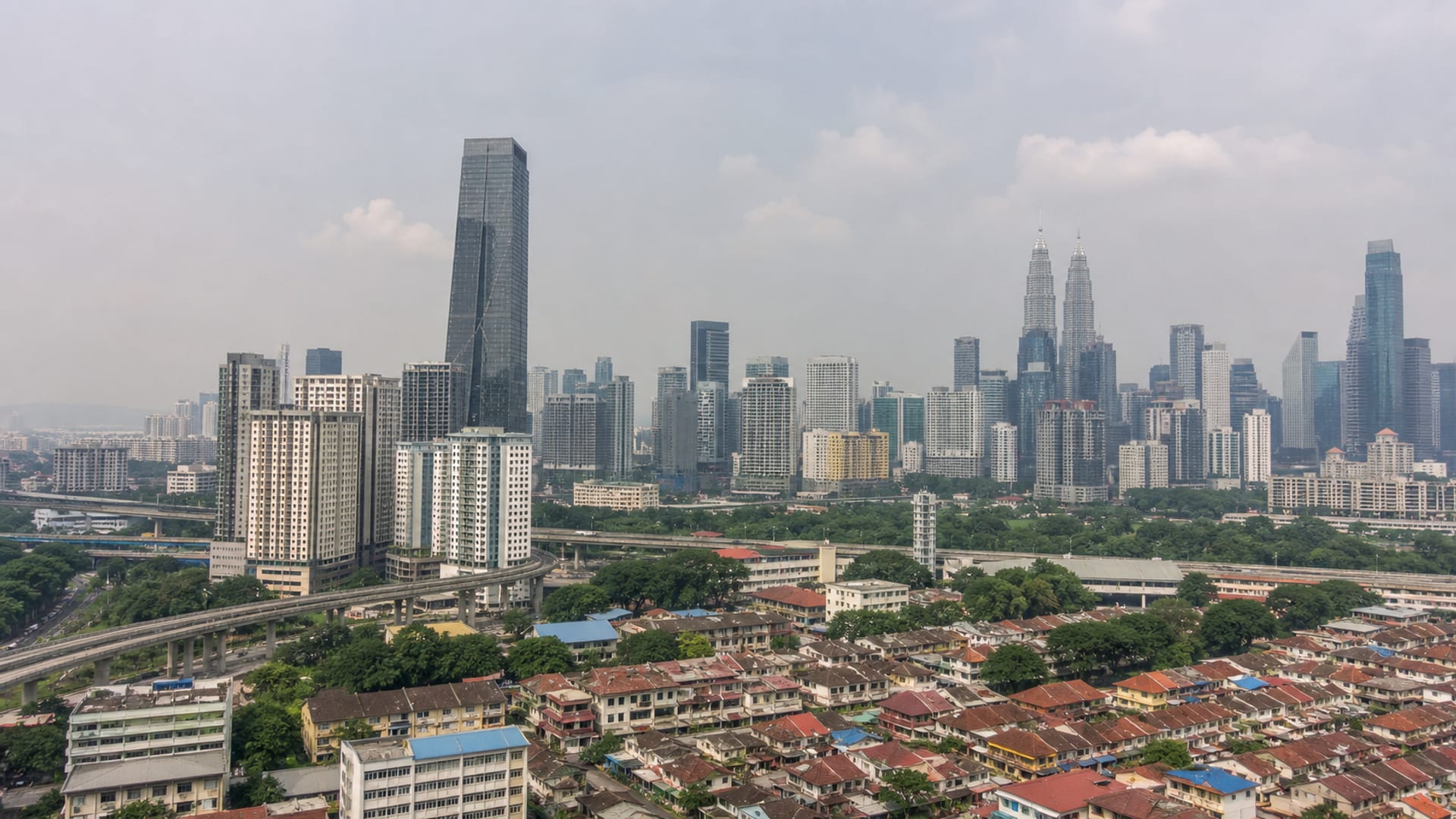
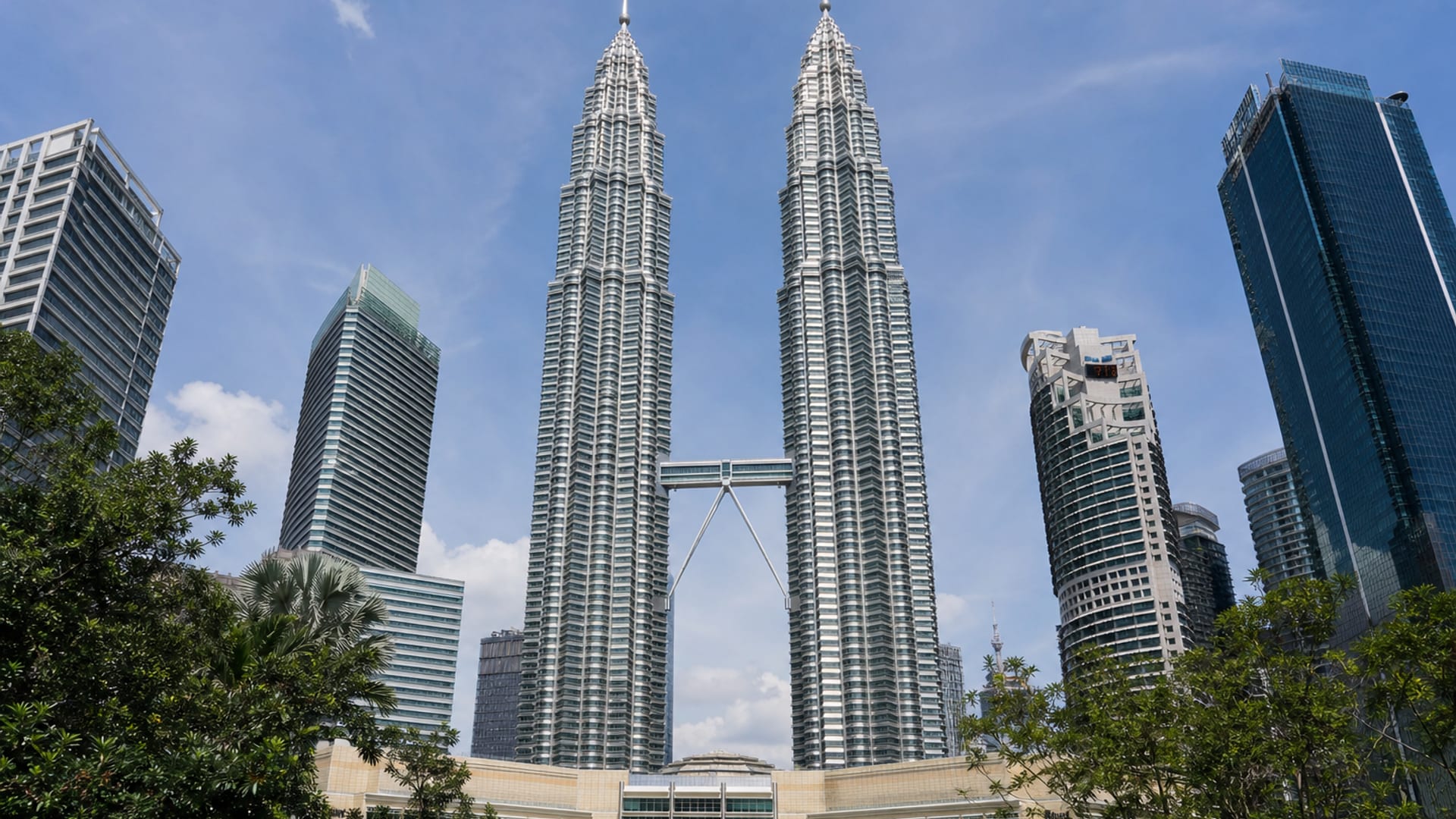
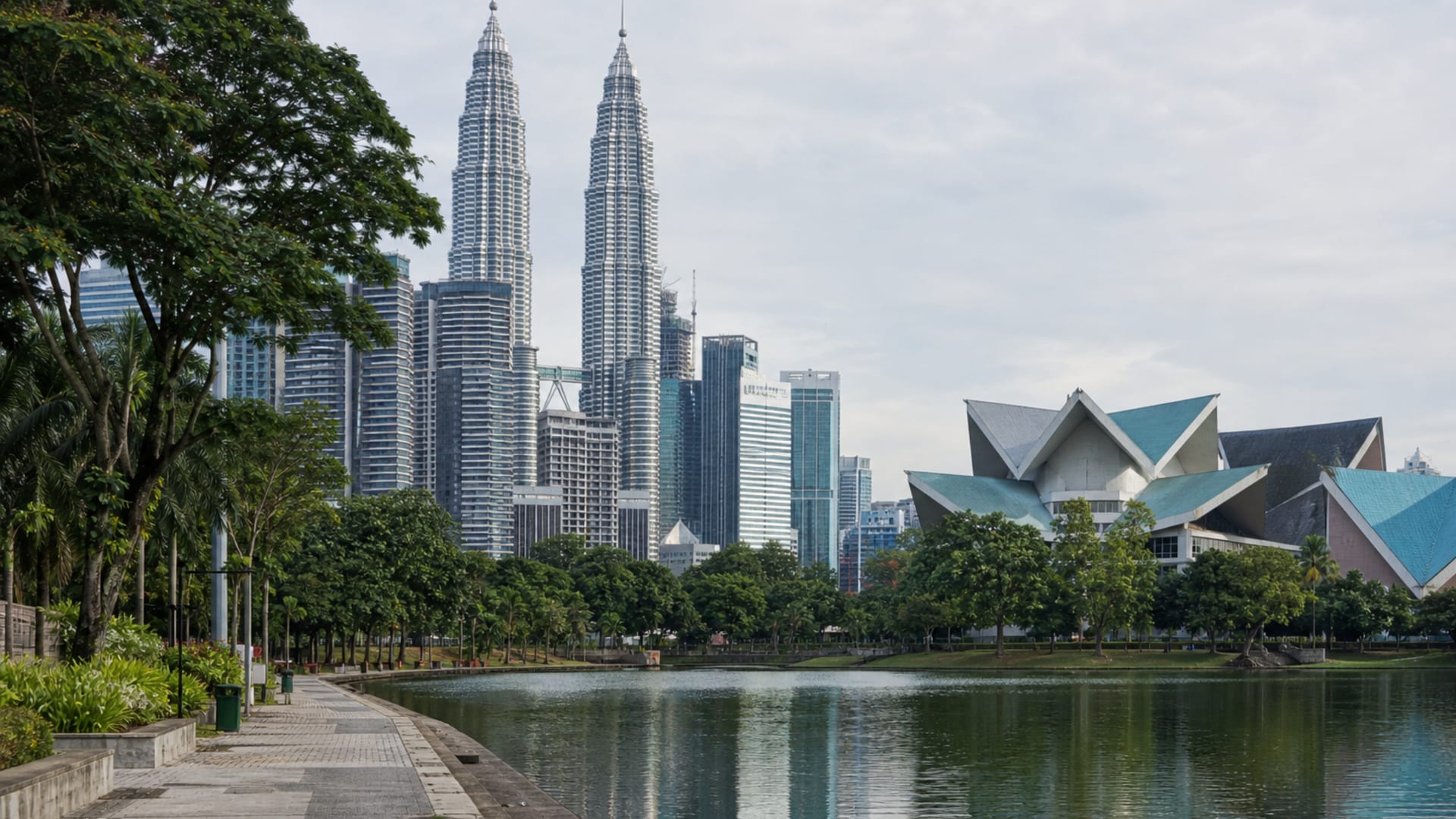
KLCC puts you beside the Petronas Twin Towers, Suria KLCC, and the park, with the city’s best-known skyline on your doorstep. It suits travelers who want major sights, shopping, and an easy Metro stop in the same area.
Best for: First-time visits, skyline views, shopping, and business trips
What to expect: Wide boulevards, upscale malls, office towers, and a steady flow of tourists and office workers.
Hotel prices: Usually about $90 to $220 per night for well-rated stays
Distance to major sights: 5 to 15 minutes on foot to the Petronas Twin Towers and KLCC Park
Quietness: Busy through the day, with a calmer feel after mall hours, though traffic still hums on main roads.
Main trade-off: Rooms here cost more than in many central neighborhoods, and the area can feel commercial rather than local.
Good to know: If you plan late dinners or evening photos, staying here cuts down on cross-city rides after dark.
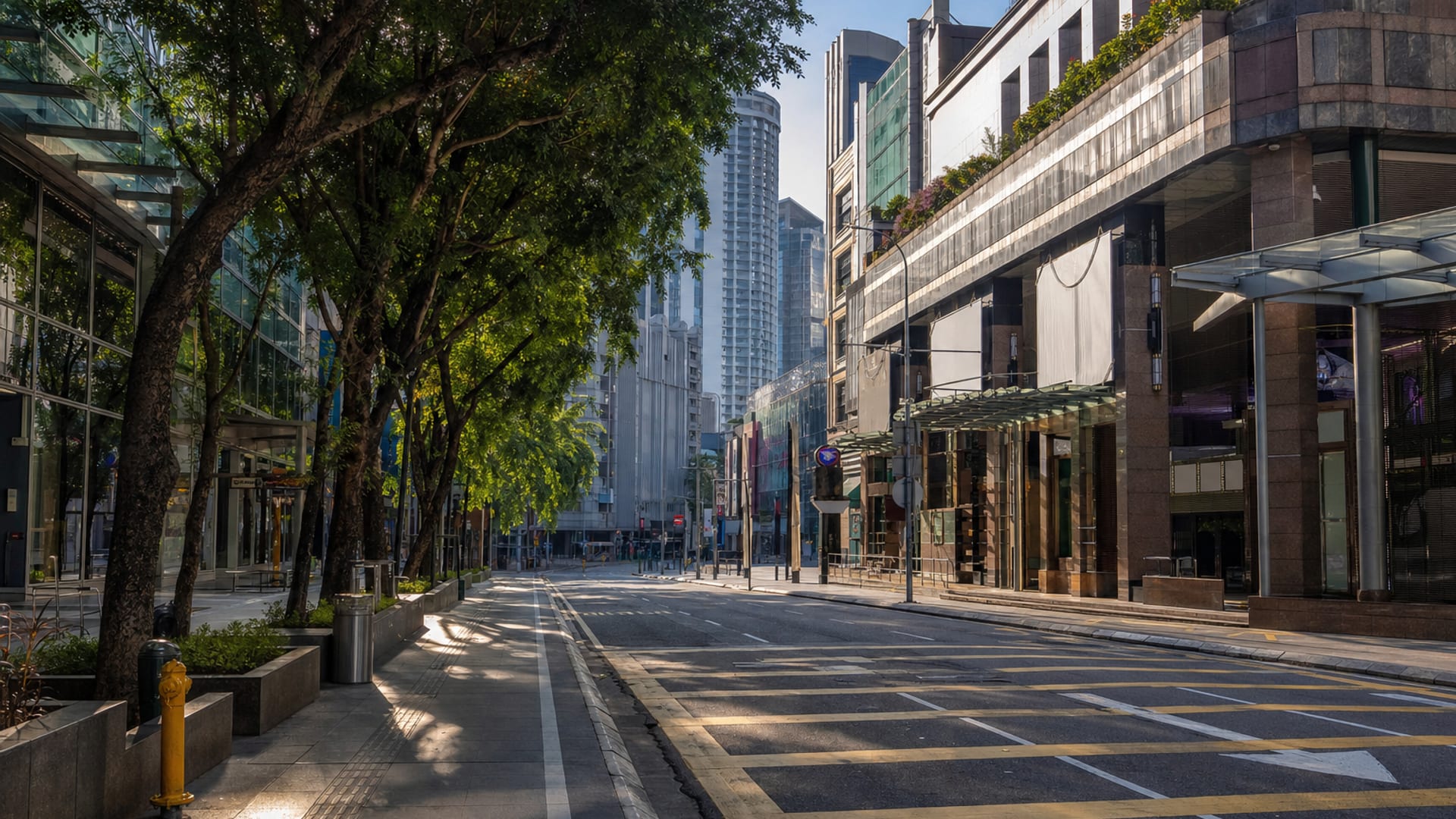
Bukit Bintang is Kuala Lumpur’s main shopping and dining district, with malls, street food, bars, and late-night activity packed into a compact core. It works well if you want to step out into the city and stay near its busiest public transit links.
Best for: Dining, shopping, nightlife, and travelers who want constant activity
What to expect: Heavy foot traffic, neon-lit streets, mall entrances, and a lively mix of visitors, shoppers, and late-night crowds.
Hotel prices: Usually about $60 to $180 per night for well-rated stays
Distance to major sights: 10 to 20 minutes on foot to Pavilion KL and about 15 minutes by train or car to KLCC
Quietness: Noisy and active late into the evening, then only partially quiet overnight on side streets.
Main trade-off: The area brings the most noise and pedestrian traffic, and room rates rise on weekends and holiday periods.
Good to know: Book higher floors or a back-facing room if you want sleep before midnight, because the street noise carries well.
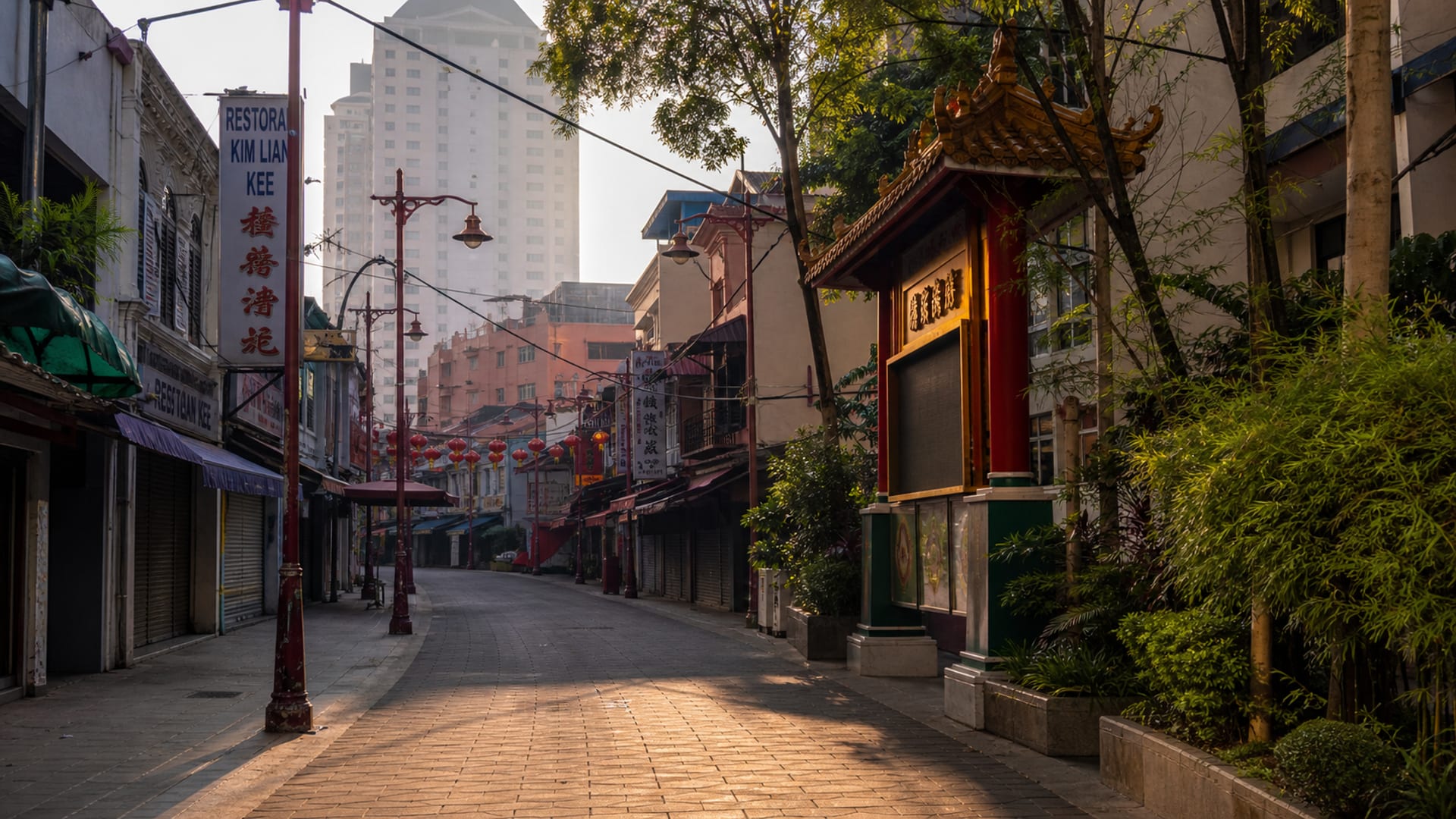
Chinatown centers on Petaling Street, old shophouses, temples, and a dense food scene that stays active well into the evening. It gives you a more affordable base near heritage streets and several rail links to the rest of the city.
Best for: Budget stays, heritage walking, food markets, and easy rail access
What to expect: Narrow streets, market stalls, temple visits, and a busy mix of locals, travelers, and evening food hunters.
Hotel prices: Usually about $35 to $100 per night for well-rated stays
Distance to major sights: 10 to 15 minutes on foot to Central Market and about 15 to 20 minutes by train or car to KLCC
Quietness: Active and noisy by day, then somewhat quieter after market hours, though some lanes stay busy at night.
Main trade-off: Side streets can feel cramped, and the liveliest blocks are not the quietest choice for light sleepers.
Good to know: Check whether your hotel sits near a rail station, since walking with luggage is less pleasant on the narrowest streets.
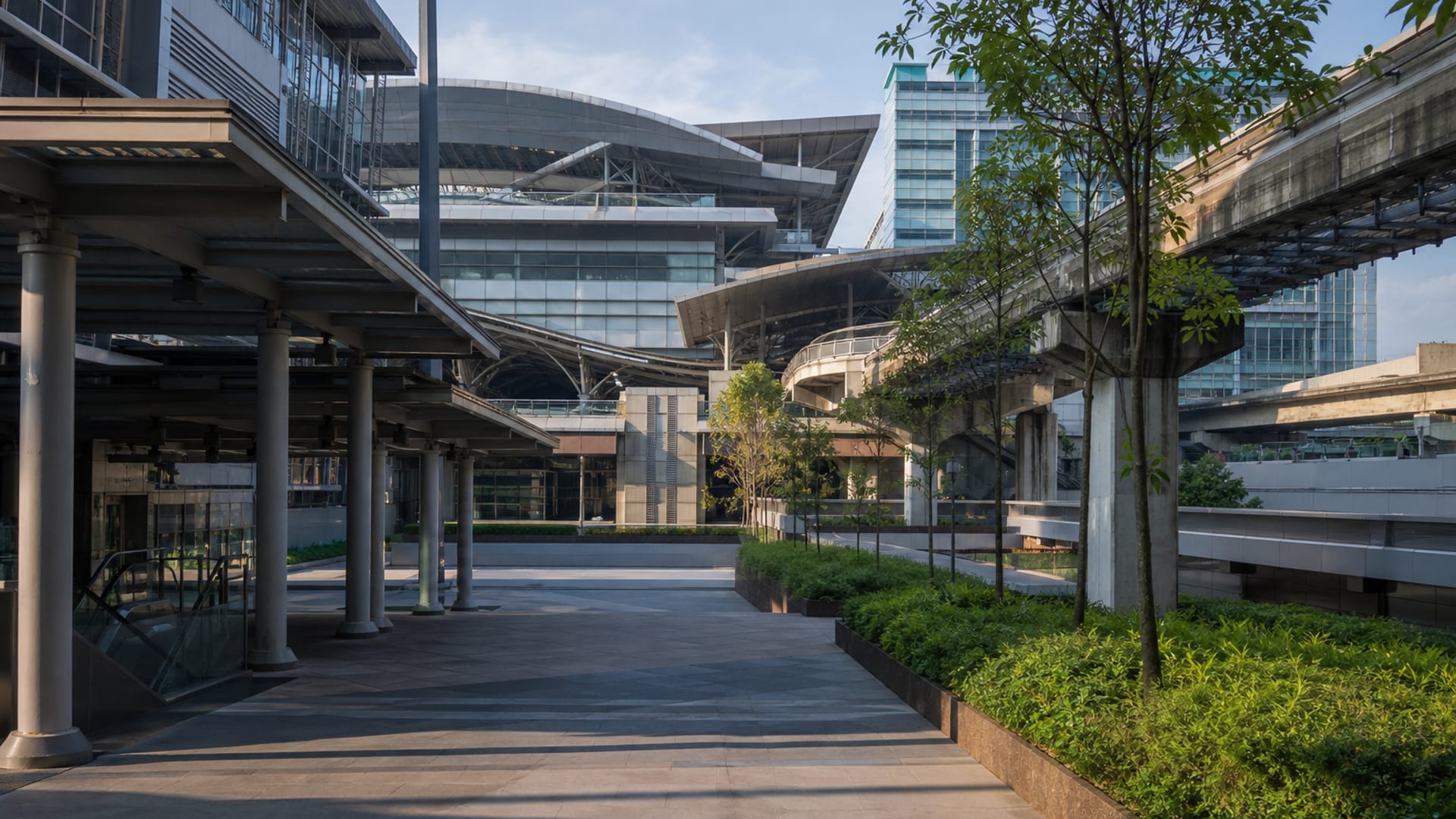
KL Sentral is the city’s main transport hub, linking the airport train, intercity rail, and several urban lines in one place. It suits travelers who value quick transfers and want to move around Kuala Lumpur without depending on taxis.
Best for: Transit-heavy itineraries, airport access, and short stays
What to expect: Large stations, office towers, business hotels, and a constant stream of commuters and transit passengers.
Hotel prices: Usually about $50 to $140 per night for well-rated stays
Distance to major sights: 10 to 15 minutes by train to KLCC and about 10 minutes by train to the National Museum
Quietness: Busy and functional during the day, then much calmer at night once commuter traffic drops.
Main trade-off: You gain transport access, but you will spend more time riding to the main shopping and nightlife districts.
Good to know: If you have an early flight, this area cuts the risk of a long airport transfer before sunrise.
Travelers usually avoid staying in Bandar Tun Razak, Cheras Far East, and Kepong when they want to base themselves near Kuala Lumpur’s main sights, since these areas sit well outside the city center and add extra time to trips to Bukit Bintang, KLCC, and Chinatown. Brickfields outside the KL Sentral core and parts of Setapak are also less convenient for short visits because hotel options there are more spread out, visitor amenities are thinner, and evening travel back from central districts takes longer.
Hotel deals
How to get around Kuala Lumpur efficiently
Kuala Lumpur’s rail network, especially the KLIA Ekspres, LRT, MRT, Monorail, and KTM Komuter, makes short hops easy once you know which station serves each district.

Rail
for longer distances
Kuala Lumpur has a deep rail network rather than a single metro line, with the LRT, MRT, Monorail, and KTM Komuter linking KL Sentral, Bukit Bintang, Chinatown, and the city center. Fares vary by distance, with short hops often about $0.20 to $0.90 (RM1 to RM4) and longer cross-city trips about $1.20 to $2.30 (RM6 to RM11). Trains usually run every 5 to 15 minutes, and the airport link from Kuala Lumpur International Airport to KL Sentral takes about 28 minutes on the KLIA Ekspres for about $10 to $12 (RM55 to RM60).

Bus and tram
for convenience
Bus travel here centers on Rapid KL, Go KL free city routes, and airport coaches, with Go KL covering areas such as Bukit Bintang, Chinatown, KLCC, and the central business district. Rapid KL bus fares are usually about $0.40 to $1.10 (RM2 to RM5), while many Go KL routes are free and run every 5 to 20 minutes on busy corridors. Give yourself extra time in traffic, since a cross-town bus ride can take 30 to 60 minutes or longer at peak hours, and use Touch ‘n Go or cash where accepted.

Taxi
for convenience or late hours
Licensed taxis in Kuala Lumpur use metered fares in the city, with the meter usually starting near $0.80 to $1.00 (RM3 to RM4) before distance and waiting charges, while airport taxis often use fixed coupons. Expect about $14 to $22 (RM65 to RM100) for Kuala Lumpur International Airport to central Kuala Lumpur by coupon taxi, and roughly $20 to $35 (RM95 to RM160) for larger or longer central-area trips by meter. Hail them at stands, through hotel desks, or with apps such as Grab and AirAsia Ride, and pay with cash or card depending on the operator.
*Prices are based on rates updated as of June 2026 and may change at the time of travel.
Use trains for KL Sentral, KLCC, Bukit Bintang, and Chinatown, buses for budget cross-town links, and taxis or ride-hailing when you want door-to-door speed, especially from the airport.
Iconic landmarks
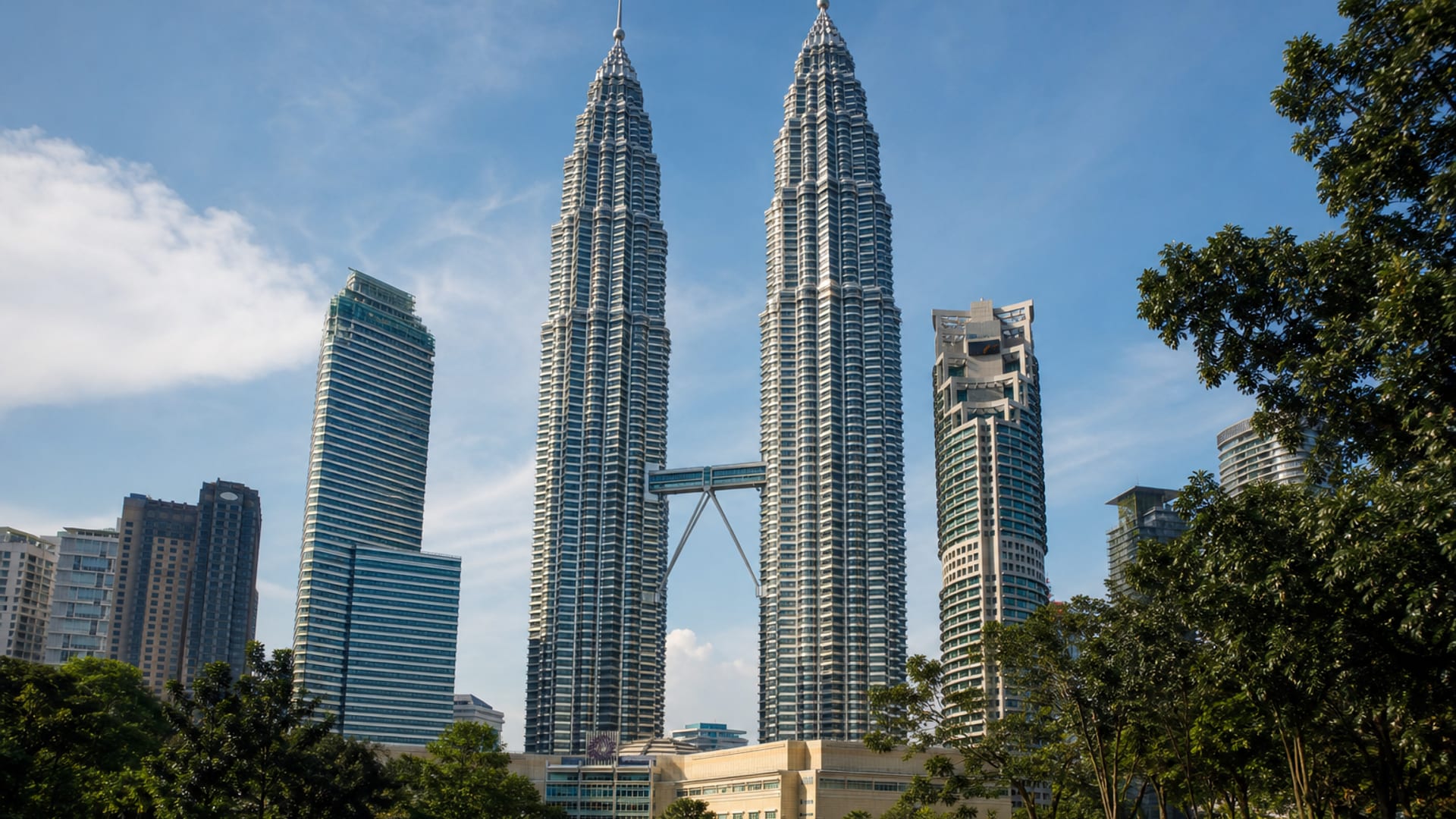
Petronas Twin Towers
Kuala Lumpur’s twin towers define the skyline from the city center. The Skybridge links the towers on the 41st floor, and the 86th-floor observation deck gives wide views over KLCC Park, nearby towers, and the city grid.
Time needed: About 1 to 2 hours
Entry: Observation deck tickets cost $27 to $32 (RM125 to RM150), with separate rates for Skybridge access and resident discounts on select days Visit the official site for details.
Tip: Go late afternoon for daylight views, then stay for the city lights after sunset.
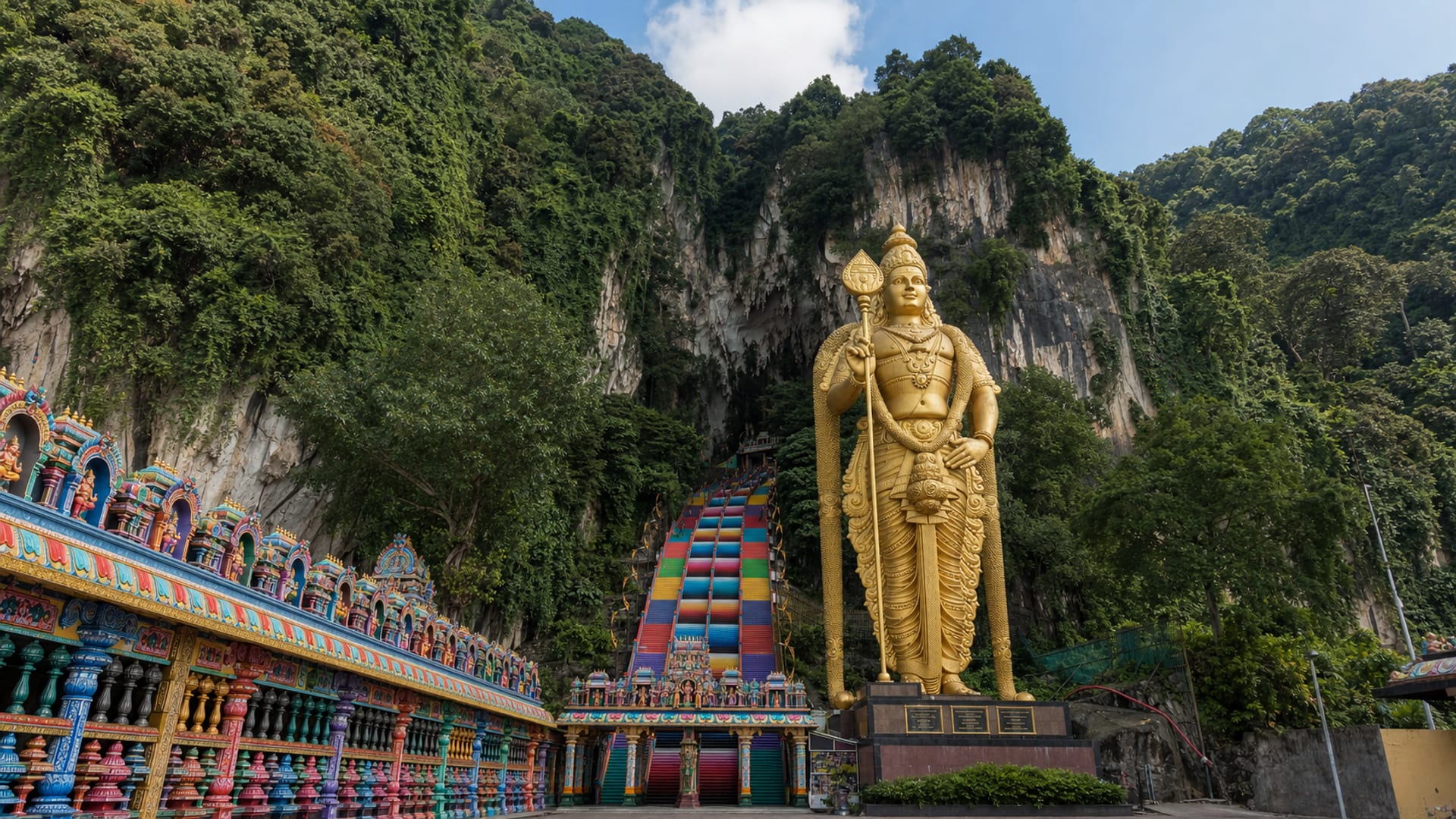
Batu Caves
About 13 km north of the center, Batu Caves combines a steep limestone hill, a huge golden Murugan statue, and a staircase leading to Temple Cave. The site also includes smaller shrines, macaques, and cave chambers.
Time needed: About 2 to 3 hours
Entry: Free to enter, though small fees apply for some caves and facilities; train or taxi costs are separate and vary by departure point Visit the official site for details.
Tip: Arrive early to avoid heat on the stairs and keep food out of sight from macaques.
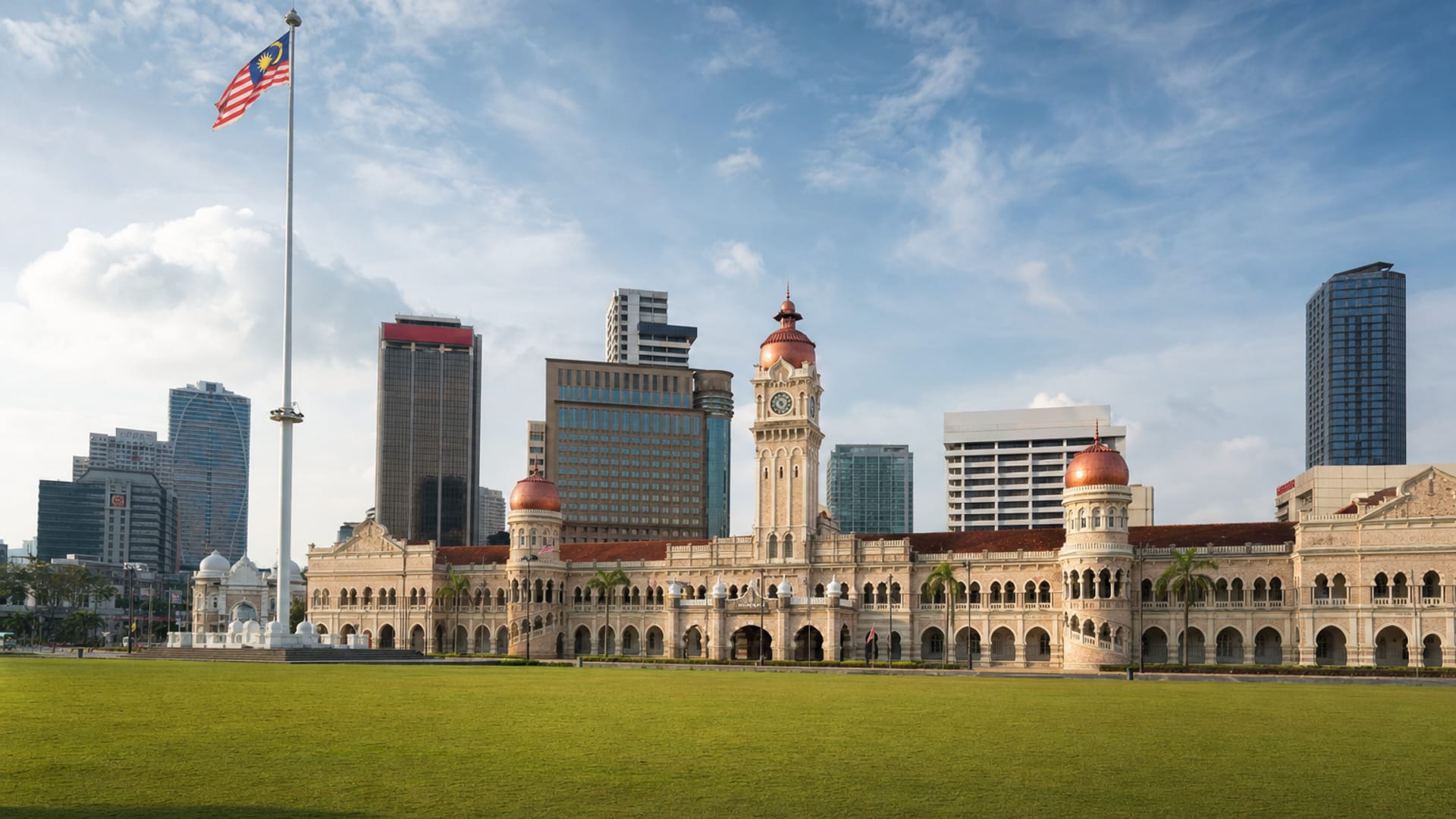
Merdeka Square
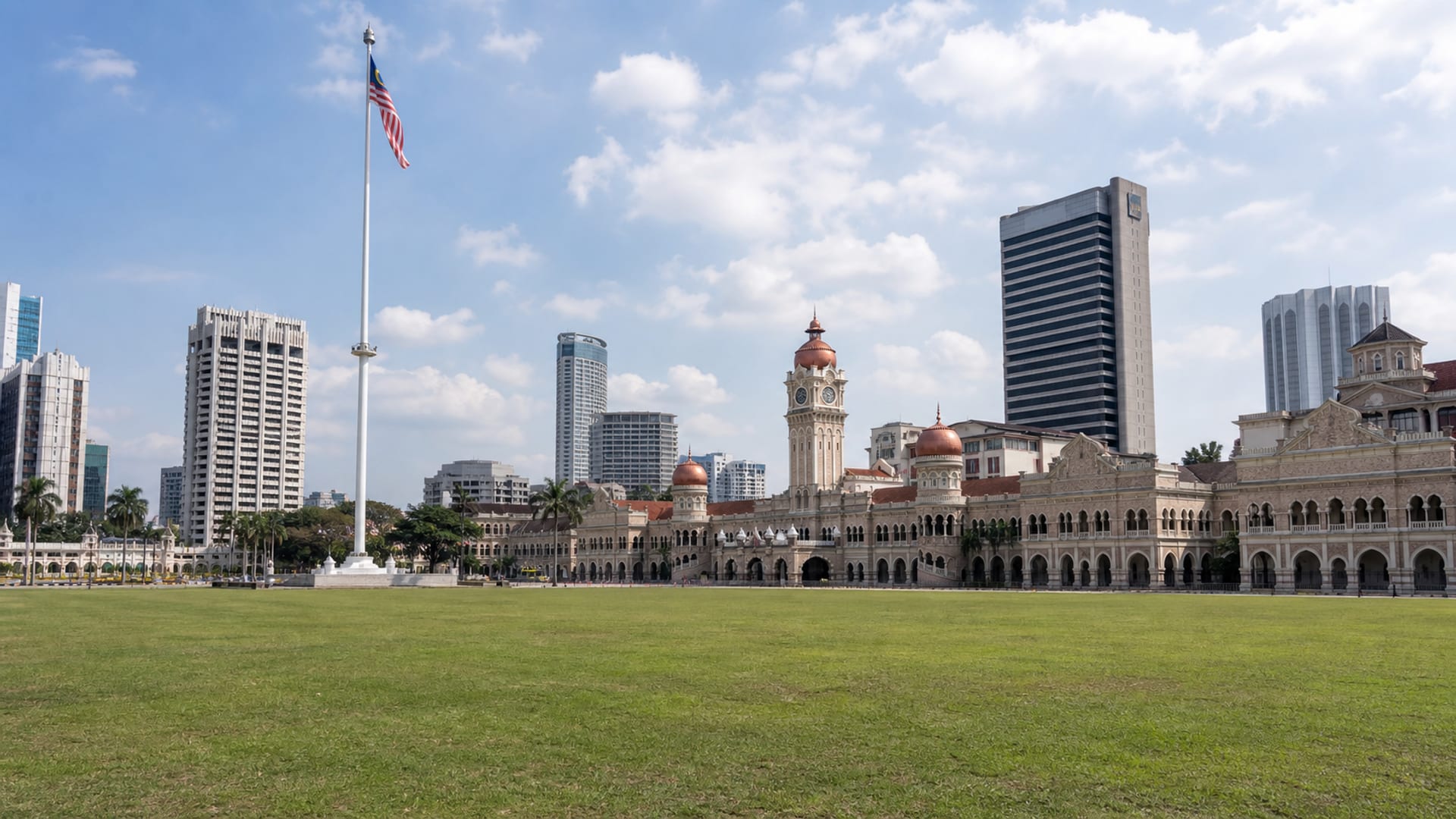
Merdeka Square marks the site where Malaya declared independence in 1957. The field is framed by colonial-era buildings, including the Sultan Abdul Samad Building, and it connects easily with the old city center.
Time needed: About 1 to 2 hours
Entry: Free to access; nearby museums, heritage buildings, and guided visits charge separately, while some areas may close for events or ceremonies.
Tip: Visit in the morning or after sunset, when the square is cooler and the facades photograph well.
Overlooked sites worth visiting

Perdana Botanical Gardens
Kuala Lumpur’s largest landscaped park spreads across lakes, lawns, and shaded paths near the old civic core. Early mornings bring cooler air, while the orchid and hibiscus gardens add a clear horticultural stop.
Time needed: About 2 hours
Entry: Free to enter for the main gardens. Separate attractions inside, including the Kuala Lumpur Bird Park, Butterfly Park, and Orchid and Hibiscus Gardens, charge their own tickets, often about $1 to $25 ($5 to MYR 115) depending on the site.
Tip: Visit before 9:00 am for cooler paths and softer light.

National Textile Museum
This compact museum beside Independence Square traces Malaysia’s weaving, clothing, and costume traditions in four galleries. The colonial-era building adds context, and the exhibits stay focused enough for a short city-center stop.
Time needed: About 1 hour
Entry: Admission is free for most visitors, though special exhibitions may charge separately. The museum usually opens Tuesday through Sunday, and opening hours can vary on public holidays, so check the current schedule before you go Visit the official site for details.
Tip: Pair it with a morning walk at nearby Dataran Merdeka.
Traditional food
Kuala Lumpur’s food blends Malay, Chinese, and Indian influences, so nasi lemak, satay, char kway teow, and roti canai all share space with strong coffee, coconut, chili, and smoky wok heat.
Nasi lemak
Rice cooked in coconut milk, usually served with sambal, anchovies, peanuts, and egg, plus optional fried chicken or rendang. Nasi Lemak Wanjo in Kampung Baru is a classic Kuala Lumpur stop for it.
Satay
Skewered, grilled meat with peanut sauce, cucumber, onion, and rice cakes, built for a quick evening meal or shared plate. Kajang Satay at Restoran Sate Kajang Haji Samuri is a well-known Kuala Lumpur choice.
Char kway teow
Flat rice noodles stir-fried with soy sauce, shrimp, egg, bean sprouts, and sometimes Chinese sausage, with a smoky edge from high heat. Kim Lian Kee in Chinatown is one of the city’s best-known addresses for it.
Roti canai
Flaky flatbread served with dhal, curry, or lentils, often eaten at breakfast or late at night. Valentine Roti in Bangsar is a dependable Kuala Lumpur stop for the dish.
Best time to visit Kuala Lumpur
Kuala Lumpur stays warm year-round, but the driest months are easier for skyline views and hill visits, while the wetter stretches bring heavier afternoon rain.
Best for: Cooler mornings, city walks, and rooftop views
What you get: About 73 to 90°F (23 to 32°C), with lighter crowds outside holiday periods
Trade-offs: Rain can still arrive in short bursts
Best for: Batu Caves visits and evening food outings
What you get: About 75 to 92°F (24 to 33°C), with moderate crowds and rising humidity
Trade-offs: Afternoon heat can feel intense on long walking days
Best for: Museums, malls, and flexible indoor pacing
What you get: About 74 to 91°F (23 to 33°C), with steady visitor numbers and regular rain
Trade-offs: Showers can interrupt outdoor plans
Best for: Gardens, heritage districts, and photography
What you get: About 73 to 90°F (23 to 32°C), with fewer peak crowds on some weekdays
Trade-offs: This is one of the wetter stretches of the year
A realistic 5-day plan in Kuala Lumpur
A well-paced Kuala Lumpur trip usually alternates skyline stops, heritage streets, and one or two longer outings beyond the center. The five-day plan below keeps transit short where possible and leaves space for heat, rain, and evening meals.
Fly into Kuala Lumpur (KUL), then take the KLIA Ekspres to KL Sentral in about 28 minutes for roughly $13. From there, a taxi or ride-hail to KLCC takes about 10 to 15 minutes and usually costs about $3 to $8, so this is the simplest arrival pattern if you plan to sleep near the towers. Check in near KLCC if you want an easy first evening, then keep dinner close by at Suria KLCC or the nearby park-side restaurants, and drink plenty of water before an early night.
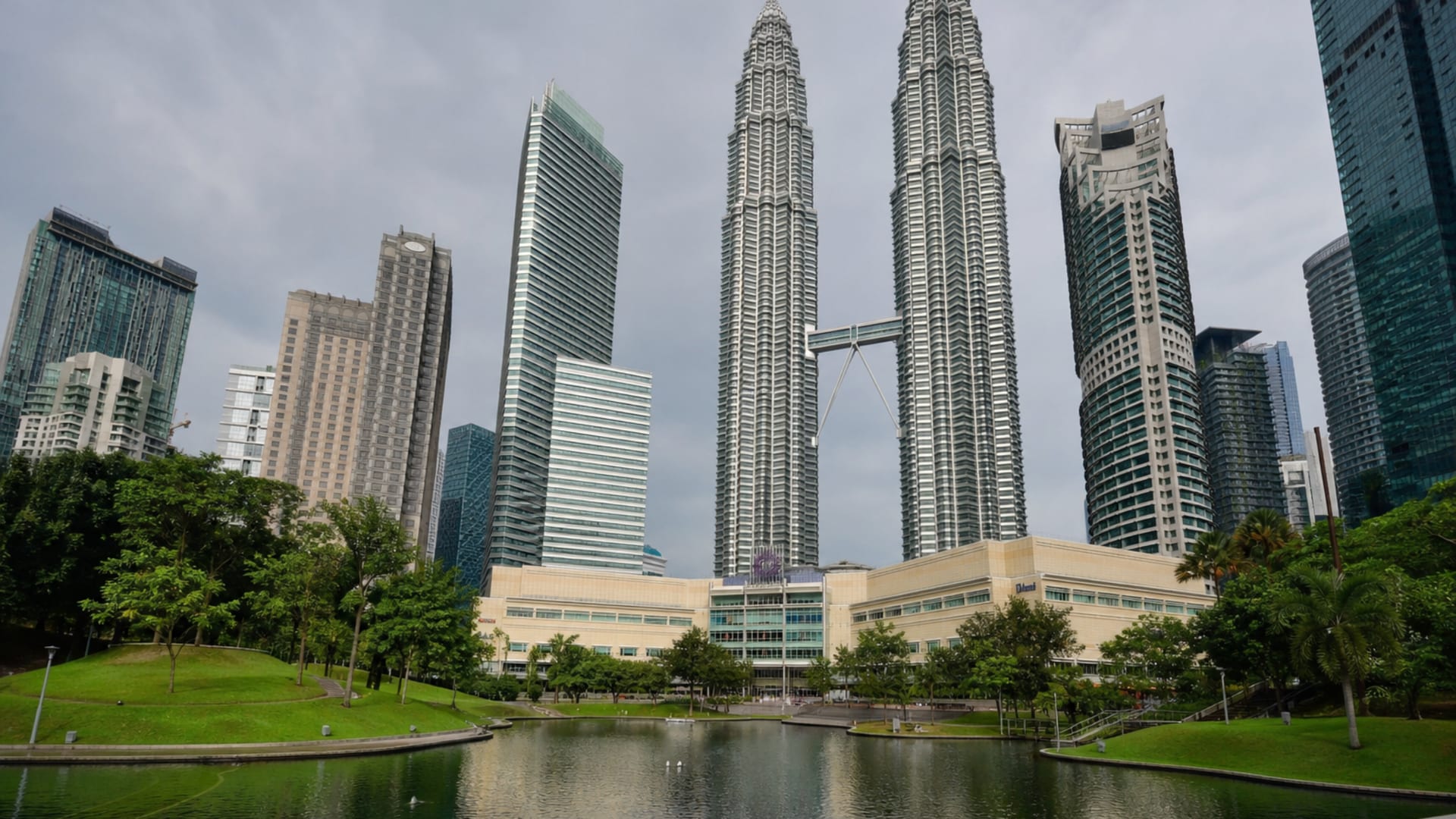
Start in KLCC with the Petronas Twin Towers, then walk about 5 minutes to KLCC Park for a slower look at the skyline and the fountains. After lunch, ride the train or a car to Bukit Bintang in about 15 minutes, where Pavilion KL and the surrounding malls make an easy afternoon pairing; stay for dinner in the same district, since the walk between major stops stays short and the area comes alive after dark. If you want a late view back toward the towers, return to the park edge before calling it a night.
Begin early at Batu Caves, which sits about 13 km north of the center and usually takes about 20 to 30 minutes by train and then a short walk from Kuala Lumpur proper, or a little longer by taxi depending on traffic. Plan 2 to 3 hours for the hill, steps, and cave chambers, then head back to the city and spend the afternoon in Chinatown, where Petaling Street, the temples, and the old shophouses sit within an easy walking loop. From Chinatown, Central Market is about 10 to 15 minutes on foot, so you can break for a snack or coffee without losing the day to transit.
Take an early walk through Perdana Botanical Gardens before 9:00 am, when the paths are cooler and the lake areas are quiet, and allow about 2 hours if you want time for the main gardens. From there, head to Merdeka Square, which is about 10 minutes away by taxi or roughly 25 minutes on foot, then continue to the National Textile Museum beside Independence Square for an hour-long stop. Finish with an evening back in KLCC or Bukit Bintang, depending on whether you want a calmer dinner near the towers or a busier table in the shopping district.
Before you head to the airport, fit in one last stop at the National Textile Museum if you missed it earlier, or return for a shorter second visit since it sits close to Merdeka Square and works well with a final heritage walk. After that, spend your remaining hours in Bukit Bintang for last-minute shopping at Pavilion KL, then settle into a café nearby for a late lunch or coffee before collecting your bags. If you are staying near KL Sentral, the airport train keeps the return simple: KLIA Ekspres to Kuala Lumpur (KUL) takes about 28 minutes, which leaves enough margin for an afternoon departure.
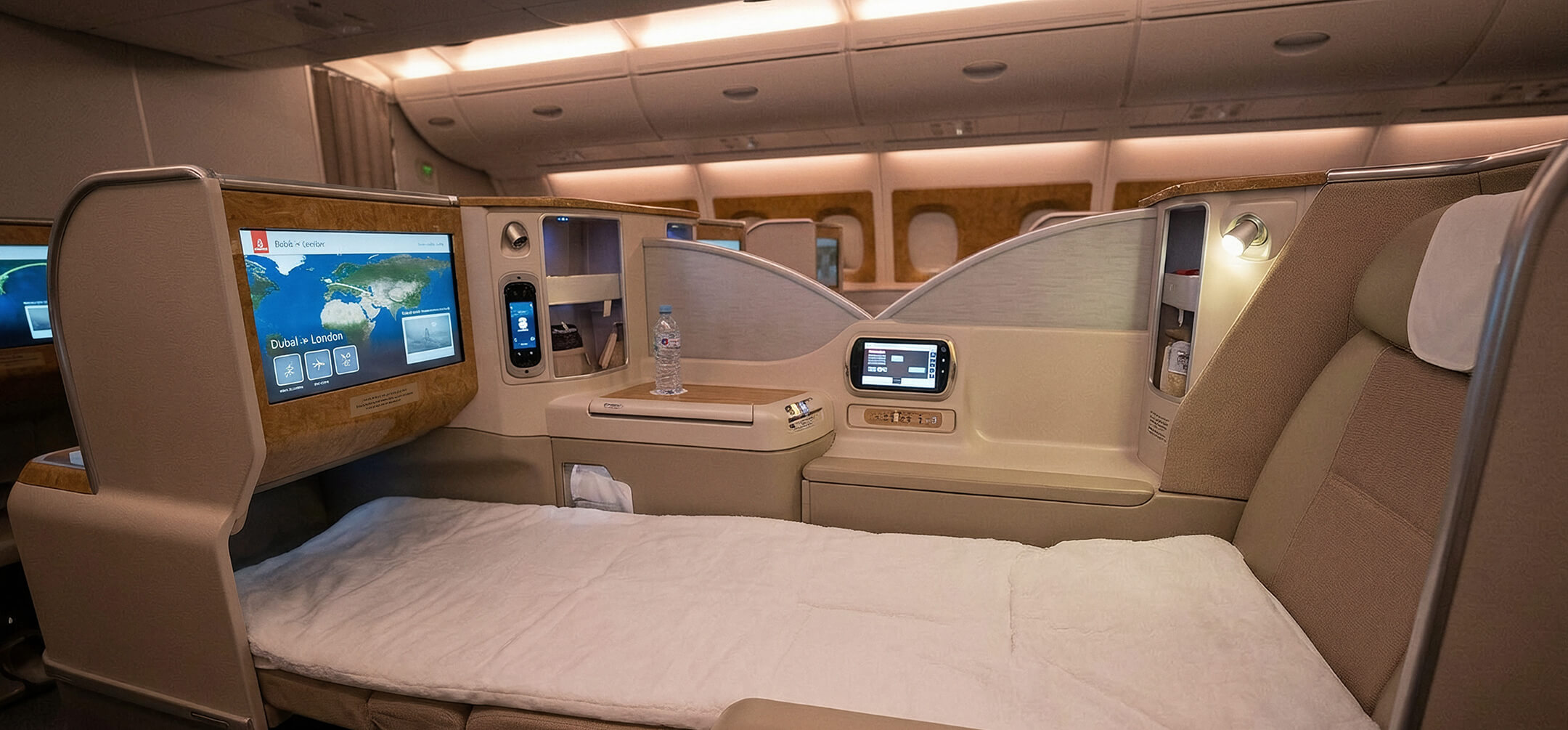
Business-class flights from the US to Kuala Lumpur
Long-haul trips to Kuala Lumpur usually involve one stop rather than a nonstop, and the routing choice can matter as much as the fare. From both coasts of the United States, the main carriers cluster through a small set of Gulf and Asian hubs.
From New York, Emirates, Qatar Airways, Singapore Airlines, Turkish Airlines, and Cathay Pacific are the main names to check, with fares usually starting at $6,500 and reaching about $11,000. If you do not mind a layover, common routings via DOH or DXB can bring the price down to roughly $4,000 to $6,000.
Los Angeles travelers usually see Emirates, Qatar Airways, Singapore Airlines, Turkish Airlines, and Cathay Pacific on the board, and round-trip fares in this class often run about $5,800 to $10,000. One-stop itineraries frequently price below nonstop-style options when sales open up.
Kuala Lumpur feels different when you slow down
Kuala Lumpur works best when you move with its geography in mind, a morning in KLCC, lunch in Bukit Bintang, an early start at Batu Caves, and an afternoon in Chinatown or around Merdeka Square. Trains handle the core districts well, while taxis and ride-hailing fit airport transfers and late dinners. If you want a route that matches the city’s pace, ask the AranGrant experts to shape it around KL Sentral, the towers, and the food stops that matter most