

Chapters:

Need help with your trip?
Our support team is available 24/7. Request a callback or call us directly at (833) 619-0908
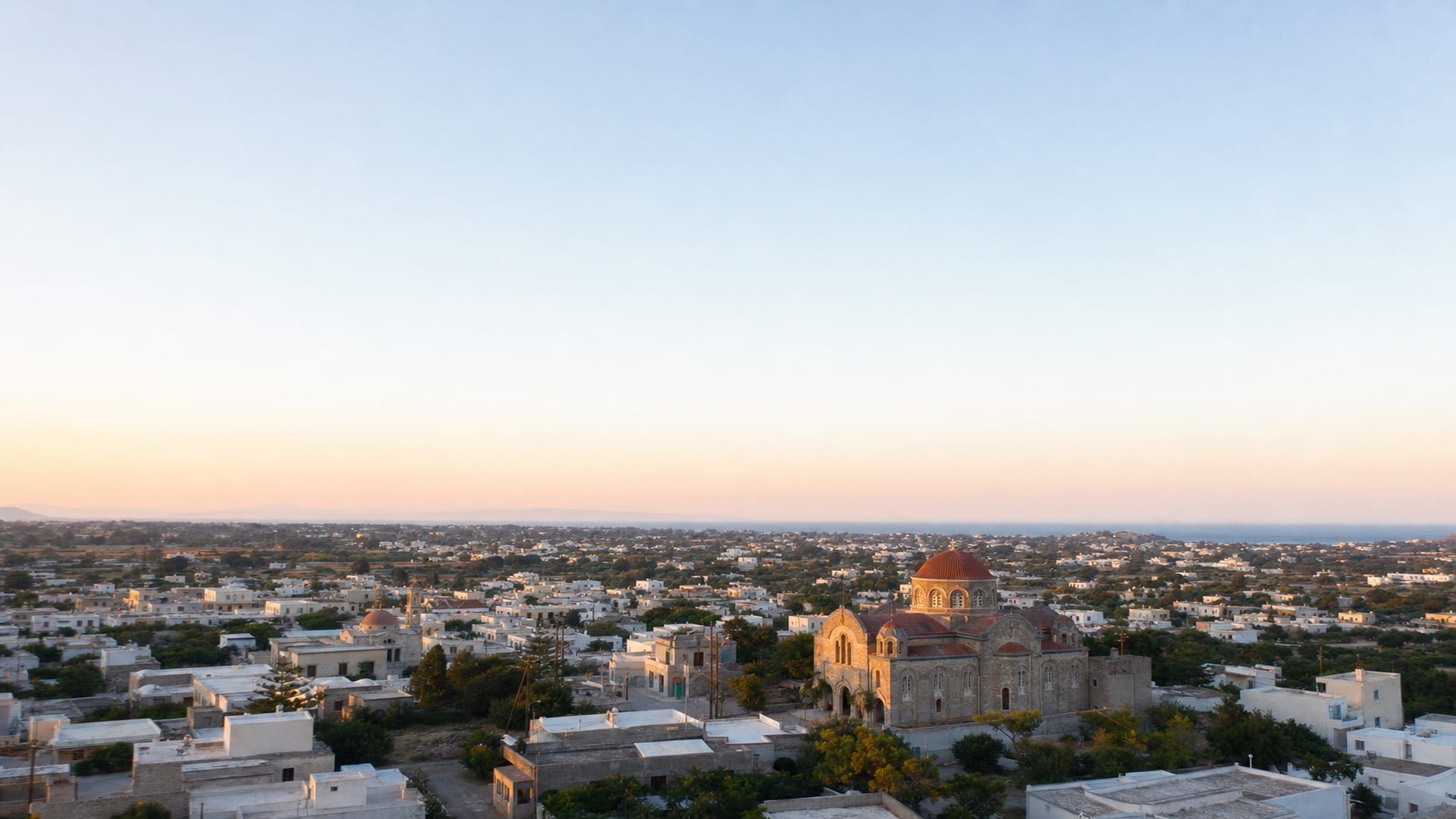
Kos usually begins with a familiar loop, airport to harbor, castle, old center, then a quick run to one beach or ruin before dinner. What many visitors miss is how much the island changes once you leave that centerline and account for bus schedules, heat, and the longer drives west and inland.
That simple pattern can compress days that need more spacing. Kos Town is walkable, but the Asklepion, Palio Pyli, and Palaio Pyli Castle sit far enough apart that timing matters, and midday sun can make short distances feel longer than they look on a map.
This guide keeps the core sights, but orders them by transit, light, and location, so each day has one clear purpose and fewer backtracks.
Useful things to know

Main language(s): Greek
Γειά σας (YAH sas) – Hello / good morning
Παρακαλώ (pah-rah-kah-LOH) – Please
Ευχαριστώ (ef-khah-ree-STOH) – Thank you
Μιλάτε αγγλικά; (mee-LAH-teh ahng-gee-KLAH) – Do you speak English?
Πόσο κάνει; (POH-so KAH-nee) – How much does it cost?

Currency: The local currency is the euro (EUR, €).

Cash and cards: Cards and contactless are widely accepted; carry about €20 to €40 ($22 to $43) in cash for small shops, taxis, or beach stops.

Tipping: Round up small bills; leave about 5-10% for good restaurant service.

Traditional food: Pitaridia, Katimeria, Poungia, Trahanas Soup

Water and coffee costs: Water about €1.50 ($2), bar espresso about €2.50 ($3).

Taxis and ride apps: Bolt and local taxis operate here; app coverage can be patchy outside the main town.

Plug and voltage: Type C/F socket, 230V

Dining and shop opening hours: Breakfast is roughly 7:00-10:00 am, lunch 1:00-3:00 pm, and dinner 8:00-10:30 pm. Many kitchens close in the afternoon and reopen in the evening.

Emergency number: 112 for all emergencies, police, fire, and ambulance.
Where to stay in Kos
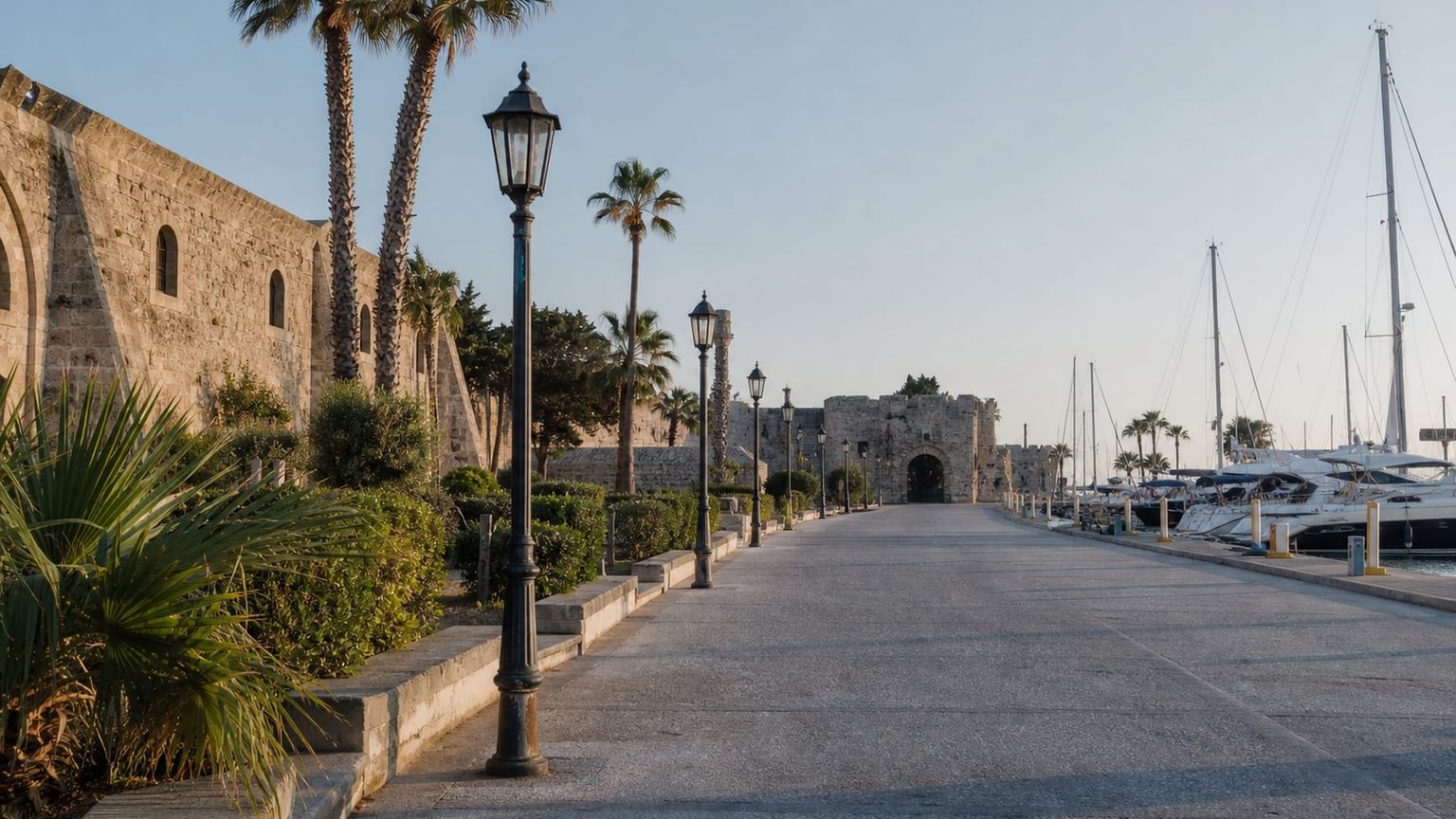
The harbor district sits at the edge of Kos Town’s old center, with ferries, cafés, and easy access to the waterfront promenade. It suits travelers who want to walk to the castle, the marina, and the main dining streets without depending on taxis.
Best for: First-time stays, harbor views, and walking access to the old center
What to expect: Busy pedestrian edges by day, then a lively dinner scene and late ferries near the water
Hotel prices: Usually about $120 to $260 per night for well-rated stays
Distance to major sights: 5 to 10 minutes on foot to Kos Castle and Eleftherias Square
Quietness: Daytime is active and social; evenings stay lively near the promenade and quieter a few streets back
Main trade-off: You pay more for the location, and waterfront rooms can pick up noise from restaurants and late foot traffic
Good to know: Book an upper-floor room if you want to keep ferry and promenade noise down.
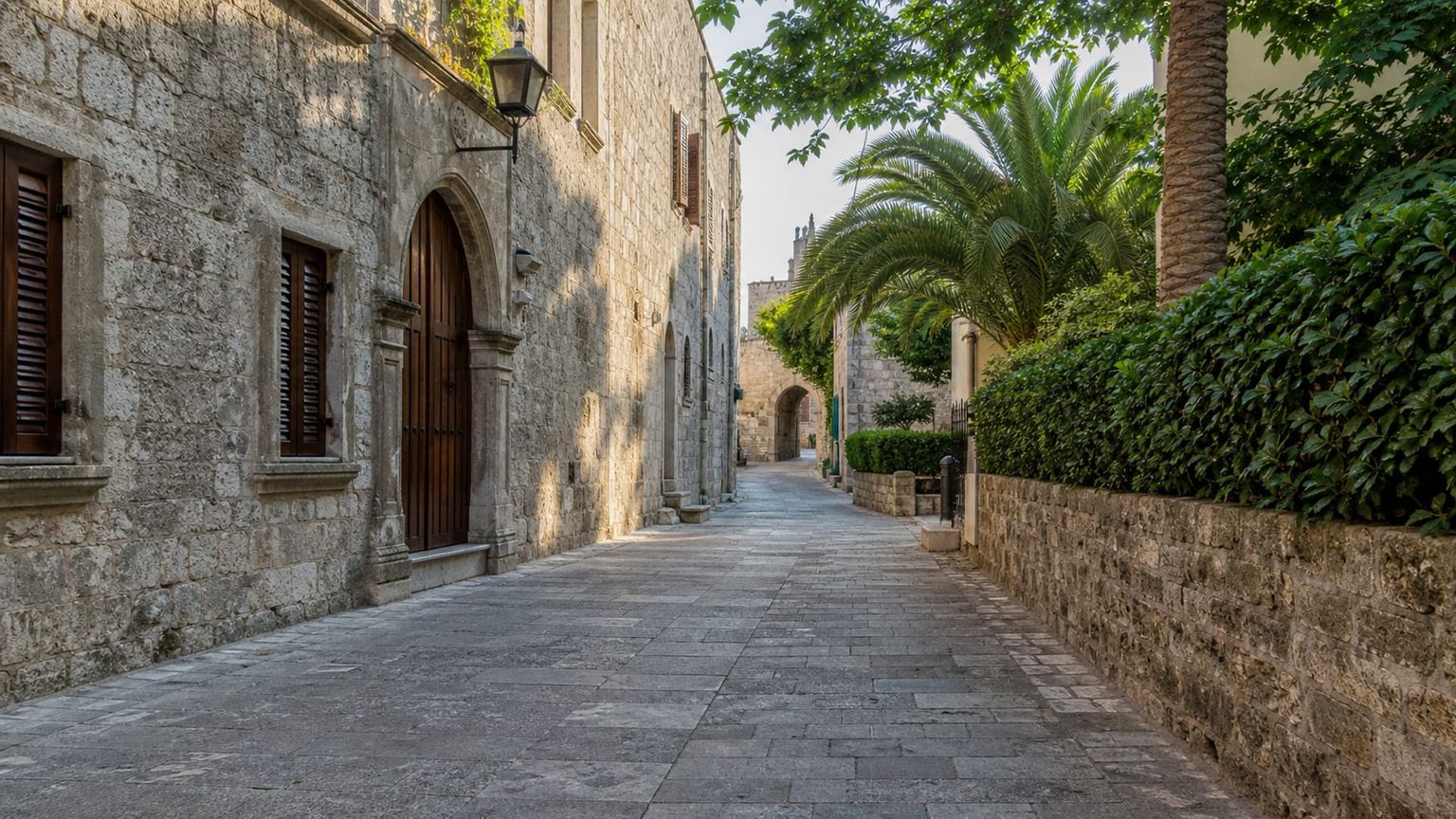
The old center gathers narrow streets, small squares, and many of the island’s most walkable restaurants and shops. It matters if you want to step out into the historic core and reach the main sights with minimal transit planning.
Best for: Sightseeing, dining, and travelers who want to walk almost everywhere
What to expect: Dense foot traffic, evening tables on the streets, and a constant low-level tourist flow
Hotel prices: Usually about $110 to $240 per night for well-rated stays
Distance to major sights: 5 minutes on foot to Eleftherias Square, about 10 minutes on foot to the Castle of the Knights
Quietness: Busy through the day and animated at night, with the quietest rooms set off the main lanes
Main trade-off: Lodging is limited in size, and the most central rooms can be affected by late-night restaurant noise
Good to know: If sleep matters, choose a property on a side street rather than directly on a square.
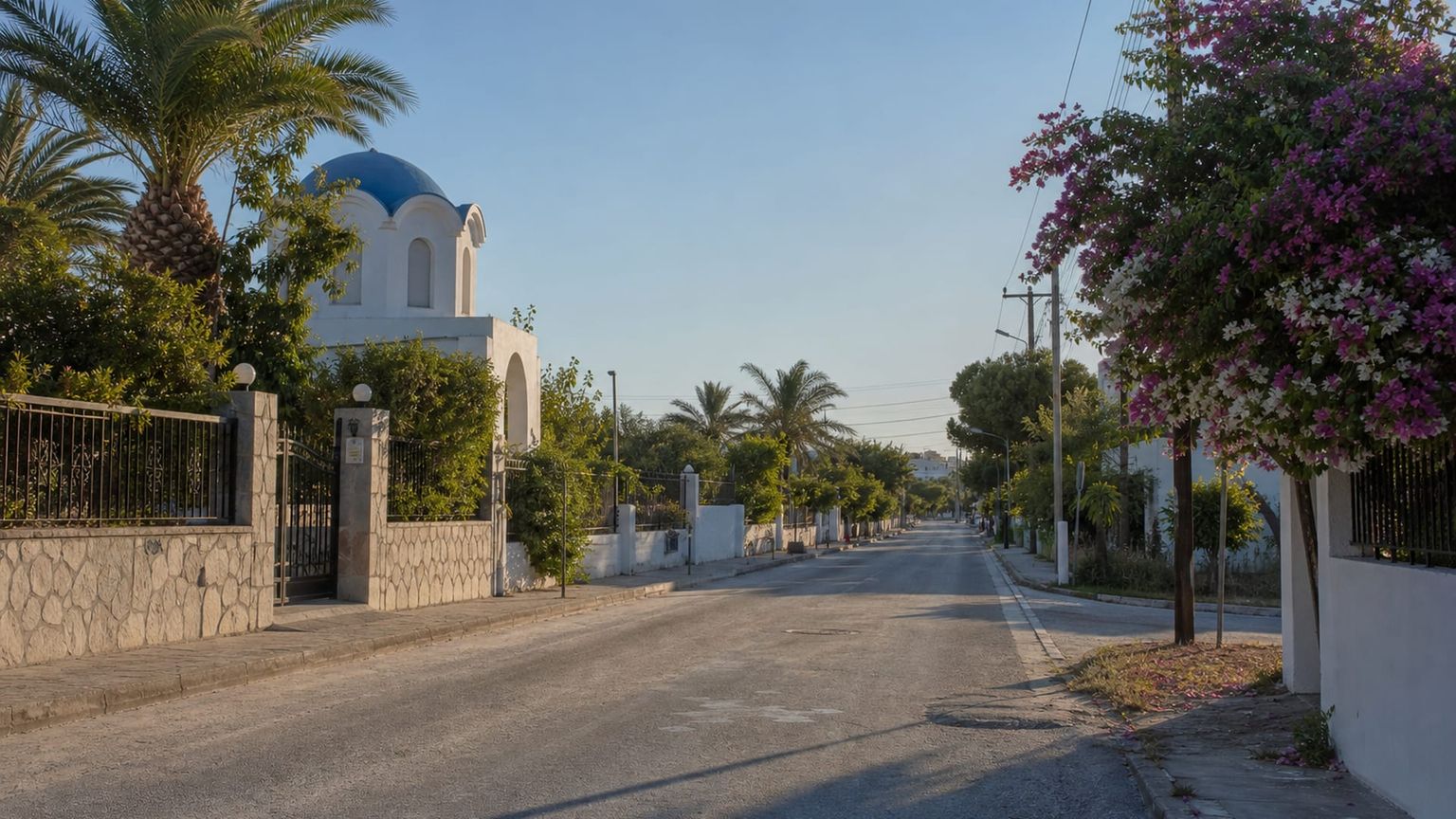
Lambi stretches north and west of Kos Town along a long beach with resorts, casual tavernas, and wide streets. It works for visitors who want more space than the old center and still want to reach town by a short walk or bike ride.
Best for: Beach stays, resort-style hotels, and travelers who do not mind a short walk into town
What to expect: Hotel-heavy streets, beachgoers in season, and a quieter pace away from the seafront bars
Hotel prices: Usually about $90 to $220 per night for well-rated stays
Distance to major sights: 10 to 20 minutes on foot to Kos Castle, depending on the property
Quietness: Calm in the morning and afternoon, with more movement near beach bars and hotel zones at night
Main trade-off: You gain better beach access, but the best old-town dining and late-night energy sit farther away
Good to know: If you plan to walk into town after dinner, check the exact address, since Lambi stretches farther than many maps suggest.
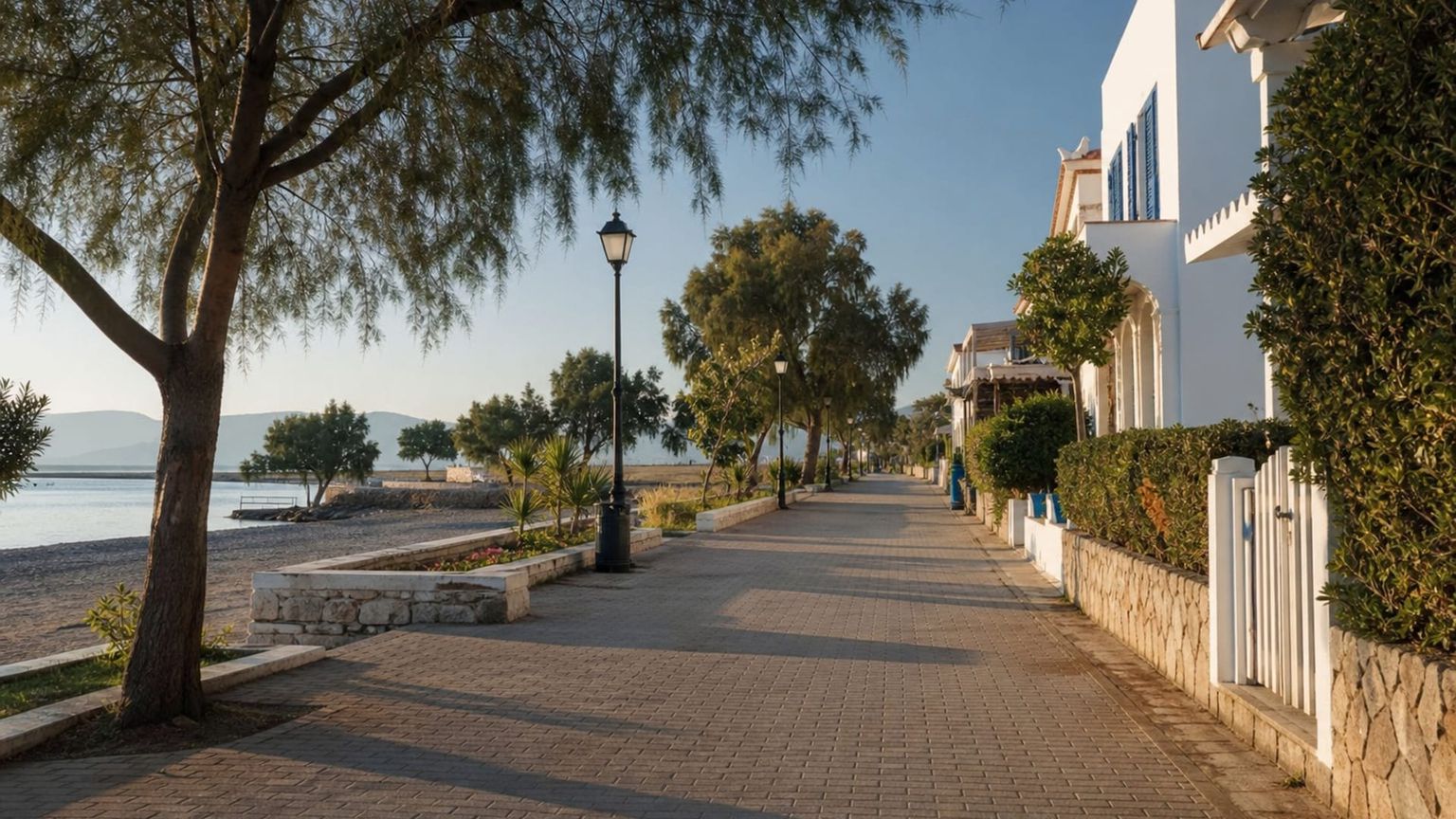
Psalidi sits east of Kos Town on the coast, with seafront hotels, bike paths, and open views across the water toward Turkey. It matters for travelers who want a quieter hotel zone with easy coastal access and a simple trip into the center.
Best for: Couples, seafront stays, cycling, and travelers who prefer a calmer hotel zone
What to expect: Resort corridors, cyclists on the coastal road, and fewer late-night street scenes than in town
Hotel prices: Usually about $100 to $230 per night for well-rated stays
Distance to major sights: About 20 minutes on foot to Kos Town Harbor, or 5 to 10 minutes by bus or bike
Quietness: Quiet during the day except near hotels and the coastal road; evenings are generally low-key
Main trade-off: It is less walkable for spontaneous nights out, and you will likely rely on buses, bikes, or taxis for the center
Good to know: Choose this area if you want sea access, but plan your evening transport before you go out.
Travelers usually avoid Mastichari for a hotel base if they plan to focus on Kos Town or the south coast, since it sits far from the island’s main sights and has a limited evening scene. Tigaki is less convenient for visitors who want easy access to the port, the castle, or late-night dining in Kos Town, while Marmari can feel isolated for the same reasons. Kardamena is a poor fit for travelers who want a quieter, more central stay, because it caters heavily to resort visitors and sits well south of the island’s main historic areas.
Hotel deals
How to get around Kos efficiently
Kos has no metro or rail network, so walking, buses, taxis, and bikes do the work, with Dodekanisos buses linking the airport and town and taxis covering the longer island stretches.

Metro
for longer distances
Kos has no metro or suburban rail, so local trips rely on buses, taxis, and walking; for airport transfers, the main comparison is the bus versus a taxi, not rail.

Bus and tram
for convenience
Dodekanisos buses link Kos (KGS) airport with Kos Town, with a typical ride of about 30 to 40 minutes, depending on stops and traffic. A single ticket usually costs about $3 to $4 (€3 to €4), and tickets are generally valid for one ride on the issued route. Services are limited outside peak periods, so check the day’s timetable before you plan a late arrival or an early departure.

Taxi
for convenience or late hours
Licensed taxis at Kos (KGS) use metered fares rather than fixed airport pricing, and a ride to Kos Town usually costs about $30 to $40 (€28 to €37), with higher totals late at night or with extra luggage. You can hire one at the rank outside the terminal or book by phone through a local dispatcher, and most drivers accept cash, while card payment is not guaranteed.
*Prices are based on rates updated as of June 2026 and may change at the time of travel.
Walk in Kos Town, use the bus for the airport and short hops, and rely on taxis or a car when you head to the Asklepion, Palio Pyli, or the hill sites west of town.
Iconic landmarks
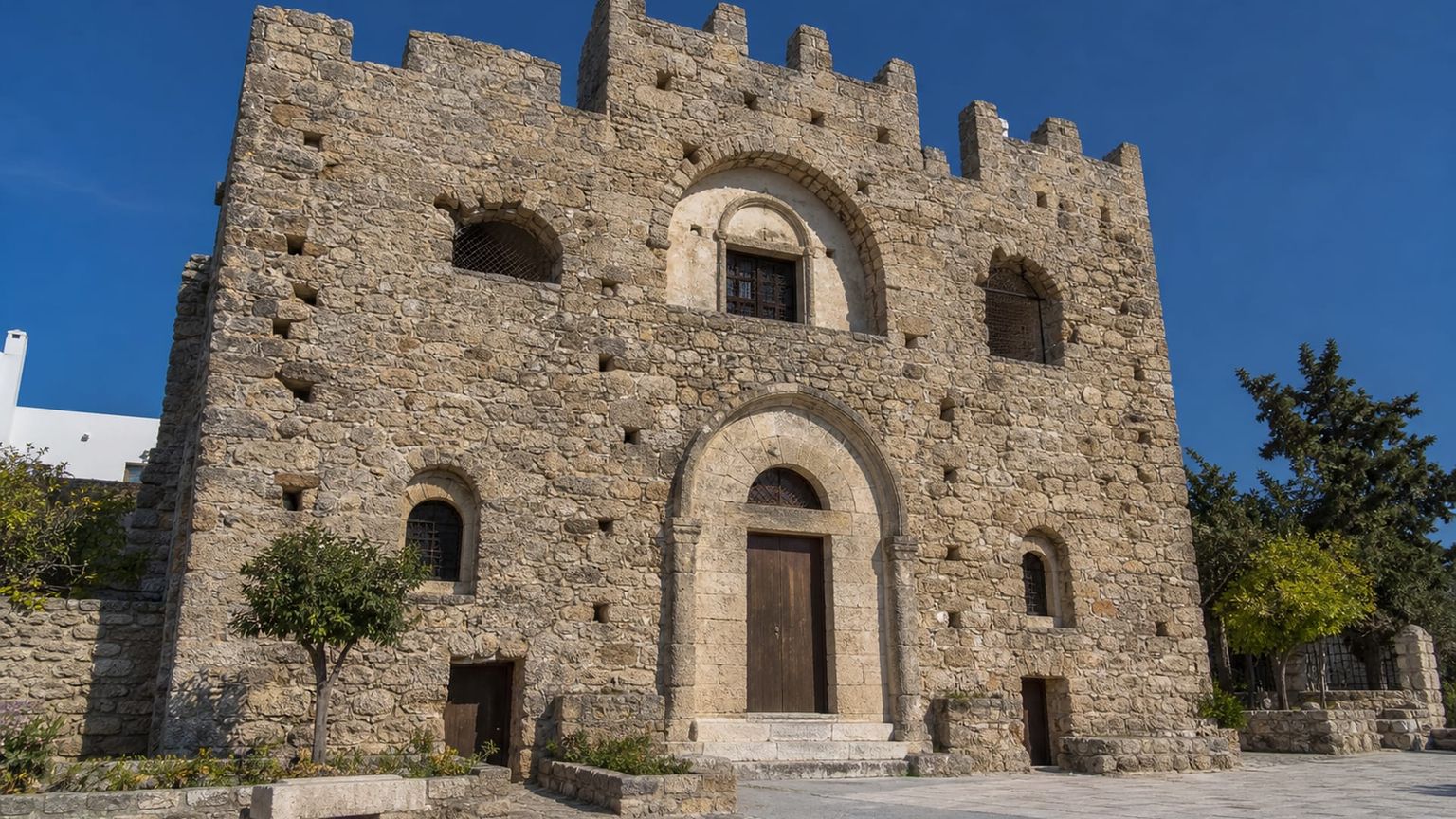
Palio Pyli
This ruined hilltop castle sits above the inland plain west of Kos Town, with the island’s broadest views over the north coast and the Turkish shoreline on clear days. The stone walls, cisterns, and chapel ruins make the climb the main draw.
Time needed: About 1 to 2 hours
Entry: Free to access; no timed entry is used, and you can walk the site during daylight hours without a ticket or guide fee.
Tip: Go late afternoon for cooler air and cleaner light on the ruins and coast.
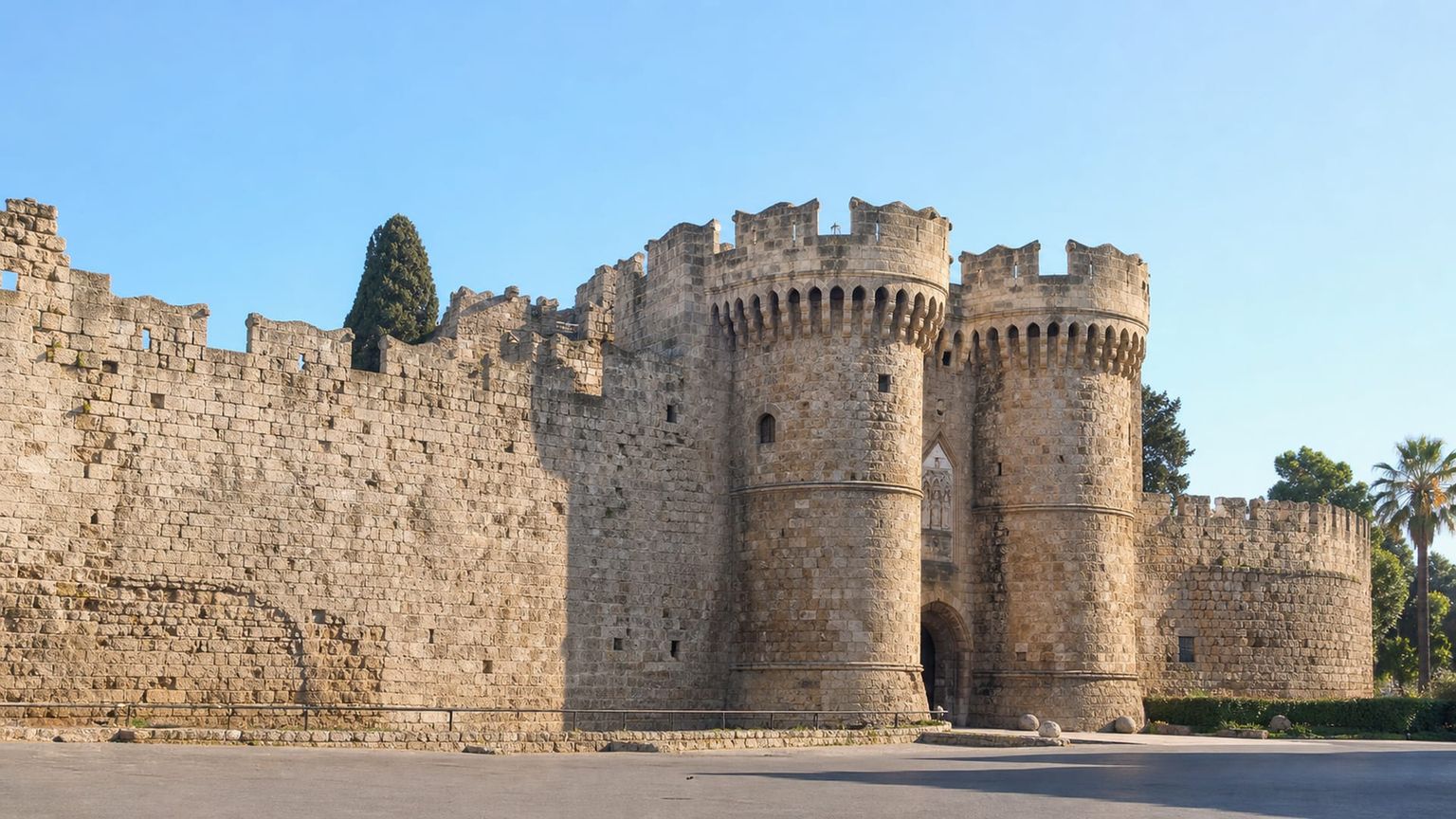
Castle of the Knights
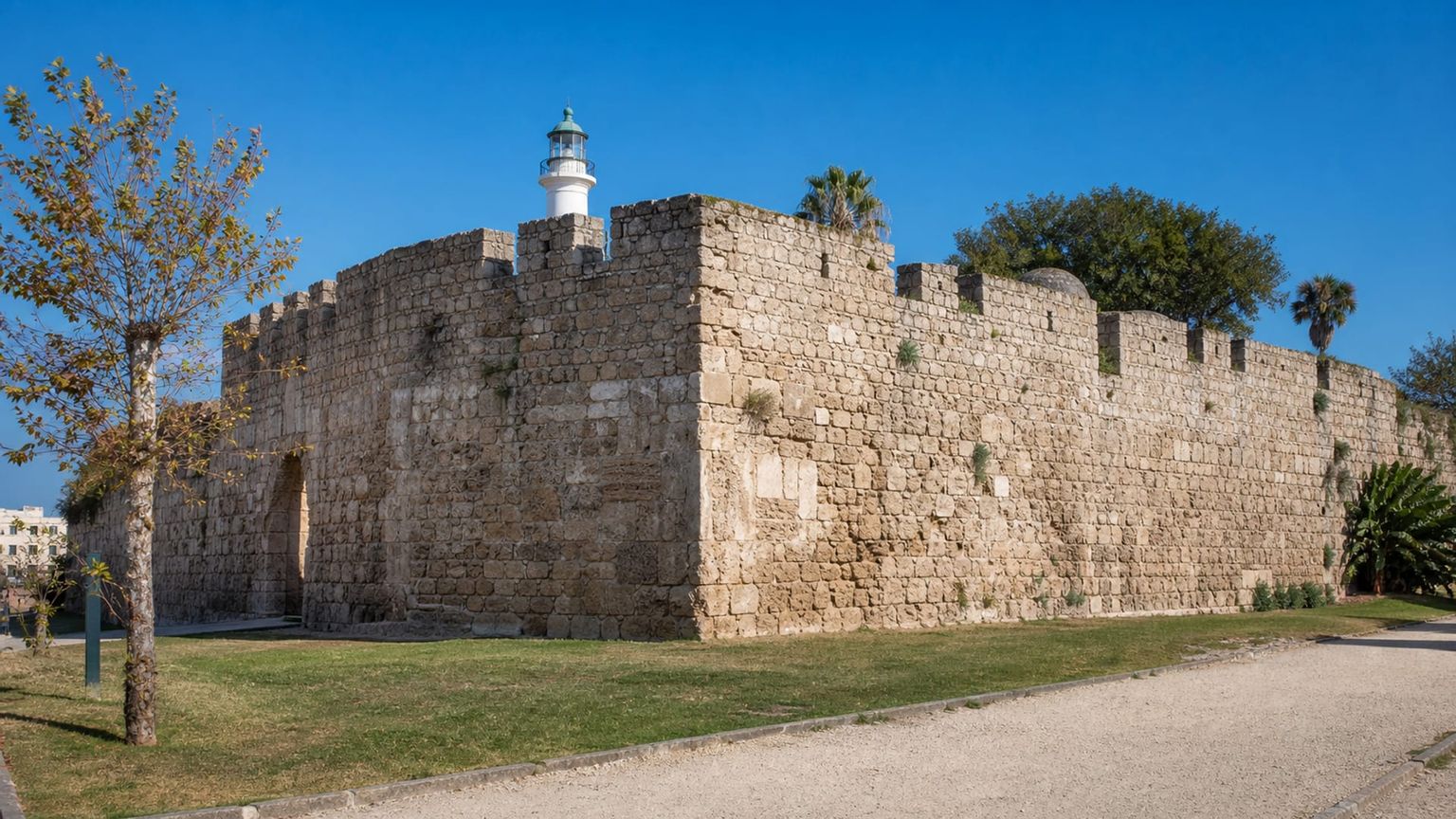
Built by the Knights of Saint John, this harbor fortress guards the entrance to Kos Town’s old port. Its ramparts, arched passages, and reused stonework show layers from the medieval and classical city.
Time needed: About 45 minutes to 1 hour
Entry: Entry costs about $3 to $6 (€3 to €5), with reduced rates for some visitors and seasonal hours that may vary by day.
Tip: Visit early or near sunset, when the walls are cooler and the harbor light is better.
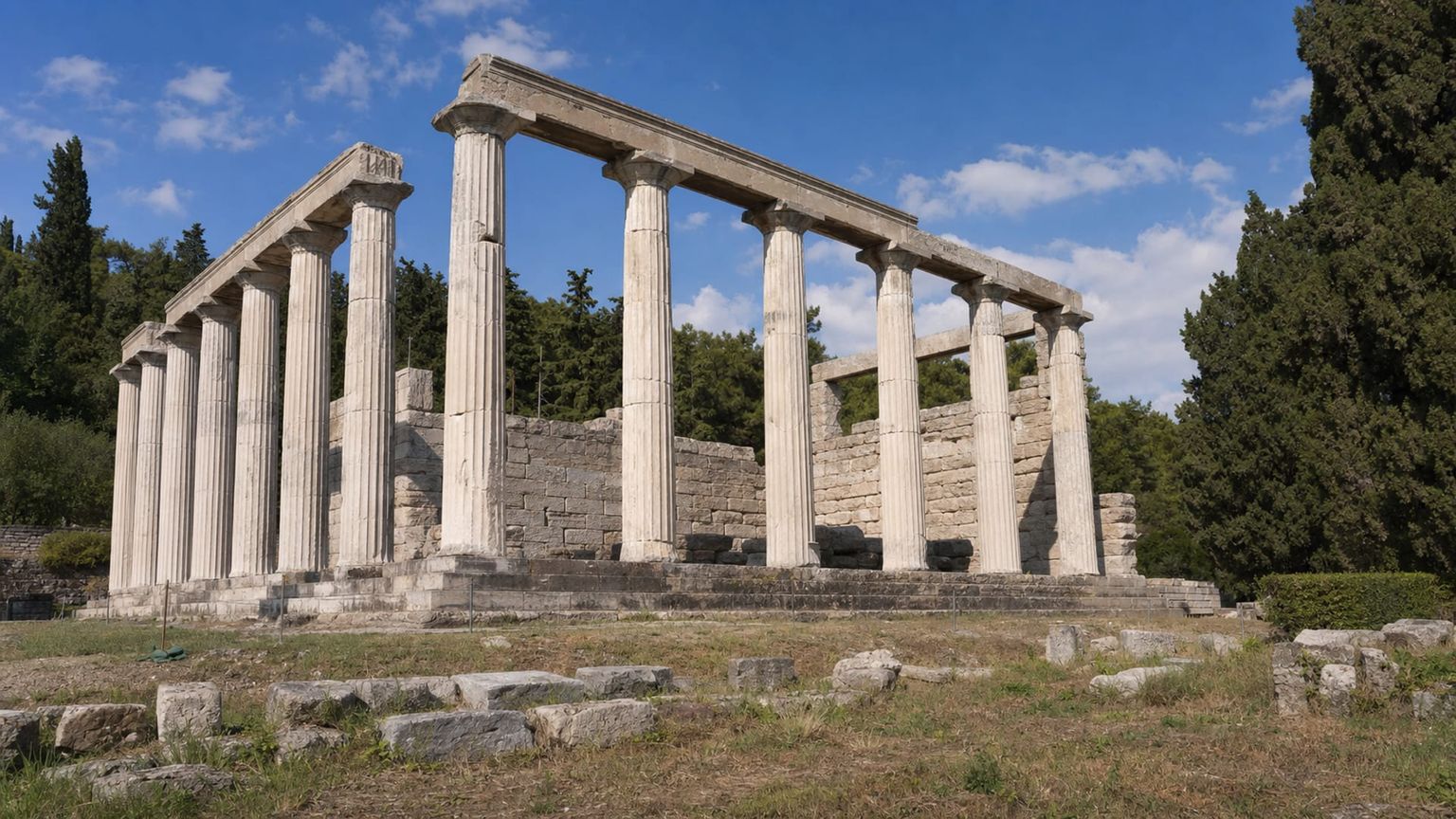
Asklepion of Kos
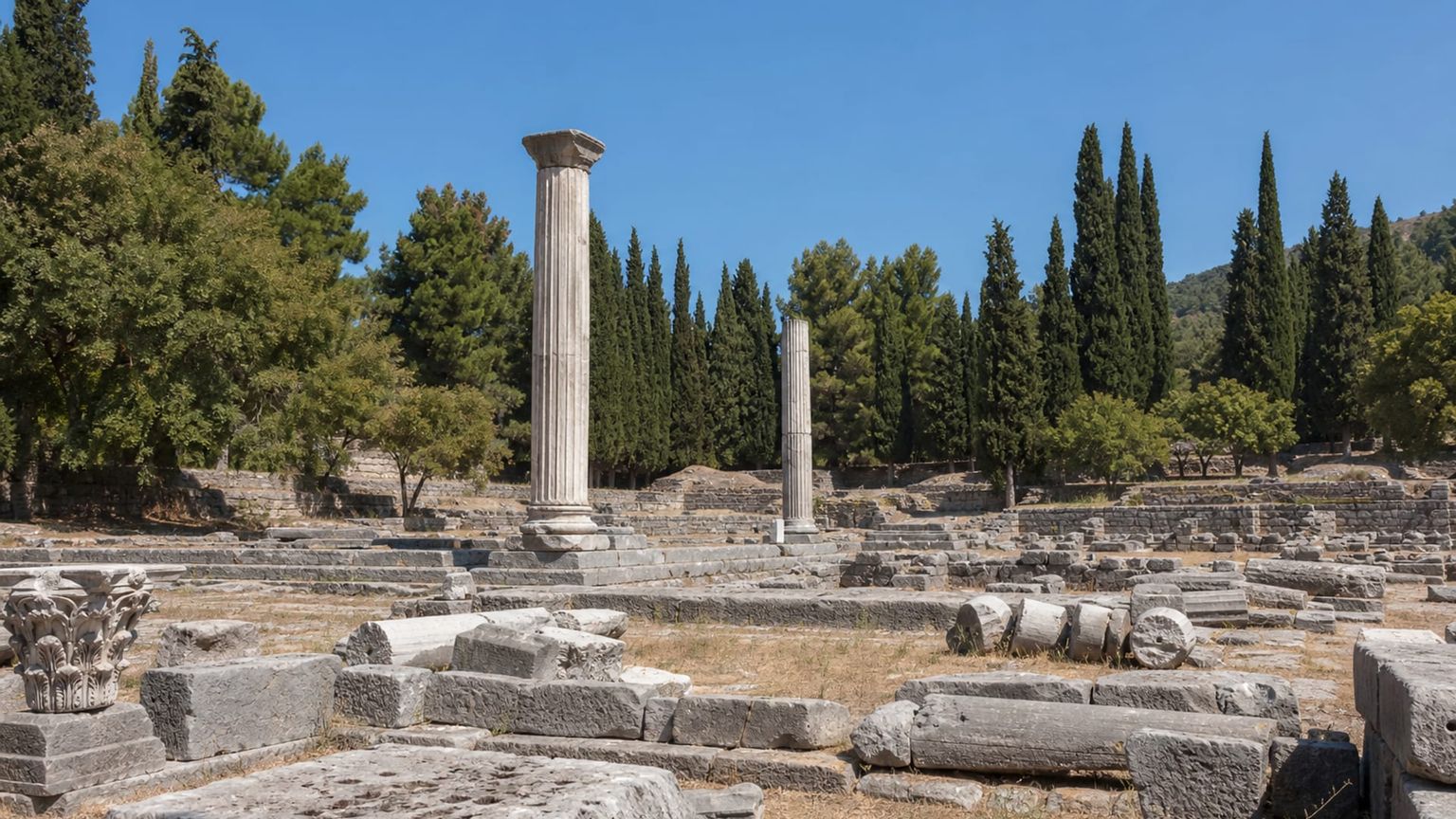
This hillside sanctuary and medical school complex lies just outside Kos Town, with terraces, altars, and column bases set among pine and cypress. Ancient healing practices here are linked to Hippocrates, who was born on Kos.
Time needed: About 2 to 3 hours
Entry: Standard admission costs about $10 to $12 (€10 to €11), with lower rates for eligible visitors and separate museum access. Visit the official site for details.
Tip: Bring water and start before midday, since the terraces have little shade.
Overlooked sites worth visiting

Palaio Pyli Castle
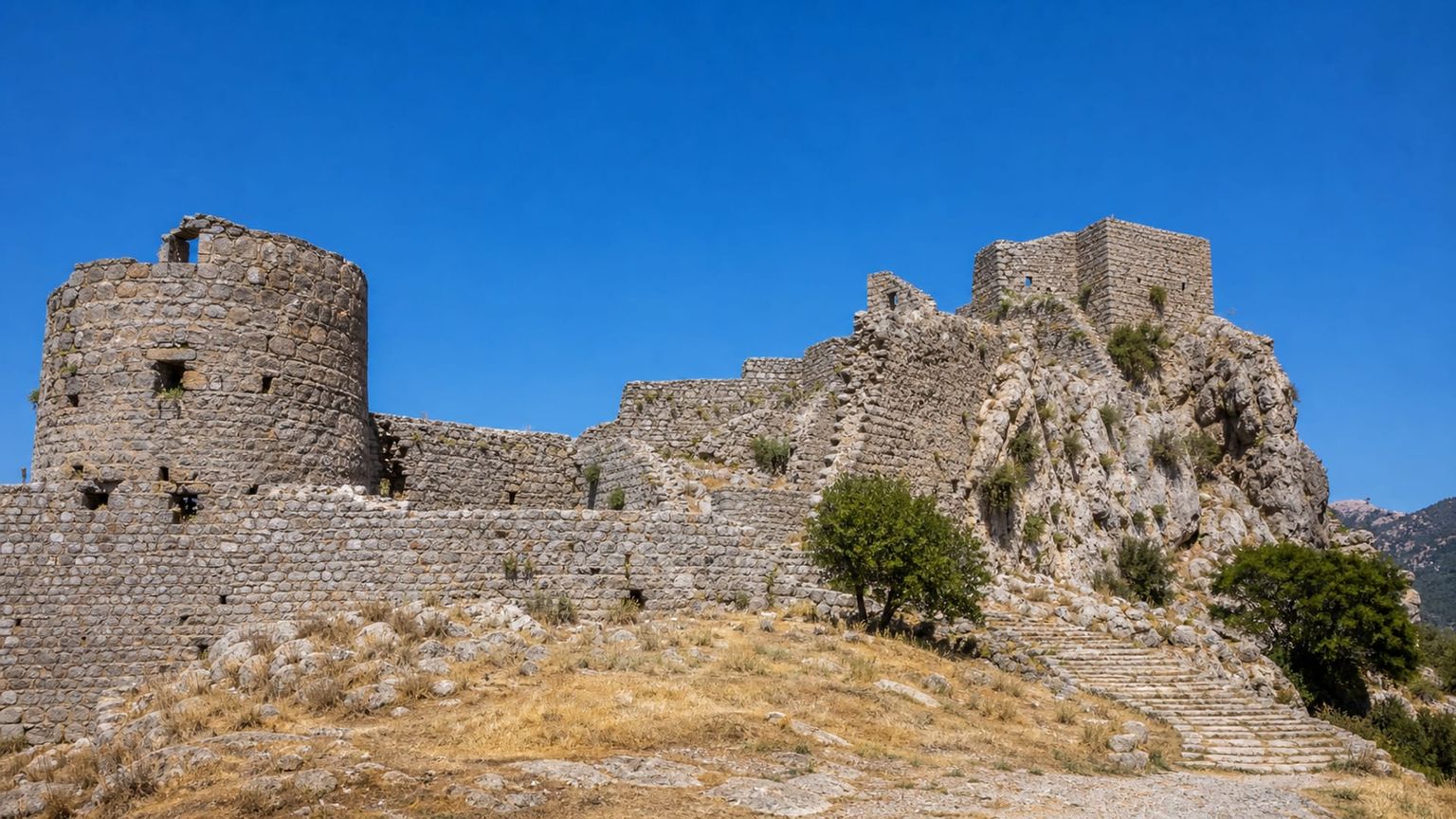
Ruins on a pine-covered hill above the old mountain village, with stretches of Byzantine wall, two chapels, and broad views over central Kos and the sea.
Time needed: About 1 to 2 hours
Entry: Free to access; there is no ticket office or timed admission. Bring water and wear shoes with grip, because the final approach uses uneven stone paths and loose sections. The site has no staffed facilities, so plan for a self-guided visit and check daylight before you start.
Tip: Go early for cooler climbs and clearer views.

Casa Romana
This restored Roman house in Kos Town preserves mosaics, courtyards, and a small pool area, giving a compact look at elite domestic life on the island.
Time needed: About 45 minutes to 1 hour
Entry: Admission is about $8 ($7) for adults, with reduced rates for eligible visitors. Opening hours vary by season, and the museum may close on public holidays, so check current hours before you go. Expect a short self-paced visit, since the house is compact and the display route is limited.
Tip: Visit before noon to avoid busier group arrivals.
Traditional food
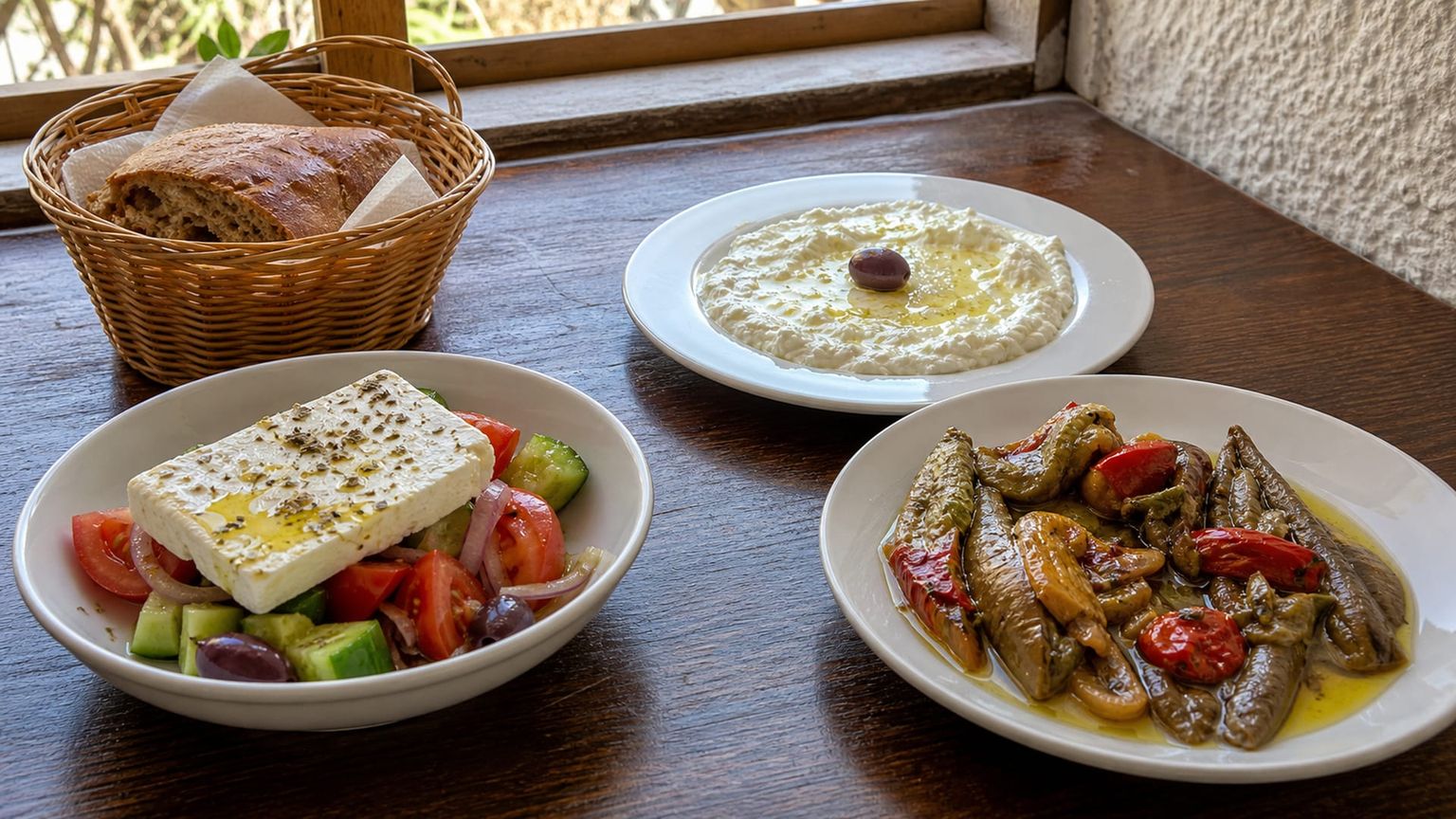
Kos dining leans on olive oil, herbs, seafood, and baked doughs, with pitaridia, katimeria, poungia, and trahana soup appearing on many menus beside grilled fish and meze plates.
Pitaridia
Hand-rolled pasta with meat or sauce, pitaridia is one of Kos’s most recognizable local dishes. Try it at Ouzeri Apellou, where the menu keeps a strong island focus.
Katimeria
Sweet fried pastries, often finished with honey and cinnamon, make a classic Kos dessert or snack. Mylos Beach Hotel’s taverna is a dependable place to find a version rooted in island cooking.
Poungia
Poungia are savory pastries, usually filled and fried until crisp, and they work well as a shared starter. Taverna Lambros in Kos Town is a solid stop for a local-style plate.
Trahanas Soup
Tart, comforting trahana soup is a winter and shoulder-season staple built from fermented grain and dairy. Select Restaurant at the Pelagos Suites Hotel is a plausible place to look for a refined version in Kos.
Best time to visit Kos
Kos changes enough by season that the best timing depends on whether you want warm sea weather, lighter streets, or cooler walking for the inland ruins.
Best for: Ruins, hiking, and first beach days
What you get: About 59-75°F (15-24°C), with moderate crowds before summer peaks
Trade-offs: Sea temperatures can still feel cool
Best for: Swimming, long evenings, and harbor dining
What you get: About 77-90°F (25-32°C), with the busiest beaches and fullest town centers
Trade-offs: Midday heat makes inland visits harder
Best for: Balanced sightseeing and water time
What you get: About 63-82°F (17-28°C), with lighter crowds after the August rush
Trade-offs: Some seasonal spots shorten hours
Best for: Quiet town walks and local dining
What you get: About 48-61°F (9-16°C), with very light tourist traffic
Trade-offs: Beach weather is limited and some businesses close
A realistic 5-day plan in Kos
A five-day stay works well on Kos because the island rewards sequencing. The plan below starts in town, then adds the hilltop and inland sites when the light and temperature suit them best.
Land at Kos (KGS) and take a taxi or prebooked transfer into Kos Town Harbor or the old center, a ride of roughly 25 to 35 minutes that usually costs about $35 to $50. If you are staying in Lambi or Psalidi, the fare is often about the same, but the walk from the waterfront will be longer, so settle in near your hotel, drink water, and keep dinner close to your room, ideally at a harbor taverna or a side-street café in the old center.
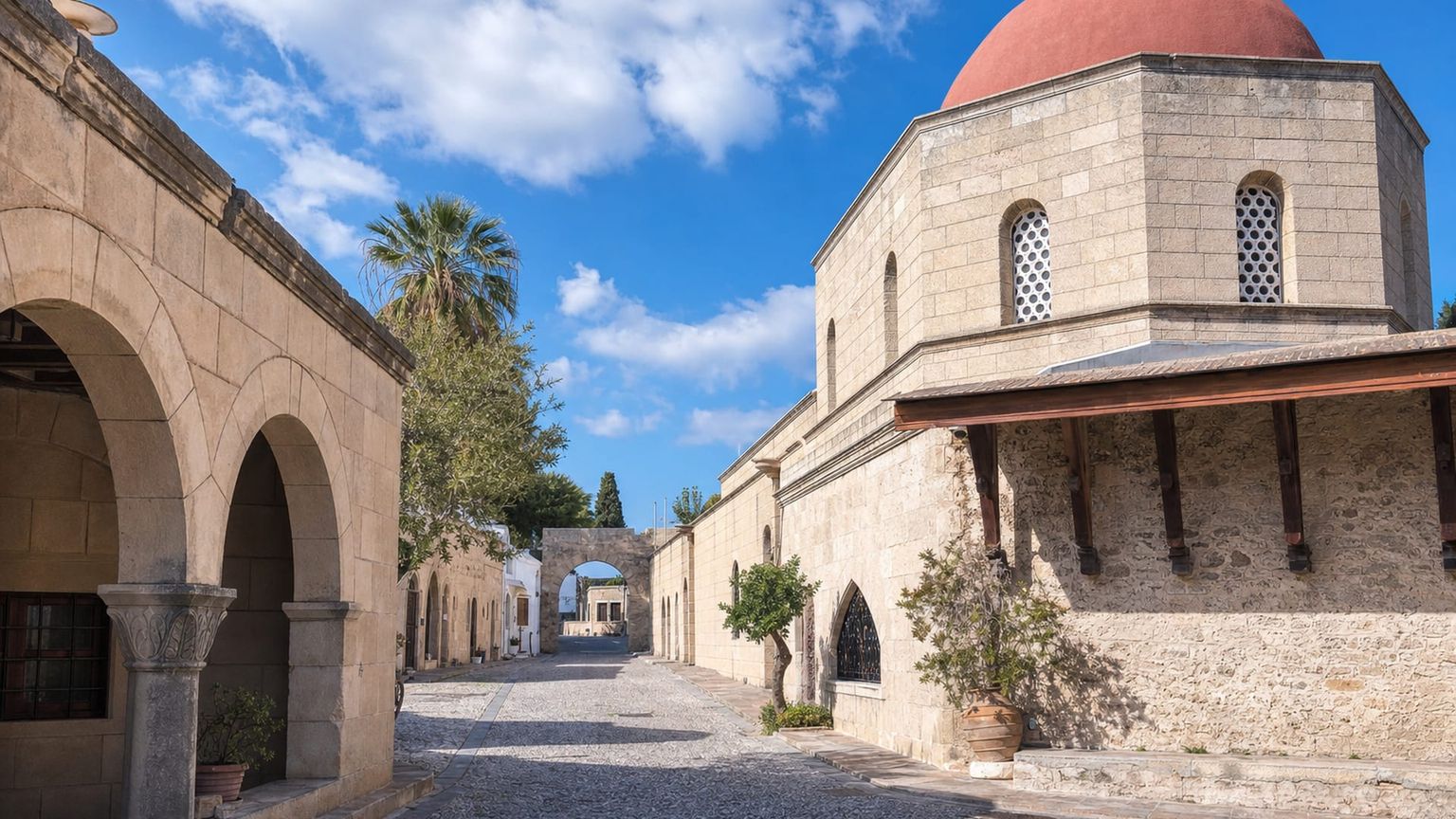
Start with the Castle of the Knights at opening or just before sunset, then walk about 10 minutes into Eleftherias Square and on to Casa Romana for a compact look at Roman Kos. From there, it is an easy 5 to 10 minute stroll into the old center for lunch, followed by a relaxed waterfront loop back to the harbor, where the late-afternoon light usually gives the clearest views across the port.
A morning at the Asklepion of Kos makes the most sense before the heat builds, and a taxi from Kos Town takes about 10 to 15 minutes each way. After 2 to 3 hours on the terraces, head back toward town for a late lunch, then cross west of Kos Town to Palio Pyli in the late afternoon, where the drive takes about 25 to 35 minutes and the climb rewards you with broad island views and less glare on the ruins.
Begin with a car or taxi ride of about 30 to 40 minutes from town to Palaio Pyli Castle, then spend 1 to 2 hours on the uneven paths and old walls before returning to Kos Town for a slower afternoon. If you still want one more historic stop, the Castle of the Knights fits neatly on the way back, and the harbor is a good place for an early evening meal once the light drops over the water.
Before you head to Kos (KGS), fit in one last stop at Casa Romana if you missed it earlier, since the visit is short and works well before a late breakfast. Then wander the old center for shopping, especially the lanes near Eleftherias Square, and finish with coffee in Kos Town Harbor or a quiet table in Lambi if you are based there, which keeps the last hours of the trip close to your luggage and your transfer plans.
Business-class flights from the US to Kos
Reaching Kos from the mainland or a long-haul hub usually means one stop, and the route choice matters more than the fare alone. From New York and Los Angeles, the best options cluster through a small set of European and Turkish connectors.
From New York, Aegean Airlines, British Airways, Lufthansa, Swiss International Air Lines, and Turkish Airlines all appear on one-stop itineraries, with common connection points in Athens, London, Frankfurt, Zurich, or Istanbul. Expect roughly 11 to 17 hours total, and round-trip fares from $2,900 to $6,200, with itineraries through Athens or Istanbul often lowering the price.
Los Angeles itineraries usually run about 14 to 20 hours total, with British Airways, Lufthansa, Swiss International Air Lines, Turkish Airlines, and Aegean Airlines routing through Athens, London, Frankfurt, Zurich, or Istanbul. Round-trip fares for these trips usually start at $3,100 and can reach $6,800.
Kos feels different when you slow down
A good Kos trip keeps the harbor, the old center, and the inland ruins in the same frame, then adds the right transfer for each leg, a taxi for the Asklepion, a bus for the airport, and a slower afternoon for Palio Pyli or Palaio Pyli Castle. Stay in Kos Town Harbor, the Old Center, Lambi, or Psalidi if you want the island to open by foot before you branch out. If you want help timing that balance, AranGrant experts can match the route to your flight and hotel plans







