

Chapters:

Need help with your trip?
Our support team is available 24/7. Request a callback or call us directly at (833) 619-0908
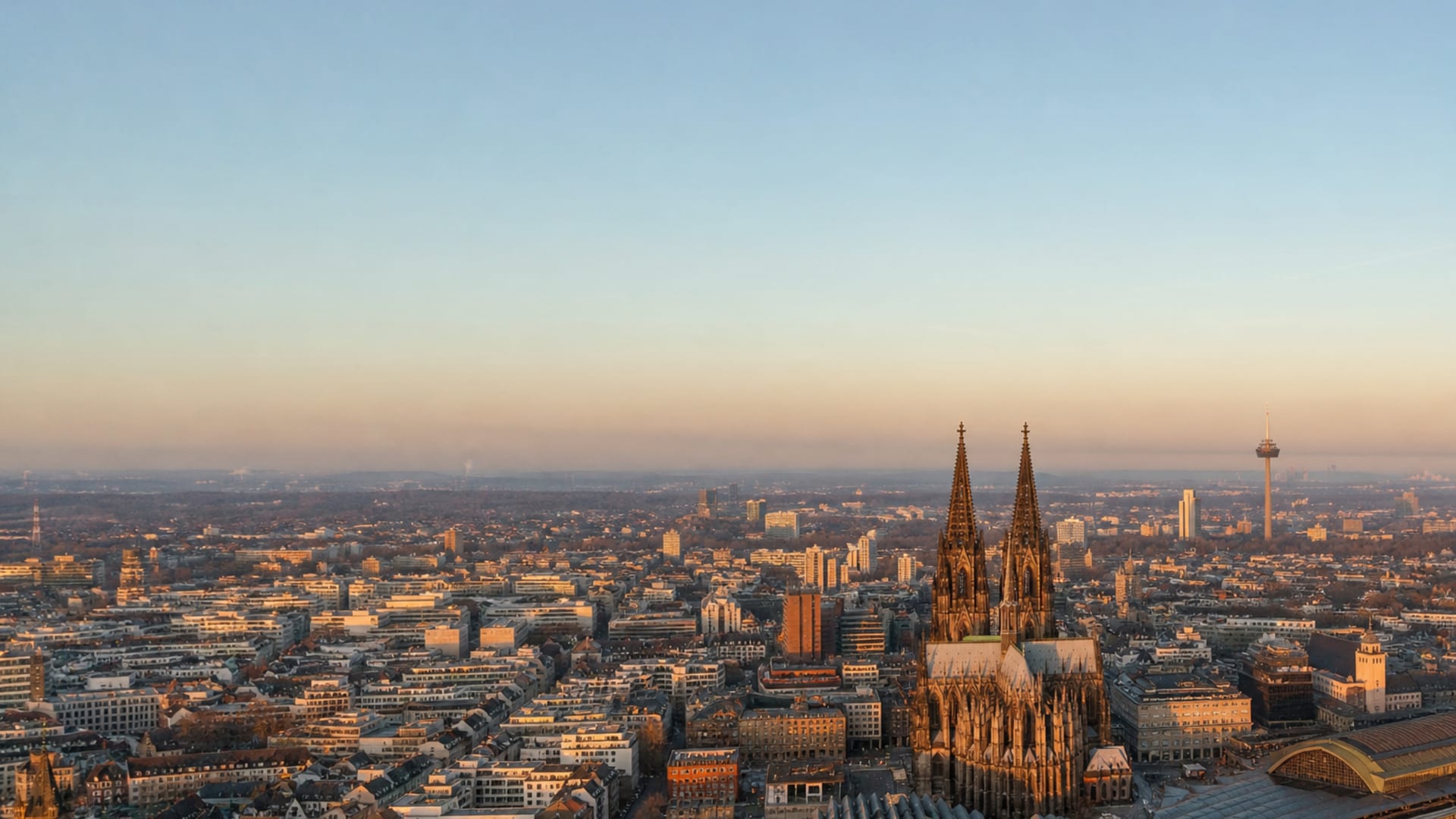
Köln is easiest to understand from the Rhine outward. The cathedral, Central Station, Old Town, and several major museums are all within a relatively small part of the west bank, but the city changes quickly once you head into the Belgian Quarter, Ehrenfeld, or across the river to Deutz.
That contrast gives a five-day stay plenty of variety. One morning can focus on Gothic architecture and Roman history, another on neighborhood cafés and independent shops, while the evening is better left for a brewery or dinner by the river. The tram network keeps these areas easy to reach, so there is no need to force the cathedral, museums, bridge crossings, and nightlife into the same day.
Useful things to know
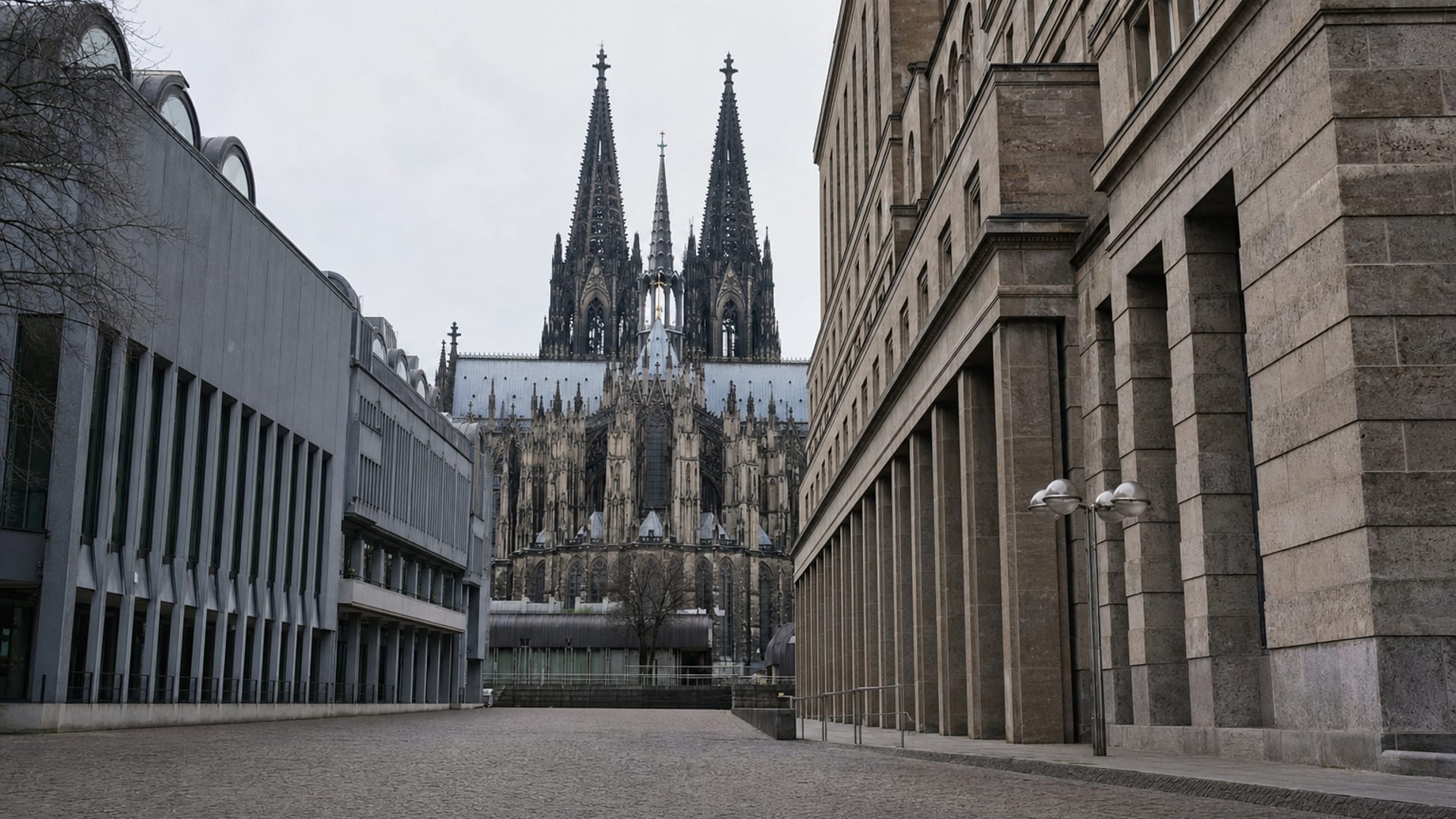

Main language(s): German
Hallo (HAH-loh) – Hello
Bitte (BIT-teh) – Please
Danke (DAHN-keh) – Thank you
Sprechen Sie Englisch? (SHPREH-chen zee EN-glish?) – Do you speak English?
Wie viel kostet das? (vee feel KOSS-tet dahs?) – How much does it cost?

Currency: Euro (EUR, €)

Cash and cards: Debit and credit cards are widely accepted, but cash is useful for kiosks, markets, small bakeries, and some traditional pubs.

Tipping: Service is included in restaurant bills; rounding up or leaving roughly 10% for good service is customary.

Traditional food: Himmel un Ääd, Kölscher Kaviar, Halver Hahn, and Rhenish Sauerbraten are among Cologne’s best-known traditional dishes.

Water and coffee costs: Small bottled water costs roughly €2.50–€3 ($2.90–$3.50) in cafés; espresso is commonly €2.20–€3.20 ($2.60–$3.70).

Taxis and ride apps: Uber and FREENOW operate in Cologne and have dedicated apps. Regular taxi stands are easy to find around Central Station.

Plug and voltage: Type C and F plugs, 230V, 50Hz

Dining and shop opening hours: Shops generally trade Monday–Saturday and mostly close Sundays, except on designated shopping dates. Restaurant and kitchen hours vary.

Emergency number: Call 110 for police and 112 for fire and emergency medical services.
Where to stay in Köln
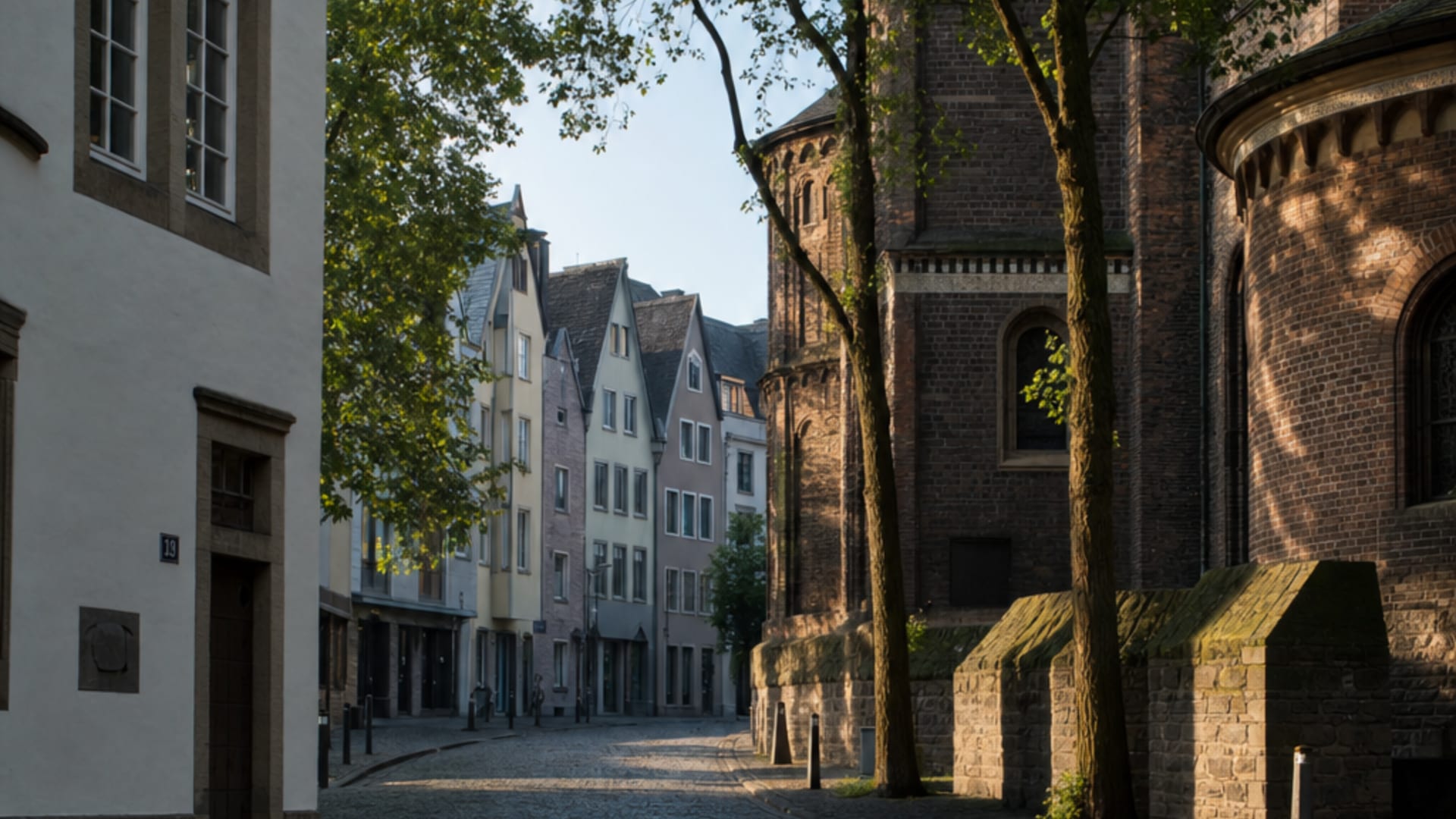
Altstadt, or the Old Town, is where you can see the Cathedral, Museum Ludwig, the Rhine promenade, breweries, and historic squares. All are within easy walking distance. It is the simplest choice for a first visit, but the same streets that make sightseeing convenient also stay busy with tour groups and evening crowds.
Best for: First-time visits, sightseeing, and travelers who want to reach major landmarks on foot
What to expect: Cobblestone lanes, packed beer halls, riverside walkers, and the most tourist-heavy street life in the city.
Hotel prices: Usually about 140€ to 260€ (~$152 to ~$283) per night for well-rated stays
Distance to major sights: 5 to 10 minutes on foot to Cologne Cathedral; about 10 minutes on foot to the Rhine promenade
Quietness: Lively by day and noisy well into the evening, especially near the main bar streets.
Main trade-off: Central addresses sit in the busiest part of the city, so late-night noise and higher rates are the main costs.
Good to know: Ask for a courtyard-facing room if you want the location without as much street noise.
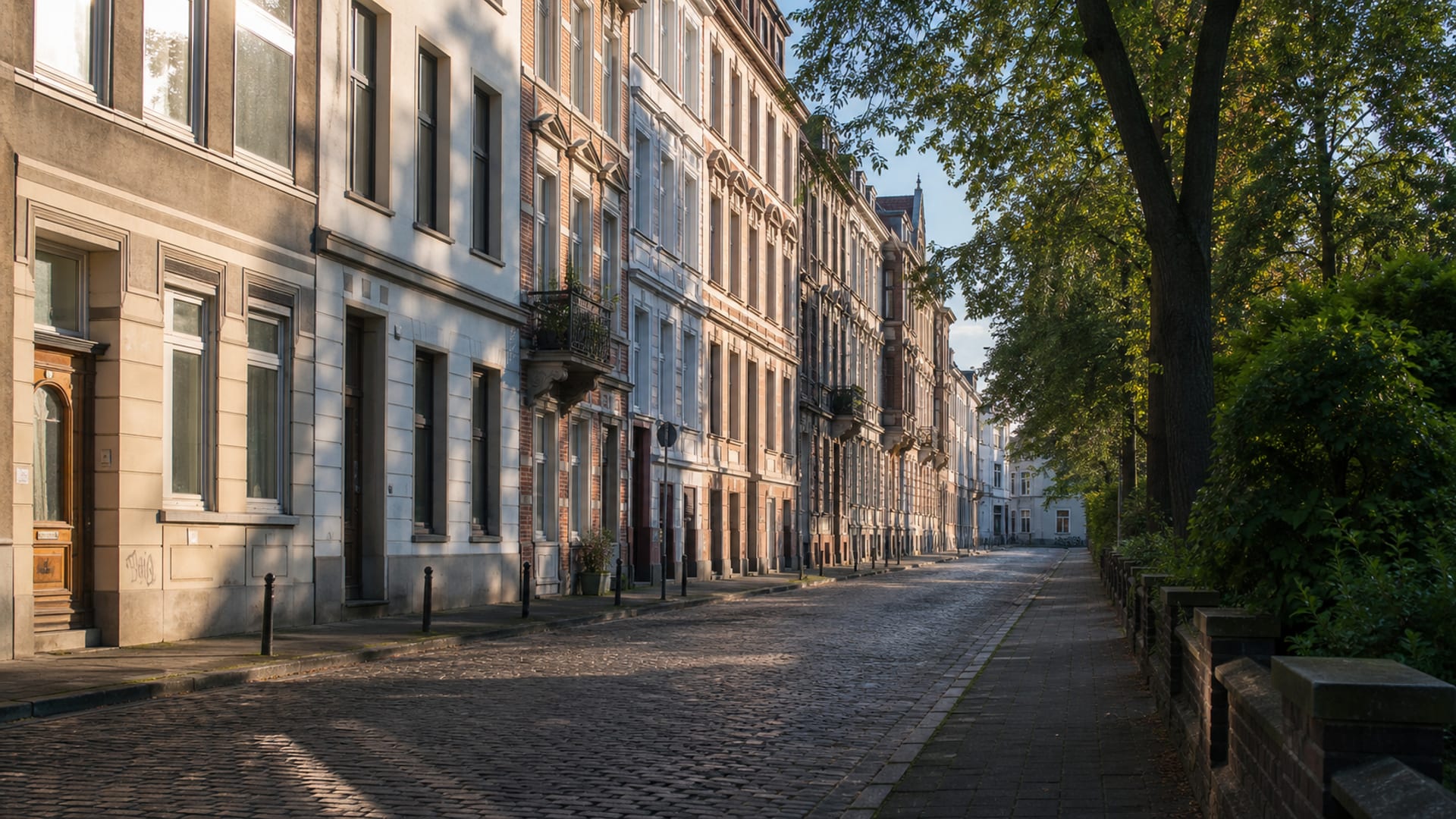
Ehrenfeld trades postcard Cologne for former factory buildings, street art, independent cafés, and live-music venues along Venloer Straße. The center is within easy reach by train or tram, while the neighborhood gives you more everyday city life once the main sightseeing is finished.
Best for: Central access, shopping, dining, and travelers who prefer a less tourist-saturated base
What to expect: Busy avenues, office traffic by day, and a mix of bars, cafes, and neighborhood restaurants after dark.
Hotel prices: Usually about 120€ to 220€ (~$130 to ~$239) per night for well-rated stays
Distance to major sights: 10 to 15 minutes by tram to Cologne Cathedral; about 20 minutes on foot to the Rhine
Quietness: Active during the day and moderately lively in the evening, with quieter residential pockets a few blocks off the main streets.
Main trade-off: You gain broader hotel choice, but some blocks sit farther from the river and cathedral than the Old Town.
Good to know: Look near Venloer Straße/Gürtel or Ehrenfeld station for easier public transport connections.
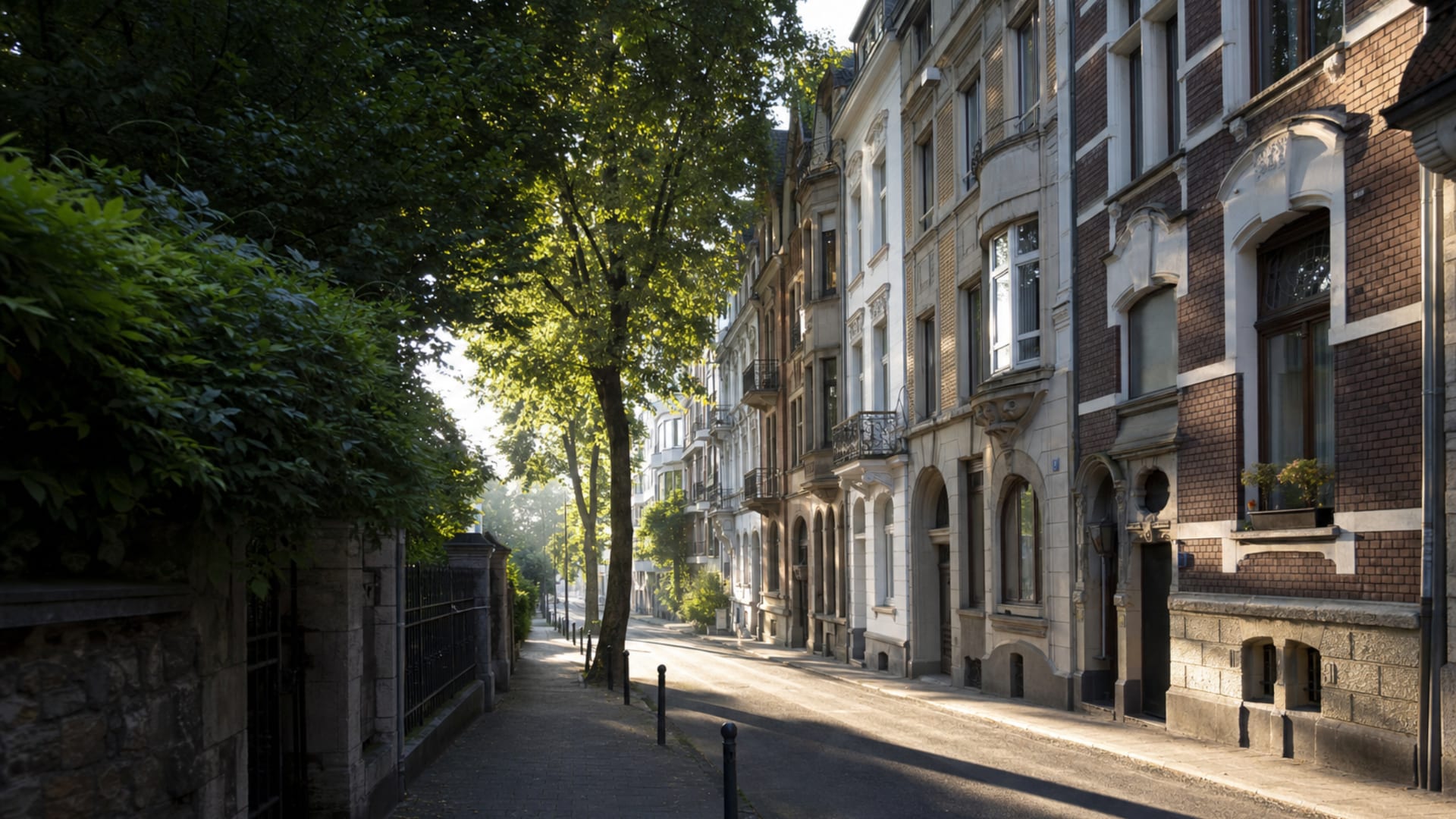
The Belgian Quarter is one of Cologne’s strongest areas for independent shops, cafés, restaurants, and bars, with much of the activity around Brüsseler Platz and Aachener Straße. Stay here if evenings out are part of the trip and you prefer neighborhood streets to the Old Town’s tourist traffic.
Best for: Dining, nightlife, boutique stays, and travelers who want a neighborhood feel
What to expect: Dense sidewalks, outdoor tables, late dinners, and a younger crowd around the main squares and side streets.
Hotel prices: Usually about 130€ to 240€ (~$141 to ~$261) per night for well-rated stays
Distance to major sights: 15 to 20 minutes by tram to Cologne Cathedral; about 20 to 25 minutes on foot to the Rhine
Quietness: Busy at dinner and bar time, then quieter on residential side streets later at night.
Main trade-off: Its appeal comes with higher evening activity, and the best restaurant blocks can be noisier than nearby residential streets.
Good to know: Choose a courtyard-facing room if you want to stay near the restaurants but sleep away from street noise.
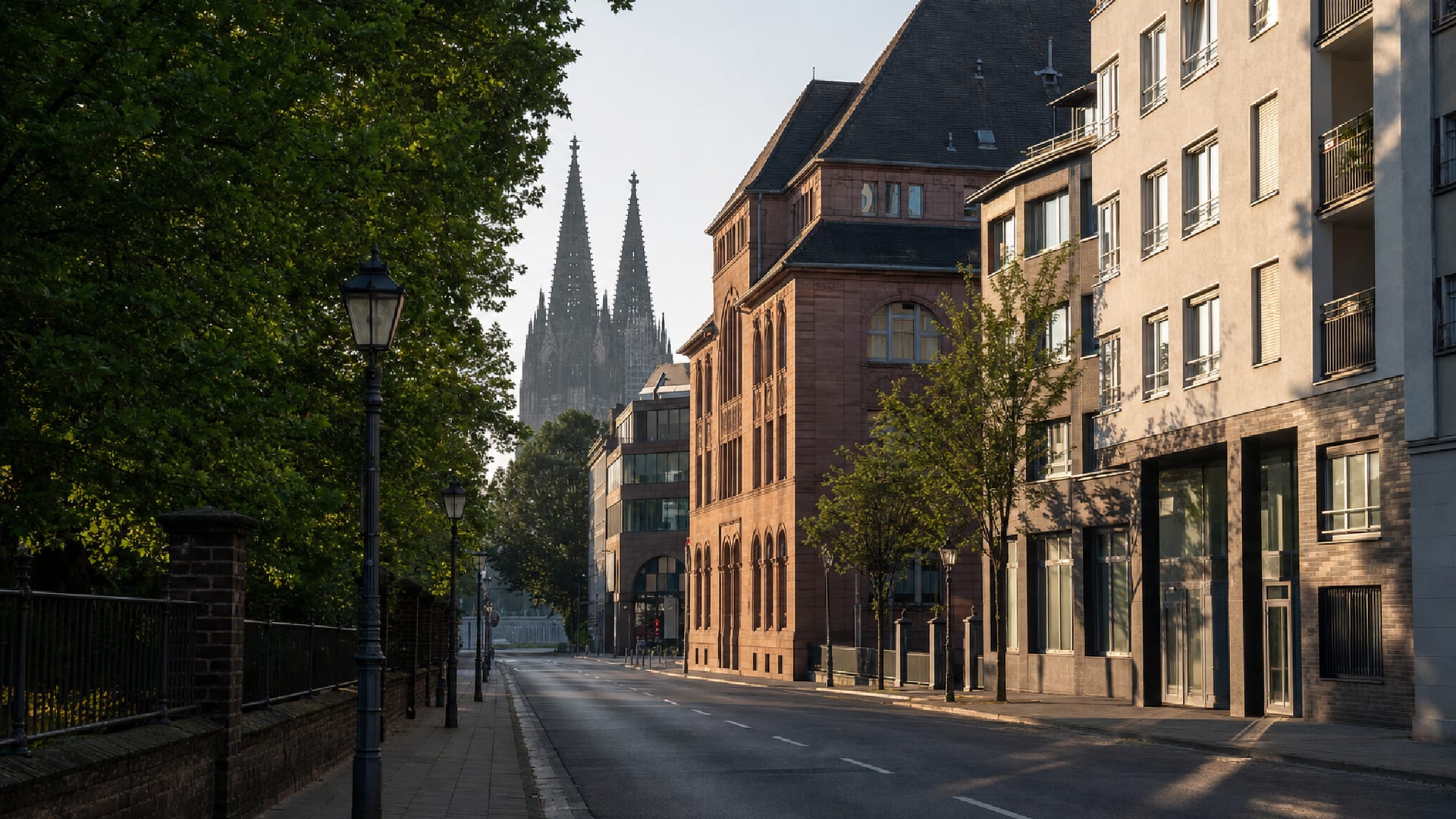
Across the Rhine from the Old Town, Deutz gives you direct access to Koelnmesse, LANXESS Arena, Köln Messe/Deutz station, and some of the city’s best cathedral views. It is particularly practical for fairs and concerts. The historic center is also within walking distance; you just need to cross Hohenzollern Bridge.
Best for: Business trips, trade fairs, concert nights, and travelers who want quick transit links
What to expect: Wide streets, commuter flow, hotel towers near Messe, and quieter evenings away from event venues.
Hotel prices: Usually about 110€ to 210€ (~$120 to ~$228) per night for well-rated stays
Distance to major sights: 5 to 10 minutes by train to Cologne Cathedral; about 15 minutes on foot to the Rhine bridge and old center
Quietness: Busy on weekdays and during events, then notably calmer on non-event evenings.
Main trade-off: You save time for Messe and arena events, but the neighborhood has fewer old-town restaurants and less late-night ambiance.
Good to know: Check the Koelnmesse and LANXESS calendars before booking, especially if room price is a priority.
First-time visitors are usually better off closer to the center than in outer Chorweiler or Porz, which require longer rides to major sights. Mülheim and Kalk are better connected and have their own dining and cultural scenes.
Hotel deals
How to get around Köln efficiently
Cologne’s rail, Stadtbahn, and bus network covers most visitor areas well, while taxis are useful for late arrivals and trips with luggage.

S-Bahn and regional trains
for rides to the airport and longer trips
Use the S-Bahn and regional trains to reach the airport, Deutz, and for longer cross-city trips. The S19 reaches Köln Hbf from CGN in 15–20 minutes. A Cologne-zone single ticket costs €4 ($4.65) and lasts 90 minutes; buy it in the KVB app or at a machine.

Stadtbahn and bus
for everyday sightseeing
KVB Stadtbahn lines handle most trips between the Old Town, Belgian Quarter, Ehrenfeld, Deutz, and other neighborhoods, with buses filling gaps. A city ticket costs €4 ($4.65), while a short-distance ticket is €2.90 ($3.35). Buy through the KVB app or ticket machines.

Taxi
for late hours and trips with luggage
Taxis are most useful for late-night returns, heavy luggage, or direct hotel transfers. Taximeters start at €4.90 ($5.70), then charge €2.90 ($3.35) per km; a 6.2-mile (10 km) ride is about €33.90 ($39), excluding waiting time. Airport and station taxi ranks are clearly marked.
*Prices are based on rates updated as of June 2026 and may change at the time of travel.
Use the rail to the airport and Deutz, Stadtbahn and buses for most sightseeing, and taxis for late hours, luggage, or when a direct ride is more practical.
Iconic landmarks
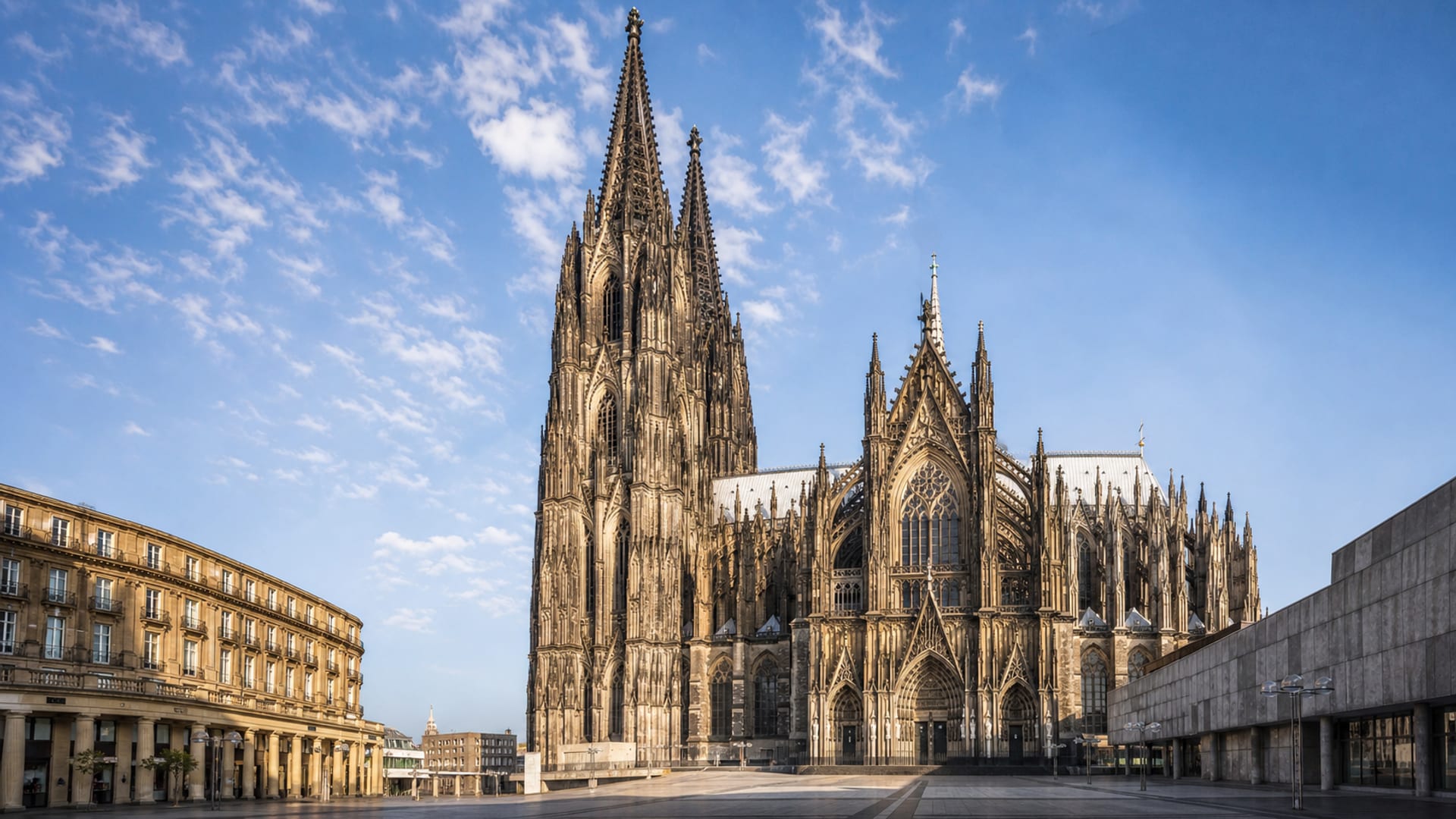
Cologne Cathedral
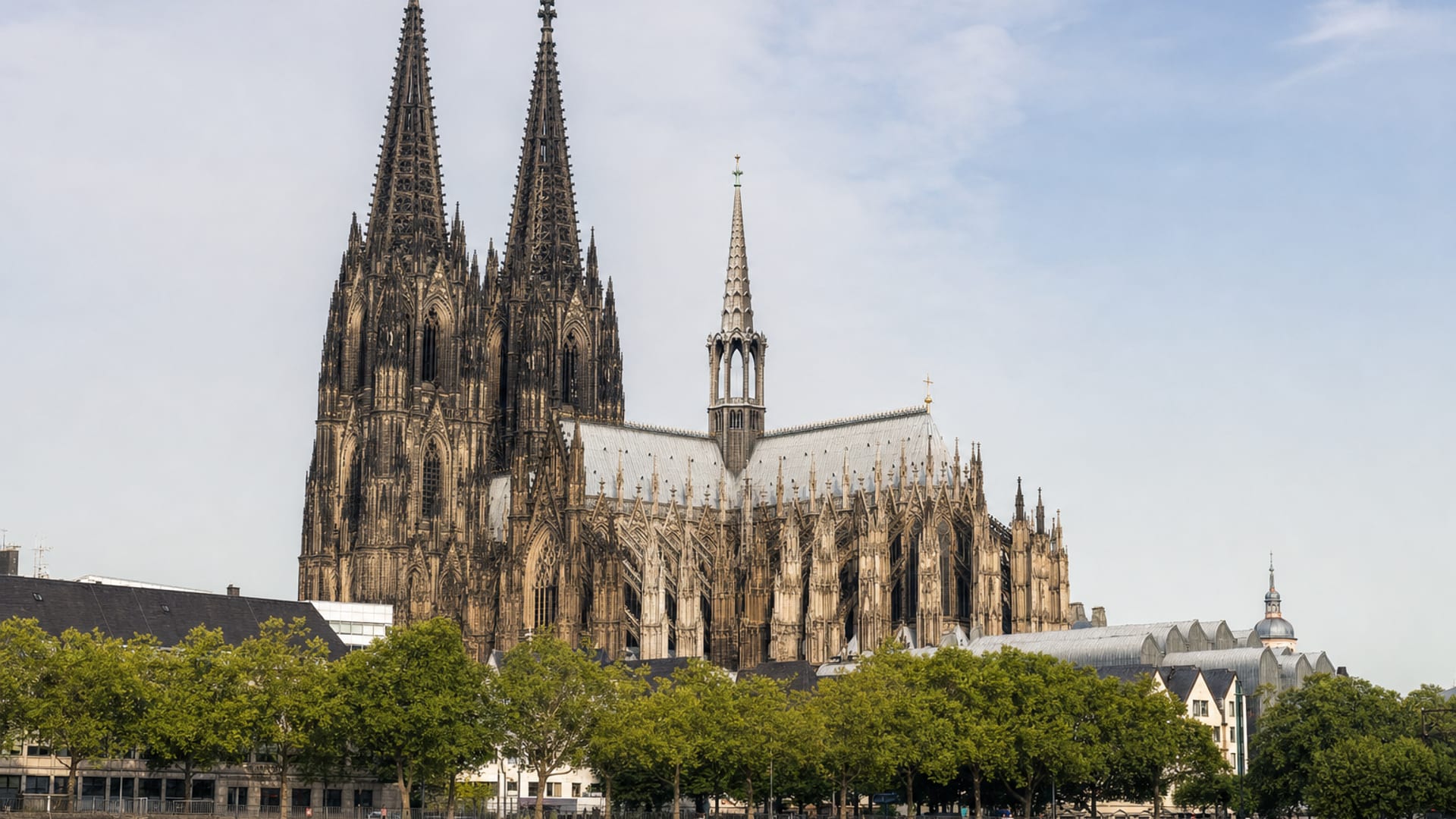
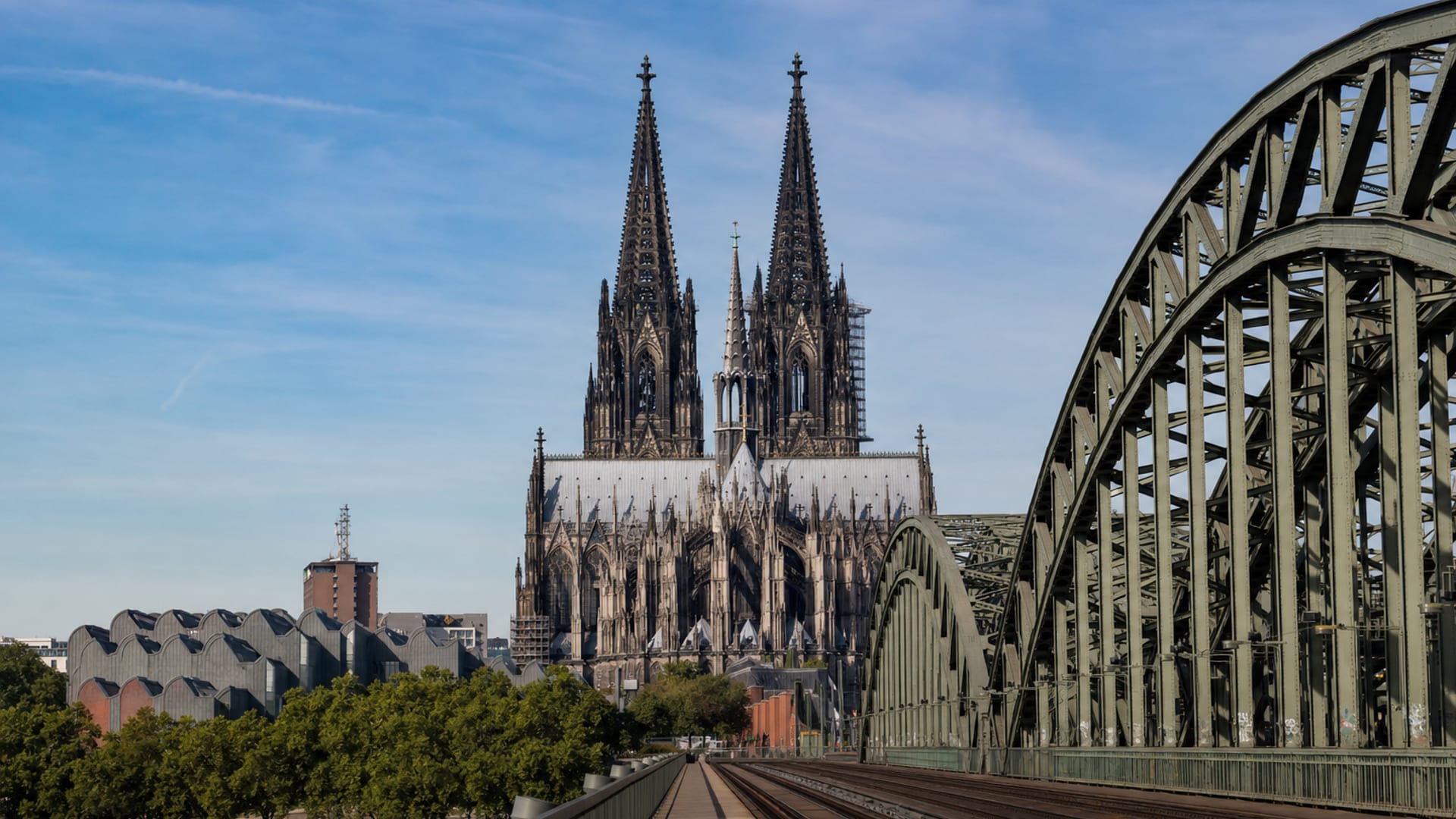
Cologne Cathedral dominates the center with twin Gothic spires, a vast nave, medieval stained glass, and the Shrine of the Three Kings. Construction began in 1248 and continued for centuries, and the finished cathedral remains Cologne’s defining landmark and a UNESCO World Heritage Site.
Time needed: 1–2 hours
Entry: A ticket costs €12 ($14) for tourists; for the tower climb, there is a €8 ($9.30) extra fee. Visit the official site for details.
Tip: Visit early in the day, and allow extra time if you plan to climb the 533 tower steps.
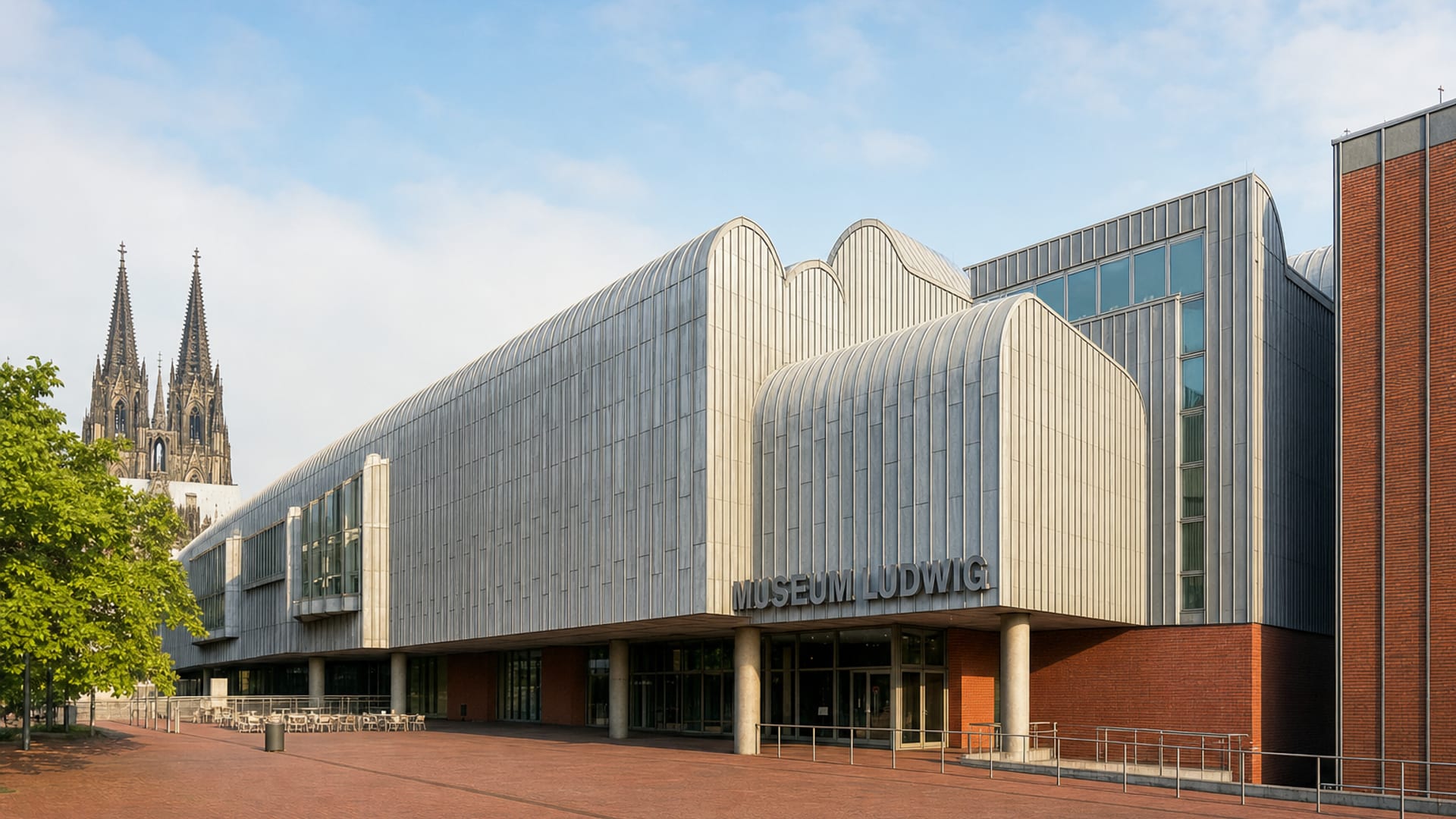
Museum Ludwig
Museum Ludwig, next to the cathedral, holds one of Europe’s leading modern-art collections. Its galleries include the largest collection of American Pop Art outside the US, the world’s third-largest Picasso collection, German Expressionism, photography, and major works by Warhol and Lichtenstein.
Time needed: About 2 to 3 hours
Entry: Standard admission costs $14 ($12) for adults, with reduced tickets for students, seniors, and some evening entry windows. Visit the official site for details.
Tip: Leave time for the Picasso and Pop Art galleries instead of trying to cover every room.
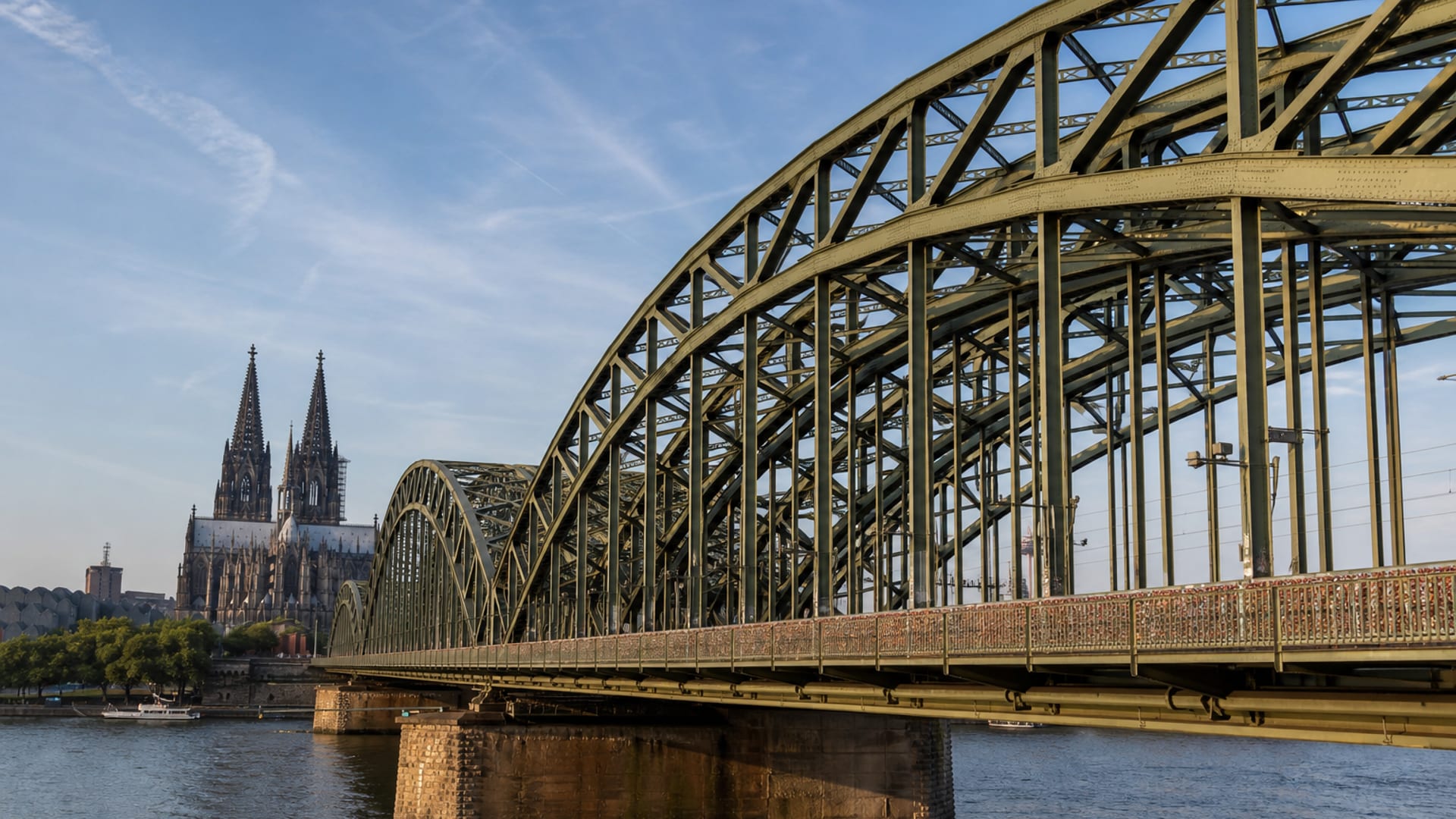
Hohenzollern Bridge
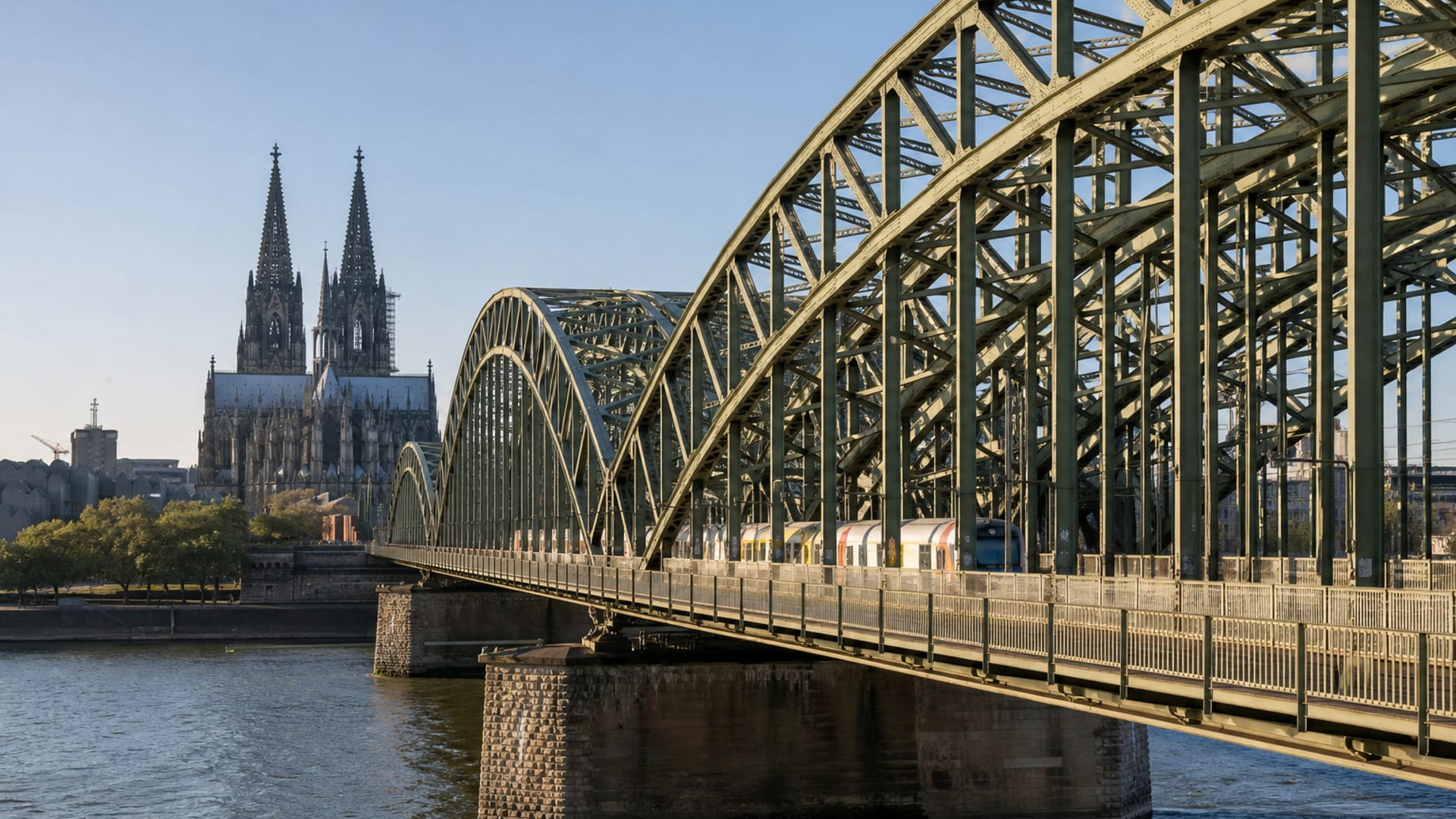
Hohenzollern Bridge crosses the Rhine between the cathedral side and Deutz, carrying trains, pedestrians, and cyclists beneath its steel arches. Thousands of love locks line the pedestrian path, while the Deutz side gives one of the clearest views back toward the bridge, Old Town, and cathedral.
Time needed: 20–40 minutes
Entry: Free; pedestrians and cyclists can cross without a ticket.
Tip: Cross toward Deutz, then turn back for the cathedral, bridge, and Old Town skyline.
Overlooked sites worth visiting

Flora und Botanischer Garten
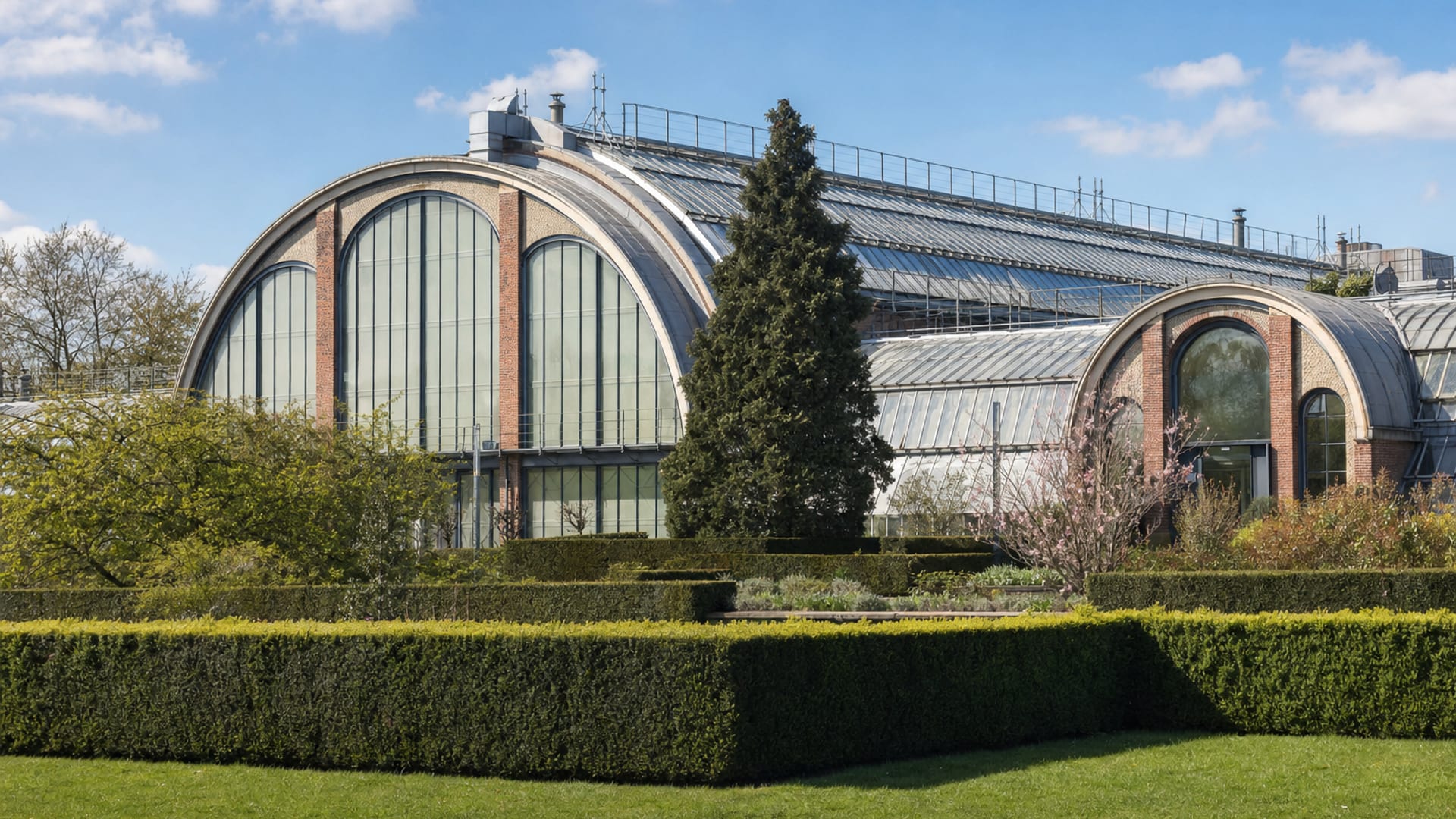
Flora and the Botanical Garden pair an 1864 garden with themed plant collections and new tropical and desert greenhouses. More than 12,000 cultivated plant species fill the grounds.
Time needed: 1–2 hours
Entry: Free. Visit the official site for details.
Tip: Visit the new greenhouses, which hold tropical and desert plant collections.

EL-DE Haus
EL-DE Haus served as Cologne’s Gestapo headquarters from 1935 to 1945. Former prison cells retain more than 1,800 detainee inscriptions, while exhibits cover Cologne under Nazi rule.
Time needed: 1 to 2 hours
Entry: A standard ticket costs €4.50 ($5.20). Visit the official site for details.
Tip: Rent the €2 ($2.30) English audio guide; the permanent exhibition texts are in German.
Traditional food
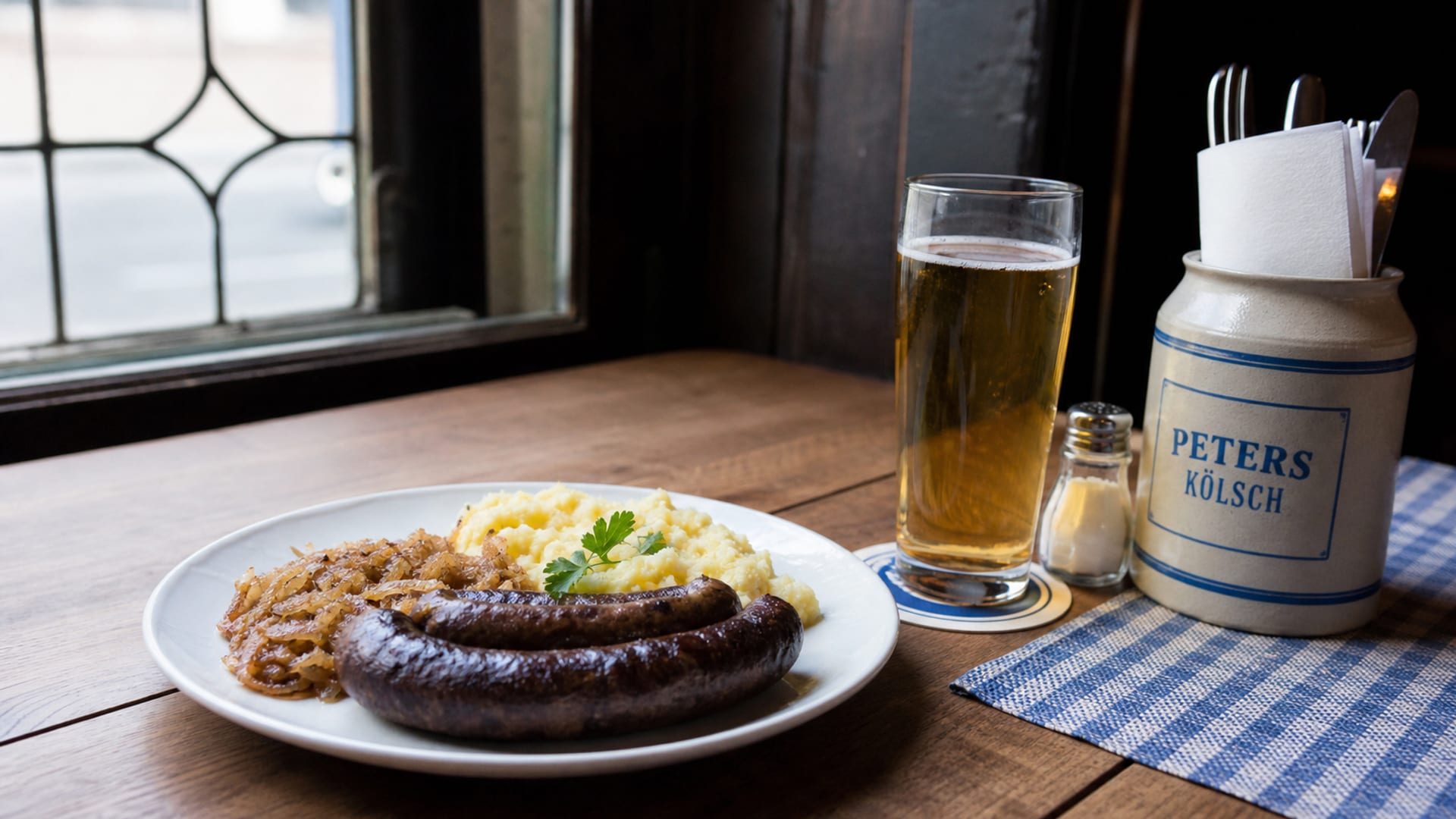
Cologne’s traditional food is hearty and closely tied to its brewhouses, with black pudding, rye rolls, cheese, apples, potatoes, and marinated beef appearing often.
Himmel un Ääd
Himmel un Ääd is made with mashed potatoes, apple compote, fried black pudding, and braised onions, giving it a savory flavor with a mild sweetness. Früh am Dom serves the dish on its current brewhouse menu.
Kölnscher Kaviar
Kölscher Kaviar is made with black pudding, onions, a rye roll, and butter, despite its deliberately grand name. Haus Unkelbach lists the dish among the traditional Cologne starters on its current menu.
Halver Hahn
Halver Hahn is made with a rye roll, aged Gouda, and mustard, with onions often added alongside. Despite the name, it contains no chicken. Lommerzheim lists the dish among its current Kölsch snacks.
Rheinischer Sauerbraten
Rheinischer Sauerbraten is made from beef marinated in vinegar, then served with a sweet-sour sauce, potato dumplings, and often raisins or apples. Gaffel am Dom serves its version with raisins, almonds, red cabbage, and dumplings.
Best time to visit Köln
Cologne changes noticeably during the year, from mild spring walks and long summer evenings to Christmas markets and colder museum days.
Best for: Cathedral walks, botanical gardens, river paths, and outdoor café stops
What you get: Spring warms from average highs near 53°F (12°C) in March to 67°F (19°C) in May; April is often drier, and daylight lengthens quickly.
Trade-offs: Early spring can still feel chilly, and rain remains possible throughout the season.
Best for: Rhine walks, beer gardens, festivals, and long evenings outdoors by the river
What you get: Summer brings average highs near 73°F–77°F (23°C–25°C), long daylight, Rhine-side beer gardens, and plenty of open-air events around Cologne.
Trade-offs: Warm spells can feel humid, and summer showers can interrupt long outdoor plans.
Best for: Art museums, neighborhood cafés, brewery meals, and relaxed cooler city walks
What you get: September stays mild near 68°F (20°C), then October and November cool steadily as daylight shortens and indoor plans become more appealing.
Trade-offs: November turns noticeably cooler and darker, with more time needed for indoor stops.
Best for: Christmas markets, cathedral interiors, museums, breweries, and seasonal events
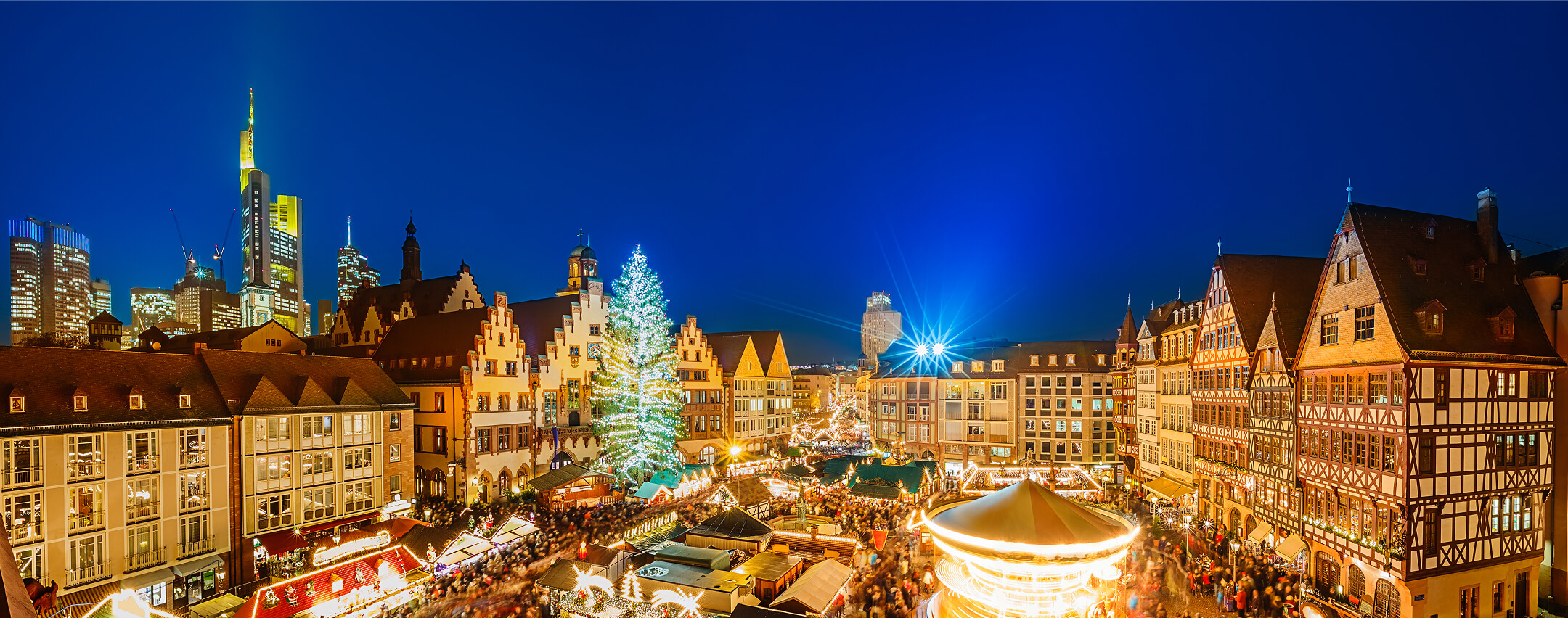
What you get: Winter brings average highs near 43°F–45°F (6°C–7°C), short days, Christmas markets in December, and plenty of time for museums and breweries.
Trade-offs: Cold rain, wind, and early sunsets can make long outdoor sightseeing less comfortable.
A realistic 5-day plan in Köln
Five days in Köln give you enough time for the cathedral and major museums without making the trip revolve around them.
After landing at Köln Bonn Airport, take the S19 to Köln Hauptbahnhof in roughly 15–20 minutes, then let the first evening stay easy. If you are based in Altstadt, a short walk toward the Rhine and Alter Markt is enough to get oriented without turning arrival day into sightseeing. Settle into a brewery for dinner, order something local with a Kölsch, and leave the cathedral interior for the next morning, when you can give the building and its tower proper time.
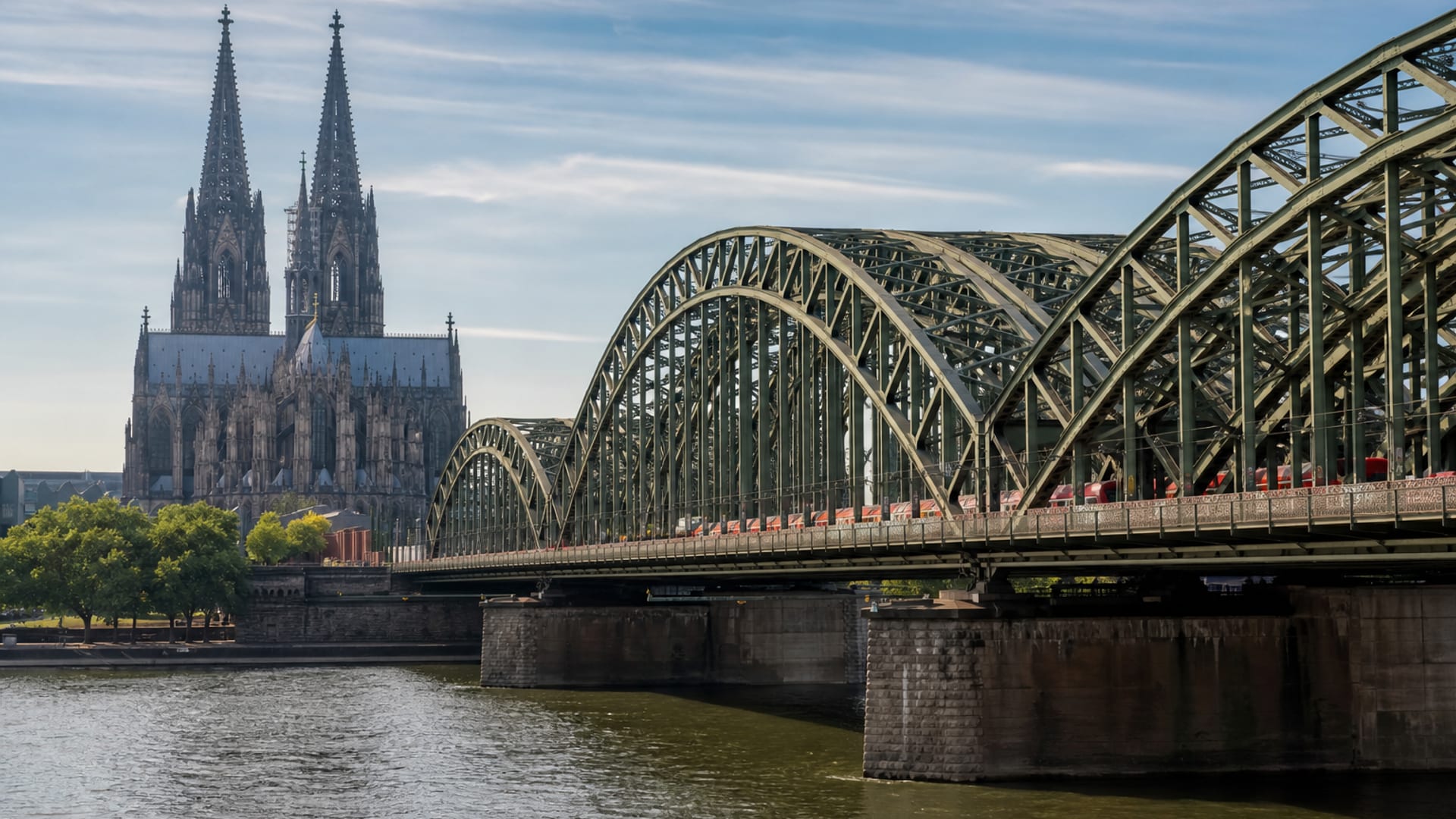
Give the second day to the part of Köln most visitors come to see first. Tour the cathedral in the morning, allowing extra time if you want the tower, then move next door to Museum Ludwig for Picasso, Pop Art, and photography. Lunch fits naturally in the Old Town before a walk across Hohenzollern Bridge. Once you reach Deutz, stay on the east bank for the skyline view back toward the cathedral, then choose dinner there or cross back when you are ready.
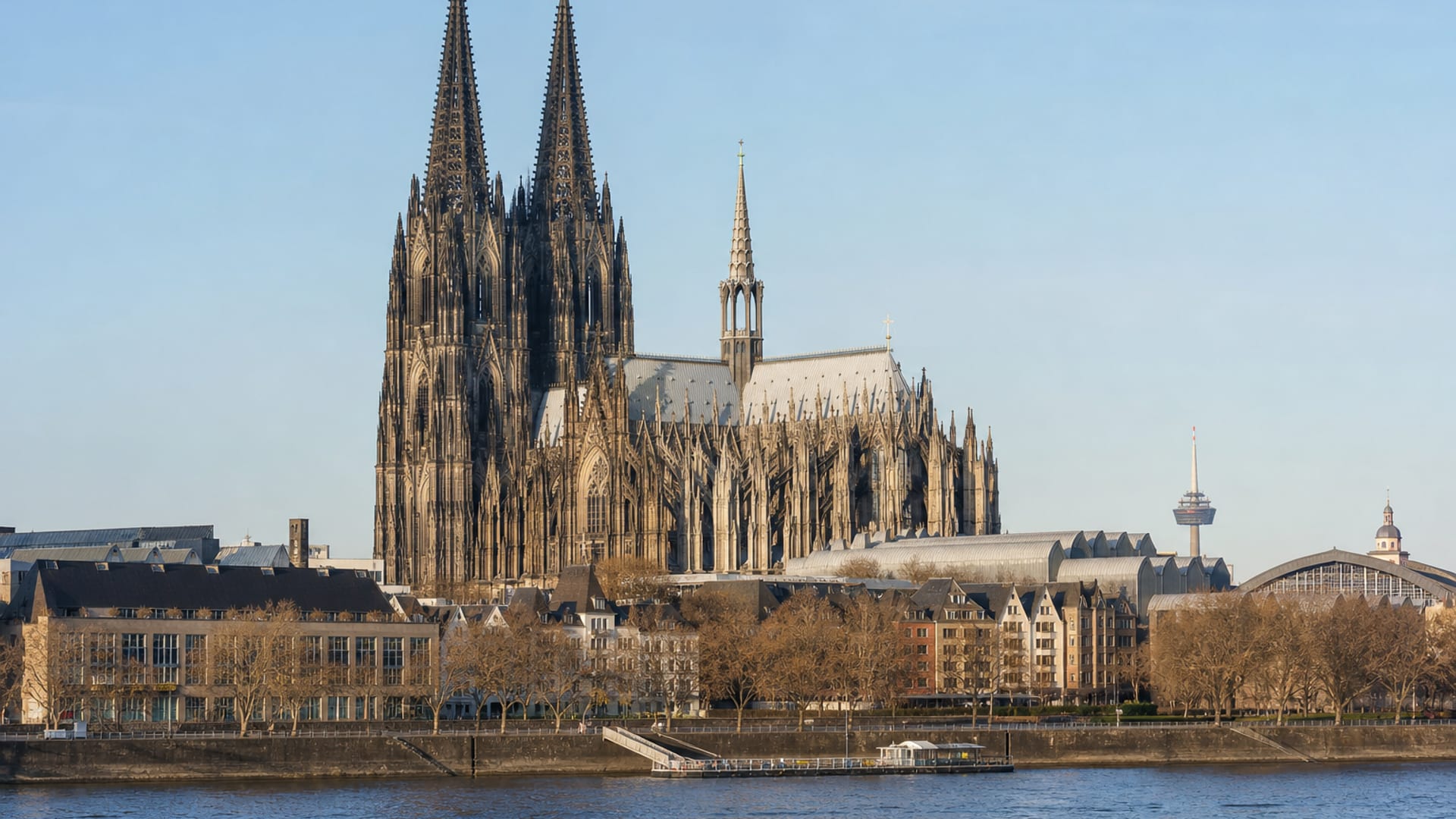
Use the third day to follow Köln further back in time. The Römisch-Germanisches Museum currently displays its collection at the Belgisches Haus near Neumarkt, where Roman glass, sculpture, and everyday objects explain the city’s ancient foundations. After lunch, head toward Groß St. Martin and descend to the Roman remains beneath the church if visiting hours allow. The surrounding Old Town lanes and Alter Markt can easily carry the afternoon into an early brewery dinner.
The fourth day belongs to the neighborhoods west of the historic center. Spend the morning around the Belgian Quarter, where cafés, boutiques, and Brüsseler Platz make it easy to wander without a fixed list of sights. Lunch can stretch into the afternoon before you continue toward Stadtgarten or take a short tram to Ehrenfeld for murals, independent shops, and former industrial buildings. Stay for dinner there if the area catches your interest instead of returning downtown.
Keep the final morning green and unhurried at Flora und Botanischer Garten in Riehl. The outdoor gardens open early, while the new display greenhouses bring tropical and desert plants under glass from 10:00 am. Give yourself an hour or two, then stop for coffee or an early lunch before collecting your bags. From the center, the S19 returns to Köln Bonn Airport, so you can leave the last part of the trip simple instead of adding another museum or cross-city detour.
Business-class flights from the US to Köln
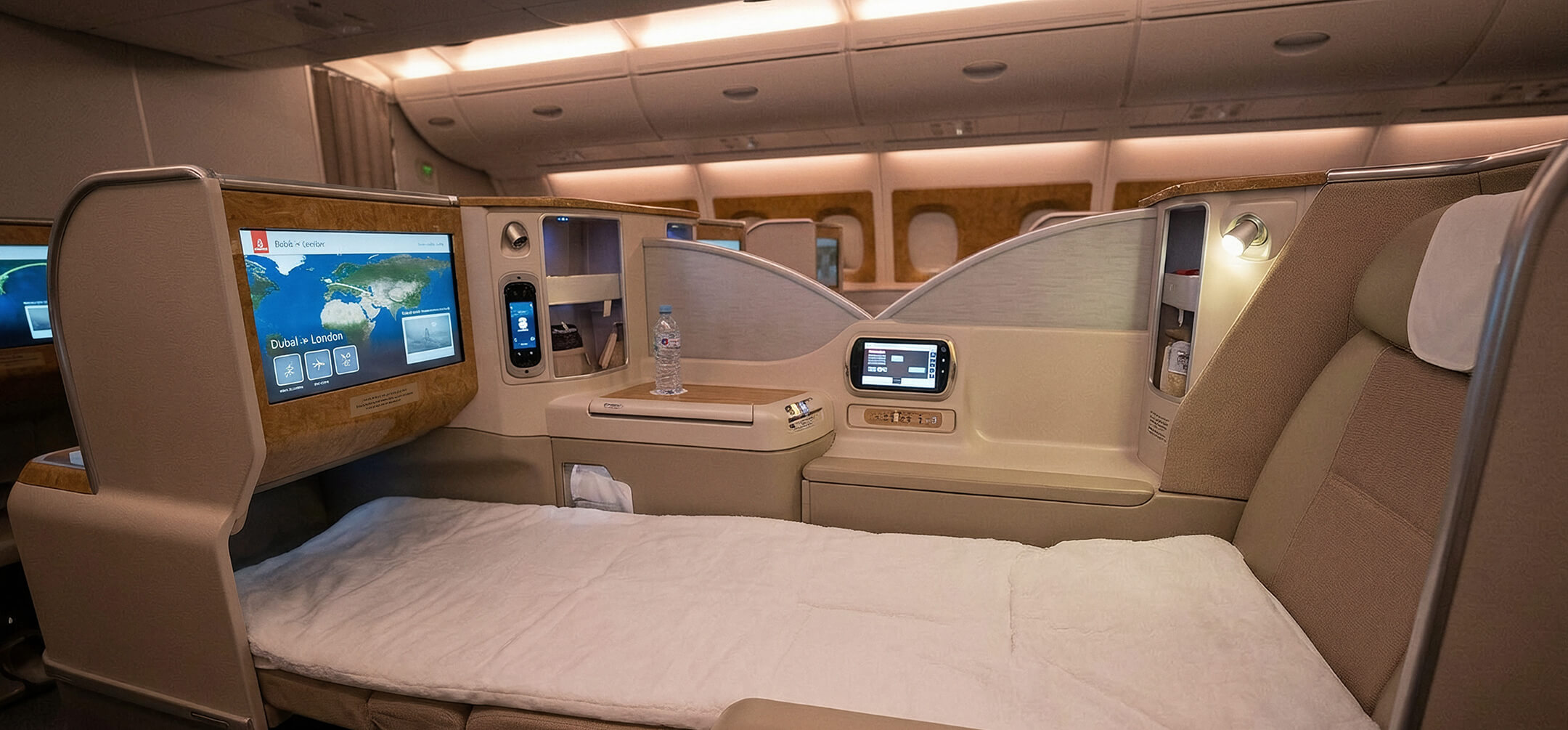
Köln has no nonstop service from New York or Los Angeles, so business-class trips usually require one connection through a major European hub.
New York (JFK) to Köln (CGN)
From JFK, British Airways, Lufthansa, and Austrian offer one-stop business-class itineraries through London Heathrow (LHR), Munich (MUC), or Vienna (VIE). The shortest flights take 12–13 hours, while a longer layover can extend the journey to 16–20 hours. Round-trip business-class tickets generally cost $3,700–$6,000.
Los Angeles (LAX) to Köln (CGN)
Los Angeles has a broader range of one-stop flight options to Köln, including Lufthansa through Munich (MUC), British Airways via London Heathrow (LHR), Austrian through Vienna (VIE), and Turkish Airlines via Istanbul (IST). The shortest trips start near 13 hours, though 15–20 hours is more common once you include a longer layover. Business-class tickets usually fall between $4,200–$6,500 round-trip, depending on the airline and layover.
Köln is easier to enjoy one district at a time
Köln is easier to plan when each day has a clear focus: the cathedral and major museums in the center, Roman history around the Old Town, neighborhood time in the Belgian Quarter and Ehrenfeld, and a lighter final morning at the botanical garden. Trams and short rail trips make those shifts easy without overloading the schedule. Once the sightseeing is shaped, AranGrant can help you compare business-class flights and hotels that fit your dates, budget, and preferred part of the city.