

Chapters:

Need help with your trip?
Our support team is available 24/7. Request a callback or call us directly at (833) 619-0908
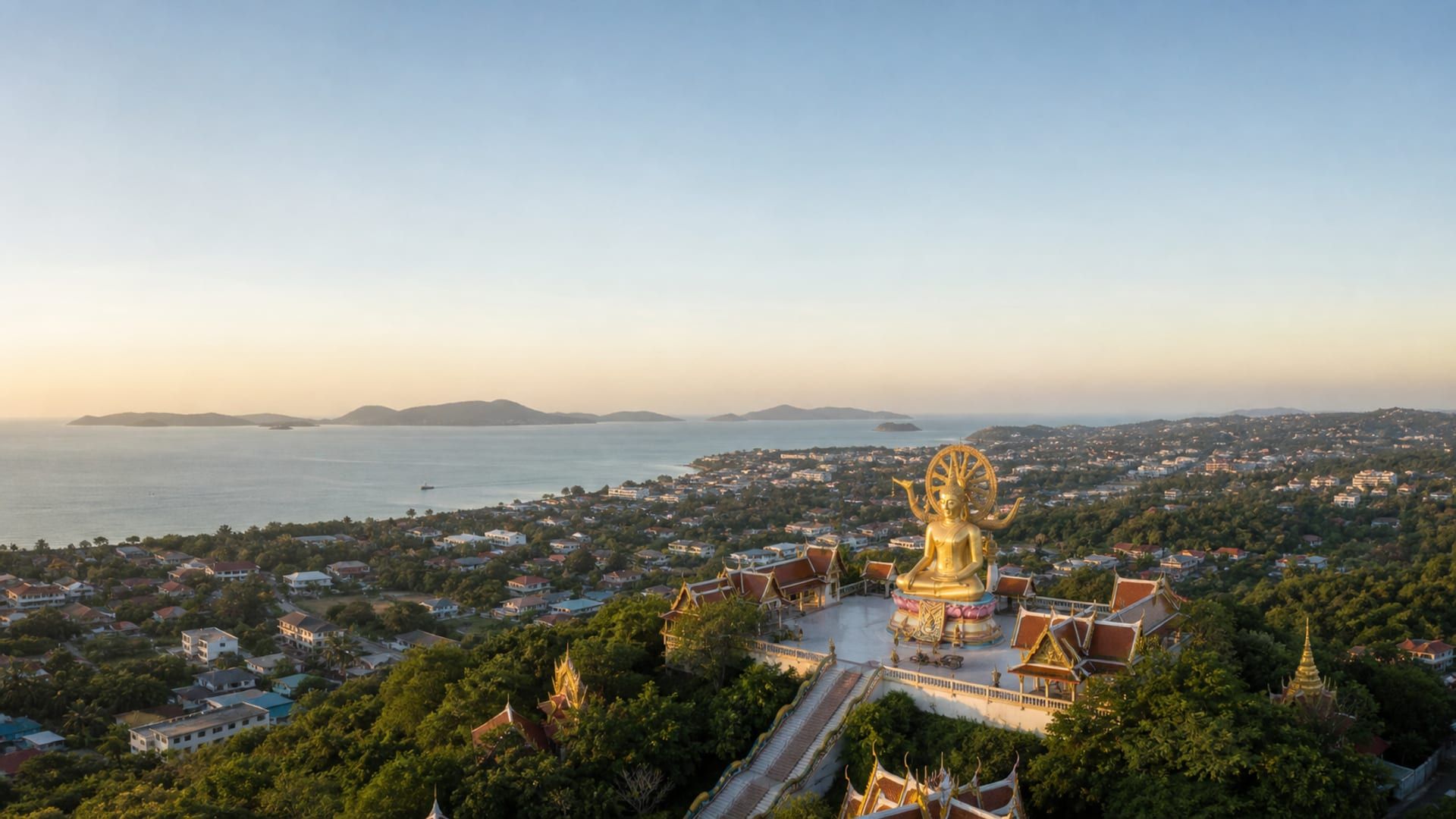
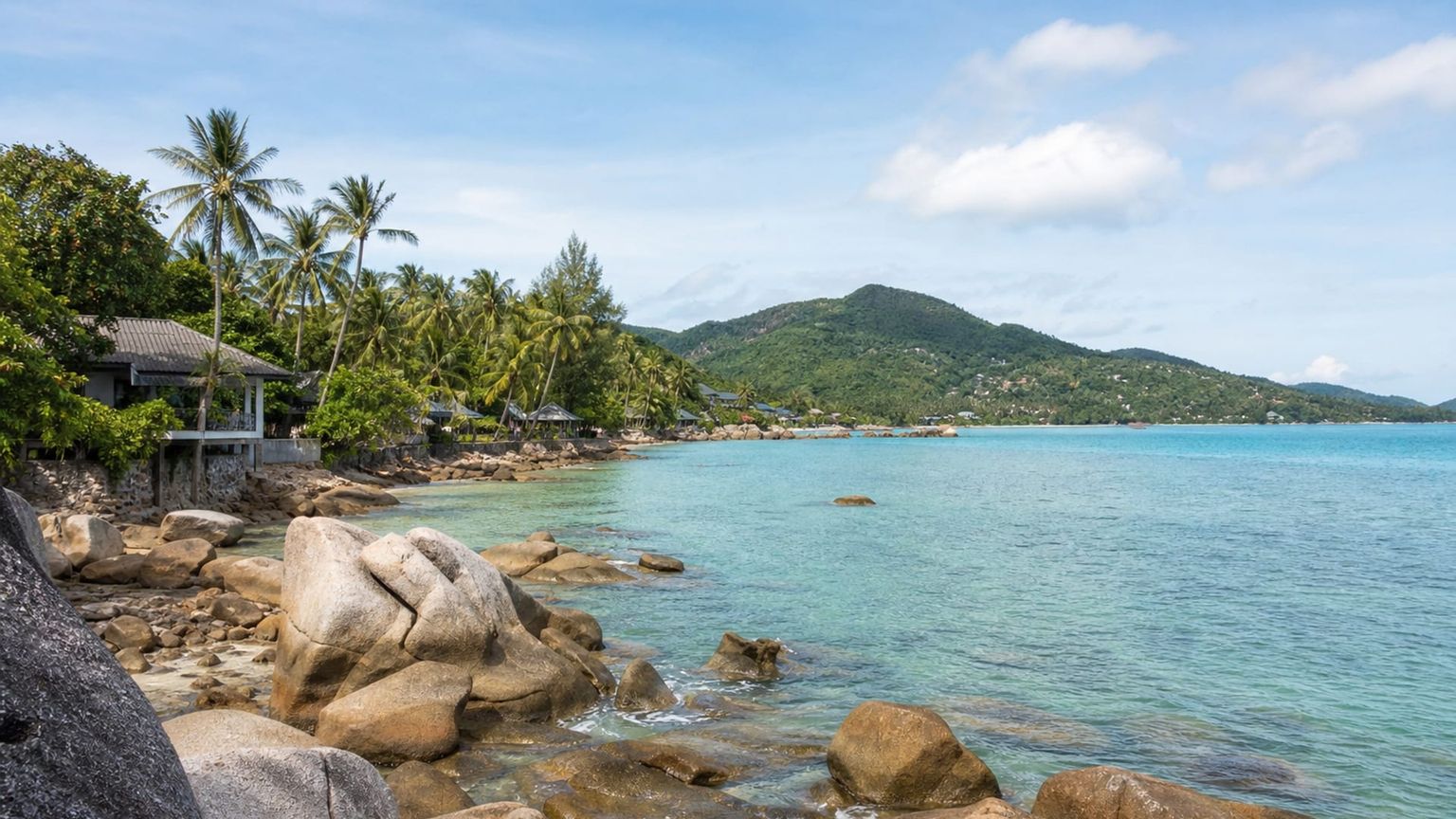
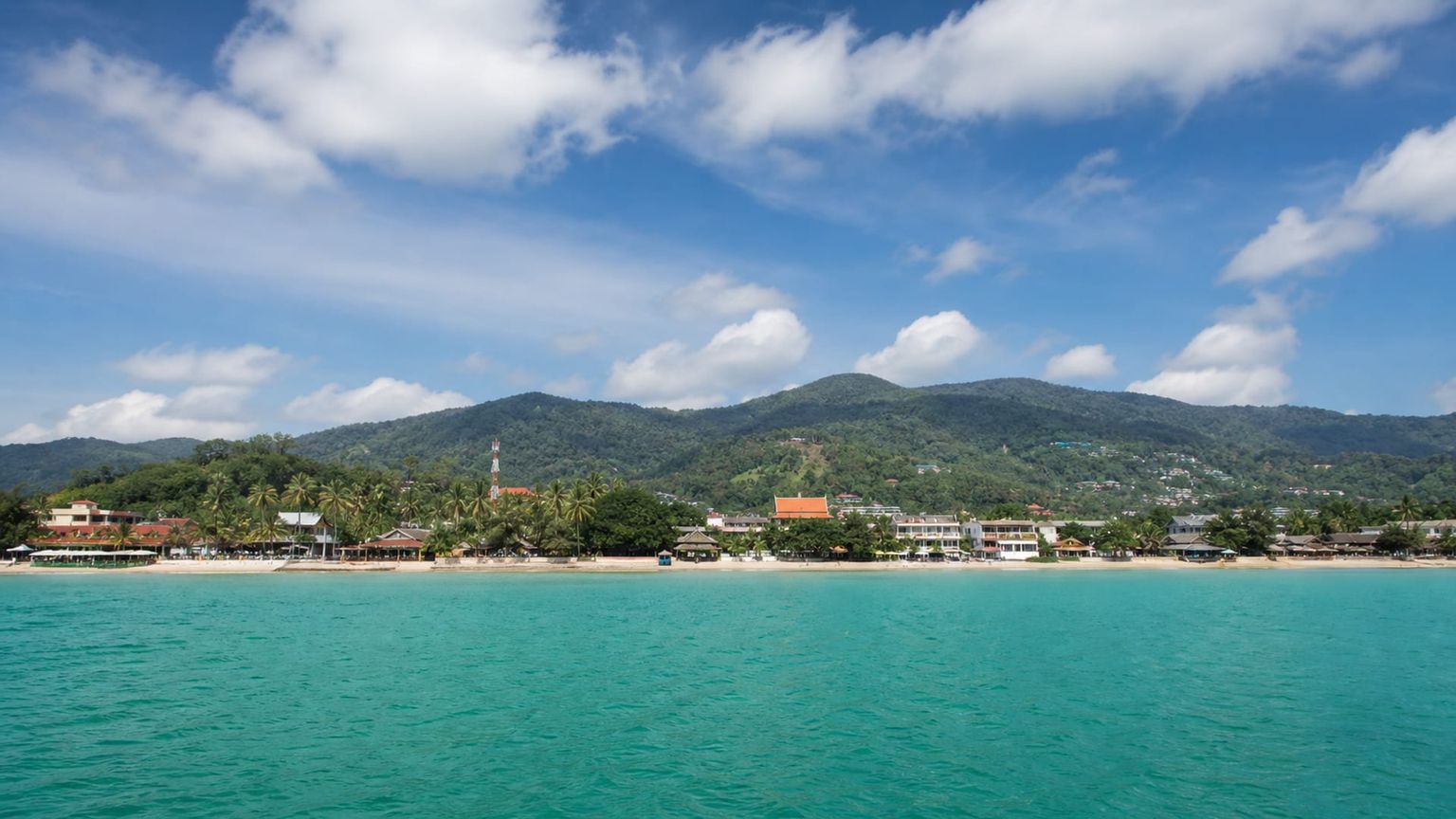
Ko Samui is one of Thailand’s best-known islands, with long beaches, Buddhist temples, fishing villages, waterfalls, and a coastline that changes noticeably from one area to another. Chaweng has the busiest stretch of sand and nightlife, while Bophut, Mae Nam, and Lamai each have a different pace.
Away from the beaches, Big Buddha and Wat Plai Laem add some of the island’s most recognizable landmarks, while Hin Ta and Hin Yai and the Na Muang waterfalls bring in the rocky coast and forested interior. Southern Thai food, fresh seafood, and relaxed evenings by the water are just as much a part of the trip.
This guide covers where to stay, what to eat, how to get around, when to visit, the main sights, and how to spend five days on Ko Samui.
Useful things to know

Main language(s): Thai
สวัสดี (sà-wàt-dee) – Hello
กรุณา (gà-rú-naa) – Please
ขอบคุณ (khàawp-khun) – Thank you
พูดภาษาอังกฤษได้ไหม (phuut phaa-sǎa ang-grìt dâi mái) – Do you speak English?
ราคาเท่าไร (raa-khaa tâo-rai) – How much does it cost?

Currency: Thai baht (THB, ฿)

Cash and cards: Cards are widely accepted at hotels and larger restaurants and shops. Keep some baht for markets, small businesses, and taxis.

Tipping: Tipping is not required. Rounding up the bill or leaving a small amount for good service is common, especially in restaurants, hotels, and taxis.

Traditional food: Khao yum, gaeng som, khua kling, and crab curry with rice noodles are among the southern Thai dishes commonly found on Ko Samui.

Water and coffee costs: Bottled water costs ฿20–฿40 ($0.60–$1.20), while an espresso is usually ฿60–฿90 ($1.80–$2.70).

Taxis and ride apps: Grab operates across Ko Samui, including airport pickups. Standard taxis are also available; Grab usually shows the fare before booking.

Plug and voltage: Thailand uses 220V, 50Hz power. Outlets commonly accept Type A and C plugs; some also accept grounded three-pin plugs. US travelers should check device voltage.

Dining and shop opening hours: Restaurant hours vary, but tourist-area restaurants often serve from morning into the evening. Small local restaurants and shops may close earlier.

Emergency number: Call 191 for police, 1155 for Tourist Police, 1669 for medical emergencies, and 199 for fire.
Where to stay in Ko Samui
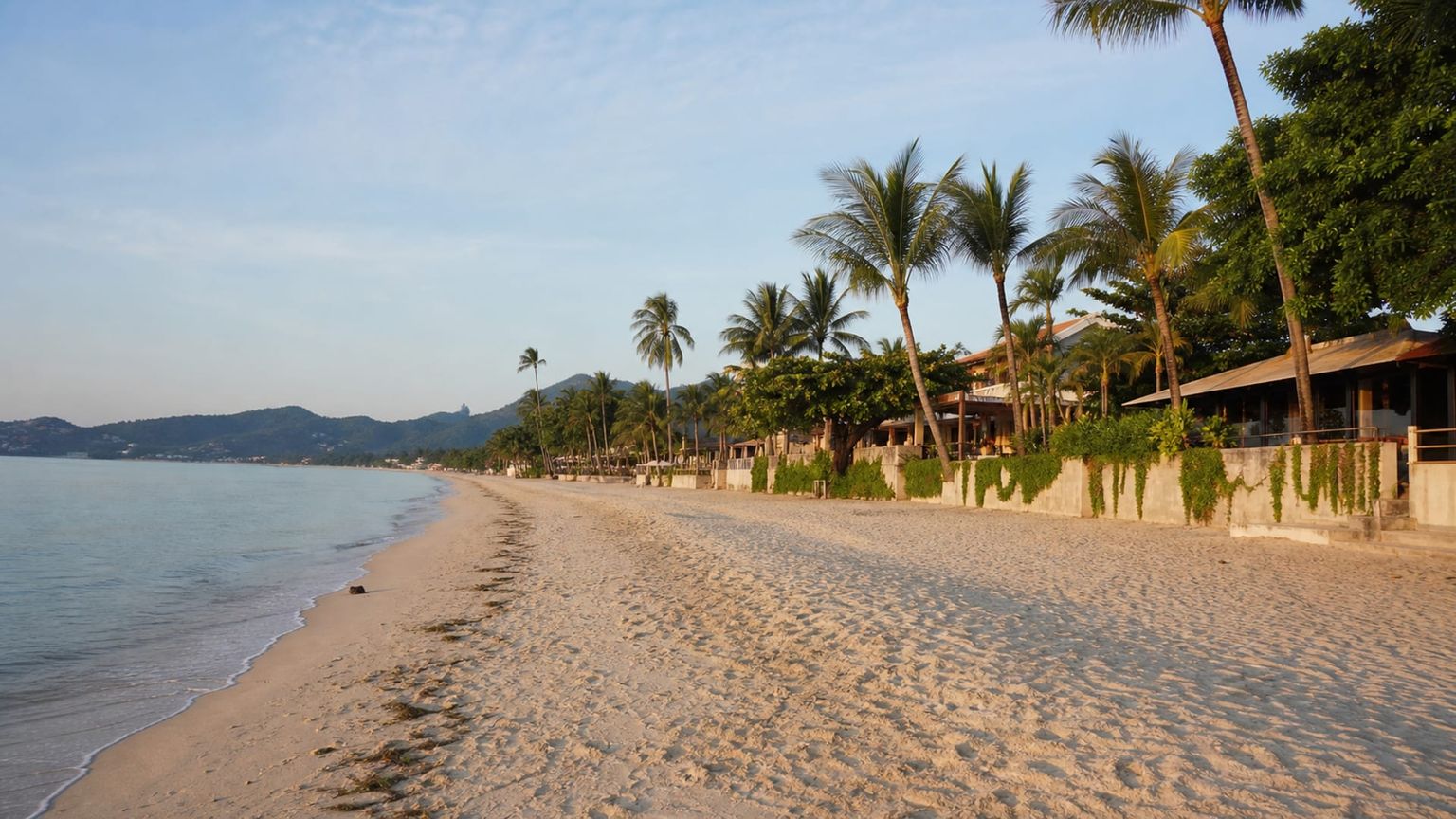
Chaweng is Ko Samui’s main beach and nightlife hub, with a long sandy shoreline lined by resorts, restaurants, shops, and bars. Travelers who want plenty of choice nearby will find the greatest concentration here, while the beach’s northern and southern ends have less nightlife activity overall.
Best for: Beach time, nightlife, and travelers who want the widest choice of hotels and dining
What to expect: Busy roads, constant beach traffic, and the most active nightlife scene on the island.
Hotel prices: Usually about $60 to $220 per night for well-rated stays
Distance to major sights: About 15 minutes by road to Fisherman’s Village and about 20 minutes to Wat Plai Laem
Quietness: Loud through the day and even busier after dark; only the far ends of the beach get noticeably calmer.
Main trade-off: You gain convenience and variety, but the main strip can feel crowded and some properties sit far enough inland that beach access takes longer than expected.
Good to know: If you plan to sleep early, check the hotel’s exact position and ask for a room away from Beach Road, nearby bars, or beach-club areas.
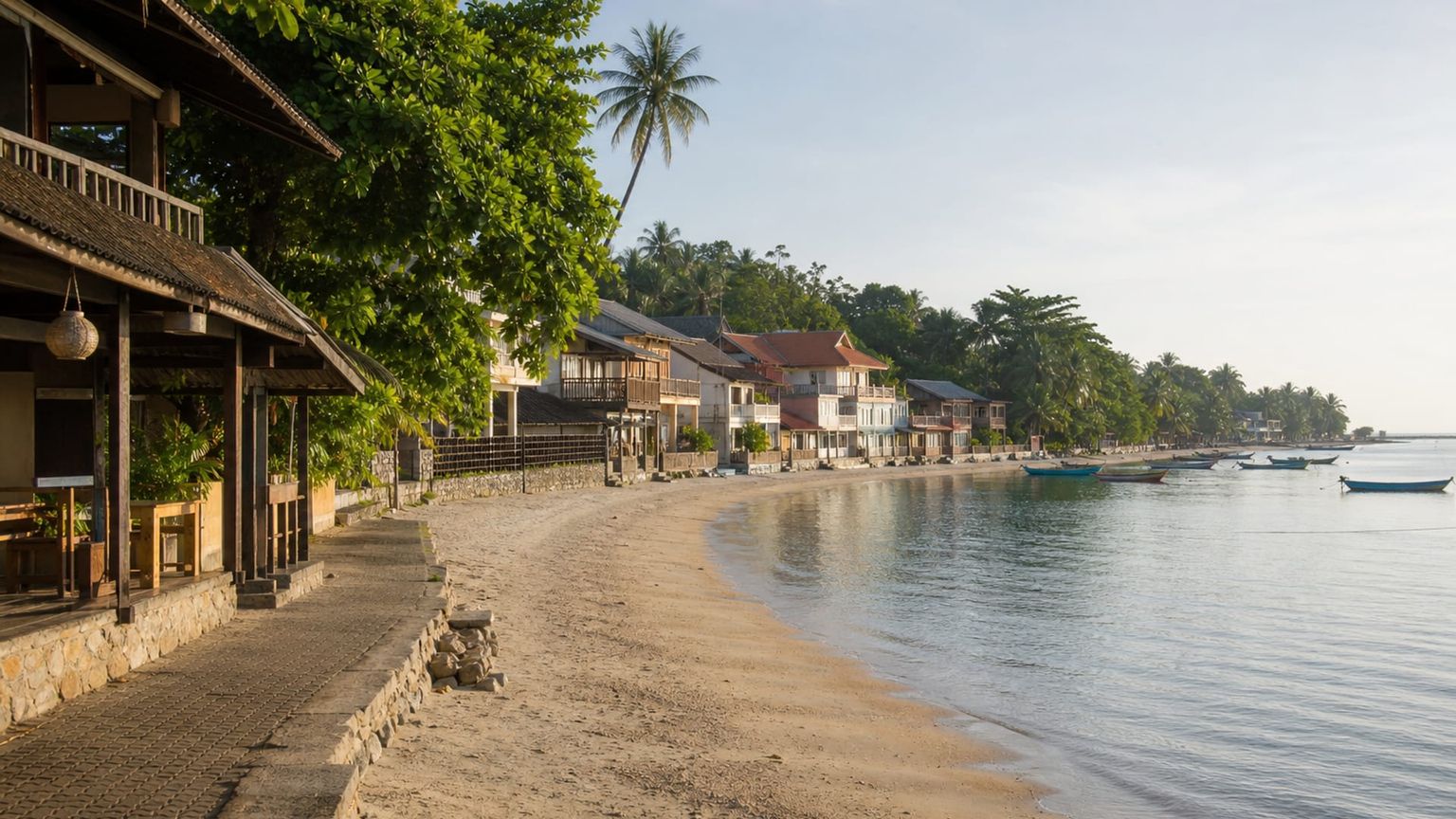
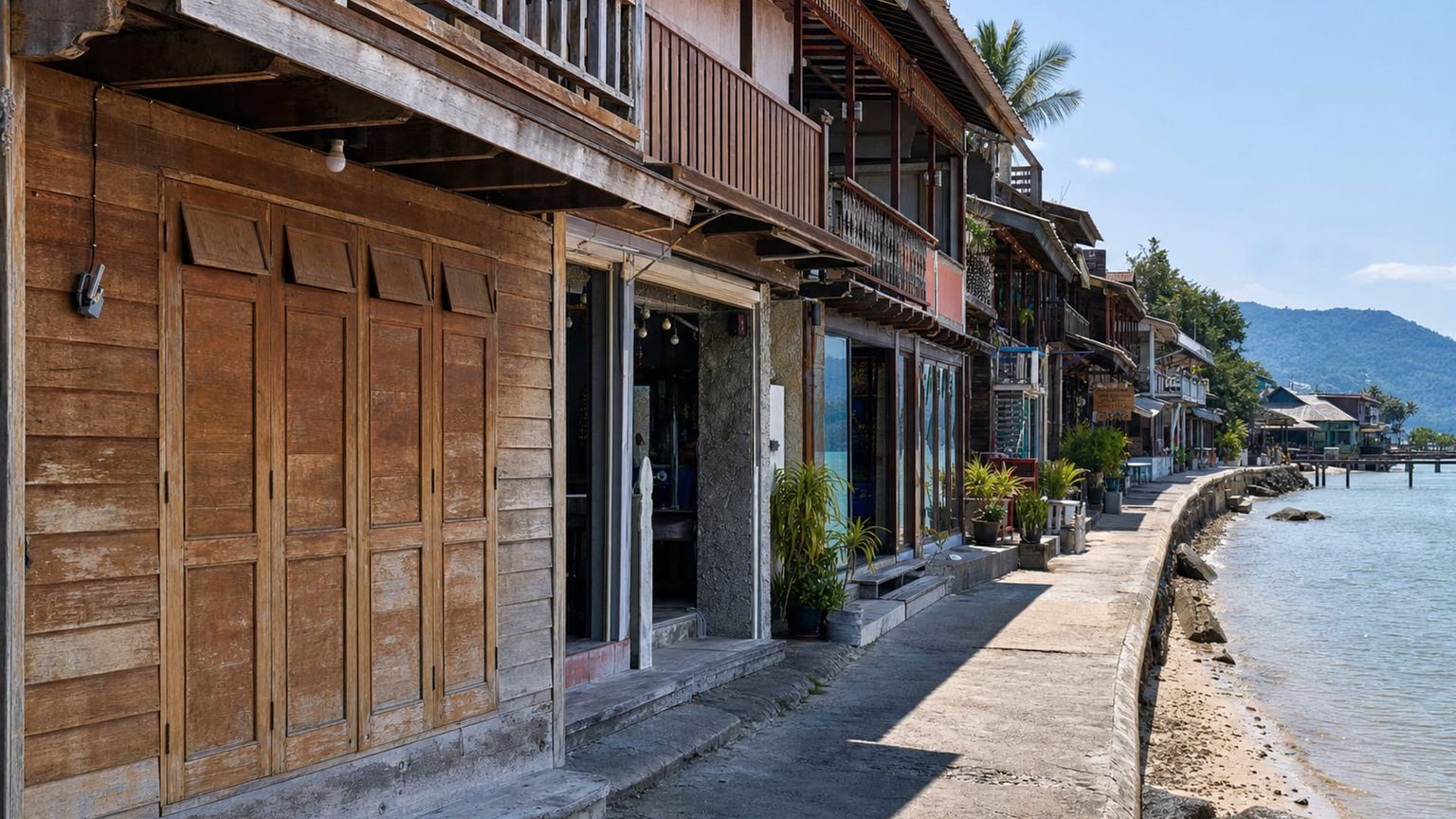
Bophut’s main draw is Fisherman’s Village, a compact beachfront stretch on Ko Samui’s north coast with restaurants, cafes, shops, and small hotels. It suits travelers who want to walk out for dinner and reach the beach easily without choosing Chaweng’s nightlife-heavy center nearby.
Best for: Couples, food-focused trips, and travelers who want a walkable north-coast base
What to expect: A busy promenade at dinner time, then a quieter beach town feel once the restaurants close.
Hotel prices: Usually about $70 to $250 per night for well-rated stays
Distance to major sights: About 10 minutes by road to Wat Plai Laem and about 20 minutes to Big Buddha
Quietness: Calm in the morning and on the beach, livelier around Fisherman’s Village in the evening.
Main trade-off: Rates often run higher than in inland parts of the island, and the best walkability is limited to the main village strip.
Good to know: Choose a hotel close to Fisherman’s Village if evening walks are important; properties near the ring road are much less practical on foot.
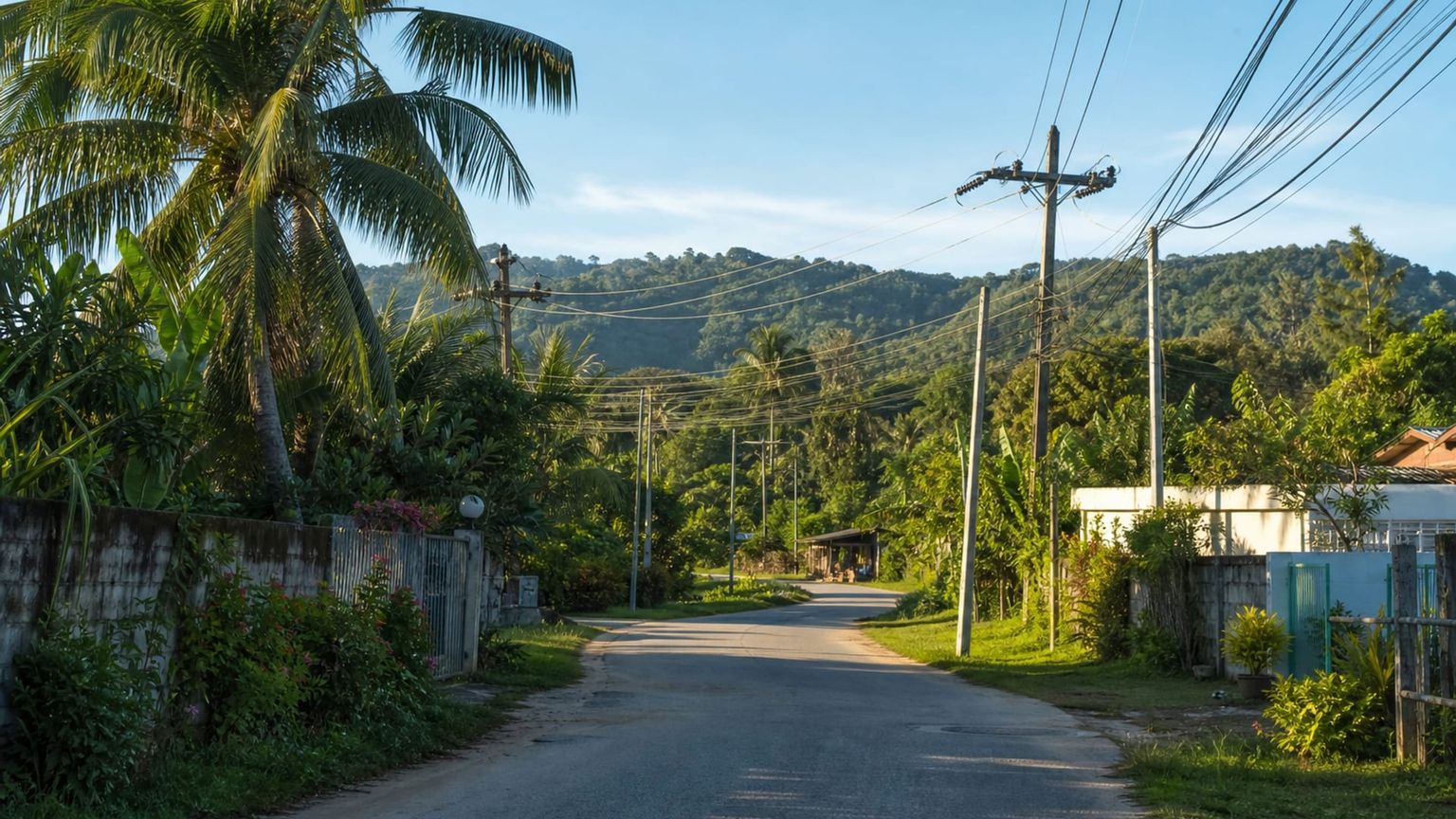
Mae Nam spreads along Ko Samui’s north coast, with a long beach, low-rise resorts, local restaurants, villas, and residential pockets. The area suits travelers who want a low-key coastal setting and are comfortable using taxis, Grab, or a rental car for trips elsewhere on the island.
Best for: Longer beach stays, families, and travelers seeking a quieter base with space to spread out
What to expect: Low-key beach roads, fewer late-night venues, and a smaller crowd than the island’s central beaches.
Hotel prices: Usually about $50 to $180 per night for well-rated stays
Distance to major sights: About 20 minutes by road to Fisherman’s Village and about 25 minutes to Big Buddha
Quietness: Usually quiet during the day and very calm at night, with only pockets of activity near resort clusters.
Main trade-off: You trade convenience to the island’s main dining and nightlife areas for more distance to tours, shopping, and airport access.
Good to know: A rental car is useful beyond Mae Nam. Songthaews mainly follow the ring road by day, while Grab and taxis cover more direct trips.
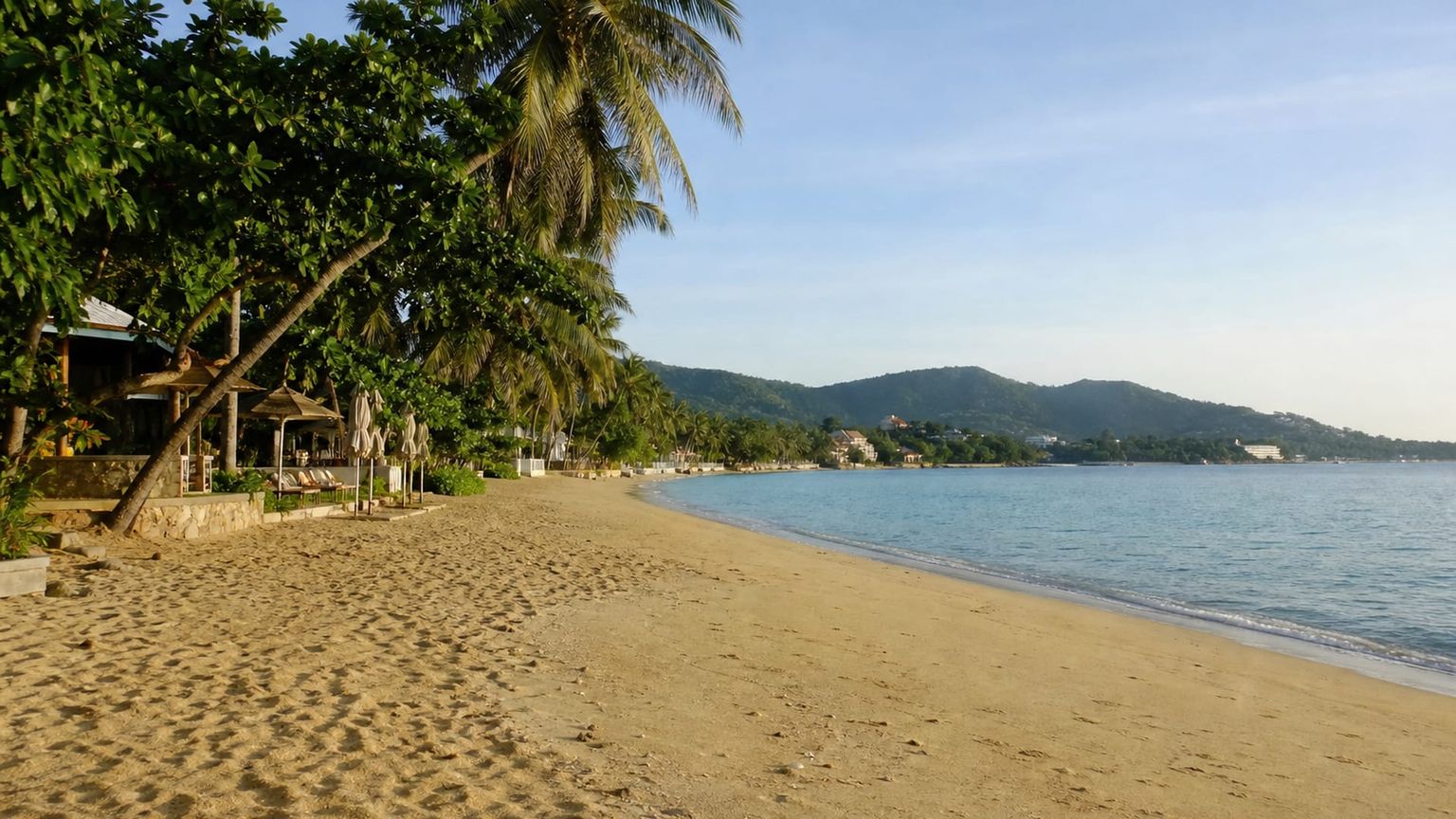
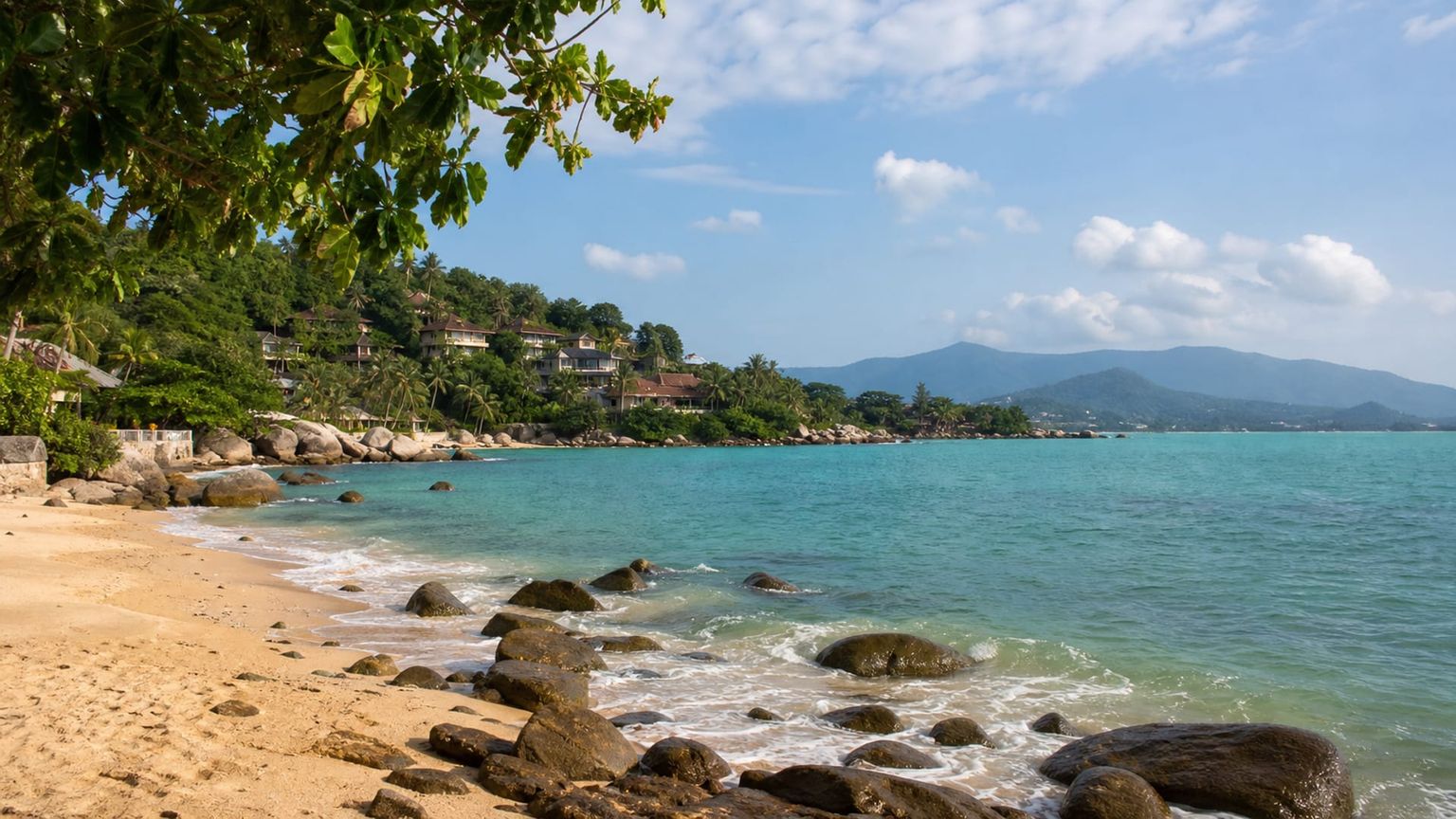
Lamai is a long beach area on Ko Samui’s southeast coast, with restaurants, bars, shops, resorts, and local businesses concentrated near the center. It suits travelers who want to spend time by the beach and still have plenty of places to eat and go out in the evening.
Best for: Beach stays, moderate nightlife, and travelers who want a lively but less hectic base than Chaweng
What to expect: A busy main road, active beach frontage, and a mix of bars, cafes, and local shops.
Hotel prices: Usually about $45 to $160 per night for well-rated stays
Distance to major sights: About 20 minutes by road to Chaweng and about 30 minutes to Fisherman’s Village
Quietness: Active in the day and evening, then quieter than Chaweng once the bars thin out late at night.
Main trade-off: The center can still feel busy, and some quieter hotels sit far from the beach or from the main restaurant strip.
Good to know: Check the hotel’s exact location before booking if you want to walk to the beach and central restaurants without crossing the ring road.
For a first trip, avoid the far southern beaches beyond Lamai and west-coast villages, where dining and sightseeing usually take longer. Bang Por and northern Mae Nam also have fewer late-night options and greater reliance on taxis or a car.
Hotel deals
How to get around Ko Samui efficiently
Ko Samui has no rail network, so getting between beaches, temples, villages, and the airport depends mainly on taxis, shared rides, and rental cars.

Songthaews
for low-cost daytime trips
Songthaews are shared pickup cars. You can take them for low-cost daytime trips along the ring road between places such as Chaweng, Lamai, Bophut, Mae Nam, and Nathon. Rides usually cost ฿30–฿150 ($0.90–$4.50). Confirm the fare before boarding; expect lower availability in the evening or after dark.

Grab and taxis
for direct trips and late hours
Grab and local taxis are useful for direct trips, luggage, airport transfers, and travel after songthaews become less frequent. Grab shows the fare in the app, while taxi prices are often agreed before departure. Official airport transfers to Chaweng and Bophut start at ฿380 ($11.40).

Rental car
for several stops in one day
A rental car is useful if you plan several stops in one day or want to reach beaches and viewpoints away from the ring road. Small cars currently cost ฿700–฿1,200 ($21–$36) per day, depending on dates and company. Check insurance, fuel, deposit, and licence terms before booking.
*Prices are based on rates updated as of September 2026 and may change at the time of travel.
Use songthaews for simple daytime trips, Grab or taxis for direct and late rides, and a rental car when several stops make repeated transfers inconvenient.
Iconic landmarks
Big Buddha (Wat Phra Yai)
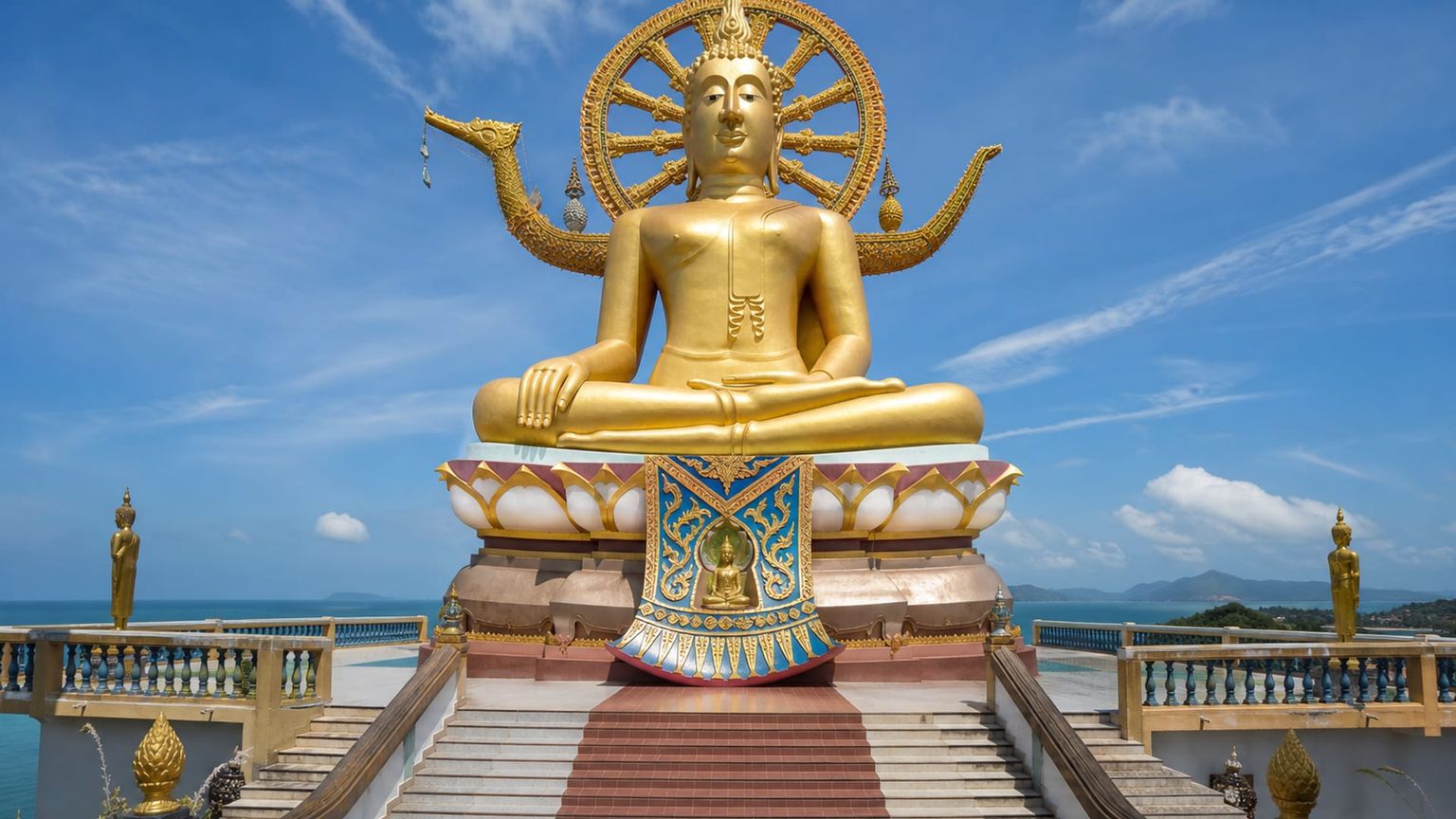
Big Buddha (Wat Phra Yai) is one of Ko Samui’s most recognizable religious landmarks. The 39-foot (12-meter) golden Buddha rises above Koh Faan at the top of a long staircase, while naga railings, smaller shrines, and open sea views make the temple easy to identify from the surrounding coast.
Time needed: About 1 to 2 hours
Entry: Free to access; donations are optional, and dress should cover shoulders and knees for temple areas.
Tip: Wat Plai Laem is only a few minutes away by car, so you can visit both temples on the same outing.
Wat Plai Laem
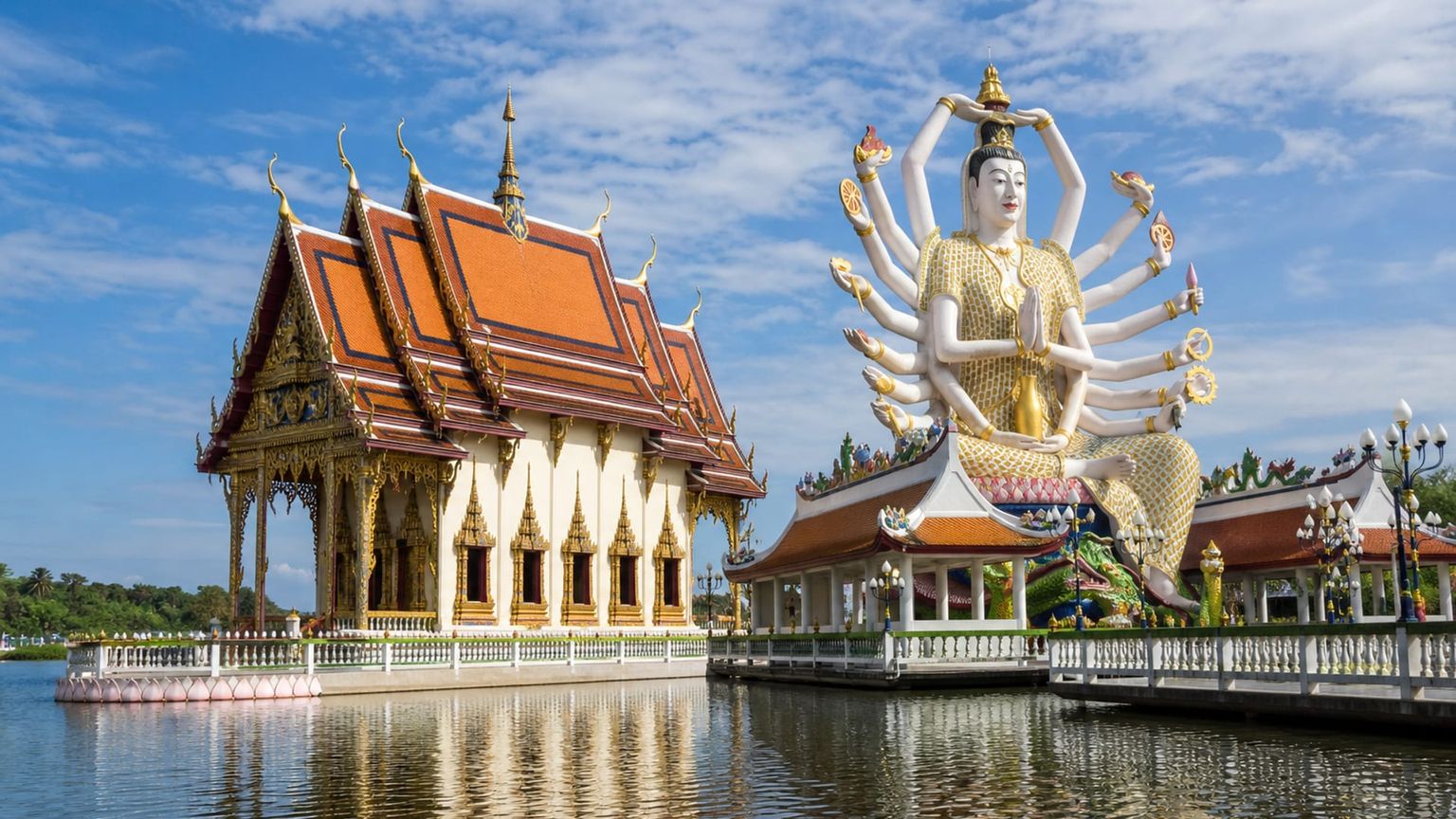
Wat Plai Laem stands out for its large 18-armed Guanyin statue, Laughing Buddha, and colorful shrines built around a lake. The Thai-Chinese temple complex is one of Ko Samui’s most distinctive religious sights, with murals, pavilions, and raised walkways linking the main buildings.
Time needed: About 1 to 2 hours
Entry: Free to access; donations are optional, and modest clothing is expected in the temple grounds.
Tip: Go in the morning, when the open grounds are more comfortable to walk on.
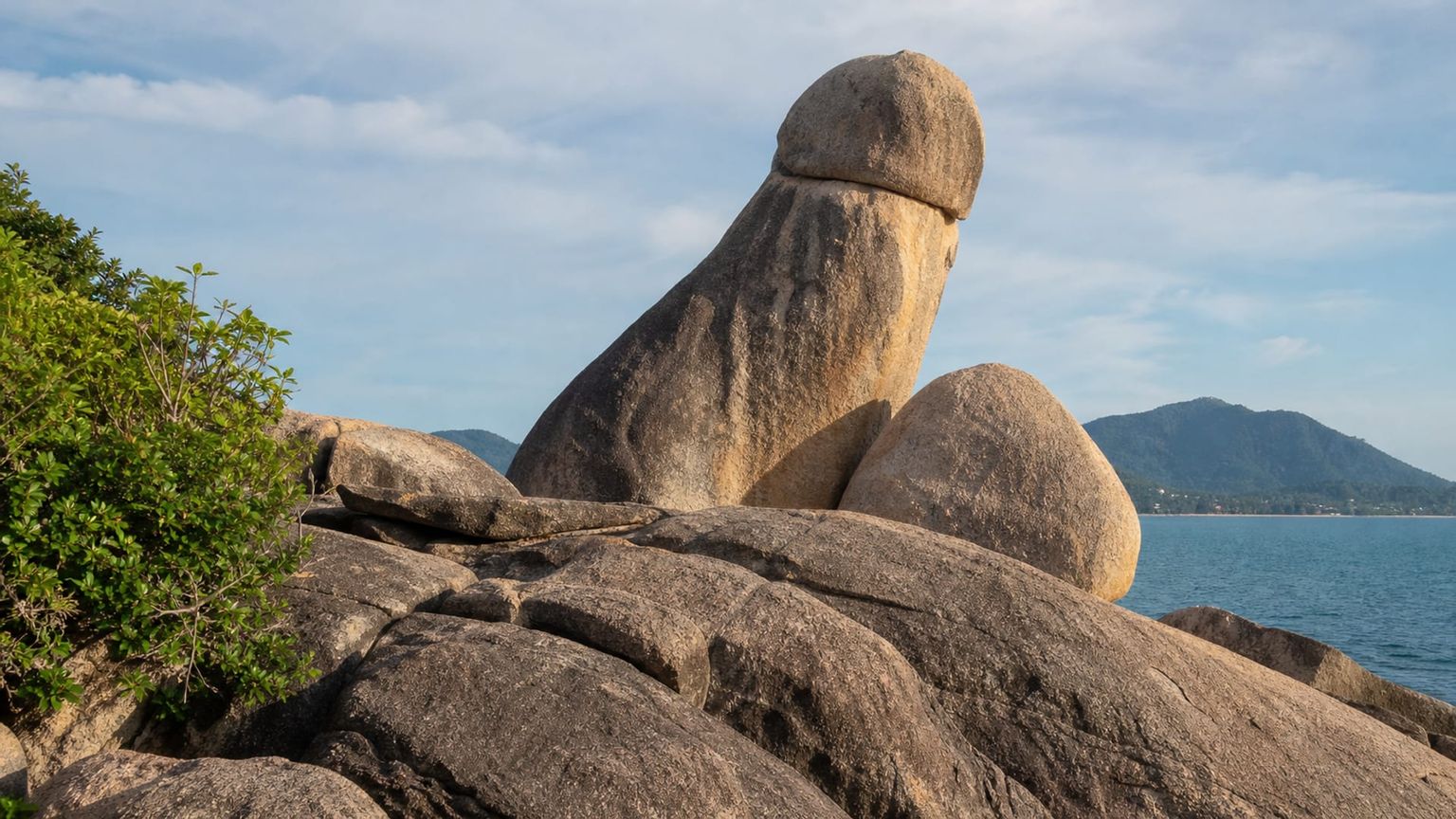
Hin Ta and Hin Yai Rocks
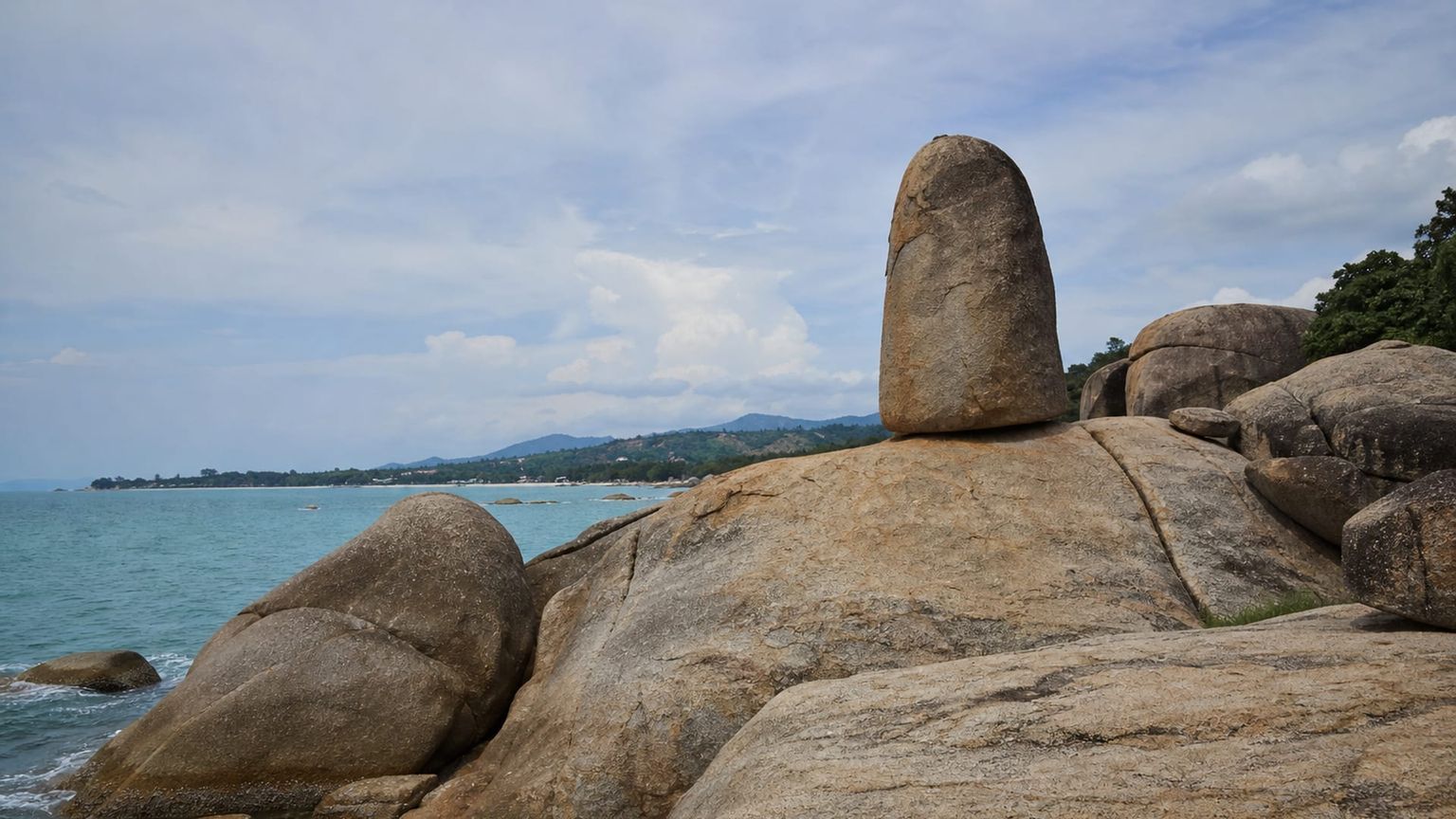
Hin Ta and Hin Yai are granite formations on the coast south of Lamai, famous for natural shapes that resemble male and female anatomy. Their unusual appearance has made them one of Ko Samui’s best-known natural sights, with a short path leading to the rocks and broad open sea views.
Time needed: About 30 to 45 minutes
Entry: Free to access; no timed entry applies, and small parking fees may appear at nearby lots.
Tip: Wear shoes with good grip because the granite can be uneven and slippery when wet.
Overlooked sites worth visiting

Wat Khao Chedi
Wat Khao Chedi is a small hilltop temple in southern Ko Samui, with a white chedi, Buddha images, and wide views over the coast. It sees fewer visitors than the island’s better-known temples and feels noticeably more peaceful.
Time needed: About 45 minutes
Entry: Free to access; donations are welcome for temple upkeep. Dress should cover shoulders and knees, and visitors should remove shoes before entering shrine areas. There is no timed admission and no ticket desk.
Tip: Late afternoon is a good time for cooler weather and clear views over the south coast.

Na Muang 2 waterfall pool
Na Muang 2 is the upper part of the Na Muang waterfalls and takes more effort to reach than the lower falls. The trail climbs through forest over rocks and roots before reaching higher cascades and natural pools.
Time needed: About 1 to 2 hours
Entry: Free to access; parking is typically paid locally at the trailhead. No timed ticketing applies, but access depends on weather, and the walk can be slippery after rain, so wear shoes with grip and carry water.
Tip: Wear shoes with good grip, stay on the marked trail, and avoid hiking after heavy rain.
Traditional food
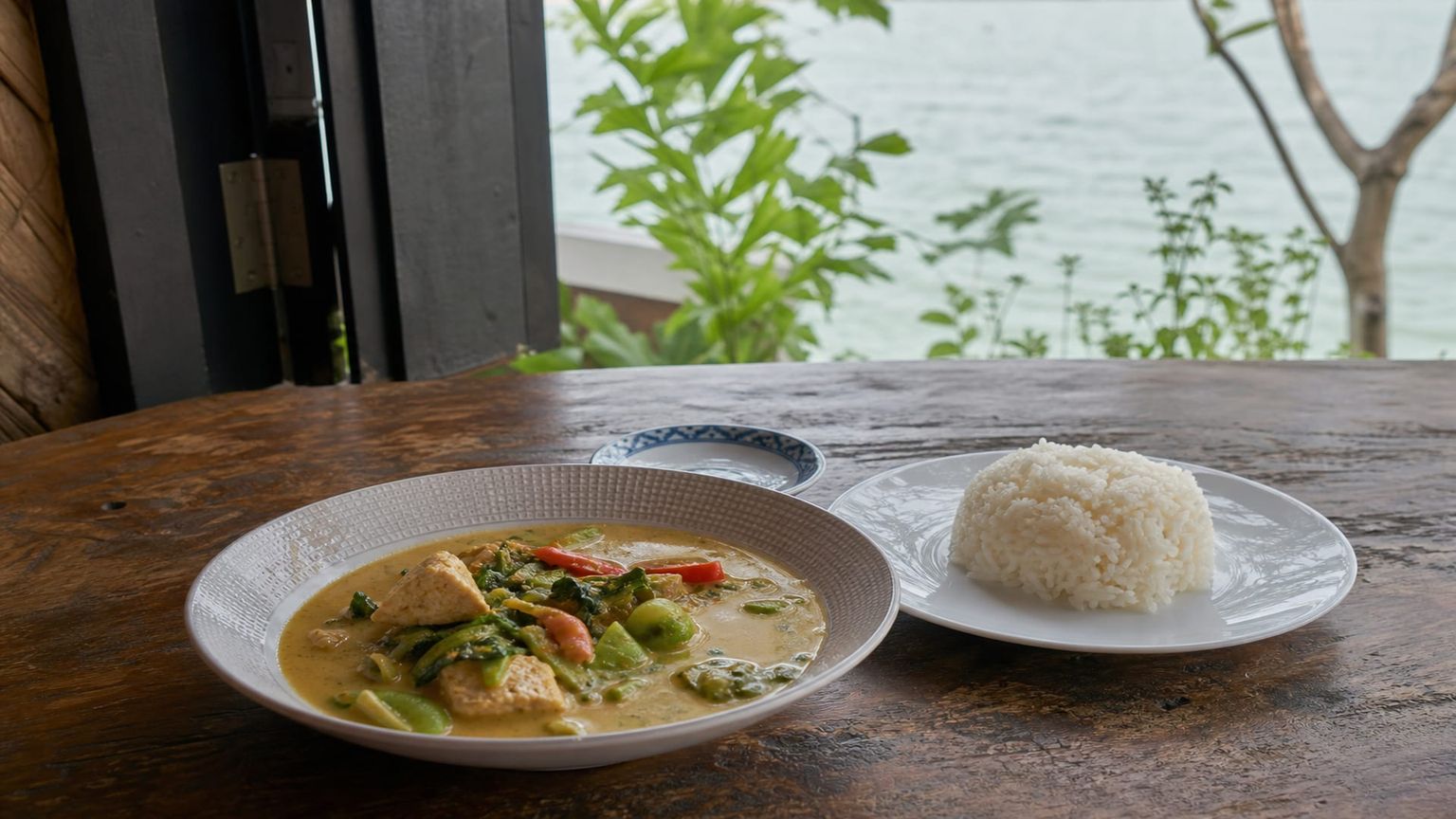
Ko Samui’s local food reflects southern Thai cooking, with seafood, coconut, turmeric, chilies, herbs, and sour flavors appearing in salads, soups, and curries across the island today.
Khao yum
Khao yum is a southern Thai rice salad made with fresh herbs, spices, vegetables, and a savory dressing. Kimpton Kitalay Samui serves a local version with butterfly-pea rice and locally sourced vegetables at its Thai dining venue.
Gaeng som
Gaeng som is a hot, sour southern Thai curry usually made with fish or seafood and vegetables, with turmeric giving many versions their yellow color. Krua Chao Baan near Lamai lists yellow gaeng som among its southern specialties.
Tom som pla
Tom som pla is a southern-style sour fish soup flavored with turmeric, lemongrass, ginger, and tamarind. KOH Thai Kitchen at Four Seasons Resort Koh Samui serves it on its current Thai lunch menu. The broth is light, sharp, and aromatic.
Gaeng nuea pooh bai chaplu
Gaeng nuea pooh bai chaplu is a southern Thai crab curry made with crab meat and wild betel leaves, usually served with rice. Sala Thai at Santiburi in Mae Nam lists the dish on its current menu using Surat Thani crab. It is rich and gently spicy.
Best time to visit Ko Samui
Ko Samui is driest from January into spring, while October and November bring the most rain, rougher seas, and less reliable beach weather.
Best for: Beach time and sightseeing during the drier weather of January and February
What you get: January and February are among the driest months, with highs near 85°F–87°F (29°C–31°C), while December usually brings more rain and cloud.
Trade-offs: December is wetter; Christmas and New Year can bring higher hotel prices and fuller resorts.
Best for: Beach days, swimming, boat trips, and sightseeing before the hottest weeks
What you get: March and April are relatively dry, with highs near 90°F (32°C). May is hotter and more humid, and afternoon showers become more frequent.
Trade-offs: April and May can be very hot by midday, and rain becomes more common toward the end of spring.
Best for: Beach trips, swimming, and island visits during the warm summer months
What you get: Highs stay near 90°F (32°C), with regular showers and much less rain than Ko Samui receives in the wetter months of October and November.
Trade-offs: Showers can affect boat trips and outdoor plans, but several days of steady rain are less common.
Best for: Flexible trips for travelers who do not mind frequent rain and rougher seas
What you get: September brings more rain, while October and November are the wettest months, with average highs near 86°F–88°F (30°C–31°C) and rougher seas.
Trade-offs: Heavy rain and rough seas can affect beach days, ferries, and boat trips, especially in October and November.
A realistic 5-day plan in Ko Samui
Arrive at Samui Airport (USM) and take a taxi or airport transfer to Chaweng or Bophut, usually 10–20 minutes away depending on the hotel. Official private transfers start at ฿380 ($11.40) to either area. After check-in, keep the first afternoon simple: walk along the beach, stop for a drink, and have dinner near the hotel. Save the temples and longer drives for the next morning, when you have the full day to explore the island.
Arrive at Samui Airport (USM) and take a taxi or airport transfer to Chaweng or Bophut, usually 10–20 minutes away depending on the hotel. Official private transfers start at ฿380 ($11.40) to either area. After check-in, keep the first afternoon simple: walk along the beach, stop for a drink, and have dinner near the hotel. Save the temples and longer drives for the next morning, when you have the full day to explore the island.
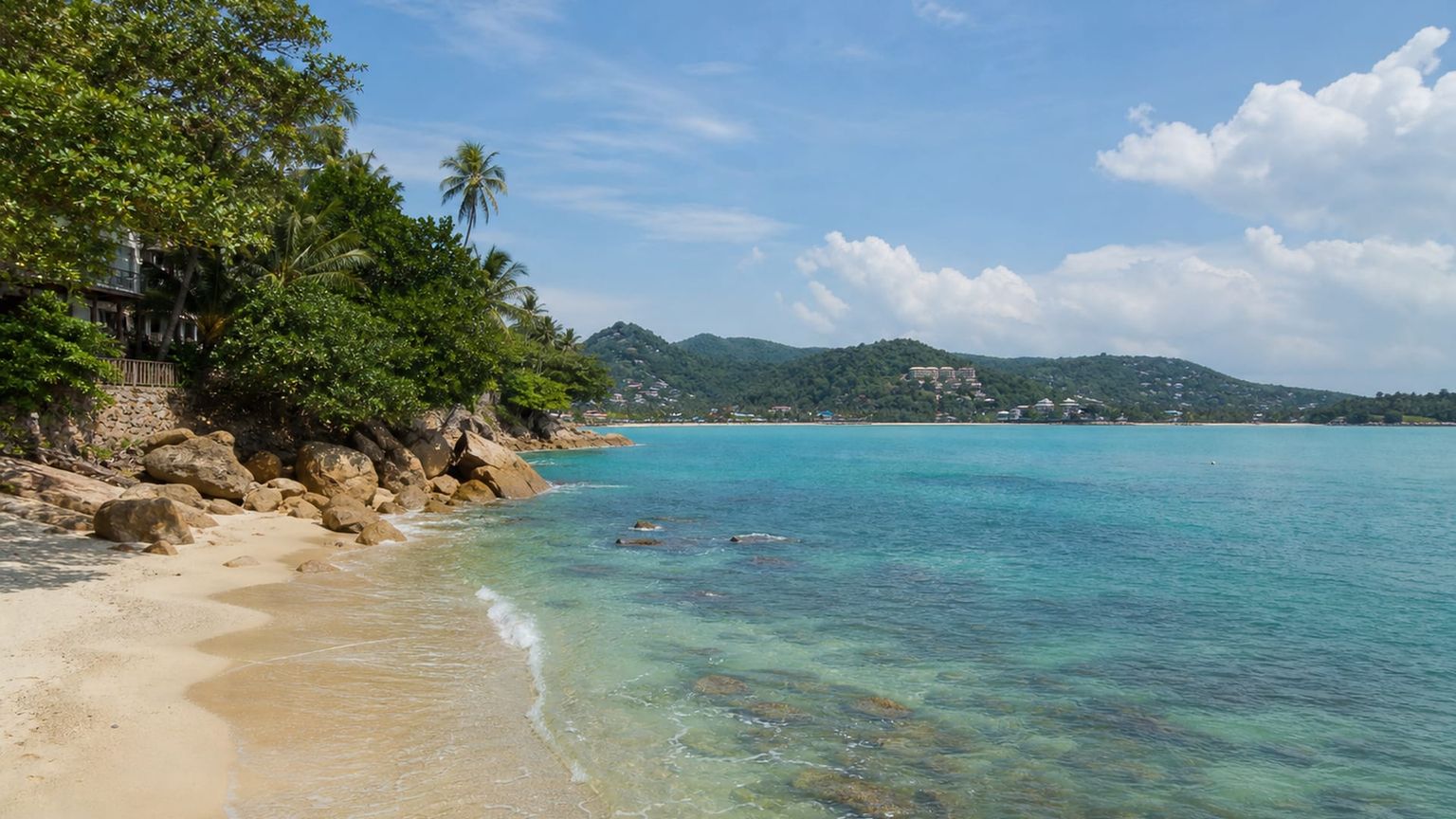
Start at Wat Plai Laem, where the 18-armed Guanyin statue, lake, murals, and colorful temple buildings are worth taking your time to explore. Big Buddha is only a few minutes away by car, so visit it next and climb the staircase for views across the coast. After lunch, continue to Fisherman’s Village in Bophut. Browse the shops, stop for coffee by the water, then stay for dinner as the promenade livens up and the heat eases.
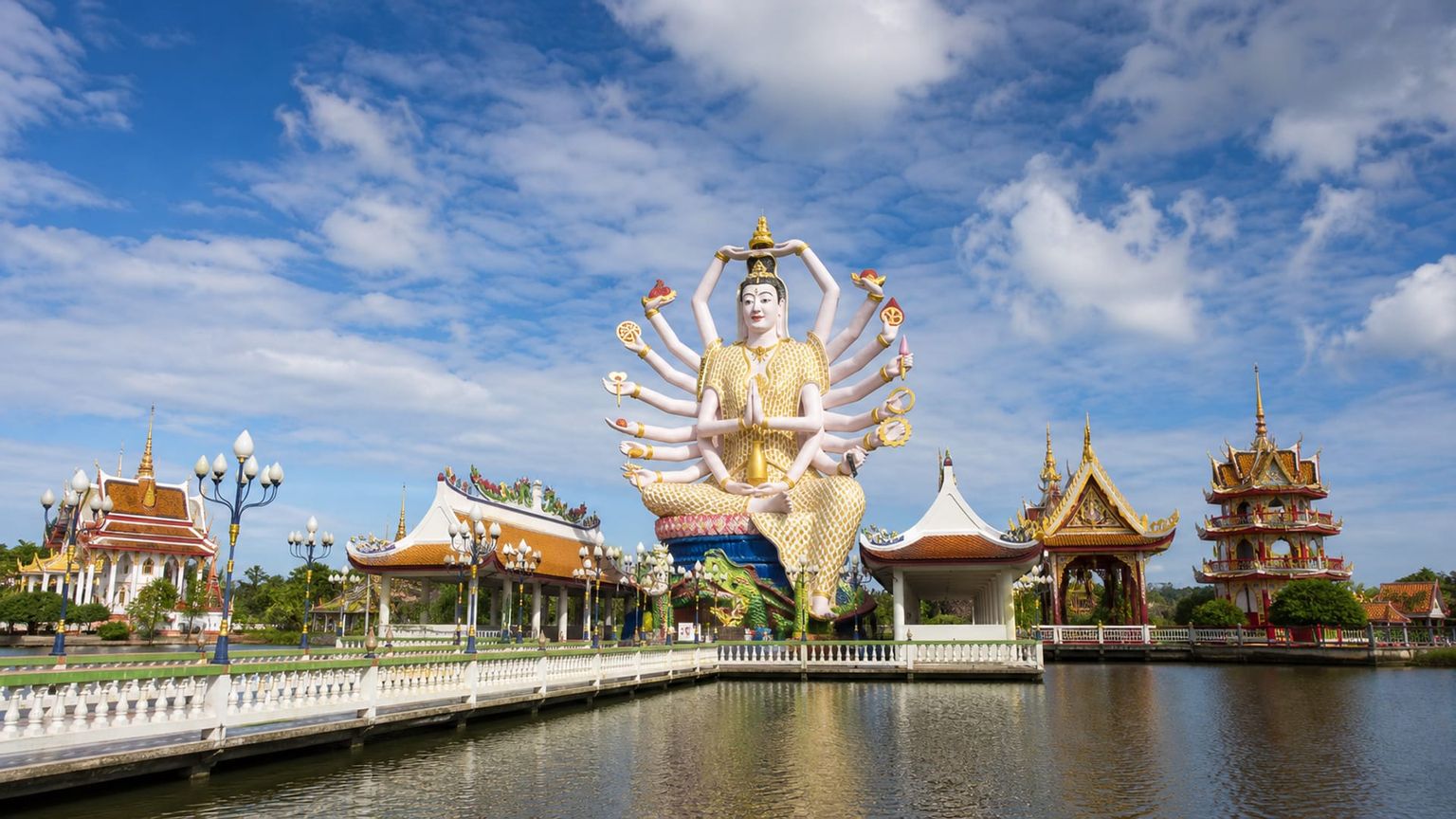
Begin in Lamai with some time on the beach, then head south to Hin Ta and Hin Yai Rocks for the granite formations and open sea views. From there, continue inland to Na Muang 2 and allow 1–2 hours for the forest trail and waterfall. Wear shoes with good grip, and avoid the hike after heavy rain. Return to Lamai in the late afternoon for a swim, then have dinner near the beach and take your time before heading back to the hotel.
Spend the morning in Mae Nam, taking your time on the long north-coast beach before lunch nearby. In the afternoon, continue east to Chaweng, usually 20–25 minutes away by car. Walk along the beach, browse a few shops, or stop for coffee before dinner in the center. Because Mae Nam and Chaweng are on the same side of the island, the drive between them is short, and most of the day stays free for the beach, food, and a relaxed evening.
Keep the final morning close to the hotel so there is no rush before departure. Have breakfast nearby, take one last walk along the beach, and leave enough time to pack and collect your luggage. From Chaweng or Bophut, Samui Airport (USM) is usually 10–20 minutes away by road. Head to the airport with enough time for traffic, check-in, and security, and leave the rest of the morning open for a swim or coffee before you go.
Business-class flights from the US to Ko Samui
Ko Samui has no nonstop flights from the US, so business-class trips from New York and Los Angeles require one or two layovers before reaching Samui International Airport (USM).
New York (JFK) to Ko Samui (USM)
From New York (JFK), the most convenient option is a one-stop trip with Cathay Pacific and Bangkok Airways via Hong Kong (HKG). If that timing does not suit your dates, two-stop itineraries include EVA Air through Taipei (TPE) and Bangkok (BKK), Philippine Airlines through Manila (MNL) and Bangkok, and China Airlines through Taipei and Singapore (SIN). Flights usually last from 23 to 33 hours or more, with round-trip business-class fares of about $5,000 to $12,500.
Los Angeles (LAX) to Ko Samui (USM)
From Los Angeles (LAX), one-stop trips are also available through Hong Kong (HKG), either with United and Bangkok Airways or with Cathay Pacific and Bangkok Airways. Two-stop options follow different paths: EVA Air travels through Taipei (TPE) and Bangkok (BKK), while Emirates goes through Dubai (DXB) and Phuket (HKT). Flights on this route take 24 to 34 hours; round-trip business-class fares range from $5,000 to $10,600.
Planning your Ko Samui trip
Five days gives you enough time to see Ko Samui without rushing from one side of the island to the other. Keep nearby beaches, temples, and other stops on the same day, and leave some room for a long lunch, a swim, or an evening by the water. A little structure helps the trip feel relaxed without leaving out the main sights. Once your dates are set, our travel experts at AranGrant can help you compare business-class flights and hotels for Ko Samui before you travel.







