

Chapters:

Need help with your trip?
Our support team is available 24/7. Request a callback or call us directly at (833) 619-0908
Kitakyushu usually gets folded into a broader Fukuoka-area plan, so travelers often split their time between Kokura, Mojiko, and a quick stop at the airport corridor, then miss how much easier the city becomes when they stay near the right rail stop.
That shortcut can cost time, because the sights sit on different lines, some dinner streets thin out early, and a loose schedule can turn short rides into repeated transfers.
This guide keeps the city in a tighter order, with a base, day plan, and transit notes that match the way Kitakyushu actually moves.
Useful things to know

Main language(s): Japanese
こんにちは (konnichiwa) – Hello
お願いします (onegaishimasu) – Please
ありがとうございます (arigatou gozaimasu) – Thank you
英語を話せますか (eigo o hanasemasu ka) – Do you speak English?
いくらですか (ikura desu ka) – How much does it cost?

Currency: The local currency is the Japanese yen (JPY, ¥).

Cash and cards: Cards and contactless are widely accepted; carry about ¥3,000 to ¥5,000 ($20 to $35) in cash for small shops and transit.

Tipping: No tipping is expected; round up only in very small cafes or taxis if you want.

Traditional food: yaki udon, kusa mochi, kakuni, mentaiko

Water and coffee costs: Water about ¥120 ($1), bar espresso about ¥400 to ¥500 ($3 to $4).

Taxis and ride apps: Uber and JapanTaxi operate here; availability can be limited outside central areas.

Plug and voltage: Type A/B socket, 100V

Dining and shop opening hours: Breakfast is about 7:00-9:00, lunch 11:30-14:00, and dinner 18:00-21:00. Many places close one weekday, often Wednesday or Thursday.

Emergency number: 119 for fire and ambulance, 110 for police.
Where to stay in Kitakyushu
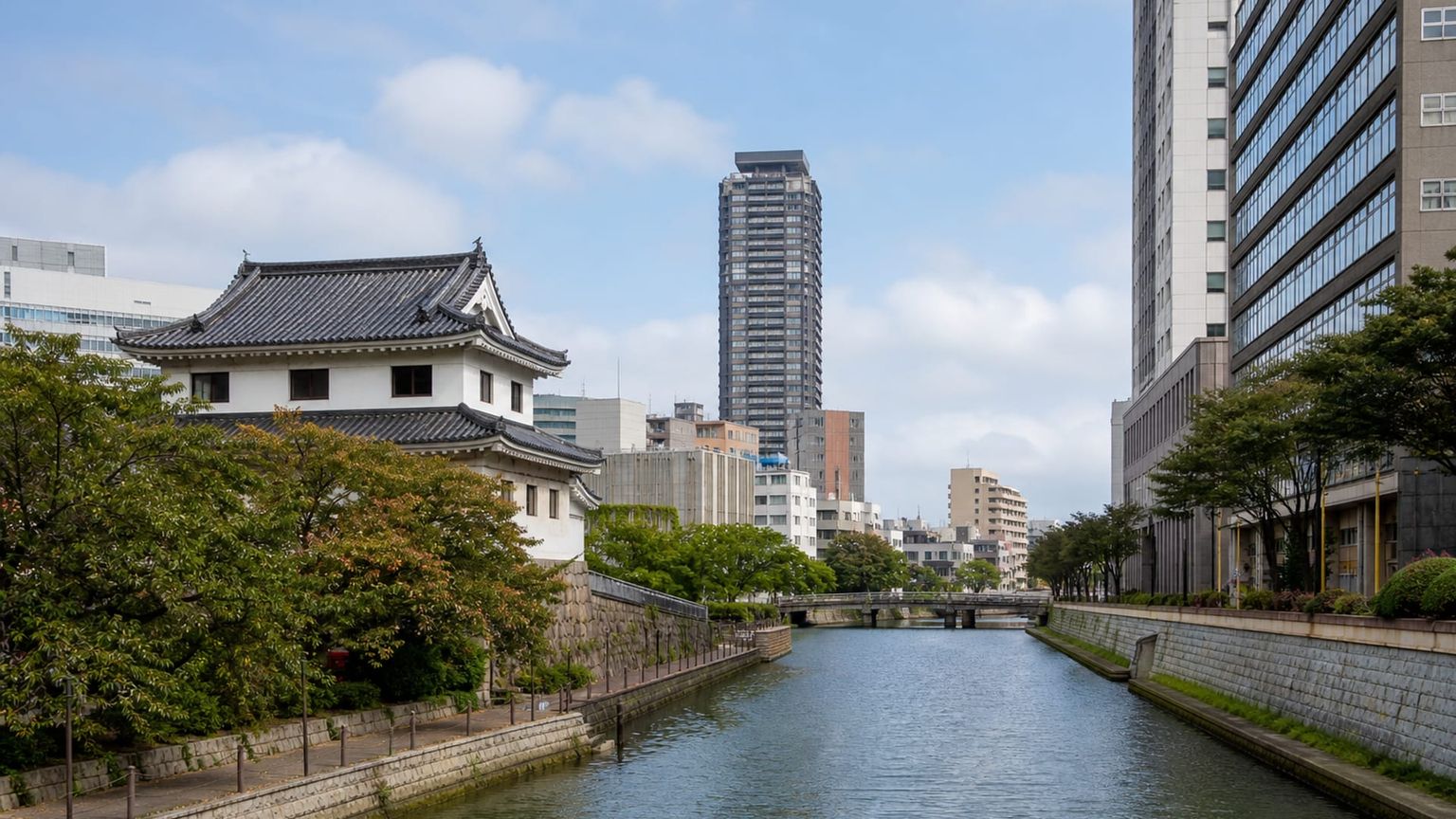
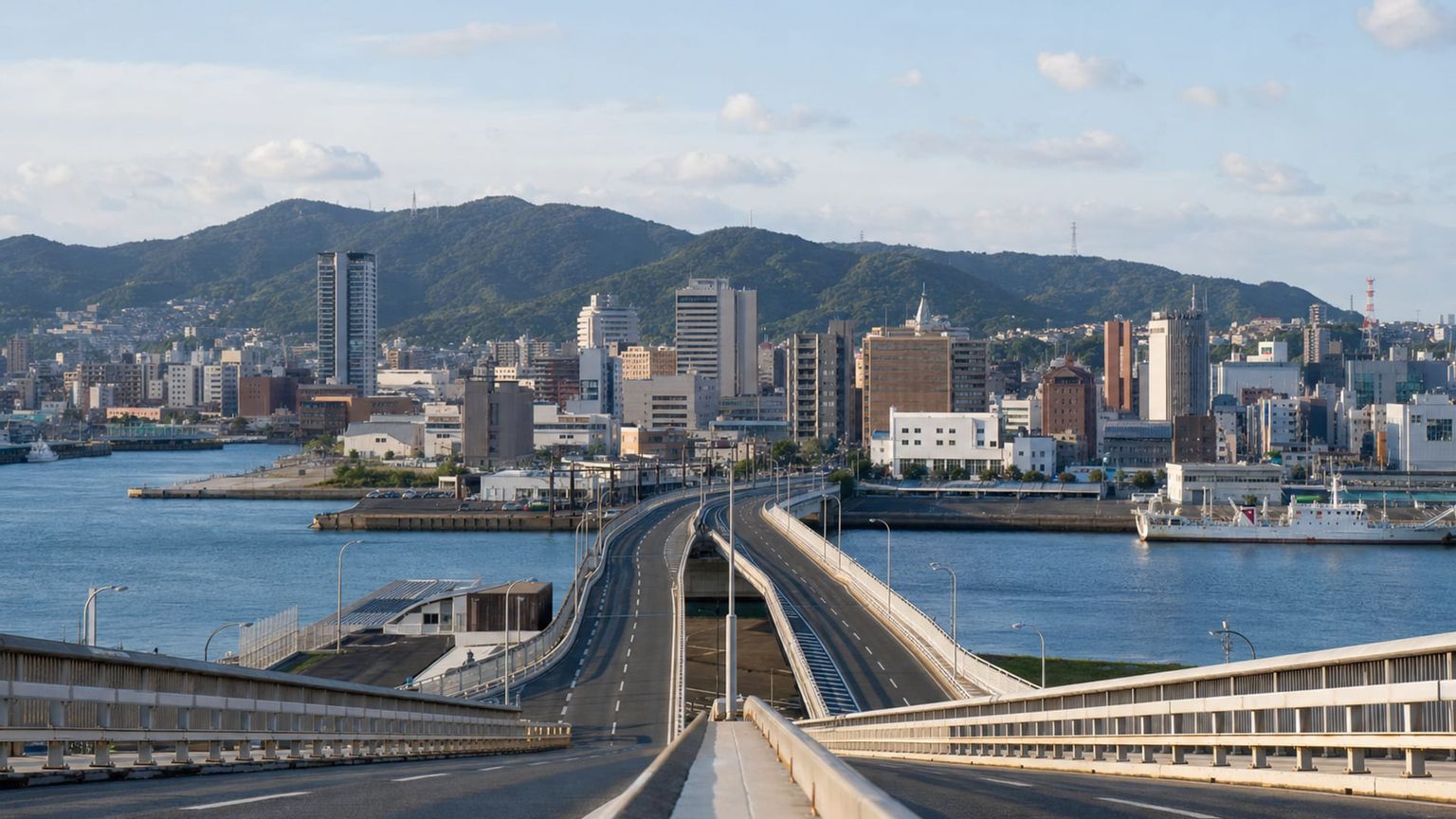
Kitakyushu’s main center, anchored by Kokura Station, Kokura Castle, and the city’s largest cluster of hotels, shops, and restaurants. It suits visitors who want the easiest rail access, a walkable base, and quick links to the rest of the city.
Best for: First-time visitors, rail travelers, and people who want the city’s main dining and shopping base
What to expect: Busy sidewalks near the station, office traffic by day, and a livelier dinner scene after dark.
Hotel prices: Usually about ¥8,000 to ¥18,000 (~$55 to ~USD 125) per night for well-rated stays
Distance to major sights: 10 to 15 minutes on foot to Kokura Castle; about 20 to 25 minutes by train or bus to Mojiko Retro
Quietness: Daytime is busy and transit-heavy, while evenings quiet down a little once the commuter rush ends.
Main trade-off: Top convenience comes with more foot traffic and higher weekend prices than outer districts.
Good to know: If you plan to arrive by train or make several short trips, staying close to Kokura Station will cut down on transfers and taxi use.
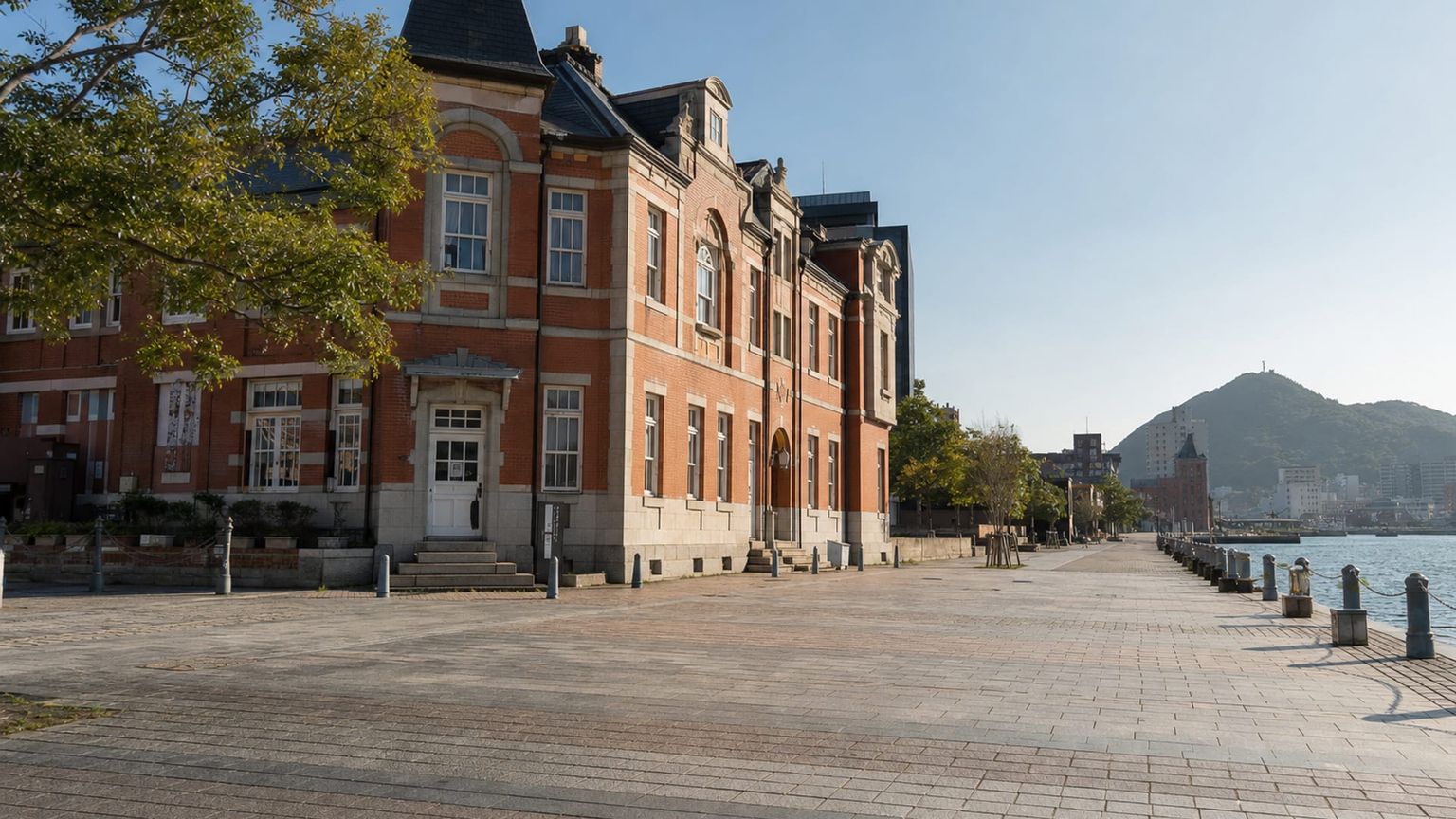
The historic port district at the northern tip of the city, known for preserved Western-style buildings, waterfront views, and the ferry link toward Shimonoseki. It gives the trip a scenic, slower-paced setting with easy access to the bay.
Best for: Harbor views, heritage architecture, and travelers who prefer a scenic base over station access
What to expect: Tourists cluster around the renovated port area, with relaxed foot traffic and evening views over the water.
Hotel prices: Usually about ¥10,000 to ¥24,000 (~$70 to ~USD 170) per night for well-rated stays
Distance to major sights: 5 to 10 minutes on foot to Mojiko Station and the waterfront; about 15 minutes by train to Kokura Station
Quietness: Days are lively with sightseers, while evenings become much calmer after day trippers leave.
Main trade-off: You gain atmosphere and bay views, but you give up some convenience for late-night dining and central rail connections.
Good to know: Restaurants thin out earlier here than in Kokura, so check dinner hours before you book a room.
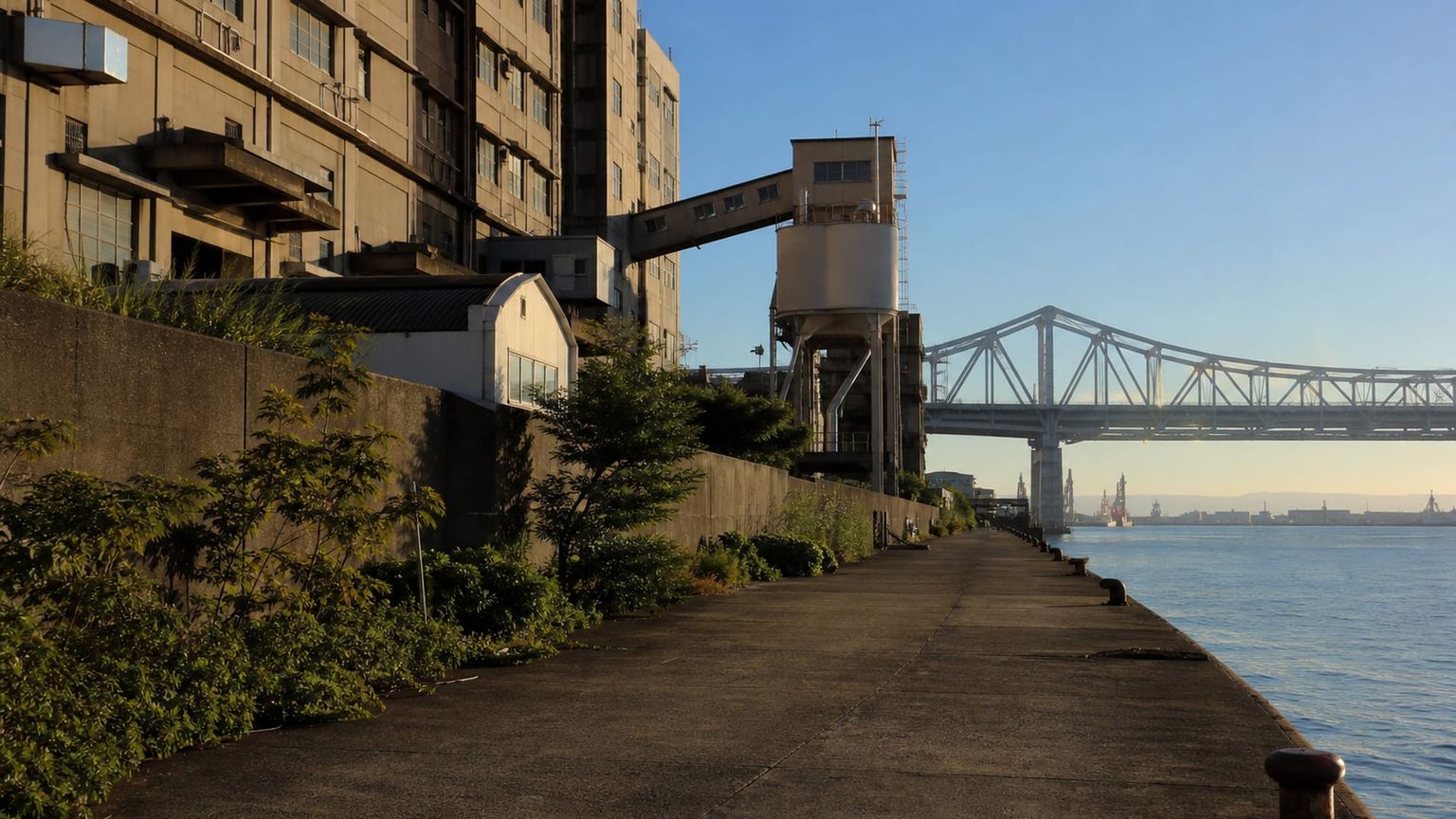
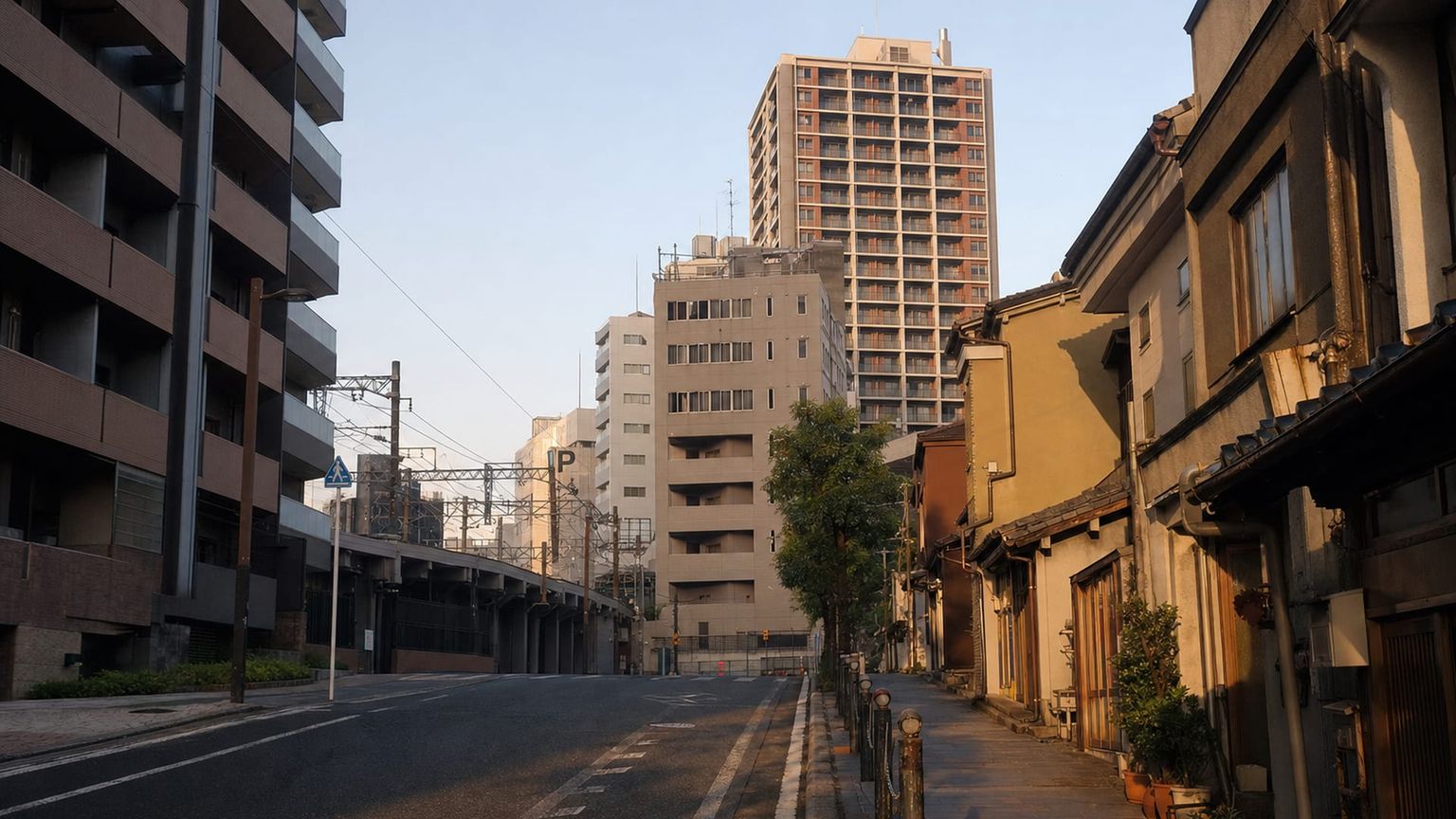
A residential and portside ward on the western side of Kitakyushu, with access to the beach at Yobuko?
Best for: Travelers seeking a quieter local base and visitors with business in western Kitakyushu
What to expect: Local shopping streets, lighter pedestrian traffic, and fewer visitors than the central station area.
Hotel prices: Usually about ¥6,500 to ¥14,000 (~$45 to ~USD 100) per night for well-rated stays
Distance to major sights: About 20 to 30 minutes by train to Kokura Castle; roughly 15 to 20 minutes by train to Space World area
Quietness: Daytime stays local and low-key, and evenings turn notably quiet once shops close.
Main trade-off: Accommodation can be cheaper, but you will spend more time riding trains or buses for major sights.
Good to know: Check last-train times if you expect late dinners in Kokura, because the return trip can end earlier than you expect.
Travelers usually avoid staying in the industrial waterfront zones of Wakamatsu and Yawata, since they sit far from Kokura Castle, Mojiko Retro, and the main station area, with limited visitor-oriented dining after dark. The outer edges of Kokura Minami and the inland parts of Moji ward are also less convenient, because hotel choices are thinner and evening transit back from central sights takes longer.
Hotel deals
How to get around Kitakyushu efficiently
Kitakyushu has no metro, so JR trains, Nishitetsu buses, taxis, and short walks do most of the work between Kokura, Mojiko, and Tobata.

Metro
for longer distances
Kitakyushu does not have a metro, so visitors usually use JR trains instead, especially the Kagoshima Line and the train from Kokura to Mojiko. Fares are distance-based, with local hops often about $1 to $3 (¥150 to ¥450), and IC cards such as SUGOCA work on most urban trains. For airport access, the JR link between Kokura and nearby stations usually takes about 15 to 25 minutes depending on the connection.

Bus and tram
for convenience
Kitakyushu’s Nishitetsu buses cover Kokura, Yahata, Mojiko, and the airport area, with many city routes running every 10 to 20 minutes in the main corridors. Standard rides usually cost about $1 to $4 (¥170 to ¥600), and one-day or unlimited local passes are sold for some sightseeing and bus-heavy trips. Board through the rear or middle door on most routes, take a numbered ticket or tap an IC card, then pay at the front when you get off.

Taxi
for convenience or late hours
Licensed taxis use metered fares, not set rates, with an initial charge of about $4 to $5 (¥650 to ¥750) and short city rides often landing near $8 to $20 (¥1,200 to ¥3,000). From Kitakyushu Airport (KKJ) to Kokura or nearby districts, the total can be roughly $25 to $45 (¥3,800 to ¥6,800) depending on traffic and time of day. You can hail street taxis, use hotel ranks, or book by phone, and most vehicles accept cash, major cards, and transportation IC cards.
*Prices are based on rates updated as of June 2026 and may change at the time of travel.
Use JR trains for Kokura and Mojiko hops, buses for wider neighborhood coverage, and taxis when you are moving after dinner or connecting to Kitakyushu Airport (KKJ).
Iconic landmarks
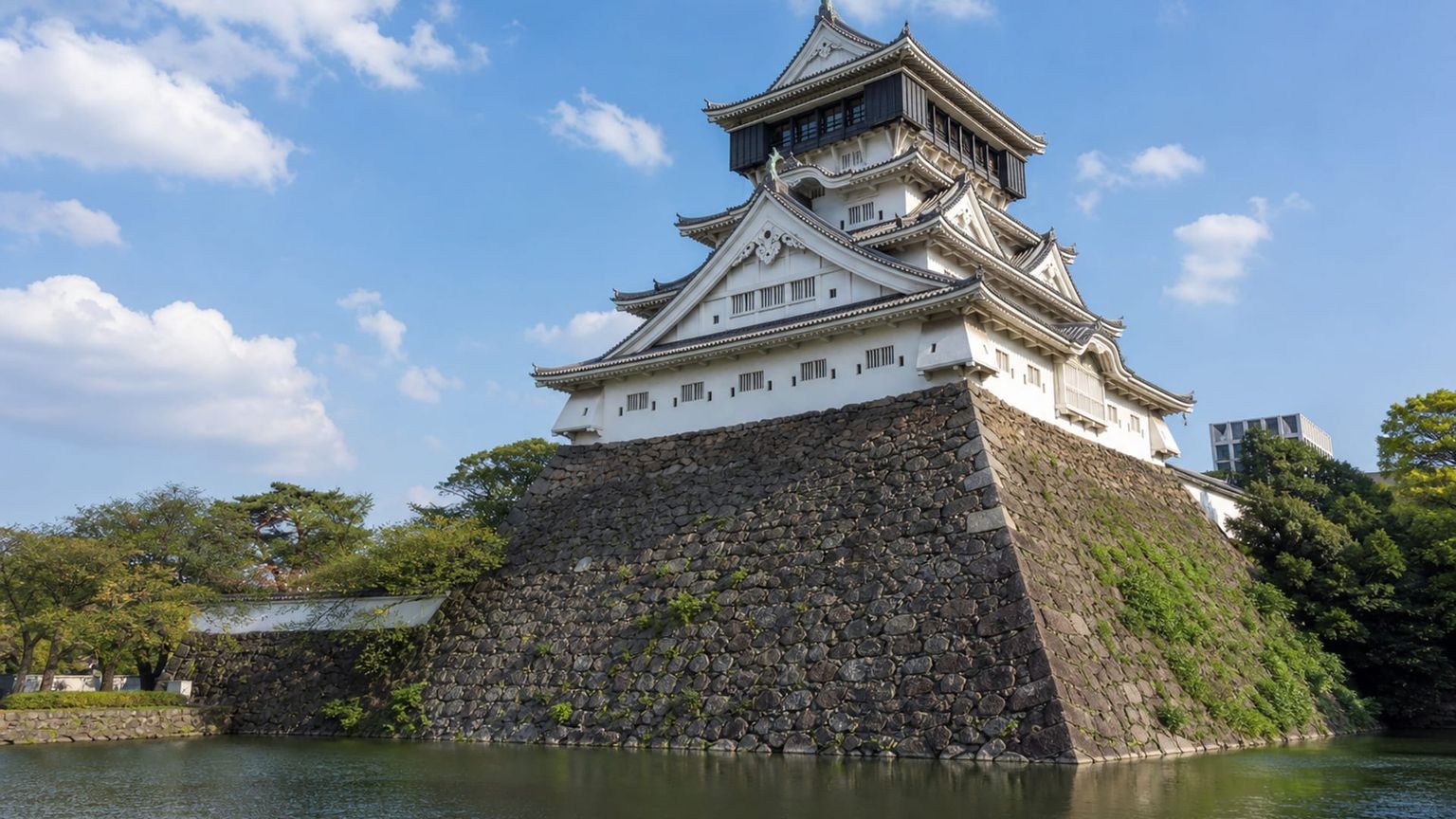
Kokura Castle
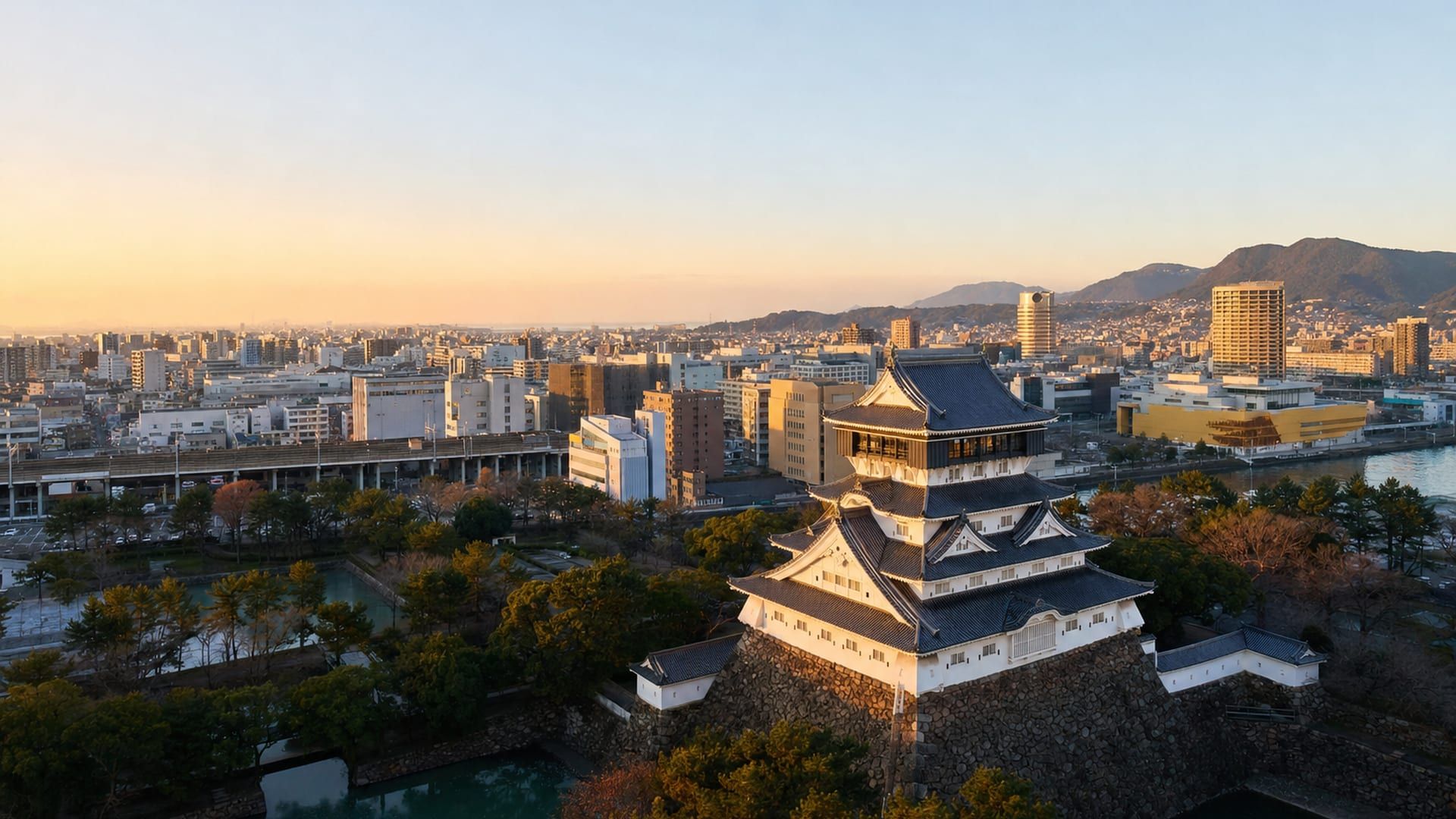
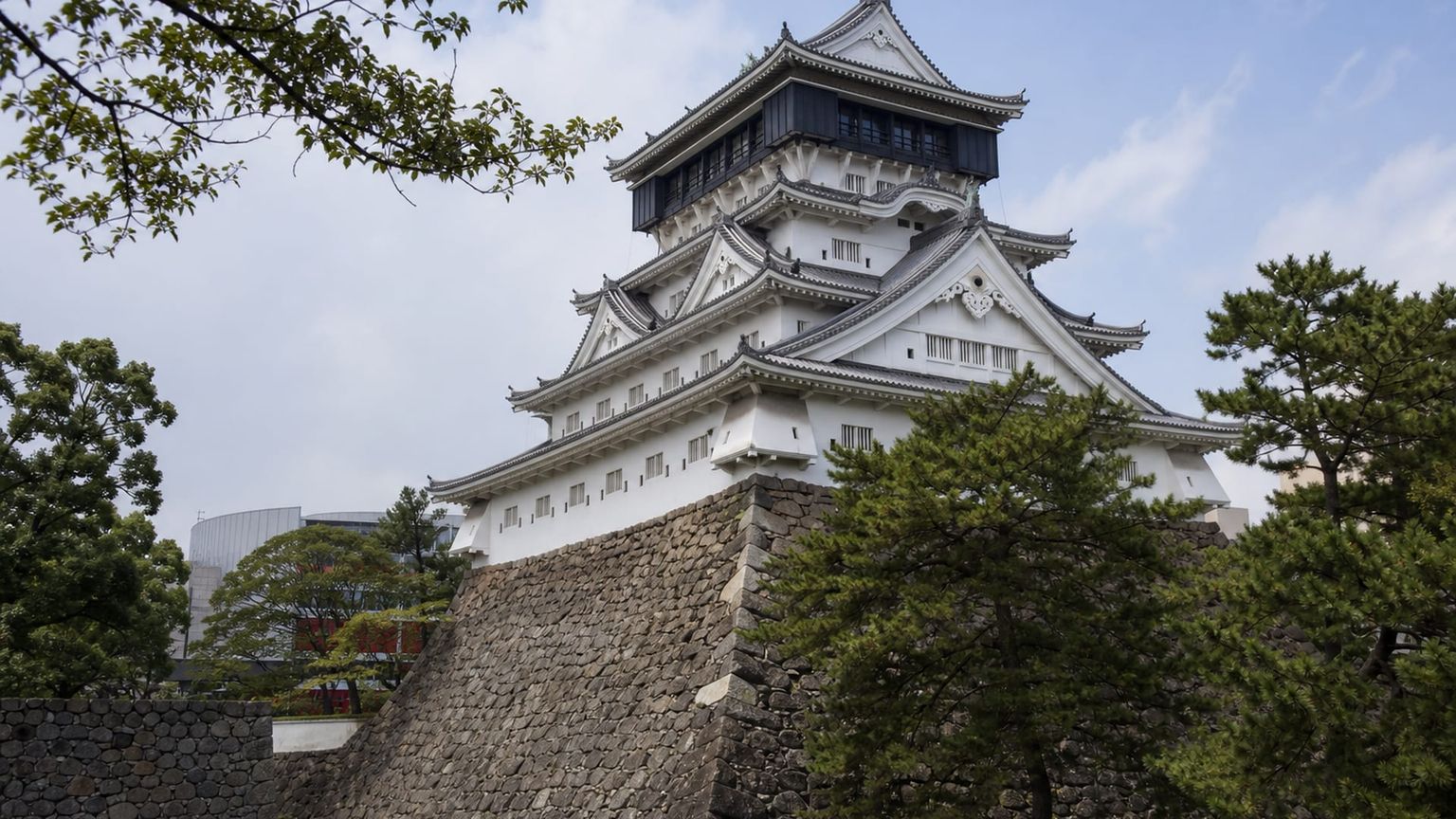
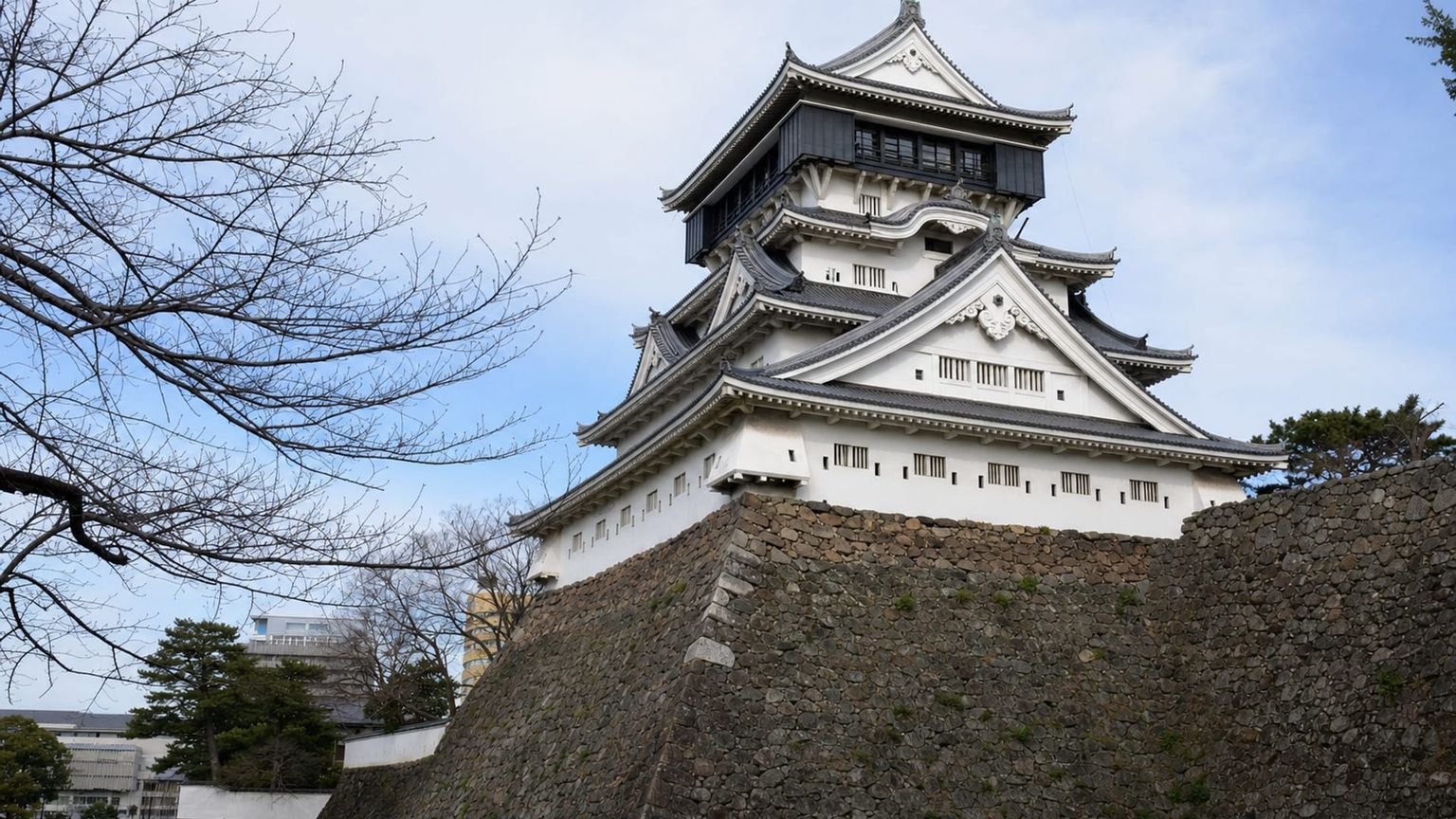
This rebuilt hilltop castle anchors central Kitakyushu with a compact keep, moat, and landscaped grounds. Inside, exhibits cover the Hosokawa and Ogasawara clans, and the surrounding park is a useful stop during cherry blossom season.
Time needed: About 1 to 2 hours
Entry: Admission costs about $3.50 (¥350) for adults, about $1.80 (¥180) for high school and university students, and free for children. Visit the official site for details.
Tip: Go late afternoon for softer light on the keep and quieter paths by the moat.
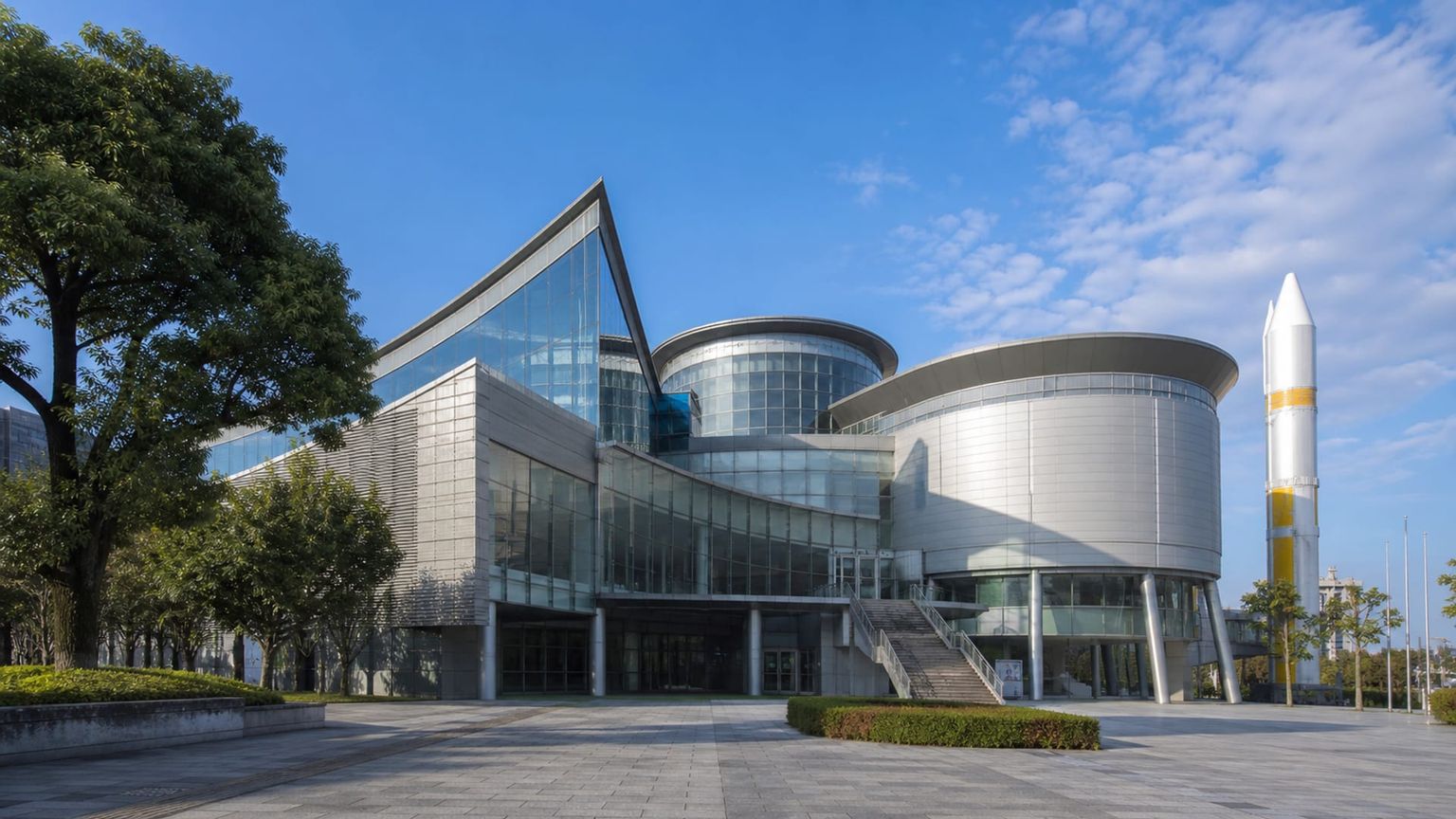
Space LABO
Space LABO brings hands-on astronomy and space science to the Riverwalk complex near Kokura Station. The planetarium, full-size displays, and interactive exhibits make it one of the city’s strongest indoor stops for families and science fans.
Time needed: About 2 to 3 hours
Entry: Admission costs about $7 ($7.00) for adults, about $4 ($4.00) for high school students, and about $2 ($2.00) for children. Visit the official site for details.
Tip: Check the show schedule first, then plan the planetarium visit around your train arrival.
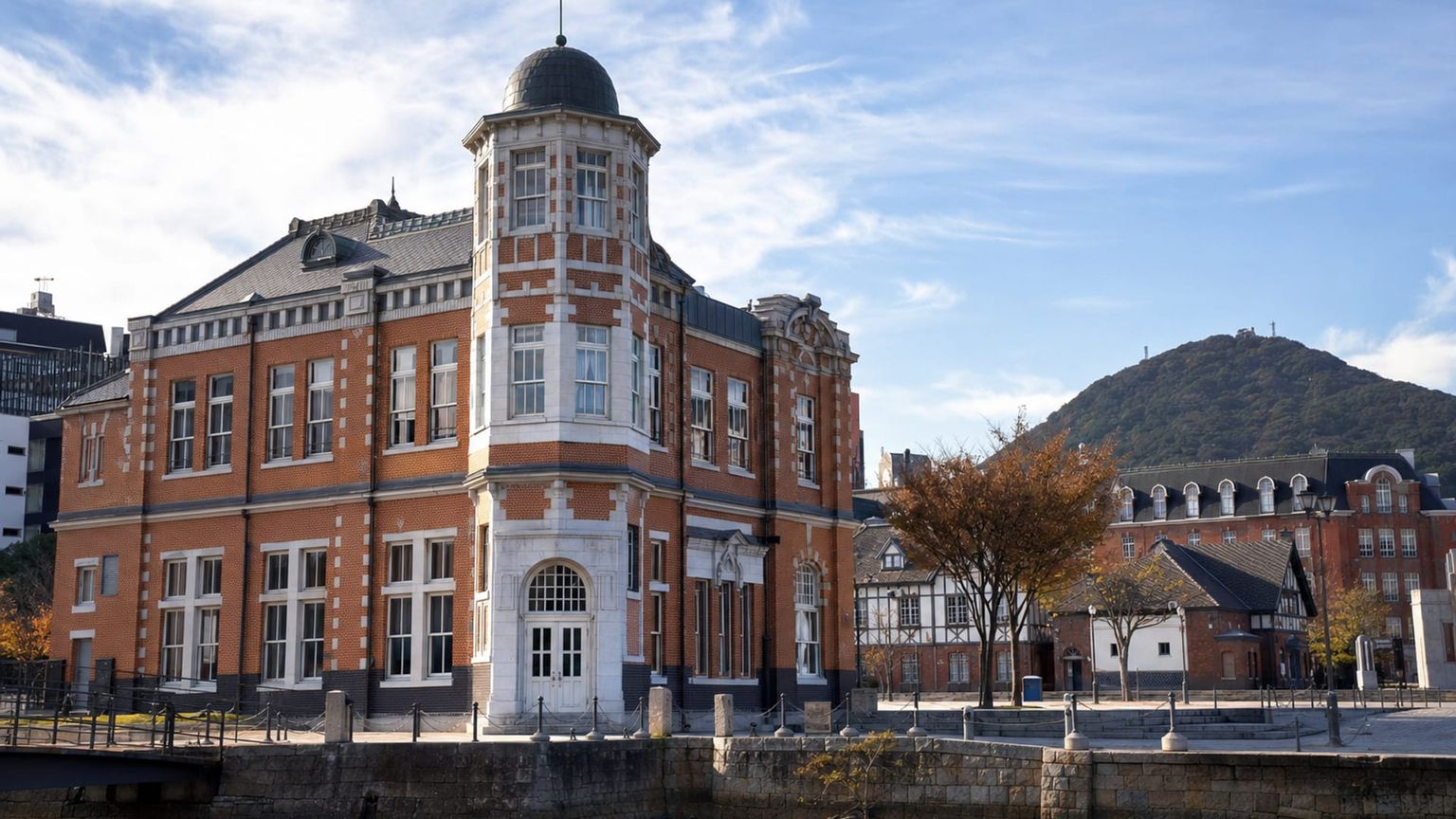
Mojiko Retro district
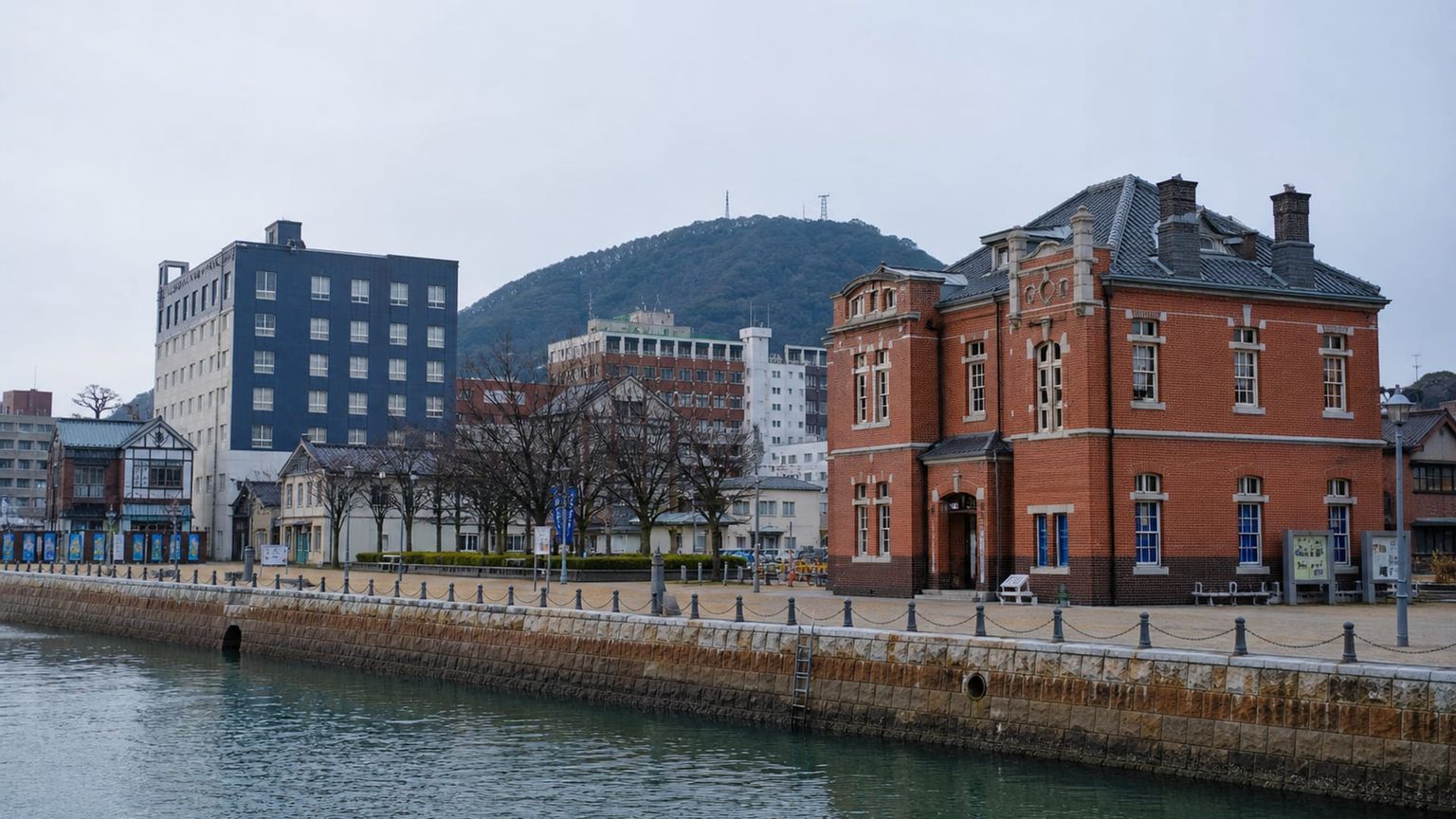
Mojiko Retro clusters restored early 20th-century buildings along the harbor, including the old station, customs house, and viewing points over the Kanmon Strait. It gives Kitakyushu its clearest waterfront architecture and ferry-linked port history.
Time needed: About 2 to 3 hours
Entry: Free to access; some museums and observation rooms charge separate admission, usually about $1.50 to $4 ($1.50 to $4).
Tip: Visit near sunset for the strait views, then stay after dark for the lit-up station front.
Overlooked sites worth visiting

Mojiko Retro Observatory
On the 31st floor of a former customs building, this free lookout surveys the Kanmon Straits, the harbor, and Mojiko Retro’s brick warehouses. The compact deck makes a quick stop easy before sunset.
Time needed: About 30 to 45 minutes
Entry: Free to access; the observatory is open to the public, and you can step in without a ticket. Check building hours before going, since access depends on the surrounding complex schedule and some facilities inside may close earlier.
Tip: Go late afternoon for harbor light and clearer straits views.

Tobata Orthodox Church
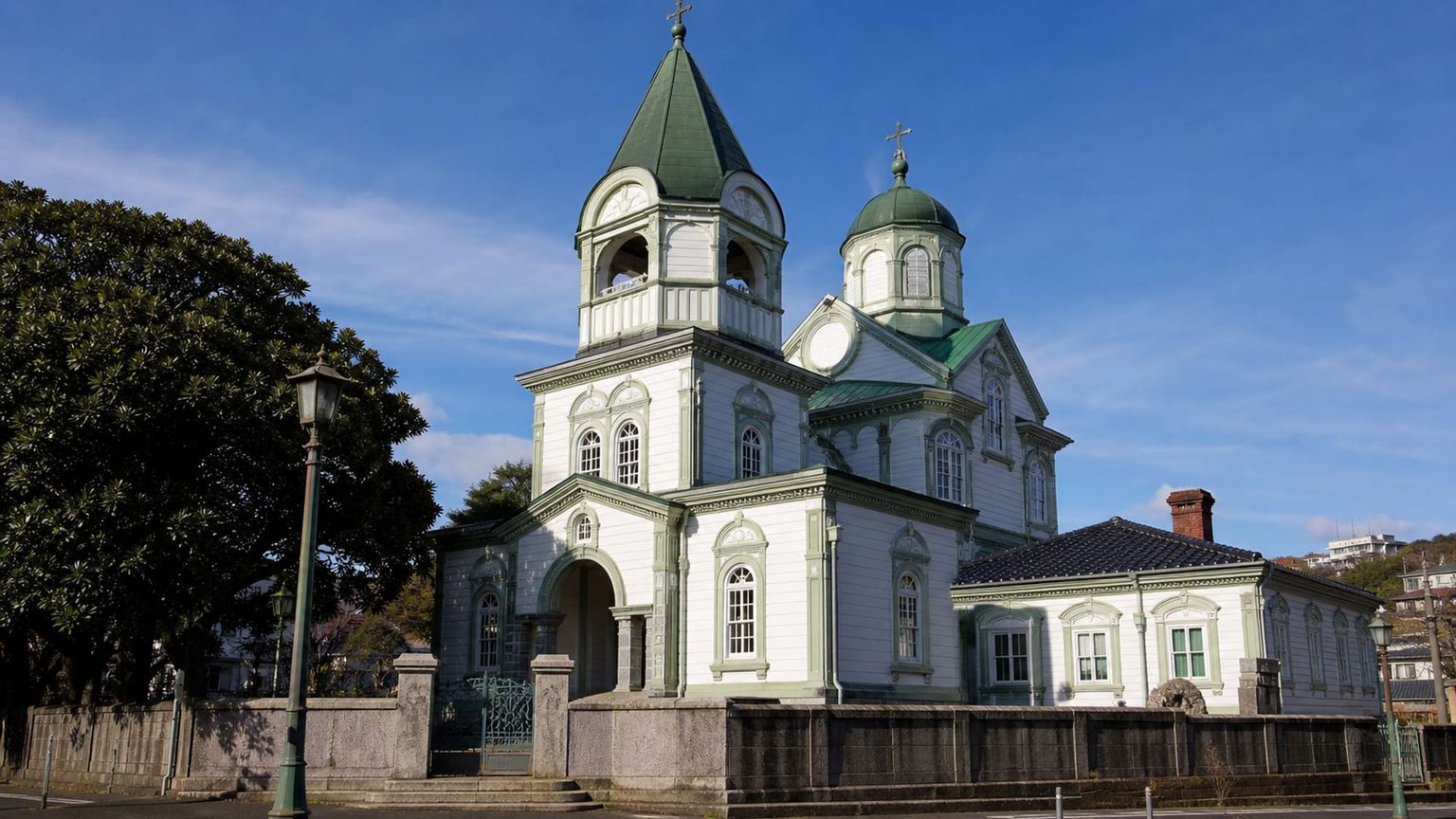
This small wooden Orthodox church, built in 1952, sits in Tobata and is open for quiet visits when services are not underway. Its modest interior and stained glass make it a focused cultural stop.
Time needed: About 30 to 45 minutes
Entry: Admission is free, with donations accepted on site; there is no timed ticket system for ordinary visits. Opening hours can vary, so check the latest schedule before you go if you want to see the interior.
Tip: Visit outside service times if you want to see inside.
Traditional food
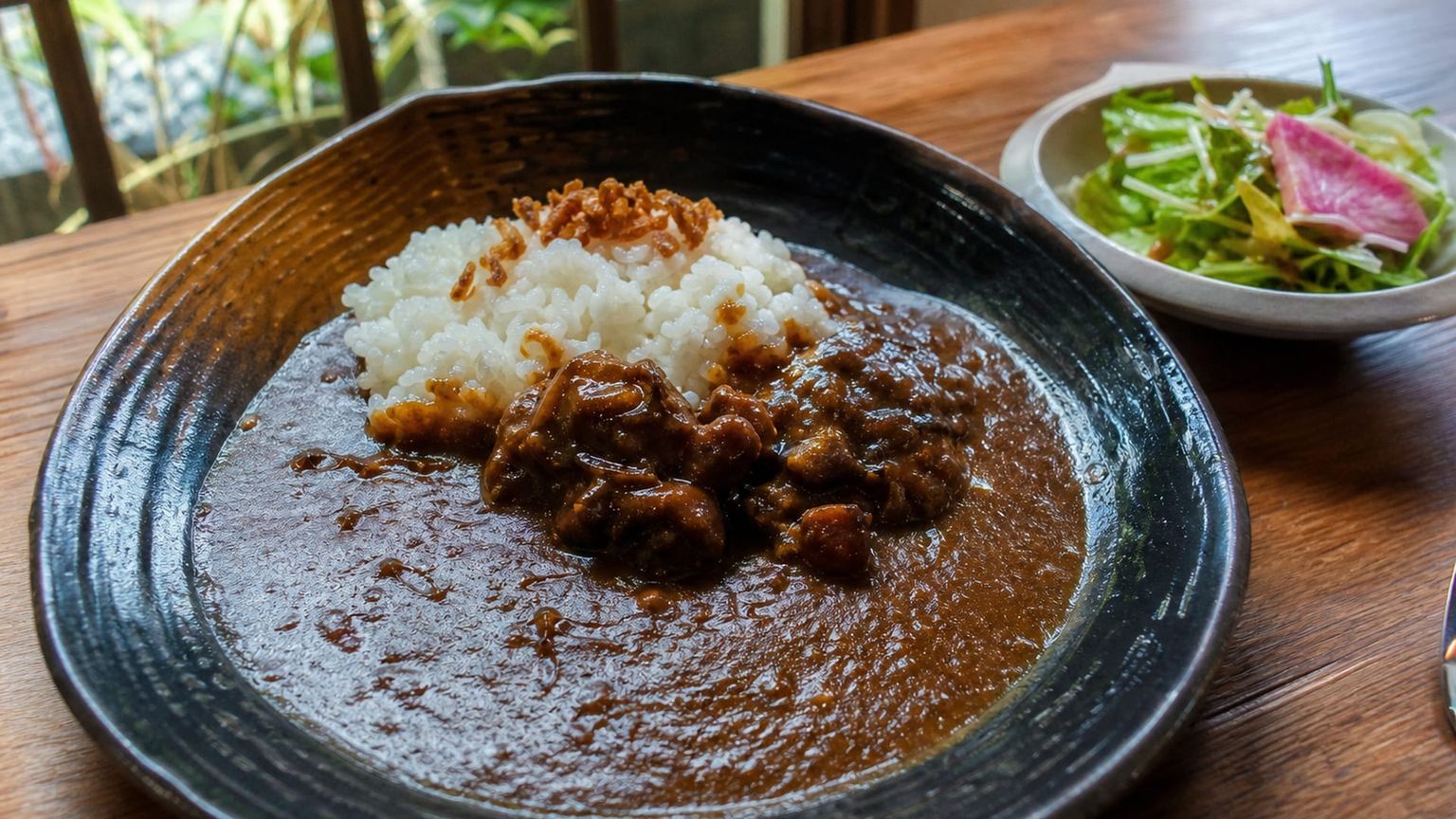
Kitakyushu cooking leans on salty seafood, rich broths, and hearty noodle shops, with yaki udon, kakuni, mentaiko, and kusa mochi all showing up in local meals and snack stops.
Yaki udon
This stir-fried noodle dish is one of Kitakyushu’s signature meals, usually built with soy-based seasoning, vegetables, and meat or seafood. Daruma in Kokura is a canonical stop for it, and locals often point visitors there first.
Kakuni
Slow-braised pork belly brings a richer, sweeter side to the city’s dining scene, especially in set meals and tavern-style plates. Uomachi Gindacchi in Kokura serves a version that fits a stop near the station area.
Mentaiko
Spicy cod roe appears across Kitakyushu in rice bowls, pasta, and side dishes, and it is one of the city’s most recognizable flavors. Mentai Park Otaru in the wider Kitakyushu area anchors a visit around the ingredient itself.
Kusa mochi
This mugwort rice cake gives the city an easy dessert or tea-time finish, with a grassy aroma and a soft, chewy texture. Tsuruya in Kokura is a dependable place to look for it when you want a traditional sweet.
Best time to visit Kitakyushu
Kitakyushu shifts from bright coastal spring days to humid summers, then to crisp autumn weather and cooler winter intervals, so the best season depends on whether you want harbor walks, castle grounds, or easier all-day sightseeing.
Best for: Castle grounds, harbor walks, and cherry blossom viewing
What you get: About 50 to 72°F (10 to 22°C), with comfortable sightseeing weather and moderate crowds outside holiday peaks
Trade-offs: Golden Week can push up hotel rates and fill trains
Best for: Indoor museums, evening waterfront walks, and festival dates
What you get: About 75 to 90°F (24 to 32°C), with humid conditions and heavier weekend crowds at the most popular sights
Trade-offs: Heat and humidity make midday walking tiring
Best for: Clear views from Mojiko and relaxed neighborhood exploring
What you get: About 55 to 77°F (13 to 25°C), with pleasant daytime temperatures and manageable crowd levels
Trade-offs: Typhoon season can affect early autumn travel plans
Best for: Calm station-area days, short sightseeing loops, and food-focused trips
What you get: About 38 to 52°F (3 to 11°C), with lighter crowds and brisk conditions near the water
Trade-offs: Wind off the strait can make Mojiko feel colder than the forecast suggests
A realistic 5-day plan in Kitakyushu
Five days give Kitakyushu enough room to separate the city into clear parts, starting with Kokura, then moving to the castle, Mojiko harbor, Tobata, and a low-key final day near the station.
Fly into Kitakyushu (KKJ), then take a taxi or airport bus into Kokura, roughly 35 to 45 minutes by road and about ¥2,500 to ¥4,000 (~$17 to ~$28) by taxi, or about ¥700 to ¥1,000 (~$5 to ~$7) by bus. Check into a hotel near Kokura Station, then keep the rest of the evening simple with a walk to Riverwalk Kitakyushu for dinner and an early night, since the station area gives you the easiest start for the next few days.
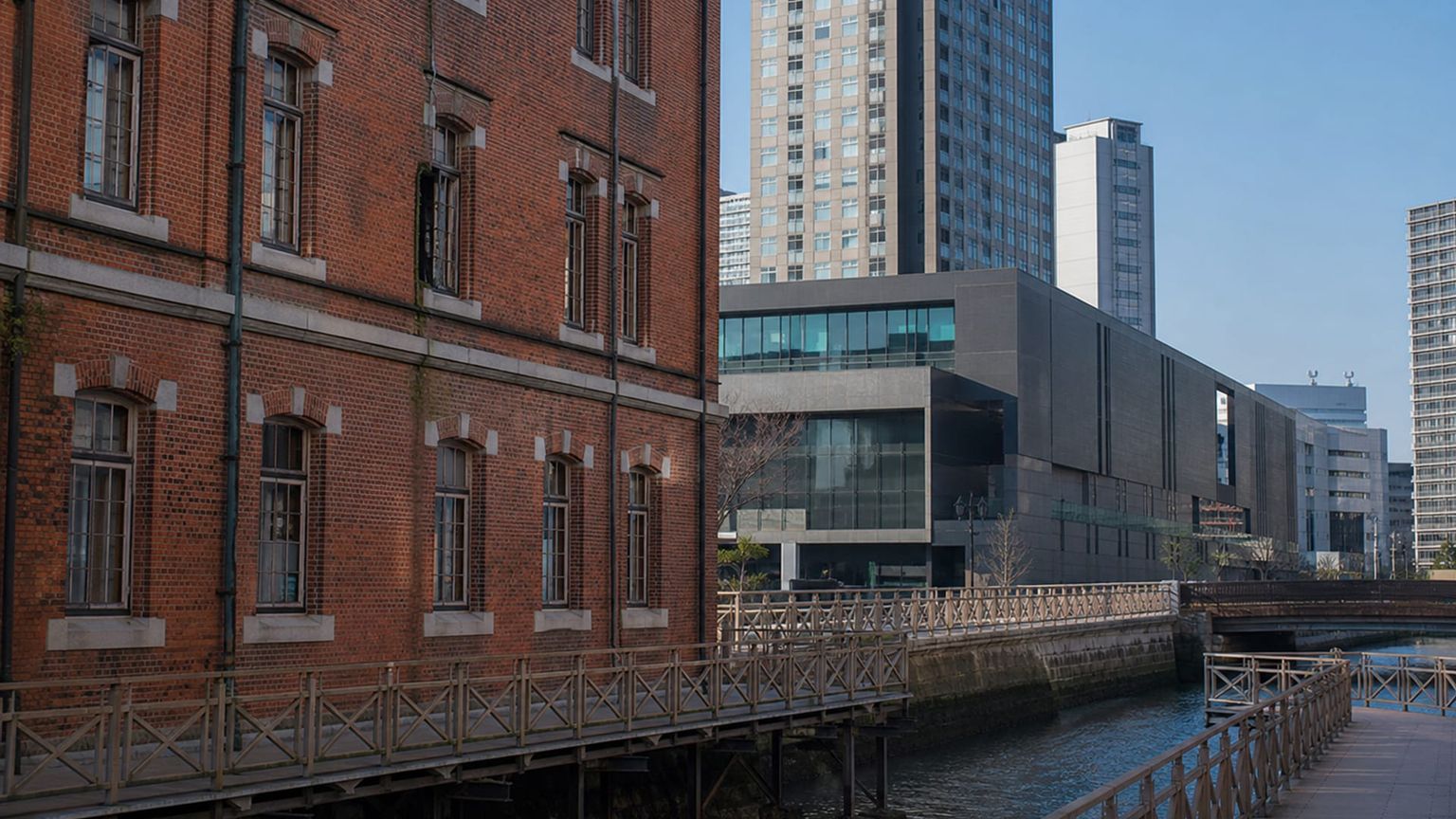
Begin in Kokura with a morning at Space LABO, about 5 to 10 minutes on foot from Kokura Station and roughly 2 to 3 hours inside. From there, walk about 15 minutes to Kokura Castle for the keep, moat, and grounds, then return toward the station area for lunch or an early supper before a final evening stroll through the shopping streets around Riverwalk Kitakyushu.
Mojiko Retro works well for a full harbor day: from Kokura Station, ride the train about 15 minutes to Mojiko Station, then spend the morning among the old station, customs house, and waterfront streets in the Mojiko Retro district. After lunch, walk about 10 minutes up to the Mojiko Retro Observatory for wider Kanmon Strait views, then come back down for sunset near the harbor and dinner in the district before train service thins out.
Cross the city to Tobata for a quieter cultural stop at Tobata Orthodox Church, which takes about 20 to 30 minutes by train from Kokura depending on your connection. After about 30 to 45 minutes at the church, continue back toward Kokura for an afternoon at Kokura Castle if you want a second look, or stay near the station for shopping and a slower meal before evening.
Start the last day with a final coffee in Kokura, then keep the pace low with shopping inside Riverwalk Kitakyushu or the covered streets near Kokura Station, where you can pick up snacks and souvenirs without moving far from your hotel. If you want one last cultural stop, fit in Space LABO for a short revisit or browse a local café in the station area before heading to KKJ for your flight.
Business-class flights from the US to Kitakyushu
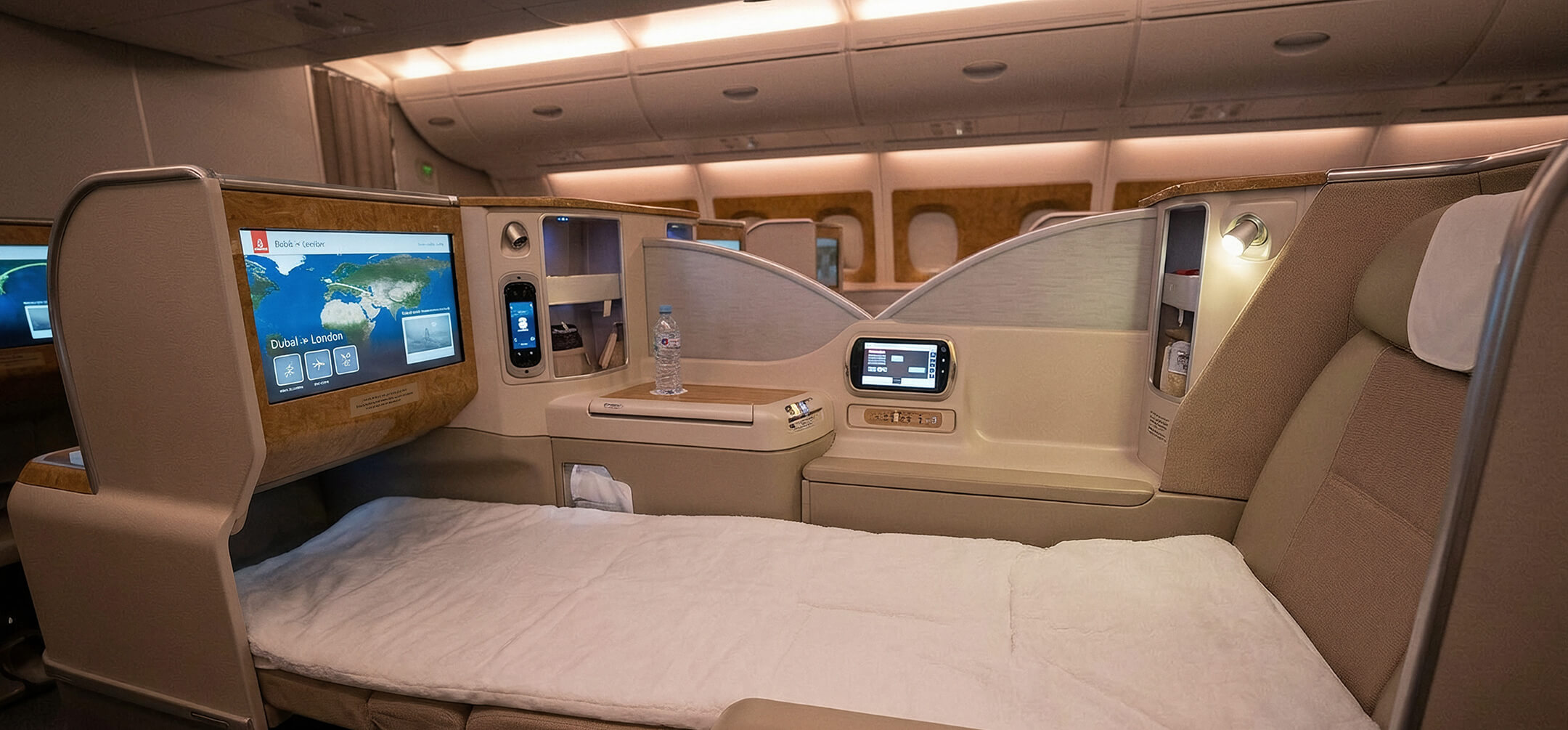
For long-haul arrivals, the cleanest options usually funnel through major hubs in Tokyo, Seoul, Hong Kong, or Doha before the final leg to Kitakyushu Airport (KKJ). The examples below show how that works from New York City and Los Angeles.
From New York City to Kitakyushu (KKJ), Japan Airlines, All Nippon Airways, Korean Air, Delta Air Lines, and United Airlines all appear in the mix, with itineraries typically taking about 14 to 15 hours nonstop when that option is available. One-stop fares usually start at about $6,500 and can reach $11,000, and common layover hubs include ICN, NRT, HND, HKG, and DOH; those connecting trips generally run about 18 to 26 hours.
Los Angeles travelers usually see Japan Airlines, All Nippon Airways, Korean Air, Delta Air Lines, and United Airlines on the KKJ search results, and nonstop flying takes about 11 to 12 hours. Round-trip fares often run from $5,200 to $9,000, while common one-stop routings via Tokyo or Seoul can cut the fare, even though the total journey then stretches to about 15 to 23 hours.
Kitakyushu feels different when you slow down
A deliberate Kitakyushu trip works best when you keep the city in pieces, with Kokura Station as the base, a castle morning, a Space LABO stop, then a train out to Mojiko Retro for harbor views and the observatory before dinner. Tobata adds a quieter contrast, and a final station-area day keeps the departure simple. If you want help shaping that route, the AranGrant experts can build it around the season, your flight timing, and the neighborhoods you want most