

Chapters:

Need help with your trip?
Our support team is available 24/7. Request a callback or call us directly at (833) 619-0908
Kiritimati Island trips often start with a flight into Cassidy International Airport, a night in London, and a quick list of beaches or flats to fit between errands. What visitors often miss is how much time the island asks for on the road, even between places that look close on a map.
That matters here because distances stretch, settlement clusters sit apart, and tide timing can shape where you stop. A rushed plan can turn a lagoon day into a long drive with little time on foot.
This guide keeps the schedule more deliberate, with a base choice, a useful order for sights, and enough space for low-tide walks, simple meals, and the airport transfer at the end.
Useful things to know

Main language(s): English

Currency: The local currency is the Australian dollar (AUD, $).

Cash and cards: Cards and contactless are limited, so carry about $20 to $50 in cash for small purchases.

Tipping: Tipping is not expected; round up small bills or leave a little for exceptional service.

Traditional food: Grilled tuna, coconut crab, taro, breadfruit

Water and coffee costs: Water about $2.50, bar espresso about $3.

Taxis and ride apps: No ride apps operate here; use hotel transfers or local taxis.

Plug and voltage: Type I socket, 240V

Dining and shop opening hours: Breakfast is about 07:00-09:00, lunch 12:00-14:00, and dinner 18:00-20:00. Hours are limited outside settlements, and some places close early or only on select days.

Emergency number: Call 999 for police, fire, and ambulance.
Where to stay in Kiritimati Island
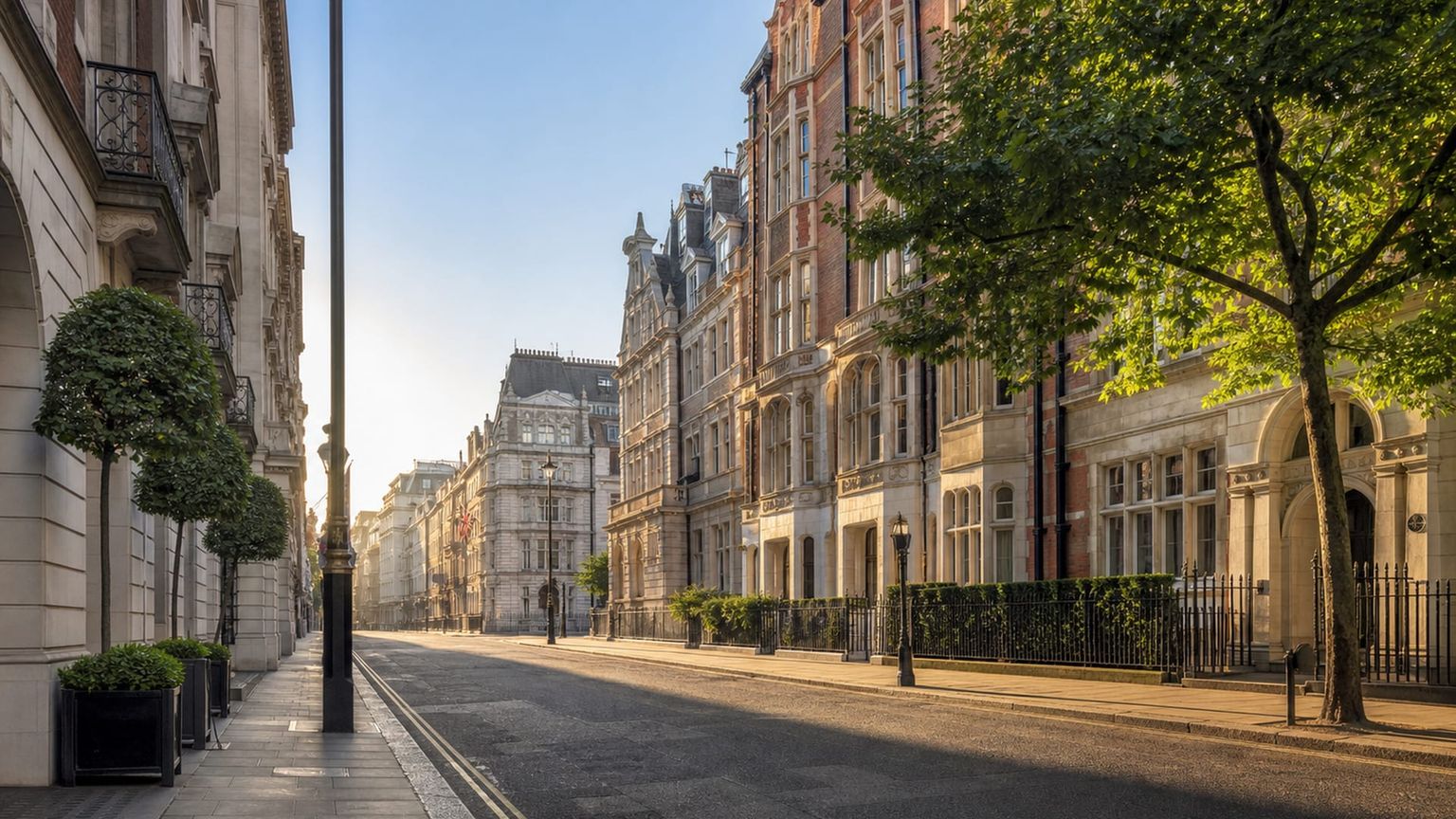
The main settlement near Cassidy International Airport, London is where most guesthouses, shops, and government offices sit on Kiritimati. It works well for visitors who want the easiest base for airport arrivals, supplies, and mainland services.
Best for: Airport access, errands, and visitors who want the island’s main services close by
What to expect: A small island settlement with local traffic, modest footfall, and the most activity in the evening near shops and lodgings.
Hotel prices: Usually about $50 to $120 per night for simple to midrange stays
Distance to major sights: About 10 to 15 minutes by road to Cassidy International Airport, about 5 to 10 minutes to local shops and offices
Quietness: Busyest by day, then quieter after sunset except near a few guesthouses and stores.
Main trade-off: You stay close to amenities, but the area has limited dining and a very small choice of lodgings.
Good to know: If you arrive late or leave early, this is the easiest place to sort transport, food, and supplies without long road transfers.
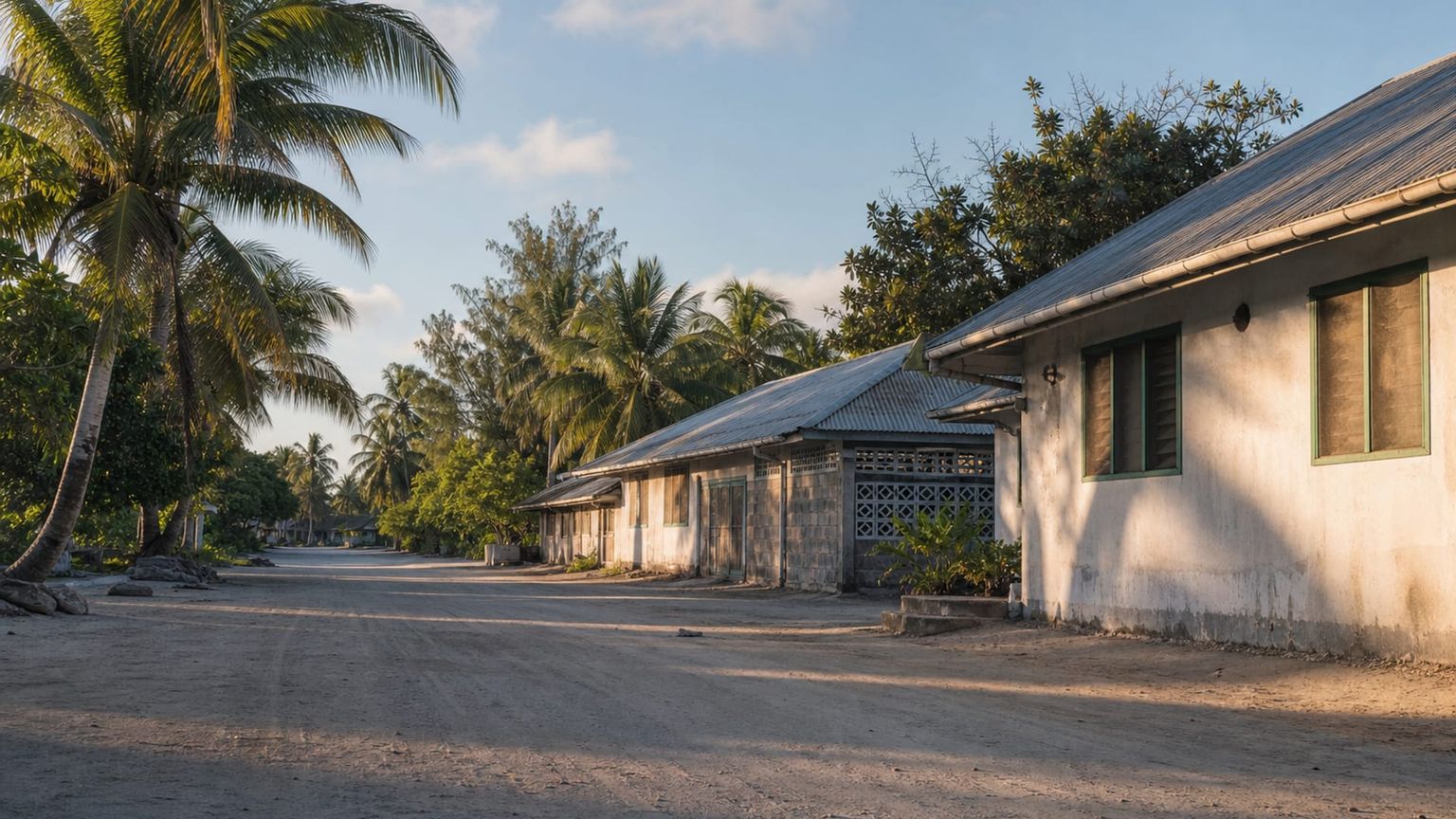
Banana sits on the lagoon side of central Kiritimati and gives travelers a quieter residential base than London. It matters for visitors who want a more local feel while still staying within easy reach of the airport and the island’s main roads.
Best for: Calmer stays, local atmosphere, and travelers planning to move around the island by road
What to expect: Sparse streets, scattered homes, and little evening activity beyond residents and guests passing through.
Hotel prices: Usually about $40 to $100 per night for basic stays
Distance to major sights: About 15 to 20 minutes by road to Cassidy International Airport, about 15 minutes to London
Quietness: Quiet in the day and very quiet at night.
Main trade-off: You trade away on-foot convenience and wider dining choices for more separation from the island’s main settlement.
Good to know: Stock up in London before checking in, because shops and meal options are limited once you settle here.
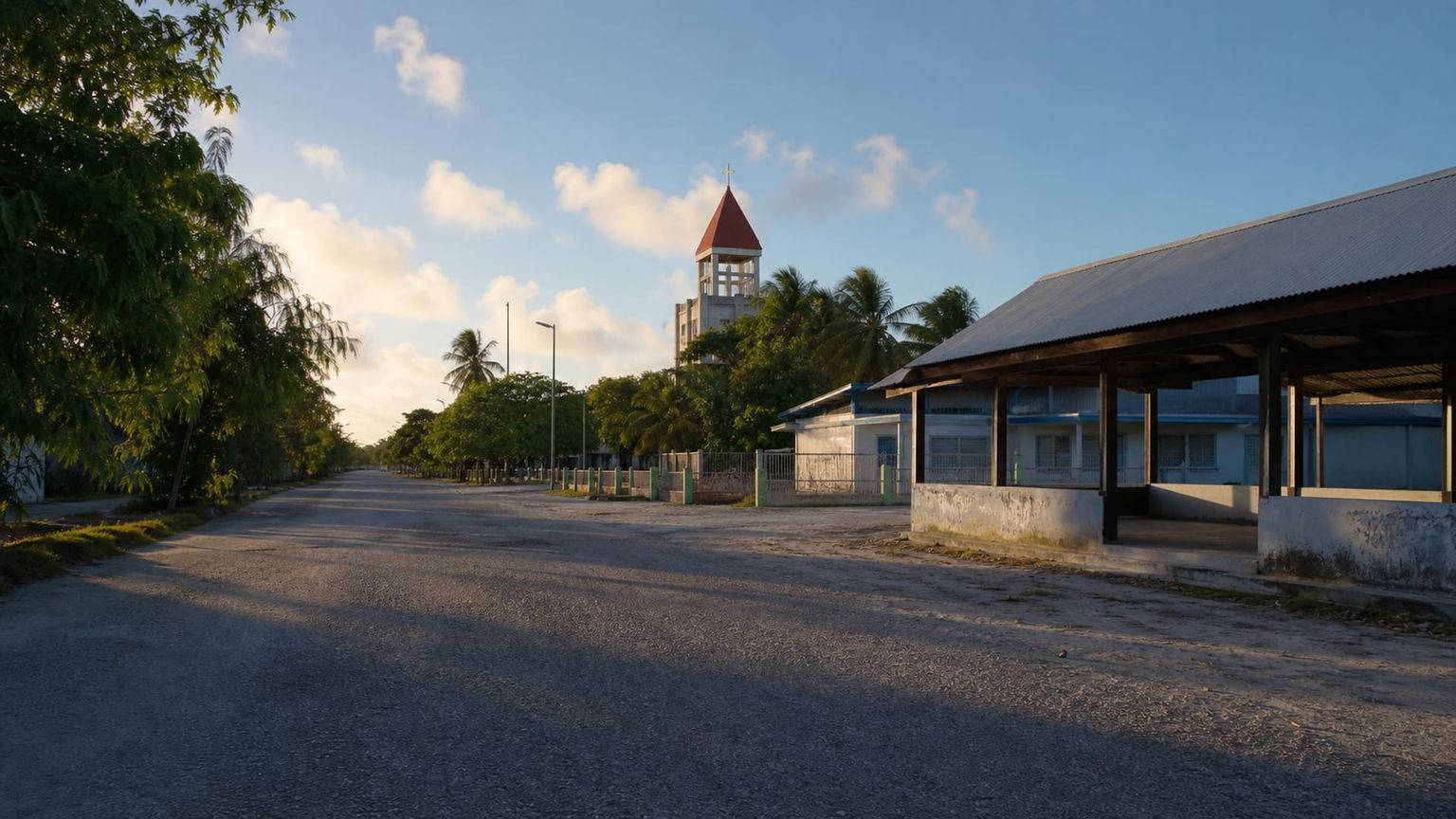
Ponton is a small settlement on the northwest side of Kiritimati, near stretches of reef and lagoon coastline. It suits travelers who want an out-of-the-way base for fishing, shoreline access, and a more isolated island stay.
Best for: Fishing trips, shoreline access, and travelers who want isolation over convenience
What to expect: Very low street activity, with homes spread out and only occasional vehicles on the road.
Hotel prices: Usually about $40 to $90 per night for simple stays
Distance to major sights: About 25 to 35 minutes by road to Cassidy International Airport, about 20 to 30 minutes to London
Quietness: Quiet throughout the day and extremely quiet after dark.
Main trade-off: You gain seclusion and coast access, but you will spend more time on road transfers for meals, supplies, and airport trips.
Good to know: Bring enough cash and supplies, because services are sparse and opening hours can be limited.
Travelers usually avoid the far south around Banana, London, and Poland, since these settlements sit well away from the main village cluster near London and Tabwakea, with few visitor amenities and long evening trips for dining or supplies. The far north near Teraina and the eastern lagoon edge are also less convenient for most stays, because services are sparse and getting back after dark is inconvenient.
Hotel deals
How to get around Kiritimati Island efficiently
Kiritimati Island has no metro or bus network, so most visitors move between London, Banana, the airport, and the shoreline by taxi, hotel transfer, or a hired driver.

Metro
for longer distances
Kiritimati Island has no metro or suburban rail, so there is no rail-based urban network to use between the airport area and settlements. For most visitors, the key overland movements happen by road on the island itself, with distances measured in minutes rather than a city transit map.

Bus and tram
for convenience
There is no public bus or tram network on Kiritimati Island, so there are no routes, timetables, or day tickets to plan for. If you need to move beyond walking range, arrange a vehicle or ask your accommodation about local transfers, especially for runs between Cassidy International Airport (CXI), London, and the main village areas.

Taxi
for convenience or late hours
Licensed taxis are limited and usually need to be booked through a hotel, airport contact, or local operator rather than hailed on the street. Fares are typically quoted as set point-to-point prices, not by meter, with short local trips often about $10 to $25 and longer airport or cross-island rides roughly $20 to $40, depending on distance, time of day, and luggage; confirm the price in advance, and carry cash because card payment is not always available.
*Prices are based on rates updated as of June 2026 and may change at the time of travel.
Walking works well inside London, taxis fit airport runs and point-to-point trips, and a booked vehicle is the best choice when you want to cover Paris Point, Salt Lake, or Banana in one day.
Iconic landmarks
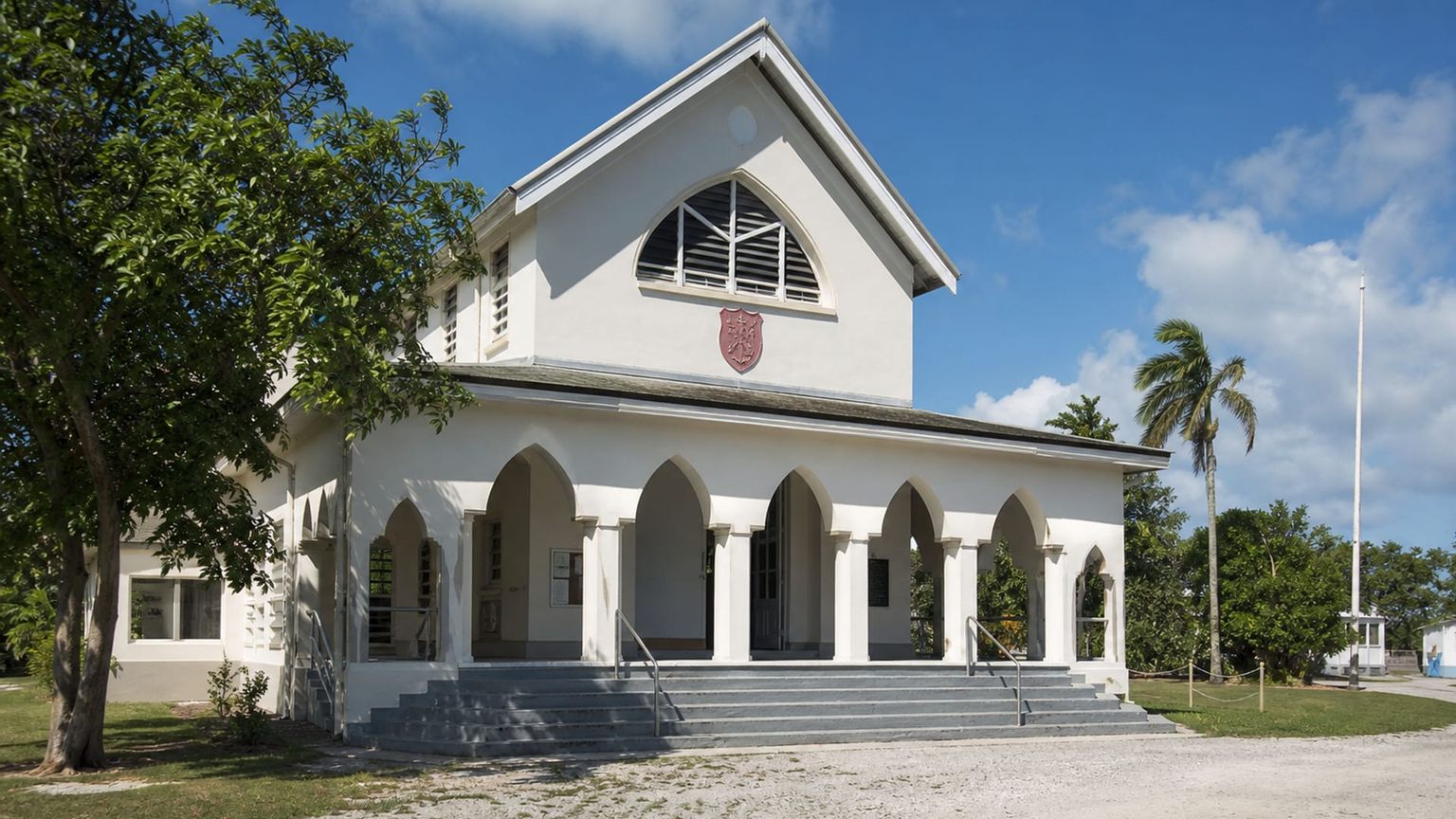
London, Kiritimati
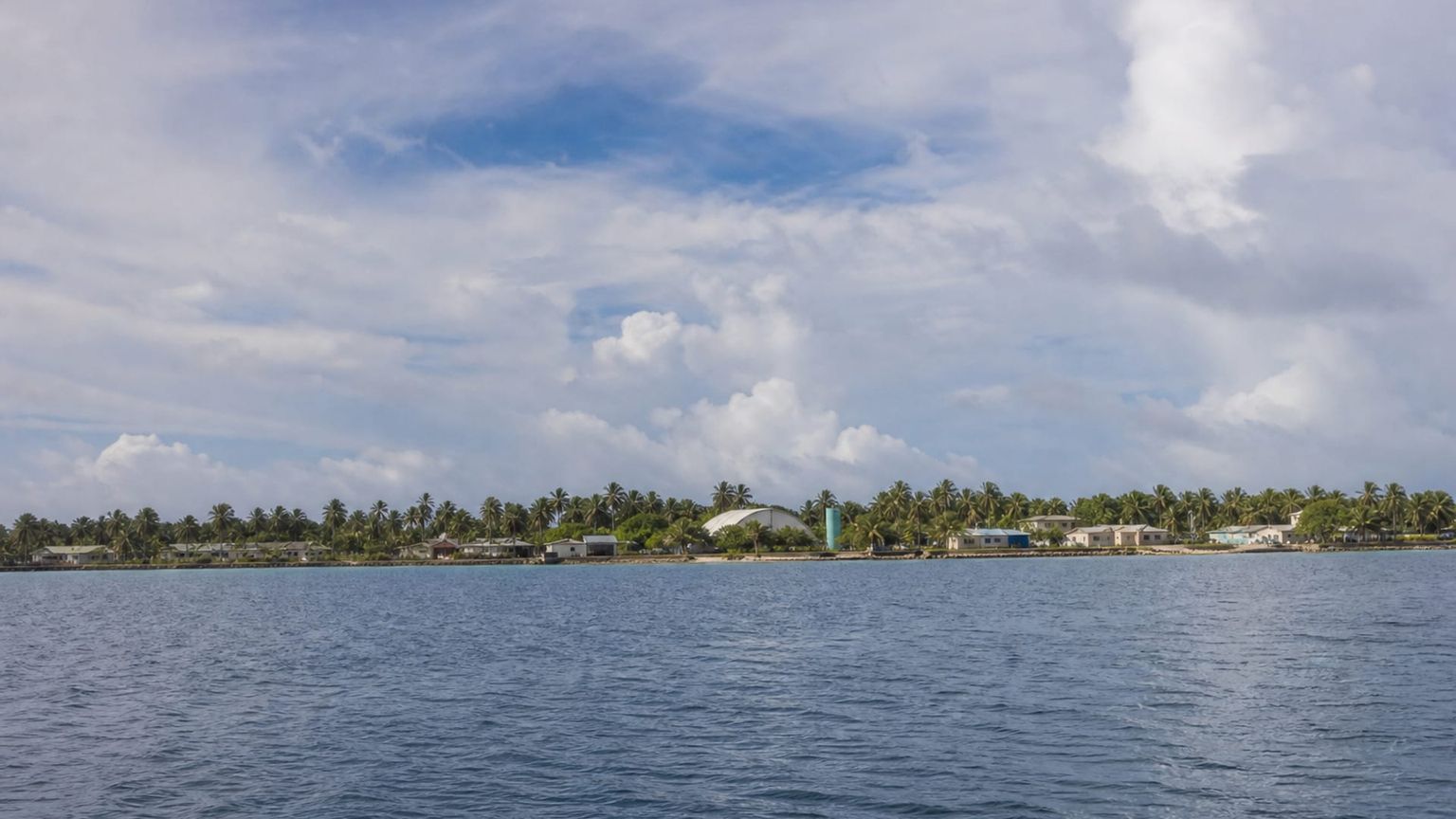
Kiritimati’s main settlement, London, gives you the island’s closest look at daily life, with government offices, small shops, churches, and the port area clustered near the lagoon shore. It also serves as the base for reaching nearby beaches and salt flats.
Time needed: About 1 to 2 hours
Entry: Free to walk through; costs only apply if you buy food, hire a vehicle, or join a paid transfer from town.
Tip: Go early in the day, when shops open and the heat is still lower on foot.
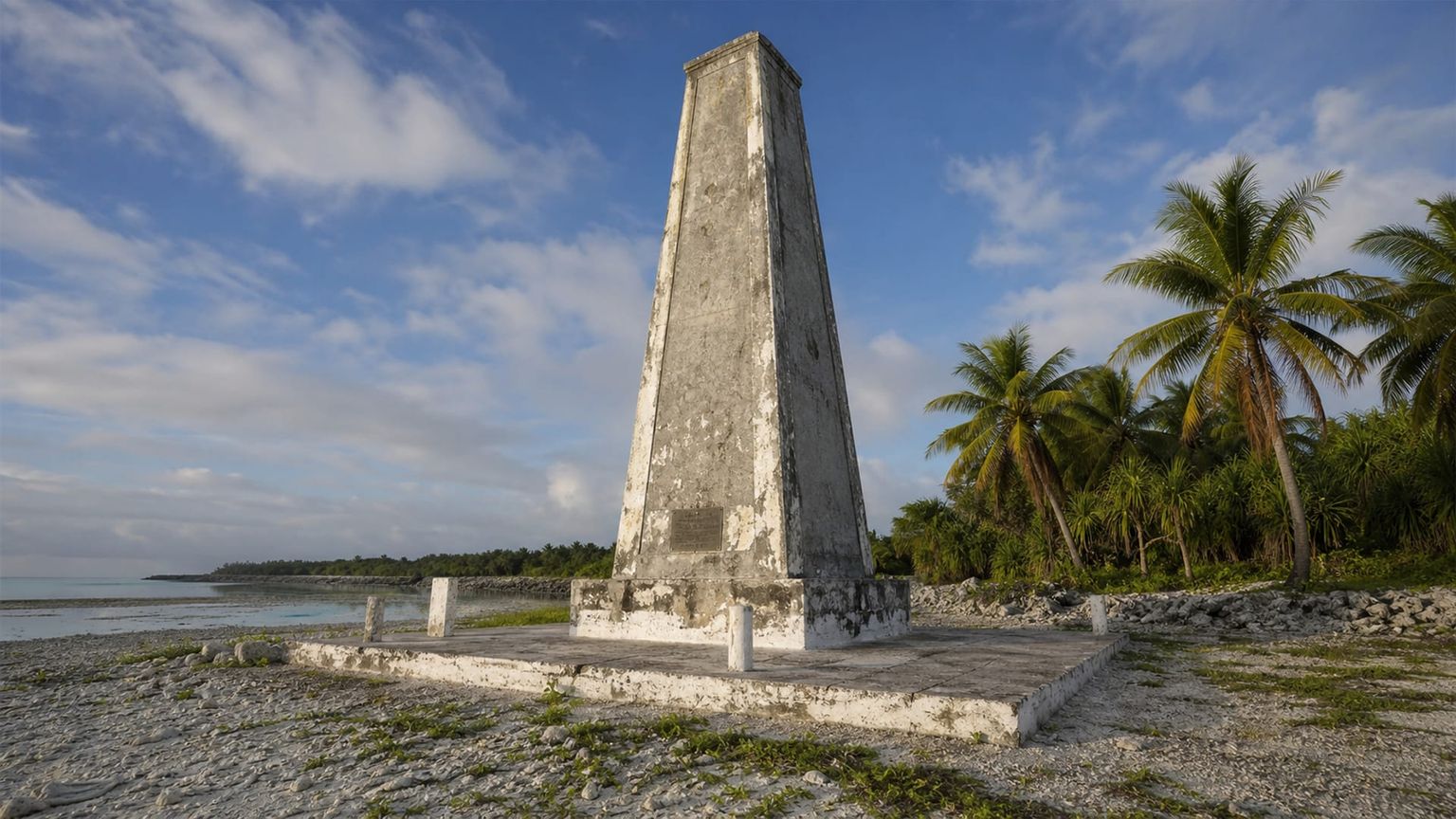
Paris Point
Paris Point marks a dramatic northern headland where pale sand, low reef, and open ocean frame one of Kiritimati’s best coastal views. The area suits a slow stop for photos, tide watching, and birdlife over the flats.
Time needed: About 1 to 2 hours
Entry: Free to access; no timed entry is required, though transport costs vary if you are coming from London or the airport.
Tip: Visit near low tide for the widest reef flat views and safer footing.
Salt Lake
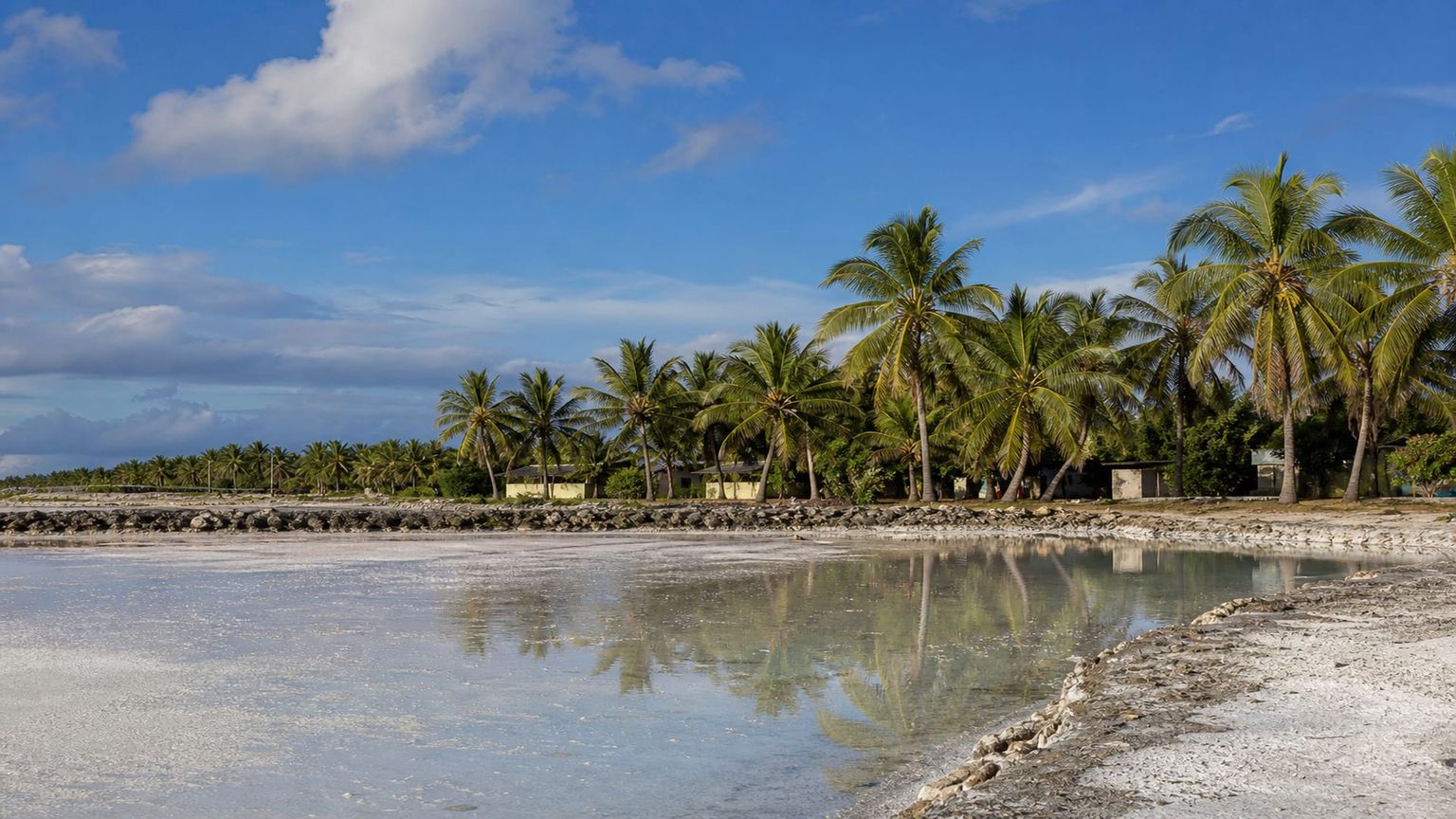
Salt Lake is one of Kiritimati’s most distinctive inland sights, a shallow saline lagoon set among flat land and open sky. Its pale water and stripped shoreline make a strong contrast with the island’s darker ocean fringe.
Time needed: About 1 to 2 hours
Entry: Free to visit; no ticket is needed, but you will need local transport to reach the site from London or the airport.
Tip: Late afternoon light softens the glare and makes the shoreline easier to photograph.
Overlooked sites worth visiting

Flats near Banana Point
These shoreline flats reward a slow walk at low tide, with reef edges, birdlife, and wide views across the lagoon. It is a good place to watch fishermen and the changing light over open water.
Time needed: About 1 to 2 hours
Entry: Free to access as a public shoreline area, with no formal gate or ticket office. Bring sun protection, water, and reef shoes if you plan to walk near wet rock or coral.
Tip: Visit at low tide for the broadest exposed flats.

Kiritimati Cultural Centre
This small museum in London Town shows the island’s Gilbertese and settler history through photographs, artifacts, and local stories. It gives a compact look at daily life on Kiritimati without a long visit.
Time needed: About 45 minutes
Entry: Admission is free, though donations support local displays and upkeep; check local opening times before you go, since hours can shift with community events and staffing.
Tip: Go earlier in the day for a quieter visit.
Traditional food
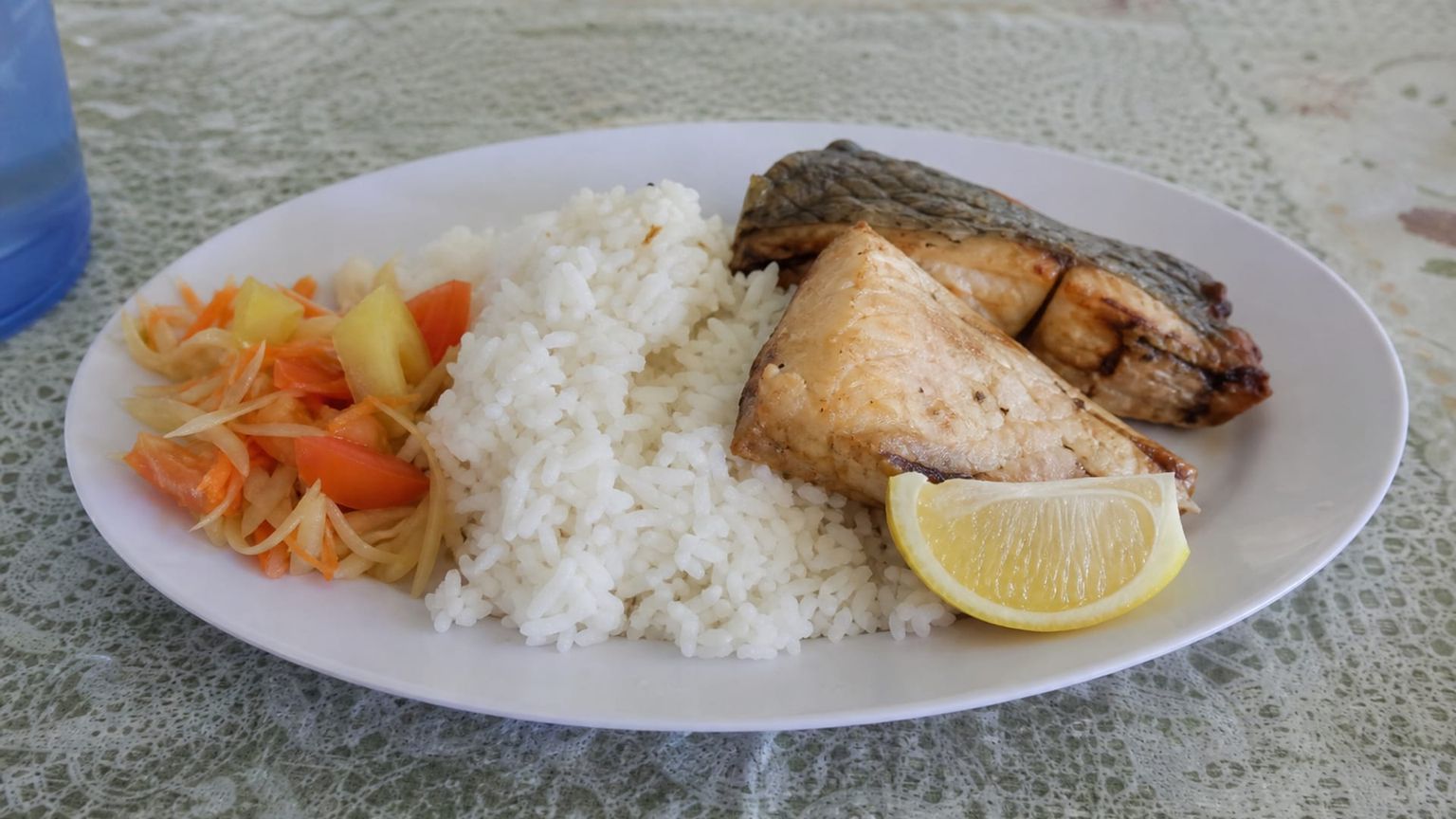
Meals center on grilled tuna, coconut crab, taro, and breadfruit, with simple cooking and early dining hours. Expect fish, starches, and coconut to dominate menus, especially in small guesthouses and local eateries that close early.
Grilled tuna
A staple on Kiritimati, grilled tuna usually arrives with rice, breadfruit, or taro and little fuss. The canonical stop is Teriiki’s Cafe in London, where local fish often anchors the menu.
Coconut crab
This island specialty shows up in simple preparations that let the meat stay rich and sweet. In London, the most natural place to look is Teriiki’s Cafe, which keeps the menu tied to local ingredients.
Taro
Taro appears as a filling side or base, often paired with fish and coconut-based sauces. Teriiki’s Cafe in London is the clearest canonical choice for a straightforward island meal built around it.
Breadfruit
Breadfruit brings a dense, slightly sweet starch to the table, usually alongside grilled seafood. On Kiritimati, Teriiki’s Cafe is the canonical restaurant to associate with this everyday island food.
Best time to visit Kiritimati Island
Kiritimati stays warm year-round, but wind, rain, and road conditions shift enough to change which beaches, flats, and lagoon stops make the best day.
Best for: Best for warm water, long daylight, and low-key lagoon time
What you get: About 79-87°F (26-31°C), with lighter visitor numbers and occasional rain showers
Trade-offs: Heat and humidity can make midday road trips tiring
Best for: Best for steadier outings around London, Salt Lake, and the north shore
What you get: About 77-86°F (25-30°C), with moderate visitor numbers and fewer weather disruptions
Trade-offs: Some days still bring strong sun and dry, exposed walks
Best for: Best for breezier beach walks and low-tide planning
What you get: About 75-84°F (24-29°C), with lighter crowds and more comfortable afternoons
Trade-offs: The island can still feel remote, and some services keep short hours
Best for: Best for flexible sightseeing and quieter road movement
What you get: About 77-86°F (25-30°C), with moderate crowds and a good balance of sun and wind
Trade-offs: Rain can interrupt shoreline stops without much warning
A realistic 5-day plan in Kiritimati Island
The five-day plan follows the island’s geography rather than forcing extra movement into one day. It starts in London, then works north to Paris Point and west to the Banana flats before ending with a short departure-day loop.
Land at Cassidy International Airport (CXI), then take a taxi or prearranged transfer into London, which usually takes about 10 to 15 minutes and costs roughly $10 to $25. Stay near the settlement so you can drop bags quickly, buy water, and avoid a long road crossing on the first evening. A simple guesthouse in London puts shops, basic meals, and the port area within a short walk, so dinner can stay close to your room, with an early plate of fried fish or noodles and plenty of water after the flight.
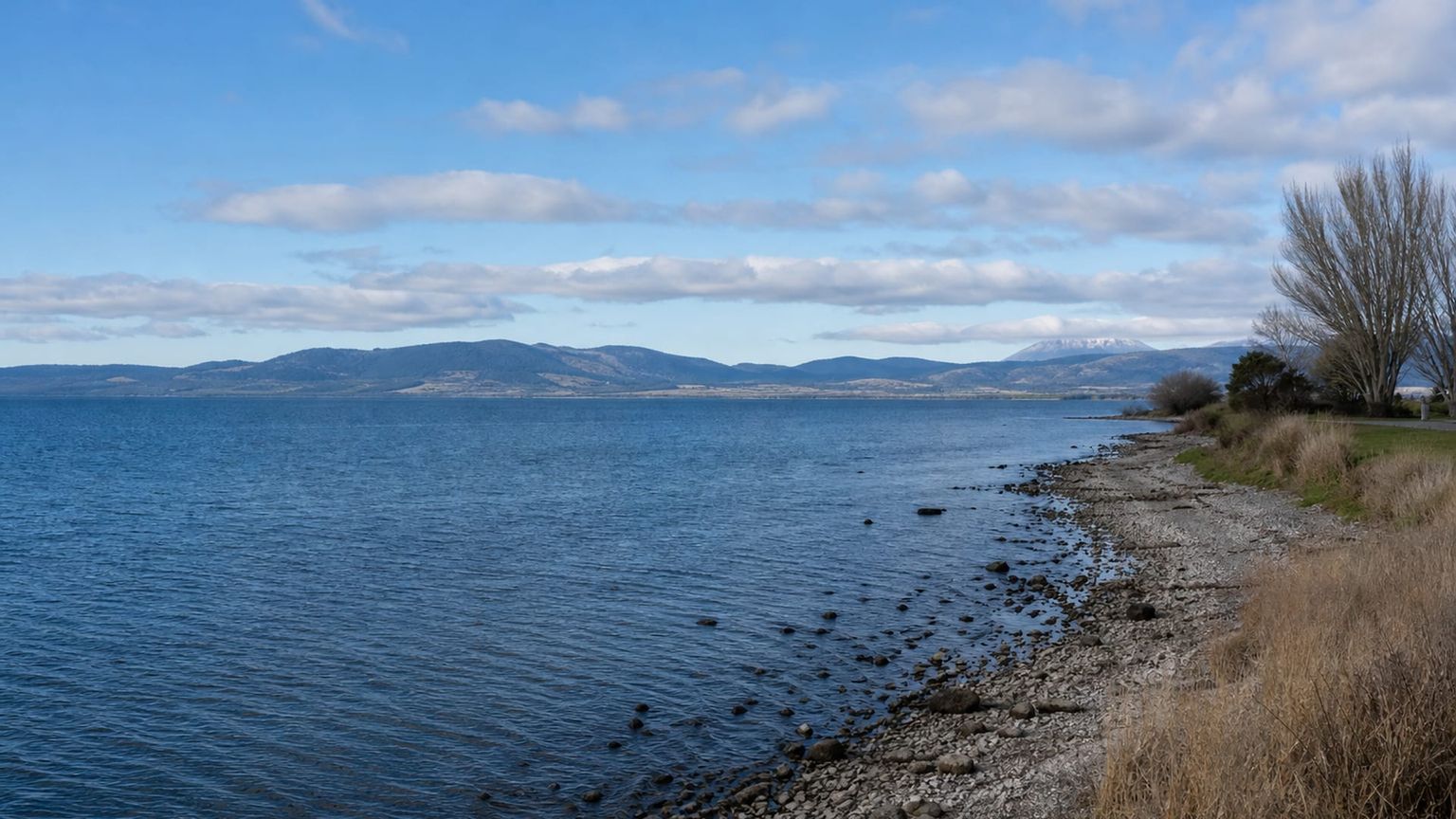
Start early in London, Kiritimati, where the island’s main settlement is easiest to see before the heat builds. Spend about 1 to 2 hours walking past the small shops, churches, government buildings, and port-side frontage, then head about 5 to 10 minutes to the Kiritimati Cultural Centre for a roughly 45-minute stop with photos and local history. From there, continue by road to Salt Lake, about 20 to 30 minutes away, and plan 1 to 2 hours at the shore of the shallow saline lagoon before returning to London for dinner.
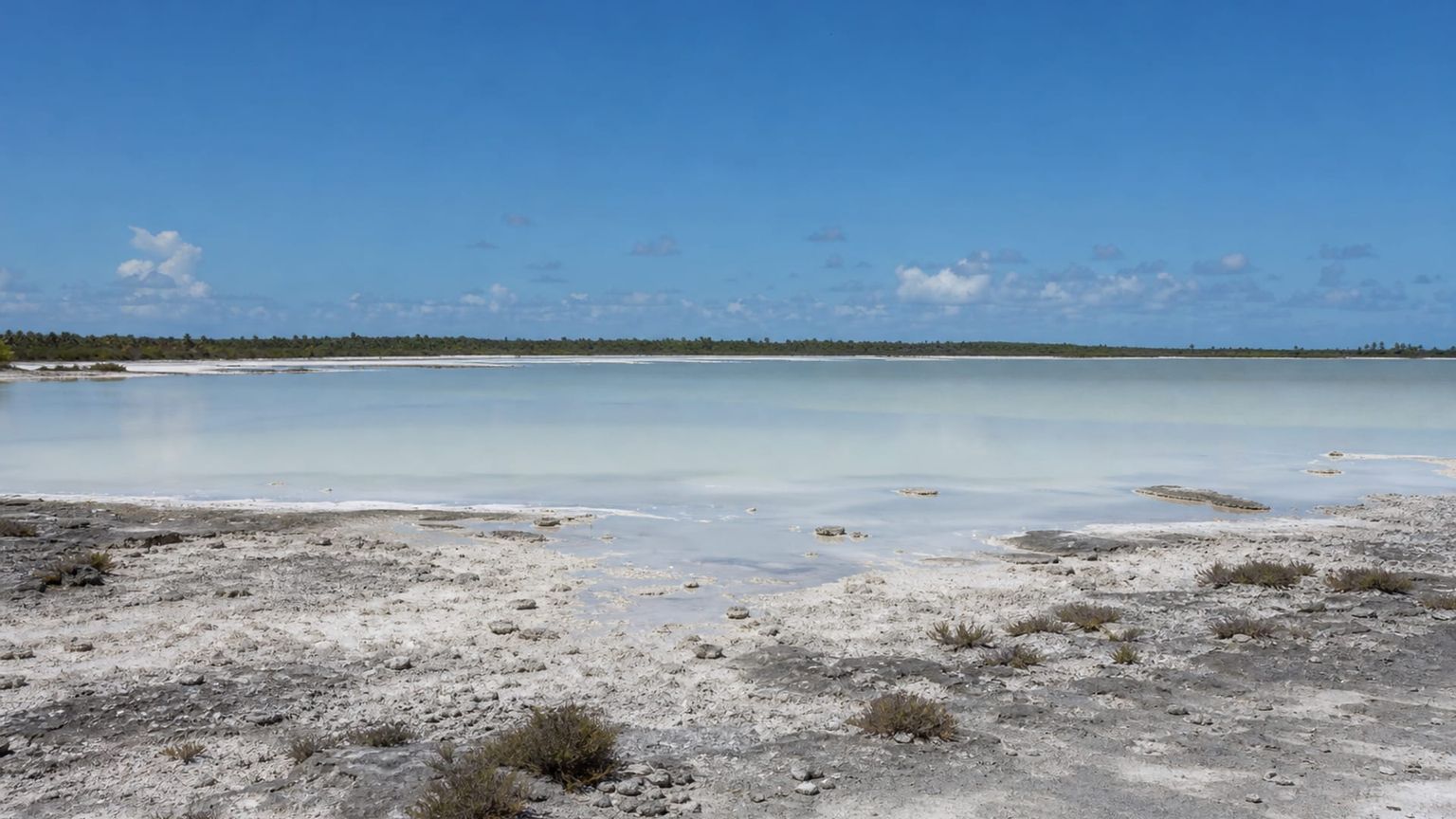
Paris Point gives the day a strong coastal focus, so head north from London in the morning and plan on roughly 30 to 45 minutes by road each way, depending on your driver and stops. Visit near low tide, then spend about 1 to 2 hours watching the reef flat, birdlife, and surf line from the headland. On the way back, stop at the Flats near Banana Point, which sit about 15 to 25 minutes from Paris Point by road, and walk the exposed shoreline for another 1 to 2 hours if the tide is low enough.
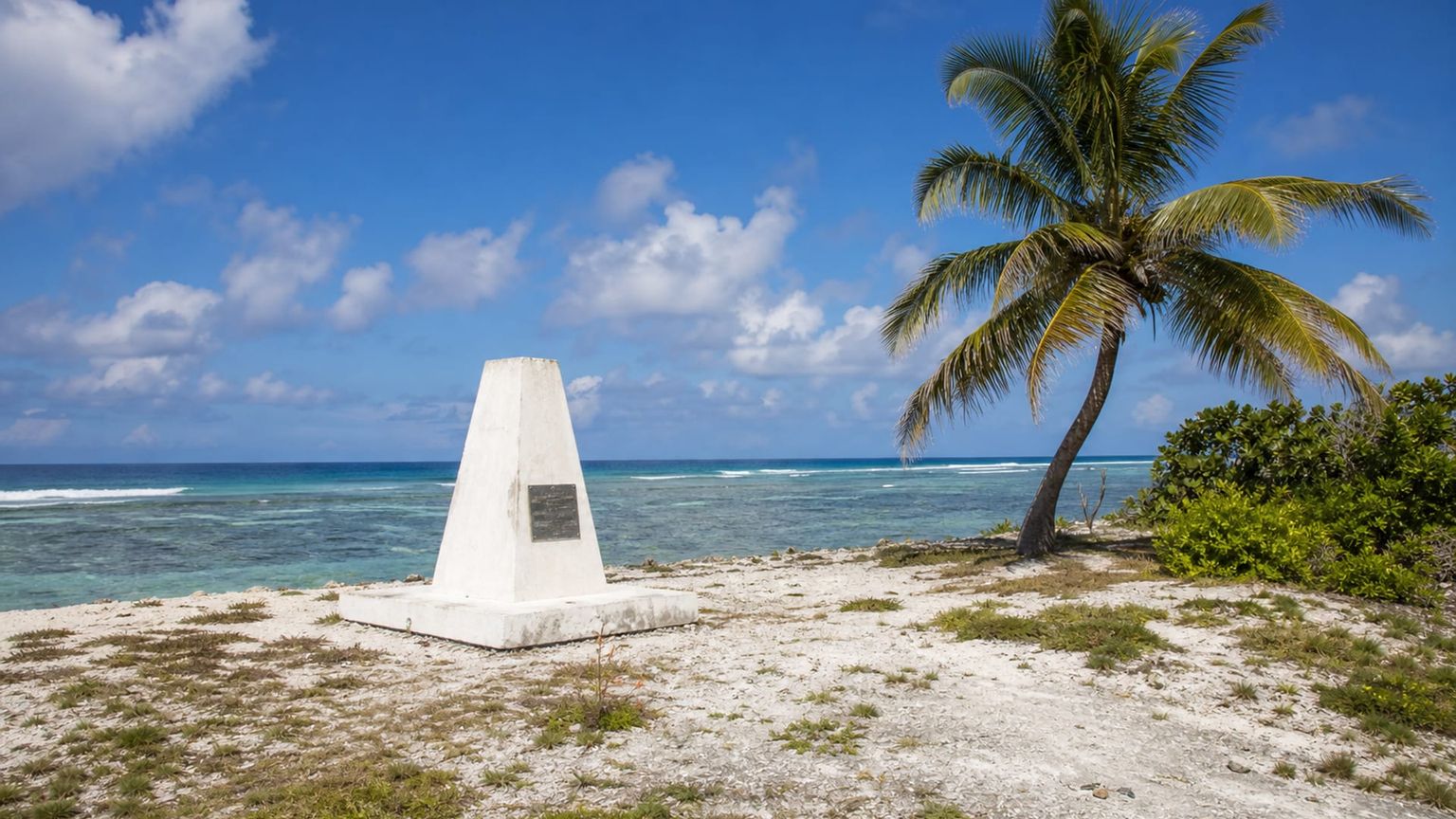
A longer lagoon-side day works best in Banana and the nearby shoreline, where you can move at an easy pace between quiet stretches. Begin with the Flats near Banana Point for low-tide walking, then continue to Banana itself, about 10 to 15 minutes away by road, for a pause near the settlement and a simple lunch. In the afternoon, return toward London, about 15 minutes from Banana, for groceries or a short rest, then end with a slow evening drive back past the open flats as the light softens.
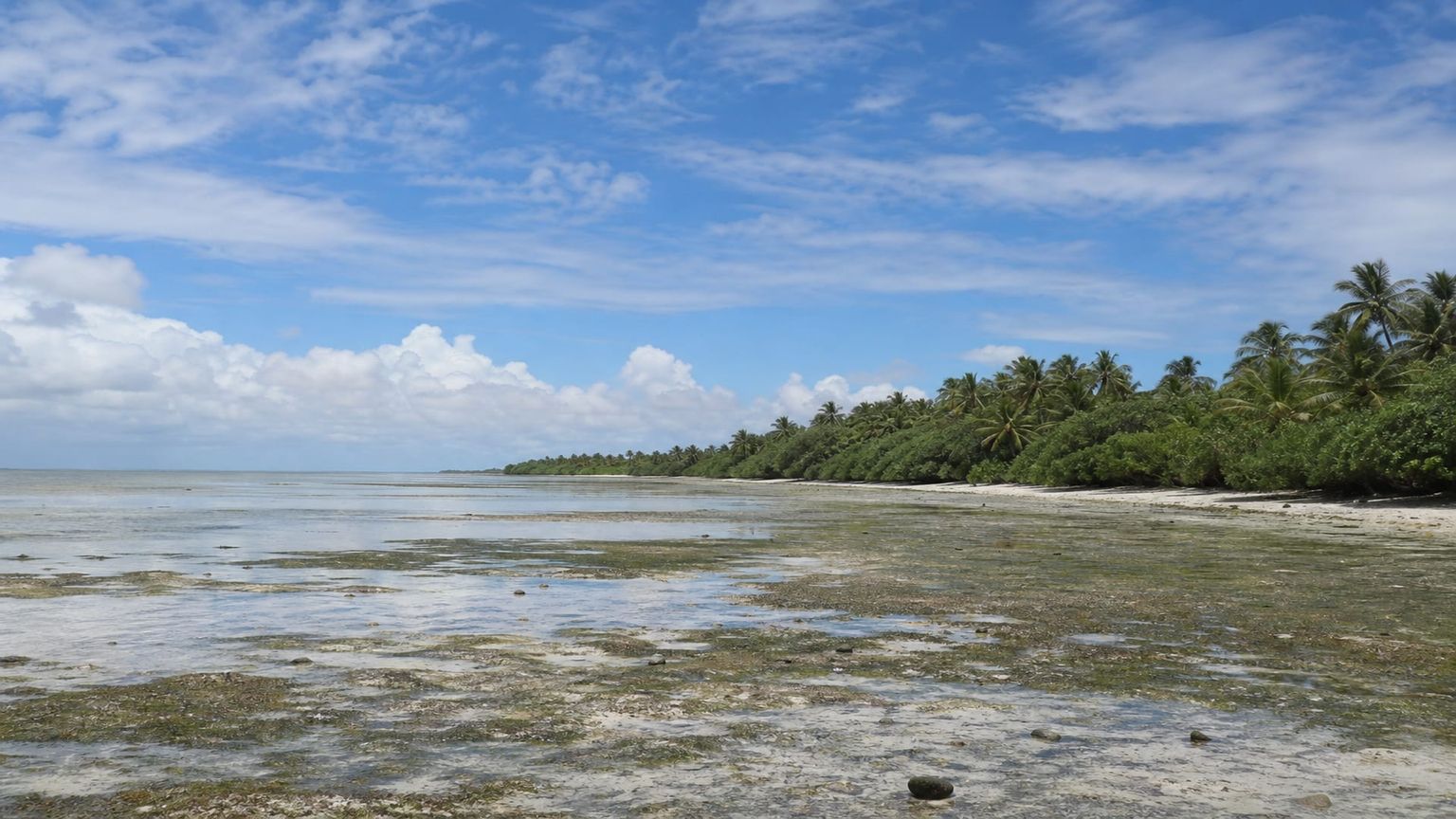
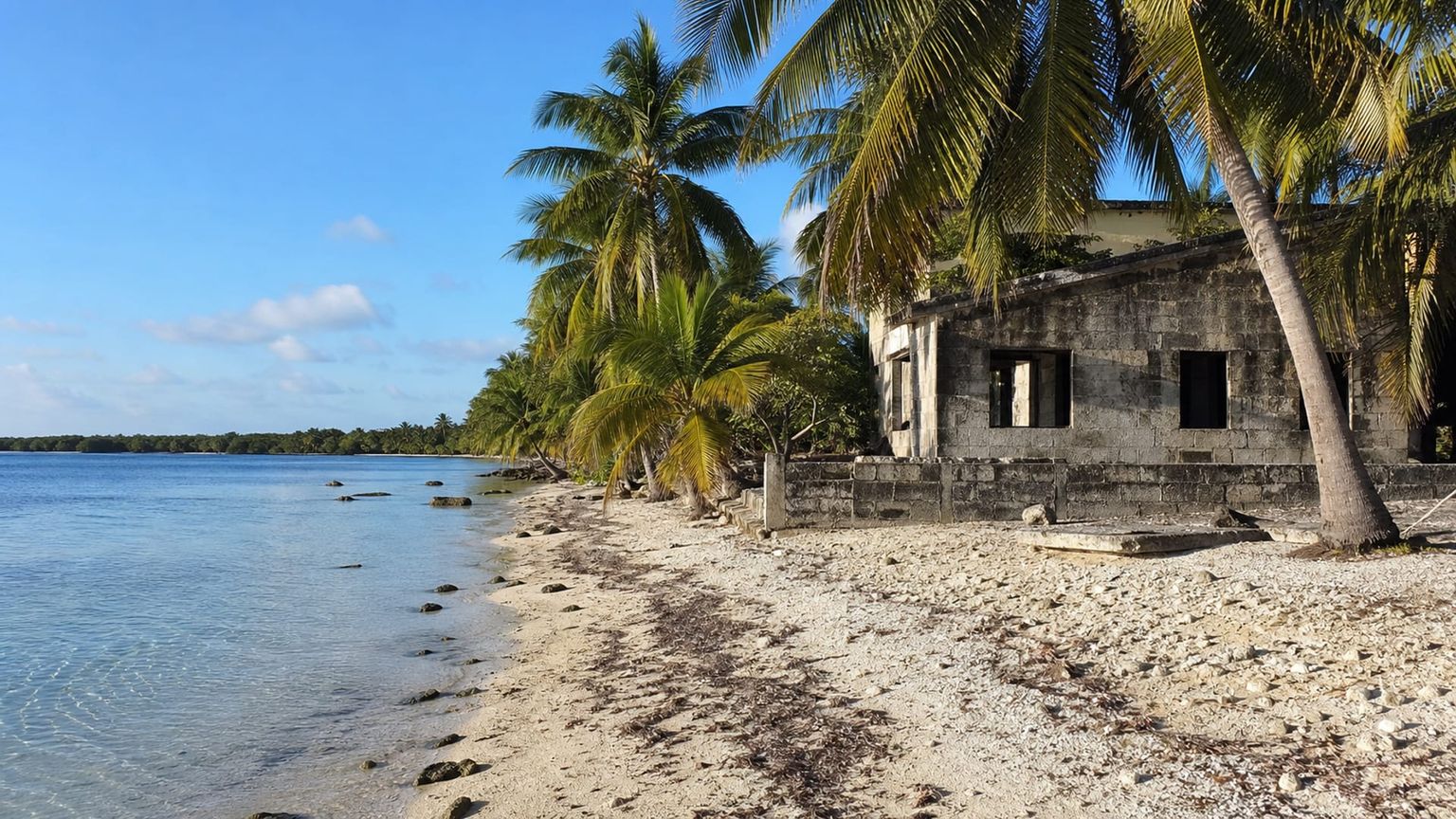
Morning suits a final pass through London, Kiritimati, so start with one last visit to the Kiritimati Cultural Centre if you want a short museum stop before checkout. After that, walk or ride through the town area for supplies, souvenirs, and any remaining errands, then settle in at a café or small eatery in London for a late breakfast or early lunch. If your flight leaves later in the day, stay near the settlement rather than moving bases, since it keeps the airport run short and avoids unnecessary backtracking.
Business-class flights from the US to Kiritimati Island
Reaching Kiritimati from the mainland usually means a long-haul itinerary with one or more layovers, so the useful comparison is not just price, but which stopovers and total travel time you can tolerate. The two common U.S. gateway patterns are through New York and Los Angeles.
From New York, Air New Zealand, Fiji Airways, Qantas, Air Tahiti Nui, and United Airlines all appear on itineraries, and the round-trip fare usually starts at $3,800 and can reach $7,500. If you do not mind a layover, common routings via NRT or HNL can trim the fare.
Los Angeles usually sits at the lower end of the premium price range, with round-trip fares from about $3,200 to $6,800. Nonstop space is not a regular feature of this market, so most itineraries connect once before reaching Kiritimati.
Kiritimati Island feels different when you slow down
A good Kiritimati Island stay uses London for errands, Salt Lake for a midtrip pause, and the flats near Banana Point for low-tide walking, with taxis and prebooked transfers doing most of the heavy lifting between stops. That structure leaves room for early meals, short drives, and an easier airport run on the last day. If you want help shaping the details, AranGrant experts can build a trip around London, Paris Point, or Banana with the right pace for your dates