

Chapters:

Need help with your trip?
Our support team is available 24/7. Request a callback or call us directly at (833) 619-0908
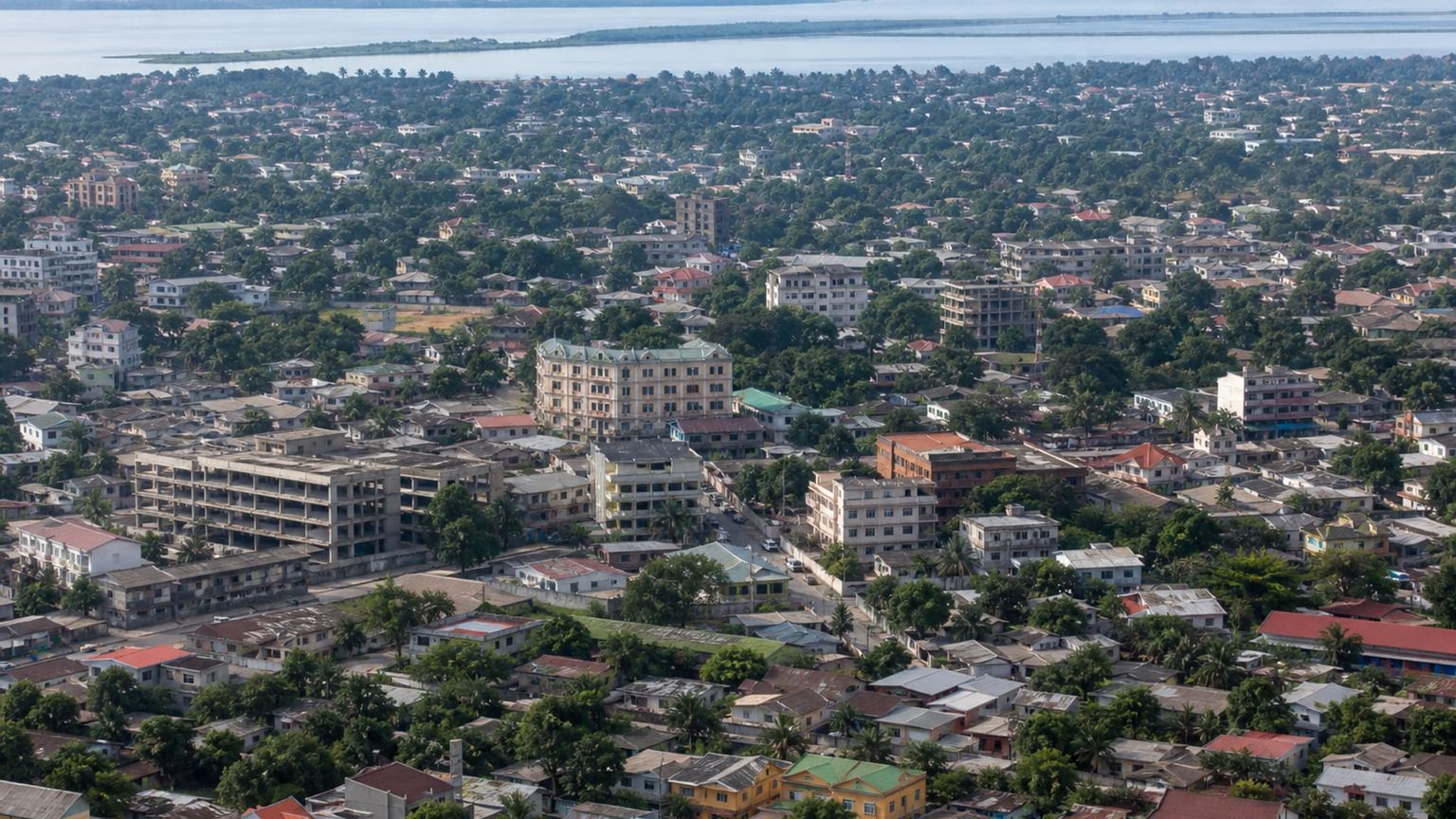
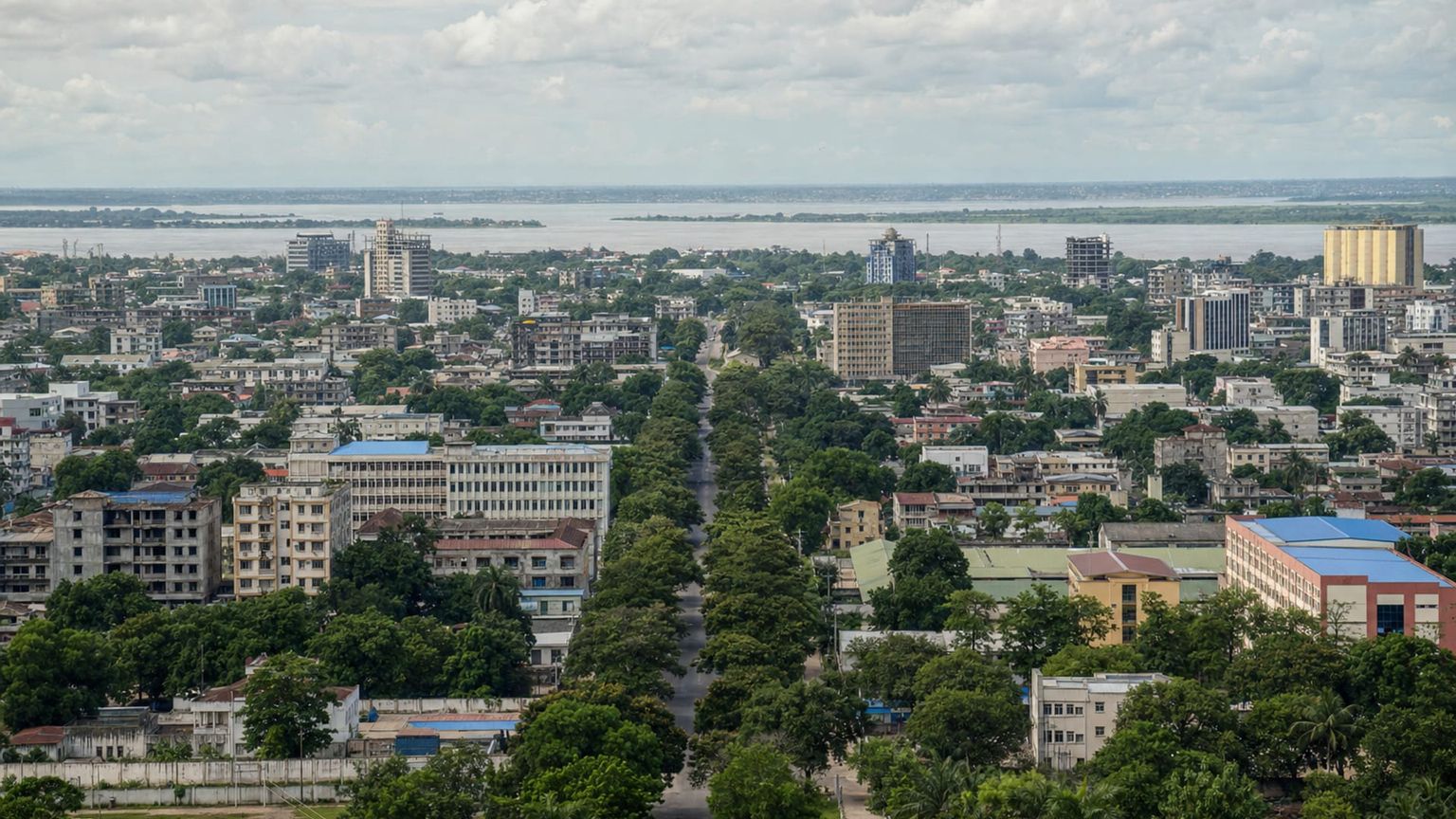
Kinshasa is closely tied to the Congo River, which shapes both the geography and identity of the capital. The city is also one of Central Africa’s major cultural centers, with Congolese music, contemporary art, and an energetic street life that extends far beyond its government and business districts. Gombe provides the polished administrative face of the city, while neighborhoods farther inland feel busier, denser, and more residential.
Kinshasa’s size changes the way you experience it. Distances that look modest on a map can take much longer once traffic builds, so five days give you enough time to see its museums, creative spaces, riverfront, local restaurants, and greener western edge without turning every day into a cross-city journey.
Useful things to know

Main language(s): French, Lingala
Mbote (m-BOH-teh) – Hello
S'il vous plaît (seel voo PLEH) – Please
Melesi (meh-LEH-see) – Thank you
Ozali koloba anglais? (oh-ZAH-lee koh-loh-BAH ahng-GLAY) – Do you speak English?
Eza boni? (eh-ZAH boh-NEE) – How much does it cost?

Currency: Congolese franc (CDF, FC)

Cash and cards: Cash is used in Kinshasa more often than cards. Keep CDF 50,000–CDF 100,000 ($22–$43) for smaller purchases and places that do not accept cards.

Tipping: Round up smaller bills or leave 5%–10% at higher-end restaurants for good service.

Traditional food: Moambe chicken, liboke, fufu, and pondu are widely associated with Congolese cooking.

Water and coffee costs: Bottled water costs CDF 2,000 ($0.90), while an espresso costs CDF 5,000 ($2.20).

Taxis and ride apps: Yango operates in Kinshasa, and taxis are widely available. Confirm the fare before starting a street-taxi trip.

Plug and voltage: Type C and D sockets, 220V

Dining and shop opening hours: Breakfast is commonly served from 6:30 to 9:00 am, lunch from noon to 2:30 pm, and dinner from 7:00 to 10:00 pm. Sunday hours are often shorter.

Emergency number: Call 112 for police and 118 for fire. For medical emergencies, contact a hospital directly.
Where to stay in Kinshasa
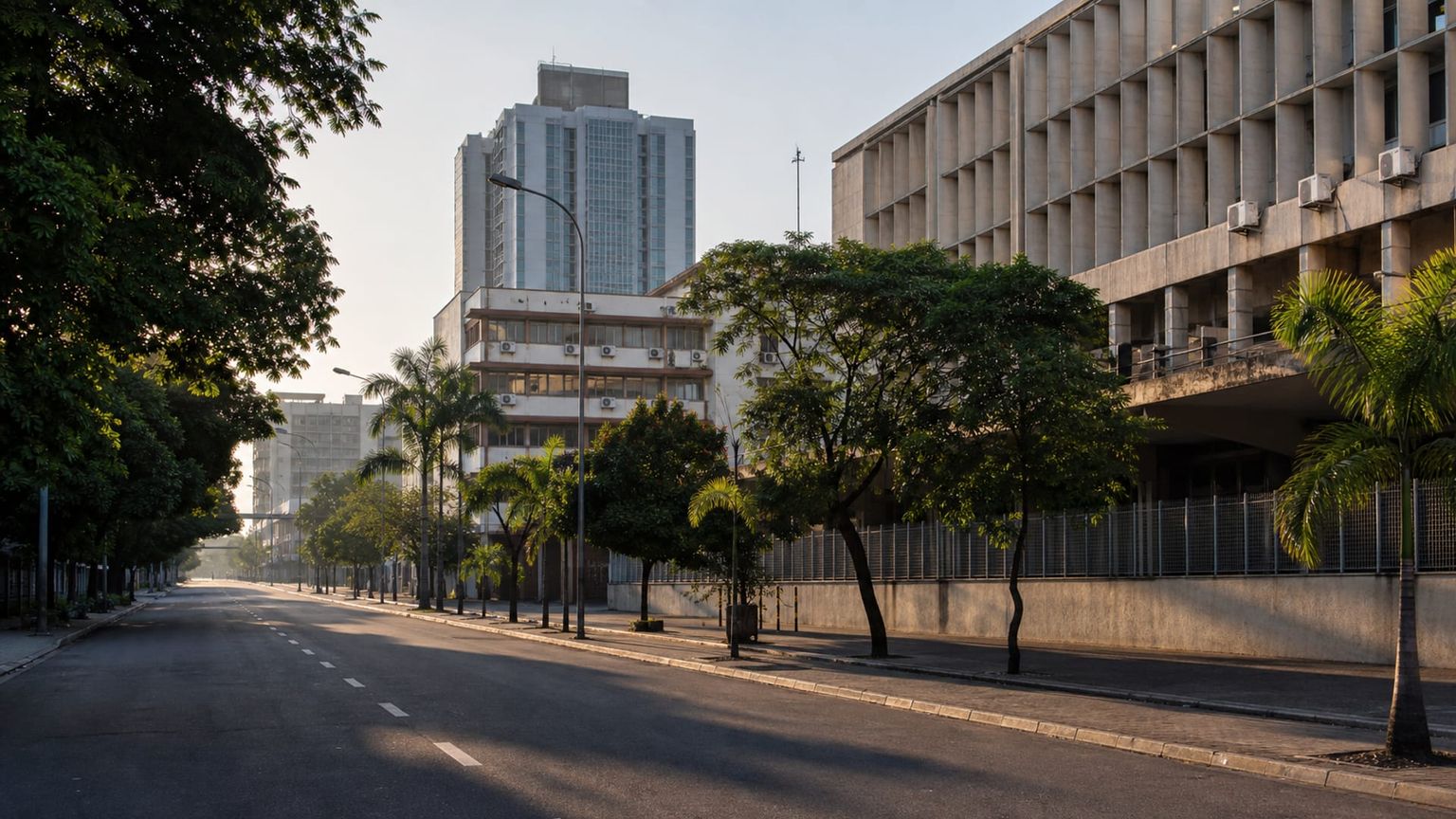
Gombe is Kinshasa’s main administrative and diplomatic district, home to embassies, ministries, banks, corporate offices, and many of the capital’s higher-end hotels. Wide avenues and established business services make it the most familiar part of the city for first-time and corporate visitors.
Best for: Business trips, first visits, higher-end hotels, and central appointments
What to expect: Daytime traffic is busy, with security staff, office workers, and hotel guests along the main avenues; evenings quiet down after office hours.
Hotel prices: Usually about $180 to $420 per night for well-rated stays
Distance to major sights: 10 to 20 minutes by car to Palais de la Nation; about 15 minutes to the Congo River waterfront
Quietness: Busier and more active in the day, then noticeably quieter after dusk.
Main trade-off: Hotel rates run higher here, and traffic on the main arteries can slow short cross-town trips.
Good to know: Hotel-arranged cars can simplify very early and late arrivals.
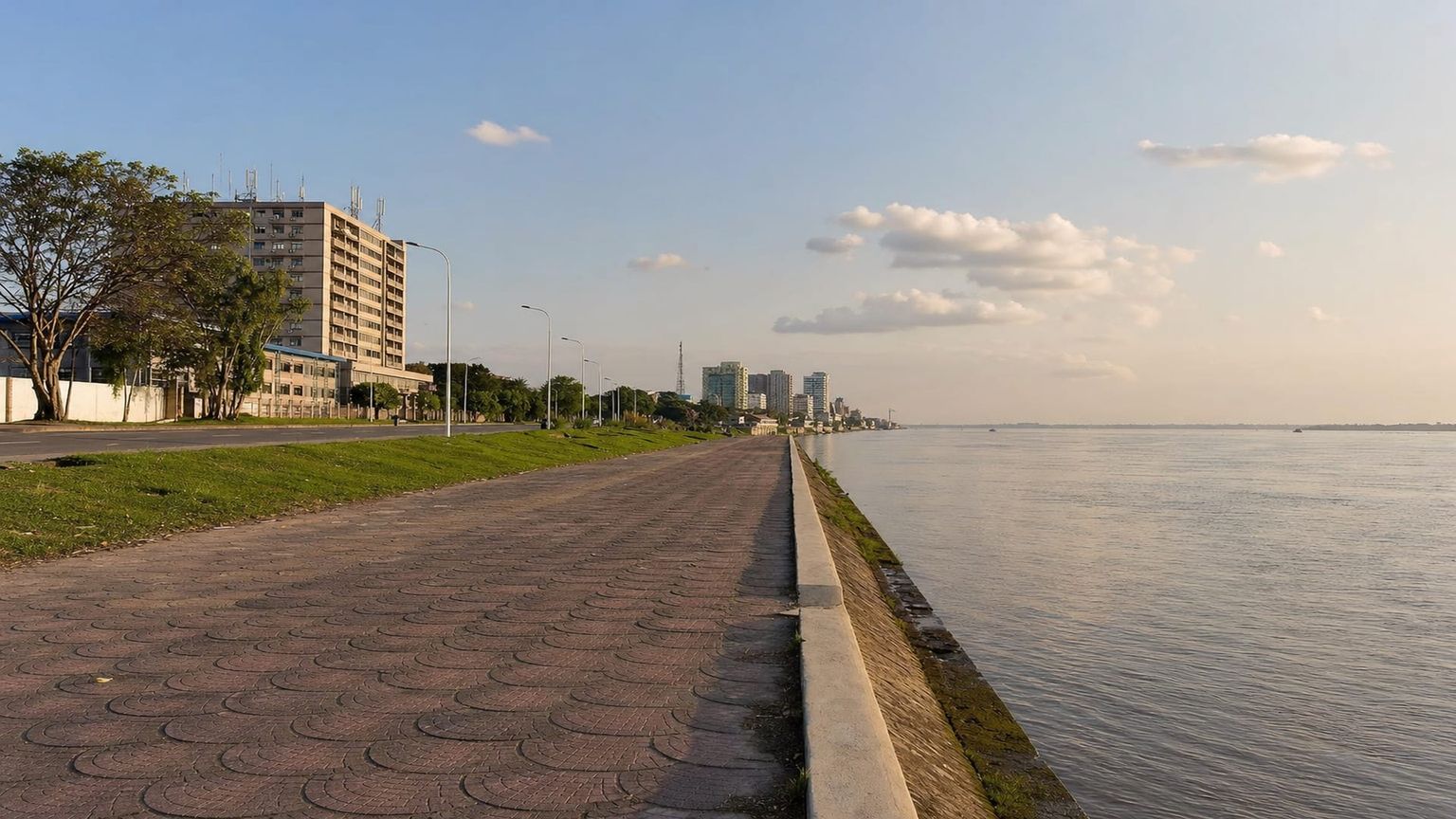
Gombe’s riverfront edge features hotels and restaurants along the Congo River, with a different atmosphere than the more administrative streets inland. Views across the water and a stronger evening dining scene make this part of the district appealing beyond business travel.
Best for: River views, evening dining, higher-end stays, and central access
What to expect: The streets feel more animated in the evening than inland parts of Gombe, with restaurant traffic and guests moving between hotels and the waterfront.
Hotel prices: Usually about $170 to $380 per night for well-rated stays
Distance to major sights: About 10 minutes by car to Palais de la Nation; roughly 15 minutes to the Central Station
Quietness: Calmer in the morning, then livelier at night near restaurants and bars.
Main trade-off: You pay for the location and the view, and some streets can pick up noise from traffic and nightlife.
Good to know: Request a quieter room if nightlife noise is a concern.
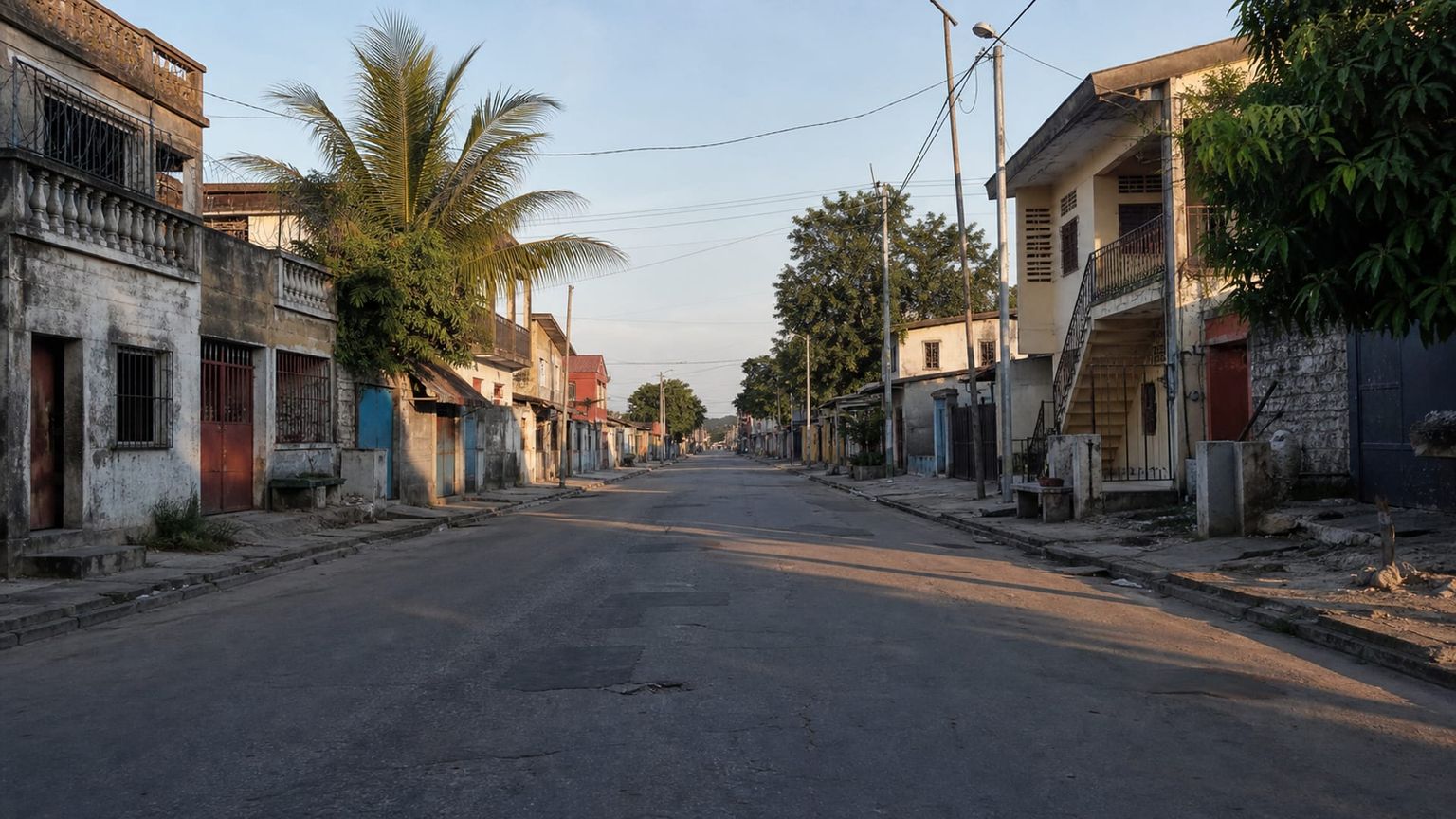
Lingwala is located beside central Kinshasa and has a more residential character than Gombe. Local commerce and busy neighborhood streets dominate daily life, while several major cultural institutions are within a short drive.
Best for: Midrange stays, local surroundings, museums, and lower hotel costs
What to expect: Streets are active in the day with shops, moto-taxis, and neighborhood traffic; after dark, movement thins out on many blocks.
Hotel prices: Usually about $70 to $180 per night for well-rated stays
Distance to major sights: About 15 to 25 minutes by car to Palais de la Nation; roughly 20 minutes to the Central Station
Quietness: Noisy and busy during the day, then quieter on side streets at night.
Main trade-off: You will usually trade a lower room rate for longer rides to the riverfront and the top hotel cluster in Gombe.
Good to know: Ask your hotel about secure transport arrangements after dark.
Outer parts of Ngaliema, Masina, Ndjili, and Maluku require much longer journeys to central sights and dining. For a short visit, stay closer to Gombe or Lingwala to cut down on daily travel time.
Hotel deals
Getting around Kinshasa
Travelers can use buses, taxis, and ride-hailing apps to navigate the city.

Metro
for longer distances
Yango offers app-based rides with the fare shown before you book. Typical city trips cost between CDF 14,000 and CDF 42,000 ($6–$18). Match the driver and vehicle details with the app before getting in.

Bus and tram
for convenience
Public buses and minibuses serve major routes across Kinshasa. Fares generally range from CDF 1,400 to CDF 5,600 ($0.60 to $2.40), depending on the journey. Pay in cash and expect longer travel times during busy periods.

Taxi
for convenience or late hours
Street and arranged taxi drivers generally agree on a fare with the travelers before departure. Airport trips into central Kinshasa typically cost CDF 46,000–CDF 92,400 ($20–$40), while shorter trips cost CDF 15,000–CDF 42,000 ($7–$18).
*Prices are based on rates updated as of October 2026 and may change at the time of travel.
Use taxis or ride-hailing for direct journeys and buses for inexpensive trips across the city.
Iconic places in Kinshasa
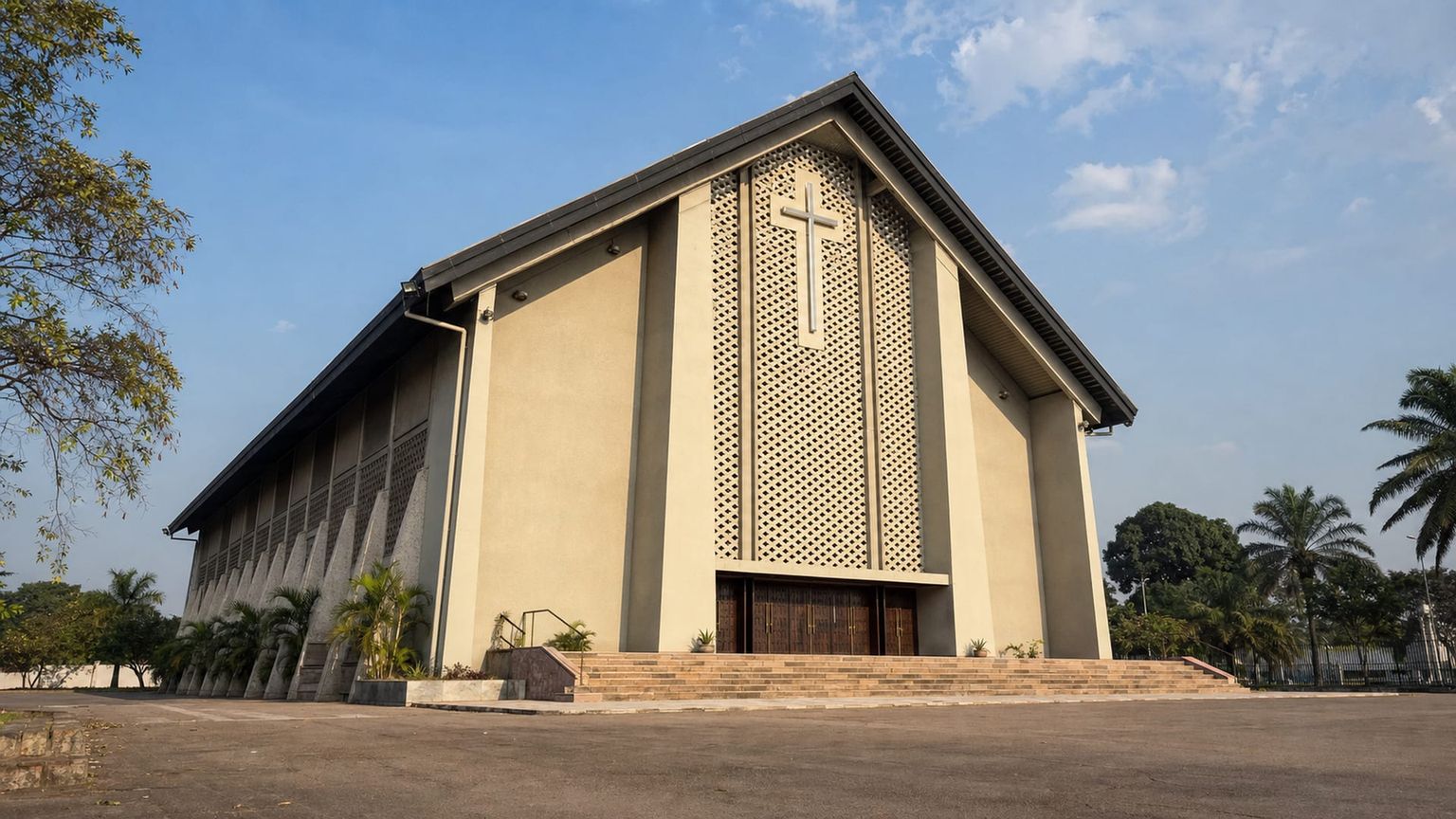
Cathedral of Notre-Dame du Congo
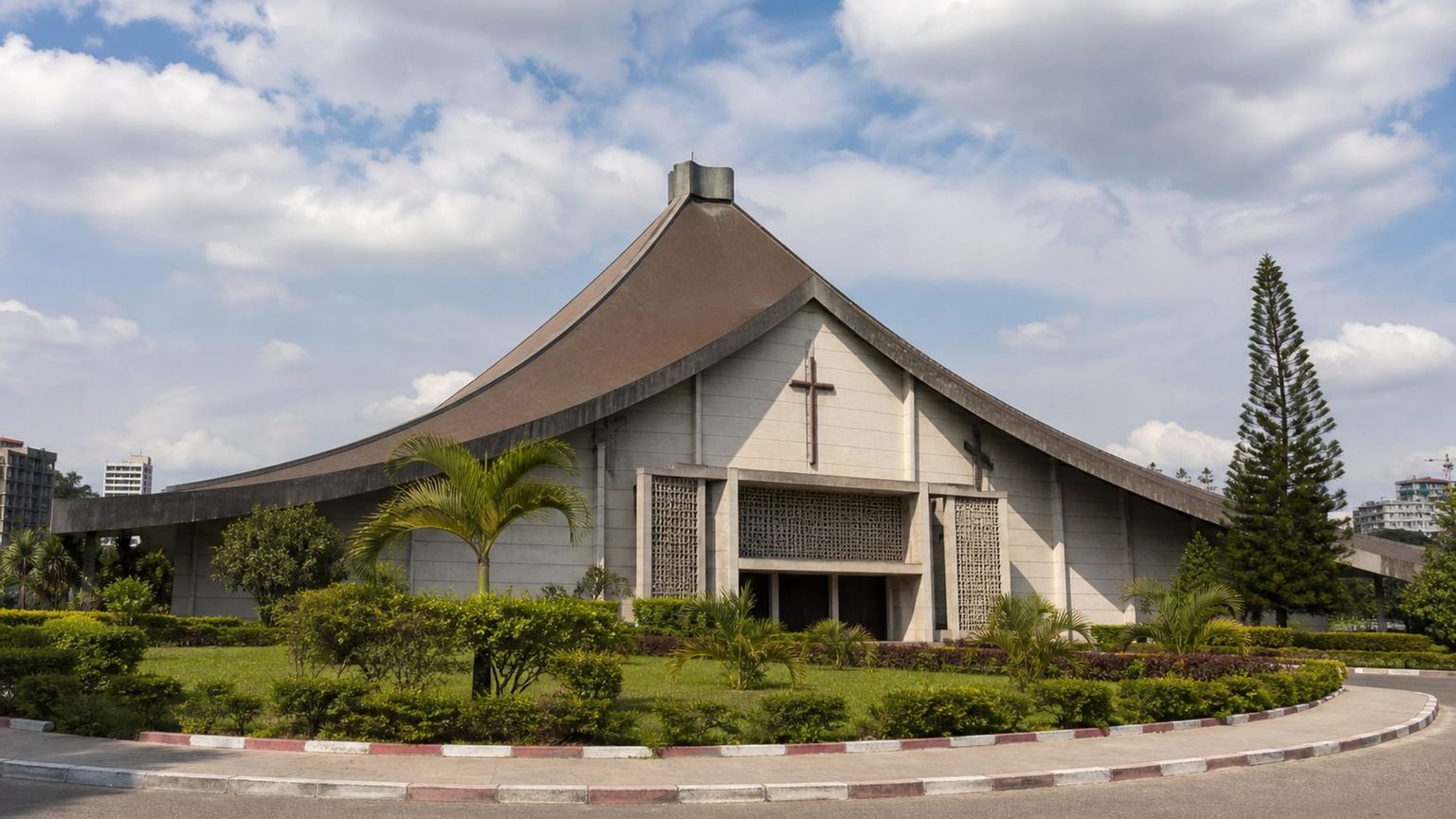
Built in 1947, Notre-Dame du Congo is one of Kinshasa’s principal Catholic landmarks. Its broad interior and stained glass provide a quieter contrast to the busy streets of Lingwala outside.
Time needed: 30 to 45 minutes
Entry: Free. Donations are welcome.
Tip: Visit outside Mass times for easier access to the interior.
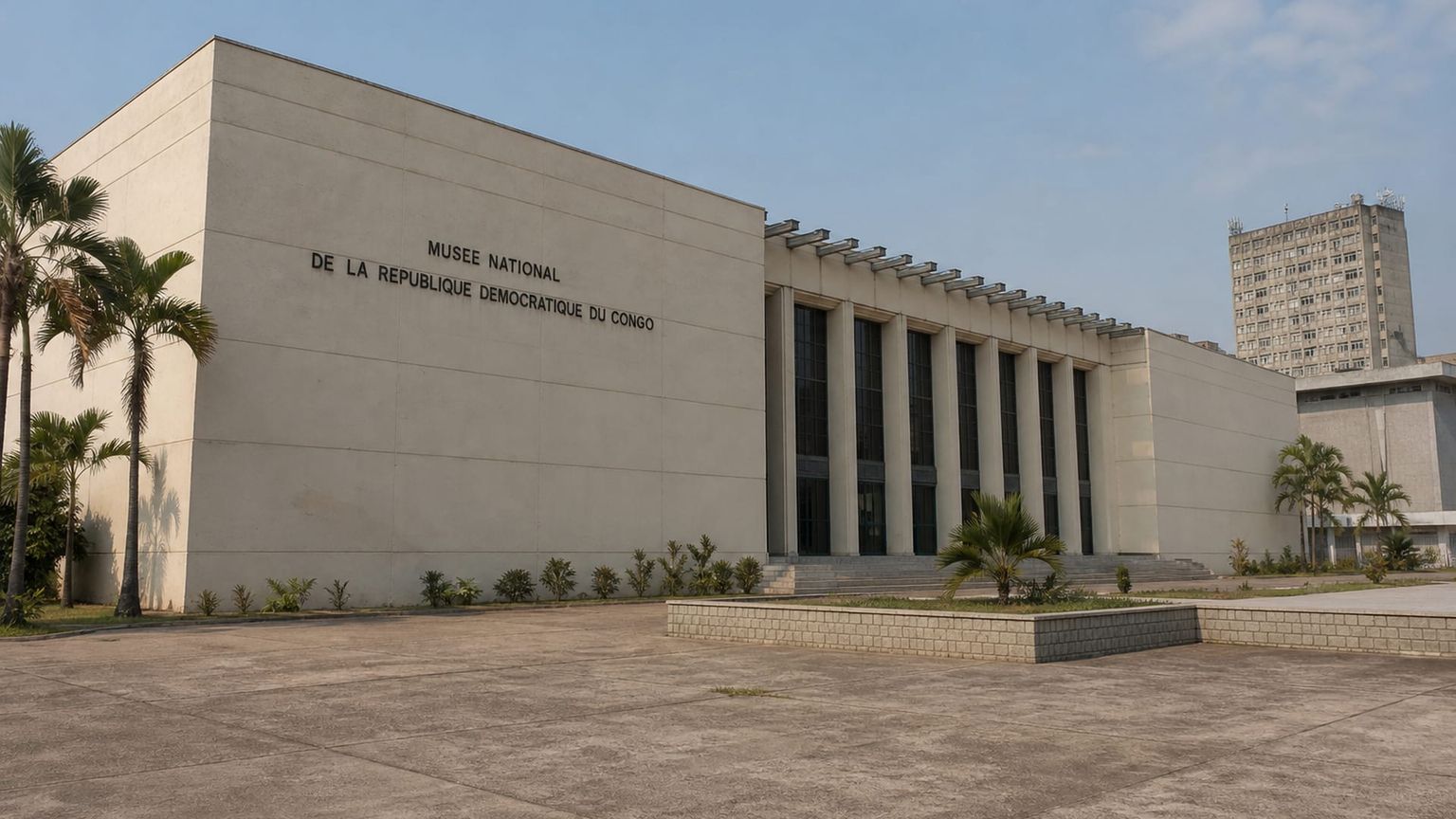
National Museum of the Democratic Republic of the Congo
The National Museum presents Congolese history and culture through masks, sculpture, musical instruments, archaeological objects, and ceremonial pieces collected from different parts of the country.
Time needed: 1 to 2 hours
Entry: Admission generally costs CDF 20,000–CDF 30,000 ($9 to $13).
Tip: Start here early if you plan to combine it with another Lingwala stop.
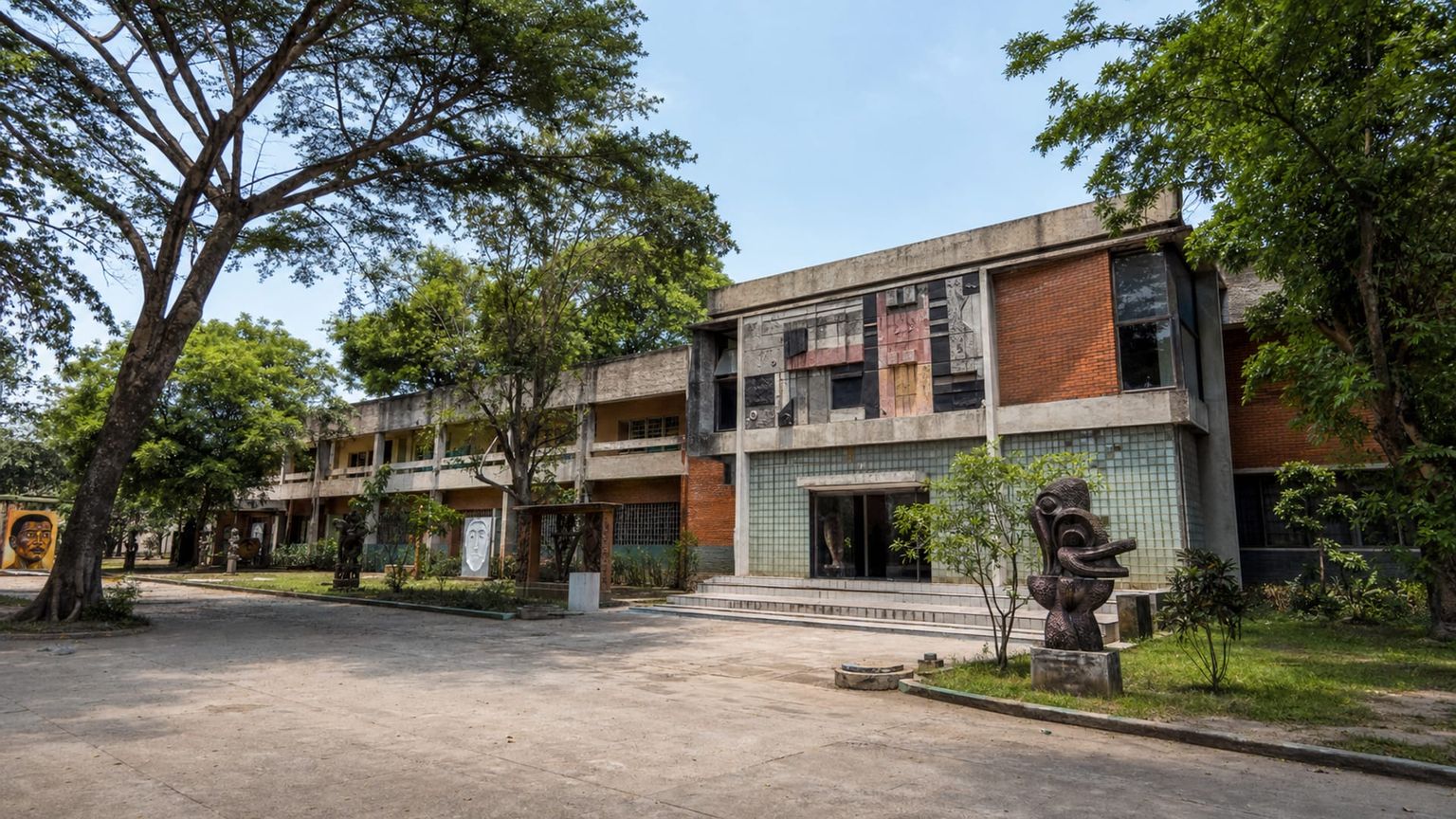
Académie des Beaux-Arts de Kinshasa
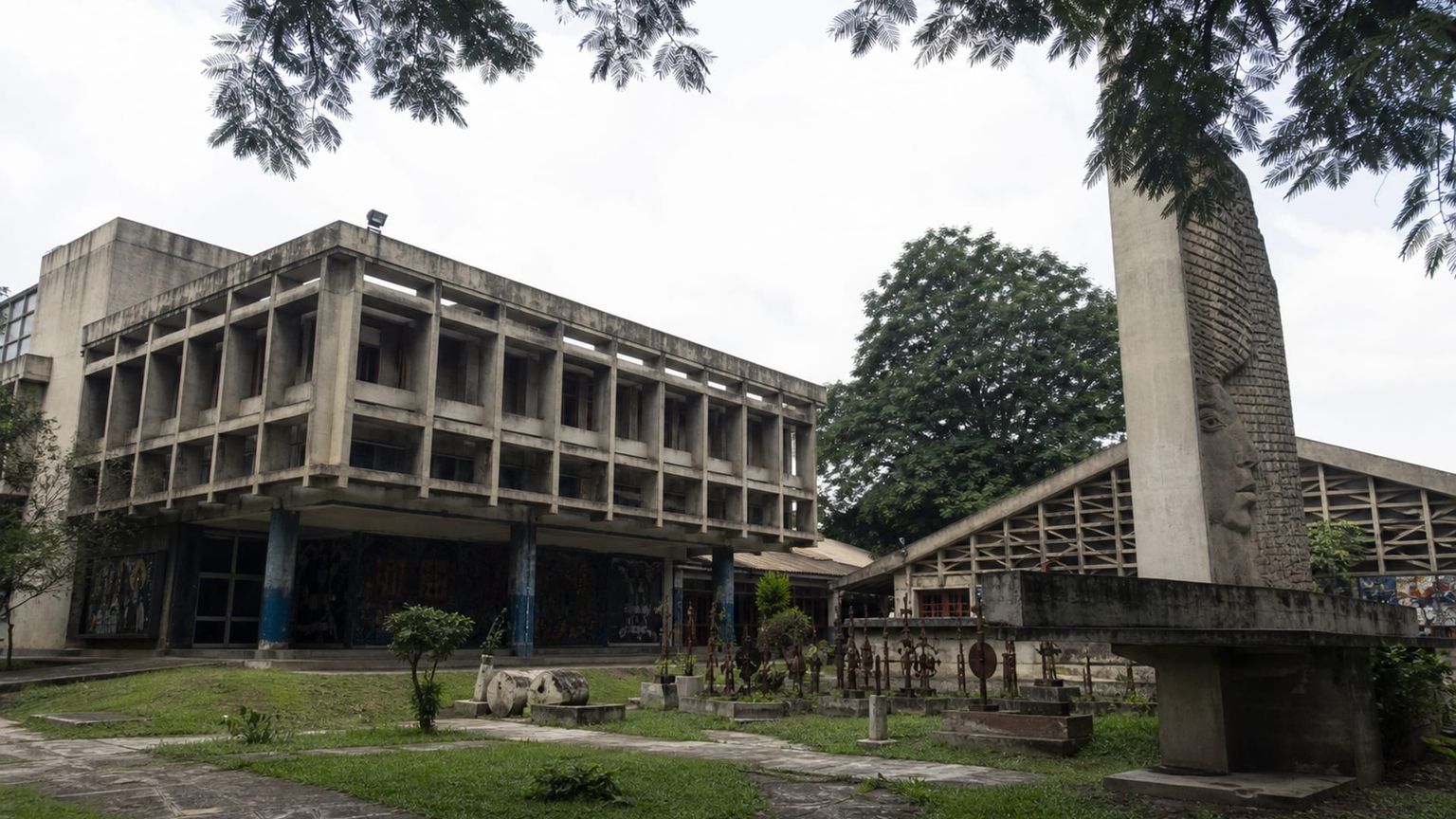
Kinshasa’s fine-arts academy is an active teaching campus where studios, sculptures, paintings, and exhibition spaces provide an introduction to the city’s contemporary artistic community.
Time needed: 1 to 2 hours
Entry: Free
Tip: Weekday mornings offer the best chance of seeing the campus active.
Overlooked places in Kinshasa

Mbudi Nature Reserve
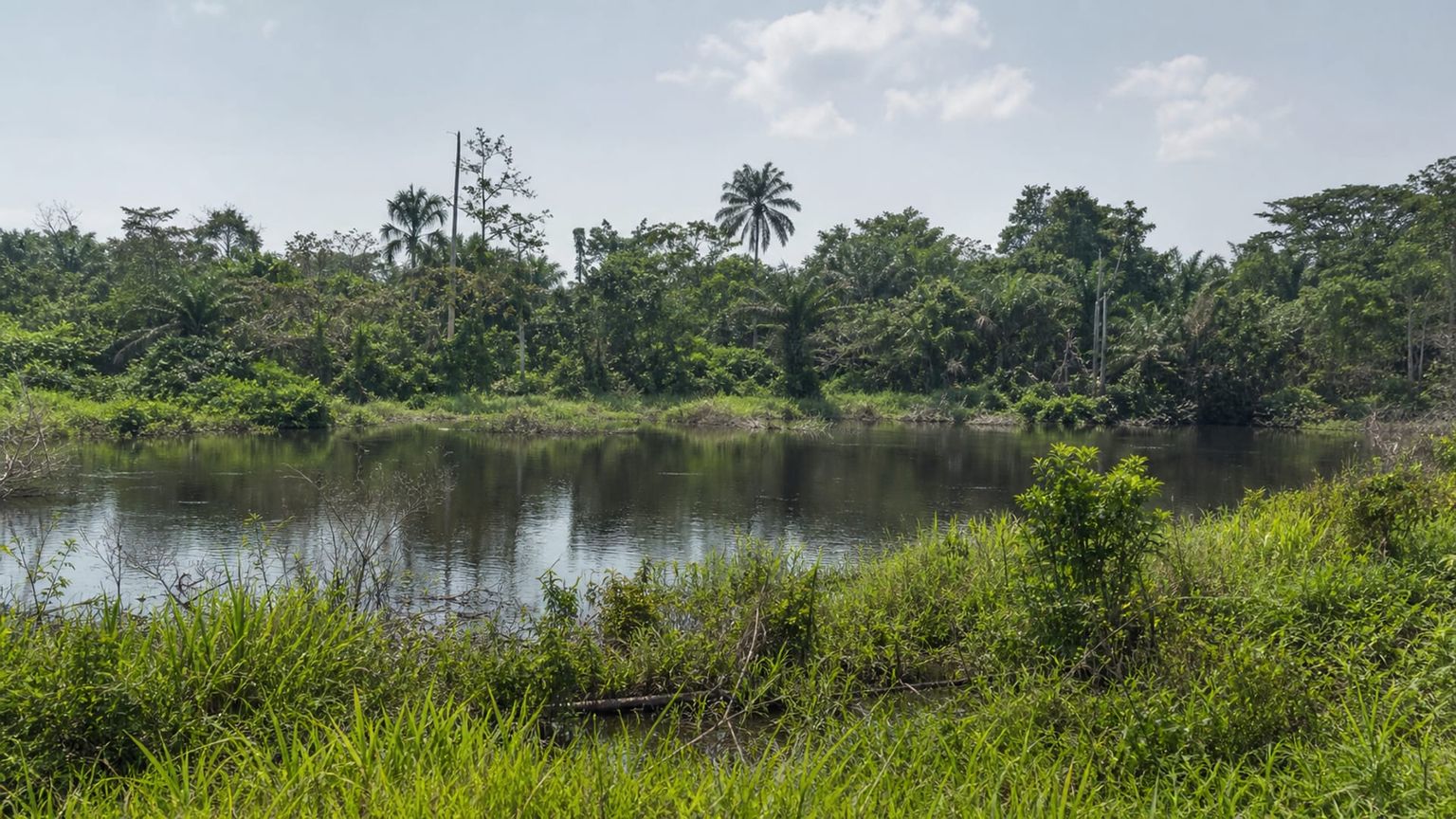
Mbudi offers wooded paths, birdlife, and picnic areas in Mont-Ngafula, providing a greener outing away from Kinshasa’s dense central districts.
Time needed: 1 to 2 hours
Entry: Fees vary by access point; budget up to CDF 14,000 ($6) for tickets.
Tip: Visit in the morning before temperatures rise.

Texaf Bilembo Cultural Centre
Texaf Bilembo hosts changing contemporary-art exhibitions in a compact cultural space on Avenue Colonel Mondjiba, making it an easy introduction to Kinshasa’s current art scene.
Time needed: 45 minutes to 1 hour
Entry: Entry is generally free or low-cost, depending on the exhibition.
Tip: Check the exhibition program before planning your visit.
What to eat in Kinshasa
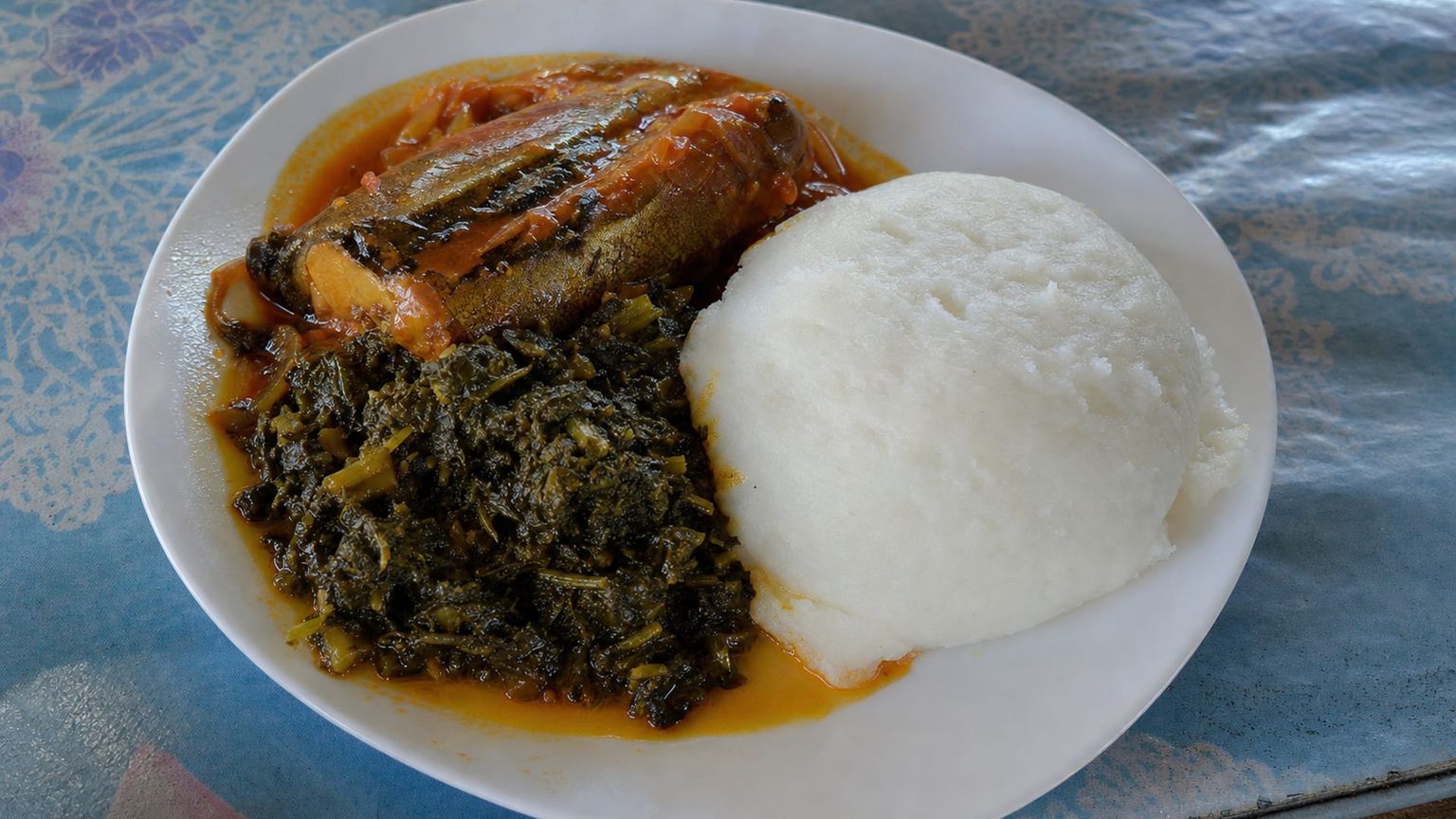
Kinshasa’s cooking relies heavily on cassava, palm products, fish, meat, and leafy vegetables, with dishes meant to be eaten alongside filling staples such as fufu or chikwangue.
Moambe chicken
Moambe chicken combines chicken with a rich palm-fruit sauce, making it one of the country’s best-known dishes. Restaurant Re-Source serves Congolese cooking from its current Barumbu location.
Liboke
Liboke cooks seasoned fish or meat inside leaves, trapping steam and juices as the parcel cooks. Resto Kwetu currently lists fish liboke among its Congolese specialties, using river perch with aromatics and cooking juices.
Fufu
Fufu is a smooth, dense staple prepared from starch and served beside sauces, vegetables, fish, or meat. Restaurant FN serves fufu and other traditional dishes.
Pondu
Pondu, also called saka-saka, is made from pounded cassava leaves cooked slowly until soft and richly seasoned. Restaurant Mood currently includes pondu across several Congolese menu combinations.
Best time to visit Kinshasa
Kinshasa stays warm year-round, with drier months favoring outdoor plans and wetter periods bringing heavier rain and slower traffic.
Best for: Drier weather, outdoor visits, riverfront time, and easier cross-city travel
What you get: Temperatures generally range from 68°F to 86°F (20°C–30°C), with lighter rainfall.
Trade-offs: Evenings can feel cooler, and vegetation may look less lush.
Best for: Museums, riverfront visits, cultural stops, and travel before heavier rains
What you get: Temperatures generally range from 73°F to 91°F (23°C–33°C), with rising humidity.
Trade-offs: Rain becomes more frequent later in the season.
Best for: Indoor attractions, restaurants, and travelers comfortable with heat and humidity
What you get: Temperatures typically range from 75°F to 90°F (24°C–32°C), with frequent downpours.
Trade-offs: Heavy rain can slow road journeys and interrupt outdoor visits.
Best for: Green scenery, museums, galleries, and quieter midweek sightseeing
What you get: Temperatures generally range from 72°F to 88°F (22°C–31°C), with regular rainfall.
Trade-offs: Wet roads can make travel times harder to predict.
A 5-day plan in Kinshasa
Five days give you enough time to see Kinshasa’s central museums and art spaces before adding the riverfront and one longer outing toward the city’s greener western side.
Land at Kinshasa Airport (FIH) and take an arranged car or taxi into Gombe. The journey generally takes 45–75 minutes, depending on traffic, and costs CDF 46,000–CDF 92,400 ($20–$40). Check into your hotel and keep the rest of the day within the district. A short walk near the hotel and an early dinner are enough for the first evening, especially after a long-haul arrival. Leave the museums and longer drives for the following morning.
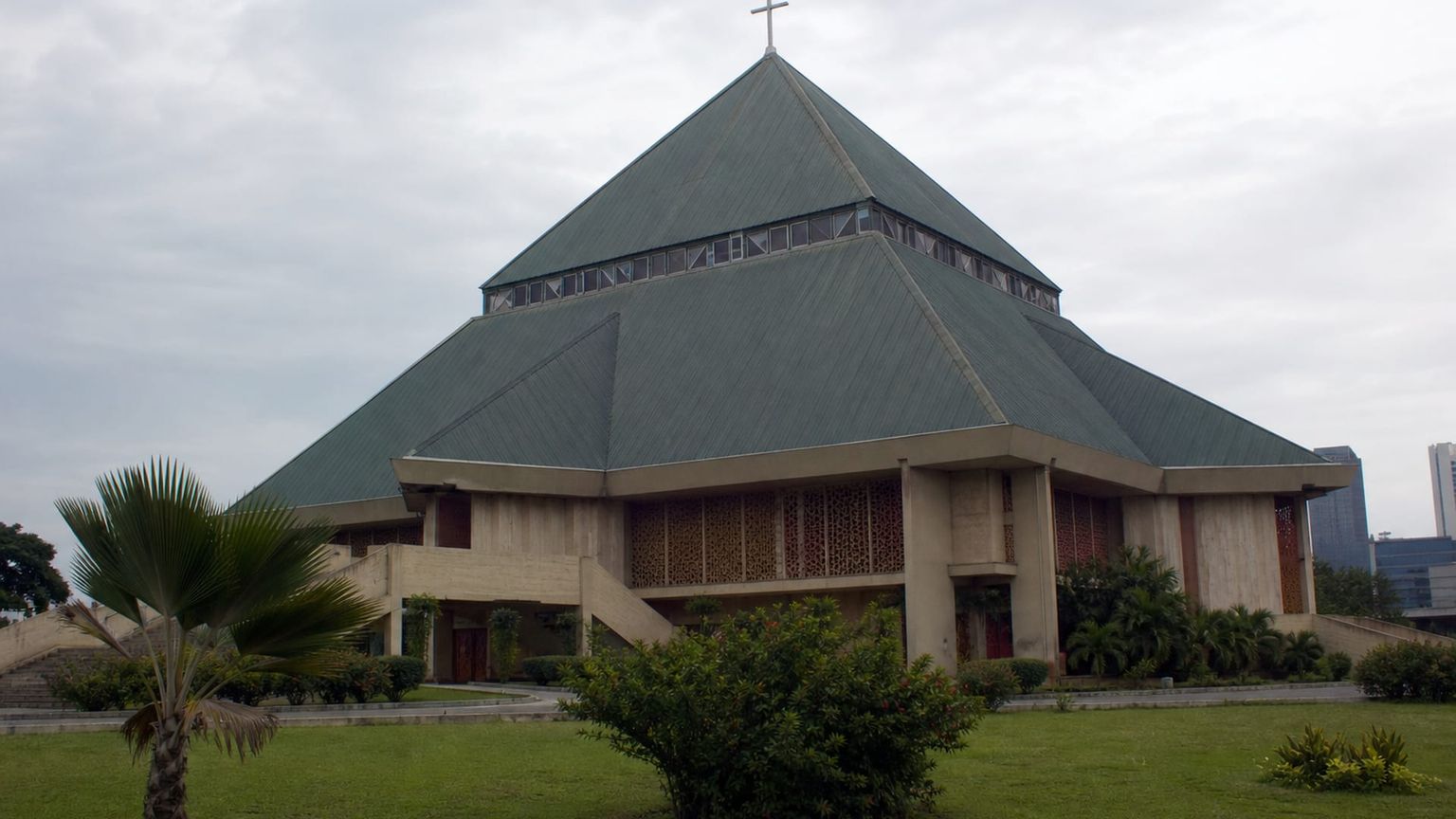
Begin at the National Museum of the Democratic Republic of the Congo, where the collections provide context for the country’s art, history, and ceremonial traditions. After spending 1–2 hours there, continue to Notre-Dame du Congo to see one of the capital’s best-known religious buildings. Have lunch nearby or return toward Gombe in the afternoon. End the day by the river, where the change from busy Lingwala streets to the Congo waterfront gives the evening a different pace.
Start at Texaf Bilembo Cultural Centre and see the current contemporary art exhibition before leaving the central districts. Continue southwest toward Mbudi Nature Reserve, where wooded paths and birdlife offer a noticeable contrast to Kinshasa’s busy streets. Spend 1–2 hours there and have lunch or a picnic if practical. Return to Gombe later in the afternoon, leaving enough time for traffic, then choose a restaurant near your hotel for dinner.
Spend the morning in Lingwala, either returning to a museum you want to explore further or exploring nearby streets before lunch. Continue to the Académie des Beaux-Arts for its studios and exhibition spaces, which provide a closer look at Kinshasa’s contemporary creative community. The visit generally takes 1–2 hours. Head back toward Gombe afterward and keep dinner close to the hotel instead of adding another long drive at the end of the day.
Keep the final day close to Gombe so the airport journey is easy to manage. Have breakfast near the hotel, spend the morning shopping or with a final riverfront stop, and have lunch before collecting your luggage. This also leaves enough flexibility if traffic becomes heavier than expected. Taxis and arranged hotel cars offer the simplest way back to Kinshasa Airport, so confirm the pickup time in advance and allow extra time for the drive east.
Business-class flights from the US to Kinshasa
All flights from the US to Kinshasa (FIH) include at least one layover.
New York (JFK) to Kinshasa (FIH)
Air France, Brussels Airlines, Turkish Airlines, Ethiopian Airlines, Etihad Airways, and Kenya Airways operate connecting itineraries between New York and Kinshasa. These flights have layovers in Paris (CDG), Brussels (BRU), Abu Dhabi (ADD), or Istanbul (IST). Total travel time typically ranges from 17 to 22 hours. Round-trip business-class fares on this route generally range from $4,100 to $9,700.
Los Angeles (LAX) to Kinshasa (FIH)
Travelers from Los Angeles can fly to Kinshasa with Alaska Airlines, Air France, Turkish Airlines, Ethiopian Airlines, or Brussels Airlines. Common layover hubs include Newark (EWR), Paris (CDG), Brussels (BRU), and Istanbul (IST). The flights have a duration of 24–33 hours. Round-trip business-class fares with these airlines typically cost between $6,000 and $9,000.
Kinshasa beyond Gombe
Kinshasa changes noticeably once you leave the polished avenues of Gombe. Lingwala introduces busier neighborhood streets and major cultural institutions, while the river remains a constant presence beside the central districts. Contemporary galleries and the wooded paths at Mbudi add very different sides of the capital. If you are planning a visit to Kinshasa, our AranGrant experts can help you compare business-class flights and hotels that suit your preferences and budget.