

Chapters:

Need help with your trip?
Our support team is available 24/7. Request a callback or call us directly at (833) 619-0908
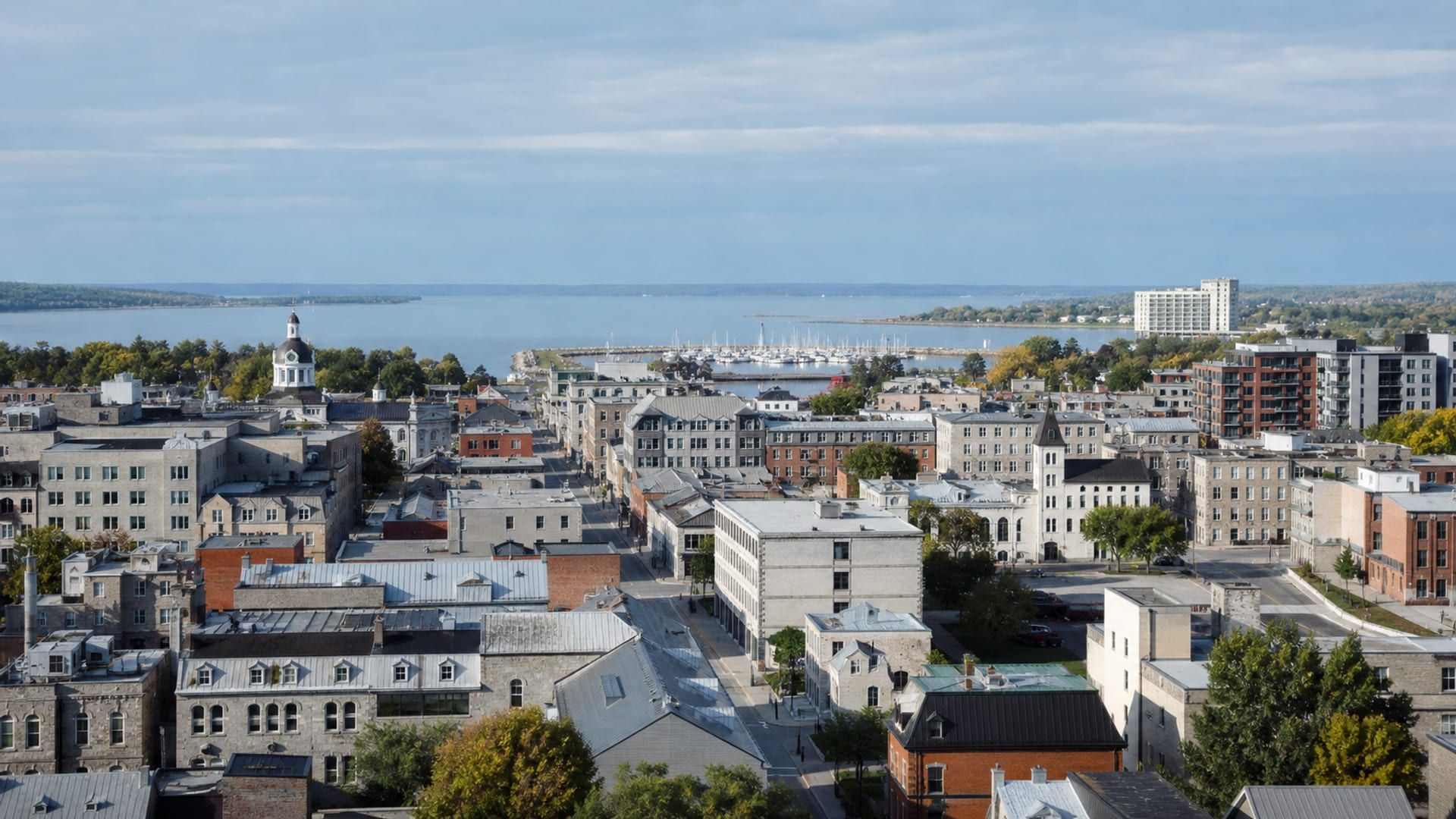
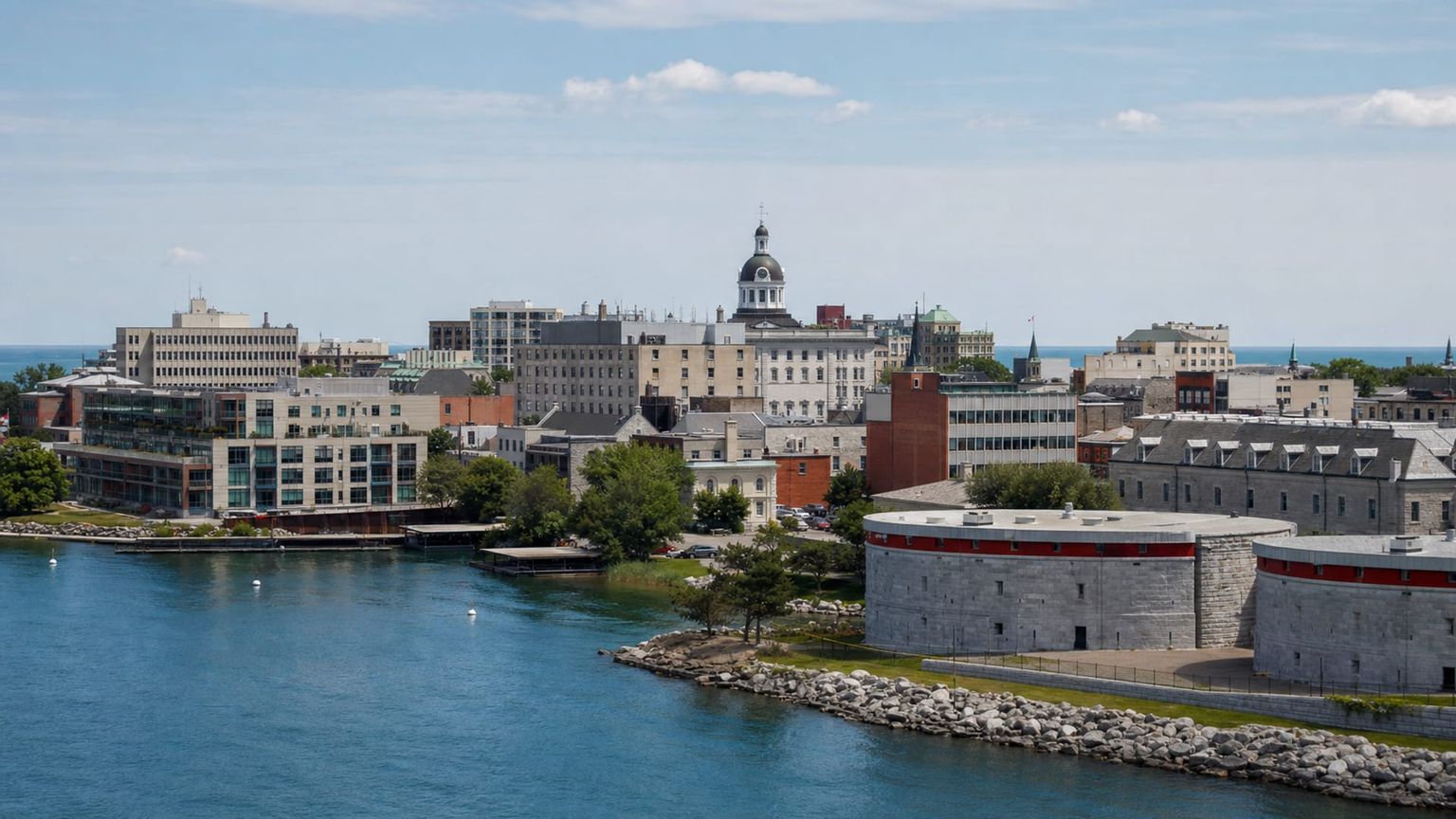
Kingston has the kind of setting that makes it easy to slow down without running out of things to do. The waterfront cuts through the center of the city, historic limestone buildings line the downtown streets, and Fort Henry, Queen’s University, and Kingston Penitentiary give each day a different focus.
The city is compact enough for relaxed walks between meals, museums, and the harbor, but several of its main sights sit far enough apart that a little planning saves unnecessary backtracking. Summer brings the fullest schedule of tours and historic-site access, while the shoulder seasons feel quieter and more selective.
This article covers where to stay, how to get around, what to eat, when to visit, and how to spend five days in Kingston, along with business-class travel options from the US.
Useful things to know

Main language(s): English

Currency: Canadian dollar (CAD, C$)

Cash and cards: Credit and debit cards are widely accepted. Keep some Canadian cash for small purchases, markets, or businesses that do not take cards.

Tipping: Tip 15%–20% at sit-down restaurants when gratuity is not included. Tips are also customary for taxis and some personal services.

Traditional food: Poutine, butter tarts, tourtière, and peameal bacon sandwiches are Canadian and Ontario foods you may find in Kingston.

Water and coffee costs: Bottled water costs C$2–C$2.50 (US$1.40–US$1.75), while an espresso costs C$3–C$5 (US$2.10–US$3.50).

Taxis and ride apps: Local taxi companies and Uber operate in Kingston. Uber can be requested 24/7, although pickup times can vary.

Plug and voltage: Type A and B plugs, 120V, 60Hz

Dining and shop opening hours: Restaurant hours vary, with many serving dinner until 9:00 or 10:00 pm. Independent shops and restaurants may keep shorter Sunday or Monday hours.

Emergency number: Dial 911 for police, fire, or ambulance emergencies.
Where to stay in Kingston
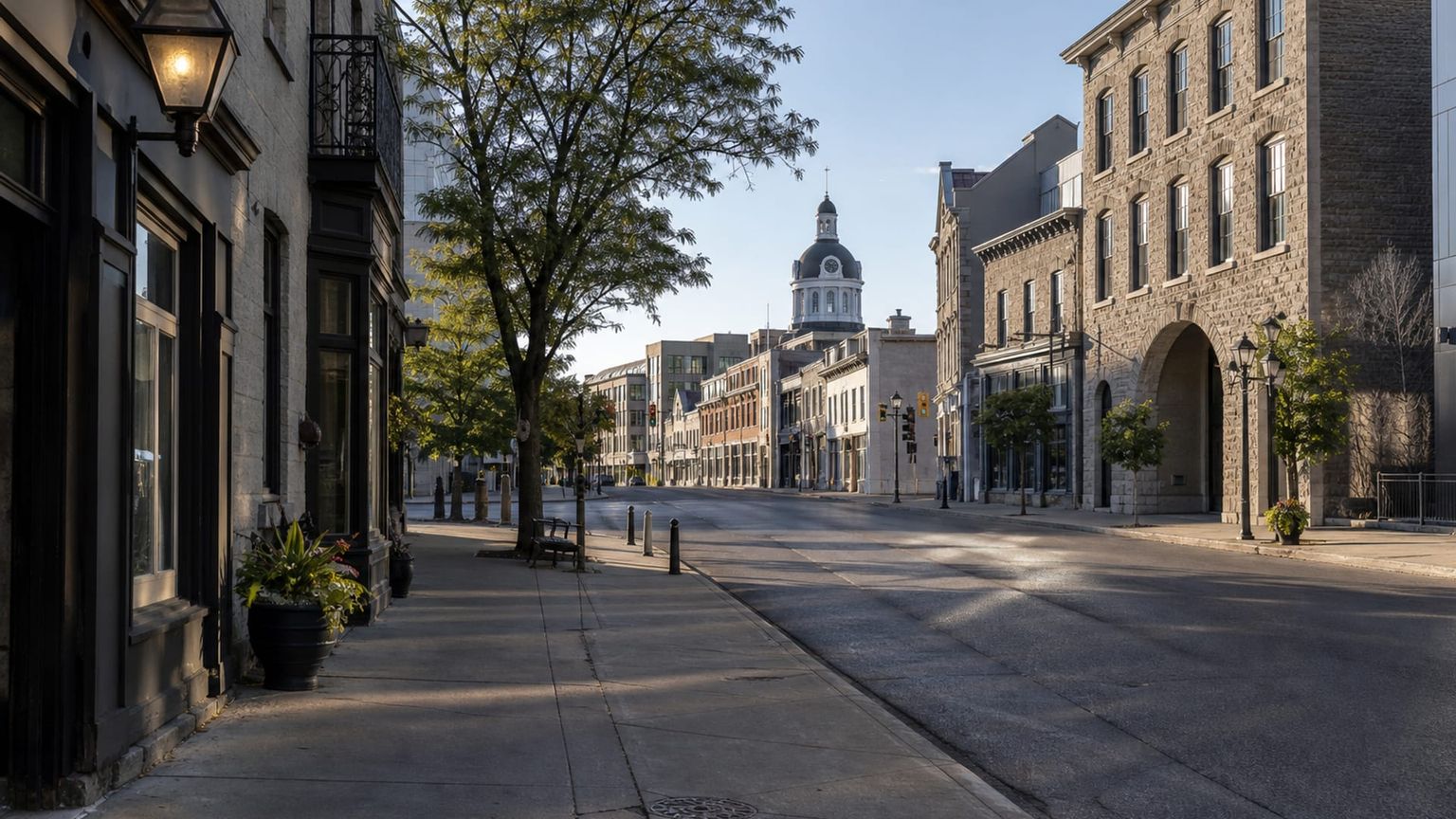
Downtown Kingston includes City Hall, the waterfront, Princess Street, restaurants, shops, and historic limestone buildings within a compact area. It is the most convenient part of Kingston for travelers who want to explore the central sights on foot and keep dining close to their hotel.
Best for: Walkable sightseeing, dining, and short-stay visitors who want the main sights close by
What to expect: Busy sidewalks by day, with the most activity along Princess Street and near the waterfront.
Hotel prices: Usually about $180 to $320 per night for well-rated stays
Distance to major sights: 5 to 15 minutes on foot to City Hall and the waterfront
Quietness: Busier in the day and early evening, quieter after dinner once shops close.
Main trade-off: You pay more for the central address, and some rooms sit above traffic and late-opening bars.
Good to know: Check whether your hotel has on-site parking and what it costs. Municipal garages and surface lots are also available throughout downtown.
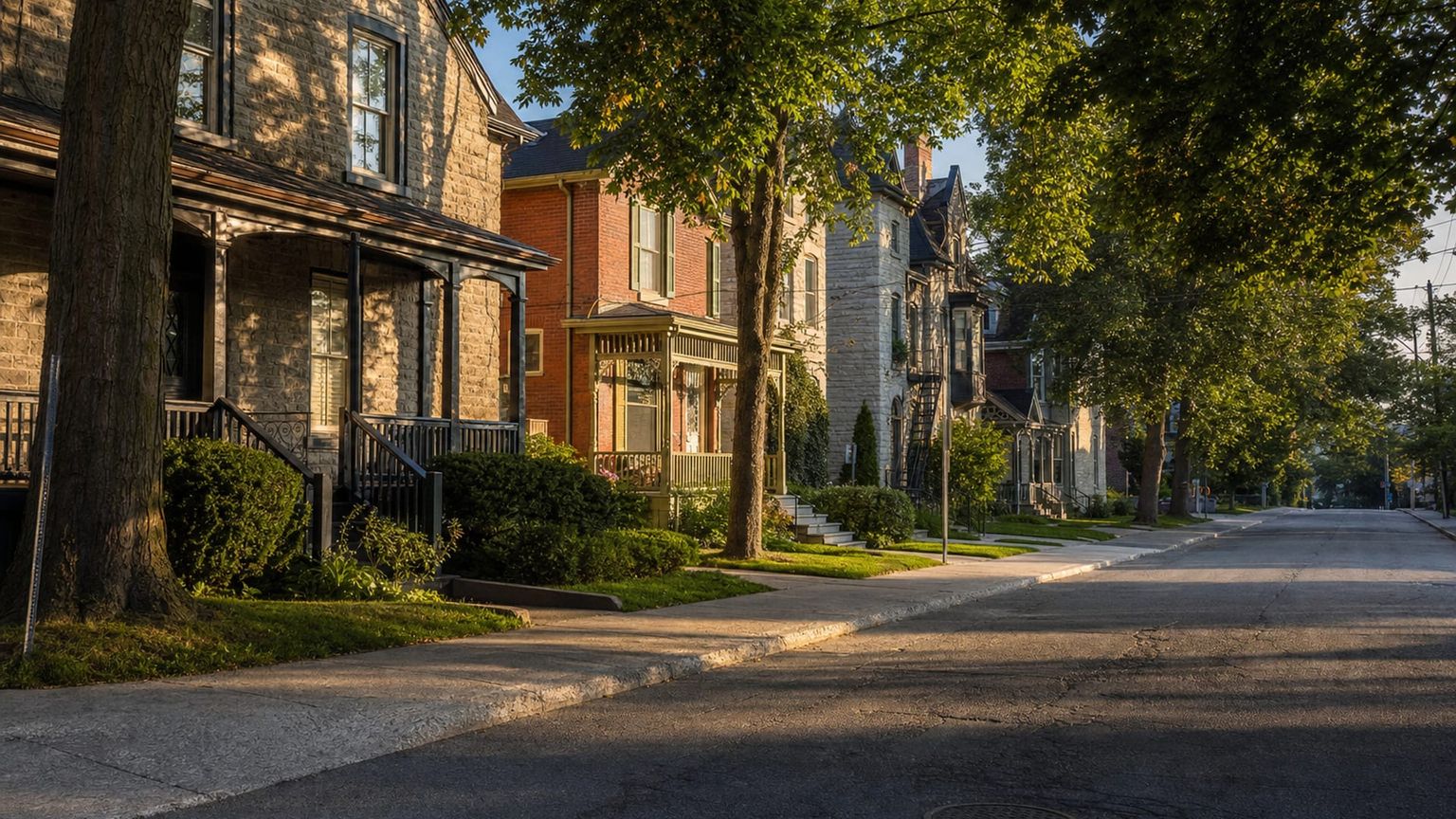
Sydenham Ward borders downtown Kingston and is known for 19th-century homes, mature trees, churches, and small historic inns. Its residential streets keep Princess Street, City Hall, and the waterfront within walking distance from many properties while placing most nightlife a few blocks away.
Best for: Heritage character, quieter evenings, and travelers who still want to walk downtown
What to expect: Mostly residential streets, with a modest flow of local traffic and pedestrians near the downtown edge.
Hotel prices: Usually about $160 to $290 per night for well-rated stays
Distance to major sights: 10 to 20 minutes on foot to City Hall and the waterfront
Quietness: Calmer than downtown in the day, and notably quieter at night.
Main trade-off: You gain more peace, but you may need to walk a little farther for late dinners and waterfront events.
Good to know: Check whether your property includes parking. Street spaces can be paid, time-limited, or permit-controlled, while some inns provide their own lot.
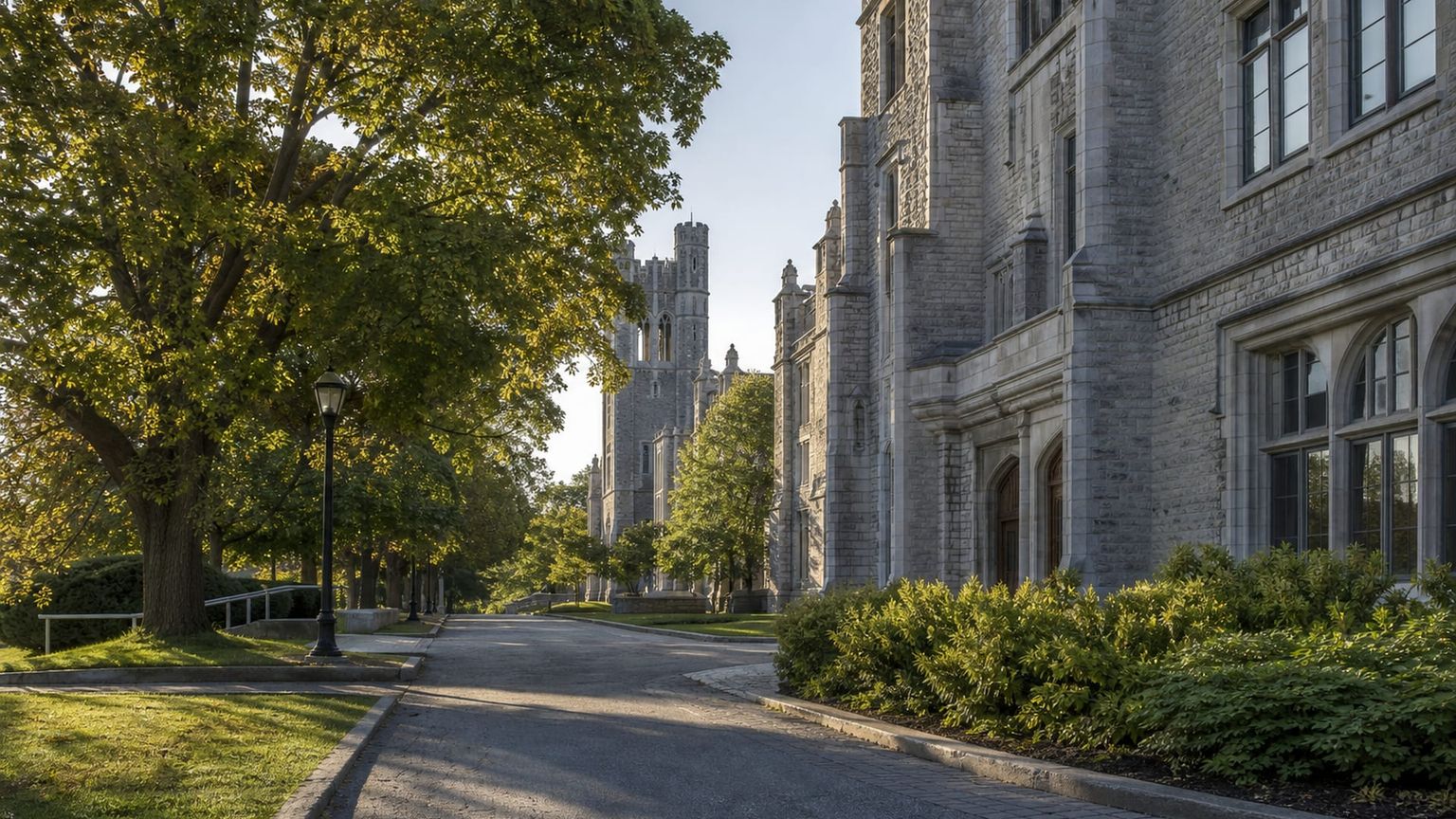
The Queen’s University area borders downtown Kingston and includes the main campus, Kingston General Hospital, student housing, cafés, and nearby waterfront paths. It is a practical choice for campus visits and for travelers who want to walk downtown without staying in the busiest part of the core.
Best for: Campus visits, budget-aware stays, and travelers who want quick access to downtown by foot
What to expect: Active around class times, with student foot traffic, cafes, and a steady but local street scene.
Hotel prices: Usually about $140 to $260 per night for well-rated stays
Distance to major sights: 10 to 25 minutes on foot to downtown and the waterfront
Quietness: Active in the day, then quieter at night except near main student corridors.
Main trade-off: Rates can be lower than downtown, but weekends and graduation periods can tighten availability.
Good to know: Book early for Homecoming and Convocation. Summer visitors can also compare Queen’s residence rooms with nearby hotels, inns, and guesthouses.
For a sightseeing-focused visit, avoid Cataraqui Woods and the airport-side west end. Both are several kilometers from downtown, the waterfront, and Queen’s University, so most meals and attractions require driving or transit.
Hotel deals
How to get around Kingston efficiently
Kingston Transit covers most longer city trips, while taxis and Uber are useful when you have luggage, travel late, or need a direct ride across town.

Kingston Transit
for longer daytime trips
Kingston Transit links downtown with Queen’s University, the VIA Rail station, residential areas, and routes toward Fort Henry. A cash fare is C$3.50 (US$2.46), and a day pass costs C$10 (US$7.02). Transfers are valid for 90 minutes. If you pay cash, use exact coins.

Taxi
for direct trips and late hours
Kingston taxis are useful for direct trips, late evenings, and journeys with luggage. City-regulated cabs use meters, starting at C$4.50 (US$3.16) for the first 440 feet (135 meters), then adding distance and waiting charges. You can call a local taxi company for pickup anywhere in the city.

Uber
for app-based trips
Uber operates in Kingston and is useful when you want a direct ride without calling a cab. Fares appear in the app before you request the trip, and service is available day and night. It is also a convenient option for the airport, where Kingston Transit does not stop directly at the terminal.
*Prices are based on rates updated as of October 2026 and may change at the time of travel.
Kingston Transit covers routine daytime trips, taxis handle direct local rides, and Uber adds app-based pickup, including travel to and from the airport.
Iconic landmarks
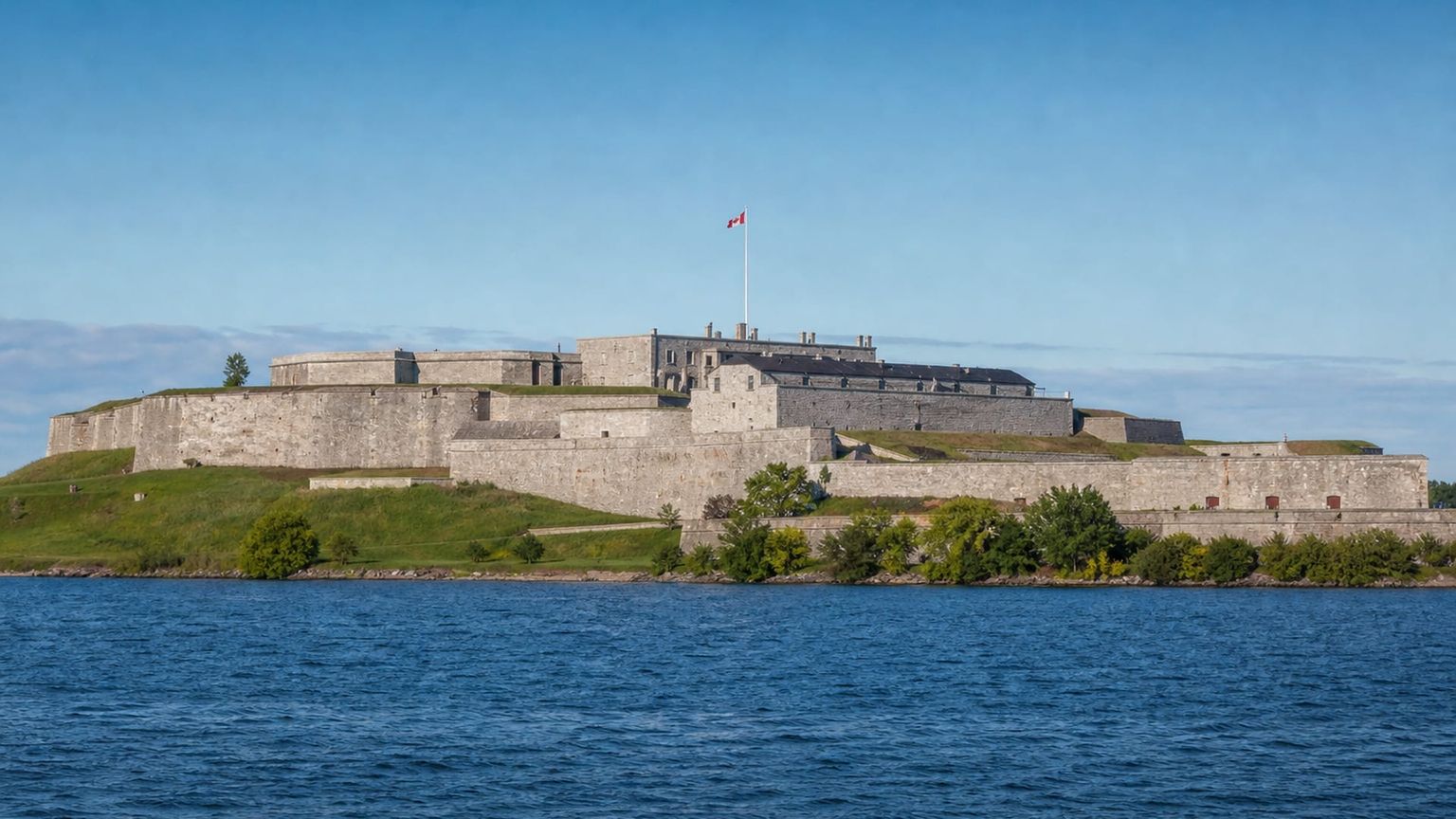
Fort Henry National Historic Site
Built from 1832 to 1837 on Point Henry, Fort Henry guarded Kingston Harbour, the naval dockyard, and the Rideau Canal entrance. Today, its stone ramparts, guided tours, military drills, and artillery demonstrations show how British troops lived and trained in 19th-century Kingston.
Time needed: About 2 to 3 hours
Entry: Admission costs $18.50 ($18.50) for adults, $16.50 ($16.50) for seniors, and $14.50 ($14.50) for youth; family rates also apply. Visit the official site for details.
Tip: Time your visit for the 1:30 pm Garrison Parade during the summer season.
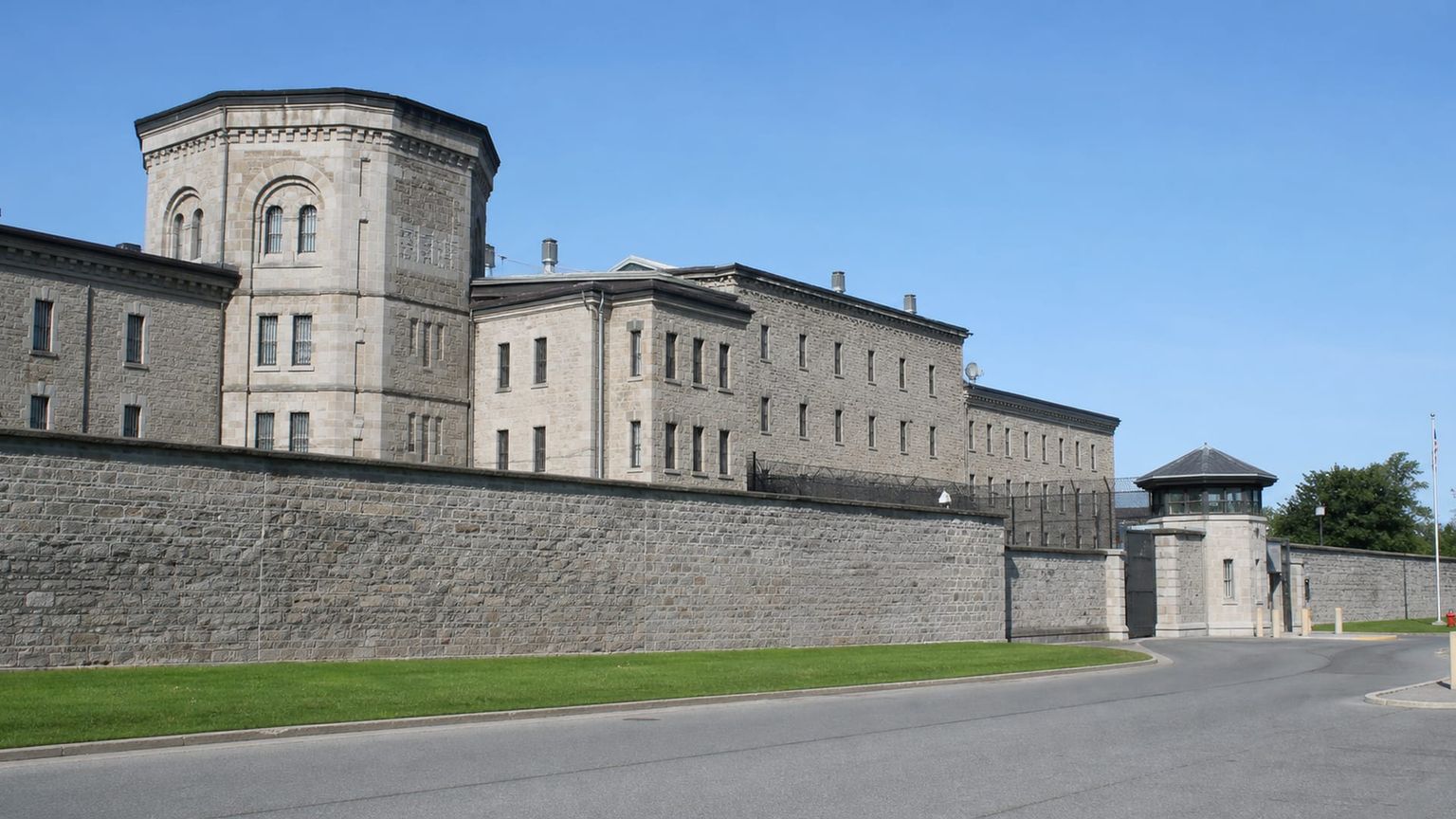
Kingston Penitentiary
Kingston Penitentiary operated from 1835 to 2013 and was Canada’s first penitentiary. Guided tours take you through former cell ranges, workshops, exercise yards, and staff areas, explaining daily routines, escapes, riots, and the lives of the people who lived and worked behind its limestone walls.
Time needed: About 1.5 to 2 hours
Entry: Guided tours cost about $35 ($35) for adults and about $31 ($31) for seniors and youth; taxes are extra where applicable. Visit the official site for details.
Tip: Choose the Standard Tour for an accessible visit without the stairs on the Extended Tour.
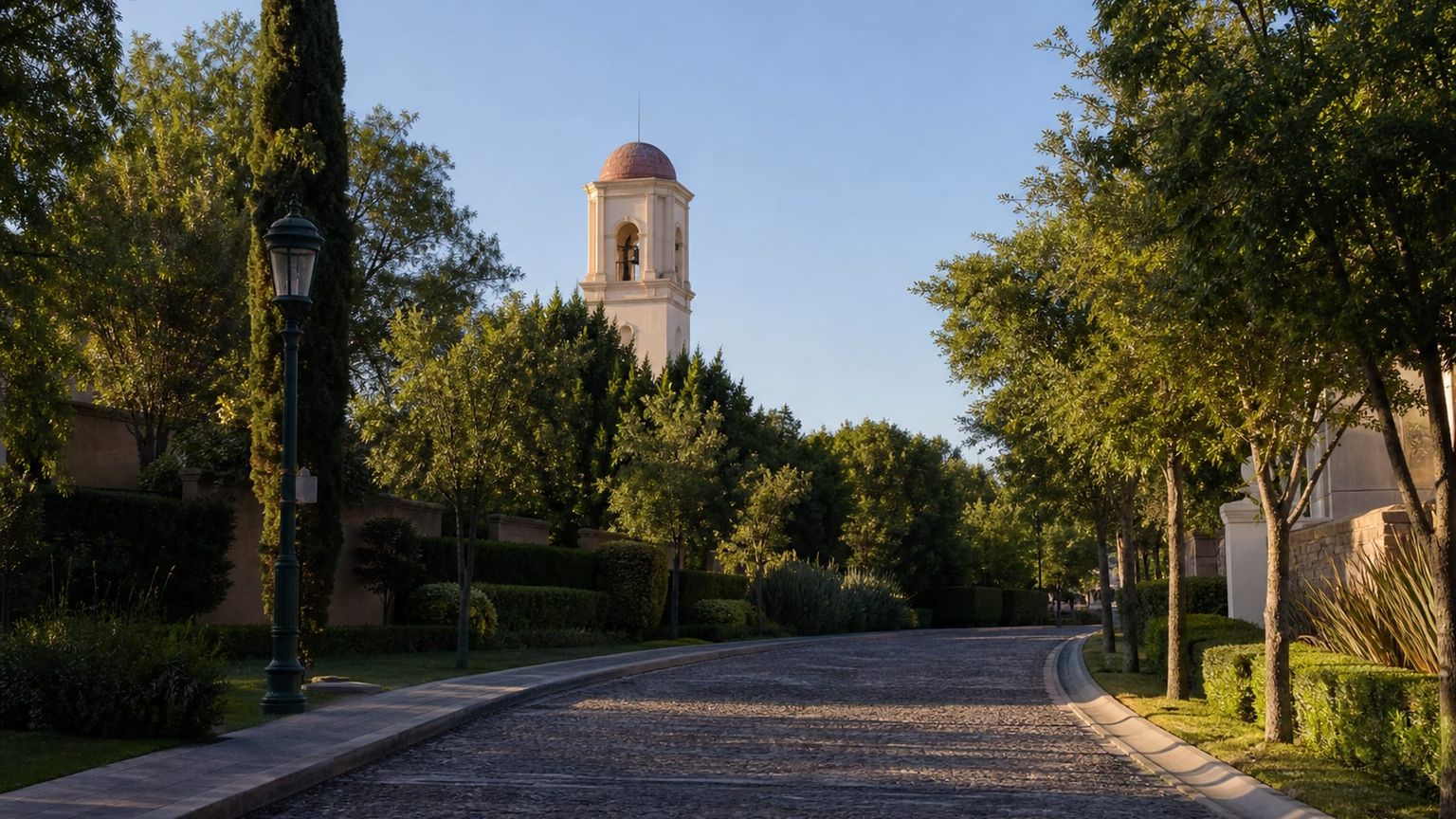
Kingston City Hall
Kingston City Hall has faced the waterfront since 1844, when Kingston was still closely tied to its years as Canada’s first capital. The National Historic Site contains grand civic rooms, former jail cells, a police station, exhibitions, and the Victoria Library tucked inside the dome.
Time needed: About 30 to 45 minutes
Entry: Free to access
Tip: Book a guided tour to see the former jail cells and Victoria Library inside the dome.
Overlooked sites worth visiting

Bellevue House National Historic Site
Bellevue House, an 1840s Italianate villa, interprets Sir John A. Macdonald’s years in Kingston and political legacy. The visit also includes restored rooms, gardens, an orchard, and a kitchen garden.
Time needed: About 1 to 2 hours
Entry: Adult admission is about $10 ($14.25 CAD); youth, student, and senior discounts usually apply. Seasonal hours vary, and the site sells separate house tours and garden access, so check current opening times before you go. Visit the official site for details.
Tip: Check opening days before visiting, as Bellevue House is not open daily outside summer.

Murney Tower National Historic Site
Murney Tower, built in 1846 beside Lake Ontario, is one of Kingston’s four Martello towers. Its compact museum covers local defenses, military life, and daily life in the 19th century.
Time needed: About 45 minutes to 1 hour
Entry: Admission is about $6 ($9 CAD) for adults, with lower rates for children and seniors; summer hours are limited, and guided access or special events may change the visit format, so confirm the schedule before arriving. Visit the official site for details.
Tip: Use nearby public washrooms before visiting, as the tower has no running water or toilets.
Traditional food
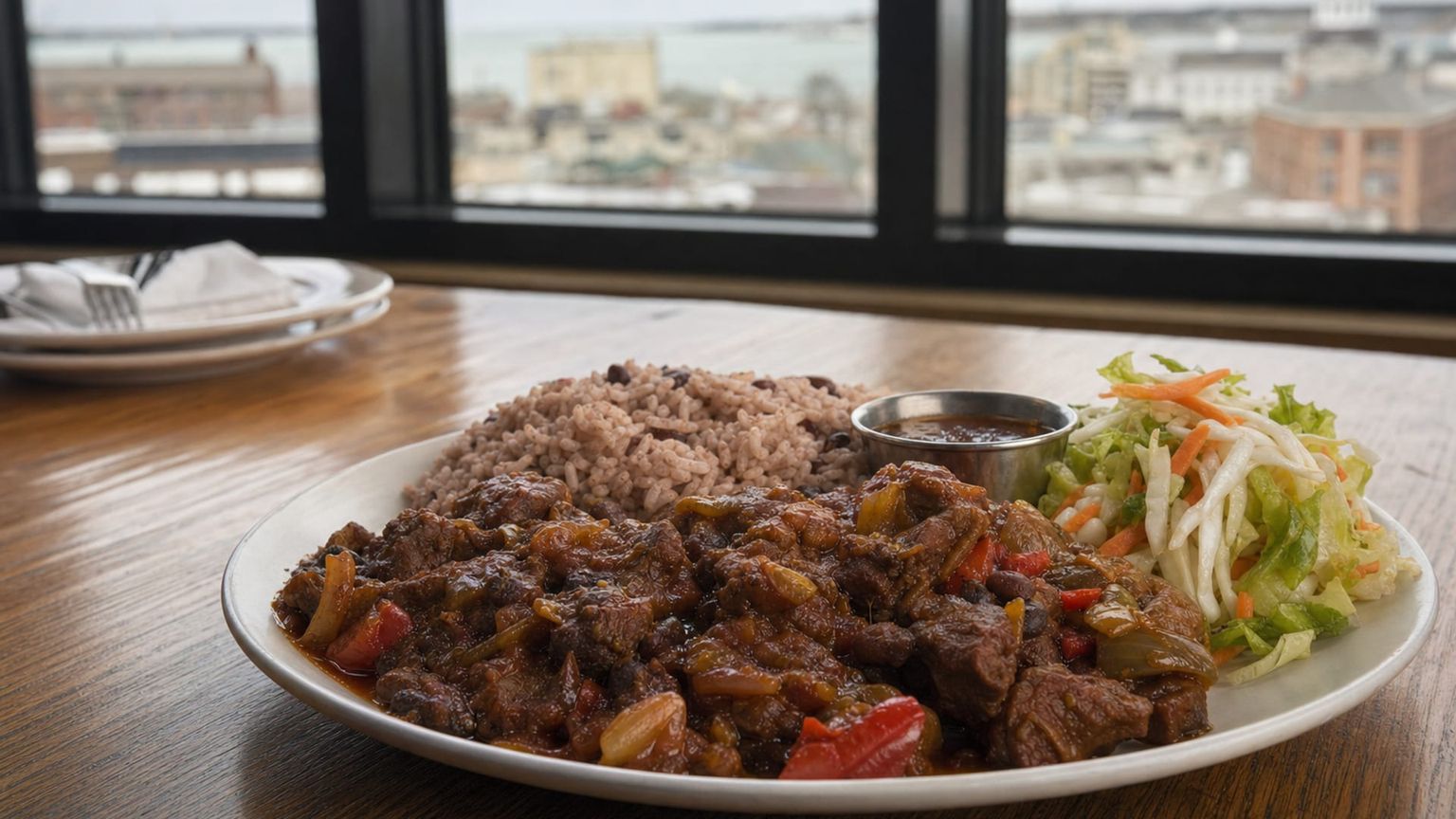
Kingston’s food scene draws on Ontario and Canadian classics as well as local ingredients. Poutine, butter tarts, peameal bacon, and tourtière are four familiar dishes visitors can try in the city.
Poutine
Poutine layers hot fries with gravy and cheese curds, creating one of Canada’s best-known comfort foods. Harper’s serves its version with fresh-cut or waffle fries, St-Albert cheese curds, and gravy, with smoked meat available as an extra.
Butter tarts
Butter tarts have a flaky pastry shell filled with a rich mixture of butter, sugar, syrup, and egg, with the center staying soft and sticky. Pan Chancho Bakery + Café sells maple butter tarts at its downtown Kingston bakery.
Peameal bacon sandwich
Peameal bacon is pork loin cured in brine and rolled in cornmeal, then sliced and cooked for breakfast or sandwiches. Jiffy Grill serves a peameal, lettuce, and tomato sandwich, along with breakfast plates pairing peameal bacon with eggs.
Tourtière
Tourtière is a French Canadian meat pie filled with seasoned ground meat and baked in pastry, with recipes varying by region and household. Pan Chancho Bakery + Café sells a traditional version made with ground pork and beef.
Best time to visit Kingston
Kingston changes sharply by season, with summer offering the fullest sightseeing schedule and winter shifting more of the trip indoors.
Best for: Historic sites reopening, cool-weather walks, and early-season sightseeing
What you get: March can start near 22°F (-6°C), while May reaches about 64°F (18°C), and more historic attractions reopen as spring progresses.
Trade-offs: March and April can still be cold, and several major attractions do not reopen until May begins.
Best for: Fort Henry, waterfront walks, patios, cruises, festivals, and long daylight
What you get: Summer days usually range from about 55°F to 78°F (13°C to 25°C), alongside the fullest schedule of cruises, festivals, tours, and patios.
Trade-offs: Summer brings more visitors and events, so central hotels and popular attractions can fill up sooner.
Best for: Fall color, cooler walks, and historic sites still open in early fall
What you get: Early fall temperatures can reach 69°F (21°C), but late November ones drop to 31°F (-1°C), and seasonal attractions gradually close.
Trade-offs: Fort Henry and Bellevue House reduce or end regular visits before November, limiting later trips.
Best for: Museums, galleries, cafés, winter events, and short indoor-focused visits
What you get: Expect winter temperatures from roughly 11°F (-12°C) on colder nights to 35°F (2°C) on milder days, with more time spent indoors.
Trade-offs: Cold weather limits long waterfront walks, and several major historic attractions are closed.
A realistic 5-day plan in Kingston
This five-day plan fits best from June through August, when Kingston’s main historic sites keep their fullest schedules. It moves from downtown to Fort Henry, then west to the penitentiary and Bellevue House before ending along the waterfront again.
Arrive in Kingston by Air Canada Landline coach from Toronto Pearson, VIA Rail, or another ground connection, then take a taxi or Uber to your hotel. Spend the first afternoon near Princess Street and Market Square, where City Hall, the waterfront, cafés, and shops are close together. Keep the evening easy with dinner downtown, then walk by the harbor as the light fades. It is enough for the first day without filling the arrival afternoon with sightseeing.
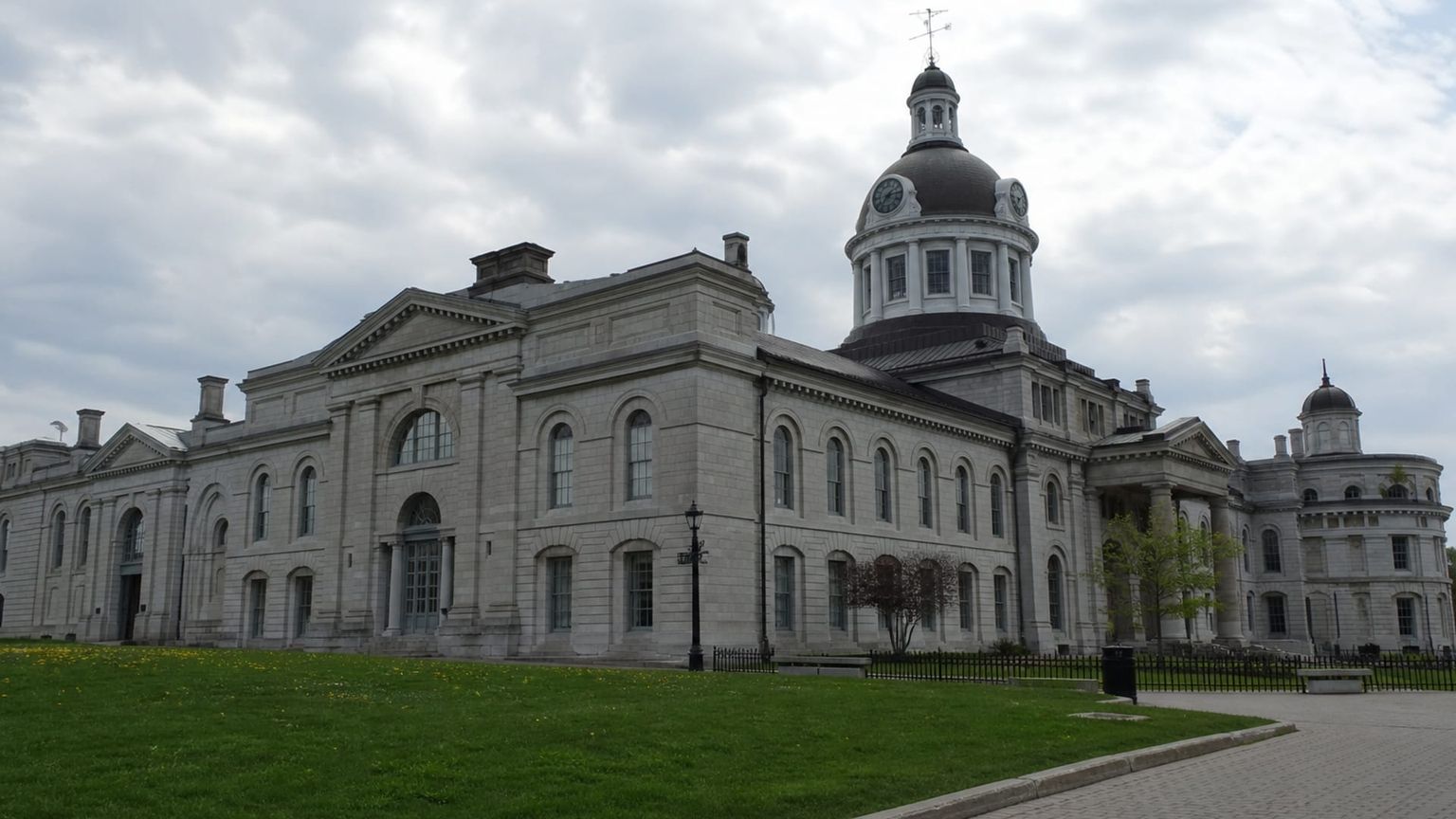
Spend the morning at Fort Henry National Historic Site, where the ramparts, artillery demonstrations, and military displays explain Kingston’s role in defending the Rideau Canal and naval dockyard. Allow 2 to 3 hours, then return downtown for lunch and follow the waterfront past Confederation Park and City Hall. The afternoon is intentionally lighter after the fort, leaving time to linger by the harbor before dinner on or near Princess Street.
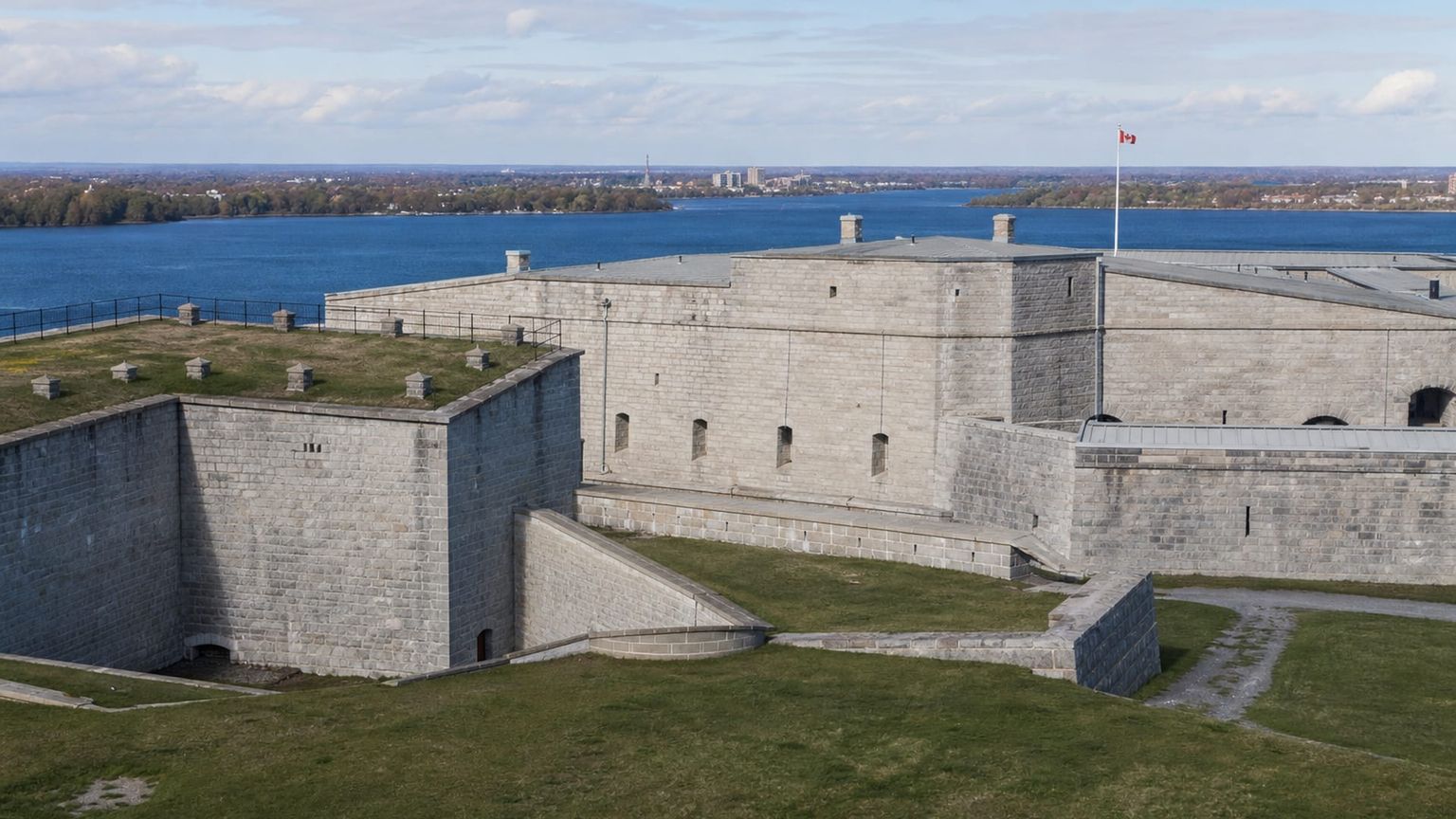
Start with the 1.5-hour Standard Tour at Kingston Penitentiary, then walk or take a short taxi ride to Bellevue House. The prison tour covers cell ranges, workshops, and exercise yards, while Bellevue shifts the afternoon to restored rooms, gardens, and Sir John A. Macdonald’s political legacy. Leave time for the orchard and kitchen garden before heading back toward downtown, where the evening is free for dinner and a slower walk through the center.
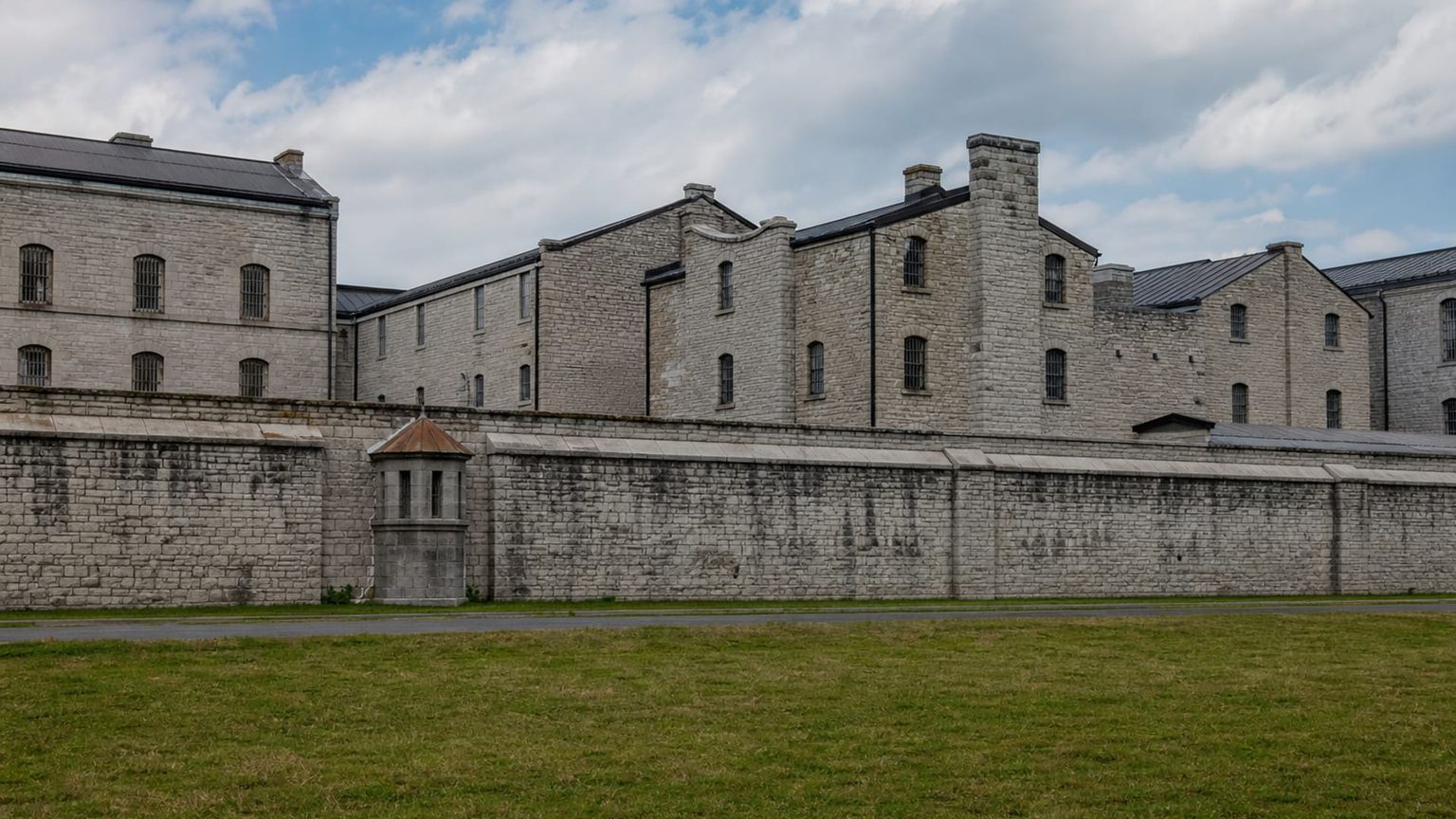
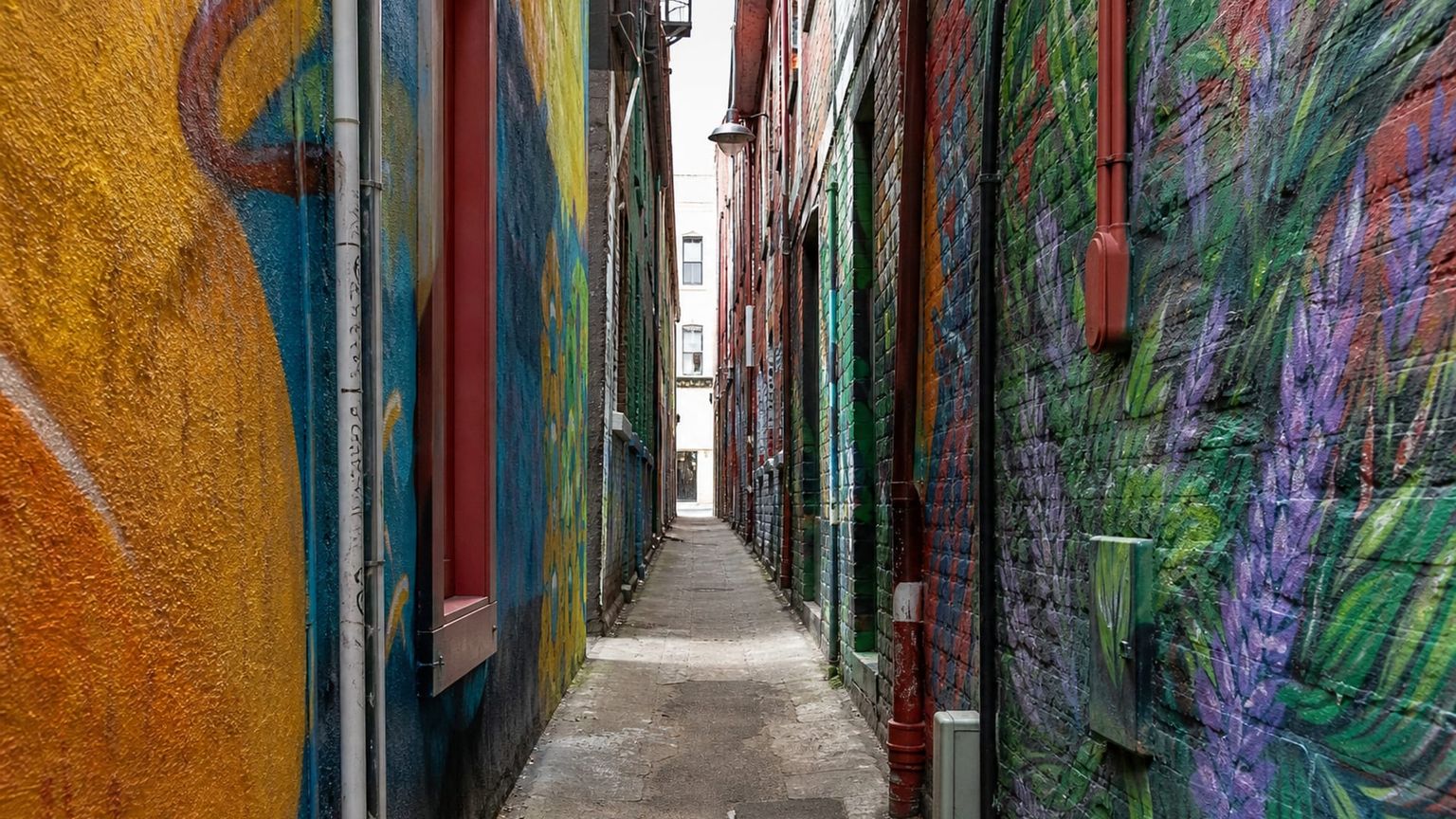
Begin at Martello Alley when the galleries open, then walk to Kingston City Hall for a guided tour if one is running that day. Continue south along the waterfront to Murney Tower when it is open for its summer season, then stop for lunch and follow the lakefront paths near City Park. This is the least structured day of the trip, with room for gallery browsing, a bench by the water, and an unhurried return downtown before dinner.
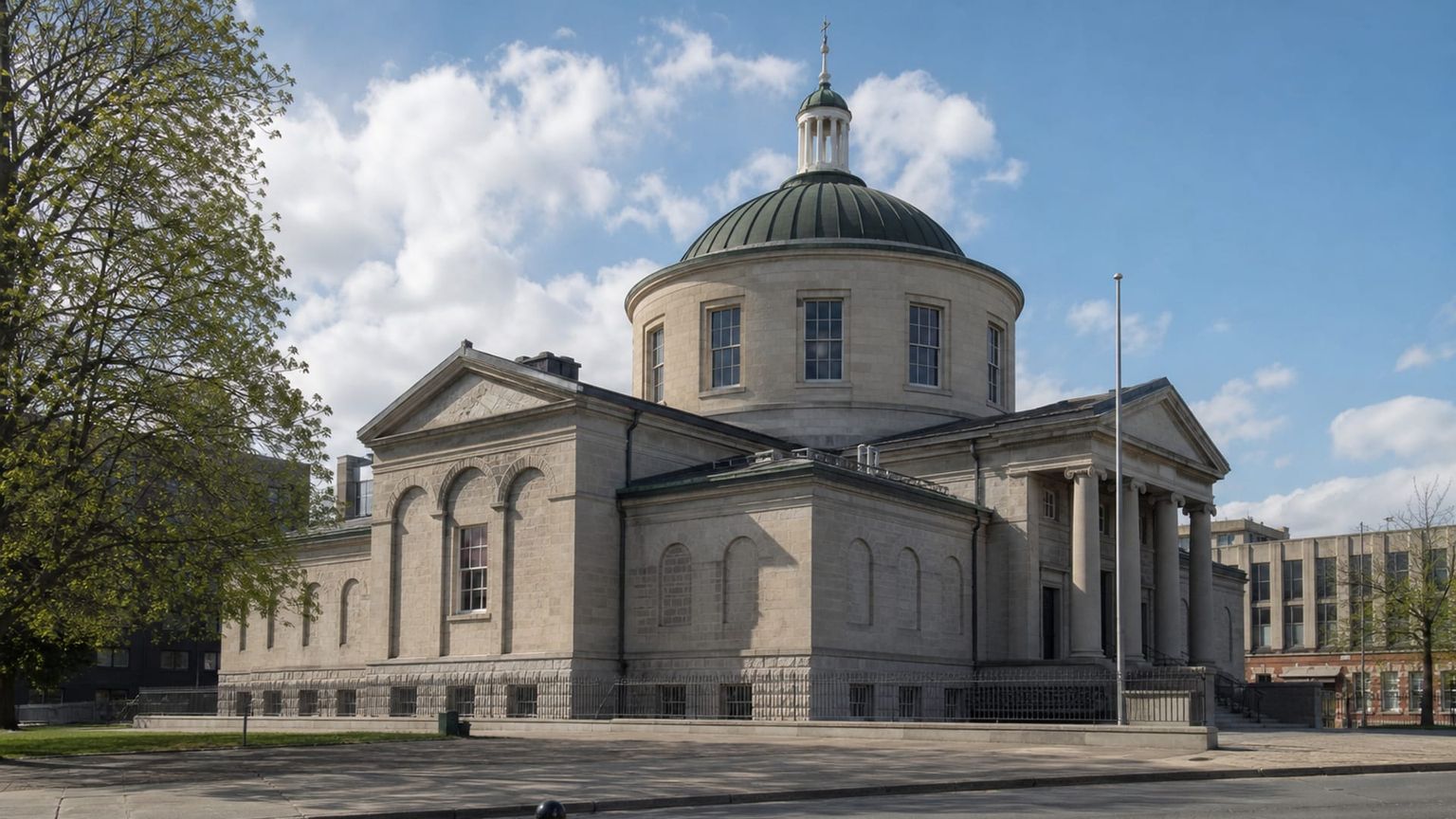
Use the final morning for the Canadian Museum of Health Care beside Queen’s University, where exhibits trace medicine, nursing, and hospital life in Canada. From there, walk through the campus toward the waterfront, stop for coffee nearby, then return downtown for lunch and a final browse along Princess Street. Keep the last part of the day open for departure, with enough time to reach the VIA Rail station, YGK for Air Canada Landline, or another ground connection.
Business-class flights from the US to Kingston
Kingston Norman Rogers Airport (YGK) does not receive flights from the US directly. Instead of operating a direct international flight or a one-stop flight including a domestic leg to this airport, Air Canada offers travelers from the US a flight to Toronto Pearson Airport (YYZ), bundled up with a 3-hour bus ride to Kingston Airport (YGK).
Newark (EWR) to Kingston (YGK)
From Newark, Air Canada and United Airlines offer direct daily flights to Toronto Pearson Airport (YYZ), which take almost 2 hours. Travelers on United Airlines flights then take the bus to Kingston provided by Air Canada. Before boarding the bus, travelers have a layover, which may take from 2 to 11 hours. Total travel time on this route varies from 6 to 15 hours. Round-trip business-class fares typically range between US$800 and US$1,000.
Los Angeles (LAX) to Kingston (YGK)
Air Canada is the only airline offering flights from Los Angeles to Kingston. These flights also include a bus transfer from Toronto Pearson (YYZ). The journey takes 9 to 16 hours total, depending on the layover. Round-trip business-class fares range from US$1,200 to US$2,500.
Give Kingston time to unfold
Kingston is at its best when the trip has enough structure to keep the days focused, but not so much that every hour is planned. Give Fort Henry its own time, pair nearby historic sites, and leave space for the waterfront, Princess Street, cafés, and slower evenings downtown. That balance keeps travel time down and lets each part of the city stand on its own. Once your dates are set, AranGrant travel experts can help with business-class flights to Kingston and hotel options for your trip.







