

Chapters:

Need help with your trip?
Our support team is available 24/7. Request a callback or call us directly at (833) 619-0908
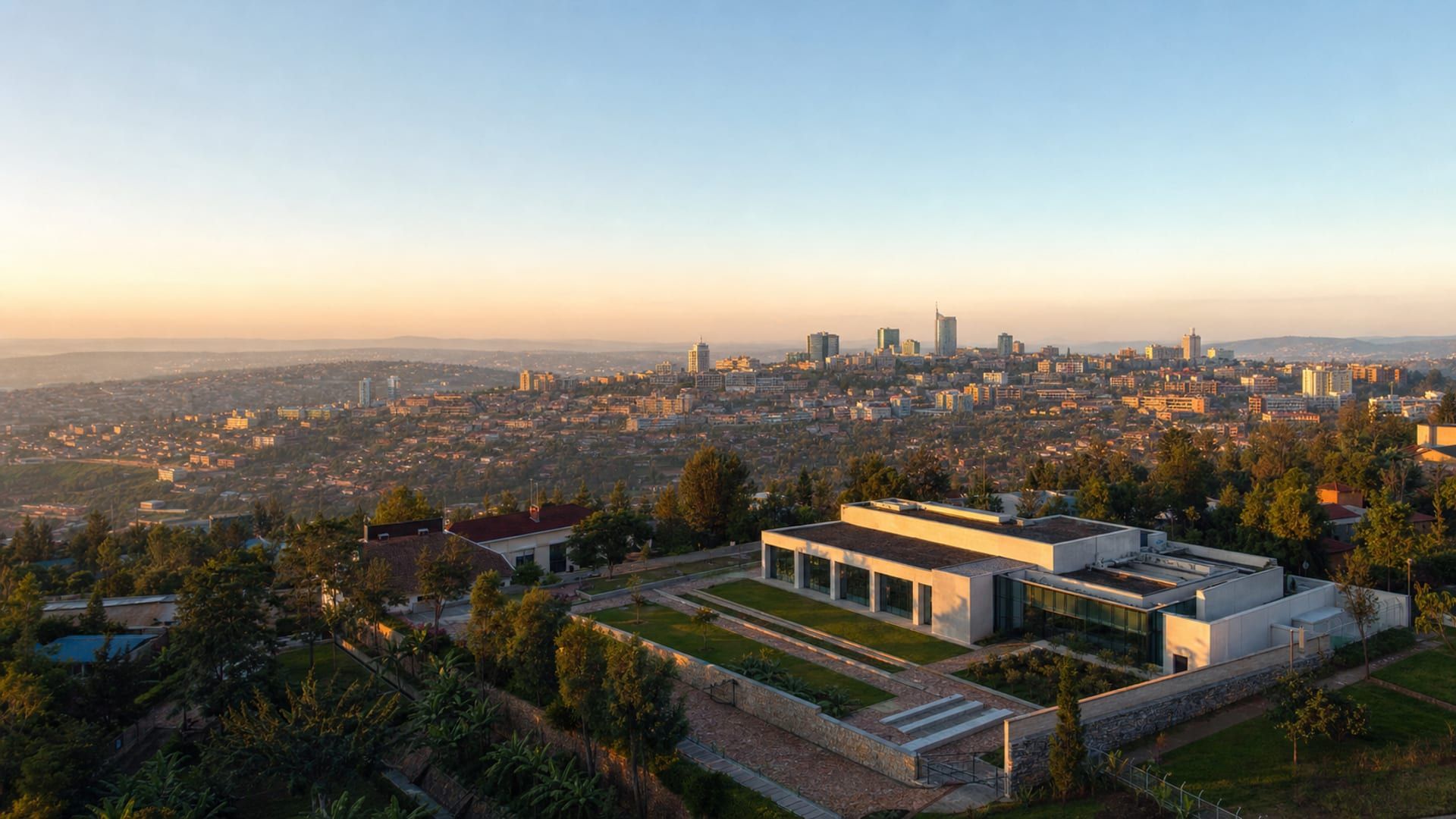
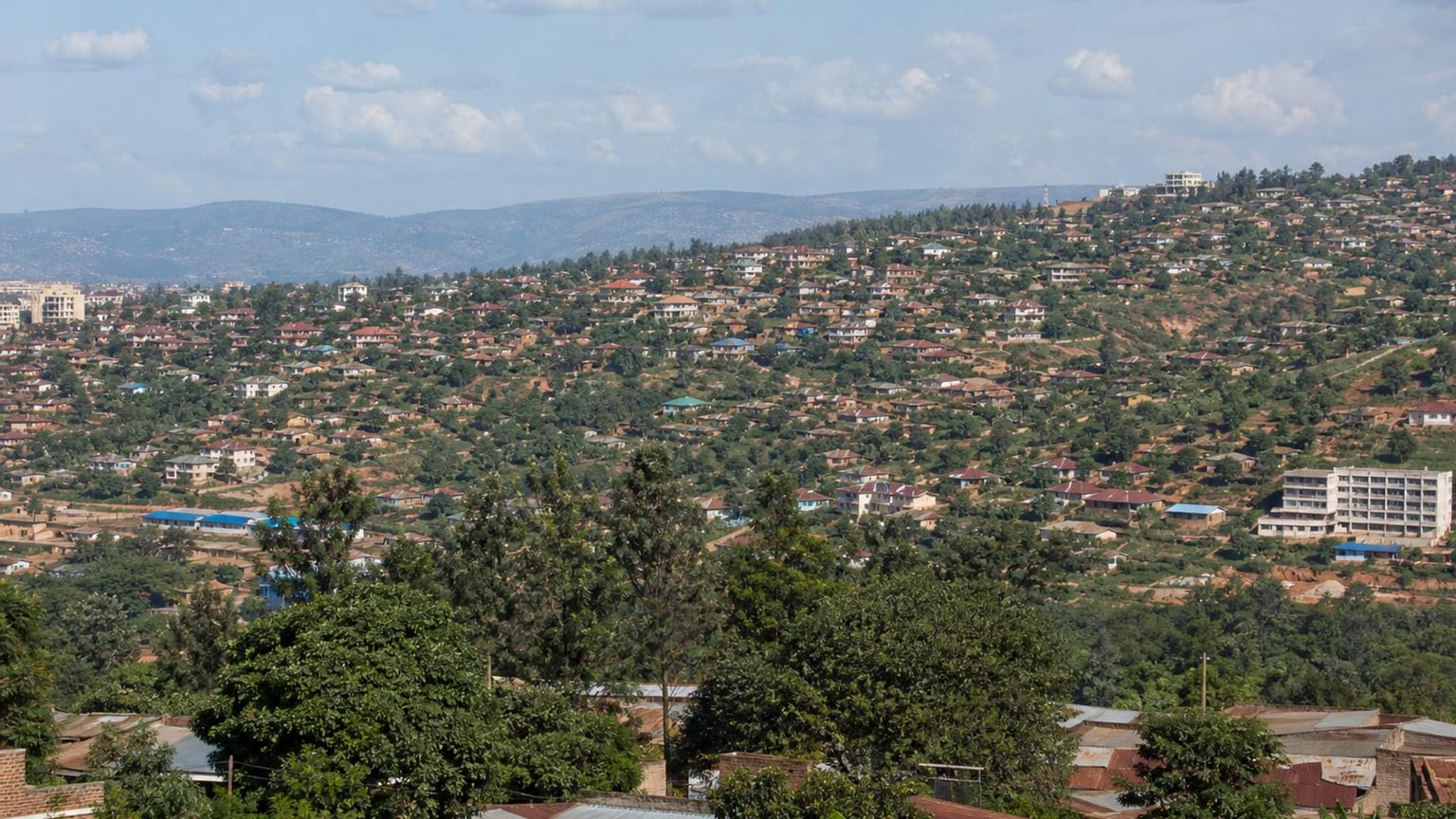
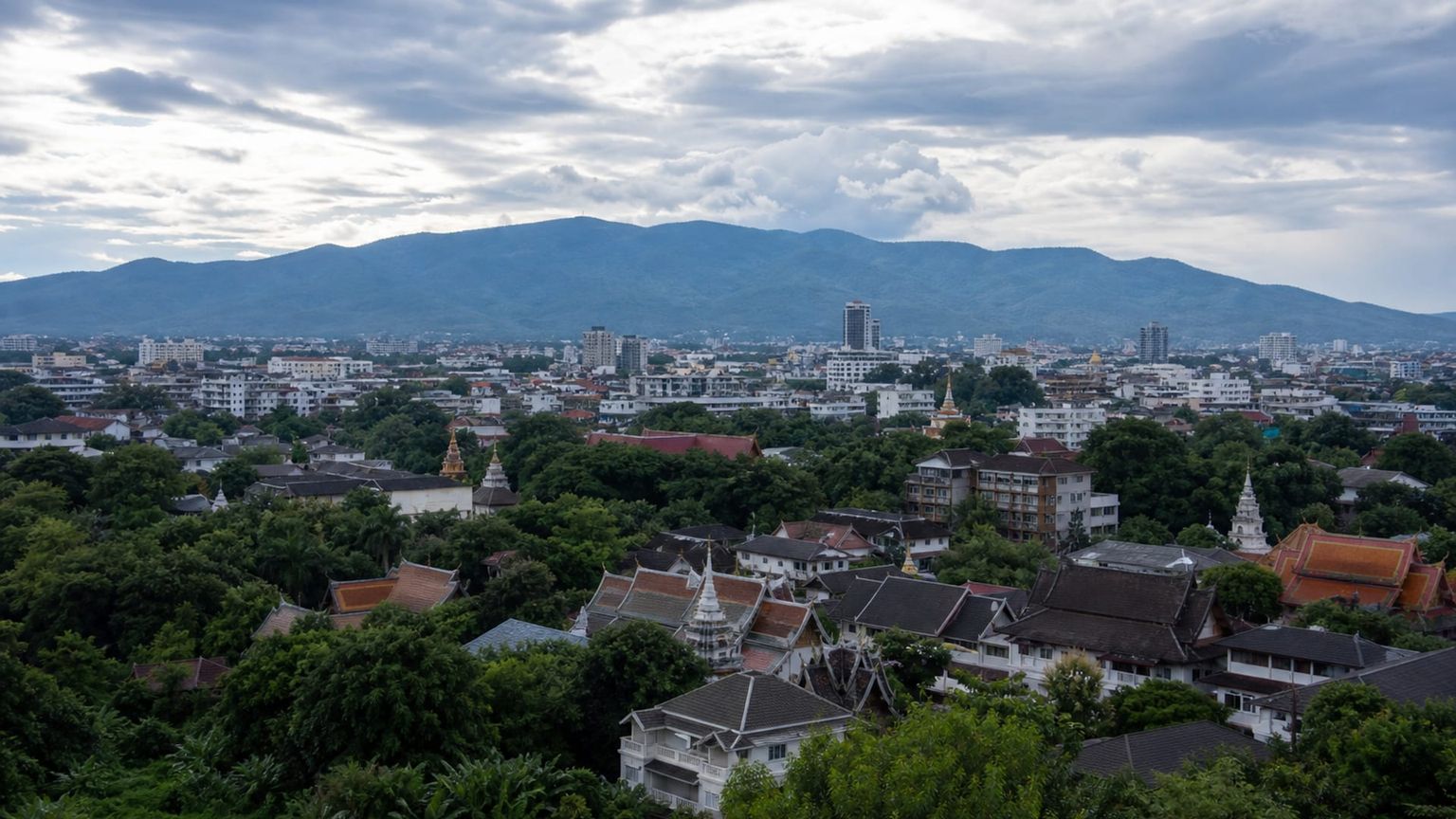
Kigali is Rwanda’s capital and largest city, spread across a series of hills and valleys near the center of the country. Founded in 1907, it became the national capital when Rwanda gained independence in 1962. Government districts, residential hillsides, markets, galleries, memorials, and restaurants now occupy different parts of the city.
This guide covers everything you need to know about where to stay, what to eat, how to get around, when to visit, which places to see, and how to plan five days in Kigali.
Useful things to know

Main language(s): Kinyarwanda is spoken throughout Rwanda. English, French, and Kiswahili are also official languages.
Muraho (moo-RAH-ho) – Hello
Nyabuna (nyah-BOO-nah) – Please
Murakoze (moo-rah-KOH-zeh) – Thank you
Muvuga Icyongereza? (moo-VOO-gah ee-chyo-NGEH-reh-zah) – Do you speak English?
Bihagaze angahe? (bee-HAH-gah-zay ahn-gah-HAY) – How much does it cost?

Currency: Rwandan franc (RWF, FRw)

Cash and cards: Larger hotels, restaurants, and shops increasingly accept cards, with Visa more commonly accepted than Mastercard. Keep RWF 20,000 to RWF 40,000 ($14 to $27) for markets, smaller businesses, and places where card payment is unavailable.

Tipping: Tipping is optional. Round up small bills or leave a modest cash tip at restaurants when the service is good.

Traditional food: Brochettes, isombe, matoke with groundnuts, and urwagwa

Water and coffee costs: A bottle of water commonly costs RWF 500 to RWF 1,000 ($0.35 to $0.70). Espresso at specialty cafés is usually RWF 4,500 to RWF 6,000 ($3 to $4).

Taxis and ride apps: YEGO taxis and moto taxis operate across Kigali, and both use meters. Moto trips often cost RWF 500 to RWF 2,000 ($0.35 to $1.40), while taxis usually cost several thousand francs.

Plug and voltage: Rwanda uses Type C and Type J sockets with a 230V, 50Hz electricity supply.

Dining and shop opening hours: Hotels usually serve breakfast from early morning. Many restaurants open for lunch from noon and dinner from 6:00 pm. Supermarkets and shopping centers generally are open every day.

Emergency number: Dial 112 for general emergencies, 111 for fire and rescue, and 912 for an ambulance.
Where to stay in Kigali
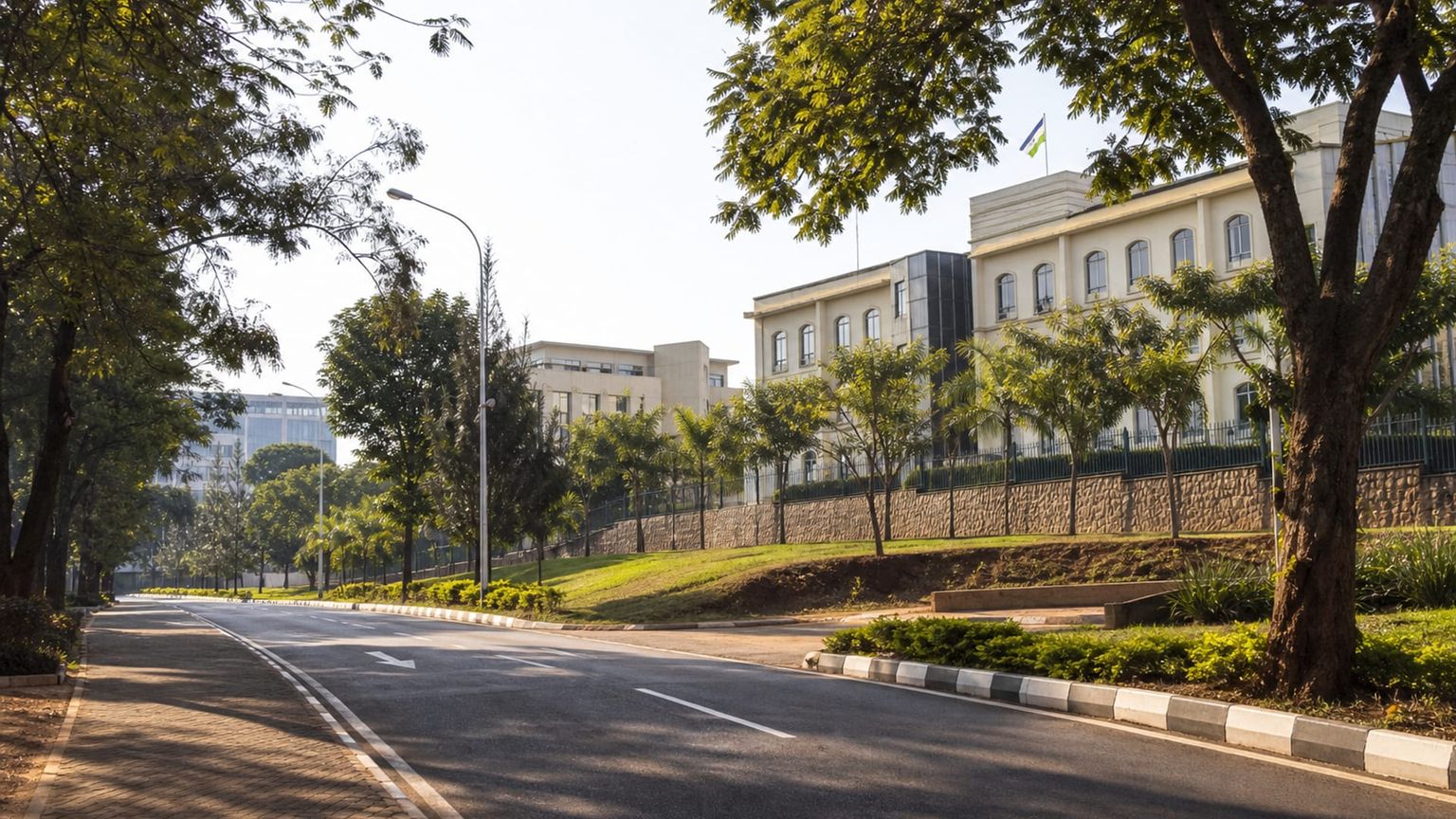
Kacyiru is Kigali’s government and diplomatic district on one of the central hills. Ministries, embassies, offices, hotels, and cultural venues occupy the broad streets above the neighboring valleys.
Best for: Business trips, museum visits, and travelers who want a central base with easy road access
What to expect: Wide roads, office traffic in the day, and a quieter evening scene than the busier nightlife quarters.
Hotel prices: Usually about 80,000 RWF to 180,000 RWF (~60$ to ~135$) per night for well-rated stays
Distance to major sights: About 10 minutes by car to Kigali Convention Centre and roughly 15 minutes to Kigali Genocide Memorial
Quietness: Busy in office hours, then notably calmer after sunset.
Main trade-off: Hotel rates often sit above the city’s midrange neighborhoods, and dining choices thin out at night.
Good to know: Kacyiru is Kigali’s main government and diplomatic district, so weekday traffic is heavier in the morning and late afternoon.
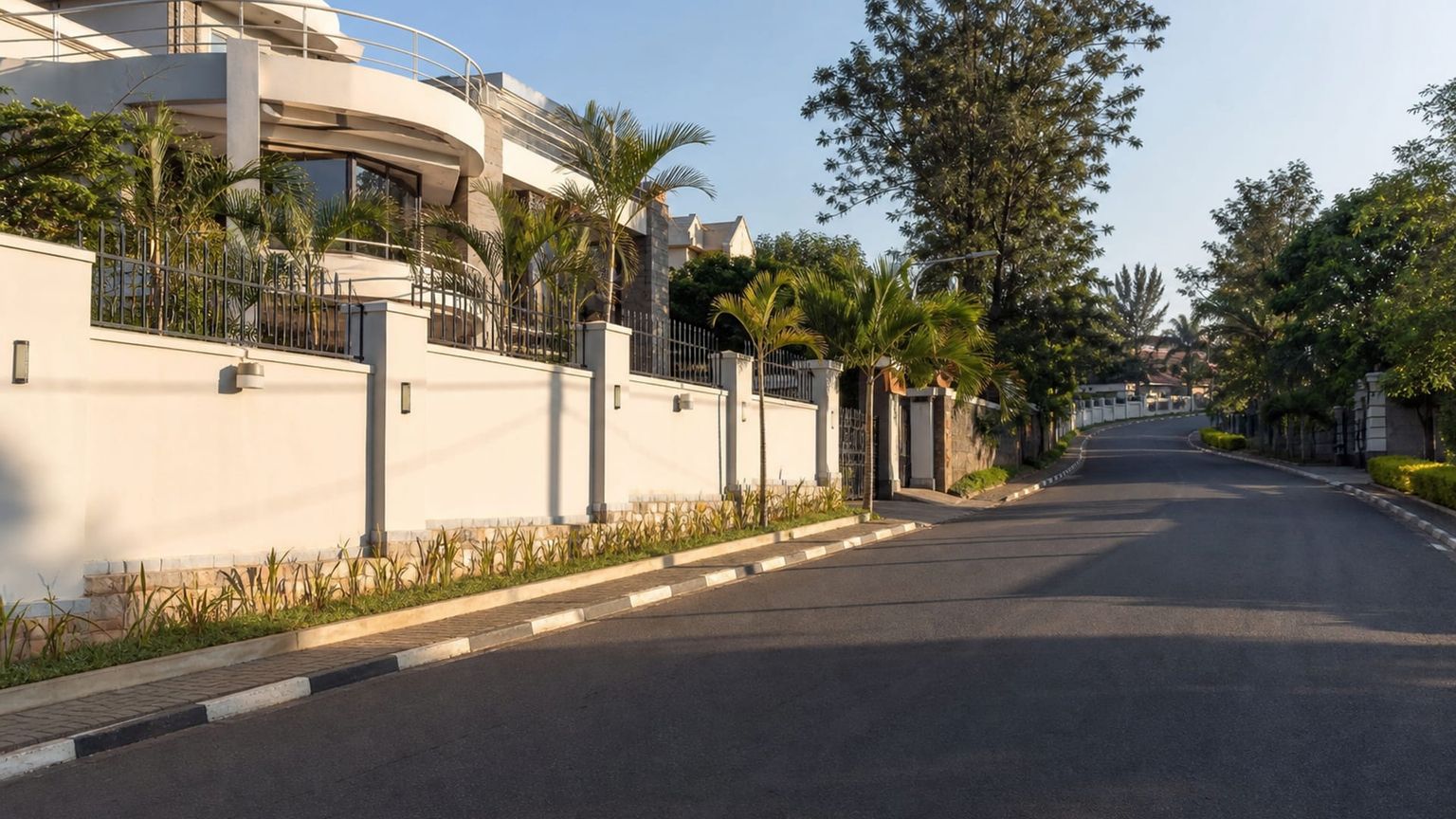
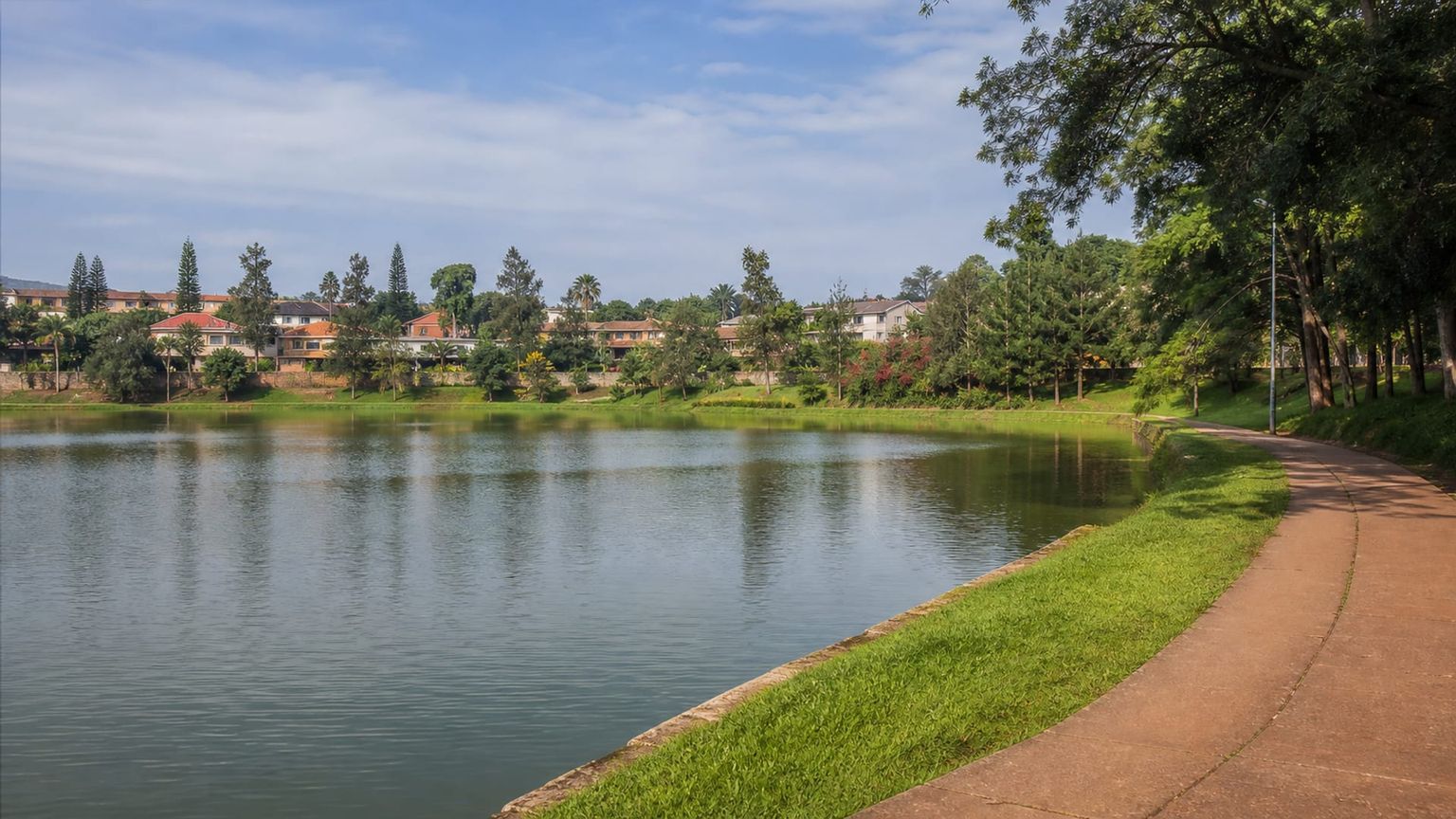
Nyarutarama is a residential district northeast of central Kigali. Villas and apartment buildings cover the hills near Kigali Golf Resort, while a small lake and walking path occupy one of the lower sections.
Best for: Upscale stays, golf, longer visits, and travelers who want quieter evenings
What to expect: Leafy streets, low foot traffic, and a mostly residential feel with activity concentrated in hotel and restaurant clusters.
Hotel prices: Usually about 90,000 RWF to 220,000 RWF (~70$ to ~170$) per night for well-rated stays
Distance to major sights: About 15 minutes by car to Kigali Convention Centre and roughly 20 minutes to the Kigali Genocide Memorial
Quietness: Calm through the day, with a low-key evening scene after restaurant hours.
Main trade-off: You will depend on taxis more often, and some addresses sit on steep roads that add time to short trips.
Good to know: Nyarutarama Lake borders the golf course and has a walking path where visitors can see local birdlife.
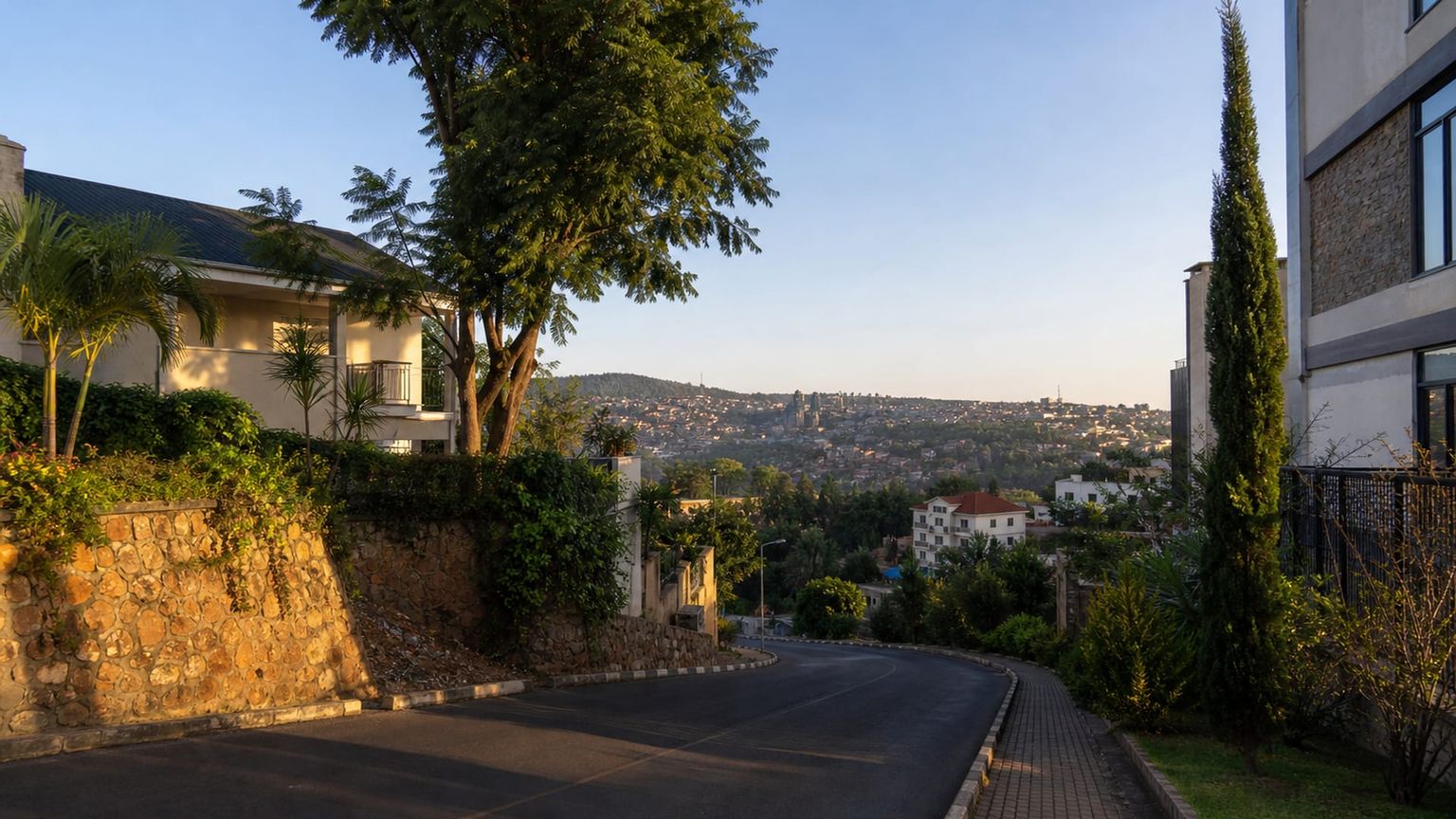
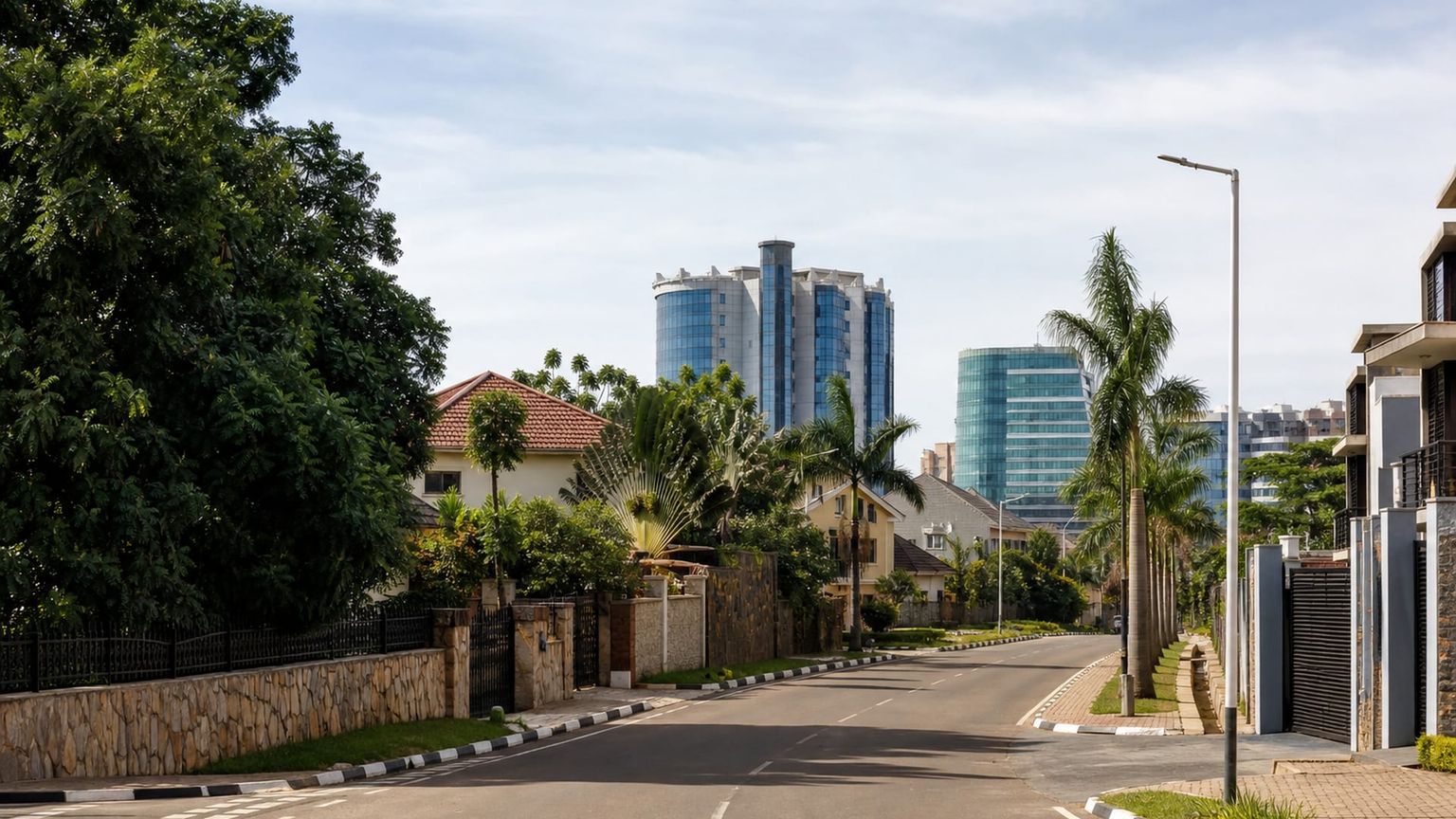
Kiyovu is an older hillside neighborhood above central Kigali. Tree-lined roads pass villas, embassies, boutique hotels, restaurants, and large hotels before descending toward the business district.
Best for: Central sightseeing, short stays, and travelers who want a walkable location near the core
What to expect: Mixed residential and hotel streets, moderate daytime activity, and less street noise than the main downtown corridors.
Hotel prices: Usually about 70,000 RWF to 170,000 RWF (~55$ to ~130$) per night for well-rated stays
Distance to major sights: About 10 minutes by car to Kigali Genocide Memorial and roughly 12 minutes to Kigali Convention Centre
Quietness: Moderate during the day, then fairly quiet at night on most residential streets.
Main trade-off: Some hillside streets are steep, so short walks can feel longer than the map suggests.
Good to know: Several of Kigali’s established hotels and restaurants are in Kiyovu, so dining options are easier to reach here than in predominantly residential districts.
Hotels in Masoro, Rusororo, and near Kigali International Airport (KGL) are far from most museums, galleries, and central restaurants, so these areas are less practical for a first sightseeing trip.
Hotel deals
How to get around Kigali efficiently
Kigali has no metro, tram, or urban rail system. Most visitors use city buses, taxis, and moto taxis to navigate the city.

Bus
For low-cost trips across the city
City buses cover central Kigali and the surrounding districts. Fares depend on distance and currently range from RWF 240 ($0.16) for the shortest trips to RWF 1,100 ($0.76) for journeys of 15.5 miles (25 km). Kigali buses use the Tap&Go electronic payment system.

Taxi
for convenience
Taxis are useful when traveling between neighborhoods or returning after dinner. YEGO operates metered taxis in Kigali, and a car can be requested by calling 9191. The driver uses the meter to calculate the fare based on distance and travel time.

Moto taxi
for short solo trips
Moto taxis are common throughout Kigali and can be faster than cars when traffic builds on the main roads. YEGO motos have red helmets and electronic meters, and the driver provides a helmet for the passenger. Passengers can pay in cash or with certain mobile-payment methods.
*Prices are based on rates updated as of June 2026 and may change at the time of travel.
Buses are the least expensive option. Taxis are more convenient in general and when traveling with luggage or after dark. Moto taxis are useful for short trips when traveling alone.
Iconic landmarks
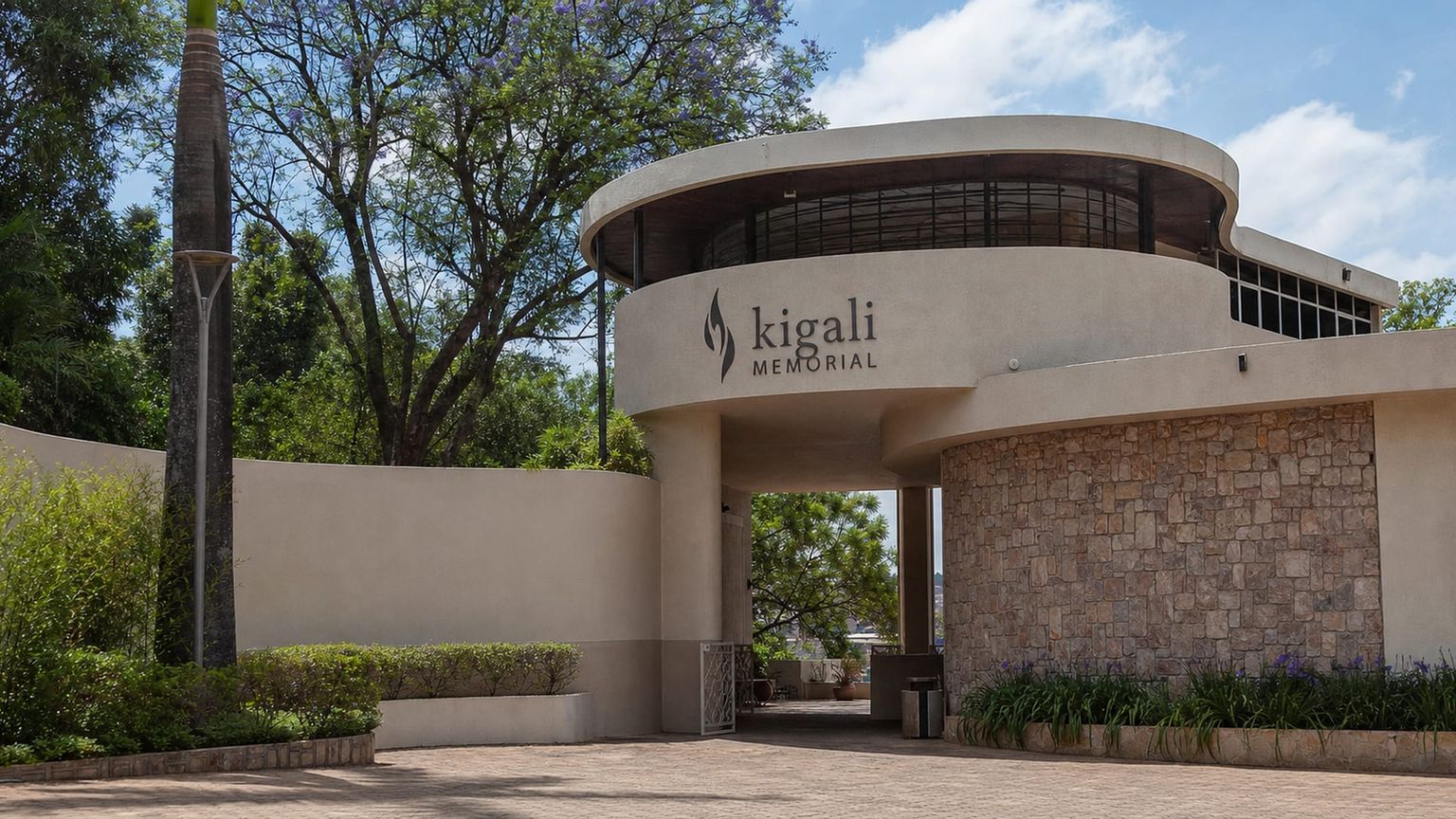
Kigali Genocide Memorial
The memorial in Gisozi contains exhibitions on the 1994 Genocide against the Tutsi and burial gardens where more than 250,000 victims are laid to rest.
Time needed: About 2 to 3 hours
Entry: Admission is free; donations support the memorial’s exhibitions, education programs, and grounds upkeep Visit the official site for details.
Tip: On the last Saturday of each month, the memorial opens at 1:00 pm because of Umuganda, Rwanda’s monthly community service day.
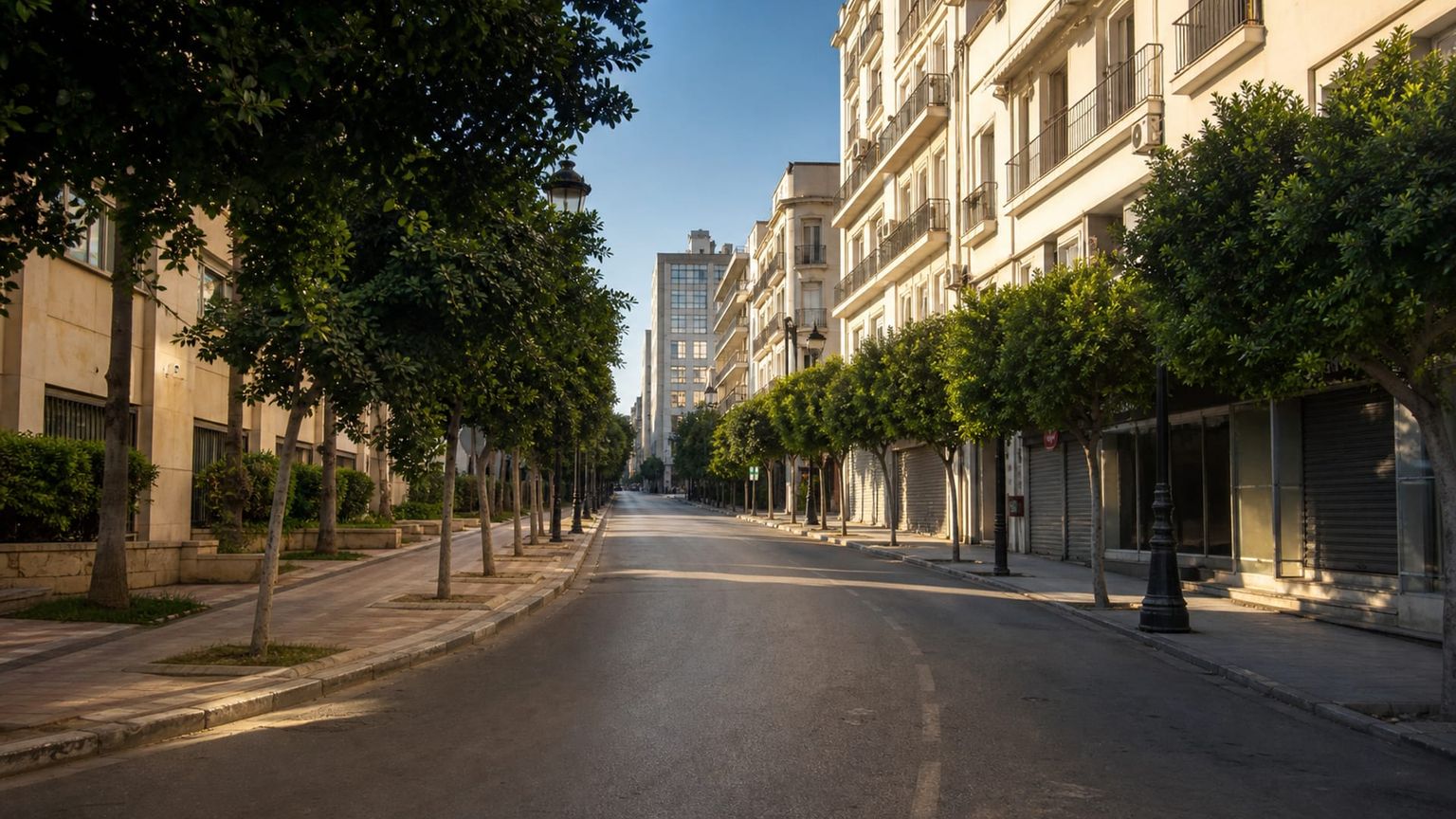
Kandt House Museum
The former home of Richard Kandt, the German administrator who founded Kigali in 1907, now contains exhibits on pre-colonial Rwanda, German colonial rule, and the city’s early development.
Time needed: About 1 to 2 hours
Entry: Tickets cost $5 ($6) for adults, with reduced rates for Rwandan citizens, students, and children Visit the official site for details.
Tip: The museum is open daily from 8:00 am to 6:00 pm, so it can fit easily into either a morning or afternoon itinerary.
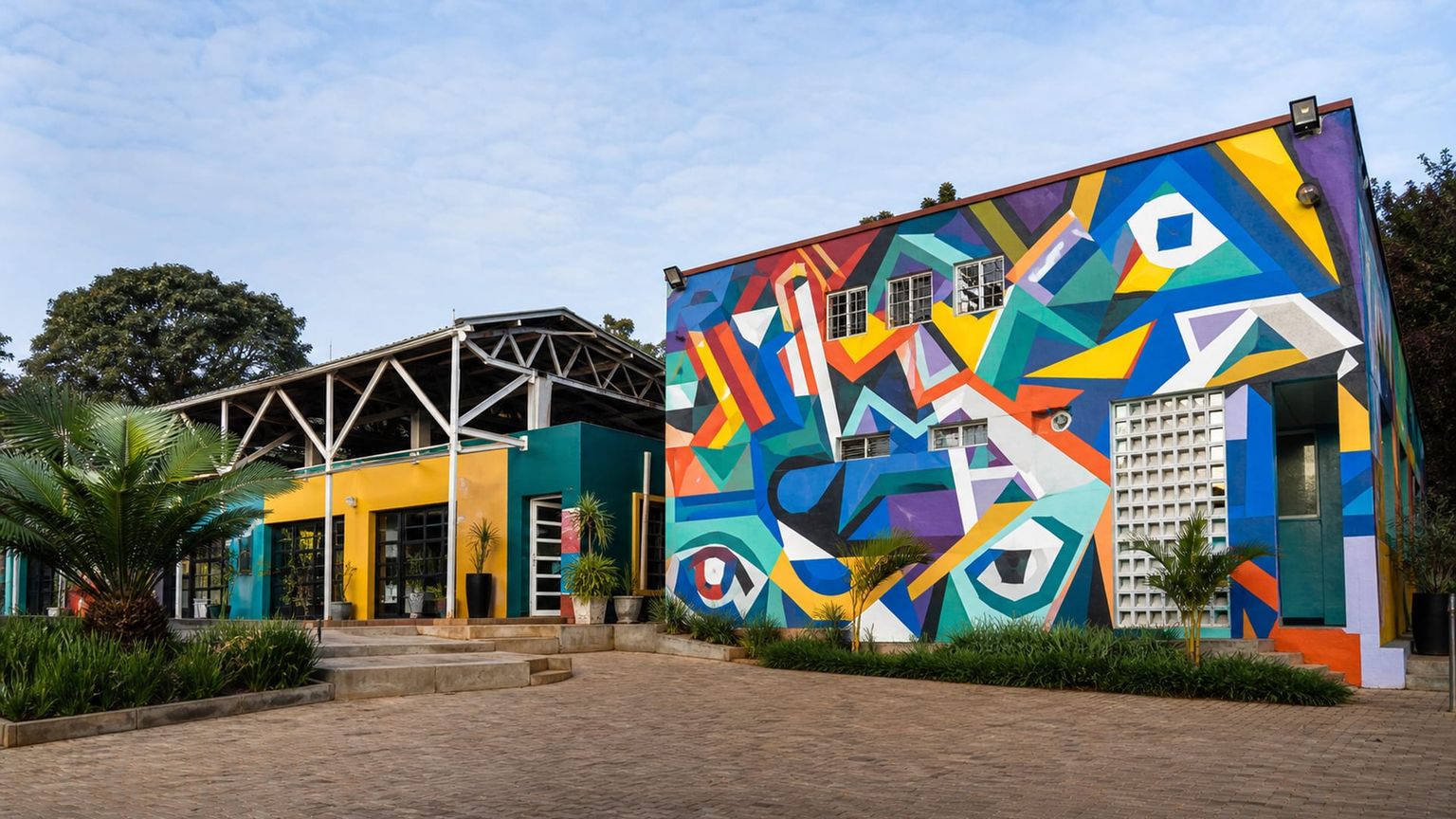
Inema Arts Center
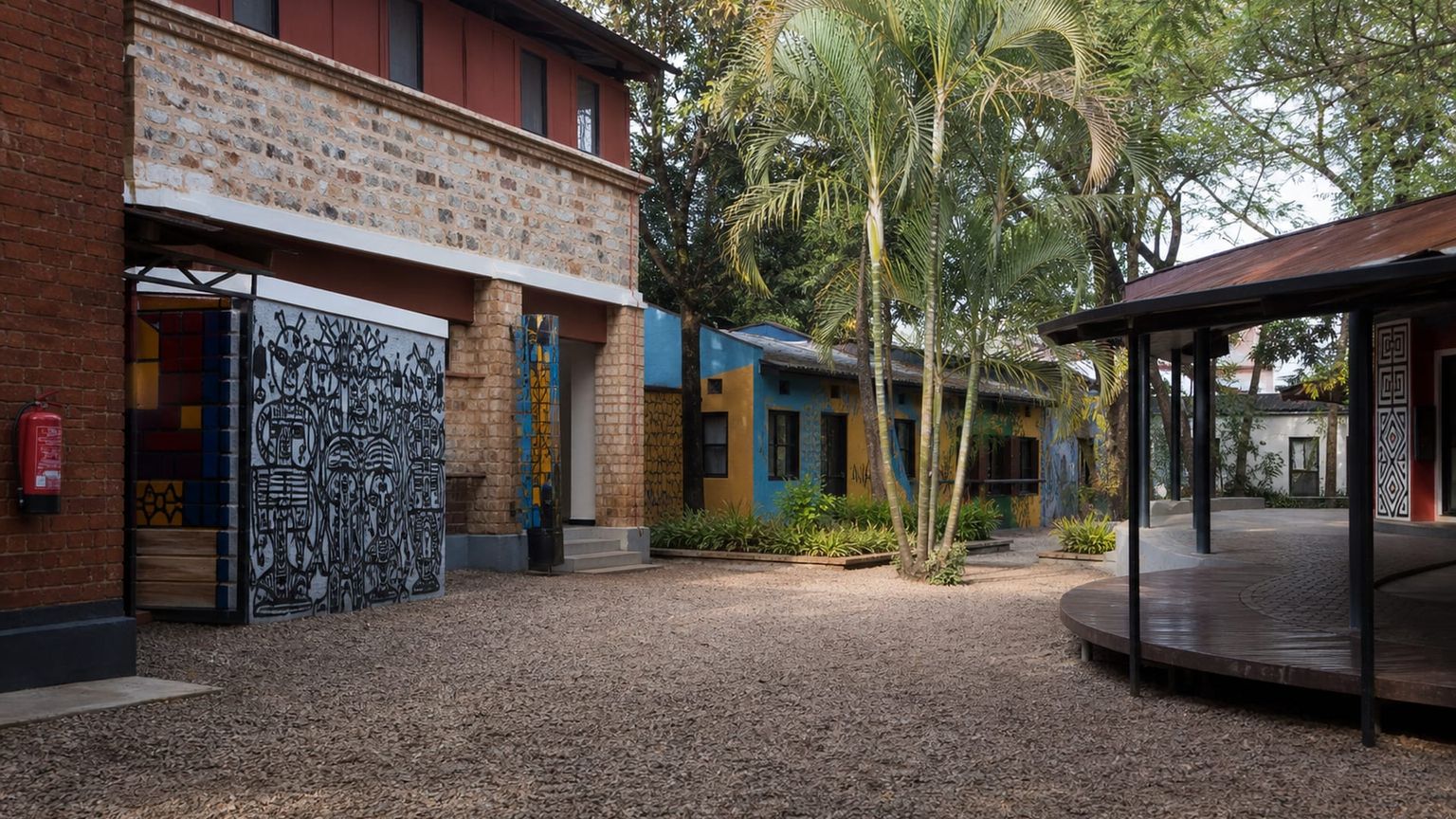
Artists founded Inema Arts Center in 2012 as a working studio and gallery in Kacyiru. The rooms display contemporary Rwandan paintings and sculptures, and resident artists occupy studios on the same grounds.
Time needed: About 1 to 2 hours
Entry: Entry is free for gallery visits; workshops, performances, and special events may carry separate fees Visit the official site for details.
Tip: Check the center’s event schedule before visiting if you are interested in live music or another evening event.
Overlooked sites worth visiting

Rwanda Art Museum
This contemporary art museum occupies Rwanda’s former Presidential Palace in Kanombe. Galleries display work by Rwandan and international artists, while wreckage from the presidential jet shot down in 1994 is kept in the garden.
Time needed: About 1 hour
Entry: Admission is about $5, payable in Rwandan francs at the gate; check current local pricing before you go, because small museums in Kigali sometimes adjust fees without much notice.
Tip: The museum is in Kanombe, close to Kigali International Airport, so it can fit naturally into an arrival or departure day.

Nyandungu Eco-Park
Kigali’s first restored urban wetland covers 300 acres (121 hectares). Walking and cycling paths pass marshes, woodland, ponds, gardens, and areas planted with native trees.
Time needed: About 1 to 1.5 hours
Entry: Free to access; the loop is open-air and ungated, with no ticket office or timed entry. Bring cash only if you plan to buy drinks from nearby cafes or parking attendants, since the path itself has no fee.
Tip: The park opens from 6:00 am to 6:00 pm, and bike rentals are available on-site.
Traditional food
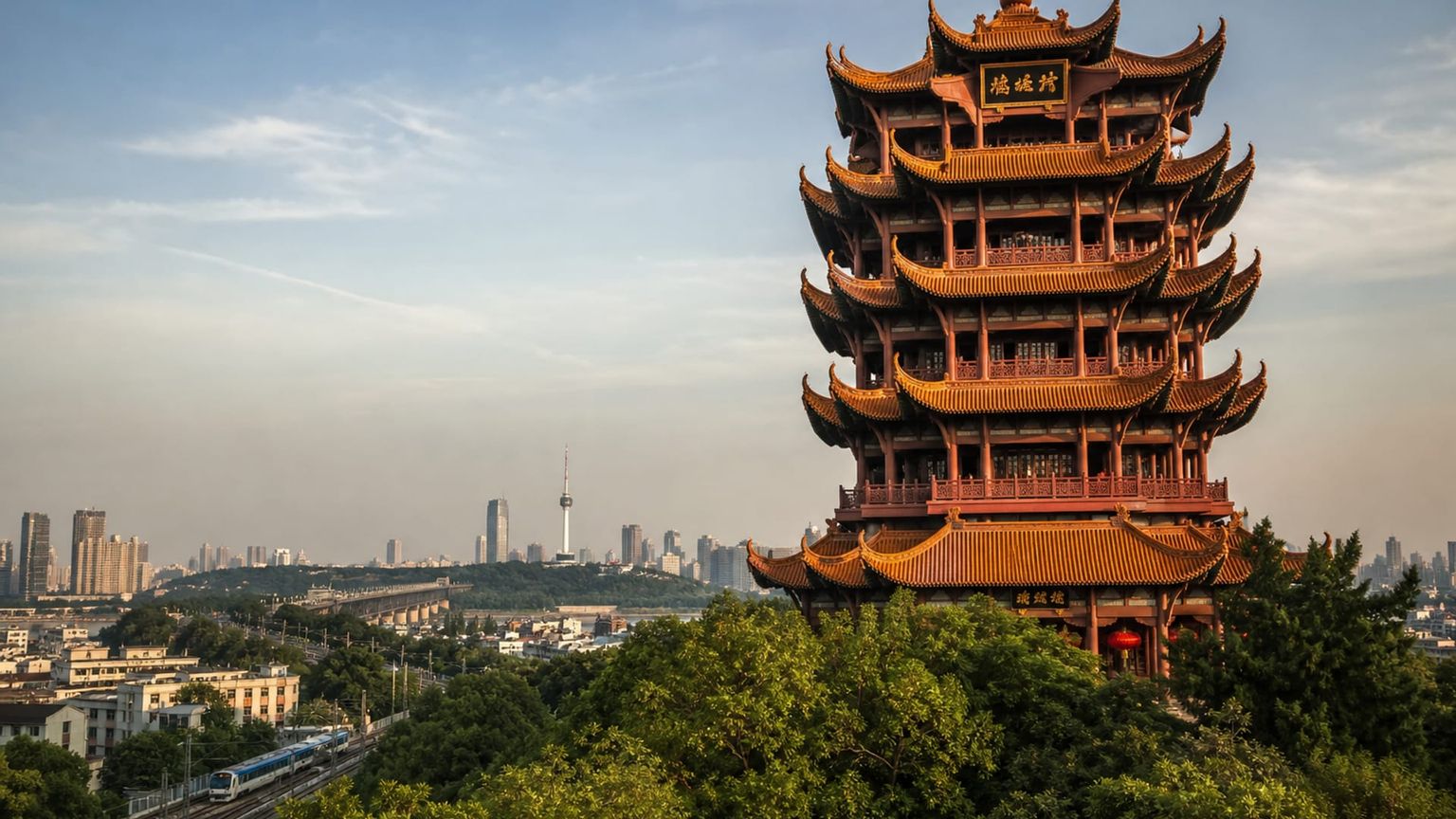
Rwandan cooking uses beans, plantains, cassava, sweet potatoes, greens, pumpkin, groundnuts, and grilled meat. Cooks commonly boil or stew vegetables, and grill meat and fish over charcoal.
Brochettes
Brochettes are skewers of beef, goat, chicken, or fish grilled over charcoal and often served with potatoes, plantain, or chili sauce. Heaven Restaurant serves both beef and chicken brochettes.
Isombe
Isombe is made from cassava leaves cooked until soft, often with groundnuts, coconut, or peanut paste. Tania’s Cuisine serves sombe as one of its Rwandan vegetable dishes.
Matoke with groundnuts
Matoke uses green cooking bananas that are steamed or simmered until tender. Little Five serves matoke with groundnut sauce as part of its African menu.
Urwagwa
Urwagwa is a fermented banana drink with mild sweetness and an alcoholic character. Try it at Repub Lounge, where it is served alongside other Rwandan dishes.
Best time to visit Kigali
Kigali has a tropical highland climate, with warm temperatures year-round. Rainfall changes more than temperature, with drier weather from June to August and again in January, and wetter periods in spring and fall.
Best for: City sightseeing, outdoor restaurants, neighborhood walks, and visits to Nyandungu Eco-Park
What you get: Temperatures are usually close to 70°F (21°C). January is one of the drier months, while rain becomes more frequent toward the end of February.
Trade-offs: December can still bring regular rain, and wet weather usually returns during the second half of February.
Best for: Museums, galleries, restaurants, and seeing Kigali’s hills at their greenest
What you get: Temperatures are near 70°F (21°C), with March through May being the main rainy period.
Trade-offs: Frequent rain can interrupt park visits, walks, and moto trips, while heavier rainfall can slow road traffic.
Best for: Walking through Kigali’s residential neighborhoods, visiting Nyandungu Eco-Park, outdoor dining, and spending more time at open-air attractions
What you get: Temperatures stay near 70°F (21°C), with the driest weather of the year and long stretches without rain.
Trade-offs: June through August is a popular travel period in Rwanda, so hotels and restaurants can fill earlier.
Best for: Museums, contemporary art, restaurants, and shorter outdoor visits between periods of rain
What you get: Temperatures are usually between 66°F and 79°F (19°C to 26°C), while rainfall increases from September and continues through November.
Trade-offs: Regular rain can disrupt longer walks and visits to outdoor attractions, especially later in the season.
A realistic 5-day plan in Kigali
Five days is enough time to visit Kigali’s memorials, museums, contemporary art, residential hills, and restored green spaces.
After checking in at your hotel, spend the first afternoon in Kiyovu. Walk one of the shorter residential streets, stop for coffee, and take in the views across the neighboring hills before dinner. Visit Heaven Restaurant, which is a good spot for an introduction to local flavors, with brochettes and urwagwa on the menu. Spend the evening near the hotel and rest after the flight.
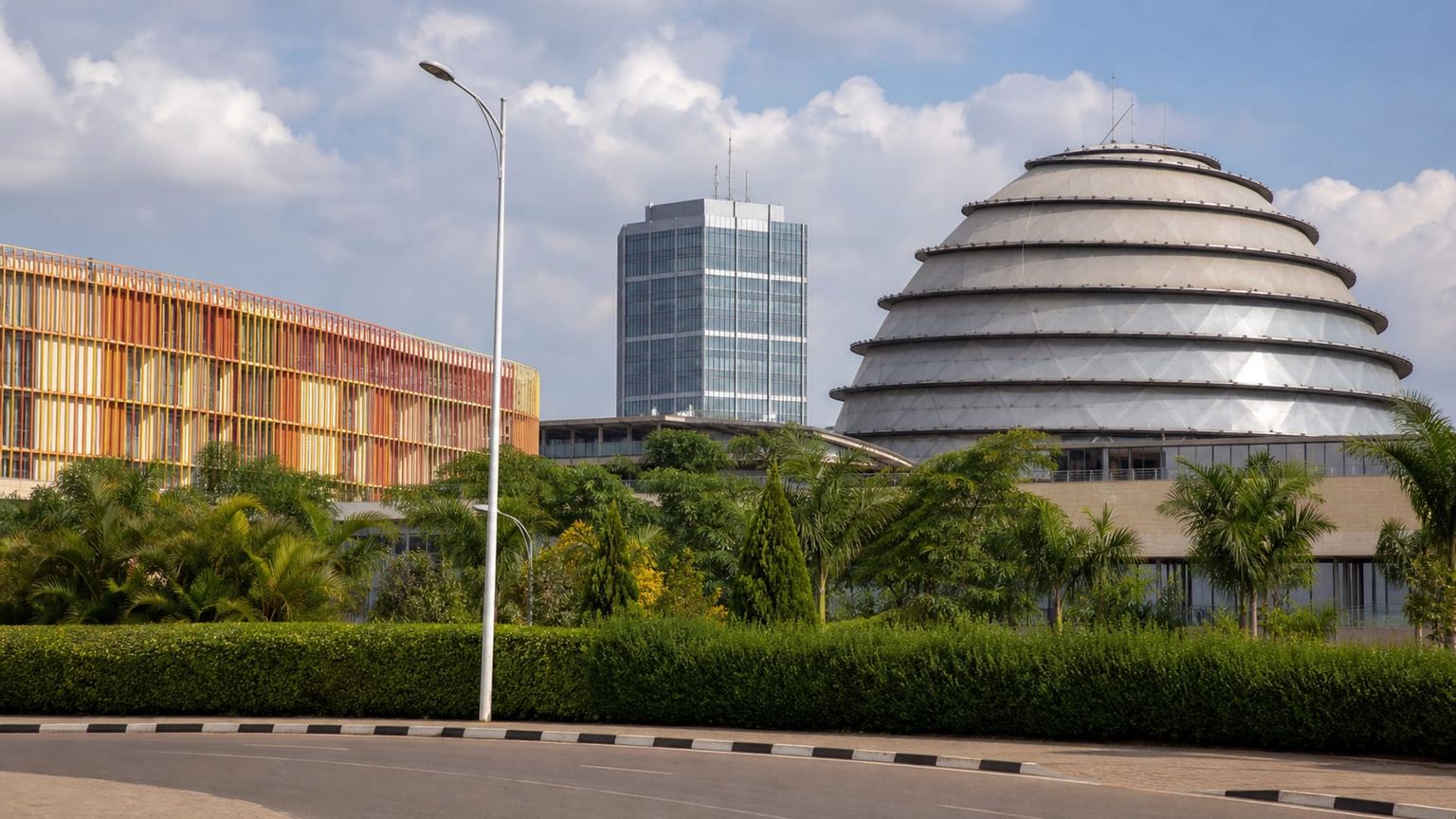
Begin at the Kigali Genocide Memorial and allow at least two hours to see the permanent exhibitions, burial grounds, and gardens. Continue by taxi to Kandt House Museum on Nyarugenge Hill. Its galleries showcase pre-colonial life, German rule, and Kigali’s early history, so the second stop adds historical context to the Memorial visit.
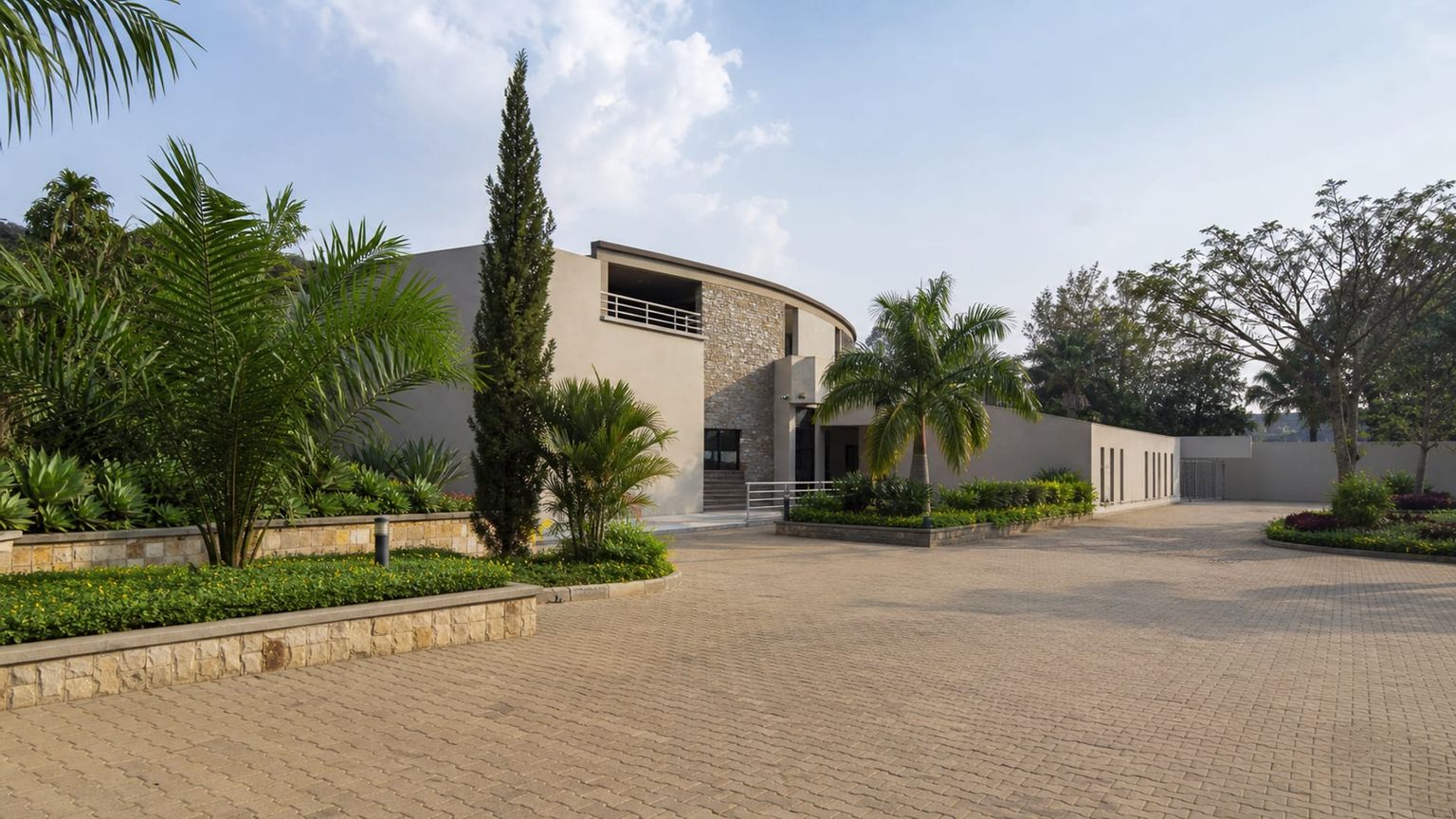
Spend the morning at Inema Arts Center in Kacyiru, where contemporary paintings and sculptures share the grounds with working artists’ studios. Continue to Nyarutarama later in the day and walk beside Nyarutarama Lake, next to the golf course. The path is also a useful place to look for some of Kigali’s urban birdlife before having dinner nearby.
Start at the Rwanda Art Museum in Kanombe. Explore the contemporary galleries inside the former Presidential Palace, then visit the aircraft wreckage in the garden if time allows. Continue to Nyandungu Eco-Park for the afternoon. Walk through the restored wetland, woodland, ponds, and gardens, or rent a bicycle to explore more of the 300-acre (121-hectare) park.
Spend the final morning in Kiyovu. After breakfast, visit Caplaki Craft Village to browse woven baskets, wood carvings, textiles, jewelry, and other Rwandan crafts. Return to the hotel afterward, collect your luggage, and leave for Kigali International Airport (KGL).
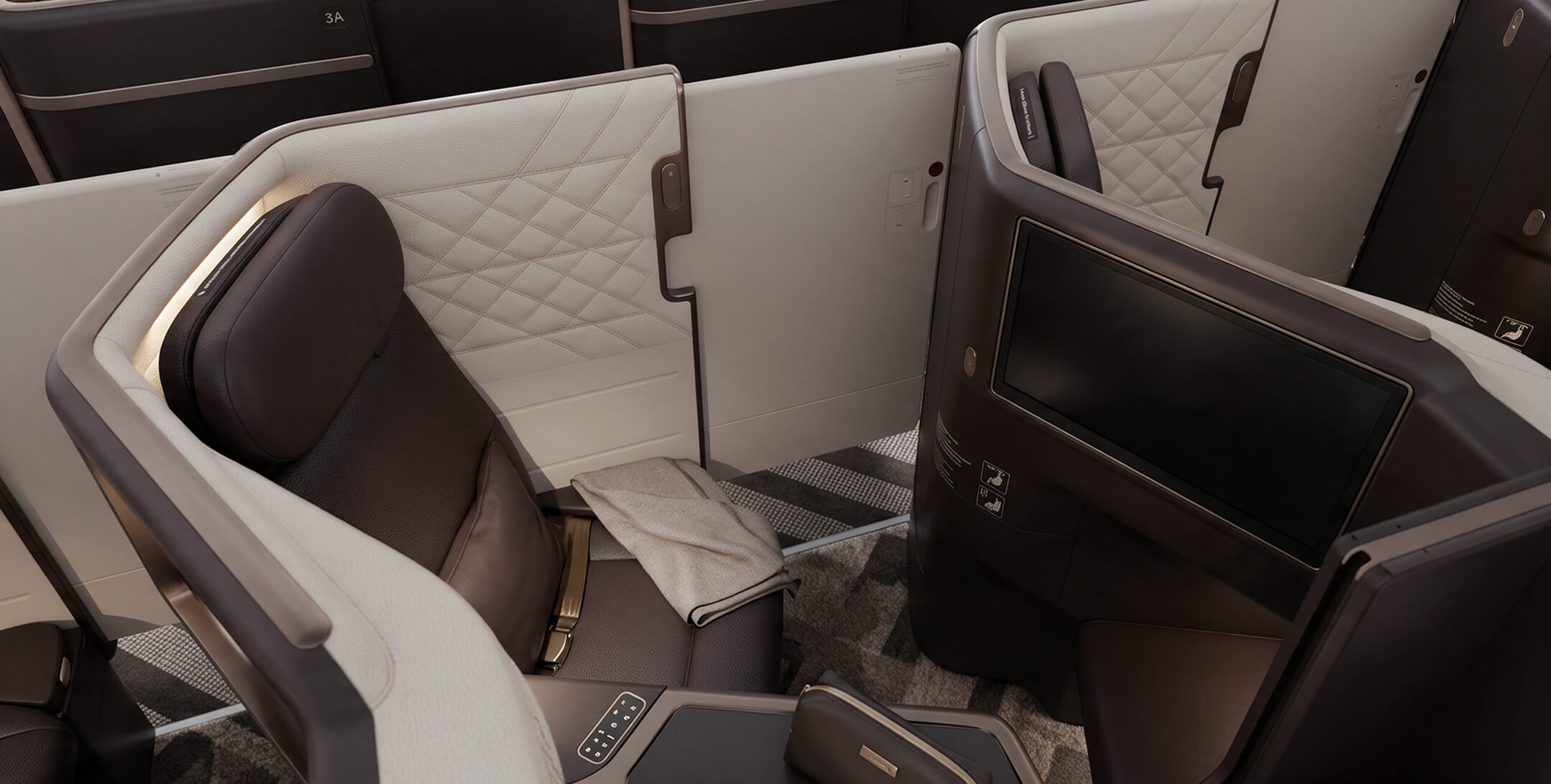
Business-class flights from the US to Kigali
Long-haul trips to Kigali usually connect through one major hub, so the useful question is not whether you will stop, but which stop gives the best mix of price and timing. These two examples show how that plays out from the East Coast and the West Coast.
From New York, Qatar Airways, Turkish Airlines, Brussels Airlines, Ethiopian Airlines, Kenya Airways, and Air France all operate on itineraries that typically take about 16 to 22 hours. Common layover hubs include DOH, IST, BRU, ADD, and CDG, and round-trip fares usually start near $4,200 and can reach $7,500.
Los Angeles travelers usually connect through DOH, IST, DXB, ADD, or FRA, and the journey typically takes about 19 to 27 hours. Qatar Airways, Turkish Airlines, Emirates, Ethiopian Airlines, Kenya Airways, and Lufthansa appear on the main options, with fares generally running about $4,800 to $8,200 for a round trip.
More of Rwanda after Kigali
Kigali can be the first part of a much bigger trip through Rwanda. After a few days in the capital, travelers can continue to Volcanoes National Park for gorilla trekking, Akagera National Park for safari drives, or Lake Kivu for hiking, cycling, and time by the water.
If you are ready to explore Rwanda, we at AranGrant can help you find a comfortable business-class flight to Kigali, so you arrive rested and ready to start the trip.