

Chapters:

Need help with your trip?
Our support team is available 24/7. Request a callback or call us directly at (833) 619-0908
Katowice trips often start with a station-side hotel, a museum block, and one evening in the center before people move on to Kraków or Warsaw. What many visitors miss is how much the city rewards a slower look at its red-brick districts and postindustrial sites.
That rush can leave longer tram rides, event-night crowds, and a narrow view of the city’s best-known landmarks. Nikiszowiec, the Silesian Museum, and Spodek sit within a compact but not walk-everywhere pattern, so planning matters.
This guide lays out where to stay, what to eat, when to go, and how to sequence each day so Katowice feels clear from the start.
Useful things to know

Main language(s): Polish
Dzień dobry (jen DOH-brih) – Hello / good morning
Proszę (PRO-sheh) – Please
Dziękuję (jen-KOO-yeh) – Thank you
Czy mówisz po angielsku? (chih MOO-veesh poh ahn-GYEL-skoo) – Do you speak English?
Ile to kosztuje? (EE-leh toh kosh-TOO-yeh) – How much does it cost?

Currency: The local currency is the Polish złoty (PLN, zł).

Cash and cards: Cards and contactless are widely accepted; carry about 50 zł ($13) in cash for small purchases.

Tipping: Round up the bill or leave about 5-10% in restaurants when service is good.

Traditional food: rolada śląska, kluski śląskie, modra kapusta, krupniok

Water and coffee costs: Water about 6 zł ($2), bar espresso about 12 zł ($3).

Taxis and ride apps: Bolt and Uber operate here; confirm the pickup point in app.

Plug and voltage: Type E socket, 230V

Dining and shop opening hours: Breakfast is about 7:00-10:00, lunch 12:00-15:00, and dinner 18:00-22:00. Many restaurants close earlier on Sundays, and kitchens may stop serving before closing.

Emergency number: 112 for police, fire, and medical emergencies.
Where to stay in Katowice
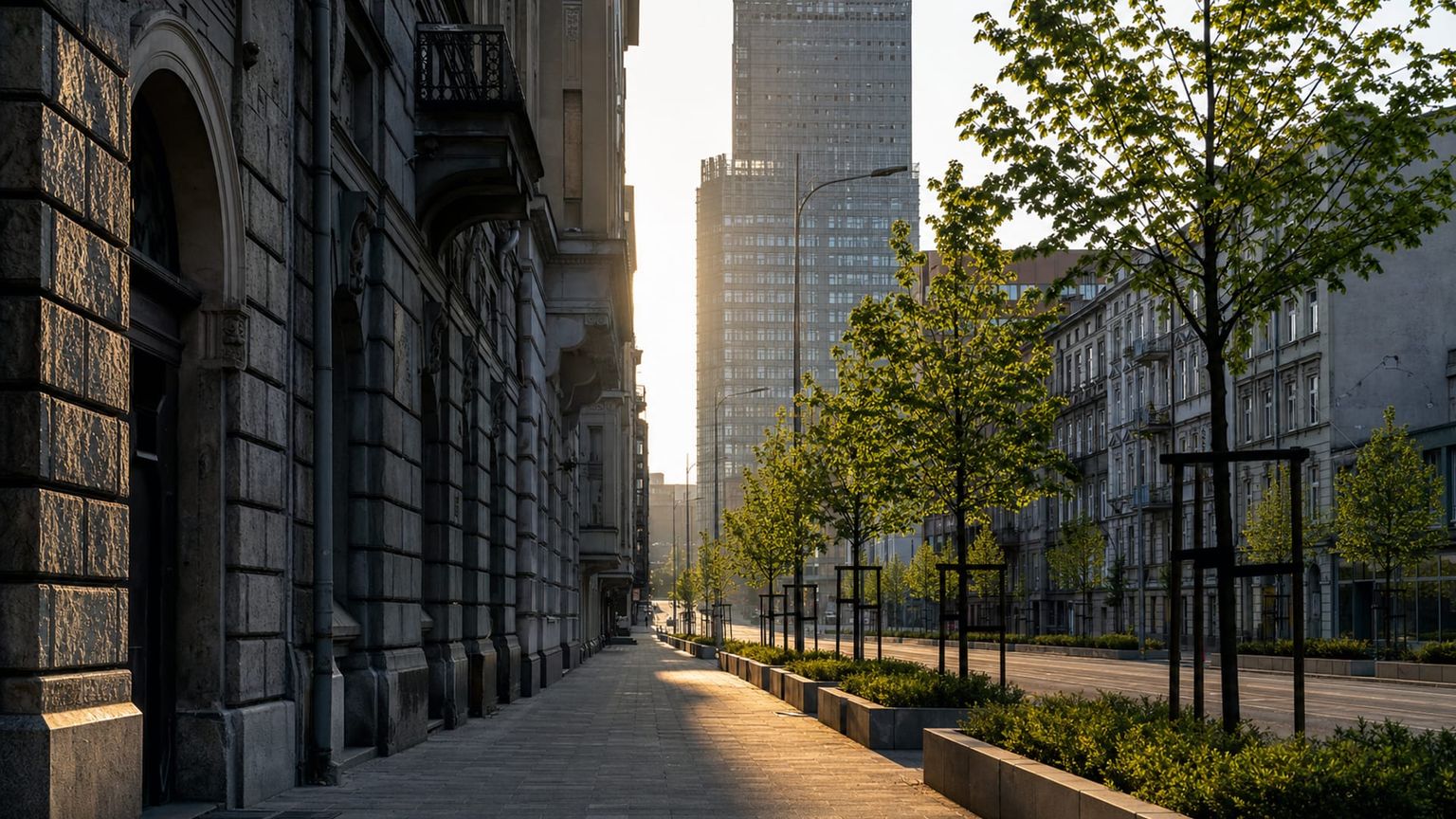
Katowice’s central district puts you by the main station, Galeria Katowicka, and the city’s office and hotel cluster. It works well if you want the shortest walks to museums, restaurants, and tram links across the metro area.
Best for: First-time visits, rail arrivals, museums, and easy transit access
What to expect: Busy sidewalks by day, with office workers, shoppers, and restaurant traffic. Evenings stay active near the center, though side streets calm down quickly.
Hotel prices: Usually about 250 zł to 500 zł (~$62 to ~$124) per night for well-rated stays
Distance to major sights: 5 to 15 minutes on foot to Silesian Museum and Spodek; about 10 minutes by tram to Nikiszowiec
Quietness: Lively through the day and early evening, then noticeably quieter on residential blocks and hotel streets late at night.
Main trade-off: This is the priciest area in the city center, and traffic can be heavy at rush hour.
Good to know: If you arrive by train, you can reach most central hotels without a taxi, but late-night dining choices thin out outside the core blocks.
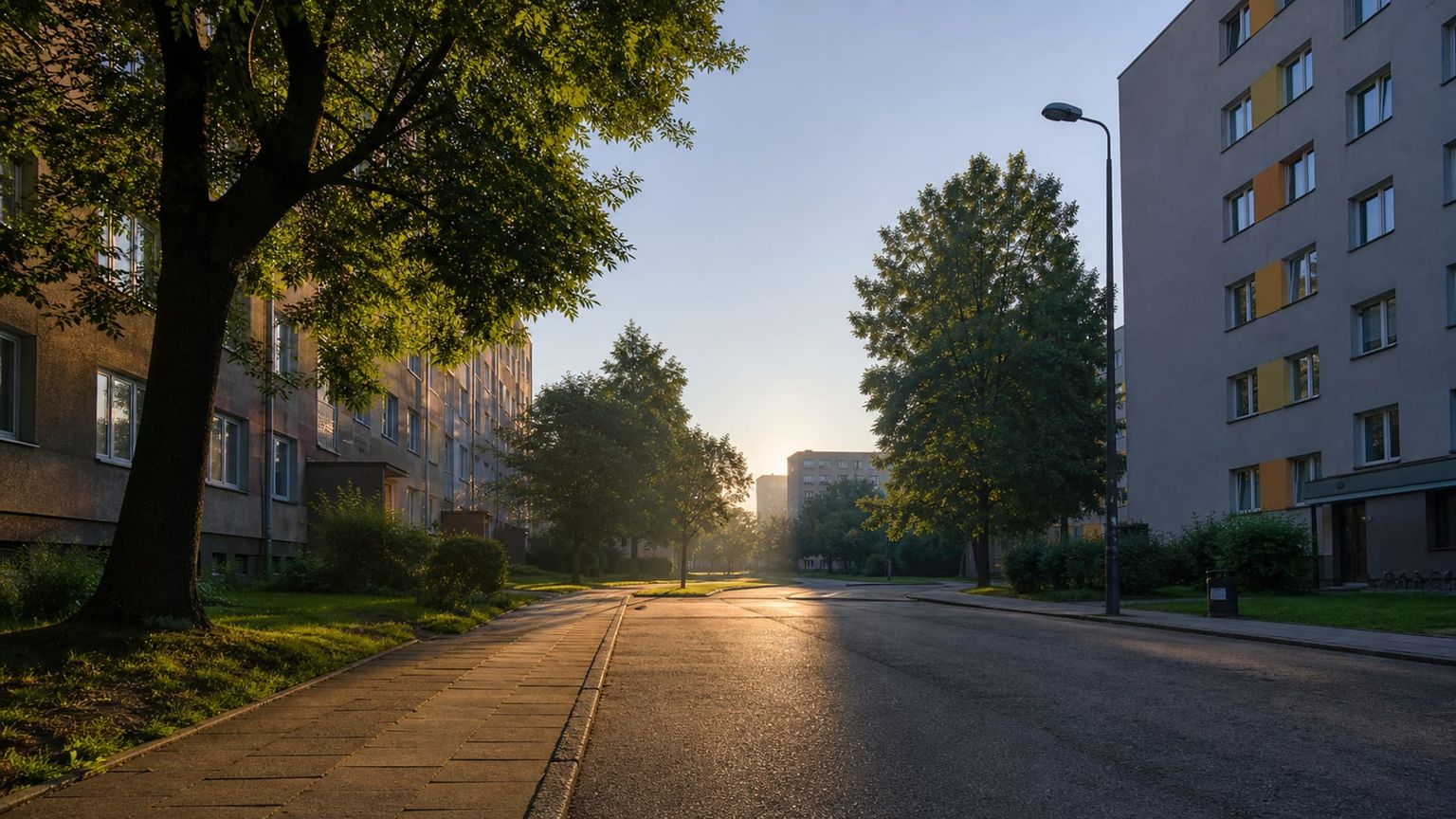
Koszutka sits just north of the center, with apartment blocks, local cafés, and quick access back to Śródmieście. It matters for travelers who want a short ride to the main sights without staying in the busiest streets.
Best for: Museum visits, event stays near Spodek, and travelers who prefer a residential base
What to expect: Local foot traffic, neighborhood shops, and lighter evening activity than the city center. Around event nights, the streets near Spodek get much busier.
Hotel prices: Usually about 220 zł to 420 zł (~$55 to ~$104) per night for well-rated stays
Distance to major sights: 10 to 20 minutes on foot to Spodek and the Silesian Museum; about 15 minutes by tram to the main station
Quietness: Quieter than Śródmieście in the day, but it can become noisy near arenas and main roads when events let out.
Main trade-off: You trade some walkability to restaurants and nightlife for a more residential setting and slightly lower rates.
Good to know: Check event calendars before booking, because large concerts and matches can raise noise and tighten hotel availability.
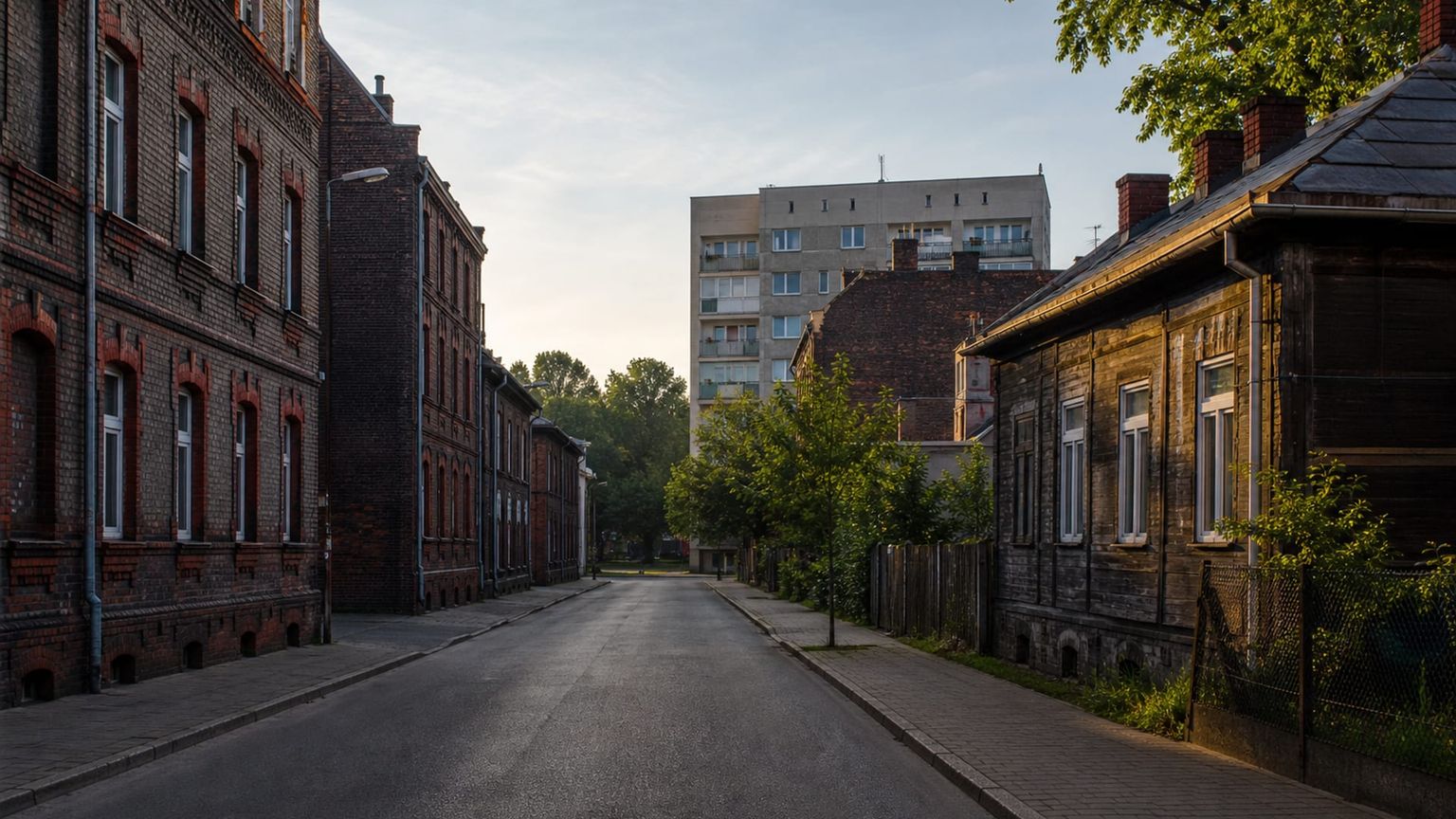
Bogucice lies east of the center and gives you access to the Silesian Museum, Culture Zone, and newer apartment stock. It is useful for visitors who want close access to major sights with less hotel density than Śródmieście.
Best for: Culture Zone visits, apartment stays, and travelers who want a quieter setting near central sights
What to expect: Residential streets, local shops, and moderate daytime movement. Evening activity stays low except near the museum and major roads.
Hotel prices: Usually about 200 zł to 380 zł (~$50 to ~$94) per night for well-rated stays
Distance to major sights: 5 to 15 minutes on foot to the Silesian Museum and Spodek; about 10 minutes by tram to the main station
Quietness: Calm most evenings, with only brief bursts of activity around commuting hours and museum events.
Main trade-off: You will have fewer restaurant and nightlife choices right outside your door than in the center.
Good to know: If you plan late dinners, expect to return to the center or use a taxi after the museums close.
Travelers usually avoid Załęska Hałda and Ligota, which sit well south of the center and add extra time to trips to the Main Square, Nikiszowiec, and the Railway Station. Much of the Silesian outskirts around the A4 corridor, including parts of Murcki and Giszowiec, are less convenient for visitors because they sit far from major sights and offer fewer hotels, restaurants, and late-night transit options.
Hotel deals
How to get around Katowice efficiently
Katowice runs on trams, regional rail, airport buses, and taxis, so most visitors move by mixing a central hotel with short rides rather than relying on a single transit mode.

Metro
for longer distances
Katowice has no metro network, so use the Silesian rail and tram system instead. The nearest rail links move between Katowice station, the airport bus stops, and nearby cities, with tram and regional train tickets usually valid for 20 to 90 minutes depending on the fare type. For airport transfers, trains are not the main option, so most visitors pair rail with tram or bus for the last leg.

Bus and tram
for convenience
Trams are the backbone here, with the Metropolis network linking Katowice station, the city center, and nearby districts, while airport buses connect Katowice and nearby towns to Katowice Airport (KTW). A typical single-ride ticket costs about $1 to $2 (about 4 to 8 PLN) and short time-based tickets usually last 20 to 90 minutes. Check the stop zone before boarding, because suburban routes to the airport and neighboring cities can use different fares from inner-city rides.

Taxi
for convenience or late hours
Licensed taxis at Katowice Airport (KTW) and the station usually charge by meter, with airport transfers to central Katowice often costing about $10 to $20 (about 40 to 80 PLN) and late-night or longer suburban trips costing more. You can hail a cab at marked stands, book by phone or app, and pay by card in most licensed cars, although it is worth confirming before you set off. Ask for the meter to be switched on at the start of the trip, because fixed quotes vary by company and time of day.
*Prices are based on rates updated as of June 2026 and may change at the time of travel.
Use trams for most city-center movement, taxis or ride apps for late returns and airport transfers, and the bus network when you want the cheapest link to Katowice Airport (KTW).
Iconic landmarks
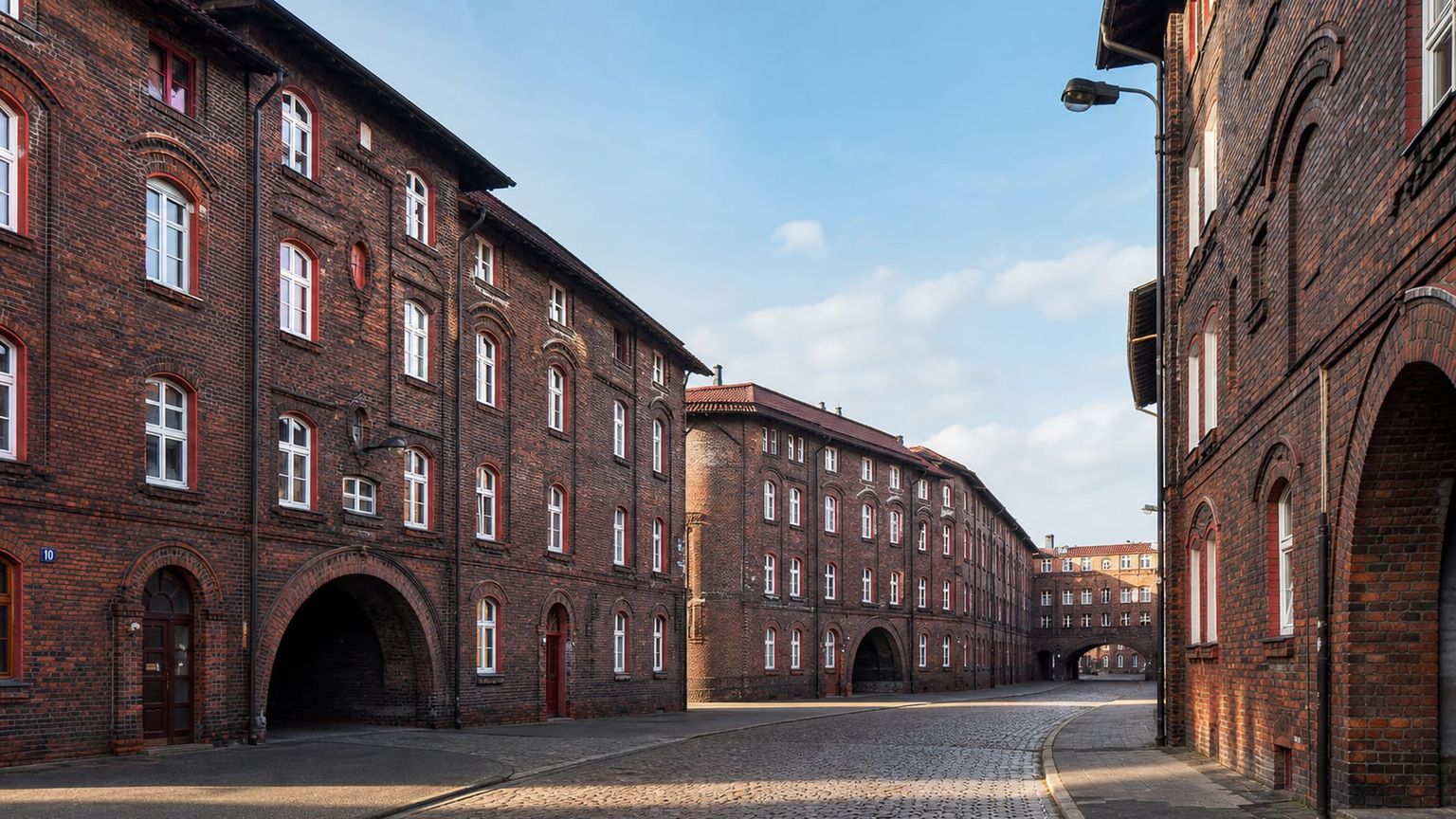
Nikiszowiec
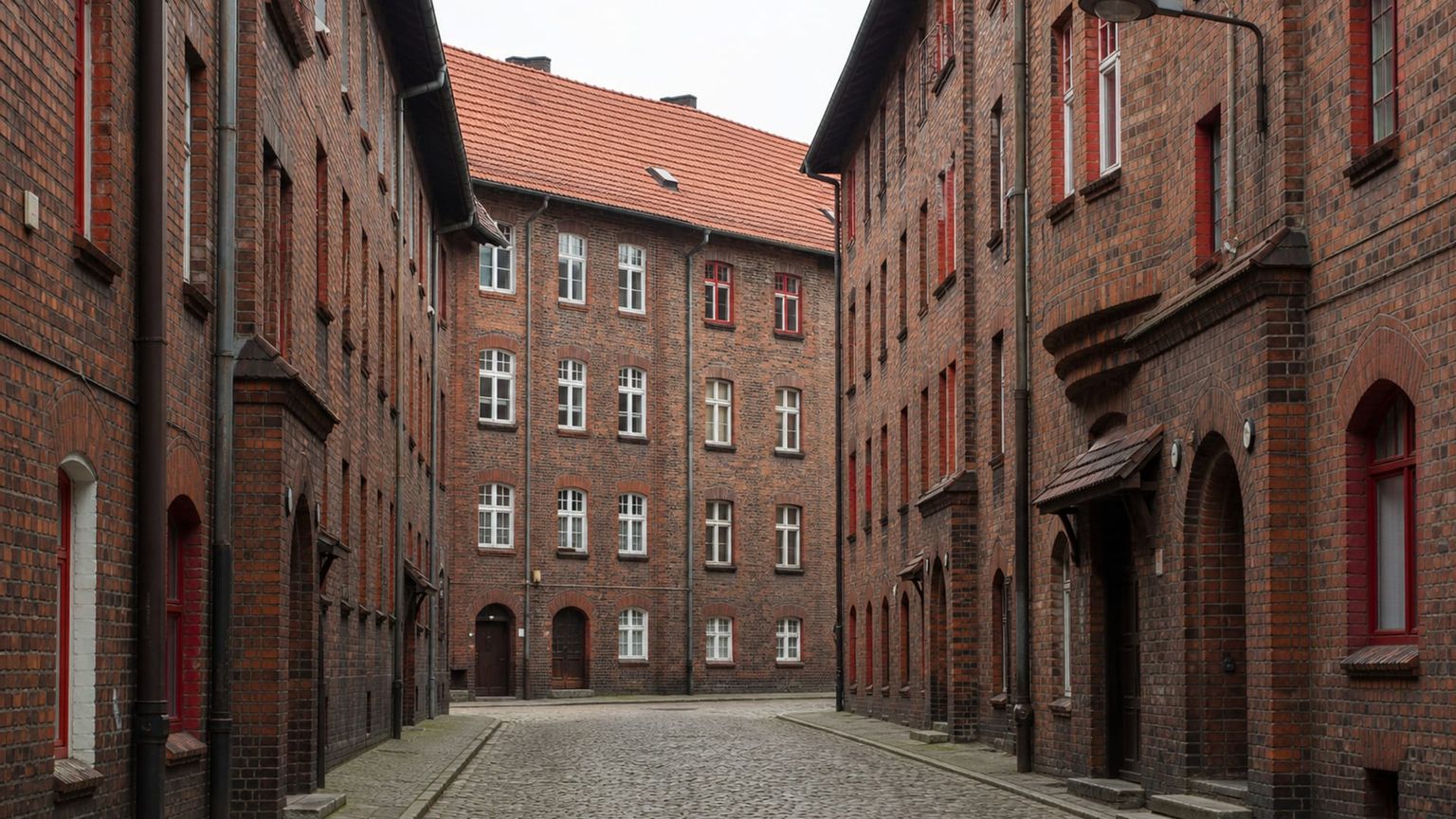
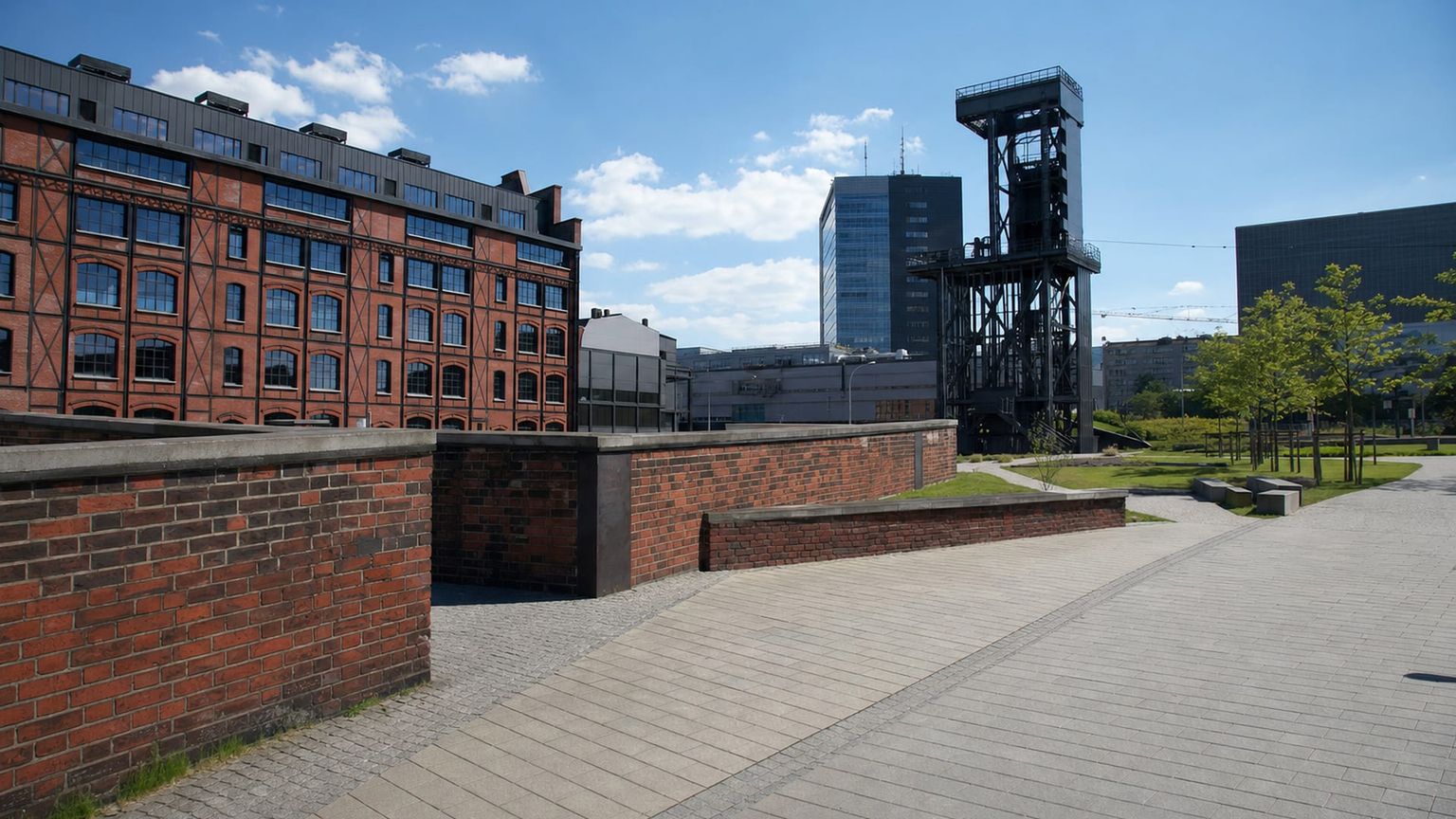
Built between 1908 and 1919 for coal miners, Nikiszowiec centers on red-brick apartment blocks, the baroque parish church of St. Anne, and a planned grid of courtyards. The district now anchors Katowice’s industrial heritage scene.
Time needed: About 2 to 3 hours
Entry: Free to access; guided museum and heritage routes cost about $6 to $10 (approximately 24 zł to 40 zł), depending on the route and language. Visit the official site for details.
Tip: Visit late morning for the best light on the red brick façades and courtyards.
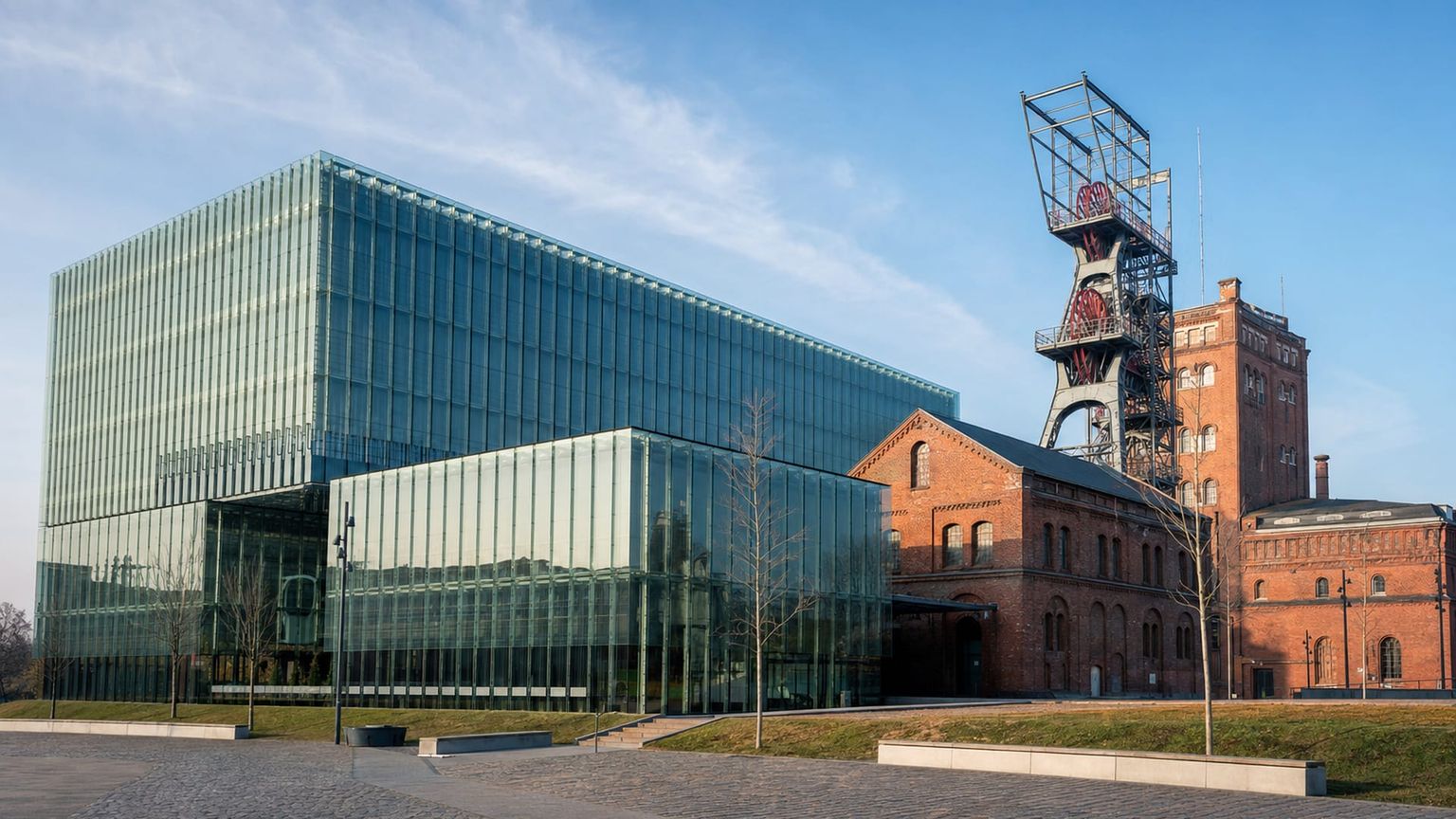
Silesian Museum
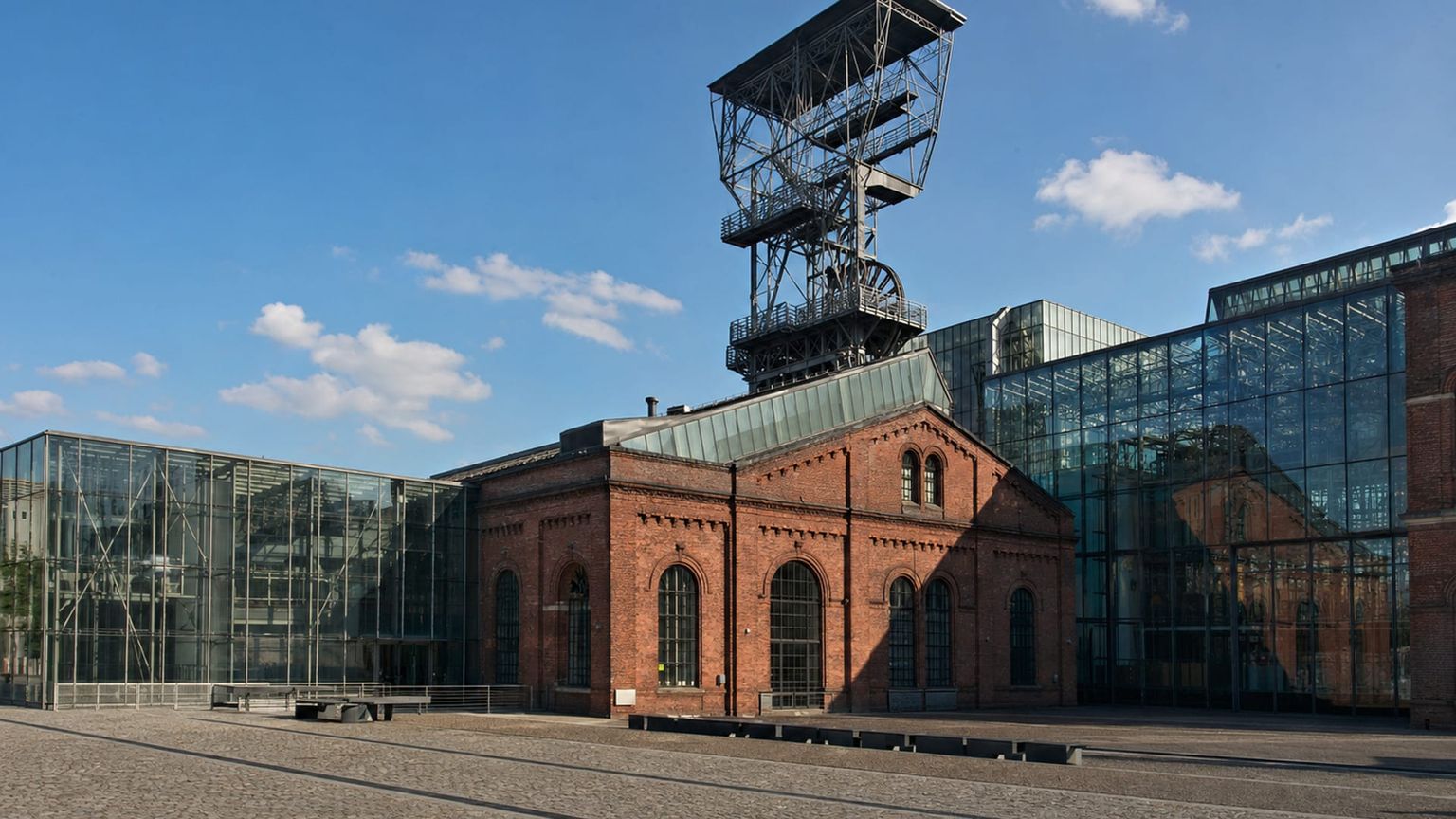
Set on the former Katowice coal mine, the Silesian Museum combines underground exhibition spaces with galleries above ground. Its collection covers Silesian art, history, design, and temporary shows in a large postindustrial setting.
Time needed: About 3 to 4 hours
Entry: Standard tickets cost about $8 to $12 (approximately 32 zł to 48 zł), with some exhibitions or discounts priced separately. Visit the official site for details.
Tip: Start in the underground galleries, then leave time for the surface buildings and courtyard.
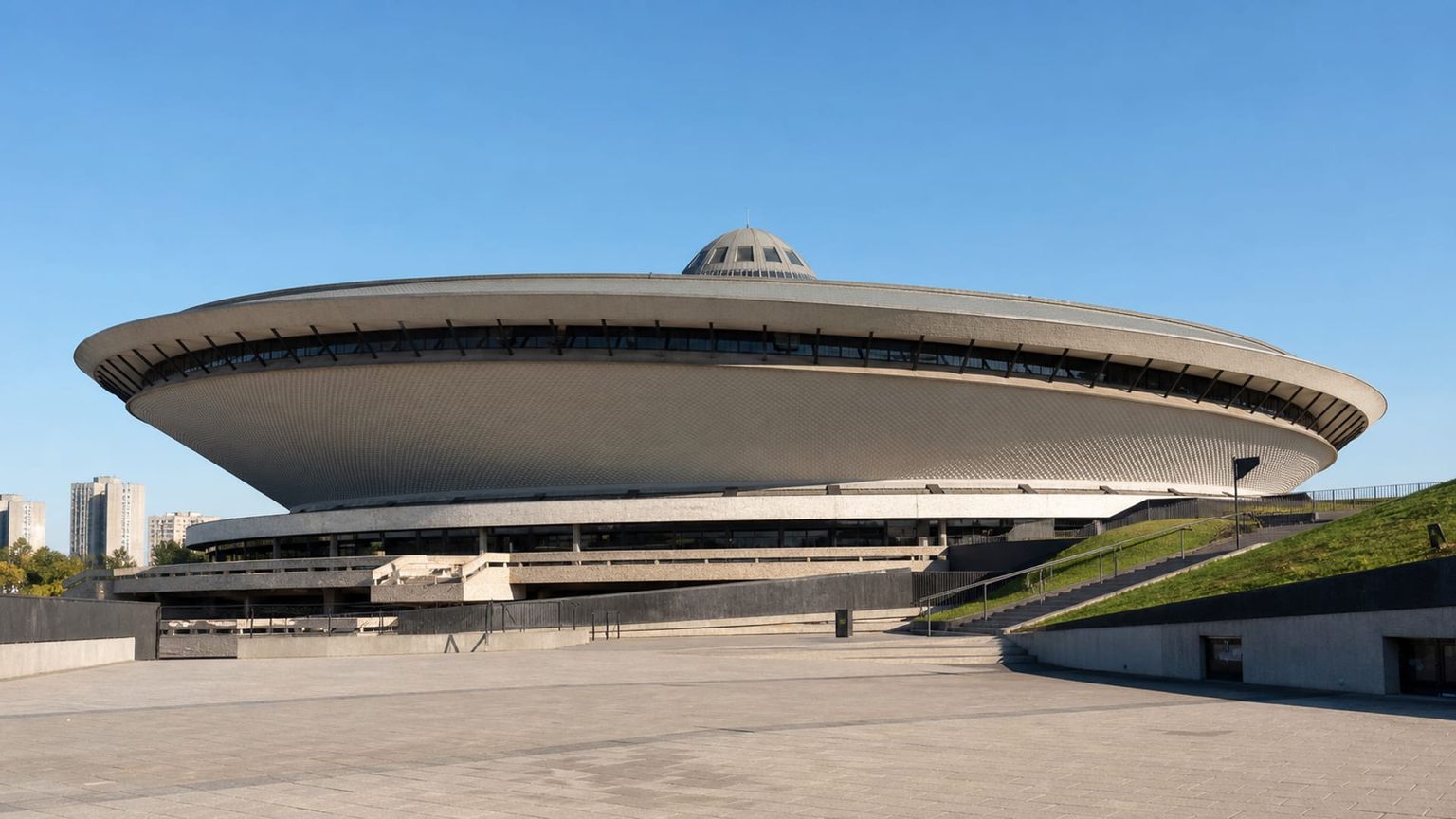
Spodek
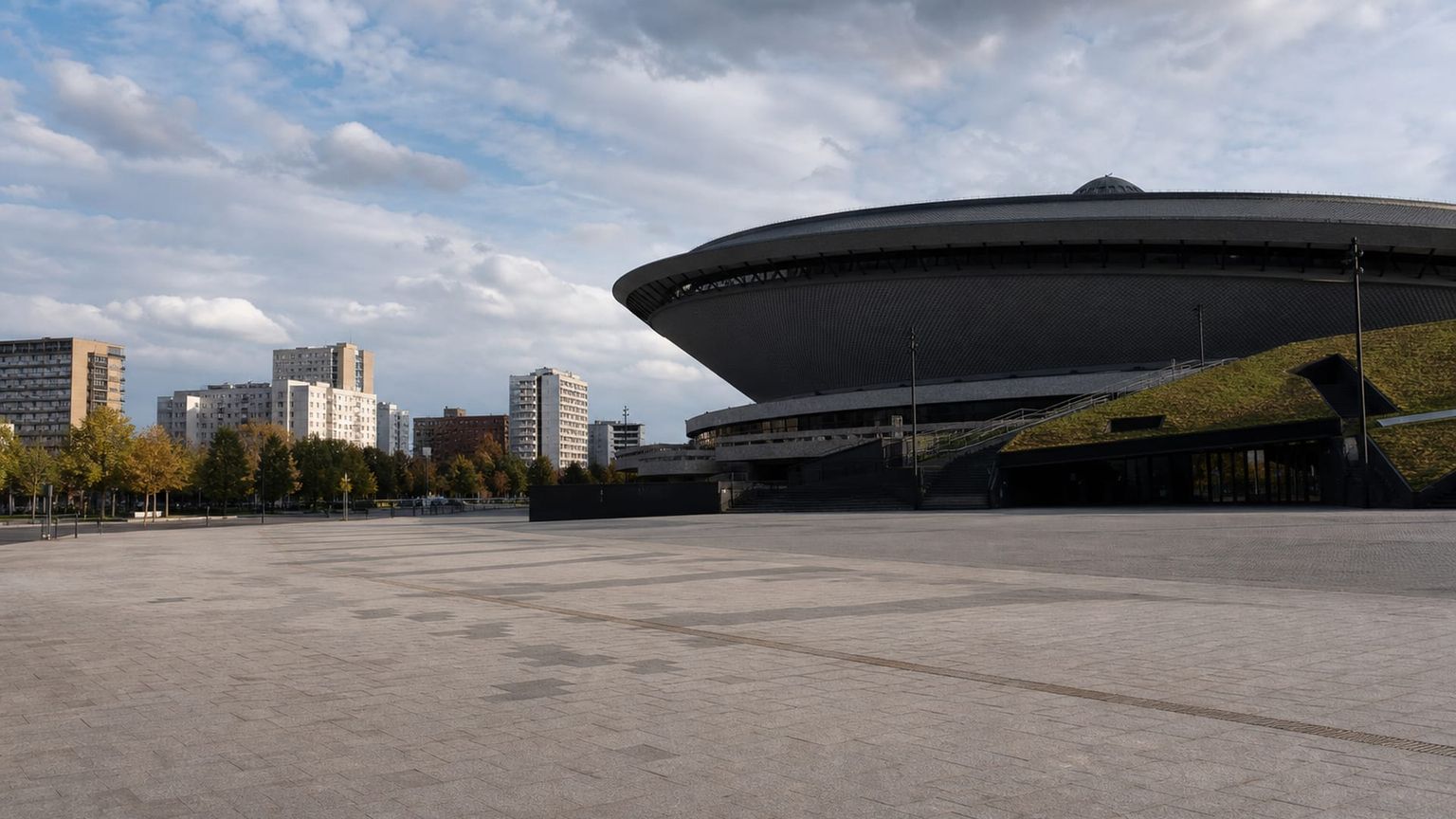
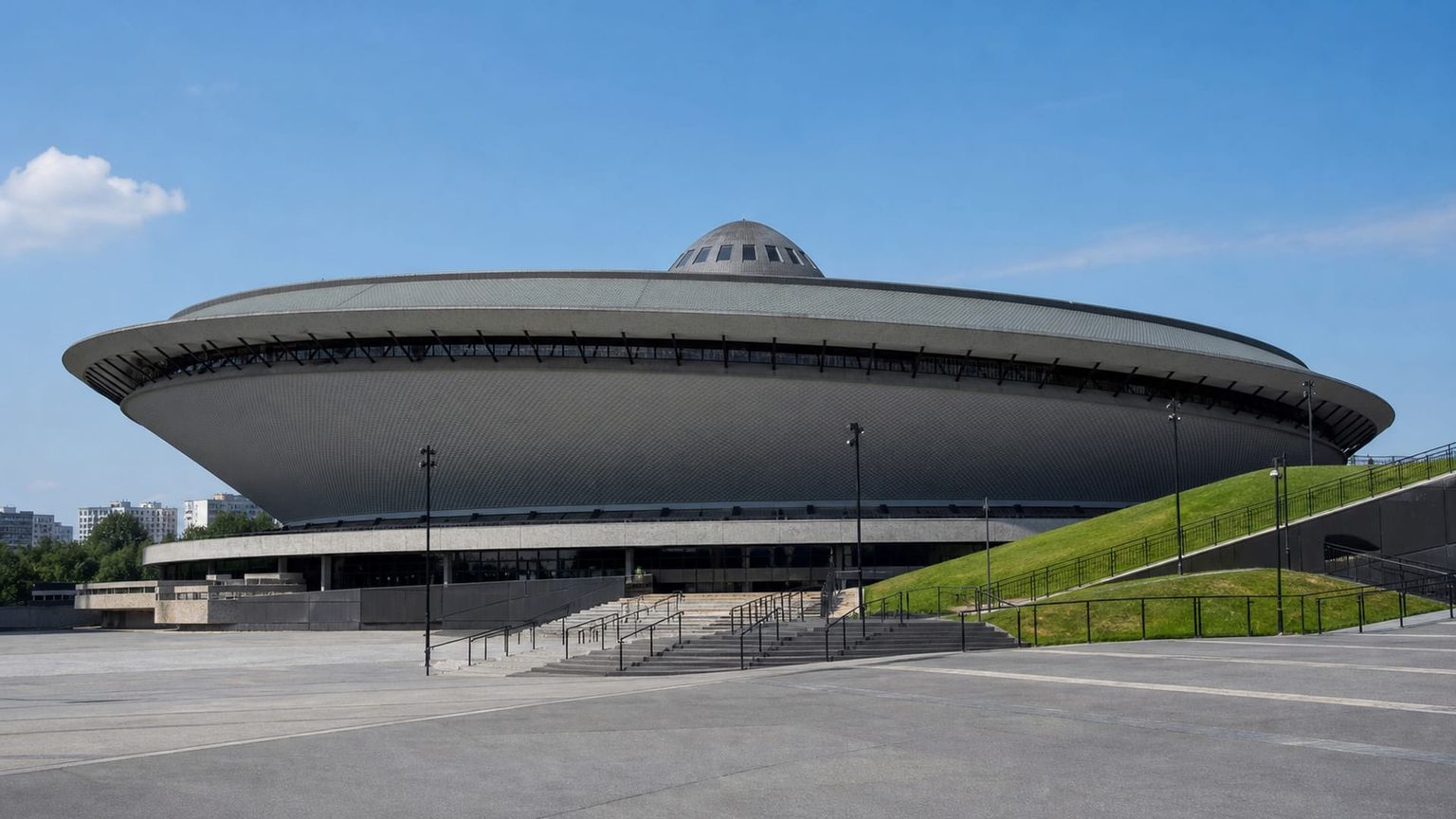
Opened in 1971, Spodek is Katowice’s saucer-shaped arena and one of Poland’s best-known modernist landmarks. The complex hosts concerts, sports, and large events, and its exterior is most striking when viewed from the surrounding plaza.
Time needed: About 1 to 2 hours
Entry: Exterior viewing is free; event tickets usually cost about $15 to $60 (approximately 60 zł to 240 zł), depending on the program. Visit the official site for details.
Tip: Go at dusk, when the plaza is quieter and the arena lights stand out clearly.
Overlooked sites worth visiting

Nikiszowiec
Red-brick workers’ quarter built in 1908 to 1918, with linked courtyards, arched passages, and the neo-Baroque St. Anne’s Church. Its streets reward slow walking and small details.
Time needed: About 1 to 2 hours
Entry: Free to walk the streets and courtyards; some museums, cafes, and exhibitions nearby charge separately. No ticket is needed for the public district itself.
Tip: Visit late afternoon for warmer brick color and fewer tour groups.

Ateneum Theatre Museum
Small museum inside the Ateneum Theatre, with costumes, posters, set models, and stage history tied to Katowice’s repertory scene. The compact rooms make it an easy cultural stop.
Time needed: About 45 minutes to 1 hour
Entry: Admission is typically free or by a low fee for select exhibitions and guided visits, depending on the program. Check the current schedule before you go for exact entry details.
Tip: Pair it with a matinee or evening show if dates align.
Traditional food
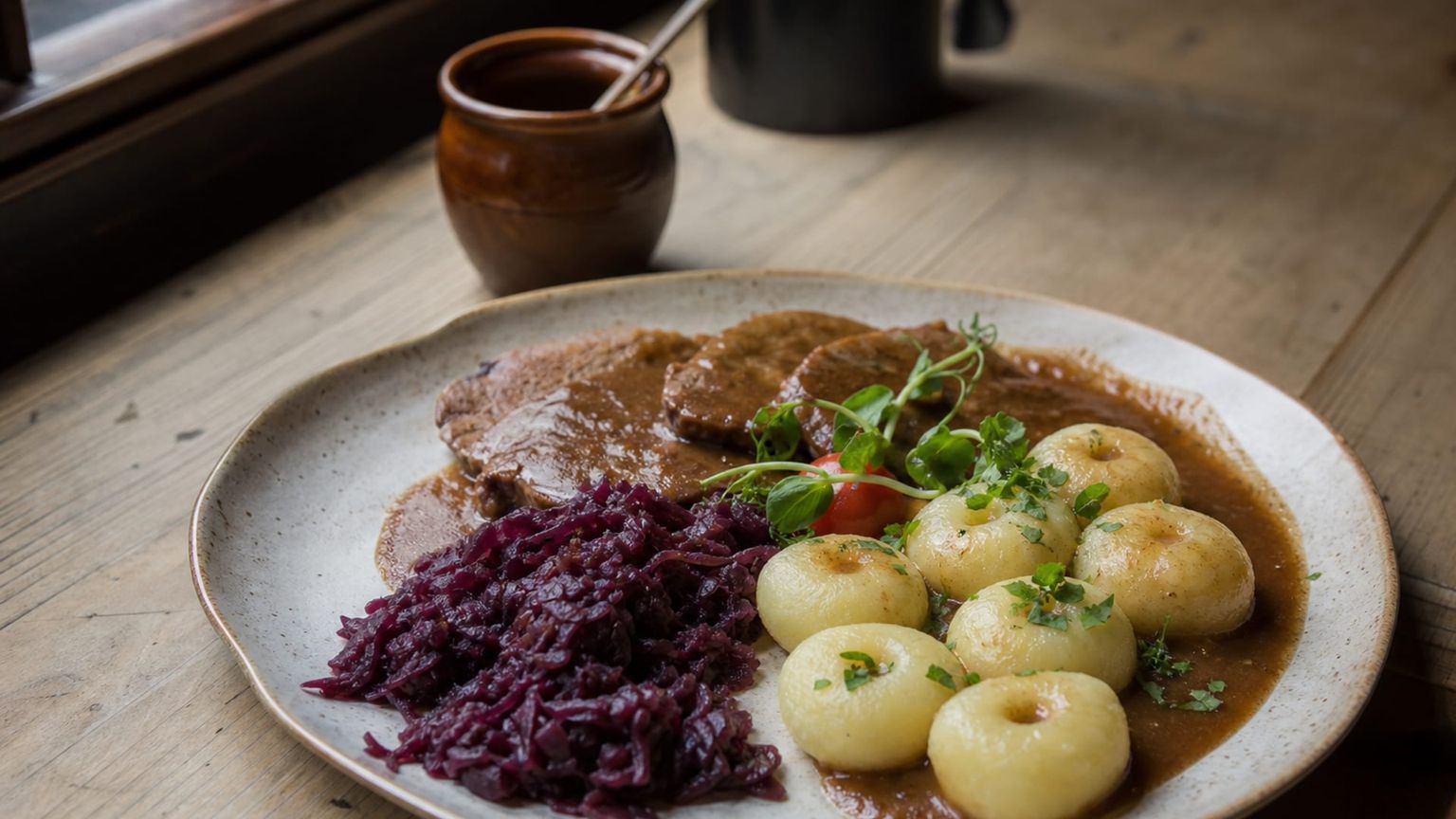
Katowice’s food leans on Silesian staples, with potato dumplings, cabbage, pork, and smoked sausage in hearty plates like rolada śląska and krupniok. Lunch rooms and regional diners keep the cooking grounded and filling.
Rolada śląska
Beef roulade rolled around bacon, onion, and pickles, usually served with kluski śląskie and modra kapusta. Restauracja Chata z Zalipia in Katowice is a strong place to order a traditional version.
Kluski śląskie
These soft potato dumplings come with a dimple in the middle and show up on many Silesian plates. In Katowice, Śląska Prohibicja in Nikiszowiec serves a well-known regional take.
Modra kapusta
Braised red cabbage seasoned with vinegar and often paired with meat and dumplings. Chata z Zalipia serves it as part of a classic Silesian plate in the center.
Krupniok
A coarse Silesian blood sausage, usually pan-fried or served with rye bread and mustard. In Katowice, Restauracja Stara Ponderosa often appears on regional-food lists for this style of cooking.
Best time to visit Katowice
Katowice shifts with the seasons, from crisp walking weather in spring and autumn to colder, quieter winter days and warm summer evenings that work well for outdoor plazas and courtyard districts.
Best for: Museum visits, tram-based sightseeing, and long walks in Nikiszowiec
What you get: 40°F to 67°F (4°C to 19°C), with moderate crowds and changeable days
Trade-offs: Rain and cool evenings can still interrupt outdoor plans
Best for: Spodek evenings, open-air walks, and longer days in the center
What you get: 57°F to 77°F (14°C to 25°C), with the heaviest visitor traffic around events
Trade-offs: Hotels and event nights can push prices up near the center
Best for: Clear museum days and district walks in softer light
What you get: 41°F to 68°F (5°C to 20°C), with lighter crowds after summer
Trade-offs: Late autumn turns colder and daylight shortens quickly
Best for: Indoor museum time and short city-center stays
What you get: 25°F to 39°F (-4°C to 4°C), with the quietest streets and occasional snow
Trade-offs: Cold wind and early sunsets limit long walking days
A realistic 5-day plan in Katowice
Five days gives Katowice enough room for the central museums, Nikiszowiec, and a slower departure day without forcing long cross-city moves. The sequence below keeps each day anchored in one part of town.
Land at Katowice Airport (KTW), then take an airport bus or a taxi into Śródmieście in about 35 to 50 minutes, with a taxi usually costing about $25 to $40 (approximately 100 zł to 160 zł) depending on traffic. Check into a hotel near the main station or in the central blocks by Galeria Katowicka, then stay close to your room for a first evening that might mean water, a short walk, and dinner at one of the nearby center restaurants before an early night.
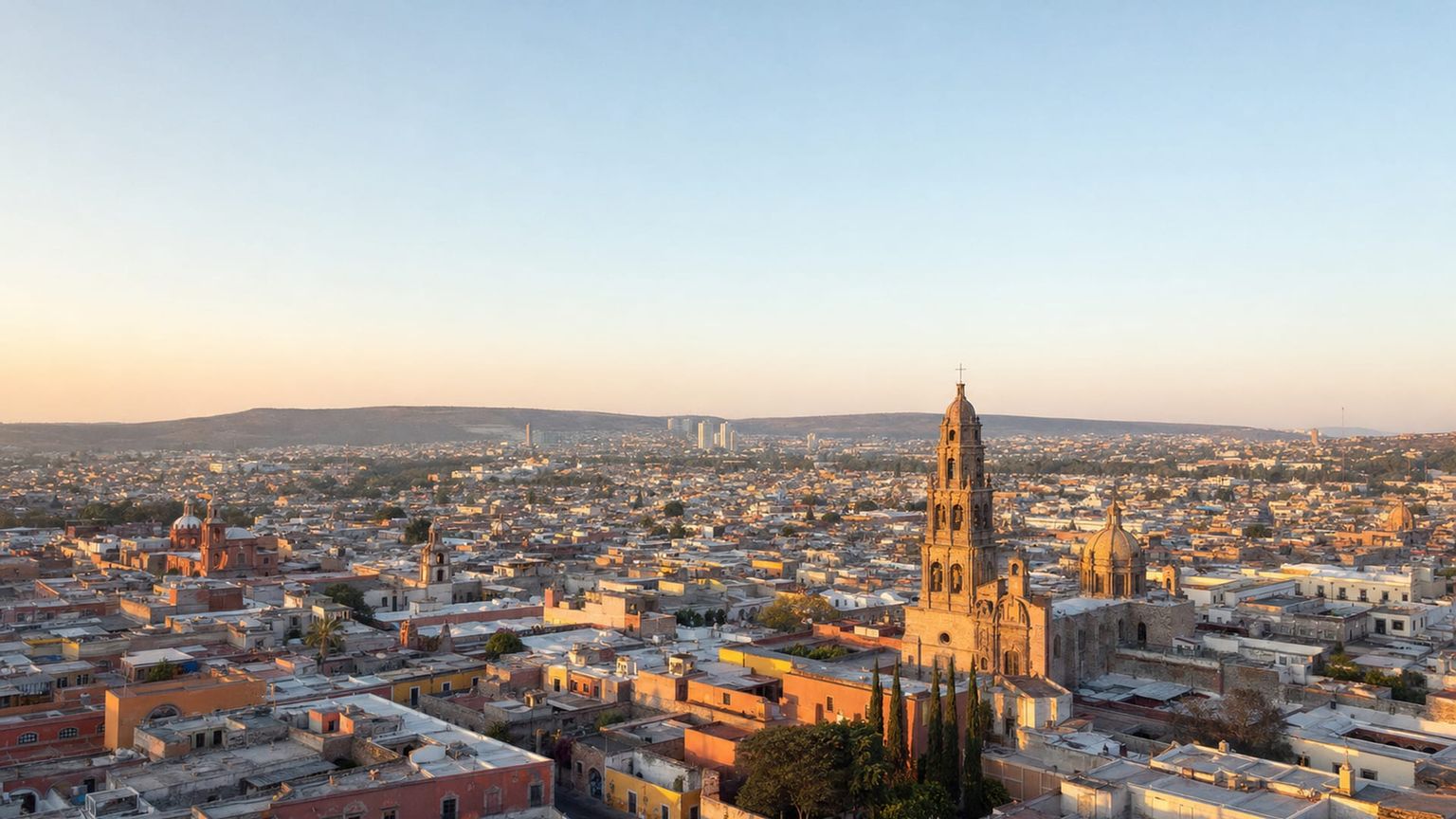
Start with the Silesian Museum, where you can spend about 3 to 4 hours in the underground galleries and surface buildings. From there, walk about 10 to 15 minutes to Spodek for an exterior look at the arena and plaza, then continue into the surrounding Culture Zone and return toward Śródmieście for dinner, with the whole museum-to-arena loop taking most of the day without needing a taxi.
Begin late morning in Nikiszowiec, which is about 20 to 25 minutes by tram or roughly 15 minutes by taxi from the center, then spend 2 to 3 hours on the red-brick courtyards, arcades, and St. Anne’s Church. After lunch, head back toward the center for the Ateneum Theatre Museum, which takes about 45 minutes to 1 hour, and finish the evening in Śródmieście, where the walk from the theatre district back to hotel blocks stays short.
A second museum-heavy day works well here, so return to the Silesian Museum for anything you missed, then move on to Spodek when the light softens in late afternoon. The two sites sit close enough that you can move between them on foot in about 10 to 15 minutes, and an evening in Koszutka or the center gives you an easy route back to dinner without crossing the city.
Begin the last full day with a slow coffee in Śródmieście, then spend a final hour at the Ateneum Theatre Museum if you want one more compact cultural stop before shopping. After that, browse Galeria Katowicka near the main station for gifts and travel supplies, or take a short tram ride to stay in Koszutka for a quieter café stop before packing and heading to Katowice Airport (KTW).
Business-class flights from the US to Katowice
Business-class trips to Katowice usually connect through major European hubs rather than flying nonstop. From both coasts of the United States, the main question is whether you value the shortest elapsed time or the best fare through a one-stop itinerary.
From New York, carriers such as LOT Polish Airlines, Lufthansa, Turkish Airlines, Air France, KLM, and Swiss International Air Lines route travelers into Katowice with about 8 to 9 hours nonstop or 10 to 15 hours with a connection through FRA, MUC, IST, CDG, AMS, or ZRH. Round-trip fares from New York to Katowice usually start at about $2,200 and can reach $4,800.
Los Angeles itineraries usually run through Frankfurt, Munich, Istanbul, Paris, Amsterdam, or Vienna on airlines such as Lufthansa, Turkish Airlines, Austrian Airlines, Air France, and KLM. Round-trip fares from Los Angeles usually run from $2,700 to $5,900, and one-stop tickets via Frankfurt or Istanbul can lower the fare.
Katowice feels different when you slow down
A deliberate Katowice trip uses the center as a base, then moves outward to Nikiszowiec, the Silesian Museum, and Spodek by tram, taxi, or a short walk between nearby blocks. That plan gives you time for lunch in Śródmieście, a quieter evening in Koszutka, and a final stop at Galeria Katowicka before the airport. If you want to shape the trip with local context, AranGrant experts can help you build it from there