

Chapters:

Need help with your trip?
Our support team is available 24/7. Request a callback or call us directly at (833) 619-0908
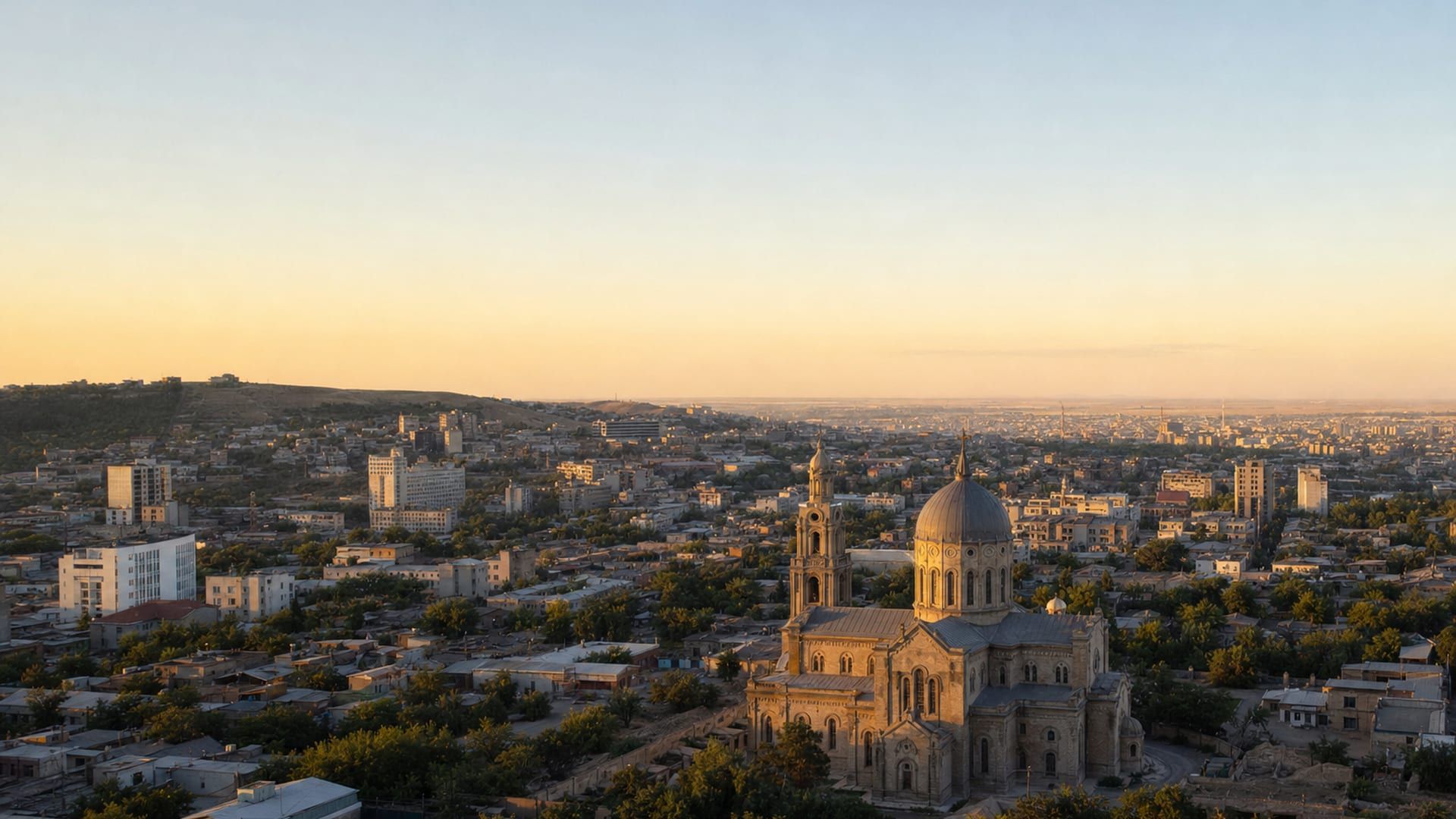
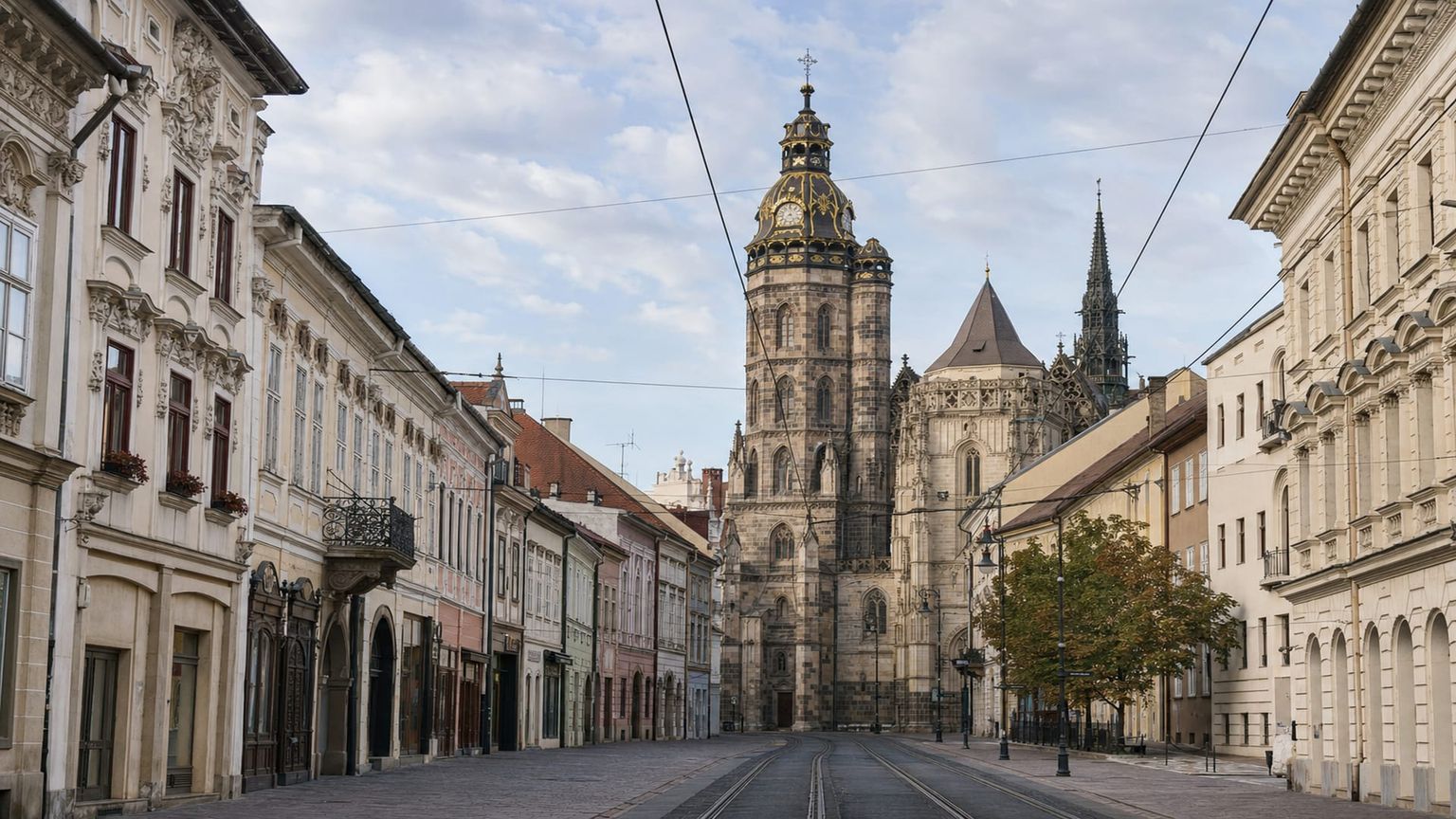
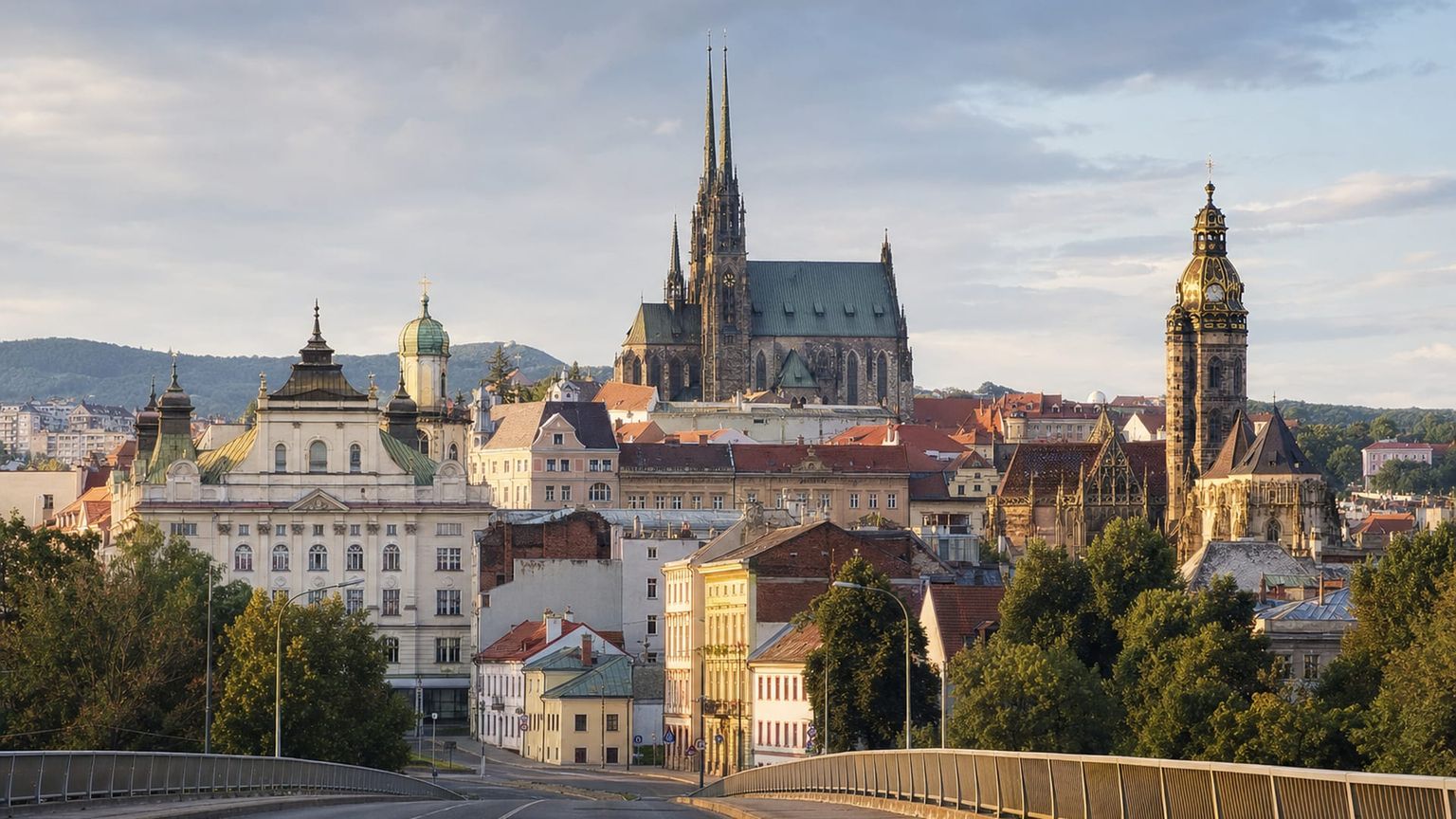
Košice is known for its long historic center, where St. Elizabeth’s Cathedral dominates Hlavná Street and Gothic, Baroque, and Art Nouveau buildings frame the pedestrian zone. Cafés and restaurants occupy the ground floors, while the State Theatre and smaller museums add cultural stops without turning the center into a purely tourist district.
Outside the old town, Košice becomes more residential and noticeably quieter. Parks, neighborhood streets, and the wooded Čermeľ valley give the city more variety than the compact center first suggests, while local restaurants and smaller cultural sites make a longer stay feel worthwhile.
This guide provides all of the essential information travelers need for planning a five-day stay in Košice, including accommodation, transportation, major attractions, traditional food, seasonal conditions, and business-class flights from the US.
Useful things to know

Main language(s): Slovak
Здравствуйте (zdravstvuyte) – Hello/good morning
Пожалуйста (pozhaluysta) – Please
Спасибо (spasibo) – Thank you
Вы говорите по-английски? (vy govorite po-angliyski?) – Do you speak English?
Сколько это стоит? (skol'ko eto stoit?) – How much does it cost?

Currency: Euro (EUR, €)

Cash and cards: Hotels, restaurants, cafés, and larger shops commonly accept cards. Keep €5–€15 ($6–$17) for smaller purchases.

Tipping: Round up your bill in cafés and taxis and leave 5%–10% at restaurants for good service.

Traditional food: Kapustnica, halászlé, bryndzové halušky, and pirohy are common regional and Slovak dishes.

Water and coffee costs: Bottled water costs €1–€1.50 ($1.10–$1.70), while an espresso typically costs €2–€3.50 ($2.20–$4).

Taxis and ride apps: Bolt, Uber, and local taxis operate in Košice. Confirm the fare before departure when boarding a street taxi.

Plug and voltage: Type C and E sockets, 230V

Dining and shop opening hours: Breakfast is commonly served from 7:00 to 10:00 am, lunch from 1:00 to 3:00 pm, and dinner from 6:00 to 9:00 pm. Some businesses close one day a week, often on Monday.

Emergency number: Call 112 for police, fire, or medical emergencies.
Where to stay in Kassa
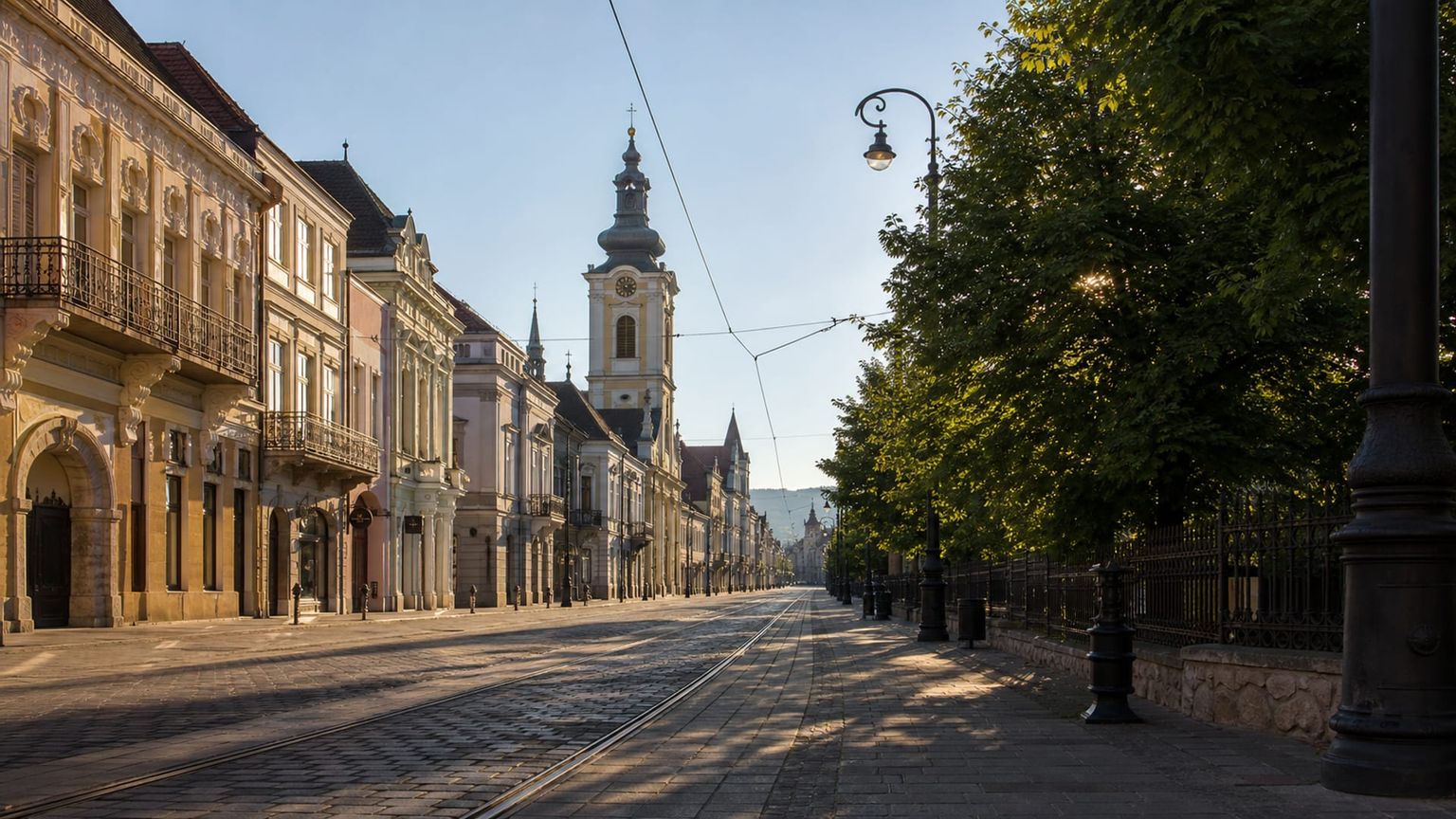
Staré Mesto contains Košice’s cathedral, State Theatre, main pedestrian streets, museums, cafés, and much of its historic architecture. Staying here keeps the city’s main sights close together and offers a wide range of restaurants and evening venues within walking distance.
Best for: First visits, historic sightseeing, dining, and travelers staying for a shorter trip
What to expect: Pedestrian streets, tram stops, steady daytime activity, and busy evenings
Hotel prices: Nightly rates typically range from €80 to €150 ($90–$170).
Distance to major sights: St. Elizabeth’s Cathedral is 5–10 minutes away on foot.
Quietness: Central streets stay lively into the evening, especially near bars and restaurants.
Main trade-off: Hotels cost more than in other areas, and the busiest streets can be noisy after dark.
Good to know: Side-street hotels offer easier vehicle access than the pedestrian core.
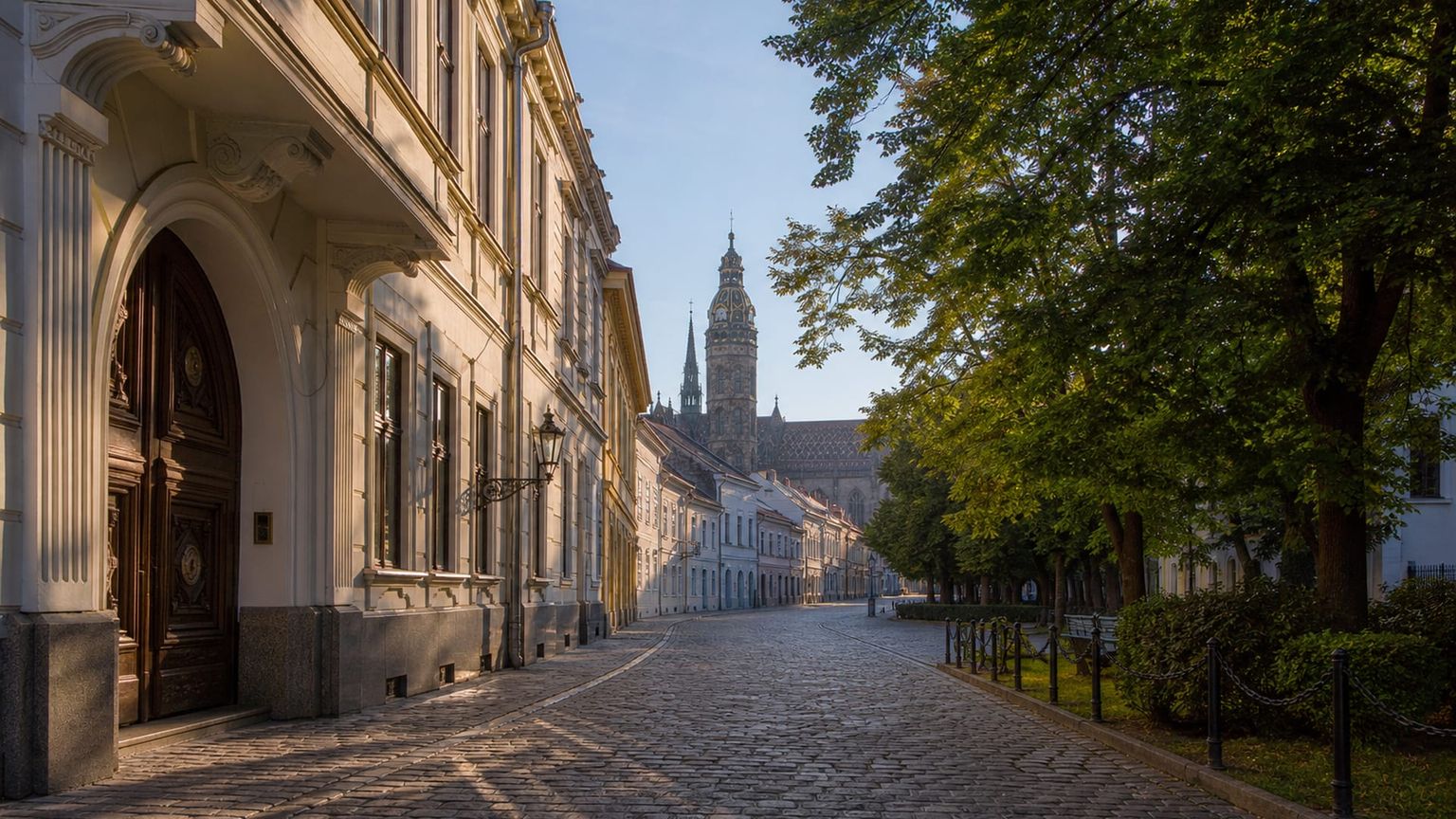
Mier lies directly north of the historic center and features apartment buildings, local businesses, and quieter residential streets. Its position keeps Staré Mesto close without placing you in the busiest visitor area, while numerous trolleybus stations make traveling to the center easy.
Best for: Longer stays, quieter evenings, local restaurants, and lower hotel rates
What to expect: Tree-lined residential streets, apartment buildings, and local shops, with moderate daytime movement and little late-night activity.
Hotel prices: Usually about 60€ to 110€ (~$66 to ~$121) per night for well-rated stays
Distance to major sights: About 10 to 15 minutes by tram or roughly 25 minutes on foot to St. Elizabeth’s Cathedral
Quietness: Quieter than the center by day and noticeably calmer after dark, with far less nightlife traffic.
Main trade-off: You will trade some walkability to the main sights for lower prices and a more residential atmosphere.
Good to know: Check whether the property faces a through-road or residential courtyard.
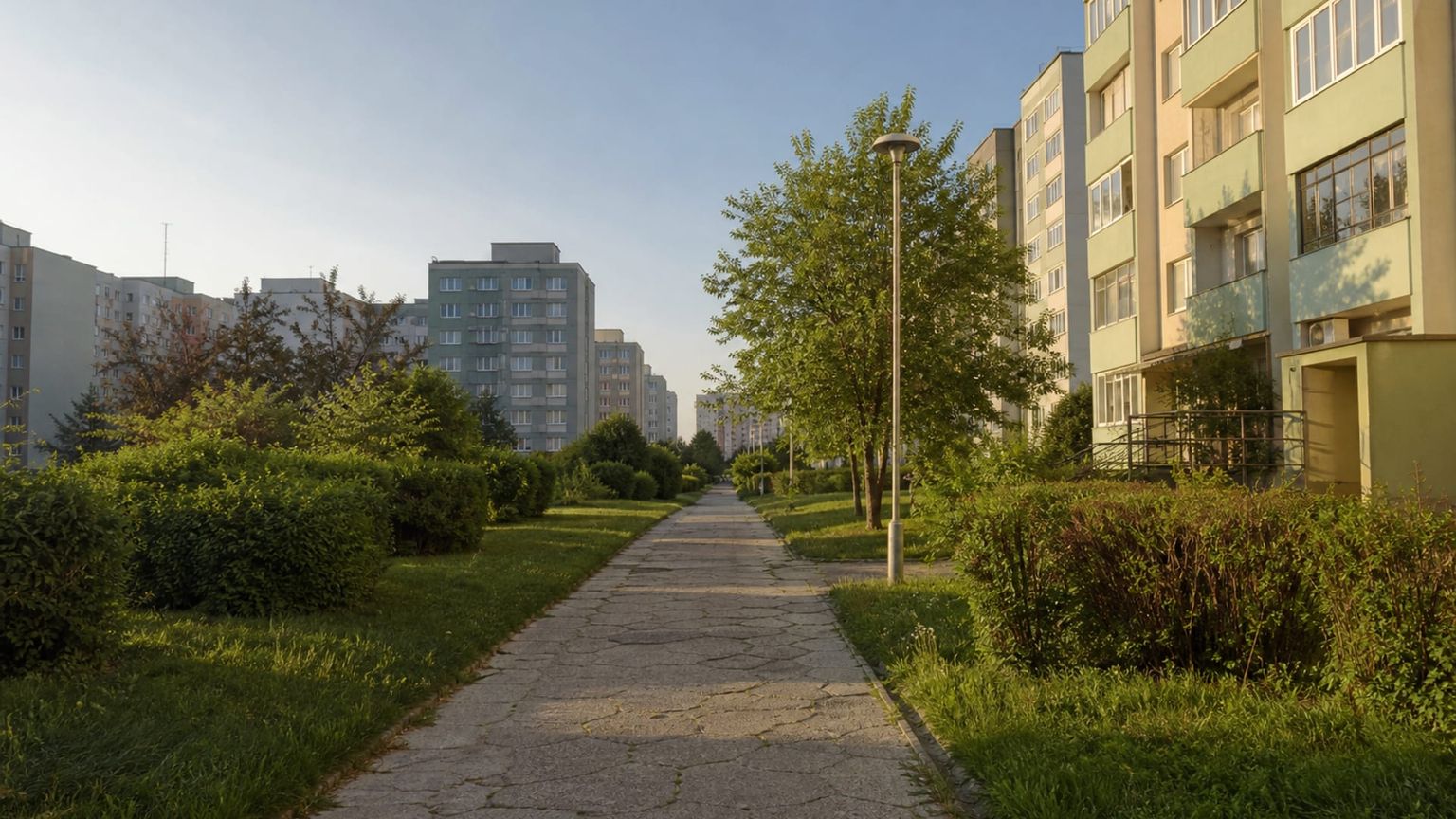
Terasa stretches across western Košice on higher ground above the center. Apartment blocks, neighborhood services, and residential streets dominate the district, while tram connections provide direct access to central Košice for sightseeing, dining, and the railway station.
Best for: Apartment stays, longer visits, residential surroundings, and city views
What to expect: Local shops, apartment blocks, and a slower street pattern, with fewer visitors and less restaurant choice than downtown.
Hotel prices: Usually about 55€ to 100€ (~$61 to ~$110) per night for well-rated stays
Distance to major sights: About 15 to 20 minutes by tram to St. Elizabeth’s Cathedral and roughly 25 minutes to the railway station
Quietness: Calm during the day and generally quiet at night, apart from occasional traffic on the main roads.
Main trade-off: The hill setting means more transit dependence, and dining choices are thinner than in the center.
Good to know: Check elevator access if your accommodation is on a sloping street.
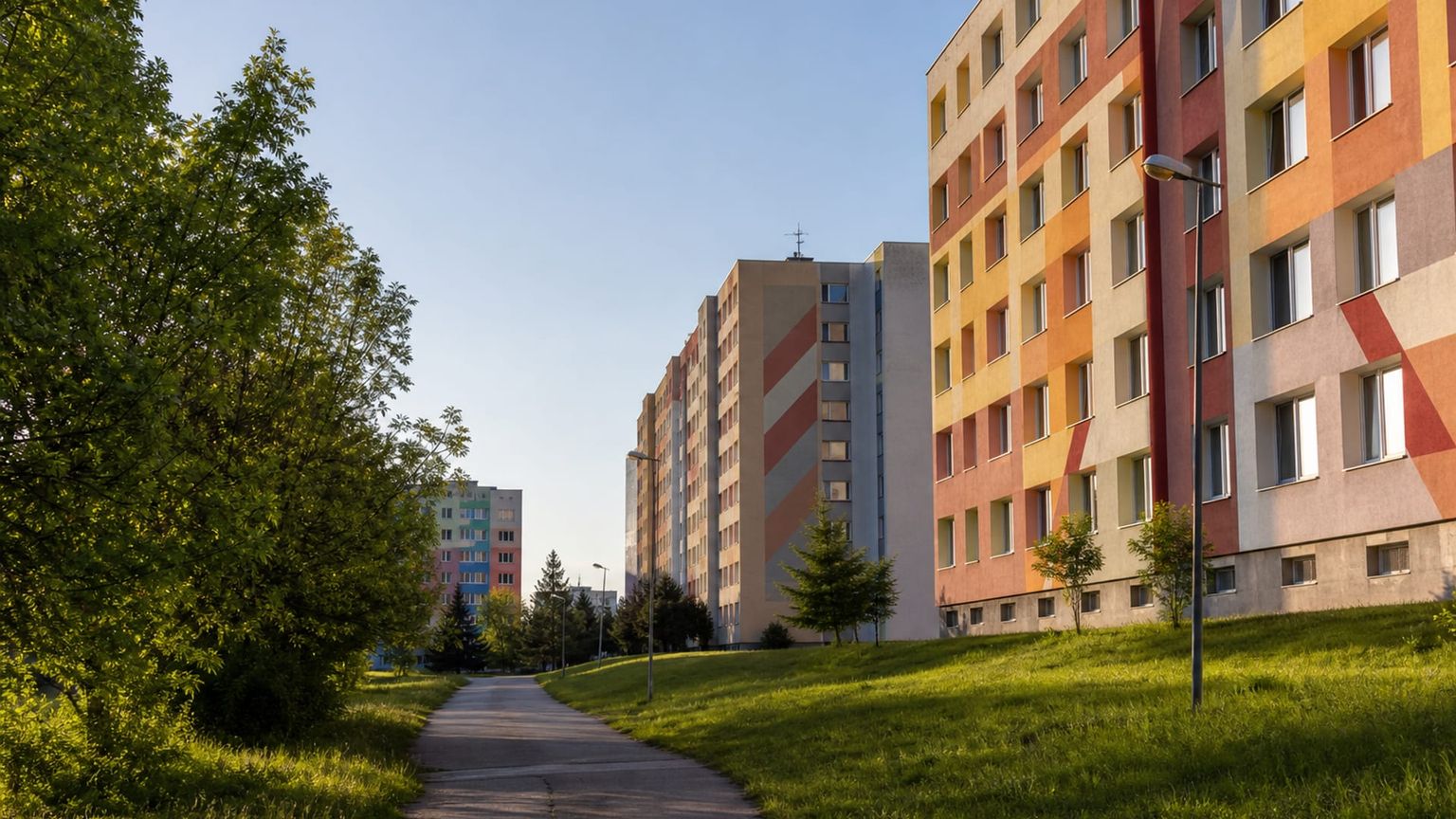
KVP is a large residential district west of central Košice, with supermarkets, shopping areas, cafés, schools, and newer apartment buildings. It offers lower accommodation costs than the historic center, while trams and buses connect the neighborhood with Staré Mesto for daytime sightseeing.
Best for: Budget-conscious stays, apartments, and travelers comfortable using public transit
What to expect: Residential streets, shopping centers, and local traffic, with few tourists and a much smaller evening scene than downtown.
Hotel prices: Usually about 50€ to 90€ (~$55 to ~$99) per night for well-rated stays
Distance to major sights: About 20 minutes by tram to St. Elizabeth’s Cathedral and roughly 15 minutes to the city center by taxi
Quietness: Mostly quiet in the evening, while daytime streets are busier around stores, bus stops, and schools.
Main trade-off: You save money, but most restaurants, historic streets, and late openings are outside the neighborhood.
Good to know: Parking is generally easier here than in the historic center.
Šaca, Barca, the airport area, and Košice’s industrial edges are inconvenient for visitors, as they require longer trips to central sights. They also have fewer hotels, restaurants, and evening options aimed at visitors.
Hotel deals
Getting around KoSice
Košice has an extensive public transport network, with trams, buses, trolleybuses, and taxis covering its historic center and residential districts.

Metro
for longer distances
Trams connect Staré Mesto with other districts, including Terasa and KVP. You can buy a single ticket from the driver for €1.50 ($1.70), or buy a 24-hour ticket for €3–€3.80 ($3.40–$4.30). Validate tickets as required after boarding.

Bus and tram
for convenience
Buses and trolleybuses cover areas beyond the tram network. Single tickets on board cost €1.50 ($1.70). Tourists can also buy 24-hour tickets for €3 ($3.40). Bus 23 serves Košice Airport, while trolleybuses connect central areas with districts such as Mier.

Taxi
for convenience or late hours
Short taxi rides commonly cost €6–€9 ($7–$10), while trips between Košice Airport and central districts cost €10–€18 ($11–$20). Book through Bolt, Uber, a local dispatcher, or your hotel, and confirm the approximate fare before departure.
**Prices are based on rates updated as of October 2026 and may change at the time of travel.
Use trams for the main urban routes, buses for outer districts and the airport, and taxis for direct or late-evening journeys.
Iconic places in Kosice
St. Elizabeth’s Cathedral
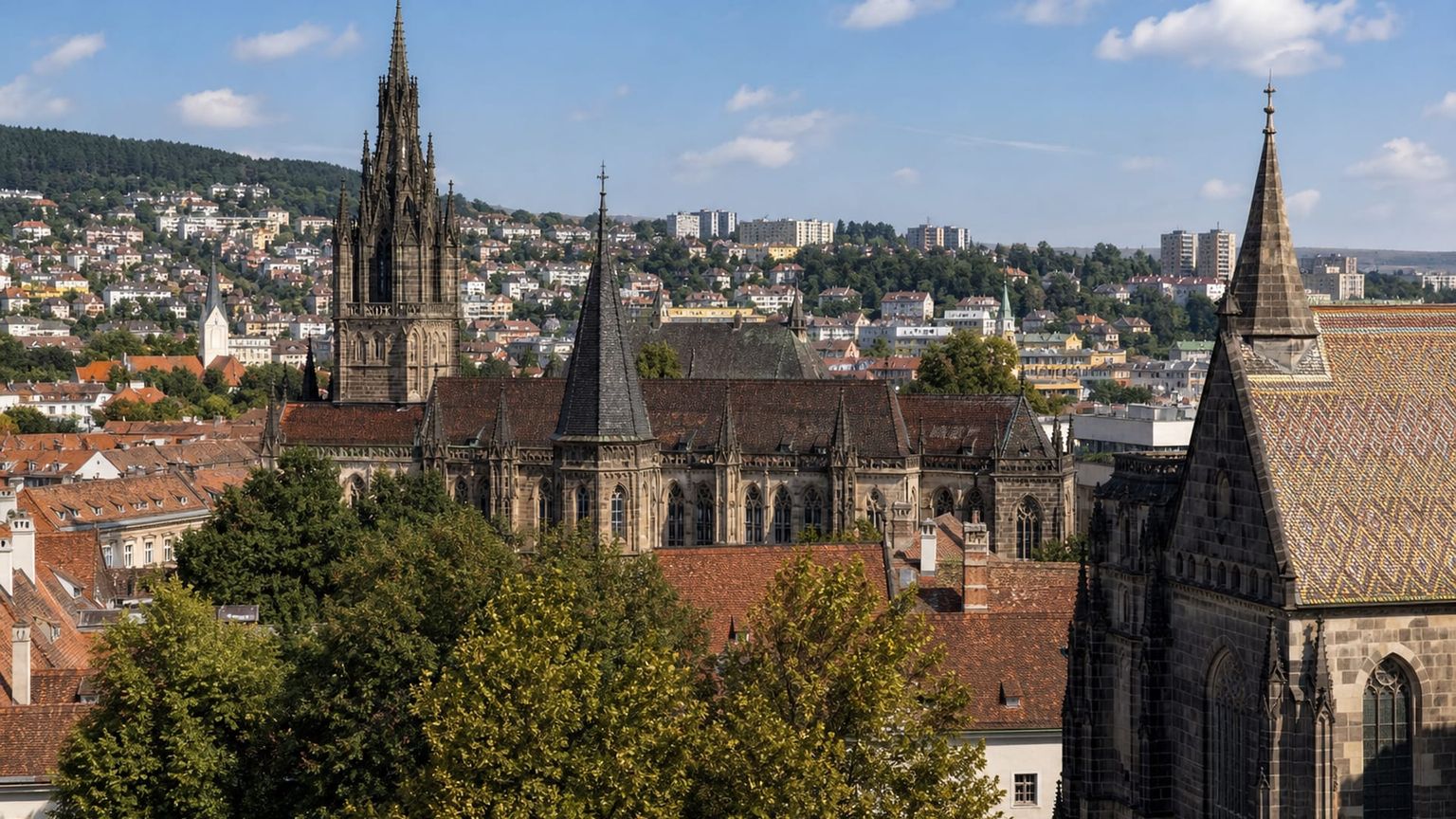
St. Elizabeth’s Cathedral dominates the historic center with Gothic stonework, stained glass, carved altars, and high vaulted interiors. Construction began in the late 14th century, and it is the largest church in Slovakia.
Time needed: 30 to 45 minutes
Entry: A full guided tour of the cathedral costs €8 ($9). Visit the official website for more details.
Tip: Climb the North Tower on a clear day for views over the center.
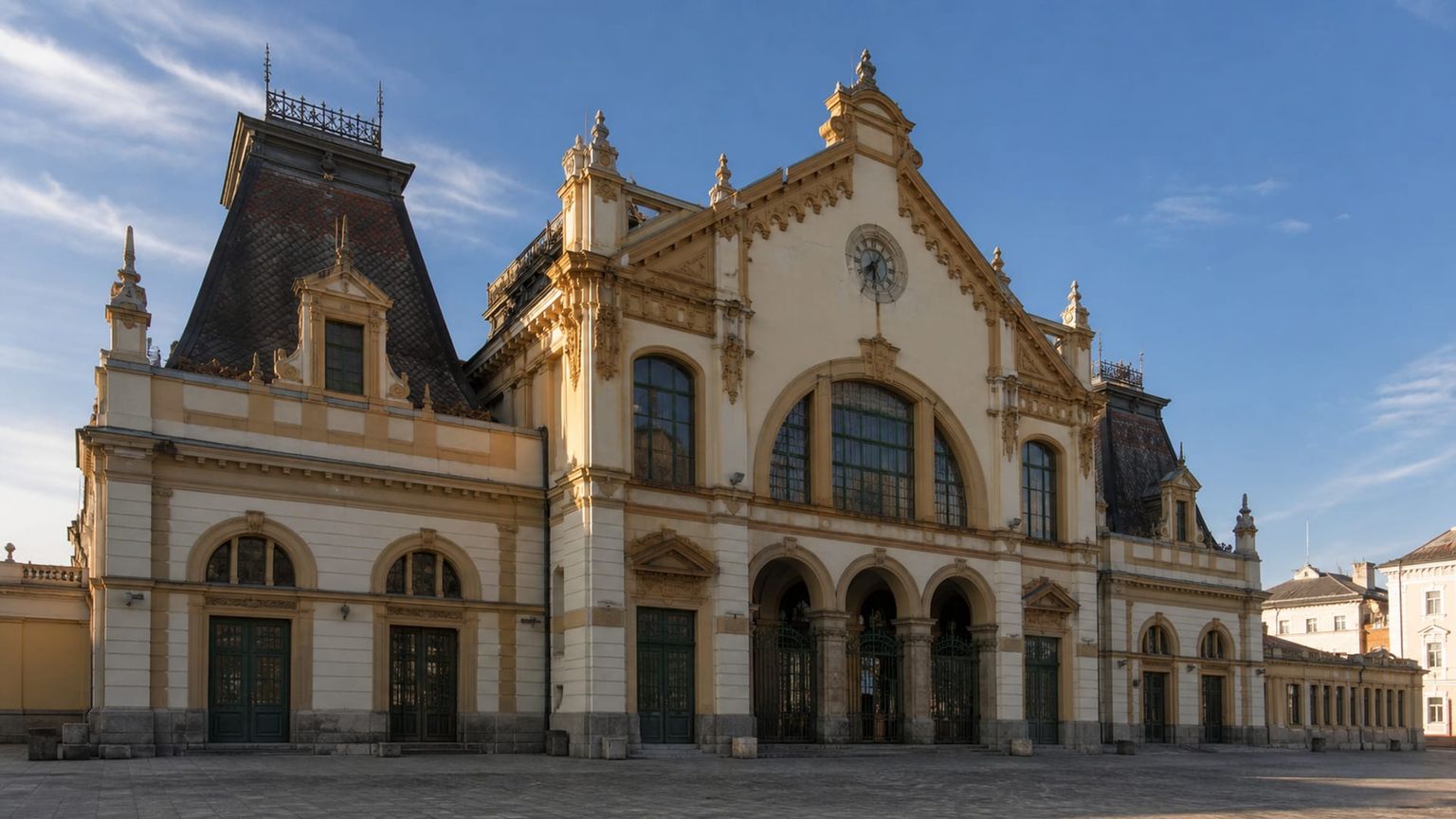
Košice city market
The market on Dominican Square continues a trading tradition dating back to the Middle Ages. Produce stalls and local growers bring daily commerce directly into the historic center, only a short walk from Hlavná Street.
Time needed: 1 to 2 hours
Entry: Free
Tip: Visit early for the widest and freshest selection of produce.
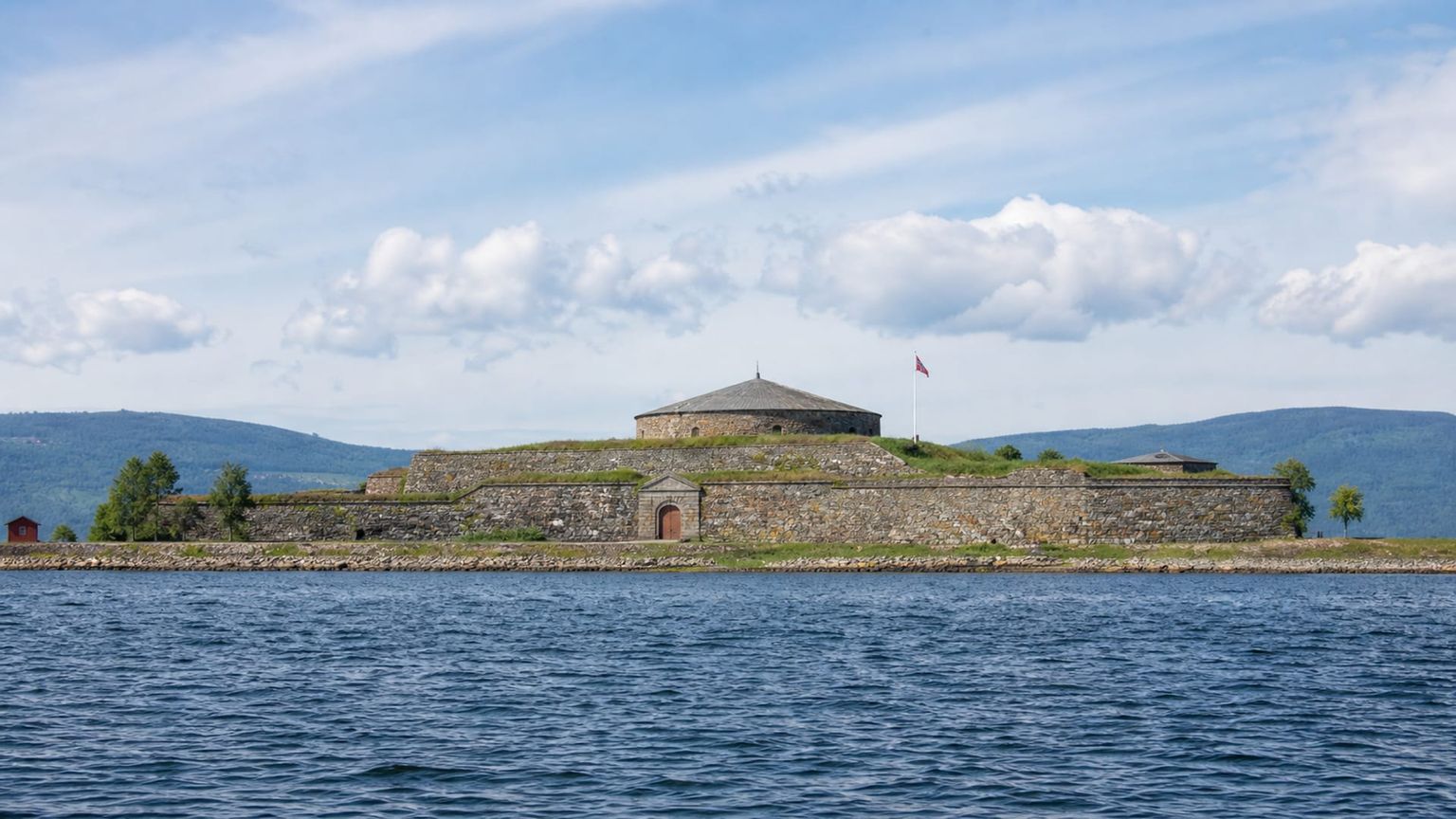
Singing Fountain
The Singing Fountain on Hlavná Street combines music, water, and evening illumination beside the State Theatre. Its central location makes it one of Košice’s most recognizable public landmarks.
Time needed: 20 to 30 minutes
Entry: Free
Tip: Stop by after dark when the fountain lighting is most visible.
Overlooked places in Kosice

Košice Botanical Garden
Košice Botanical Garden combines tropical greenhouses, themed plant collections, and outdoor paths on the northern edge of the city, giving visitors a quieter alternative to the historic center.
Time needed: 1 to 2 hours
Entry: Admission typically costs €5 ($6).
Tip: Visit in the morning before the greenhouses become busier.

Čermeľ Children’s Heritage Railway
This narrow-gauge railway runs through the wooded Čermeľ valley, combining a short heritage train ride with easy access to forest paths beyond central Košice.
Time needed: 1 to 2 hours
Entry: A family ticket costs €15 ($16).
Tip: The railway runs from the last weekend of April to the beginning of November.
What to eat in Kosice
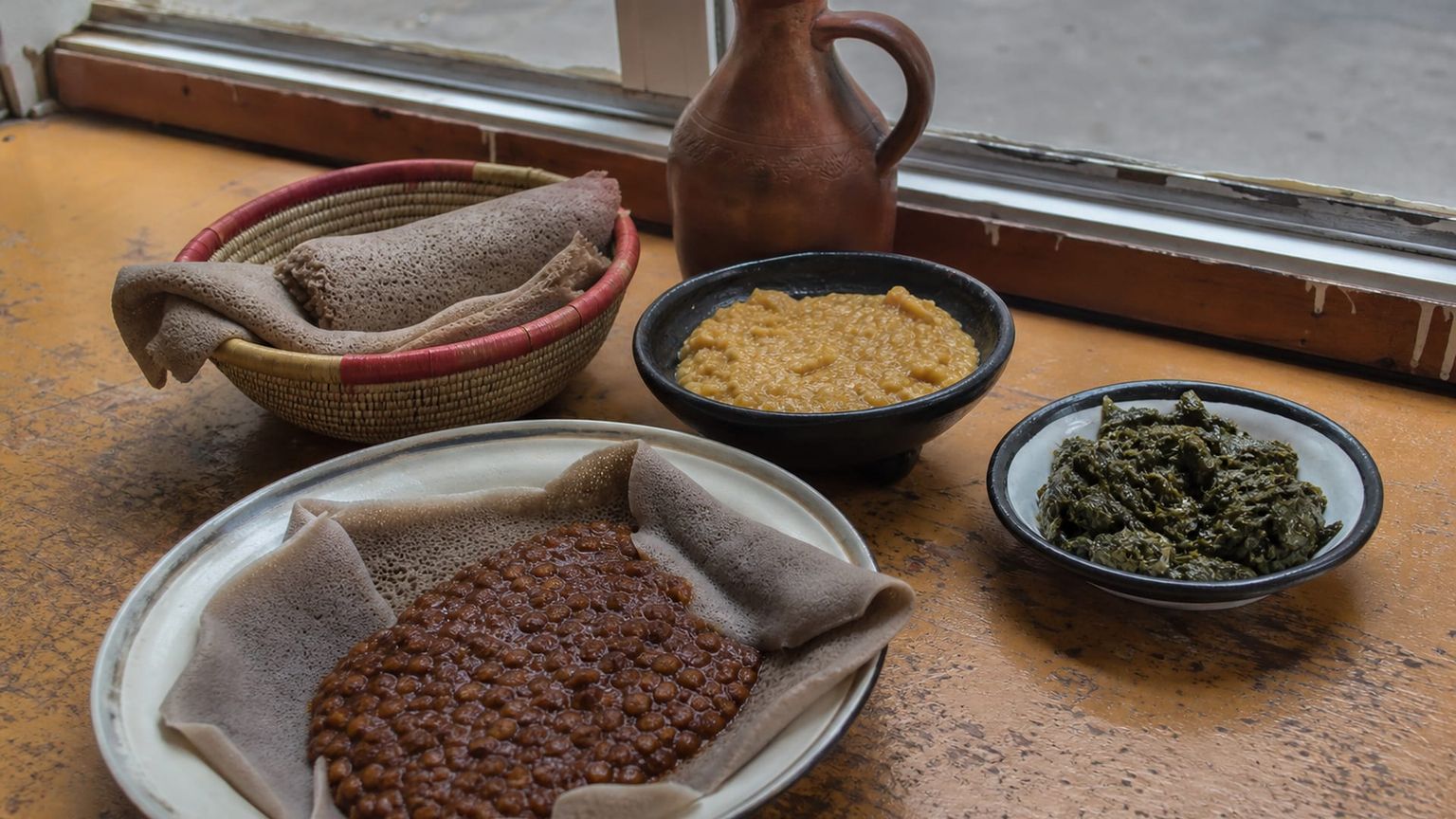
Košice’s food reflects Slovak and regional Central European traditions, with soups, dumplings, sheep cheese, smoked meats, and paprika appearing across local menus.
Kapustnica
Kapustnica is a sauerkraut soup commonly made with sausage, smoked meat, mushrooms, and spices, with especially strong associations with Christmas. Karczma Mlyn serves hearty Central European dishes and offers a fitting setting for this filling soup.
Halászlé
Halászlé is a paprika-rich fish soup with a deep red broth, strong seasoning, and freshwater fish. BistRovás features the dish on its menu, providing a central option for travelers interested in the Hungarian influence on eastern Slovak cooking.
Bryndzové halušky
Bryndzové halušky combines small potato dumplings with bryndza sheep cheese and crispy bacon. Villa Regia serves traditional Slovak food in central Košice and is a convenient place to try this delicious national dish.
Pirohy
Pirohy are filled dumplings prepared with ingredients such as potato, cheese, or sauerkraut and commonly served with toppings or sauce. Karczma Mlyn offers them alongside other familiar Slovak dishes.
Best time to visit Kosice
Late spring and early fall bring mild sightseeing weather, while summer is warmer and winter shifts more of the visit indoors.
Best for: Botanical gardens, historic streets, cathedral visits, and outdoor sightseeing
What you get: Temperatures rise from 50°F to 73°F (10°C–23°C), with mild afternoons and moderate crowds.
Trade-offs: Rain can interrupt longer outdoor visits.
Best for: Long evenings, outdoor cafés, markets, parks, and late dinners in the center
What you get: Temperatures typically range from 68°F to 89°F (20°C–32°C), with the year’s busiest streets and longest days.
Trade-offs: Midday heat can make extended walks uncomfortable.
Best for: Museums, fortifications, cafés, markets, and sightseeing after summer crowds ease
What you get: Temperatures fall from 72°F to 48°F (22°C to 9°C), with cooler days and fewer visitors later in the season.
Trade-offs: Daylight becomes noticeably shorter toward November.
Best for: Museums, restaurants, cathedral interiors, and quieter stays in central Košice
What you get: Temperatures generally range from 28°F to 43°F (-2°C to 6°C), with low visitor numbers and short days.
Trade-offs: Cold weather and early darkness reduce time outdoors.
A 5-day plan in Kassa
Five days give you enough time to explore Košice’s historic center, markets, fortifications, botanical garden, residential districts, and Čermeľ valley without visiting the same central streets every day.
Land at Košice Airport (KSC) and take a taxi or prebooked car into Staré Mesto. The journey generally takes 15–25 minutes and costs €10–€18 ($11–$20). After checking in, spend the rest of the day close to the historic center. Walk along Hlavná Street, see St. Elizabeth’s Cathedral from the square, and choose a nearby café or restaurant for dinner. Keep the first evening light and leave the cathedral interior, market, and museums for the following days.
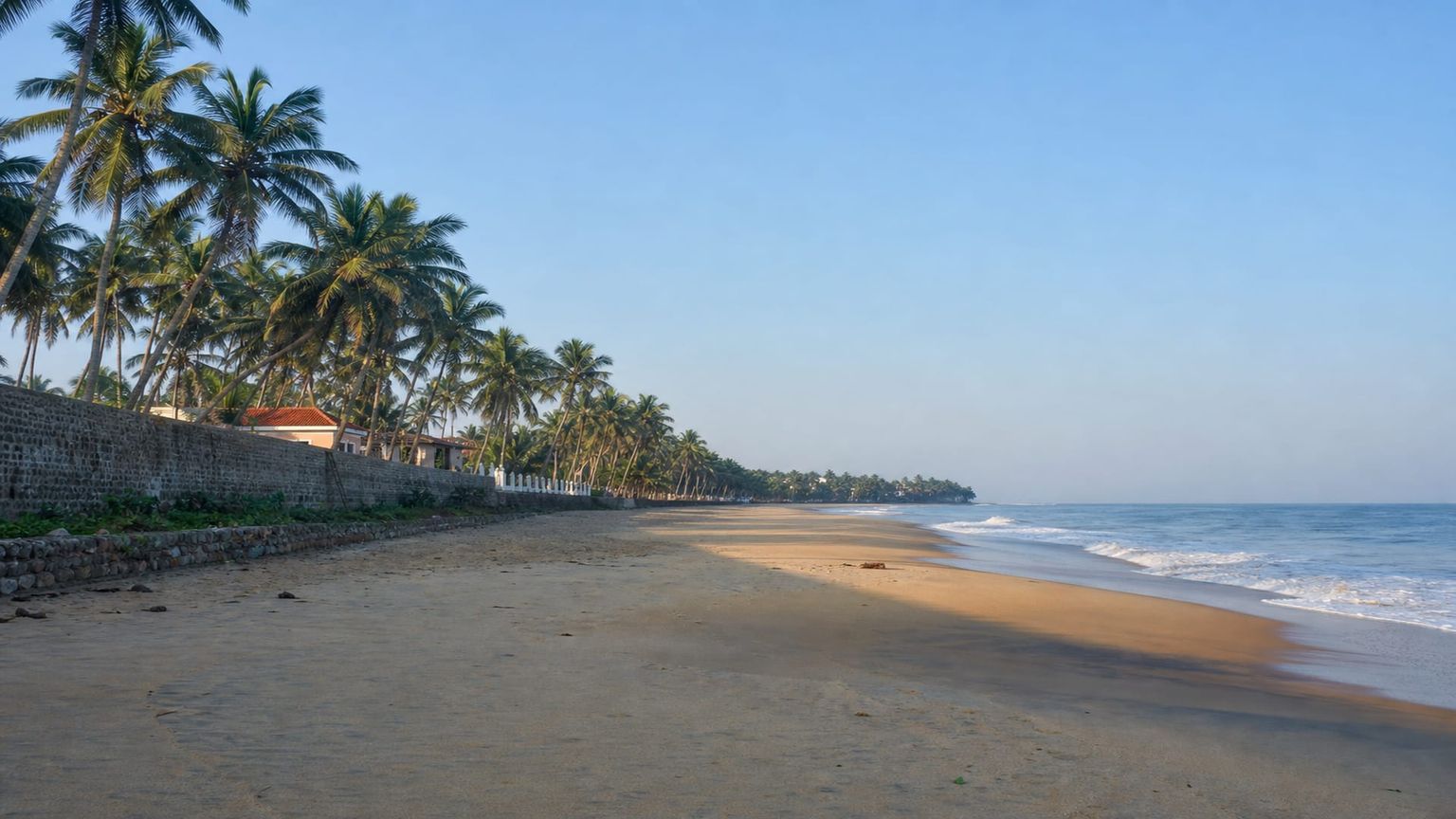
Begin at the market on Dominican Square while the produce stalls are open, then walk toward Hlavná Street and St. Elizabeth’s Cathedral. Spend 30–45 minutes inside and climb the North Tower if the weather is clear. Continue along the pedestrian center toward the State Theatre and nearby historic buildings, then stop for lunch. Spend the afternoon at cafés, shops, and smaller central sights, then return to Staré Mesto for dinner as the pedestrian streets get livelier.
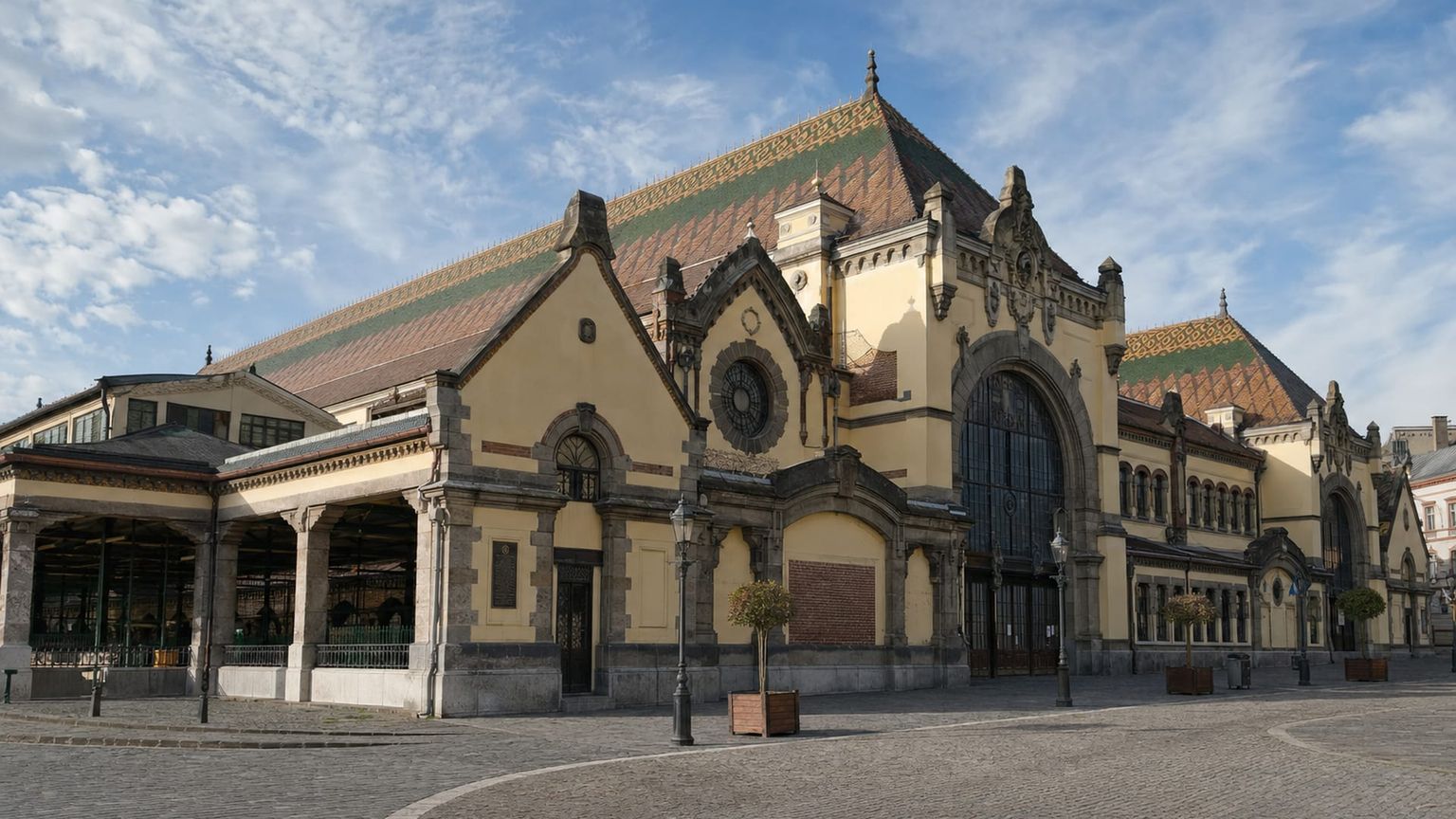
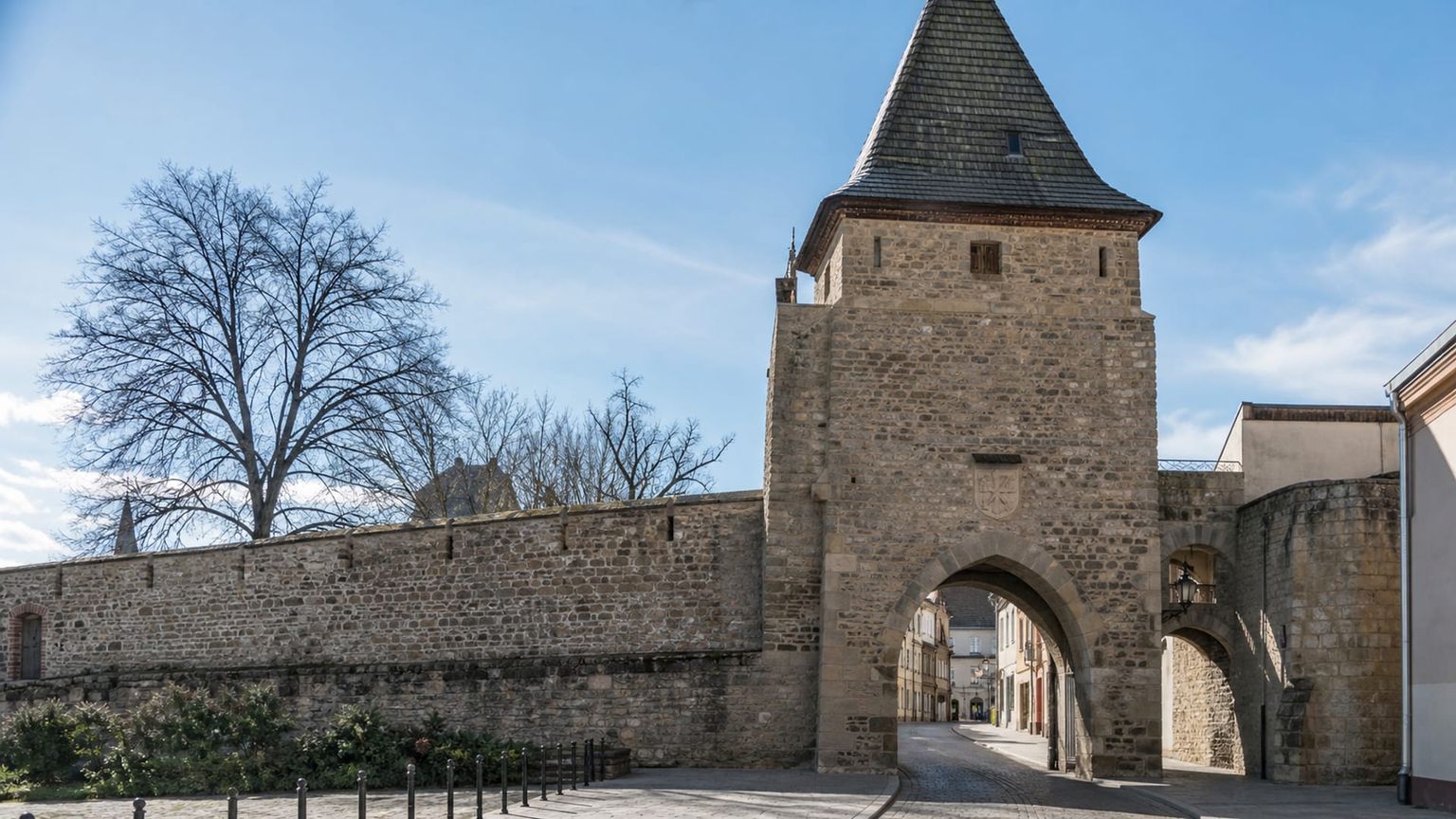
Start with Mikluš Prison and Rodošto Bastion, where the surviving defensive structures and museum rooms provide a closer look at Košice’s older urban history. Afterward, continue through the surrounding historic streets and stop for lunch near the center. In the afternoon, head north toward Mier to see a more residential side of the city, with local shops, apartment streets, and neighborhood restaurants. Return to Staré Mesto after dinner or stay in Mier for a quieter evening.
Travel to the Čermeľ Children’s Heritage Railway in the morning and spend 1–2 hours riding the seasonal line and walking in the surrounding forest. Later, continue to Košice Botanical Garden for its tropical greenhouses, plant collections, and outdoor paths. These two stops take you away from the historic center and show Košice’s greener northern side. Return downtown in the late afternoon and have dinner at a restaurant near Hlavná Street.
Use the final morning for a short trip through Terasa if you want to see one of Košice’s larger residential districts, or stay in Staré Mesto for cafés and shopping near the pedestrian center. Have lunch near your hotel, collect your luggage, and leave the final hours free for a trip to the airport. A taxi from central Košice to Košice Airport normally takes 15–25 minutes, while public transport provides a lower-cost option if your departure time matches the bus schedule.
Business-class flights from the US to Kassa
Flights to Košice from major hubs like New York (JFK) and Los Angeles (LAX) require at least one layover in Europe.
New York (JFK) to Košice (KSC)
Austrian Airlines, LOT Polish Airlines, and SWISS offer connecting flights from New York to Košice. Common layover cities include Vienna (VIE), Warsaw (WAW), and Zurich (ZRH). Total travel time typically ranges from 14 to 20 hours. Round-trip business-class fares generally range from $5,500 to $6,500.
Los Angeles (LAX) to Košice (KSC)
Travelers from Los Angeles can reach Košice with United Airlines, Austrian Airlines, LOT Polish Airlines, and SWISS. Flights commonly connect through Washington (IAD), Vienna (VIE), Warsaw (WAW), or Zurich (ZRH), with total journey times of 14–22 hours. Round-trip business-class fares on this route usually range from $3,800 to $9,300.
Experience Košice from Hlavná Street to Čermeľ
Košice brings Gothic architecture, broad pedestrian streets, market traditions, medieval fortifications, and residential districts into a city that changes quickly beyond its historic core. St. Elizabeth’s Cathedral gives the center its visual focus, while the botanical garden and wooded Čermeľ valley introduce a greener side of the city. If you are planning a visit to Košice, our AranGrant experts can help you compare business-class flights and hotels that suit your preferences and budget.







