

Chapters:

Need help with your trip?
Our support team is available 24/7. Request a callback or call us directly at (833) 619-0908
Karachi rewards travelers who choose a clear base and stick to a short list of sights. Many first visits split time between distant neighborhoods, then lose the day to traffic, heat, and long rides between Clifton, Saddar, and the airport side.
That pattern misses how spread out the city is. Even short crossings can take longer than expected, and the most rewarding places often sit in separate districts, so careless sequencing leaves little time for the waterfront, heritage halls, or an unhurried meal.
This guide keeps the route tight, pairs each area with the right day, and builds in time for food, transfers, and quieter hours at the landmarks that define Karachi.
Useful things to know

Main language(s): Urdu
Salam (sah-lahm) – Hello
Meharbani (meh-hahr-BAH-nee) – Please
Shukriya (shook-REE-yah) – Thank you
Kya aap Angrezi bolte hain? (kyah aap un-GREH-zee bol-tay hain) – Do you speak English?
Yeh kitne ka hai? (yeh kit-nay ka hai) – How much does it cost?

Currency: The local currency is the Pakistani rupee (PKR, Rs).

Cash and cards: Cards and contactless work at larger hotels and stores, but carry about PKR 5,000 to 10,000 ($18 to $36) in cash.

Tipping: Round up small bills; leave about 5-10% in restaurants if service is good.

Traditional food: Biryani, nihari, kebabs, haleem

Water and coffee costs: Water about PKR 80 to 150 ($0.30 to $0.54), bar espresso about PKR 350 to 700 ($1.25 to $2.52).

Taxis and ride apps: Careem and inDrive operate here; confirm the fare before you start.

Plug and voltage: Type C/D socket, 230V

Dining and shop opening hours: Breakfast is about 08:00-10:00, lunch 13:00-15:00, and dinner 20:00-22:30. Many places close earlier on Fridays.

Emergency number: Dial 15 for police, 1122 for rescue and ambulance.
Where to stay in Karachi
Karachi’s best-known seaside district, with apartment hotels, restaurants, and easy access to the beach. It suits visitors who want a recognizable base near the coast, upscale dining, and a shorter ride to central attractions.
Best for: Beach access, dining, and travelers who want a well-known south Karachi base
What to expect: Busy roads, steady foot traffic near malls and cafes, and a noticeable uptick in activity along the seafront in the evening.
Hotel prices: Usually about $60 to $180 per night for well-rated stays
Distance to major sights: About 20 to 30 minutes by car to Quaid-e-Azam House and Frere Hall
Quietness: Quieter in the morning, livelier in the evening near the beach and commercial strips.
Main trade-off: You pay more for the address, and sea views or newer towers can sit on congested streets.
Good to know: Traffic can add time to simple cross-town trips, so choose this area if you plan to spend more of the day in south Karachi than moving between distant districts.
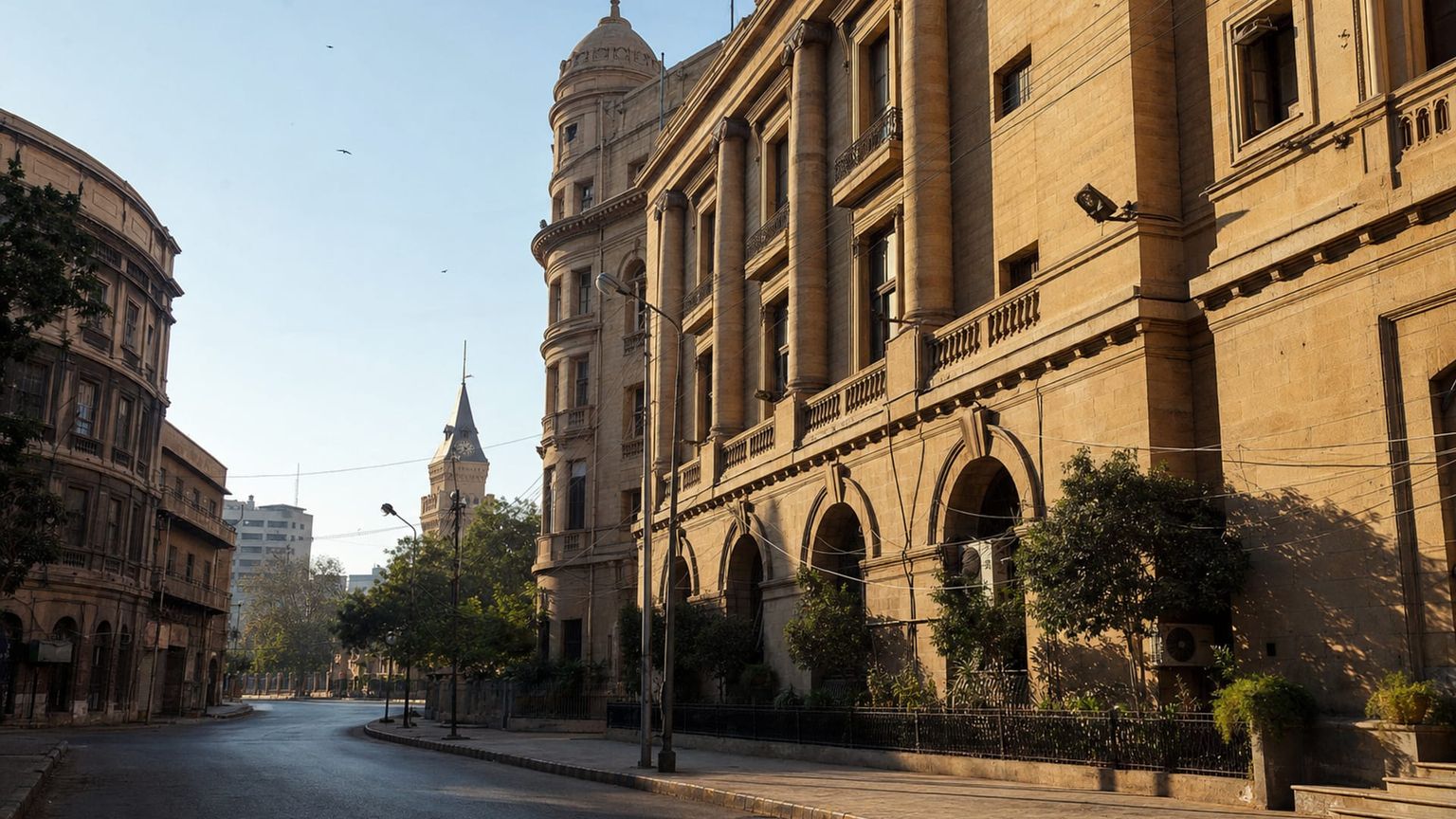
Karachi’s historic commercial core, full of markets, colonial-era buildings, and older hotels close to major civic landmarks. It matters for visitors who want short hops to museums, churches, and business addresses in the central city.
Best for: Civic sights, business appointments, and travelers who want central access
What to expect: Dense traffic, active sidewalks, and constant street commerce, with the area busiest during shopping hours and weekday business time.
Hotel prices: Usually about $25 to $80 per night for well-rated stays
Distance to major sights: About 10 to 20 minutes on foot to Frere Hall and about 15 to 25 minutes by car to Quaid-e-Azam House
Quietness: Noisy through the day and still active after dark, though some side streets thin out later at night.
Main trade-off: Budget hotels are common, but the oldest blocks can be worn and traffic can slow even short rides.
Good to know: Pick a hotel with secure entry and confirm late-night arrival plans, because the busiest streets are easiest in daylight and can feel disorganized after dark.
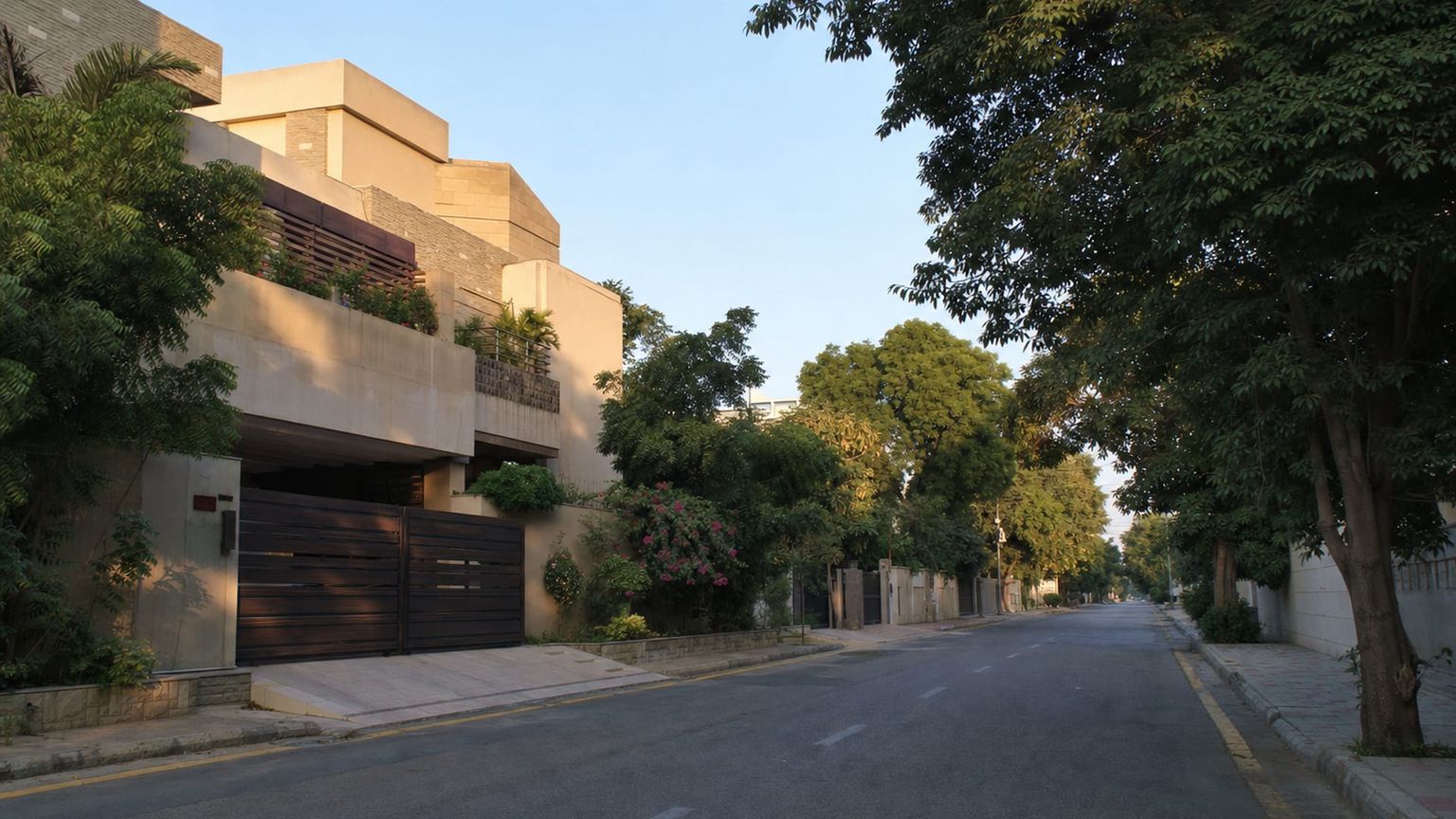
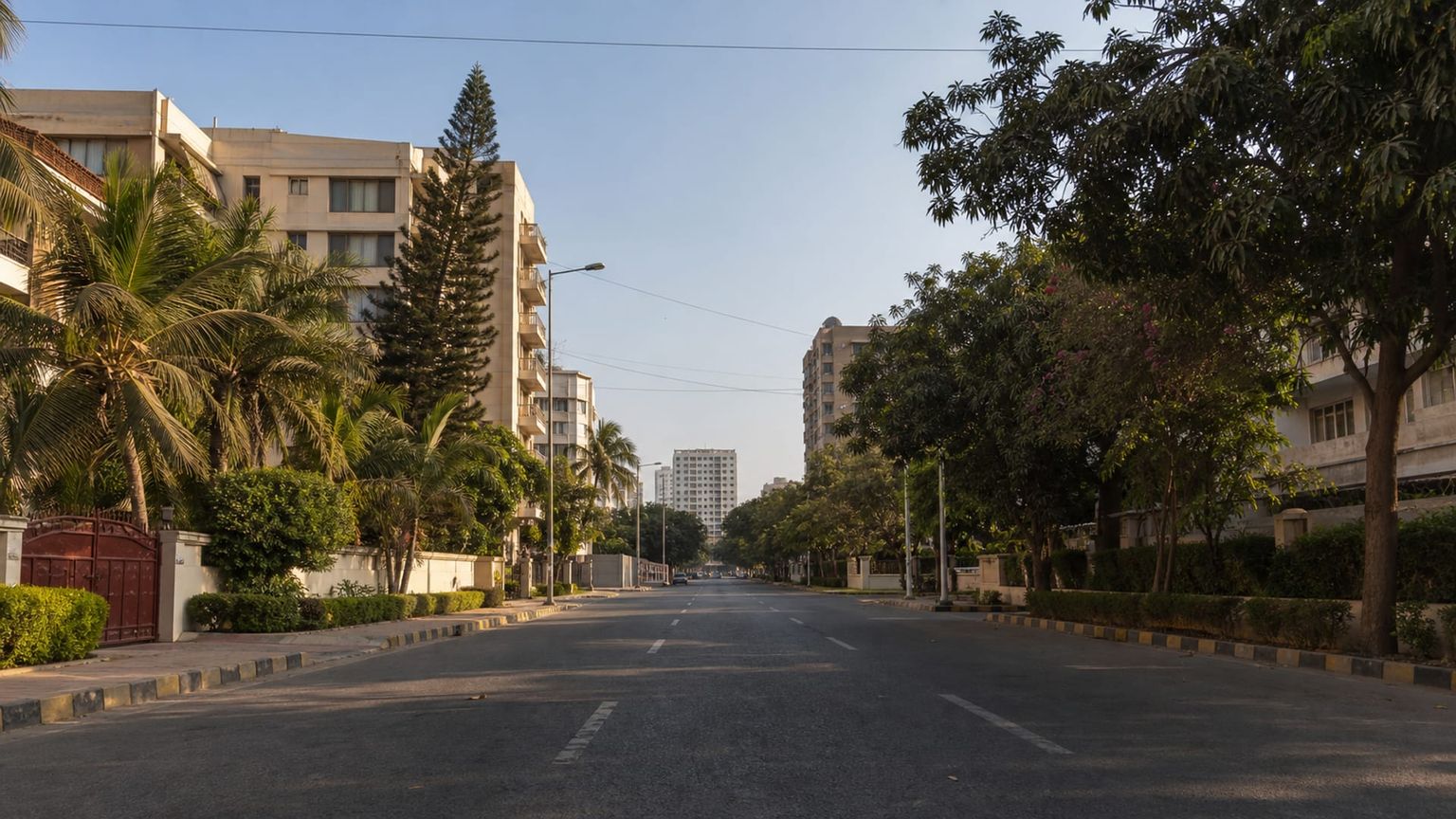
A residential and dining district in south Karachi, with newer apartment buildings, cafes, and larger homes than the older core. It suits travelers who want a more residential setting while staying close to restaurants and the airport side of the city.
Best for: Longer stays, dining, and travelers who prefer a quieter residential base
What to expect: Tree-lined blocks, car traffic on main roads, and a local crowd around restaurants, gyms, and shopping plazas.
Hotel prices: Usually about $50 to $150 per night for well-rated stays
Distance to major sights: About 20 to 35 minutes by car to Clifton Beach and about 25 to 40 minutes by car to Quaid-e-Azam House
Quietness: Quieter than central Karachi by day, with modest evening activity near restaurant clusters.
Main trade-off: You gain space and newer lodging, but many trips still depend on taxis or a private car.
Good to know: This area works best if you are comfortable planning rides in advance, since walking between sights is limited and many errands sit on different roads.
Travelers usually avoid staying in SITE Town, because it sits well away from Karachi’s main visitor areas and has limited hotel choice for leisure stays. Korangi, Landhi, New Karachi, and Gulshan-e-Maymar are also less convenient, since they are far from the central sights and waterfront, with fewer visitor amenities and longer evening trips back to the city center.
Hotel deals
How to get around Karachi efficiently
Karachi has no metro, so most visitors move between districts by Careem, Uber, rickshaw, or bus, depending on the distance and the time of day.

Metro
for longer distances
Karachi has no metro or tram network, so visitors usually rely on buses, rickshaws, and taxis for local travel. The closest rail-based option is the Karachi Circular Railway, but it has limited coverage and irregular usefulness for most trips.

Bus and tram
for convenience
Karachi’s bus network centers on minibuses, coaches, and newer BRT corridors such as the Green Line, with fares often about $0.10 to $0.50 (roughly PKR 30 to 150) and passes valid only for a single ride unless a route-specific card is issued. Use app-based route maps or ask at major stops for the correct boarding point, because service patterns change by corridor and time of day. Major links connect Saddar, Clifton, Gulshan, North Nazimabad, and the airport district, but journey times vary sharply with traffic.

Taxi
for convenience or late hours
Licensed taxis are uncommon compared with ride-hailing, and most visitors use Careem or Uber, where fares are metered by the app and usually run about $2 to $8 (roughly PKR 600 to 2,200) for city trips, with airport runs often about $5 to $12 (roughly PKR 1,500 to 3,500) depending on traffic and car class. Street-hail taxis are usually negotiated before departure rather than metered, so confirm the price in advance and carry small bills or use cashless payment in the app.
*Prices are based on rates updated as of June 2026 and may change at the time of travel.
Use ride-hailing for cross-town trips, buses for low-cost corridor travel, and walking only for short stretches in Saddar or near Frere Hall.
Iconic landmarks
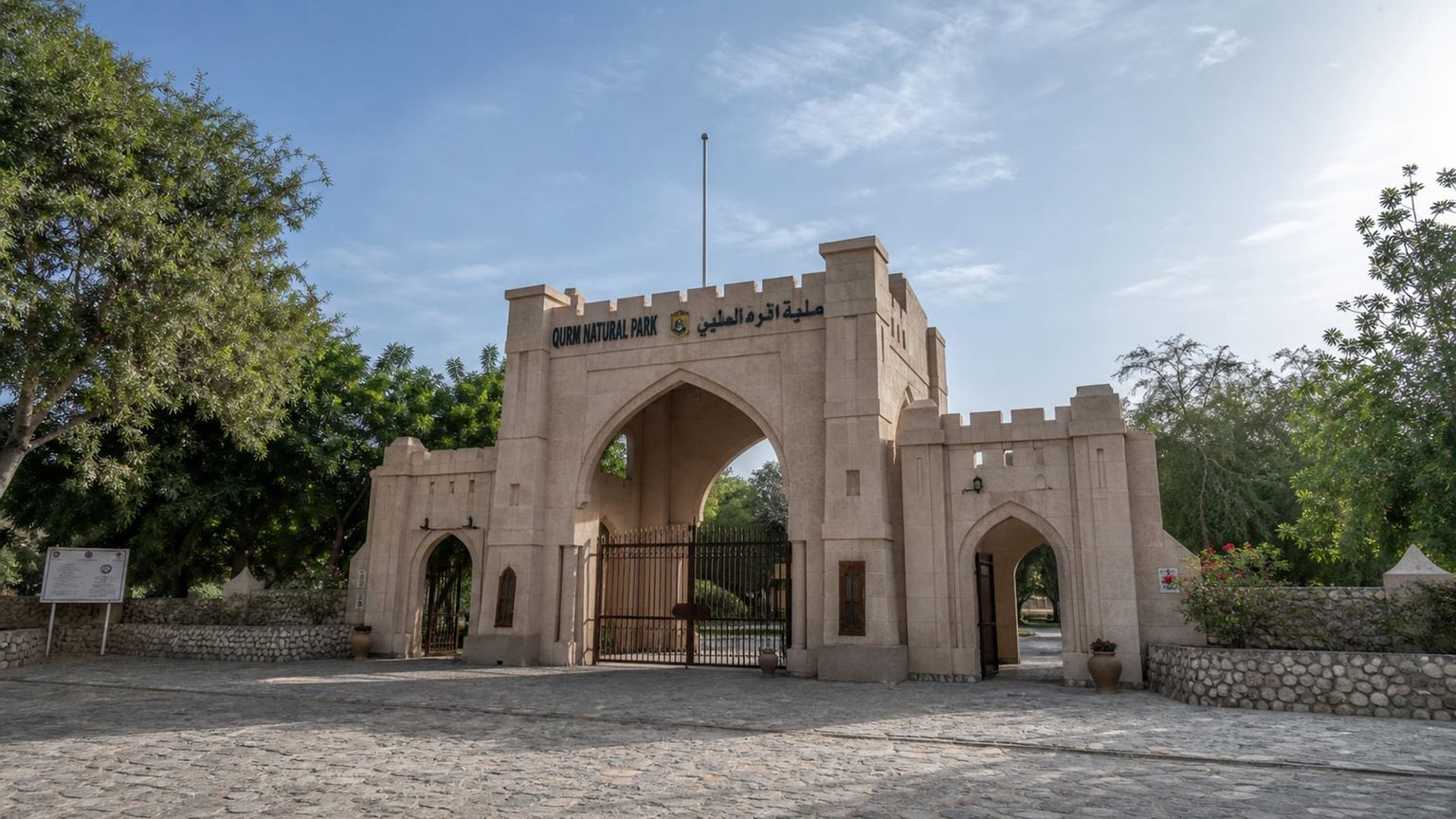
Mazar-e-Quaid
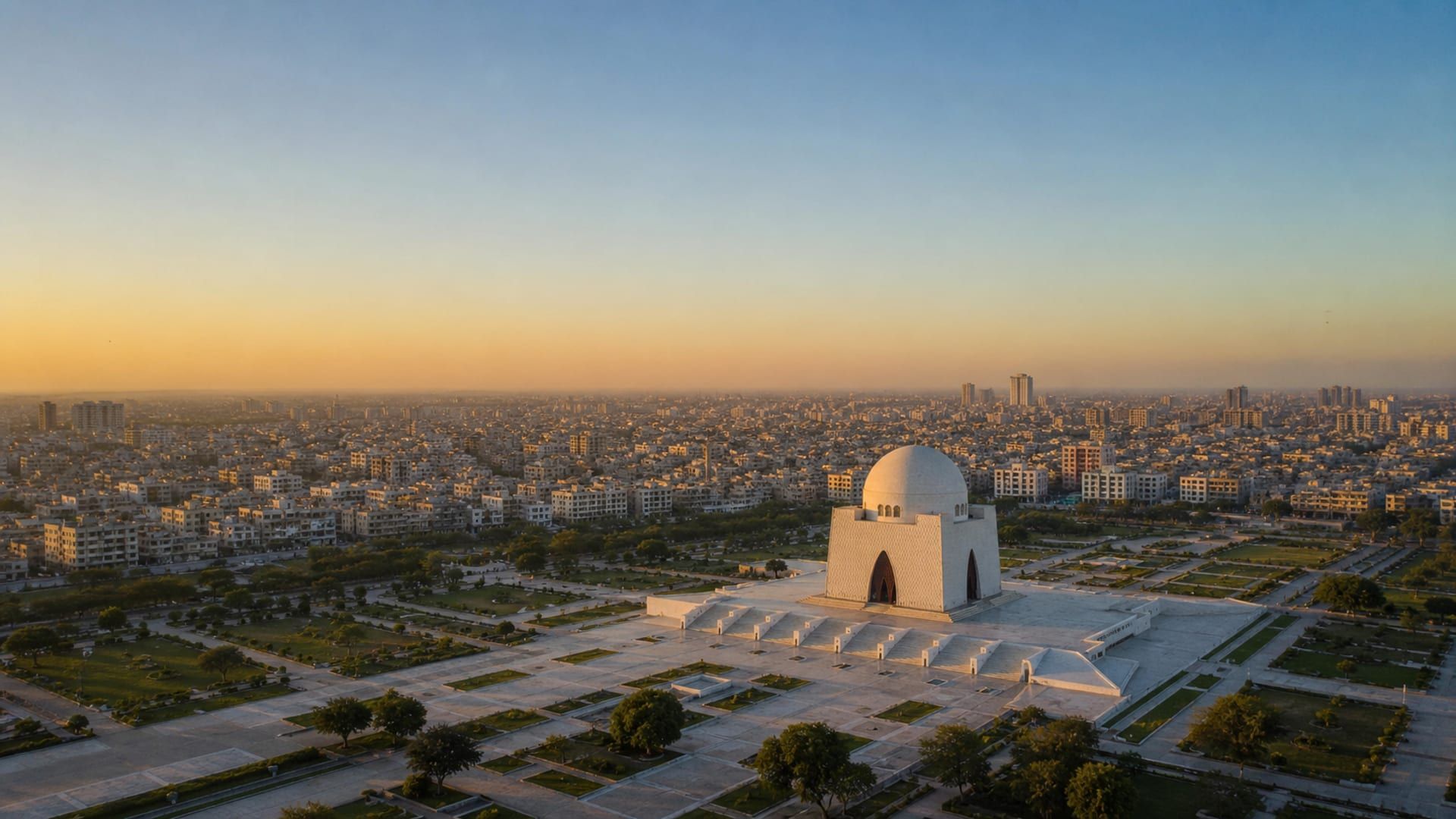
The marble mausoleum of Muhammad Ali Jinnah anchors central Karachi with a stark, raised plinth and an octagonal dome. Guards honor the site, and the museum displays Jinnah’s papers, gifts, and personal effects.
Time needed: About 1 to 2 hours
Entry: Entry is free; museum access may have a small separate charge for some visitors, with security screening at the gate and quiet dress expected.
Tip: Go in the late afternoon for softer light and fewer school groups, then stay for the guard ceremony.
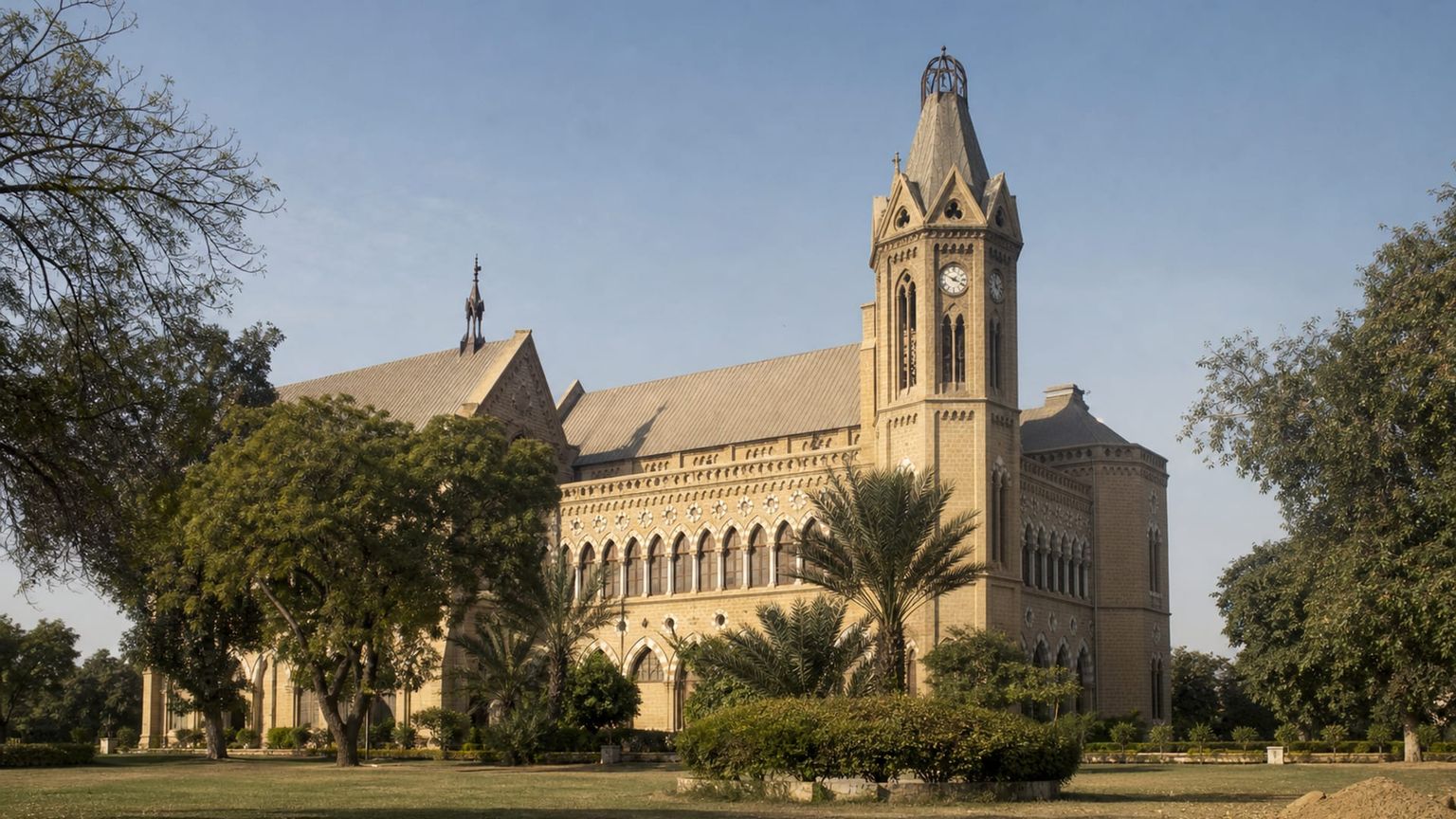
Frere Hall
Built in the 1860s, Frere Hall is one of Karachi’s finest colonial buildings, with pointed arches, a high clock tower, and painted ceilings inside. The lawns also host the city’s well-known Sunday book market.
Time needed: About 1 to 2 hours
Entry: Entry is usually free for the grounds; special exhibitions or interior access may carry a separate charge, depending on the event schedule.
Tip: Visit on Sunday morning if you want the book market, or on a weekday for quieter grounds.
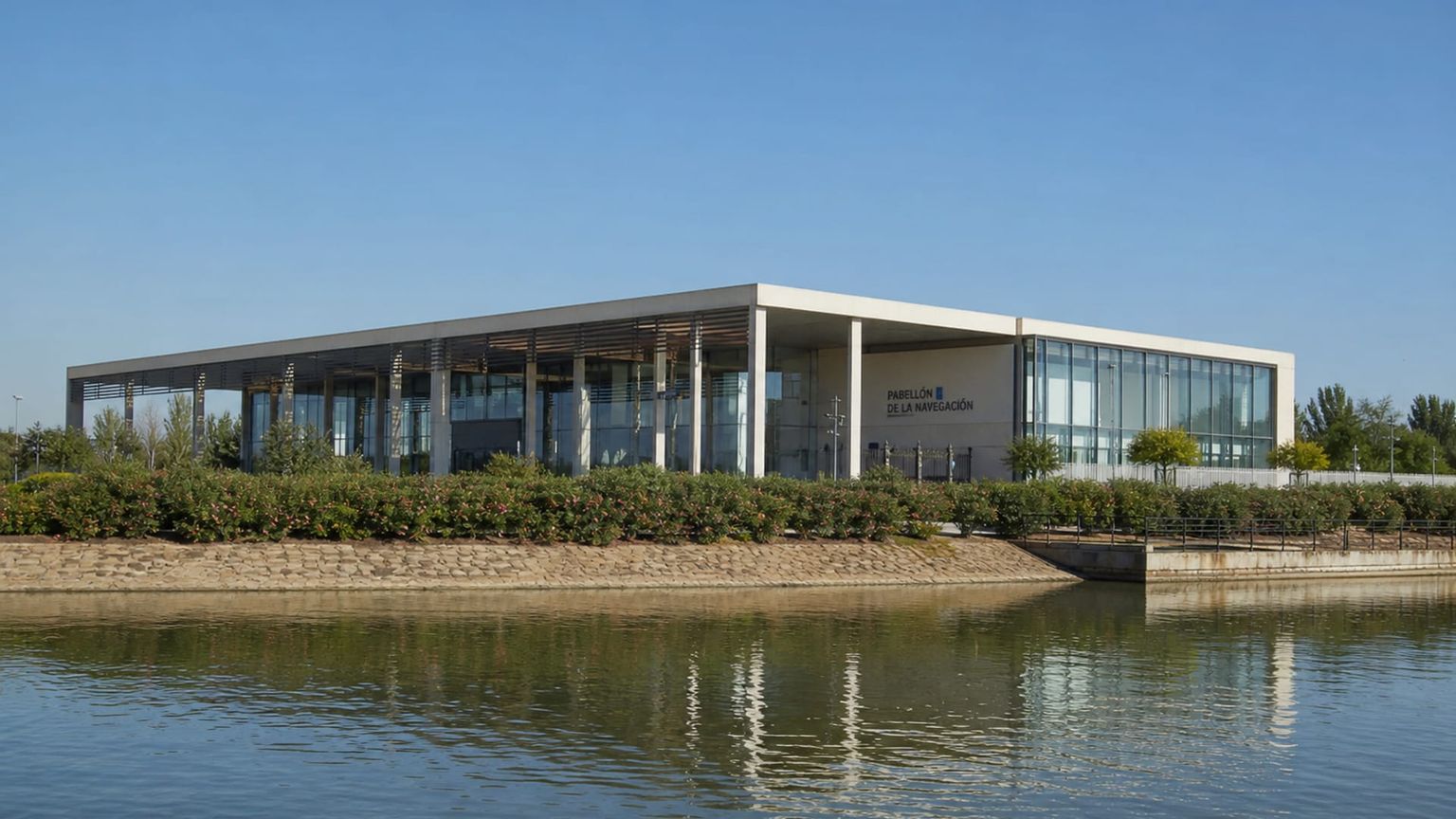
Mohatta Palace
Mohatta Palace, a pink sandstone mansion from the 1920s, mixes Rajasthani detail with formal gardens and changing exhibition galleries. Its carved balconies and domes make it one of Karachi’s most distinctive heritage sites.
Time needed: About 2 to 3 hours
Entry: Tickets typically cost about $3 to $5 (about PKR 850 to PKR 1,400), with separate pricing for special exhibitions or school groups. Visit the official site for details.
Tip: Arrive early, then walk the gardens before the galleries fill with tour groups.
Overlooked sites worth visiting

Mohatta Palace Museum
This pink sandstone palace holds changing art and design exhibitions, with carved balconies, tiled courtyards, and sea views from the lawns. It suits a slower visit and photographs well in late afternoon.
Time needed: About 1 to 2 hours
Entry: Standard tickets cost about $1 to $3 (about PKR 300 to PKR 900) for local visitors and about $5 to $8 (about PKR 1,400 to PKR 2,200) for foreign visitors, with rates set by the museum and special exhibition prices varying. Visit the official site for details.
Tip: Go after 4:00 pm for softer light on the facade.

Frere Hall and the Bagh-e-Jinnah lawn
Frere Hall pairs Gothic arches with a quiet public lawn, and the Sindh Archives inside add a compact stop for book history and old maps. It works well for a short cultural visit in central Karachi.
Time needed: About 45 minutes to 1.5 hours
Entry: Free to access for the grounds, with separate charges only if a special exhibition or archive use is offered on site. Most visitors can enter the lawn and exterior areas without a ticket, while interior access depends on the day and current administration rules.
Tip: Visit in the morning, before the lawn gets hot and busy.
Traditional food
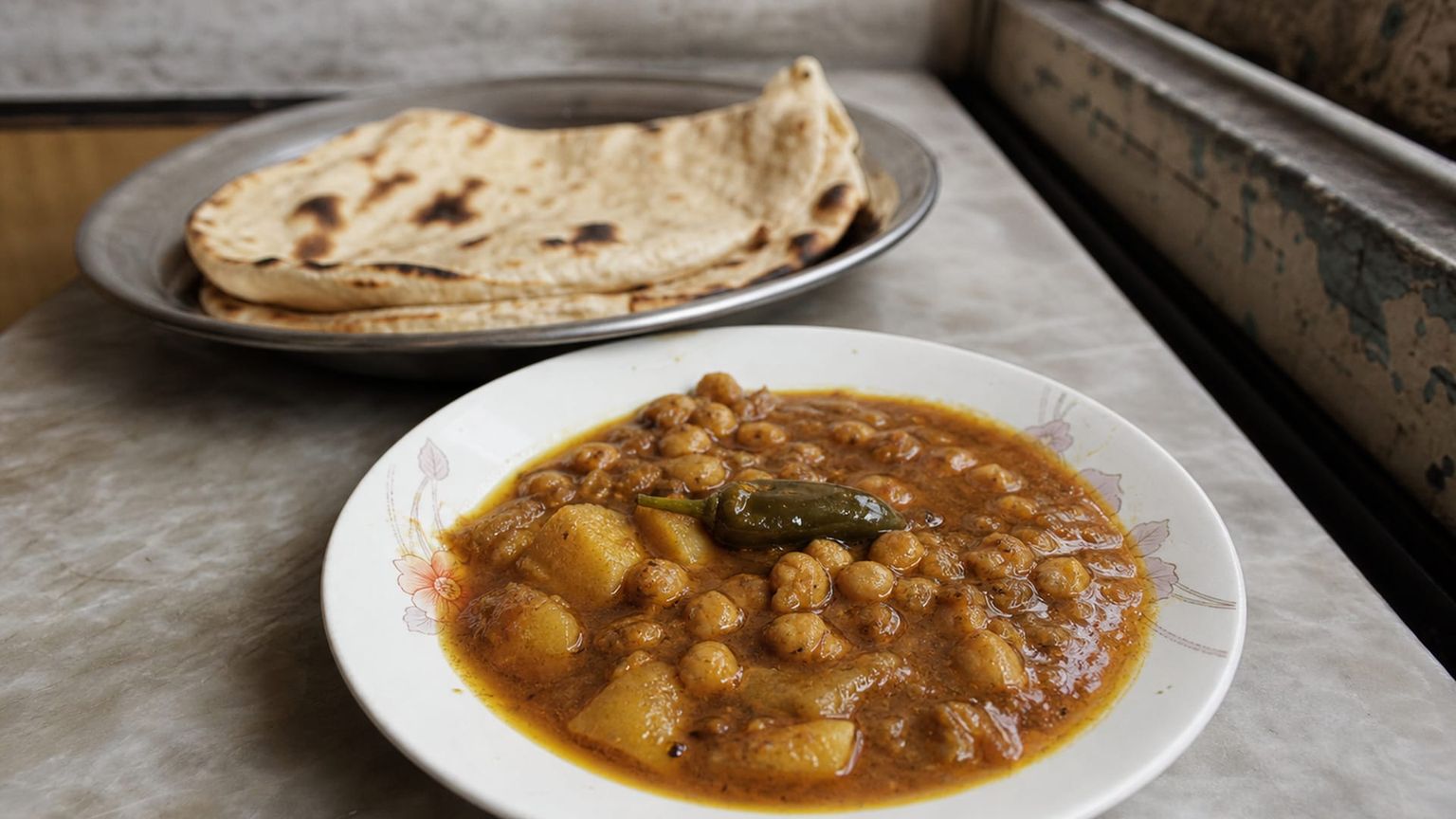
Karachi’s table runs on biryani, nihari, kebabs, and haleem, with long lunches, late dinners, and spice built on rice, meat, and slow cooking. Tea stalls and family restaurants keep the dining scene busy well into the evening.
Biryani
Karachi biryani layers spiced rice with meat and a sharper, city-style heat. Waheed Kebab House serves a widely praised version that suits a first meal in Saddar.
Nihari
Nihari is a slow-cooked beef stew that arrives rich and deeply spiced, usually with naan. Javed Nihari is one of the city’s standard-bearers for the dish.
Kebabs
Seekh and other grilled kebabs often anchor a casual dinner with bread, chutney, and onions. BBQ Tonight in Clifton is a dependable canonical stop for this style of meal.
Haleem
Haleem blends wheat, lentils, and meat into a thick, comforting bowl that works well for a late lunch or early dinner. Hanifia in Saddar is a classic Karachi name for it.
Best time to visit Karachi
Karachi shifts across the year, with the most comfortable walking weather in the cooler months and the biggest challenge in the humid summer.
Best for: Best for heritage walks, outdoor meals, and long days around Clifton and Saddar
What you get: About 55 to 79°F (13 to 26°C), with lighter crowds at major sights and cooler evenings
Trade-offs: Winter nights can still feel damp near the coast
Best for: Best for balanced sightseeing before the heat peaks
What you get: About 70 to 95°F (21 to 35°C), with moderate crowds and manageable early-day sightseeing
Trade-offs: Afternoons turn hot quickly, so mid-day walking feels tiring
Best for: Best for indoor museums and short, planned outings
What you get: About 80 to 95°F (27 to 35°C), with lighter daytime crowds but frequent humidity and heat
Trade-offs: Heat and humidity can cut outdoor time sharply
Best for: Best for coastal evenings and a return to longer city days
What you get: About 72 to 92°F (22 to 33°C), with crowds easing after summer and evenings becoming more pleasant
Trade-offs: Late-season humidity can linger, especially near the sea
A realistic 5-day plan in Karachi
Karachi works well as a five-day trip when each day has a clear district and a realistic amount of movement. The plan below keeps the first day light, groups the main heritage stops together, and saves shopping, meals, and a final landmark visit for the end.
Land at Karachi (KHI) and take a taxi or app-based ride into Clifton or Saddar, which usually takes about 25 to 45 minutes and costs roughly $6 to $12, depending on traffic and pickup point. Check in, then stay close to the hotel for a short walk and an early dinner near Boat Basin in Clifton or along a busy Saddar side street, since both areas make an easy first-night base after a long flight. Drink plenty of water, keep the evening low-key, and aim for an early night before the city’s heat and traffic build again.
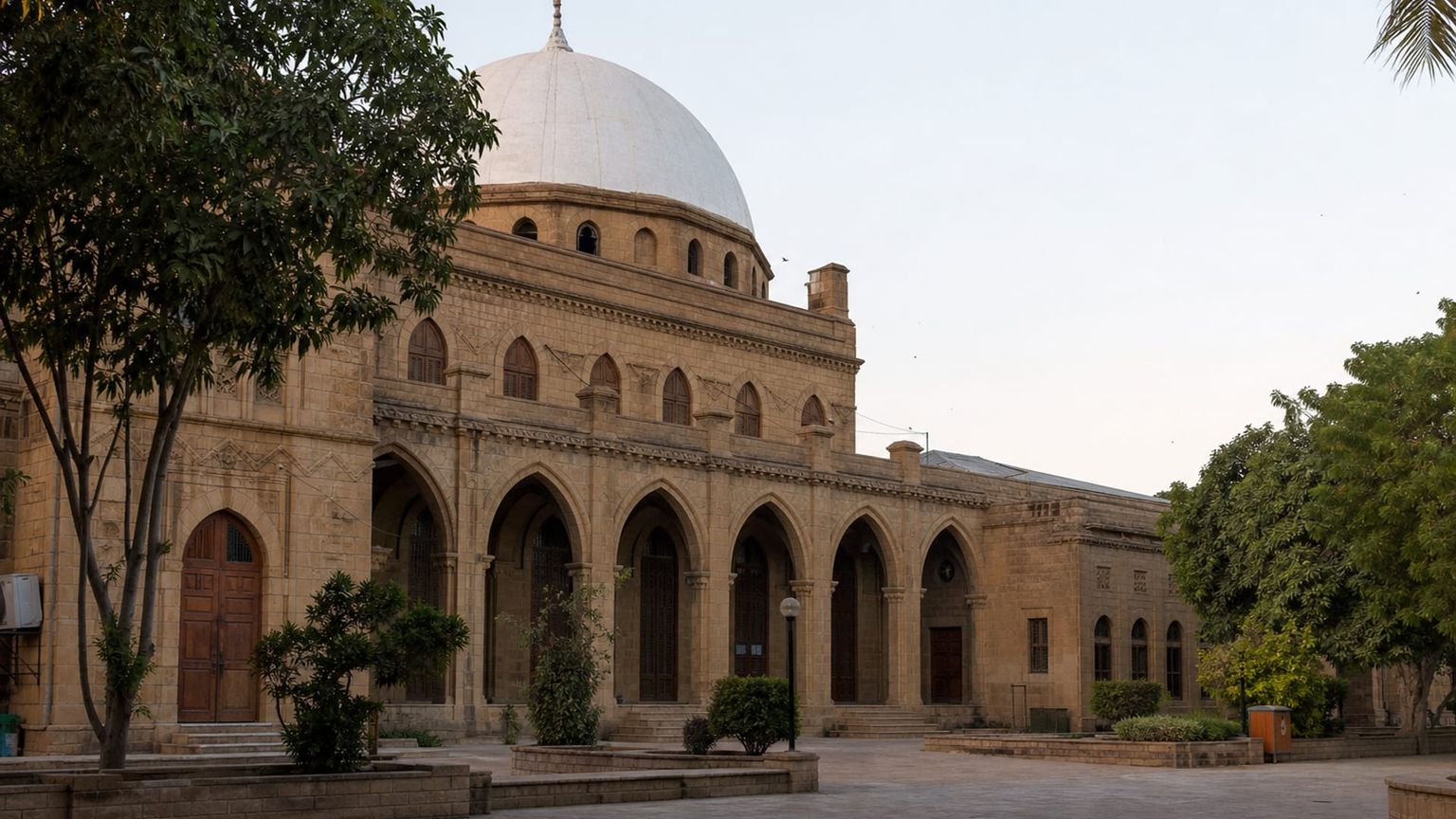
Start at Frere Hall and the Bagh-e-Jinnah lawn in the morning, when the grounds are calmer and the light is softer on the stone facade, then spend about 45 minutes to 1.5 hours there. From Frere Hall, take a car about 15 minutes to Mohatta Palace, where the gardens and galleries usually take 2 to 3 hours, including time for the exhibitions and a slow walk outside. If you want a final stop, continue about 10 minutes farther to Clifton for coffee or a late lunch before heading back, with the day centered on central Karachi’s heritage core.
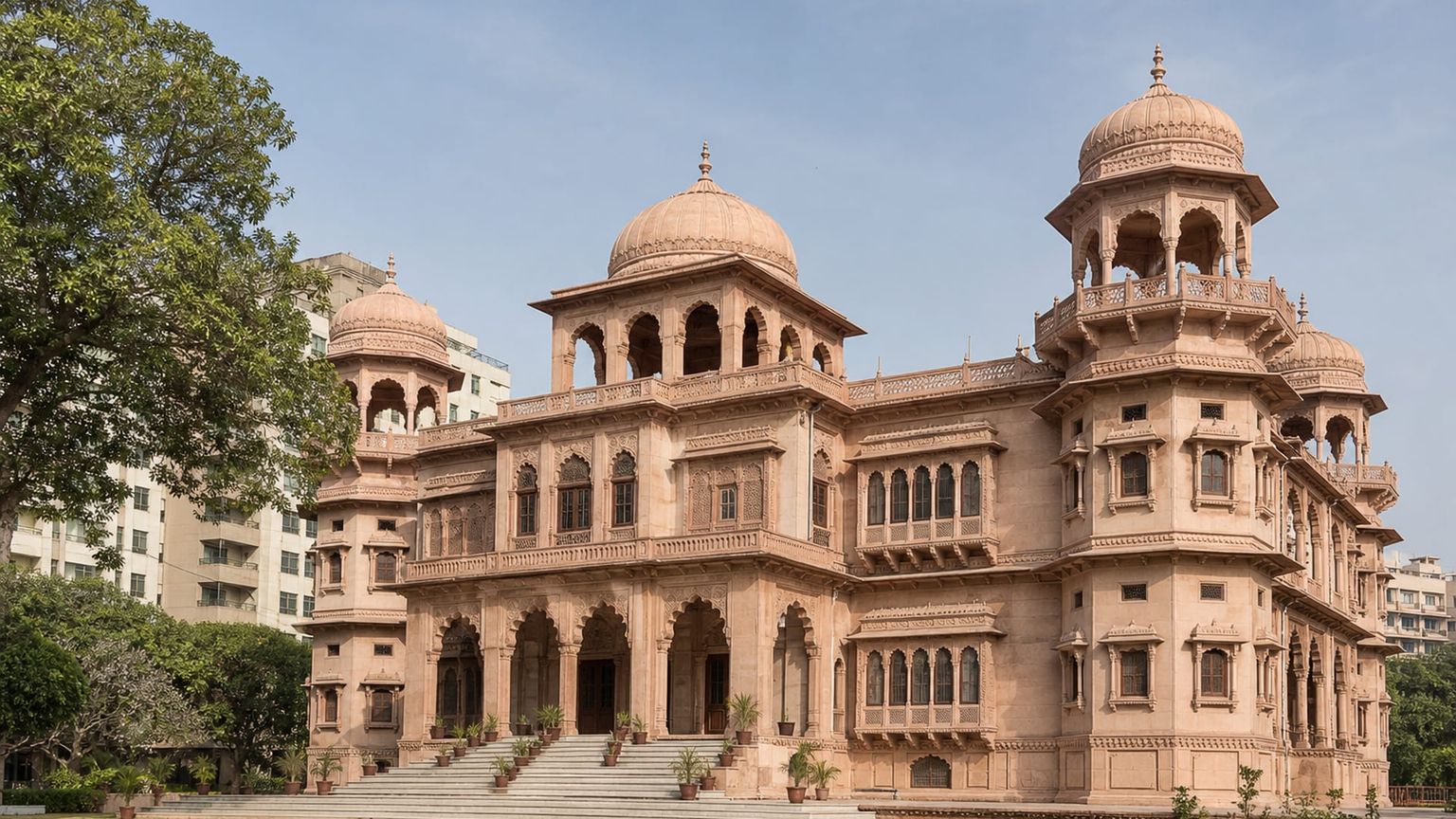
Begin at Mazar-e-Quaid in the late afternoon, which is usually the best time for lighter crowds and better light on the marble, then allow 1 to 2 hours for the mausoleum and museum. After that, ride about 20 minutes to Mohatta Palace Museum for a second cultural stop with carved balconies, tiled courtyards, and sea views from the lawn, which works well for another 1 to 2 hours. End with dinner in Clifton, about 10 to 15 minutes away by car, so you can stay in south Karachi after an afternoon focused on landmark architecture.
From Saddar, head out early to Frere Hall, which is about a 10 to 20 minute walk from many central hotels, then browse the grounds and archives for 45 minutes to 1.5 hours. Next, take a car about 15 to 25 minutes to Mazar-e-Quaid for the marble dome and the guard ceremony, and pair it with another 1 to 2 hour stop if you missed the museum yesterday. In the evening, return to Saddar for market browsing and a simple meal, since the area stays active and keeps short rides manageable after a full day in the center.
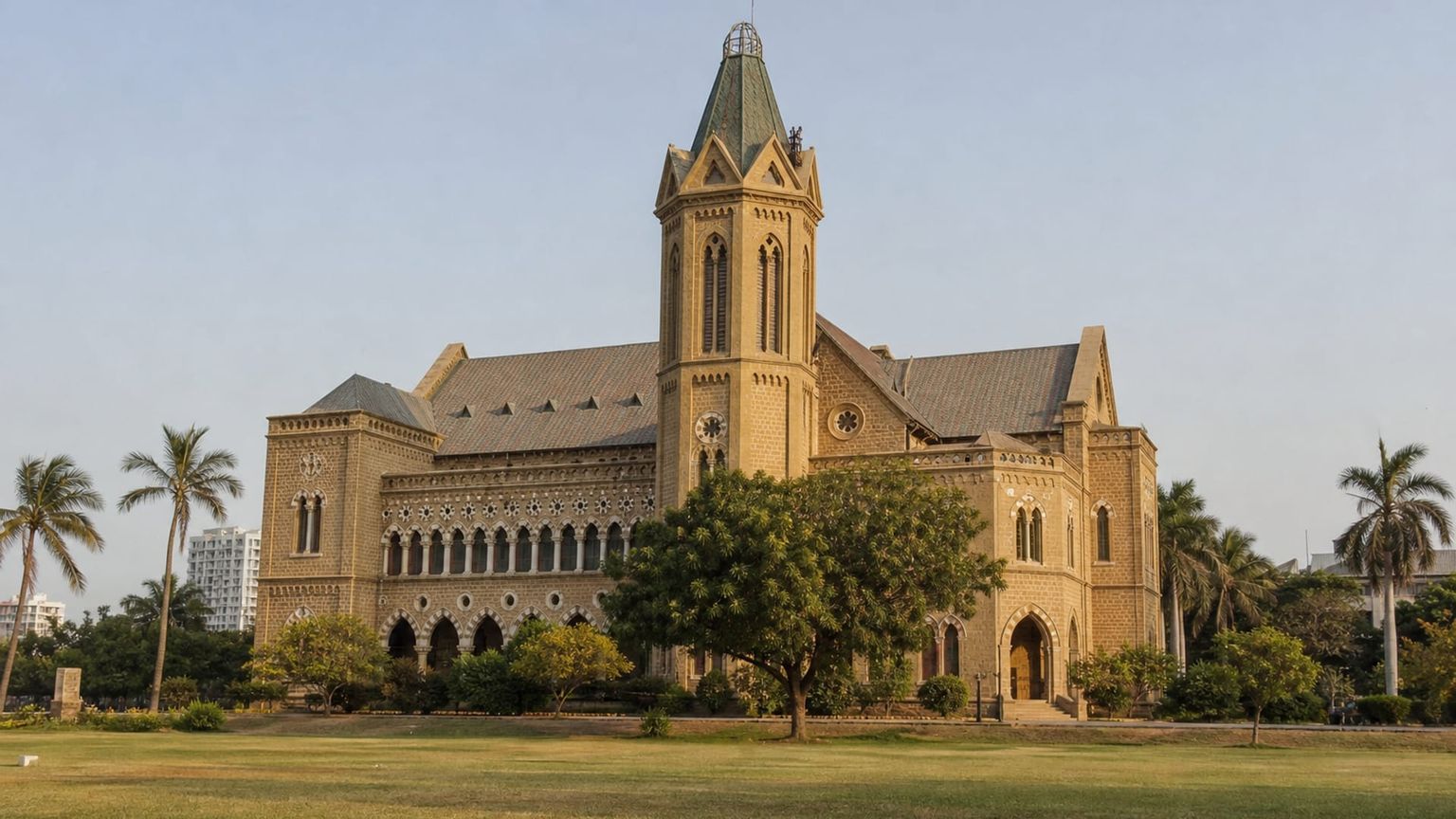
Before departure, fit in one last stop at Mohatta Palace if your flight leaves later in the day, or return to Frere Hall and the Bagh-e-Jinnah lawn for a quieter final look at Karachi’s colonial architecture. If you want shopping, head to Saddar for books, small gifts, and last-minute essentials, then pause for tea or coffee in Clifton or near a cafe cluster in DHA Phase 5 before the airport run. Leave enough time for traffic, because the drive back to Karachi (KHI) can take about 25 to 45 minutes from south Karachi and longer from the central districts.
Business-class flights from the US to Karachi
Long-haul flights to Karachi usually connect through one major hub, and the best option depends more on timing and layover length than on the airline name alone. The two sample routes below show how the East and West Coast trips usually break down.
From New York, Emirates, Qatar Airways, Turkish Airlines, Etihad Airways, Lufthansa, and Air France all serve the route with one-stop itineraries. Typical connections run through DOH, DXB, AUH, IST, FRA, or CDG, and round-trip fares usually start near $4,500 and can climb to $8,500.
Leaving Los Angeles, you will usually connect through DXB, DOH, IST, HKG, SIN, or ICN on Emirates, Qatar Airways, Turkish Airlines, Etihad Airways, Cathay Pacific, or Singapore Airlines. Those one-stop trips often take about 19 to 27 hours, and fares for a round trip generally begin at about $4,200, with some one-stop combinations via Doha, Dubai, or Istanbul lowering the price to roughly $3,300 to $4,300.
Karachi feels different when you slow down
A deliberate Karachi trip usually means keeping Clifton for the coast, Saddar for markets and older streets, and Frere Hall or Mohatta Palace for the city’s strongest heritage stops. Ride-hailing handles the longer crossings, while short walks work best around central landmarks in daylight. If you want help shaping that plan into a tighter route, AranGrant experts can build it around Karachi’s neighborhoods and the time you actually have







