

Chapters:

Need help with your trip?
Our support team is available 24/7. Request a callback or call us directly at (833) 619-0908
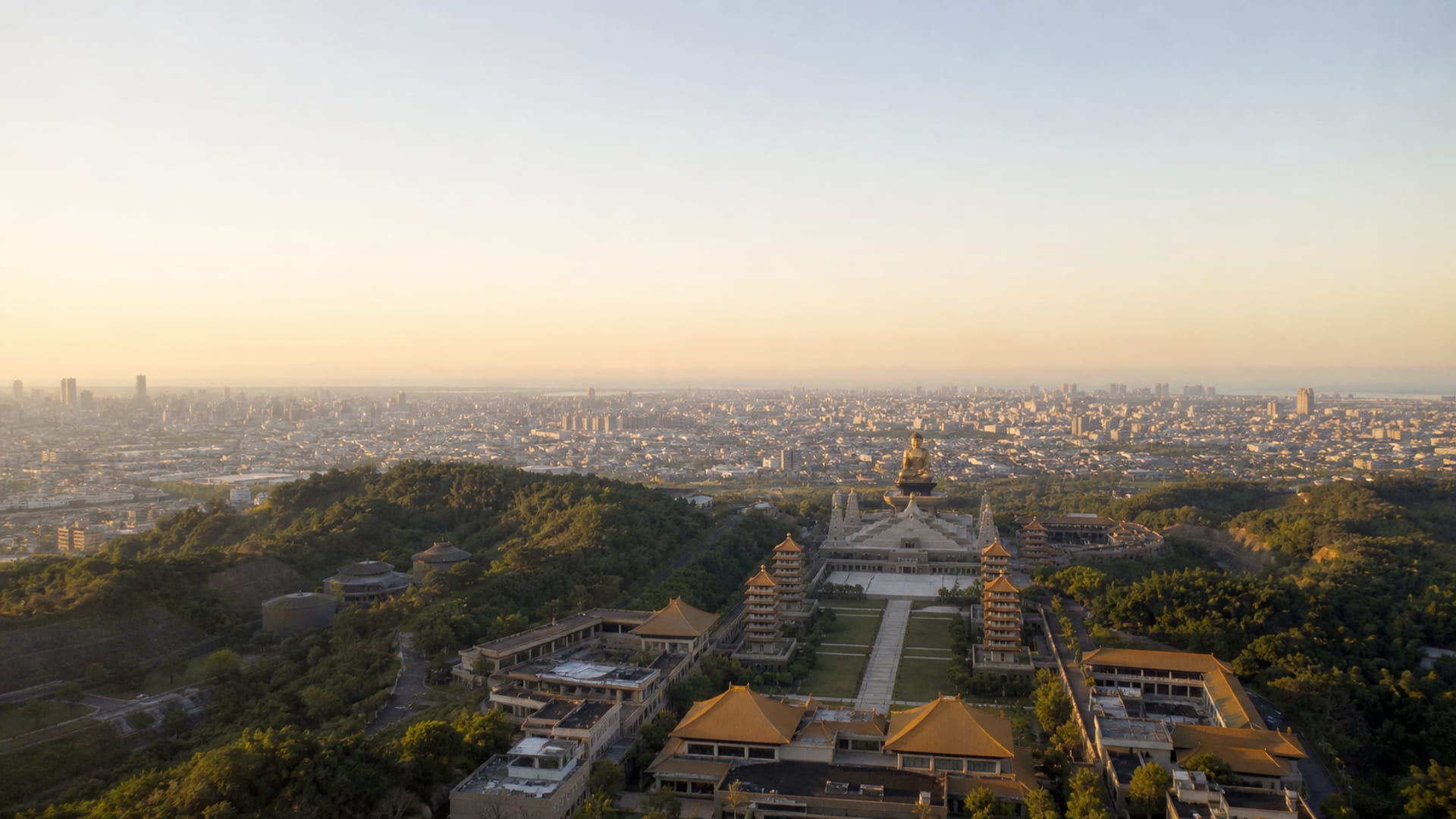
Kaohsiung is a port city at heart, and the harbor has shaped the neighborhoods around it. The city moves easily between busy streets and waterfront spaces, from the energy of the center to old hillside quarters, converted warehouses, and beaches across the water.
Xinxing anchors the shopping and transit scene, with streets that stay lively after dark. Gushan climbs toward the old British consulate and hillside views, with ferries crossing to Cijin’s beaches. Yancheng has a more relaxed character, with Pier-2’s converted warehouses and the Love River for an easy evening.
Five days are enough to see all three neighborhoods without constantly crossing the city. Grouping each day around one area keeps the itinerary practical. This guide covers that route, along with the transit and flight details you need to plan your trip.
Useful things to know

Main language(s): Mandarin Chinese, Taiwanese Hokkien
你好 (nǐ hǎo) – Hello / good morning
請 (qǐng) – Please
謝謝 (xièxie) – Thank you
你會說英語嗎? (nǐ huì shuō Yīngyǔ ma?) – Do you speak English?
多少錢? (duōshǎo qián?) – How much does it cost?

Currency: New Taiwan dollar (TWD, NT$)

Cash and cards: Most places accept cards and contactless payments. Carry NT$500 to NT$1,000 (US$16 to US$32) in cash for night markets and small stalls.

Tipping: Tipping is not expected; round up only for very small bills or exceptional help.

Traditional food: Beef noodle soup, oyster omelet, lu rou fan, Papaya milk

Water and coffee costs: A bottle of water costs NT$20 to NT$40 (US$0.75 to US$1.50), and a bar espresso costs NT$80 to NT$120 (US$2.75 to US$4).

Taxis and ride apps: Uber and Taiwan Taxi both operate here. Some airports and stations restrict pickup zones.

Plug and voltage: Type A/B socket, 110V

Dining and shop opening hours: Restaurants serve breakfast from 7:00 am to 10:00 am, lunch from 11:30 am to 2:00 pm, and dinner from 5:30 pm to 9:00 pm. Night-market stalls open from 6:00 pm.

Emergency number: 110 for police, 119 for fire and ambulance
Where to stay in Kaohsiung
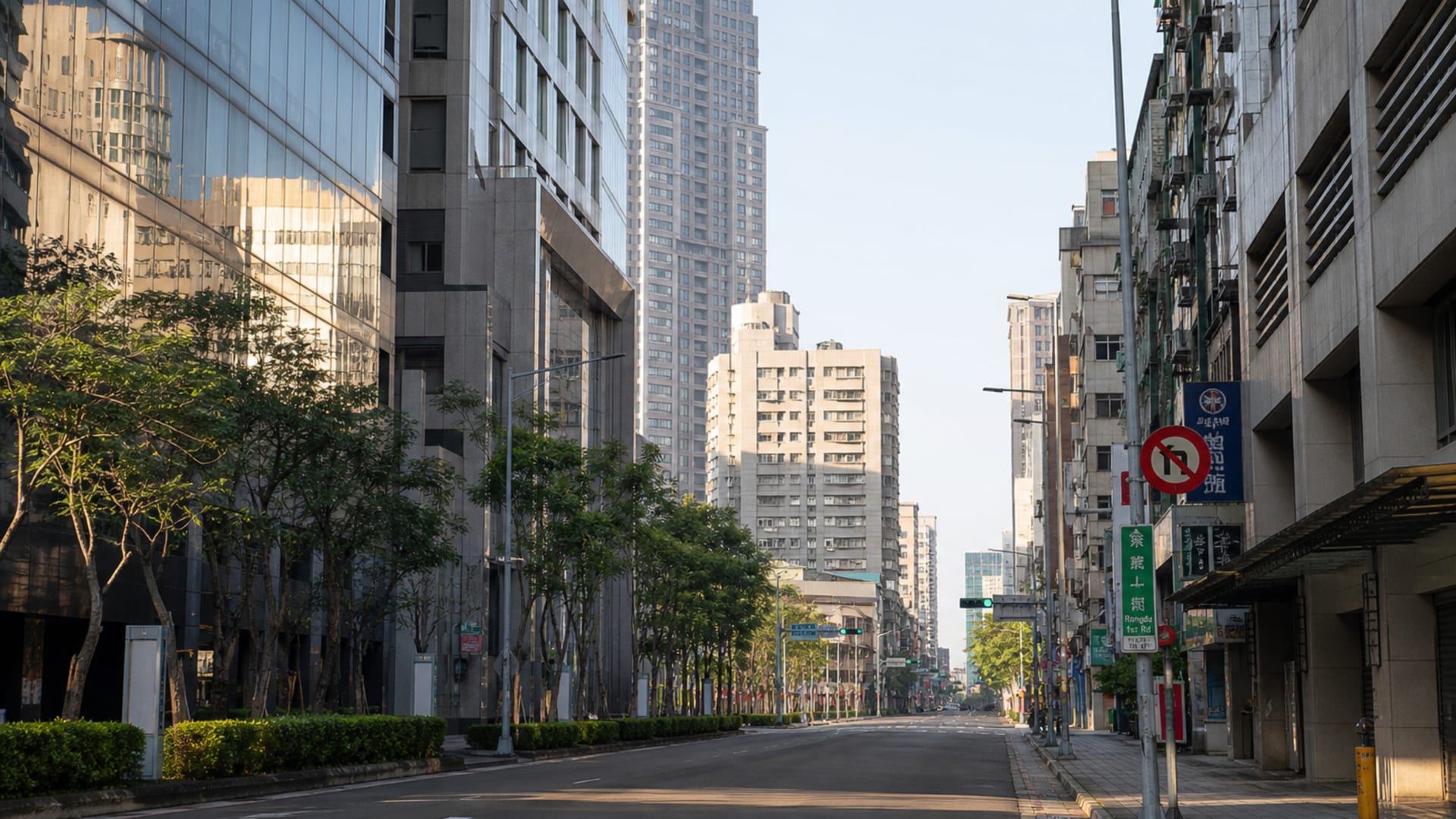
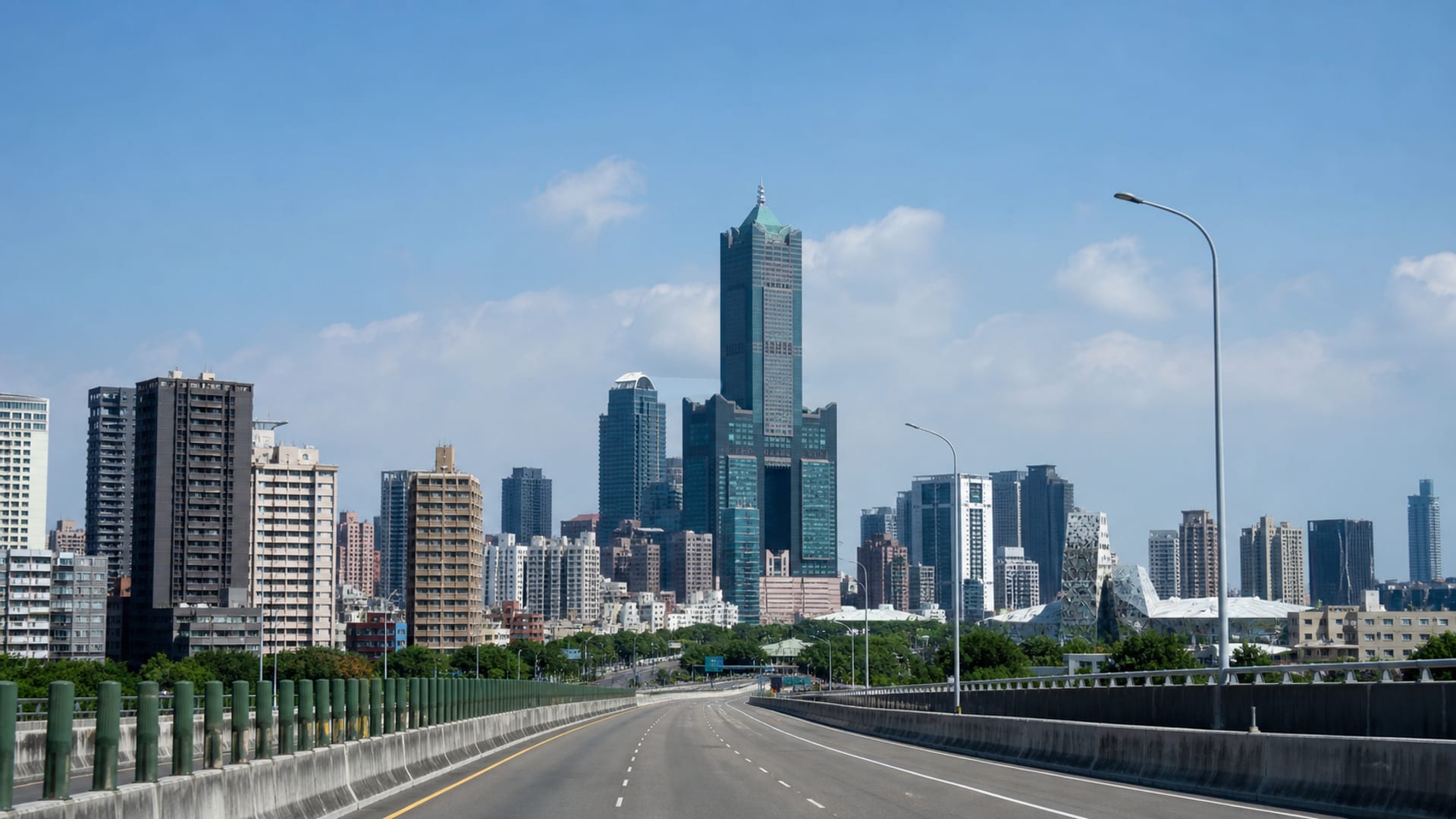
Xinxing is Kaohsiung’s downtown core, built around Formosa Boulevard Station, where the Red and Orange lines meet. The Yellow Line, now under construction, will also reach the district. The main shopping streets branch out from the station, keeping the rest of the city within easy reach.
Best for: First-time visits, rail access, dining, and easy citywide transit
What to expect: Busy sidewalks, constant traffic, and restaurants that stay open late near the station
Hotel prices: Well-rated hotels in this area cost NT$2,200 to NT$5,700 (US$70 to US$180) per night.
Distance to major sights: Formosa Boulevard Station anchors the district’s center, and Liuhe Night Market is a 2-minute walk away.
Quietness: The area stays lively through the day and evening, with the loudest blocks near the station and main roads.
Main trade-off: You pay for centrality, and the most convenient streets also carry the most traffic and foot movement.
Good to know: Choose a room a few blocks off the station if you want quiet nights, since the busiest blocks are right on the main roads and shopping streets.
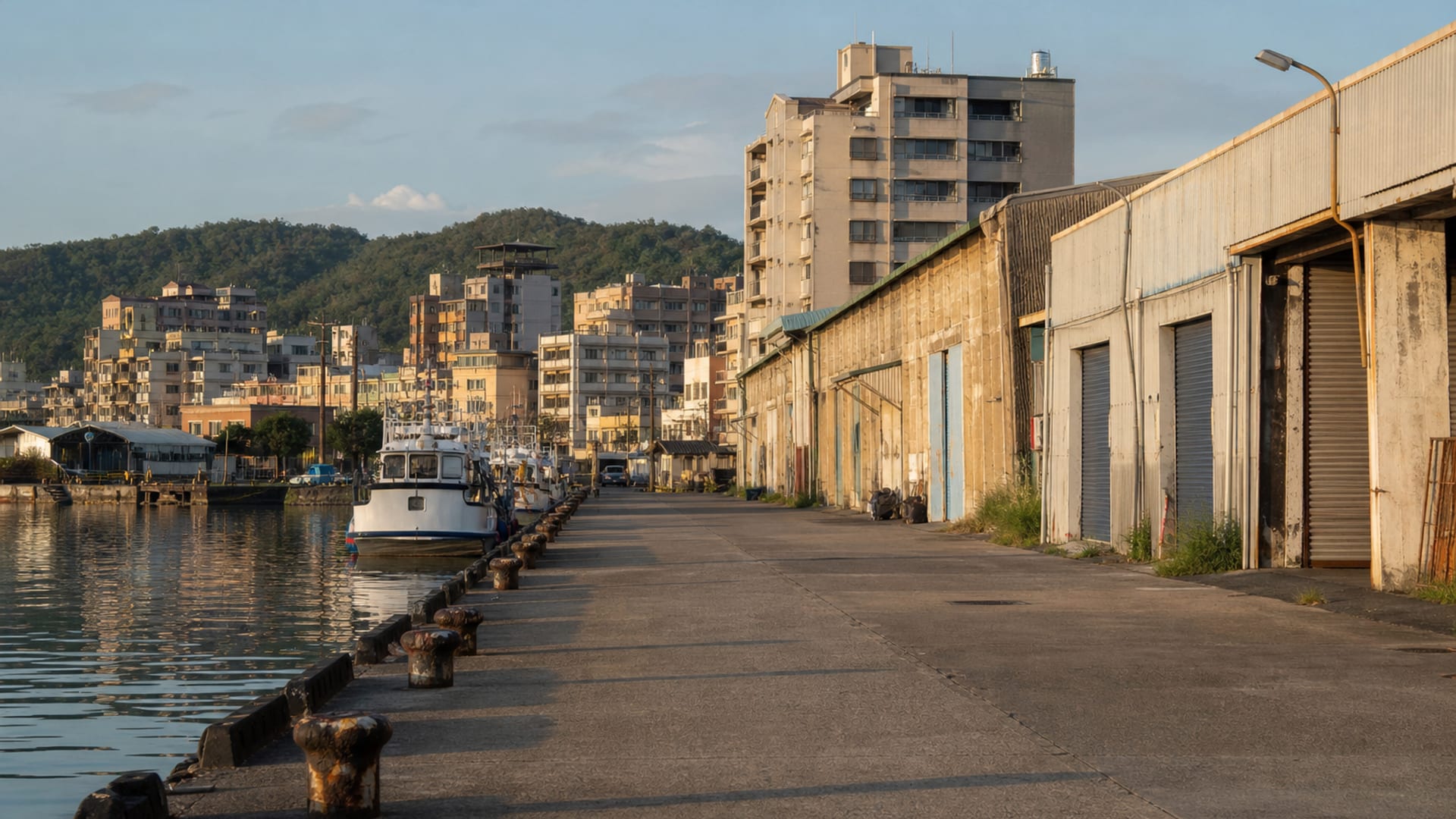
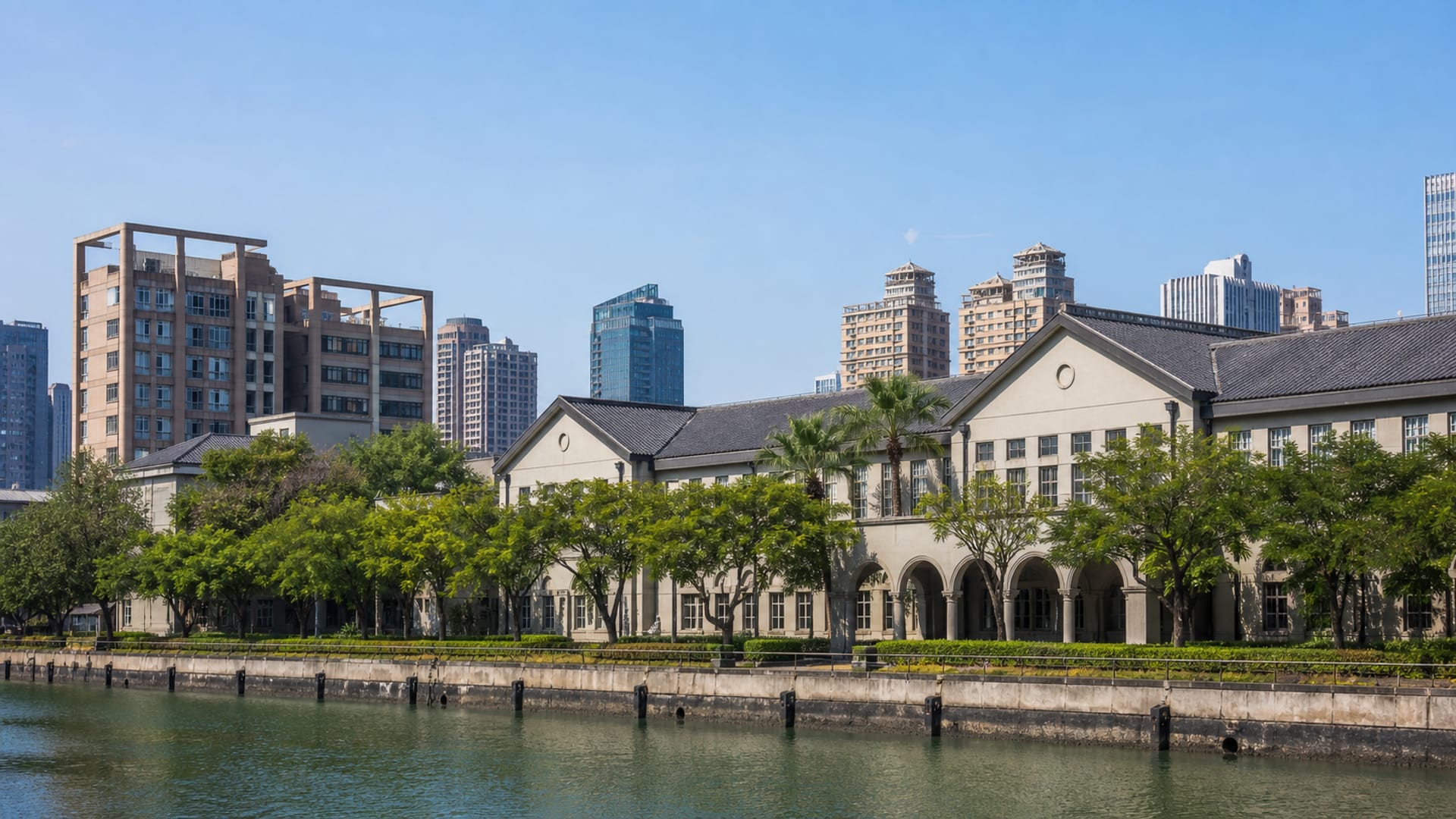
Yancheng lies along the old harbor edge and mixes warehouses, creative spaces, and the waterfront around Pier-2 Art Center. It gives you an easier location for the harbor, the Love River area, and museum hopping without staying in the city’s busiest shopping zone.
Best for: Pier-2 visits, waterfront walks, museums, and harbor-focused trips
What to expect: Cafes, art spaces, and a lighter street pattern than the downtown core, especially away from the waterfront
Hotel prices: Well-rated hotels in this area cost NT$1,900 to NT$4,750 (US$60 to US$150) per night.
Distance to major sights: 5 to 10 minutes on foot to Pier-2 Art Center and about 15 minutes by MRT to Formosa Boulevard Station
Quietness: This area is quieter than central Kaohsiung during the day, then calm at night except near busy waterfront venues.
Main trade-off: You gain access to the harbor strip, but nightly dining choices are thinner than in the main downtown districts.
Good to know: If you plan to use the metro often, check the walk from your hotel to the nearest station, since some of the best-located places are a little deep in the district.
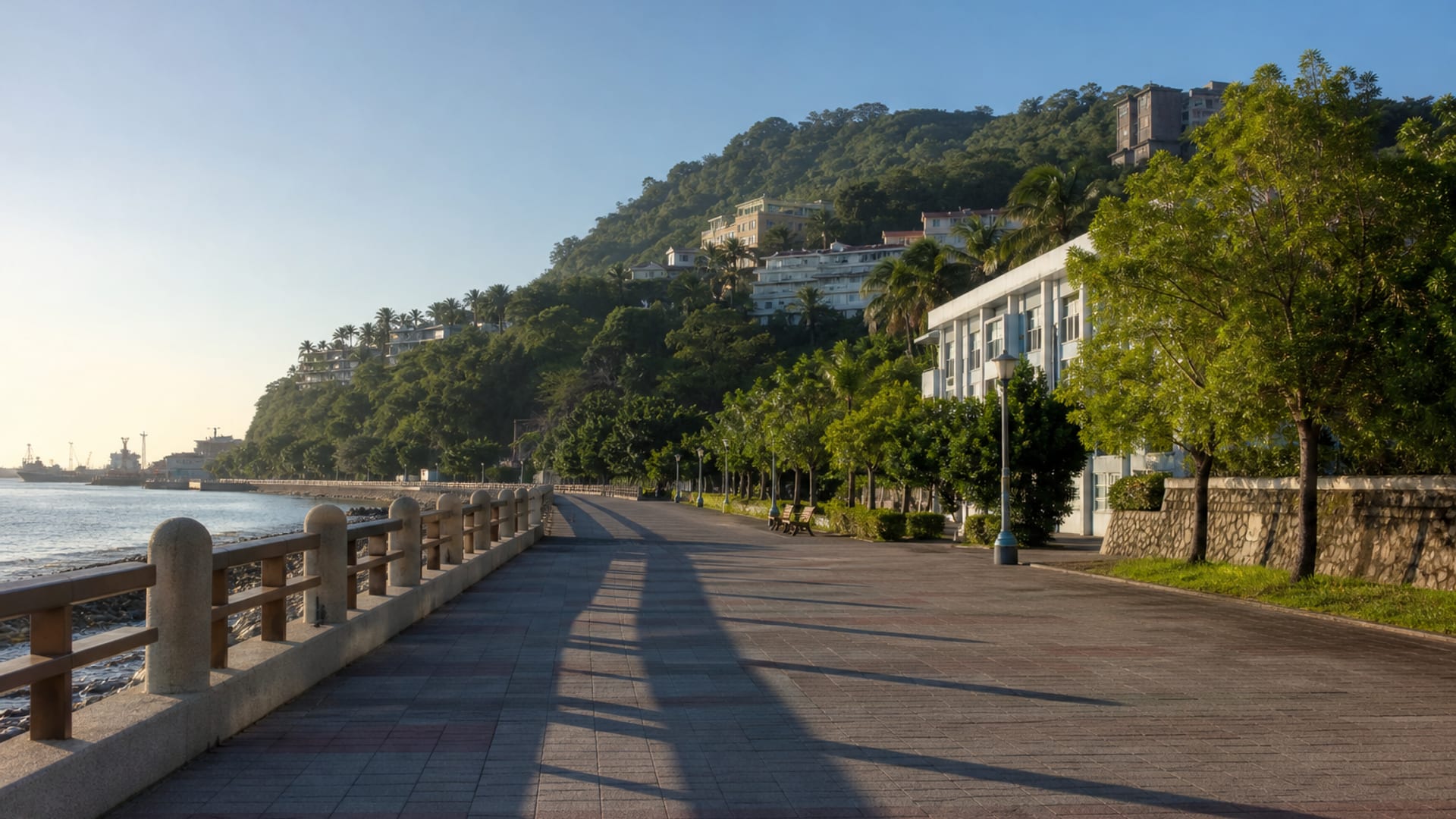
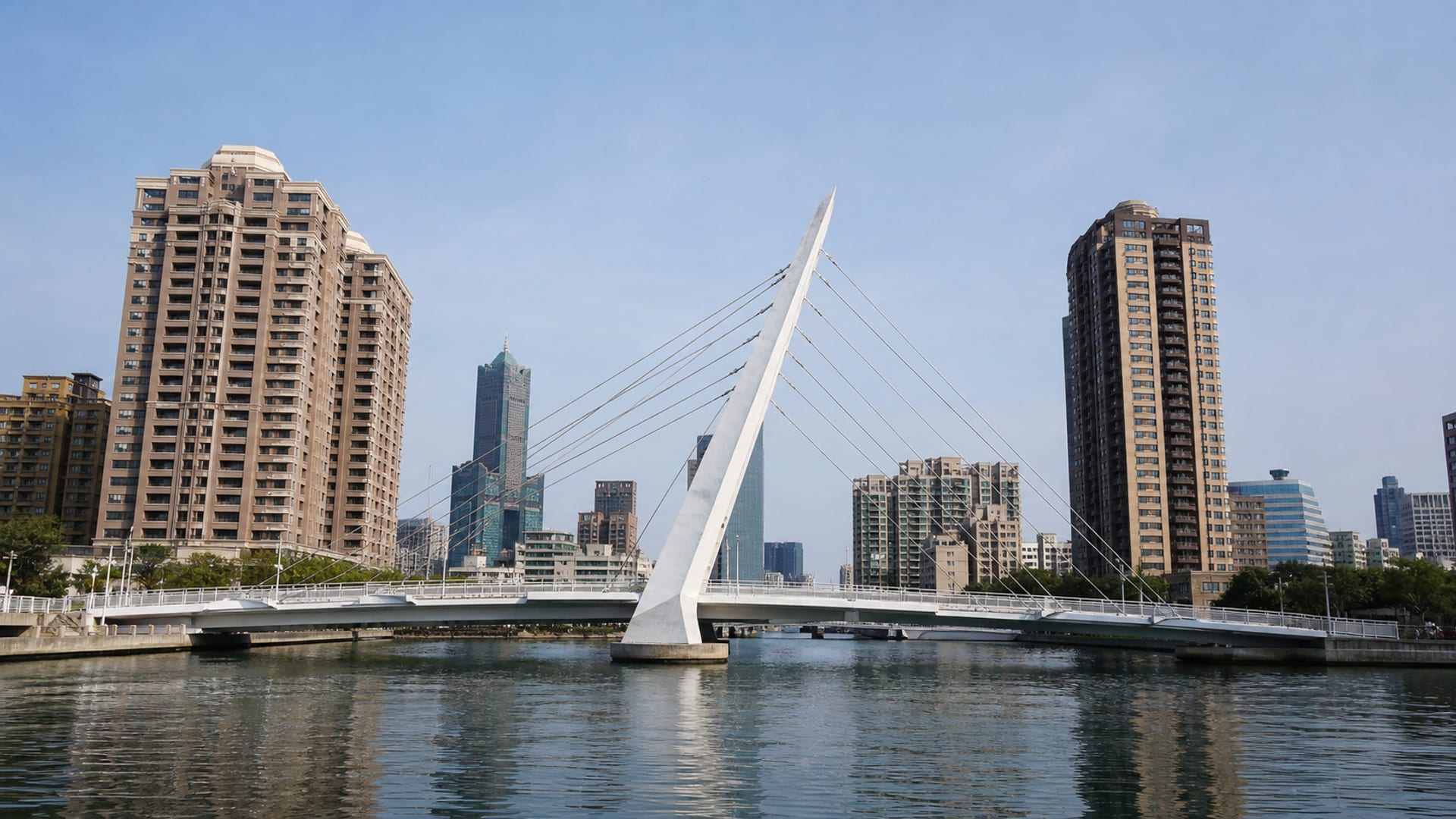
Gushan covers the western riverfront and the hills by Sizihwan, with ferries, the British Consulate at Takao, and access to the seaside. It suits travelers who want the harbor and university area within reach while staying away from the densest downtown blocks.
Best for: Seaside scenery, ferry access, university-area dining, and relaxed sightseeing
What to expect: Mixed blocks of student cafes, local shops, and tourist traffic near the waterfront and historic sites
Hotel prices: Well-rated hotels in this area cost NT$2,100 to NT$5,450 (US$65 to US$175) per night.
Distance to major sights: 10 to 15 minutes by taxi to Sizihwan and 10 to 15 minutes by tram to Pier-2 Art Center
Quietness: This area is calmer inland and busier near the waterfront, with evening activity concentrated around tourist and dining strips.
Main trade-off: The scenic parts are farther from the city center, which means a longer ride back after dinner downtown.
Good to know: Ferry schedules and hill access can shape your day, so pick a hotel near the waterfront only if you are comfortable with more tourist traffic in peak hours.
Travelers usually avoid staying in Renwu, Daliao, Dashe, and Alian, since these districts are far from Kaohsiung’s main sights, night markets, and harbor-front areas. The outer edges of Nanzih are also less convenient, with fewer amenities and longer rides back from downtown.
Hotel deals
Getting around Kaohsiung
Kaohsiung’s metro system (MRT) and trams form the city’s backbone, with buses, taxis, and ferries covering the harbor, Cijin, and hillside sights.

Metro
for longer distances
From Kaohsiung Airport (KHH), the Red Line runs north through downtown Kaohsiung to Zuoying, while the Orange Line crosses east-west through the harbor and central districts. Trains arrive every 4 to 8 minutes, and fares cost NT$20 to NT$35 (US$0.75 to US$1.25) based on distance; you can pay with a rechargeable transit card.

Bus and tram
for convenience
City buses and trams fill the gaps beyond the MRT, reaching Cijin, the airport district, outlying neighborhoods, and the harbor loop through Gushan and Pier-2 Art Center. Bus fares range from NT$15 to NT$30 (US$0.50–US$1) by zone. Trams charge a flat NT$30 (US$1) in cash or NT$10 (US$0.50) with a transit card.

Taxi
for convenience or late hours
Licensed taxis in Kaohsiung use metered fares, with the meter starting at NT$85 (US$2.75). Typical downtown rides cost NT$120 to NT$380 (US$4 to US$12), plus a late-night surcharge or tolls. Hail one on the street, use a taxi rank, or ask your hotel to call one.
*Prices are based on rates updated as of September 2026 and may change at the time of travel.
Use the MRT for central districts and airport access, taxis for time-sensitive rides, and the tram or ferries for Cijin, Gushan, or the waterfront.
Iconic places in Kaohsiung
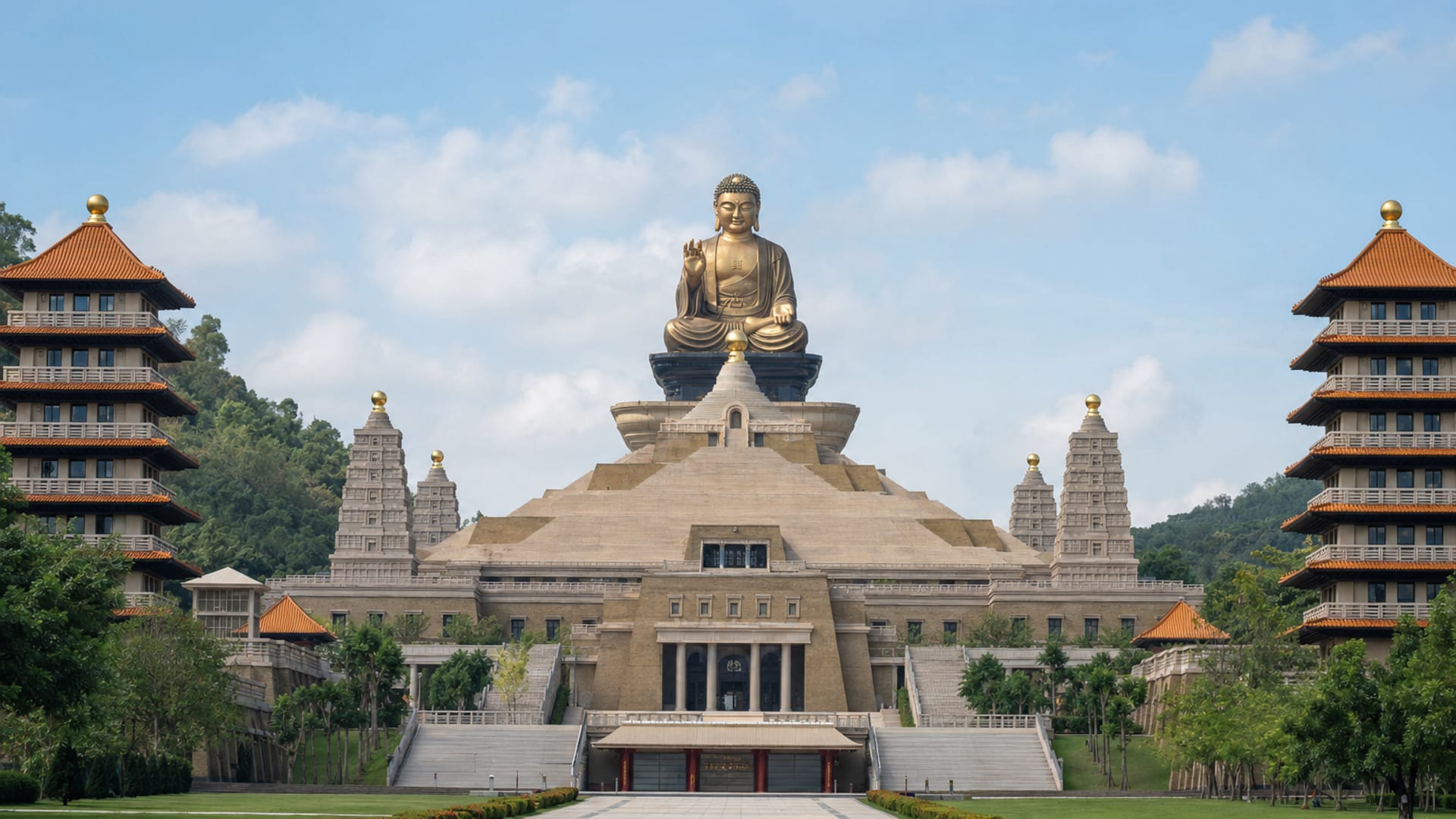
Fo Guang Shan Buddha Museum
This vast Buddhist complex pairs eight pagodas with a 354-foot (108-meter) seated Buddha and a long central axis lined with halls, courtyards, and exhibits. It’s in Dashu District, about 12 miles (20 km) northeast of central Kaohsiung.
Time needed: About 3 to 4 hours
Entry: Admission is free. Some exhibits carry separate fees. Visit the official site for details.
Tip: Arrive early to walk the central axis before afternoon heat and crowds build.
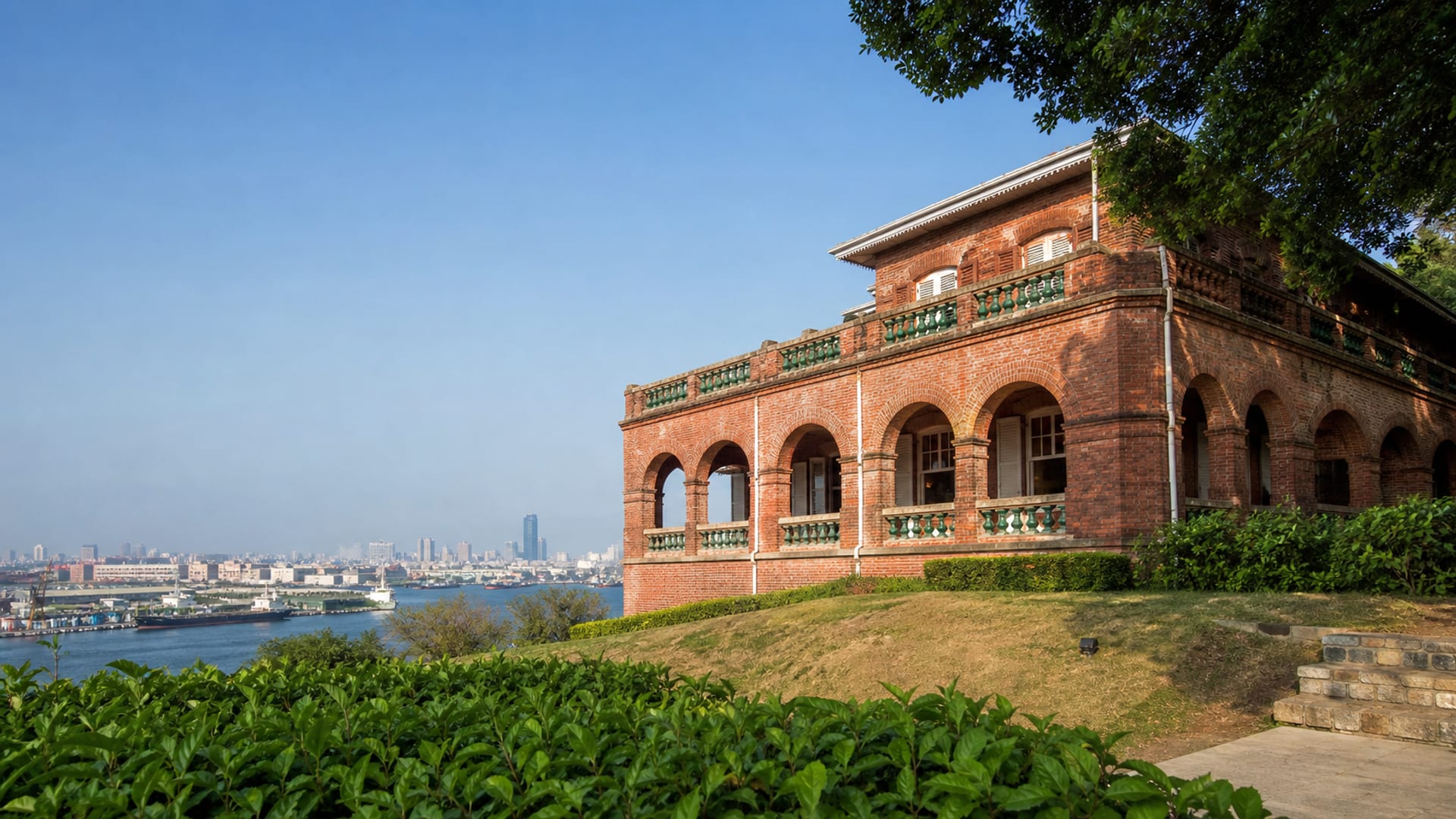
The British Consulate at Takow
Built in 1865 on a bluff above the harbor, this red-brick consulate shows Kaohsiung’s early foreign-trade era and includes period rooms, a small museum, and sea views. It is in Gushan, about 2.5 miles (4 km) west of the city center.
Time needed: About 1 to 2 hours
Entry: Tickets cost NT$100 (US$3.25) for adults, with reduced prices for children, students, and seniors. Visit the official site for details.
Tip: Go near sunset for the view over Sizihwan Bay.
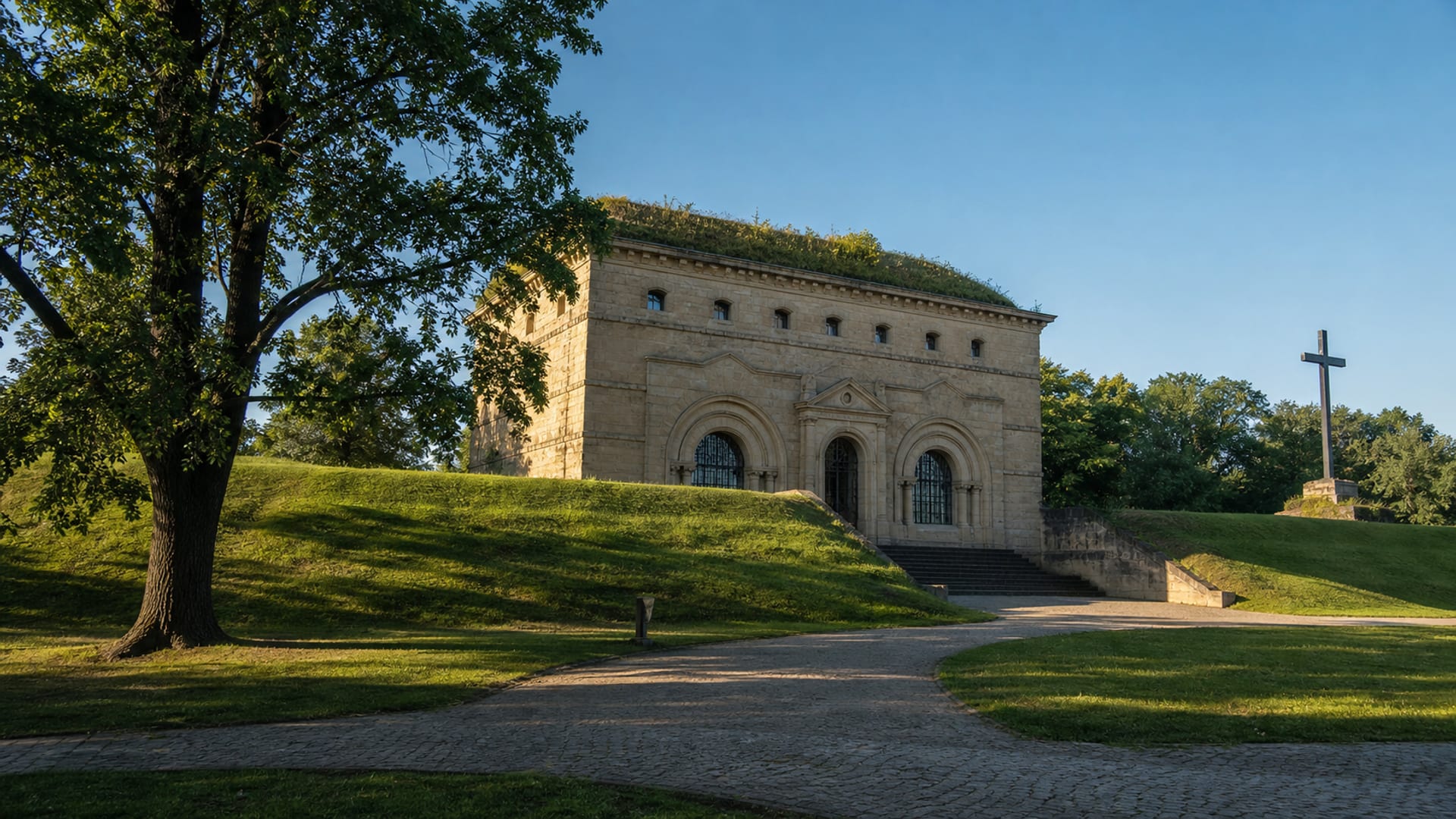
Liuhe Night Market
Kaohsiung’s best-known night market lines Liuhe Road with seafood grills, papaya milk, and stalls selling local snacks after dark. It’s in Xinxing District, a 2-minute walk from Formosa Boulevard Station.
Time needed: About 2 to 3 hours
Entry: Entry is free. Dishes at individual stalls cost NT$60 to NT$250 (US$2 to US$8), with seafood priced higher.
Tip: Arrive after 6:30 pm, when the full row of stalls is open and the seafood grills are busiest.
Overlooked places in Kaohsiung

Cijin Tunnel
This former military tunnel cuts through the hill at Cijin and opens to a quiet coastal path with harbor views. The short climb pairs well with nearby lighthouse stops and slower shoreline walking.
Time needed: About 1 hour
Entry: Free
Tip: Go late afternoon for softer light on the harbor.

Takao Railway Museum
Set inside Kaohsiung’s first railway station, this compact museum covers the city’s rail and port history with model displays, artifacts, and old trackside details. It’s a short stop in Gushan, next to Pier-2 Art Center.
Time needed: About 1 to 1.5 hours
Entry: Admission is free. Visit the official site for details.
Tip: Check the last admission time before you go.
What to eat in Kaohsiung
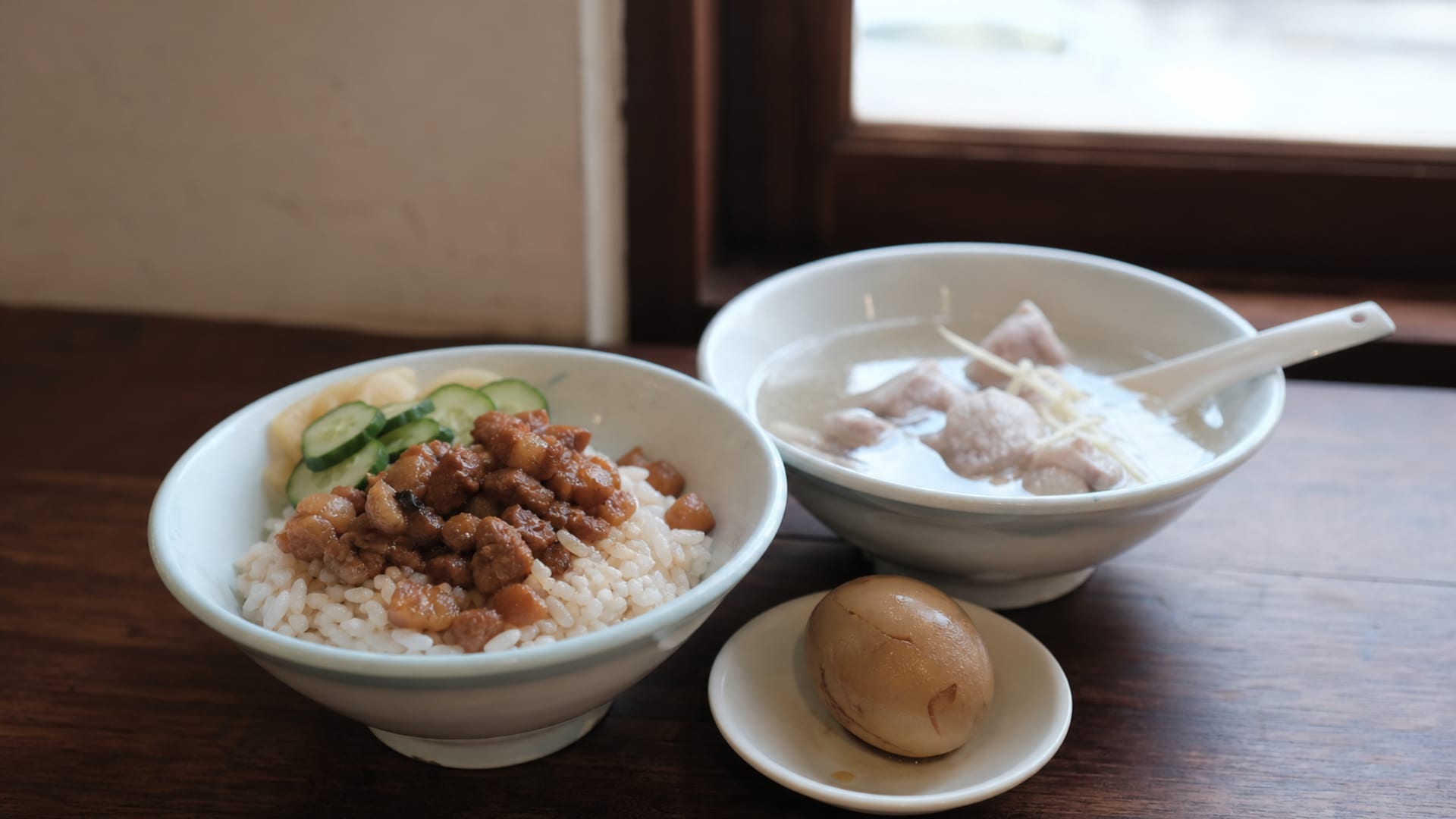
Kaohsiung’s food scene centers on beef noodle soup, oyster omelet, lu rou fan, and papaya milk, with sweet-salty broths, soy-braised rice bowls, and late-night snack culture shaping how locals eat.
Beef noodle soup
Rich broth, slow-cooked beef, and wheat noodles make this a classic Kaohsiung meal when you want something filling after a day of sightseeing. Gang Yuan Beef Noodle, open since 1975, is one of the city’s most established choices for a deep, aromatic bowl.
Oyster omelet
Egg, starch, and fresh oysters come together in a chewy, savory street dish that fits Kaohsiung’s night-market style. Liuhe Night Market has many stalls serving it, making it a classic stop for this specialty.
Lu rou fan
Ground pork simmered in soy sauce over rice gives you a compact, local lunch or late dinner. Nan Feng Braised Pork Rice, near Kaohsiung Station, serves a version topped with a generous slab of pork belly.
Papaya milk
Sweet papaya blended with milk is one of Kaohsiung’s signature cold drinks, especially useful after market hopping or a humid afternoon. Zheng’s Old Brand Papaya Milk, at the entrance to Liuhe Night Market since 1965, is the city’s best-known stop for it.
Best time to visit
Kaohsiung stays warm year-round, so timing your trip mostly comes down to rain, humidity, and how crowded the sights get.
Best for: Harbor walks, museum days, and longer routes on foot without the heat
What you get: Temperature ranges from 58°F to 75°F (14°C to 24°C), with lighter crowds than peak holiday weeks
Trade-offs: Some days are damp, and evenings feel cool near the water.
Best for: City walking, ferry rides, and visits to Fo Guang Shan before the summer heat
What you get: Temperature ranges from 68°F to 85°F (20°C to 29°C), with moderate crowds ahead of summer
Trade-offs: Humidity increases quickly, especially by late spring.
Best for: Night markets after dark and air-conditioned museum stops by day
What you get: Temperature ranges from 79°F to 92°F (26°C to 33°C), with heavier crowds along the evening waterfront
Trade-offs: Heat, humidity, and afternoon rain can shorten outdoor sightseeing.
Best for: Balanced days across Gushan, Yancheng, and Cijin without extreme heat
What you get: Temperature ranges from 73°F to 88°F (23°C to 31°C), with easy, shoulder-season crowds
Trade-offs: Typhoon remnants can still disrupt schedules in early fall.
A 5-day plan in Kaohsiung
This five-day plan moves through Kaohsiung by neighborhood: downtown first, then the hilltop temple complex, the western waterfront, Pier-2 Art Center, and a lighter final day for packing and one last stop.
Land at Kaohsiung International Airport (KHH) and take the Red Line MRT into Xinxing District, about 20 to 25 minutes to Formosa Boulevard Station for NT$35 (US$1.25). Before heading to your hotel, step into the station to see the Dome of Light, the massive glass ceiling installation right above the platform. Check in nearby, then keep the evening simple: walk a few blocks to a noodle shop or hot pot place near the station before an early night.
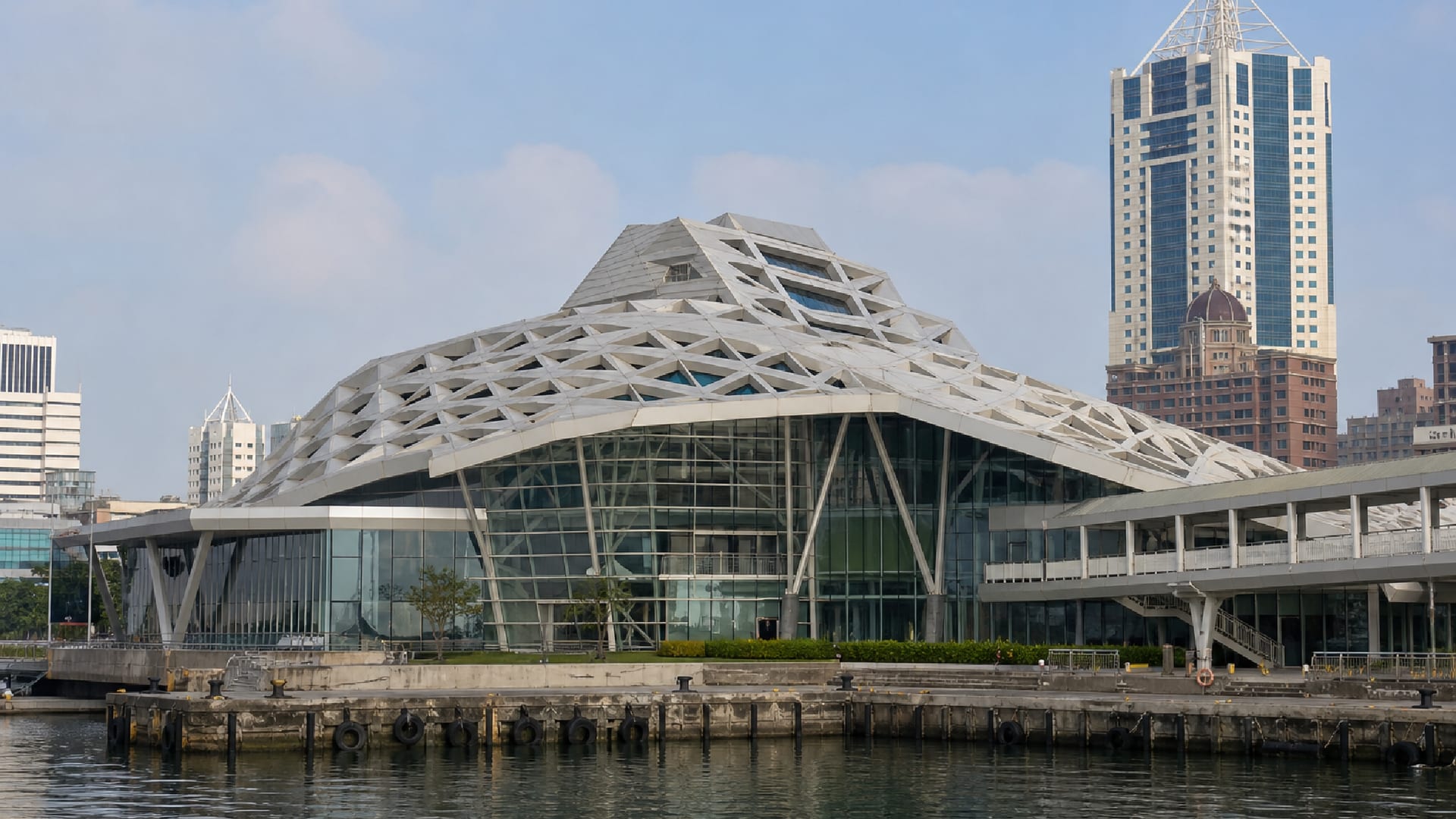
Start early for Fo Guang Shan Buddha Museum: take a taxi or a prebooked transfer from central Kaohsiung; it takes 45 to 60 minutes and costs NT$650 to NT$1,100 (US$20 to US$35) each way. Spend about 3 to 4 hours on the central axis, the pagodas, and the main halls, then return to Xinxing District for a late lunch. Liuhe Night Market is a 2-minute walk from Formosa Boulevard Station, giving you an easy evening of about 2 to 3 hours for snacks and seafood grills.
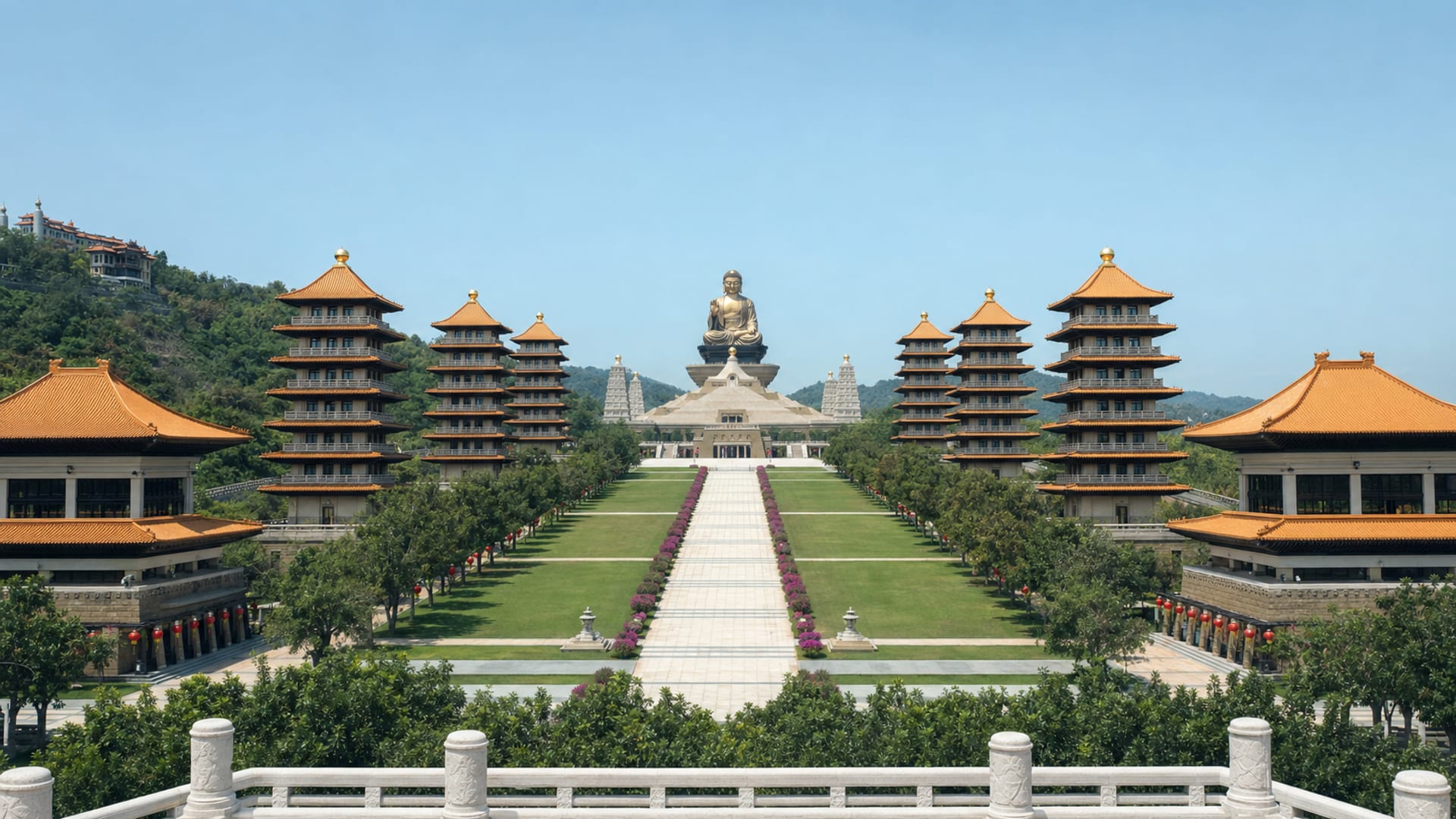
Begin in Gushan District at the British Consulate at Takow. Take a taxi from Xinxing, about 20 to 25 minutes for NT$200 to NT$280 (US$6.50 to US$9), or take the MRT and bus for less. After 1 to 2 hours on the bluff, continue to Sizihwan and Cijin by ferry or bus, then go through Cijin Tunnel for harbor views and a coastal walk, with about 1 hour there before heading back toward the city.
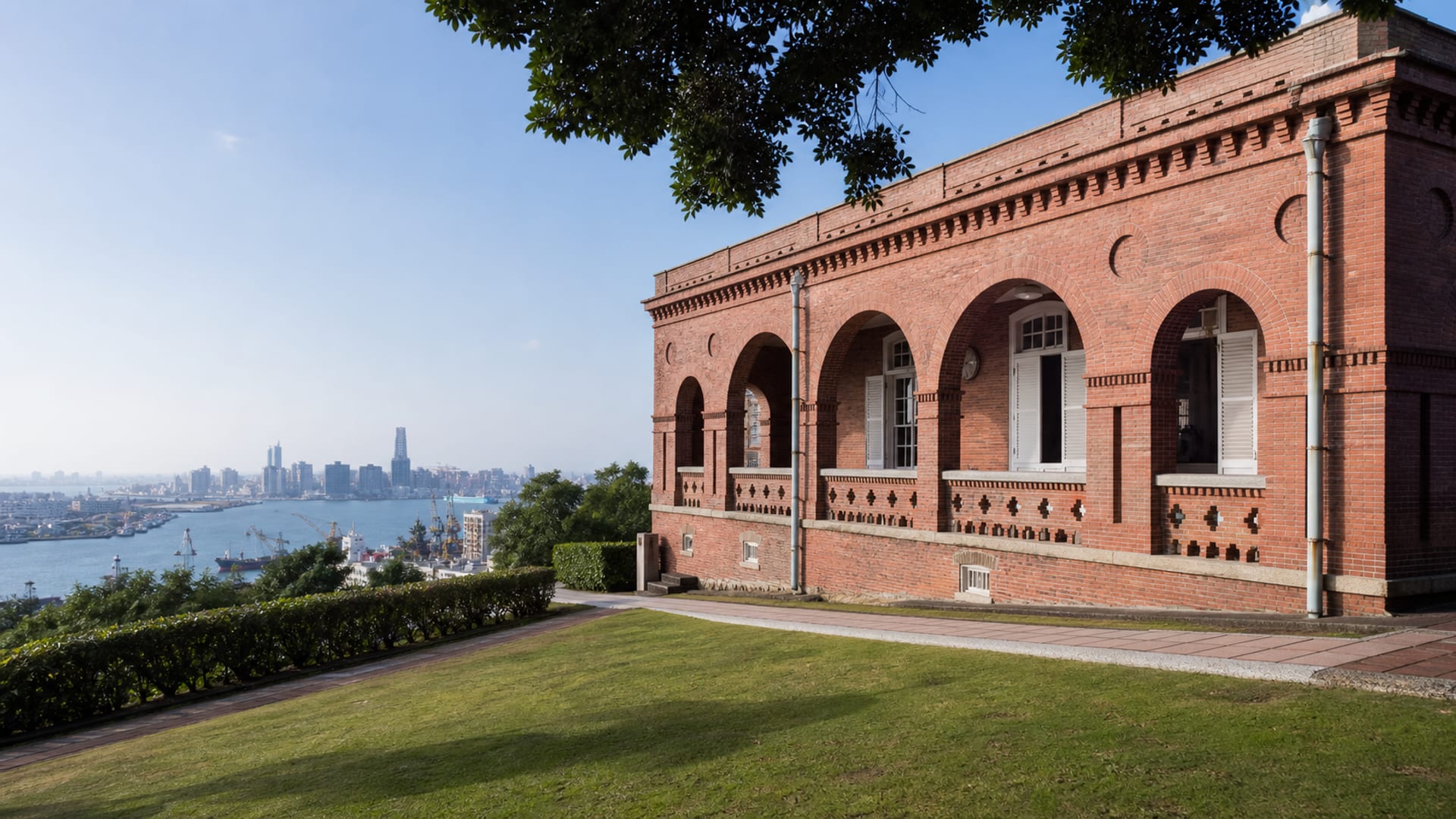
Pier-2 Art Center pairs well with the Takao Railway Museum, because they’re close enough together for an easy harbor day without long transfers. Walk or take a short taxi from Yancheng District to Pier-2 Art Center, then spend about 1 to 1.5 hours at the museum before lingering along the waterfront and creative warehouses, with the Love River area nearby for a slower afternoon walk.
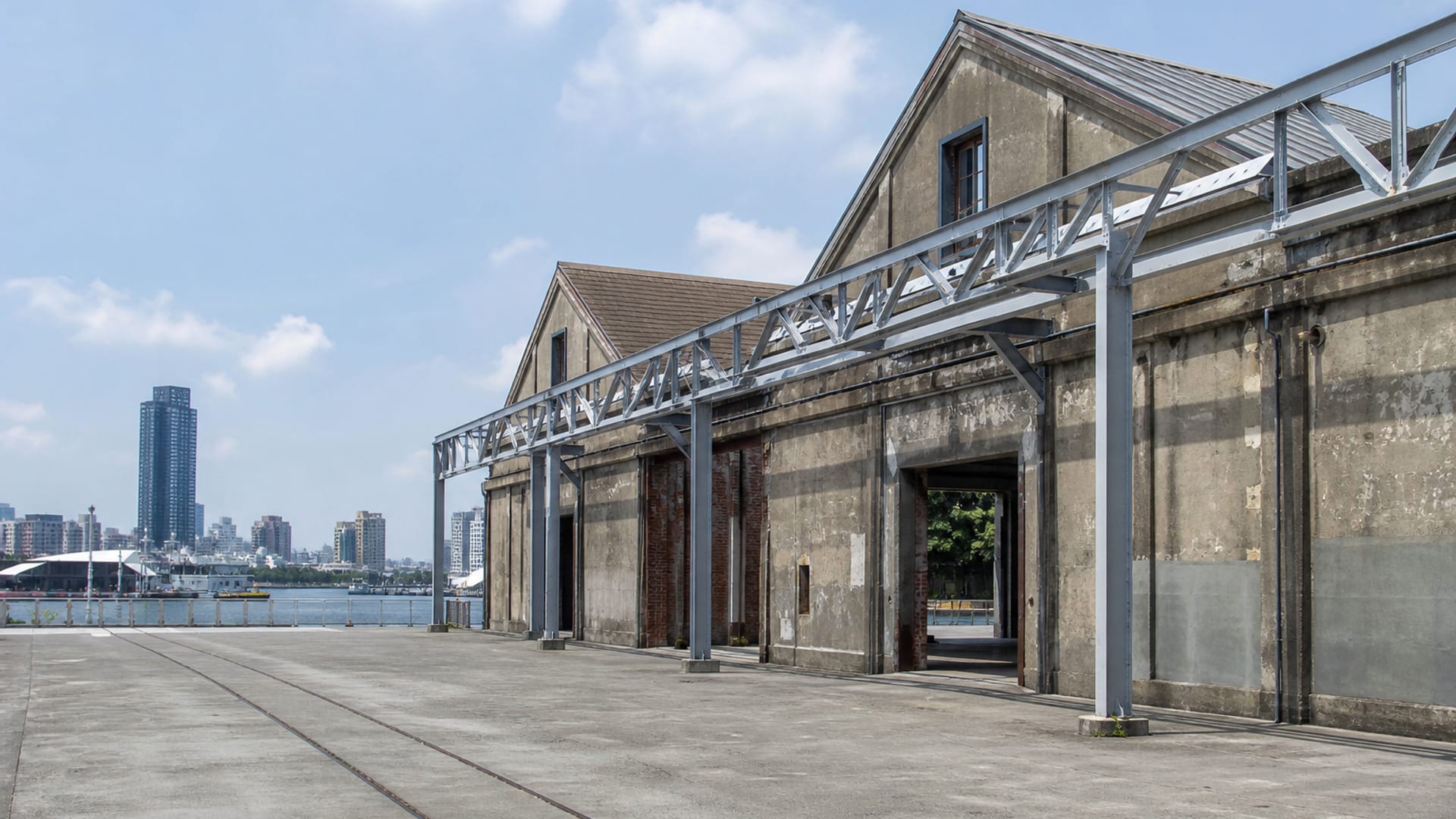
For the last day, stay centered on Yancheng District or Xinxing District so your bags and dinner plans stay simple. Browse one more museum stop at Pier-2 Art Center or the Takao Railway Museum if you missed it earlier, then do a final round of shopping in Xinxing District and settle into a café in Yancheng for coffee, tea, or dessert before an evening departure or a calm overnight stay.
Business-class flights from the US to Kaohsiung
Kaohsiung (KHH) has no nonstop service from the US, so every route from the East Coast or West Coast connects through a hub in Asia.
New York (JFK) to Kaohsiung (KHH)
EVA Air, Cathay Pacific, Korean Air, China Airlines, and Japan Airlines all serve this route with one stop, typically through Hong Kong (HKG), Taipei (TPE), Seoul (ICN), or Tokyo (NRT). Total travel time is about 19 to 25 hours, including the connection. Round-trip business-class fares on this route typically cost US$5,500 to US$9,800.
Los Angeles (LAX) to Kaohsiung (KHH)
China Airlines, EVA Air, Cathay Pacific, Korean Air, and STARLUX Airlines offer flights from Los Angeles (LAX) to Kaohsiung (KHH) through the same hubs: Hong Kong (HKG), Taipei (TPE), Seoul (ICN), or Tokyo (NRT). The total travel time on this route varies from 16 to 23 hours, including the layover. Round-trip business-class fares typically start at US$5,000 and can reach US$7,500.
Kaohsiung moves to its own rhythm
A deliberate Kaohsiung trip pays off when you move by district, not by impulse: one day centered on Xinxing, another on Gushan and Cijin, a slower stretch through Yancheng and Pier-2 Art Center. The MRT, tram, and a few short taxi rides cover most of the city without overloading any single day. When you’re ready to book, AranGrant’s team can help you find the right business-class flight and the hotel that puts you closest to the days you care about most.







