

Chapters:

Need help with your trip?
Our support team is available 24/7. Request a callback or call us directly at (833) 619-0908
Kansas City trips often start with barbecue, a downtown hotel, and a quick look at the big-name museums, then leave the river bluffs and neighborhood corridors for another visit. That pattern works, but it can miss how spread out the city is and how much time gets lost between districts.
Downtown, the Plaza, the Crossroads, and 18th and Vine each pull in a different direction, and short hops still add up when you stack them across a day. Crowds also build at dinner and on event nights, so timing matters.
This guide keeps the route tighter, with neighborhood-by-neighborhood pacing, clear transfer choices, and a five-day plan that connects the city’s landmarks without turning every move into a detour.
Useful things to know

Main language(s): English

Currency: The local currency is the US dollar (USD, $).

Cash and cards: Cards and contactless are widely accepted; carry about $20 to $40 in cash for small vendors and tips.

Tipping: Tip 15 to 20% at sit-down restaurants, and round up for taxis and small bills.

Traditional food: Kansas City barbecue ribs, burnt ends, Z-Man sandwich, Kansas City strip steak

Water and coffee costs: Water about $2 ($2), bar espresso about $4 ($4).

Taxis and ride apps: Uber and Lyft operate here; wait times can rise late at night.

Plug and voltage: Type A/B socket, 120V

Dining and shop opening hours: Breakfast is about 07:00-09:00, lunch 12:00-13:30, and dinner 18:00-20:30. Many restaurants close by 22:00, and some kitchens stop earlier on Sundays.

Emergency number: Call 911 for police, fire, and medical emergencies.
Where to stay in Kansas City
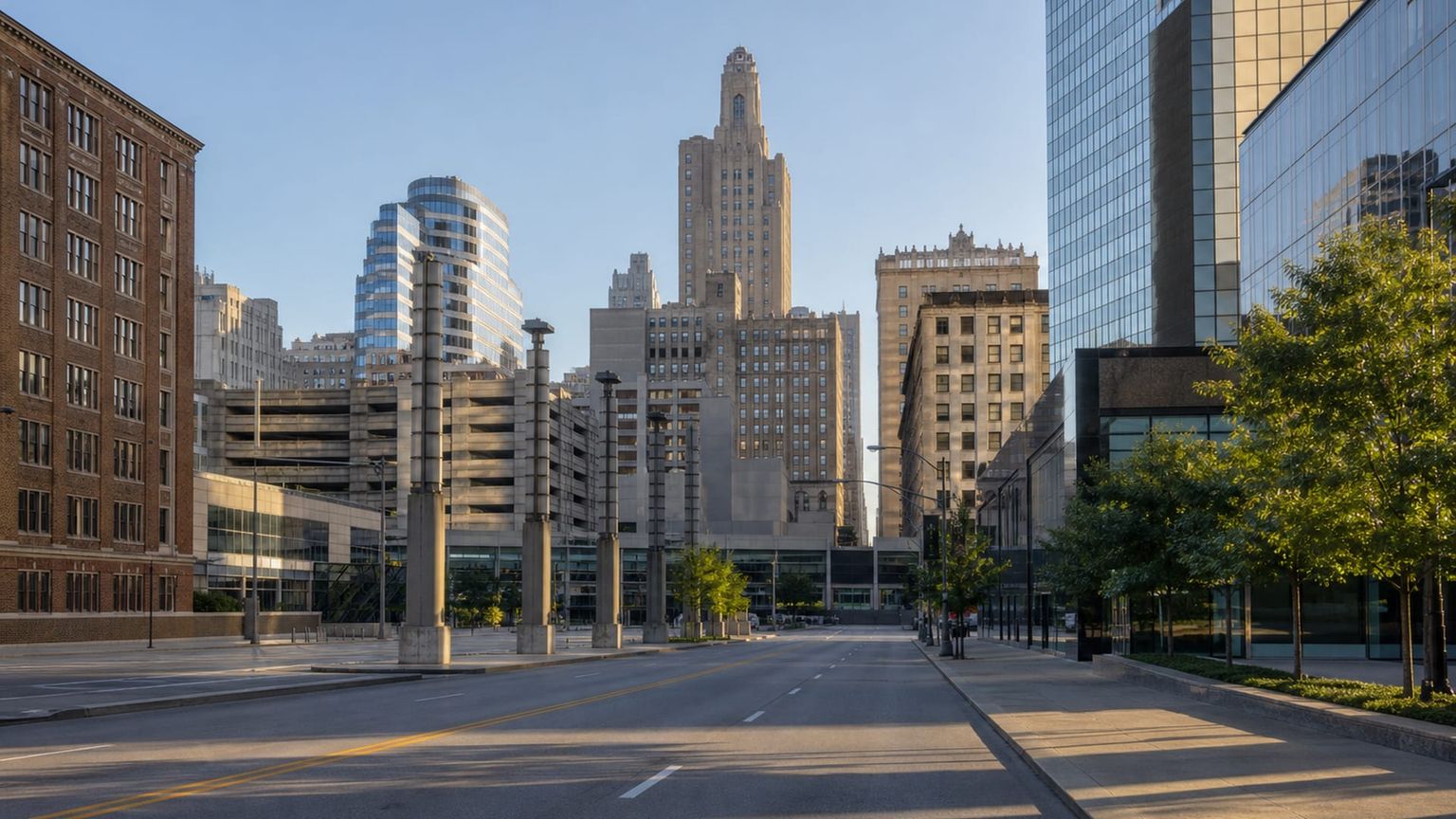
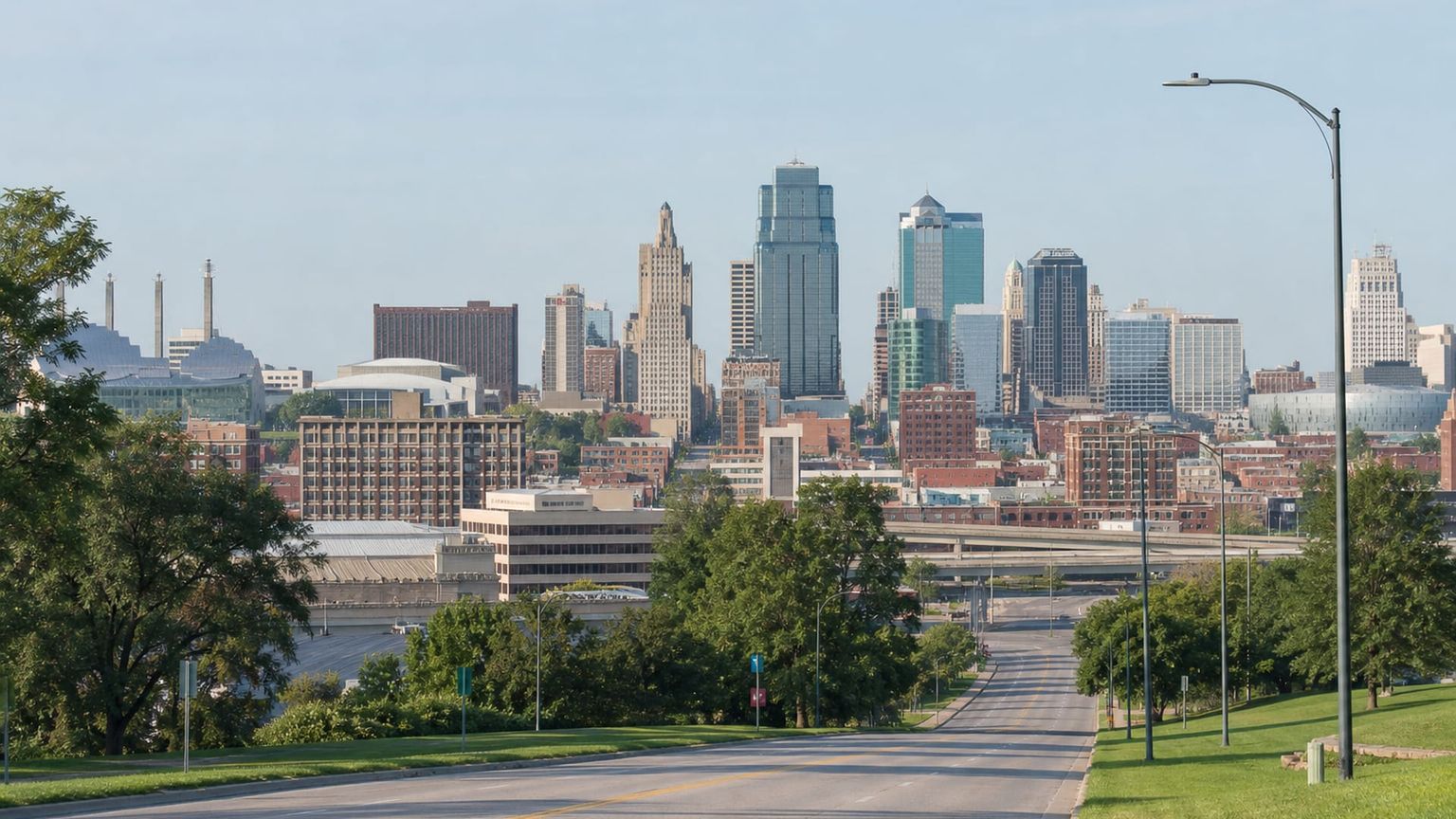
Kansas City’s central business district places you beside the Convention Center, the Power and Light District, and the streetcar line. It works well if you want the city’s main museums, theaters, and dining within a short walk or ride.
Best for: Convention trips, first-time visits, and travelers who want the shortest reach to major sights
What to expect: Tall office towers, hotel clusters, and the most pedestrian activity in the city, with the busiest blocks near the entertainment district after dinner.
Hotel prices: Usually about $150 to $320 per night for well-rated stays
Distance to major sights: About 10 minutes on foot to the Power and Light District, about 15 minutes by transit to Union Station
Quietness: Lively during the day, louder at night near bars and event venues, with quieter pockets a few blocks away
Main trade-off: Central hotels often cost more, and evening noise can rise on weekends and during major events.
Good to know: If you plan to use the streetcar, check the stop location carefully, because some blocks sit much closer to it than others.
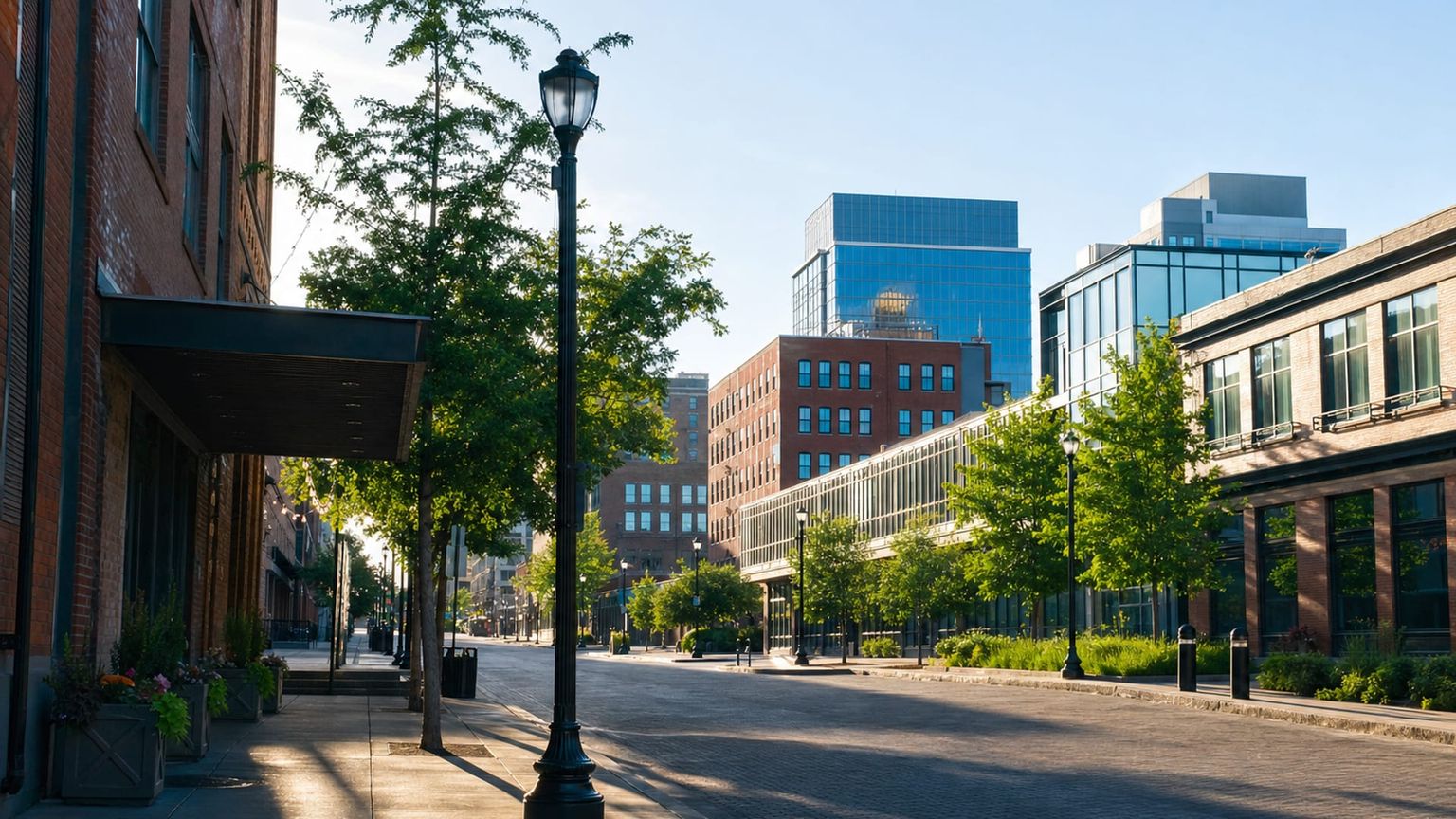
The Crossroads sits just south of downtown and pairs warehouse conversions with galleries, studios, breweries, and restaurants. It matters because it gives you one of the city’s best bases for dining out and reaching downtown on foot or by streetcar.
Best for: Dining, gallery hopping, nightlife, and travelers who like an urban base with short downtown access
What to expect: Converted loft buildings, mural-lined streets, and a strong evening draw around restaurants, breweries, and event spaces.
Hotel prices: Usually about $180 to $360 per night for well-rated stays
Distance to major sights: About 10 minutes on foot to Union Station, about 15 minutes on foot to the Kauffman Center for the Performing Arts
Quietness: Moderately busy by day, then noticeably louder in the evening around restaurants and event nights
Main trade-off: You pay for the location, and some streets can feel crowded when galleries host openings or sports crowds spill over.
Good to know: Parking can be more expensive and harder to find here, so choose a hotel with on-site parking if you plan to rent a car.
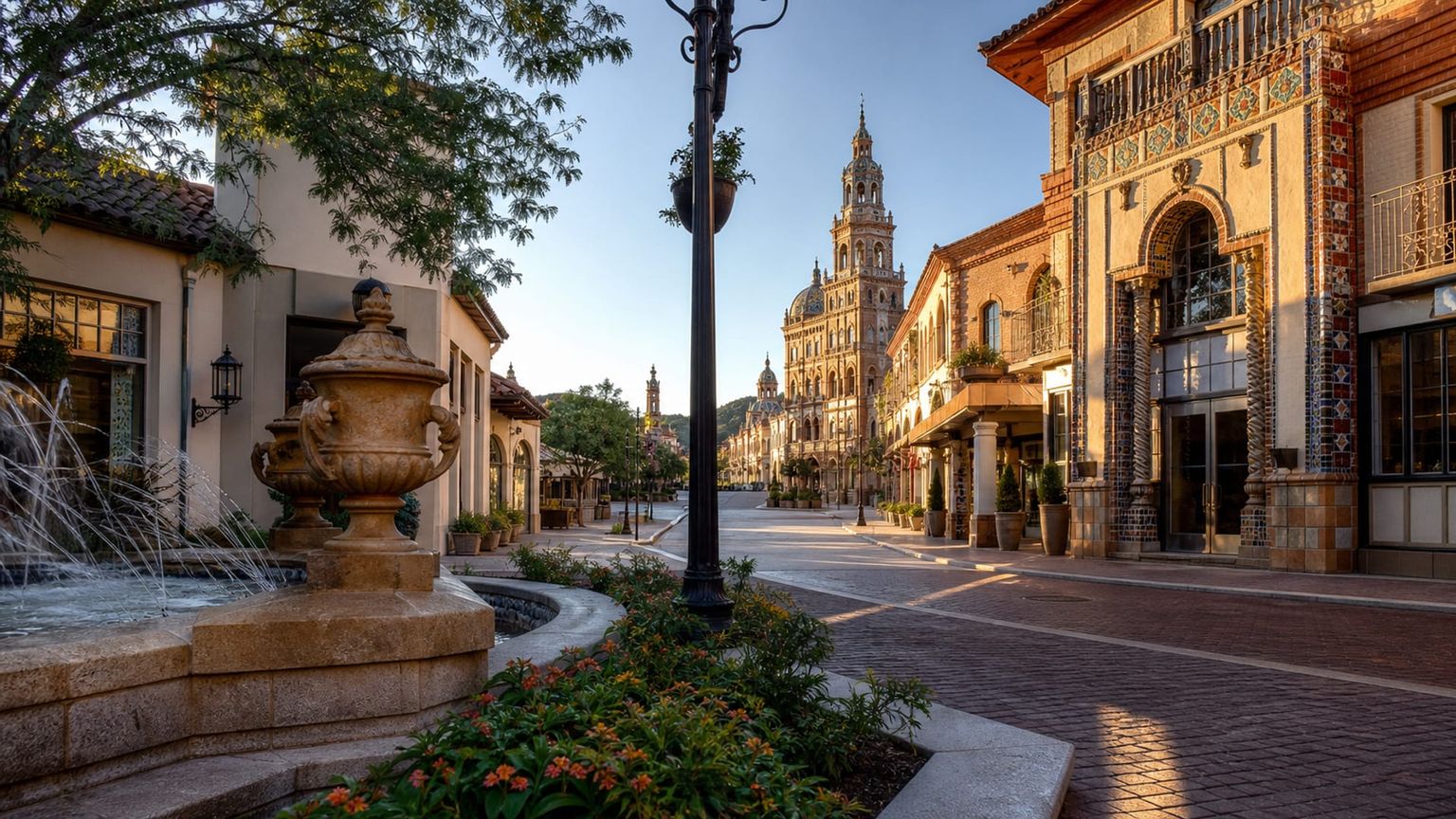
The Country Club Plaza is Kansas City’s landmark shopping and dining district, built with Spanish-inspired architecture and an easy-to-navigate street grid. It suits visitors who want a polished base near shopping, restaurants, and the Nelson-Atkins Museum of Art.
Best for: Shopping, museum access, date nights, and travelers who prefer an upscale district with walkable dining
What to expect: Busy sidewalks, chain and independent restaurants, and steady foot traffic, especially on weekends and around holiday lights.
Hotel prices: Usually about $170 to $340 per night for well-rated stays
Distance to major sights: About 10 minutes on foot to the Nelson-Atkins Museum of Art, about 15 minutes by transit to the Kansas City Zoo
Quietness: Active during shopping hours, then calmer late at night once restaurants close
Main trade-off: You will be farther from downtown and the streetcar, so rideshare or a car often becomes part of the plan.
Good to know: Some blocks have heavier traffic and limited crosswalk spacing, so map your hotel against the exact side streets before booking.
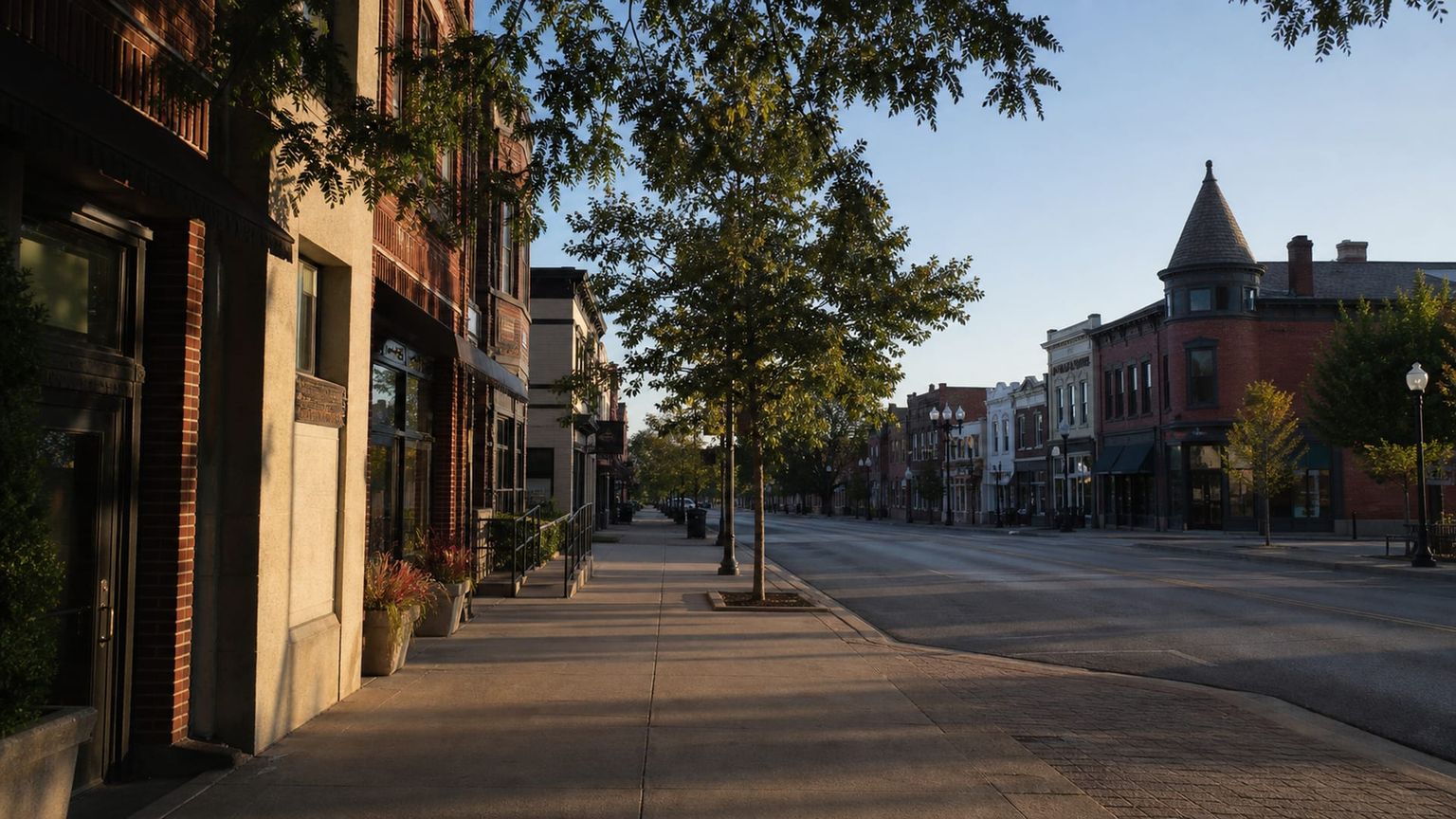
Westport is a compact, older district with bars, restaurants, coffee shops, and a strong late-night scene. It works well if you want an independent neighborhood feel and do not mind staying in one of the city’s busiest nighttime areas.
Best for: Nightlife, dining, and travelers who want a compact neighborhood with easy rides to central Kansas City
What to expect: Dense blocks, frequent restaurant traffic, and a younger crowd that keeps the streets active into the evening.
Hotel prices: Usually about $140 to $290 per night for well-rated stays
Distance to major sights: About 10 minutes by transit to the Country Club Plaza, about 20 minutes by transit to Union Station
Quietness: Busy into the evening and often loud on weekend nights, with a quieter pace in the morning
Main trade-off: The nightlife adds energy, but it also brings late noise and less parking than you will find in calmer districts.
Good to know: Choose a room away from the main entertainment blocks if you want sleep before midnight, because weekend bar traffic can carry.
Travelers usually avoid industrial parts of the Northland, such as the area north of the Missouri River near the airport, because they sit far from the main sights in downtown, Crossroads, and the Country Club Plaza, and evening transit options are limited. The southern fringe of Kansas City, including far south suburbs such as Belton and Raymore, is less convenient for visitors because it is a long drive to the core attractions and has fewer hotel clusters, restaurants, and walkable visitor amenities.
Hotel deals
How to get around Kansas City efficiently
Kansas City leans on the KC Streetcar in the core, RideKC buses for wider coverage, and taxis or rideshares for trips that cross between districts.

Metro
for longer distances
Kansas City does not have a subway or metro, so visitors usually rely on buses, rideshares, or a car; the closest rail option is the KC Streetcar, which runs fare-free through downtown and the Crossroads, with a one-way ride taking about 20 to 30 minutes end to end.

Bus and tram
for convenience
The KC Streetcar links the River Market, downtown, and the Crossroads on a free line with frequent daytime service, while RideKC buses cover the wider city and suburbs; single bus fares are about $1.50 ($1.50), a day pass is about $3 ($3), and passes are valid for the service day.

Taxi
for convenience or late hours
Licensed taxis at Kansas City International Airport, Kansas City (MCI), use flat airport fares to central zones and metered fares elsewhere; trips into downtown usually cost about $35 to $45, shorter city rides often run about $12 to $25, and most cabs take cards as well as cash.
*Prices are based on rates updated as of June 2026 and may change at the time of travel.
Use the streetcar for downtown and the Crossroads, buses for broader city links, and rideshares or taxis when you need to move faster between the Plaza, Westport, and outlying sights.
Iconic landmarks
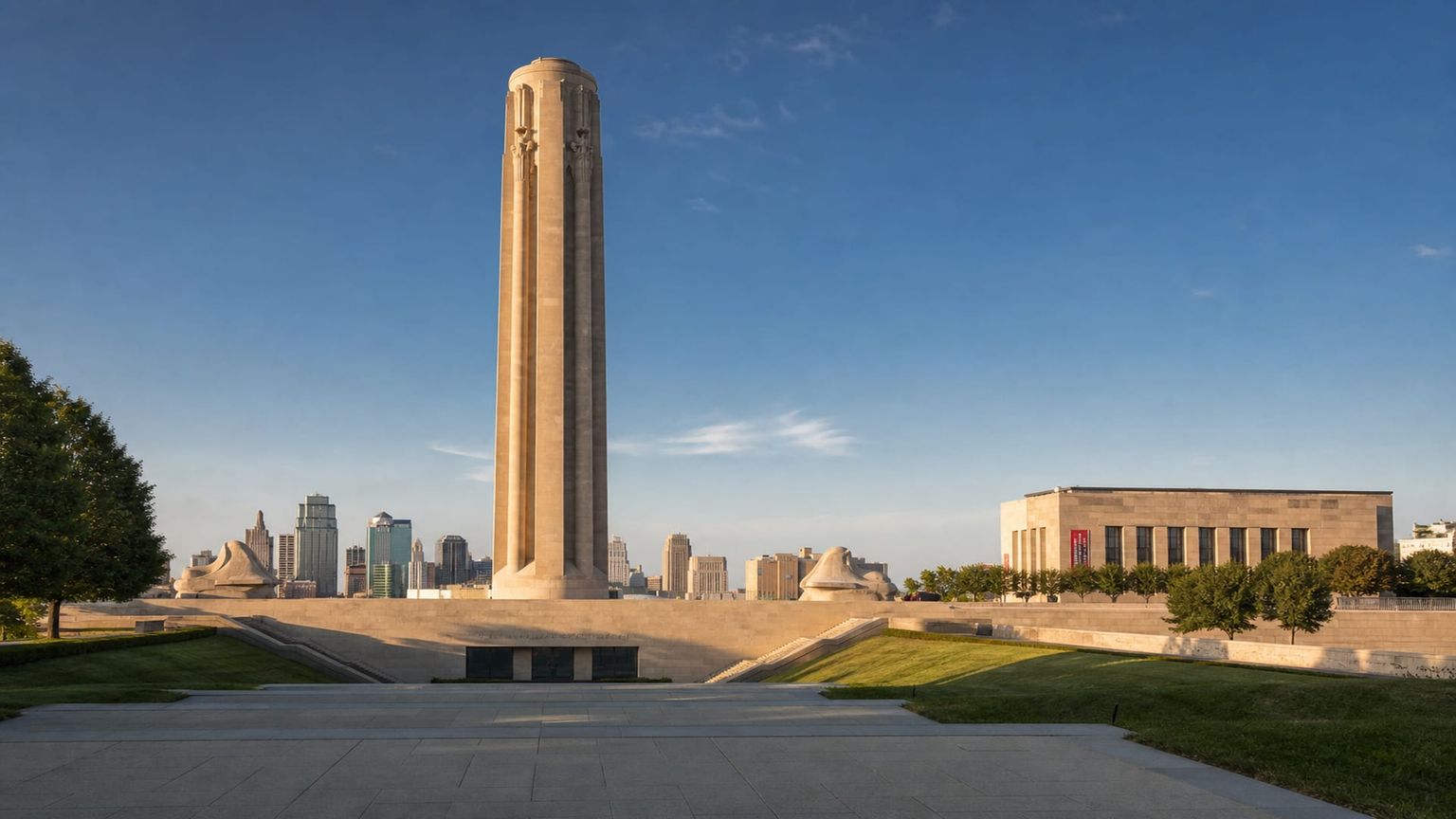
National World War I Museum and Memorial
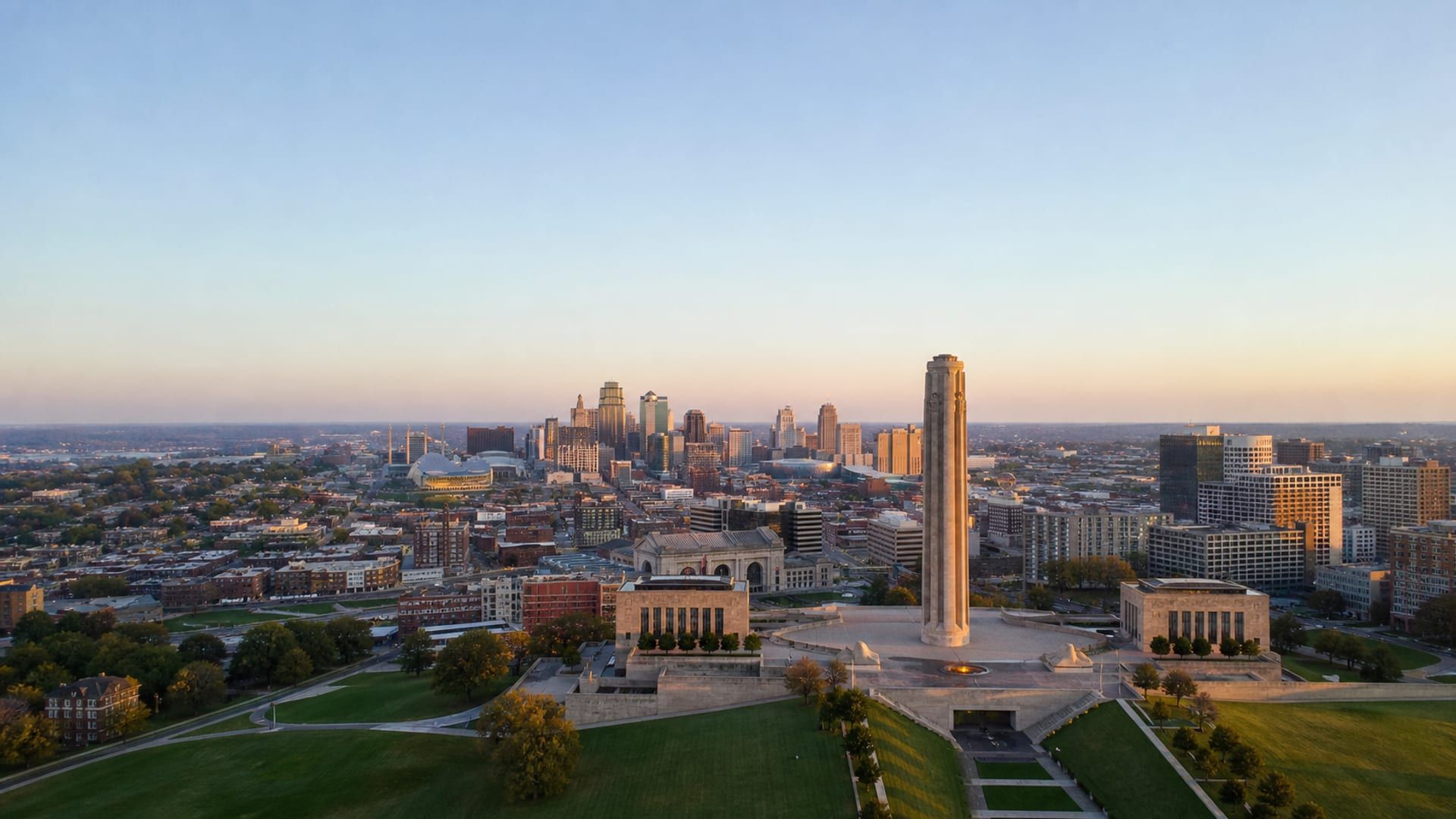
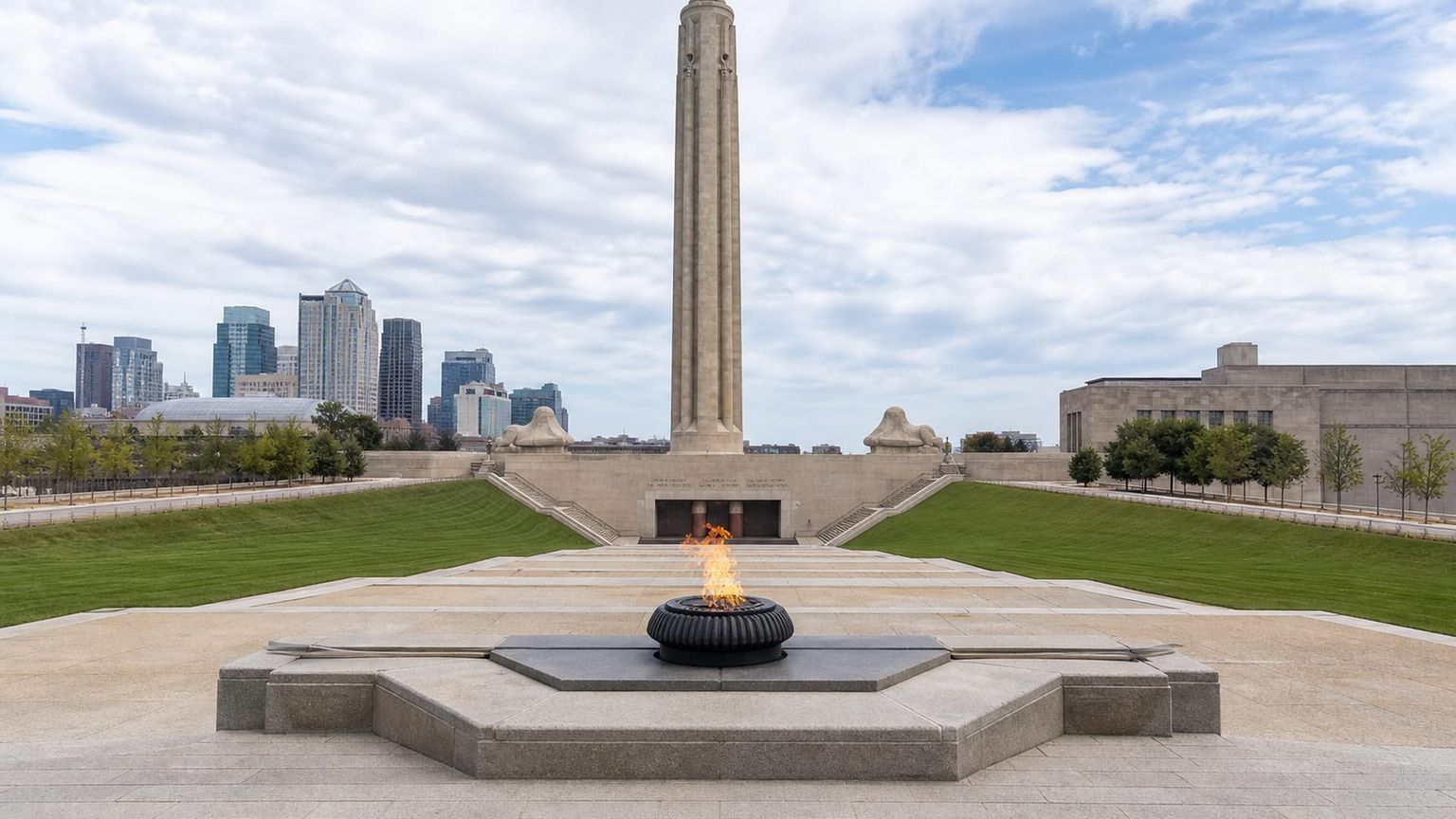
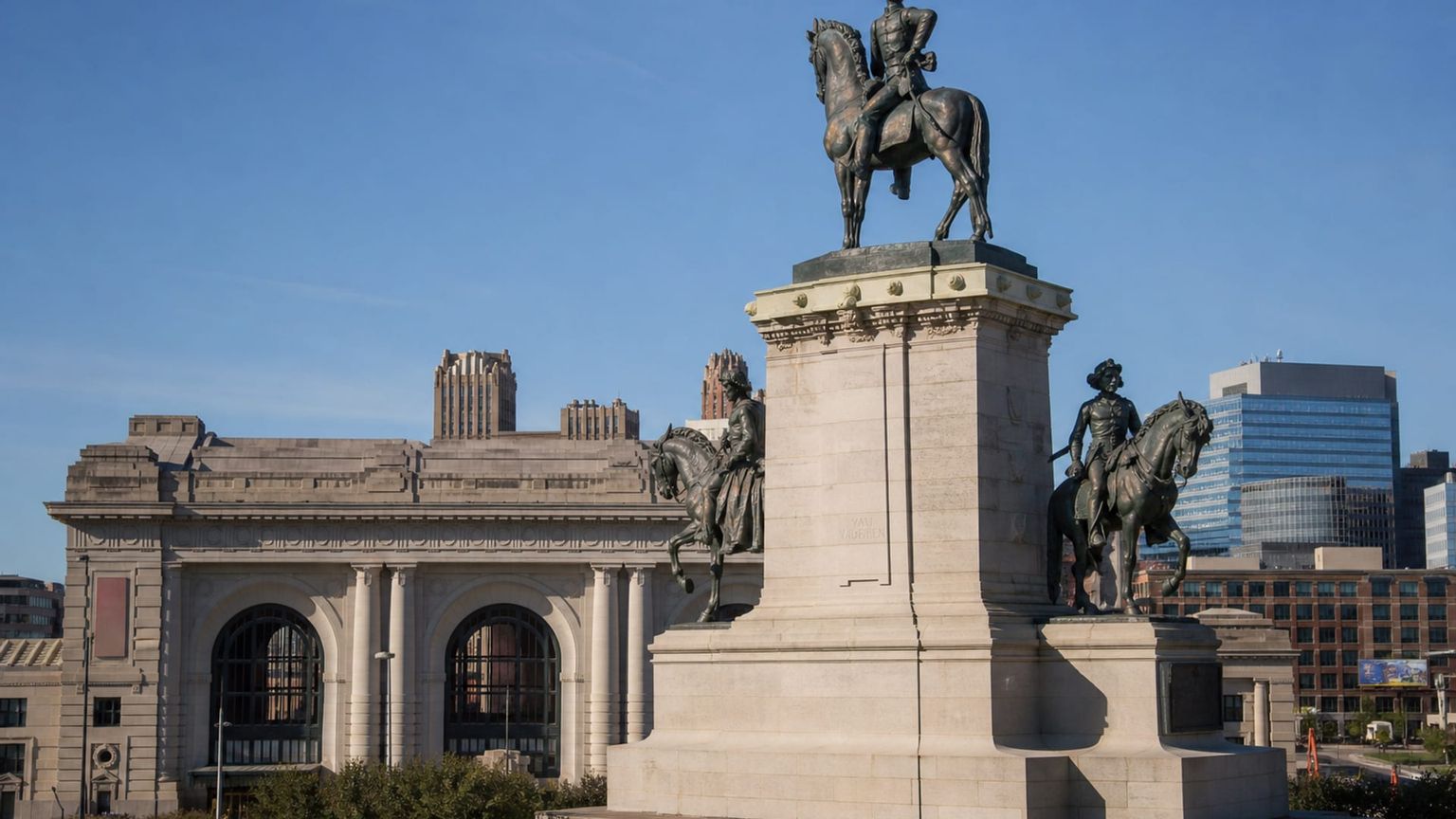
This museum sits at Liberty Memorial and presents one of the country’s strongest World War I collections, with trenches, uniforms, and original artifacts. The tower gives a wide downtown view from one of Kansas City’s best-known landmarks.
Time needed: About 2 to 3 hours
Entry: Standard admission costs $18 ($18) for adults, $16 ($16) for seniors and military, and $12 ($12) for youth ages 6 to 18; under 6 free. Visit the official site for details.
Tip: Go early for lighter crowds, then save the tower for clearer afternoon light.
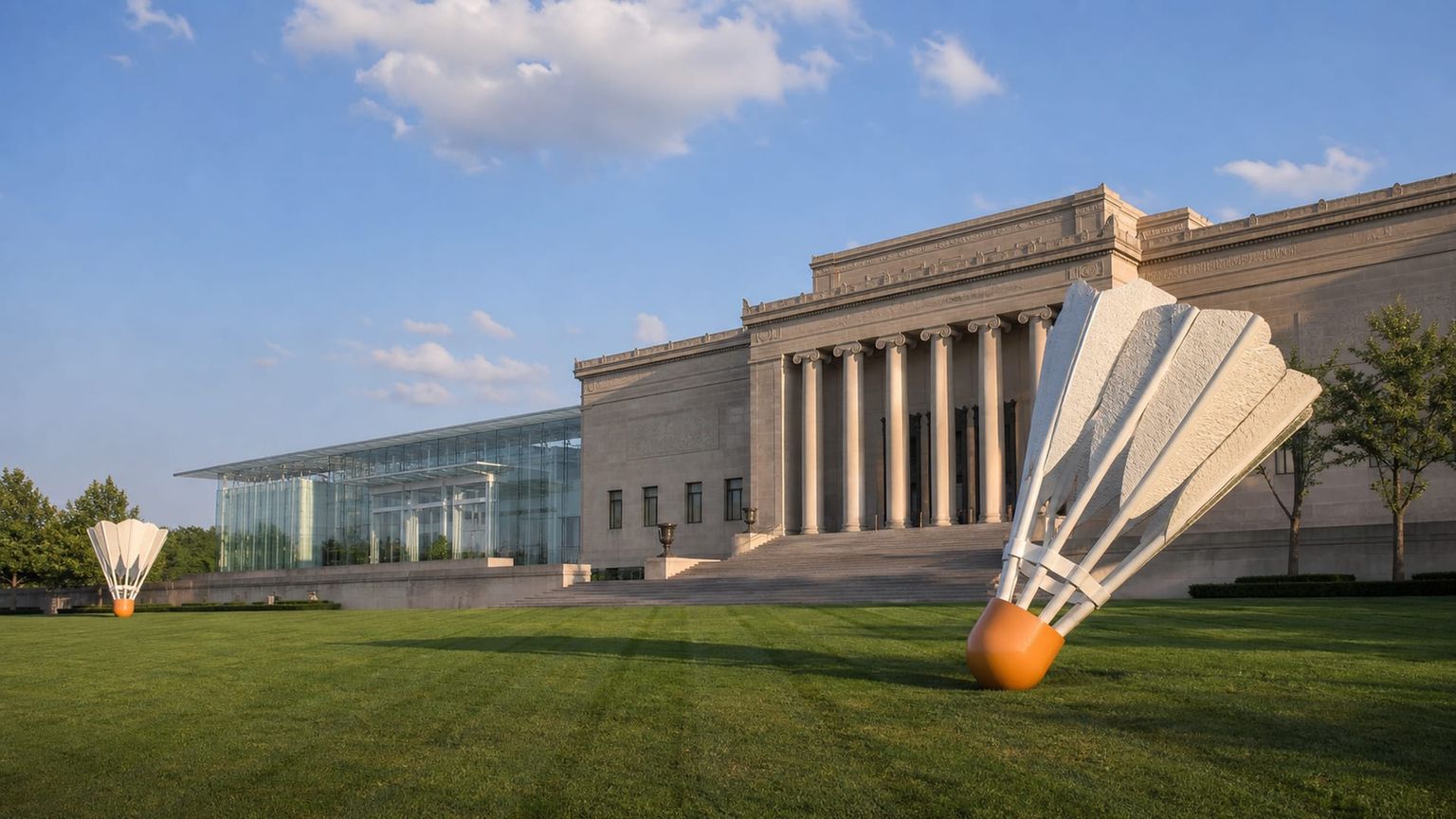
Nelson-Atkins Museum of Art
The Nelson-Atkins spans art from ancient Egypt to contemporary work, with free general admission and the sculpture lawn outside. Its stepped entrance and shuttlecock sculptures make it one of the city’s most photographed museum stops.
Time needed: About 2 to 4 hours
Entry: Free to access; special exhibitions may require paid tickets, usually $10 to $30 ($10 to $30) depending on the show. Visit the official site for details.
Tip: Visit late afternoon for outdoor photos, then move inside before the galleries grow crowded.
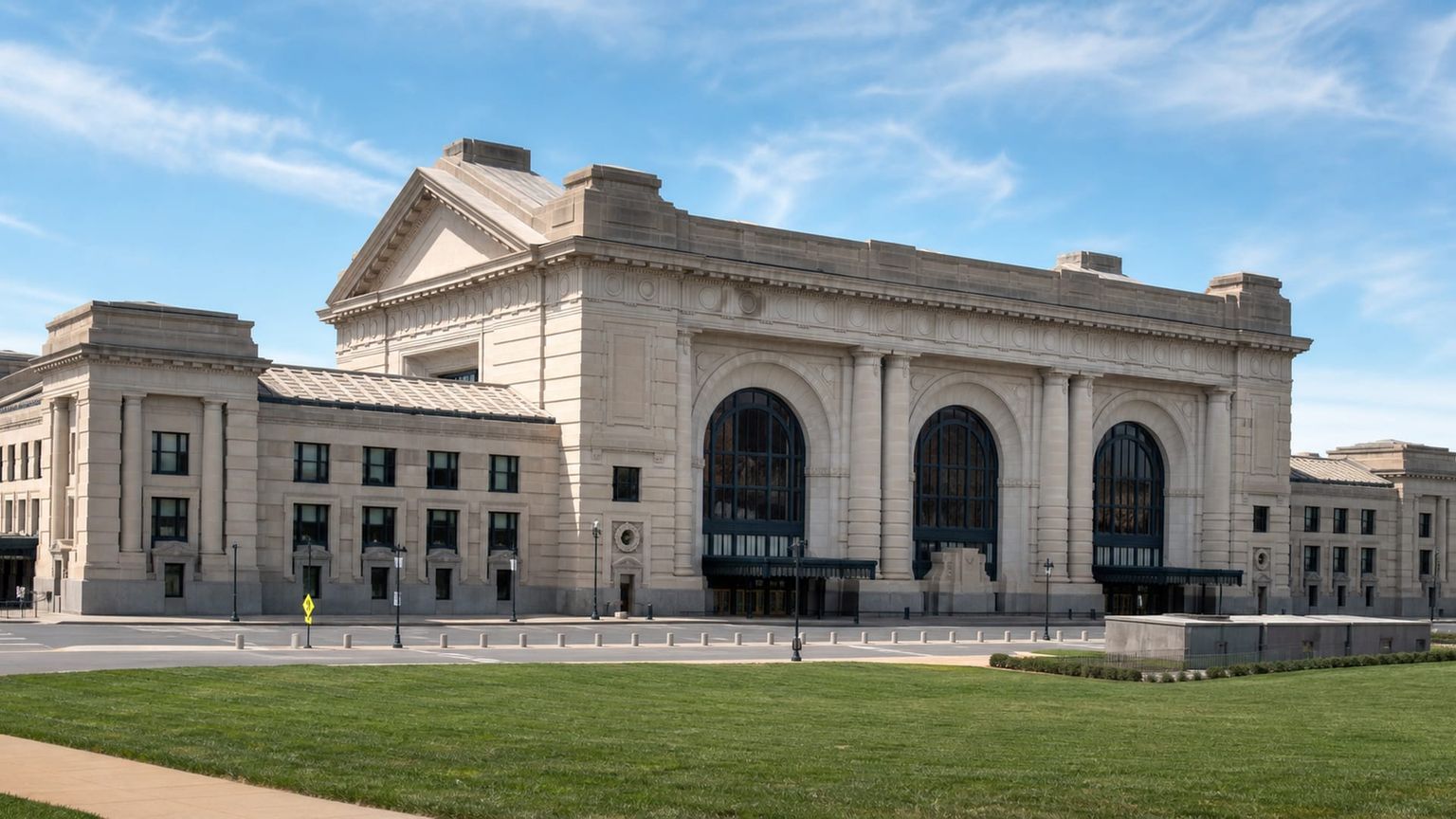
Union Station
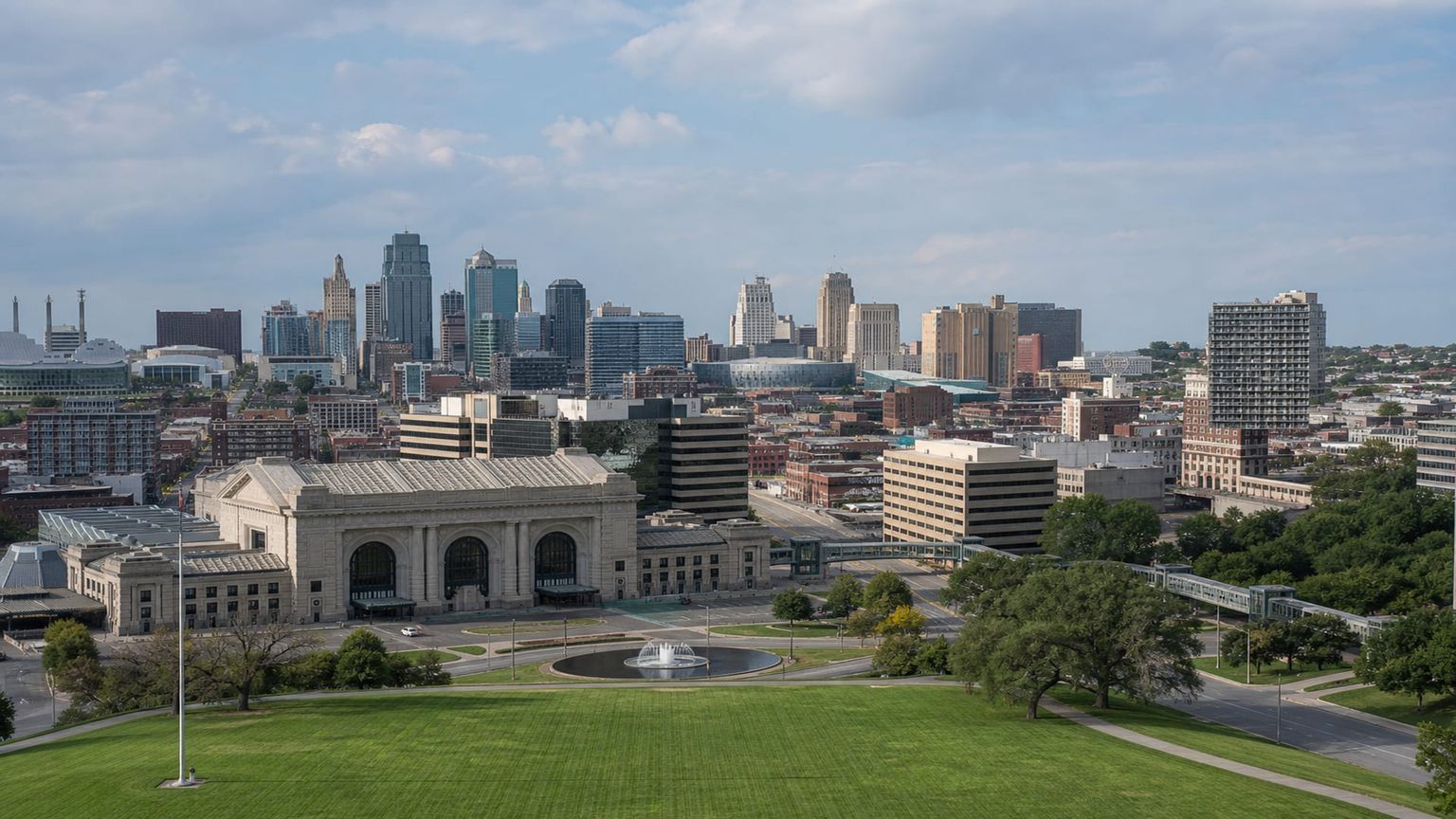
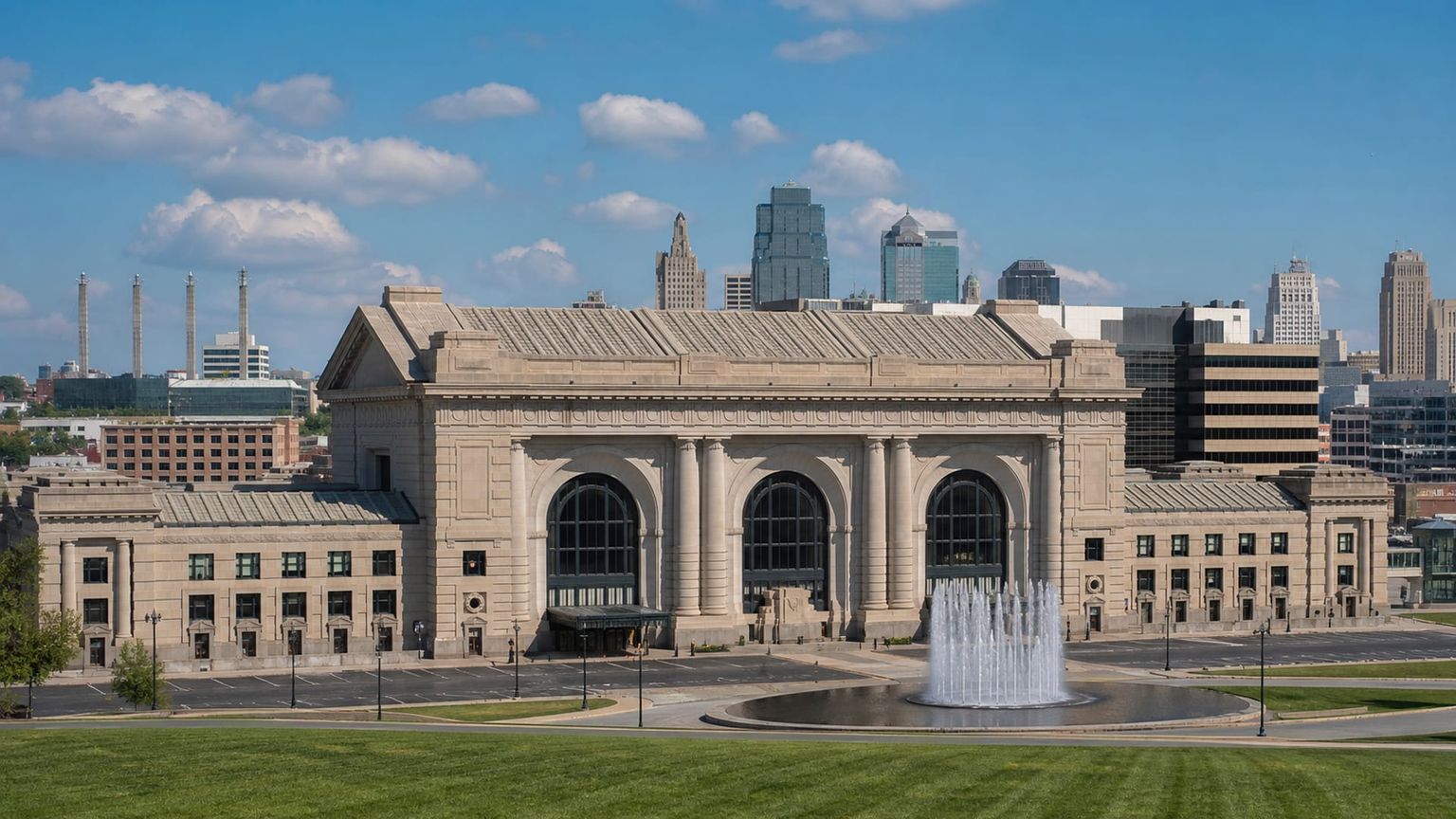
Union Station is a restored 1914 terminal with a grand hall, rotating exhibits, a science center, and seasonal displays. Its scale, architecture, and central location make it one of Kansas City’s signature public spaces.
Time needed: About 1 to 2 hours
Entry: General admission to the building is free; exhibit tickets typically cost $8 ($8) to $20 ($20), depending on the display. Visit the official site for details.
Tip: Start in the Great Hall, then visit on a weekday to avoid the heaviest family traffic.
Overlooked sites worth visiting

Kessler Park
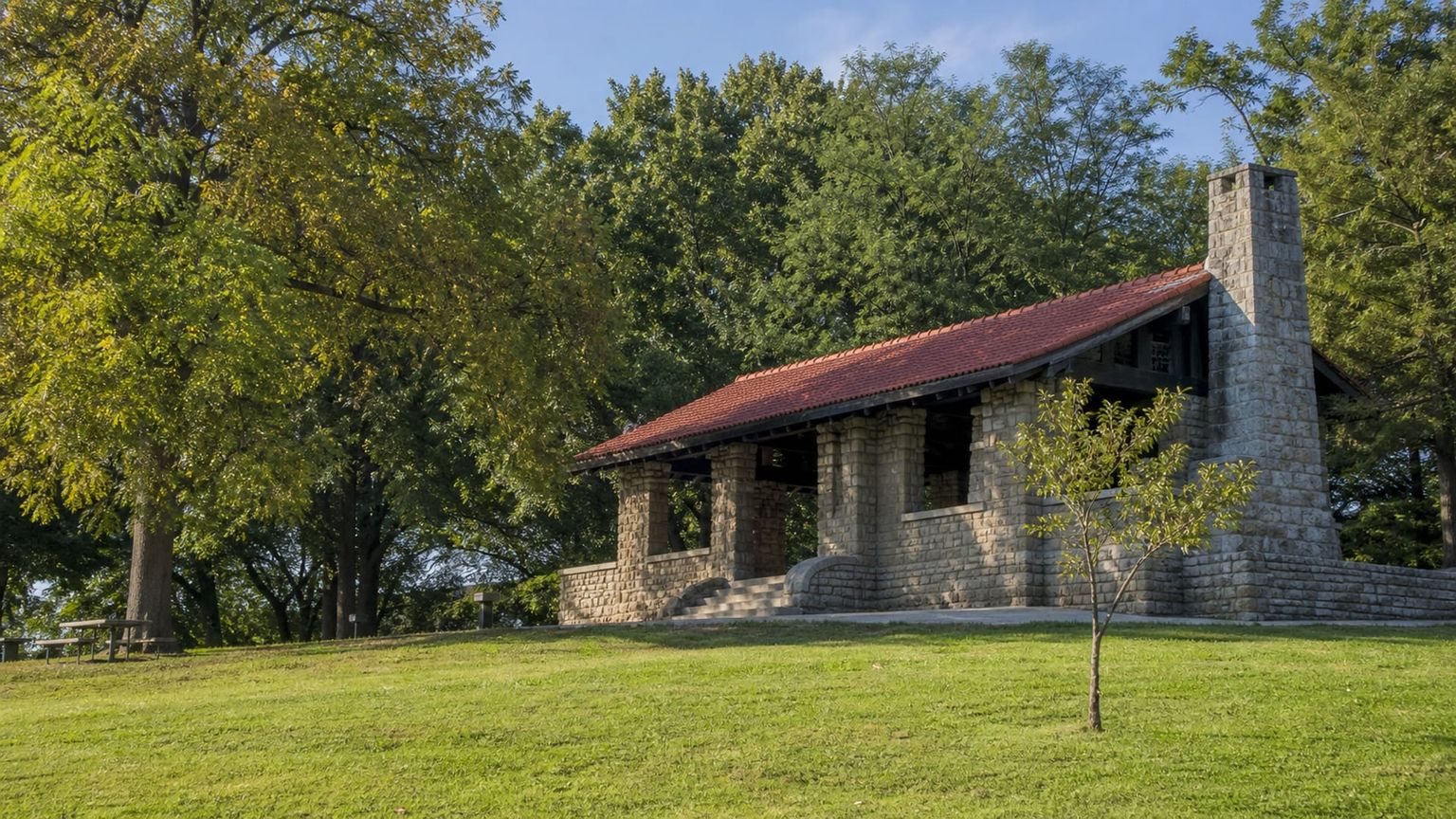
This bluff-top park above the Missouri River offers wooded trails, overlooks, and a quiet stretch of the Katy Trail corridor. It works well for a short walk, sunrise photos, or a low-key break from downtown traffic.
Time needed: About 1 to 2 hours
Entry: Free to access. The park has no admission fee, and you can visit the trails and overlooks at no charge. Parking is free at nearby public access points, though spaces can fill during good weather and local events.
Tip: Go at sunrise for softer light over the river.

The American Jazz Museum
Inside the 18th and Vine district, this compact museum covers Kansas City jazz through instruments, listening stations, and historic photographs. Pair it with a short stop in the surrounding entertainment district for a focused cultural visit.
Time needed: About 1 to 2 hours
Entry: Admission is about $10 to $15, with discounts for seniors, students, and children. Special exhibitions or live programs may cost extra, and the museum sometimes offers combined tickets with neighboring 18th and Vine institutions. Visit the official site for details.
Tip: Arrive early if you want time for the listening stations.
Traditional food
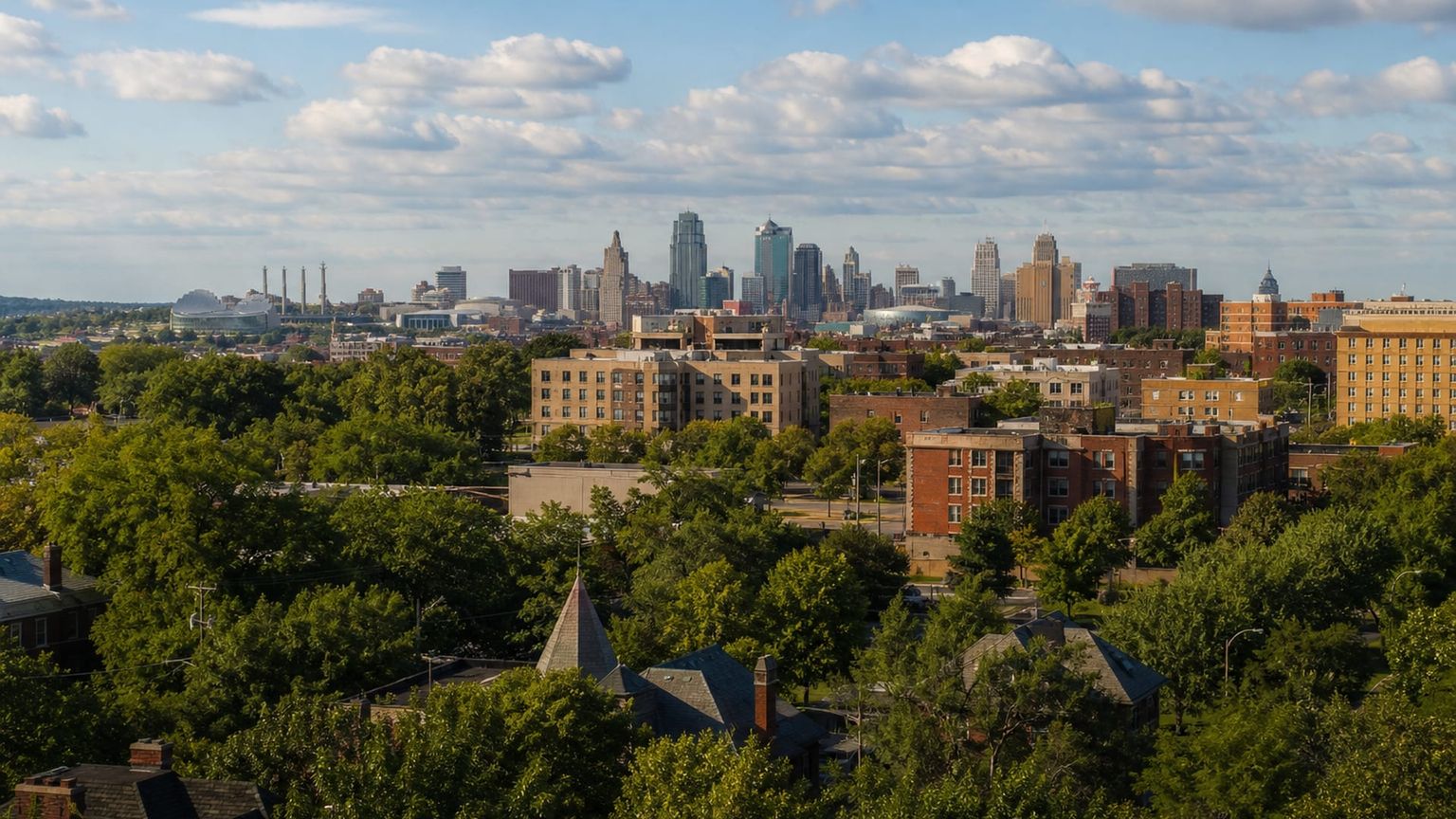
Kansas City food centers on smoke, beef, and deep seasoning, with barbecue ribs, burnt ends, and thick-cut steaks leading the table. Many of the best meals come from long-running rooms where sauce, smoke, and patience matter as much as the menu.
Kansas City barbecue ribs
These ribs usually arrive with a dark bark, tender meat, and a sweet-tangy sauce that defines the city’s barbecue style. Q39 South serves a strong version that fits the city’s smoke-first reputation.
Burnt ends
Burnt ends are the crispy, rich pieces cut from smoked brisket points, and they often sell out early. Joe’s Kansas City Bar-B-Que is one of the city’s best-known places to order them.
Z-Man sandwich
The Z-Man layers smoked brisket, provolone, and onion rings on a Kaiser roll, making it one of Kansas City’s most recognizable sandwiches. Joe’s Kansas City Bar-B-Que is the canonical stop for it.
Kansas City strip steak
This steak leans into the city’s beef tradition, with a thick cut and a restaurant finish that suits a slower dinner. The American restaurant at Country Club Plaza is a fitting place to order one.
Best time to visit Kansas City
Kansas City shifts with the seasons, so spring and fall make the city easiest to cover on foot, while summer brings stronger heat and winter can limit how long you want to stay outside.
Best for: Museum days, Plaza walks, and park time
What you get: About 45 to 75°F (7 to 24°C), with moderate crowds and occasional rain
Trade-offs: Storms can interrupt outdoor plans
Best for: Evening dining, streetcar rides, and indoor stops during the hottest hours
What you get: About 70 to 92°F (21 to 33°C), with heavier crowds at major sights and events
Trade-offs: Heat and humidity can make midday walking tiring
Best for: Clear sightseeing, neighborhood dining, and comfortable walking
What you get: About 48 to 76°F (9 to 24°C), with manageable crowds outside football weekends
Trade-offs: Event dates can push hotel rates higher
Best for: Quieter museums, restaurant reservations, and shorter indoor-heavy days
What you get: About 25 to 45°F (-4 to 7°C), with lighter crowds and occasional snow
Trade-offs: Cold snaps can make long outdoor stretches less appealing
A realistic 5-day plan in Kansas City
The five-day route below starts with an easy arrival and then builds through the city’s main districts in a way that keeps each day anchored to one part of town. That makes the movement between Union Station, the Plaza, the Crossroads, and 18th and Vine easier to follow.
Land at Kansas City (MKC) and take a rideshare or taxi into Downtown Kansas City or the Crossroads, typically about 20 to 30 minutes and roughly $35 to $50 before tip, depending on traffic and pickup point. Settle in, drink some water, and keep dinner close to your hotel, with a light first-night meal in the Crossroads or near the Power and Light District so you can walk back easily.
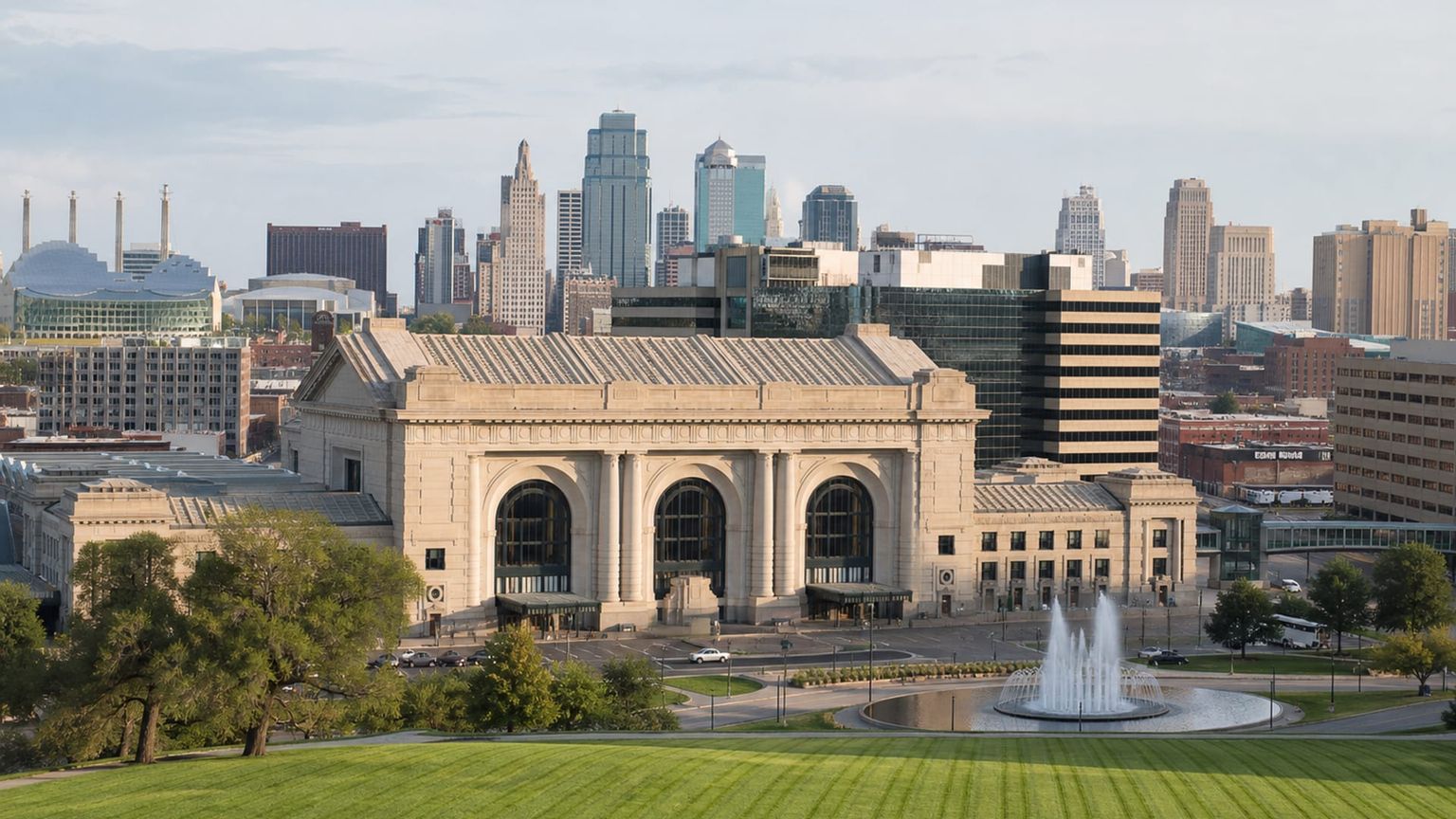
Start with Union Station, then walk about 10 minutes to the National World War I Museum and Memorial for the tower and galleries. After that, ride a car or rideshare about 15 minutes to the Country Club Plaza, where you can have lunch, browse the shops, and continue on foot about 10 minutes to the Nelson-Atkins Museum of Art for the sculpture lawn and the main collections. Finish with dinner on the Plaza, where the evening stays busy but navigable on foot.
Begin in the Crossroads Arts District with gallery hopping and coffee, then walk about 15 minutes to the Kauffman Center for the Performing Arts if you want a quick architecture stop from outside. From there, take the streetcar or a short rideshare to Union Station, about 10 minutes by transit from much of downtown, for the Great Hall and any exhibit time. End the day in downtown Kansas City, where dinner and live music are an easy walk from many central hotels.
Head north early for Kessler Park, about 15 to 20 minutes by car from downtown, and spend an hour or two on the bluff-top trails and overlooks above the Missouri River. Return to the city for lunch, then go to the American Jazz Museum in 18th and Vine, about 10 to 15 minutes by car from the central districts, and pair it with a short look at the surrounding neighborhood. In the evening, return to Westport for dinner and a late drink, or stay closer to your hotel if you want a quieter night.
For a slower last day, start with breakfast in Westport or the Crossroads, then head to the Country Club Plaza for shopping and a final walk through the Spanish-inspired streets. If you want one last museum stop, return to the Nelson-Atkins Museum of Art for a short revisit, or make time for a final look at Union Station before your departure. Keep your bags easy to reach and plan your ride to Kansas City (MKC) with enough margin for traffic, especially if you are leaving after a weekend brunch window.
Business-class flights from the US to Kansas City
Kansas City has useful one-stop and nonstop options from both coasts, and the best route often comes down to timing versus fare. The examples below show how East Coast and West Coast departures usually differ.
From New York, American Airlines, Delta Air Lines, United Airlines, Air Canada, Air France, and British Airways all appear on the market, with nonstop trips taking about 3 to 4 hours. If you do not mind a stop, common connections via ORD, DFW, IAH, YYZ, CDG, or LHR can pull fares down on some dates; round-trip fares start at about $1,100 and can reach $2,400.
Los Angeles departures usually run through American Airlines, Southwest Airlines, United Airlines, Alaska Airlines, and Delta Air Lines, and nonstop flights take about 3 to 4 hours. Round-trip fares from Los Angeles usually run from $900 to $2,000; if you do not mind a layover, common routings via DFW, DEN, or PHX often cut the fare materially on some dates.
Kansas City feels different when you slow down
A deliberate Kansas City trip ties together downtown, the Crossroads, the Plaza, and 18th and Vine instead of treating them as separate stops. With the streetcar for the core, short rides for longer links, and a dinner plan that matches the day’s district, the city becomes easier to read. If you want help shaping that route, the AranGrant experts can build it around Union Station, the Plaza, or a barbecue-first weekend







