

Chapters:

Need help with your trip?
Our support team is available 24/7. Request a callback or call us directly at (833) 619-0908
Kailua-Kona often starts the same way, with a flight into KOA, a quick transfer to town, and a first night near the bay. What many visitors miss is how much the town changes once you leave the harbor blocks and start planning beyond the hotel front desk.
Distances on the Kona coast look short on a map, but traffic, heat, and limited transit can make a simple outing take longer than expected. The busiest stretches around Alii Drive also reward an early start, because parking, dining, and shoreline access tighten up later in the day.
This guide sets out a slower sequence: where to stay, how to move, what to eat, when to go, and which five days make the best use of the coast without turning every stop into a detour.
Useful things to know

Main language(s): English

Currency: The local currency is the US dollar (USD, $).

Cash and cards: Cards and contactless are widely accepted; keep about $20 to $40 in cash for tips, small purchases, and beach parking.

Tipping: Round up small bills and add 15% to 20% at sit-down restaurants when service is good.

Traditional food: poke, loco moco, kalua pig, haupia

Water and coffee costs: Water about $2 ($2), bar espresso about $4 ($4).

Taxis and ride apps: Uber and Lyft operate here; wait times can be longer late at night.

Plug and voltage: Type A/B socket, 120V

Dining and shop opening hours: Breakfast is about 07:00-10:00, lunch 11:00-14:00, and dinner 17:00-21:00. Some kitchens close early on Sundays.

Emergency number: 911 for police, fire, and medical emergencies.
Where to stay in Kailua-Kona
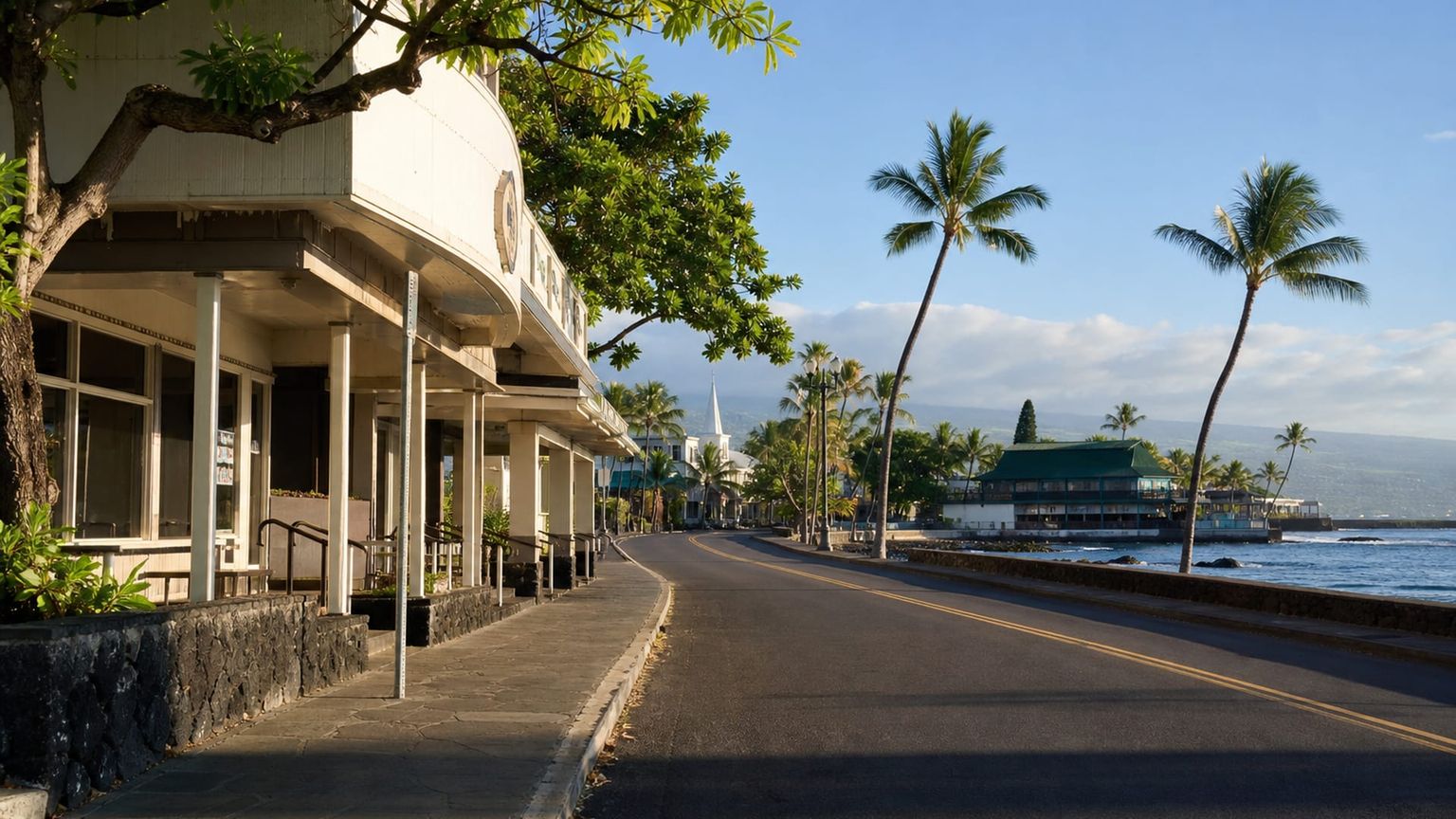
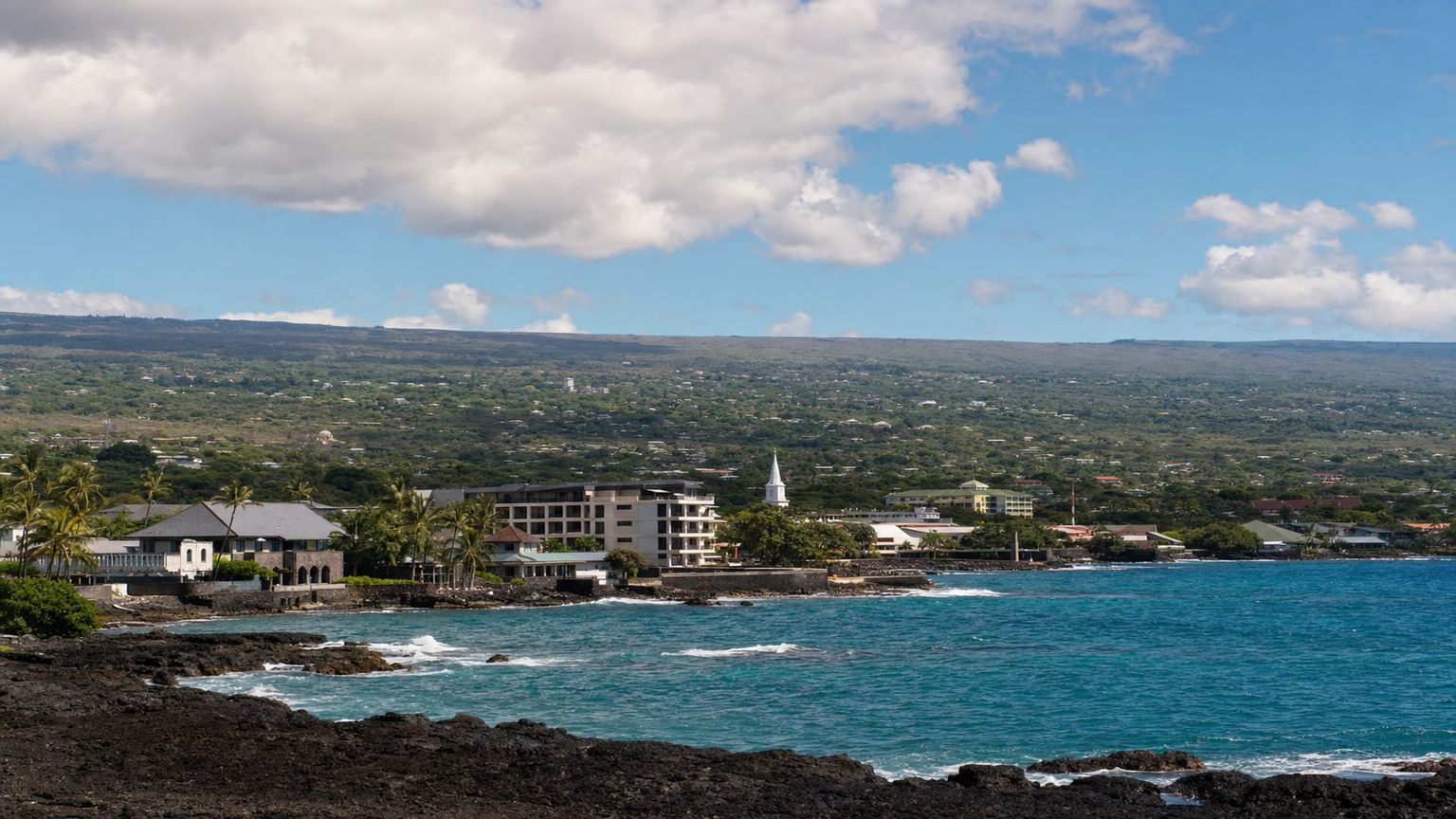
The compact downtown strip along Alii Drive sits on Kailua Bay and puts shops, restaurants, and oceanfront promenades in one walkable cluster. It suits visitors who want the easiest access to the harbor, beach breaks, and evening dining.
Best for: Walkable dining, beach access, and a central base for exploring the Kona coast
What to expect: Expect steady pedestrian traffic along Alii Drive, with the busiest hours near sunset, dinner, and cruise-shuttle arrivals.
Hotel prices: Usually about $200 to $400 per night for well-rated stays
Distance to major sights: 5 to 10 minutes on foot to Kailua Pier; about 10 to 15 minutes on foot to Hulihe’e Palace
Quietness: Busy by day and lively in the evening, with road noise and foot traffic near the waterfront blocks.
Main trade-off: You pay a premium for the easiest walk-to-everything location, and parking can be tight near the beach and harbor.
Good to know: If you plan to eat out often, check parking before booking, since many small inns and condos have limited on-site spaces.
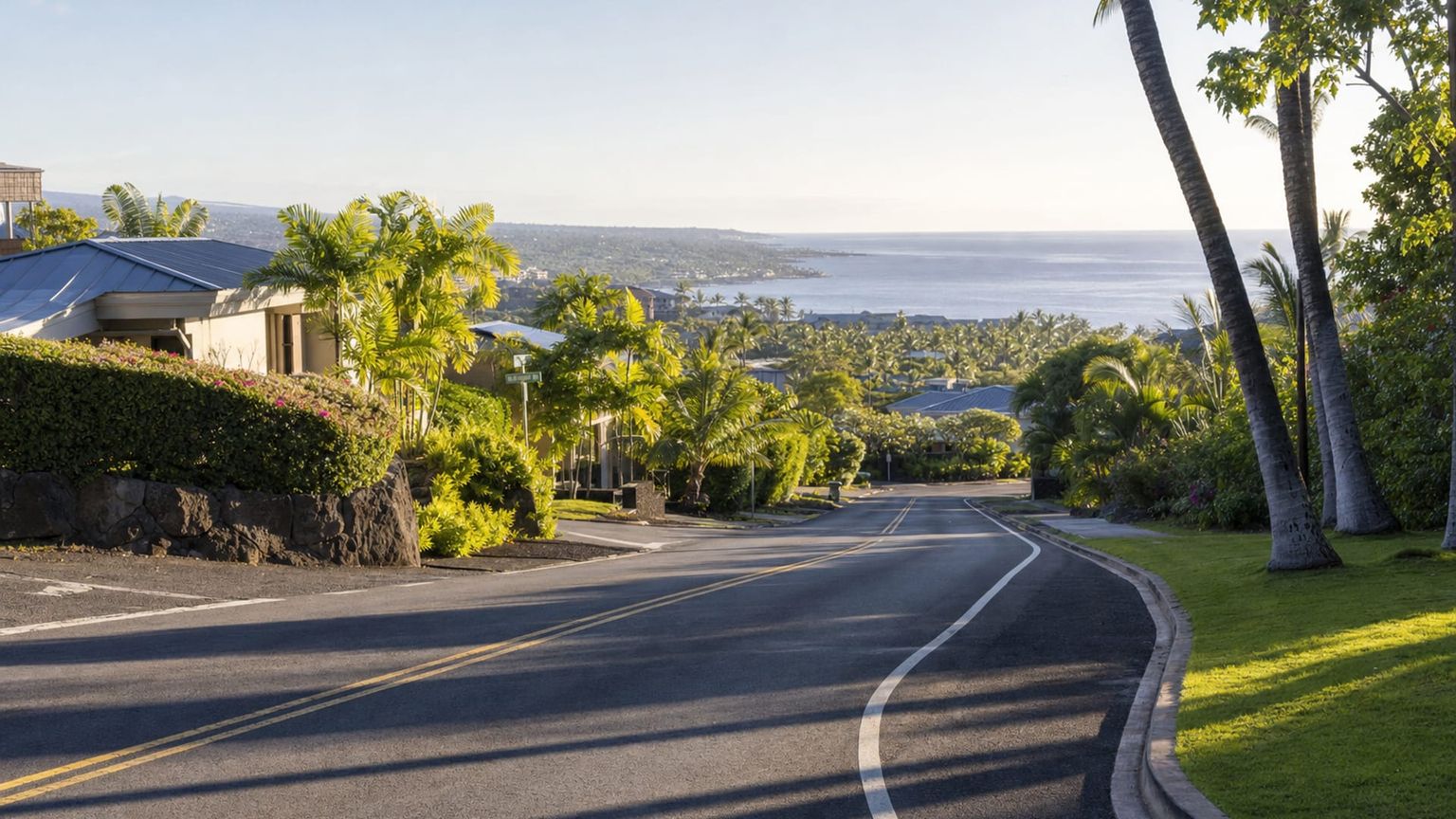
This oceanfront stretch south of Kailua Village lines the coast with condos, small resorts, and direct access to shoreline trails. It matters for travelers who want a beach-forward stay without losing quick access to downtown Kona.
Best for: Ocean views, condo stays, and travelers who want beach access with easy access to town
What to expect: Traffic moves along the main road, but the coastline stays calmer than the core of downtown, with a mix of families and independent travelers.
Hotel prices: Usually about $220 to $450 per night for well-rated stays
Distance to major sights: About 5 to 12 minutes by car to Kailua Pier; about 10 to 20 minutes by car to Hulihe’e Palace
Quietness: Quieter in the morning and late at night, with more road sound during afternoon and sunset traffic.
Main trade-off: Most stays here depend on driving or rideshare for dinner and errands, so you trade walkability for more space and views.
Good to know: Some shoreline access points are rocky rather than sandy, so check the exact beach or swimming conditions before you book.
Keauhou sits just south of central Kailua-Kona and includes larger resorts, golf courses, and the shopping area around the bay. It works for visitors who want a resort base with less dense street activity than downtown.
Best for: Resort stays, golf, snorkeling access, and travelers who prefer a quieter base
What to expect: Expect a resort-oriented atmosphere with resort guests, a few shopping and dining clusters, and less foot traffic than Kailua Village.
Hotel prices: Usually about $250 to $500 per night for well-rated stays
Distance to major sights: About 15 to 20 minutes by car to Kailua Pier; about 15 minutes by car to Hulihe’e Palace
Quietness: Quiet most of the day and evening, with activity concentrated around hotel grounds and the shopping center.
Main trade-off: You will spend more time getting to Kona’s historic core, and many stays are too spread out for easy walking.
Good to know: If you want to visit the bay area after dinner, plan on driving, since late-night return transit options are limited.
Travelers usually avoid staying deep in Keauhou if they want easy access to Kailua Village, because it sits several miles south of the main restaurant and shopping strip and evening rides back from town take longer. The inland mauka side above Queen Kaahumanu Highway, parts of Hualalai Resort, and scattered homes north of Kona International Airport (KOA) are less convenient for first-time visitors, since they are farther from beaches, dining, and the core sightseeing area around Alii Drive.
Hotel deals
How to get around Kailua-Kona efficiently
Kailua-Kona has no rail network, so walking, the Hele-On bus, taxis, and rideshare do the work between Alii Drive, the airport, and the south-coast sights.

Metro
for longer distances
Kailua-Kona has no metro or suburban rail, so visitors move by car, shuttle, taxi, or bus instead. For airport trips, the Big Island’s main long-distance transit option is the Hele-On bus, but it does not function like an urban rail network and schedules can be sparse.

Bus and tram
for convenience
The Hele-On bus covers Kona, the airport area, and some islandwide corridors, with one-way fares typically about $2, and day passes about $4; exact validity and schedules vary by route. In the Kona area, service is limited and buses can run infrequently, so check the current timetable before relying on it for a timed connection to Kona International Airport (KOA) or downtown Kailua-Kona.

Taxi
for convenience or late hours
Licensed taxis at Kona International Airport (KOA) use metered fares rather than set flat rates, with most short trips in and around Kailua-Kona often landing at about $20 to $45, while airport-to-resort runs can be higher depending on distance and traffic. Taxis wait at the airport taxi stand, and local operators commonly take cash and card, though it is wise to confirm payment before departure.
*Prices are based on rates updated as of June 2026 and may change at the time of travel.
Walk in Kailua Village, use taxis or rideshare for airport transfers and late evenings, and reserve the bus for low-cost trips when the timetable fits your plans.
Iconic landmarks
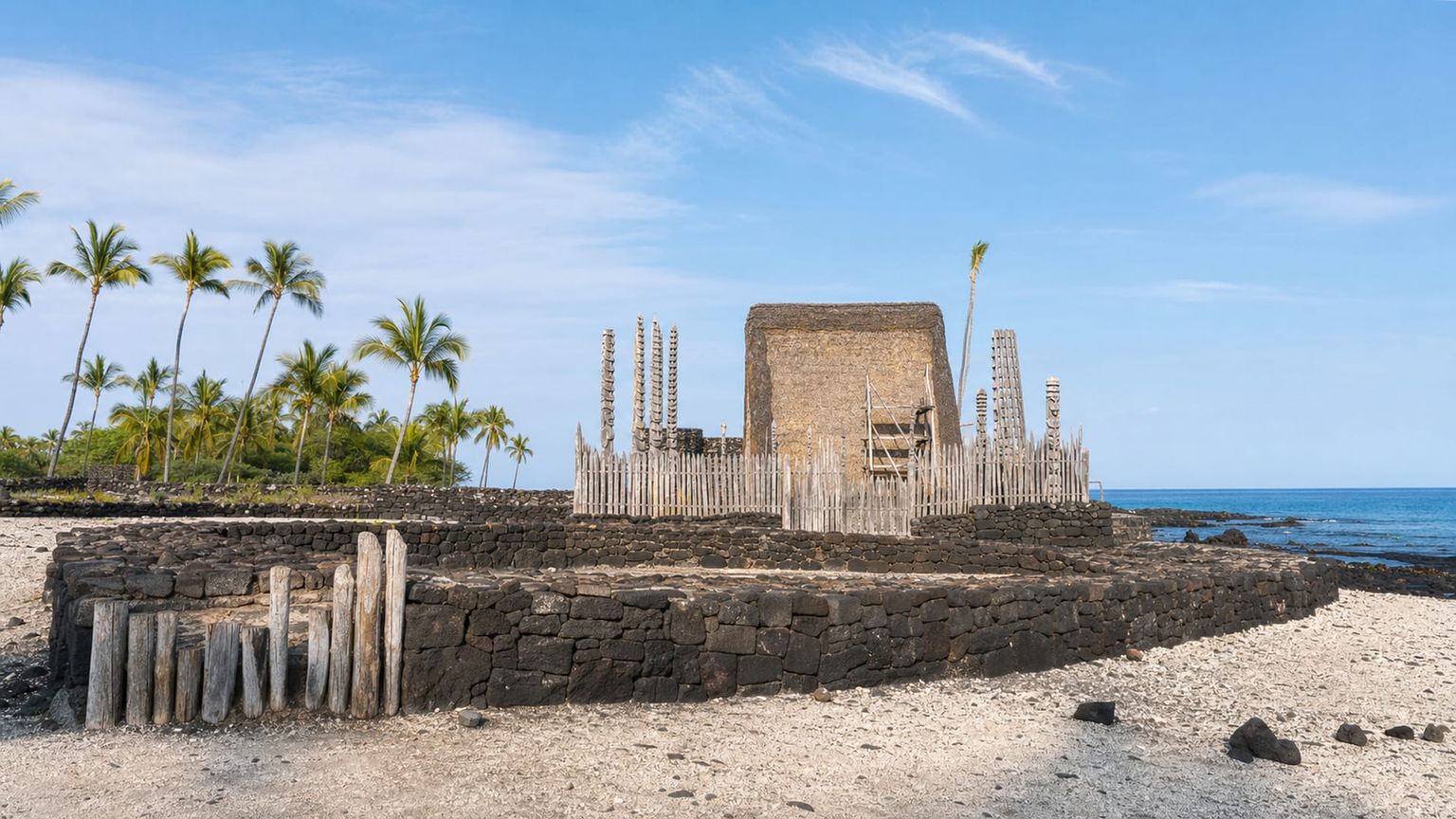
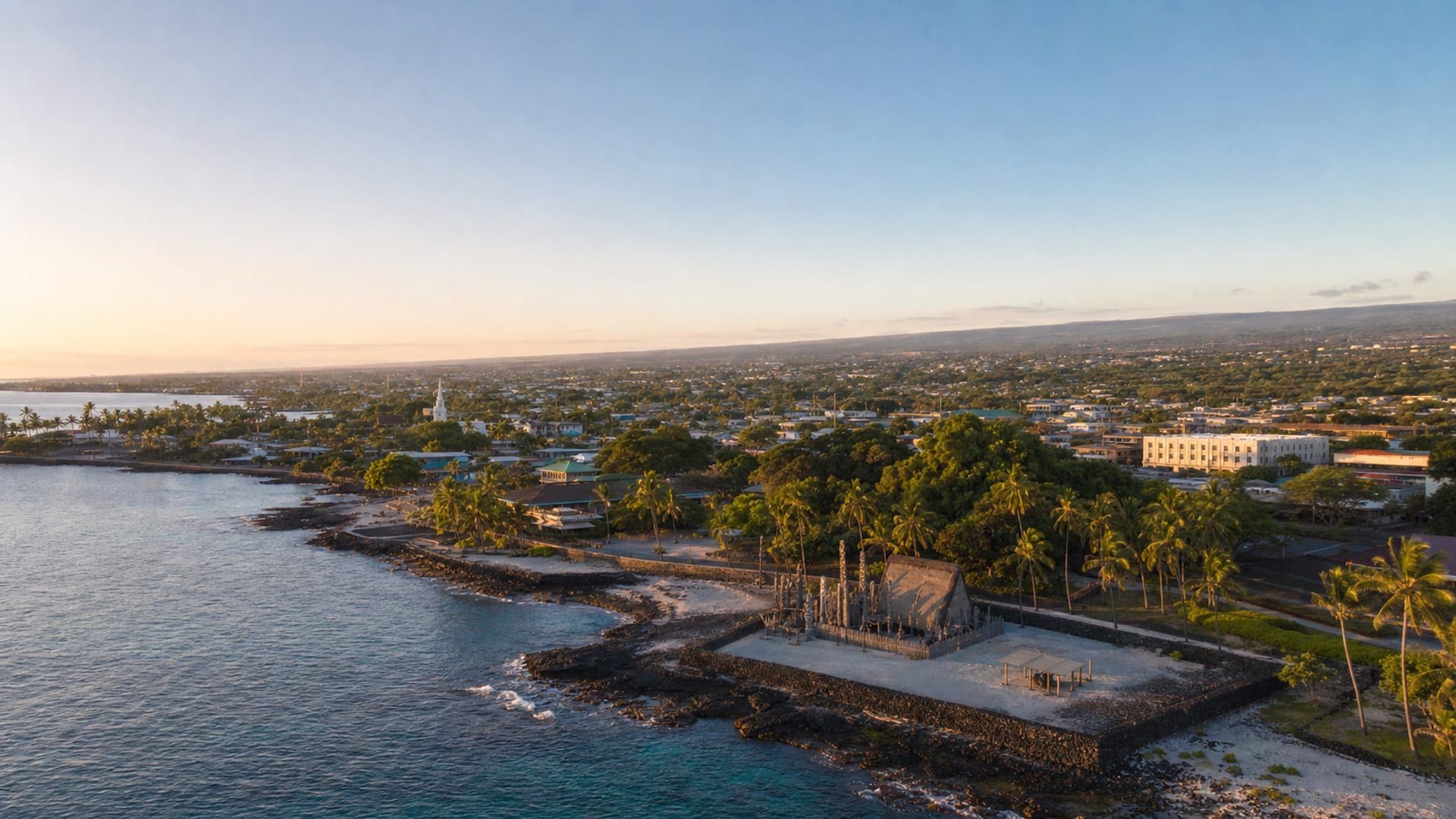
Puʻuhonua o Hōnaunau National Historical Park
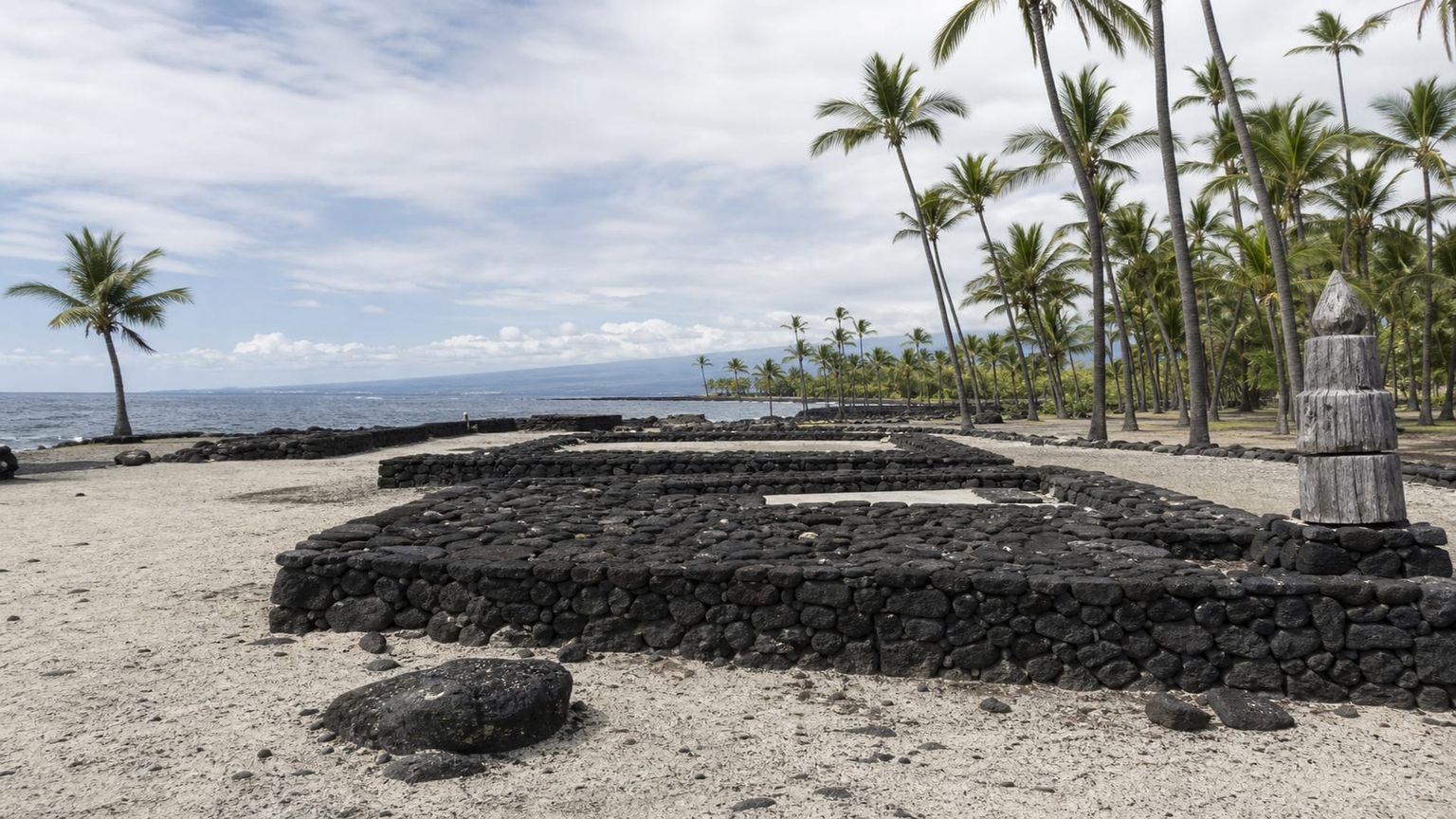
This shoreline park preserves a former place of refuge, with reconstructed temples, kiʻi kiʻi, and a royal enclosure beside Hōnaunau Bay. The grounds also include petroglyph fields, salt ponds, and a coastal trail with clear historical context.
Time needed: About 2 to 3 hours
Entry: Standard vehicle entry costs $30 per private vehicle for 7 days; $25 per motorcycle; $15 per pedestrian or cyclist. Visit the official site for details.
Tip: Go early for cooler walking and softer light on the royal grounds and shoreline.
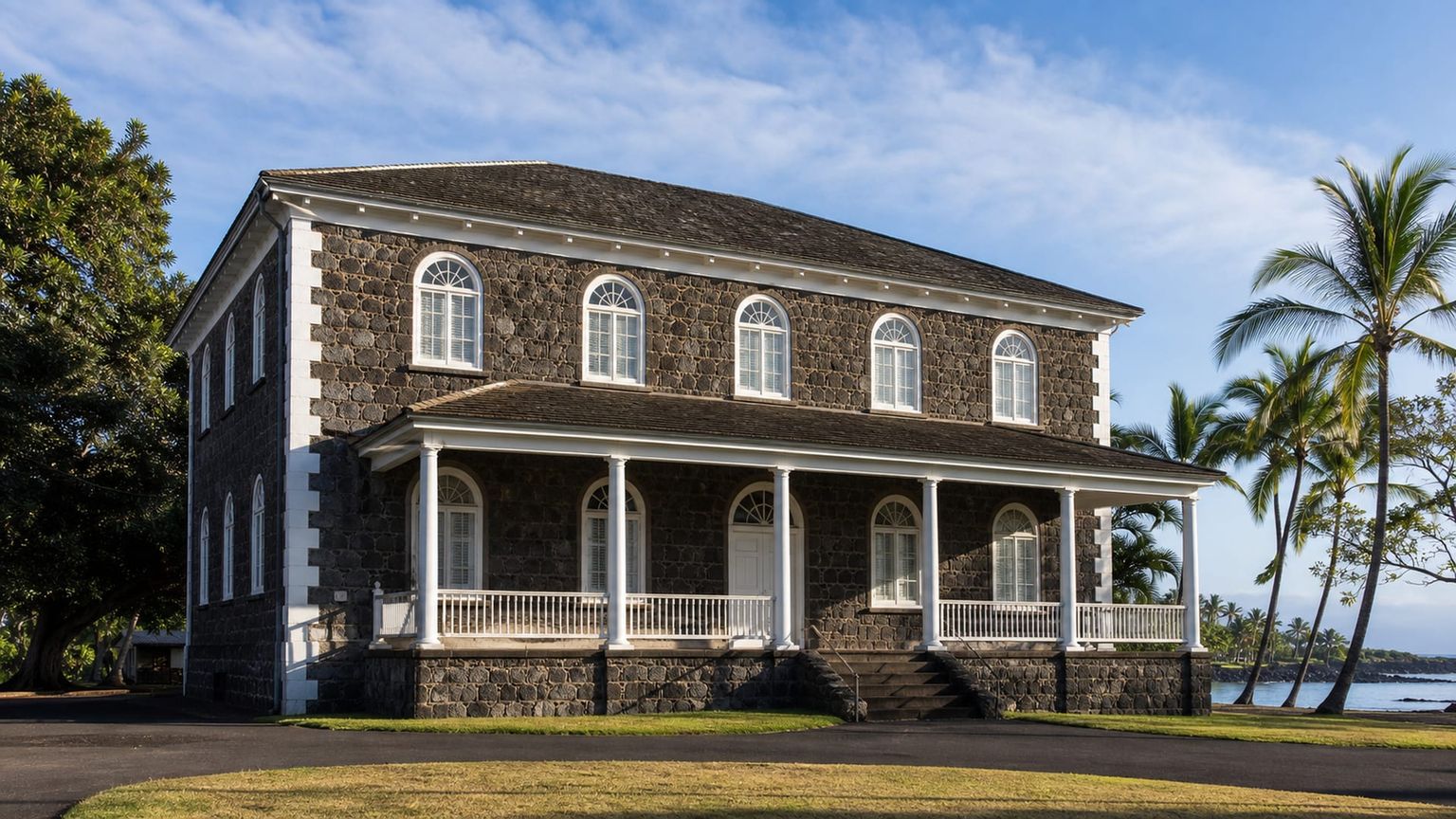
Huliheʻe Palace
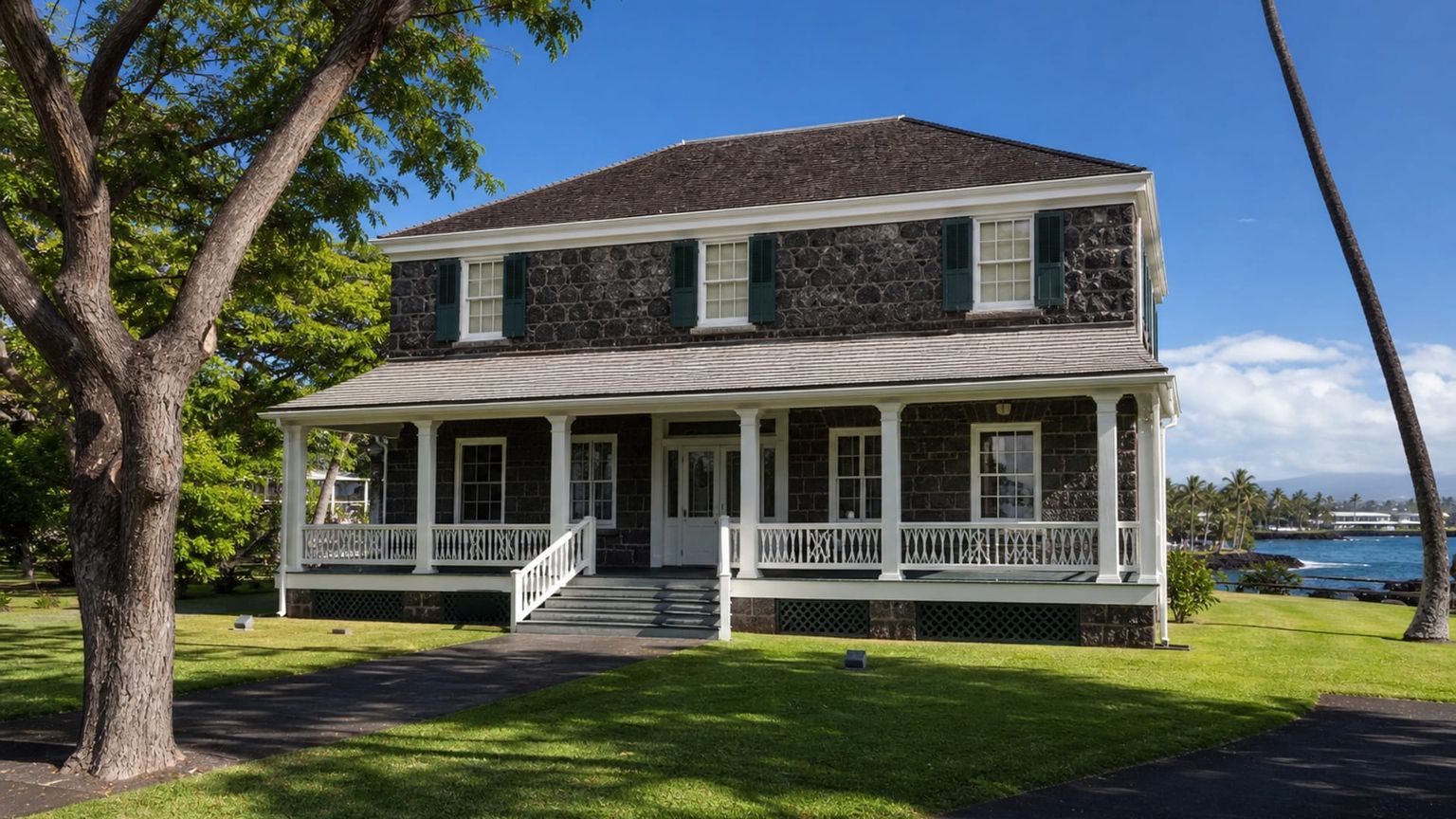
This 1838 palace in downtown Kailua-Kona displays royal furnishings, featherwork, and portraits from the Hawaiian monarchy. Its oceanfront setting on Aliʻi Drive places it close to the town’s historic core and makes it easy to pair with nearby walking stops.
Time needed: About 1 to 2 hours
Entry: Admission costs $15 for adults, $11 for seniors, and $5 for children ages 5 to 12. Visit the official site for details.
Tip: Visit before noon for calmer rooms, then walk Aliʻi Drive while the front lawn is shaded.
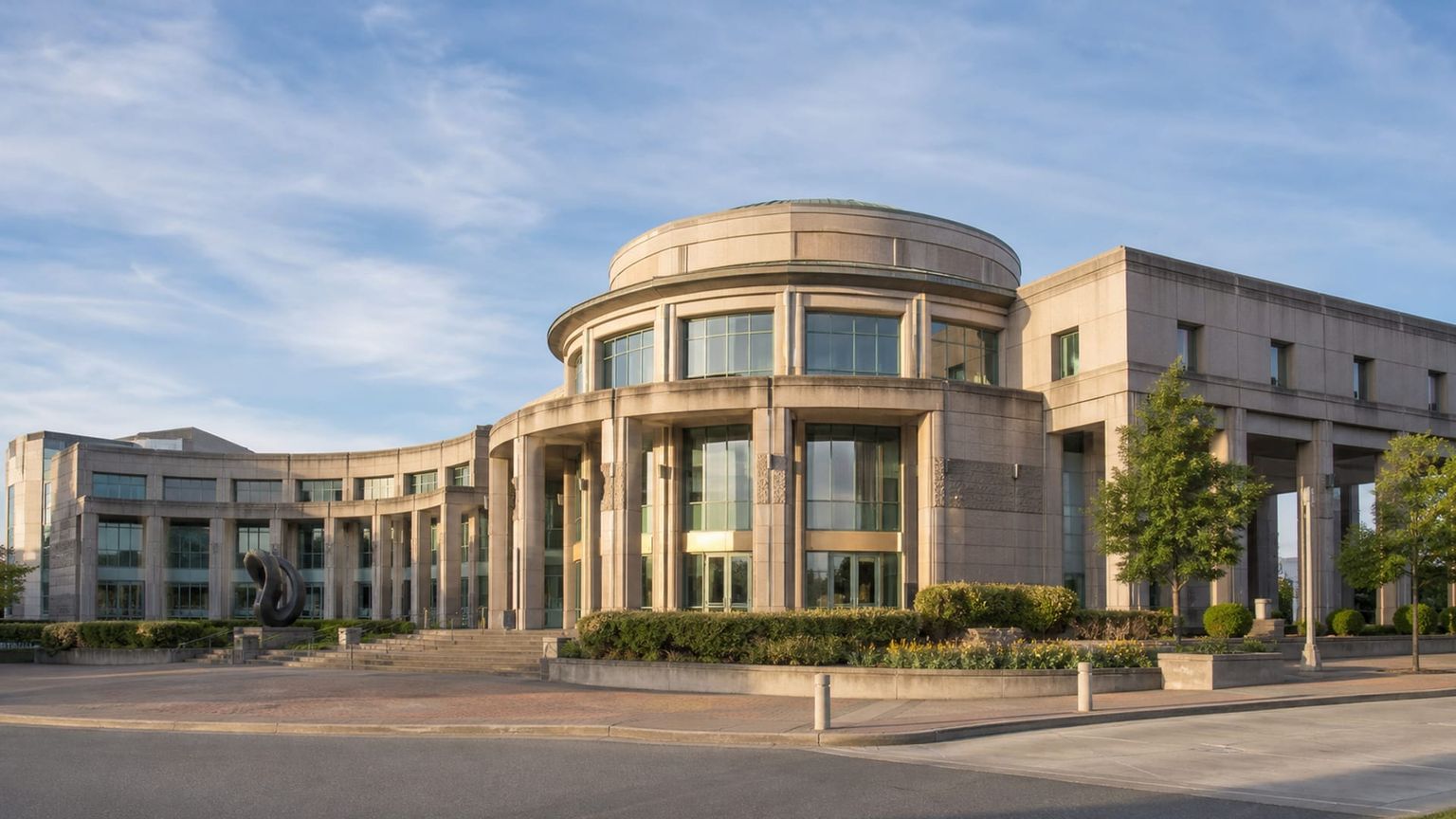
Kona Coffee Living History Farm
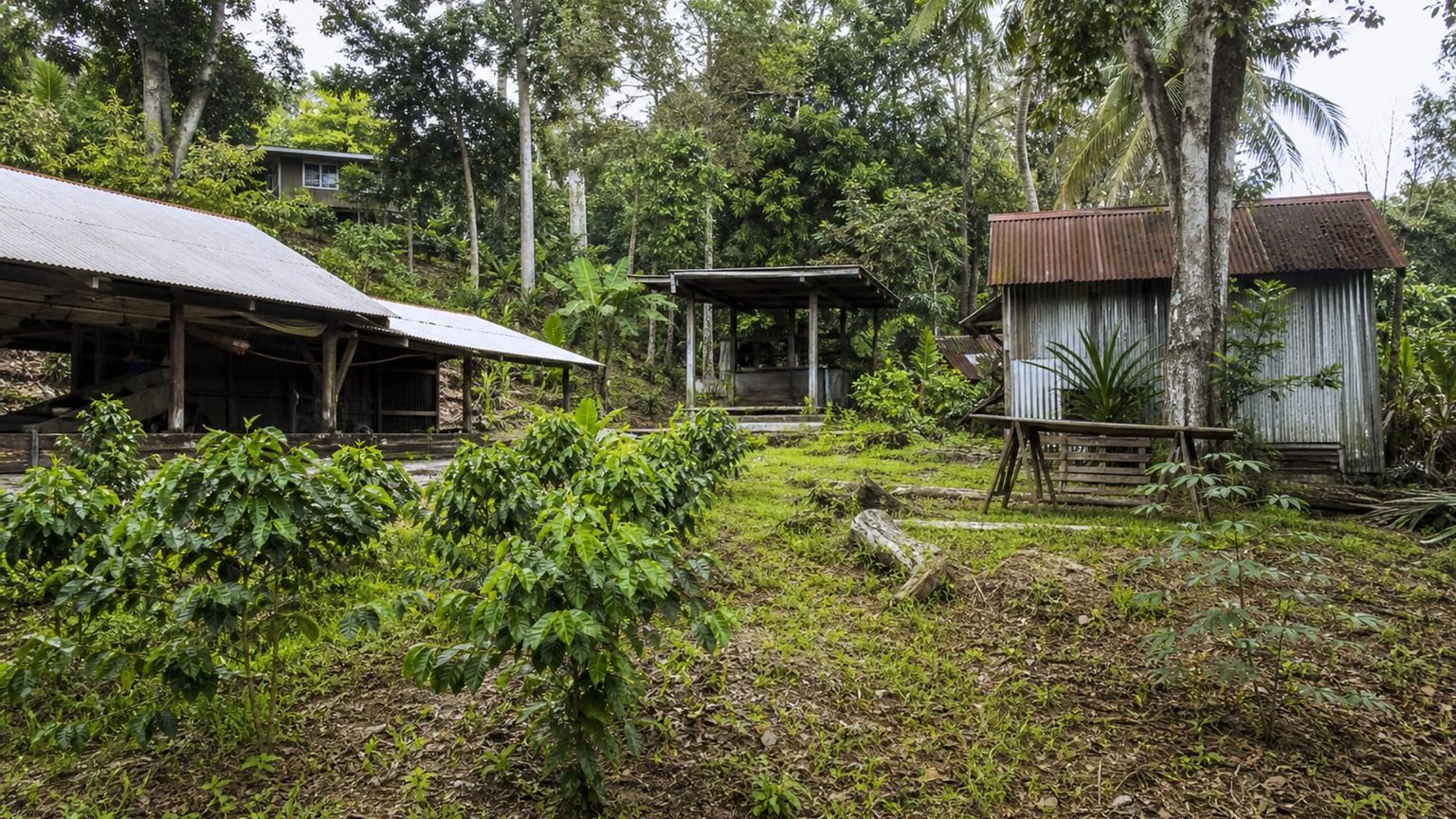
This working farm museum interprets early 20th-century coffee growing with restored houses, tools, and demonstrations of daily plantation life. It sits in the upland coffee belt near Captain Cook, about 20 km south of Kailua-Kona.
Time needed: About 1 to 2 hours
Entry: Admission costs $20 for adults, $15 for seniors, and $10 for children ages 5 to 12. Visit the official site for details.
Tip: Arrive midmorning, when staff demonstrations are most likely and the hillside is cooler.
Overlooked sites worth visiting

Mokuaikaua Church
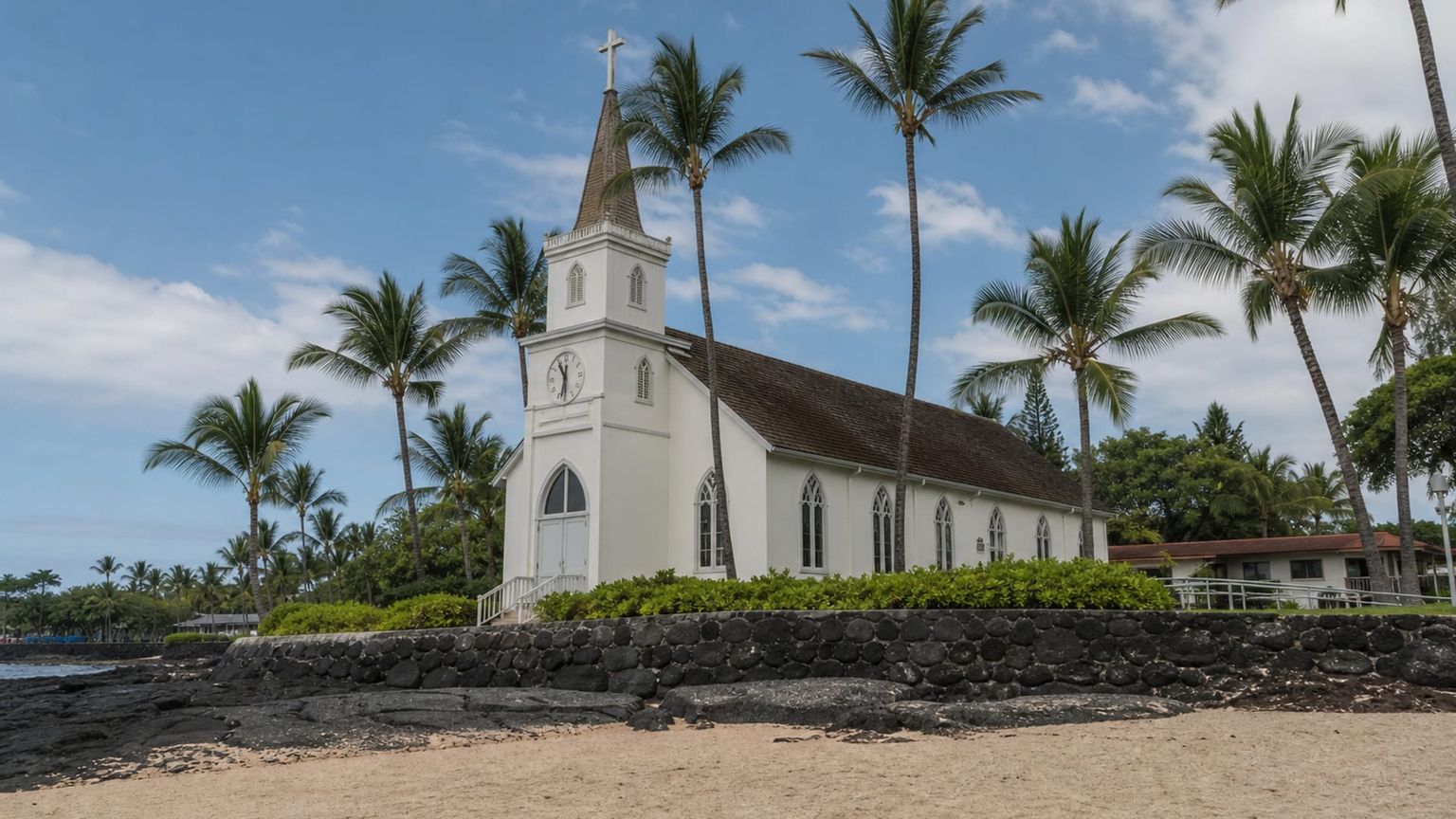
Hawaii’s oldest Christian church, built in 1837 from lava rock and coral, sits on Alii Drive in the historic district. Its museum-style interior shows Kona’s missionary-era history in a compact stop.
Time needed: About 30 to 45 minutes
Entry: Suggested donation is $5 per adult; children and self-guided visitors are admitted free. Donations support upkeep of the church, its historic sanctuary, and the small interpretive displays on site. Visit the official site for details.
Tip: Visit midmorning for the best light on the facade.

Kaloko-Honokohau National Historical Park
This coastal park preserves fishponds, kiʻi, and house sites, with short trails linking lava fields, tide pools, and a sandy cove. Go early for quieter paths and a closer look at the shoreline.
Time needed: About 2 to 3 hours
Entry: Free to access. The park has no entrance fee, and visitors can walk the trails, beach areas, and cultural sites on their own. Bring water, sun protection, and reef-safe footwear for the uneven lava underfoot. Visit the official site for details.
Tip: Arrive early, before the sun heats the lava fields.
Traditional food
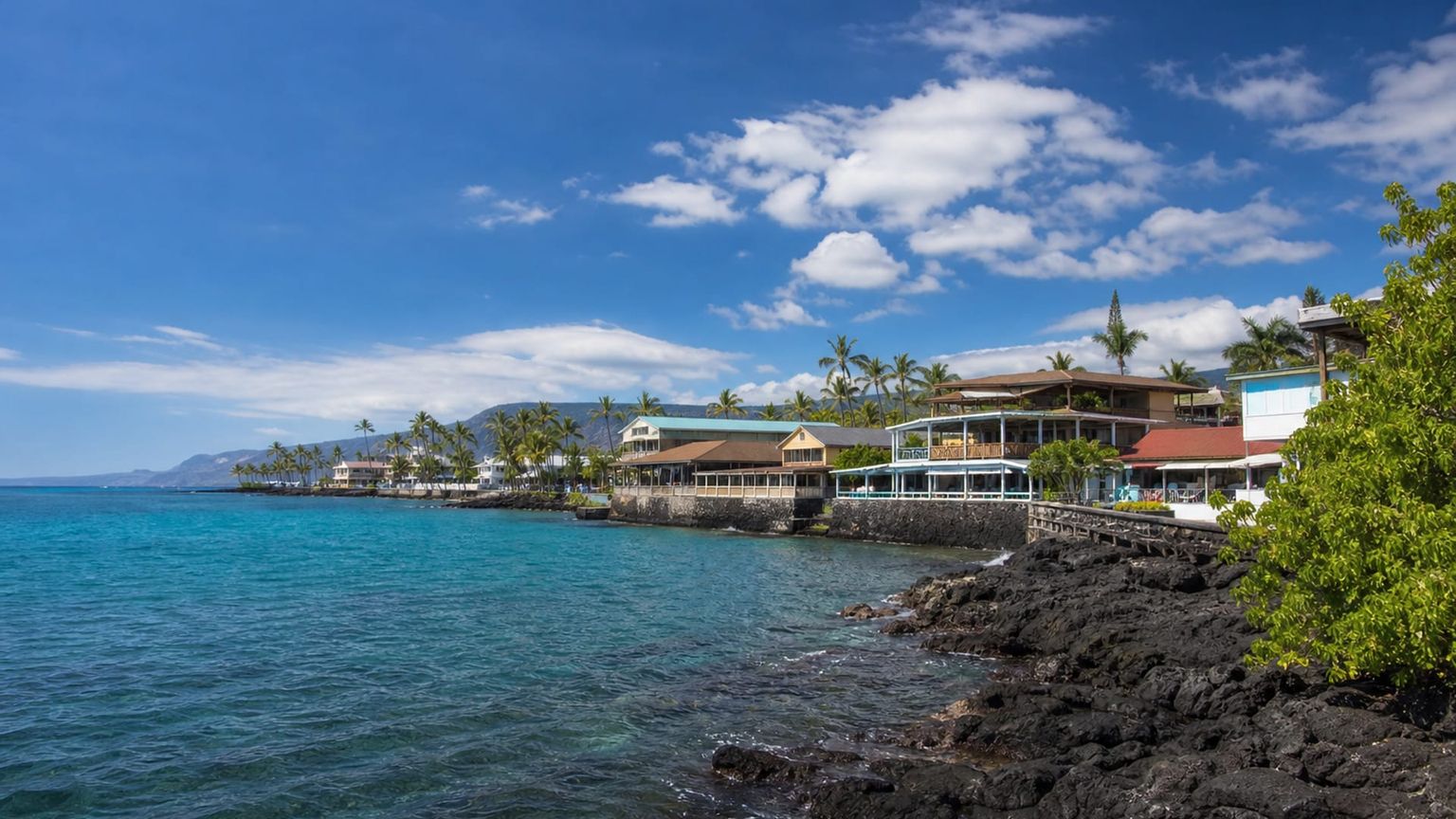
Kailua-Kona dining leans on fresh fish, taro, pork, and tropical sweets, with poke, loco moco, kalua pig, and haupia appearing on menus from casual counters to sit-down rooms.
Poke
Fresh ahi poke shows up across Kailua-Kona, but Umeke’s Fish Market Bar & Grill is one of the clearest places to try it in a focused, seafood-first setting. Order it with rice if you want the simplest local meal.
Loco moco
This plate of rice, burger, gravy, and egg anchors many Kona lunches, and Kenichi Pacific serves a refined version in town. It gives the dish enough structure to read as comfort food without losing its local core.
Kalua pig
Kalua pig appears on buffet spreads and plate-lunch menus throughout the island, and Ocean Seafood Chinese Restaurant is a dependable Kailua-Kona stop for a broad local spread that often includes it. The smoky pork works well with cabbage and rice.
Haupia
For a chilled coconut dessert, try haupia at Da Poke Shack, where the sweets case often matches the easygoing lunch format. It closes a meal with a clean coconut note rather than a heavy finish.
Best time to visit Kailua-Kona
Kailua-Kona stays warm through the year, but winter brings the strongest surf, summer feels a little hotter, and shoulder months often give you the best balance of water time and daytime walking.
Best for: Good for whale watching and cooler inland walks
What you get: About 72-82°F (22-28°C), with more rain and heavier visitor traffic during holiday weeks
Trade-offs: Ocean conditions can be rougher, and resort rates often climb
Best for: Best for beach time, cultural stops, and easier driving
What you get: About 73-84°F (23-29°C), with manageable crowds and long daylight
Trade-offs: Late spring can still bring spikes in airfare and room rates
Best for: Strong for swimming, snorkeling, and long daylight days
What you get: About 75-86°F (24-30°C), with school vacation traffic and fuller shorelines
Trade-offs: Midday heat can make inland sightseeing less comfortable
Best for: Good for quieter beaches and flexible sightseeing
What you get: About 74-85°F (23-29°C), with lighter crowds before the holiday period
Trade-offs: Rain can increase later in the season, especially in November
A realistic 5-day plan in Kailua-Kona
The five-day plan builds from the waterfront outward, starting with an easy arrival, then linking the historic core, the south-coast parks, the coffee uplands, and a final low-stress departure day close to KOA.
Fly into Kona (KOA), then take a taxi or rideshare into Kailua Village in about 15 to 20 minutes for roughly $25 to $40. If you want the easiest first-night setup, stay near Alii Drive, where you can walk to the bay, sit down for an early dinner, and keep the rest of the evening simple with water, a grocery stop, and an early night after the flight.
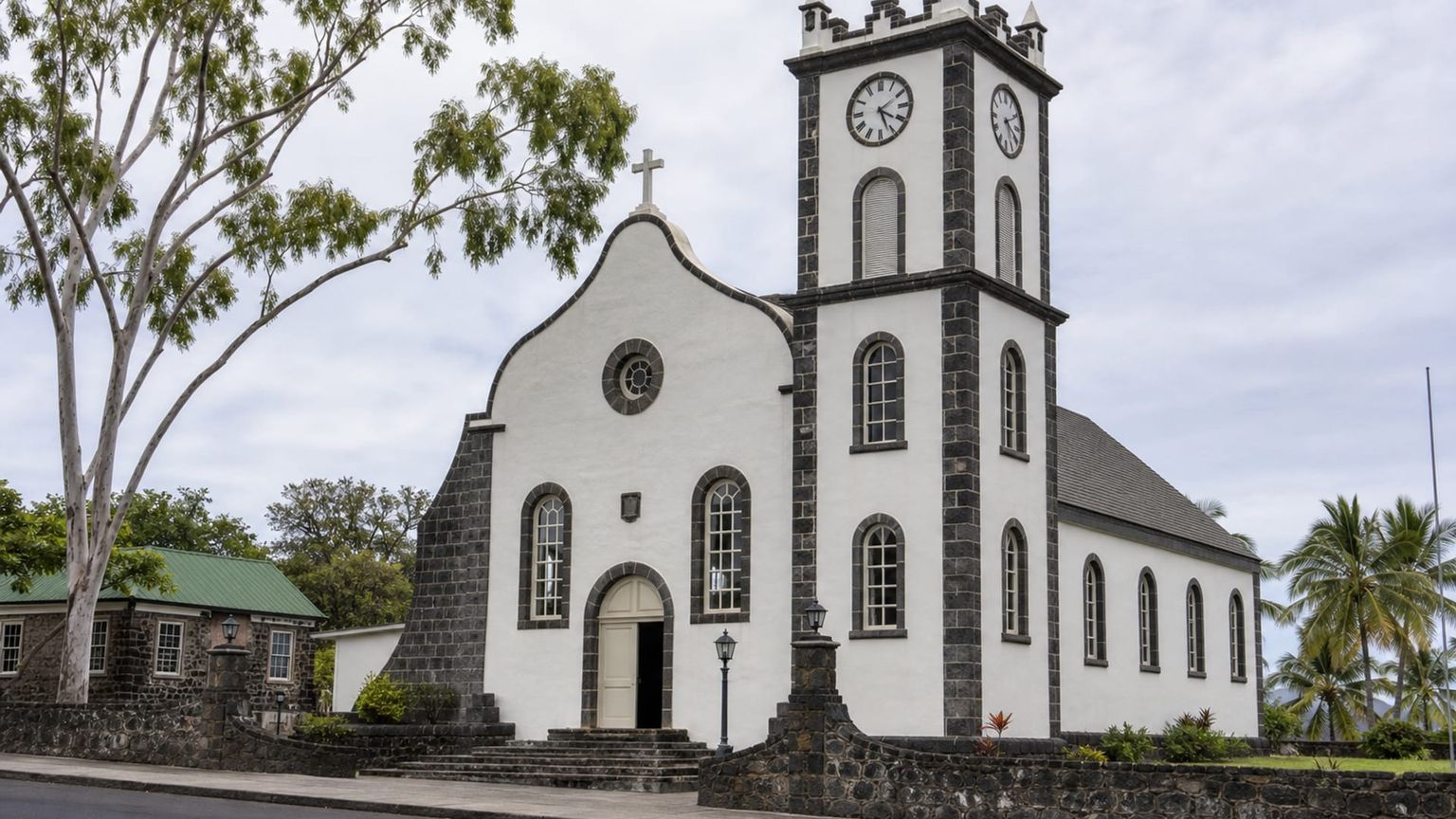
Start midmorning at Huliheʻe Palace, which takes about 1 to 2 hours, then walk about 5 minutes to Mokuaikaua Church for a 30 to 45 minute visit. From there, continue about 5 minutes on foot back along Alii Drive for lunch in Kailua Village, then spend the afternoon at Kailua Pier and the waterfront, where sunset is the most photogenic time for the bay and promenade.
Head south early for Kaloko-Honokohau National Historical Park, about 15 to 20 minutes by car from Kailua Village, and plan 2 to 3 hours for the trails, fishponds, and beach areas. After that, drive about 25 to 35 minutes to Puʻuhonua o Hōnaunau National Historical Park for another 2 to 3 hours, then return toward Kona for an easy dinner, since the south-coast stretch works best when you keep the pacing unhurried and the driving in one loop.
Begin in the uplands at Kona Coffee Living History Farm, about 25 to 35 minutes by car from central Kailua-Kona, and spend 1 to 2 hours on the restored farm buildings and demonstrations. When you head back, stop in town for a late lunch, then circle through the historic core for a final walk along Alii Drive, where the mix of old buildings, storefronts, and ocean views gives the afternoon a clear finish.
For a last day that stays close to the airport, start with an easy breakfast in Kailua Village, then browse the cafés and small shops in the same district before heading toward your flight. If your departure is later, the most convenient extra stop is a final look at Huliheʻe Palace or a slow coffee break near Alii Drive, which keeps luggage logistics simple and avoids a long drive before you leave.
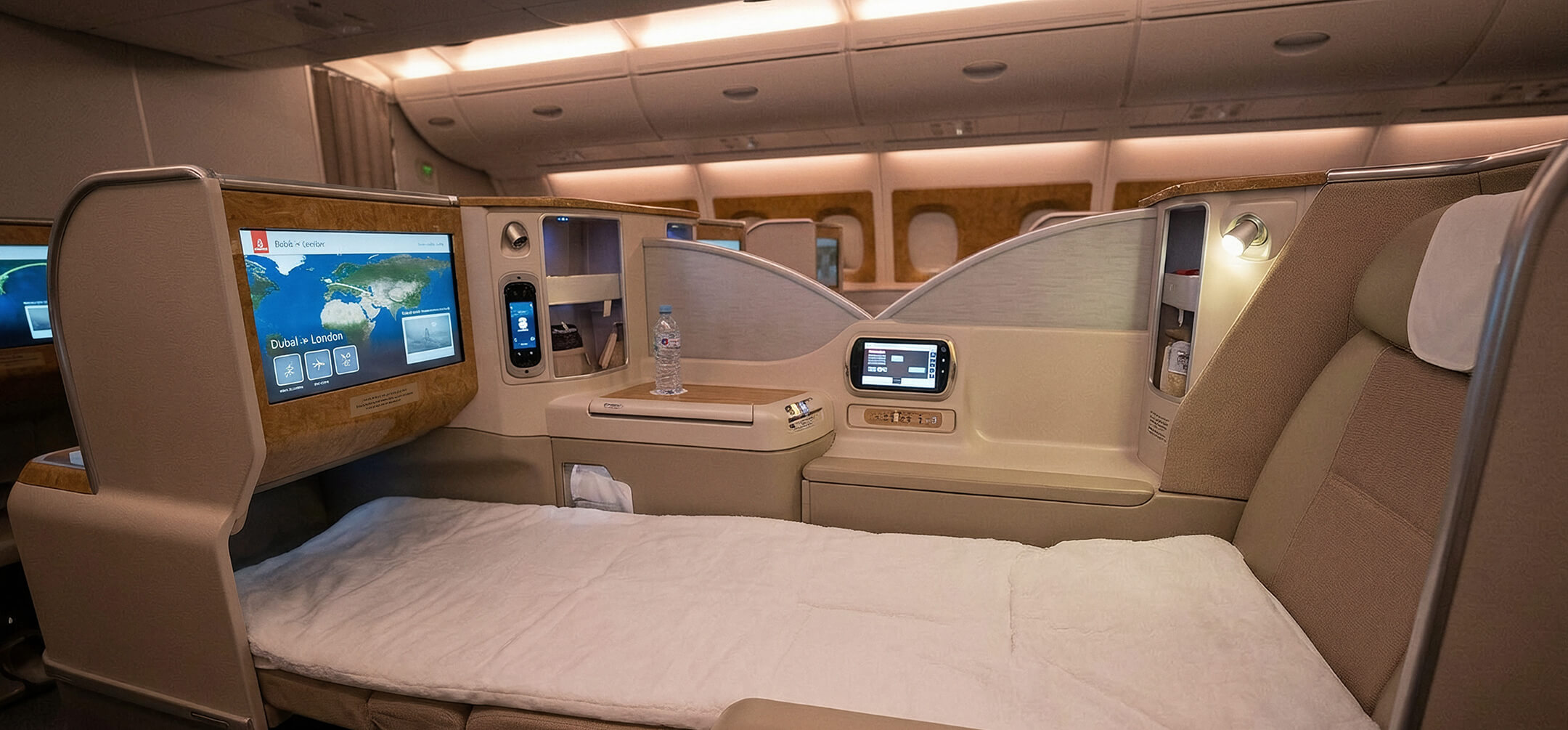
Business-class flights from the US to Kailua-Kona
Flights into Kona usually connect through one of a small set of West Coast or Pacific hubs, so route planning matters more than chasing a nonstop. The fare spread is widest on East Coast itineraries, where one connection can change the trip length by several hours.
From New York, American Airlines, Delta Air Lines, Hawaiian Airlines, and Alaska Airlines all sell itineraries to Kona, with total travel times on nonstop options about 11 to 12 hours. If you book a connection, common hubs include LAX, SFO, SEA, and HNL, and the detour usually adds roughly 13 to 18 hours overall. Round-trip fares in this class usually start from $1,900 and can reach $4,500.
Los Angeles gives you the shortest long-haul path, with Hawaiian Airlines, Alaska Airlines, American Airlines, and Delta Air Lines all appearing on the route list. Nonstop journeys usually take about 5 to 6 hours, while one-stop trips through SFO, LAX, HNL, or SEA typically stretch to about 8 to 12 hours. Round-trip fares often run from $1,100 to $2,800.
Kailua-Kona feels different when you slow down
A good Kailua-Kona stay usually centers on Kailua Village for walking, Alii Drive for oceanfront time, and a car or taxi only when the route turns south to Hōnaunau or upland coffee country. That mix keeps each day tied to a place rather than a commute. If you want to map the right base and timing, let the AranGrant experts build the trip around your arrival hour, your preferred beach pace, and the stops you do not want to miss