

Chapters:

Need help with your trip?
Our support team is available 24/7. Request a callback or call us directly at (833) 619-0908
Kagoshima trips often start with the same pair of stops, the waterfront and Sengan-en, while the city itself gets treated as a transfer point. That leaves Tenmonkan, Yamashita, and the tram network underused, even though they shape how the day actually unfolds.
That approach can waste time because Kagoshima spreads visits across the bay, the hill above the center, and the station district. Cross-city hops are short, but they add up when you do them in the wrong order or arrive for a site just as crowds build.
This guide maps the city by neighborhood, transit, and meal timing, then links each day to a clear cluster of sights so you can move with fewer backtracks and spend more of the trip in the parts of Kagoshima that reward a closer look.
Useful things to know

Main language(s): Japanese
こんにちは (konnichiwa) – Hello / good afternoon
お願いします (onegaishimasu) – Please
ありがとうございます (arigatou gozaimasu) – Thank you
英語を話せますか (eigo o hanasemasu ka) – Do you speak English?
いくらですか (ikura desu ka) – How much does it cost?

Currency: The local currency is the Japanese yen (JPY, ¥).

Cash and cards: Cards and contactless are widely accepted, but carry about ¥5,000 to ¥10,000 ($34 to $68) for small shops and rural buses.

Tipping: No tipping; rounding up is uncommon.

Traditional food: Kagoshima black pork shabu-shabu, katsuobushi, kibinago sashimi, Satsuma-age

Water and coffee costs: Water about ¥100 to ¥150 ($1 to $1); bar espresso about ¥400 to ¥500 ($3 to $3).

Taxis and ride apps: Uber operates via local taxis, and GO may work in parts of Kagoshima; availability can be thin outside the center.

Plug and voltage: Type A socket, 100V

Dining and shop opening hours: Breakfast is about 7:00-9:00, lunch 11:30-14:00, and dinner 18:00-21:00. Many restaurants close one day a week, often Monday or Tuesday.

Emergency number: 110 police, 119 fire and ambulance.
Where to stay in Kagoshima
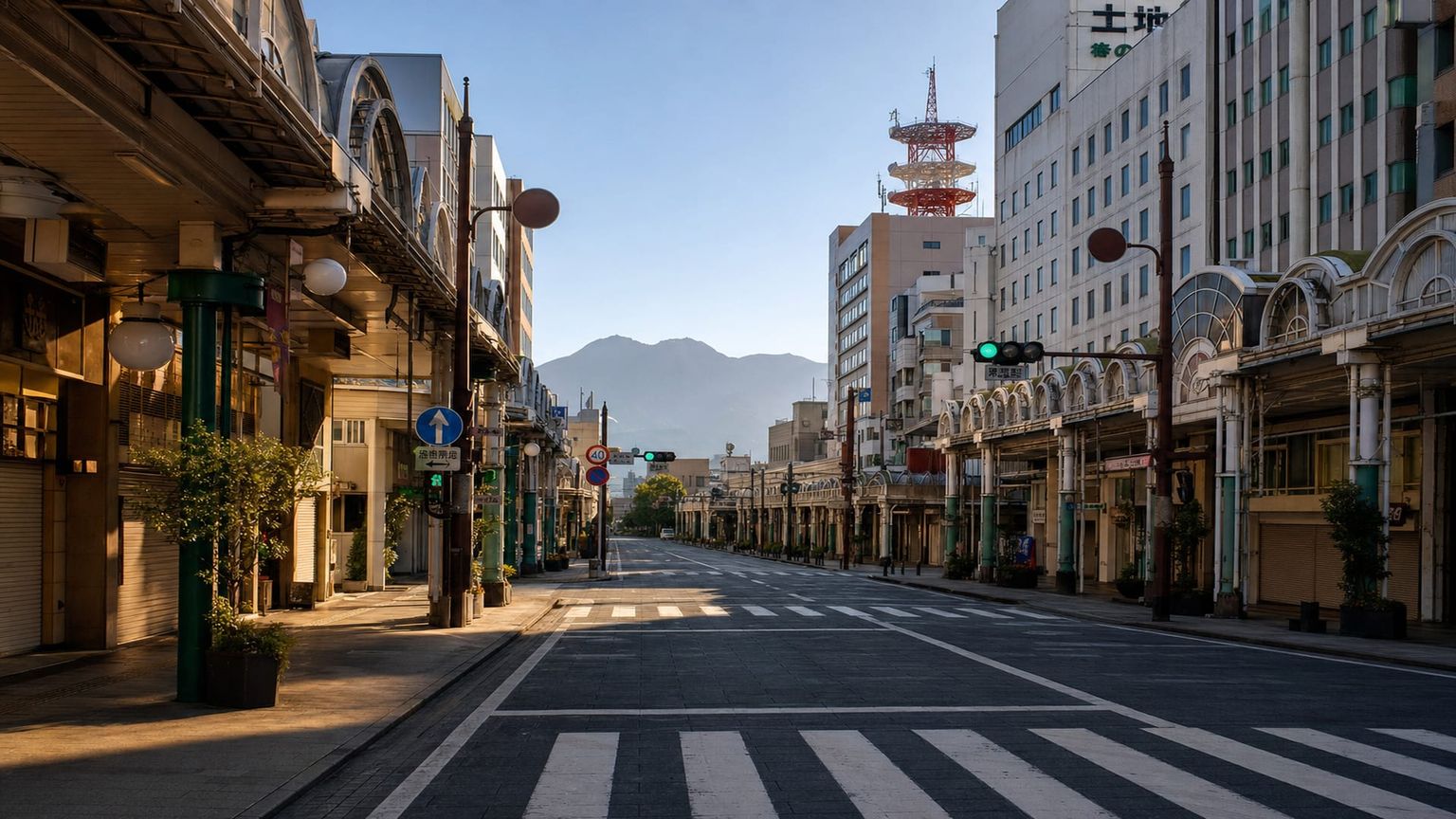
Kagoshima’s busiest shopping and dining district, centered on covered arcades, department stores, and a dense spread of restaurants. It puts you close to evening meals, tram stops, and easy cross-city access, so it works well as a first stay.
Best for: Dining, shopping, and travelers who want the widest choice of restaurants and late-opening venues
What to expect: Busy sidewalks, bright signage, and steady foot traffic from daytime shoppers through late-night diners.
Hotel prices: Usually about $80 to $180 per night for well-rated stays
Distance to major sights: 10 to 15 minutes by tram to Kagoshima Chuo Station, about 15 to 20 minutes by tram to the Sakurajima ferry terminal
Quietness: Lively in the day and evening, with noise from traffic and late-opening bars on main streets
Main trade-off: Top convenience comes with higher room rates and more street noise than in residential districts.
Good to know: If you plan to eat out at night, choose a room a block or two off the main arcade to cut noise from bars and delivery traffic.
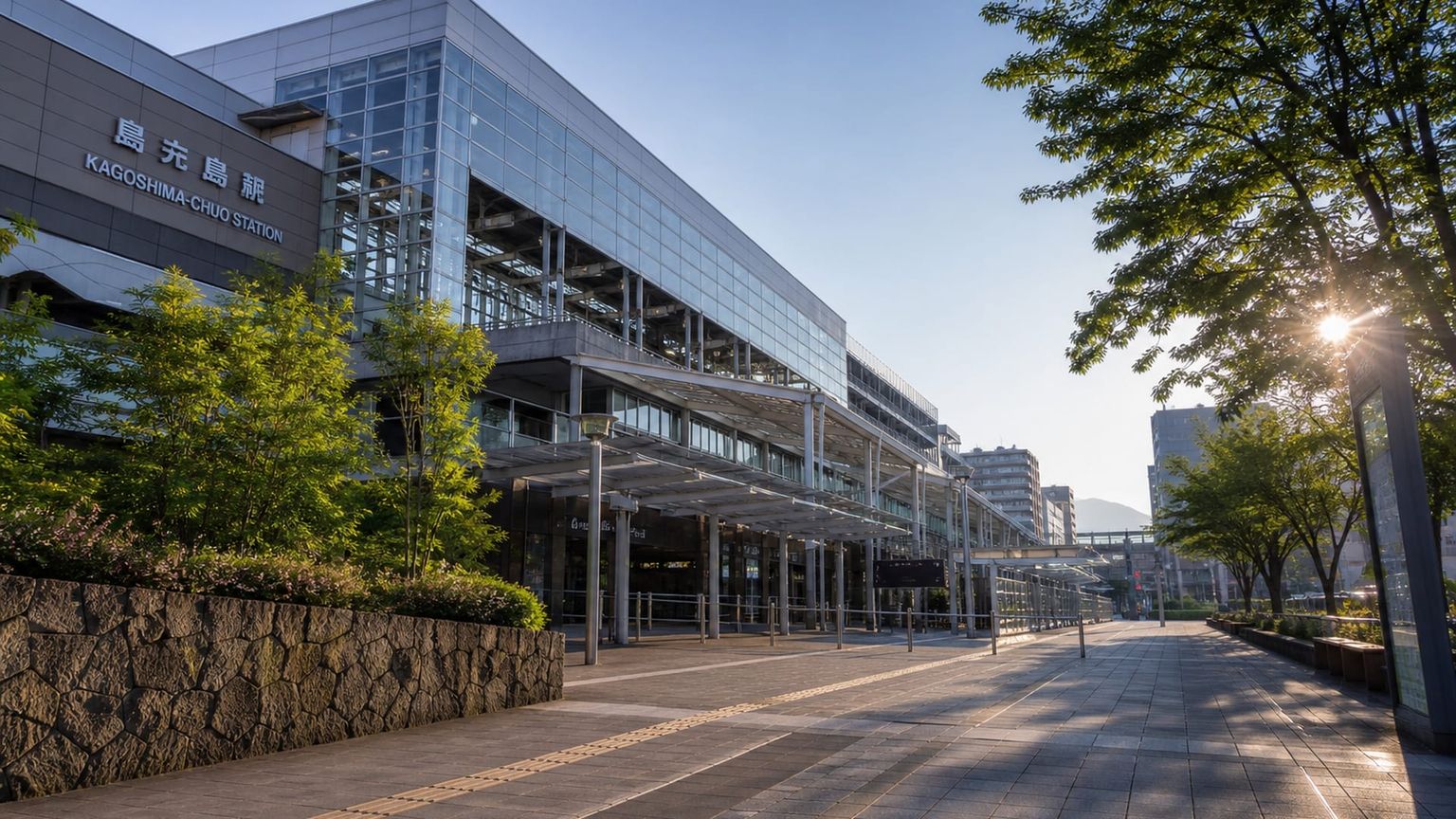
The station district is the city’s main transport hub, with the Shinkansen, local rail, trams, and many business hotels clustered within a few blocks. It matters if you want the simplest airport, rail, and ferry connections in one place.
Best for: Rail travelers, short stays, and visitors who plan early departures or day trips by train
What to expect: Functional streets, constant movement around the station, and a mix of commuters, hotel guests, and takeaway counters.
Hotel prices: Usually about $70 to $160 per night for well-rated stays
Distance to major sights: 5 to 10 minutes by tram to Tenmonkan, about 15 minutes by train and tram to the Sakurajima ferry terminal
Quietness: Busier during commuting hours and calmer late at night once trains slow down
Main trade-off: You gain transport access, but the immediate area has fewer late-night dining and shopping options than Tenmonkan.
Good to know: If your itinerary includes an early train or a same-day arrival, book near the station side rather than across a major road so you can walk with luggage easily.
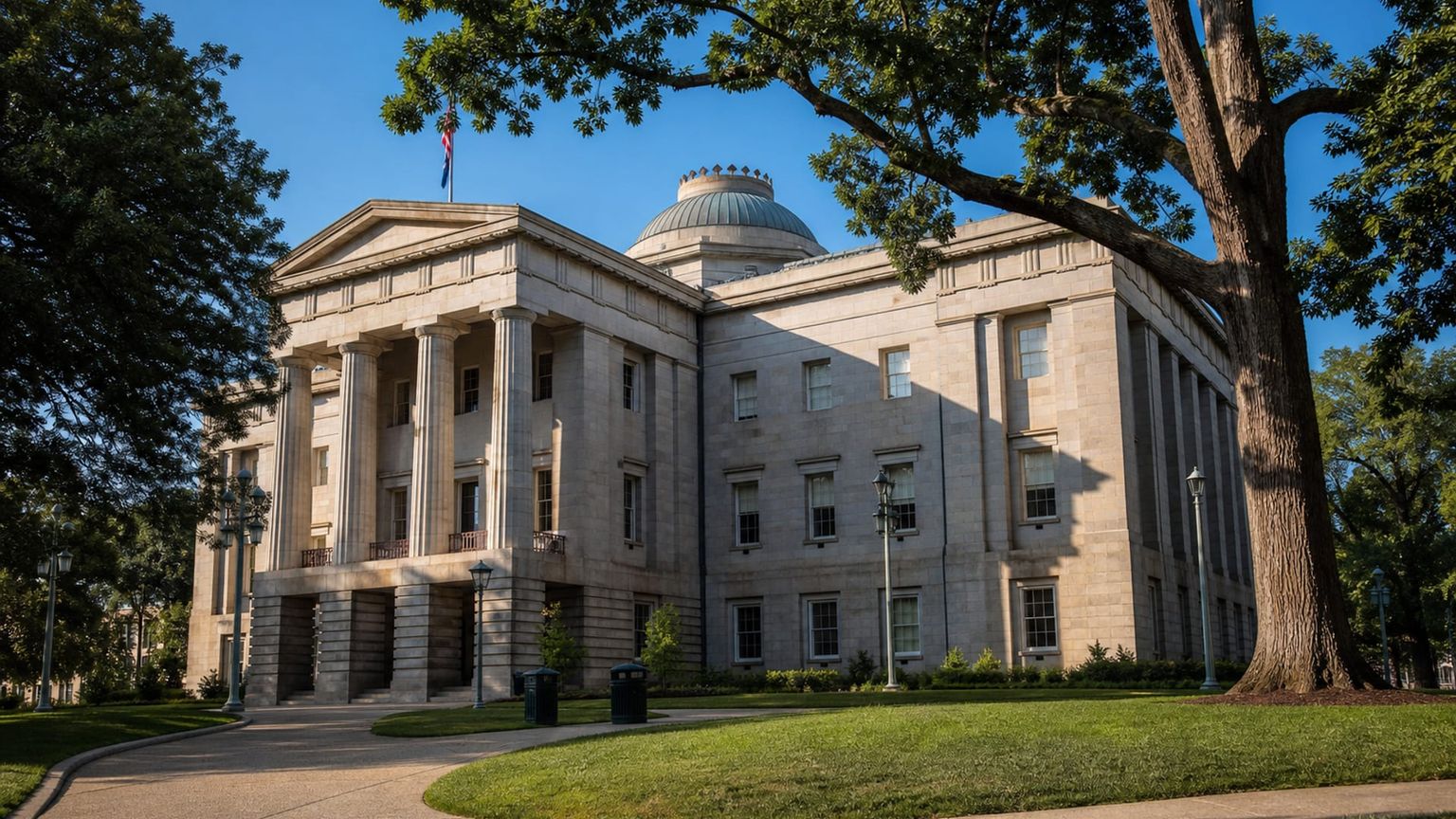
Yamashita sits by the waterfront and parkland near the ferry side of central Kagoshima, with easy access to the bay and views toward Sakurajima. It suits travelers who want a quieter central base without giving up quick tram links to the shopping core.
Best for: Waterfront walks, slower evenings, and travelers who prefer a calmer central base
What to expect: Lower-rise streets, more open views, and lighter foot traffic than the main shopping district.
Hotel prices: Usually about $60 to $140 per night for well-rated stays
Distance to major sights: 5 to 10 minutes on foot to the Sakurajima ferry terminal, about 10 minutes by tram to Tenmonkan
Quietness: Calmer in the evening, with occasional tram noise and ferry traffic during the day
Main trade-off: Dining and nightlife are thinner here, so you may walk or ride the tram for more choice after dark.
Good to know: Choose this area if you want to watch the bay and still stay central, but check that your hotel is within easy walking distance of a tram stop.
Travelers usually avoid staying in Yoshino, Minami Ward, because it sits far from Kagoshima Chuo and the main waterfront sights, with limited late-night dining. The industrial edges of Kagoshima Port, the far southern parts of Ibusuki, the remote interior of Sakurajima, and the outlying coastal stretches of Kanoya are less convenient for a first visit, since they add long transit times and offer fewer visitor amenities.
Hotel deals
How to get around Kagoshima efficiently
Kagoshima runs on trams, JR trains, buses, and ferries rather than a metro, so the easiest plans keep long rides to a minimum and use short hops between Tenmonkan, Kagoshima Chuo, and the waterfront.

Metro
for longer distances
Kagoshima does not have a metro, so visitors usually rely on the city tram and JR lines instead; the nearest rail spine for airport access is the JR Kyushu network via Kagoshima-Chuo, with airport buses taking about 40 to 50 minutes from the station area to Kagoshima Airport (KOJ).

Bus and tram
for convenience
The city tram is the key inner-city option, with two tram lines linking Kagoshima-Chuo, Tenmonkan, and the waterfront area, and single rides typically costing about $1 to $2 (¥170 to ¥250) with transfers handled at stops rather than on board. City buses add coverage to neighborhoods and the ferry terminal, and day passes are sold for frequent riders; most tram trips take 10 to 20 minutes across the central area.

Taxi
for convenience or late hours
Licensed taxis use metered fares, not fixed citywide airport pricing, and short downtown hops often cost about $5 to $12 (¥800 to ¥1,800), while a ride from Kagoshima Airport (KOJ) to central Kagoshima usually lands in the roughly $40 to $55 (¥6,000 to ¥8,500) range depending on traffic and exact drop-off. You can hail curbside or use a taxi rank, and most cars take cash, with many also accepting major cards and transport apps.
*Prices are based on rates updated as of June 2026 and may change at the time of travel.
Use the tram for central sightseeing, the airport bus for the airport run, and taxis when you want to link hilltop and garden stops without adding extra transfers.
Iconic landmarks
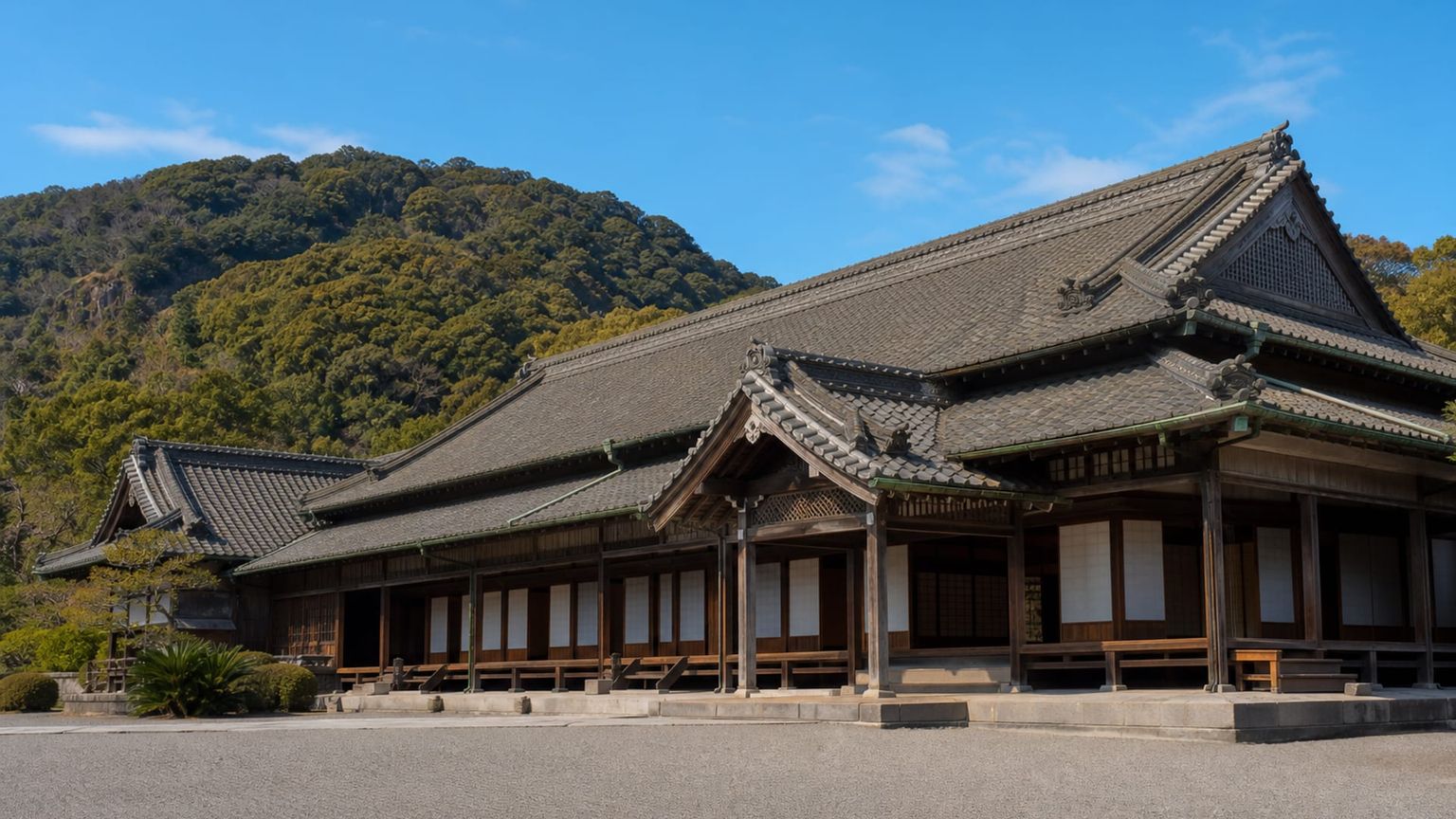
Sengan-en
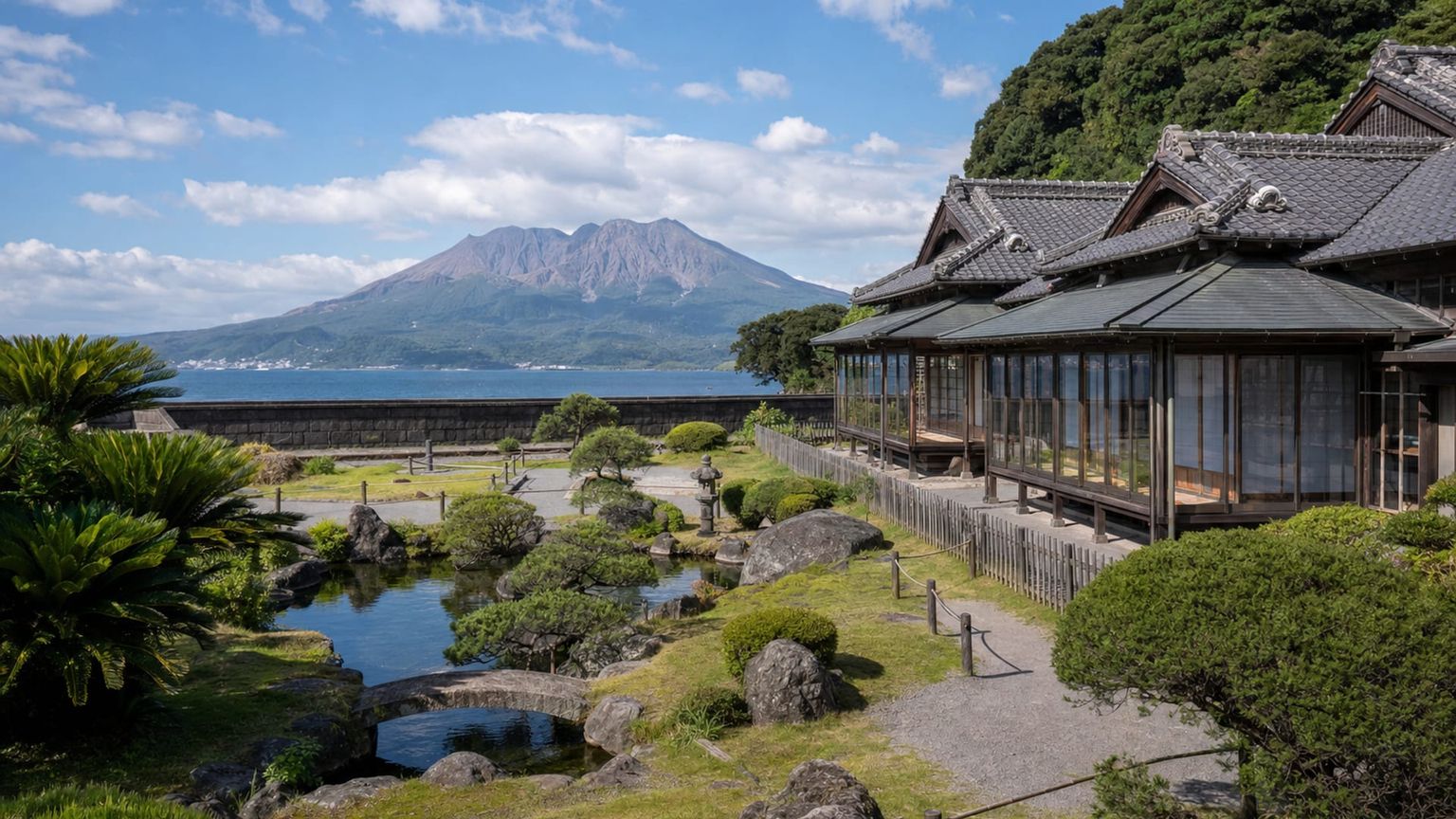
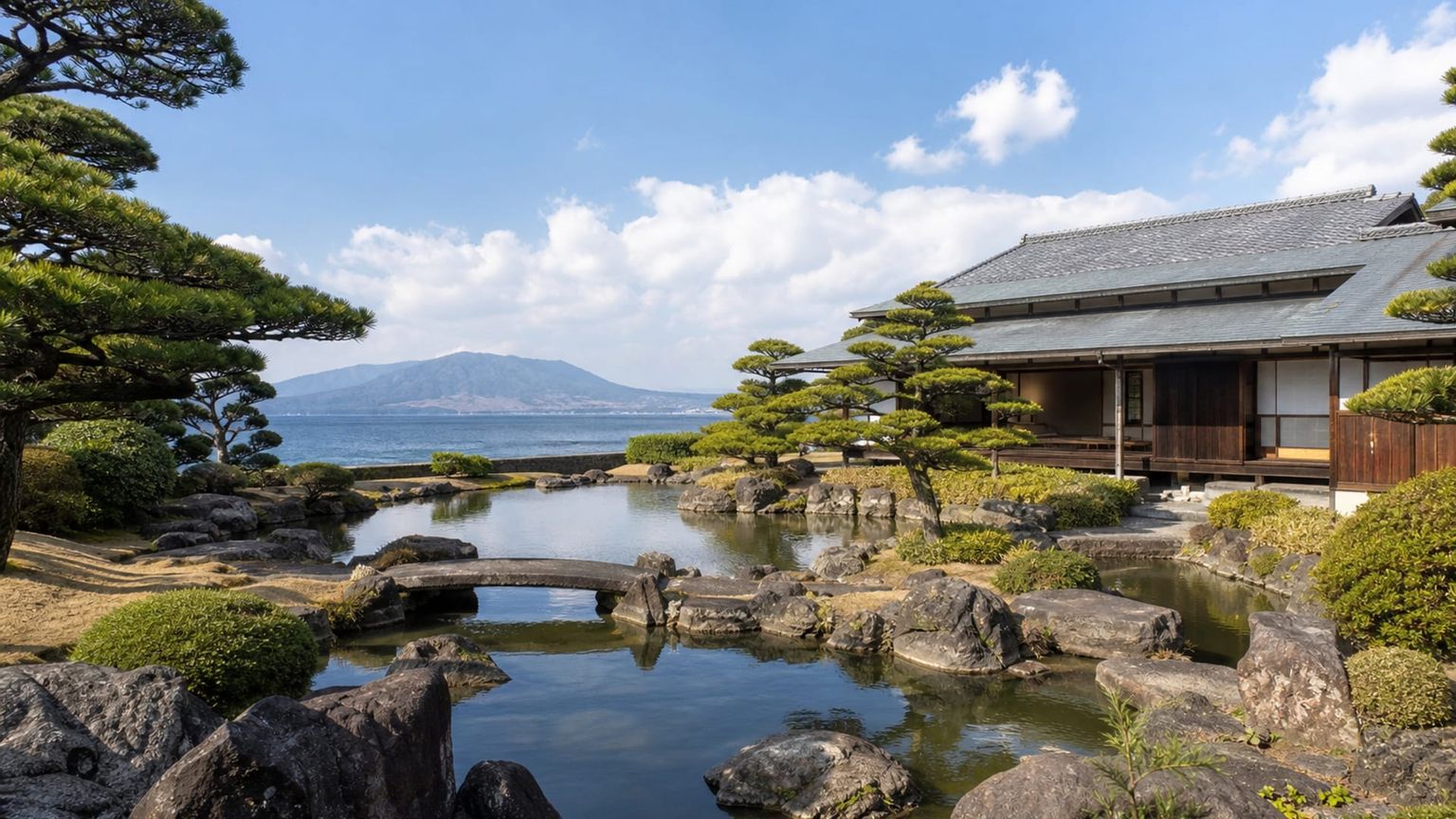
This former Shimadzu villa frames Sakurajima through designed gardens, ponds, and historic teahouses. The house shows the clan’s Meiji-era status, while the grounds connect landscaped paths with wide views over Kagoshima Bay and the volcano.
Time needed: About 2 to 3 hours
Entry: Standard tickets cost about $10 ($15) for adults, with reduced rates for students and children; special exhibits may cost extra on some dates. Visit the official site for details.
Tip: Go late in the afternoon for softer light on Sakurajima and the bay.
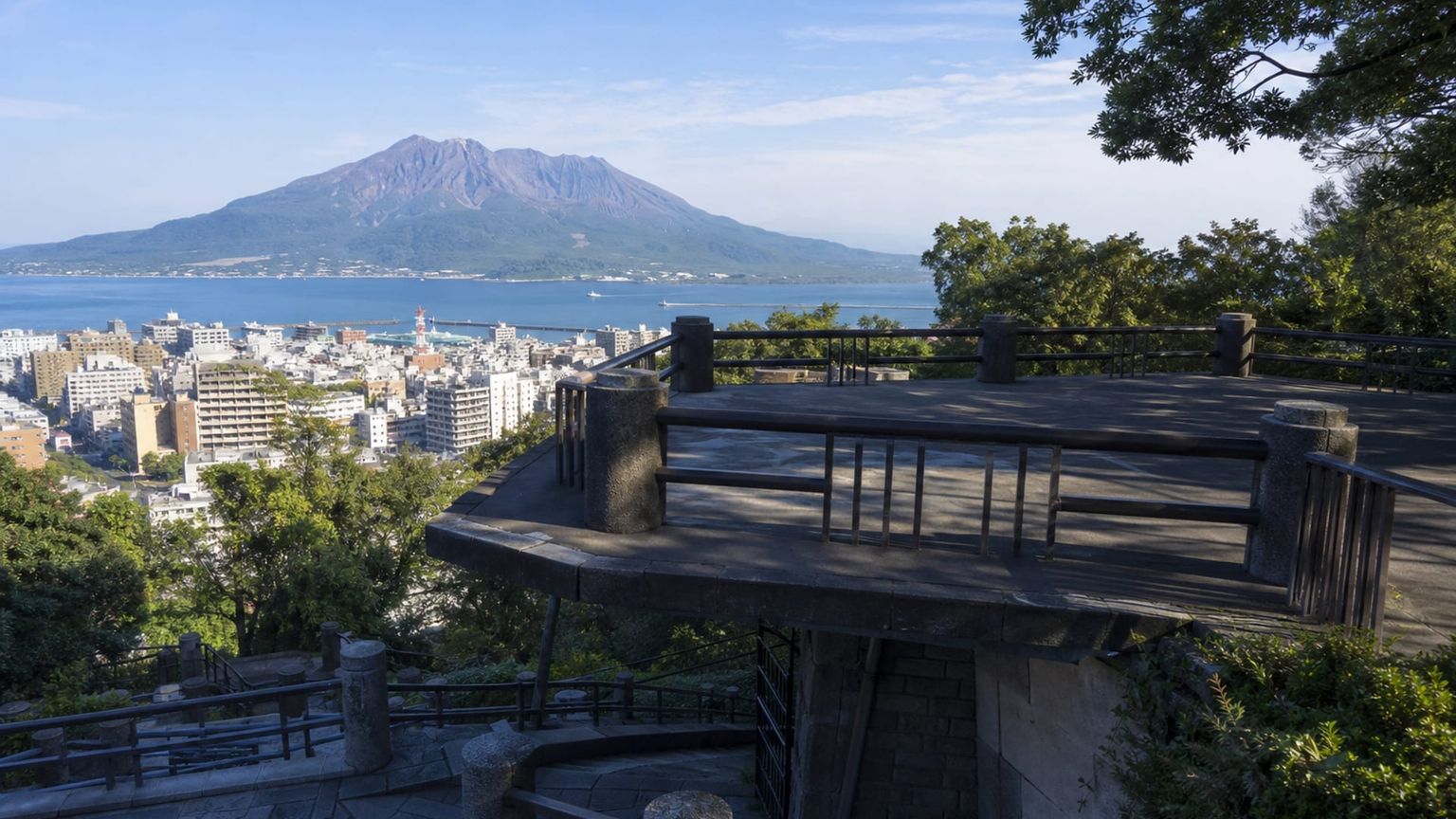
Shiroyama Park Observatory
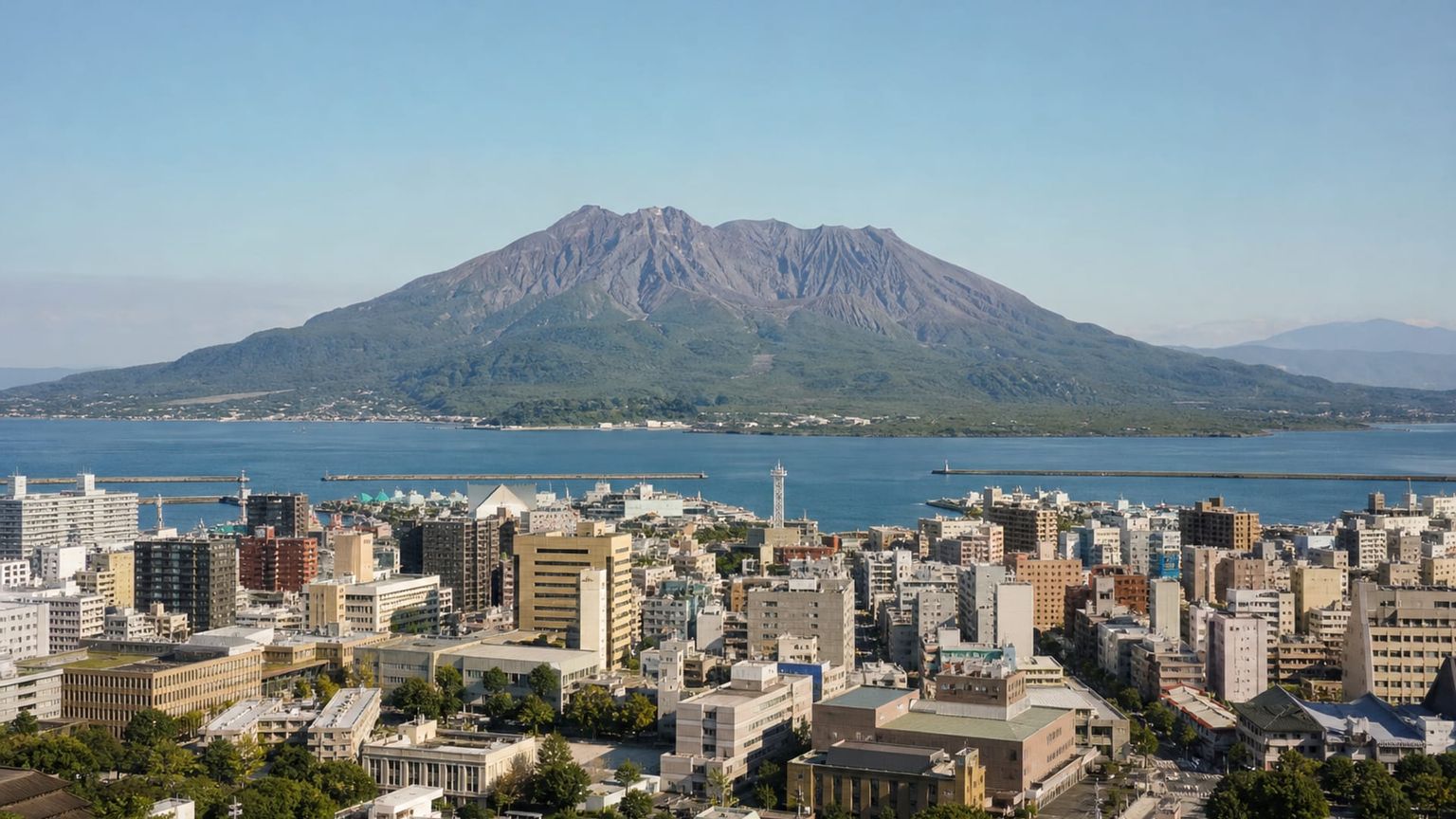
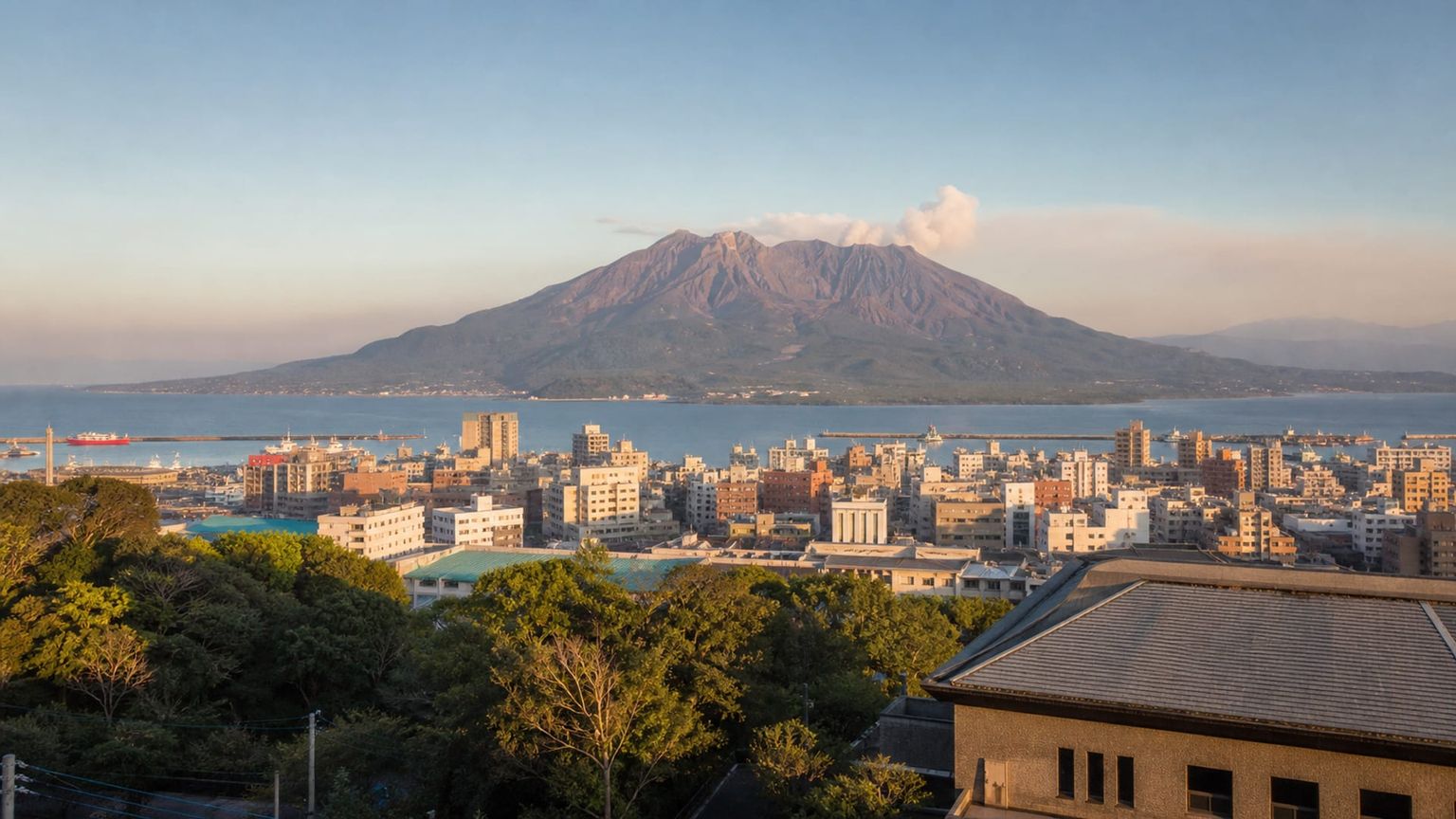
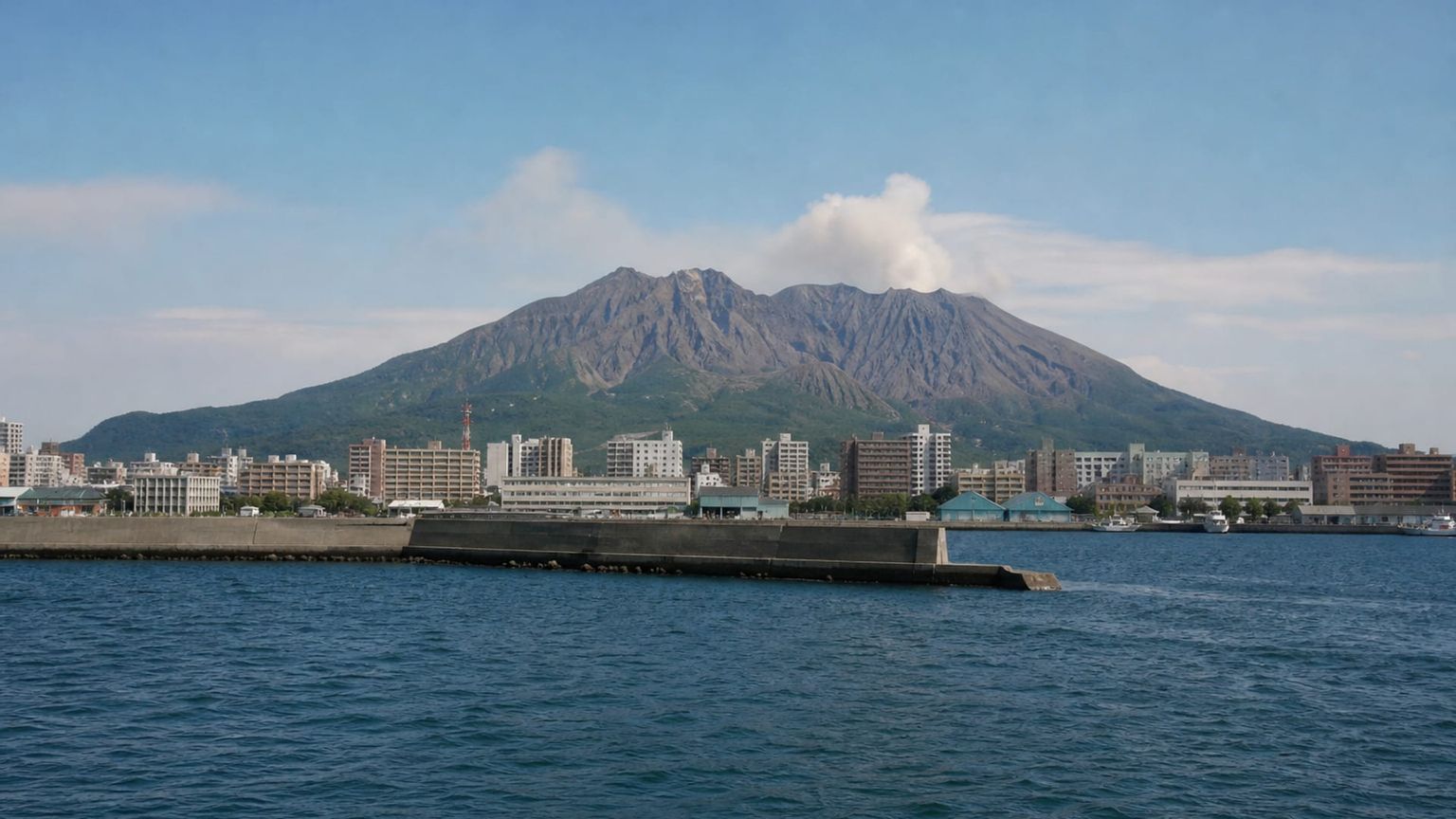
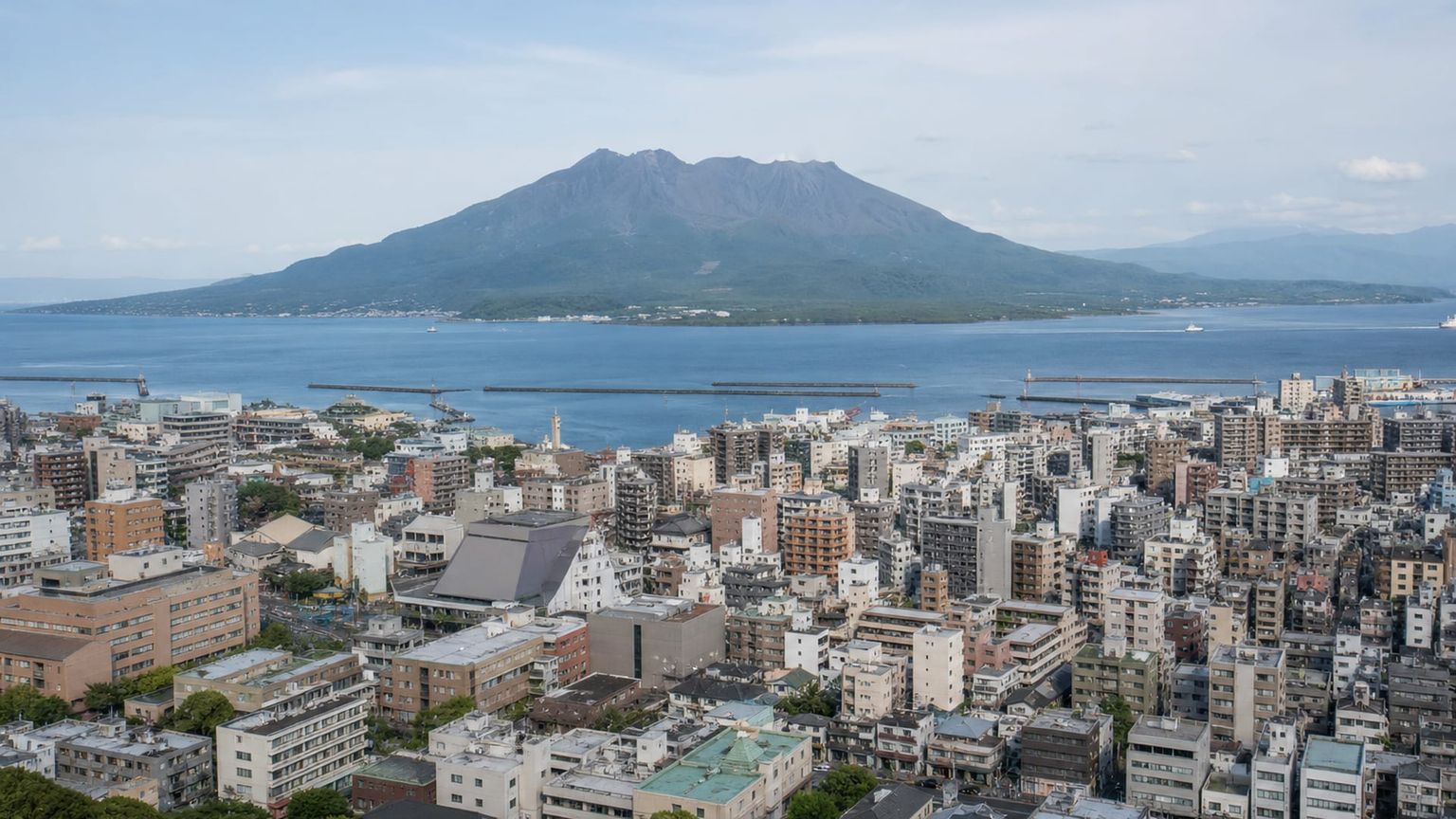
Set on a hill above the city, this observatory gives a clear look across central Kagoshima, the harbor, and Sakurajima. It is one of the easiest places to understand the city’s geography before heading down to the waterfront.
Time needed: About 30 to 45 minutes
Entry: Free to access
Tip: Visit at sunset, when the harbor and Sakurajima are usually most vivid.
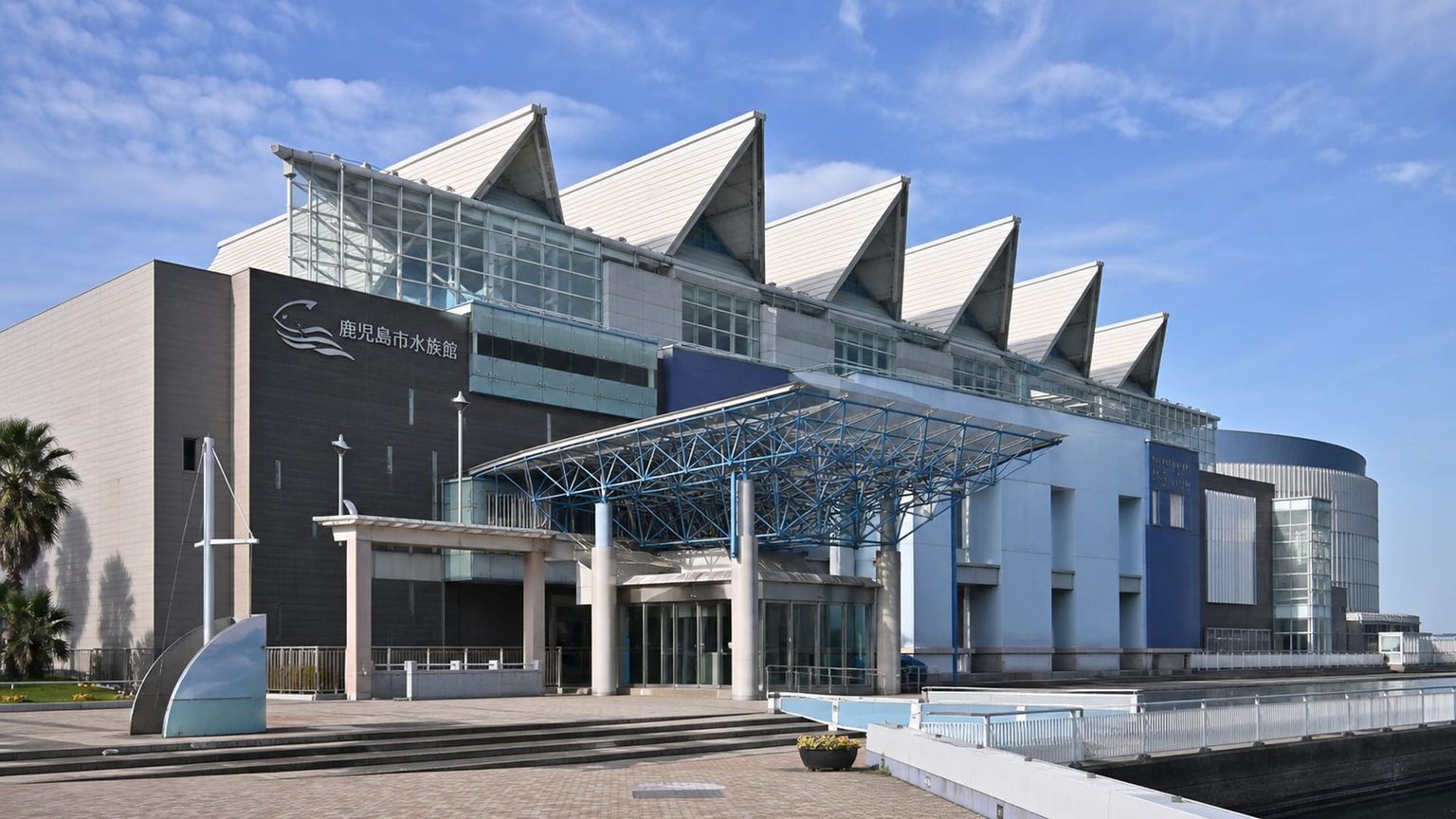
Kagoshima City Aquarium
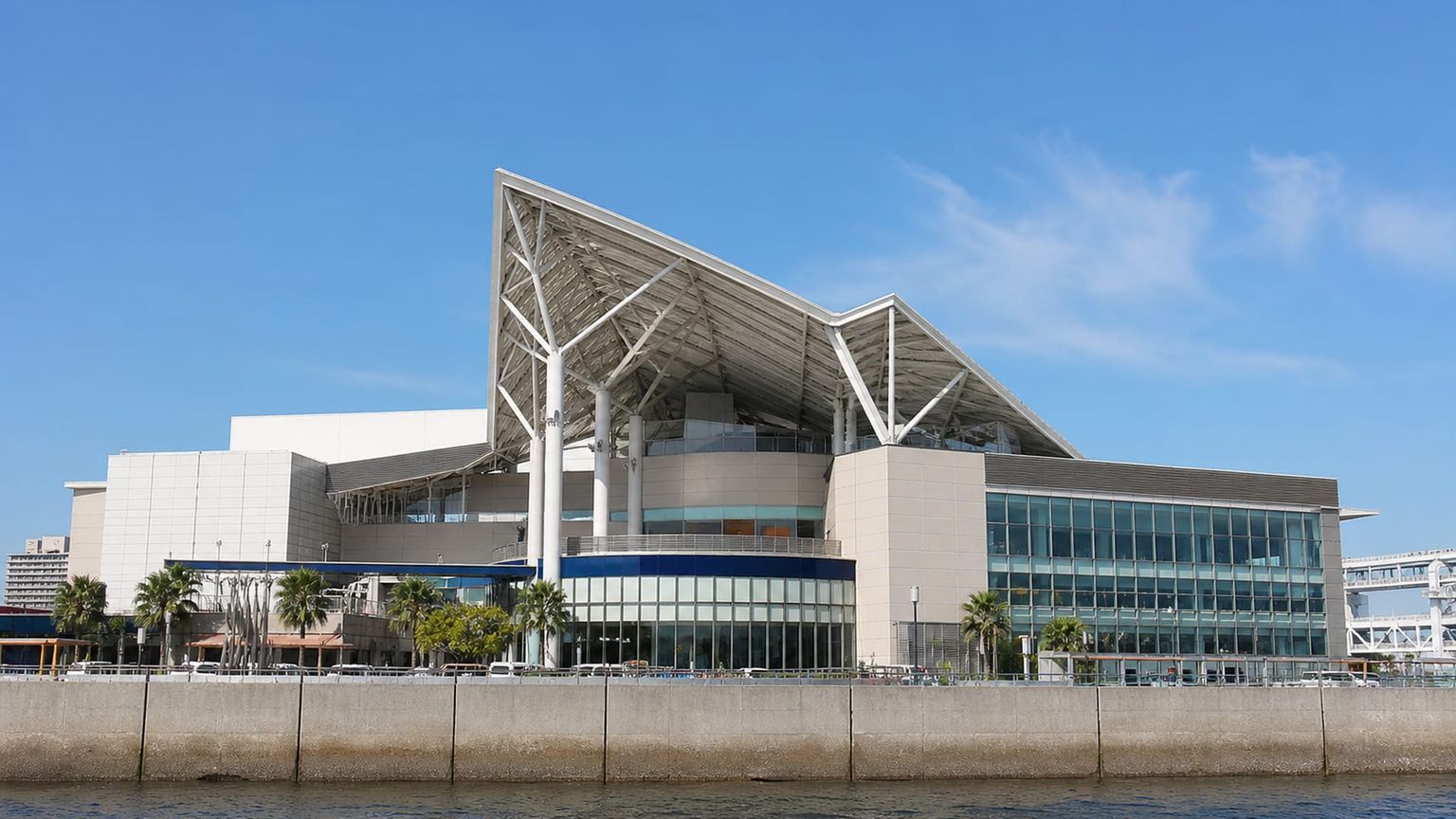
This waterfront aquarium focuses on the marine life of Kagoshima Bay, with a large Kuroshio tank, dolphin shows, and displays on local coastal species. Its setting near the ferry terminals makes it easy to pair with a bay walk.
Time needed: About 2 to 3 hours
Entry: Standard tickets cost about $14 ($18) for adults, with lower prices for high school students, children, and seniors. Visit the official site for details.
Tip: Arrive before the dolphin program if you want a seat with a full view.
Overlooked sites worth visiting

Sengan-en Garden
A seaside garden with clipped pines, stone paths, and clear views over Kagoshima Bay to Sakurajima. The former Shimadzu villa adds historical context without crowding the grounds.
Time needed: About 1 to 2 hours
Entry: Admission is typically $5 to $7 (about ¥750 to ¥1,050) for adults, with lower rates for children and some seasonal variations. Extra charges may apply for special exhibits, tea rooms, or night illumination events. Visit the official site for details.
Tip: Go late afternoon for softer light over the bay.

Iso Residence Garden
This former samurai residence pairs a compact Japanese garden with restored rooms and detailed woodwork. It gives a quieter look at Kagoshima’s domain history than the city’s larger museums.
Time needed: About 45 minutes to 1 hour
Entry: Admission is usually $2 to $4 (about ¥300 to ¥500) for adults, with reduced prices for students and children. Special openings or events can have separate fees, and hours may change on holidays.
Tip: Combine it with nearby Sengan-en for one short walk.
Traditional food
Kagoshima cooking leans on rich pork, smoked bonito, small sardines, and fried fish cakes, with shabu-shabu, sashimi, and market snacks anchoring the table. Many meals feel built for unhurried evenings after a day by the bay.
Kagoshima black pork shabu-shabu
Thin slices of kurobuta are swished briefly in hot broth, then eaten with dipping sauces and vegetables. Wakana serves a well-known version in central Kagoshima and is a strong place to book for this local specialty.
Katsuobushi bowl
Kagoshima’s smoked bonito appears in simple rice bowls and set meals, often shaved fresh for a deep savory finish. Maruten Sushi is a practical canonical stop in Kagoshima for tasting katsuobushi in a meal setting.
Kibinago sashimi
These silver-striped fish are served raw with vinegar, ginger, or citrus, giving the city a clean, coastal bite. Sakana-ya Taizo is a noted Kagoshima address for seafood and a fitting place to try kibinago.
Satsuma-age
These fried fish cakes come in plain, sweet potato, and vegetable versions, and they work well as a snack or a small side dish. Keiran is a long-running Kagoshima shop where Satsuma-age belongs on the counter.
Best time to visit Kagoshima
Kagoshima shifts from mild coastal weather in spring and autumn to hotter, wetter summer days, while winter usually stays short and manageable for sightseeing.
Best for: Clear harbor views, garden walks, and comfortable tram days
What you get: About 55 to 75°F (13 to 24°C), with moderate crowds and pleasant evenings
Trade-offs: Pollen and occasional rain can interrupt outdoor plans
Best for: Long daylight, ferry rides, and early starts before heat builds
What you get: About 73 to 89°F (23 to 32°C), with heavier humidity and more visitors on weekend sight lines
Trade-offs: Afternoon heat makes hill climbs and garden visits less comfortable
Best for: Balanced weather for the observatory, Sengan-en, and waterfront walks
What you get: About 59 to 79°F (15 to 26°C), with moderate crowds and generally good visibility
Trade-offs: Typhoon remnants can affect schedules early in the season
Best for: Quiet museum visits, clear volcano views, and easier reservations
What you get: About 43 to 61°F (6 to 16°C), with lighter crowds and crisp air
Trade-offs: Cool winds by the bay can make ferry-side walks brisk
A realistic 5-day plan in Kagoshima
The five-day plan starts with the center, then moves outward in short, logical steps so each day builds on the last. Kagoshima rewards that kind of pacing because the sights sit close enough for efficient transfers, yet far enough apart to benefit from a clear order.
Land at Kagoshima Airport (KOJ) and take the airport limousine bus into the city, which usually takes about 50 to 60 minutes and costs roughly $10 to $12. Stay near Tenmonkan if you want the broadest choice of dinner options, or choose Kagoshima Chuo Station if you expect an early train the next morning. After you check in, keep the first evening simple, drink water, and walk a few blocks for a light meal in Tenmonkan so you can settle in without a late transfer.
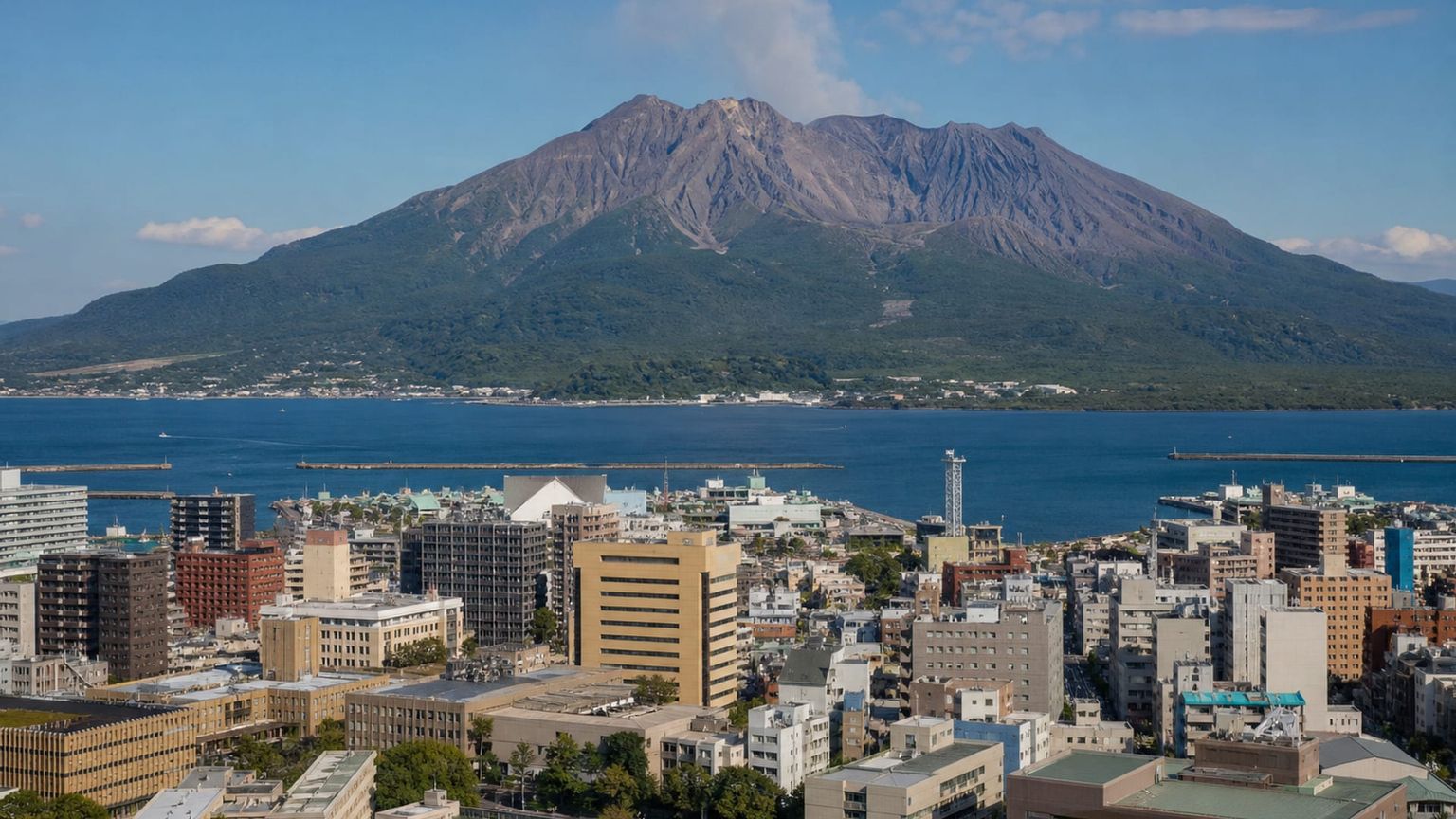
Start at Shiroyama Park Observatory, where a morning visit gives you a clear read on the city, the harbor, and Sakurajima. From Tenmonkan, reach the observatory area by taxi in about 10 minutes or by a short bus ride plus a brief uphill walk; budget about 30 to 45 minutes for the viewpoint itself. Next, head to Sengan-en by taxi or bus in about 15 to 20 minutes, and spend 2 to 3 hours moving through the gardens, teahouses, and historic residence. Finish with an early evening return to Tenmonkan, about 20 minutes by bus or taxi, for dinner near the arcades.
Begin the day on the waterfront at the Kagoshima City Aquarium, where the bay setting and dolphin program make the visit easy to pair with the harbor. From Tenmonkan, the tram and a short walk take about 15 to 20 minutes, and you should set aside roughly 2 to 3 hours inside. After lunch, continue on foot or by a short taxi ride to the Sakurajima ferry terminal area, then cross to the ferry side if you want bay views and a closer look at the waterfront district. End back in Yamashita or Tenmonkan for an unhurried dinner, depending on whether you want a quieter evening by the water or more late-opening choices.
A slower morning starts well with Iso Residence Garden, where the restored rooms and compact garden give you a tighter look at Kagoshima’s samurai past. Reach it with a short taxi ride from Tenmonkan, or combine it with Sengan-en if you want both sites on one outing, since the two are close enough for a brief transfer between them. Spend about 45 minutes to 1 hour at Iso Residence Garden, then continue to Sengan-en Garden for 1 to 2 hours if you did not visit it on day 2 or want a closer look at the bay-side paths and Sakurajima views. Return to central Kagoshima by late afternoon so you can have dinner near Kagoshima Chuo Station or back in Tenmonkan, depending on your departure plans.
For your last day, choose a short museum visit in the morning, then spend the rest of the day in the city center rather than locking yourself into a packed schedule. A final pass through Tenmonkan works well for shopping, with covered arcades, department stores, and easy tram access, while Yamashita gives you a calmer café stop near the waterfront before you head out. If your departure is later, linger over lunch near Kagoshima Chuo Station so your airport bus or train transfer stays simple, then head out with enough margin for the trip to Kagoshima Airport (KOJ).
Business-class flights from the US to Kagoshima
Reaching Kagoshima usually means connecting through another Asian hub, so the useful comparison is less about nonstop convenience and more about which layover city gives you the cleanest total journey. The two examples below show how that changes from the East Coast and the West Coast.
From New York, Japan Airlines, All Nippon Airways, Korean Air, China Airlines, Cathay Pacific, and Asiana Airlines commonly appear on itineraries to Kagoshima, with trip times usually starting at 4,000 and reaching 8,500. If you do not mind a layover, common routings via Tokyo (HND) or Seoul (ICN) often bring the price down.
From Los Angeles, business fares generally run $3,200 to $6,800 round-trip. Japan Airlines, All Nippon Airways, Korean Air, China Airlines, Cathay Pacific, and EVA Air usually price lower on one-stop itineraries through Tokyo (HND) or Seoul (ICN) than on the most direct options.
Kagoshima feels different when you slow down
A deliberate Kagoshima trip usually means staying near Tenmonkan, slipping over to Kagoshima Chuo when rail connections matter, and using the tram to tie together Shiroyama, the aquarium, and the waterfront before one slower day at Sengan-en or Iso Residence Garden. That sequence gives the city room to show its harbor views and food culture without turning each stop into a rush. If you want help shaping the route, the AranGrant experts can build it around your arrival time and neighborhood choice







