

Chapters:

Need help with your trip?
Our support team is available 24/7. Request a callback or call us directly at (833) 619-0908
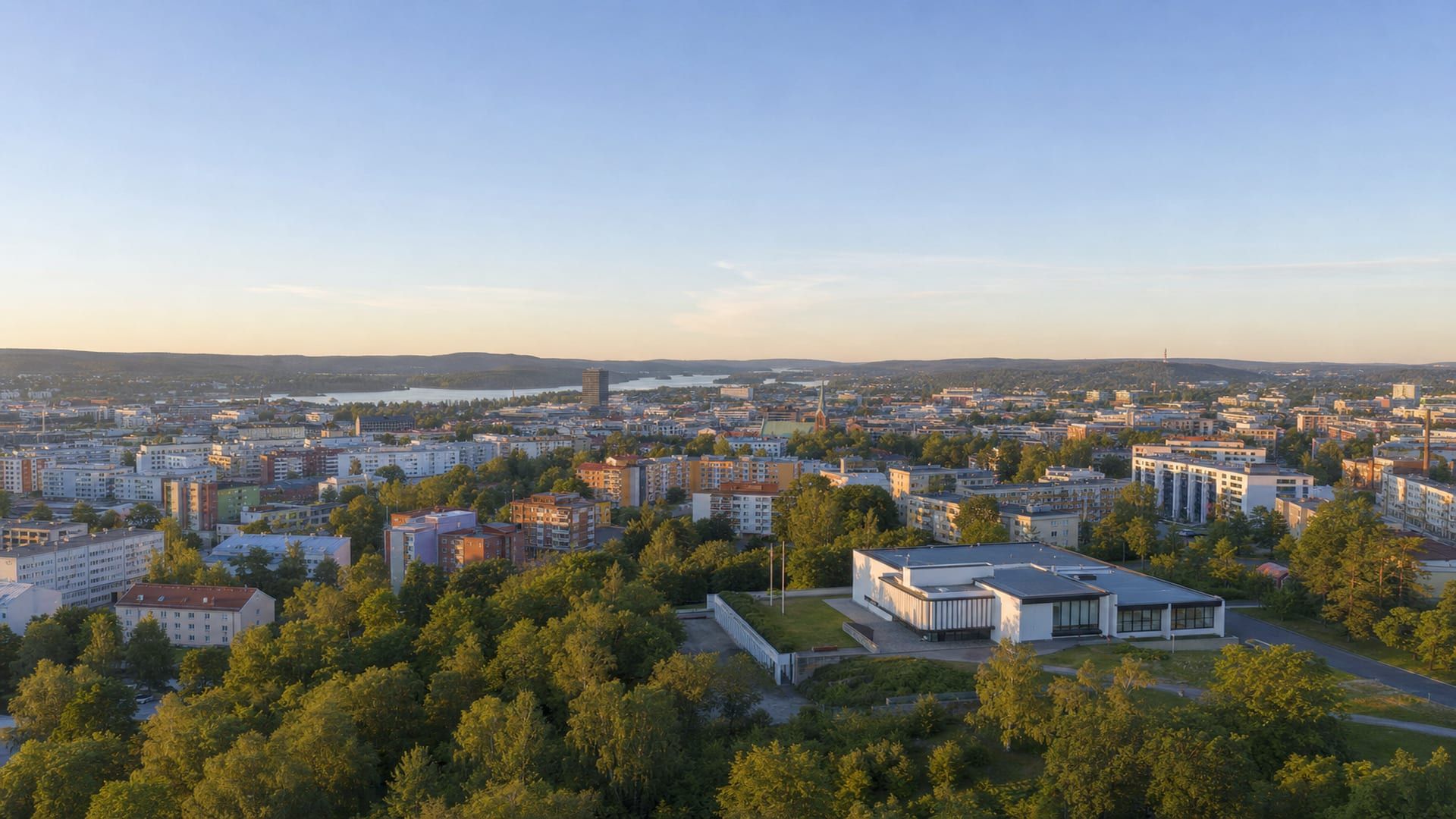
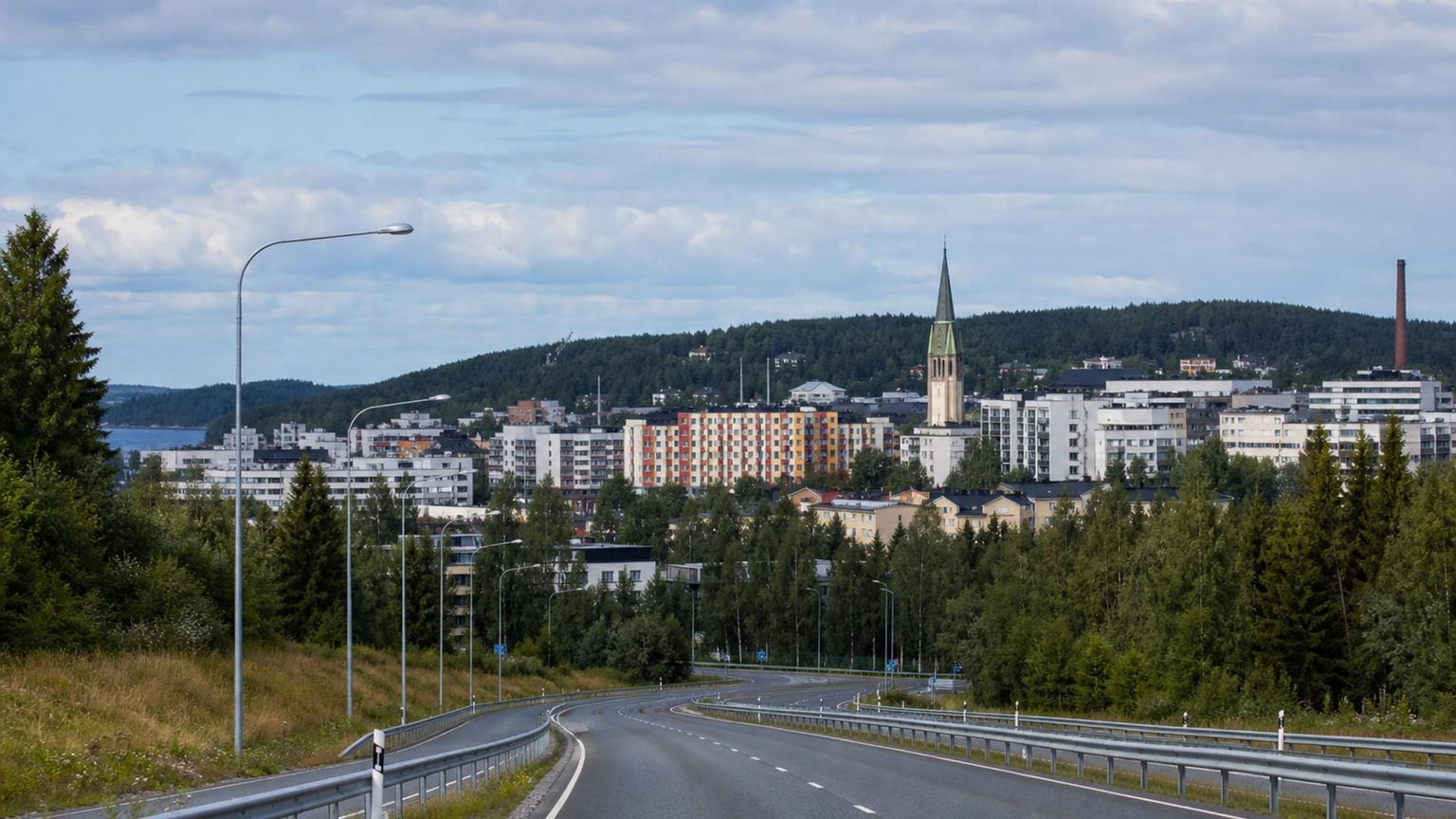
Jyväskylä trips often start with the same idea, a night near the center, one museum cluster, and a lake walk. What many visitors miss is how much the ridge, the waterfront, and the outlying hill sites change the shape of the city.
That simple approach can waste time when museum stops sit near the lake, trails climb and descend quickly, and evening dining thins out outside the core. A loose plan also makes short transfers feel longer than they are.
This guide keeps the city center as the anchor, then layers in Harju, Toivola, and Oravivuori in an order that fits the map and the clock.
Useful things to know
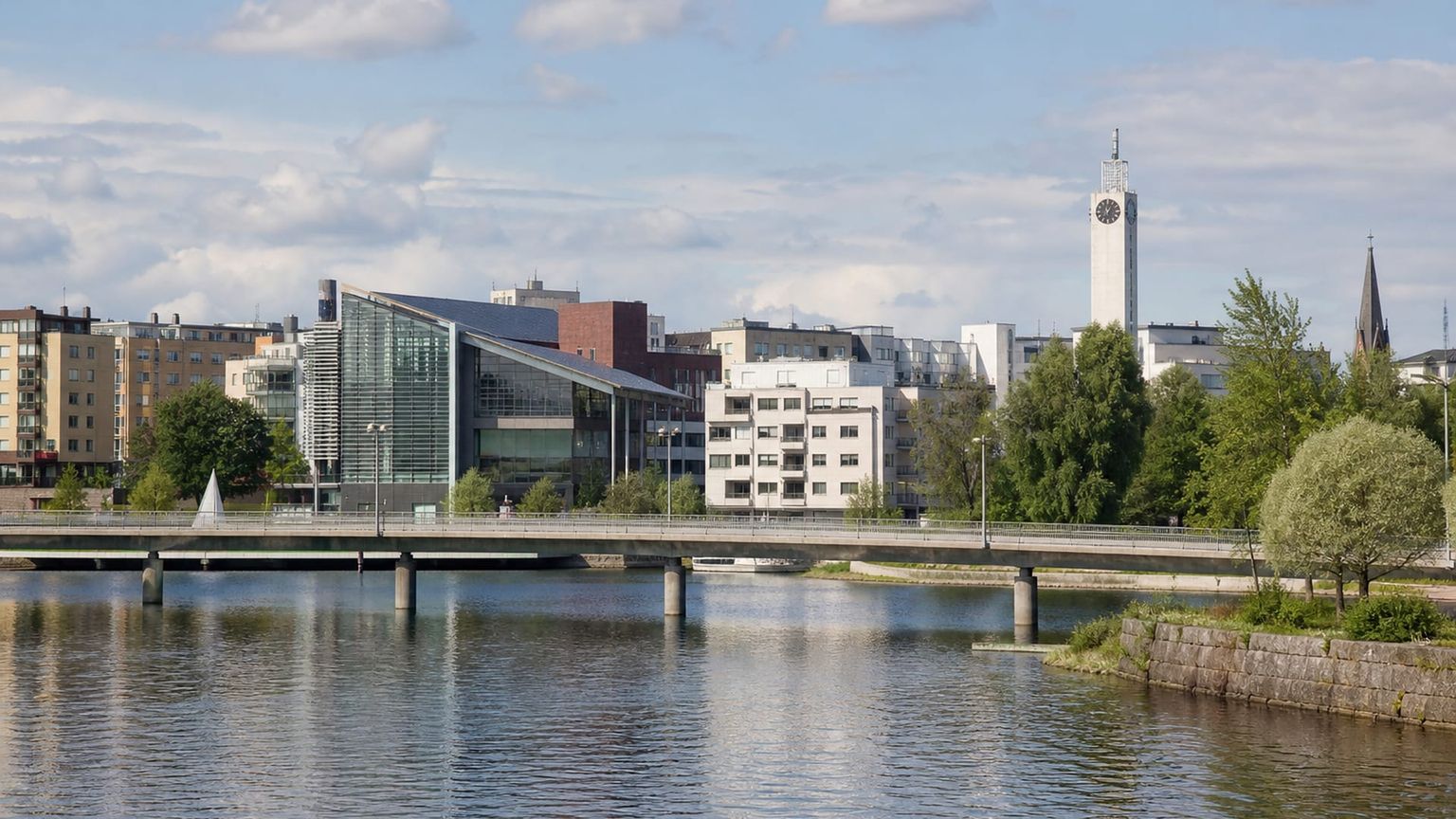

Main language(s): Finnish
Hei (hay) – Hello / hi
Ole hyvä (OH-leh HOO-vah) – Please
Kiitos (KEE-tohs) – Thank you
Puhutko englantia? (POO-hoot-koh eng-LAN-tee-ah) – Do you speak English?
Paljonko tämä maksaa? (PAHL-yohn-koh TAH-mah MAHK-sah) – How much does it cost?

Currency: The local currency is the euro (EUR, €).

Cash and cards: Cards and contactless are widely accepted; carry about €20 to €40 ($22 to $44) in cash for small purchases or kiosks.

Tipping: Round up small bills; tipping is not expected, though you can leave about 5 to 10 percent for excellent restaurant service.

Traditional food: Kalakukko, Karelian pasties, salmon soup, blueberry pie

Water and coffee costs: Water ~€2 ($2), bar espresso ~€3 ($3).

Taxis and ride apps: Menevä and local taxis work here; Uber is limited.

Plug and voltage: Type C/F socket, 230V

Dining and shop opening hours: Breakfast is about 7:00-10:00, lunch 11:00-14:00, and dinner 17:00-21:00. Many restaurants close early on Sundays, and kitchens often stop serving before closing time.

Emergency number: Call 112 for police, fire, or ambulance.
Where to stay in Jyväskylä
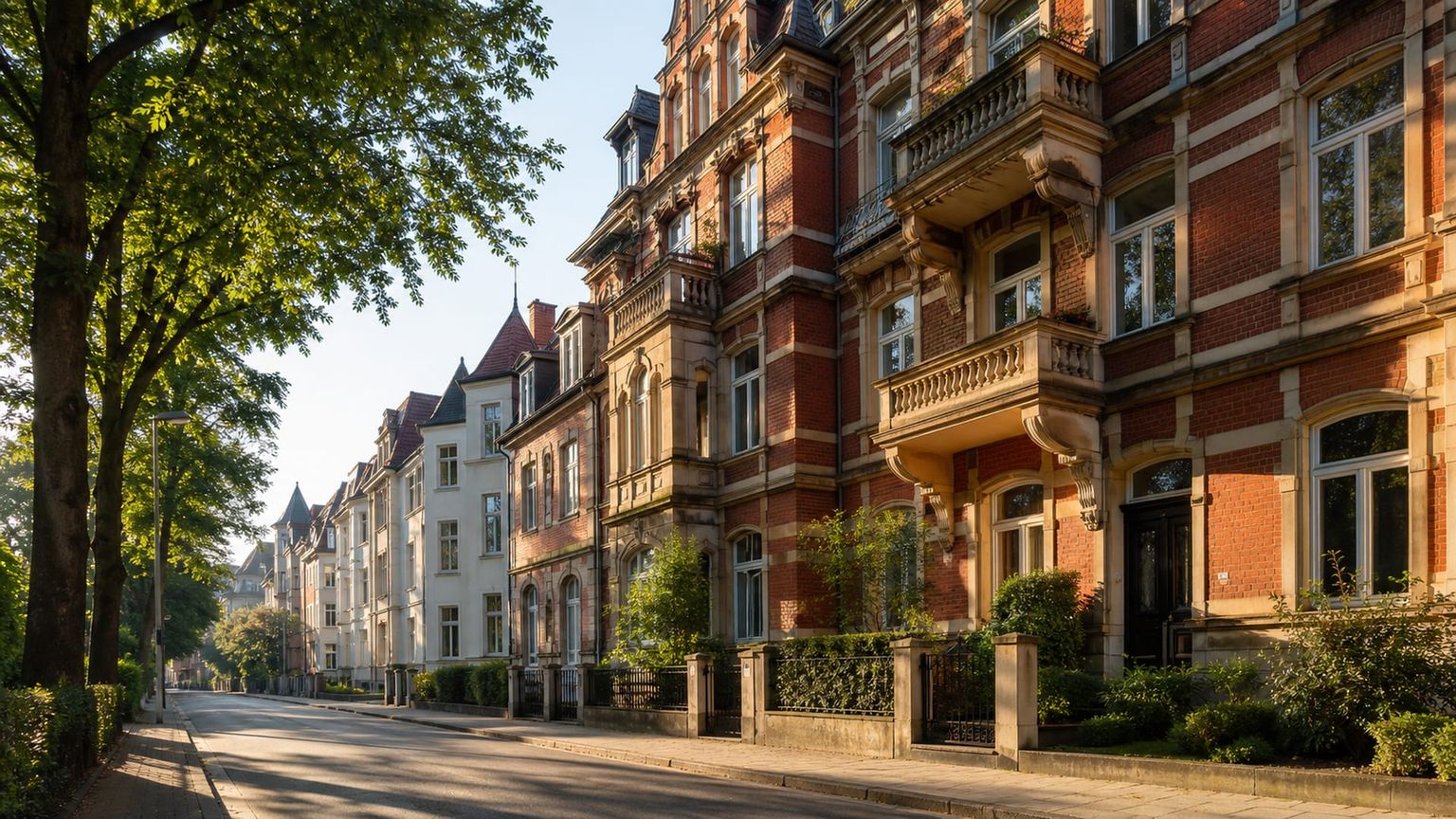
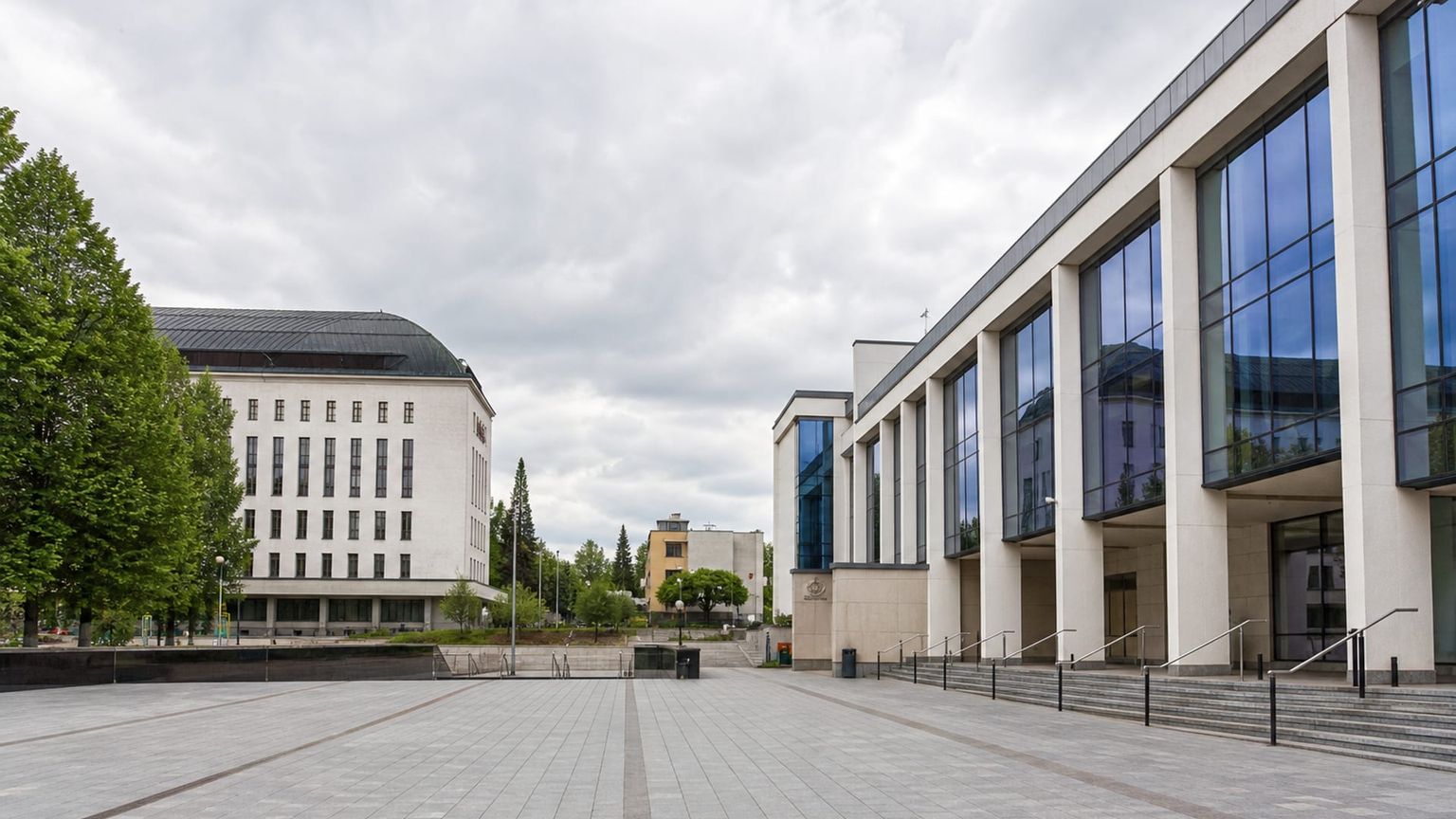
The compact core around Kauppakatu, the pedestrian streets, and the lakefront brings shops, restaurants, museums, and transit together in one walkable grid. It suits visitors who want the easiest base for trains, buses, and late dinners.
Best for: First-time visits, car-free stays, and easy access to shops, dining, and transit
What to expect: Busy sidewalks by day, with the liveliest restaurant and bar streets after dark, especially near the station and market square.
Hotel prices: Usually about €110 to €170 (~$120 to ~$185) per night for well-rated stays
Distance to major sights: 5 to 10 minutes on foot to Jyväskylä Church and 10 to 15 minutes on foot to the harbor promenade
Quietness: Lively in the day, and louder in the evening near bars and main streets, with quieter side blocks just off the core.
Main trade-off: You will pay more here, and the busiest blocks can carry traffic and weekend noise.
Good to know: If you plan to use trains or intercity buses, staying here cuts the number of transfers and keeps most errands within a short walk.
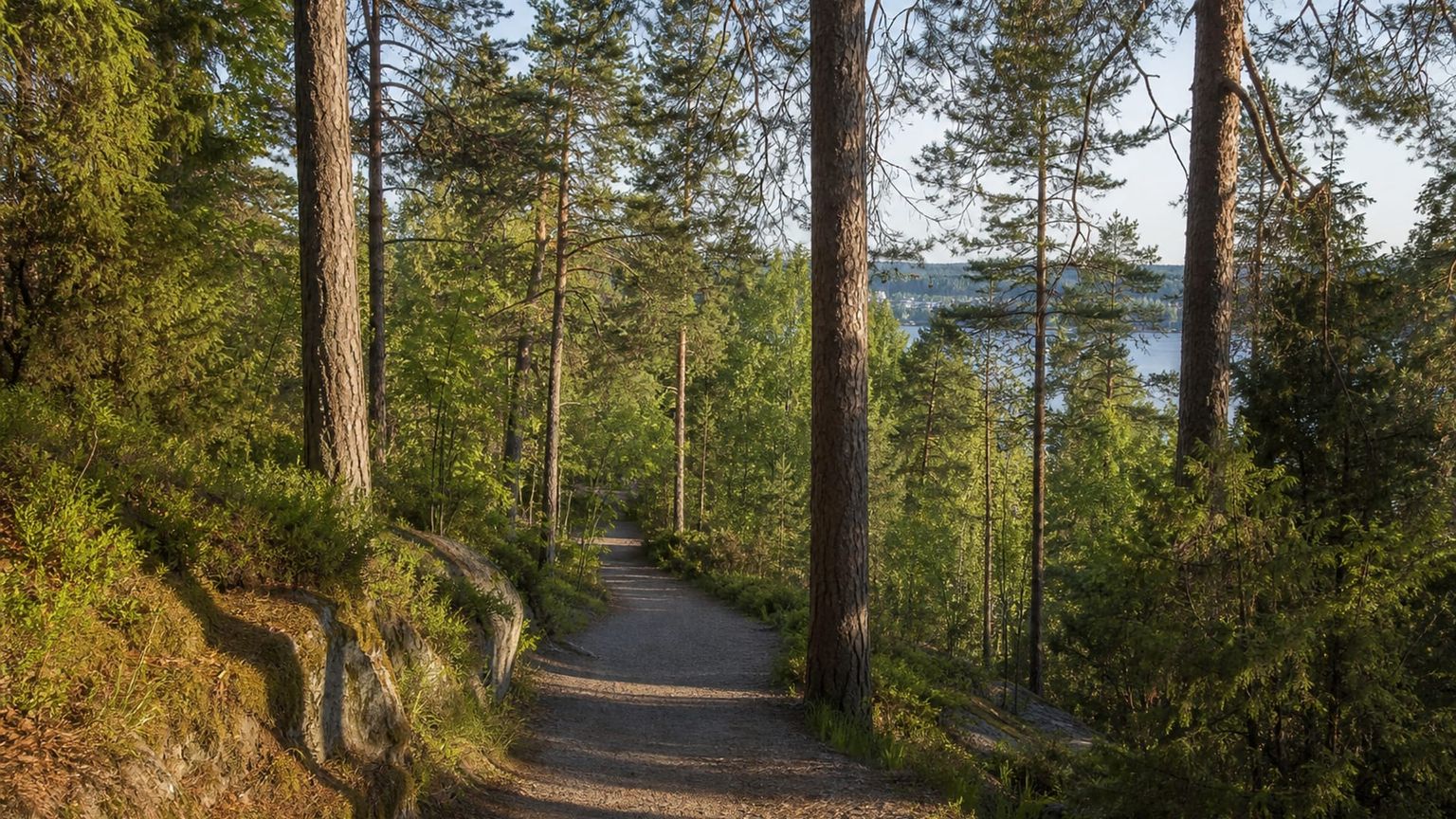
Harju sits on the ridge just north of the center, with park paths, viewpoints, and quick access down into the main streets. It matters because it gives you a greener place to stay without losing central access.
Best for: Walkers, park access, and travelers who want a quieter base near the center
What to expect: Residential streets, joggers in the parks, and light local foot traffic rather than a constant stream of visitors.
Hotel prices: Usually about €100 to €160 (~$110 to ~$175) per night for well-rated stays
Distance to major sights: 10 to 15 minutes on foot to Jyväskylä city center and about 15 minutes on foot to the Alvar Aalto Museum
Quietness: Calm during the day and notably quieter at night than the center, with only occasional movement along the main roads.
Main trade-off: Dining choices are thinner than downtown, so you may walk downhill for most evenings out.
Good to know: Choose this area if you want a short uphill walk back from the center, since that affects tired evenings and winter footing.
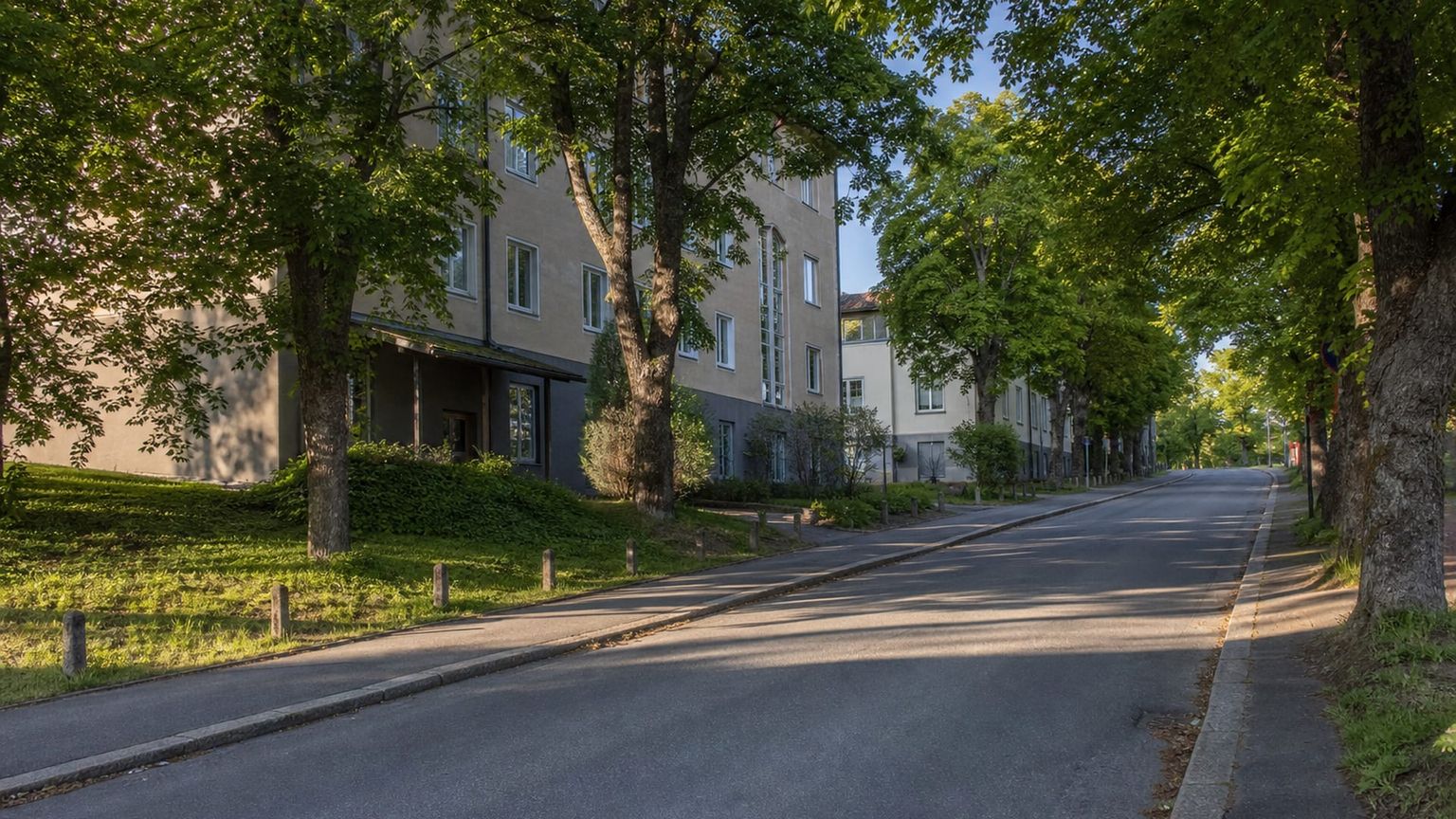
Mattilanpelto is a residential district east of the center, close to the university campus and several everyday shops. It matters for longer stays, simple self-catering, and lower-key nights without leaving the city.
Best for: Longer stays, university visits, and travelers who want a residential setting with nearby groceries
What to expect: Local apartment blocks, students, and a low-key street scene with far fewer restaurants than the center.
Hotel prices: Usually about €90 to €140 (~$100 to ~$155) per night for well-rated stays
Distance to major sights: 10 to 15 minutes by bus to Jyväskylä city center and about 15 minutes by bus to the harbor area
Quietness: Quiet through the day and generally very quiet at night, except near main roads and student housing.
Main trade-off: You will rely more on buses or taxis, and spontaneous late-night dining is limited.
Good to know: This area works best if you expect to buy groceries and cook some meals, since that cuts down on trips back to the center.
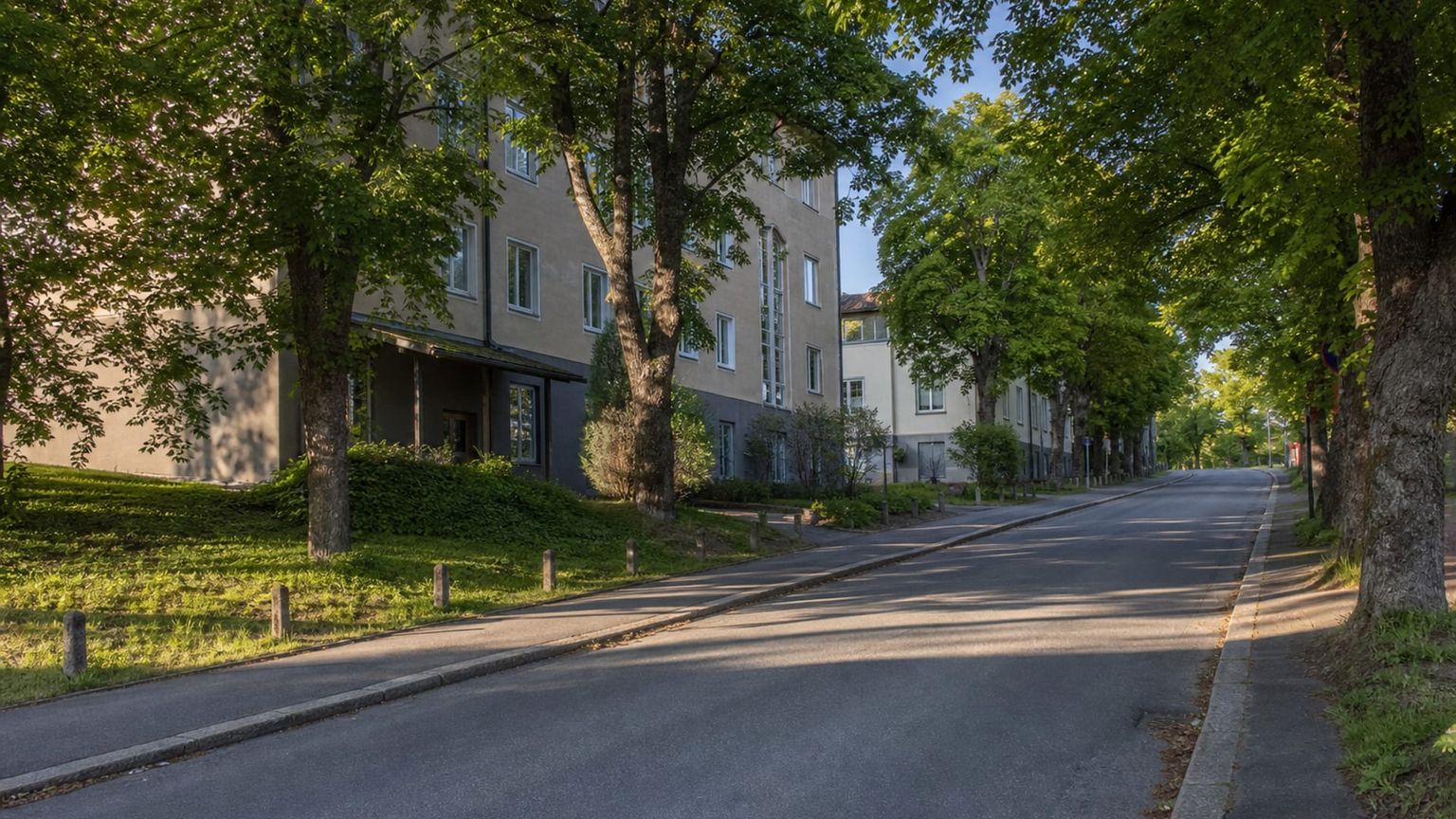
Taulumäki lies north of the center near the old church area and the roads leading out toward suburban districts. It matters as a middle-ground base for visitors who want a residential stay with fair access to downtown.
Best for: Drivers, calmer nights, and travelers who do not need to be in the busiest core
What to expect: Mostly residential streets, local traffic, and a thinner evening scene than the central blocks.
Hotel prices: Usually about €95 to €150 (~$105 to ~$165) per night for well-rated stays
Distance to major sights: 10 to 15 minutes by bus to Jyväskylä city center and about 10 minutes by bus to Harju
Quietness: Moderate activity by day, then quieter after dark, with main-road sections carrying more noise than side streets.
Main trade-off: You trade central convenience for a more car-oriented layout and fewer walk-up dining options.
Good to know: If you are renting a car, this side of town can simplify parking and departures, while still keeping the center within a short ride.
Travelers usually avoid Säynätsalo for overnight stays because it sits well south of central Jyväskylä, so evening trips back to the main restaurant and waterfront areas take time. Lutakko can work for some visitors, but the outer parts near the industrial and port edges are less convenient for guests who want to walk to the main sights, and many late-evening options are concentrated closer to the center. Seppälä is also less convenient for short visits, since it is mainly a retail district with fewer hotel choices and it sits several kilometers from the lakefront and city-center attractions. Palokka and Keljo are typically avoided by visitors without a car, because they are farther from the compact central district and depend more on bus connections after dinner.
Hotel deals
How to get around Jyväskylä efficiently
In Jyväskylä, the bus network does the heavy lifting beyond the compact center, while walking covers most museum and waterfront stretches and taxis fill the airport gap.

Metro
for longer distances
Jyväskylä has no metro, so the nearest equivalent for airport and city travel is the regional bus network plus walking for short center-to-center trips. From Jyväskylä Airport, buses link to the city center on a limited schedule, and the ride is typically about 25 to 35 minutes. Single local fares are usually about $3 to $6 (€3 to €6), and most day tickets are valid for about 24 hours when offered.

Bus and tram
for convenience
Bus lines cover the city center, the railway station, the university area, and nearby suburbs, with the most useful rides for visitors running between the airport area, downtown, and hotel clusters. Local tickets are usually about $3 to $6 (€3 to €6) for a single ride, with transfers valid for about 60 to 90 minutes depending on the ticket type. Night and weekend frequencies are thinner than daytime service, so checking the timetable before a late arrival saves time.

Taxi
for convenience or late hours
Licensed taxis in Jyväskylä use metered fares, not fixed citywide set fares, and airport trips often land in the roughly $25 to $45 (€23 to €41) range depending on pickup point, time of day, and luggage. You can hail one at taxi ranks, book by phone or app, or ask your hotel to call a car, and most drivers accept cards as well as cash. Expect a short downtown ride to take about 5 to 15 minutes, while the airport trip usually takes about 20 to 30 minutes.
*Prices are based on rates updated as of June 2026 and may change at the time of travel.
Use buses for cross-town links, taxis for the airport or late returns, and walking for the center, Harju, and the lakefront.
Iconic landmarks
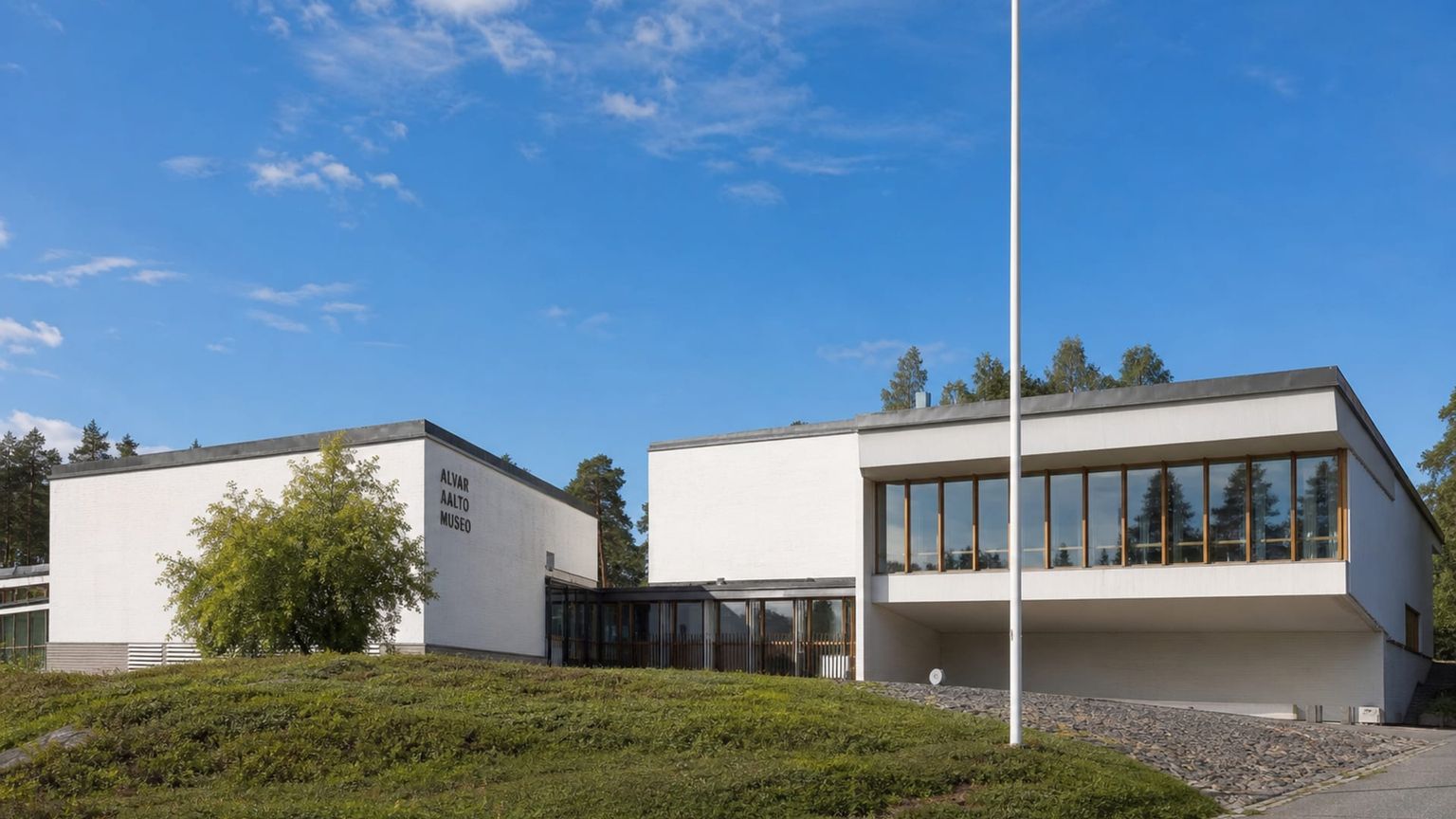
Alvar Aalto Museum
This museum traces Alvar Aalto’s work through drawings, models, furniture, and glass, with a strong focus on his early and midcareer designs. It sits beside Lake Jyväsjärvi and pairs well with the nearby Museum of Central Finland.
Time needed: About 1.5 to 2 hours
Entry: Standard admission costs about $18 ($16) for adults, with reduced rates for students and seniors; combined tickets with the Museum of Central Finland cost more. Visit the official site for details.
Tip: Go in the morning, then walk the lakeside path before lunch for quieter galleries.
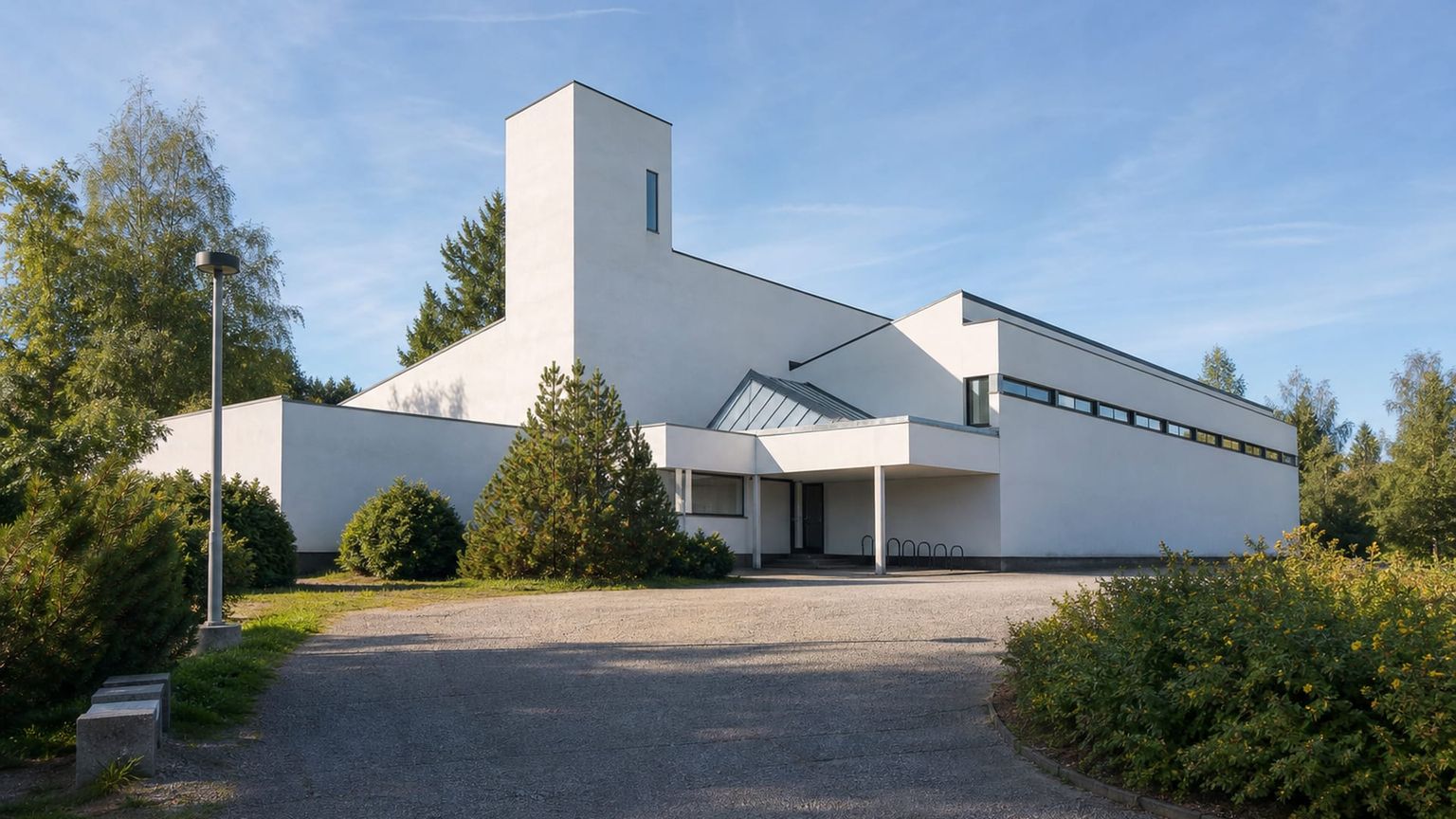
Museum of Central Finland
The Museum of Central Finland covers regional history, everyday objects, and changing industry through well-labeled exhibitions. Its location by the lake makes it an easy pair with the Alvar Aalto Museum in one outing.
Time needed: About 1.5 to 2 hours
Entry: Standard admission costs about $15 ($13) for adults, with lower prices for children, students, and seniors; family tickets are also offered. Visit the official site for details.
Tip: Visit after the morning rush, then continue to the adjacent lakeside promenade.
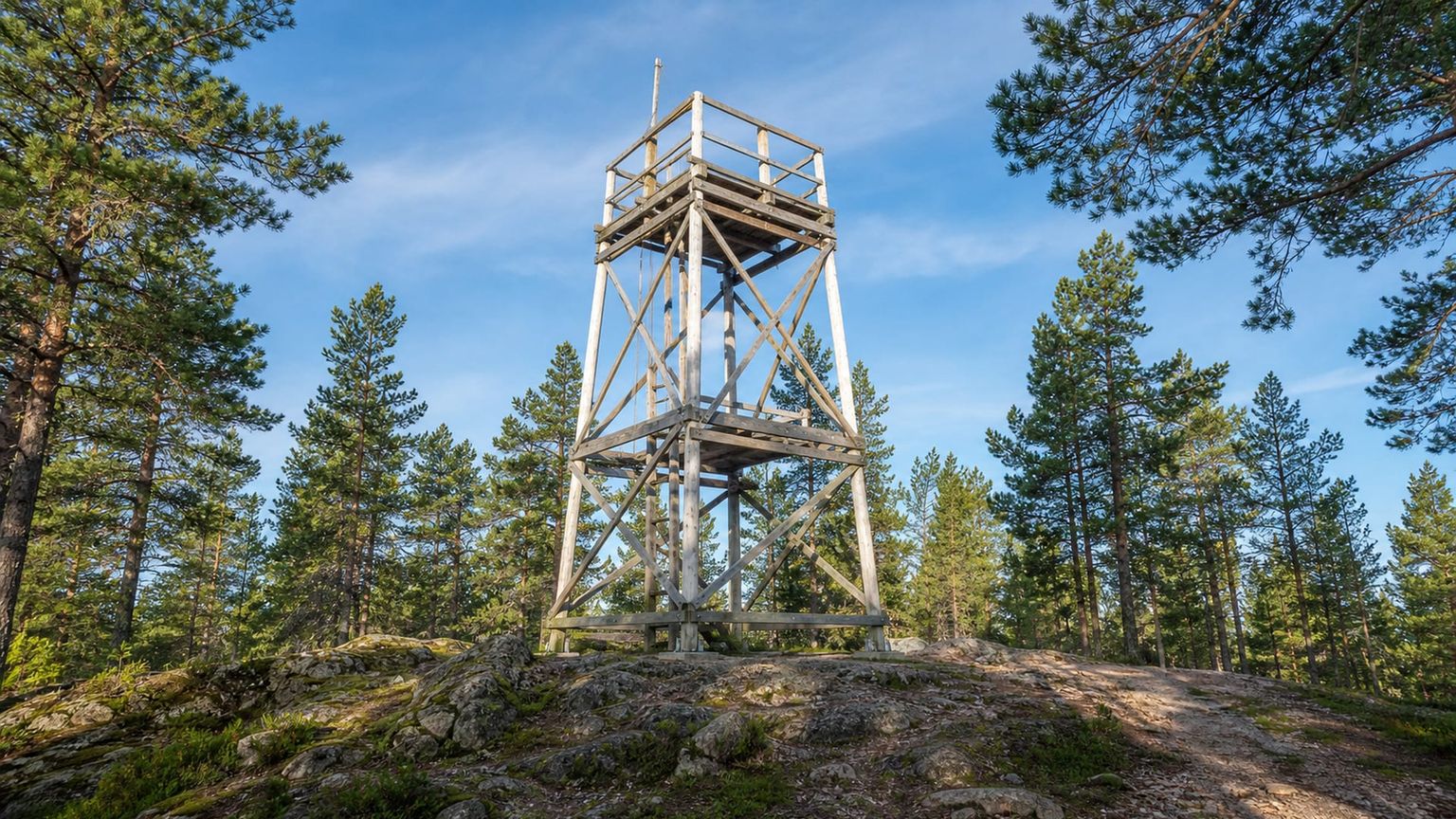
Oravivuori Triangulation Tower
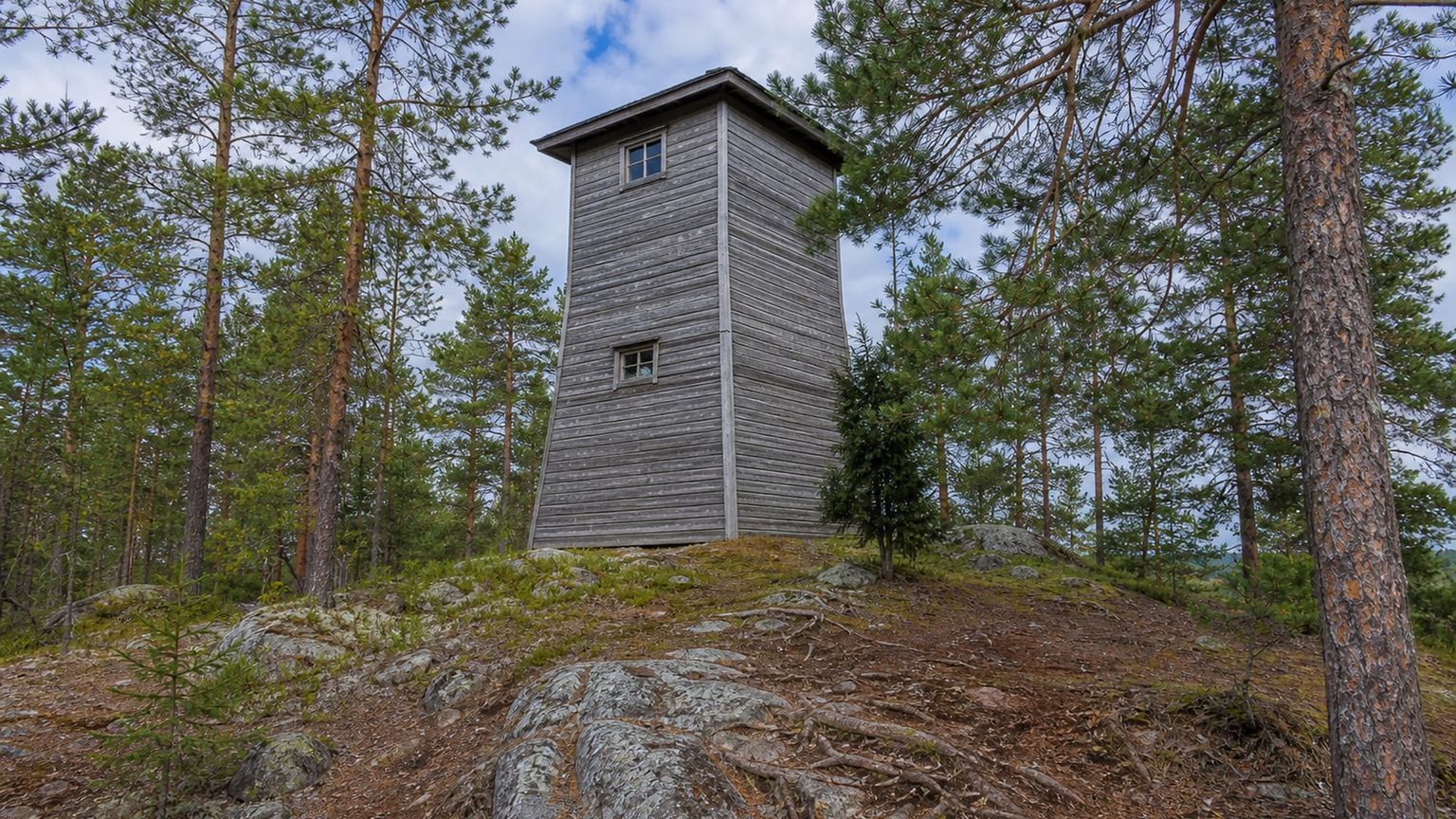
Oravivuori Triangulation Tower marks part of the Struve Geodetic Arc, a UNESCO-listed survey chain used to measure Earth’s shape. The forest hill rewards visitors with broad views, but the site itself is a simple outdoor monument.
Time needed: About 1 to 2 hours
Entry: Free to access; the monument and hill path are open outdoors, and no timed entry is required, though parking and trail access can vary by season.
Tip: Wear firm shoes, because the hill path can be slick after rain and early frost.
Overlooked sites worth visiting

Harju ridge nature trail
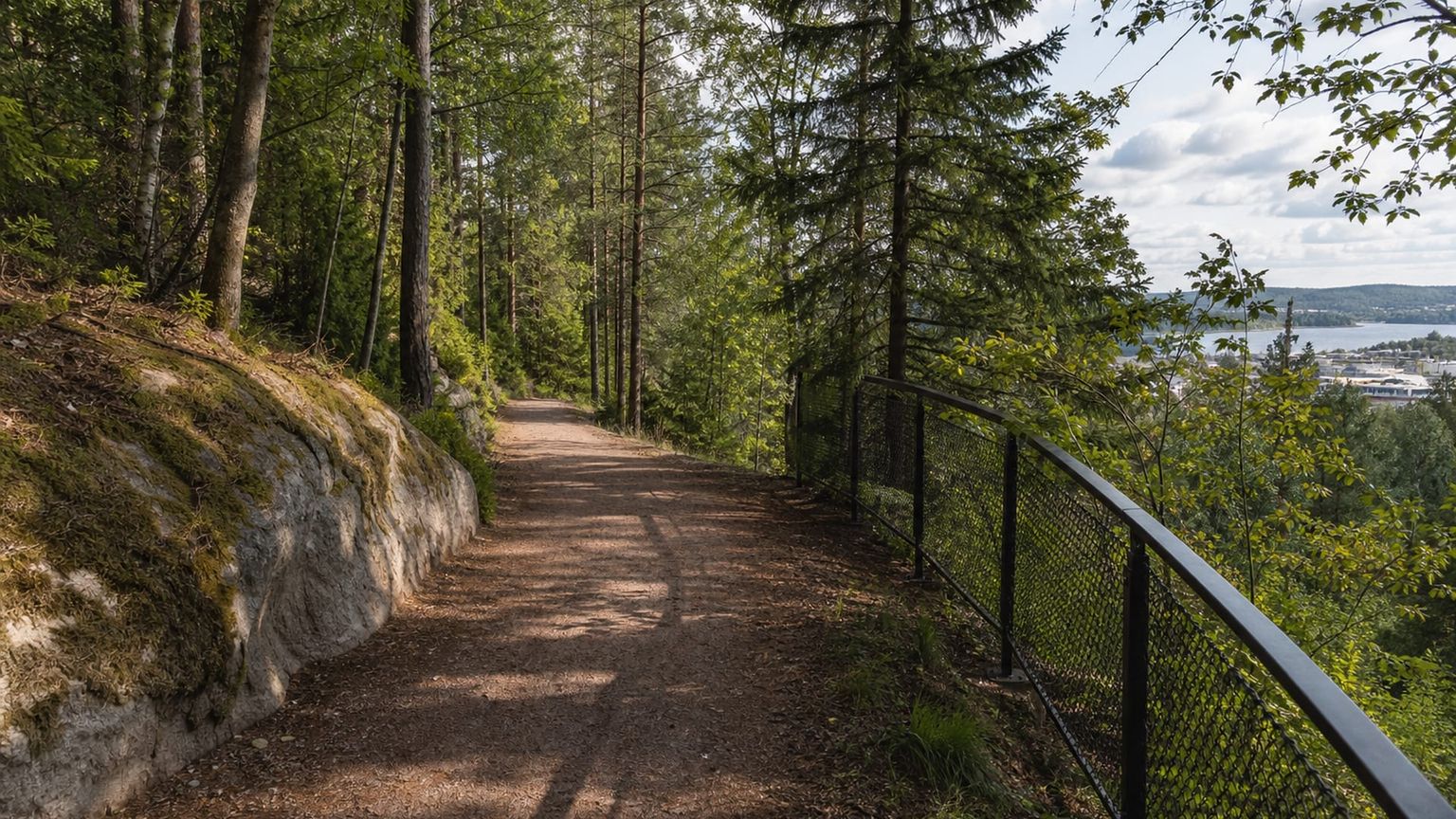
A forested ridge just north of the center, with sandy paths, rocky overlooks, and lake views that reward a slow loop on foot. In autumn, the pines and birches make the walk more photogenic.
Time needed: About 1 to 2 hours
Entry: Free to access; this is a public outdoor trail with no admission charge. If you want a longer outing, combine the ridge loop with nearby waterfront paths and allow extra time for pauses at the lookouts. Winter traction devices may help after snowfall.
Tip: Go late afternoon for softer light on the ridge.

Toivola Old Courtyard
This preserved wooden courtyard museum near the center pairs old merchant houses with small exhibits on local life. The compact setting makes it easy to visit between meals, with craft details that reward a close look.
Time needed: About 1 hour
Entry: Adult admission typically costs about $12 to $15 (€11 to €14), with reduced prices for children, students, and seniors. Seasonal events may have separate pricing, and some guided programs carry an added fee on top of standard entry. Visit the official site for details.
Tip: Check opening dates, as parts of the courtyard are seasonal.
Traditional food
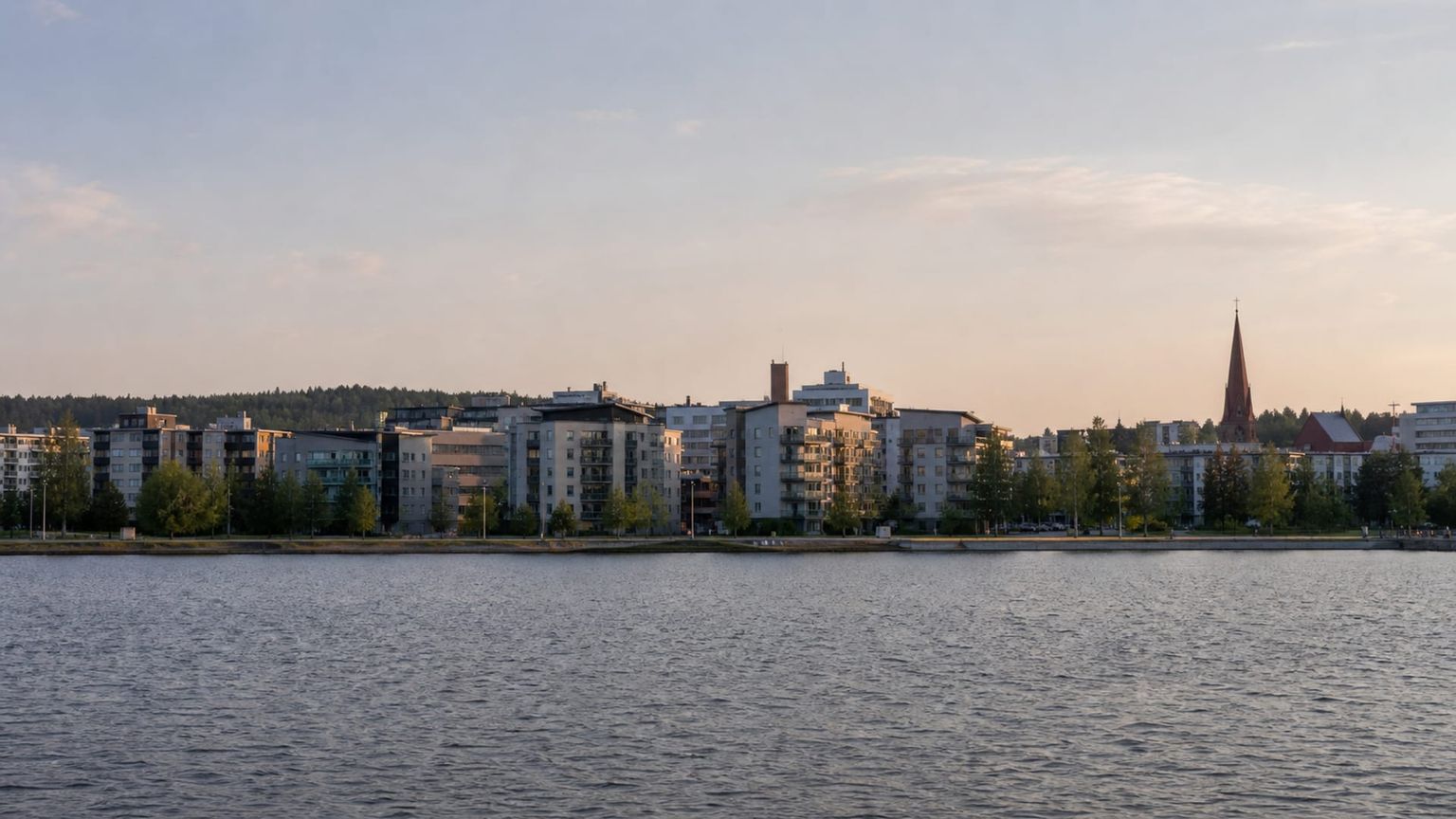
Jyväskylä cooks with lake fish, rye, berries, and dairy, so the table leans toward mild, clean flavors rather than heavy sauces. Kalakukko, Karelian pasties, salmon soup, and blueberry pie fit the local dining culture well.
Kalakukko
This rye-crusted fish and pork loaf fits Jyväskylä’s northern pantry, especially when a café or lunch counter serves it warm. Jalo Kitchen & Lounge is a sensible place to try it in the city.
Karelian pasties
Thin rye pastry filled with rice porridge or potato, usually eaten with egg butter. Kotipizza is not the place for this, but restaurant Venn in Jyväskylä often includes Finnish classics in a central setting.
Salmon soup
A creamy bowl with potatoes, dill, and salmon that suits the city’s lake-side dining pattern. Ravintola Harmooni is a strong Jyväskylä address for a refined version.
Blueberry pie
This dessert uses local berries and a simple pastry base, so it appears in cafés more than formal restaurants. Café Mondeo is a good central stop for a slice after a walk through town.
Best time to visit Jyväskylä
Jyväskylä changes with the seasons, from bright summer evenings on the lakefront to frozen winter paths on Harju, so your best month depends on whether you want walking, light, or snow.
Best for: Museum visits, early ridge walks, and fewer crowds
What you get: About 30 to 58°F (-1 to 14°C), with lighter crowds before the summer peak
Trade-offs: Weather can turn wet or chilly, and some outdoor paths stay muddy
Best for: Lakefront time, long daylight, and the easiest conditions for Oravivuori
What you get: About 55 to 73°F (13 to 23°C), with the highest visitor numbers in central areas
Trade-offs: Popular spots feel busier, and hotel prices rise during the warmest weeks
Best for: Harju colors, quiet museums, and crisp walking weather
What you get: About 34 to 57°F (1 to 14°C), with moderate crowds and sharper air by late season
Trade-offs: Rain and early darkness shorten outdoor time
Best for: Snowy ridge walks, saunas, and indoor-heavy city breaks
What you get: About 12 to 30°F (-11 to -1°C), with lighter visitor numbers and shorter days
Trade-offs: Cold, ice, and limited daylight make longer outings harder
A realistic 5-day plan in Jyväskylä
This five-day plan starts with the easiest central pieces, then moves outward to the ridge and the hill site so each day follows a clear line on the map. It leaves room for meals, short walks, and a final slow morning before departure.
Land at Jyväskylä (JYV) and plan on a taxi or prebooked car transfer into Jyväskylä city center, since the airport sits only about 20 to 25 minutes away and the fare usually lands at roughly €35 to €45 (about $38 to $49). Check in near Kauppakatu or the lakefront if you want easy walking for the rest of the trip, then keep the evening simple with water, a short stroll, and dinner in the city center, where late tables are easier to find than in the outlying districts.
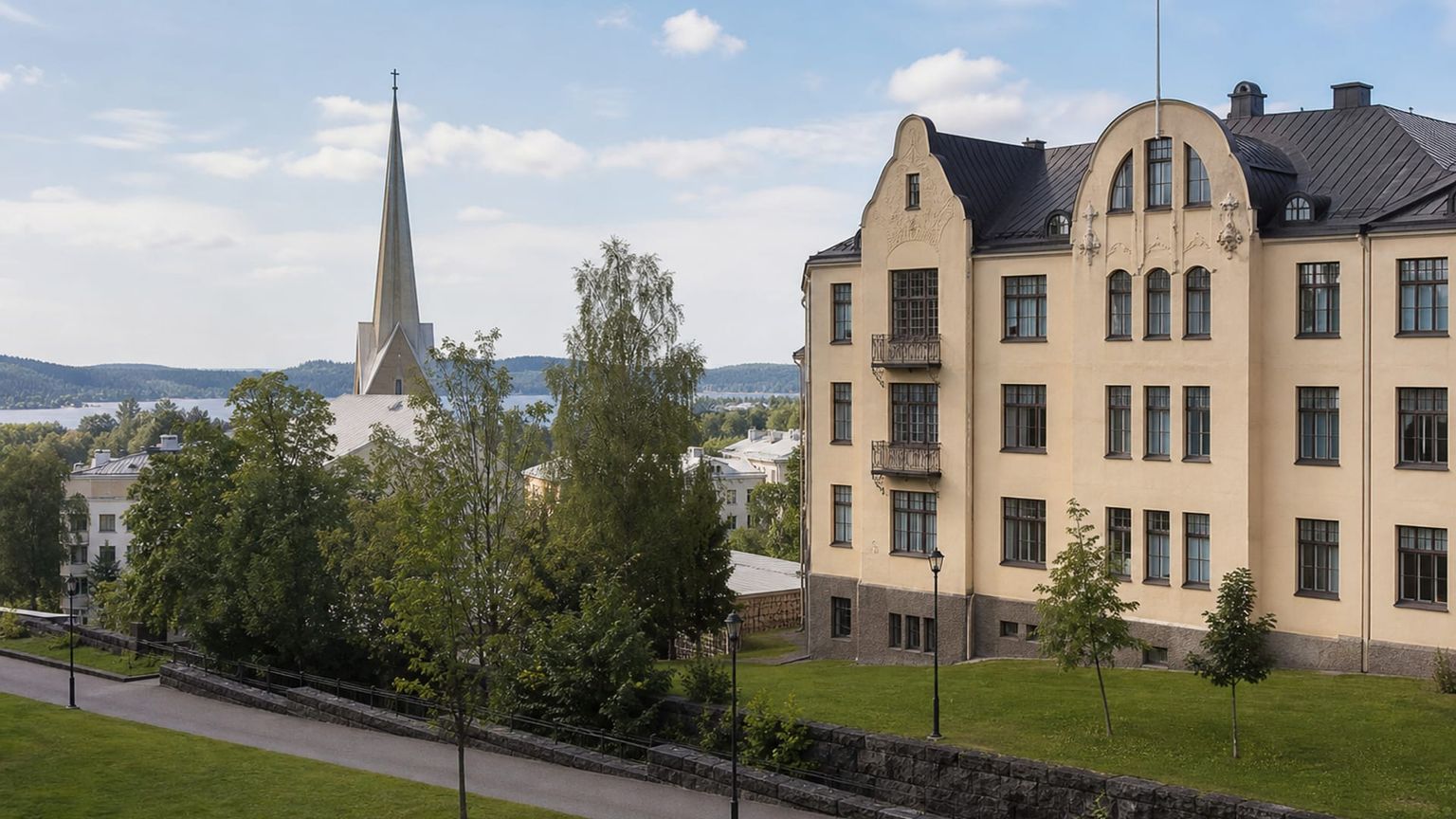
Start with the Alvar Aalto Museum in the morning, then walk about 10 minutes along the lakefront to the Museum of Central Finland for a second stop that stays close to the water. After lunch, continue on foot for roughly 15 minutes into Jyväskylä city center, then finish at Toivola Old Courtyard, which sits close enough to fit into the same afternoon without rushing. Set aside about 1.5 to 2 hours for each museum and about 1 hour for Toivola, then return to the center for dinner near the market square.
Begin on the Harju ridge nature trail, where a 1 to 2 hour loop gives you wooded paths, lookouts, and lake views within easy reach of town. From there, walk downhill into Harju and on toward Jyväskylä city center, about 10 to 15 minutes on foot, for coffee or an early lunch before heading back out in the afternoon. If you want a fuller day, add a late visit to the Alvar Aalto Museum, which is about 15 minutes on foot from Harju and fits neatly after the ridge walk.
Drive or join a tour east of the city for Oravivuori Triangulation Tower, about 45 minutes to 1 hour from central Jyväskylä by car, with a final hill walk that usually takes 20 to 30 minutes each way. The site itself needs about 1 to 2 hours, including time for the wooded approach and the open viewpoint, so bring firm shoes and allow a little extra if the trail is damp. Back in town, finish with an unhurried dinner in Jyväskylä city center, where the evening choice is widest.
For a quieter last day, pair one final museum stop with low-key shopping and coffee close to the center. Return to Toivola Old Courtyard if you want one more look at the wooden houses, then browse the shops along Kauppakatu in Jyväskylä city center before settling into a café in Harju for an early lunch or a final pastry. If you have time before heading to Jyväskylä (JYV), a short walk on the ridge or along the lakefront gives you one last view without stretching the day.
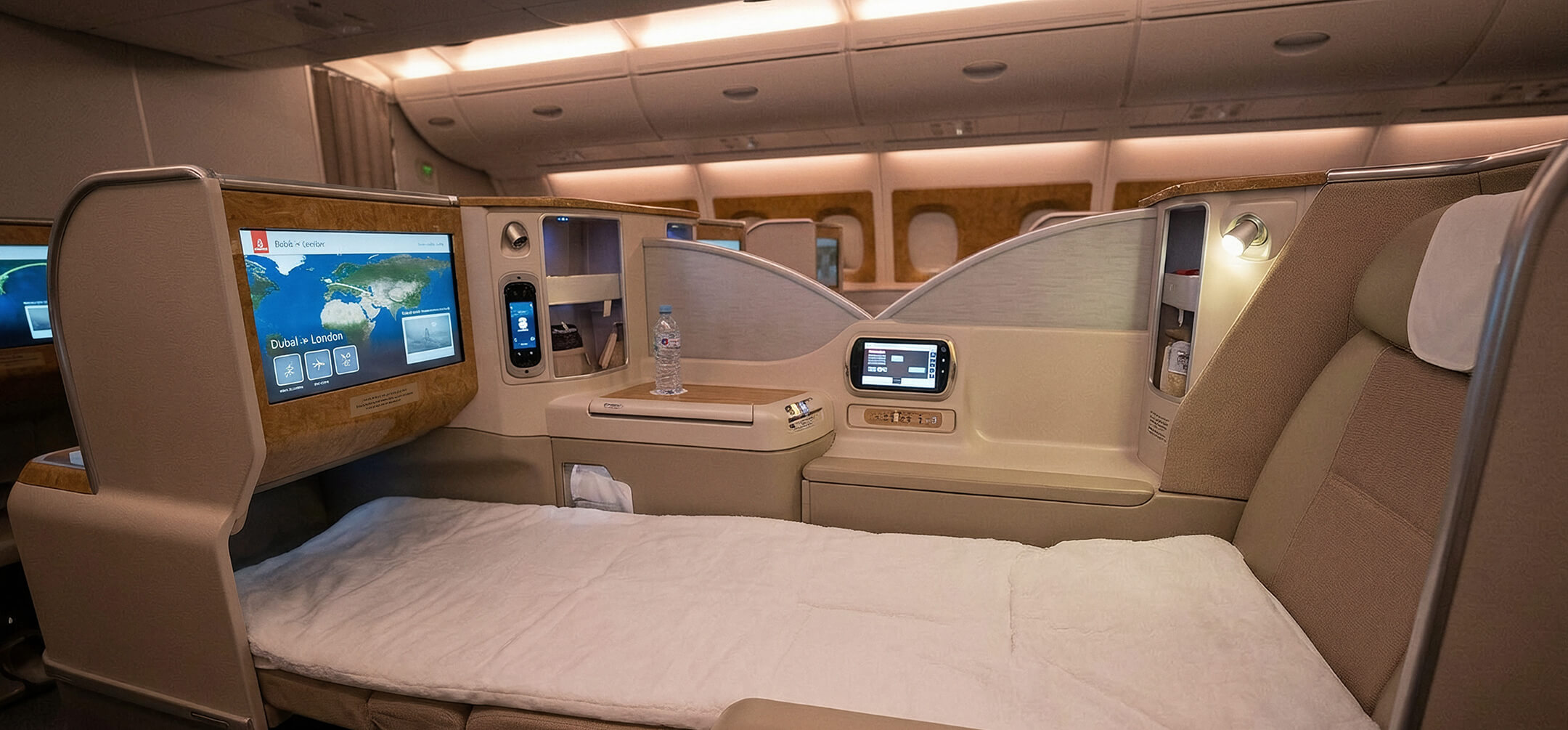
Business-class flights from the US to Jyväskylä
Flights into Jyväskylä usually connect through major European hubs, so the useful comparison is often timing and one-stop duration rather than nonstop convenience. From New York or Los Angeles, the trip works best when you choose a schedule that keeps the transfer in one of the usual hub airports.
Finnair, Lufthansa, Air France, KLM, and Turkish Airlines all show up on itineraries from New York (JFK) to Jyväskylä, with total travel time often stretching to about 11 to 16 hours. Common layovers run through HEL, FRA, AMS, CDG, or IST, and round-trip fares often start near $3,200, with higher dates climbing to about $6,500.
From Los Angeles (LAX), the main carriers are Finnair, Lufthansa, Air France, KLM, and Turkish Airlines, and the trip typically takes about 14 to 19 hours. HEL, FRA, AMS, CDG, and IST are the usual connection points, while round-trip fares in this cabin often land between about $3,600 and $7,200, depending on season and connection timing.
Jyväskylä feels different when you slow down
A well-paced Jyväskylä trip links Kauppakatu, the lakefront museums, and Harju without forcing long cross-town jumps. Add one day for Oravivuori, then keep the last morning near Toivola Old Courtyard or a café on the ridge before your airport transfer. If you want to shape that plan around your dates, the AranGrant experts can help you line up the right neighborhood, route, and season